
San Francisco 49ers: Analyzing the Role and Expectations of the 2011 Draft Class
Each draft is a statement and the San Francisco 49ers said 44 isn’t enough. That’s the number of tackles made by outside linebacker Manny Lawson, who started all 16 games in 2010.
That figure ranked sixth on the team, with defensive backs Dashon Goldson and Nate Clements ranking above the four-year veteran.
Such facts may not suggest much, but when a player is expected to operate in space, fly to the ball and generally disrupt the offense, the consequence becomes clear on draft day.
The fact that general manager Trent Baalke made 21-year-old Aldon Smith the seventh player taken in the 2011 NFL Draft confirms the inferences from the statistics.
The Niners need pressure on the pocket, otherwise the likes of Aaron Rodgers of the Packers, Matt Ryan of the Falcons and Sam Bradford of the Rams will continue their success passing against San Francisco.
The goal isn’t to make the playoffs, but to be competitive among the best, and Baalke felt that rushing the passer was the way to go.
In that line, we’ll run down what will be expected of all the Niners draft selections should they be on the roster come Week 1 of the 2011 season.
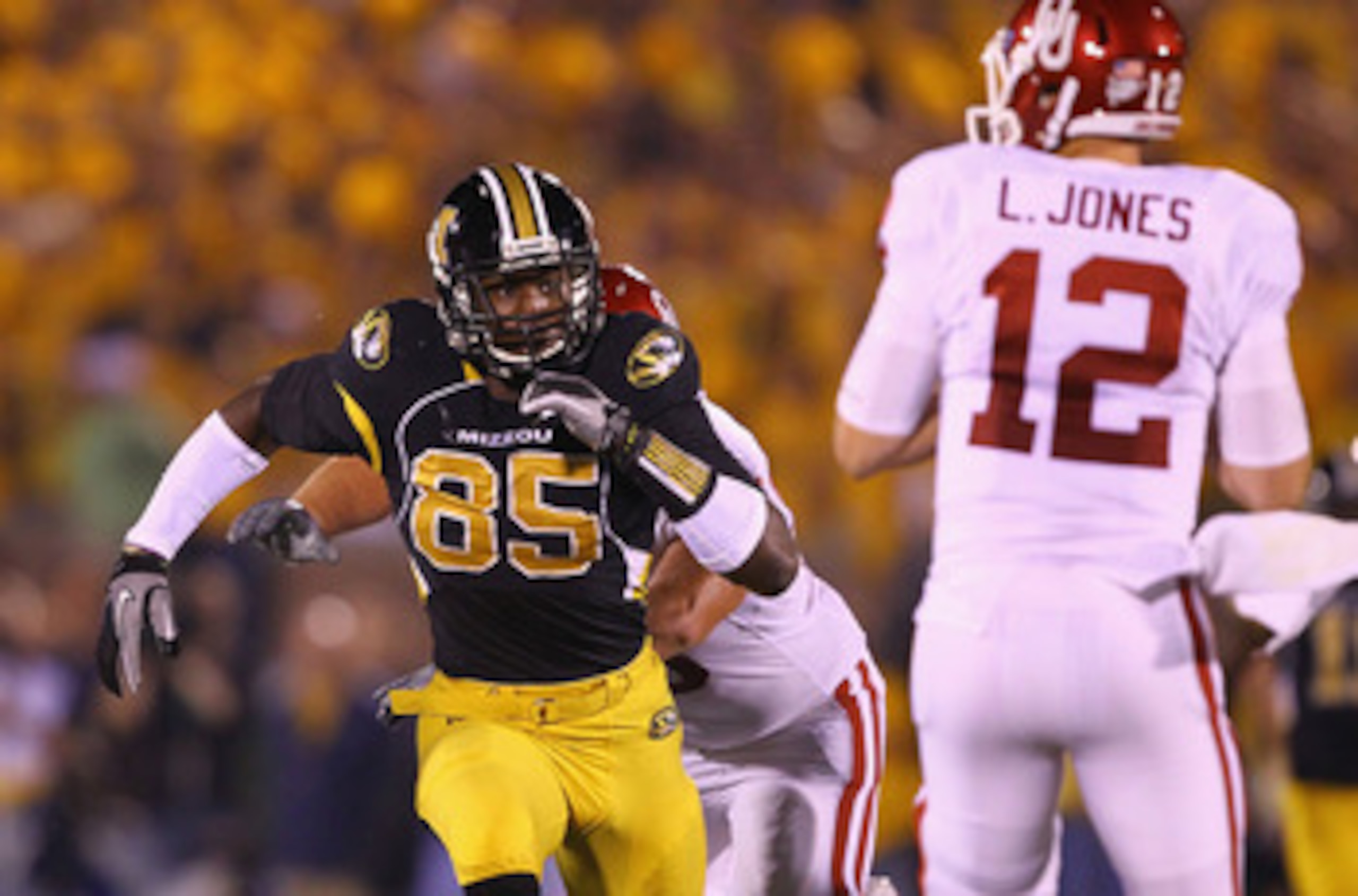
First Round: Aldon Smith, Missouri
1 of 8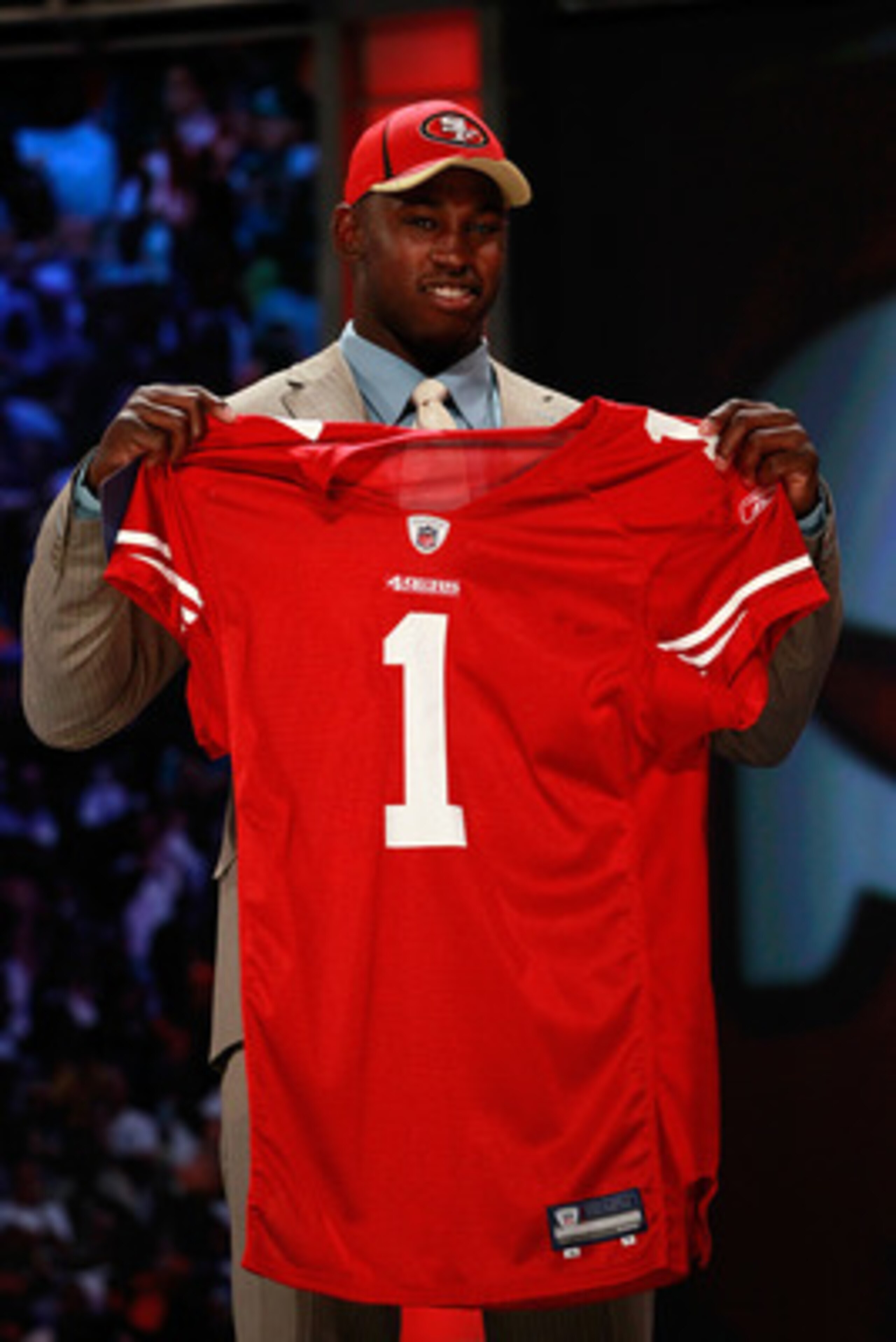
Expectation: Rush, rush, rush. Havoc. Mayhem, threat from the outside.
Chances for Success: We’ll know if Smith meets expectations when opposing quarterbacks, as they bring the team to the line of scrimmage, search for Smith and point him out. The only question is, will it happen this year?
But: Smith is just under 6’ 5”, but he’s also young. He’s also coming off a broken bone in his leg, which limited his time last season at Missouri.
But Baalke had him rated the second-best outside-rush prospect in the draft behind Von Miller, who went second overall. What many suspect is that Smith isn’t done developing in terms of growth, and that makes for a huge upside.
Not that it means much now, but NFLDraftscout.com had Smith rated as the 19th player in the draft. The Niners selected him over such other candidates as Da’Quan Bowers of Clemson, who dropped down deep in the draft.
The 49ers staff obviously saw something they liked in Smith, such as the possibility of him developing into the outside speed rusher that turned former 49er Charles Haley into such a constant threat.
Second Round: Colin Kaepernick, Nevada
2 of 8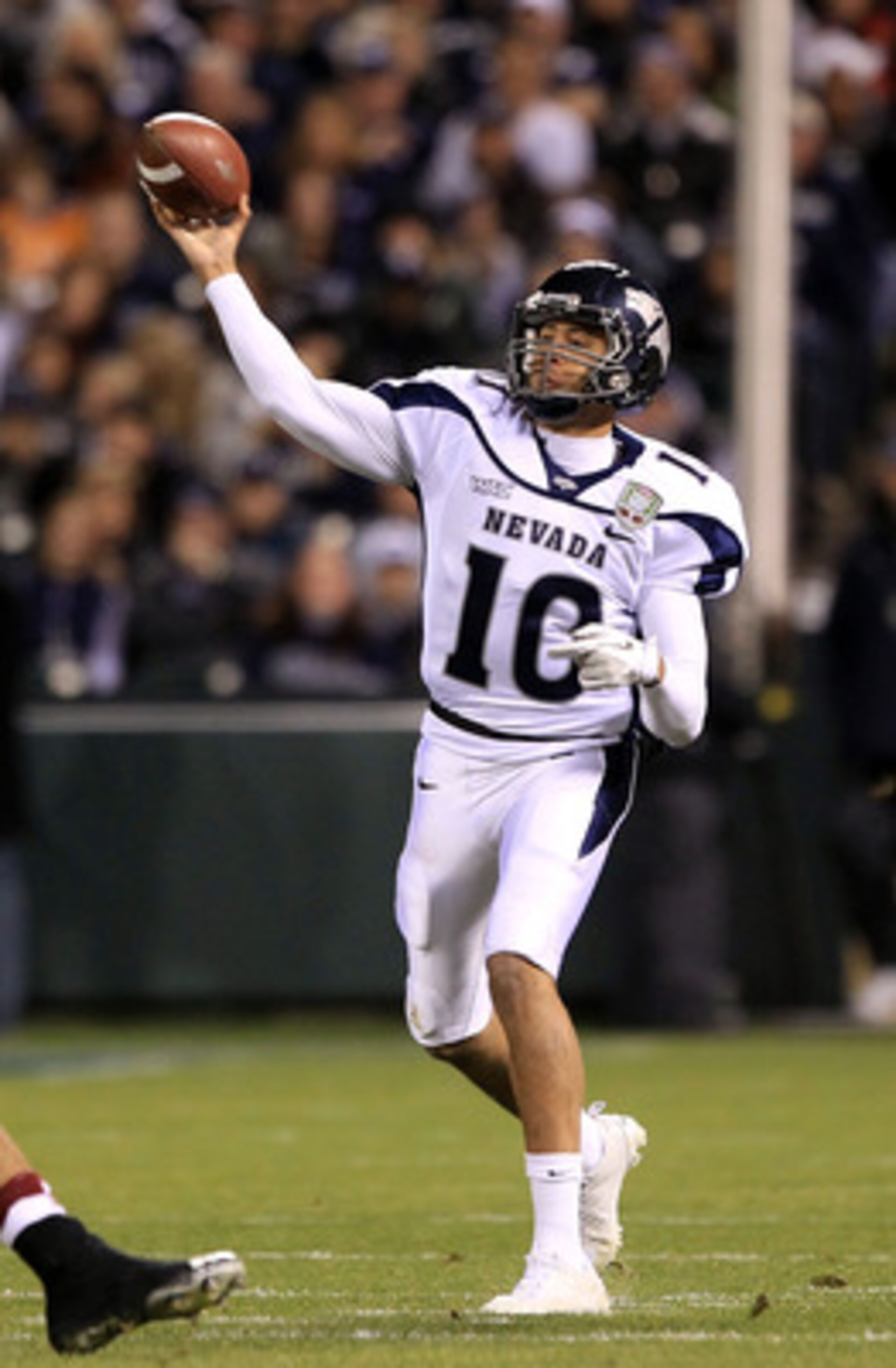
Expectations: Develop into the team leader by 2012.
Chances for Success: More so than not. Of all the quarterbacks in this year’s draft, Kaepernick, out of Nevada, had the most physical tools.
It starts with the fact that he’s 6’ 5” and 233 lbs. Let’s add that he’s remarkably fast and agile. He’s also a natural athlete, excelling in baseball and basketball in high school.
But: He made the Wolf Pack’s “Pistol” offense go, but there’s nothing like it in the NFL. What he has going for him is a strong arm, height and maneuverability.
What he doesn’t have in terms of experience is the NFL’s need for three and five-step drops from under center, throwing the ball accurately and quickly (like under 2.2 seconds) against the best athletes in the NFL.
Kaepernick becomes coach Jim Harbaugh’s project. There’s potential for him to develop into a very special player, but one who must adapt quickly to the different needs of the position in the NFL.
Third Round: Chris Culliver, South Carolina
3 of 8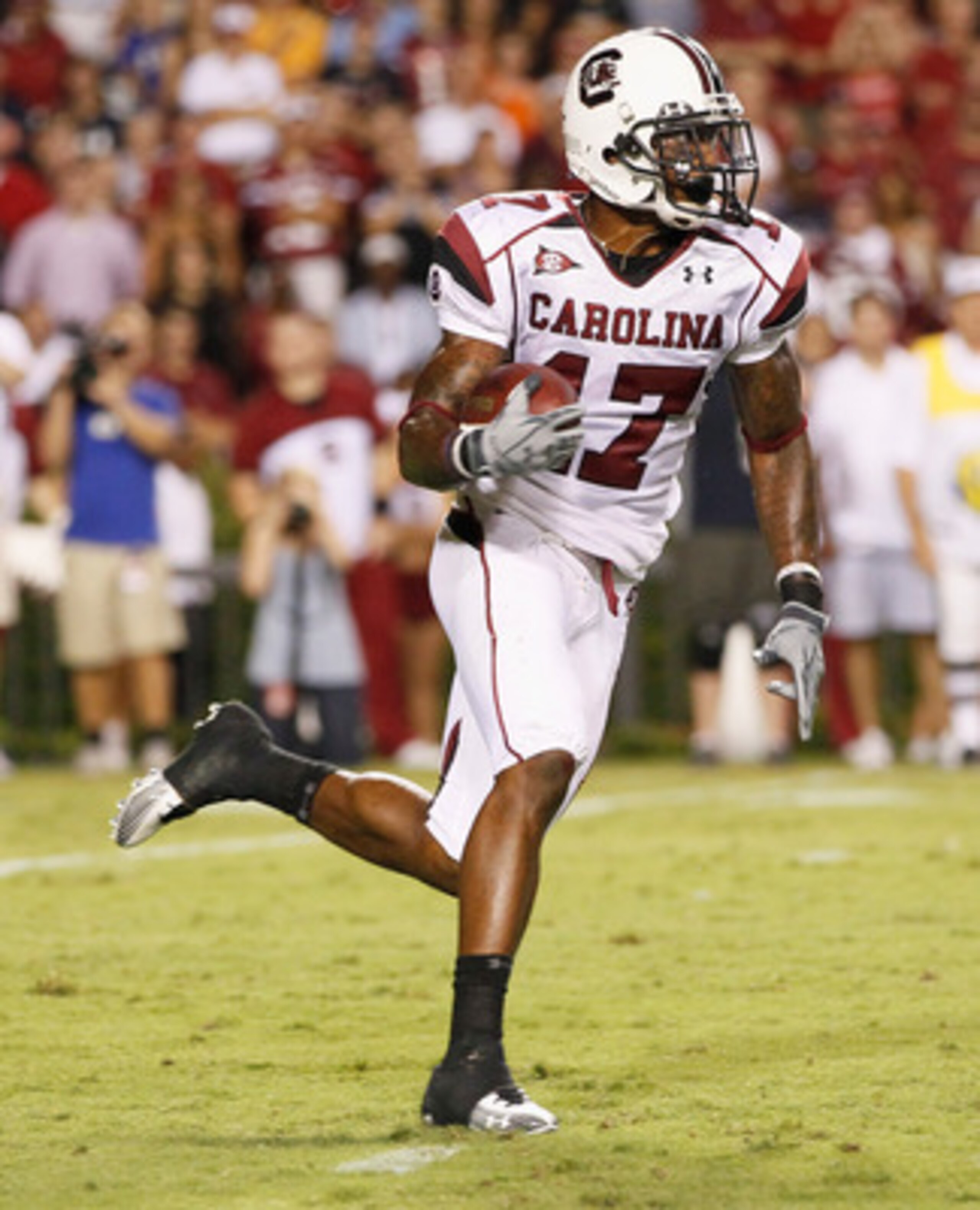
Expectation: Add to secondary depth, particularly as a cover corner. Develop into a starter by mid-to-late season.
Chances for Success: He’s another great athlete. He actually started at wide receiver two years ago against Tennessee, then switched to free safety and then cornerback.
He again follows along with the observation made by Harbaugh about the current college-game coaches that are putting their best athletes on defense.
But: At 201 lbs, Culliver has the size to handle receivers. According to NFLDraftscout.com, his bump coverage isn’t his strong suit, and he can lose a step when he turns and runs into coverage.
All in all, Culliver provides depth in the secondary, but also comes in as a potential punt and kick returner. He finished as South Carolina’s all-time leader in kickoff returns.

Fourth Round: Kendall Hunter, Oklahoma State
4 of 8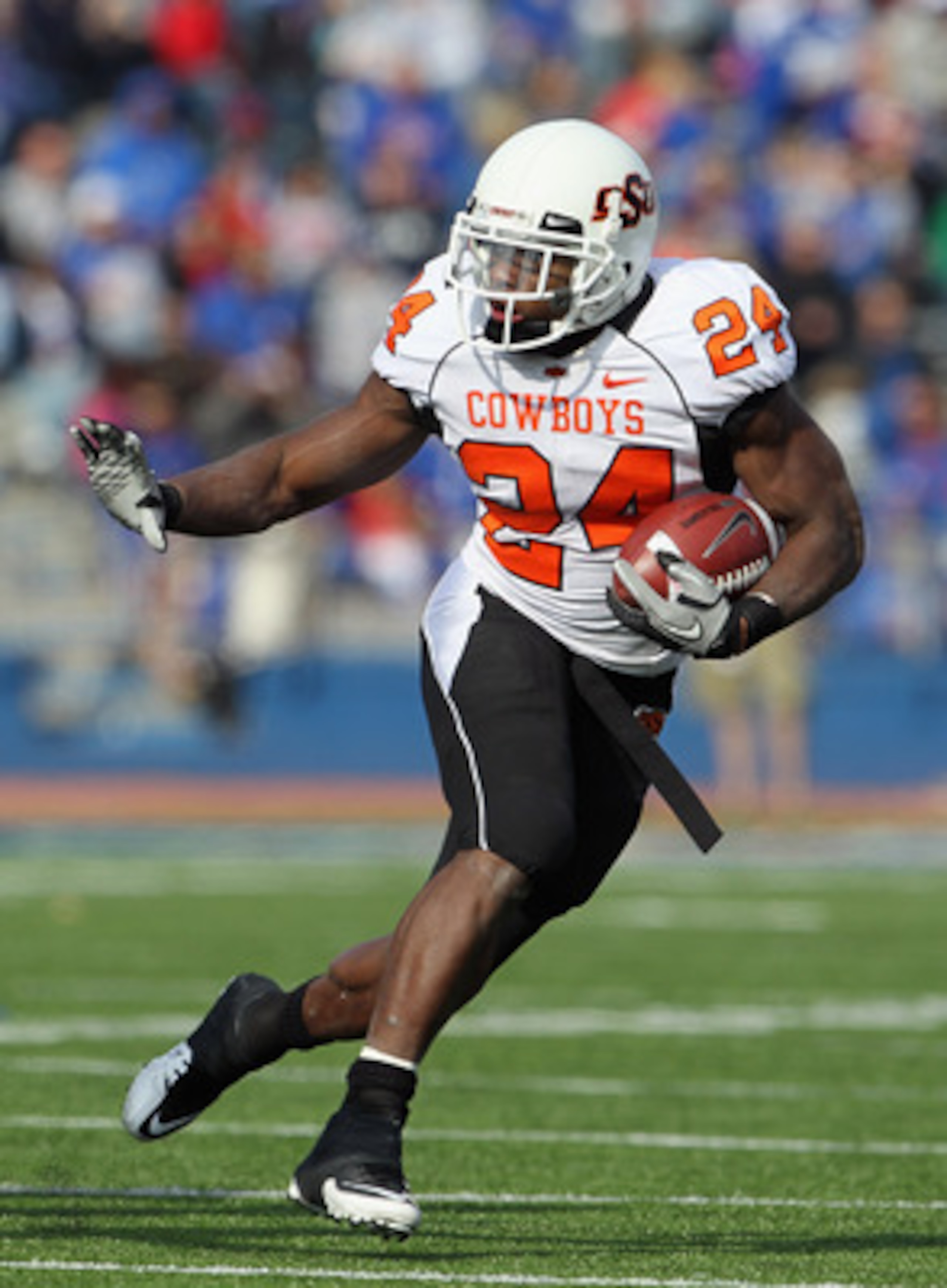
Expectation: Compared to Frank Gore and Anthony Dixon, Hunter is a change-of-pace back. He’s 5’7” and weighs 200 lbs, but has amazing shiftiness, making him dangerous in the open field.
It’s why he, for one, was a two-time consensus All-American and a finalist for the 2010 Doak Walker Award given to America's top running back. Two, he was the runner-up to teammate Justin Blackmon as the 2010 Big 12 Offensive Player of the Year. And, three, he is compared to Darren Sproles of the Chargers.
Chances for Success: Good, if only because he is a younger version of Brian Westbrook, and he’ll also be cheaper.
But: Hunter has deep experience in a high-powered program at Oklahoma State in a high-powered Big 12 Conference. The question is blocking, but he seems capable.
Picking up blitzes tends to be the most difficult element for running backs coming into the NFL. Also, can he catch the swing pass and make the first man miss?
Fifth Round: Daniel Kilgore, Appalachian State
5 of 8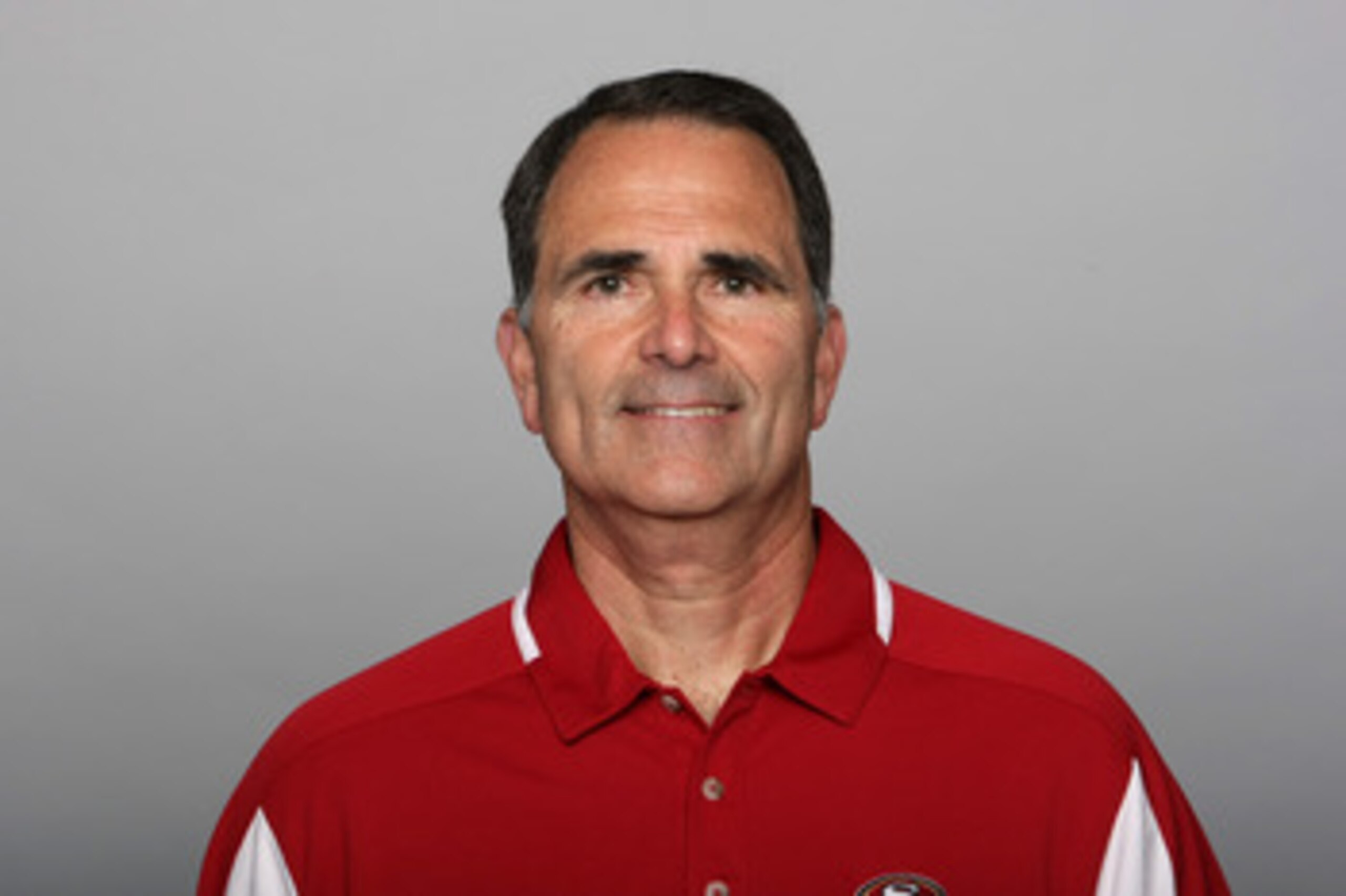
Expectation: Offensive line coach Mike Solari (left) hopes Kilgore provides solid backup at all three positions on the offensive line.
Chances for Success: Size (6’3” and 308 lbs) isn’t the issue. Lateral quickness is, making him a strong candidate for the practice squad.
But: Kilgore is probably going to be another example of the unique qualities needed to succeed as an NFL offensive lineman. It’s a position that few, save for the exceptional athletes, can be expected to step in and play right away. Give him a few years, and he might be great.
Sixth Round: Ronald Johnson Southern California
6 of 8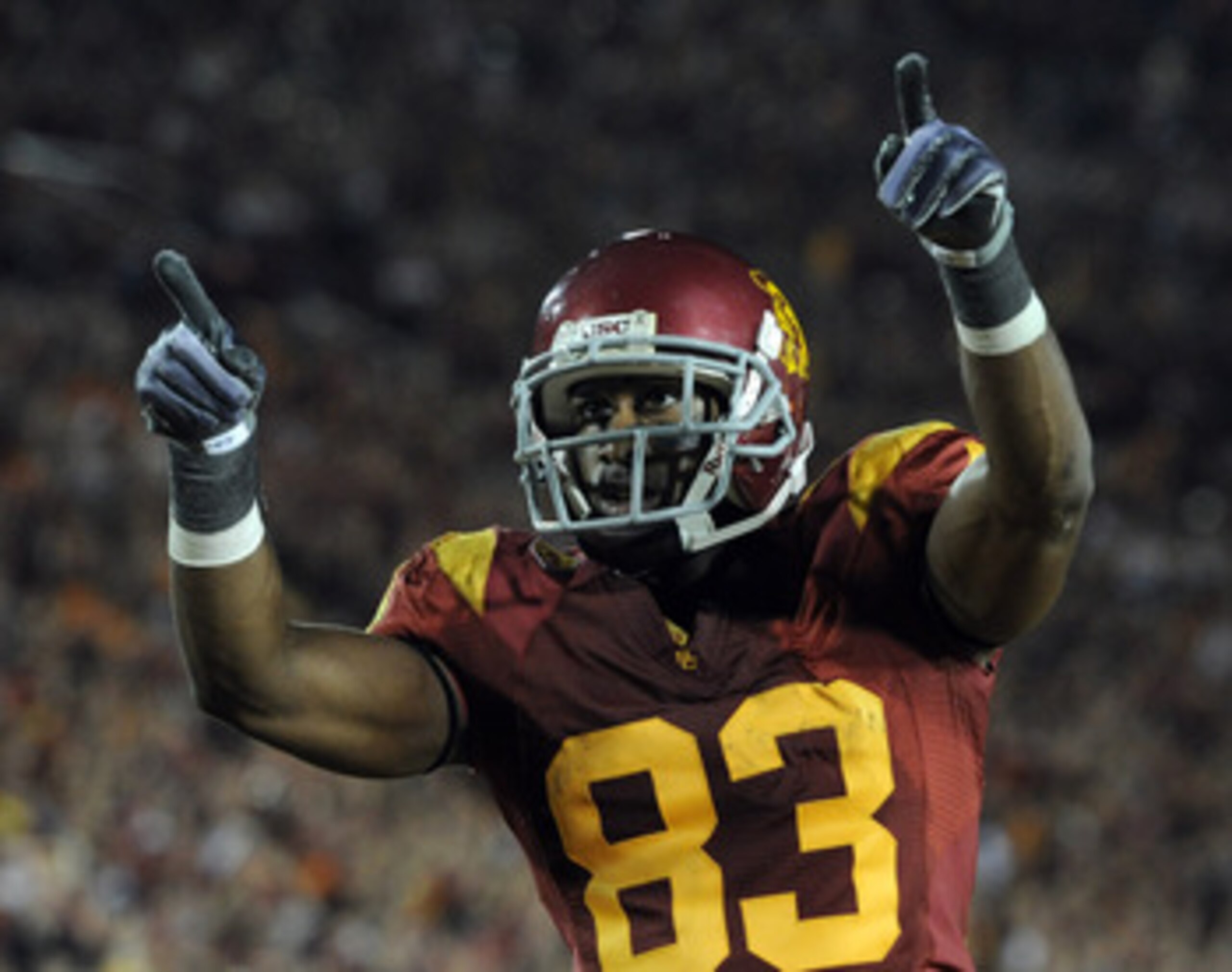
Expectation: More depth at wide receiver. Runs precise routes to get to the right spot at the right time, particularly in four-receiver sets that spread the defense.
Chances for Success: Training camp will be a big indicator, for the question about Johnson isn’t his hands (great) but his speed.
But: Does Johnson have the knack for reading defenses on the fly and adjusting routes accordingly to get open? If so, he’ll stick.
Sixth Round: Colin Jones, TCU
7 of 8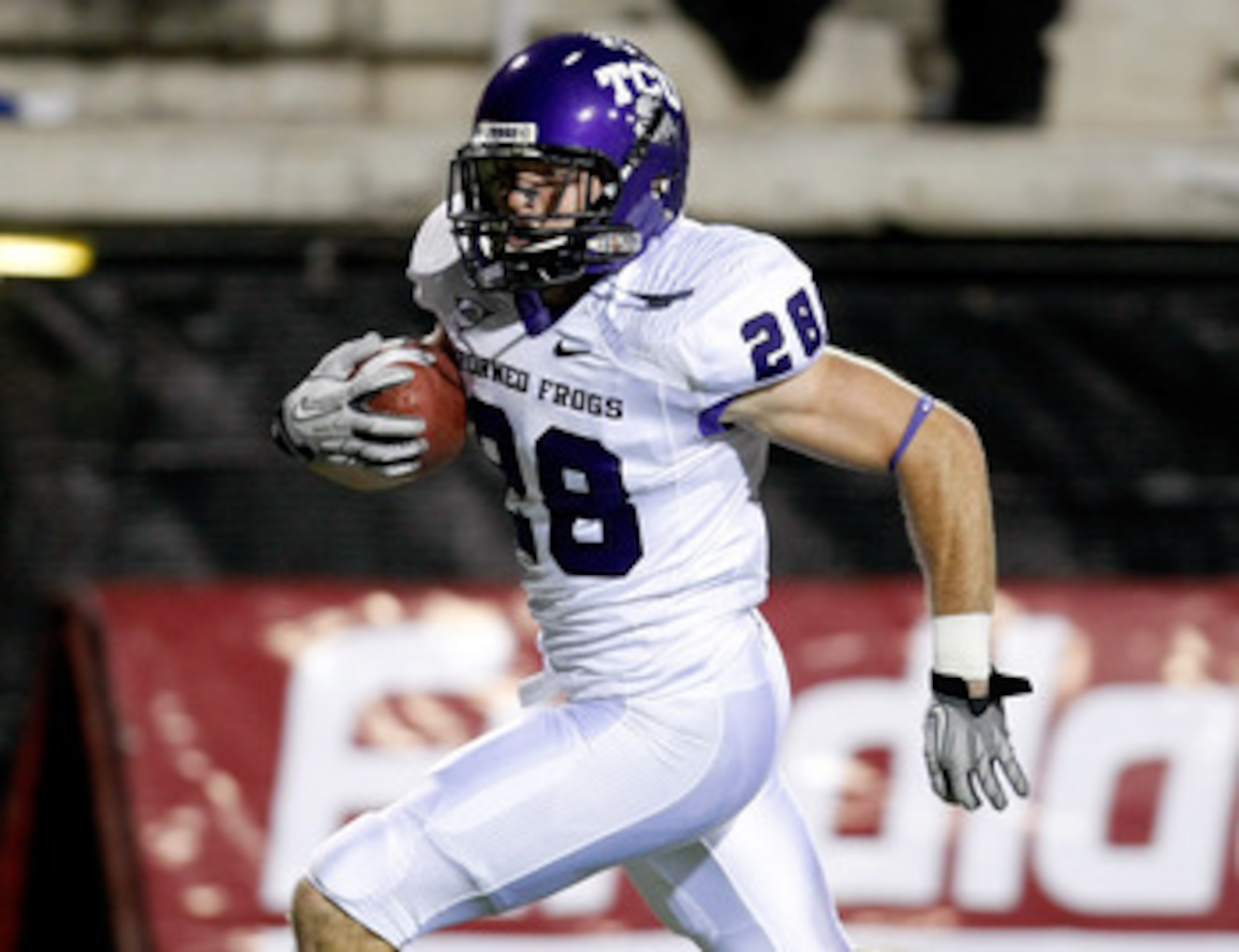
Expectation: Special teams missile. He was a late bloomer, but did run under 4.5 seconds on his pro-day showing. He’s got the weight and he likes to hit. Former Dallas Cowboy scout Gil Brandt compared Jones to Cliff Harris, a Cowboy standout from the 1970s.
Chances for Success: A team always needs special team assassins.
But: Long-term success means being able to hold off NFL tight ends, who can dwarf the 6’0” Jones. That said, he’s not afraid to hit.
Seventh Round
8 of 8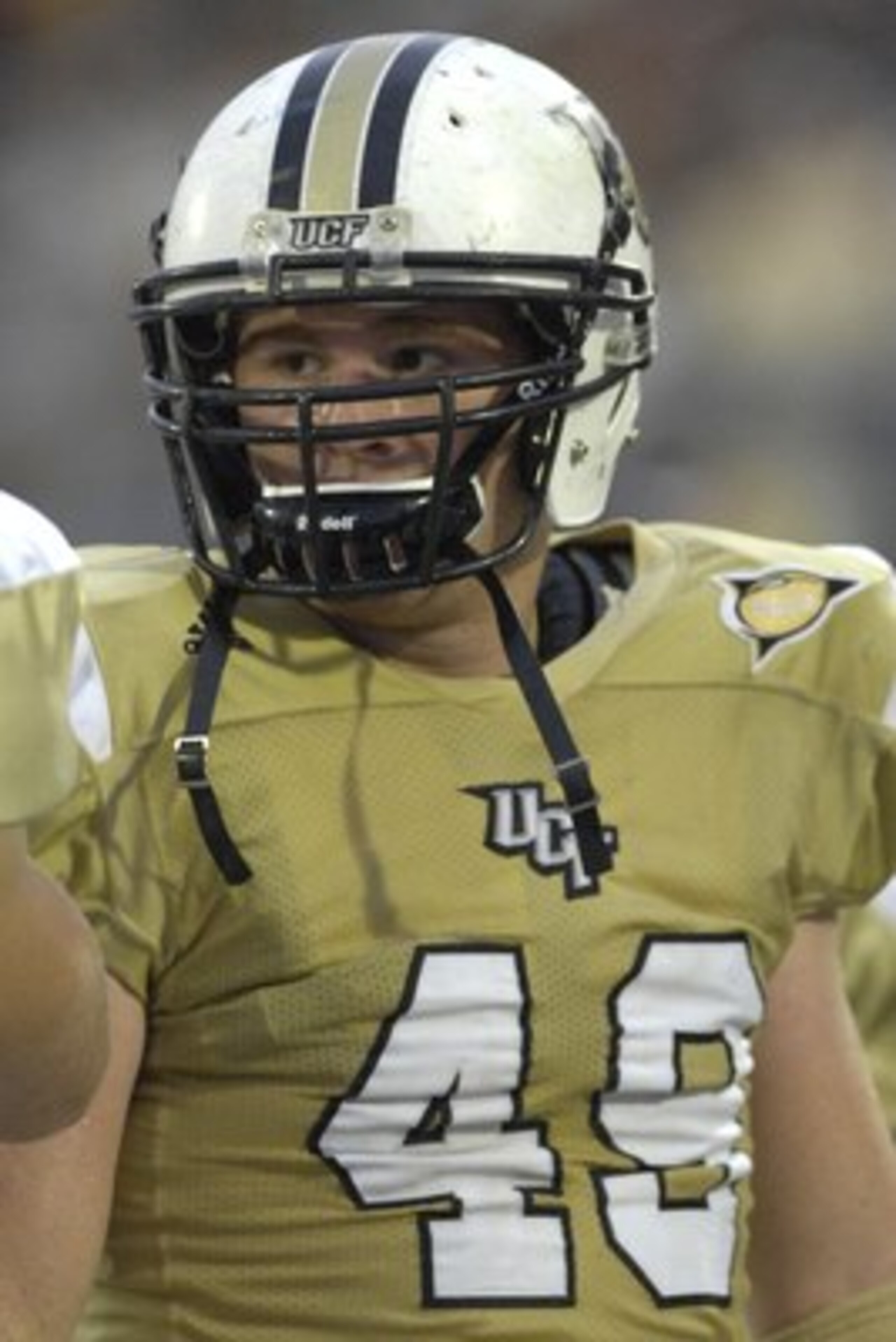
Bruce Miller Central Florida
Expectation: Develop into an H-back prototype, or just a road-grading fullback.
Chances for success: Primarily a defensive player at UCF, but scouts see big-body potential in him.
But: He’s a what-if pick. Baalke and Harbaugh are trying to expand their options, and Miller gives them a chance to see if he can fit in on offense, defense or special teams. No harm done if he’s unable to stick.
Michael Person Montana State
Expectation: Develop into a quality NFL lineman.
Chances for Success: Practice squad time and weight room, and then we’ll see.
But: He was a tackle at Montana, but should see more play on the inside. Another example of you cannot have too many offensive linemen.
Curtis Holcomb Florida A&M
Expectation: Nickel coverman on defense.
Chances for Success: Has to be able to stay with NFL receivers and make plays when he’s not coming up.
But: A little small (5’10”), the question is not guts or skills but strength. NFL receivers are big men these days.

.jpg?w=2560 "LA Premiere of \"Chad Powers\"")