
2011 NFL Draft Results: 1 Veteran from Each Team Who Lost His Job This Weekend
With the 2011 NFL draft finalized, teams will pin their hopes for the future on their new crops of prospects. But for every rookie who bursts onto the scene with a starting job, a veteran will be pushed aside.
Which current players will lose out after this weekend’s additions?
Read on for a look at one player on each roster who won’t be returning to his old job in 2011.
Buffalo Bills: DL Spencer Johnson
1 of 32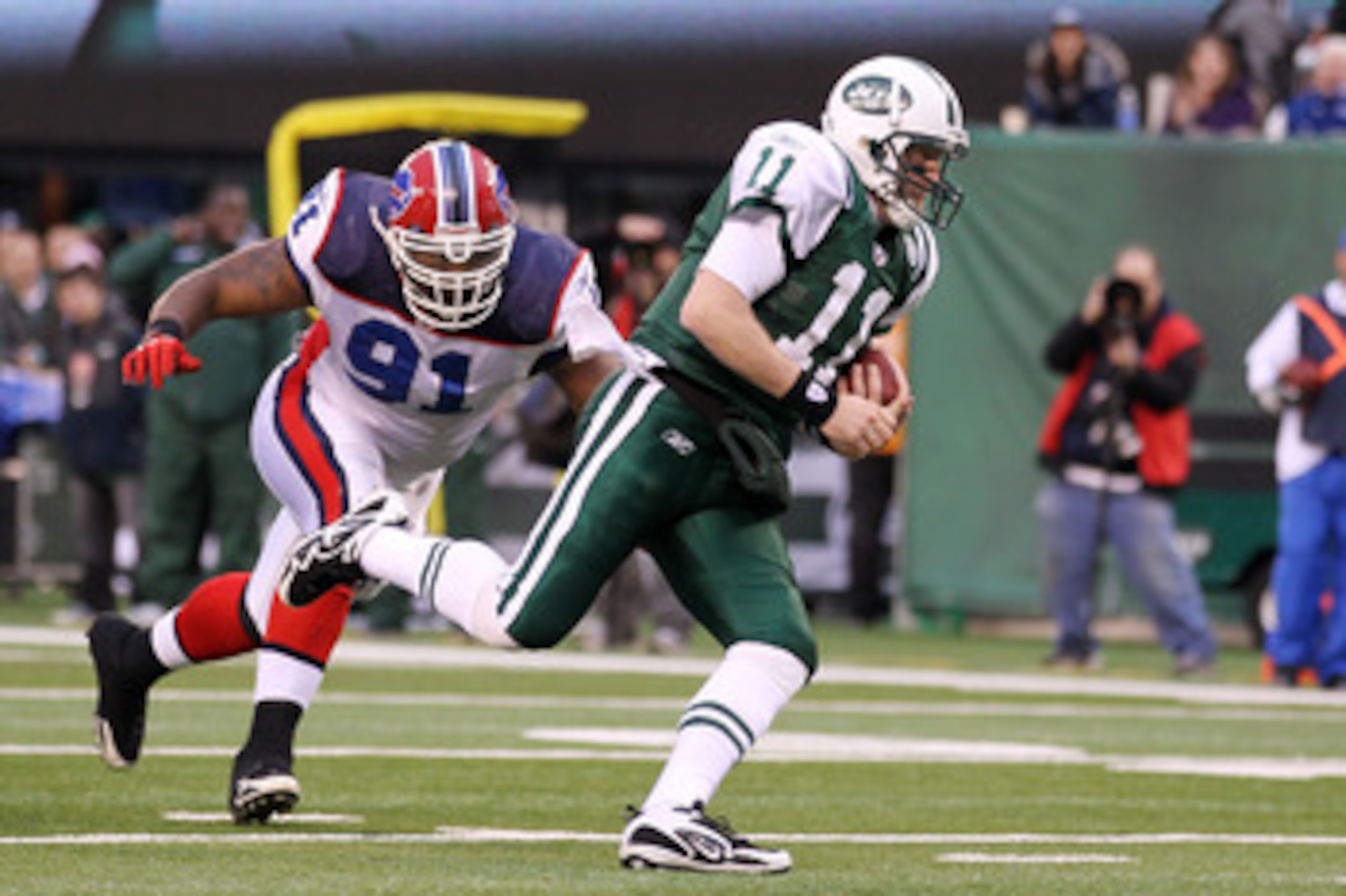
After a dismal season in which they finished 24th in the league in yards allowed, the Bills defense is likely to see more than a few jobs change hands next year. The most obvious candidate for the chopping block is DT Spencer Johnson, who can’t match the 5.5 sacks of linemate Kyle Williams.
With Alabama star Marcell Dareus arriving by way of the draft, Johnson will be the odd man out up front. Regardless of whether the Bills lean toward a 3-4 or 4-3 front in 2011, Dareus will be making plays, and Johnson likely won’t be playing at all.
Miami Dolphins: C Joe Berger
2 of 32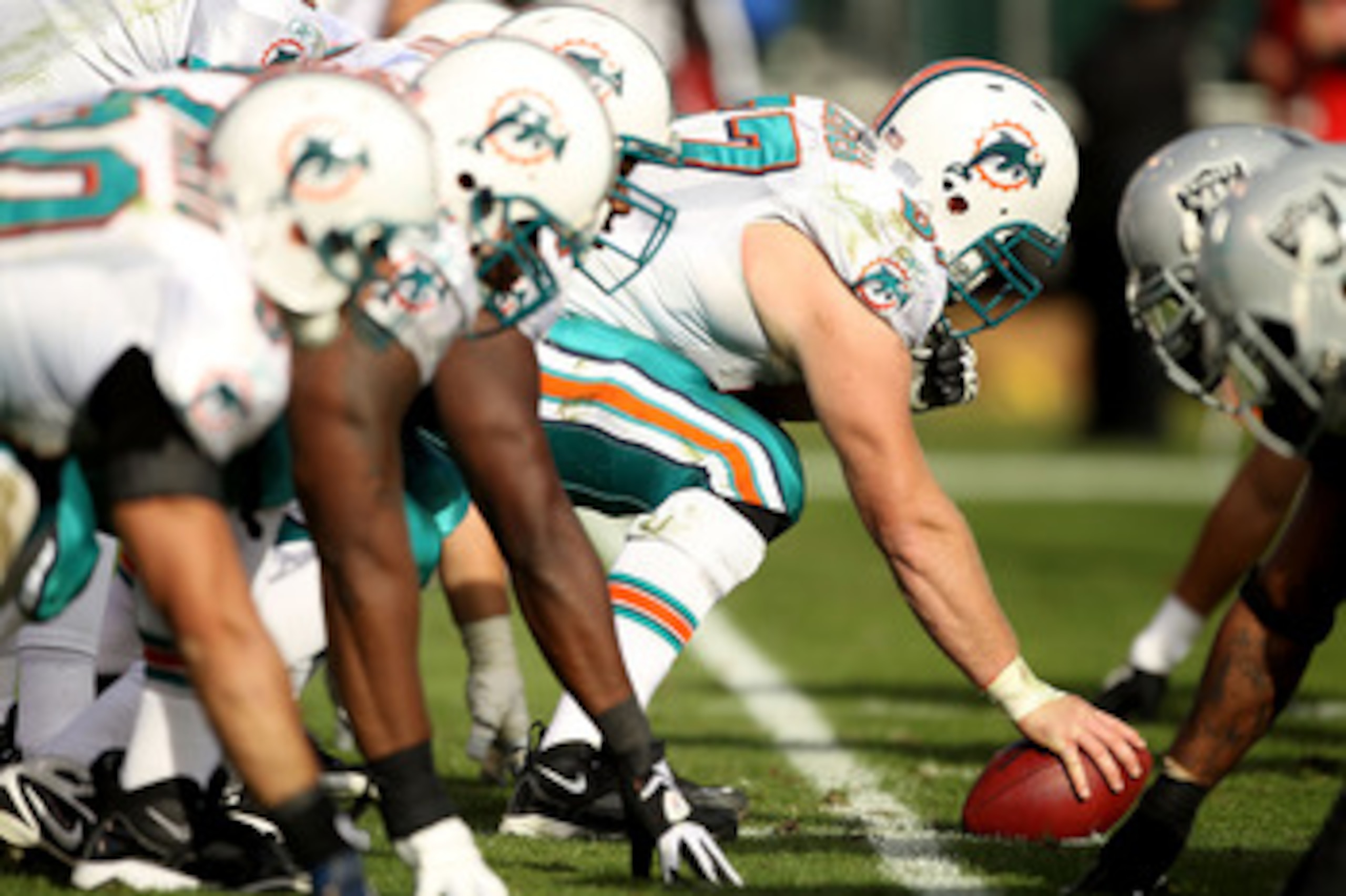
The Dolphins have their share of question marks on the offensive line, especially with Richie Incognito up for free agency. Center, however, is no longer one of them.
Veteran Joe Berger held down the job competently enough last season, but with top draft pick Mike Pouncey arriving from Florida, Berger won’t be holding it down for long.
Pouncey brings an athleticism that should help out a faltering Dolphins ground game, and his pass-protection skills will give Chad Henne a better chance to succeed at QB.
New England Patriots: CB Darius Butler
3 of 32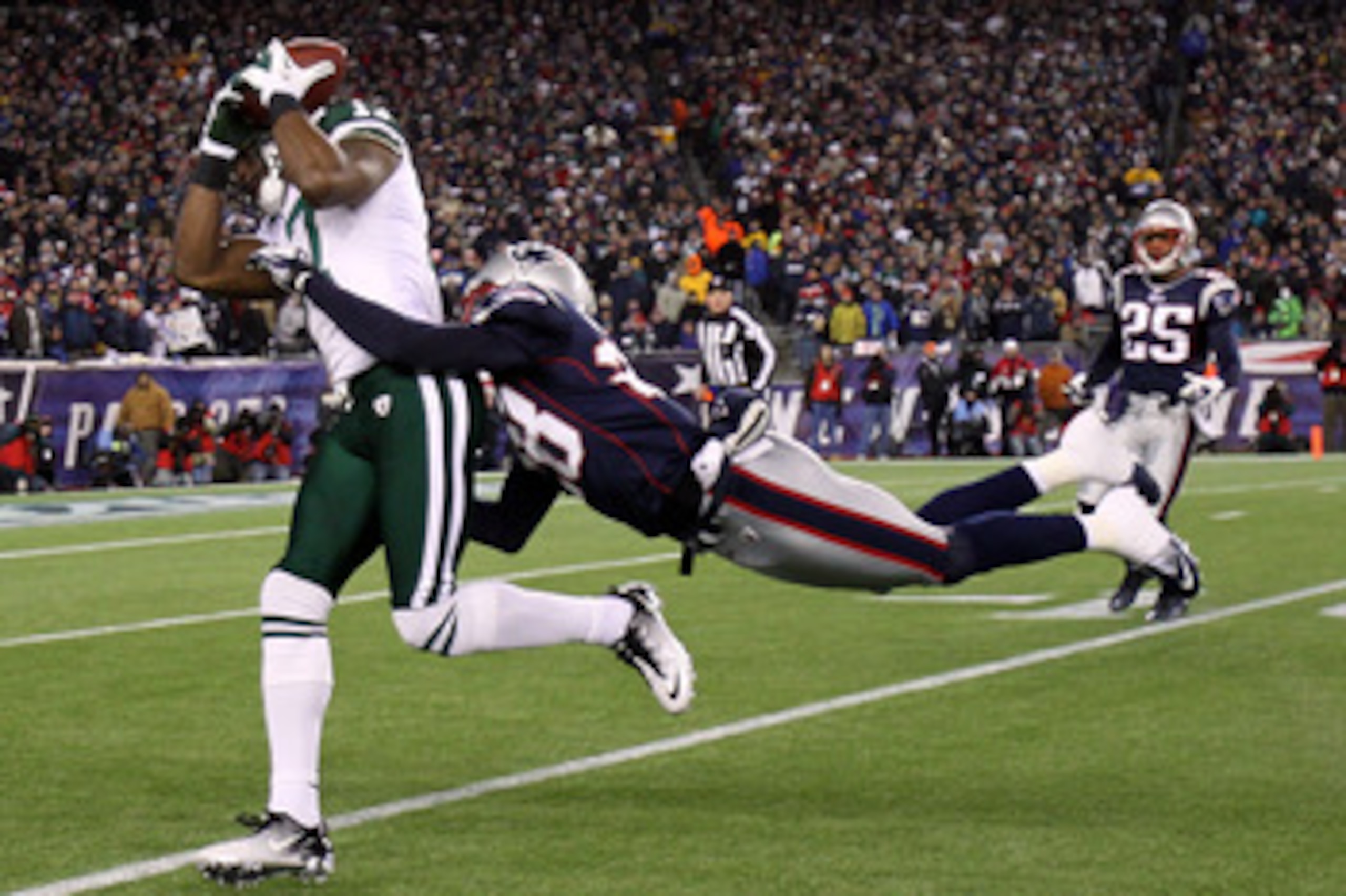
Some changes would appear to be in order in the Pats secondary after the team finished 30th in the NFL in pass defense. Young corners Kyle Arrington and Devin McCourty have a lot of potential, but nickelback Darius Butler is vulnerable behind them.
Second-round pick Ras-I Dowling has potential to burn but dropped in the draft because of a string of injuries that ate up much of his senior season. If he’s healthy for 2011, he could be at least the equal of New England’s starting corners.
Even if Dowling doesn’t start from day one, he’ll likely take over in multi-DB packages, with Butler losing out in the bargain.
.jpg?w=2560 "Seahawks Chiefs Football")

New York Jets: DE Mike DeVito
4 of 32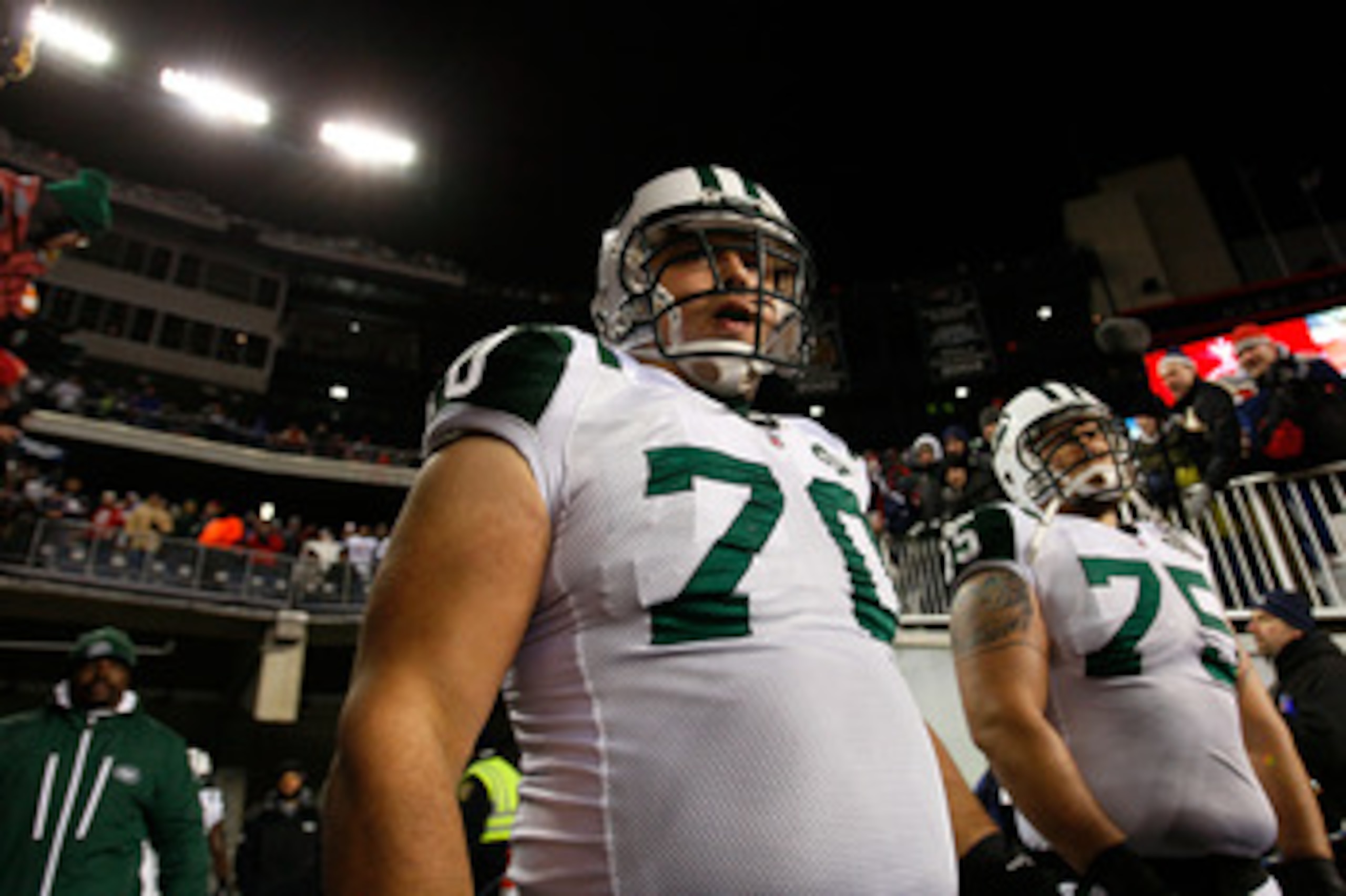
Mike DeVito is the kind of player who endears himself to Jets fans thanks to his unceasing effort, but he’s never going to be a DE who piles up stats. With New York’s top two draft picks going to strengthen the defensive line, DeVito looks like the odd man out.
The Jets would love to re-sign the talented Shaun Ellis at one DE spot, but even if he leaves, rookies Muhammad Wilkerson and Kenrick Ellis could easily be paired as starting DEs. Though Ellis is also a candidate for playing time at nose tackle, his skill as a penetrator makes him a good prospect for a DE job, possibly at DeVito’s expense.
Baltimore Ravens: WR Derrick Mason
5 of 32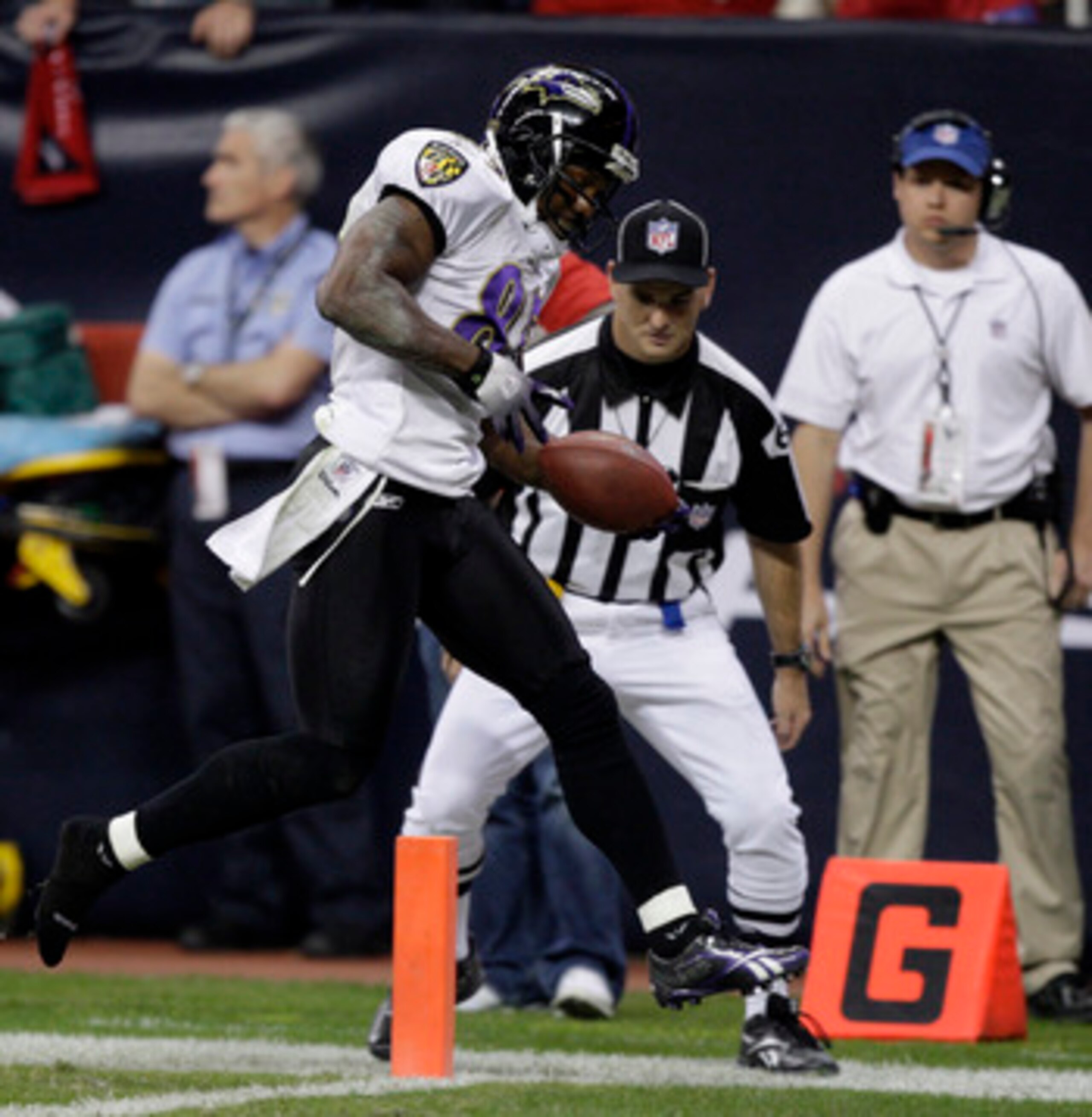
Anquan Boldin isn’t going anywhere, but the Ravens need a deep threat in their starting lineup. Maryland’s Torrey Smith fits the bill, which means longtime starter Derrick Mason will have to step aside.
At age 38, Mason could stand to take a reduced role in the offense anyway, but Smith’s arrival accelerates the process.
Cincinnati Bengals: WR Jerome Simpson
6 of 32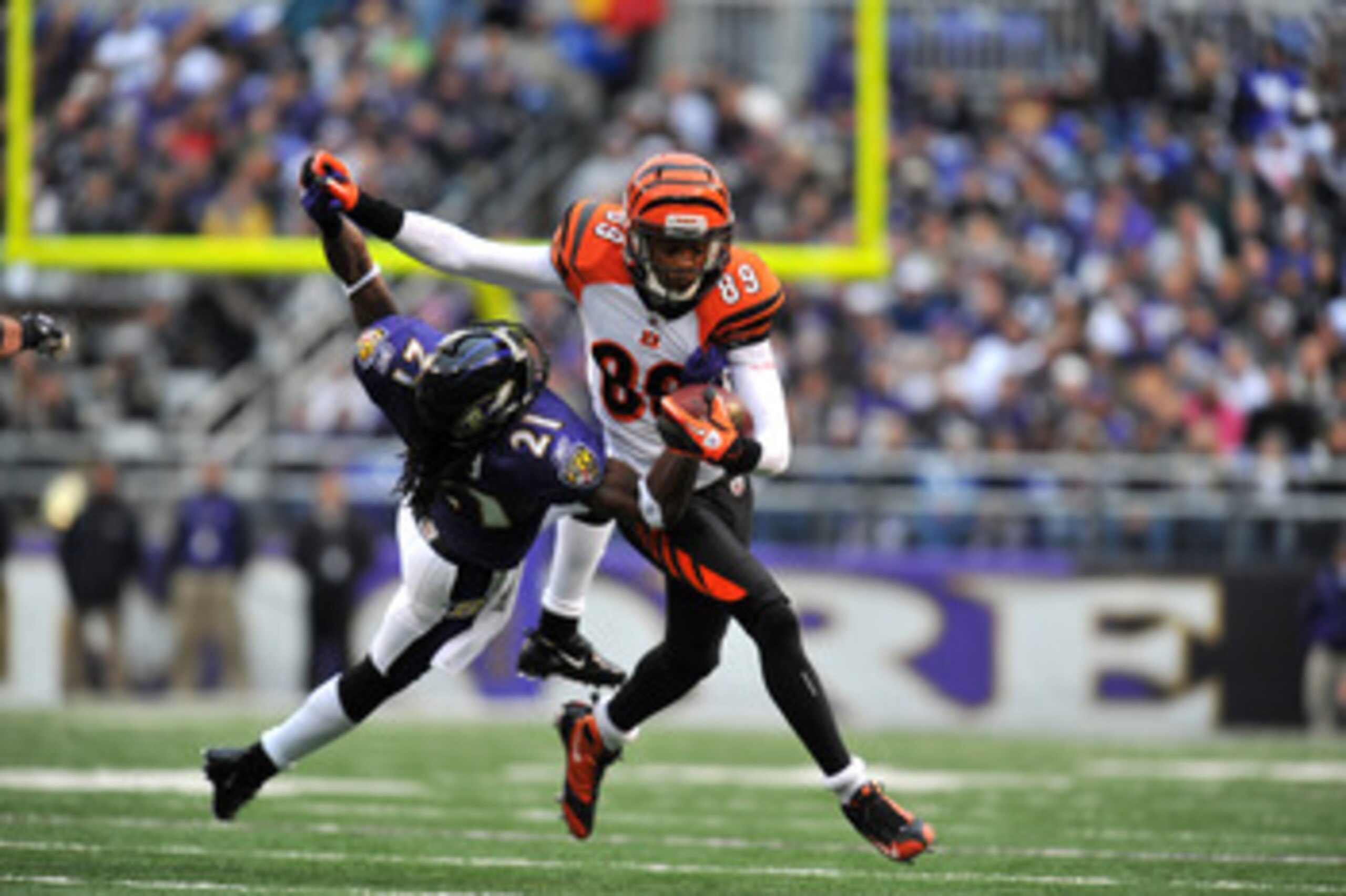
With Chad Ochocinco/Johnson and Terrell Owens likely gone in free agency, the next tier of Cincinnati wideouts could have been poised to step into their starting roles. Jerome Simpson and his cohorts, however, will be taking a back seat thanks to Cincinnati’s success in the draft.
The acquisition of Georgia superstar A.J. Green makes him the instant No. 1 wideout in the Queen City. Simpson may get his share of playing time, but the starting job he might have had has gone up in smoke.
Andre Caldwell could also be the odd man out in this equation, depending on whom the Bengals like better as a complement to Green.
Cleveland Browns: WR Brian Robiskie
7 of 32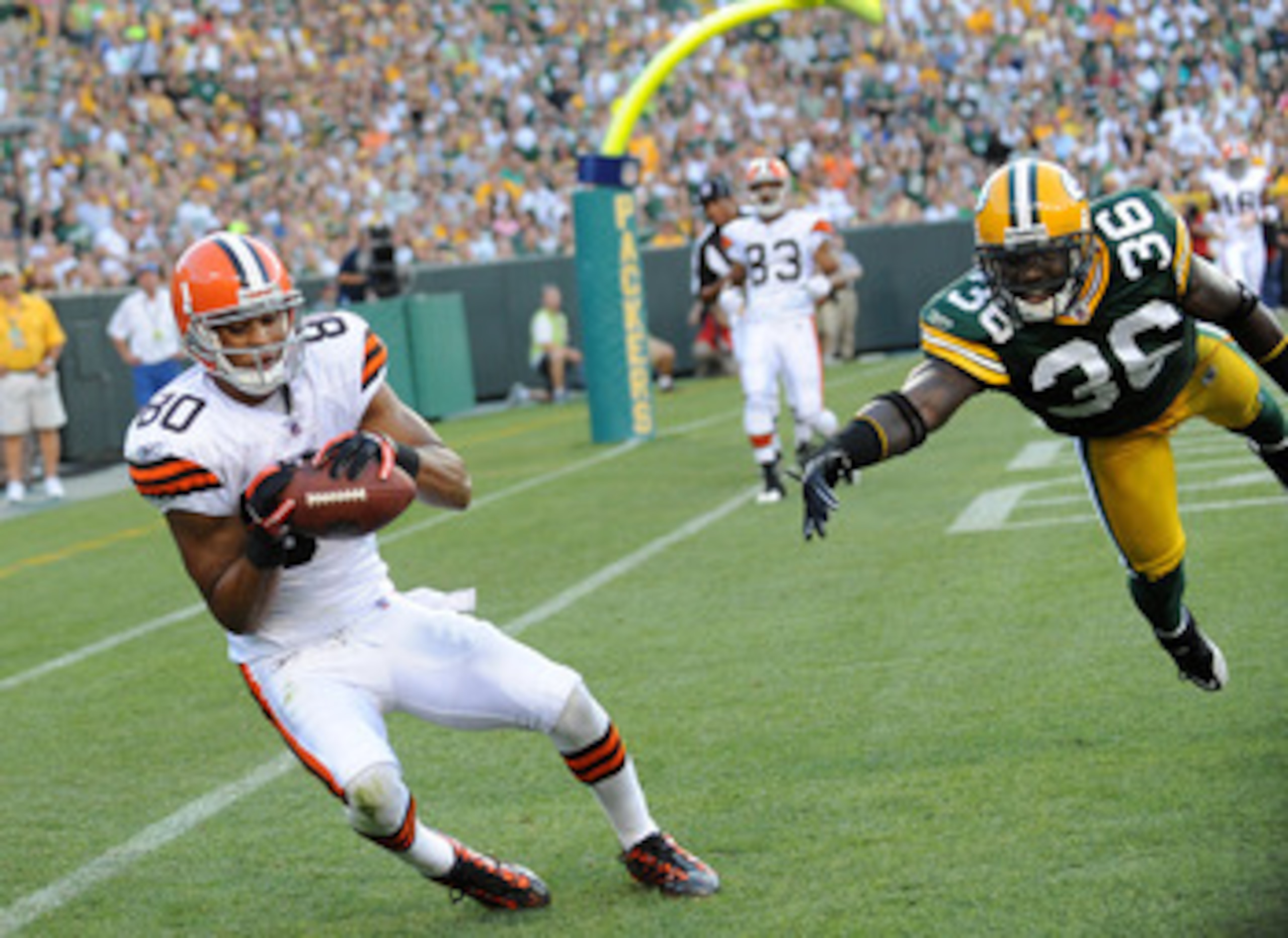
Cleveland’s wide receivers were all but invisible last season, with Mohamed Massaquoi’s 36 catches leading the group. Brian Robiskie shows some potential as a possession target, but he’s likely to find himself pushed out of the starting lineup in 2011.
The second of Cleveland’s second-round picks, Greg Little brings an aggressiveness and a physicality at wideout that the Browns didn’t have last season. The North Carolina product will get every shot to become Colt McCoy’s No. 1 target in 2011, and that will leave Robiskie out in the cold.
Pittsburgh Steelers: CB William Gay
8 of 32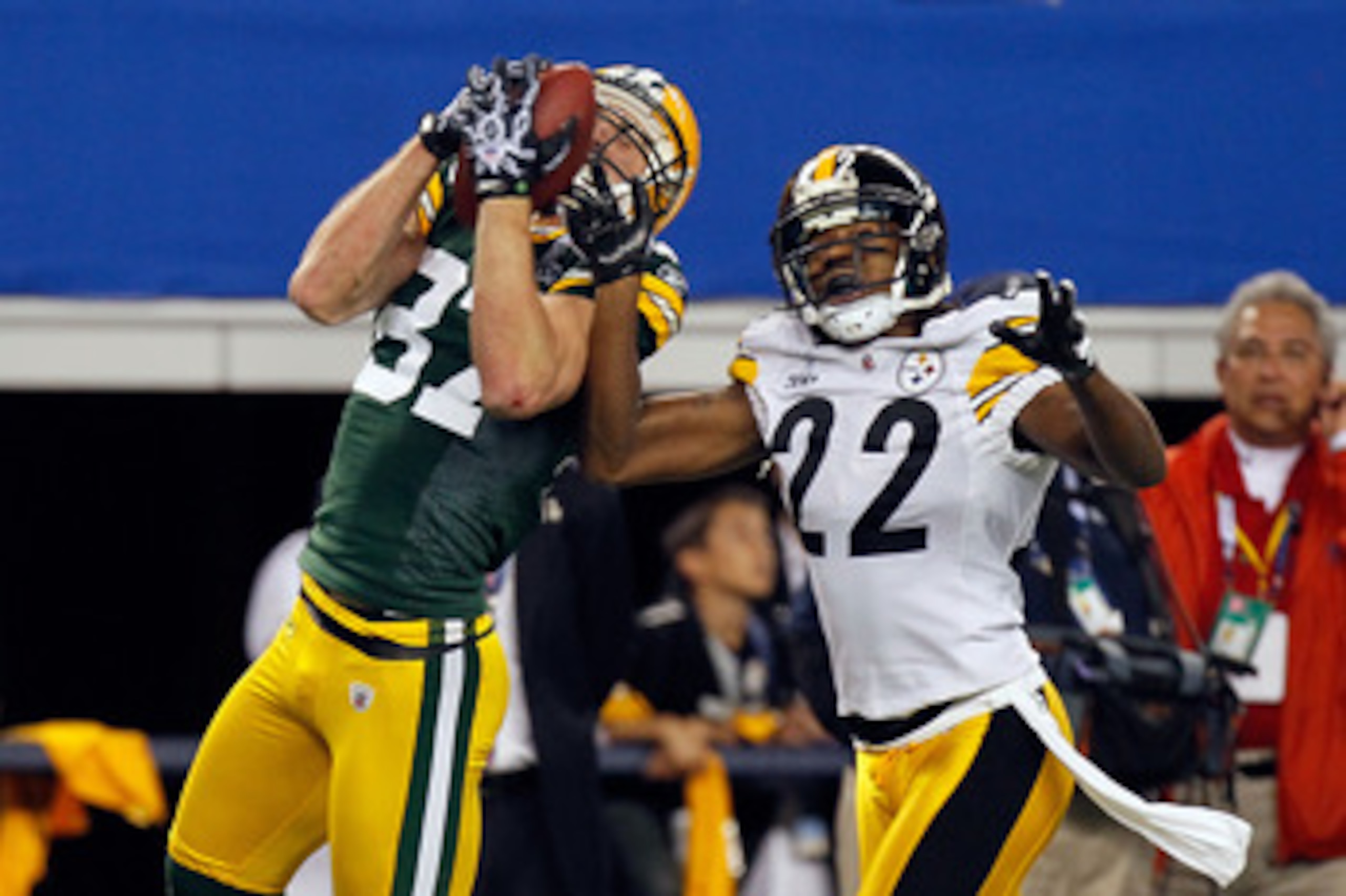
The AFC champion Steelers didn’t have a lot of weaknesses last season, but the Packers’ performance in the Super Bowl showed that multi-WR formations tax a thin Pittsburgh secondary. Nickel corner William Gay became a focus of fans’ ire for his struggles in 2010.
Rookies Curtis Brown and Cortez Allen aren’t world-beaters themselves, but the Steelers are likely to give one of them a shot at Gay’s job if only to get a new look in the secondary. Both have the speed and athleticism to outdo Gay as cover corners in the NFL.
Houston Texans: LB Zac Diles
9 of 32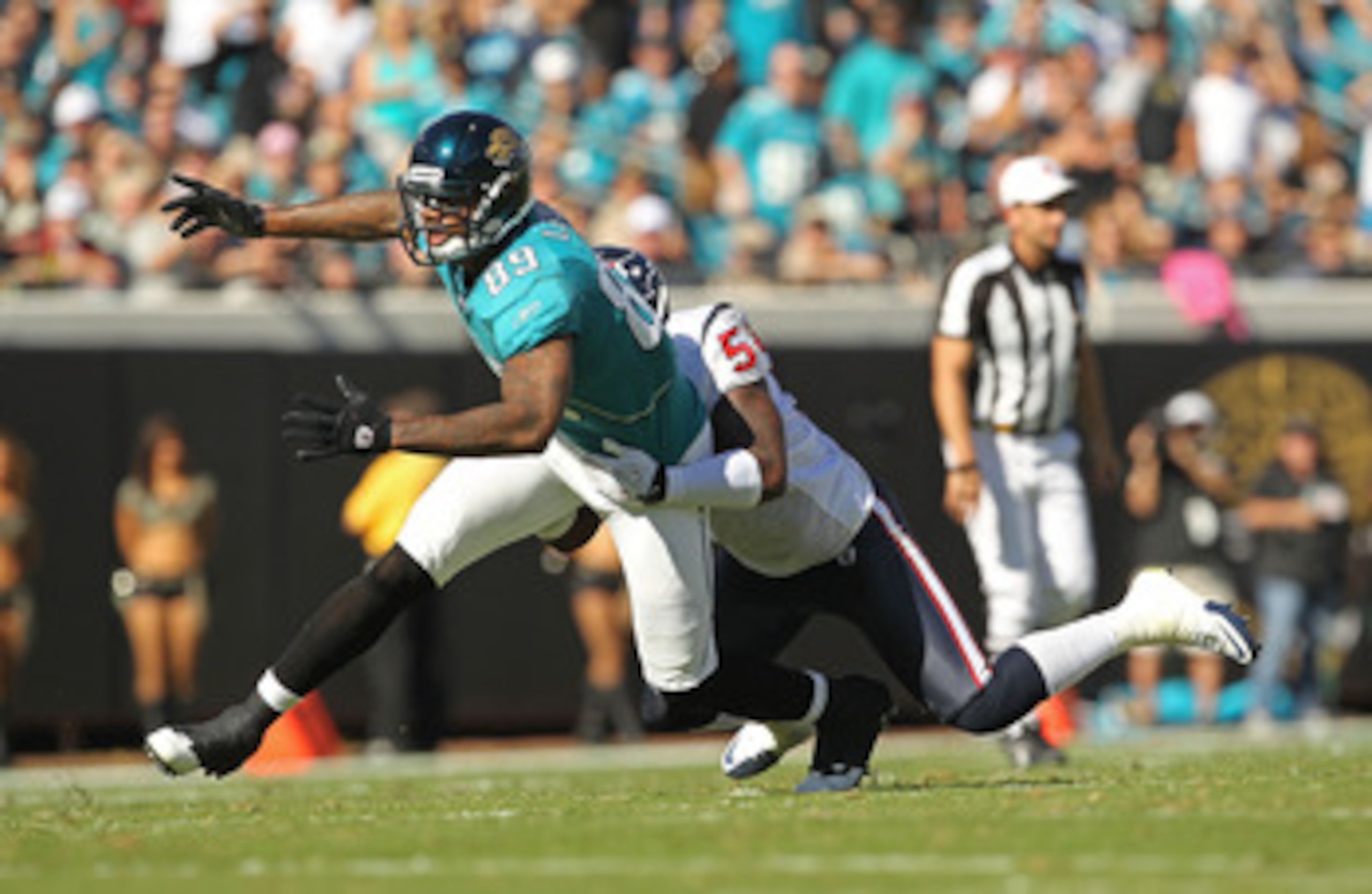
With new coordinator Wade Phillips looking to install his preferred 3-4 defense in Houston, the linebacking corps was in for some changes in any case. With pass-rushing ability crucial to OLBs in Phillips’ system, Diles (zero sacks in 15 games, 10 of them starts) was already on the hot seat going into the draft.
Houston’s addition of two dangerous edge-rush prospects, J.J. Watt and Brooks Reed, sends Diles’ job security from limited to zero. Whatever the Texans’ OLB rotation looks like next season, Diles is unlikely to be part of it.
Indianapolis Colts: OT Ryan Diem
10 of 32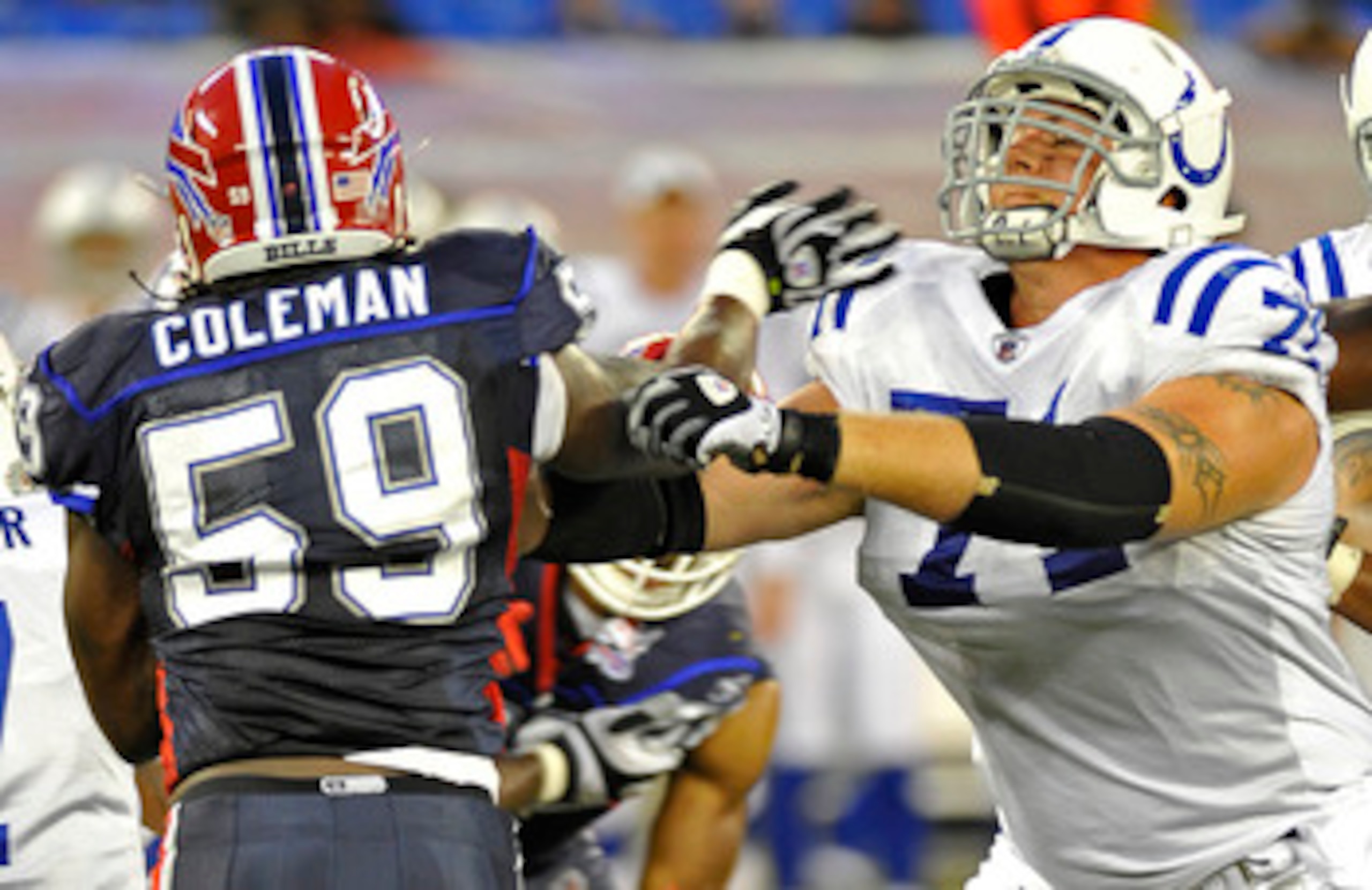
Diem’s bookend at tackle, Charles Johnson, is a free agent, or else his name might just as easily go in this spot. Poor line play had a lot to do with Peyton Manning’s struggles in 2010.
The Colts found one solution to that problem in Anthony Castonzo, the draft’s most NFL-ready tackle. Expect him to step into Diem’s starting RT job immediately, with a move to LT in the future being not at all unreasonable.
Jacksonville Jaguars: QB Trent Edwards
11 of 32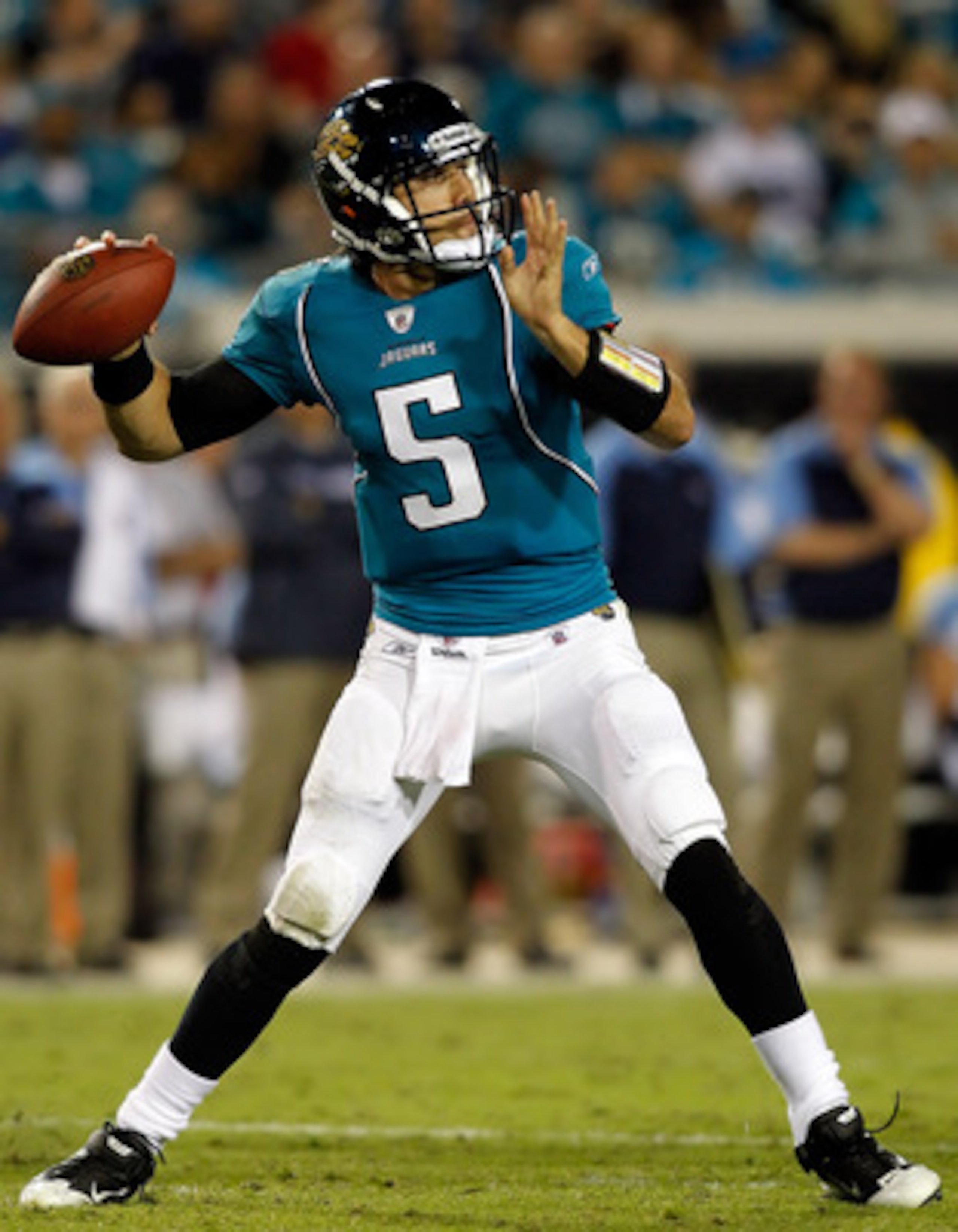
Rookie Blaine Gabbert isn’t likely to unseat longtime starter David Garrard right away, but the Jaguars will want to give him as much playing time as they can in a reserve role. That means backup Trent Edwards will likely find himself out of a job.
Gabbert’s apprenticeship will probably only last a season or two, but even then, it’ll be Garrard and not Edwards who backs up the Missouri star.
Tennessee Titans: QB Rusty Smith
12 of 32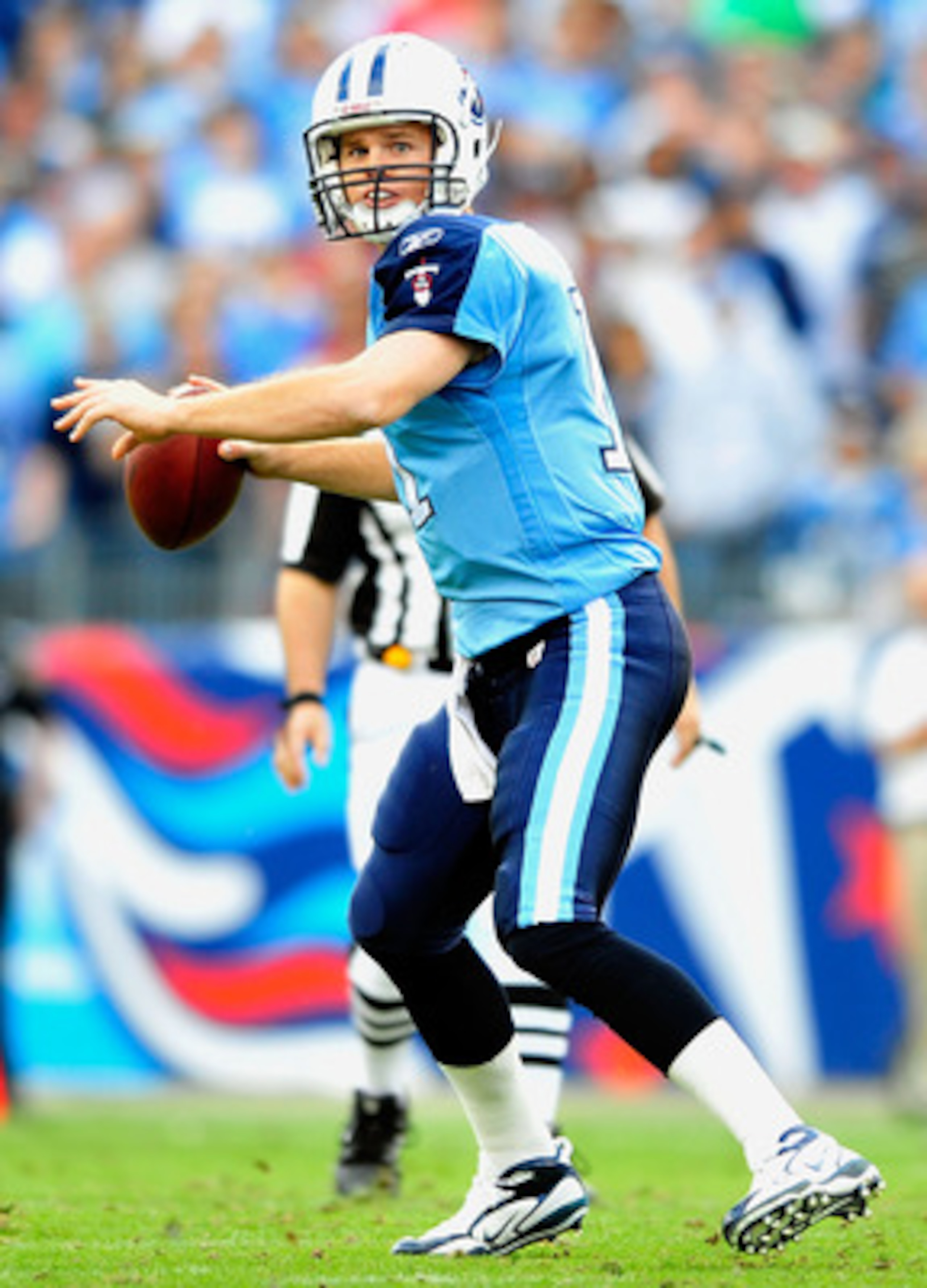
Whether or not veteran Kerry Collins re-signs in Tennessee, Rusty Smith will likely be out of work in favor of a more experienced backup. Tennessee has entrusted its future to top pick Jake Locker, and they need a veteran or two behind him, not a developmental project like Smith.
Locker may or may not be ready for the responsibility the Titans will dump on him, but Smith is unlikely to be around to find out.
Denver Broncos: LB Robert Ayers
13 of 32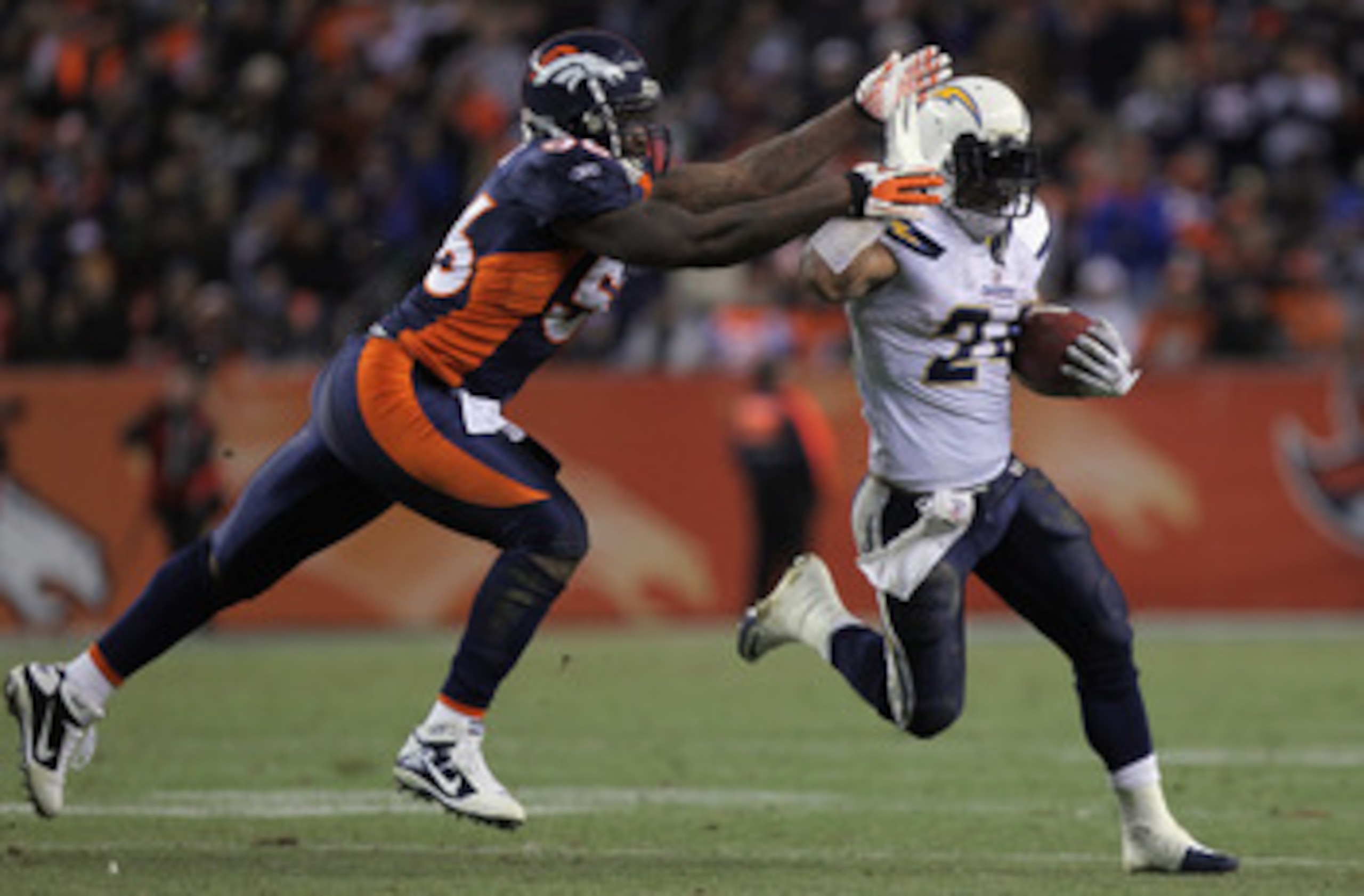
Denver’s defense gave up more points than any other in football last season by a margin of five TDs. They had the league’s worst pass rush, and with superstar Von Miller arriving in the draft, nondescript OLB Robert Ayers is likely to be sent packing.
Miller is a devastating pass rusher with enough skills in coverage and run defense to be an every-down player from day one. Ayers, who recorded just 1.5 sacks and no interceptions in an injury shortened 2010, won’t be missed too much.
Kansas City Chiefs: WR Chris Chambers
14 of 32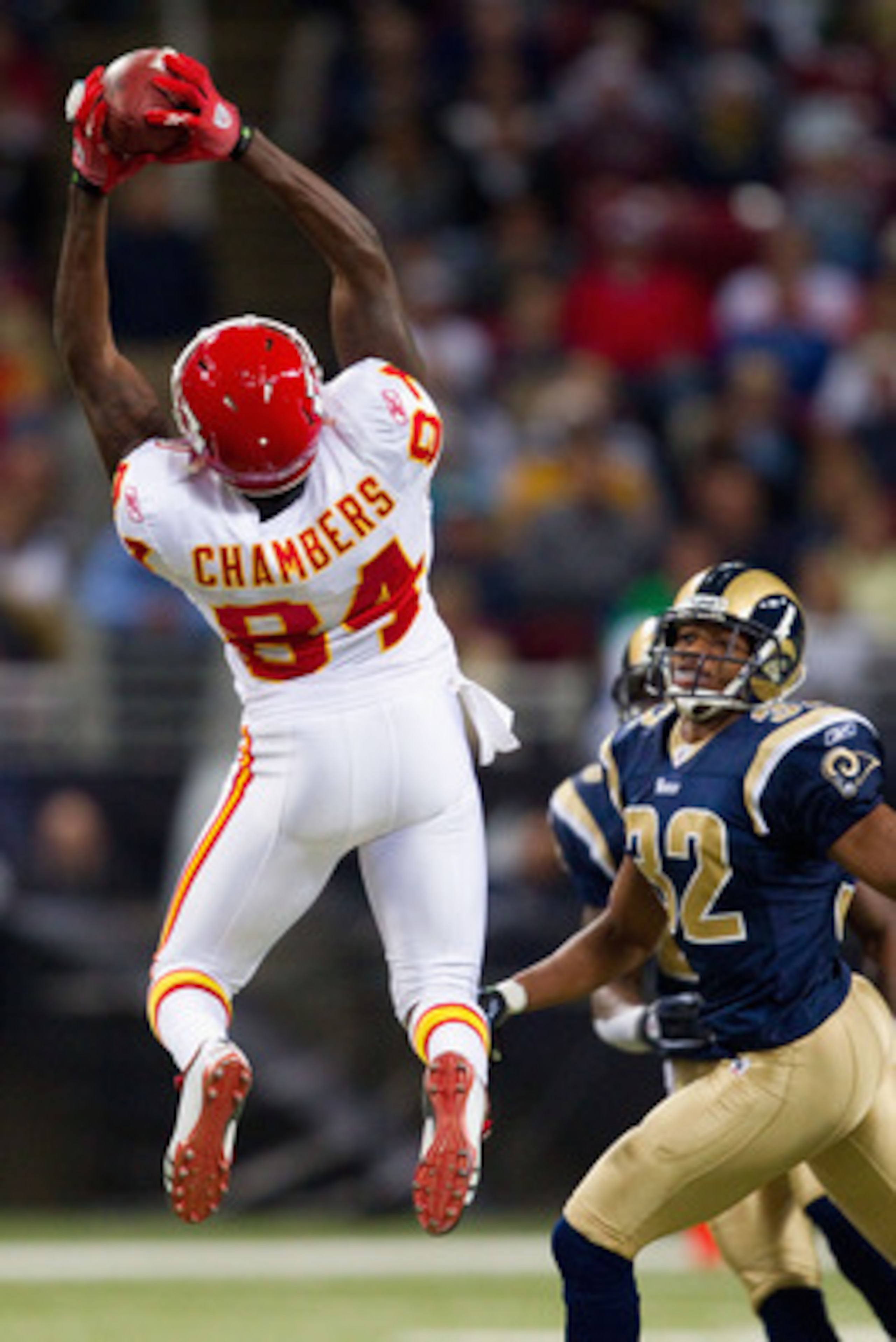
The writing was on the wall for Chris Chambers even before the draft. The veteran wideout is on the downside of a fine career, and much had been made by fans and analysts of Kansas City’s need for a legitimate second receiver to pair with Dwayne Bowe.
The Chiefs may have found such a target in first-round pick Jonathan Baldwin. If the Pitt star can come back from a down year in 2010, his 6’4” frame and sure hands should make him a dangerous NFL receiver.
Chambers, meanwhile, will probably catch on, here or elsewhere, in a reserve role, but his days as an NFL starter are behind him.
Oakland Raiders: CB Jeremy Ware
15 of 32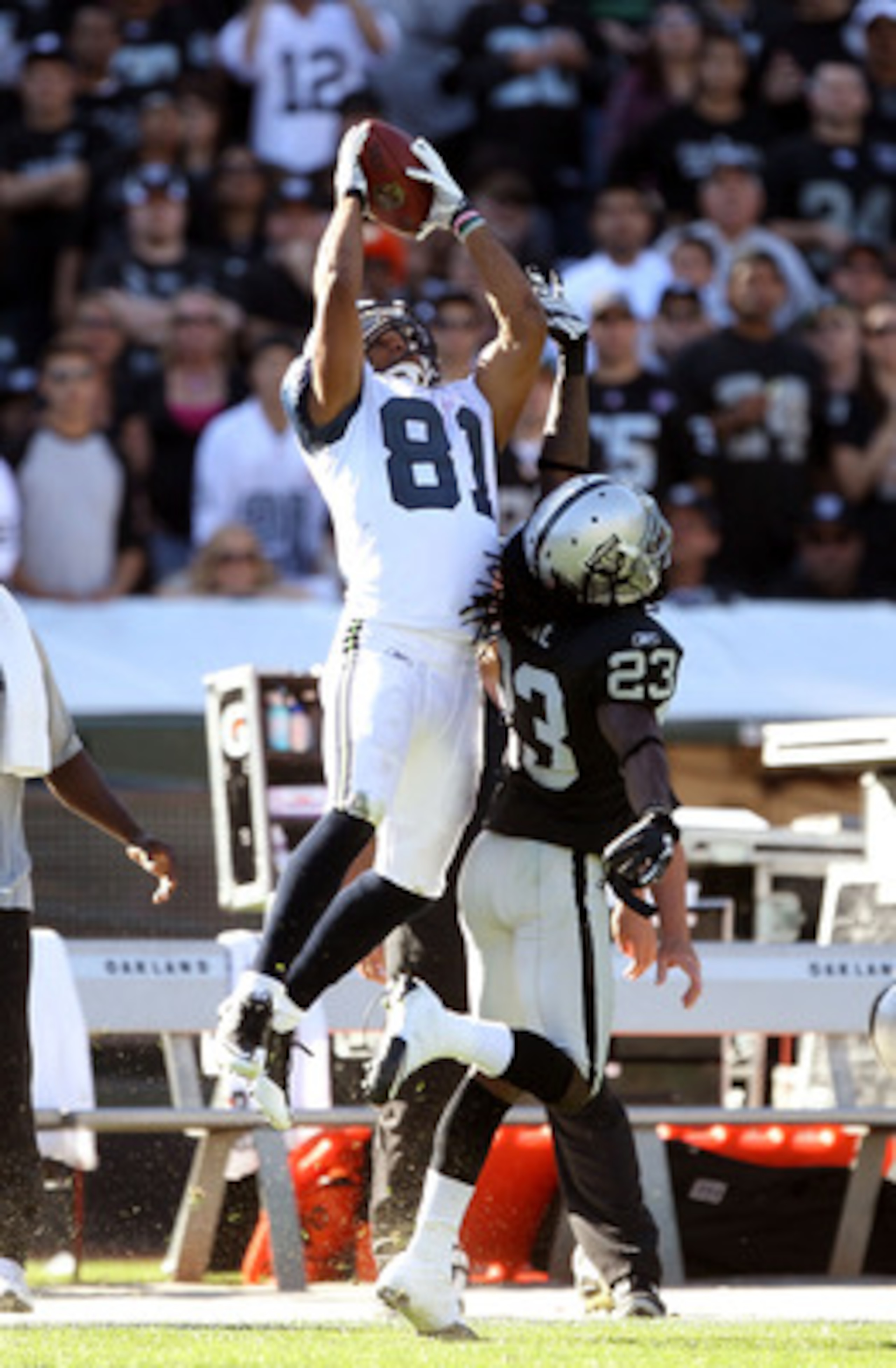
With starting corners Nnamdi Asomugha and Stanford Routt both up for free agency, Oakland may have to rely more on a shaky crew of reserves next season. The least established of them, and the one least likely to make it to next season, is Jeremy Ware.
With the Raiders bringing in cornerbacks DeMarcus Van Dyke and Chimdi Chekwa with two of their first four picks, the position will clearly be a focus in training camp.
Expect at least one of Van Dyke and Chekwa (both of whom are, in classic Raider fashion, noted for their speed) to beat out Ware for a job, regardless of whether the free agents are retained.
San Diego Chargers: DE Luis Castillo
16 of 32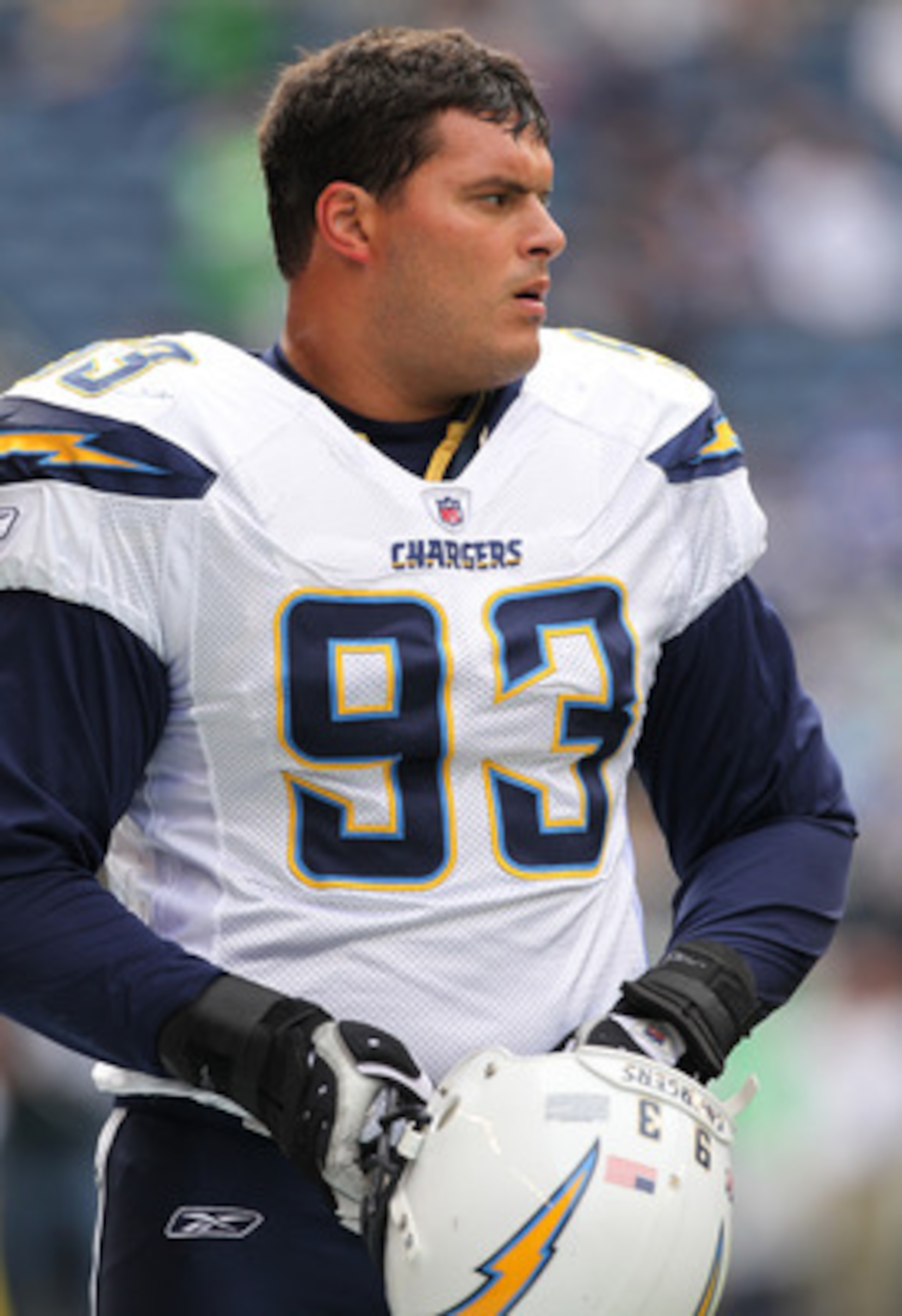
Luis Castillo has been a steady presence on the San Diego line since he was drafted in 2005. The Chargers are looking for more big plays out of their DEs, though, so Castillo is likely to be supplanted by highly touted rookie Corey Liuget.
Liuget played defensive tackle at Illinois, but his disruptiveness in the middle of the field should translate well to the DE spot in the Chargers’ 3-4 front. The Chargers hope he can give them more penetration and playmaking than Castillo and Jacques Cesaire have provided.
Dallas Cowboys: OT Marc Colombo
17 of 32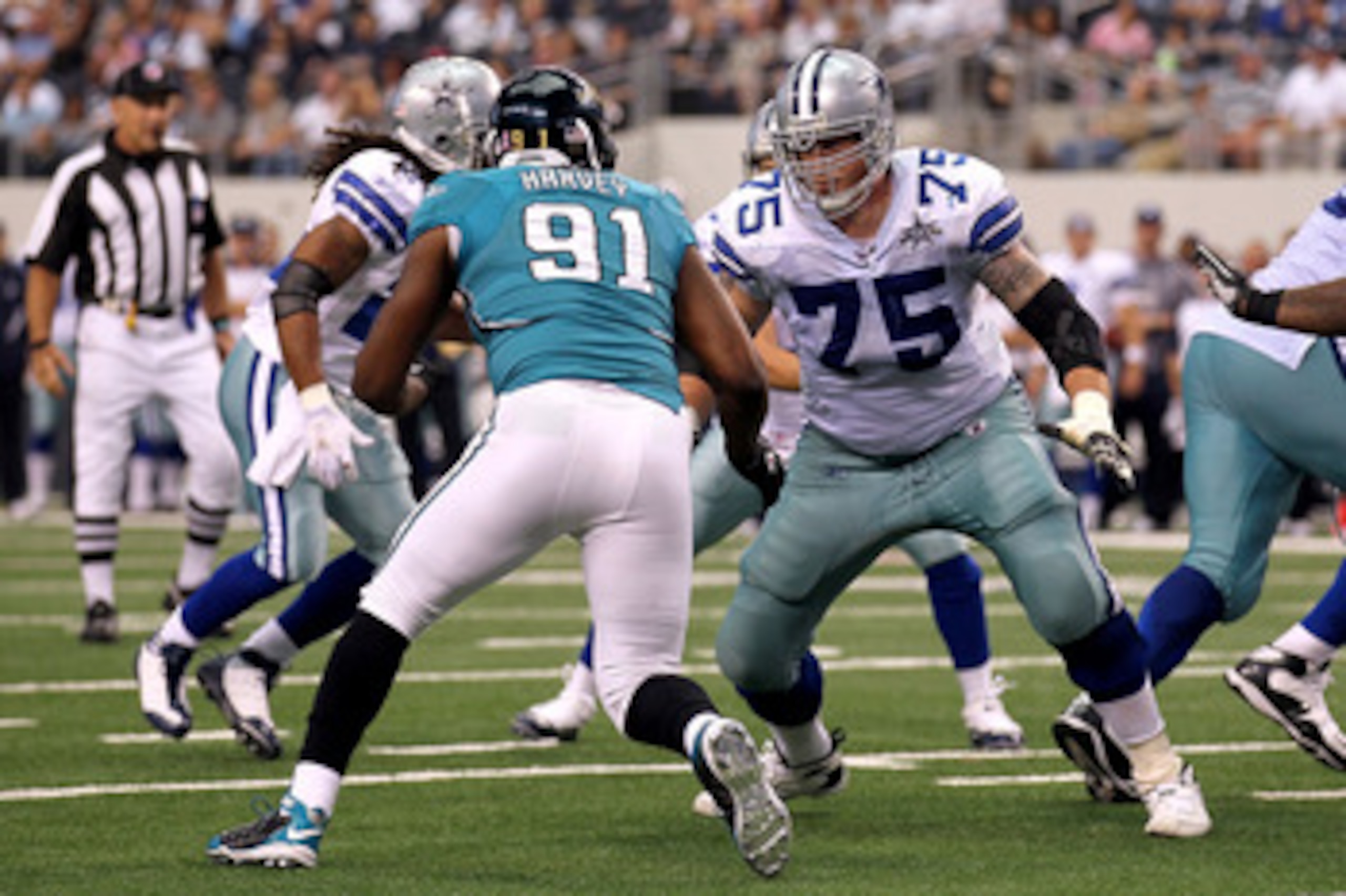
Cowboys tackles Marc Colombo and Doug Free had a rough season, and either could be replaced if the right player came along. For Colombo, that player came along at No. 9 overall on Thursday night.
USC’s Tyron Smith is the most athletic offensive tackle in the draft class. He’s a terrific pass blocker who should be a noticeable improvement over Colombo at RT.
While Dallas is unlikely to ask Smith to play LT as a rookie, he could easily slide into that job in a year or two.
New York Giants: CB Aaron Ross
18 of 32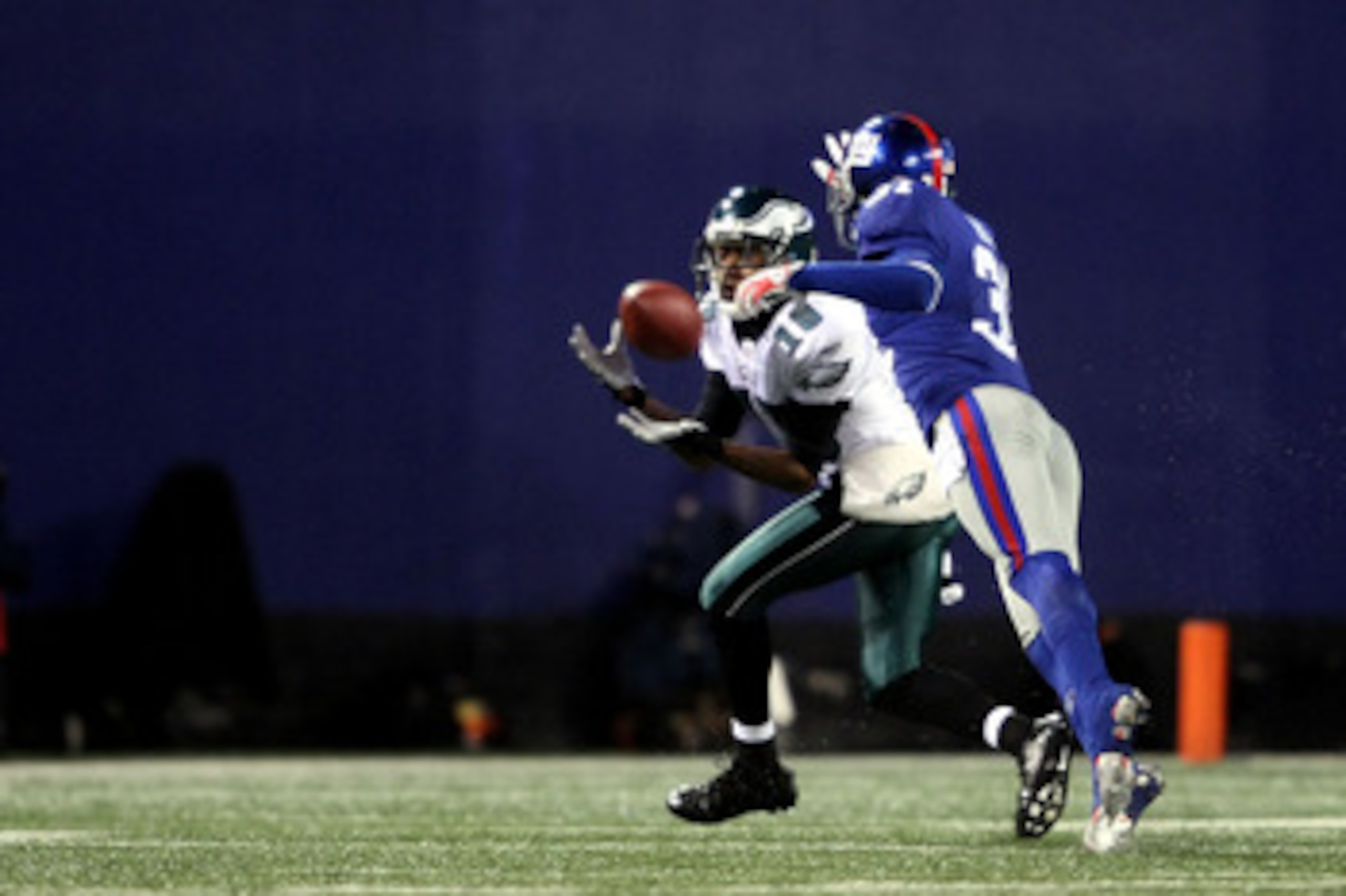
The Giants secondary had its ups and downs last year, so none of their corners should feel especially secure. Corey Webster and Terrell Thomas have impressive numbers on their side (a combined nine INTs), but nickelback Aaron Ross has no such advantage.
With the Giants bringing in stud rookie Prince Amukamara at CB, Ross is likely to be done in the nickel corner role. Amukamara is too good not to play, and New York (which struggled against multi-WR sets last season) will benefit from having another strong cover man on the roster.
Philadelphia Eagles: OG Todd Herremans
19 of 32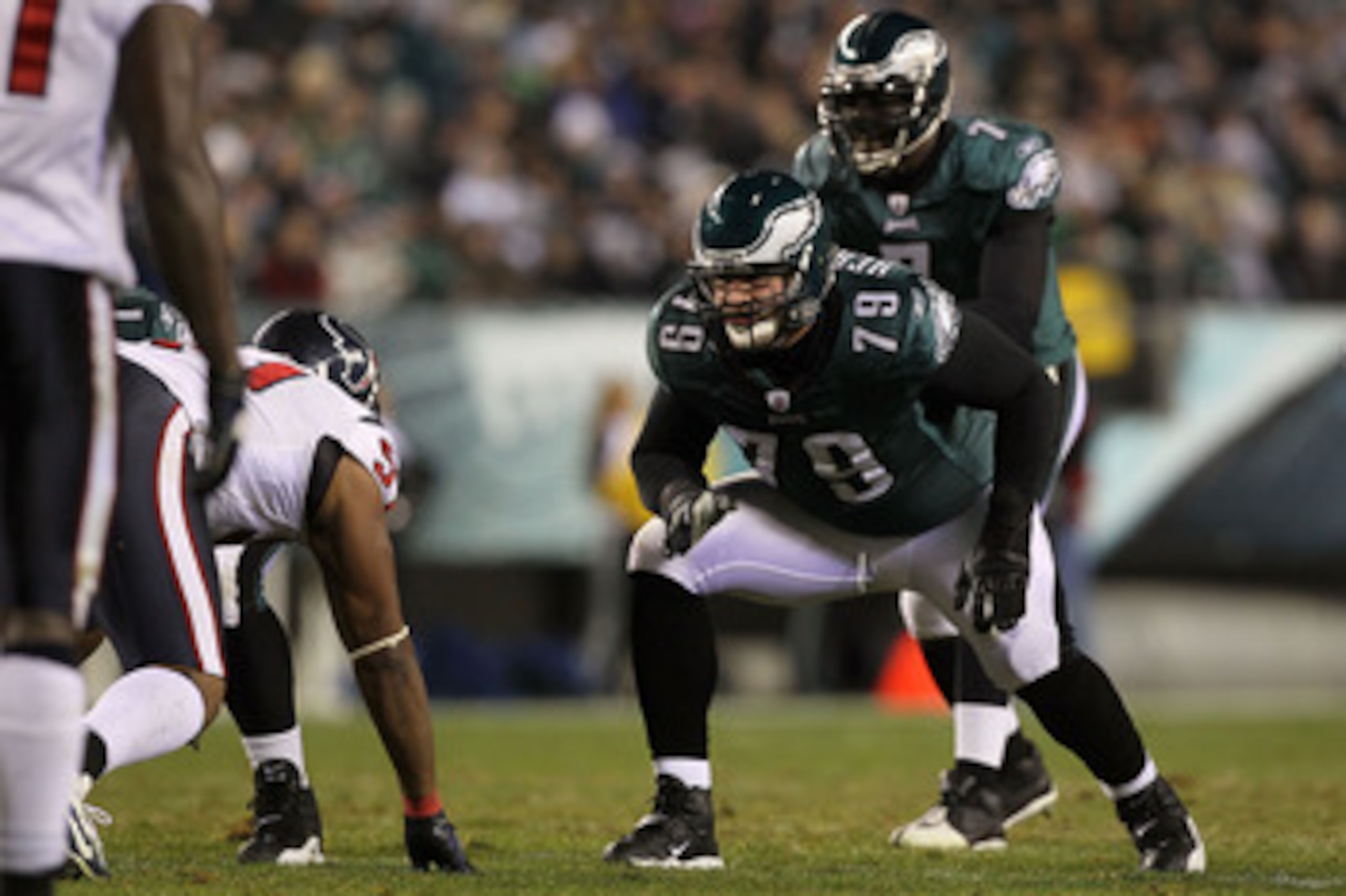
Eagles guard Max Jean-Gilles is a free agent, but he’ll likely return to his LG position next year. The same can’t be said for RG Todd Herremans, who will likely be unseated by talented rookie Danny Watkins.
Watkins is 26, so he’s more mature than your average rookie and well-equipped to make an early impact in the NFL. He’ll add punch to the Eagles ground game with his powerful run blocking.
Washington Redskins: LB Lorenzo Alexander
20 of 32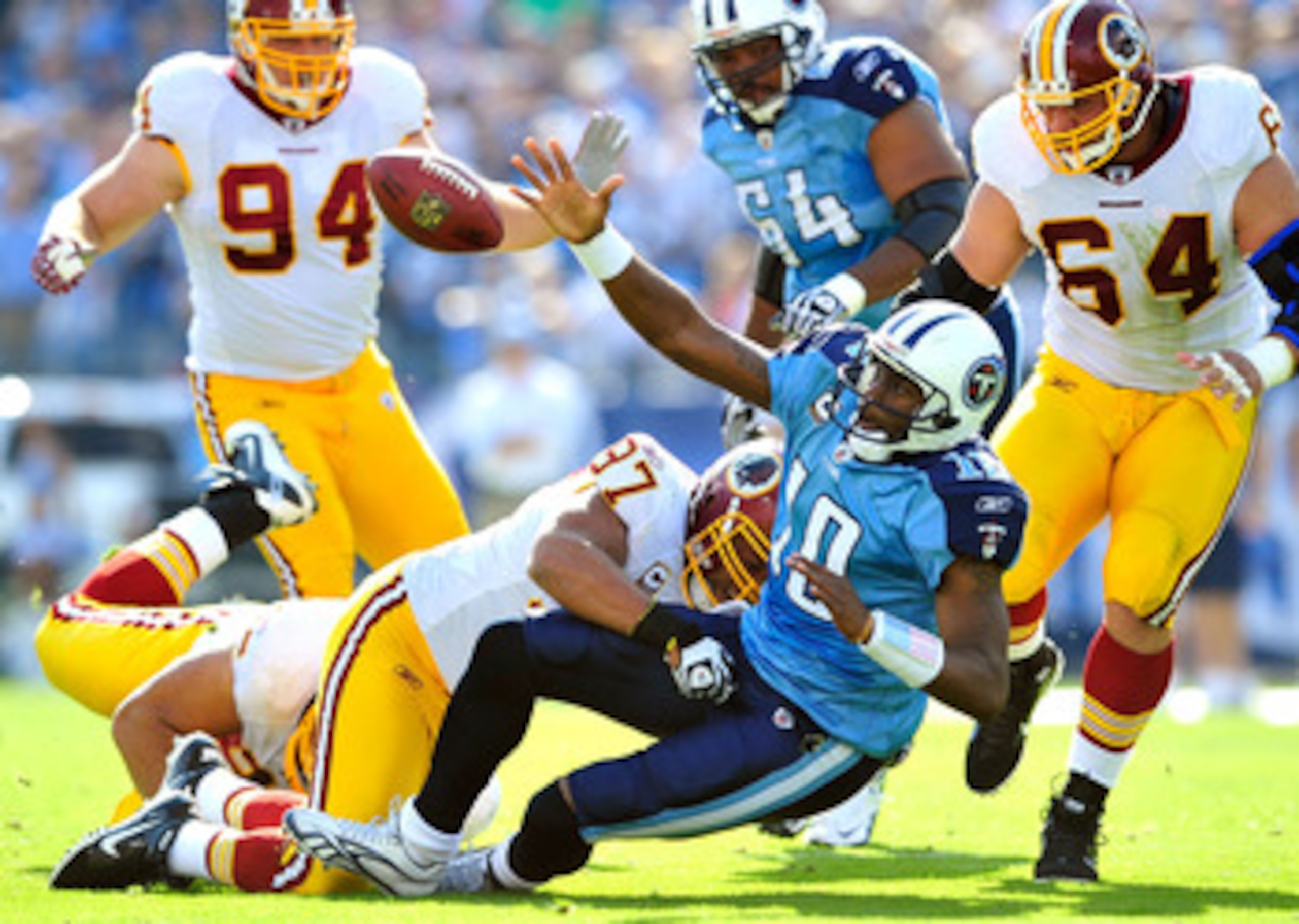
Brian Orakpo’s emergence has given Washington one terrific starter at outside linebacker, but Lorenzo Alexander has been unimpressive on the other side. With rookie Ryan Kerrigan arriving in the draft, Alexander has probably run out of time to be unimpressive.
Kerrigan is a fearsome pass rusher who will bring an attacking mentality to the Skins defense. He’ll probably have a few bumps in the road as he switches from DE to OLB, but he’s too much of an improvement as a pass rusher not to take over the job next season.
Chicago Bears: OG Chris Williams
21 of 32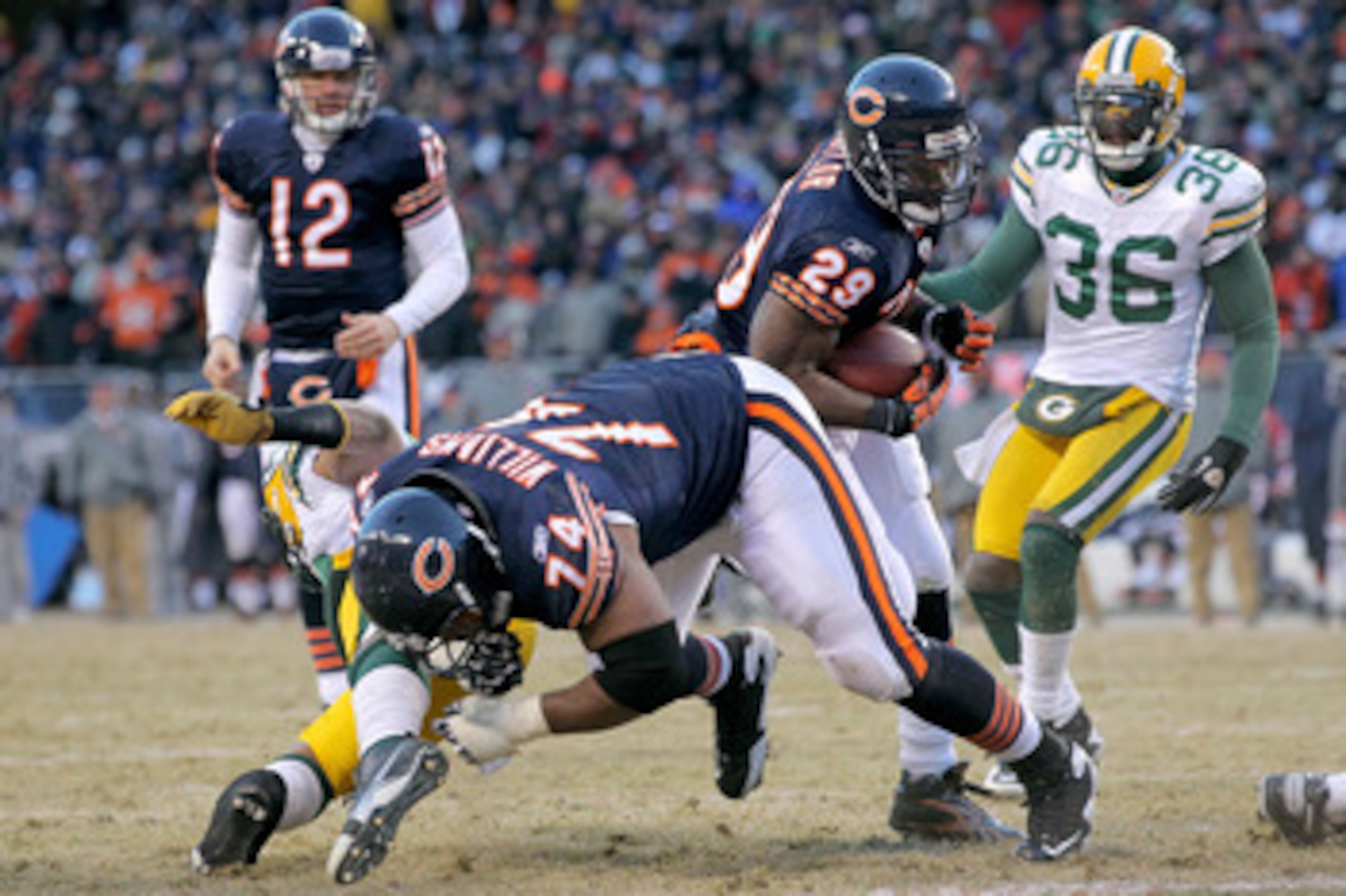
It’s not easy to predict how the Bears’ offensive line will shake out next season, but rookie Gabe Carimi will almost certainly start somewhere, and that means one of last season’s starters has to step aside.
The prediction here is that Carimi will play RT, J’Marcus Webb will move to LT and Frank Omiyale will return to his natural position at guard in place of Chris Williams.
Detroit Lions: DT Corey Williams
22 of 32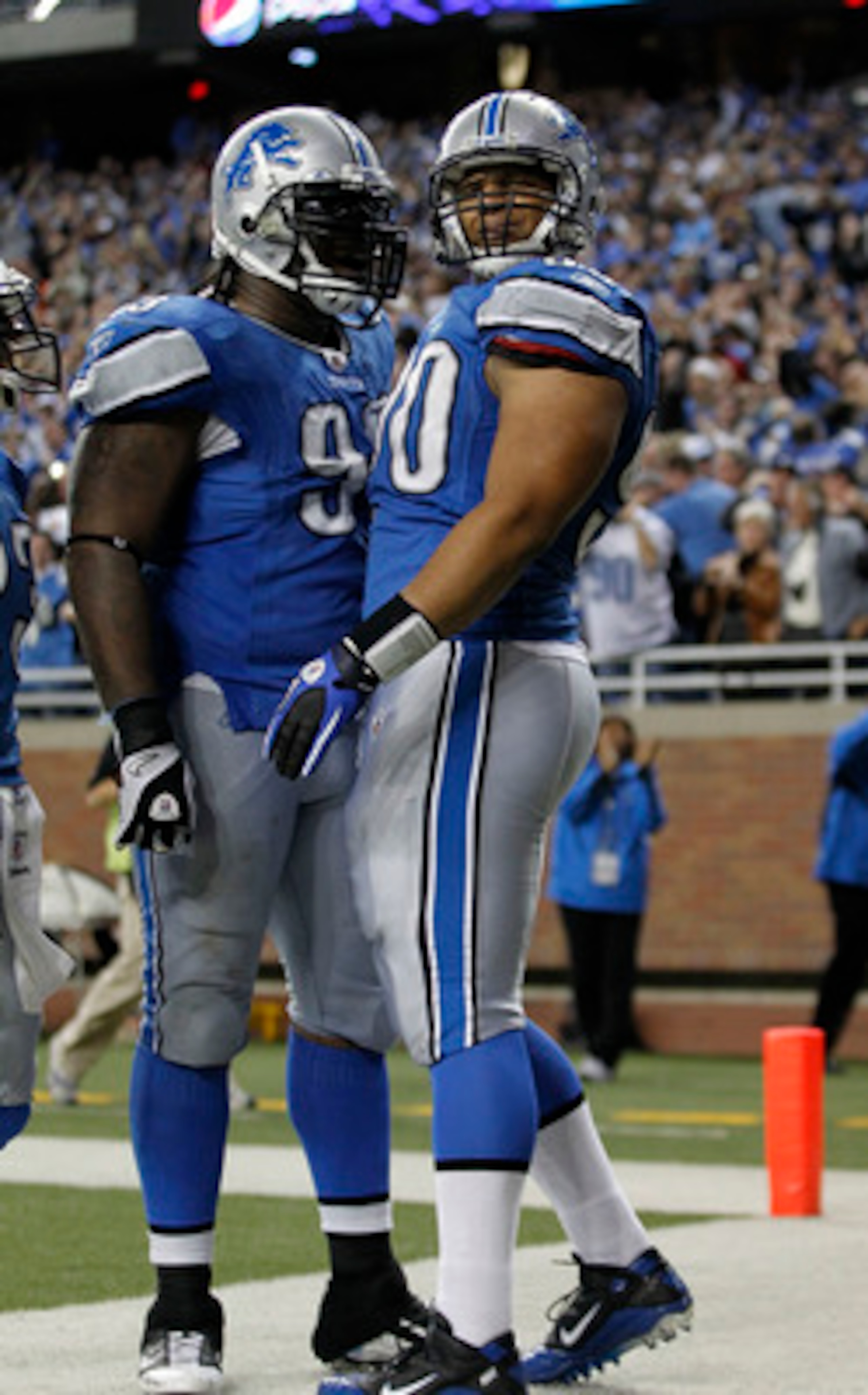
Corey Williams looked awfully ordinary last year playing next to star rookie Ndamukong Suh. Now, the arrival of another high-powered rookie will leave Williams out of a job altogether.
Nick Fairley is the best pass-rushing DT in this draft class, and a potent run-stopper in the bargain. If he keeps his head on straight, he should be a standout in the NFL for years to come.
Green Bay Packers: WR James Jones
23 of 32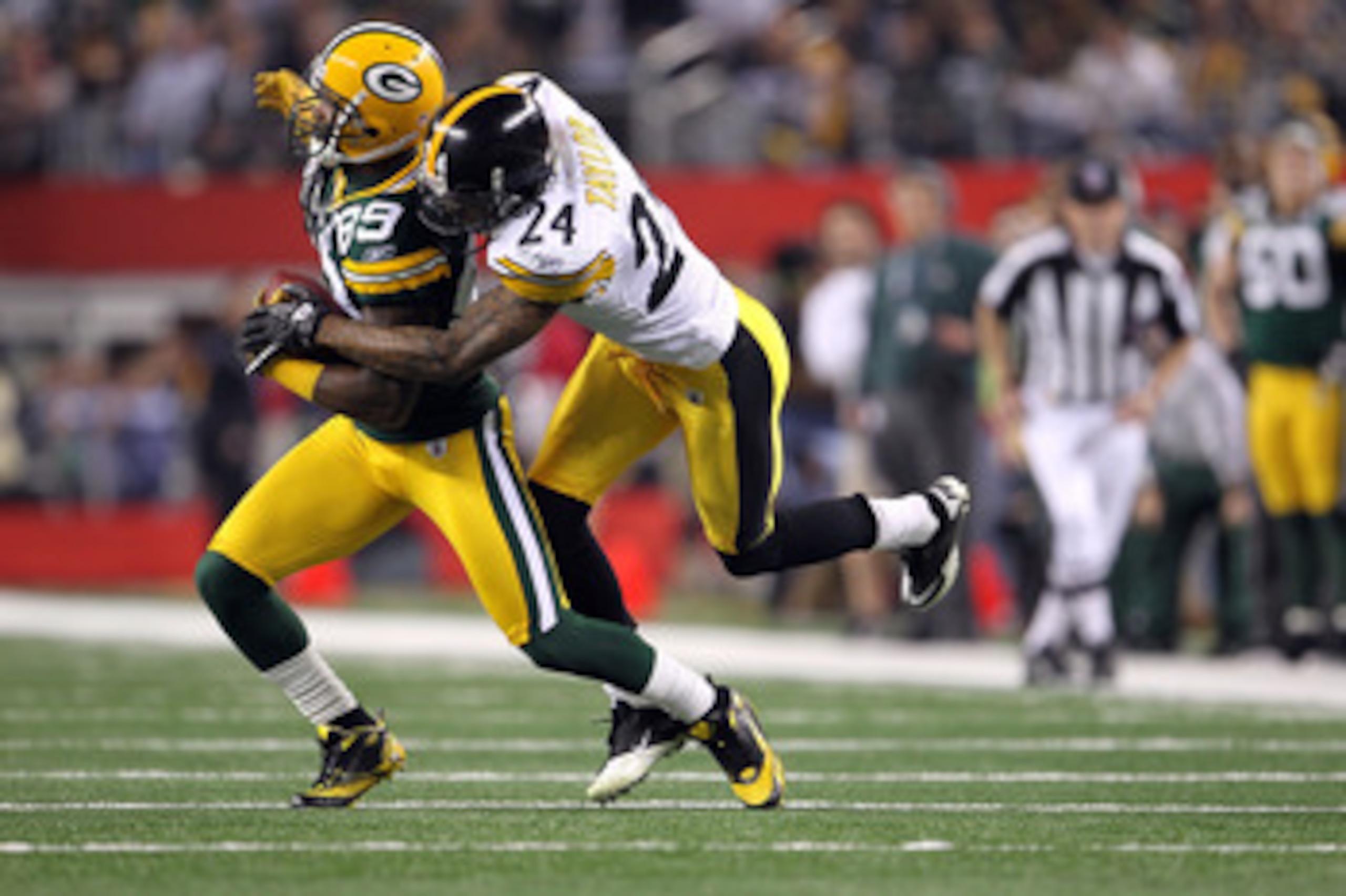
In a deep Packers receiving corps, playing time was already hard to come by for James Jones. Now he may be squeezed out entirely by the arrival of talented rookie Randall Cobb.
Cobb split time at RB and WR for Kentucky, and his small stature (5’10”) makes him a better candidate for a situational slot receiver than a starter. He’s too good not to get on the field, though—he did catch 84 passes last year—and that will be bad news for Jones.
Minnesota Vikings: TE Jim Kleinsasser
24 of 32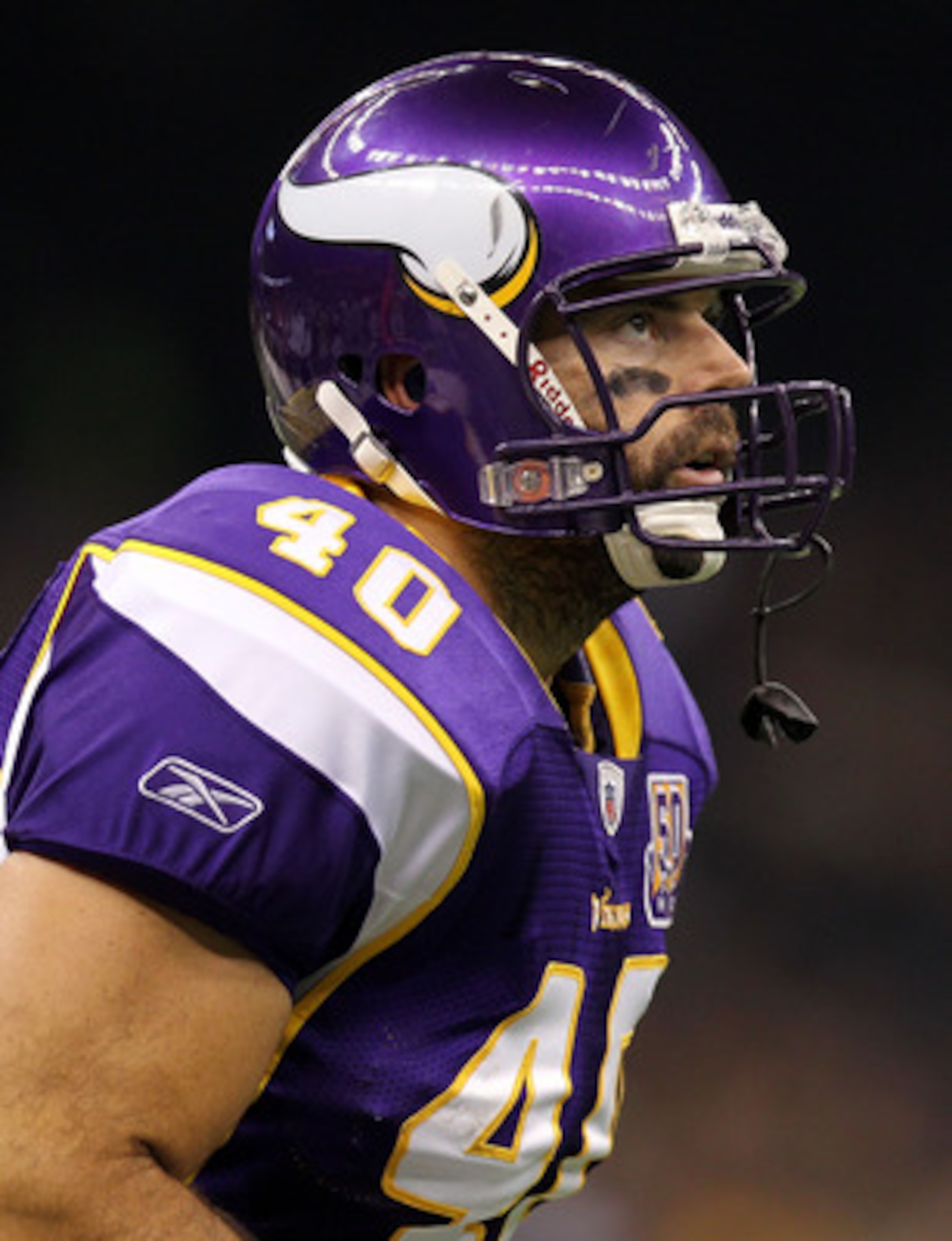
Vikings tight end Visanthe Shiancoe is well entrenched in the starting job, but backup Jim Kleinsasser is a one-dimensional blocking specialist. He’s good at what he does, but he’s likely to lose playing time in the face of Minnesota’s selection of Kyle Rudolph.
Rudolph, the latest in the long tradition of Notre Dame TEs, was the class of this draft at his position. He’s a competent blocker and a far superior receiver to Kleinsasser, meaning that he’ll likely take over as the Vikings’ second tight end in 2011.
Atlanta Falcons: WR Michael Jenkins
25 of 32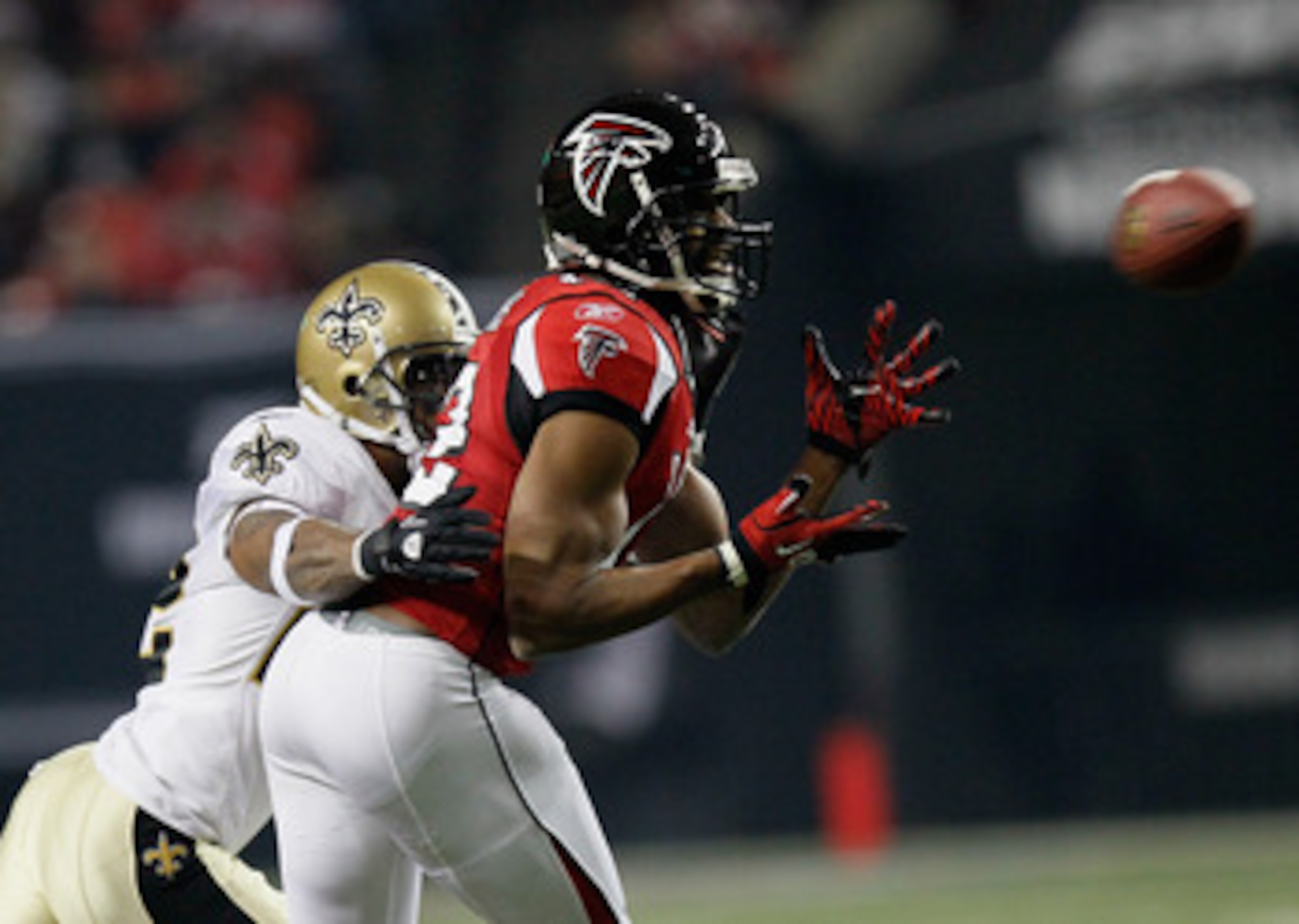
Atlanta’s addition of Alabama speedster Julio Jones is good news for almost everyone on the Falcons offense. Michael Jenkins is the exception.
After years as a starter in Atlanta, Jenkins will take a seat in 2011 as Jones arrives to give the Falcons the second standout receiver they’ve craved to pair with Roddy White. Jenkins has had plenty of chances to fill that role, but now it’s Jones’ turn.
Carolina Panthers: QB Jimmy Clausen
26 of 32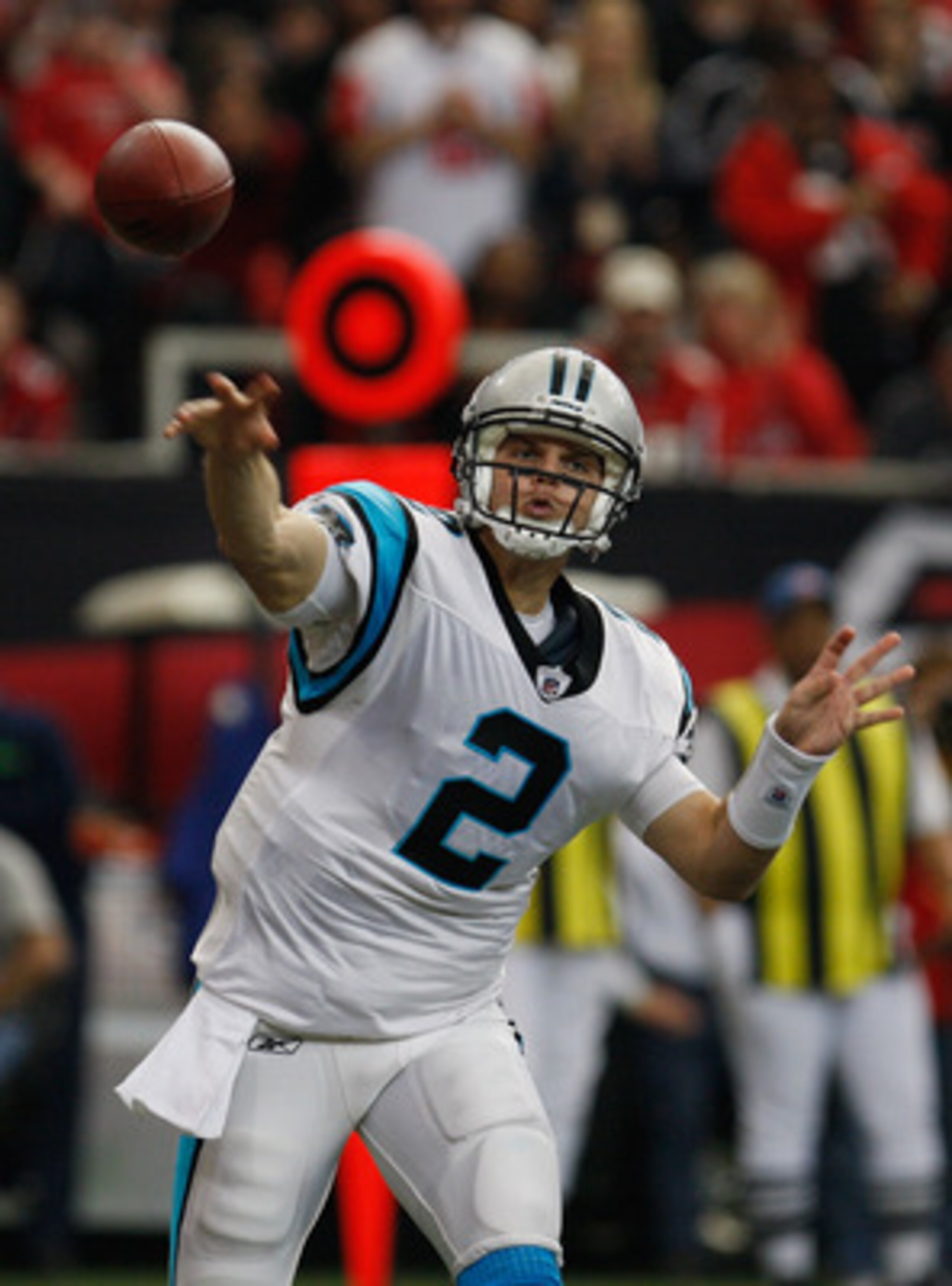
One of many questions for Carolina leading up to the draft was whether they were ready to give up on QB prospect Jimmy Clausen after just 10 NFL games. The answer, in the form of Cam Newton, appears to be yes.
Barring injury, Clausen has probably started his last game in a Panthers uniform. The more experienced Matt Moore is more likely to serve as Newton’s primary backup, which would relegate Clausen to scout team duty for the foreseeable future.
New Orleans Saints: DE Alex Brown
27 of 32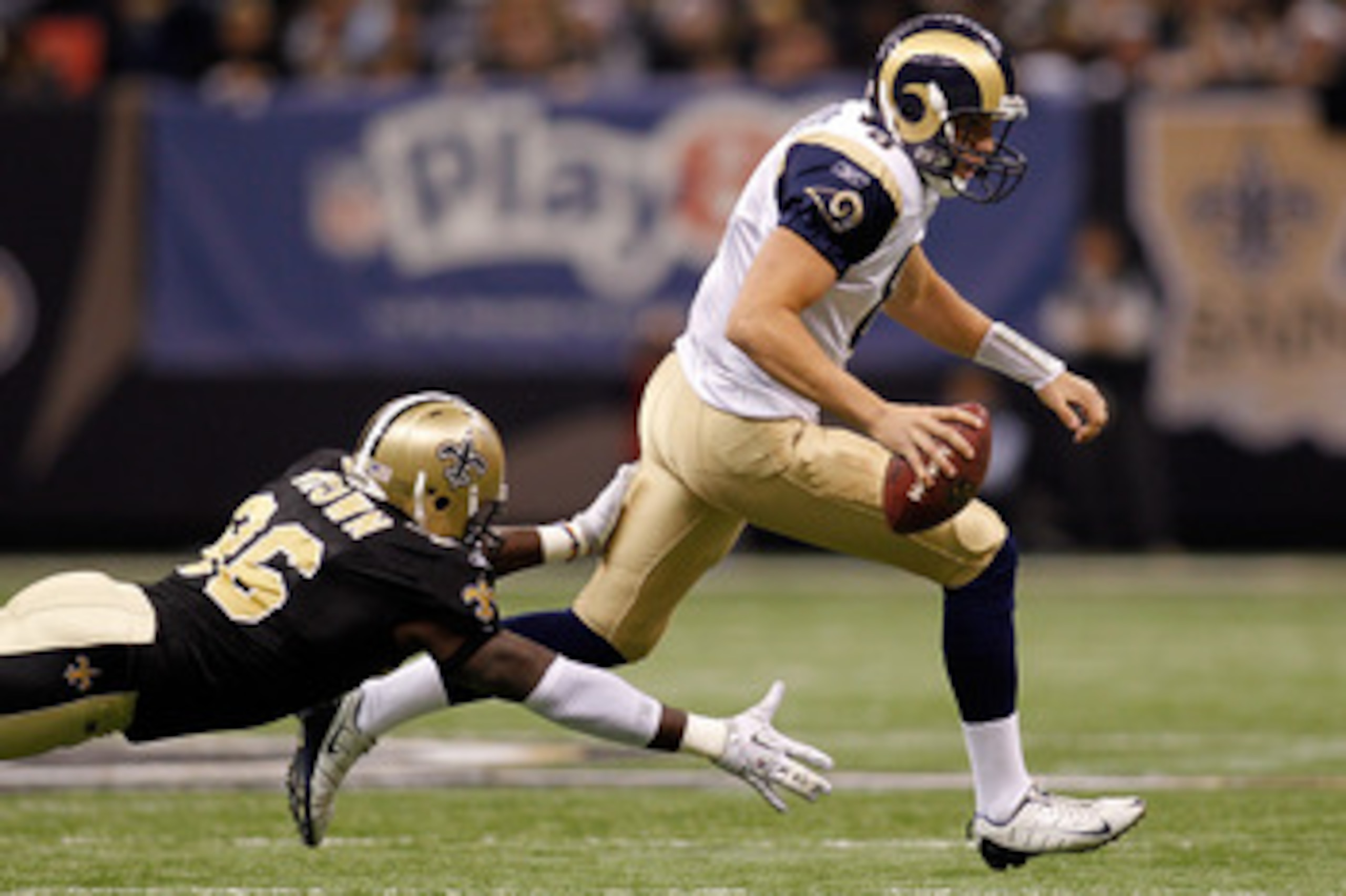
Veteran DE Alex Brown is coming off a career-low two sacks in 2010. With Brown slowing down and Will Smith aging on the other side, the Saints are looking to get younger up front, and they found a great option in the draft in Cameron Jordan.
Jordan, a Cal product, is at his best against the run but should offer more pass-rush production than last year’s edition of Brown did. Add in Brown’s longtime struggles in run defense, and Jordan should be taking over as the starter in 2011.
Tampa Bay Buccaneers: DE Tim Crowder
28 of 32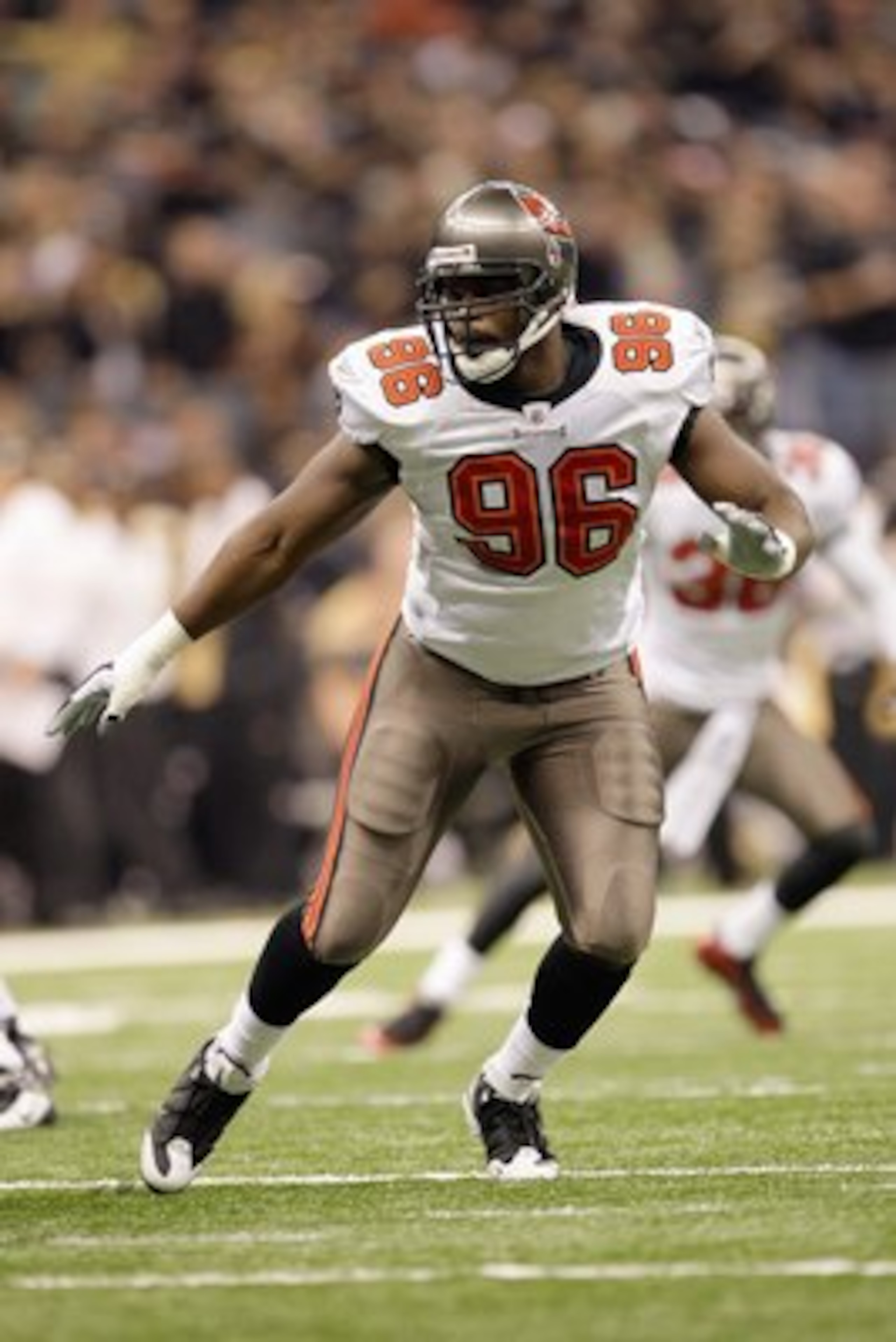
This listing could just as easily be Tim Crowder’s linemate at DE, Stylez G. White, as both are going to be supplanted next year. Top picks Adrian Clayborn and Da’Quan Bowers are superior talents in every way, and with Tampa Bay needing pass-rushing help, the rookies will be stepping into starting jobs right away.
Expect the new defensive ends to improve markedly on Tampa Bay's paltry 26 team sacks last season.
Arizona Cardinals: CB Greg Toler
29 of 32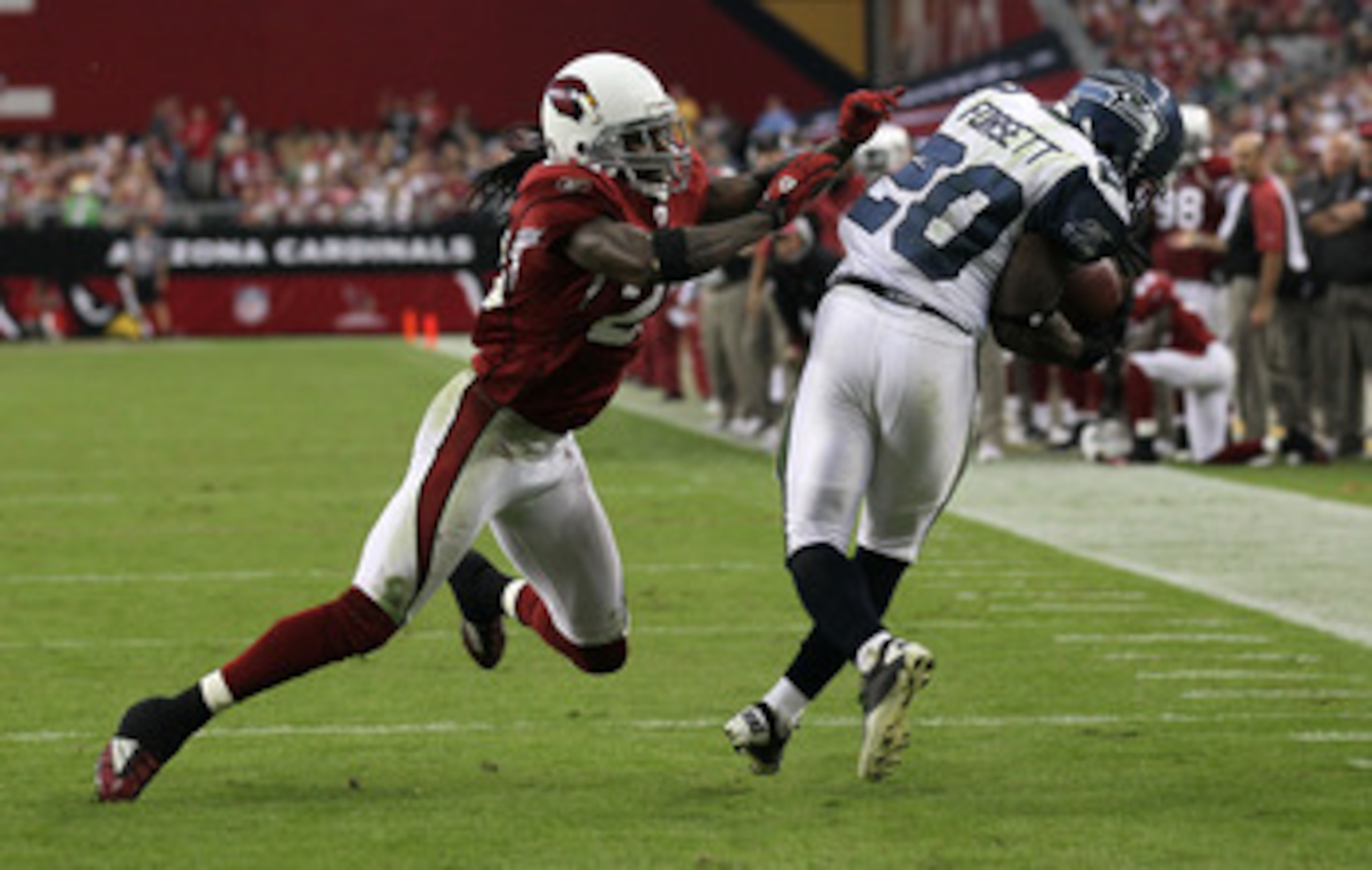
After Arizona finished 23rd in the league in pass defense last season, it’s only natural for the cornerbacks to be edgy about job security. Dominique Rodgers-Cromartie will likely stay put on one side, but the less established Greg Toler is probably done on the other.
With LSU superstar Patrick Peterson arriving in the draft, Arizona gets a major upgrade at the CB spot. The playmaking Peterson instantly becomes the biggest weapon in the Arizona secondary.
St. Louis Rams: TE Daniel Fells
30 of 32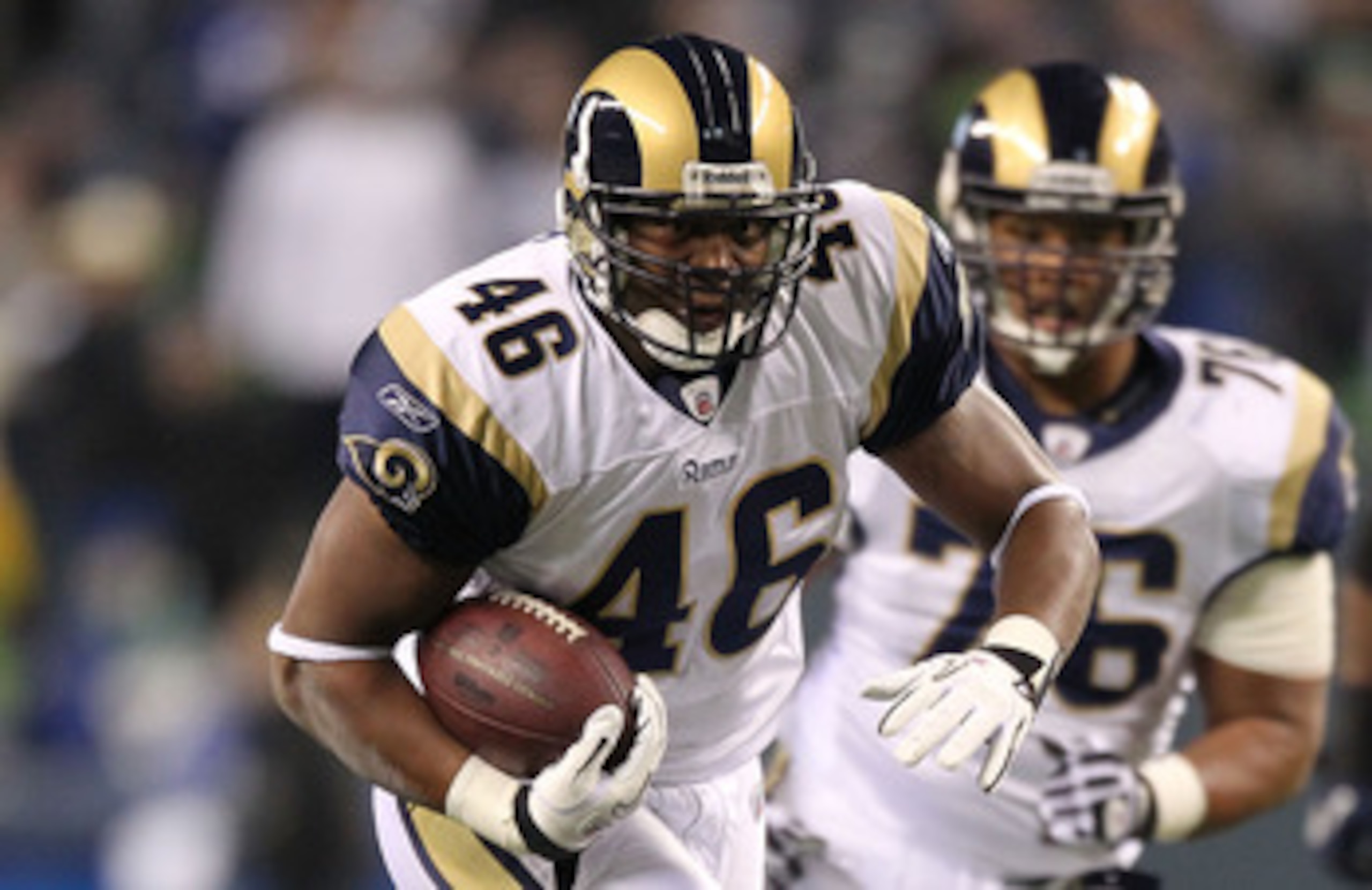
One of St. Louis’ top offseason priorities has been improving the quality of Sam Bradford’s pass catchers. Austin Pettis and Greg Salas will boost the WR corps, but rookie TE Lance Kendricks will also step into a primary role as a receiver.
Incumbent TE Daniel Fells played respectably in 2010, catching 41 passes, but he doesn’t have the speed to be a deep threat like Kendricks. The rookie will give Bradford a reliable third-down target, and Fells will be out of a job because of it.
San Francisco 49ers: LB Parys Haralson
31 of 32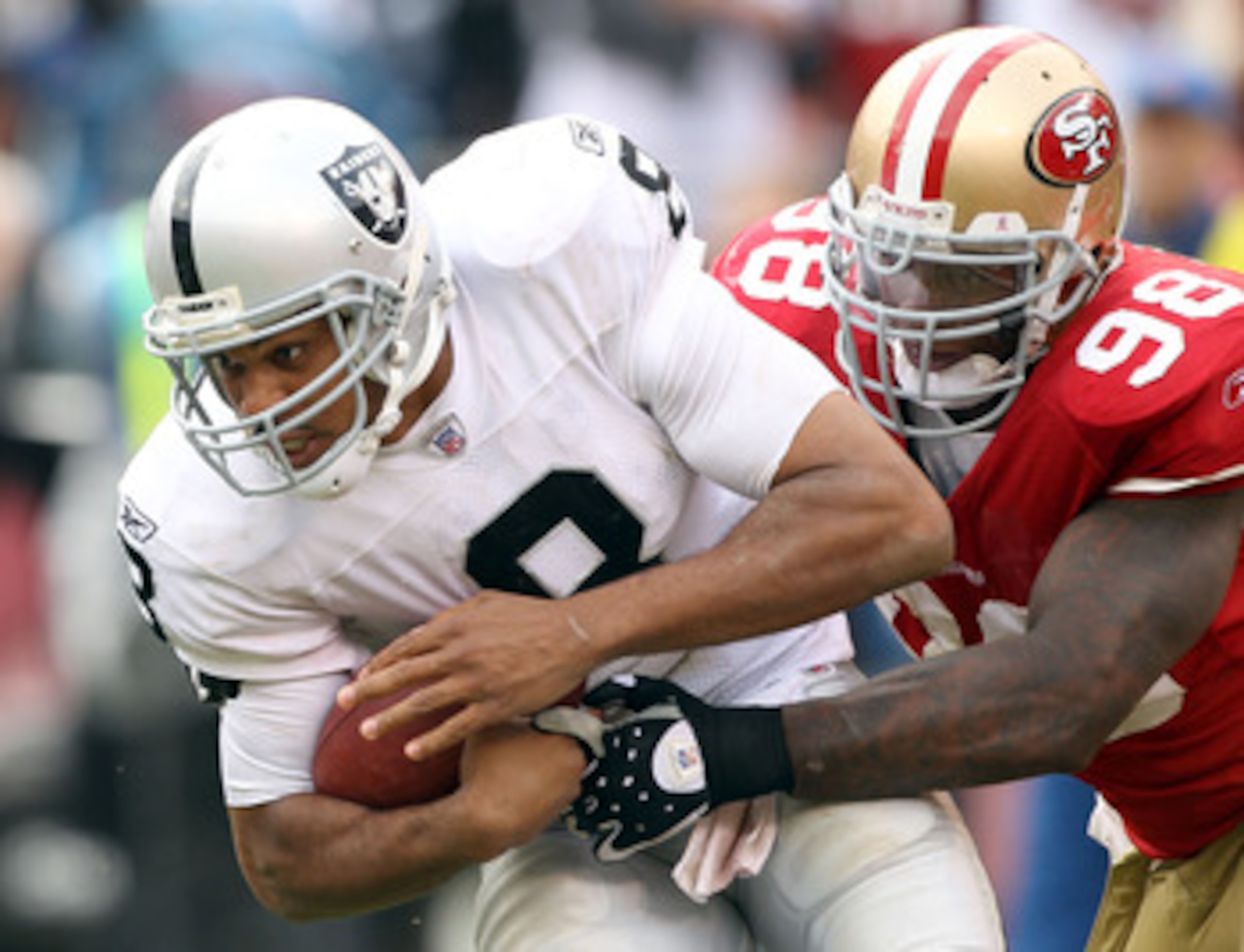
The 49ers surprised a lot of people with their selection of Aldon Smith at No. 7 overall, but the least pleasant surprise went to Parys Haralson. With Manny Lawson established at one OLB spot, Haralson is the likely choice to lose his job to Smith.
Smith is a pass-rush specialist who’s a safe bet to top the four sacks Haralson recorded in 2010. San Francisco’s 24th-ranked pass defense will likely be better for his presence.
Seattle Seahawks: OG Chester Pitts
32 of 32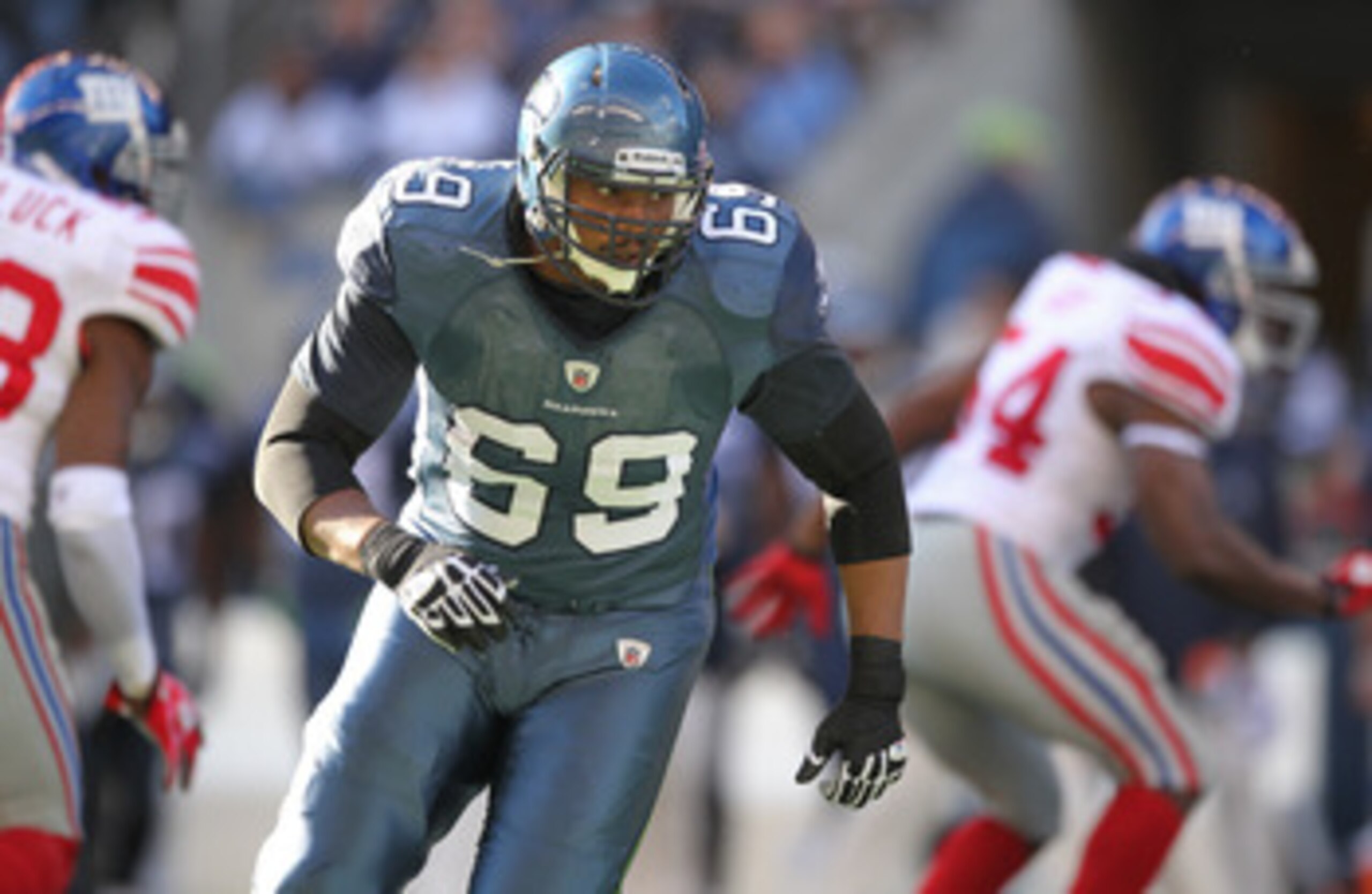
Whatever one thinks of Seattle’s draft strategy, it’s clear that upgrading the offensive line was a priority. With both of the first two picks being guards, starters Chester Pitts and Stacy Andrews seem particularly vulnerable.
Either Pitts or Andrews could be the first to go, with rookie John Moffitt out of Wisconsin, a potent run-blocker, being the likeliest new starter. First-round pick James Carpenter could also earn a job next season.