
Why Mourinho Did Not Get It Wrong Against Barcelona
The long awaited UEFA Champions League semi-final El Clasico, 1st leg, is now behind us.
The tie culminated with a 2-0 victory at the Bernabeu for Barcelona against Real Madrid, with both goals being scored by Lionel Messi (76th and 87th minute). However, post-match reaction has been composed entirely of condemnation of Real Madrid's so-called negative tactics.
It appears that the public response to the tactics employed by Jose Mourinho, is that he got it completely wrong. I will disagree, and this article will attempt to make a case for why Mourinho's tactics should be vindicated.
Case 1: Inter Milan
1 of 5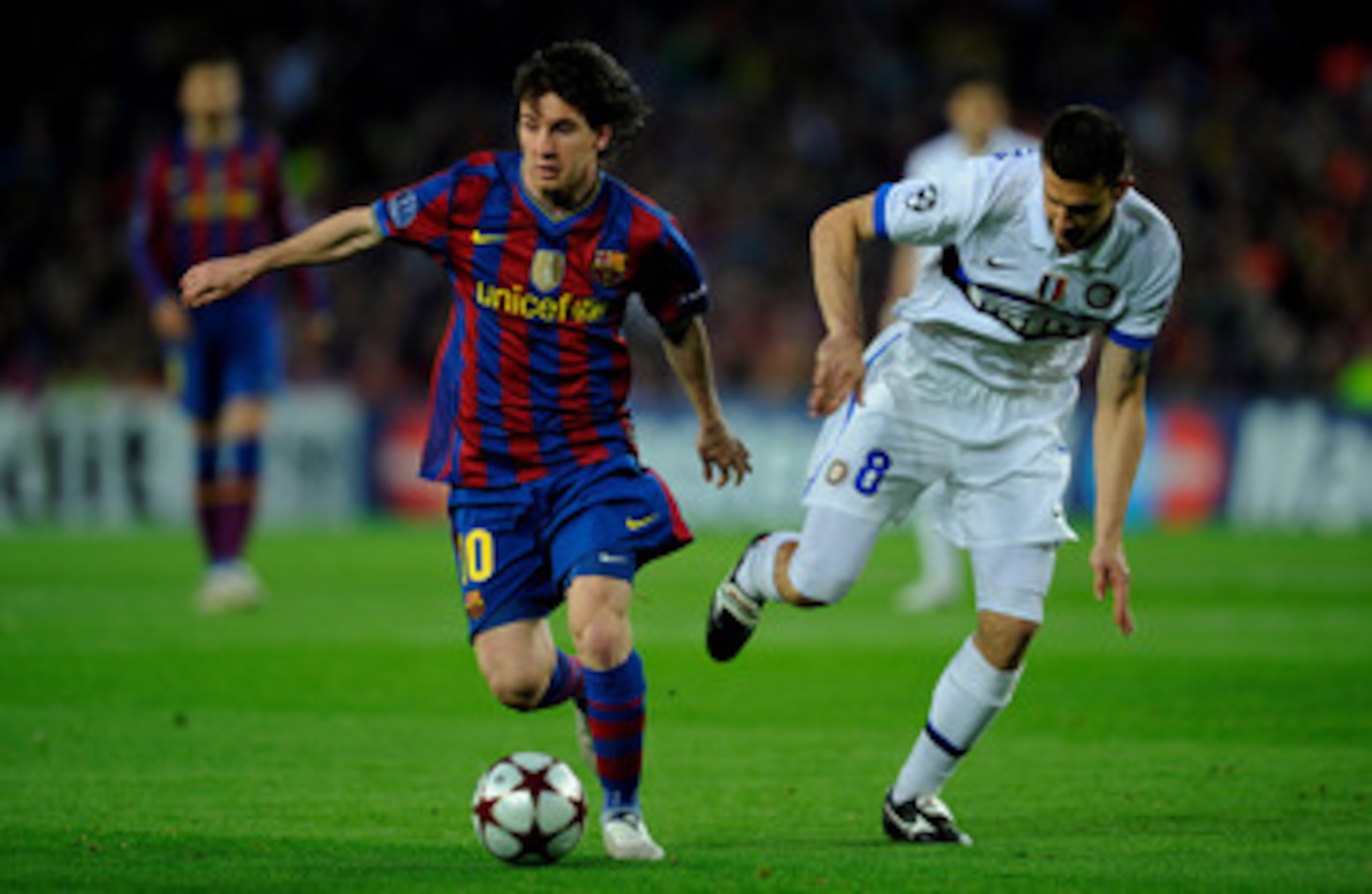
Jose Mourinho's Inter Milan had a surprising 3-2 (on aggregate) victory against Barcelona last year propelling them into the 2010 final. Counterattacking tactics were used to great effect here as well, with Esteban Cambiasso and Thiago Motta keeping Messi quiet all game.
In the match, Mourinho's 4-3-3 formation used two defensive midfielders to stifle Barcelona's creative forces. In addition, Zlatan Ibrahimovic was kept quiet by Lucio and Samuel. He also played counter-attacking football using Wesley Sneijder to generate chances for Samuel Eto'o and Diego Millito, , leading to getting three goals against a very competent Barcelona defense
Furthermore, Inter Milan lost the 2nd leg, 1-0 to Barcelona. They attempted to soak up the pressure, defending deep and protecting their 3-1 lead.
Case 2: Chelsea
2 of 5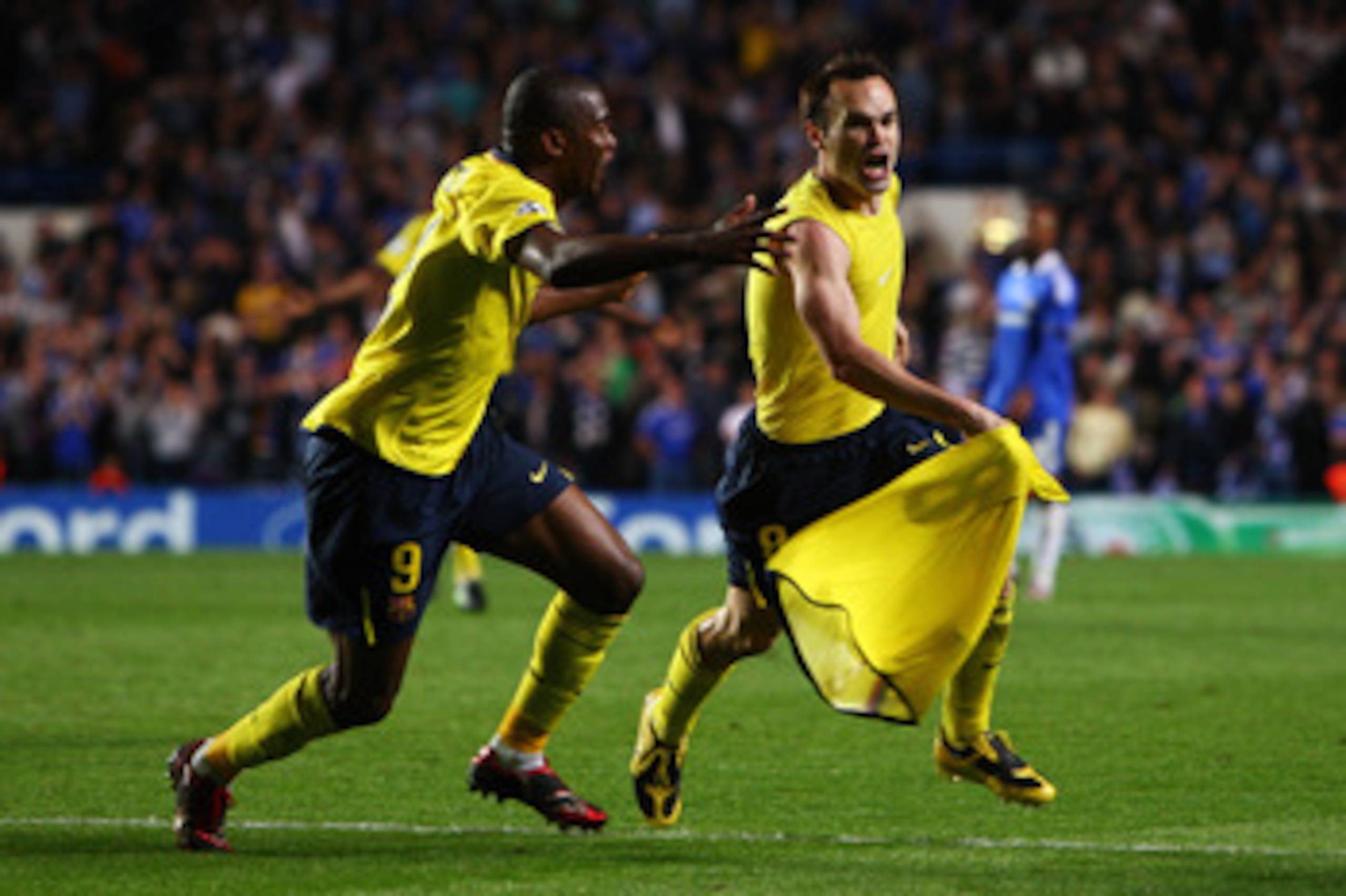
Andres Iniesta's stoppage time equalizer at Stamford Bridge in 2009 gave Barcelona a controversial victory against Chelsea. This was a match where Chelsea had shown their superiority as their limited possession did not prove to be much hindrance. Eventually, Frank Lampard's forward runs created a chance for Michael Essien, who netted a screamer of a finish.
More importantly though, Essien, who had been peripheral in the first leg, now rose to an integral position by silencing Lionel Messi. Essien, along with his experienced defensive midfield partners, Obi Mikel and Michael Ballack played physical and intelligent football, and were what it took to keep passmaster Xavi and dribbler Iniesta quiet.
Again, Chelsea did not convert their many chances due to lack of attacking players and so were let down by their strategy of packing the midfield, leaving them defeated by Iniesta's stoppage time leveller.
Case 3: Arsenal
3 of 5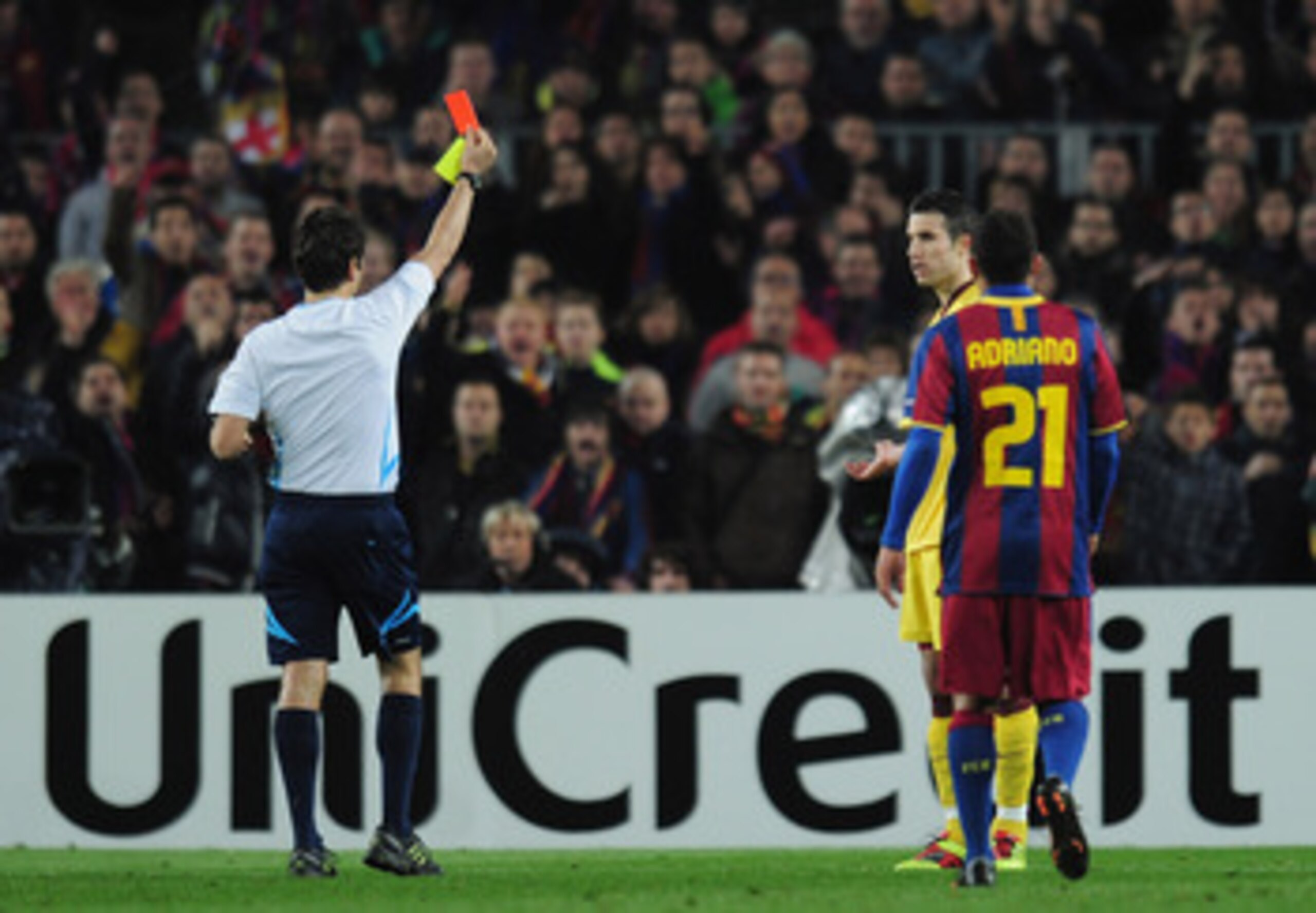
Arsenal went into their second leg with Barcelona at the Camp Nou, leading two goals to one. Being reputed for playing attractive football, Arsenal now switched to plan B—defend deep and counter-attack. They succeeded, for 48 minutes, until Iniesta scooped a Cesc Fabregas backheel to provide Messi with space to convert against Manuel Almunia.
At the 55 minute mark, Samir Nasri won a corner after an Arsenal counter-attack. During the corner, Sergio Busquets headed it into his own net. Not long after, Arsenal had to deal with Robin Van Persie being sent-off...but that's another story entirely.


Case 4: Real Madrid
4 of 5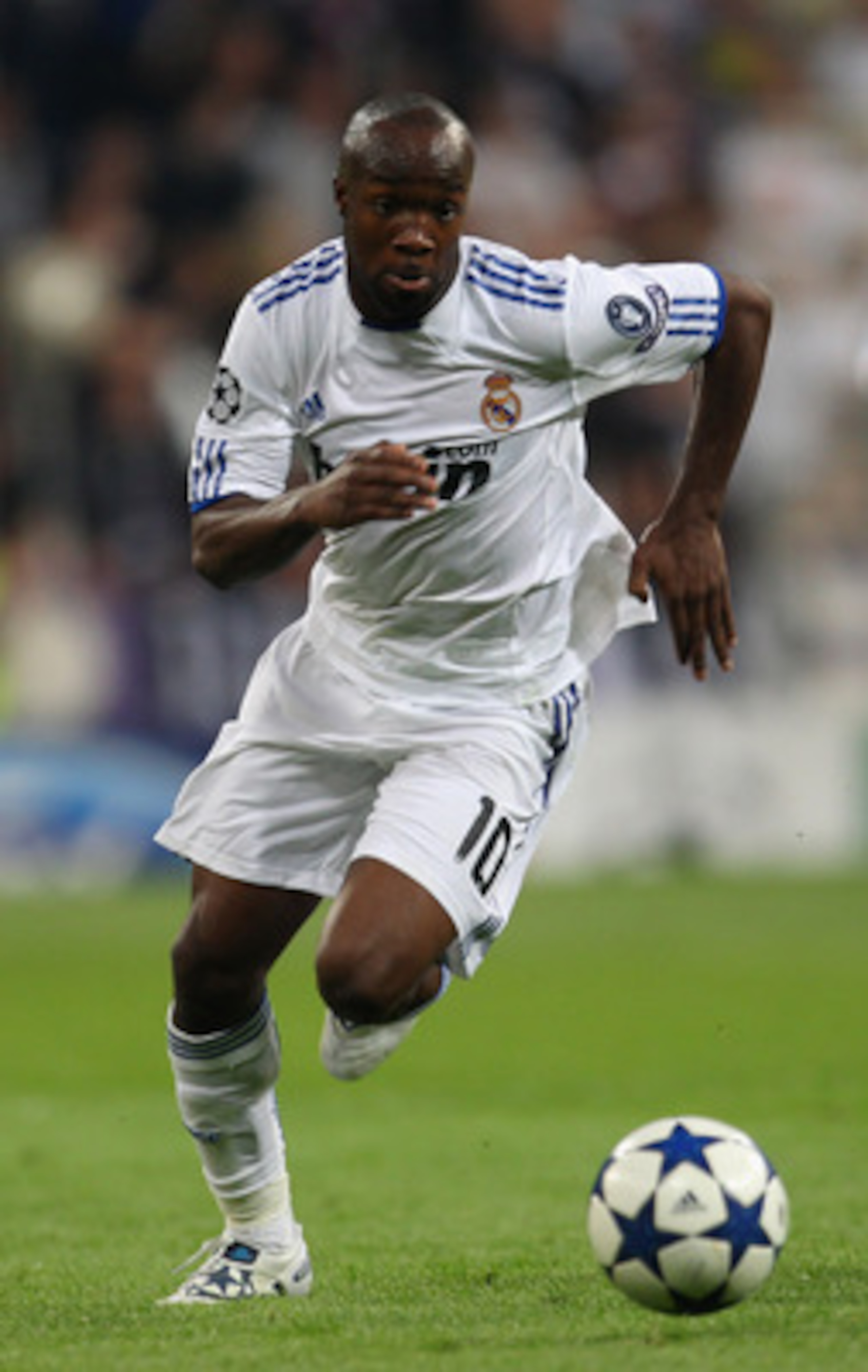
There are three occasions where Real Madrid stifled Barcelona and (mostly) gained a favorable result.
1. El Clasico at the Bernabeu—Part 1: Here the three defensive midfielder formula was also used to great effect for Madrid, as they used Sami Khedira, Xabi Alonso and Pepe to stifle Barcelona.Although, the defence proved to have a lack of composure and gave away a penalty, which Barcelona converted. Further more, they managed to convert a penalty gained after a counter-attacking masterclass from Ronaldo.
2. Copa Del Rey Final: A Madrid victory, and a similar case to the preceding example at the Bernabeu. Madrid's victory came from masterful man marking jobs from defensive midfielders Pepe and Khedira.It is noteworthy that Barcelona again dominated this match in periods, as is almost expected of the Catalan giants. Ronaldo's extra time winner resulted from an exquisite counter attacking move from Marcelo and Di Maria.
3. The First 62 Minutes of the Champions League Semi-Final at the Bernabeu: Pepe and Lassana Diarra again did a man marking job on Barcelona and managed to stifle the Blaugrana. Real Madrid were restricted to free kicks and had limited possession but were soaking up pressure from Barcelona. Barcelona had two options against the Madrid back line: Xavi's wayward shots( runs from midfield) and wing play from Villa and Pedro.
Conclusion
5 of 5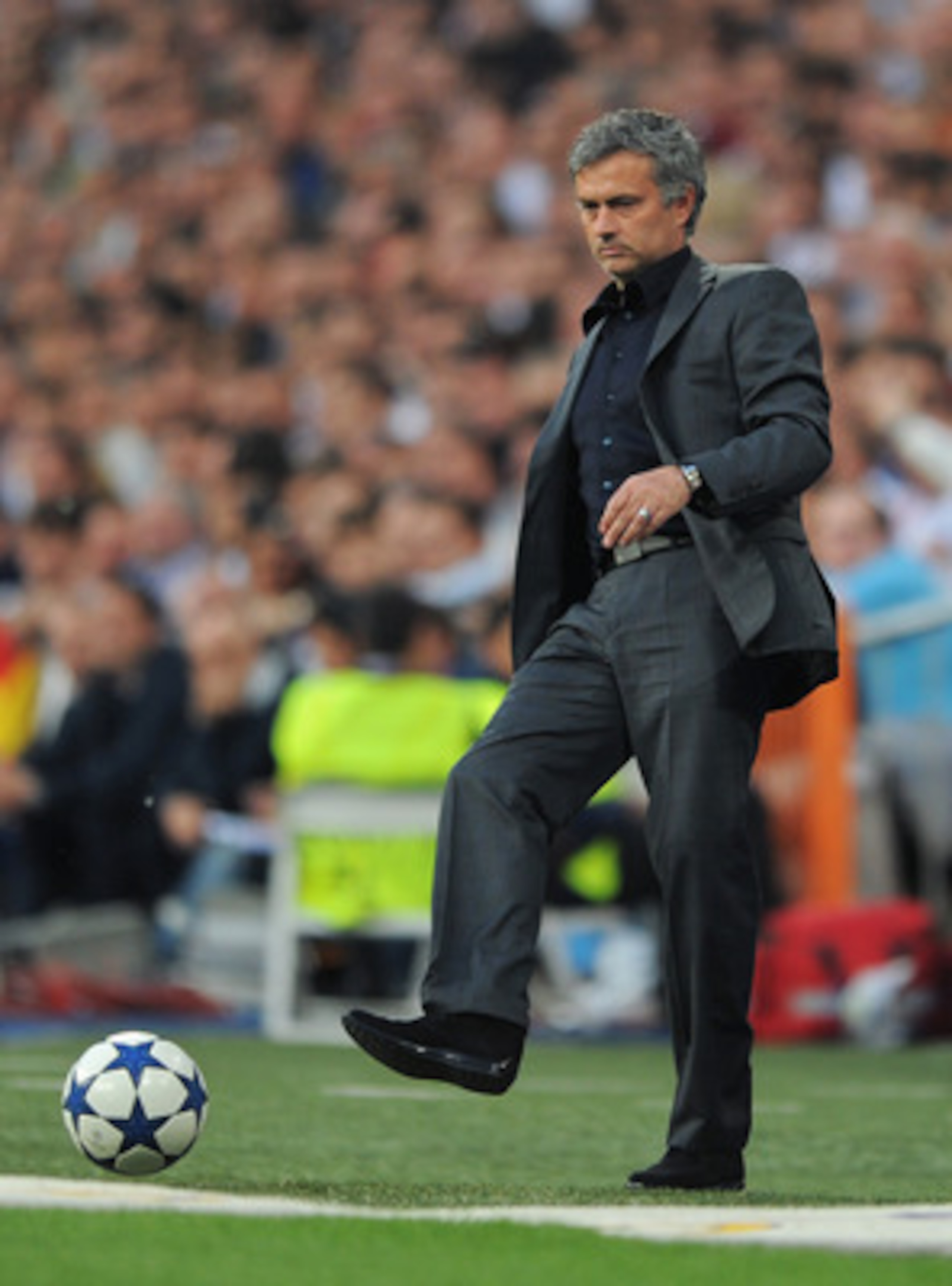
Judging from the aforementioned cases, every time negative tactics have been used against Barcelona, they have been stifled and contained, albeit being the better side in patches.
With Lassana Diarra and Pepe both having excellent games, the game looked set to be a 0-0, or possibly, a 1-0 to Madrid. Barcelona can tend to tire in the later stages of the game, as they usually have a lead at half-time and relax. However, when they are not in the lead after half-time, Barca is susceptible to pace off the bench and might concede a goal or two.
In any event, Jose Mourinho's tactics against Barcelona were not only justified, but also were the only way that Real Madrid were going to win the match and calls for criticism are off-base.





.jpg?w=2560 "Latest Peyton-Colts Rumors")