
NBA Draft 2011: The Most Glaring Weakness of the Top 25 Prospects
As much as it pains me to be negative about these future NBA mainstays, I can't help but notice some flaws in the games of the young men that are about to move on from college basketball to the next level.
Some of them struggle on the offensive side of the court while others don't know how to defend. Some lack athleticism while others lack strength or side. Some even have poor mental games and will need to set their head on straight before dominating other professionals.
These are the top 25 prospects according to NBADraft.net's latest mock, but keep in mind that they're sorted alphabetically by last name and not in the order that they will be drafted.
Read on for the dirty laundry on each of these 25 players.
Bismack Biyombo: Offense
1 of 25
Bismack Biyombo may have the worst offensive game of any player to enter into the draft field in recent history. He has absolutely no footwork, no post game, no jump shot and no understanding of the offensive game yet. In fact, he gets his points almost exclusively off offensive rebounds and the resulting put-backs with the ever-so-rare wide-open dunk or alley-oop.
Fortunately for Biyombo, his size, athleticism and great defensive ability have vaulted him into the first round. He's only 18, allegedly, so his offensive game still has a lot of time to improve.
Alec Burks: Strength
2 of 25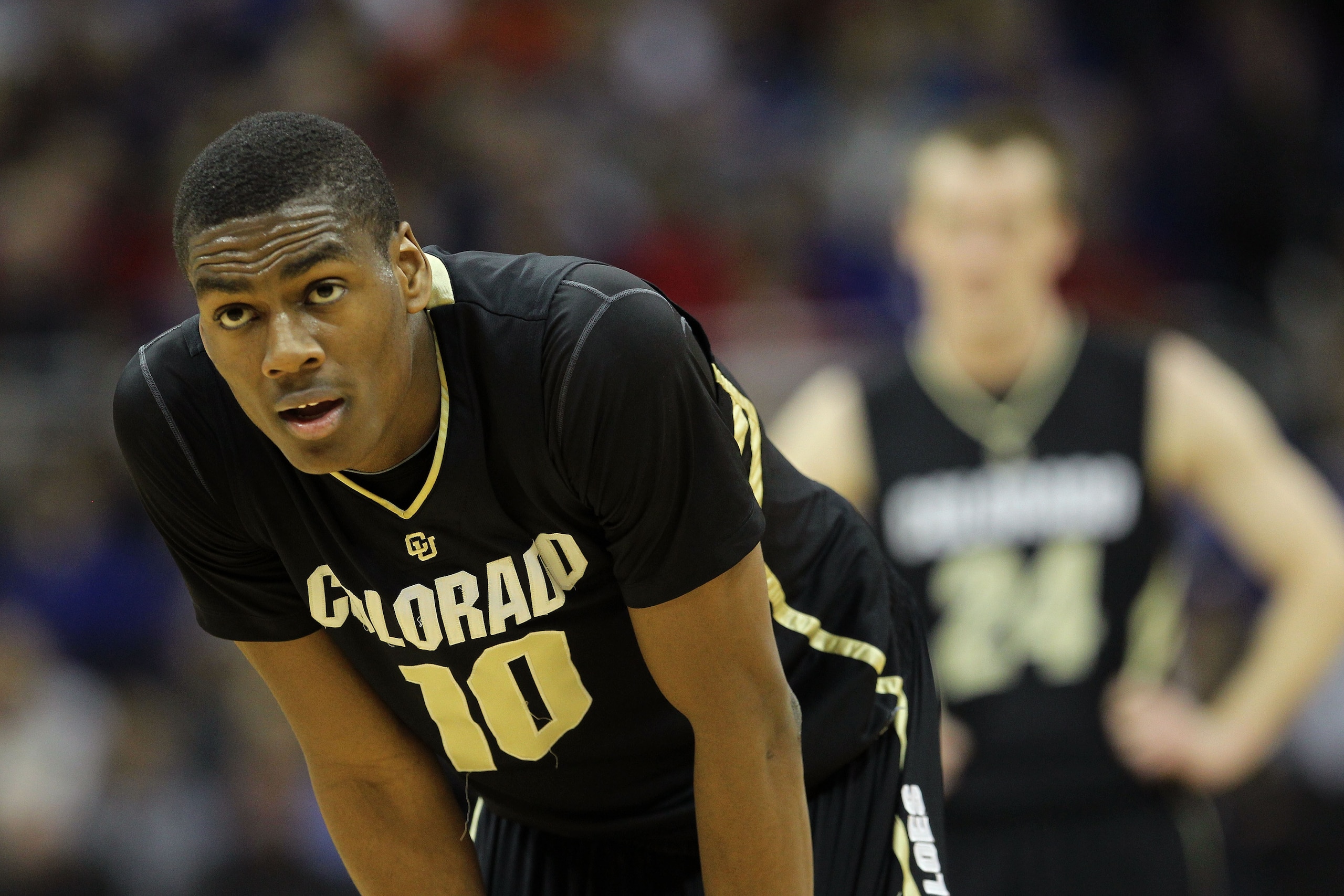
At this point in his basketball life, Alec Burks has been able to rely on his ridiculous athleticism, quick first step, remarkable jumping ability and fantastic ball handling skills to get by defenders and score seemingly at will.
By relying on those skills, Burks has been able to hide his lack of strength, specifically his lack of upper body strength. That won't fly in the NBA where everyone is athletic and quick. If Burks wants to be able to fly through the air towards the basket against the trees of the professional level, he needs to get stronger.
Kenneth Faried: Offense
3 of 25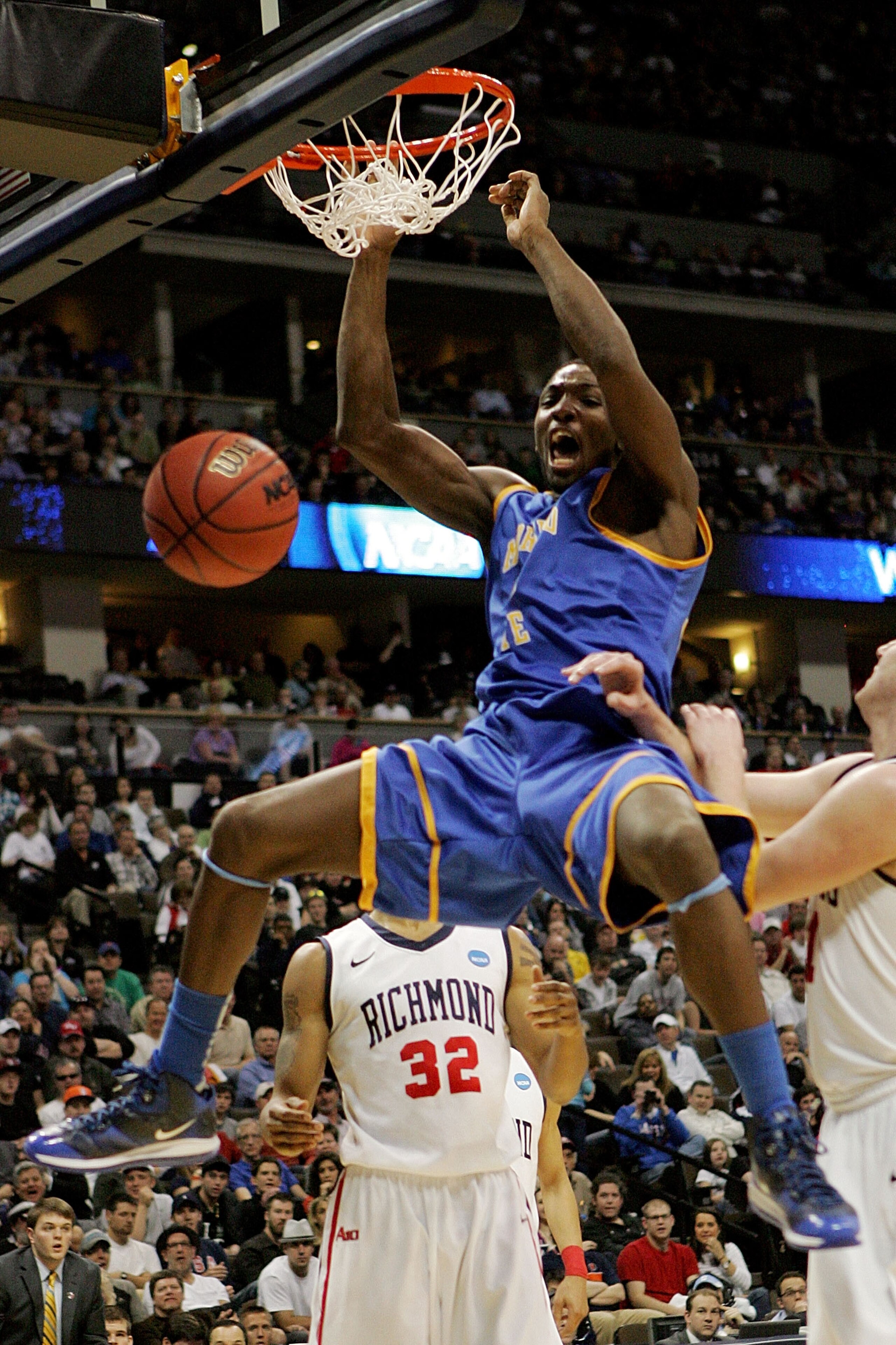
Kenneth Faried is an incredible rebounder and a very good defender, but he's simply not an offensive player. Although, come to think of it, his offensive game is...well...offensive.
Sure, Faried managed to average 17.3 points per game during his senior season at Morehead State, but most of those points came off of dunks and put-back shots. If you ask Faried to step even three feet away from the basket, he no longer knows how to score.
This offensive strategy simply won't work for the 6'8" big man when he moves on to the next level.



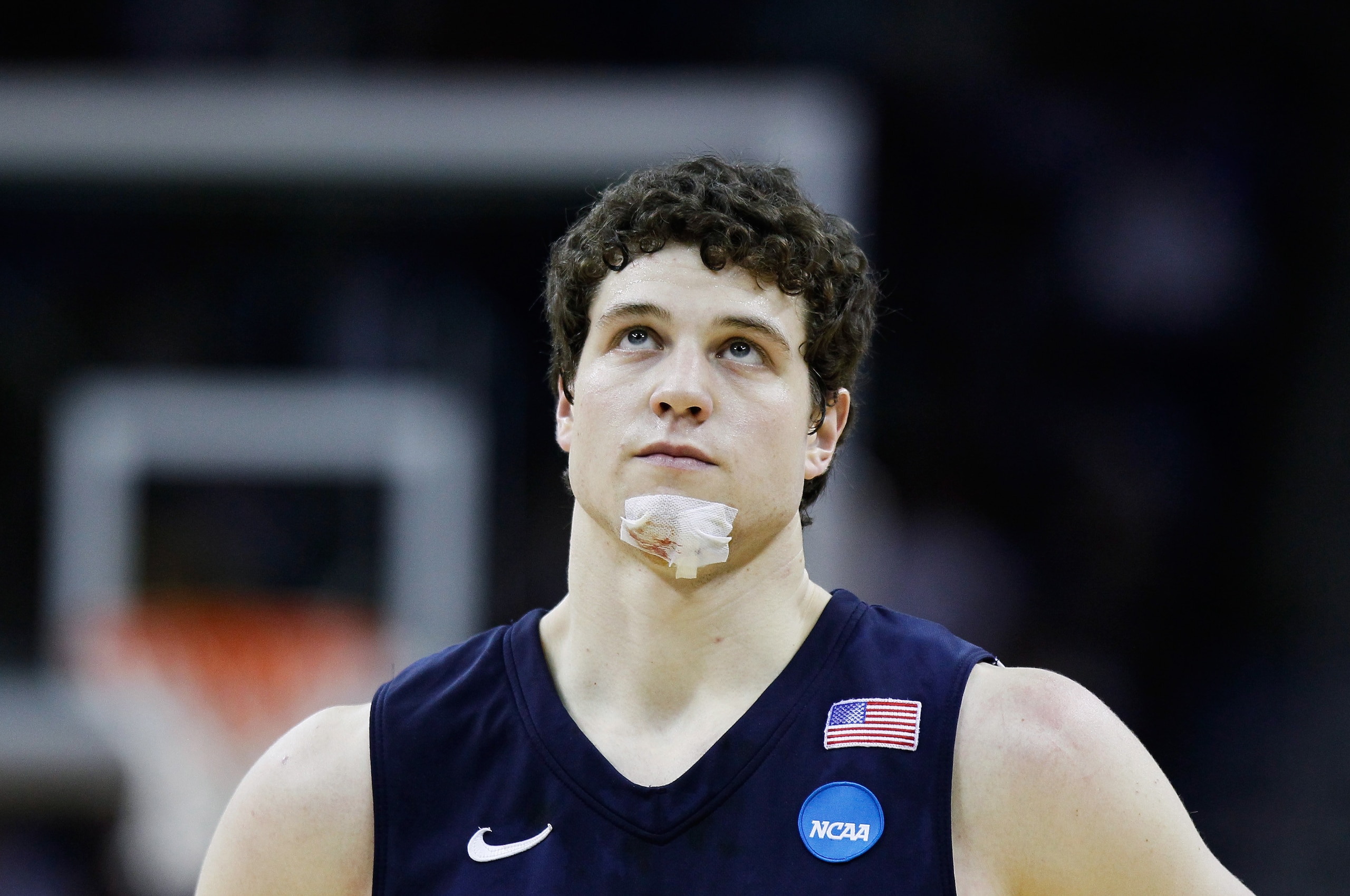
Jimmer Fredette: Athleticism
4 of 25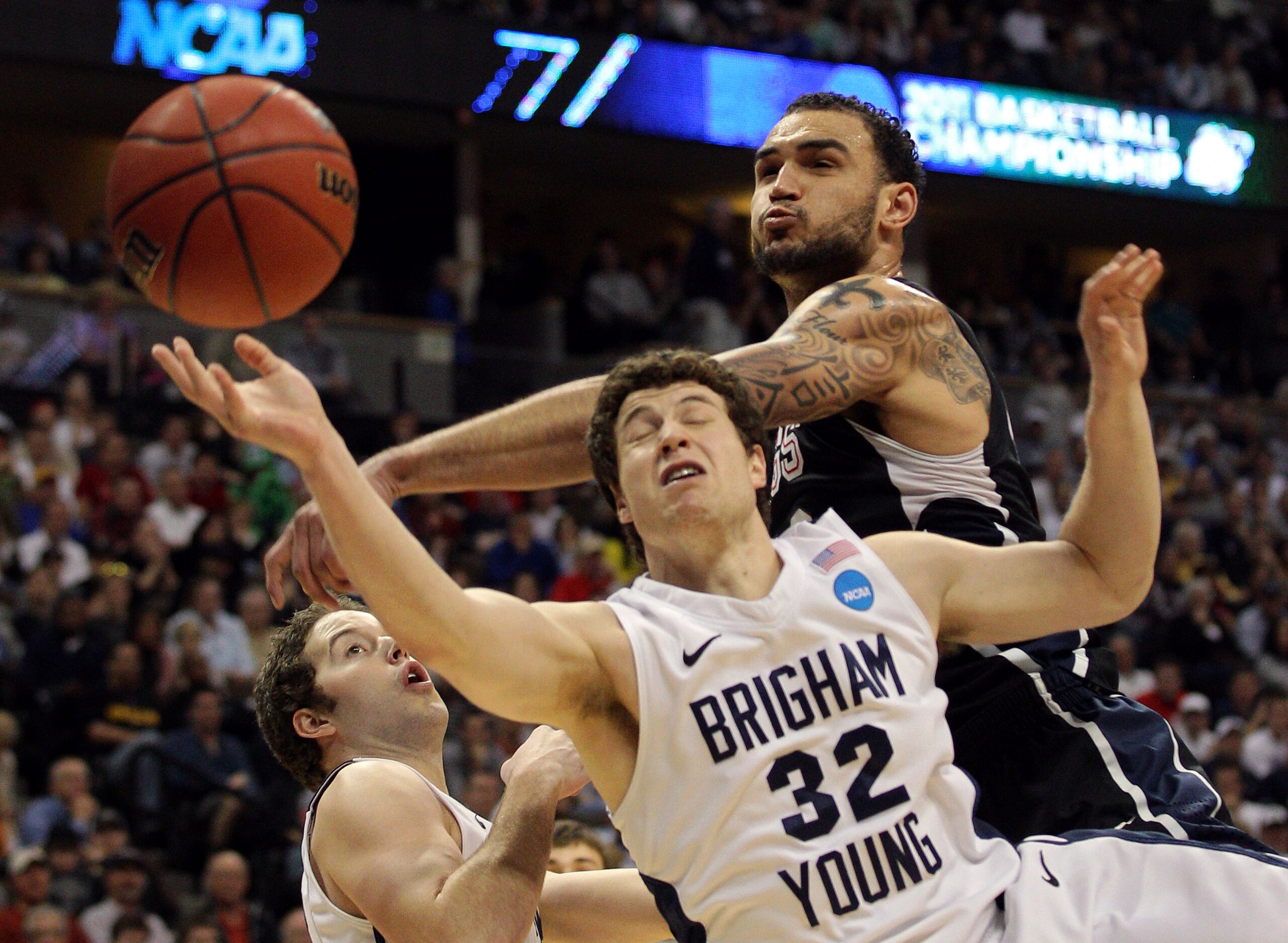
A lot of people think that defense is Jimmer Fredette's biggest weakness, but the reality of the situation is that Jimmer simply wasn't asked to play defense, but rather let his teammates pick up the slack and save his energy for the offensive end of the court where he was so invaluable to the Cougars.
Instead, Fredette's biggest weakness is a lack of athleticism that will keep him from lofting up many of the shots that he was able to get off against weaker college-level defenders. He's still a great shooter, but even great shooters still have to manage to create open looks.
Jordan Hamilton: Shot Selection
5 of 25
As you can tell by the fact that he averaged 18.6 points per game this past season, Jordan Hamilton knows how to fill up the bucket each time he plays. Don't go so far as to call him a scorer though.
Hamilton and his 44 percent shooting from the field are far from efficient. A lot of times, he calls his own number to often and throws up quite a few ill-advised shots at the basket. With good coaching, this will eventually change, but it's something that NBA scouts currently have to take into account.
Tobias Harris: Speed
6 of 25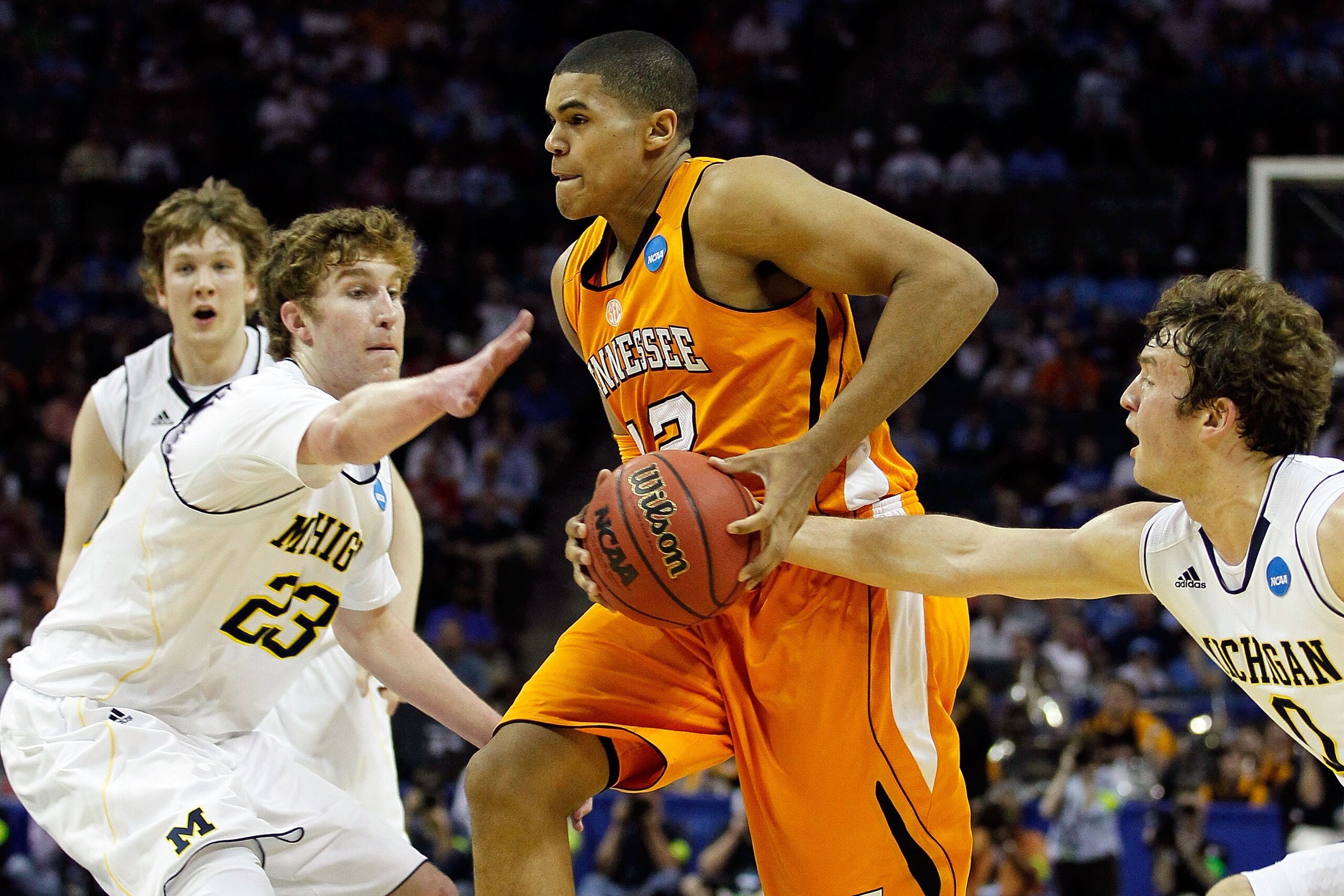
For a big small forward with good ball handling skills, you'd expect Tobias Harris to finish a lot of his shots with slam dunks or layups, right? Well, for some reason that wasn't a sight that people saw too often in Knoxville, Tennessee.
That reason is a significant lack of speed. Harris may be very athletic, but he isn't very quick. The reason for that could be that he's slightly overweight, packing 225 pounds onto his 6'8" body. With a little more muscle and a few less milkshakes, this weakness could quickly morph into a strength.
Tyler Honeycutt: Ball Handling
7 of 25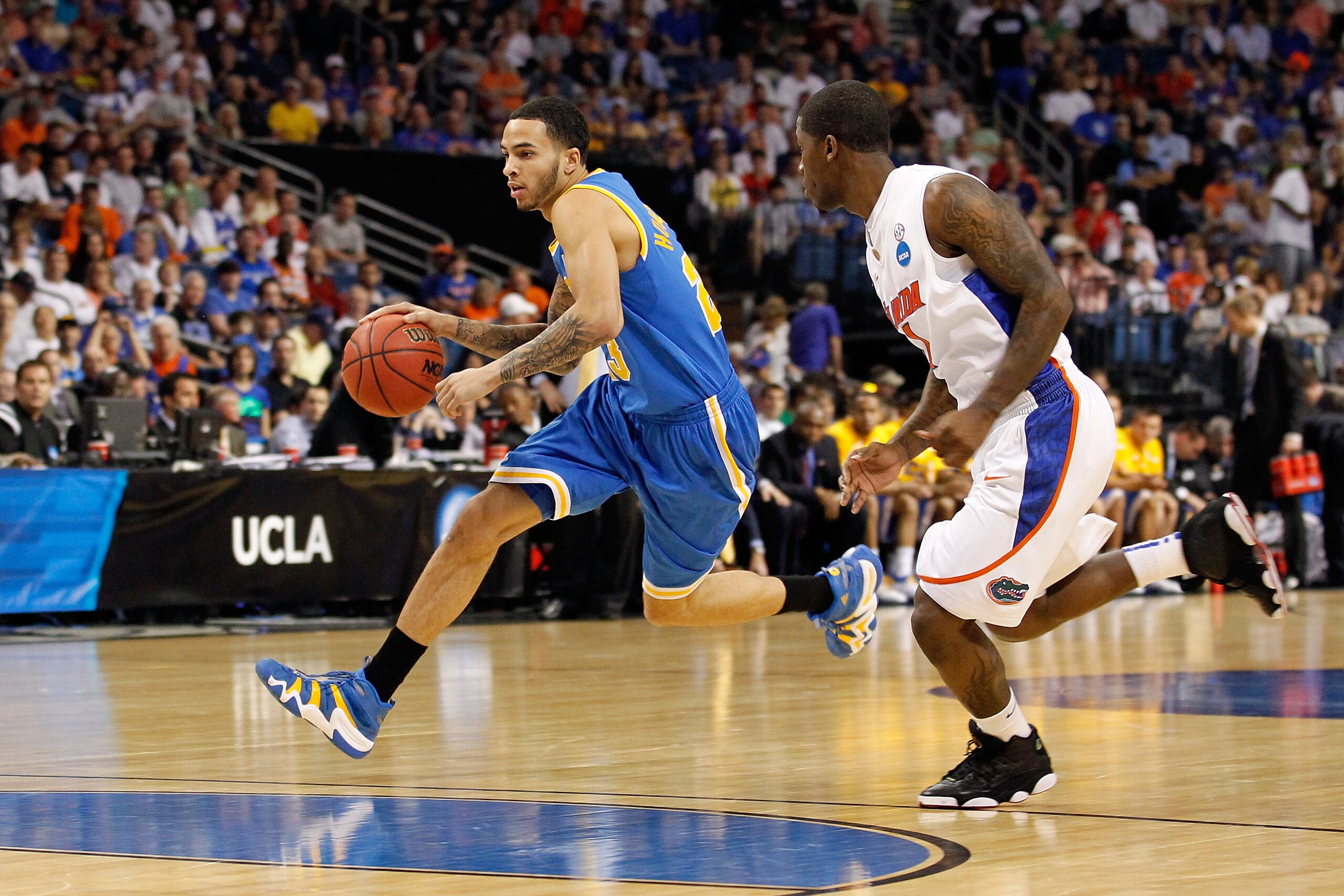
The athletic and oversized guard from UCLA is a dynamic player, but he struggles at times to maintain good ball security. A lot of times Tyler Honeycutt doesn't have sweet handles and turns the ball over to the opposition, both through poor dribbling and ill-advised passing.
Honeycutt averaged 2.7 assists and 2.4 turnovers per game during his freshman season for the Bruins, but failed to improve on those numbers during his sophomore year. While his assists climbed to 2.8 per game, his turnovers surpassed the assists, rising to 3.0 per game during the 2010-2011 season.
Kyrie Irving: Experience
8 of 25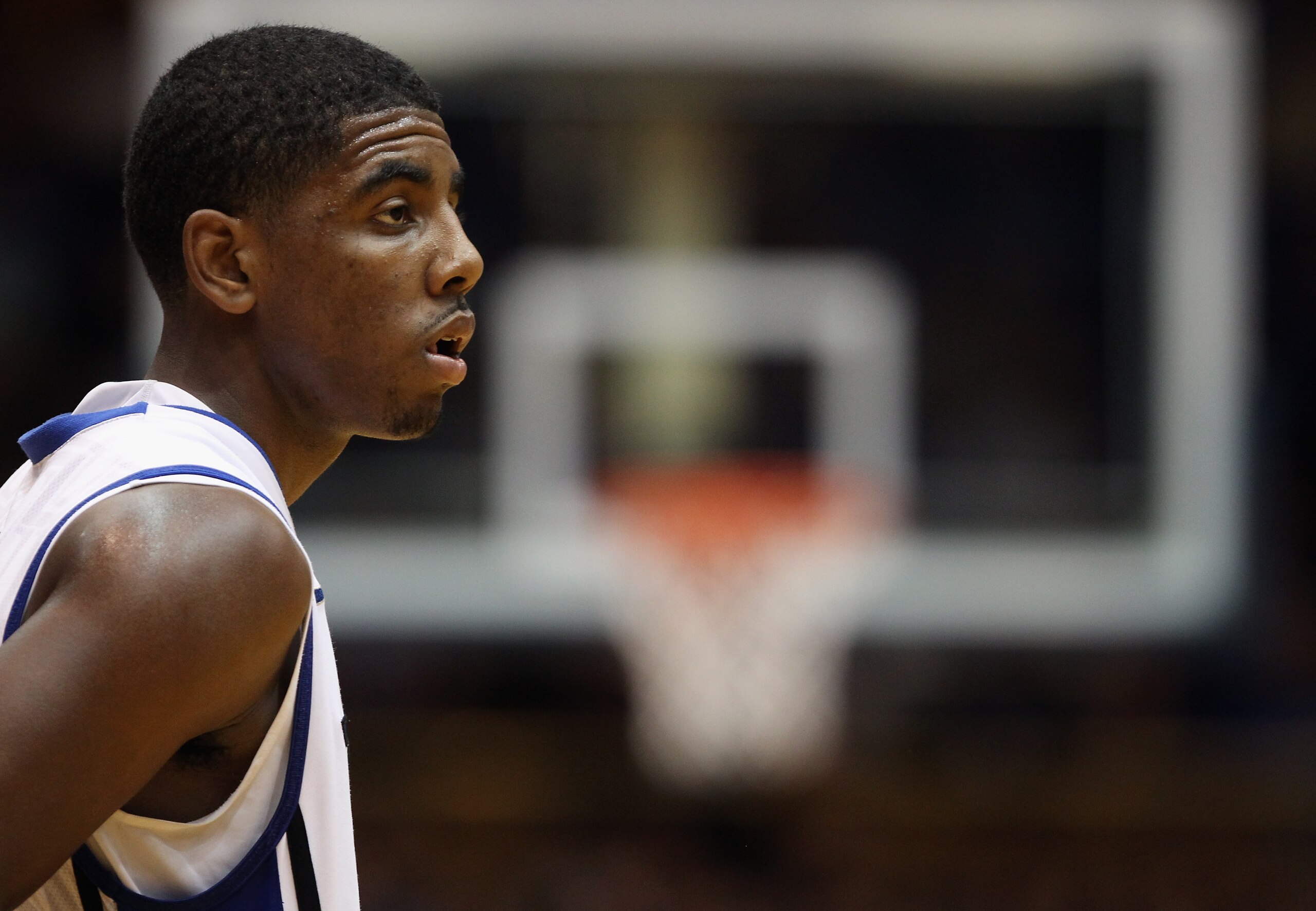
Though no fault of his own, Kyrie Irving's biggest flaw right now is his lack of experience at the college level. Some might say that he isn't quite explosive enough to be a perennial All-Star in the NBA, but I think the rest of his game is solid enough to make up for that hindrance.
Irving played in just eight games with the Duke Blue Devils before he injured his big toe against the Butler Bulldogs and was forced to miss the rest of the regular season and all of the ACC Tournament. While he returned during March Madness, he didn't get the same playing time that he would have been rewarded with had he stayed healthy throughout the year.
The point guard will eventually adapt to the game's highest level, but it will be tougher because of his lack of experience.
Terrence Jones: Mentality
9 of 25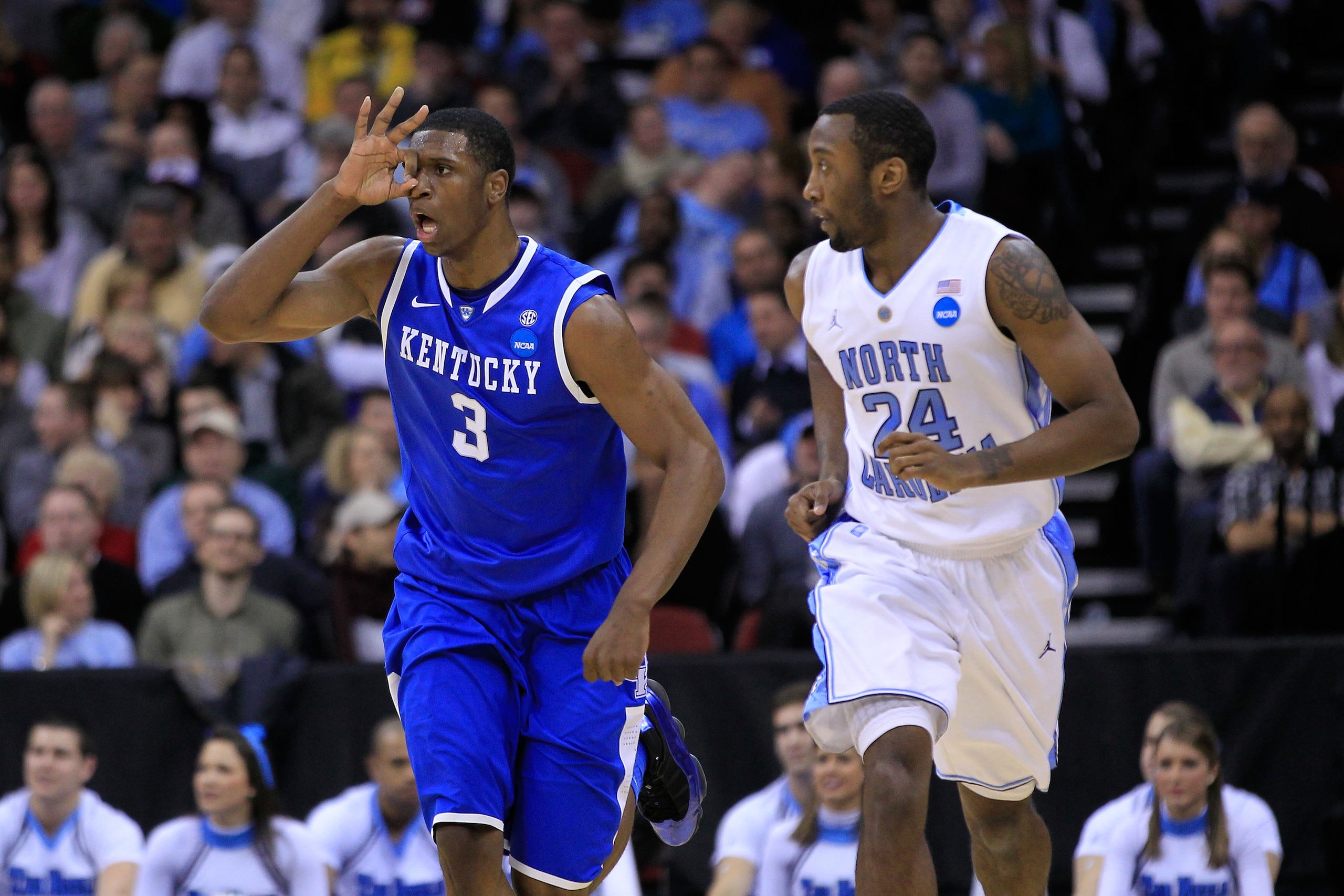
Watching Terrence Jones throughout the season, I got the feeling that he thinks of himself as a guard rather than a 6'8" small forward with a big enough body to muscle up in the paint. He loves to dribble left and finish with a flourish, kissing the ball of the backboard instead of going up strong.
Jones simply isn't aggressive enough on the court. He has trouble channeling motivation into his play and often seems disinterested and uninvolved. If he can change that, there's no telling what this kid can do.
Enes Kanter: Health
10 of 25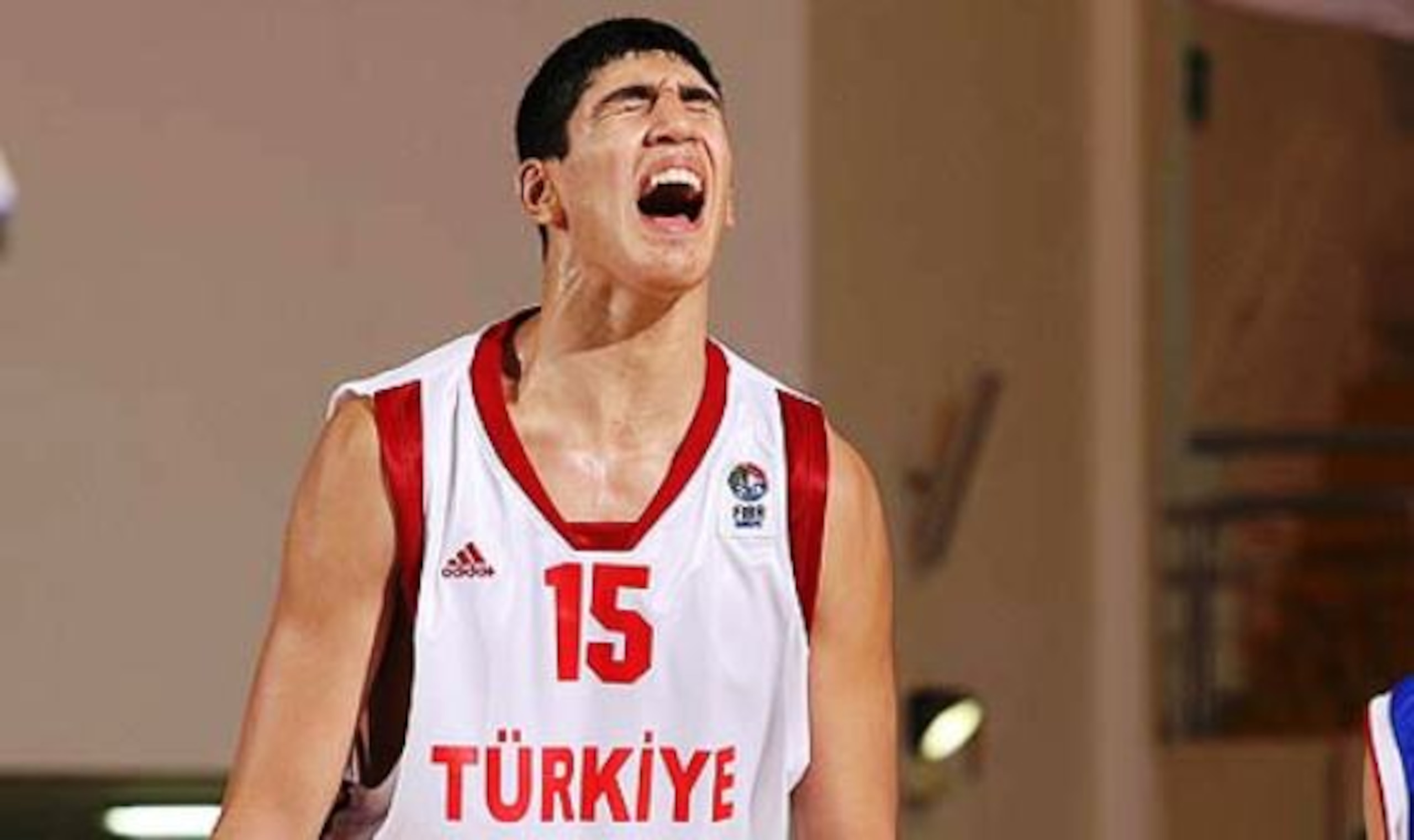
When it comes to Enes Kanter's basketball skills, I honestly wouldn't be able to pick out a single weakness. He's one of the most complete centers we've seen enter the raft in quite some time.
The only knock I can really find on him right now is that his knees are troublesome. Kanter has had a history of knee problems and there's a chance that they won't be 100 percent at the physicals that NBA teams will inevitably ask him to pass.
The NBA schedule is much more rigorous than anything the Turkish center has seen before, making this a potential problem down the road.
Brandon Knight: Passing
11 of 25
Brandon Knight improved mightily as his freshman season at Kentucky went on. He really came into his own during the NCAA Tournament when he drained game-winning shots time after time.
Knight is a fantastic scorer with great intangibles and quickness, but he lacks the passing skills of a truly elite point guard. Sure, he can fit the ball into tight spaces, but he's too hesitant to do so at times and is prone to making an occasional bad decision. This is shown quite clearly by the fact that he averaged 4.2 assists and 3.2 turnovers per game on the Wildcats roster.
Kawhi Leonard: Offense
12 of 25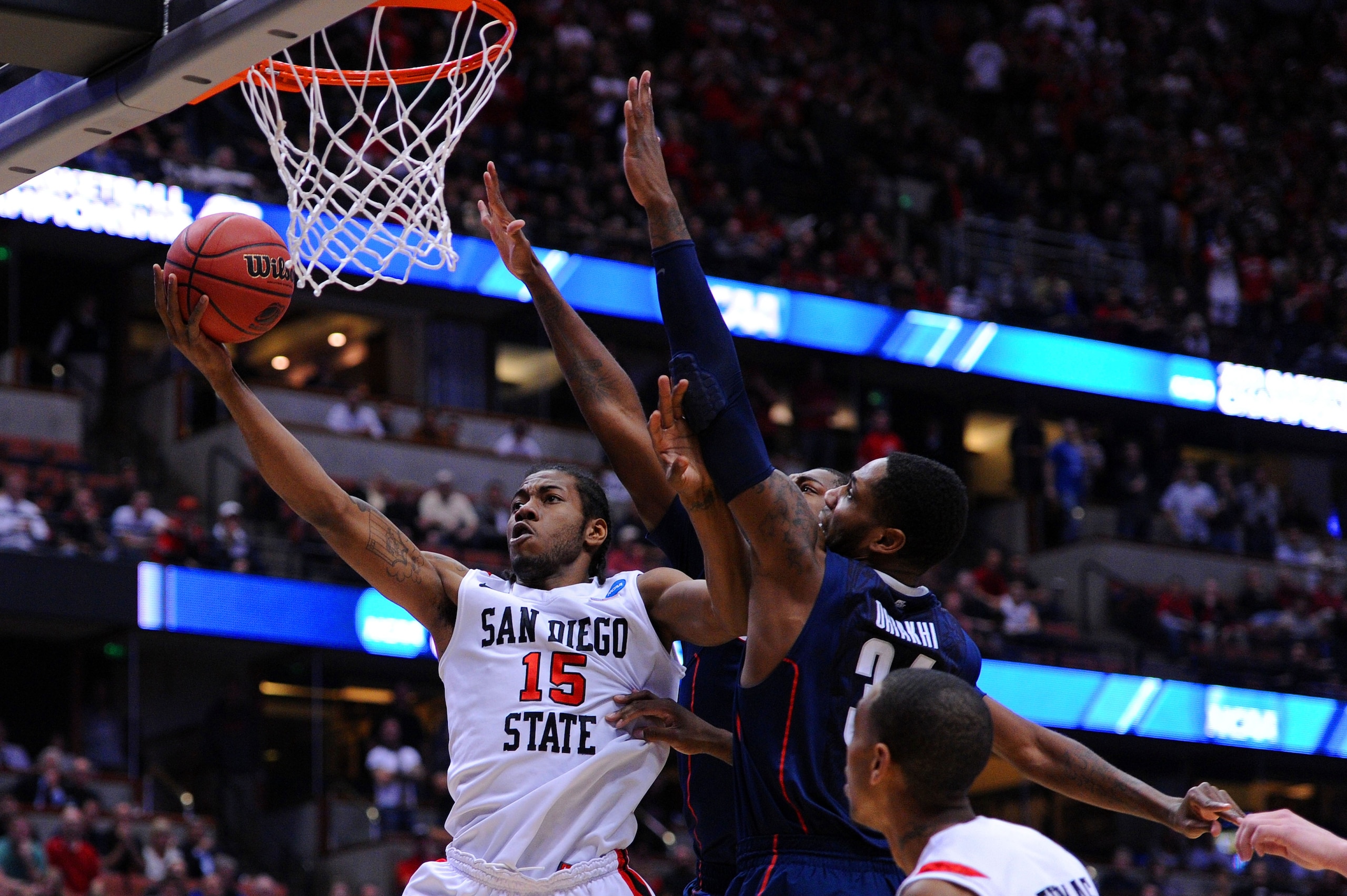
The all-around small forward for the San Diego State Aztecs decided it was time to take his talents to the next level, but that was the wrong decision in my opinion. Kawhi Leonard still needs to do a lot of work on his offensive game.
He's not the greatest dribbler that the game has seen and lacks the ability to break down defenders on a consistent basis, especially when he uses his left hand. His jump shot is also pretty inconsistent. In fact, Leonard relied a lot on his size to get his points on a nightly basis at the college level. That will be tough to do in the pros.
Shelvin Mack: Passing
13 of 25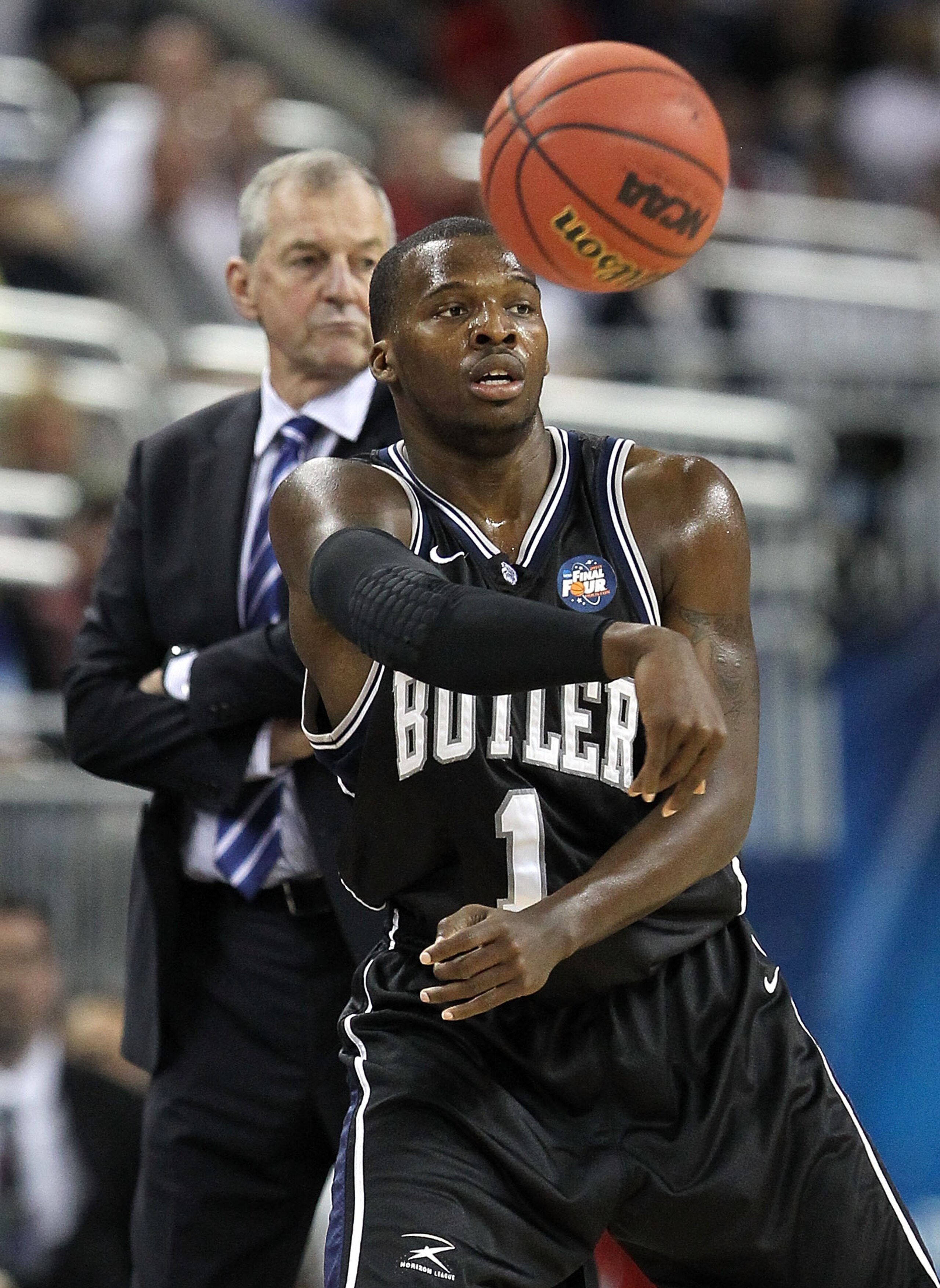
Because he is only 6'2", Shelvin Mack is probably going to be forced into the point guard position on whatever NBA team drafts him. This is problematic because Mack was used to playing more of a shooting guard role for Butler and hasn't developed the passing skills of a pure point guard.
We'e seen players like Stephen Curry overcome this weakness in recent years so there's no reason that Mack can't be successful, but it will require a good bit of work.
Marcus Morris: Strength
14 of 25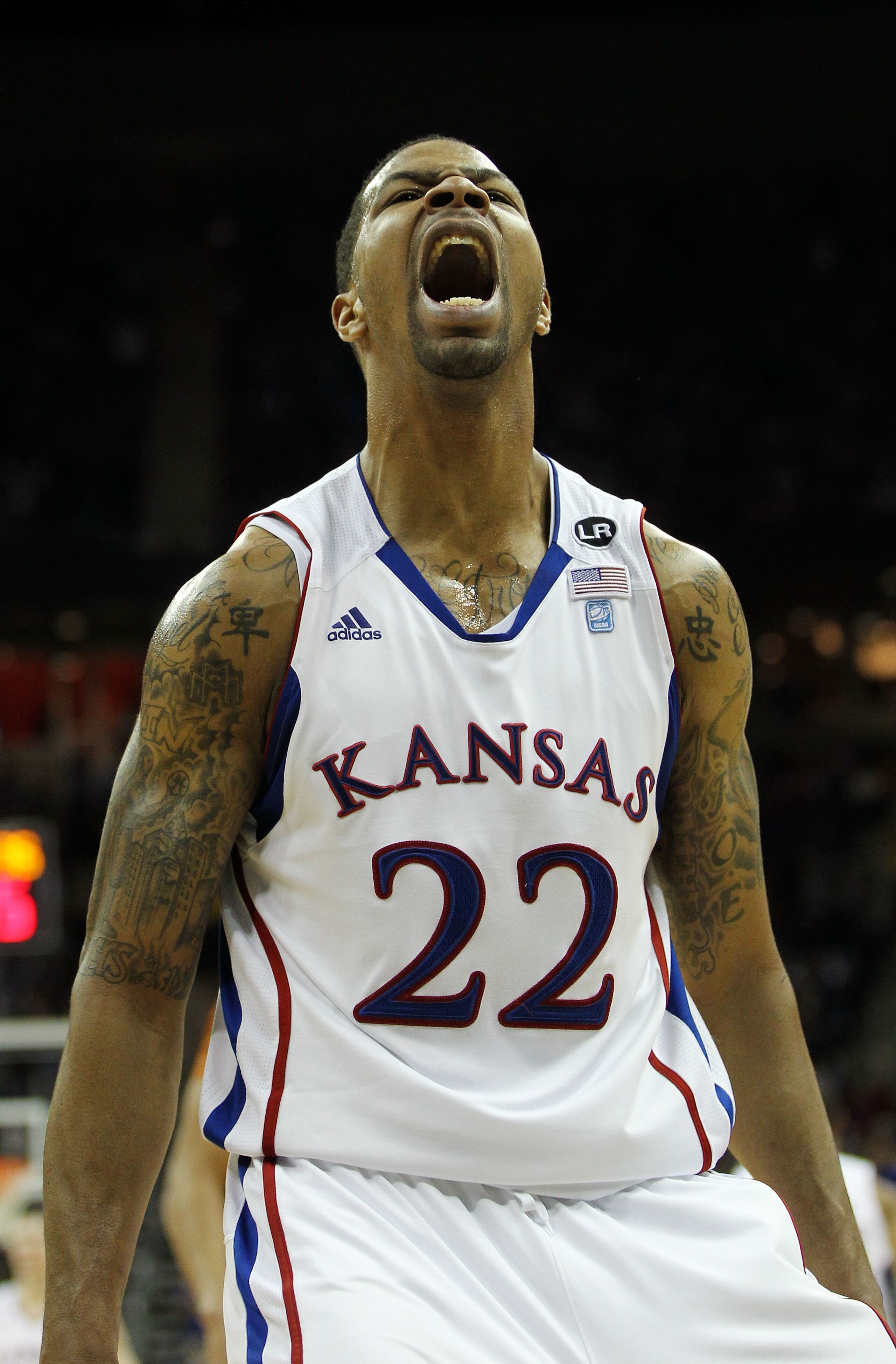
Marcus Morris is only 218 pounds, which might severely limit his ability to bang around in the paint like he loved to do while at Kansas. He has a fantastic jump shot and great post moves, but it's going to be quite difficult for him to use those moves against good low-post defenders who will be able to easily overpower the smaller forward.
Morris is still one of the elite prospects in this draft and a sure-fire lottery pick thanks to his stellar overall game, but he needs to bulk up and add a little bit of strength before he's ready to dominate at the next level.
Markieff Morris: Ceiling
15 of 25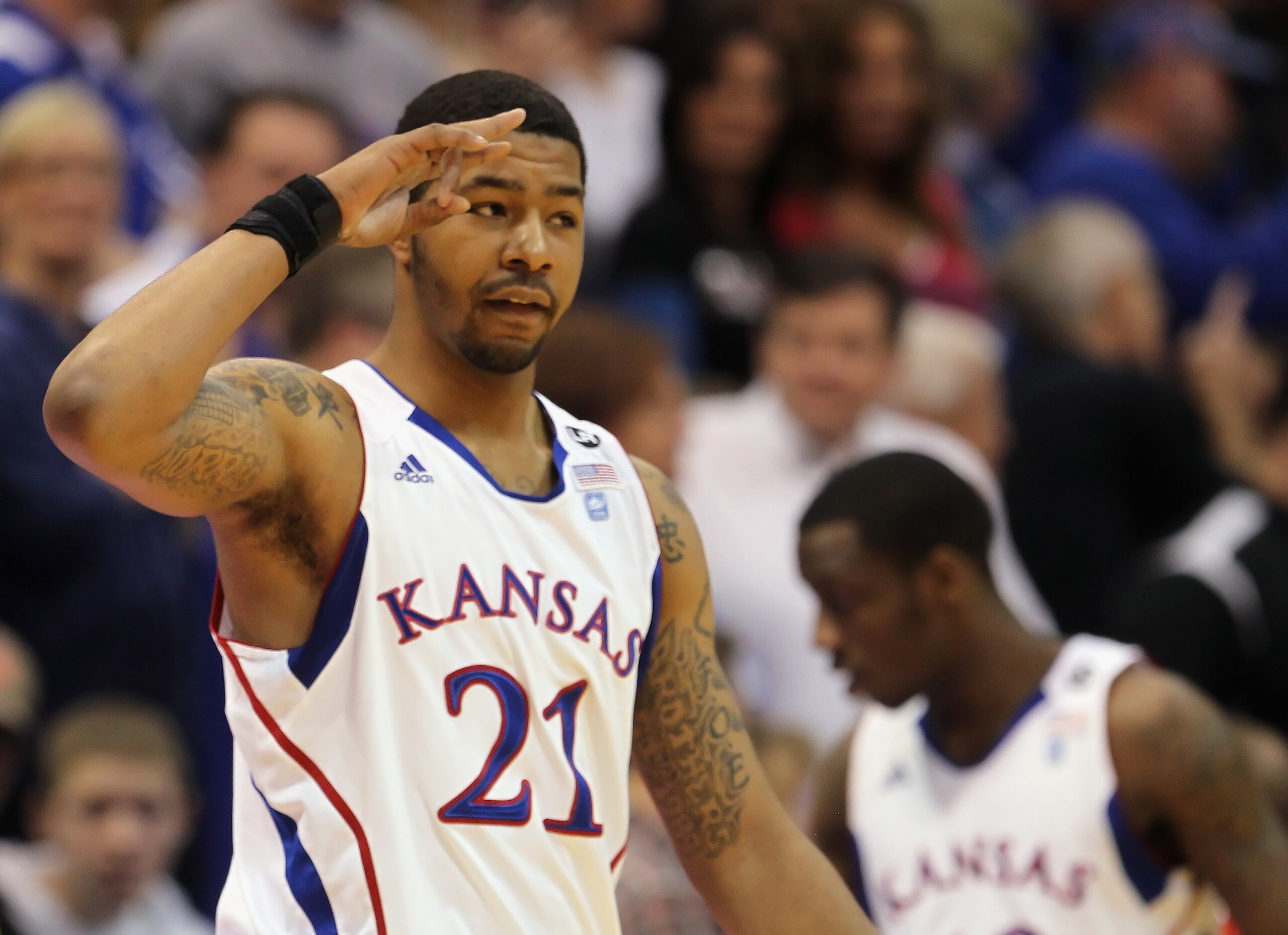
Markieff Morris is one of the most well-balanced prospects in the 2011 NBA draft class. If you look at his game as a whole, it's not really missing any elements whatsoever. Well, except for one.
The "worse" of the two Morris twins has a much lower ceiling than many of the other players available for selection. What we've seen from him at Kansas may be as good as it gets because he's already so developed and lacks the size necessary to dominate players in the NBA.
Donatas Motiejunas: Mentality
16 of 25
Sometimes when a player is really good and knows it, his game suffers as a result and red flags are sent up to scouts everywhere. Such is the case with the Lithuanian big man named Donatas Motiejunas.
At times, Motiejunas has appeared disinterested both on the court and during practice, although the latter isn't a problem if Allen Iverson suddenly takes over a team needing a seven-foot power forward. If he's going to be successful in the NBA, he's going to need to realize that he has to work hard at all times and be constantly improving.
Chris Singleton: Offense
17 of 25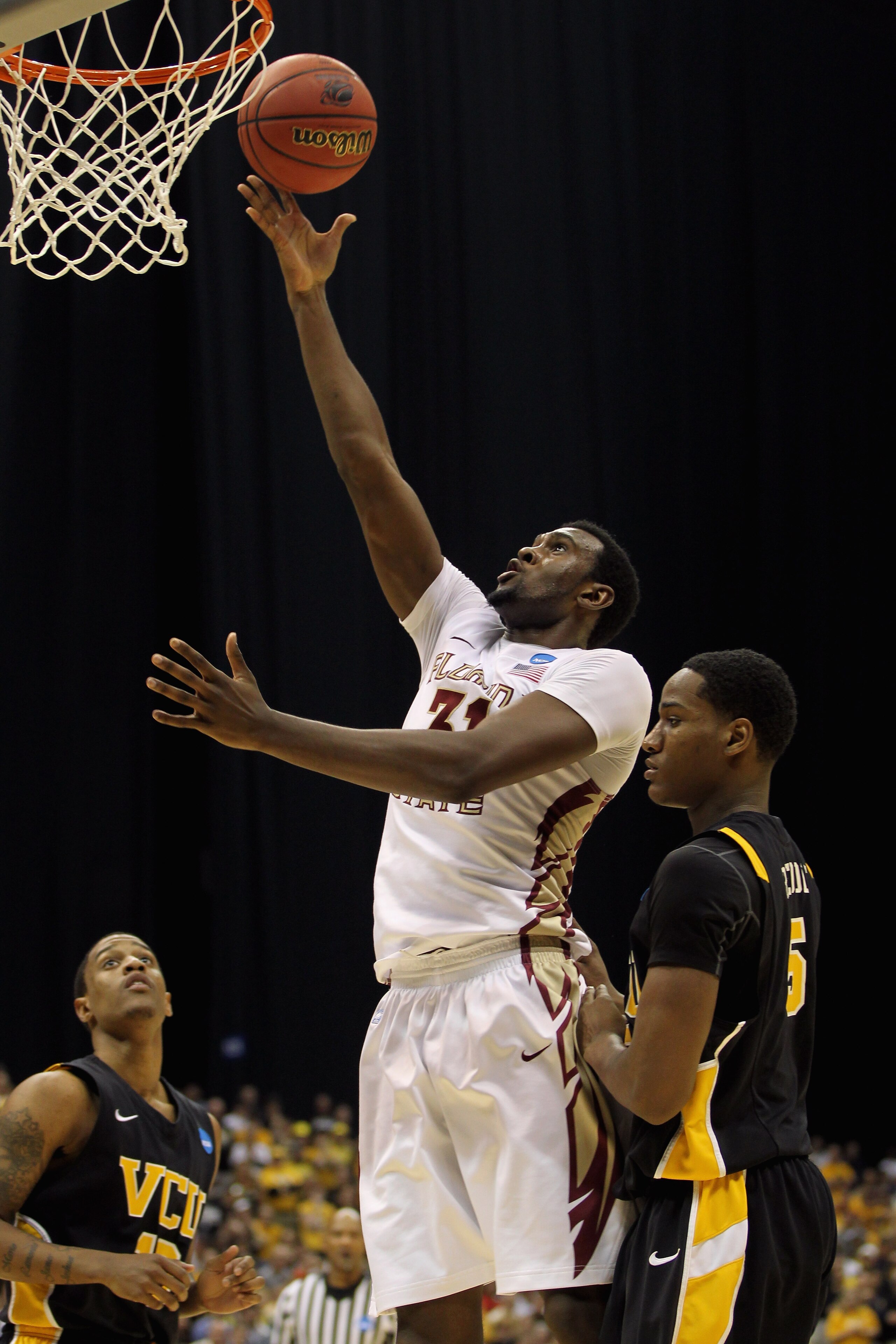
Chris Singleton is arguably the best defensive player eligible to be drafted into the NBA in the upcoming 2011 NBA Draft. He was Florida State's defensive stopper and the Seminoles were a far better team on that end of the court when he was on the floor.
Singleton also managed to score quite often, he was simply not a scorer. He lacks a go-to move and is a mediocre shooter at best. All in all, he's quite raw offensively.
Nolan Smith: Strength
18 of 25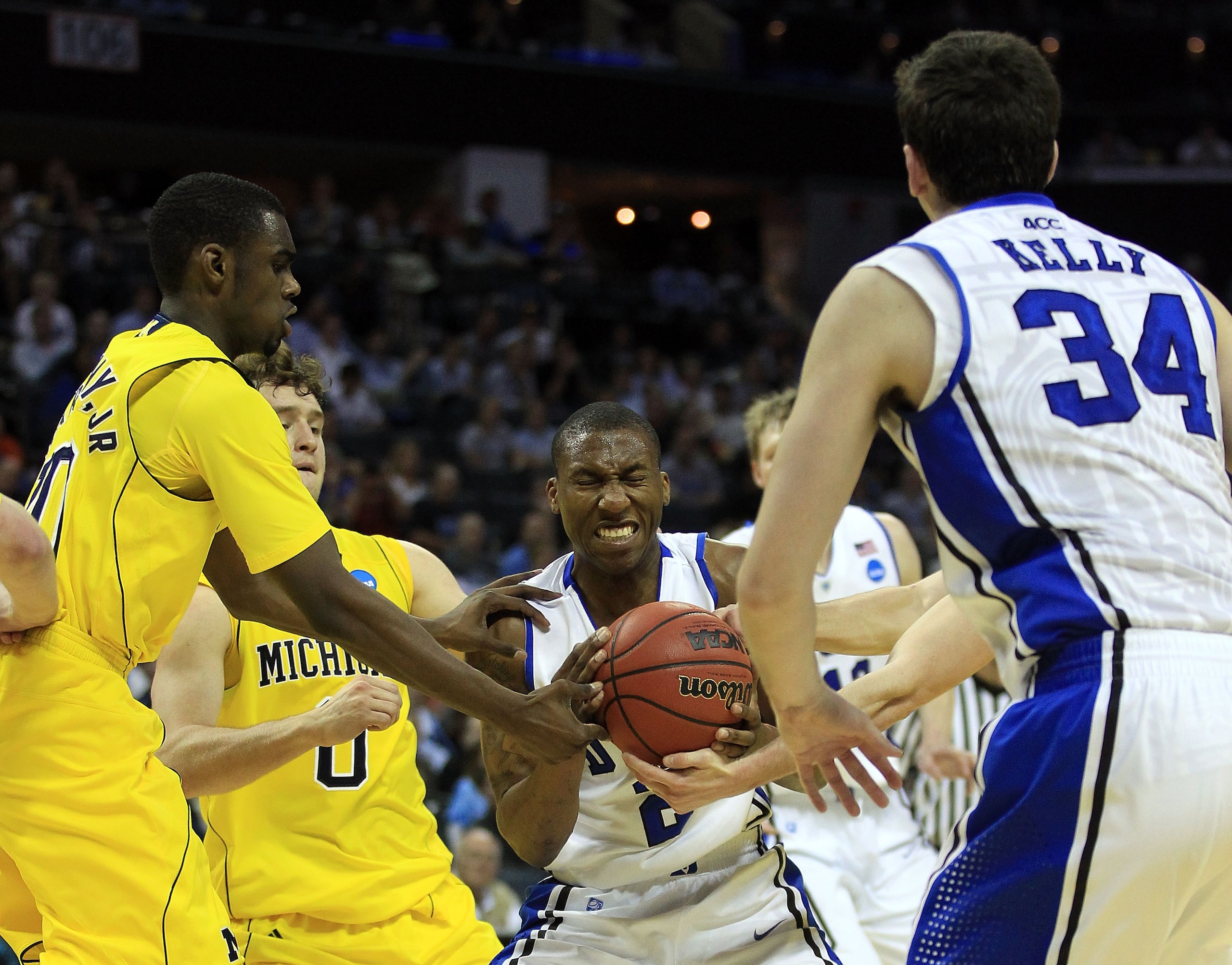
During the regular season, I was fully convinced that Nolan Smith was the best player in college basketball because of the marvelous success he experienced both as a shooting guard while Kyrie Irving was healthy and as a point guard after Irving went down with his toe injury.
But there's a reason that Smith isn't going to be drafted in the top 20 picks of the 2011 NBA Draft despite his amazing basketball skills. He simply isn't strong enough to get by in the NBA yet and that will hinder him both on offense and on defense.
Trey Thompkins: Mentality
19 of 25
Trey Thompkins has better post skills than any other entrant in the draft, although he's not athletic enough to dominate every defender that plays the sport. He can shoot threes as well as a guard and consistently served as a press-breaker for the Georgia Bulldogs during his final season in Athens.
With all of those skills, he should have been so much more dominant than he was. But Thompkins mind kept him from living up to the hype. A lot of times he would check out of games when they were tight or nearing the end and he never seemed to play with the passion necessary to absolutely dominate.
Klay Thompson: Speed
20 of 25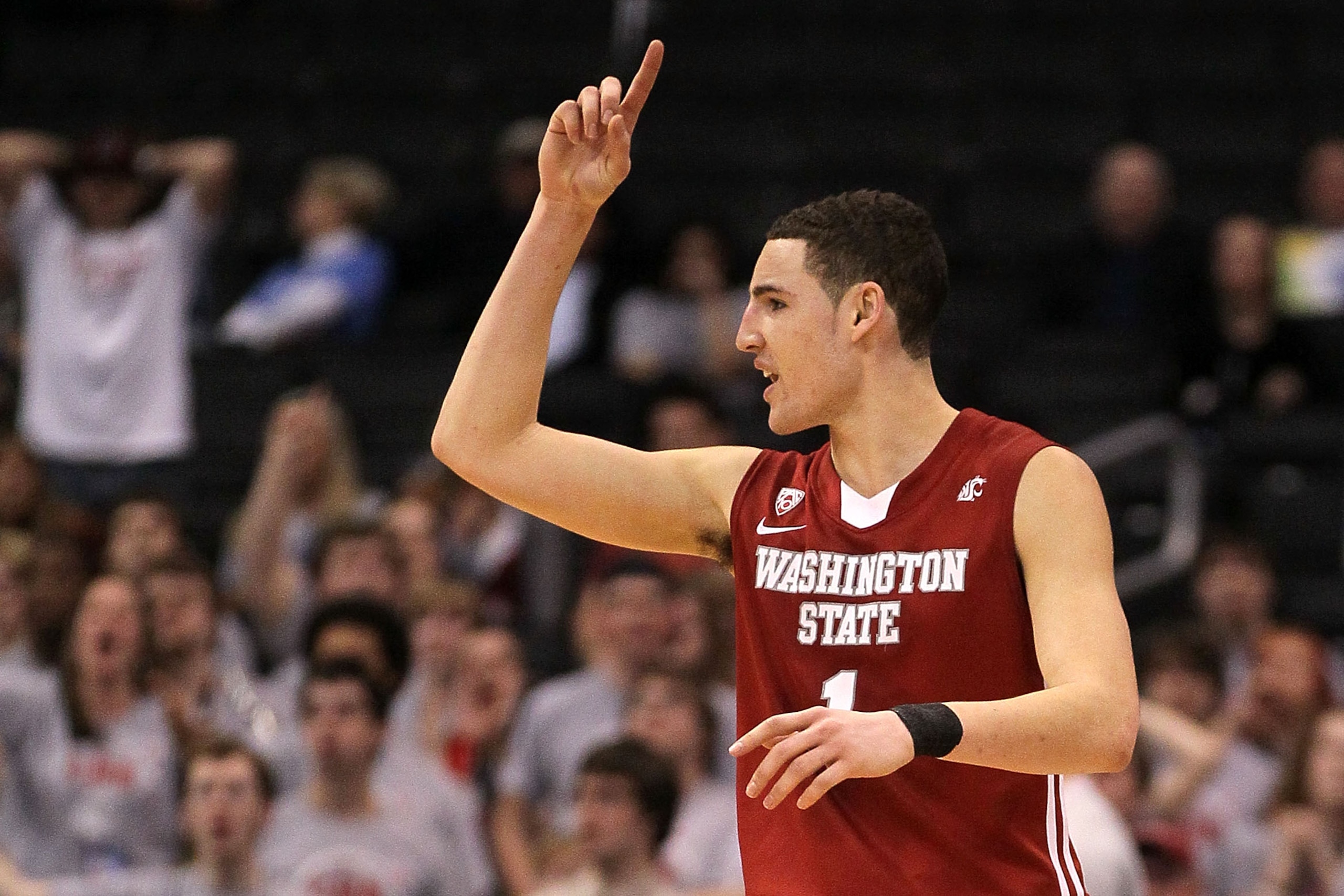
Klay Thompson has almost everything you can ask for in a shooting guard. He can shoot jump shots as well as anyone not named Jimmer Fredette. He can handle the ball quite adeptly in pass it with skill whenever necessary. Moreover, Thompson's 6'6" body easily gives him an edge against other shooting guards.
The one ingredient he's missing is speed. Thompson is by no means slow, but he's not quick enough to blow by good defenders either. If he was, he'd be a top five draft pick without question.
Tristan Thompson: Shooting
21 of 25
While Tristan Thompson is a great prospect and will be successful in the big leagues, he simply cannot shoot a jump shot.
When asked to step outside of his comfort zone and venture out of the paint, Thompson shuts down and really just can't score at all. Part of this is due to his awkward shooting stroke which inhibits the flight of the ball more than it helps it rotate towards the basket. Additionally, he has no confidence in the shot at all and the inevitable fade-away usually clangs off the rim, if it even hits the rim.
Plus, Thompson shot just 49 percent from the free-throw line last season. Ouch.
Jan Vesely: Strength
22 of 25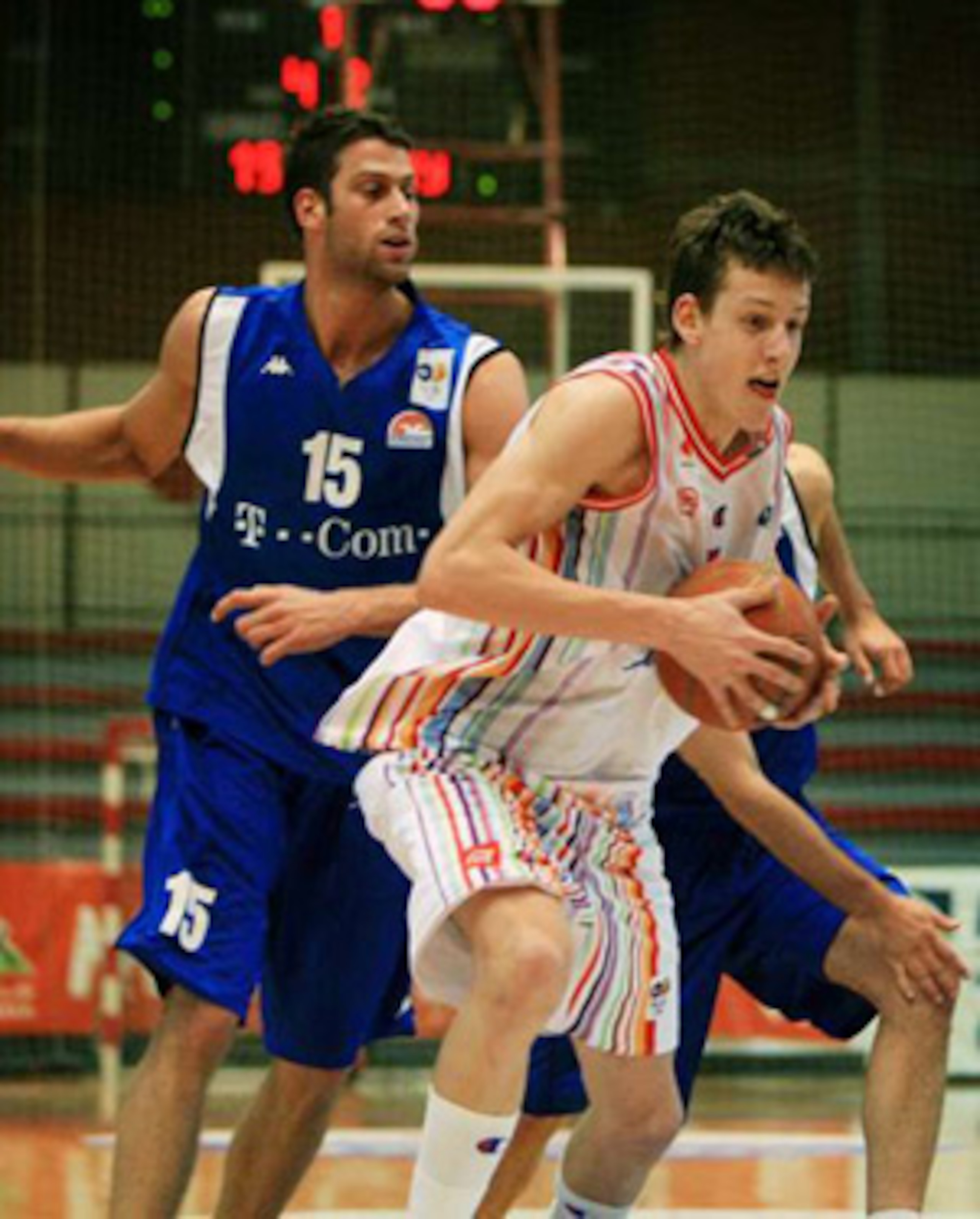
Jan Vesely is a very skilled basketball player, but at 6'11", he needs to add a little bit more weight to his frame because his current 230 pounds won't cut it in the NBA.
As it stands, Vesely simply isn't strong enough to body up with the bigger players in the NBA. Truthfully, he may not have enough strength to post-up even the smaller power forwards in the league. He's still got some time to work on this issue and NBA trainers should have him up to size quite quickly.
Kemba Walker: Size
23 of 25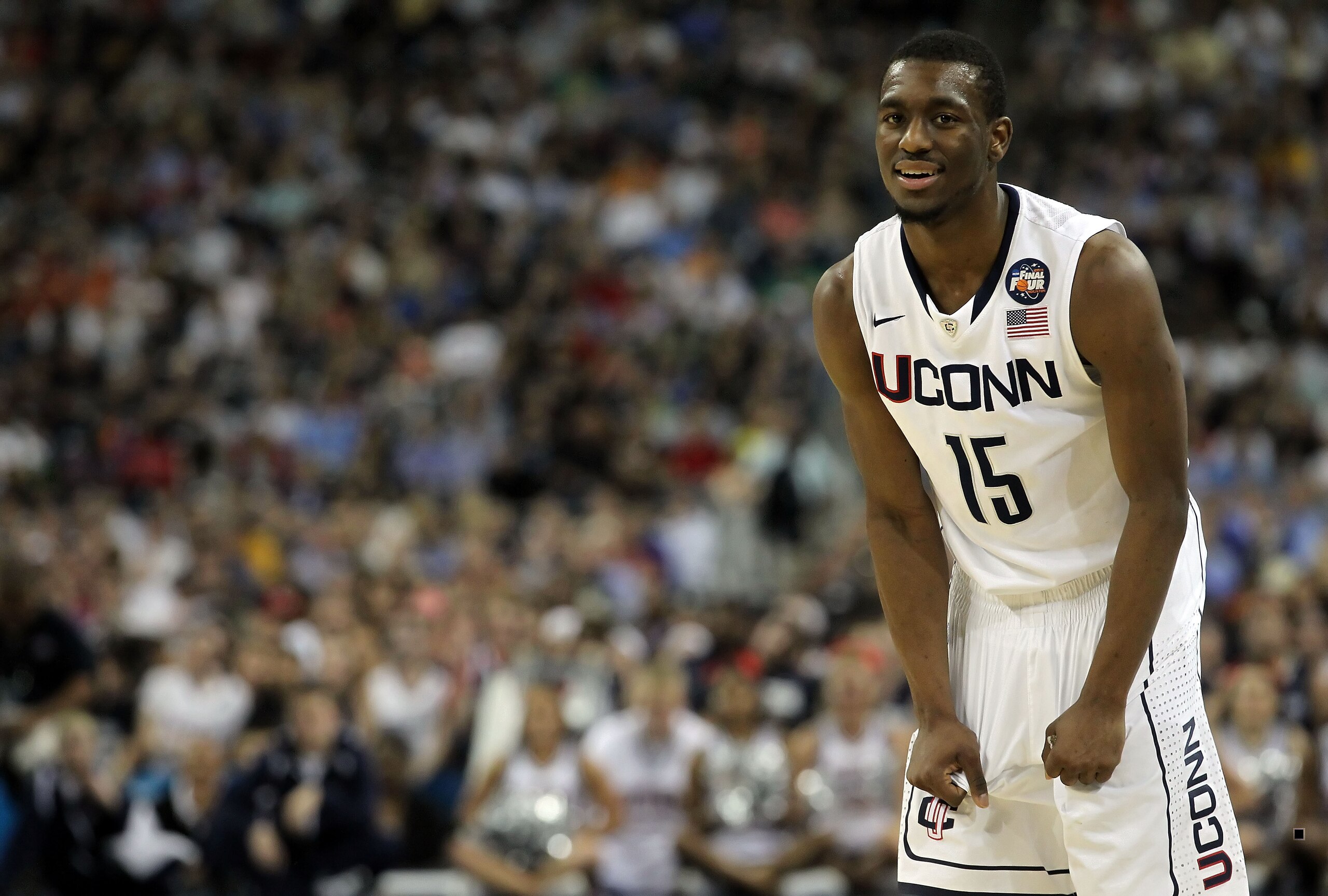
Kemba Walker blossomed into the best player in the country, won an unprecedented five games in five days for the Big East title, eliminated malaria as a threat to third-world countries, carried the Connecticut Huskies to an NCAA championship and solved the United States' fiscal troubles, all during the final month of the college basketball season.
The only thing he didn't do was grow to be any taller than 6'0". It's too bad, because that lack of height is going to make it significantly harder for the dynamic point guard to create his own shot in the NBA.
Derrick Williams: Defense
24 of 25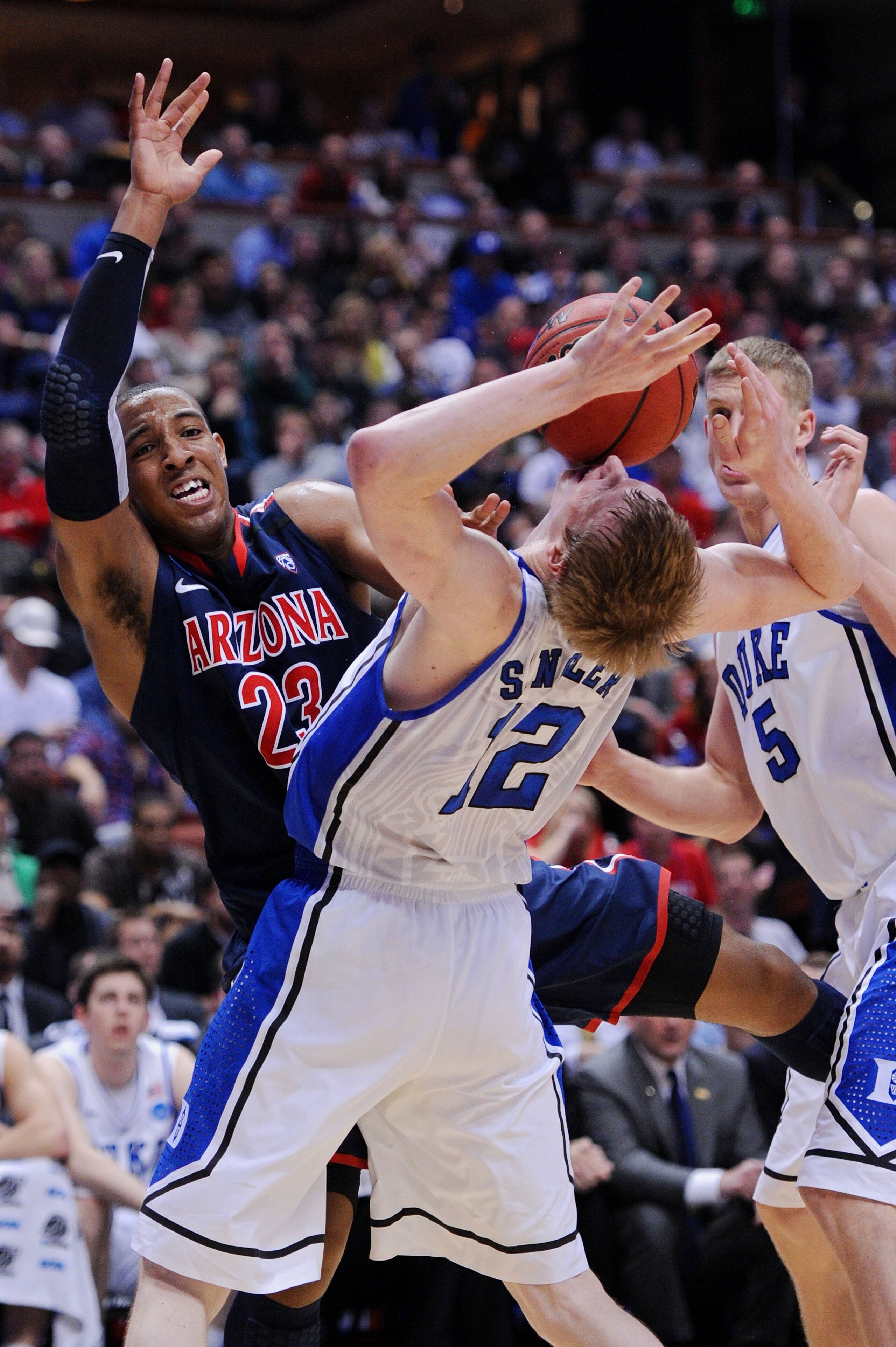
It's pretty tough to find any flaws in Derrick Williams' game. The sophomore from Arizona is a very good player in almost every aspect of the game. But if I had to single out a flaw, which I clearly have to, it would have to be his defensive game.
While Williams is incredibly efficient on the offensive end of the court, his lack of size hinders him from guarding players at his position. The forward can guard in the post quite proficiently, but as soon as the offensive player moves outside the paint he has some trouble staying with them.
Jordan Williams: Quickness
25 of 25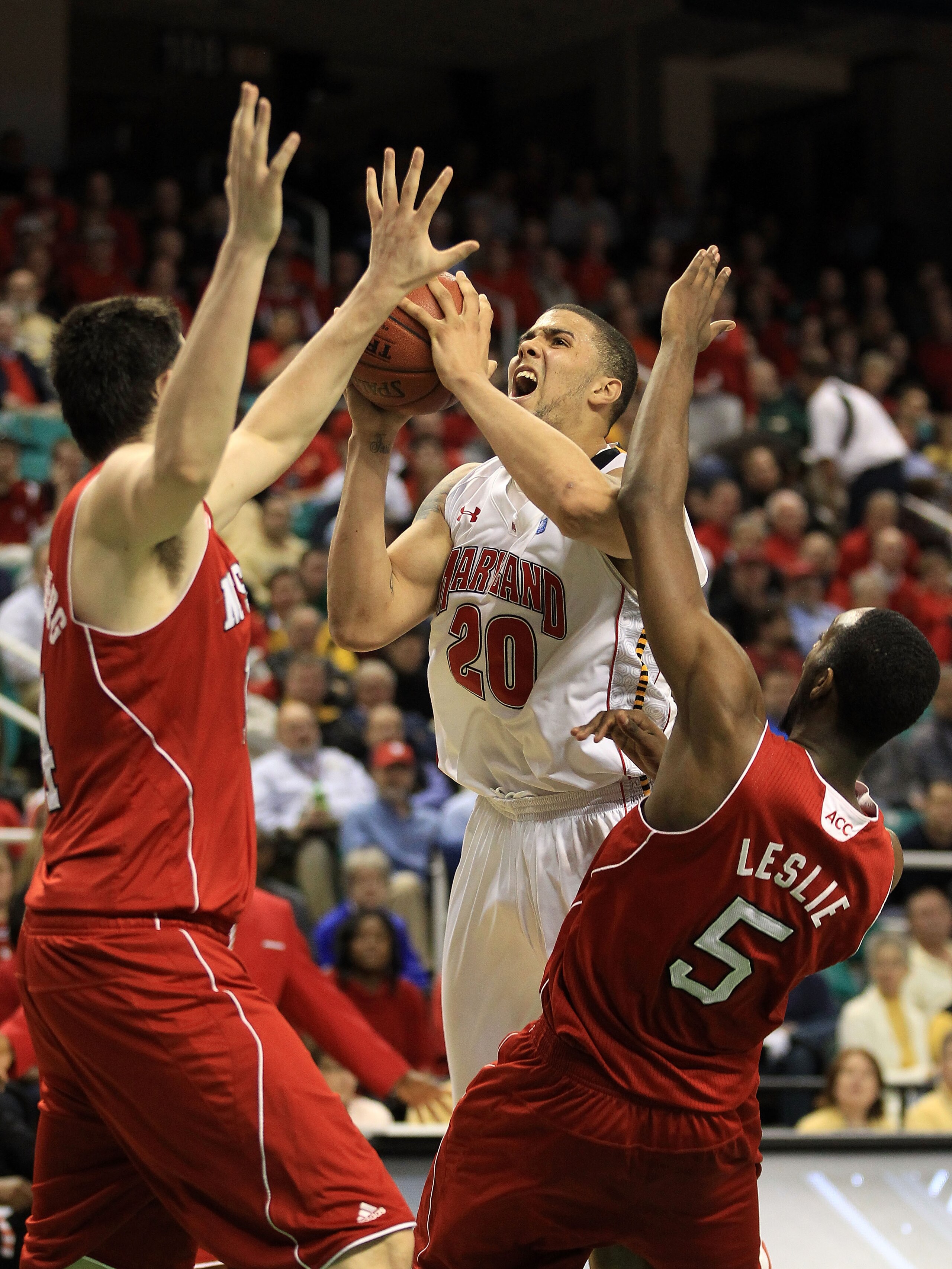
It's so appropriate that Jordan Williams played for Maryland, because at times it seems as though he moves down the court at the same pace that a real terrapin would. In fact, I originally wrote "...as though he runs down..." before realizing that I couldn't put that word in the same sentence as his name.
Williams plays extraordinarily hard while he's on the court, but he needs to bring that same intensity to a process that will allow him to get into shape.

.jpg?w=2560 "NFL investigating 2 referees for separate viral exchanges")

.jpg?w=2560 "Report: Chiefs Contact Hill's Agent")
.jpg?w=2560 "OBJ Calls Out Giants After Release")
.jpg?w=2560 "Tyreek makes another cryptic post amid Chiefs rumors")