
NFL Draft 2011: Options Galore for San Francisco 49ers in Late-Round Selections
With 12 picks through seven rounds, the San Francisco 49ers enjoy the luxury of adding considerable depth to their roster. Better yet, the plethora of picks gives them options. I expect them to trade one, two or even three later-round selections for the chance to move up and grab a specific player.
Recent history, however, suggests that they don’t have to do that. Two sixth-round selections in 2010—Anthony Dixon and Nate Bynam – are on the roster, as are two seventh-rounders, Kyle Williams and Philip Adams. Of those four, there’s no doubt that Dixon has the most promise, but Adams has provided decent support in the secondary.
In 2009, Nate Davis and Bear Pascoe were sixth-rounders, as Davis did make the roster and seemed to have a future until he ran into trouble with former coach Mike Singletary. Pascoe couldn’t beat the Vernon Davis-Delanie Walker tandem at tight end, but he’s currently on the New York Giants roster.
Curtis Taylor and Ricky Jean Francoise were the seventh-round picks in ’09, and both are on the roster. Neither is a standout, but being able to suit up on Sundays suggests that GM Trent Baalke, the former player personnel director, has an eye for finding good candidates late in the draft—when many fans aren’t paying attention.
In a talk with media on April 22 at the 49er headquarters, Baalke talked about the ever-demanding issue of whether a team should draft for need or draft the best player available. This debate very much comes into play late in the draft.
“When things are equal, you go with need,” he explained to Taylor Price on 49ers.com. “If there’s a slight difference, you might lean towards need. But when there’s a big difference between the values of two players, you’re going to take the best player available.”
Baalke added that the Niners, like just about everyone in the league, has ranked the possible players in the respective positions. For example, they might have outside linebacker Akeem Ayers of UCLA above Bruce Carter of North Carolina.
The hard part of the draft is assessing whether Ayers at OLB is a better selection than, say, nose tackle Stephen Paea of Oregon State. Ayers may possess great speed on the outside, but Paea has the potential for replacing Aubrayo Franklin, who appears headed out the door once the league gets back to regular operating rules.
For an organization, making those gut calls can send the team higher or lower in the standings. And it’s young men; it’s awfully difficult to project how they will develop in the next two to three years.
It seems clear that the 49ers’ first-round selection has a very good chance of being a high-impact defensive player—whether it’s Patrick Peterson of LSU or even Prince Amakamura of Nebraska. But after that, Baalke and staff will be constantly weighing that "need vs. best player" debate.
Of course, who is to say that draft-day deals can develop within seconds, so there’s a natural caveat. But in their scheduled order, here are some possibilities the Niners might want to consider:
Second Round, 45th Pick
1 of 6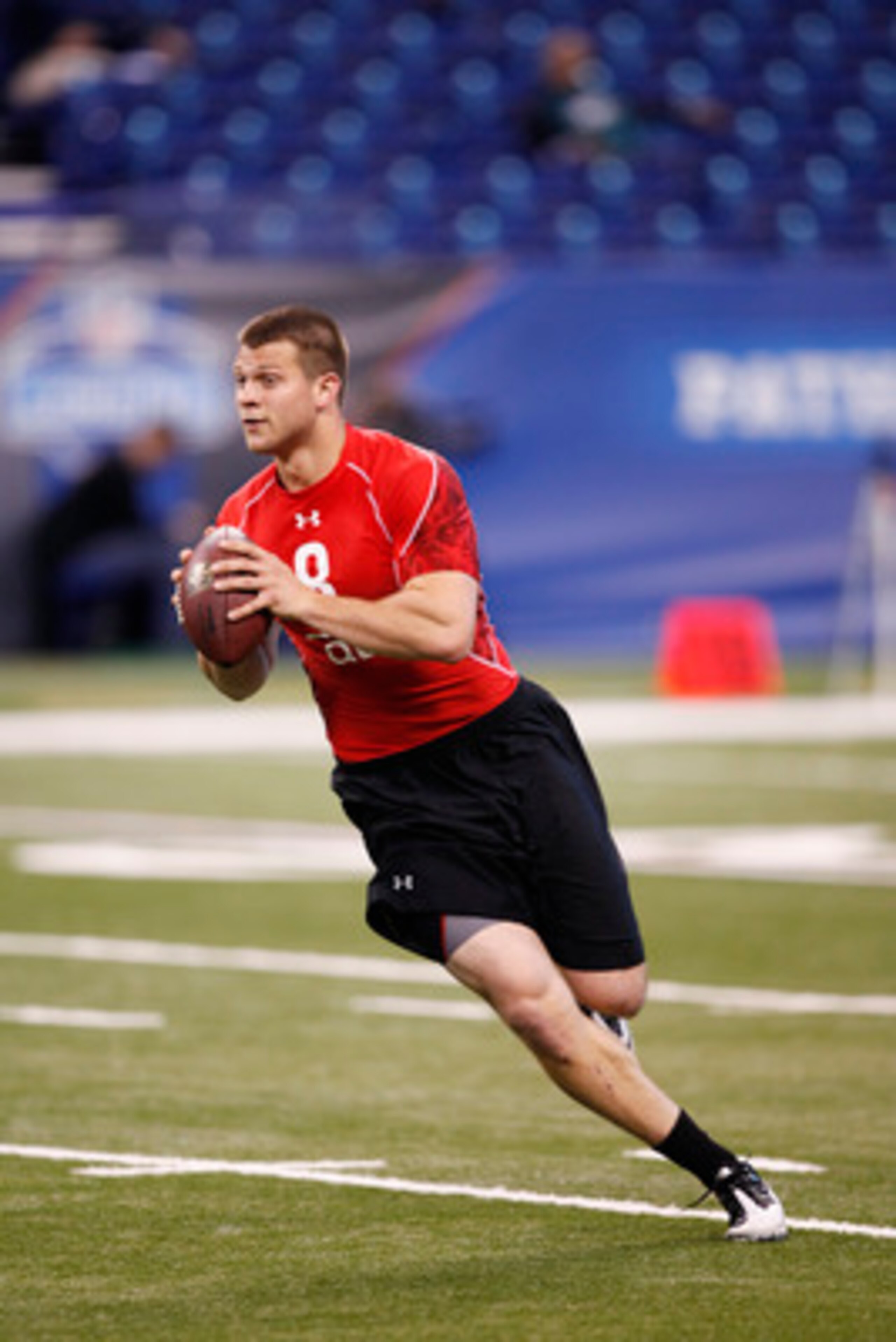
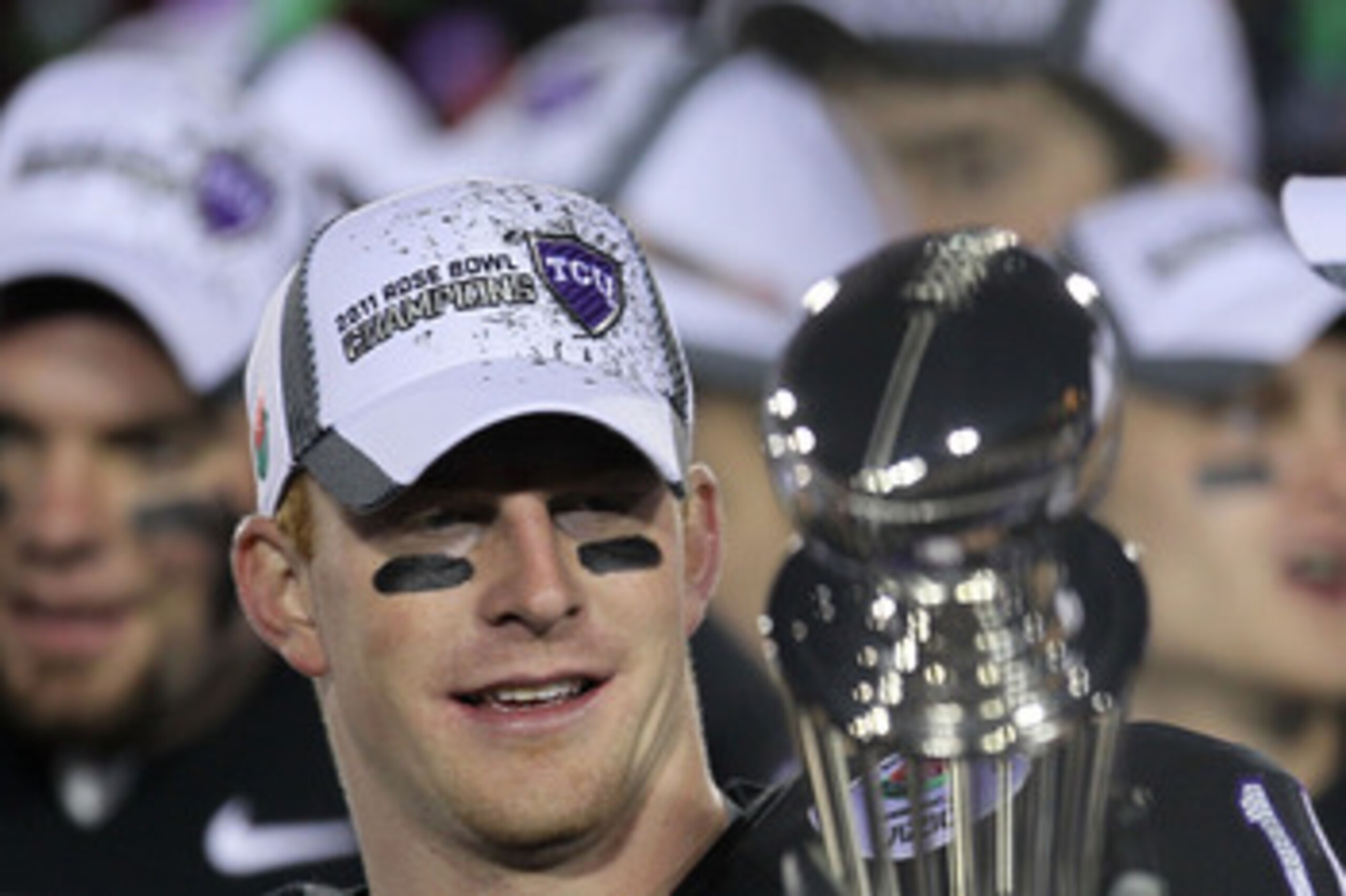
It has become clear that the lack of free agency due to the lockout may cause teams to go scrambling for a quarterback. Cam Newton, Blaine Gabbert, Jake Locker, Andy Dalton et al. may all go in the first round. That means many teams are going to be “reaching” for a QB in a class of QBs that many consider less-then-stellar.
If Locker is available at the start of the second round (very unlikely), would the Niners think about trading many late-round picks for the right to move up? Sure. Would they do the same for Dalton? Perhaps.
Baalke said he and coach Jim Harbaugh want four or five QBs in camp and will let open competition determine the starter. But currently, only one quarterback—David Carr—is under contract, though it appears the Niners want Alex Smith back.
Nonetheless, it seems Baalke is considering drafting not one but two QBs, so don’t be surprised if they make a dramatic move here, either for Locker or Dalton.
Third Round, 76th Pick
2 of 6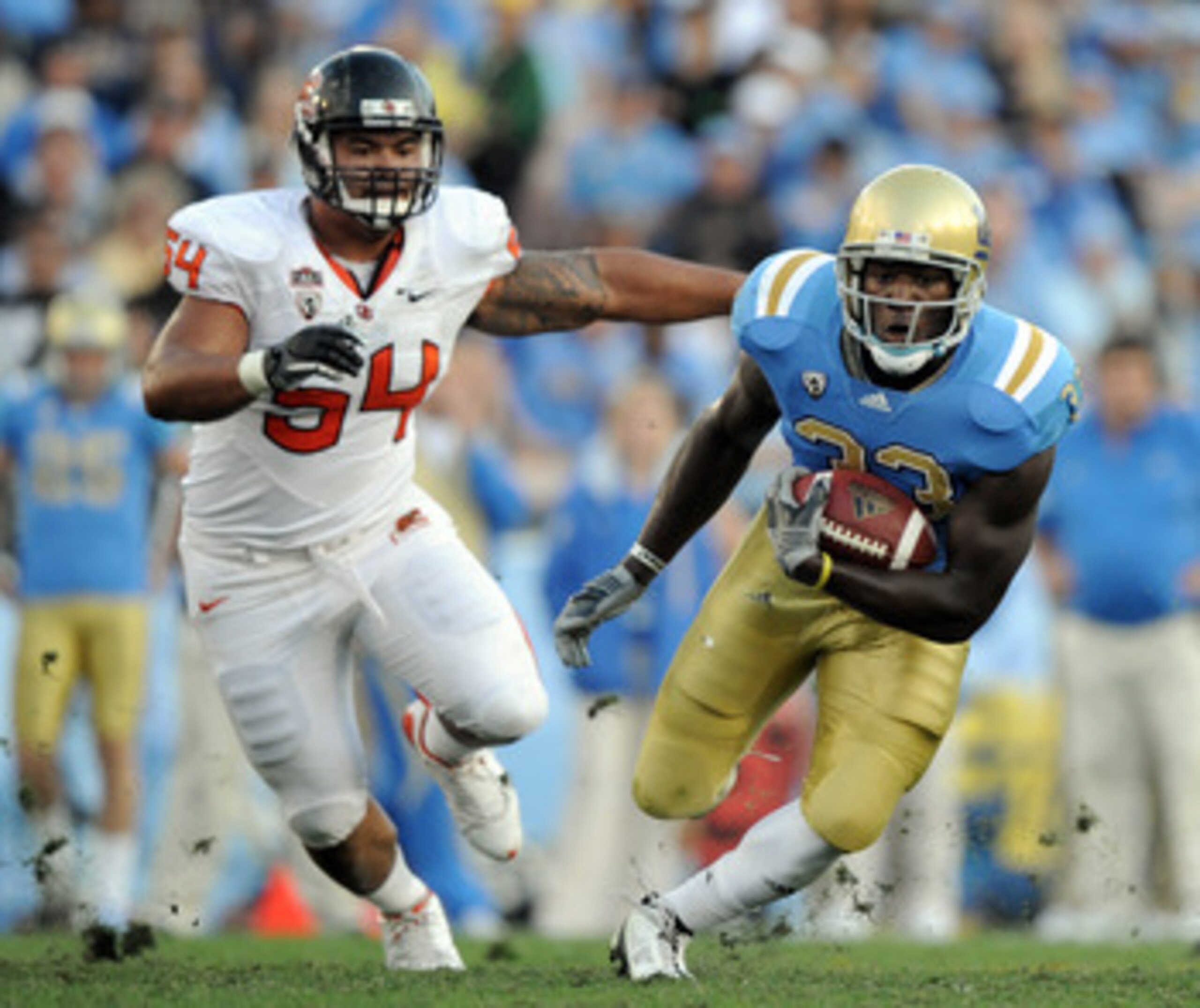
If they still have this selection, it might be time to return to the needs of the defense. Stephen Paea of Oregon St. seems capable of stepping in and contributing. At 6’1” and 303 pounds, he has great quickness and power, and is relentless, according to NFLDraftscout.com. But he’s also a “one-trick pony,” in that it seems unlikely that he’ll put much pressure on the quarterback.
I don’t think that matters; what the Niners want in a nose tackle is someone who keeps the center and guards off the inside linebackers Patrick Willis and Parys Haralson. If they’re too busy fighting Paea, Willis makes more tackles.
Paea may be gone, so the other consideration is Jurell Casey of USC. Again, he’s 6’0" and 305 pounds with lots of experience playing at a high level. Again, the bulk matters, but Casey’s quickness helps.
Fourth Round, 108th and 115th Picks
3 of 6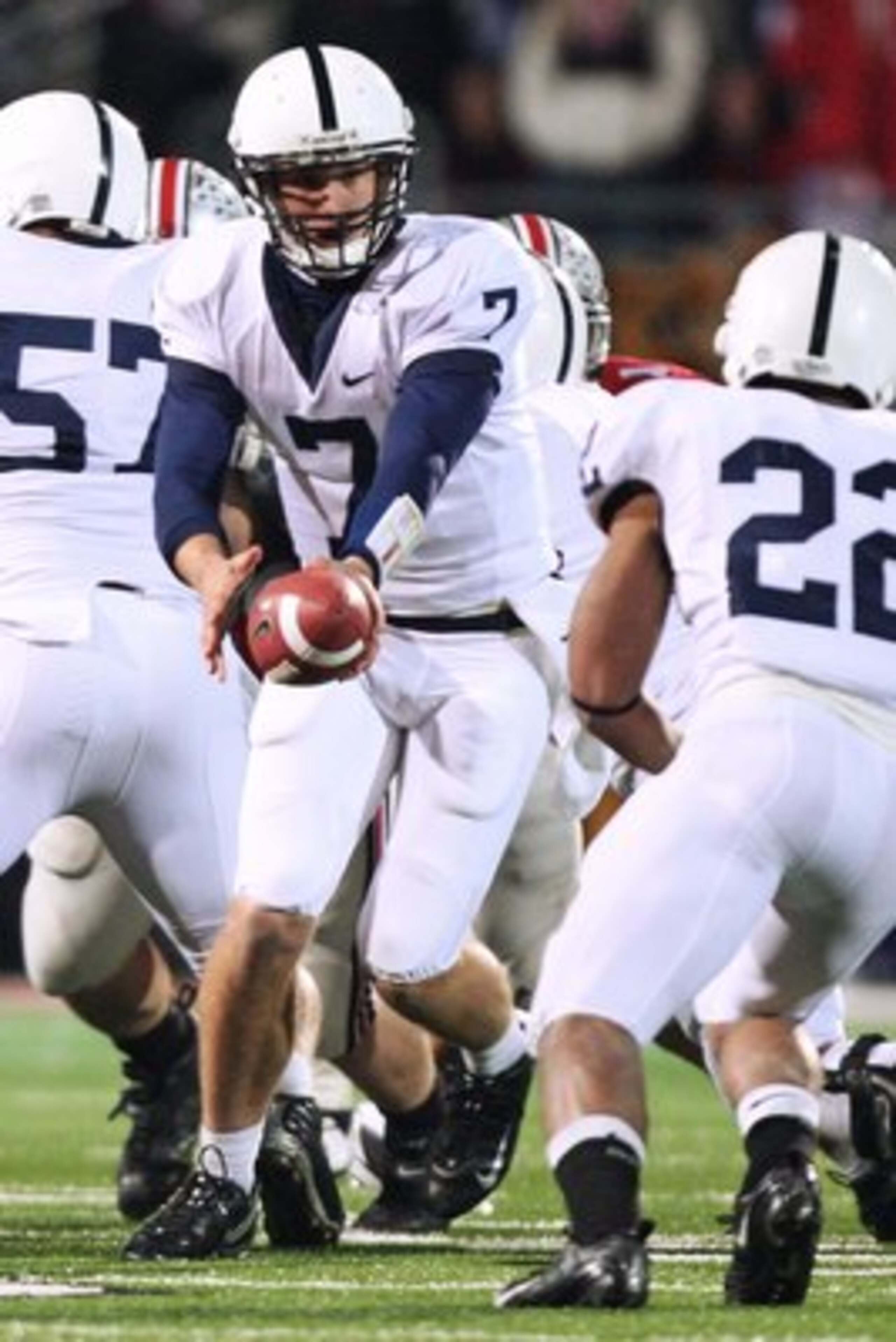
This is sort of a luxury, so the Niners can gamble. Here’s where another quarterback comes into play. Pat Devlin of Delaware, 6’4” and 220 pounds, has classic NFL size (two inches taller than Dalton, for example). He transferred from Penn State to Delaware where he compiled a 22-4 TD-interception ratio in 2010.
Question marks include playing in a QB-friendly offense against sub-Division I competition. But here’s what stands out from NFLdraftscout.com: “Likes quick feet, sees holes well, snaps off short throws underneath routes – perfect for the West Coast offense.” That has to appeal to Harbaugh.
If there is a second pick in the fourth round, look for the Niners to add help in the secondary, such as Chimdi Chekwa, CB out of Ohio State. He’s 6’1” and 190, but it’s his speed that jumps out. He anchored the Buckeyes 4x100 relay team. He has four years of experience in the Big 10.
.jpg?w=2560 "Cardinals Giants Football")
.jpg?w=2560 "Titans Giants Football")
Fifth Round, 141th Pick
4 of 6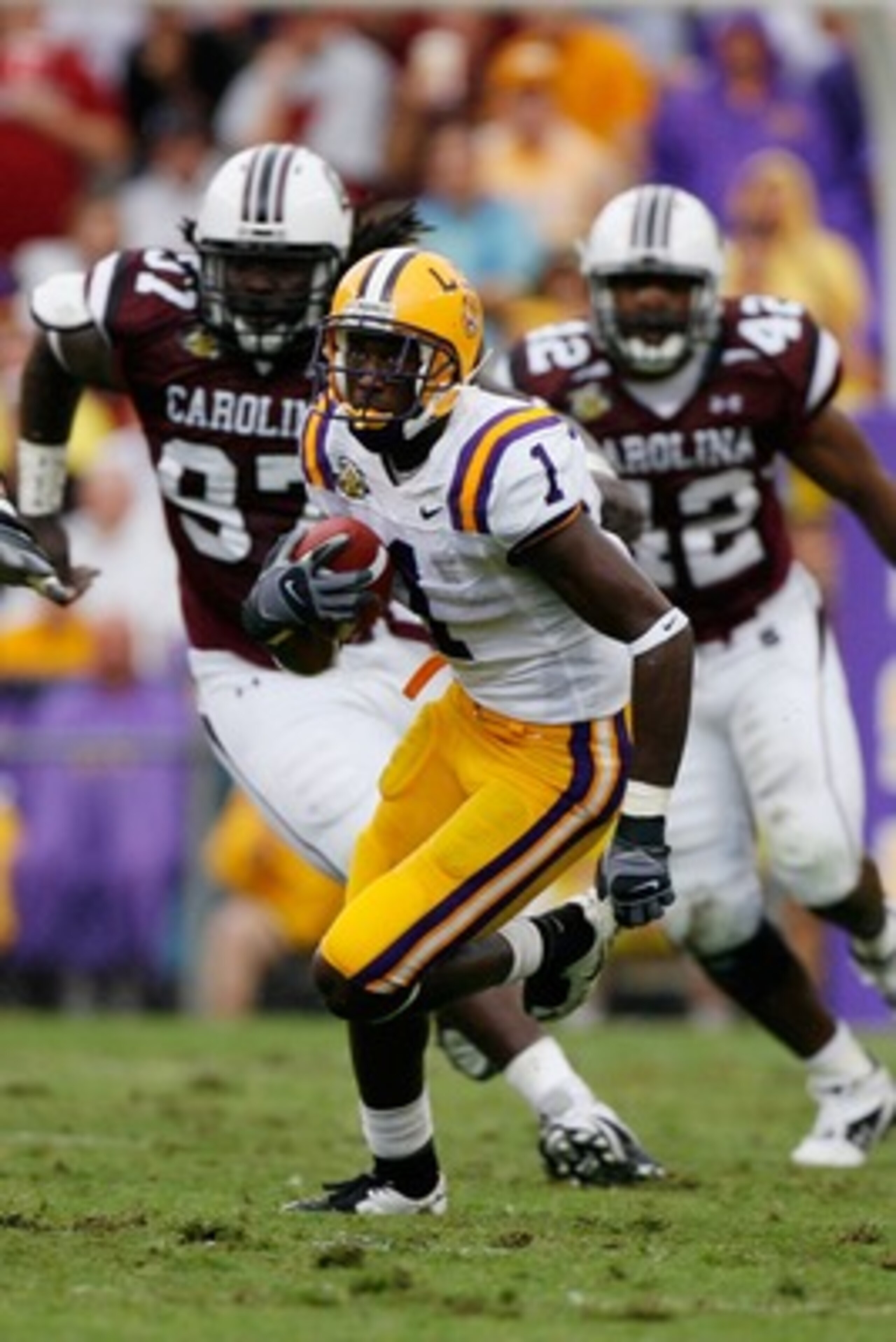
Here the Niners might want to gamble again. Kenrick Ellis the 6’5”, 340-pound defensive tackle from Hampton might be available. Originally enrolled at South Carolina, he developed into a major force at the Division I-FCS level, but character issues loom.
Repeated team violations got him kicked off the Gamecocks squad, and he wasn’t exactly the perfect citizen either at Hampton. But last year he excelled, recording 94 tackles, 15 for loss.
He had superior-level talent. Now it’s a question of whether he has the attitude to match. And that’s where coach and general manager let everyone know what’s expected, and if Ellis disappoints, cutting a fifth-rounder does not make for a bad draft.
Sixth Round, 174th and 190th Picks
5 of 6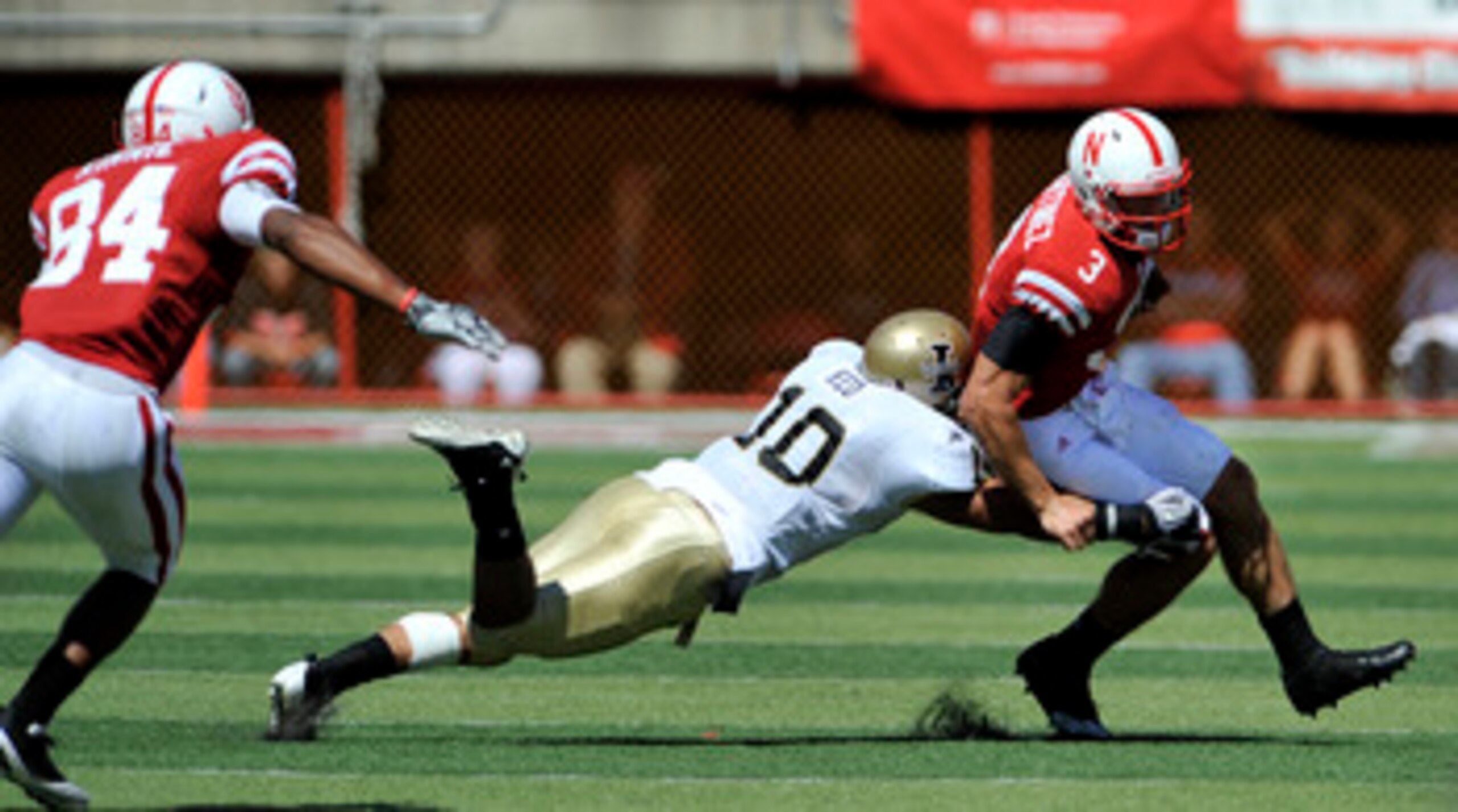
I expect at least one of these selections to be used in a move up. Maybe both. If they have them, then the Niners probably go for receiving help.
Greg Salas of Hawaii has the size at 6’1” and 210 pounds to handle the needs of a slot receiver, yet has the speed to stretch the deep middle seams. He had 119 receptions in 2010. Three-year starter for the Rainbows, so he’s seasoned.
Also, Shiloh Keo of Idaho (5’11” and 219) seems like a Bob Sanders clone: small but capable of punishing hits in run support. Also a killer on special teams.
Seventh Round, No. 211, 231, 239 and 250
6 of 6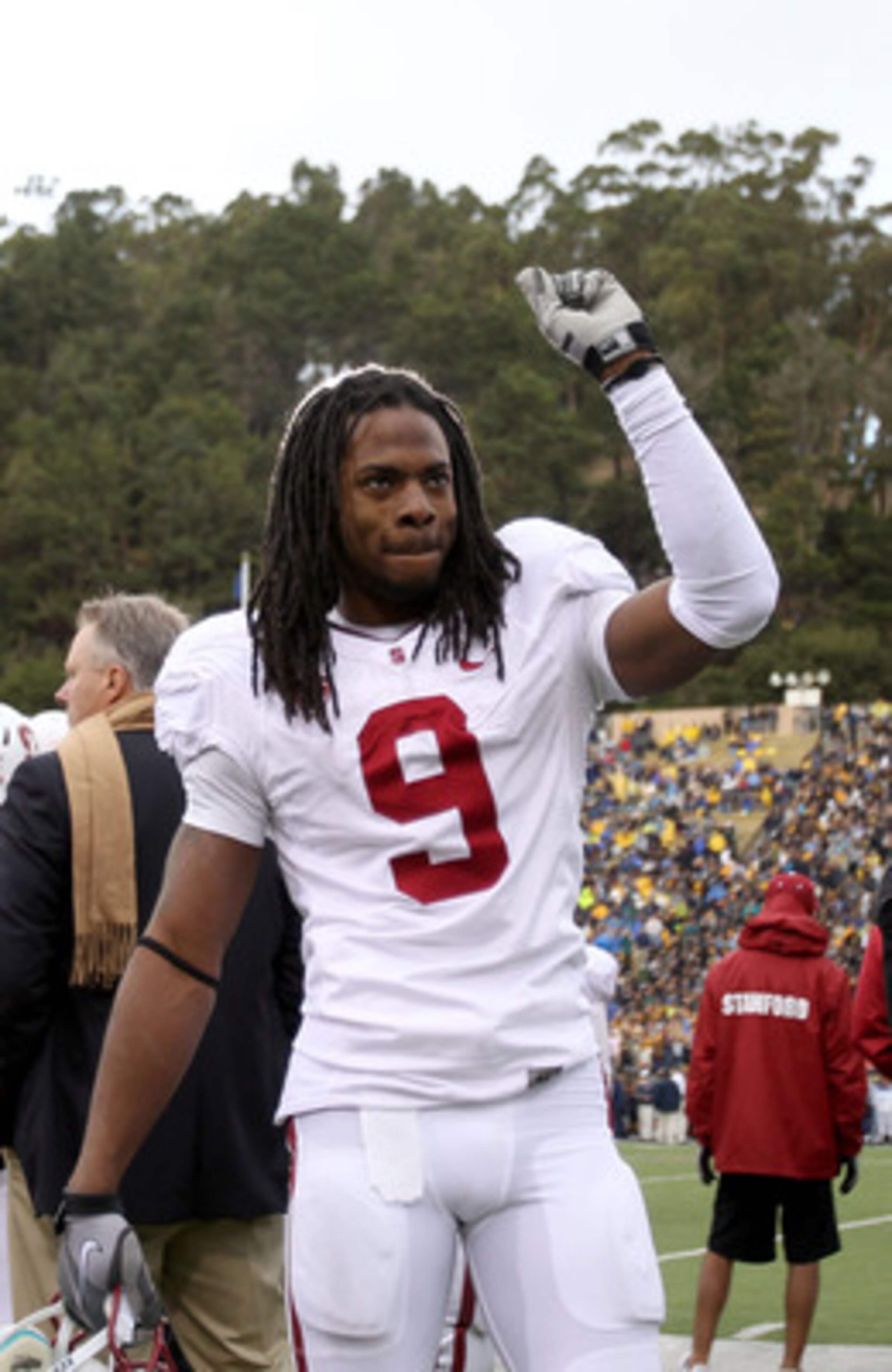
And here we might see Baalke at his best, picking up players who might not appeal to other teams but he feels can fit into the Niner schemes. Among them:
Richard Sherman, 6’2” 190-pound DB from Stanford. Lanky with 4.5 speed, he’s perfect as the “over man” in zone coverage. Started at Stanford at wide receiver, switched to defense two years ago and excelled. Playing two positions increases chances for making the team.
Darin Walls, 6'0" 188-pound DB from Notre Dame was a top-100 prep star whose career in South Bend didn’t pan out, but he has 4.43 speed. He started 11 of 12 games as a freshman, missed 2008 for personal reasons and then got back on the field the last two years.
Alex Green, the 6'0" RB from Hawaii led the nation in rushing last year. He played two years of junior college ball before heading to Hawaii. But 1,199 rushing yards in a pass-oriented offense suggests either he had easy holes or they didn’t use him enough. Ran a 4.45 at the combine.
Jimmy Young, WR from TCU. At 6’1” and 204 pounds, he has the size to hold off pressure corners, though his 4.54 speed doesn’t suggest a deep threat. The Horned Frogs’ strong running game diminished his chances, but he did have 32 catches for just over 15 yards per and four TDs.
.jpg?w=2560 "Dolphins Bills Football")