
College Football: Who Should Malcolm Brown and the Top Freshman Backs Study?
Last week we took a look at a couple incoming freshman quarterbacks and compared their games to either a college or NFL star, with the comparison more towards who we felt the young QB should study. Many players pattern their games after a successful player at their position, and today we are going to do the same for some of the top incoming freshman running backs.
If you followed our recruiting coverage for the 2011 cycle, then you know that we were high on Malcolm Brown all year. We expect big things from Brown and we expect him to impact the Texas squad as a true freshman. Yet Brown isn't the only rock toter we're high on.
Let's examine which running backs the top freshman should pattern their games after to improve their craft.
10. Kenny Hilliard, LSU
1 of 10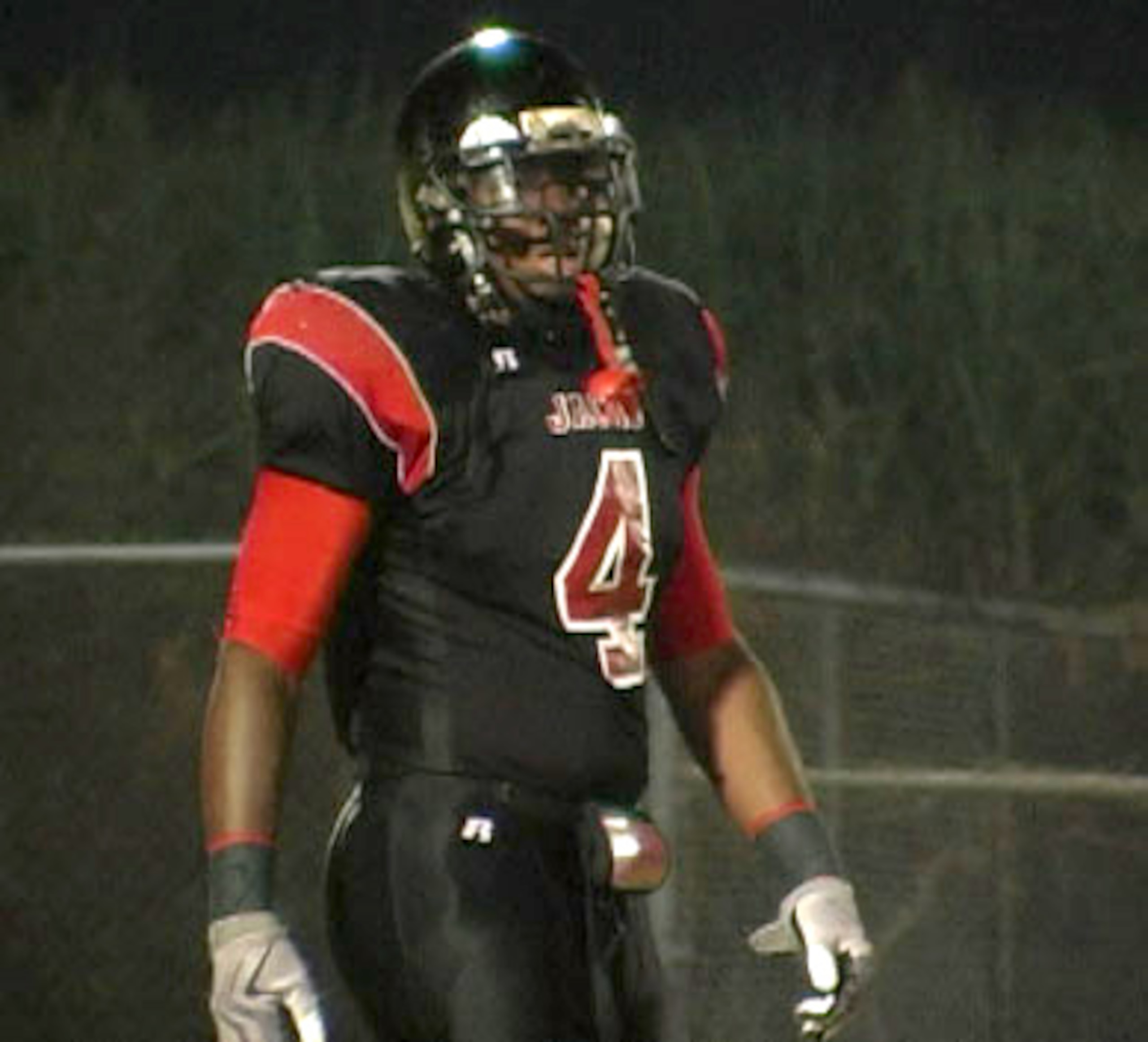
Hilliard was a super productive runner in high school, as he was among the rushing leaders in Louisiana high school history. At 6'0", 220 pounds, he is a physical straight-line runner, who is excellent in between the tackles.
Player to Study: Michael Turner, Atlanta Falcons
Why Turner: Like Hilliard, Turner is a physical runner with great run strength. He has solid straight-line speed and is very physical in between the tackles. Yet Turner also has solid lateral quickness to escape to the edges, something that Hilliard needs to work on.
Watching film of a similar runner and seeing how Turner uses lateral movement to add to his game would be a wise decision for Hilliard to do at LSU.
9. Savon Huggins, Rutgers
2 of 10
6'0", 190 pounds, Huggins has the size and frame to grow into being an every down back. He shows great elusiveness, vision and quick feet. Look for him to get some carries in Piscataway as a true freshman.
Player to Study: LeSean "Shady" McCoy, Philadelphia Eagles
Why McCoy: Shady is a super quick back that has proven he can man all three downs. He bulked up a bit, but kept his wiggle and quickness. Huggins has the same type of game and running style, as both can also factor in the passing game out of the backfield. If Huggins can improve his feel for the screen like McCoy has done in Philly, he will be dangerous.
8. Aaron Green, Nebraska
3 of 10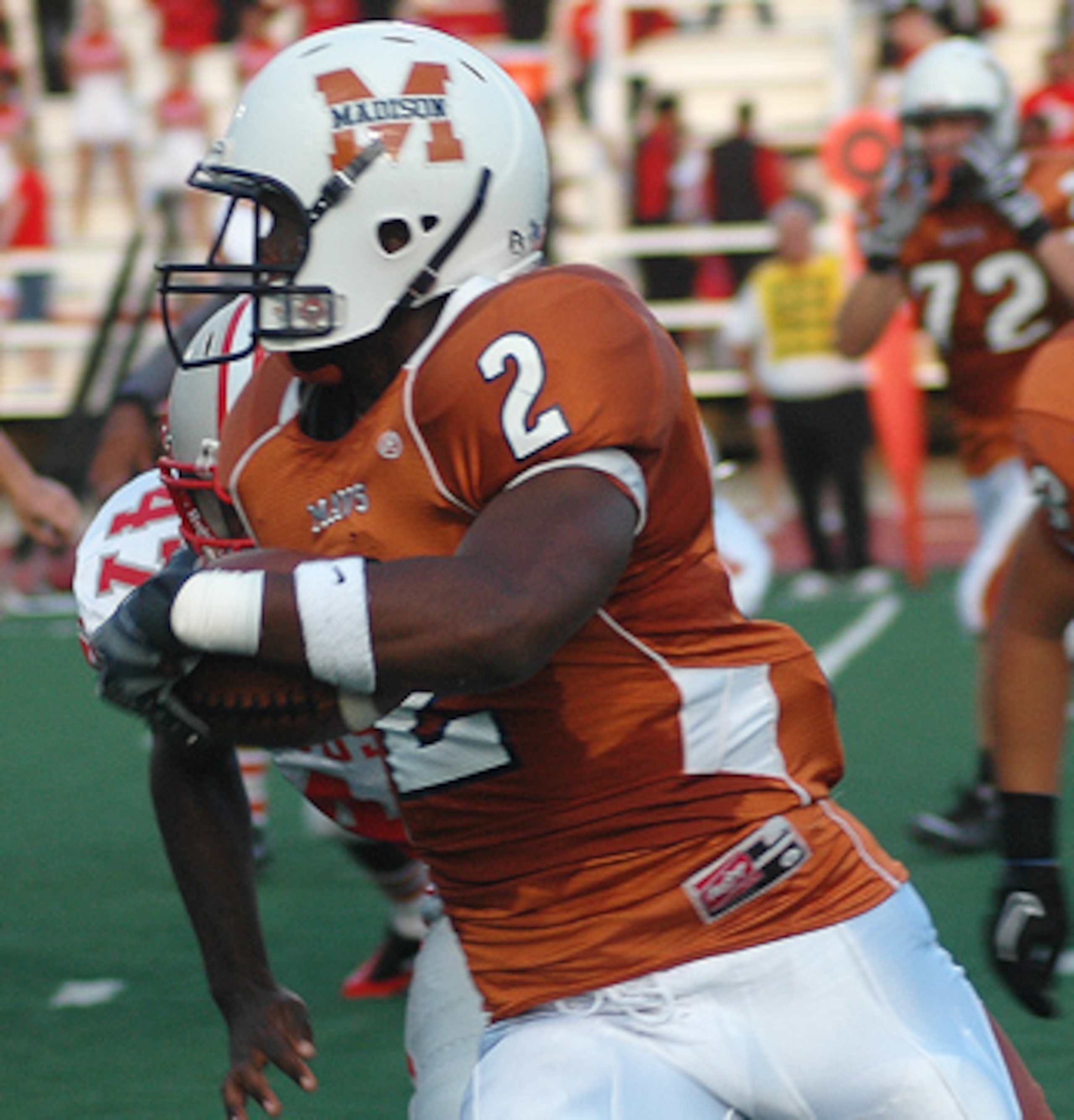
Green is a 5'10", 190-pound running back that was slightly overshadowed around Texas by Malcolm Brown. Yet he is very shifty, quick, explosive and also has every down potential.
Player to Study: Felix Jones, Dallas Cowboys
Why Jones: Like Green, Jones has fought questions about his size, durability and run strength. He proved there is a way to tack on some weight and get stronger, but still manage to keep your speed and quickness. Jones was a little too heavy last year, but look for him to thin back down and regain a bit more explosiveness.
Green must also find the balance of adding some girth and strength while still keeping his biggest assets: his speed and quickness.

.png?w=2560)

7. Mike Blakely, Florida
4 of 10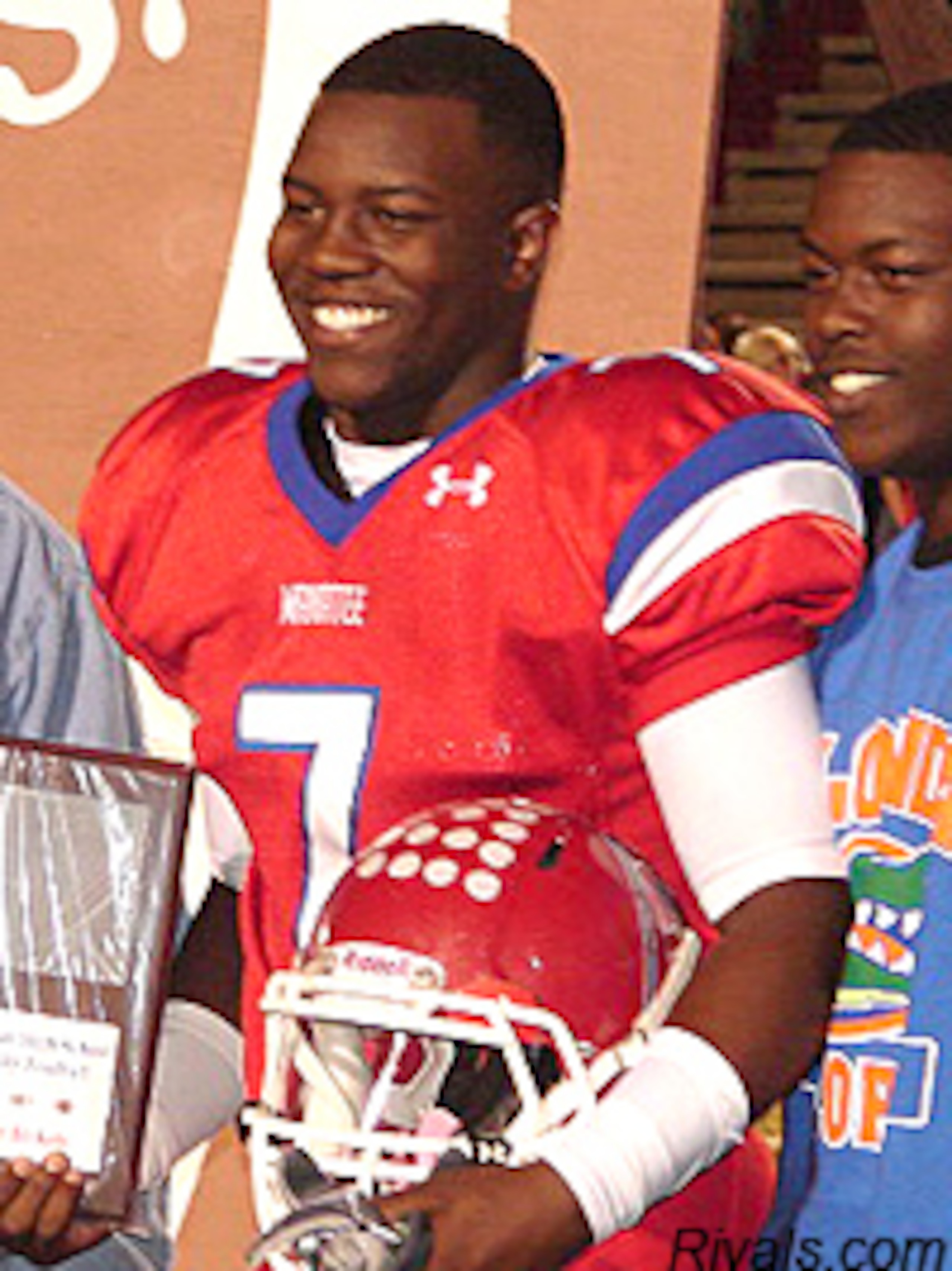
After securing Mack Brown in 2010, Florida got another top level back in 2011 in Blakely. He's a stout runner that has great strength and power, but also has good wiggle and long speed.
Player to Study: Ahmad Bradshaw, New York Giants
Why Bradshaw: Like Blakely, Bradshaw is a stout runner at 5'9", in the 200 pounds range. He is much, much thicker in person than you think, as when I worked with the Giants. On my first day I was shocked at how thick Bradshaw actually was. Like Blakely, he's very strong for a little runner.
But Blakely needs to work on his lower body strength, which is something Bradshaw did after being selected by the G-men. Now Bradshaw has a great ability to finish runs with a pop. If Blakely adds this to his game, he will take a huge step forward in becoming a complete back.
6. Mike Bellamy, Clemson
5 of 10
5'10", 176 pounds, Bellamy is probably the quickest, shiftiest back in the 2011 class. He's a threat to score anytime he touches the ball and will be excellent on third downs in college.
Player to Study: Chris Johnson, Tennessee Titans
Why Johnson: Somehow Johnson has found a way to become an every down back in the NFL. I don't know how, but he has held up well. At 5'11" and probably no more than 190 pounds, Johnson rushed for over 2,000 yards two seasons ago. Due his lack of leg strength and tackle breaking ability, Bellamy has the same questions surrounding him.
Bellamy should watch Johnson to know when to pick his battles, when to run out of bounds, when to take on a defender and when to try to out run a tackler. Johnson has done it with smarts as much as speed and quickness. Bellamy can do it, too.
5. Dee Hart, Alabama
6 of 10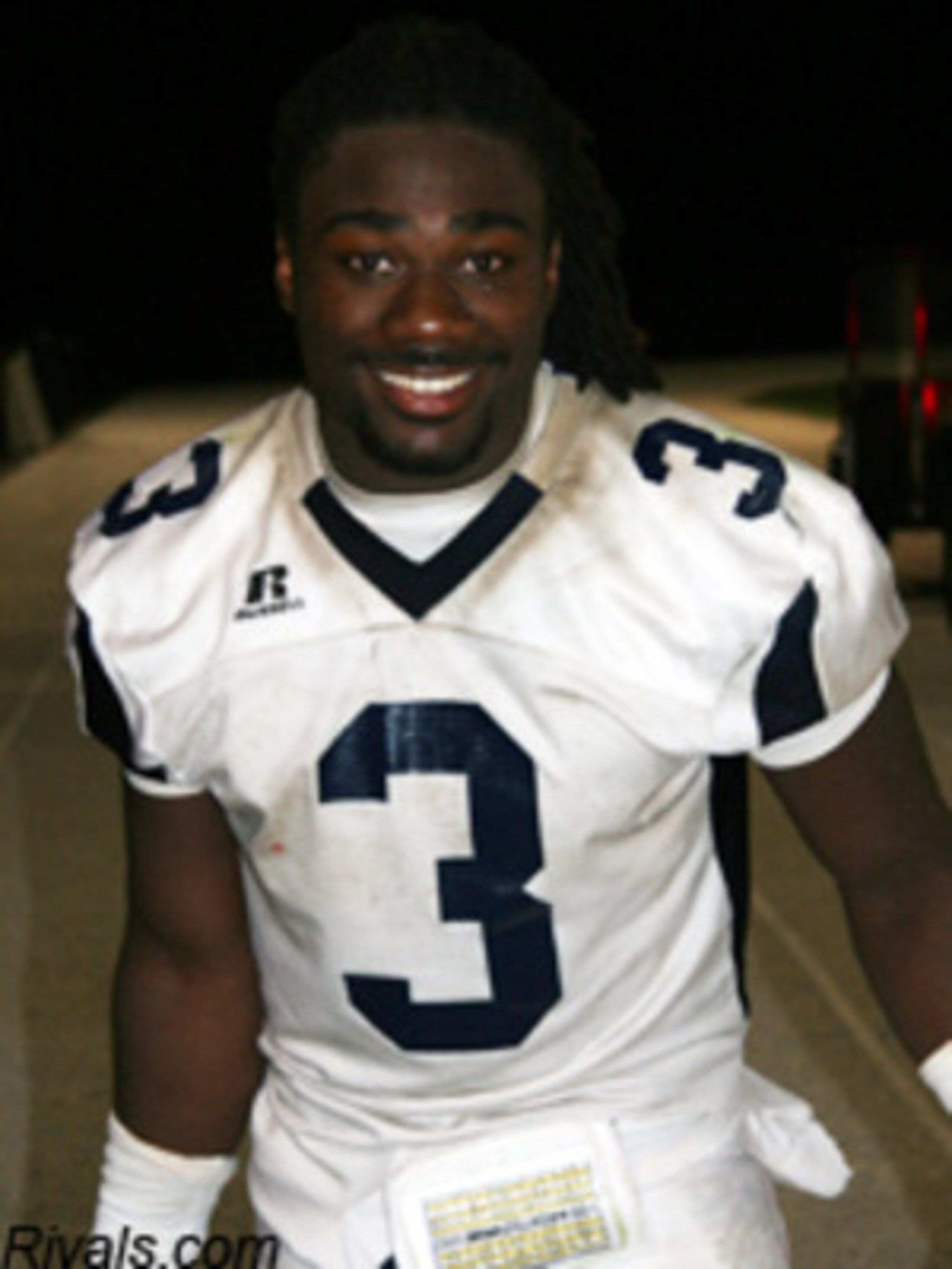
Hart is a 5'8", 190-pound jitterbug that can kill an opponent as a runner, receiver and returner. He's a bit thicker than given credit for and could have also gained an Ahmad Bradshaw recommendation. He's a back that is versatile and I expect him to get some run in Alabama this year.
Player to Study: Eric Metcalf, Cleveland Browns
Why Metcalf: I met Metcalf a few years back when I was with the Browns and I really came away impressed with how big of a college football fan he was. Like Hart, Metcalf was a shifty back that could line up in the backfield on one play and in the slot on the next. He could then return a punt or kick for a score and light up an opponent.
Hart has the same skill set. Watching how Metcalf found a great balance by working on his run instincts while honing his pass catching ability will only help Hart's development.
4. Brandon Williams, Oklahoma
7 of 10
Williams is a 6'1", 190-pounder that is coming to Norman to help replace DeMarco Murray. He has great speed, elusiveness and quickness, but also has solid run strength. He could start as a true freshman.
Player to Study: Darren McFadden, Oakland Raiders
Why McFadden: As a prep star, McFadden was a similar player at a similar size to Williams and bulked up to 220 pounds at Arkansas. Williams has the ability to also factor as a pass catcher out of the backfield, but still can take the ball through holes in the interior.
Studying why McFadden looks for straight-line angles to beat defenders with straight-line speed, and how McFadden smartened up and took a no-nonsense approach to his running game this past season, will help Williams not be too indecisive with the ball in college.
3. James Wilder, Florida State
8 of 10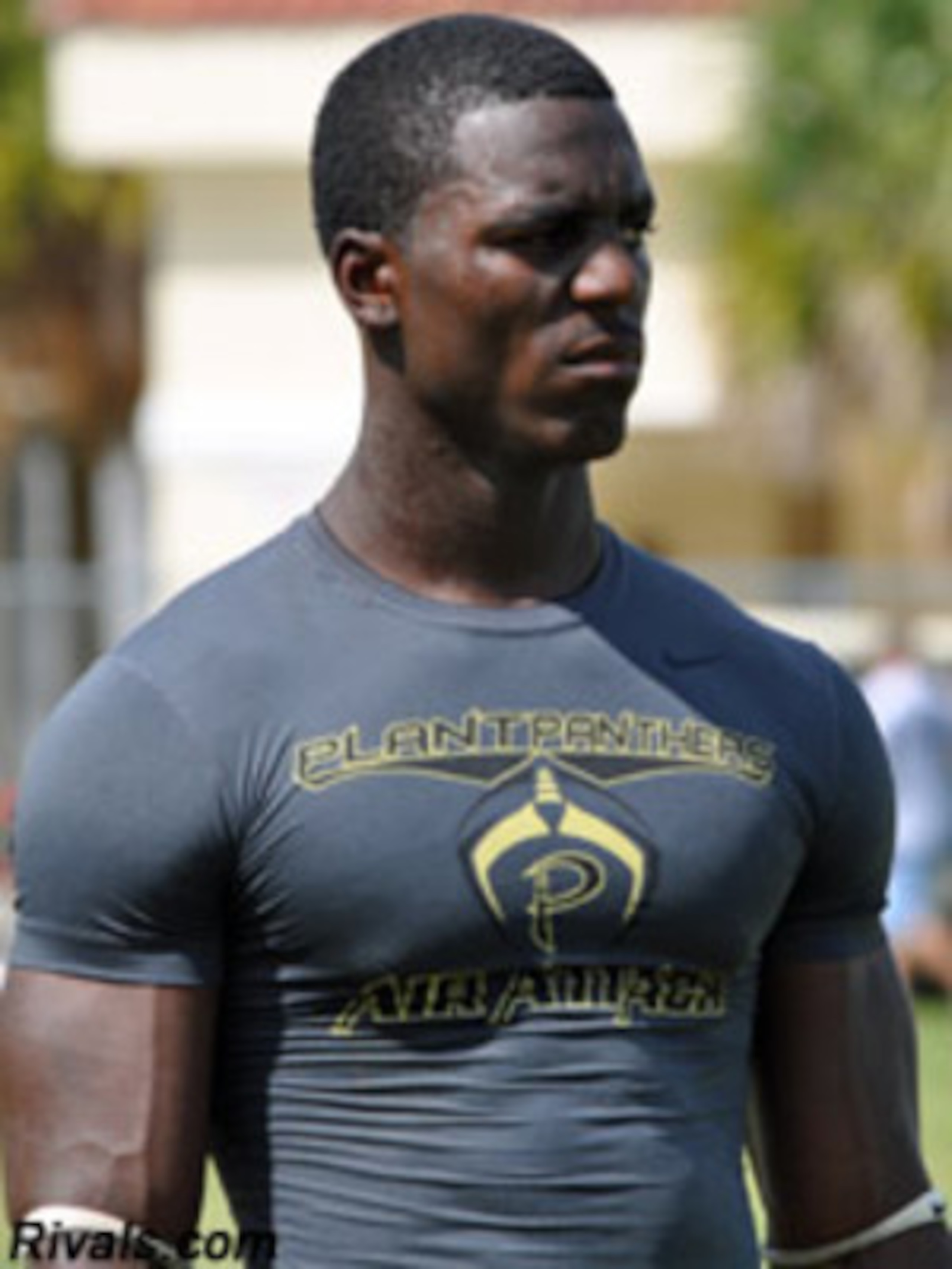
Some say the 6'2", 220-pound Wilder belongs at linebacker, but FSU will give him an initial crack at being a rock toter. He's a bullying big back with great speed and run strength. He could be the new Greg Jones for the Seminoles.
Player to Study: Steven Jackson, St. Louis Rams
Why Jackson: Both players are a big backs as Jackson is 6'2" and weighs between 230 and 240 pounds to go along with great speed. Wilder has the same frame and skill set, but is a bit stiff and too straight-linish at times. Watching Jackson and how he carries his weight and moves laterally will help Wilder open up his hips as a runner.
2. Isaiah Crowell, Georgia
9 of 10
Crowell has already been penciled in as a the opening day starter at running back for the Bulldogs vs. Boise State. At 5'11", 220 pounds, he has a skill set of speed, quickness, balance and vision that should make him an immediate star.
Player to Study: Marshawn Lynch, Seattle Seahawks
Why Lynch: What Lynch developed in college that made him a first-round pick was he got stronger, which helped him break tackles and more importantly, improve his run balance. Watching film of Crowell, he reminds me so much of Lynch, and if he can get a bit stronger to help his durability, and keep working on his balance to stay on his feet when getting hit, he should have at least two 1,000-yard seasons in Athens.
1. Malcolm Brown, Texas
10 of 10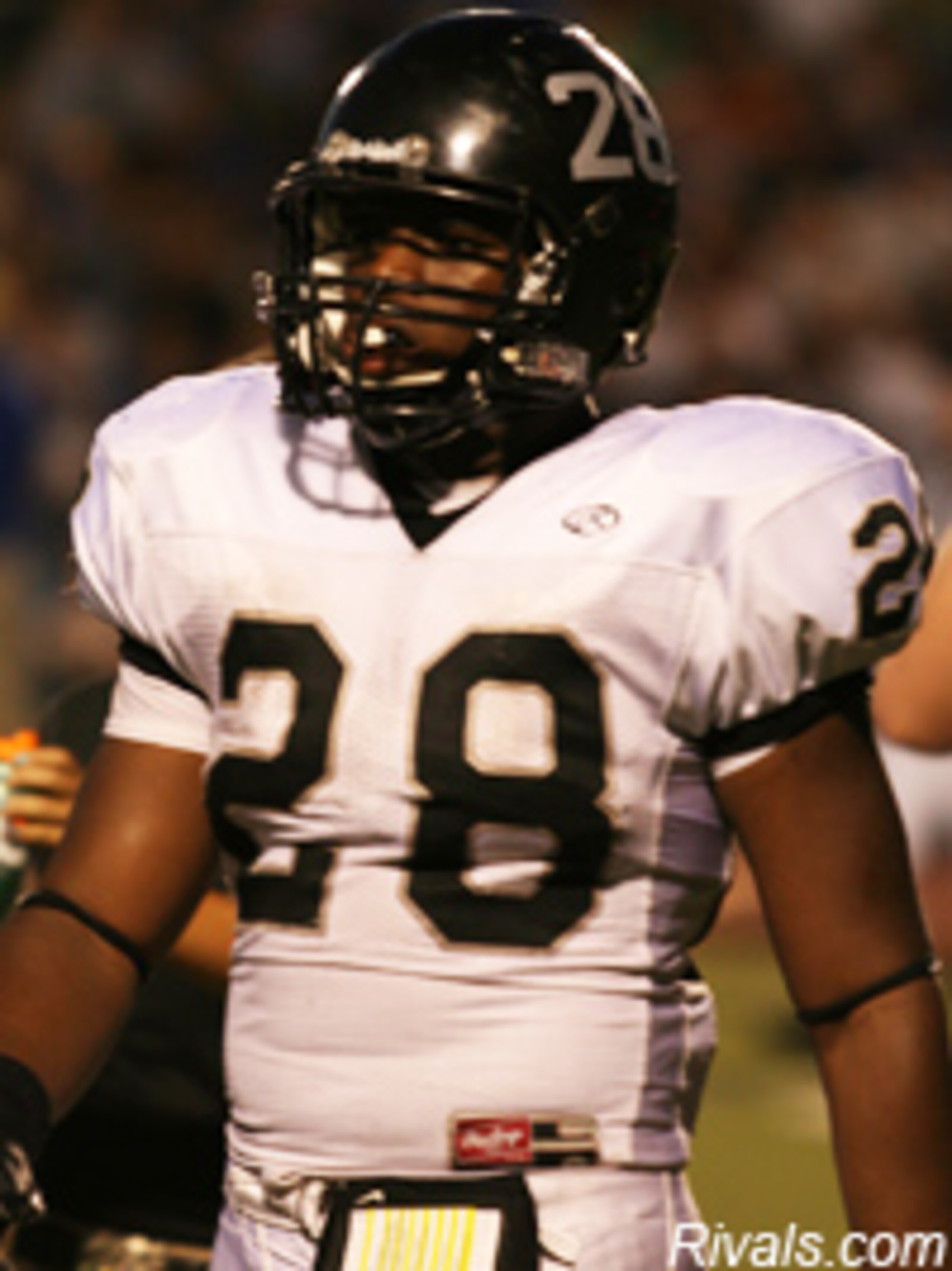
Brown is the top incoming running back on the college football scene, and at 6'0", 220 pounds, the guy is a beast. He has the speed, run strength, vision, tackle breaking ability, physicality and instincts to start as a true freshman.
Player to Study: Ricky Williams, Texas/Miami Dolphins
Why Williams: Like Brown, Williams came to Texas with a great deal of hype and fan fare. What Williams did to improve his game at Texas was his hands. Williams has smaller hands than the average NFL running back, but worked on his concentration and hand placement to become a factor in the screen game.
Brown also has some knocks about his hands and impact in the passing game. Some say he will be only a two-down running back. But watching Williams catch the football, and really keening on how he learned proper hand placement on catches, will give Brown the chance to stay on the field all three downs.



.jpg?w=2560 "Jonathan Taylor Landing Spots")