
Thurman Munson and Each MLB Team's Most Influential Clubhouse Leader Ever
No group can function without a leader. Someone must always step up and take charge if success is to be attained. In baseball, with so many different players with equal importance playing at the same time, someone needs to take control and guide the rest. Most would think that this is the job of the manager and his coaching staff, but players tend to relate to their peers more than they do their superiors. On every team, there is at least one individual who steps up and takes on this role.
In the history of Major League Baseball, each team has had one specific leader who stands above the rest; someone who did an exceptional job of leading his teammates who, in turn, had the utmost respect for him. Sometimes it's these players who help their teammates click and lead them to successful seasons, whether it's by contributing themselves or by having a positive influence on young players who help the team later on, even after their leaders have gone.
So, here they are, each team's all-time most influential clubhouse leader.
Arizona Diamondbacks: Luis Gonzalez
1 of 30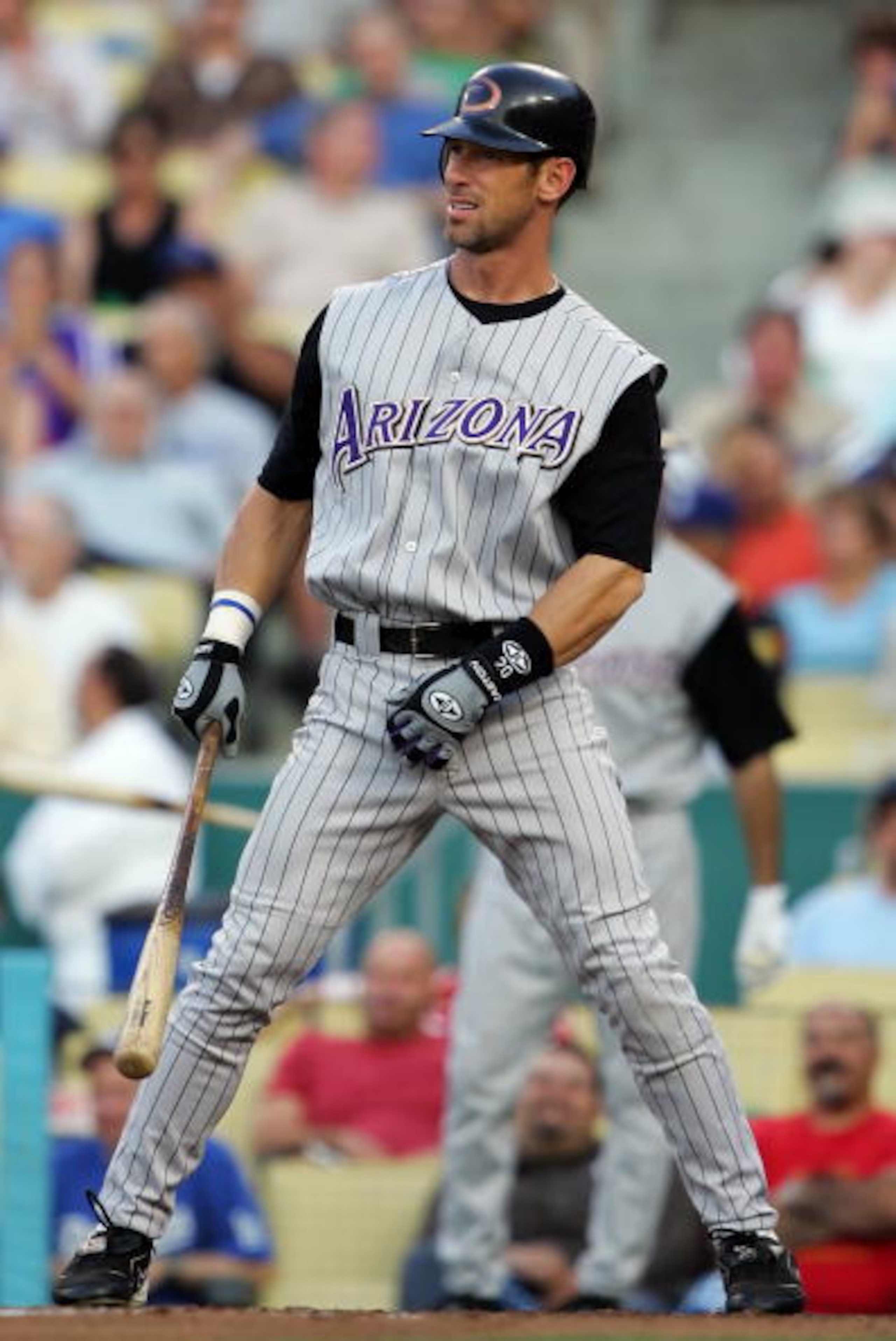
Luis Gonzalez was a perennial MVP candidate for the D-backs from 1999-2006. In 2001, in the fourth year of the Arizona franchise's existence, Gonzalez led a team of misfits all the way to the World Series. It was there that he proved what a great leader he was, as despite facing the three-time defending World Series champion New York Yankees, he and his team proceeded to win the series in seven games.
In what has been referenced as the greatest World Series of all time, Gonzalez delivered the game-winning bloop single off the great Mariano Rivera.
Atlanta Braves: Tom Glavine
2 of 30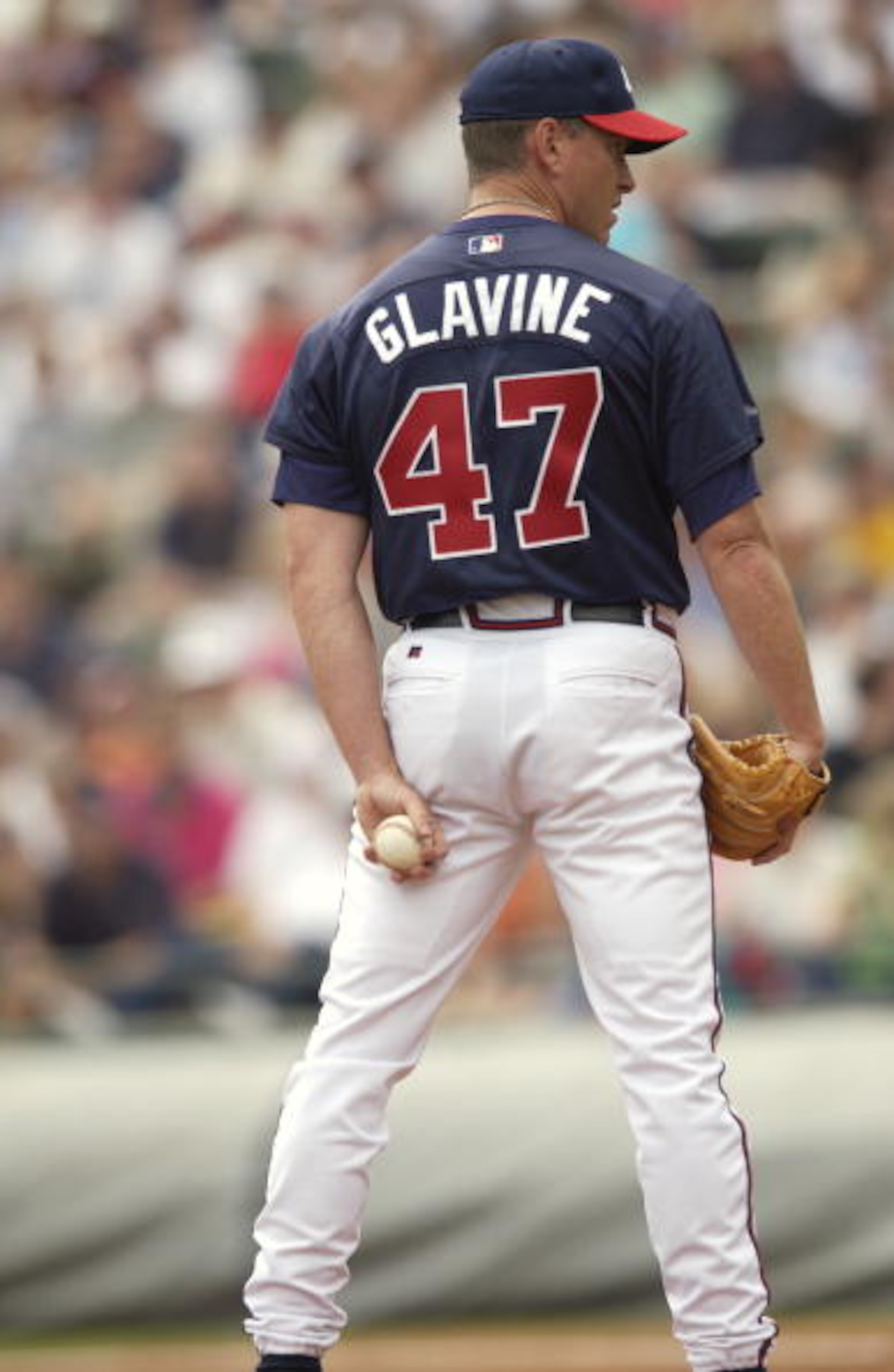
The Atlanta Braves of the 1990s had the look of a team destined for a dynasty. However, after they defeated the Indians in the 1995 Fall Classic, they ran straight into one of the greatest dynasties in the history of modern-day sports, the late-'90s New York Yankees. Those Yankees would go on to win four championships in five years from 1996-2000, two of them over the Braves. If it were not for the Yankees, the Braves would likely have easily wrapped up the 1996 and 1998 World Series for themselves, as no other team really stood a chance at defeating them.
This was all due to their starting rotation, more specifically their top three: Greg Maddux, John Smoltz and Tom Glavine. Glavine was the ace of aces for the Braves, leading one of baseball's all-time great pitching rotations to the playoffs each season that they were together, from 1993-2002. Without him, the Braves still might have been good, but they never would have reached the level of excellence that they did under the guidance of Glavine.
Baltimore Orioles: Cal Ripken, Jr.
3 of 30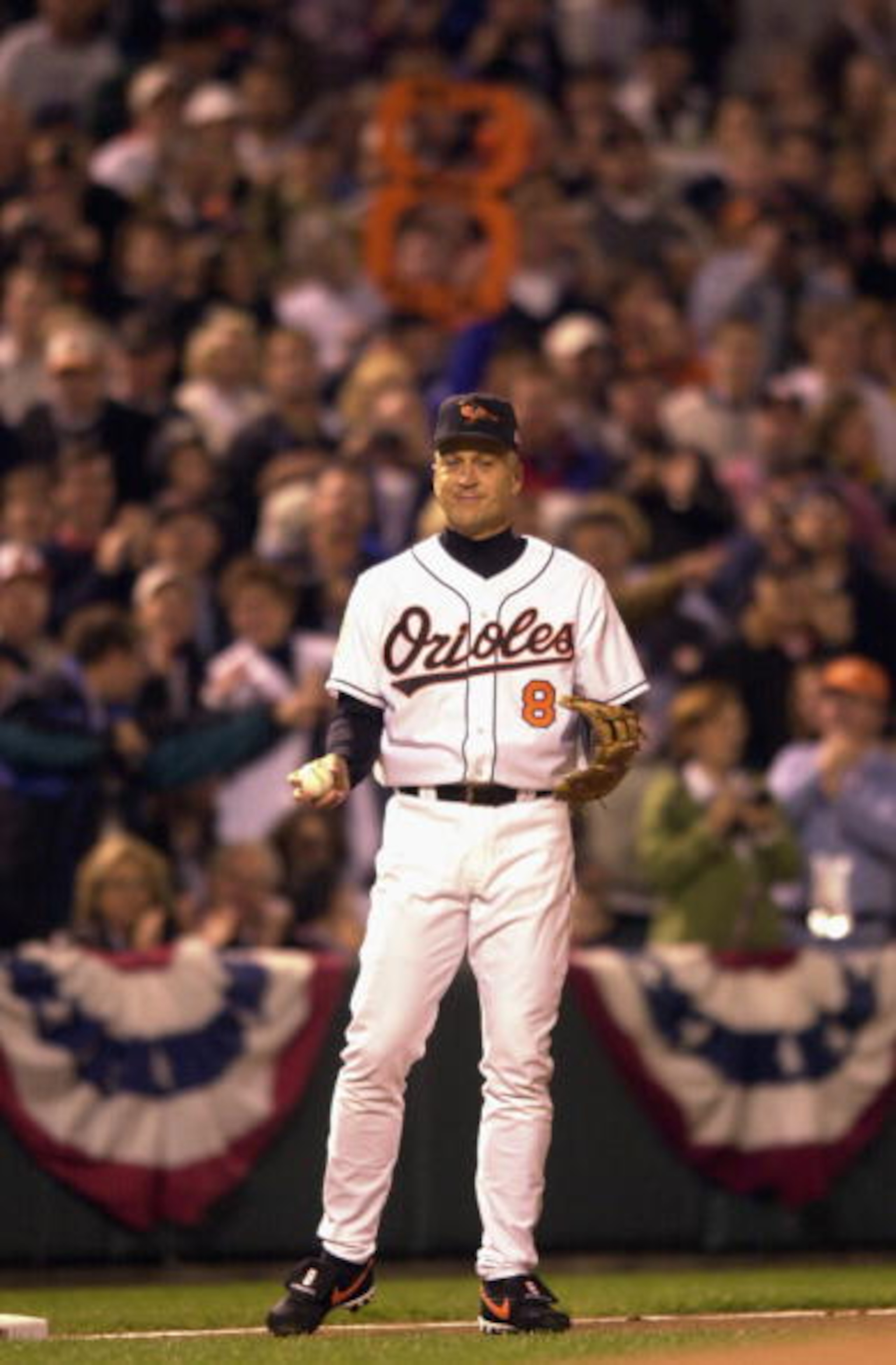
Cal Ripken, Jr. set the perfect example of what every player should strive to be. He broke Lou Gehrig's "unbreakable" record of 2,130 consecutive games played, showing all those who idolized him that you always need to give 100 percent at everything you do.
By playing his hardest all of the time, and by doing so very successfully, he had a positive influence on his teammates. His Orioles were quite successful during his time, winning the World Series in 1983 and drawing high attendance rates at Orioles home games throughout his career.

Boston Red Sox: Carl Yastrzemski
4 of 30
Carl Yastrzemski took on the seemingly impossible task of replacing Ted Williams, one of the greatest baseball players of all time, in left field at Fenway Park. He proceeded to have a Hall of Fame career for the Red Sox from 1961-83. He led his Red Sox to their first AL pennant in 20 years in 1967, and again in 1975, although they lost the World Series both times in seven games.
His consistency and individual success in all aspects of the game made him the perfect role model for all of his teammates, fans and even opponents.
Chicago Cubs: Ernie Banks
5 of 30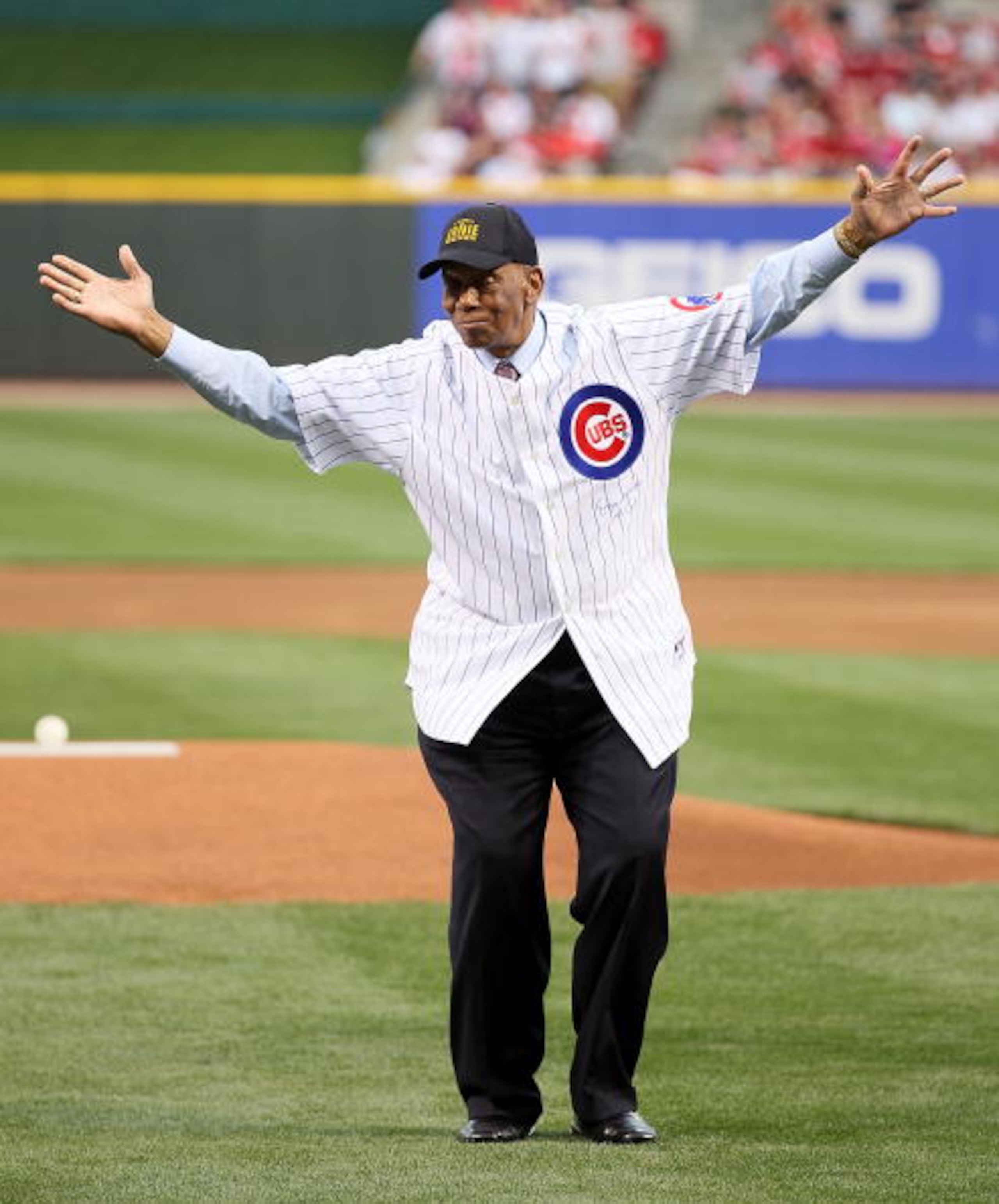
Ernie Banks was the definition of the Chicago Cubs during his career. In fact, his nickname was actually "Mr. Cub." Banks was the first black player in Chicago Cubs history and was also the first to have his number retired when the Cubs honored him by retiring his number 14 in 1982.
One of Banks' famous catchphrases was, "It's a beautiful day for a ballgame! Let's play two!" He always wanted to be out on the field, even for doubleheaders, because he truly loved the game. This passion for baseball was contagious and made him a great leader for the Cubs.
Chicago White Sox: Paul Konerko
6 of 30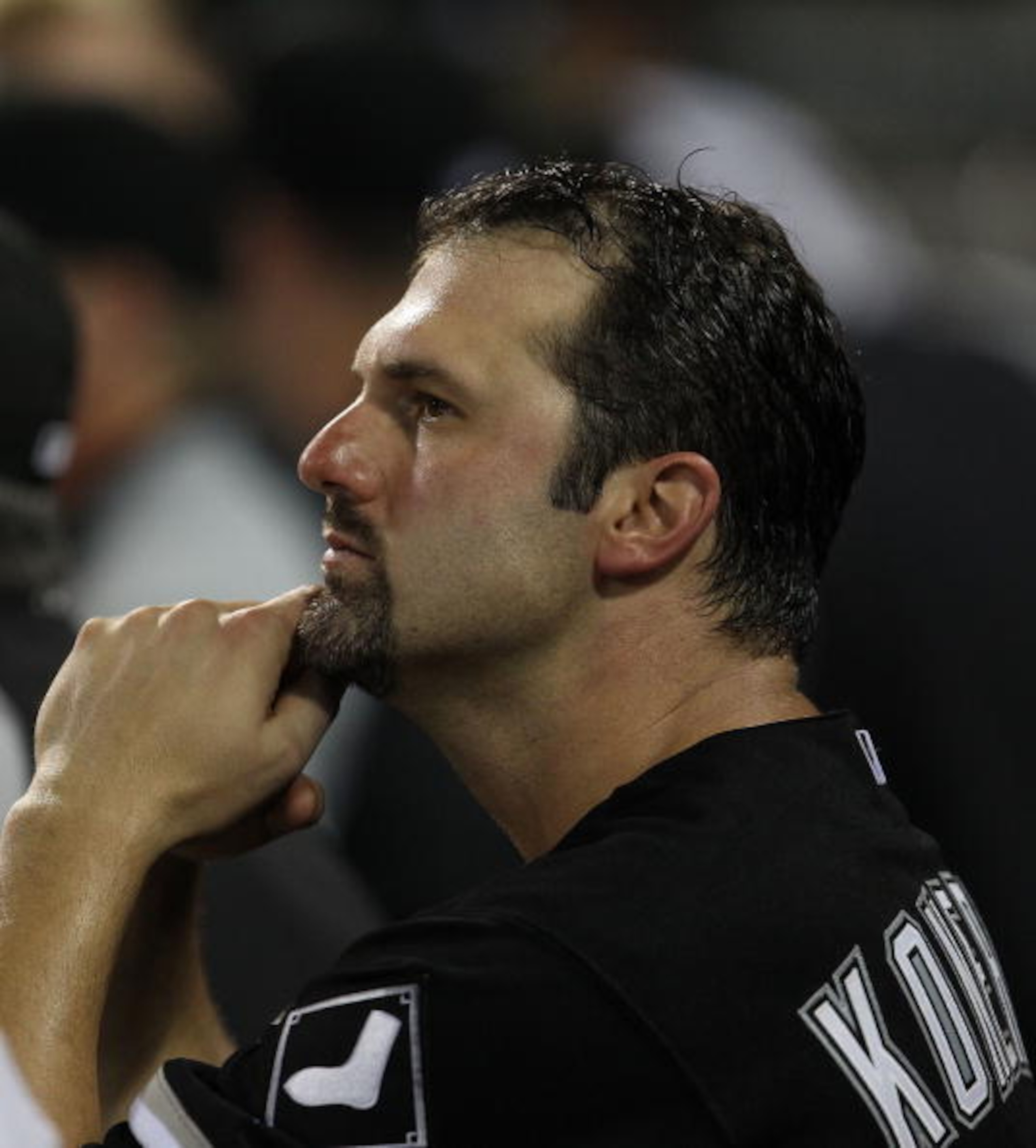
Paul Konerko is the current first baseman, as well as team captain, of the Chicago White Sox. He has played for the club since 1999 and has helped make the White Sox one of the main contenders in the AL Central.
In 2005, Konerko played a major part in bringing an end to the White Sox' 88-year championship drought as Chicago swept Houston in the Fall Classic. Konerko is still going strong at the age of 35, having had one of his best seasons last year, and will continue to lead the young White Sox for at least another three years after signing a new deal this past offseason.
Cincinnati Reds: Johnny Bench
7 of 30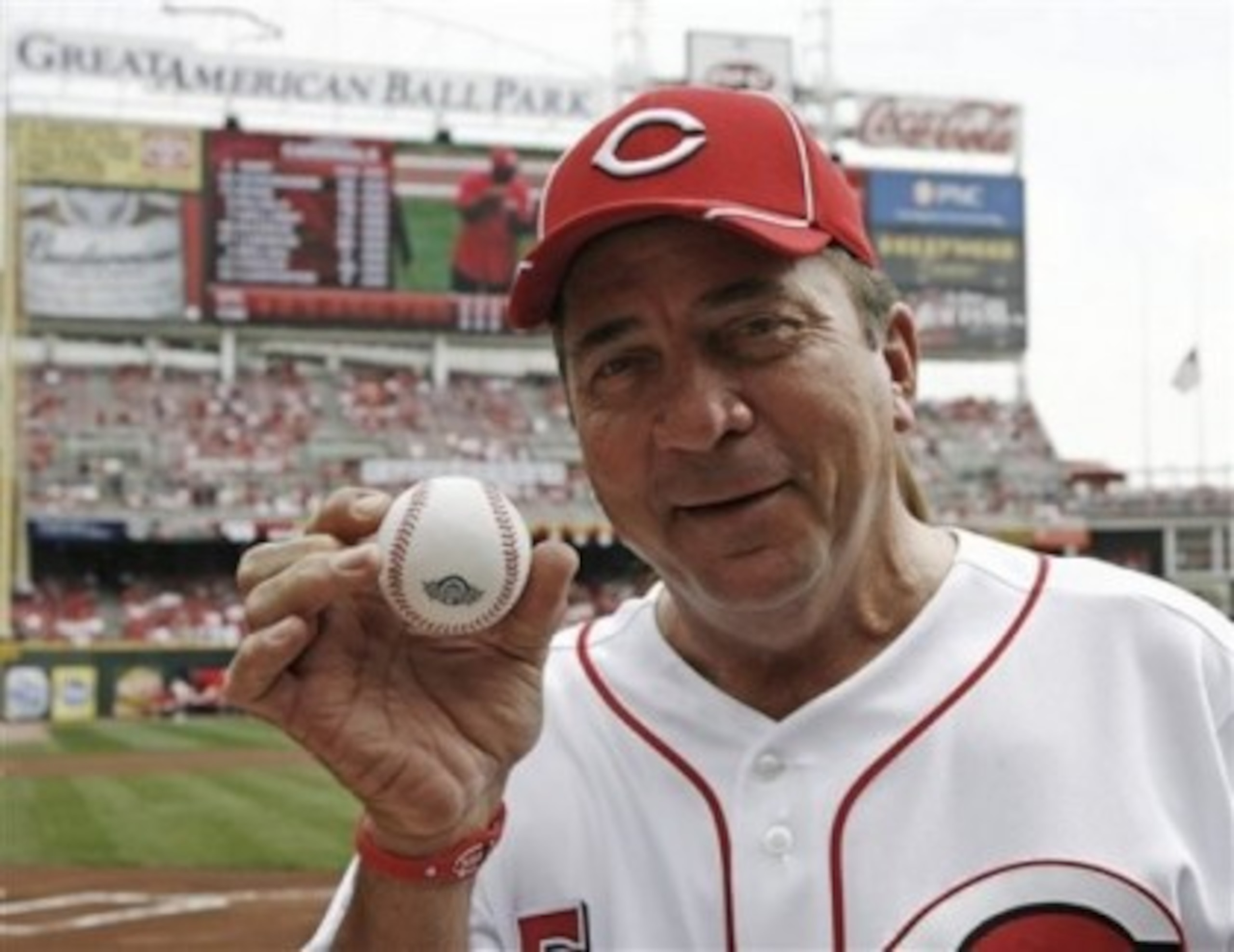
Johnny Bench is arguably the greatest catcher to ever play the game. He played for the Cincinnati Reds during the 1970s "Big Red Machine" dynasty, when the Reds won four NL pennants and two World Series titles.
Although he was surrounded by other superstars throughout his career with the Reds, Bench was a clear leader among them. He handled the pitching staff well and was well-respected by not only his fans, but his teammates. His leadership was a major factor in the Reds' success in the '70s, and without him, things may not have played out as well as they did for Cincinnati.
Cleveland Indians: Bob Feller
8 of 30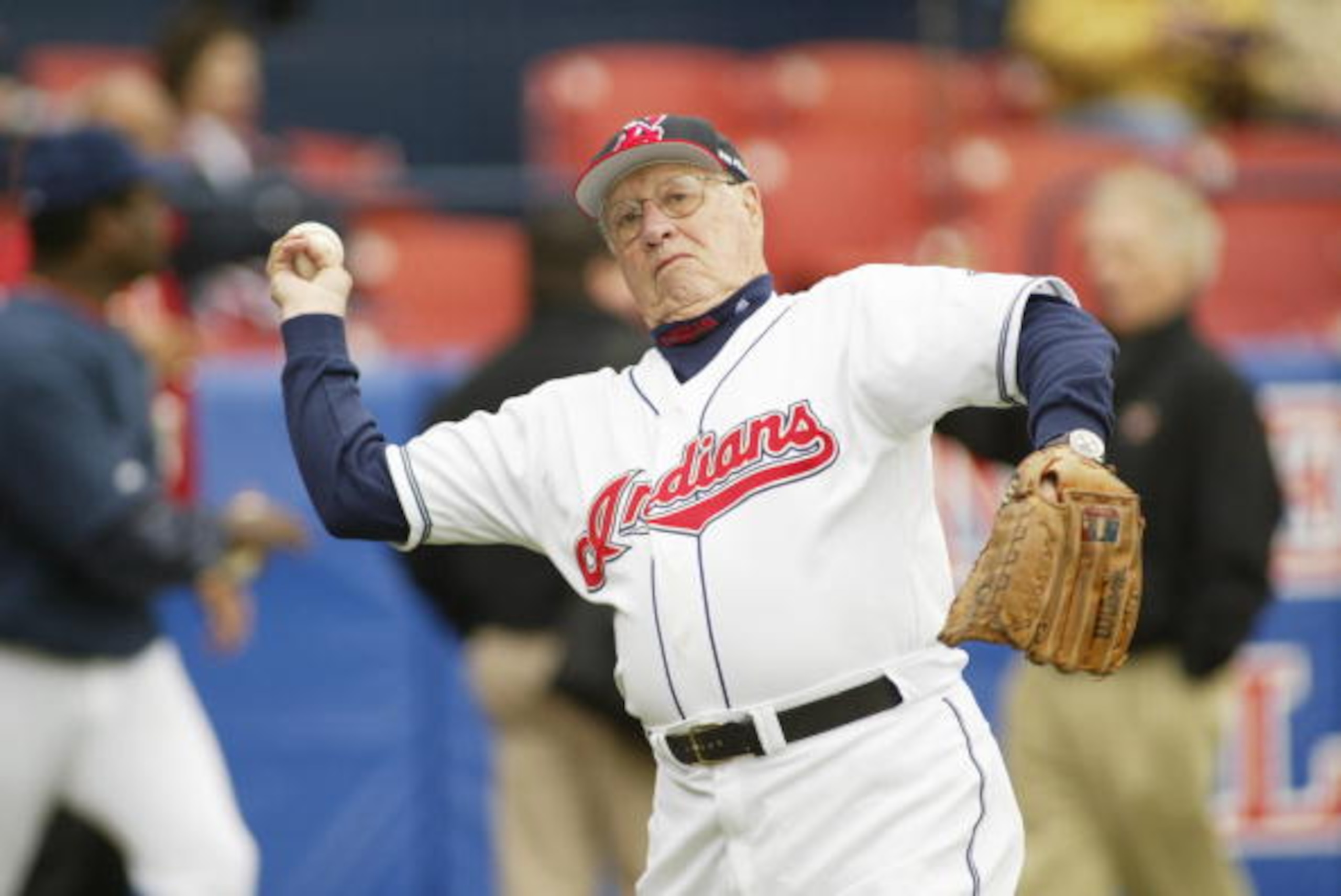
Bob Feller was the best pitcher to ever play for the Indians, and was one of the better pitchers to ever play the game. He joined the Indians in 1936 having never played in a minor league game and immediately became an invaluable member of their rotation. He helped lead his club to a World Series championship in 1948, the last one to date for the Indians. Bob Feller passed away just last year on December 15, 2010.
Colorado Rockies: Todd Helton
9 of 30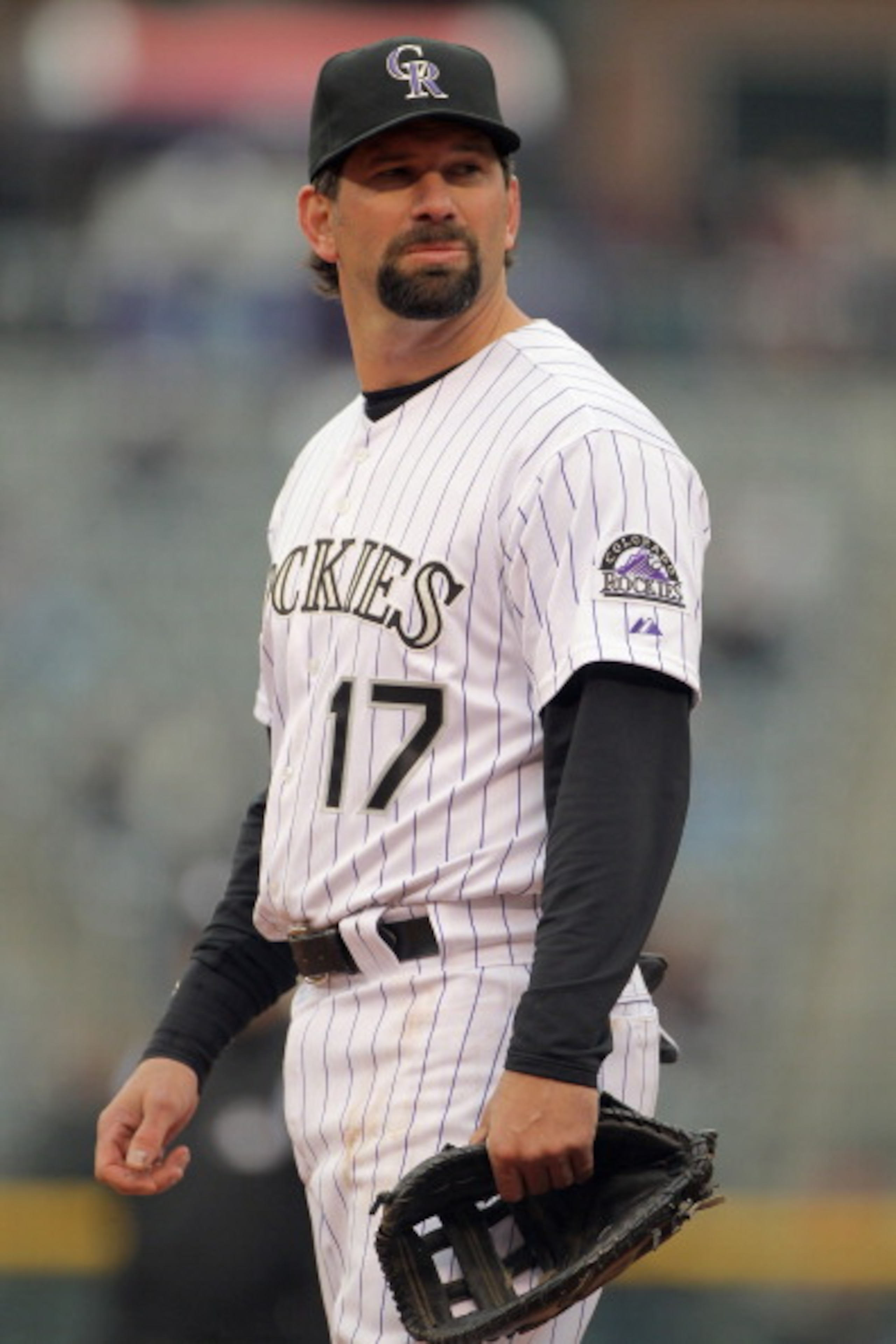
When people think of the Colorado Rockies, they automatically picture Todd Helton. Despite young stars emerging today in the persons of Troy Tulowitski, Carlos Gonzalez and Ubaldo Jimenez, the rock that holds this club together has always been Helton. Although he is aging and is now on the decline, Helton is still a valuable mentor to these young players and will most likely have a profound effect on the future of the club, even after he has retired.
Detroit Tigers: Al Kaline
10 of 30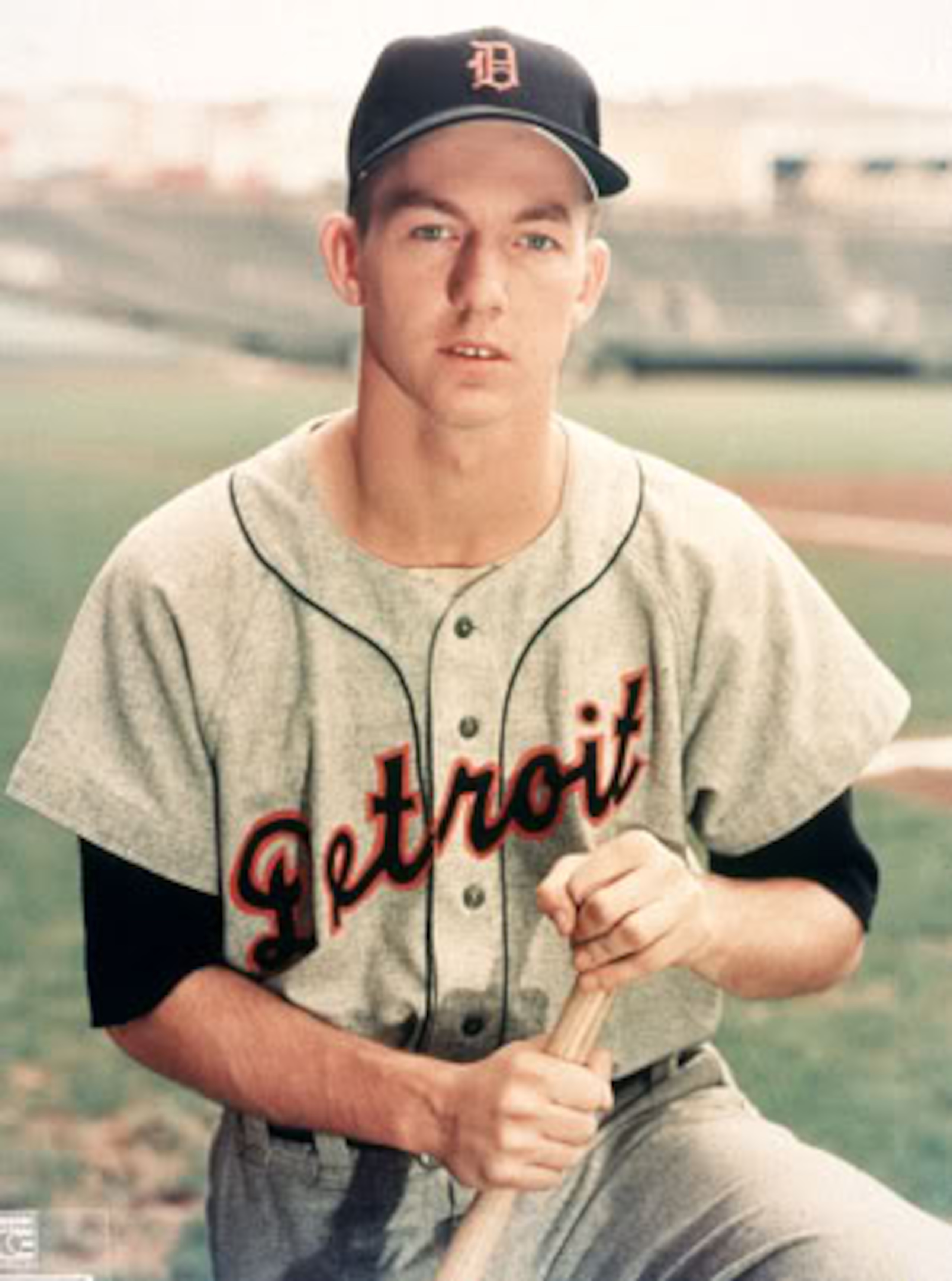
Al Kaline spent his entire 22-year career with the Detroit Tigers and earned himself the nickname "Mr. Tiger." He was a big offensive contributor to a Tigers team that transformed from a non-contender to a consistent winner under his leadership throughout his career. In fact, in 1968, Kaline helped lead his Tigers to their third World Series championship, hitting .379 with two homers and eight RBI in the series.
Florida Marlins: Ivan Rodriguez
11 of 30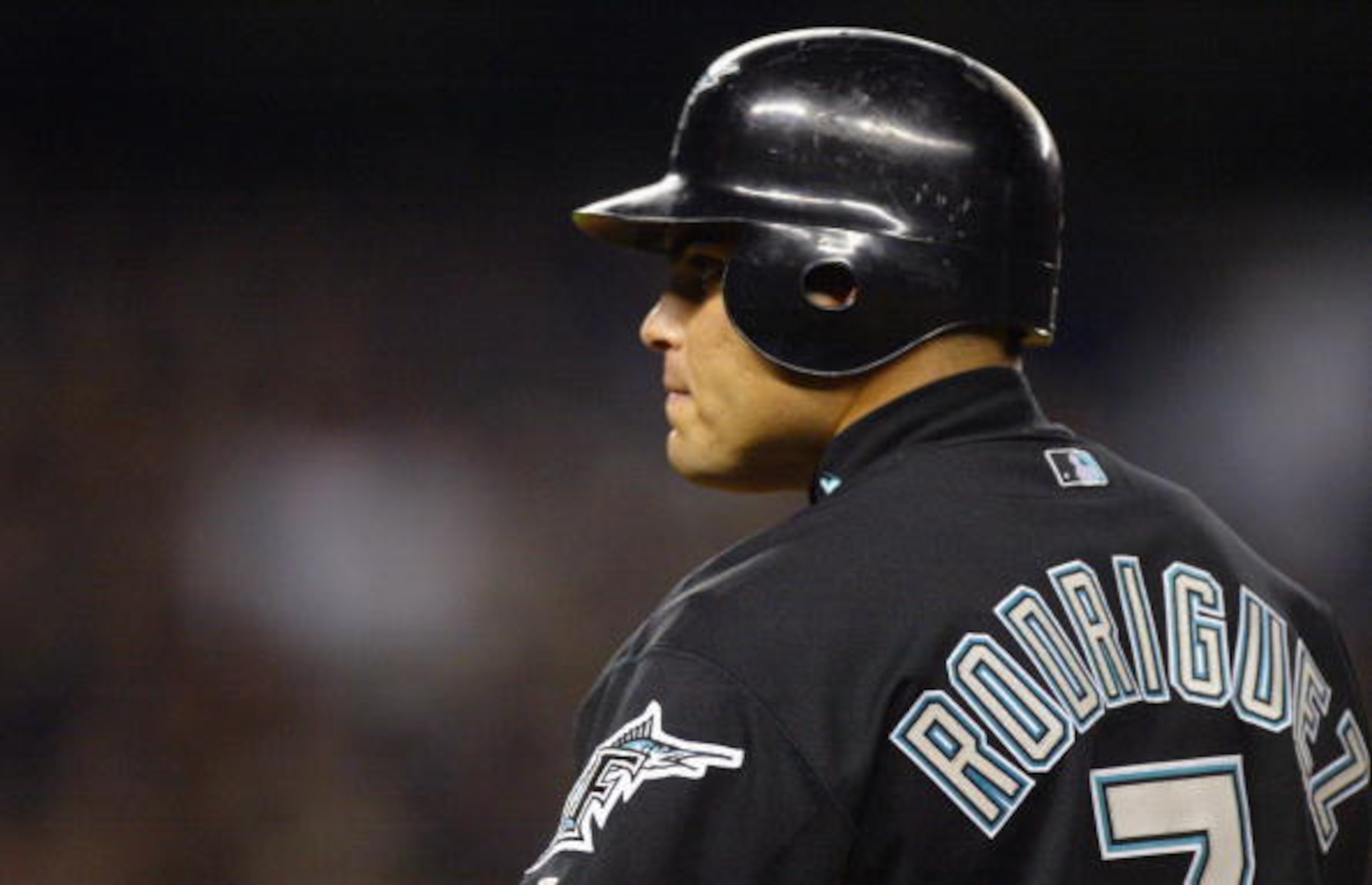
Despite playing for the Marlins for a single season, Pudge left an everlasting mark. He joined a team of talented young players in 2003 and, as the veteran on the team, acted as the mentor for these players.
His experience and ability to control a pitching staff was essential for the success of the '03 Marlins, who at the time sported an inexperienced rotation of Josh Beckett (23), Brad Penny (25), Dontrelle Willis (21), Carl Pavano (27) and Mark Redman (29). Without Pudge's leadership, it isn't likely that the Marlins even make it to the 2003 World Series, much less win it over the Yankees.
Houston Astros: Nolan Ryan
12 of 30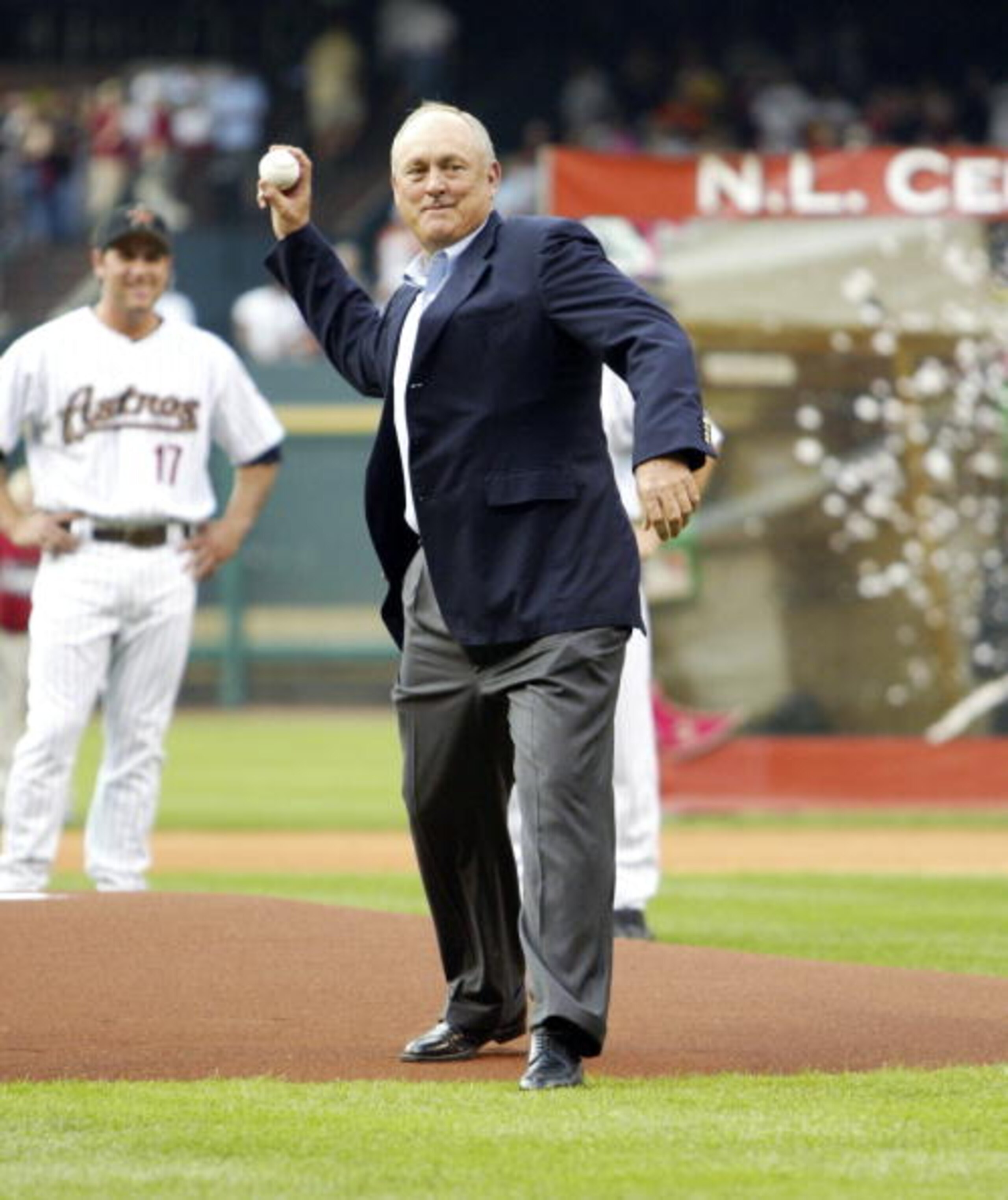
Nolan Ryan was one of the pitchers in the history of baseball, if not the best. He played for four different teams over his illustrious 27-year career, but played the most seasons (nine) with the Houston Astros. Ryan helped lead the Astros to their only two NL West division titles, in 1980 and 1986, and threw his fifth no-hitter in 1981.
Nolan Ryan may not have pitched for the Astros as a perennial contender, but he always gave his best effort and pitched extremely well, showing his teammates that nothing but your best is ever acceptable. A true leader can continue to perform at a high level even if his team is not, and that is exactly what Nolan Ryan did with the Astros.
Kansas City Royals: George Brett
13 of 30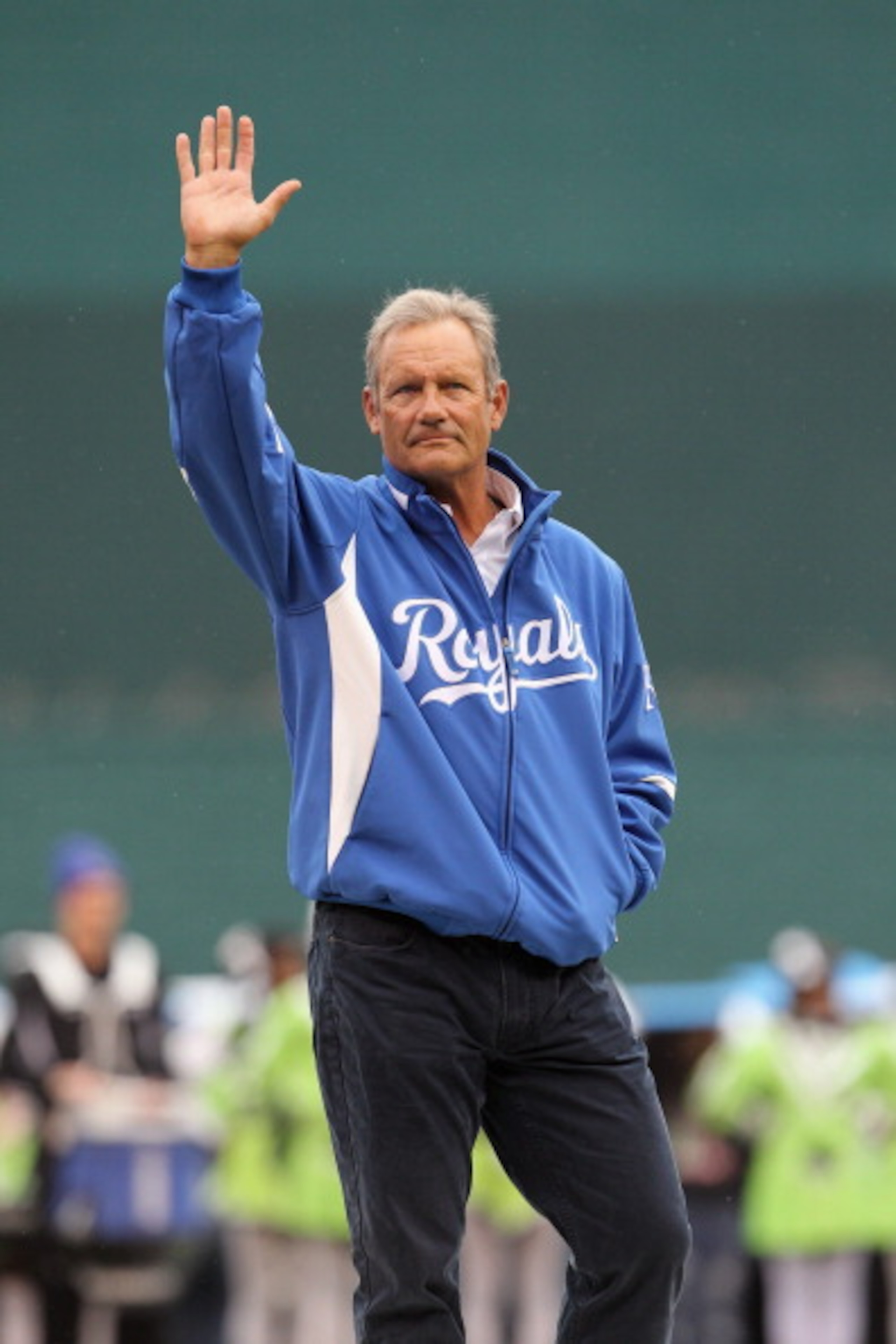
George Brett is undoubtedly the greatest player in Royals history. Brett is a member of the 3,000-hit club and finished his career with a .305 batting average and 317 home runs, showing his mastery of every aspect of the game.
His leadership led the Royals to their only six AL West Division titles, their only two AL pennants and their only World Series title (1985) to date. Brett was such an important piece of the Royals that without him, they have yet to figure out how to win again. No one on the current Royals roster has the experience or knowledge that Brett shared with his teammates from 1973-93, and this lack of leadership has taken its toll on the franchise.
LA Angels of Anaheim: Torii Hunter
14 of 30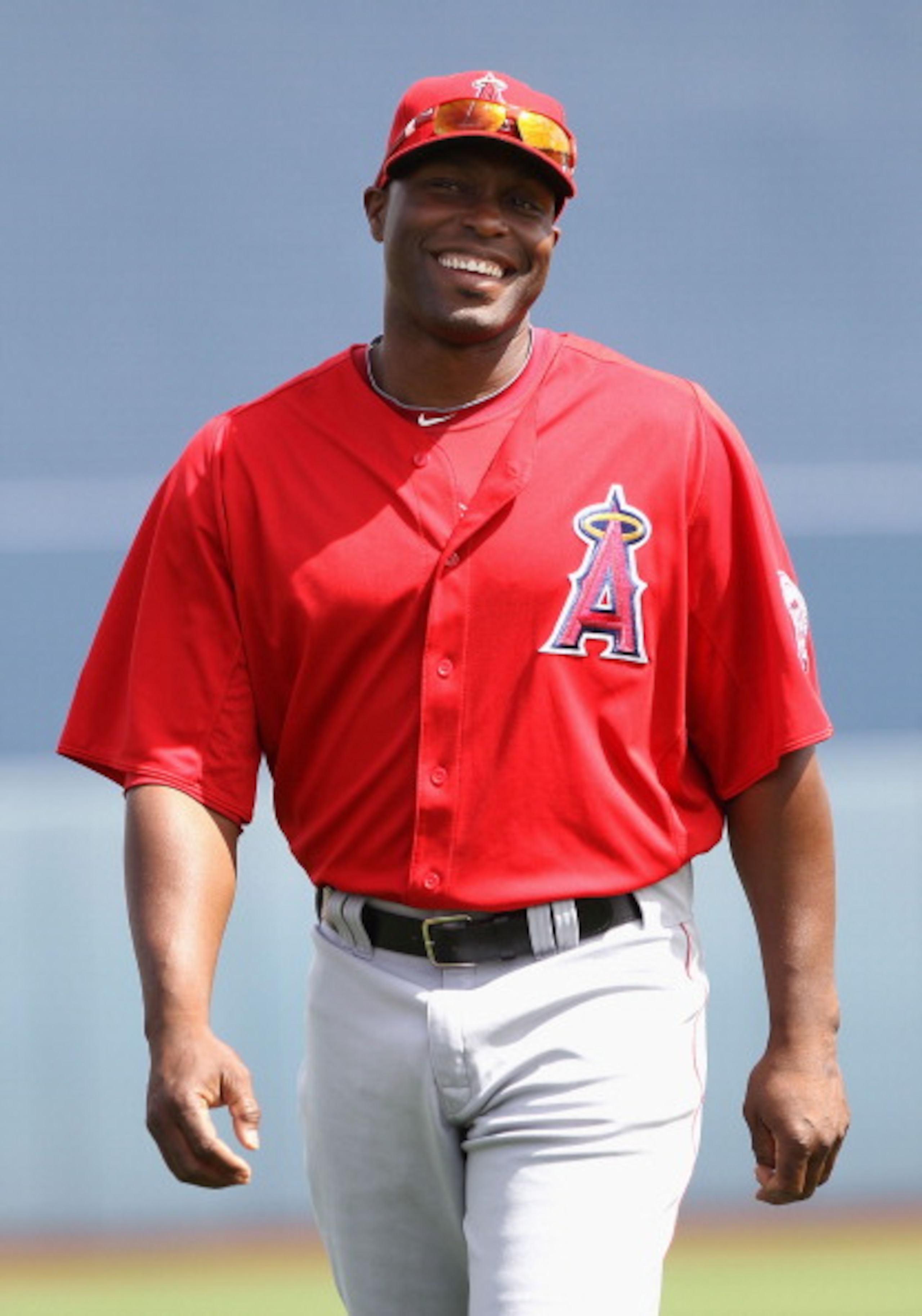
It's almost hard to believe that 2011 will be only Torii Hunter's fourth season with the Angels. In such a short span, Hunter has established himself as the true leader of the club. In fact, don't be surprised if the Angels anoint him the team's first captain as soon as this year.
Hunter just brings that sense of wisdom and trust into the clubhouse with him that his Angels would not be the same without. He possesses all of the qualities that define a leader, and deserves to be recognized for what he brings to the club on a daily basis both on and off the field.
Los Angeles Dodgers: Jackie Robinson
15 of 30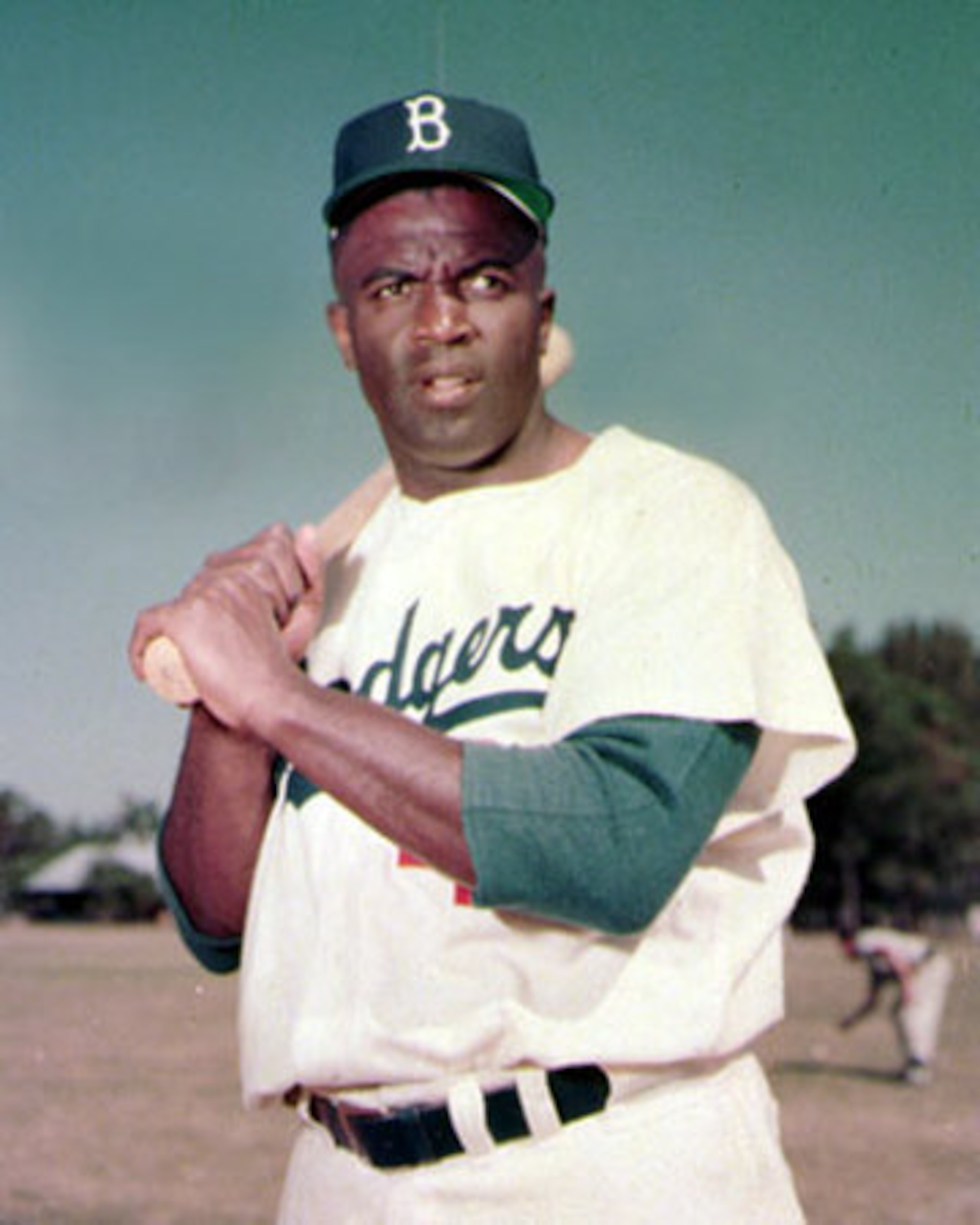
No one exemplifies the qualities of a leader in the same way as Jackie Robinson did. He had to be brave and confident to even walk onto a major league field during his career, as he was the first African American to ever play in the major leagues. His bravery showed his teammates not to be afraid of anything, and made him a role model not only for them, but for all African Americans at that time as well. To this day, Robinson is still regarded as one of the main leaders in the Civil Rights movement.
Milwaukee Brewers: Paul Molitor
16 of 30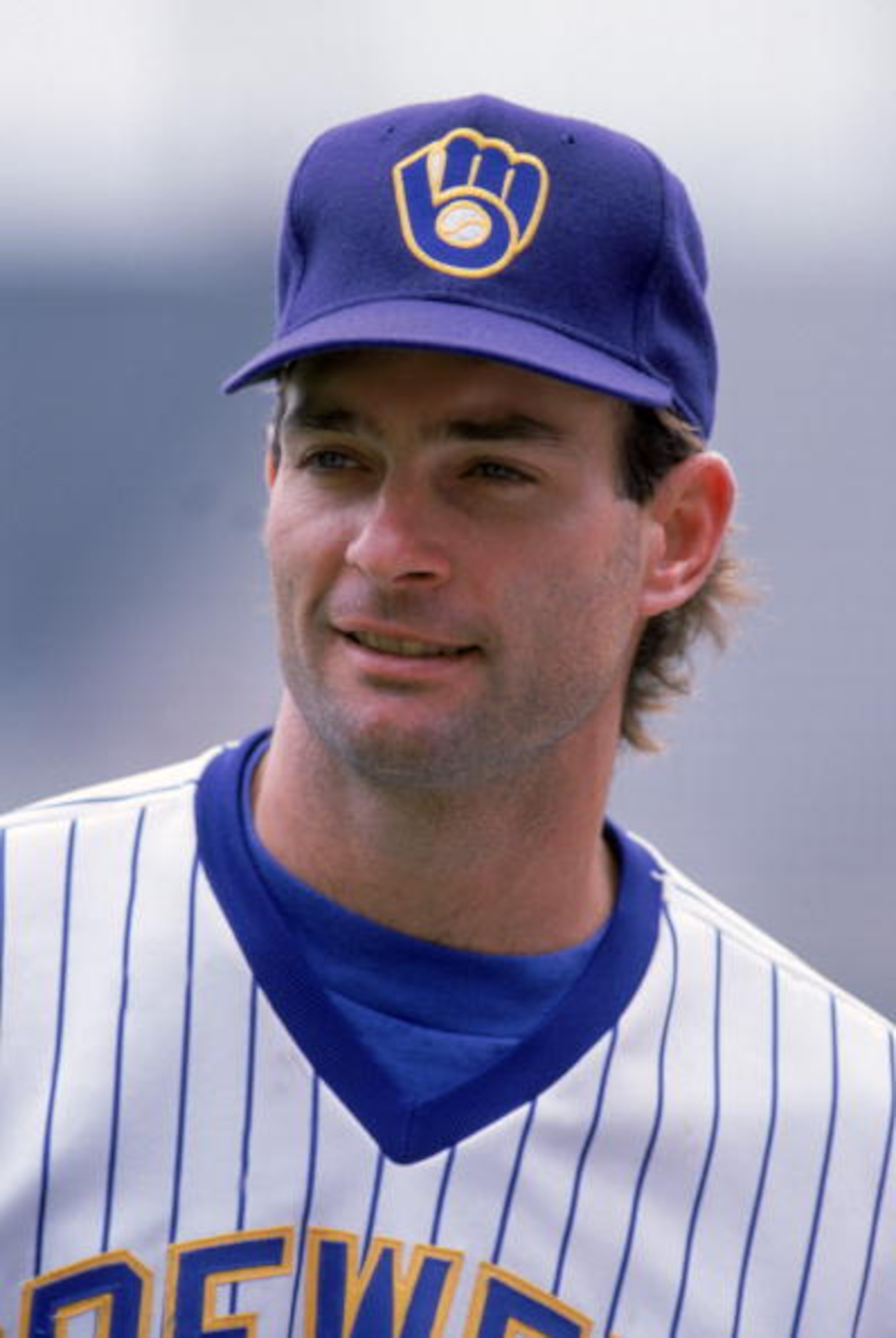
The Milwaukee Brewers have not had the best history to this point. In fact, they have only made it to the playoffs twice, in 1982 and 2008. They are the only team to have played in both leagues, American and National. It was during their tenure in the American League that their greatest player and leader joined the team.
Paul Molitor played for the Brewers from 1978-1992 and became known as one of the best hitters in the game. In 1982, he led the Brewers to their one and only pennant and trip to the World Series. Molitor could hit for average as well as power, and also stole over 500 bases over the course of his career, showing his teammates that you could master every aspect of the game if you set your mind to it. It was reasons like these that Molitor was one of the Brewers' greatest leaders.
Minnesota Twins: Kirby Puckett
17 of 30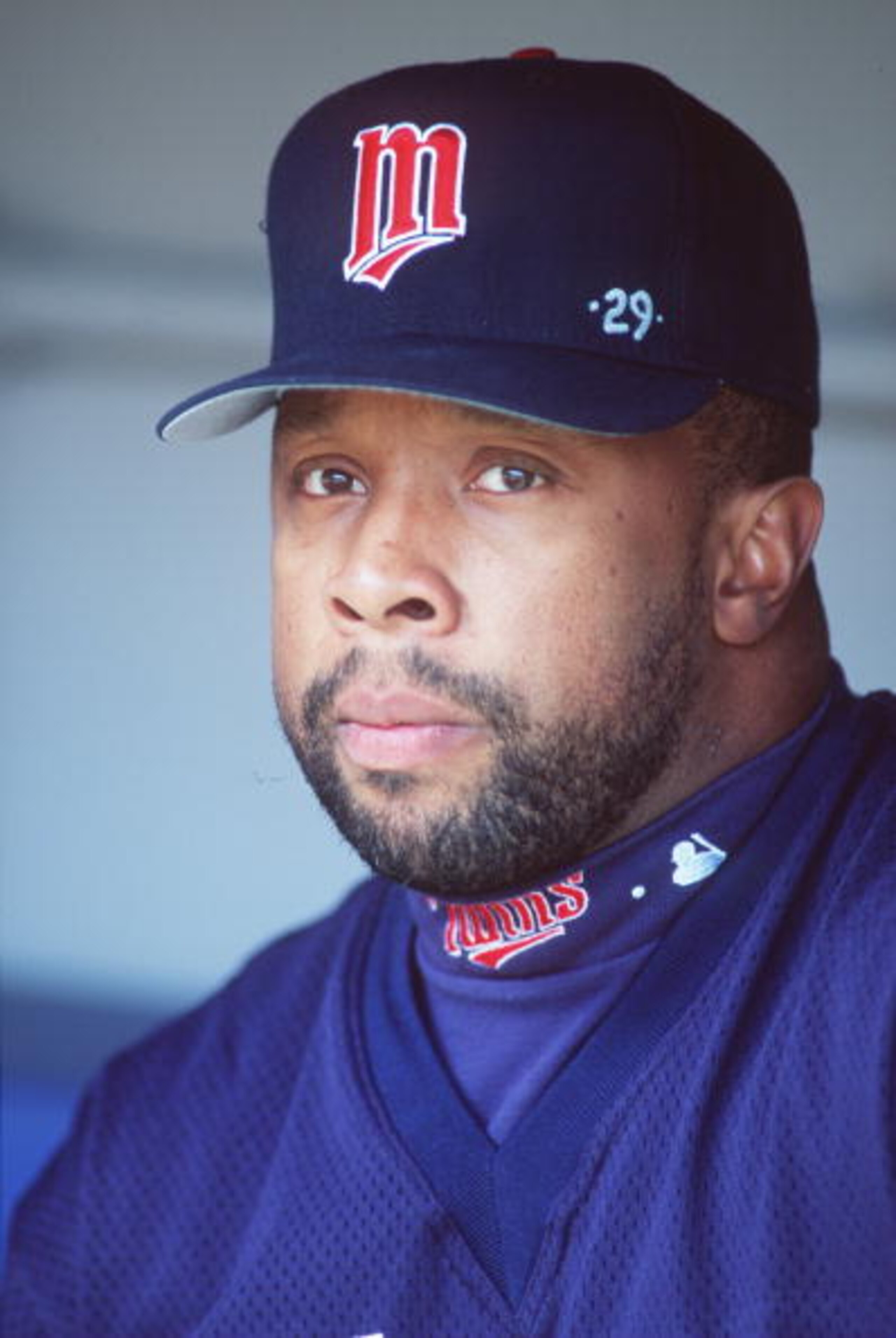
Kirby Puckett was the face of the Minnesota Twins franchise. He was described as the stereotypical "good guy," and all of his teammates and coaches liked him. People tend to be more willing to follow someone that they like, so Puckett was naturally the leader of the Twins. He led his team to two World Series titles during his career in 1987 and 1991, and was a main contributor in both runs.
New York Mets: Tom Seaver
18 of 30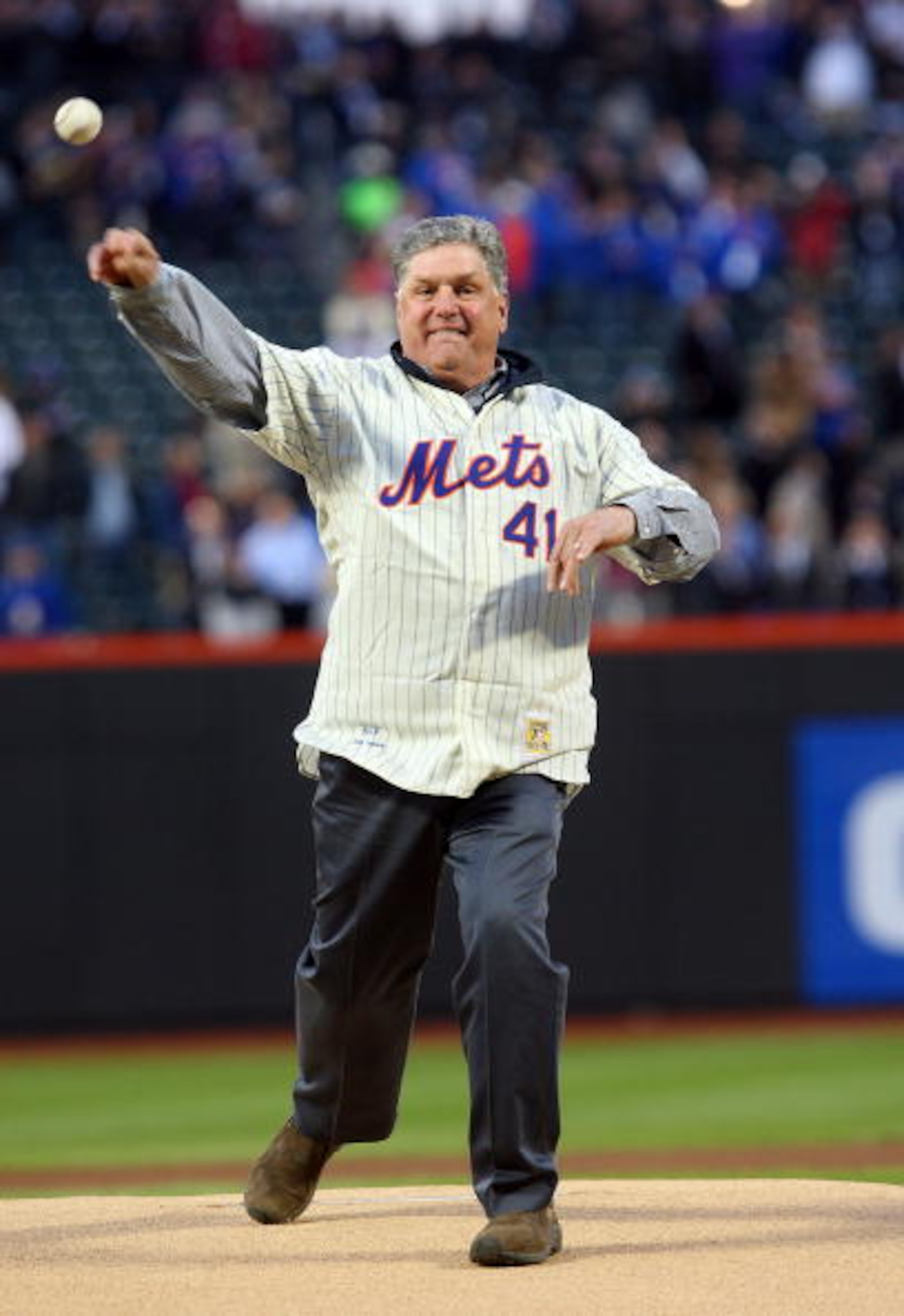
Tom Seaver was one of the greatest pitchers in the history of baseball, and the greatest in the history of the New York Mets. In fact, Seaver to this day is the only member of the National Baseball Hall of Fame whose plaque depicts him wearing a Mets cap. Nicknamed "The Franchise," Seaver was the ace of the pitching staff of the famous 1969 "Amazin' Mets" and led his team to their first World Series title that season.
Without his leadership and the assurance that the Mets would win almost every game Seaver pitched, that "amazin'" season may never have occurred.
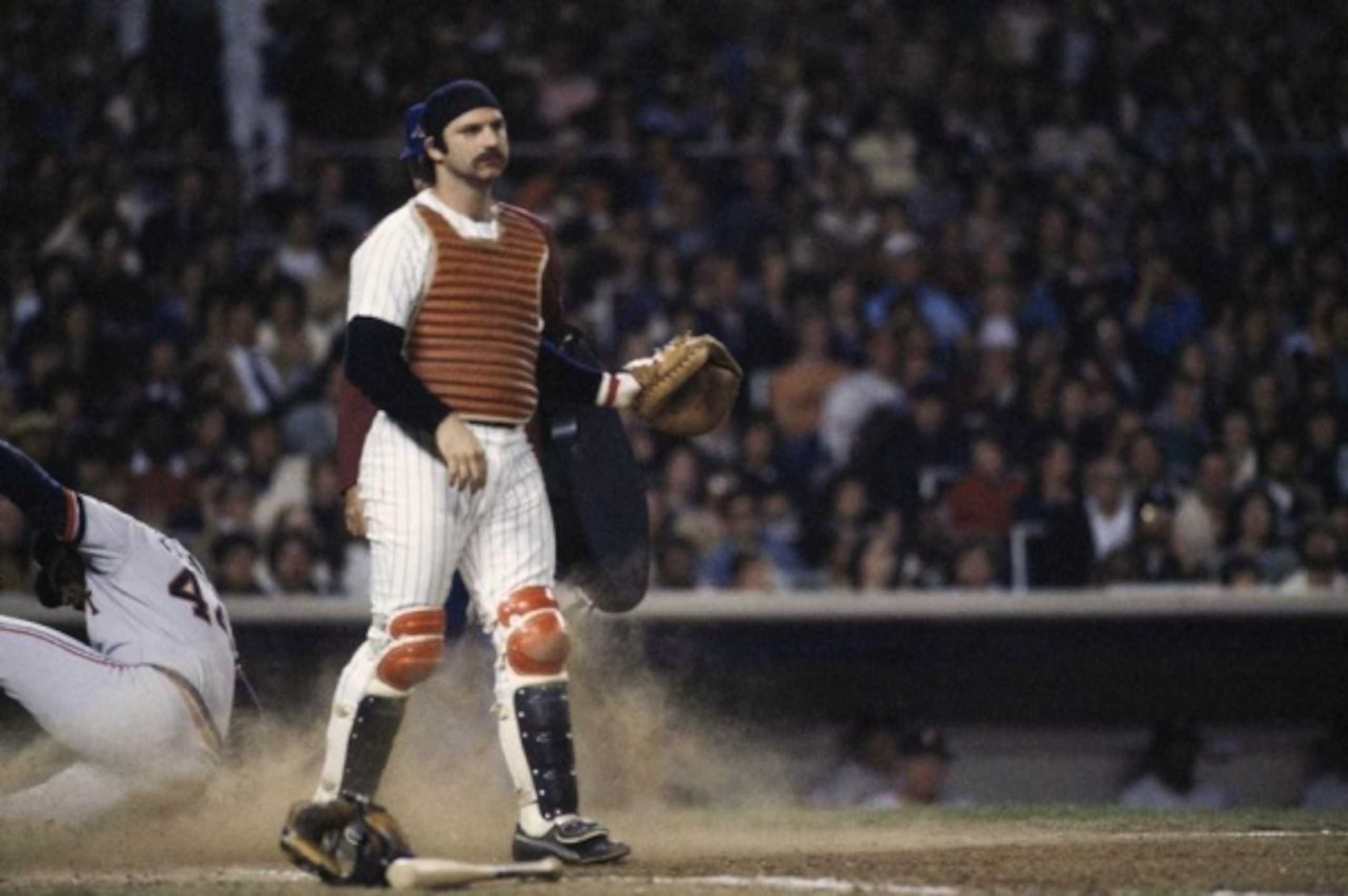
New York Yankees: Thurman Munson
19 of 30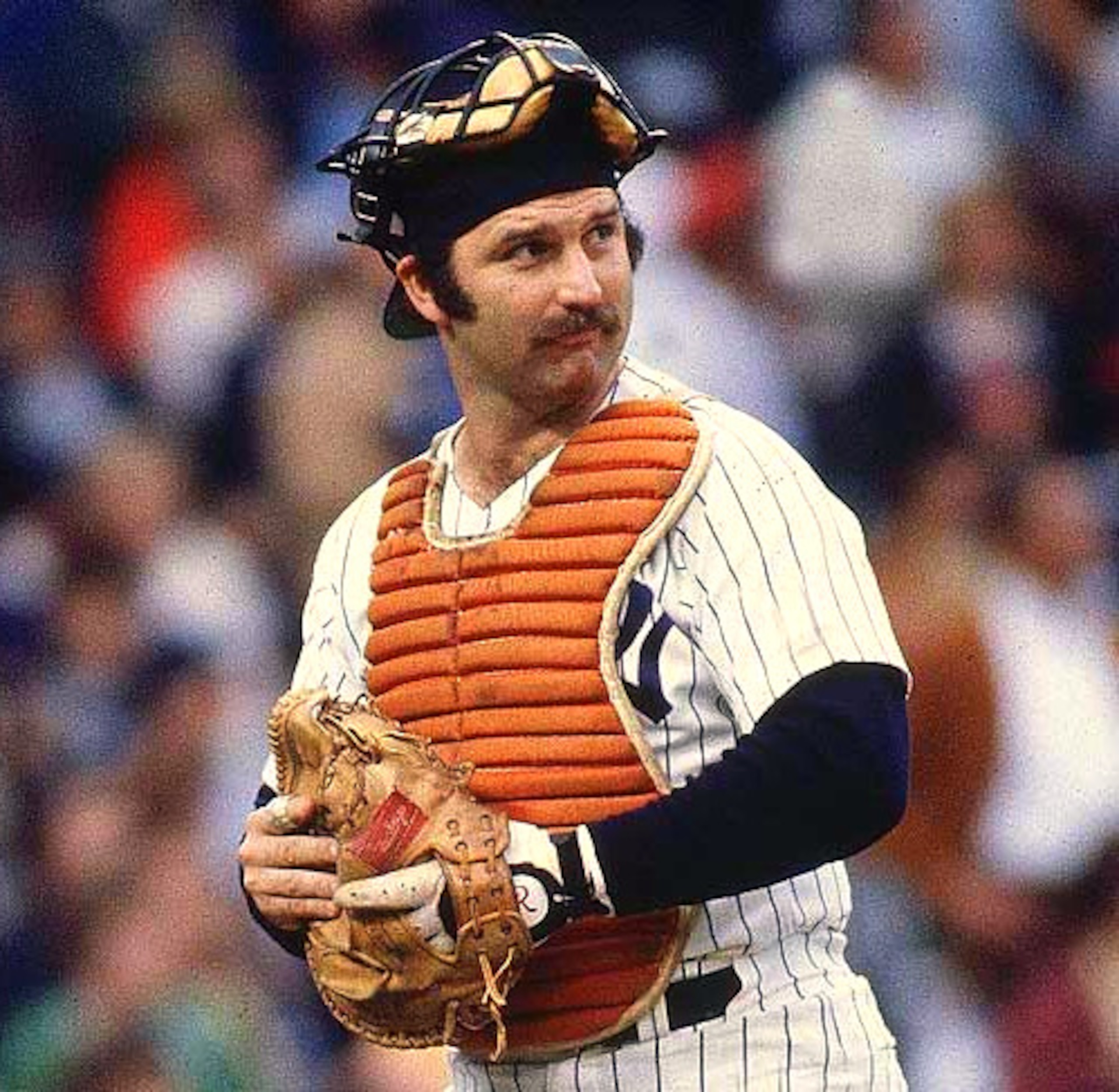
If it weren't for the title of this article, many of you probably would have thought Derek Jeter would be my choice for the greatest leader in Yankees history. However, that's the beautiful thing about the Yankees; so many great players have played for them, it's sometimes easy to forget past players in favor of present ones.
Thurman Munson's is perhaps the most tragic story in the history of baseball. On August 2, 1979, Munson crashed his personal airplane while practicing takeoffs and landings, was pinned by debris and died of smoke inhalation in the ensuing fire.
Before his death, Munson had established himself as a star on the Yankees, as well as a leader. He had been named Yankees team captain, the first since the iconic Lou Gehrig, and had led the Yankees to back-to-back World Series titles the two seasons prior to his death. Thurman Munson will always be remembered by Yankees fans and players alike, as there has never been as great a leader as him.
Oakland Athletics: Mark McGwire
20 of 30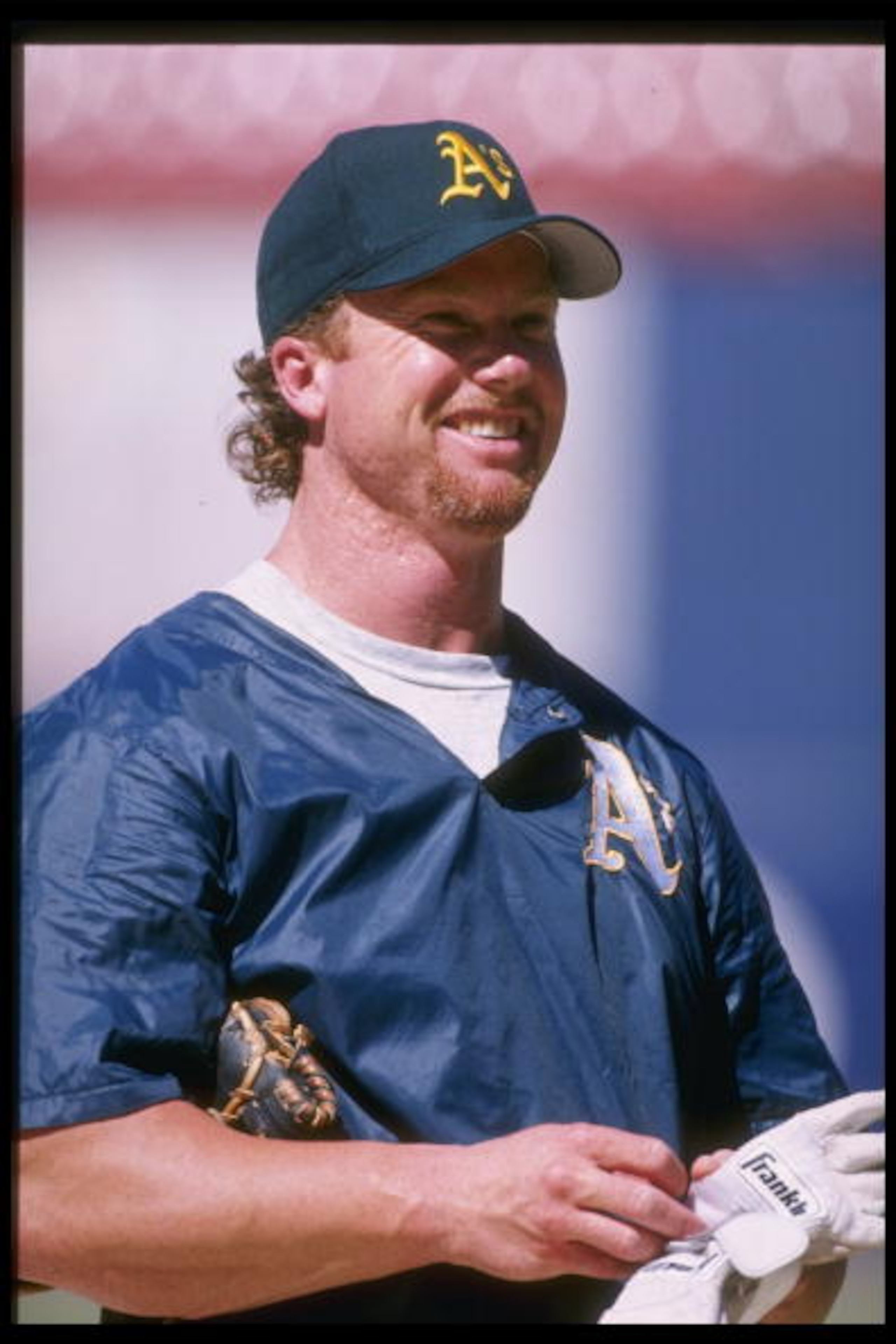
Mark McGwire may now be known as one of the prime culprits of baseball's "Steroid Era," but before all of that, he was a great leader on a successful Oakland A's team. He broke onto the scene in 1986 and had one of the all-time greatest rookie seasons, and proceeded to become one of baseball's most productive players throughout his career.
He brought it upon himself to carry his team, and did so successfully, helping his club to two World Series, winning the second in 1989. He would later leave and have great success with the St. Louis Cardinals, but will always be remembered by the fans in Oakland for his skills at the plate and in the clubhouse.
Philadelphia Phillies: Mike Schmidt
21 of 30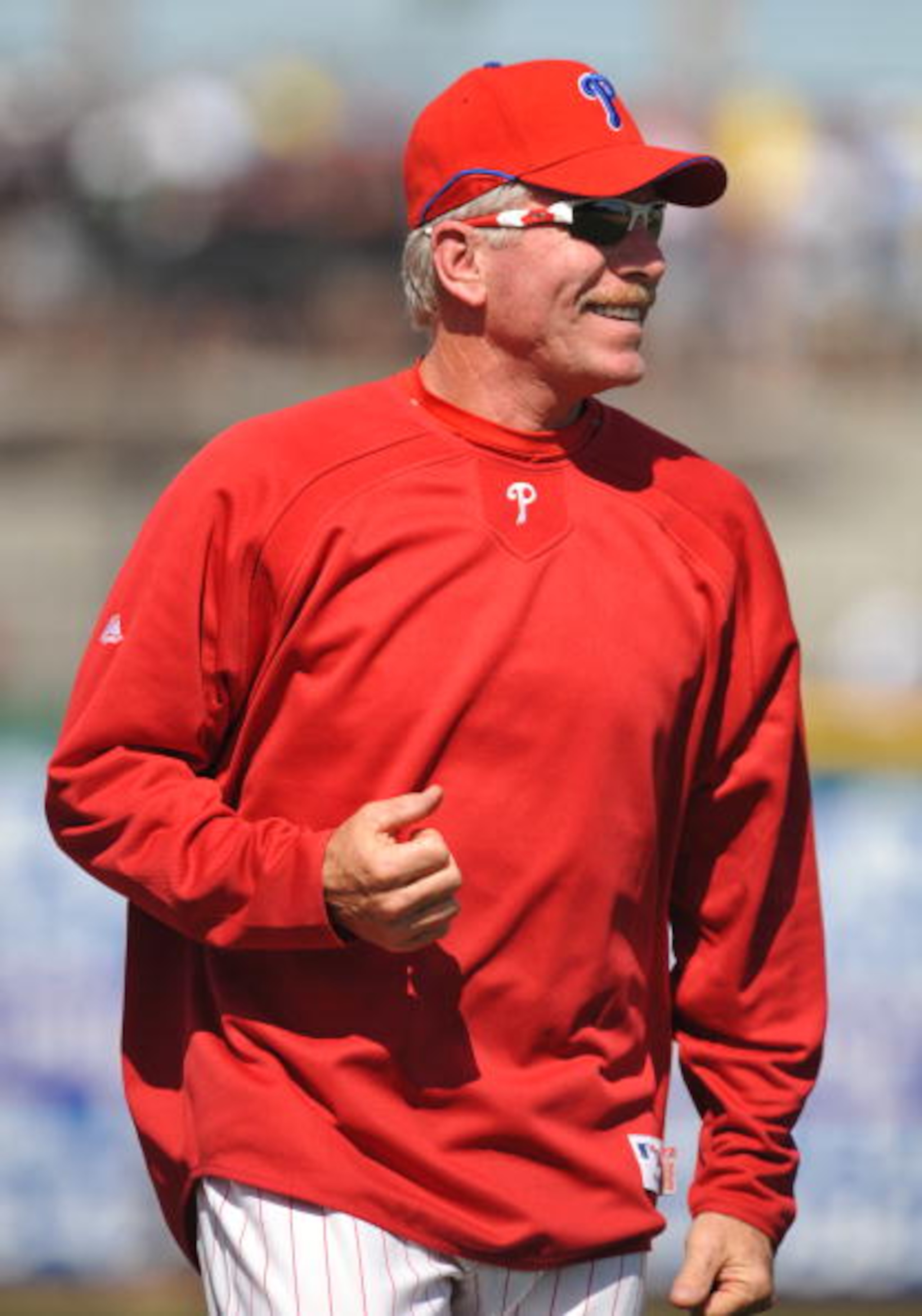
Mike Schmidt is one of the best players to ever play for the Phillies, and is considered by many to be one of the greatest third basemen in the history of baseball. He played for the Phillies during one of their most successful eras, in which they won five NL East titles, two NL pennants and the 1980 World Series.
Schmidt was an unbelievable hitter and defender and an amazing athlete all-around. He helped lead the Phillies to that 1980 World Series, and then helped them secure it with a performance that was rewarded with World Series MVP honors. He showed his teammates that he could produce when it mattered most, and they followed suit to help him win the title.
Pittsburgh Pirtates: Roberto Clemente
22 of 30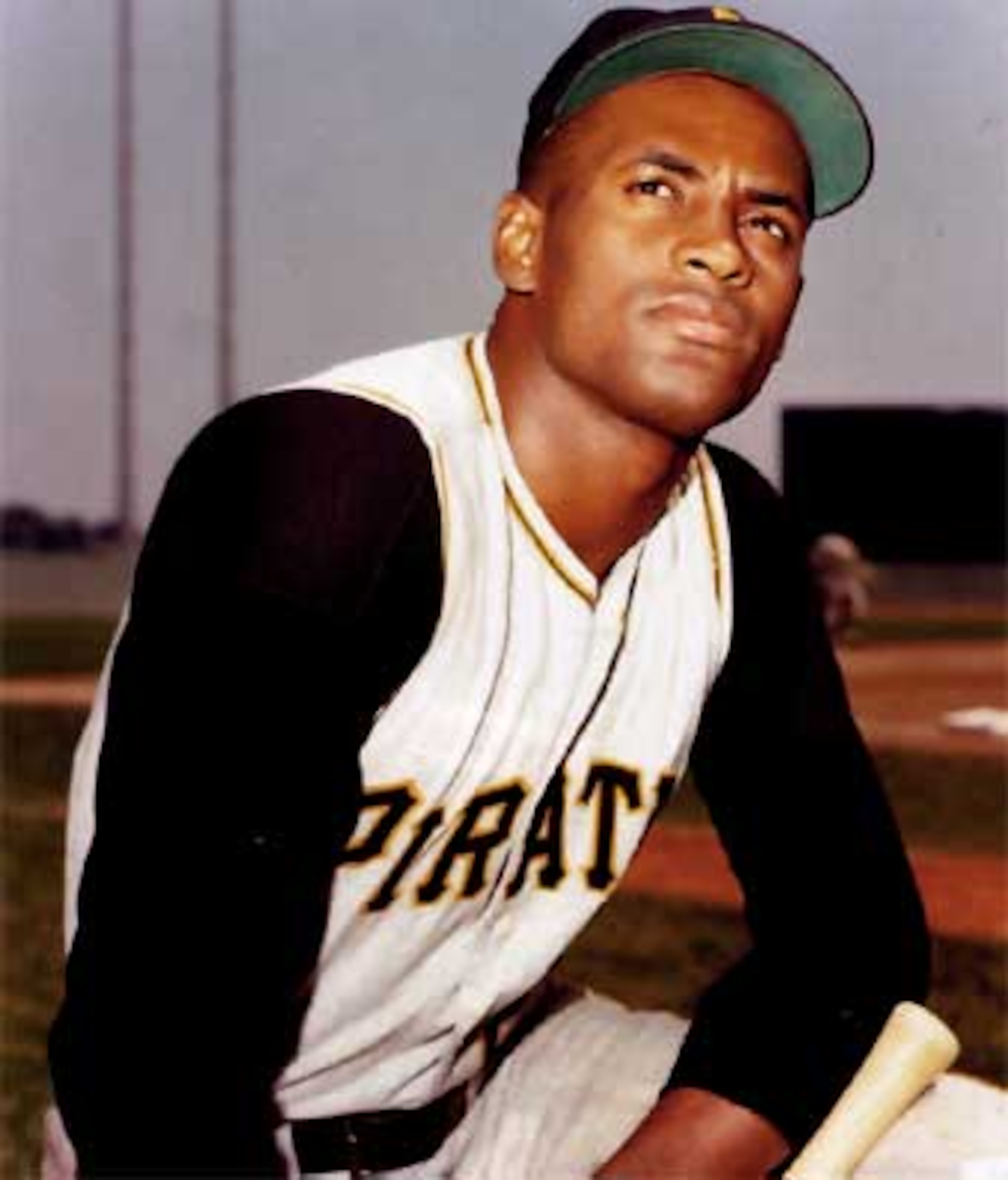
Roberto Clemente was the greatest leader the Pittsburgh Pirates ever had, both on and off the field. He led the Pirates to two World Series titles in 1960 and 1971, winning the World Series MVP award for the '71 contest.
However, despite colecting 3,000 hits throughout his playing career, Clemente's biggest accomplishments came off the field. He was a humanitarian and spent most of his offseason time doing charity work. It was in the 1972 offseason that a plane carrying Clemente and relief packages for earthquake victims crashed into the ocean, resulting in his death.
Clemente's number 21 was retired by the Pirates, and today an award is given annually in his honor to the player from each league whose charity work goes above and beyond the rest of the league. Clemente was not only a leader for the Pirates, but he was a leader and a role model for everyone in the world of baseball, both past and present.
San Diego Padres: Tony Gwynn
23 of 30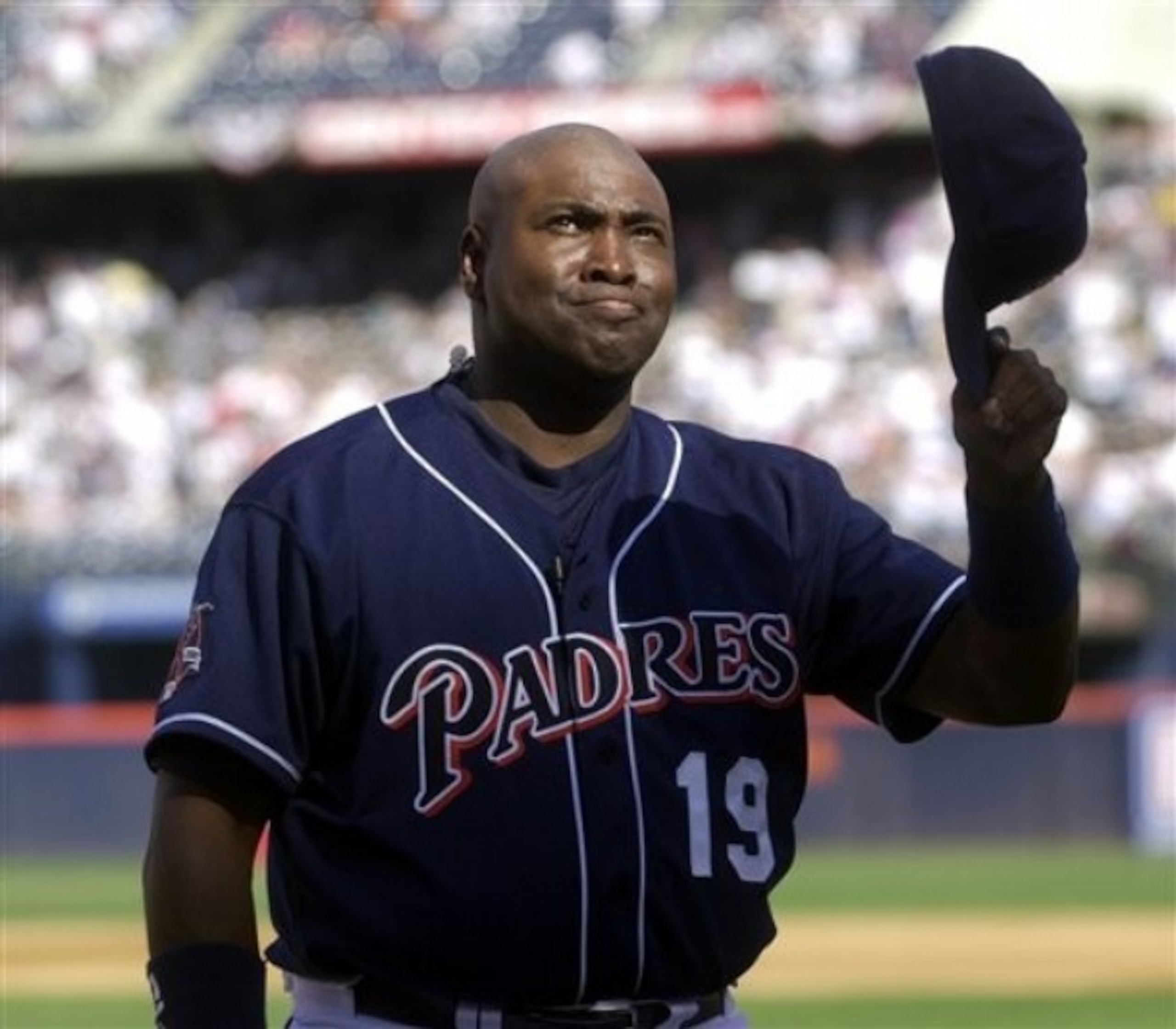
Tony Gwynn was the greatest player to ever play for the Padres, and he played his entire Hall of Fame career in San Diego. To this day, the Padres have not played in a World Series game without Tony Gwynn on their team, as the only two NL pennants won by the Padres came in 1984 and 1998.
Gwynn was a force at the plate, hitting .338 with 3,141 hits over his 20-year career, and inspired all of his teammates to work as hard as he did to reach the same level of success. Gwynn is still a part of the Padres organization, although he is currently battling cancer and receiving treatment.
San Francisco Giants: Willie Mays
24 of 30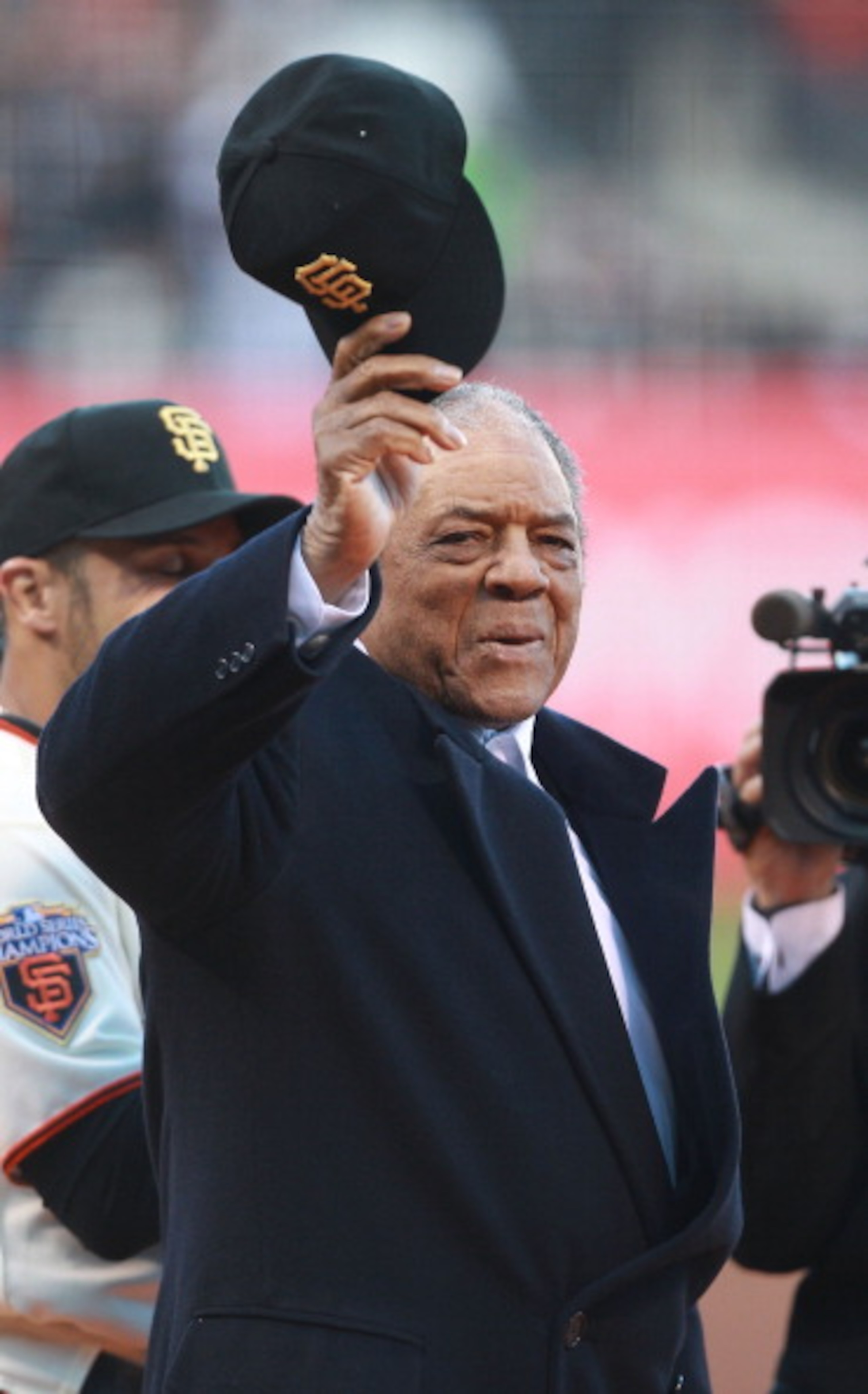
Willie Mays was one of the greatest players to ever play the game, and was also one of the Giants' biggest leaders. He helped them to the 1954 World Series championship, and always played his hardest and strived for success.
Mays hit .302 with 660 home runs and 1,903 RBI over his career, while also winning 12 Gold Glove Awards, showing his ability to excel at all aspects of the game. This determination to be great at everything he did set an example for his teammates, as well as all future Giants players.
Seattle Mariners: Ken Griffey Jr.
25 of 30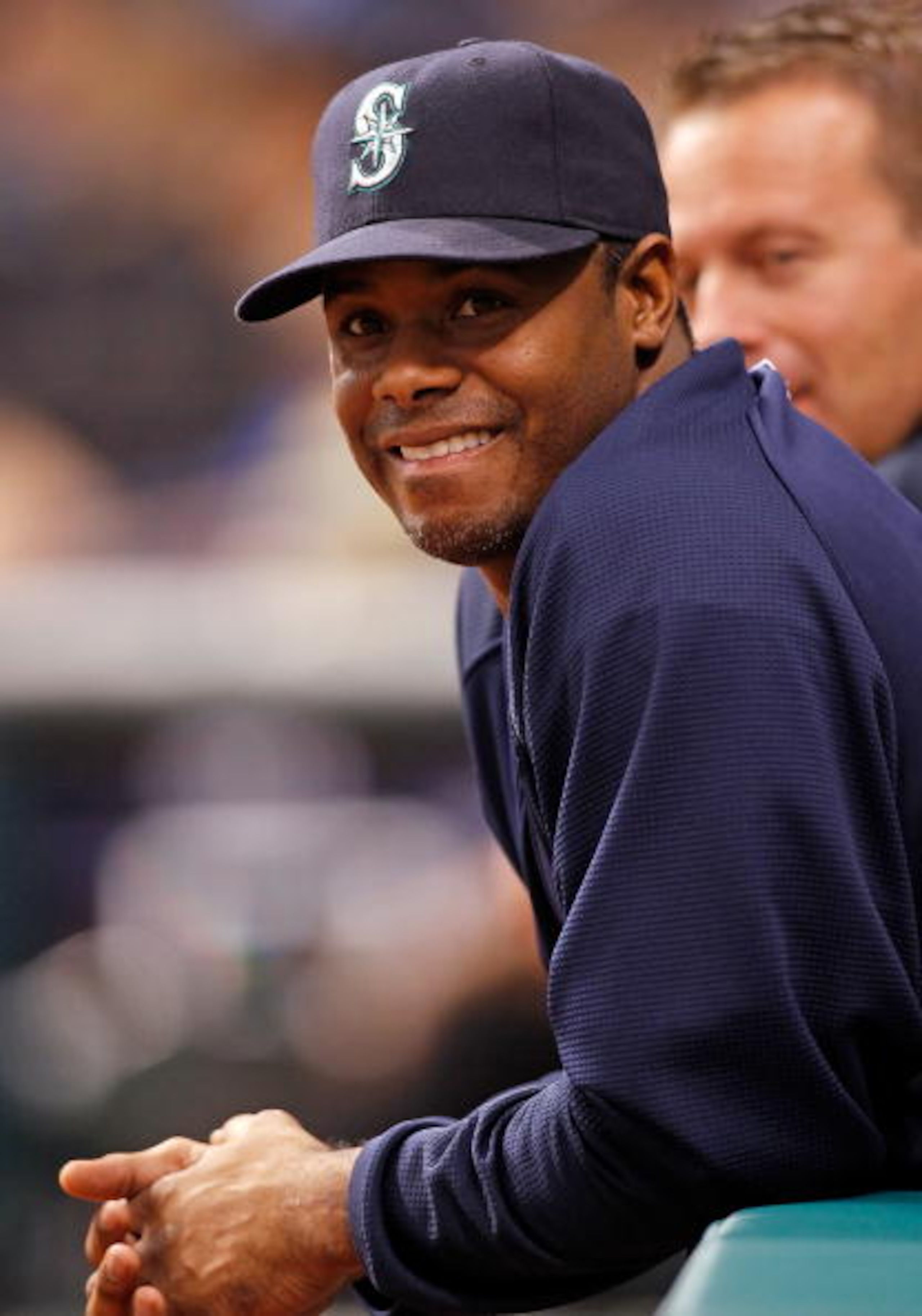
"The Kid" joined his father's Mariners in 1989, and proceeded to become one of the best players to ever put on a Seattle uniform. Griffey would guide the Mariners to their first two AL West titles in 1995 and 1997.
In '95, Girffey played a huge part in the "season that saved baseball in Seattle." There had been talk of relocating the franchise due to lack of fan support and success, but Griffey led the Mariners into the playoffs, where they defeated the New York Yankees in the ALDS to win their first ever postseason series. Although they would lose the ALCS to the Indians, baseball in Seattle had been saved. Griffey also won the AL MVP award en route to guiding his team to the playoffs in 1997.
Without the leadership of Griffey, the Mariners may have not been able to achieve this success in the '90s, and the Seattle Mariners may no longer have existed.
St. Louis Cardinals: Stan Musial
26 of 30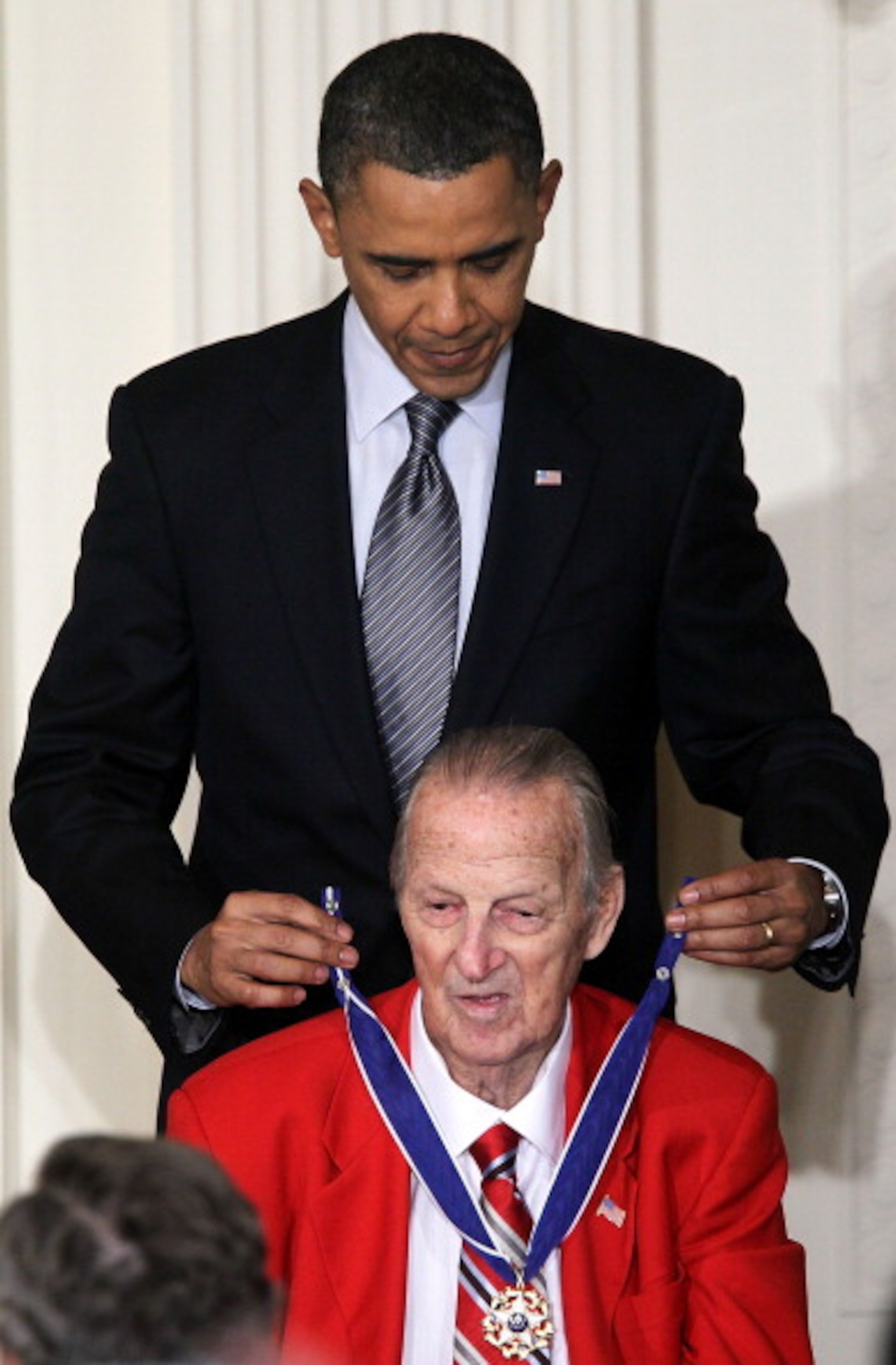
Stan Musial is one of the greatest players in baseball history, ranking right up there with the likes of Ruth and Ted Williams. He led the Cardinals to three World Series championships (1942, 1944, 1946) and won three MVP awards, while appearing in 24 different All-Star Games.
His leadership was invaluable to the success of the Cardinals, and even today, Cardinals players strive to make him proud. He is still viewed as one of baseball's best role models, and has received countless honors and recognitions for his work both on and off the field.
Tampa Bay Rays: Evan Longoria
27 of 30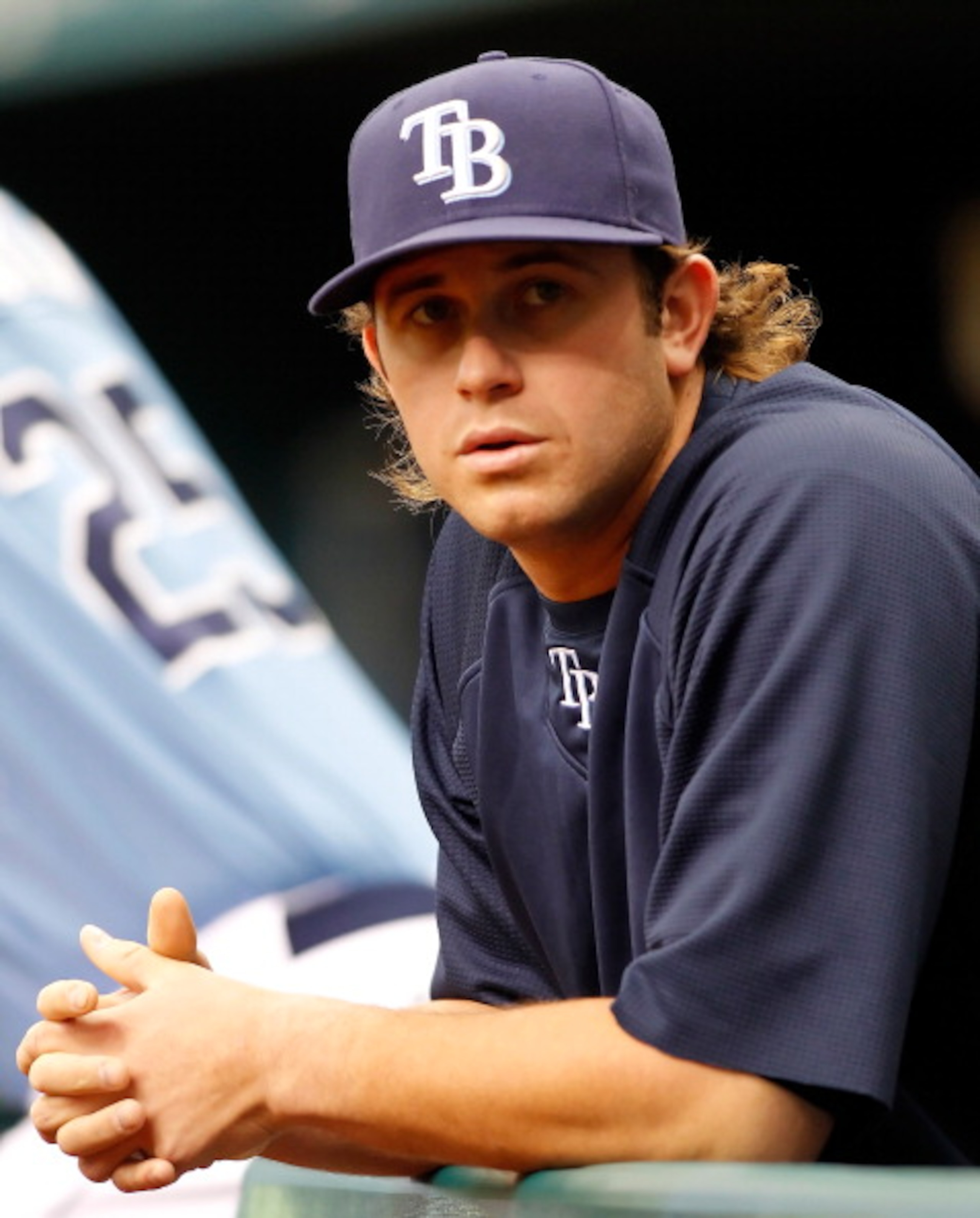
The young Tampa Bay Rays franchise has not had enough of a history to have given themselves a true "greatest leader" yet, but there is one man who seems to be well on his way to growing into that mold. That man is Evan Longoria.
At the ripe age of 25, Longoria is already the clear leader of the team, especially now with the recent departure of franchise fixture Carl Crawford. He knows how to play the game, does it well and accepts nothing less from his teammates. This was evidenced by a little dugout scuffle between him and teammate B.J. Upton last season after Longoria felt Upton wasn't trying hard enough in the outfield.
Longoria has only been in the majors for three years, but he will no doubt wind up being a great leader on the Rays for years to come.
Texas Rangers: Ivan Rodriguez
28 of 30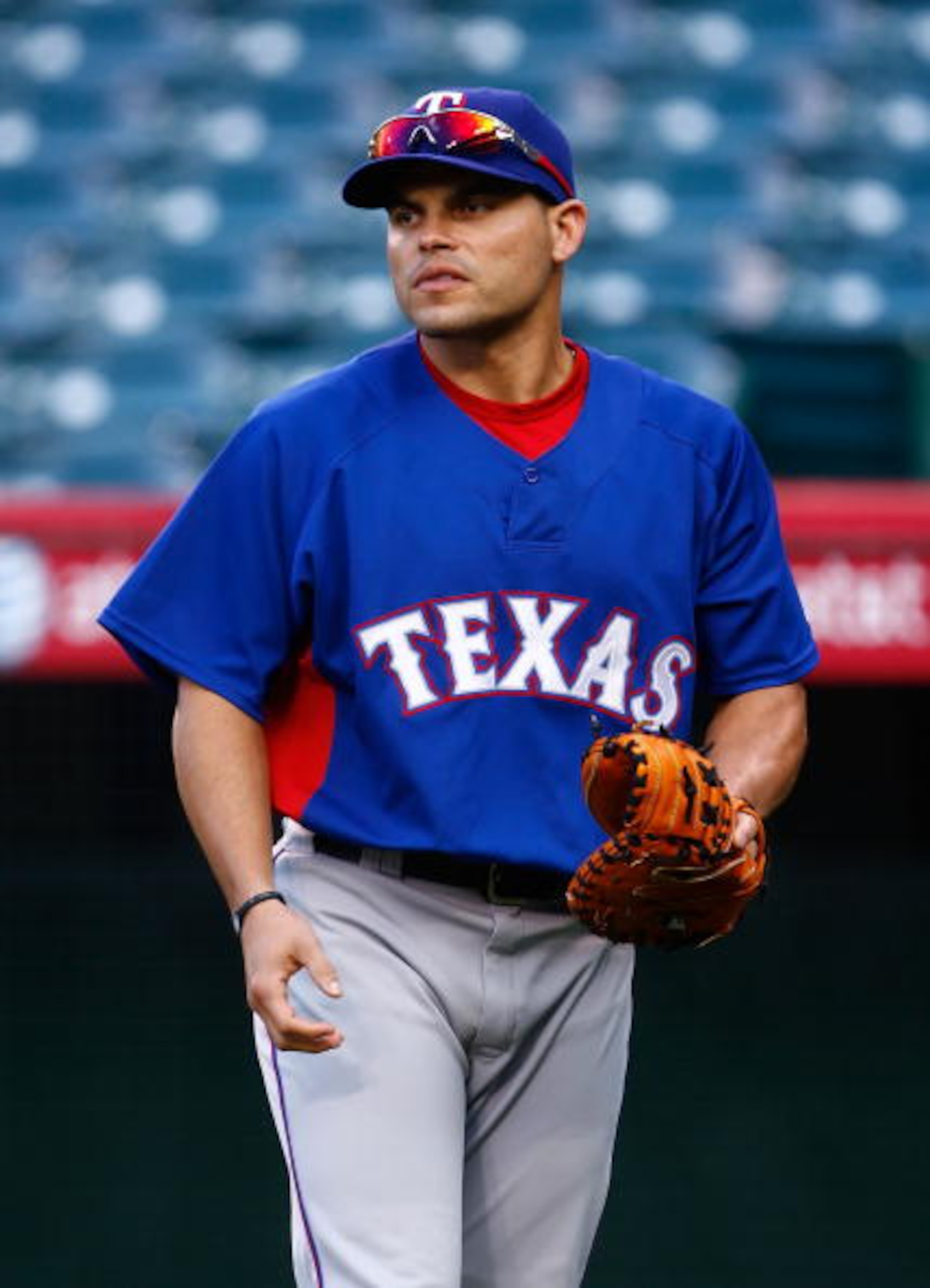
Yes, Pudge makes a second appearance on this list, as he is also my selection for the Texas Rangers. Pudge played 13 seasons in Texas, and it was there that he carved his name into the books as one of the games all-time best catchers. As previously mentioned, Pudge can handle a pitching staff like no other, and his contributions with the bat were also far more than expected from a catcher, especially during his AL MVP year in 1999.
He brought the Rangers to the postseason three times in his tenure in Texas, including in 1999, but unfortunately those teams ran straight into the dynasty-Yankees of the '90s and lost all three ALDS matchups to them.
However, Pudge is still a fan favorite in Texas, even after having moved on to multiple other teams, and it is because the fans remember how great of a leader he was during his time in Arlington.
Toronto Blue Jays: Joe Carter
29 of 30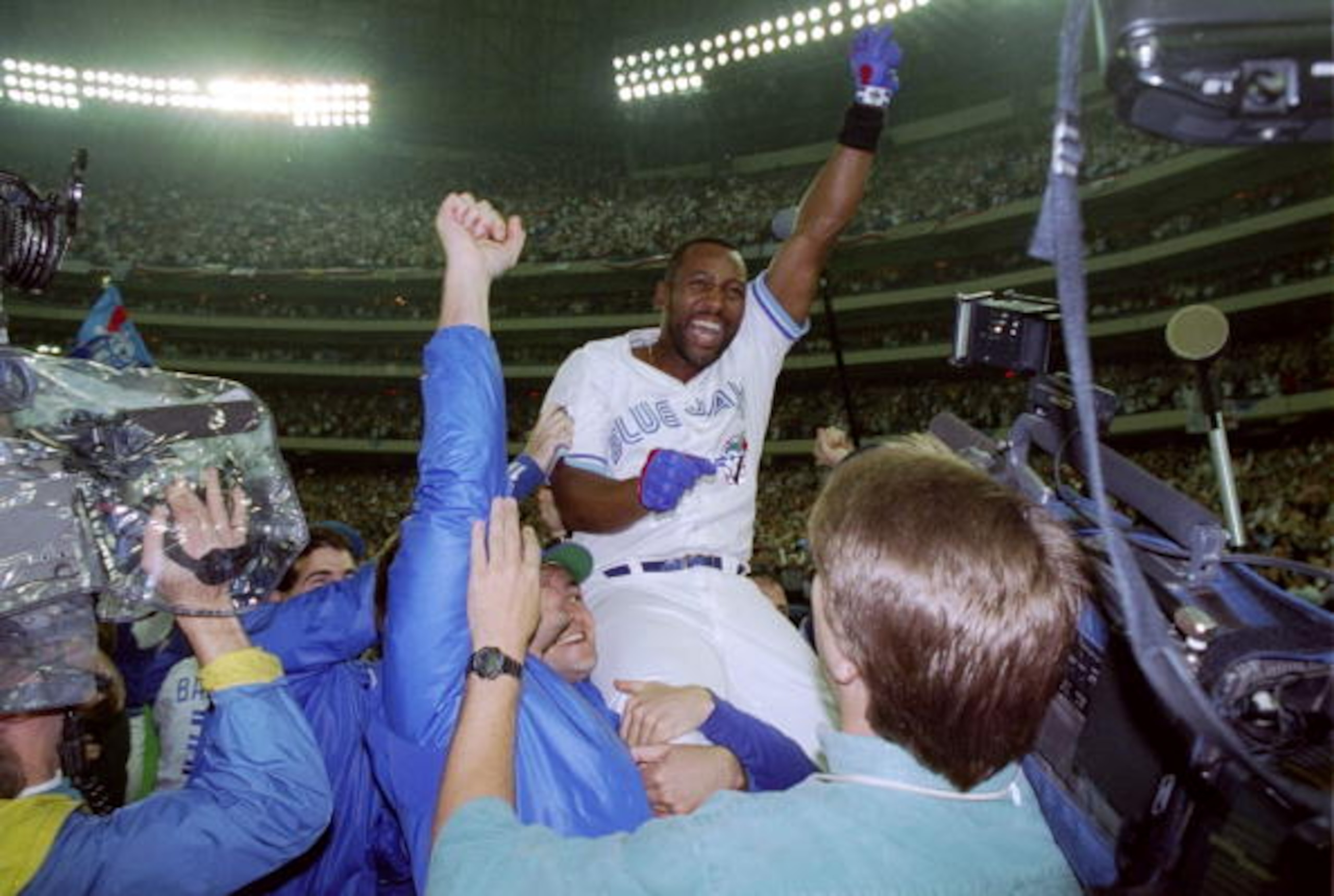
Joe Carter is best remembered, and rightfully so, for his World Series-winning walk-off home run in Game 6 of the 1993 World Series. However, during his years with the Blue Jays, Carter became quite the team leader. He helped lead them to the 1992 World Series as well as the aforementioned '93 Fall Classic, and his contributions have made him a fan favorite in Toronto to this day. Without Carter's leadership, it is unlikely that the Blue Jays would have enjoyed the successes that they did in the '90s.
Washington Nationals: Ryan Zimmerman
30 of 30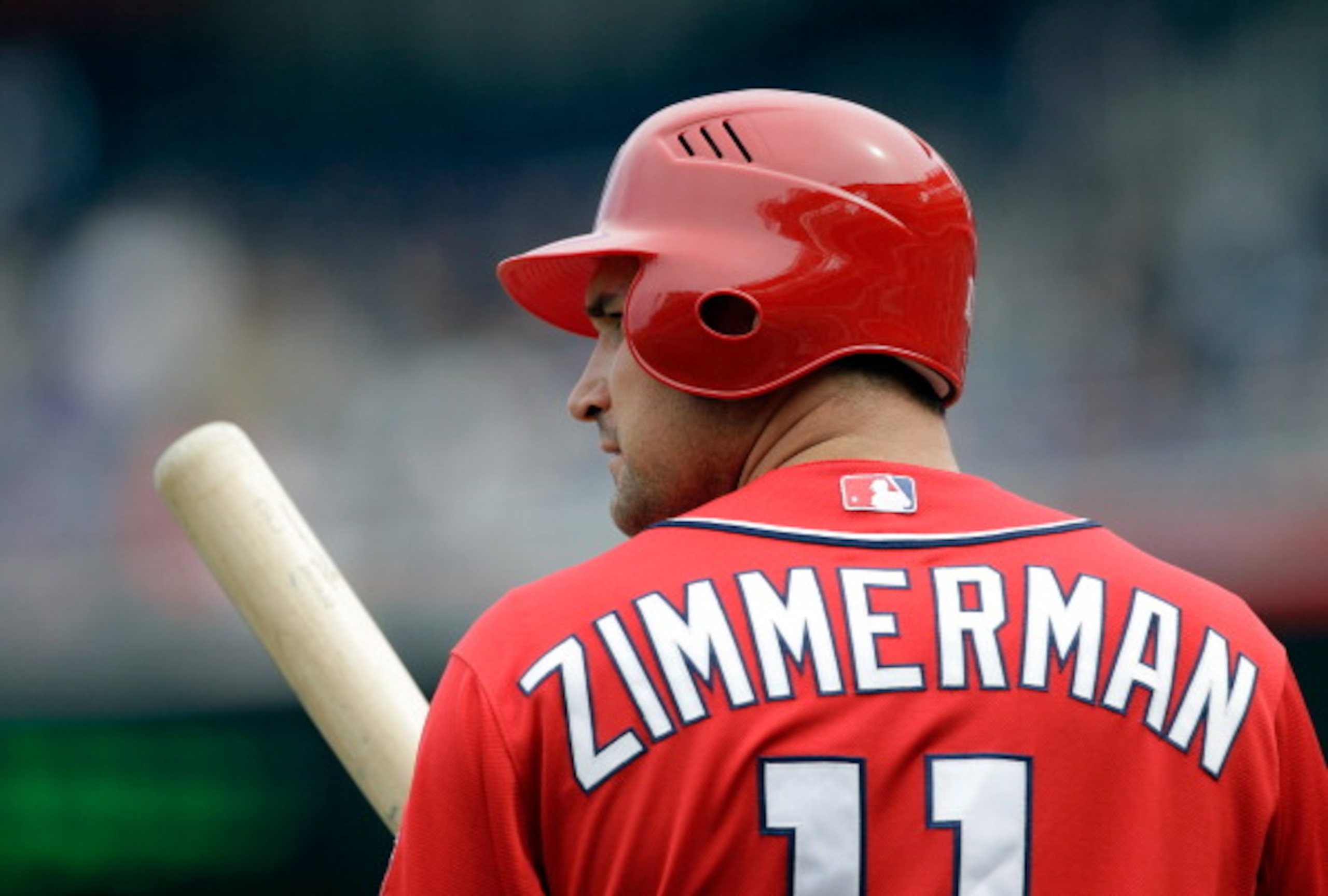
The Washington Nationals have the shortest history of any team on this list, with the original Montreal Expos franchise having moved to Washington, D.C. in 2004. However, a young leader has emerged in the organization in the person of Ryan Zimmerman.
Zimmerman has quickly become one of the game's top third basemen and the perfect leader for a young and inexperienced Nationals team. Things are looking up for the Nats, with young phenom players like Stephen Strasburg and Bryce Harper closing in on permanently joining Washington's roster, and you can bet that when success finally reaches our nation's capital, Ryan Zimmerman will be the one leading the charge.



.png?w=2560 "Week 8 Winners & Losers 📊")

_0.png?w=2560 "Unranked Teams Cause Chaos in Rankings 📊")



.jpg?w=2560 "Jonathan Taylor Landing Spots")