
2011 NFL Draft: How the 2010 1st-Round Picks Did in Their First NFL Season
The draft is nothing if not a huge gamble. There is simply no way to know for certain how a player will perform on the biggest stage in American sports.
Will they buckle under the pressure like Ryan Leaf, or will they show themselves to be an undiscovered gem, like Tom Brady?
Typically the players taken in the later rounds are not expected to produce right away. If they do, that is a bonus. That's why they are called upside picks.
Where the big money is spent is in the first round, so we are going to look at Round 1 of last year's draft and grade how players taken in the first 32 picks helped their team in 2010.
I am going to compare the performance of each player based on their position and where they were taken in the draft.
Obviously, I could not watch every game played, so if you are a fan of a particular team and have a differing opinion about my grades, please feel free to comment.
I didn't penalize a player for getting injured unless they missed significant time or had several injuries.
Let's see how they measure up.
QB Sam Bradford—St. Louis Rams
1 of 33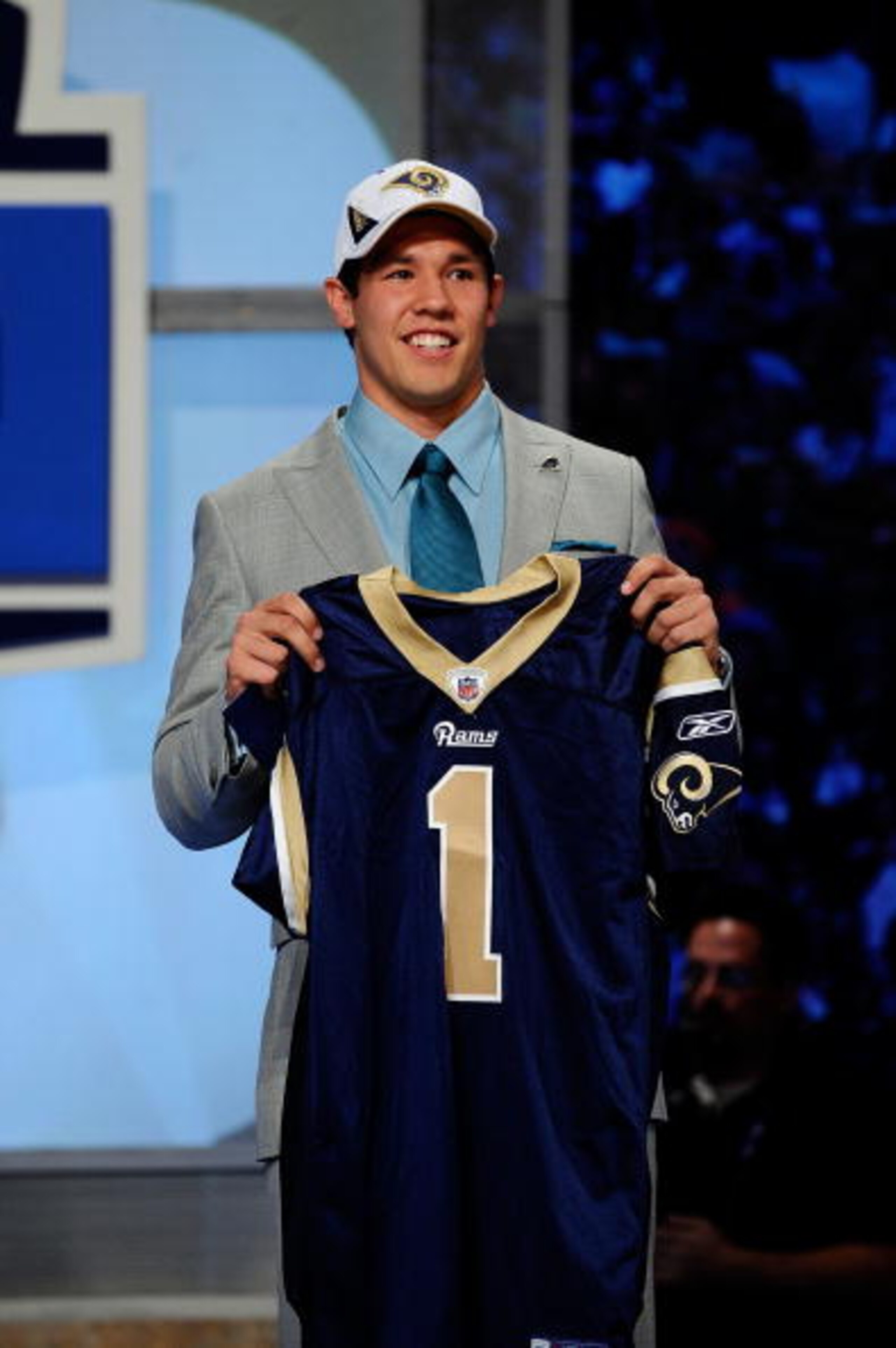
The St. Louis Rams had plenty of needs entering the 2010 draft. Not the least of which was at the quarterback position.
The final 2009 roster had quarterbacks by the names Jason Johnson, Keith Null and Mike Reilly. In other words: Who, who and who?
Bradford, out of Oklahoma, was the number-one overall pick and had an immediate impact.
The Rams went from 28th in passing with 167.9 yards per game in 2009 to 21st with 204.2 YPG.
The Rams also saw improvement in the areas of touchdowns and interceptions. In 2009, the Rams had 12 passing touchdowns against 21 interceptions.
Bradford had 18 TDs and 15 picks in his rookie campaign.
The Rams won a single game in 2009.
In 2010, they were in a division race and had a chance to win the division in Week 17. A loss to the rival Seattle Seahawks ended their season at 7-9. They finished tied for the lead in the division, but Seattle took the division crown on a tiebreaker.
To say Bradford was the only reason for the improvement of the Rams would be to sorely oversimplify the issue, but he was a huge part of the reason.
Naturally, he still has a lot to learn, but it is safe to say that the Rams have found their guy under center for a while. They could have done much, much worse.
Other quarterbacks taken in the round: Tim Tebow (25th overall pick)
Final Grade: A (Compared to the one other quarterback taken in the round, he was far superior and worth the number one overall pick)
DT Ndamukong Suh—Detroit Lions
2 of 33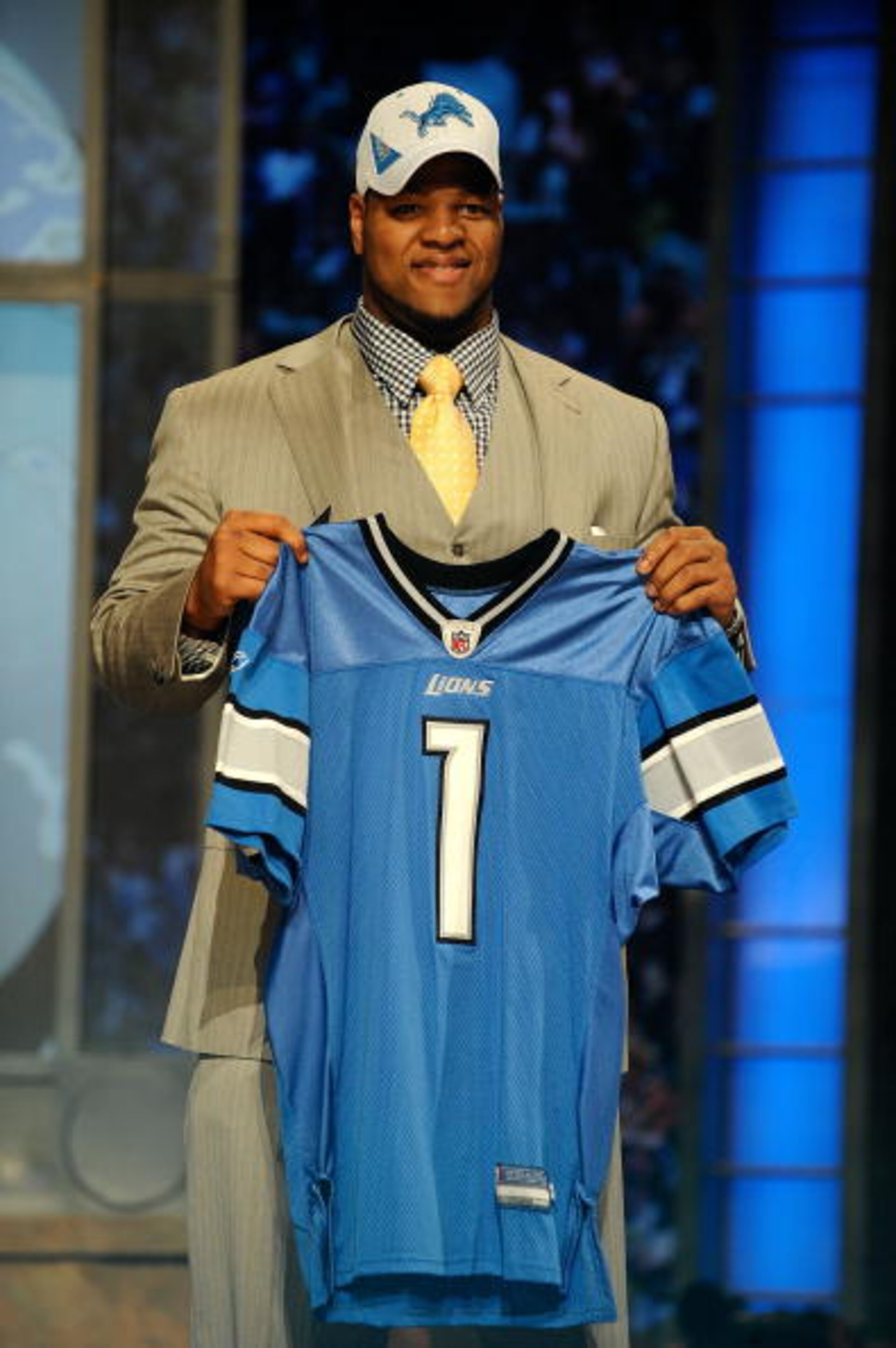
At the risk of sounding cynical, the Lions had nowhere to go but up.
Having addressed several needs on the offensive side of the ball in the 2009 draft, they looked to shore up their pitiable defense in 2010.
To that end, they picked one of the best players in this draft, Nebraska DT Ndamukong Suh.
In 2009, the Lions were last in the NFL in yards per game allowed, last in scoring defense, last in passing yards allowed and 25th in rushing yards allowed.
They were utterly terrible on the defensive side of the ball.
With the addition of Pro Bowler Suh, the Lions' defense went from pathetic to merely mediocre.
Suh contributed from day one, amassing 66 tackles, 10 sacks, one pick, one forced fumble, one fumble recovery and a touchdown.
Clearly, Suh had a major impact on this defense. Picking him was an excellent, if easy, move.
Other defensive linemen: Gerald McCoy (3); Tyson Alualu (10); Brandon Graham (13); Jason Pierre-Paul (15); Derrick Morgan (16); Dan Williams (26); Jared Odrick (28); Kyle Wilson (29); Jerry Hughes (31)
Final Grade: A (He was easily the best of the defensive linemen available and was worth a second pick)
DT Gerald McCoy—Tampa Bay Buccaneers
3 of 33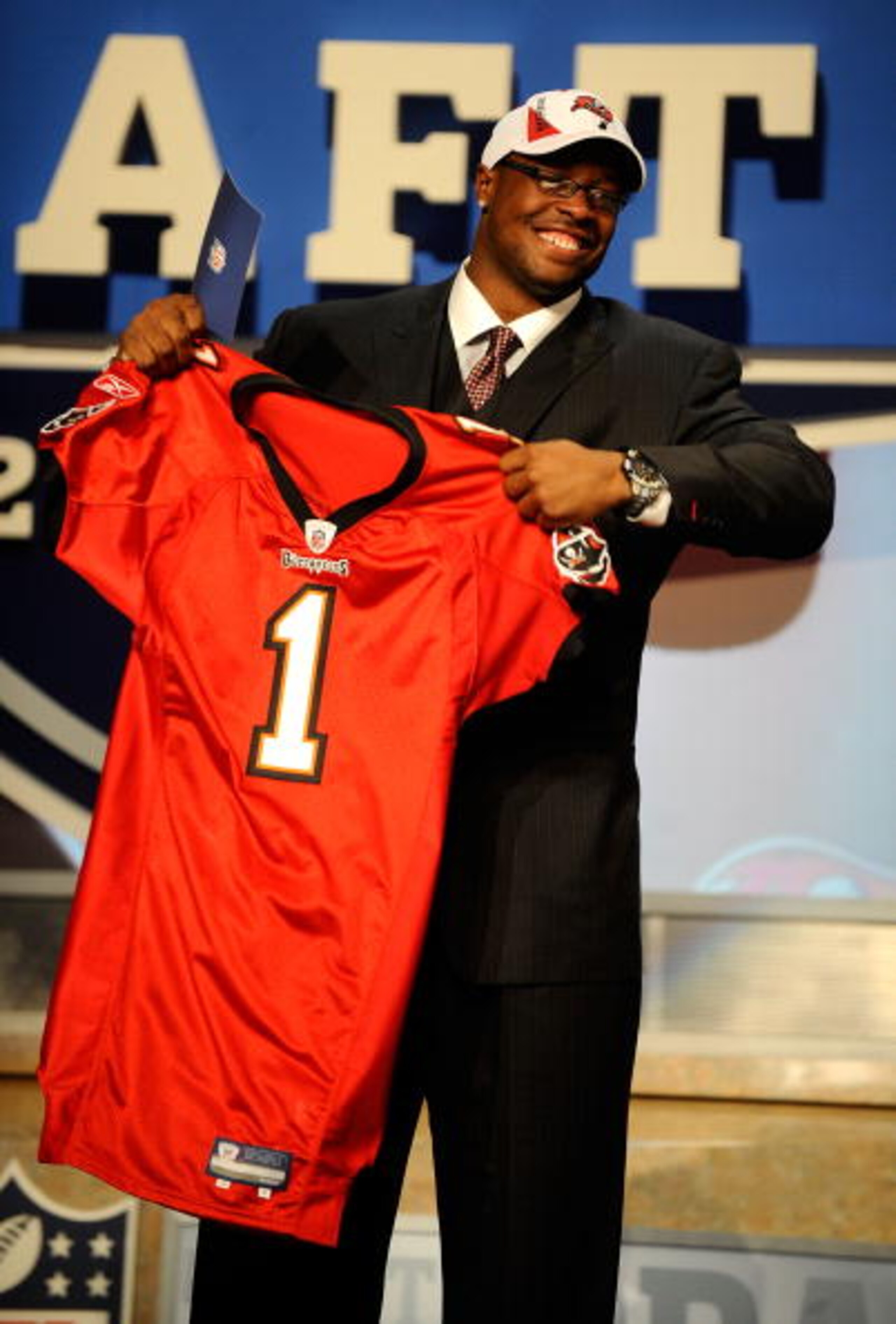
A 3-13 season in 2009 gave the Bucs the third pick in the 2010 draft, which they used on DT Gerald McCoy out of Oklahoma.
As the third overall pick and taken right after Suh, you would expect an equal level of production out of McCoy.
Unfortunately, the numbers simply weren't there. He had 28 combined tackles and three sacks, less than half the number of tackles and less than a third of the number sacks as the man taken right before him.
In fact, there were three guys taken after McCoy who had better numbers.
That means McCoy was not worth the spot he was picked.
It was a reach to take him third overall. He might have been a better pick later in the draft.
Other defensive linemen taken in the round: Ndamukong Suh (2); Tyson Alualu (10); Brandon Graham (13); Jason Pierre-Paul (15); Derrick Morgan (16); Dan Williams (26); Jared Odrick (28); Kyle Wilson (29); Jerry Hughes (31)
Final Grade: E
.jpg?w=2560 "Colts Football")
.jpg?w=2560 "Commanders 49ers Football")
.jpg?w=2560)
OT Trent Williams—Washington Redskins
4 of 33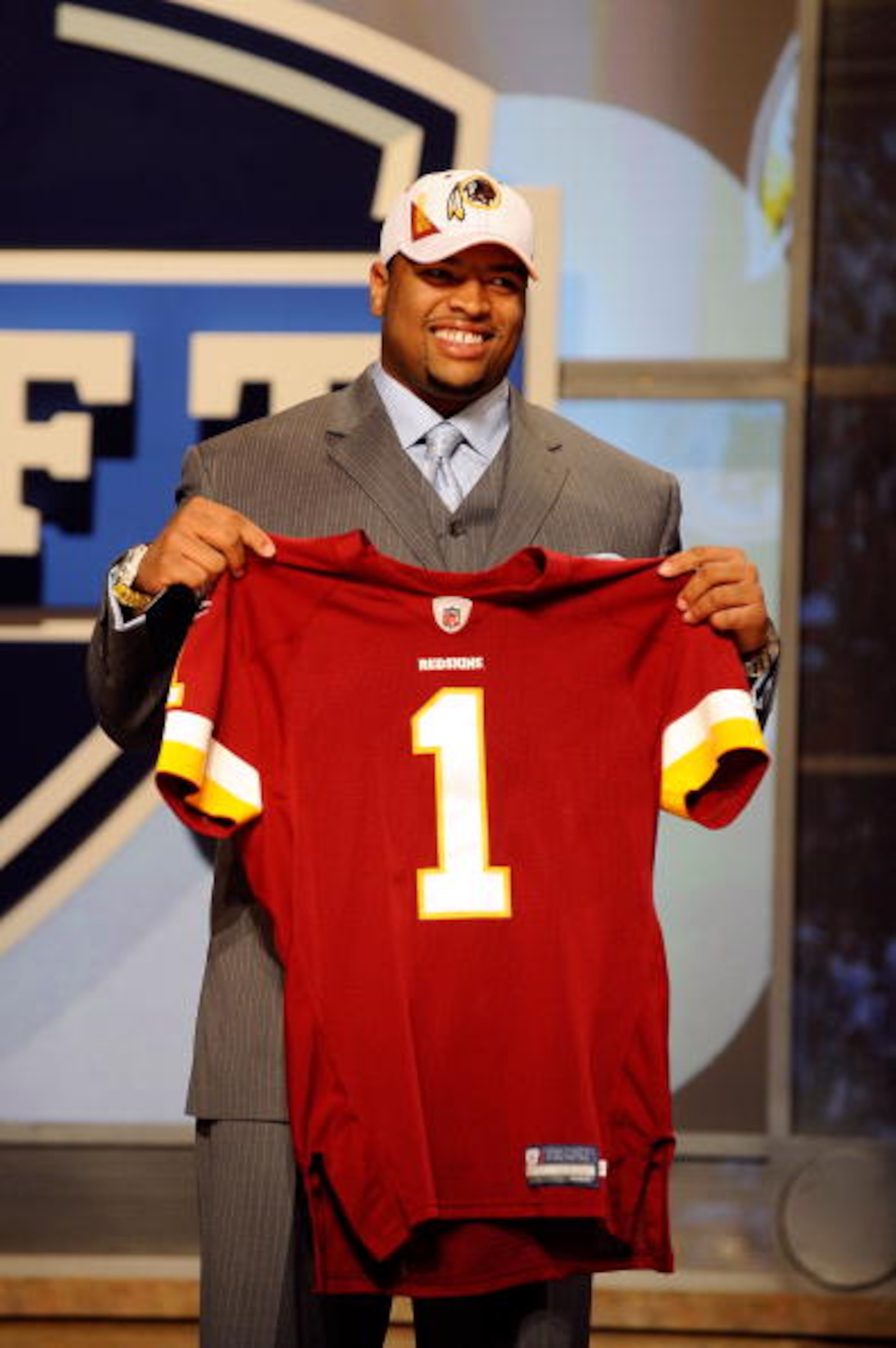
Evaluating an offensive lineman is probably the hardest thing to do. There simply aren't enough stats on offensive linemen to help evaluate their performance. If you notice an offensive lineman, it is probably because he is getting a lot of penalties or having to help his quarterback up off the turf more often than he should be.
By all accounts Trent Williams, out of Oklahoma, was a welcome addition to the Washington Redskins' offensive line, but the offense did not seem to improve significantly with Williams in the game.
The Redskins gave up the same number of sacks in 2010 as they did in 2009, but their passing offense moved up to eighth in the league from 16th in yards per game.
The rushing offense, however, went from 27th to 30th.
Given that Williams started 13 games as a rookie and that it didn't appear that he hurt his team, it is hard to call him a bust, but there were better linemen selected later in the round.
Taken as the fourth overall pick, you would expect more of a dominating season.
Other offensive linemen: Russell Okung (6); Anthony Davis (11); Mike Iupati (17); Maurkice Pouncey (18); Bryan Bulaga (23)
Final Grade: C+
S Eric Berry—Kansas City Chiefs
5 of 33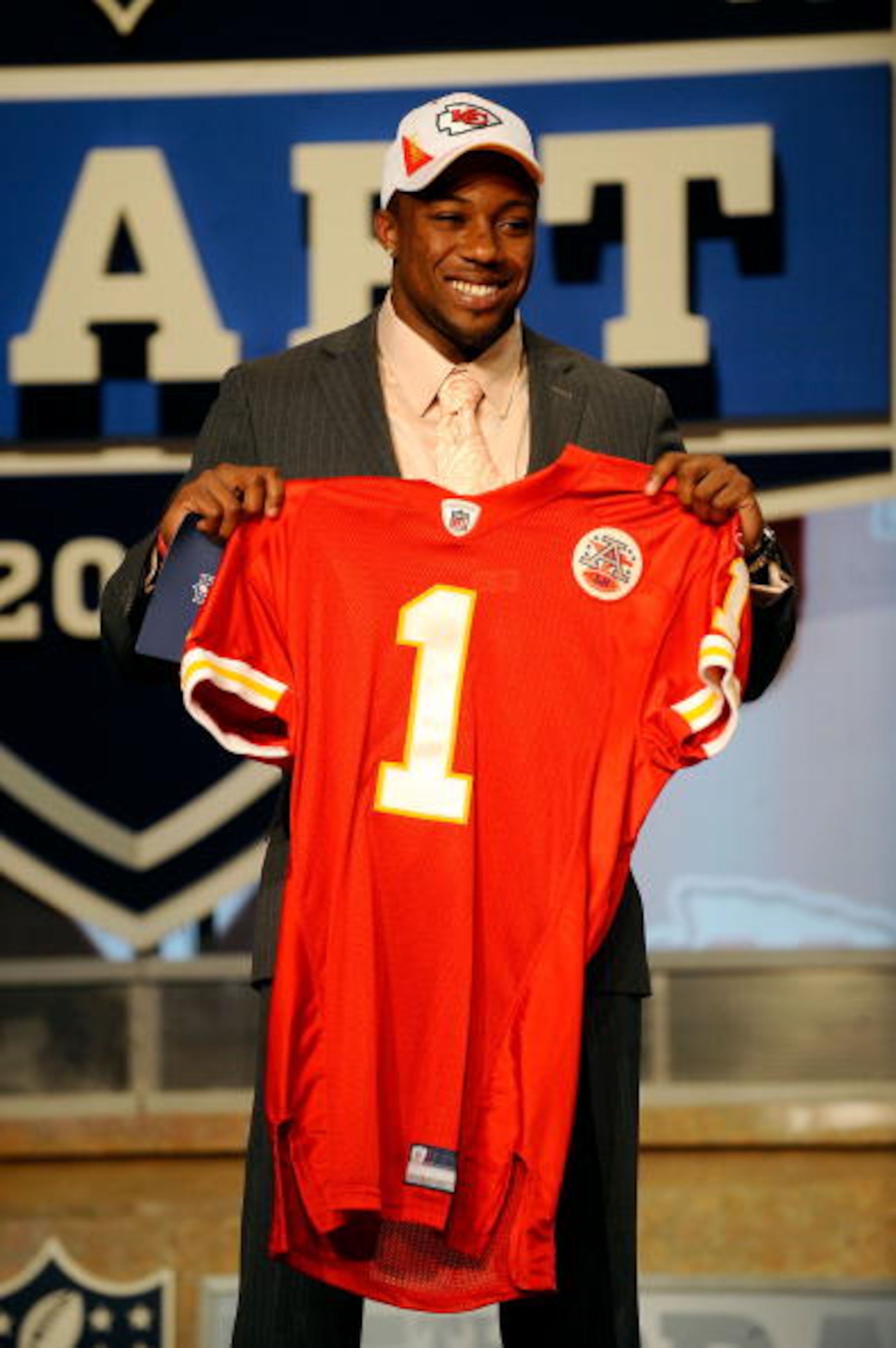
A good defensive back can make a good defense great, or even a porous defense good enough.
S Eric Berry out of Tennessee helped the Kansas City Chiefs go from 29th in scoring defense in 2009 to 11th in 2010.
He became the first Chiefs rookie to be selected for the Pro Bowl since Derrick Thomas accomplished the feat in 1989.
He was second on the team in tackles and led the team with four interceptions, one of which he returned for a touchdown.
He also forced a fumble.
Berry helped get the Chiefs to the playoffs for the first time in four years, and win their division for the first time since 2003.
You just can't argue with that kind of production.
Final Grade: B- (Despite the very good numbers, he was not the best defensive back taken in the round. Because of that, he was probably a stretch at the No. 5 pick)
OT Russell Okung—Seattle Seahawks
6 of 33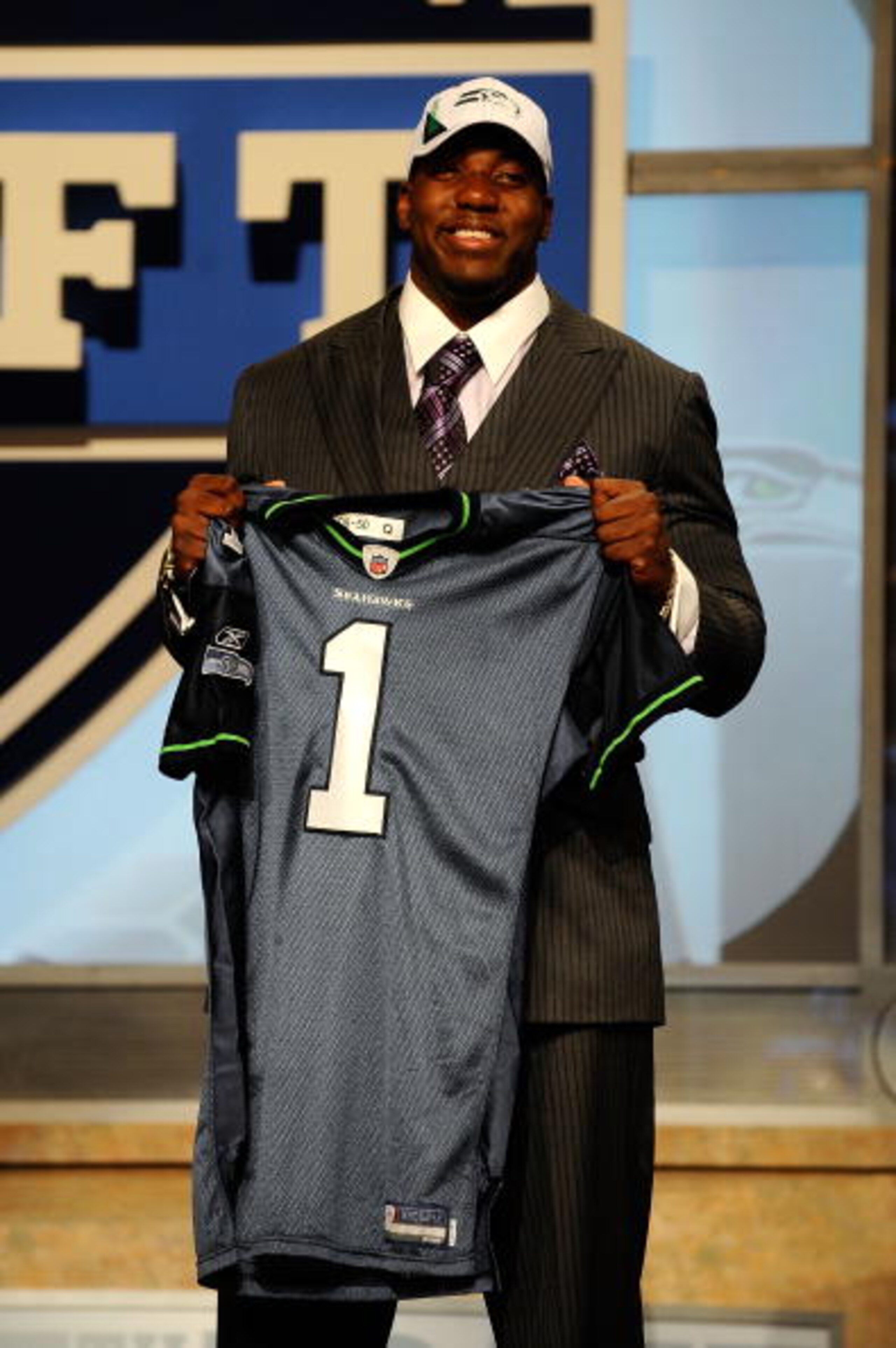
Much like Wiliams two picks prior, Okung didn't play all that poorly, but he was not the dominating presence on the line that he probably should have been to be taken sixth overall.
When the Seahawks took the Oklahoma State product, I'm sure they were expecting an explosive run blocker who could pass protect very well, too. Indeed, some pre-draft writers were predicting that he would go as the No. 1 pick.
As it was, Okung spent six games on the sidelines injured and the Seahawks got worse from 2009 to 2010 in rushing.
Right now, it's looking like this pick might be a bust.
Other offensive linemen: Trent Williams (4); Russell Okung (6); Anthony Davis (11); Mike Iupati (17); Maurkice Pouncey (18); Bryan Bulaga (23)
Final Grade: C+ (Okung was probably taken too high. There were better O-linemen taken later in the round)
CB Joe Haden—Cleveland Browns
7 of 33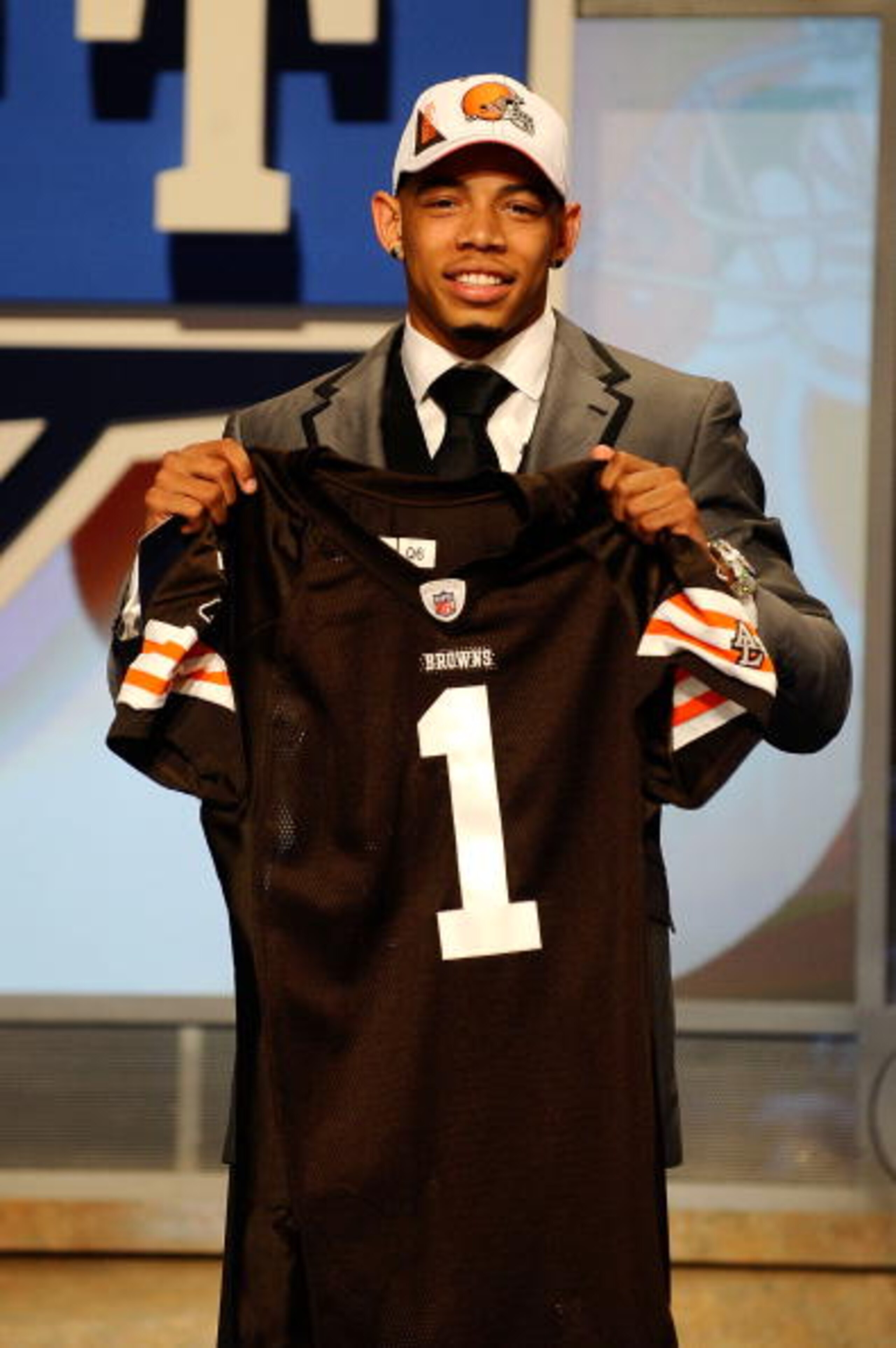
I've said it before and I'll say it again: A good defensive back can elevate a bad defense to average and a good defense to great. This is because the defensive backs spend so much time playing one-on-one with receivers and tight ends. If they are not good, they will be exposed.
Finding a guy who can not only cover, but can make tackles and create turnovers is the dream of NFL scouts and head coaches all over the league.
The Browns found that guy in the person of Joe Haden when they picked the Florida product with the seventh overall pick.
Starting the year in the nickel package, he had taken over the starting job by Week 11 and contributed all year. He had six interceptions and a forced fumble.
Haden led all rookies in passes defensed and was second for picks. He was tied for fifth in the entire league for interceptions.
Clearly, the Browns upgraded when they selected Joe Haden.
Other defensive backs taken in the round: Eric Berry (5); Earl Thomas (14); Kareem Jackson (20); Devin McCourty (27); Kyle Wilson (29); Patrick Robinson (32)
Final Grade: B (He was not the best of the defensive back taken in the round, but he was pretty good)
LB Rolando McClain—Oakland Raiders
8 of 33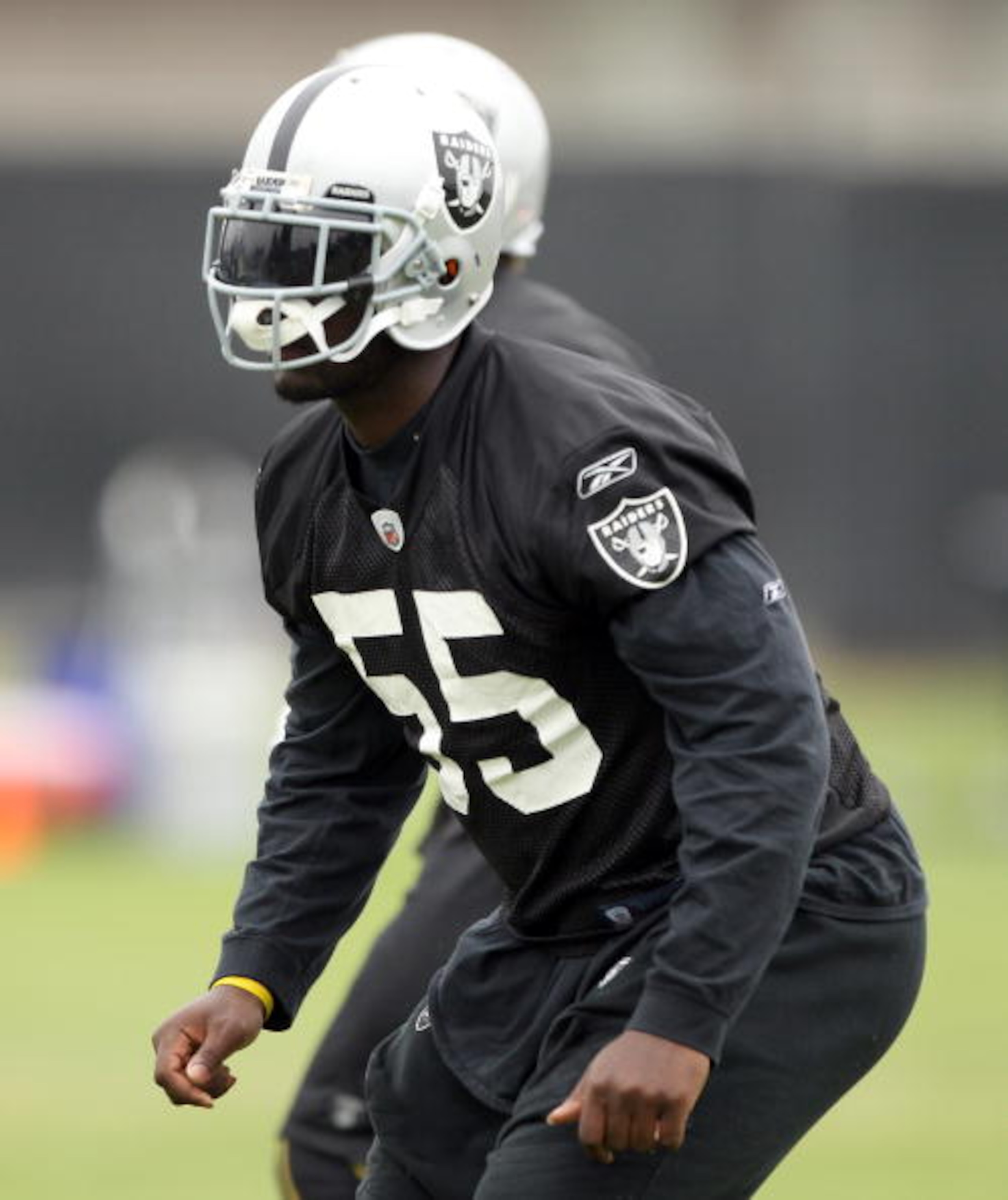
To say the Raiders have had some "interesting" drafts in recent years would be a huge understatement, but in the first round of 2010, they seemed to be addressing a need by taking Alabama LB Rolando McClain.
Oakland's passing defense was pretty good in 2009 as they were seventh in passing yards allowed per game, so taking an inside/middle linebacker probably meant they were looking to shore up their 29th ranked rush defense.
McClain was fifth in the league in tackles for rookies, but was still third on his team. The two guys in front of him on the Raiders' roster were defensive backs. That's probably not what the Raiders were hoping for when they drafted him.
Typically, if your defensive backs are leading the team in tackles, your linebackers are not getting off their blocks and to the ball. You see this a lot on poor defenses.
The Raiders' rushing defense was still 29th in the league at the end of the 2010 season.
He wasn't a bust, but the production wasn't there for the eighth overall pick.
Other linbackers: Sean Weatherspoon (19)
Final Grade: C
RB C.J. Spiller—Buffalo Bills
9 of 33
This was a curious pick for a couple of reasons.
First, the Bills weren't that bad on offense, particularly running the ball where they were in the middle of the pack. Going into the 2010 draft, however, they were 30th in passing offense. Maybe they could have used some help in that area.
Plus, their defense could have used some playmakers and given the number of defensive linemen that were available to them, it was odd to see them go with a running back with their first pick.
What made this pick seem even stranger was the limited number of carries Spiller saw in his rookie season. If you take a running back high in the draft, normally you are looking to run him.
In 14 games played, Spiller had 74 carries for 283 yards. That's three good games for a top flight running back.
Additionally, he wasn't exactly playing behind O.J. Simpson. He won the starting job in the preseason over Marshawn Lynch and Fred Jackson.
Lynch would be traded to the Seattle Seahawks after Week 3 and Jackson would be the starting running back before the end of the season.
Other running backs: Ryan Mathews (12), Jahvid Best (30)
Final Grade: E
DT Tyson Alualu—Jacksonville Jaguars
10 of 33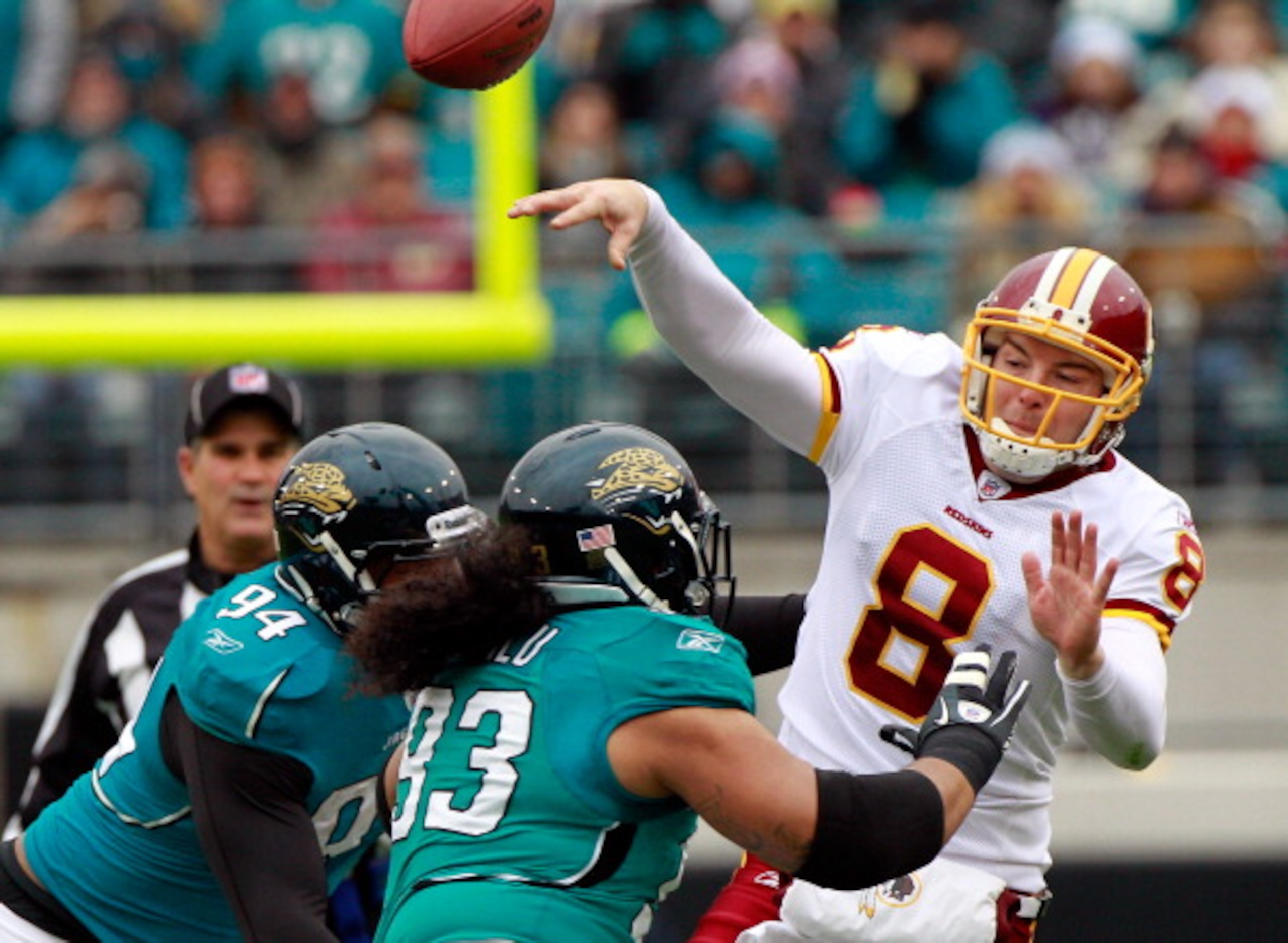
This was called a risky pick at the time by none other than draft expert Mel Kiper, Jr, and Mr. Kiper may have been right.
Alualu had 38 tackles and 3.5 sacks for the year which puts him second for rookie defensive linemen, but the guy in front of him, some guy named Suh, nearly doubled his number of tackles and nearly tripled his number of sacks.
Alualu played well for the Jags, but you have to wonder if he was worth a 10th pick. His numbers were more in line for players that were taken later in the draft in Dan Williams and Jason Pierre-Paul.
It looks like the Jags had best get this kid some help and soon.
Other defensive linemen taken in the round: Ndamukong Suh (2); Gerald McCoy (3); Brandon Graham (13); Jason Pierre-Paul (15); Derrick Morgan (16); Dan Williams (26); Jared Odrick (28); Kyle Wilson (29); Jerry Hughes (31)
Final Grade: C (Played about as well as the rest of the D-linemen taken in the round, aside from Suh, but was chosen 10 to 15 spots higher)
OT Anthony Davis—San Francisco 49ers
11 of 33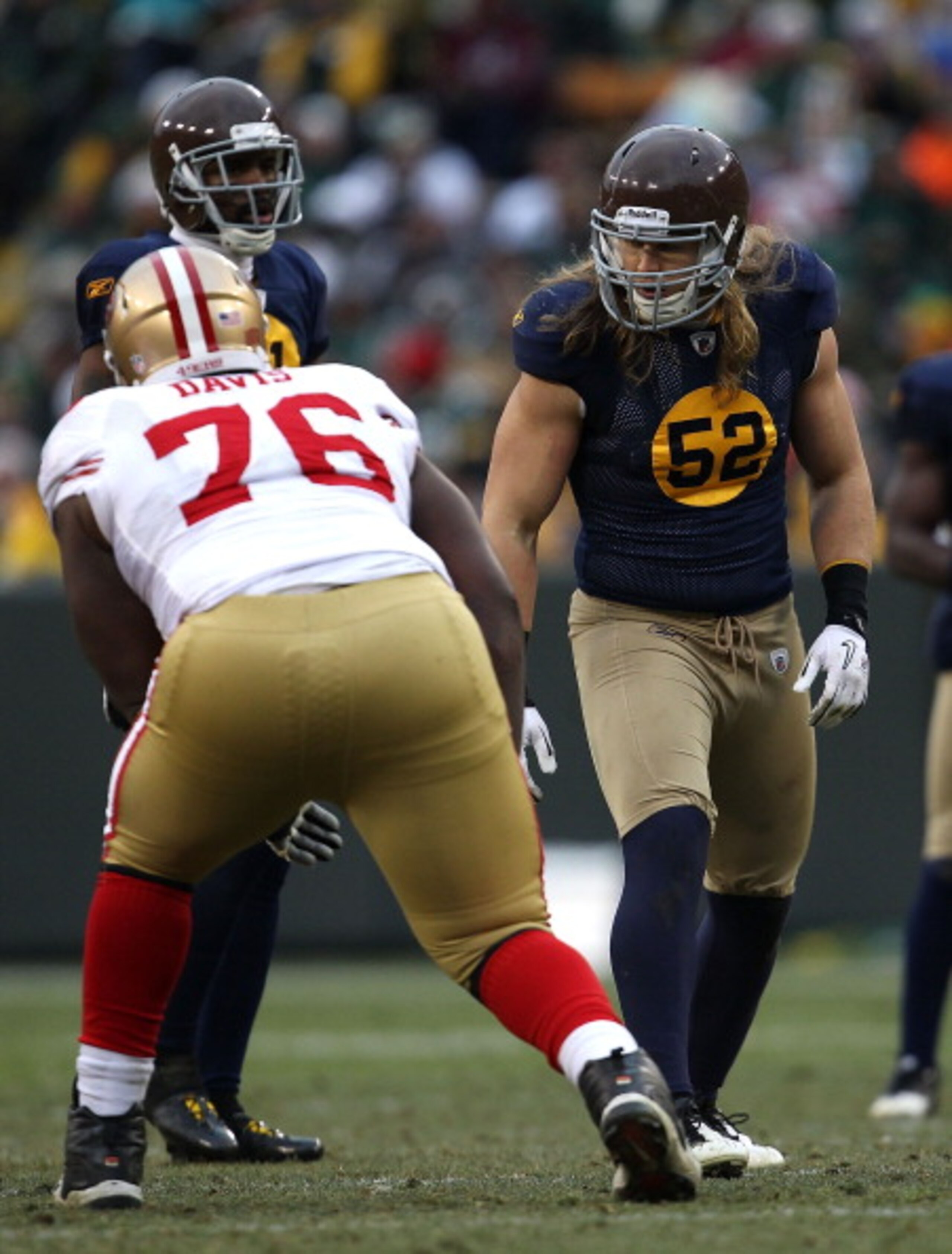
The 49ers were last in allowing running backs to be tackled behind the line and 26th in sacks allowed in 2009. This is undoubtedly what lead to them drafting O-line in the 2010 draft.
Their top two picks, Anthony Davis out of Rutgers and Mike Iupati from Idaho, were brought in to try to seal the line and allow the offense more production.
While the line stopped letting hordes of defenders into their backfield on running plays, they gave up more sacks. They improved to 18th in allowing running backs to be hit in the backfield, but fell to 30th in sacks allowed.
Even allowing more sacks, however, the offense improved from 22nd to 18th in passing, and from 25th to 19th in rushing.
When you consider Davis was one of two rookies starting on this line, you can see that they might be a potent duo once they get some seasoning.
Other offensive linemen: Trent Williams (4); Russell Okung (6); Mike Iupati (17); Maurkice Pouncey (18); Bryan Bulaga (23)
Final Grade: C (This grade is mostly based on the fact that the 49ers were starting two rookies on the line)
RB Ryan Mathews—San Diego Chargers
12 of 33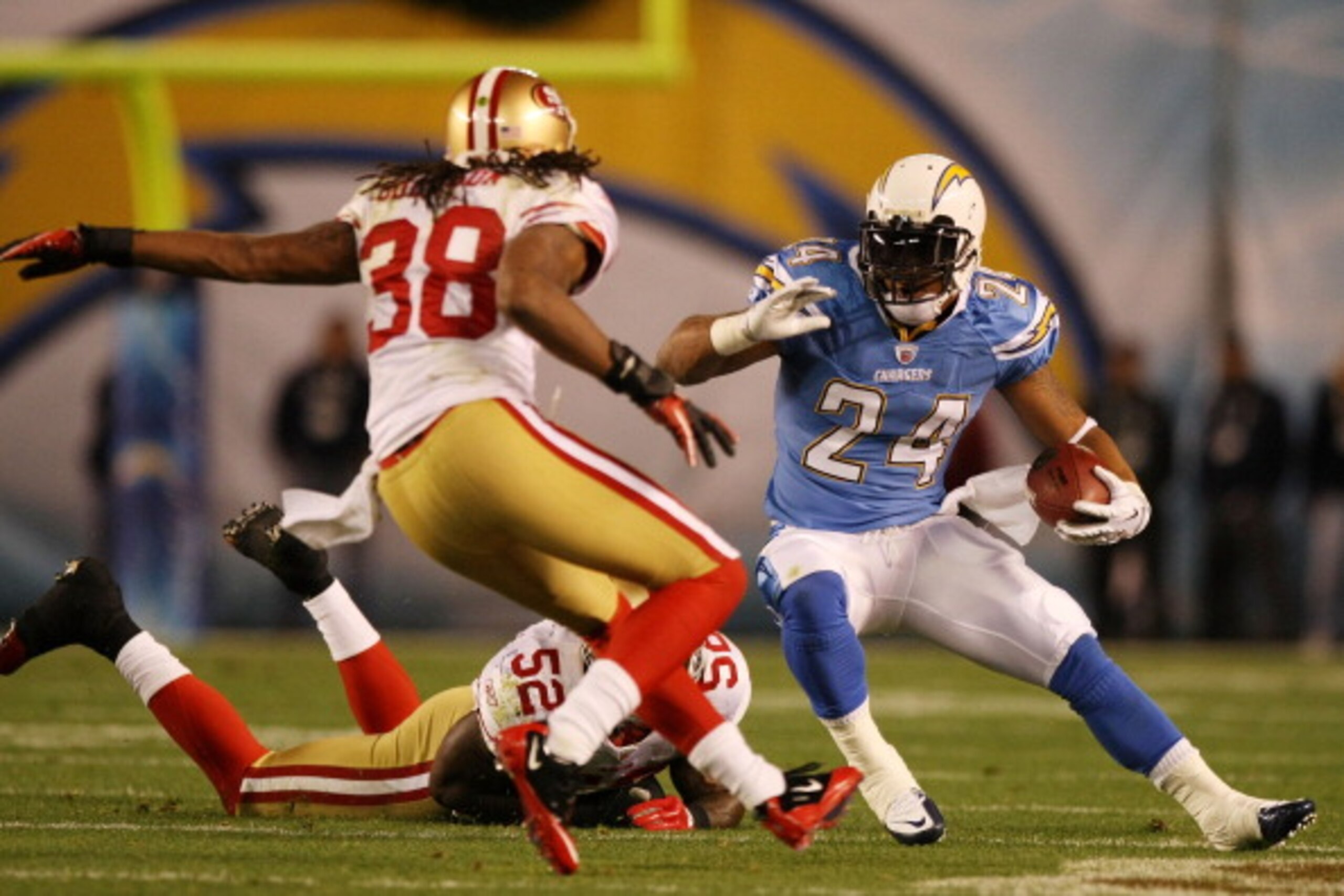
As the second running back taken in the draft behind C.J. Spiller, Ryan Mathews represented himself well out of Fresno State.
He put up 678 yards on 158 carries. That average of 4.3 yards per carry put him near the top of running backs that had more than 150 carries. He led all rookie running backs with seven touchdowns.
This bodes well for an offense that had struggled to run the ball when LaDainian Tomlinson began to get injured and show signs that he might be on the decline.
The Chargers were 31st in the league in rushing yards per game in 2009. Mathews was part of an offense that finished 2010 ranked 15th in the same category.
Clearly he was a good pick in the 12th spot; much better than Spiller, who was taken three spots ahead of him. You would like to see more carries, but that is not his call. He made the most of the carries he got.
I imagine he will see more carries next season.
Other running backs: C.J. Spiller (9); Jahvid Best (30)
Final Grade: B+ (The best of the RB in the first round. Made the most of his carries, but didn't take over games consistently the way top flight runners will)
DE Brandon Graham—Philadelphia Eagles
13 of 33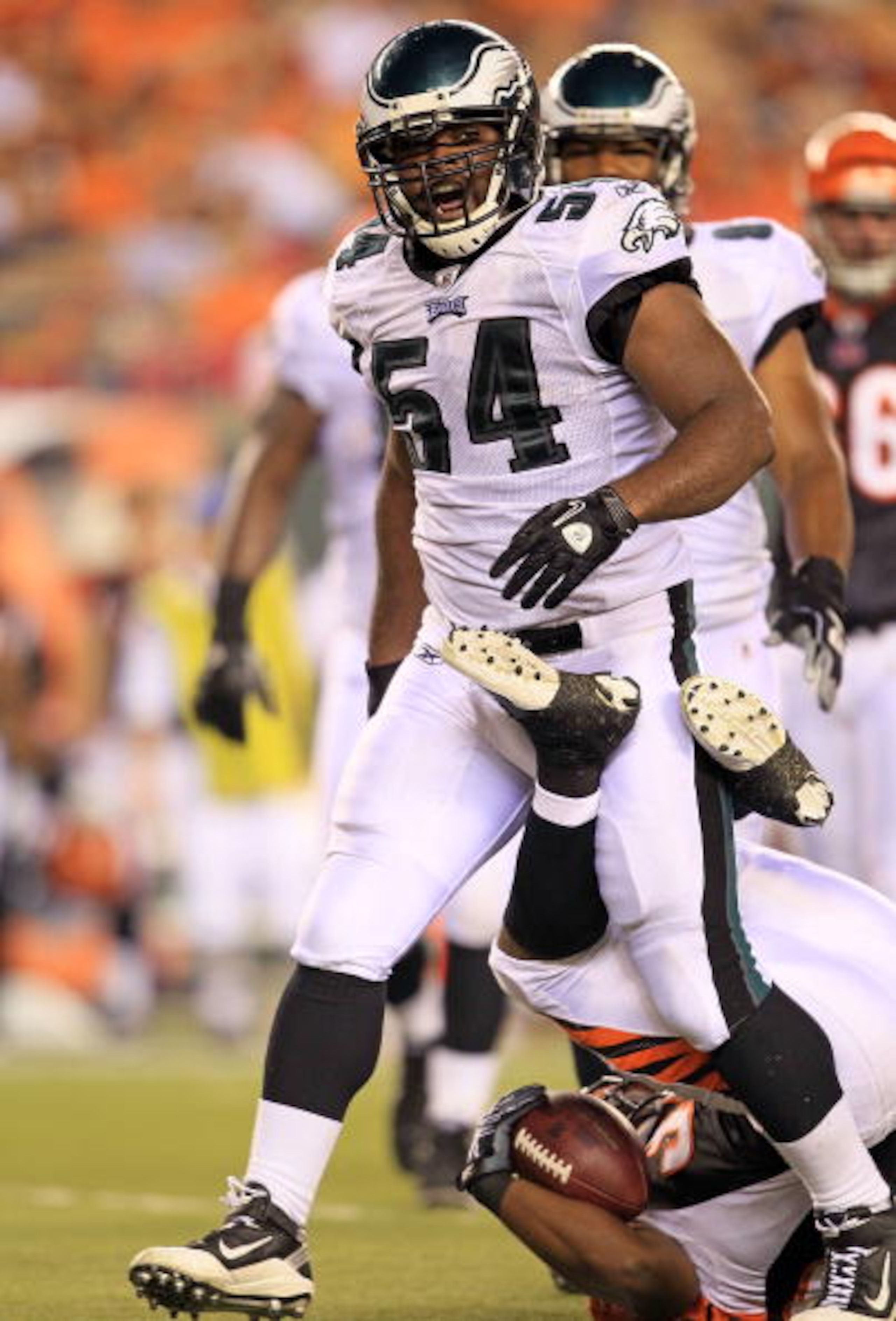
Defensive ends have really only two jobs. Those are to stop running backs and make sacks.
Brandon Graham, out of Michigan, really didn't do either of those in 2010. Before getting injured and missing the final three games of the season, he accumulated 13 tackles and 3 sacks.
Graham's linemate, DE Trent Cole, put up 65 combined tackles and 10 sacks. This number is probably closer to what the Eagles were expecting when they took Graham 13th overall.
Graham ranked tied for 18th for rookies in tackles. Consider that he was drafted before all but three of them, he is not producing on the level he should be.
Final Grade: D- (Very bad production from a guy taken in the middle of the first round)
S Earl Thomas—Seattle Seahawks
14 of 33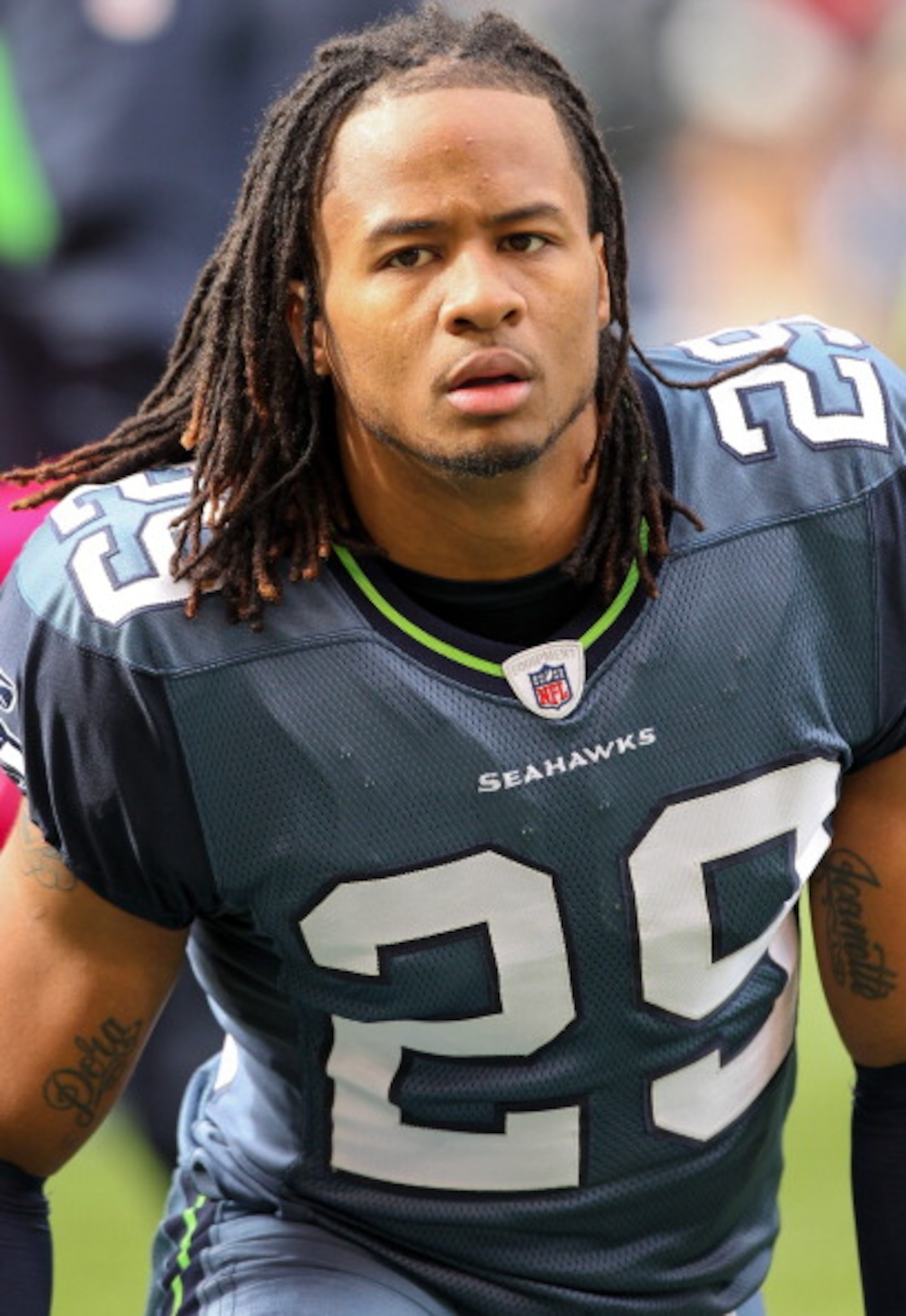
Having already gone offense with their first pick, the Seahawks addressed defense with their second pick.
Such were the needs for the Seahawks on defense that even a great season by their rookie safety out of Texas could not bring their pass defense out of the cellar of the league.
Seattle was 30th in pass defense in 2009 and rose only to 27th in 2010, but it wasn't because Thomas didn't do what he had to do.
Thomas finished 2010 with 76 tackles, five interceptions and a forced fumble.
Those are good numbers for a rookie on a bad defense. I'm not sure what else he could have done to help the Seahawks improve.
Other defensive backs taken in the round: Eric Berry (5); Joe Haden (7); Kareem Jackson (20); Devin McCourty (27); Kyle Wilson (29); Patrick Robinson (32)
Final Grade: B+ (Again, he wasn't the best at the position in this round, but he was very good and a better value than players taken before him)
DE Jason Pierre-Paul—New York Giants
15 of 33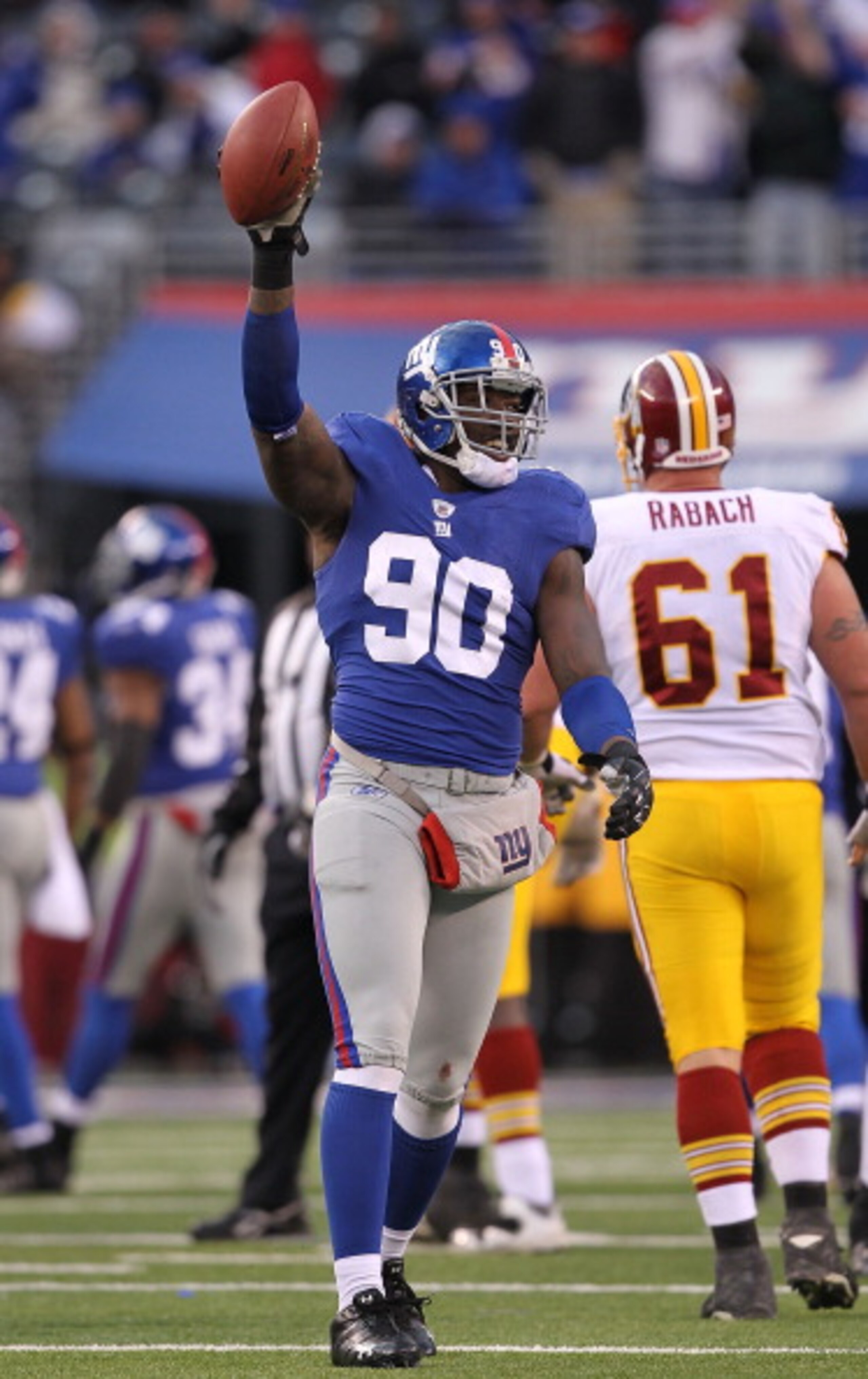
The Giants have two excellent defensive ends in Justin Tuck and Osi Umenyiora. Taking Jason Pierre-Paul out of South Florida was nothing but a depth pick.
Pierre-Paul certainly contributed more than Brandon Graham, who was taken two spots ahead of him. Pierre-Paul put up 30 tackles, 4.5 sacks and two forced fumbles on the year. He also defended six passes.
I'm sure the Giants thought he would not be available if they waited until the second round and valued the depth he would bring to an important position in their defense. Pierre-Paul wasn't picked to be an immediate starter.
For what he was picked for, he played well.
Other defensive linemen taken in the round: Ndamukong Suh (2); Gerald McCoy (3); Tyson Alualu (10); Brandon Graham (13); Derrick Morgan (16); Dan Williams (26); Jared Odrick (28); Kyle Wilson (29); Jerry Hughes (31)
Final Grade: B (He played well, especially under the circumstances he was drafted for)
DE Derrick Morgan—Tennessee Titans
16 of 33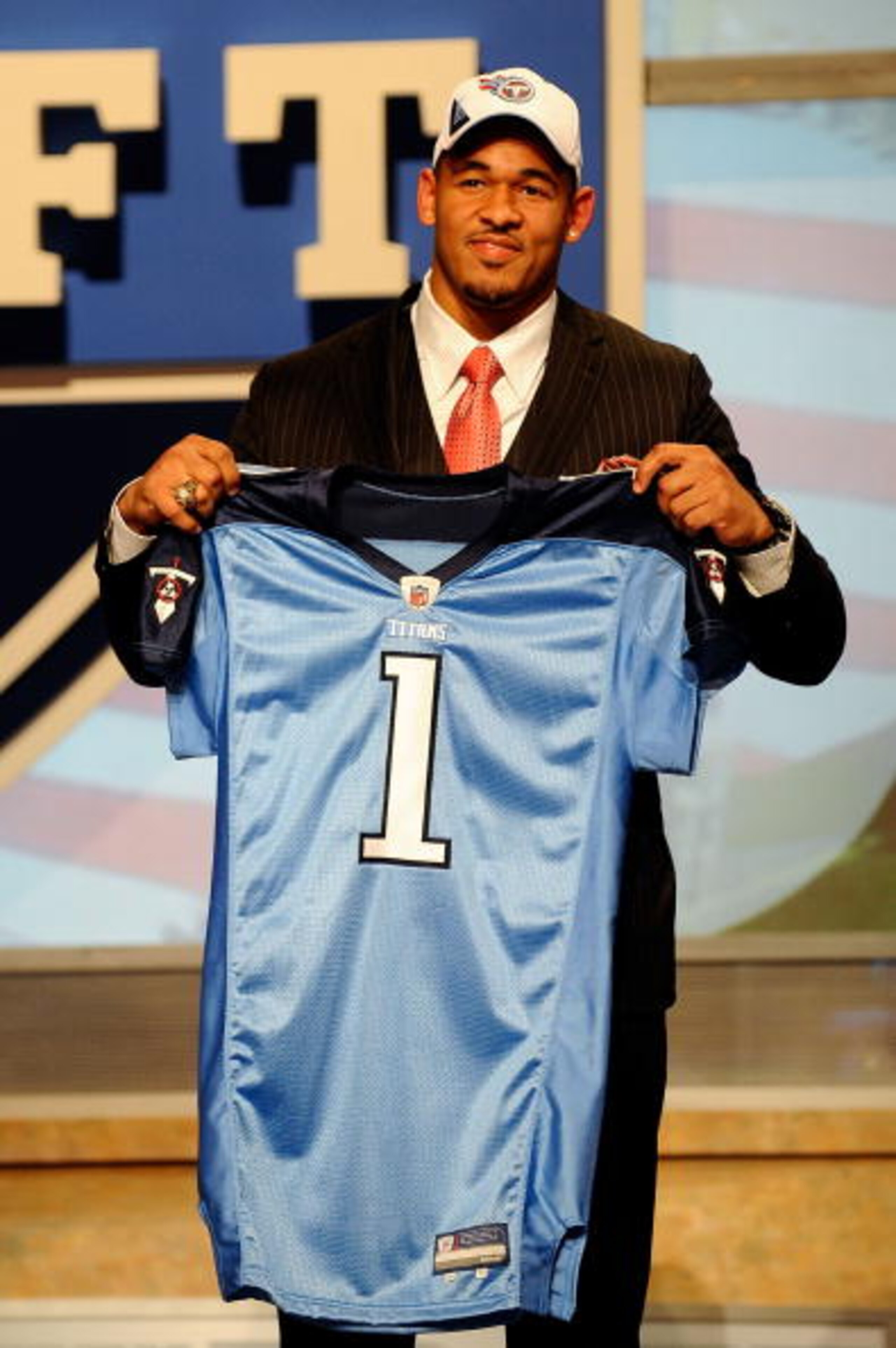
Morgan, out of Georgia Tech, only got to play in four games in his rookie season before he tore is ACL and was placed on injured reserve.
In those four games, he managed to get five tackles and 1.5 sacks.
Extrapolating those numbers to a full season equates to 20 tackles and six sacks, not exactly outstanding numbers for a 16th pick; especially when you consider that the player taken immediately in front of him put up more tackles playing behind two very good defensive ends.
It's hard to call this pick a total bust based on the limited body of work, but the Titans have to be worried about his future health and the poor production they saw when he was on the field.
To be sure, Morgan was not on his way to setting any rookie records in the NFL.
Other defensive linemen taken in the round: Ndamukong Suh (2); Gerald McCoy (3); Tyson Alualu (10); Brandon Graham (13); Jason Pierre-Paul (15); Dan Williams (26); Jared Odrick (28); Kyle Wilson (29); Jerry Hughes (31)
Final Grade: D (He wasn't producing on a level with where he was drafted and now has a major injury in his resume)
G Mike Iupati—San Francisco 49ers
17 of 33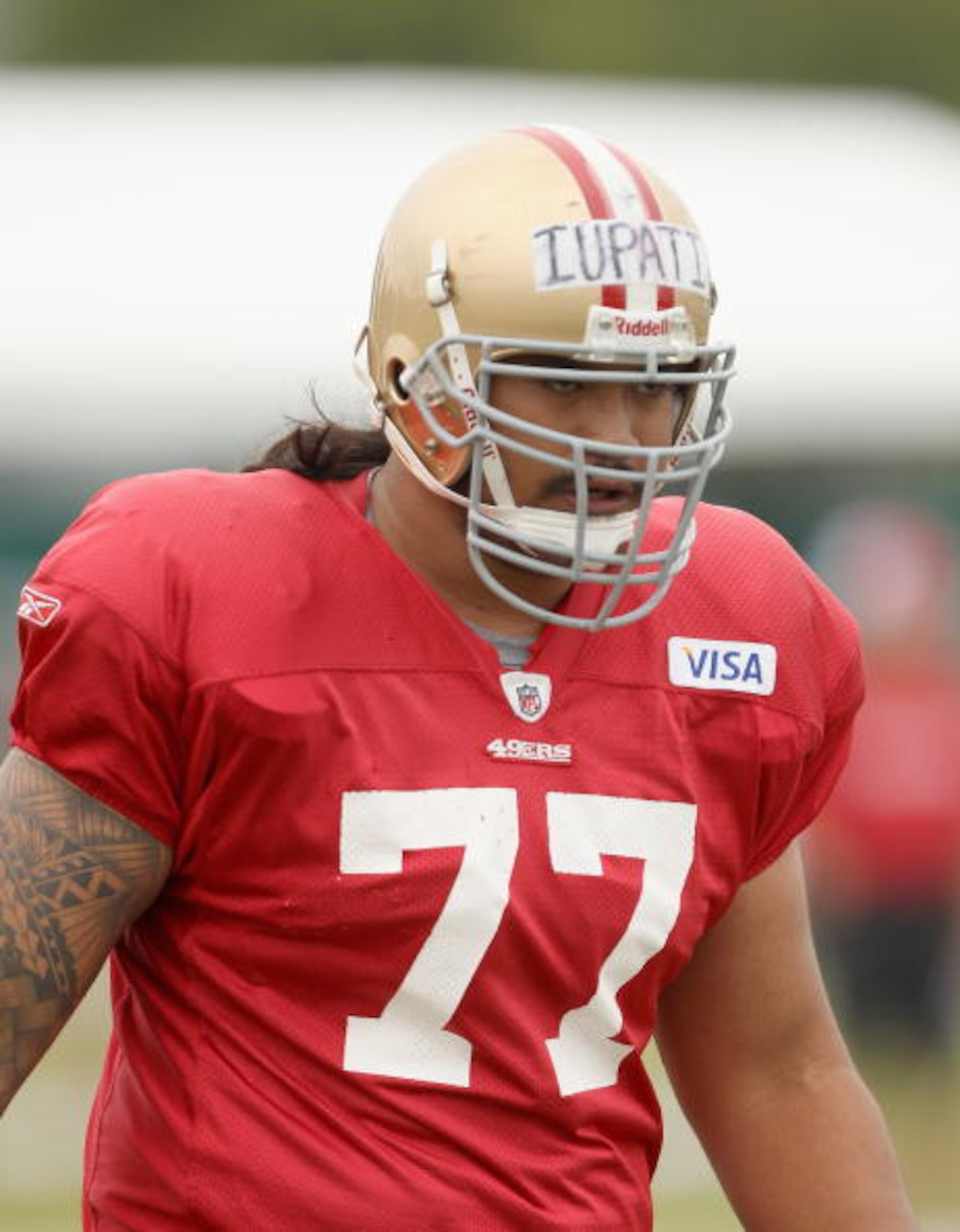
By taking their second offensive lineman in the first round of the draft, clearly the 49ers thought they had to upgrade the line.
Iupati, who came out of Idaho, was a very good player for the 49ers in 2010.
In his first four games in the NFL, he did not allow a sack or commit a penalty.
He is an enormous man at 6'5" and 331 pounds, but he moves his feet well and is very athletic. He was seen delivering blocks downfield on running plays on several occasions. Imagine being a defensive back and seeing this man running at you. What would you do?
You can't argue that the 49ers offense was better with him in the game. They went from 25th to 19th in rushing yards per game and 22nd to 18th in passing yards per game.
This grade is more based on the fact that the 49ers were starting two rookies on the line than any lack of production from the players.
Final Grade: B (Like his teammate, he was solid if unspectacular. He was drafted just in front of the best lineman in the first round)
C Maurkice Pouncey—Pittsburgh Steelers
18 of 33
The struggles on the Steelers' offensive line are starting to reach legendary proportions. Whether it is due to injury or poor play, the Steelers' O-line needs a lot of work.
Florida center Maurkice Pouncey was just what the Steelers needed to win their division and eventually make it to the Super Bowl.
As the anchor in the middle of a battered line, Pouncey had a Pro Bowl year and received two votes for Offensive Rookie of the Year. This is remarkable because linemen rarely get votes for this award.
With him as the centerpiece of a patchwork line, the Steelers improved from 19th to 11th in rushing. They still allowed an obscene number of sacks (43), but at least of few of those can be blamed on Ben Roethlisberger, who seemingly has never heard the phrase "throw it away."
Pouncey missed playing in the Super Bowl due to an injury he sustained in the playoffs, but the future looks very bright for this young man.
Other offensive linemen taken in the round: Trent Williams (4); Russell Okung (6); Anthony Davis (11); Mike Iupati (17); Bryan Bulaga (23)
Final Grade: A
LB Sean Weatherspoon—Atlanta Falcons
19 of 33
Missouri LB Sean Weatherspoon had plenty of numbers to make him a high draft pick. For some reason, those college number didn't translate to the NFL.
With 42 tackles, he had less than half the number of tackles as the only other linebacker drafted in the round, Rolando McClain.
He was the second linebacker taken, but didn't make the top five in tackles for rookie linebackers. Of course, he only played in 11 games and only started in five.
What this tells us is that he may have been drafted out of position.
Other linebackers: Rolando McClain (8)
Final Grade: D- (Six linebackers were drafted after him and had more tackles)
CB Kareem Jackson—Houston Texans
20 of 33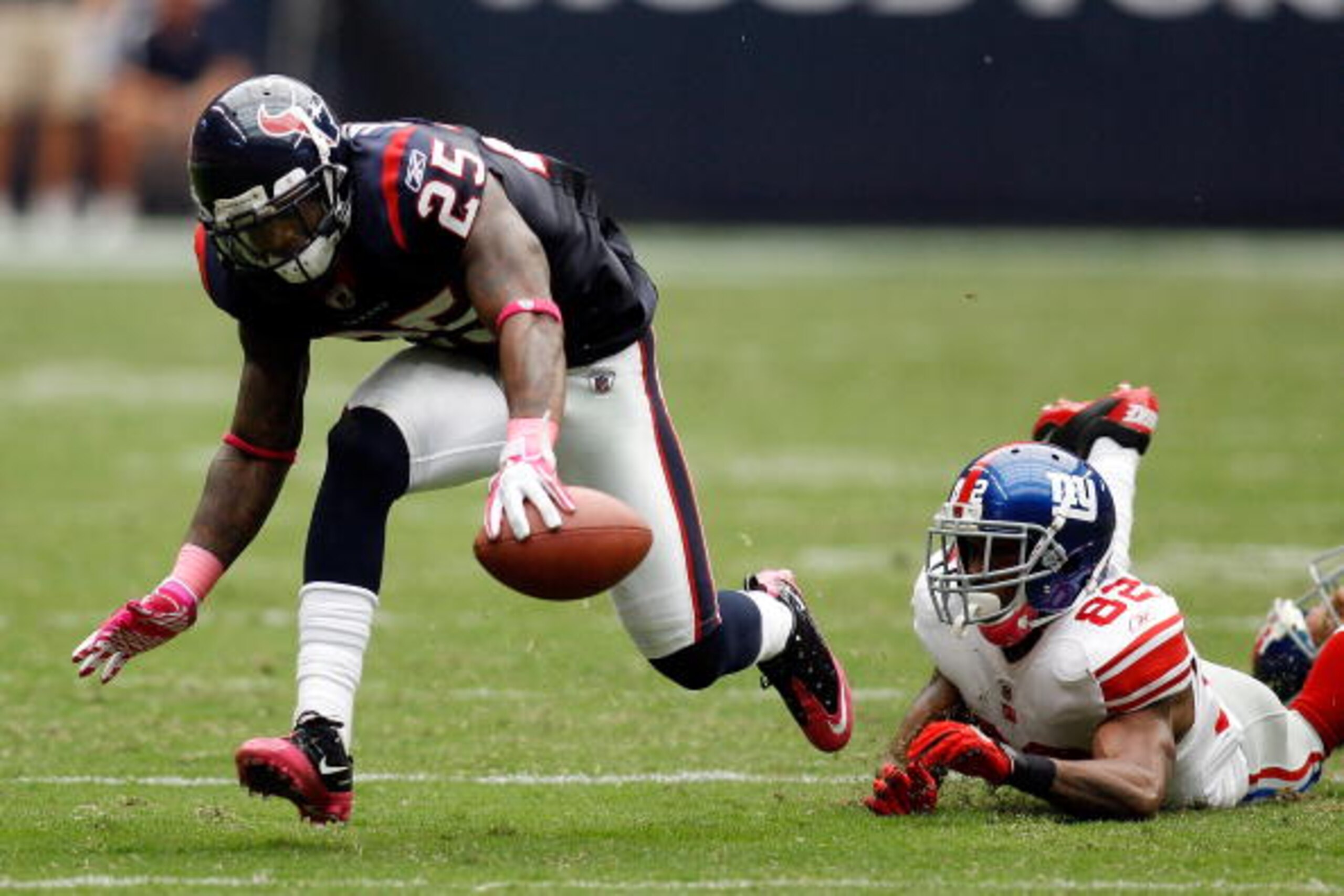
Jackson came from the national championship team from Alabama and was taken 20th in the draft by the Texans.
Undoubtedly, the Texans were looking to improve on their 18th ranked pass defense.
Jackson delivered 71 tackles, which was ninth for rookies in 2010, and two picks. His tackle total was third for rookies at his position.
It's hard to say he was drafted out of position. He played better than Kyle Wilson and Patrick Robinson, who were drafted after him. He didn't quite play as well as Earl Thomas and Joe Haden.
The issue was that the next DB drafted fell much further than he should have.
Other defensive backs taken in the round: Eric Berry (5); Joe Haden (7); Earl Thomas (14); Devin McCourty (27); Kyle Wilson (29); Patrick Robinson (32)
Final Grade: B (This is a solid grade for a late first round defensive back with room for improvement)
TE Jermaine Gresham—Cincinnati Bengals
21 of 33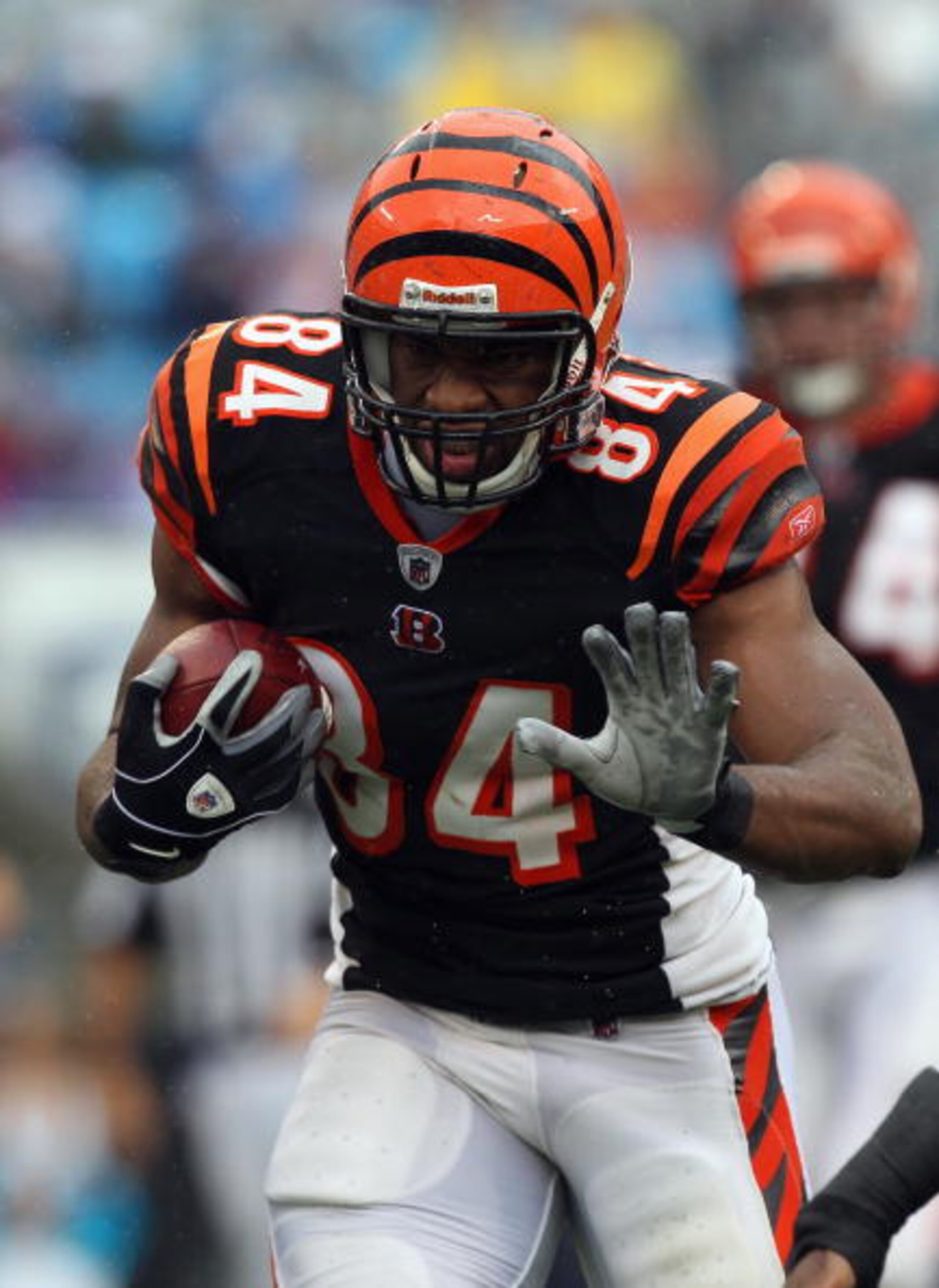
Coming off a 2009 campaign that saw them go undefeated in their division, the Bengals decided to upgrade their 26th ranked passing game through free agency and the draft.
In free agency, they brought in Terrell Owens.
In the first round of the draft, they picked Jermaine Gresham.
Regardless of what you think of him, T.O. produced for the Bengals, leading the team in receiving yards and touchdowns.
Gresham produced, too. He was the leading rookie tight end in the league with 471 receiving yards (on 52 catches) and was tied for second on his team for receiving touchdowns with four.
Gresham and T.O. helped bring the Bengals passing offense from out of the cellar to respectability. They finished the year ranked 14th in passing yards per game.
Whomever ends up throwing the ball to him, it's a pretty safe bet that Gresham will be able to catch it and run with it.
Other receivers/TE taken in the round: Demaryus Thomas (22); Dez Bryant (24)
Final Grade: B (Again, a solid late first round pick who produced, but had room for improvement)
WR Demaryius Thomas—Denver Broncos
22 of 33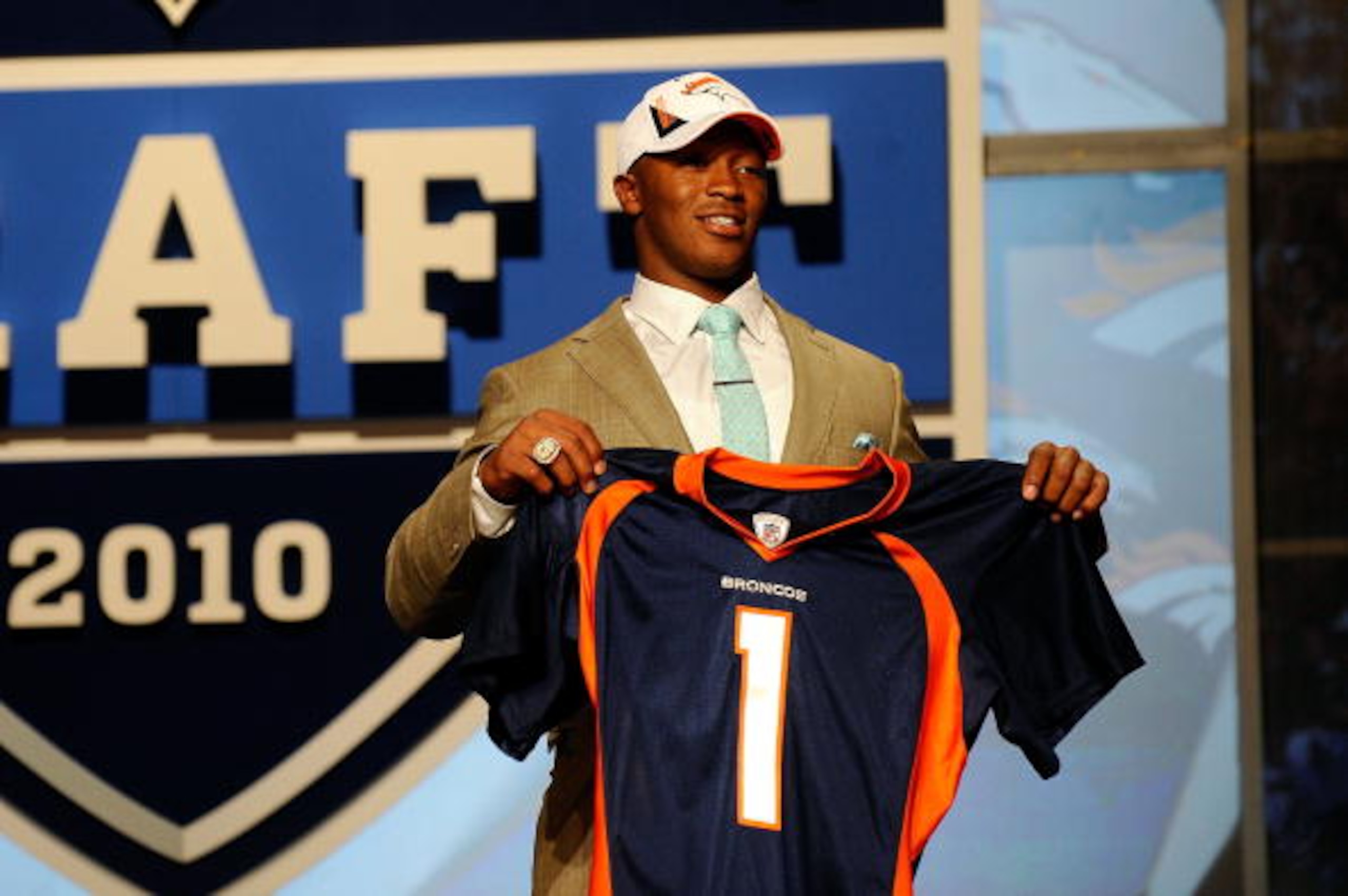
Leg and foot injuries are never good and Demaryius Thomas suffered a season ending injury in week 11 of last season.
This really hurts is draft grade because he may not even make it back to start the 2011 season (depending on when that season actually starts).
Thomas only started two games before his injury, but did play in 10 games amassing 283 on 22 catches and two touchdowns. That is a nice yard per catch rate, but these numbers are hardly anything to write home about.
Despite being the first wide receiver taken in the 2010 draft, he didn't even finish in the top 15 for rookies in receiving yards per game.
It's hard to imagine what the Broncos were thinking in this draft. They released or waived several defensive players and drafted replacements in 2009, but they had to know they would take a defensive hit.
On top of that, they had a servicable offense even without Jay Cutler, who they traded to the Bears. Then in the 2010 draft, they did not take a single defensive player in the first three rounds, a total of five picks.
This could very well be why Josh McDaniels is no longer the head coach in Denver.
As it is, Thomas was not a very good player even when he wasn't injured and he did nothing to help a once-decent offense.
Other receivers/TE taken in the round: Jermaine Gresham (21); Dez Bryant (24)
Final Grade: D- (Considering the player drafted directly in front of him, as well as the next WR both produced very well, this could be a bust in the making)
OT Bryan Bulaga—Green Bay Packers
23 of 33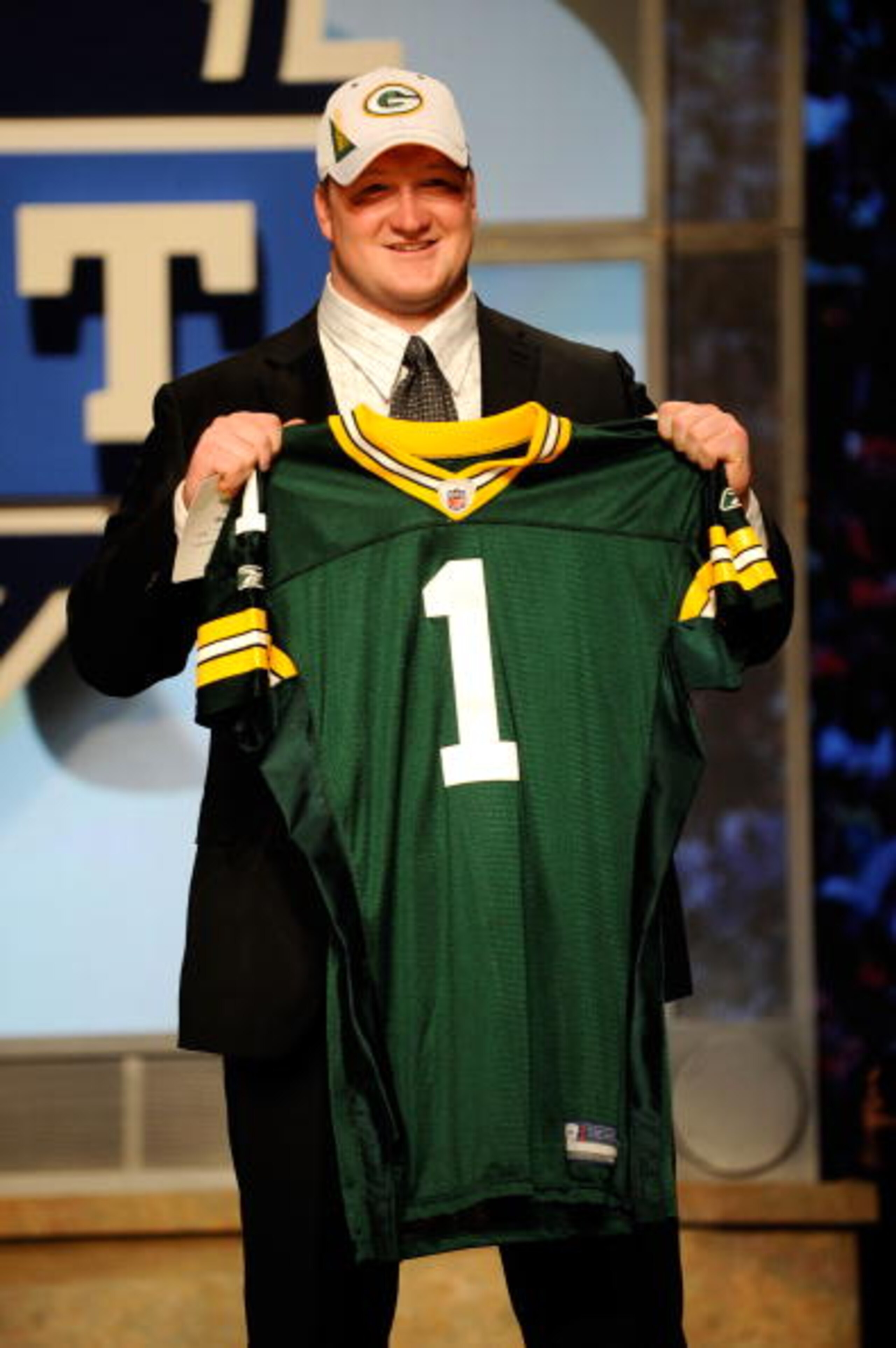
Green Bay really didn't have many needs to be addressed after the 2009 season that saw them make the playoffs and lose an amazing shootout to the Arizona Cardinals.
I guess what they were looking for was some depth on the offensive line to protect Aaron Rodgers.
They were the number two passing offense in the NFL after 2009 and had only allowed 29 sacks in the season.
They took Bryan Bulaga out of Iowa who started in week five and never missed another game. He was named the to NFL All-Rookie Team and was the youngest man to ever start in a Super Bowl.
While the offense suffered a hit after the 2009 season, it is hard to say it was because of Bulaga.
I'm willing to give him the benefit of the doubt.
Other offensive linemen taken in the round: Trent Williams (4); Russell Okung (6); Anthony Davis (11); Mike Iupati (17); Maurkice Pouncey (18)
Final Grade: B+
WR Dez Bryant—Dallas Cowboys
24 of 33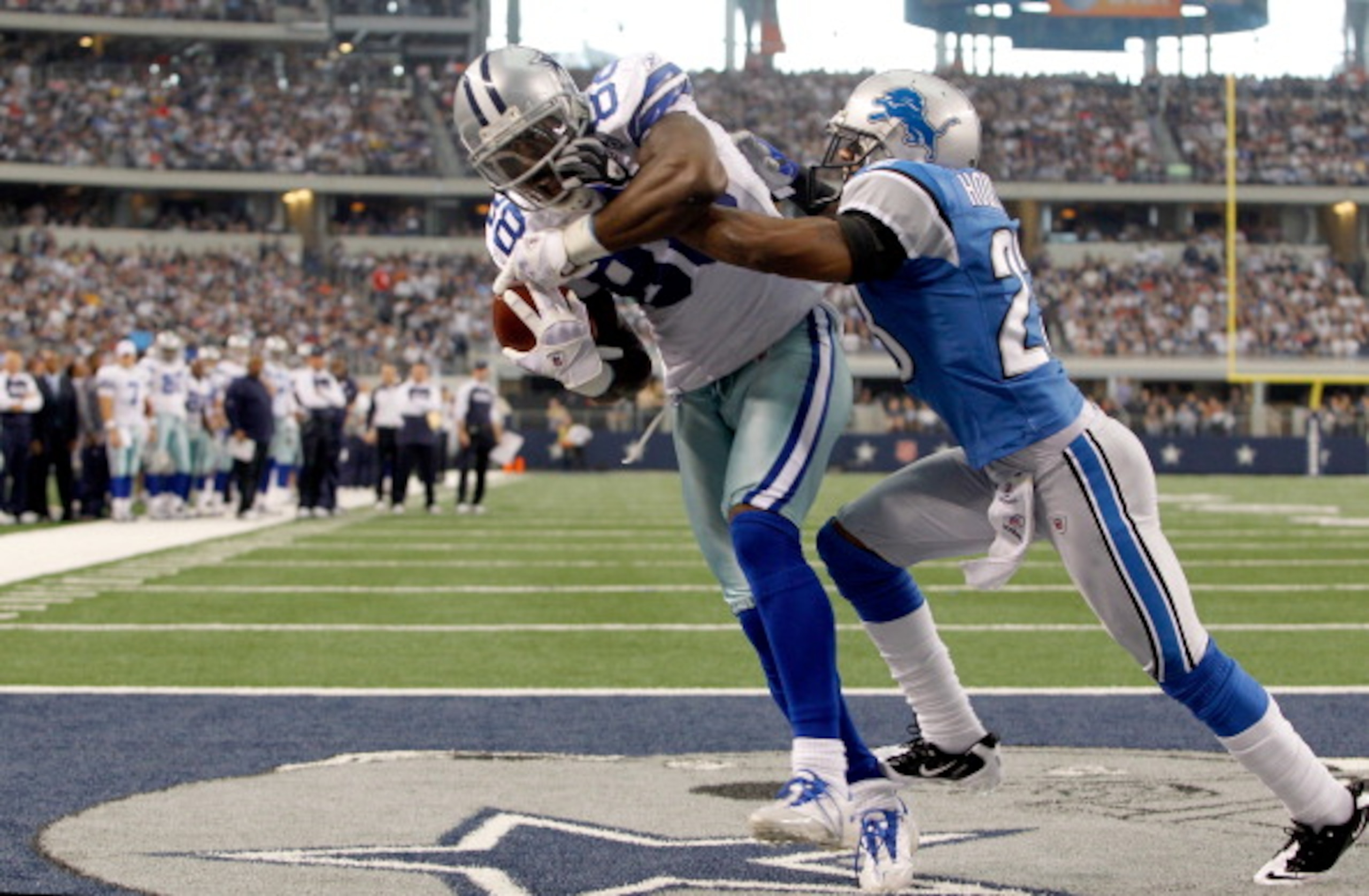
Dez Bryant was really the class of the receiver positions for the first round of the 2010 draft.
He was third for rookie receiving yards, but the two men above him on that list were drafted later than him. That is not a good mark for him.
With 561 yards and six touchdowns, Bryant did produce, but there is a lot of room to grow, but considering his season was ended with a fractured ankle in week 13.
One has to wonder if the injury could become a nagging injury that haunts him for his career, but only time will tell that.
Other receivers/TE taken in the round: Jermaine Gresham (21); Demaryus Thomas (22); Dez Bryant (24)
Final Grade: B+ (When guys drafted after you are performing better, you were drafted out of position)
QB Tim Tebow—Denver Broncos
25 of 33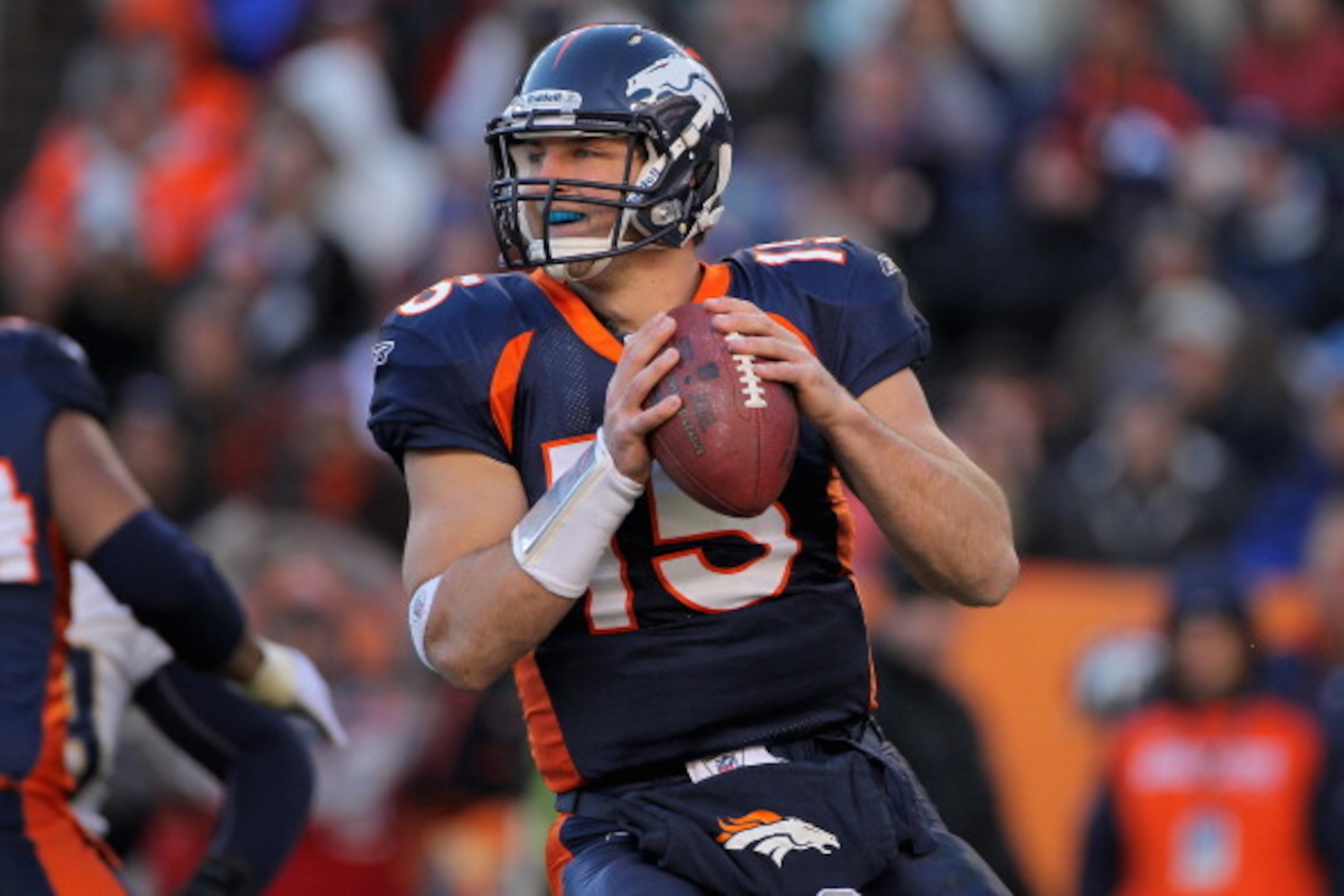
Far and away the most controversial pick of the first round in 2010 was Florida QB Tim Tebow.
Former NFL coaches Jon Gruden and Tony Dungy both talked highly of Tebow, while draft experts remained unsure of him.
NFL draft expert Mel Kiper, Jr. stated, "I don't think he can be a full time quarterback."
As it was, there was plenty of discussion about Tebow's throwing action. He worked hard on changing it, shortening his delivery to get the ball out quicker, but the question remains whether the new action will be second nature or if he will revert to his old way under pressure in the NFL.
Tebow started three games for the Broncos and went 1-2 completing 50 percent of his passes with five touchdowns and three picks.
The real issue is that when a team takes a quarterback in the first round, they is looking for a potential starter, not a project to work on. Projects are for the fifth, sixth, and seventh rounds.
As I mentioned before, one has to wonder what the Broncos were thinking going into this draft. They had serviceable quarterback in Kyle Orton who played well enough that they could have addressed other needs in the first round, and possibly still gotten Tebow in the second round. They had another pick at number 45 overall.
Other quarterbacks: Sam Bradford (1)
Final Grade: C- (Tebow was drafted out of position when the Broncos could have addressed several other needs)
DT Dan Williams—Arizona Cardinals
26 of 33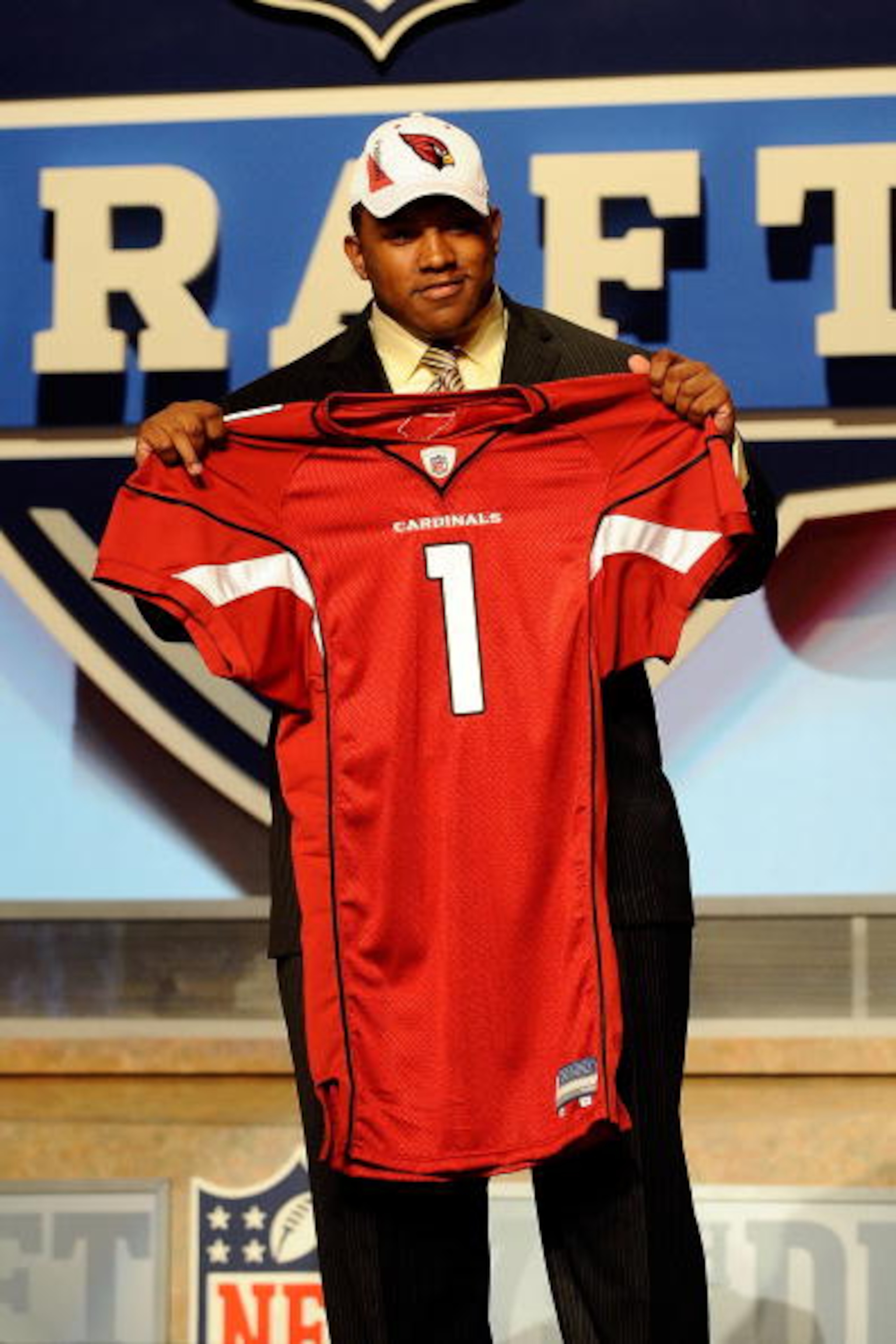
If Tyson Alualu was taken too early, Dan Williams may have been taken later than he should have been.
The men had equal numbers of tackles, 38, and while Alualu had 3.5 sacks, Williams didn't manage to get any.
When you consider Williams did not start a single game for Arizona, and played in one fewer game, maybe he could have been taken earlier. Certainly, his production was at least as good as Alualu.
But I will stand by more original assessment. Alualu was taken too early.
Williams was probably taken where he should have been.
Other defensive linemen taken in the round: Ndamukong Suh (2); Gerald McCoy (3); Tyson Alualu (10); Brandon Graham (13); Jason Pierre-Paul (15); Derrick Morgan (16); Jared Odrick (28); Kyle Wilson (29); Jerry Hughes (31)
Final Grade: B (For his production, he was probably drafted in the right spot. Solid, but unspectacular)
CB Devin McCourty—New England Patriots
27 of 33
The Patriots have made a reputation for themselves for taking good players with their seemingly endless supply of draft picks.
Taking Devin McCourty out of Rutgers was no exception.
All McCourty did was make 82 tackles with a sack, two forced fumbles, and seven interceptions.
He was selected to the Pro Bowl and was one of only two rookies to get votes for Defensive Player of the Year. The other was Ndamukong Suh.
In a division with Darelle Revis, McCourty seems ready to give Revis a run as the best corner in the division, maybe in the league.
As it was, he was clearly the best corner of the first round in 2010. One has to wonder how he got all the way to the Pats in the 27th spot. (Hello, Steelers?)
Other defensive backs taken in the round: Eric Berry (5); Joe Haden (7); Earl Thomas (14); Kareem Jackson (20); Kyle Wilson (29); Patrick Robinson (32)
Final Grade: A (The class of the defensive back for a bargain in the bottom of the first round)
DT Jared Odrick—Miami Dolphins
28 of 33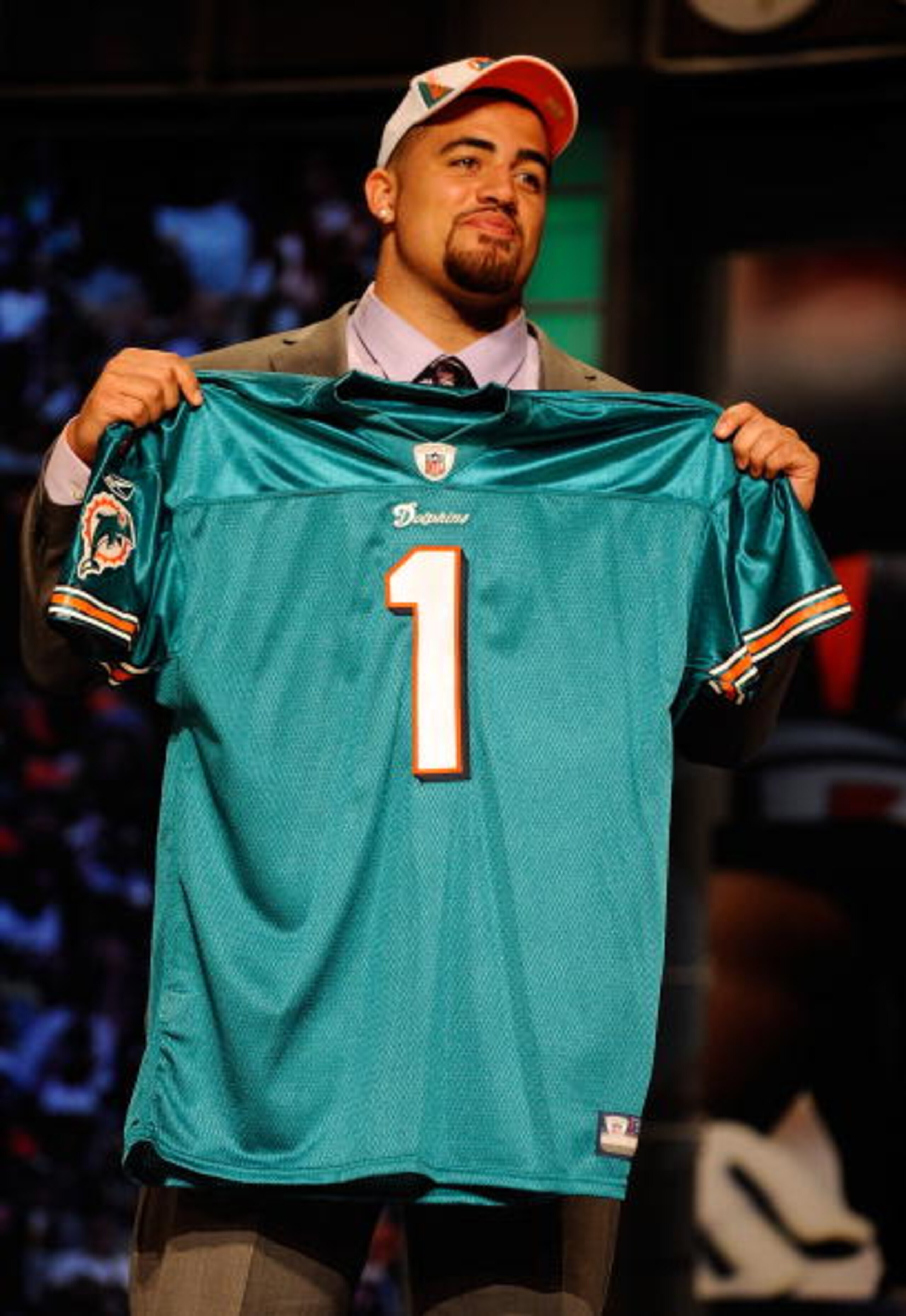
Jared Odrick has had three real injuries since the day he was drafted and all of them are leg injuries.
As they say, three times is a pattern, so one has to wonder if Odrick will ever play an entire season of NFL football.
Before the start of training camp, he tore his Achilles tendon.
In the opening game of the season, he broke his fibula.
Then during practice before week seven, he broke his leg again and went on injured reserve.
The sum of his NFL rookie season was one game, one tackle.
Because he has missed significant time with multiple injuries, I can't give him a very high grade.
Plus, how are all these injuries going to effect him in the future? Only time will tell.
Other defensive linemen taken in the round: Ndamukong Suh (2); Gerald McCoy (3); Tyson Alualu (10); Brandon Graham (13); Jason Pierre-Paul (15); Derrick Morgan (16); Dan Williams (26); Kyle Wilson (29); Jerry Hughes (31)
Final Grade: D (He might be able to recover and reverse this grade, but for a top pick to only play in one game is very bad)
CB Kyle Wilson—New York Jets
29 of 33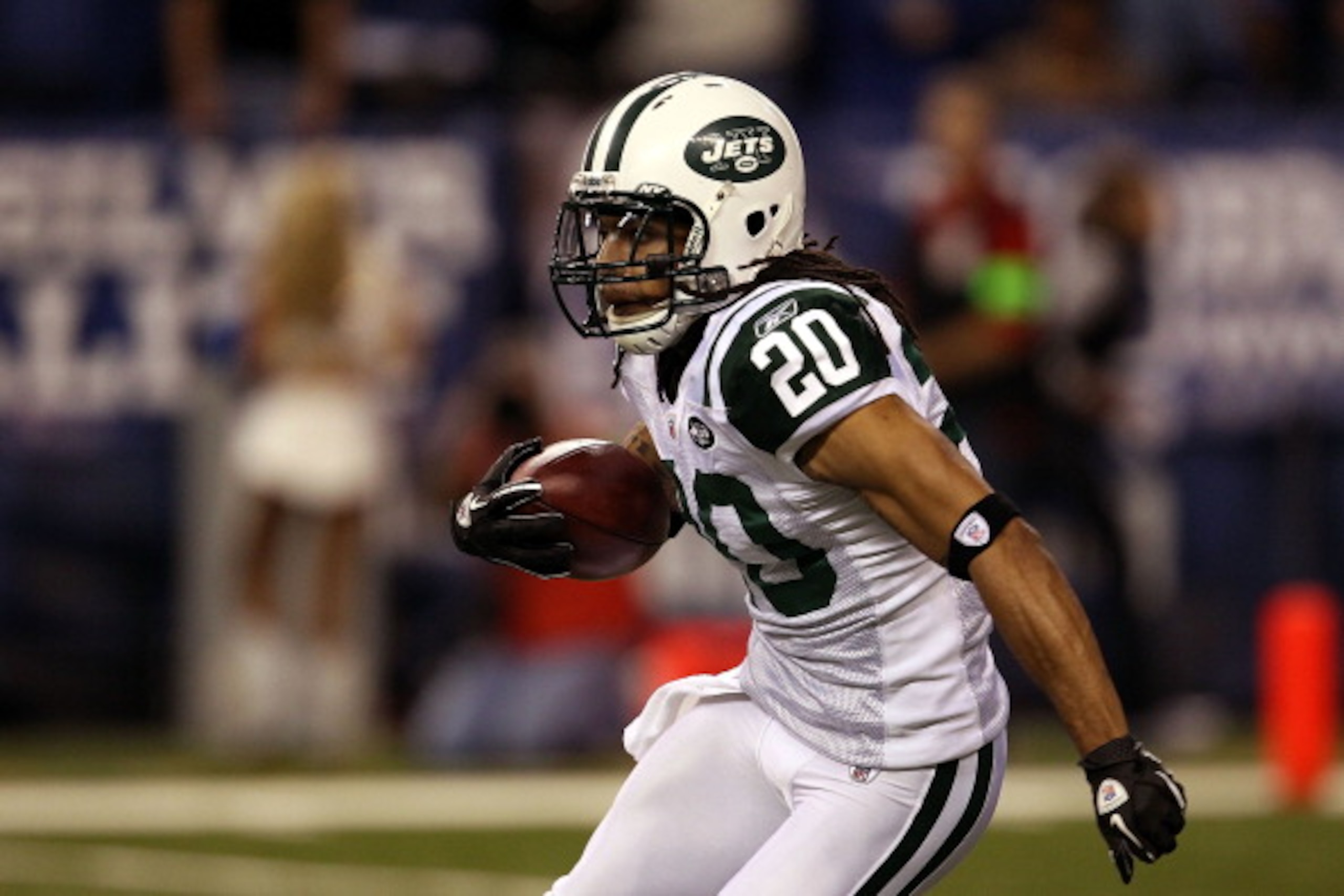
There is no way Wilson was going to live up to the production of McCourty, Haden, or Thomas, but he wasn't drafted to give that kind of production.
Wilson was drafted to provide depth behind Darelle Revis and Antonio Cromartie.
His 21 tackles were tied for 26th for rookie defensive backs, but he saw limited playing time behind the two starters.
He probably could have made more of the opportunities he was given. Surely the quarterbacks he faced were busy worrying about Revis and Cromartie while Wilson was in on the nickel and dime packages.
Other defensive backs taken in the round: Eric Berry (5); Joe Haden (7); Earl Thomas (14); Kareem Jackson (20); Devin McCourty (27); Patrick Robinson (32)
Final Grade: C (Could have made more of his opportunities)
RB Jahvid Best—Detroit Lions
30 of 33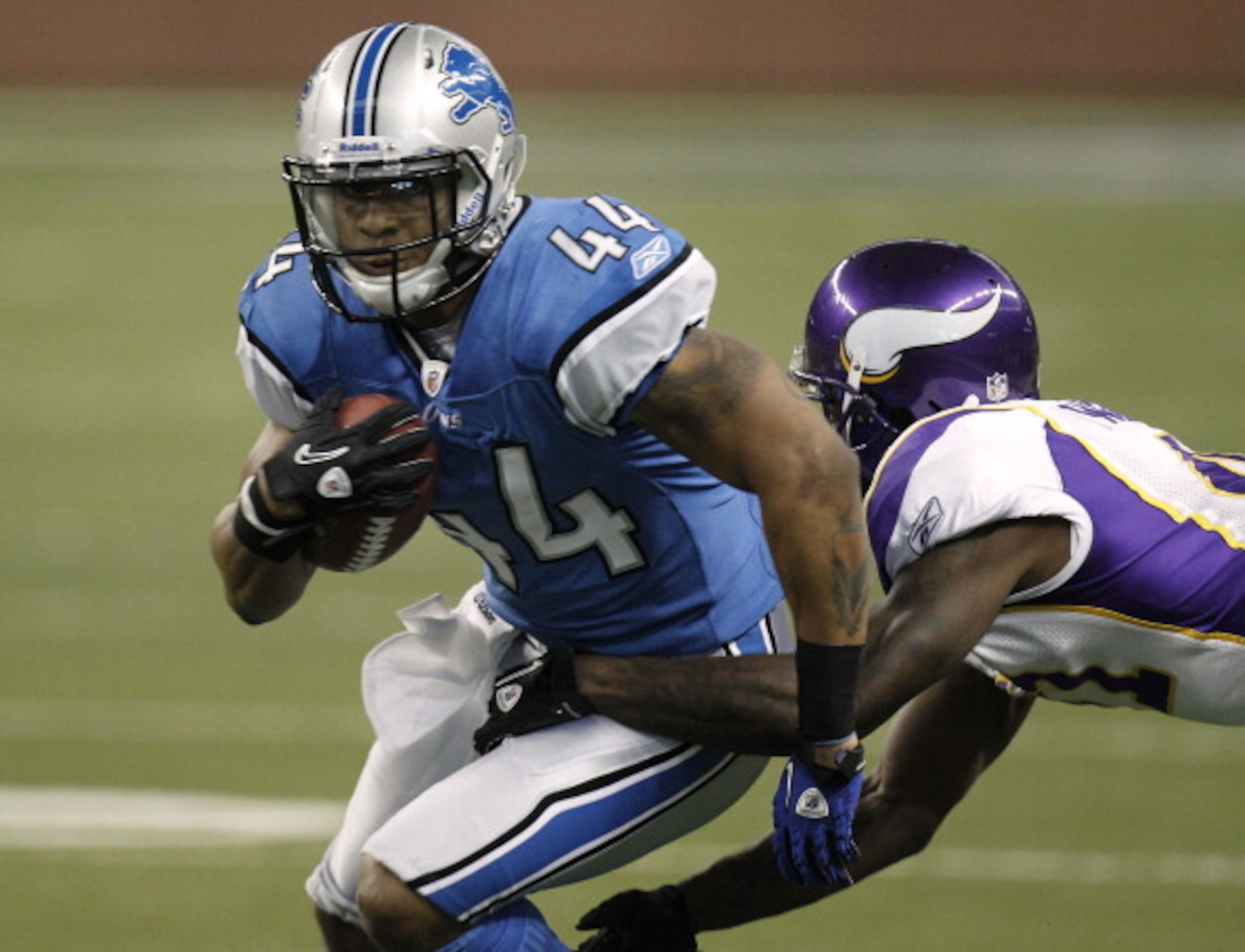
Jahvid Best was fourth amongst rookies in rushing yards per game. The problem is that two of the three guys in front of him were drafted after him.
His average per attempt was poor at 3.2 yards. He did contribute four touchdowns, but was fifth amongst rookies.
What these numbers indicate is that he might have been available later in the draft.
As the second running back taken, you would expect to see him closer to the top of the yards or touchdowns lists.
I have to say he was overpriced as the 30th pick overall.
Other running backs: C.J. Spiller (9); Ryan Mathews (12)
Final Grade: C- (was not as overpriced as Spiller, but probably could have been taken in the second round)
DE Jerry Hughes—Indianapolis Colts
31 of 33
Like Pierre-Paul with the Giants, the Colts taking TCU defensive end Jerry Hughes was a pick for depth.
The Colts have a pair of great defensive ends in Dwight Freeney and Robert Mathis and Hughes was brought in to spell those men and learn from them.
Unlike Pierre-Paul, Hughes didn't really make the most of the opportunities he had. Where Pierre-Paul had double digit tackles and 4.5 sacks, Hughes could only muster six tackles.
He might become a good defensive end by watching Mathis and Freeney, but for now it seems like he might have been an overpriced pick.
Other defensive linemen taken in the round: Ndamukong Suh (2); Gerald McCoy (3); Tyson Alualu (10); Brandon Graham (13); Jason Pierre-Paul (15); Derrick Morgan (16); Dan Williams (26); Jared Odrick (28); Kyle Wilson (29)
Final Grade: C- (Needed to prove his value when he could and really didn't do that)
CB Patrick Robinson—New Orleans Saints
32 of 33
Patrick Robinson, out of Florida State, was the seventh of 33 defensive backs taken in the draft overall. That is the highest number of players at a single position in the 2010 draft.
He posted number that landed him 20th amongst rookie defensive backs with 28 tackles. He also had two passes defensed, but for the most part was not much of a factor in limited playing time.
While most of the rest of the first round DBs were near the top of rookies for tackles and/or interceptions, Robinson was well below players who were taken after him.
Other defensive backs taken in the round: Eric Berry (5); Joe Haden (7); Earl Thomas (14); Kareem Jackson (20); Devin McCourty (27); Kyle Wilson (29)
Final Grade: D+ (Based on how the rest of the DBs taken in the first round were taken, you have to call this an underwhelming rookie year)
Conclusion
33 of 33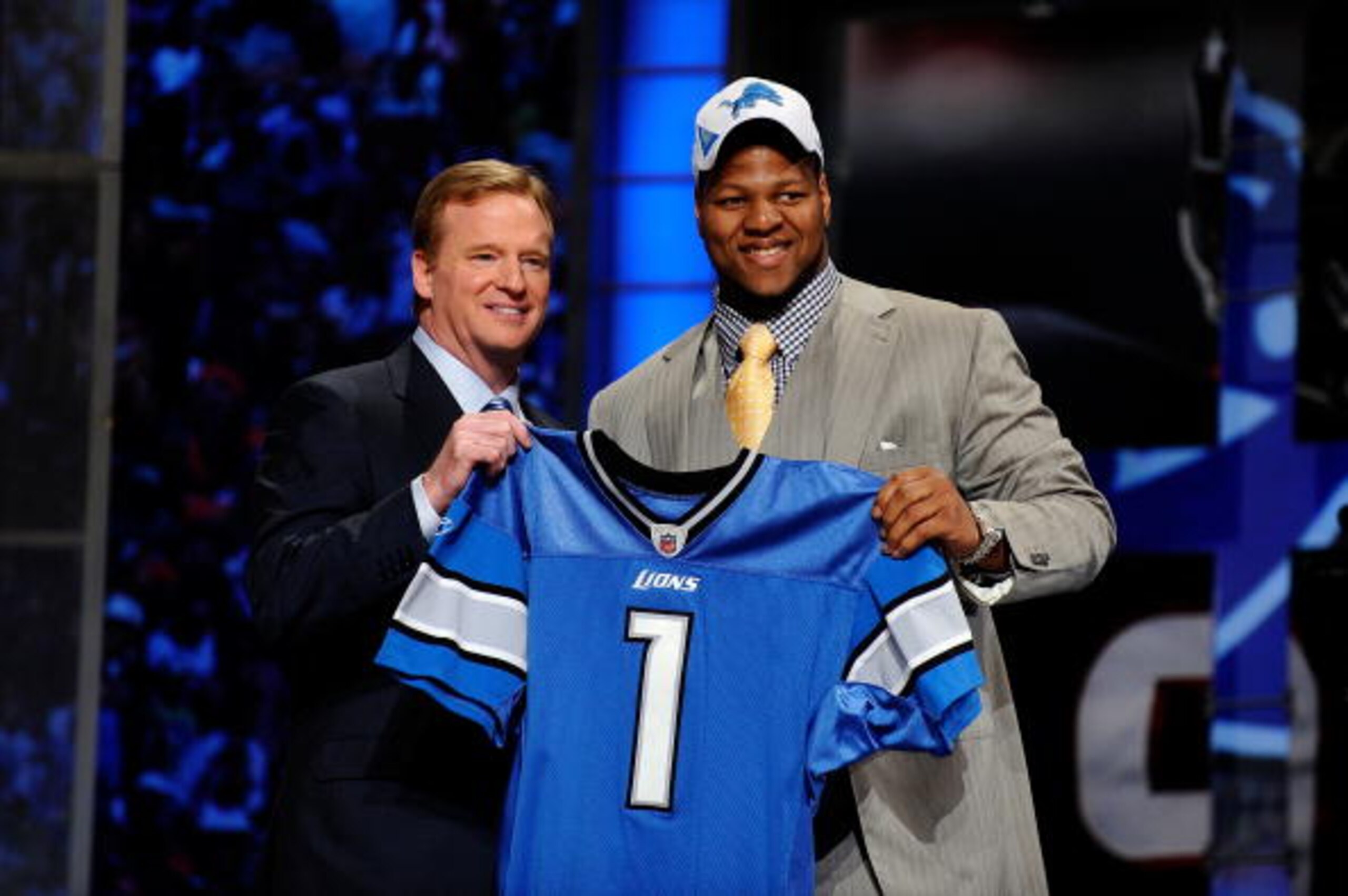
So there it is.
How did your team do?
Did they take a gem in the latter half of the round, like the Pats did with McCourty?
Or did they take a player who should have been made to wait for a while, like the Bills with Spiller?
Please post your comments on how you think I did.
.jpg?w=2560 "DOLPHINS-AIKMAN")




.png?w=2560 "Week 8 Winners & Losers 📊")
.jpg?w=2560 "Malik Beasley Negotiating Plea Deal (AP)")