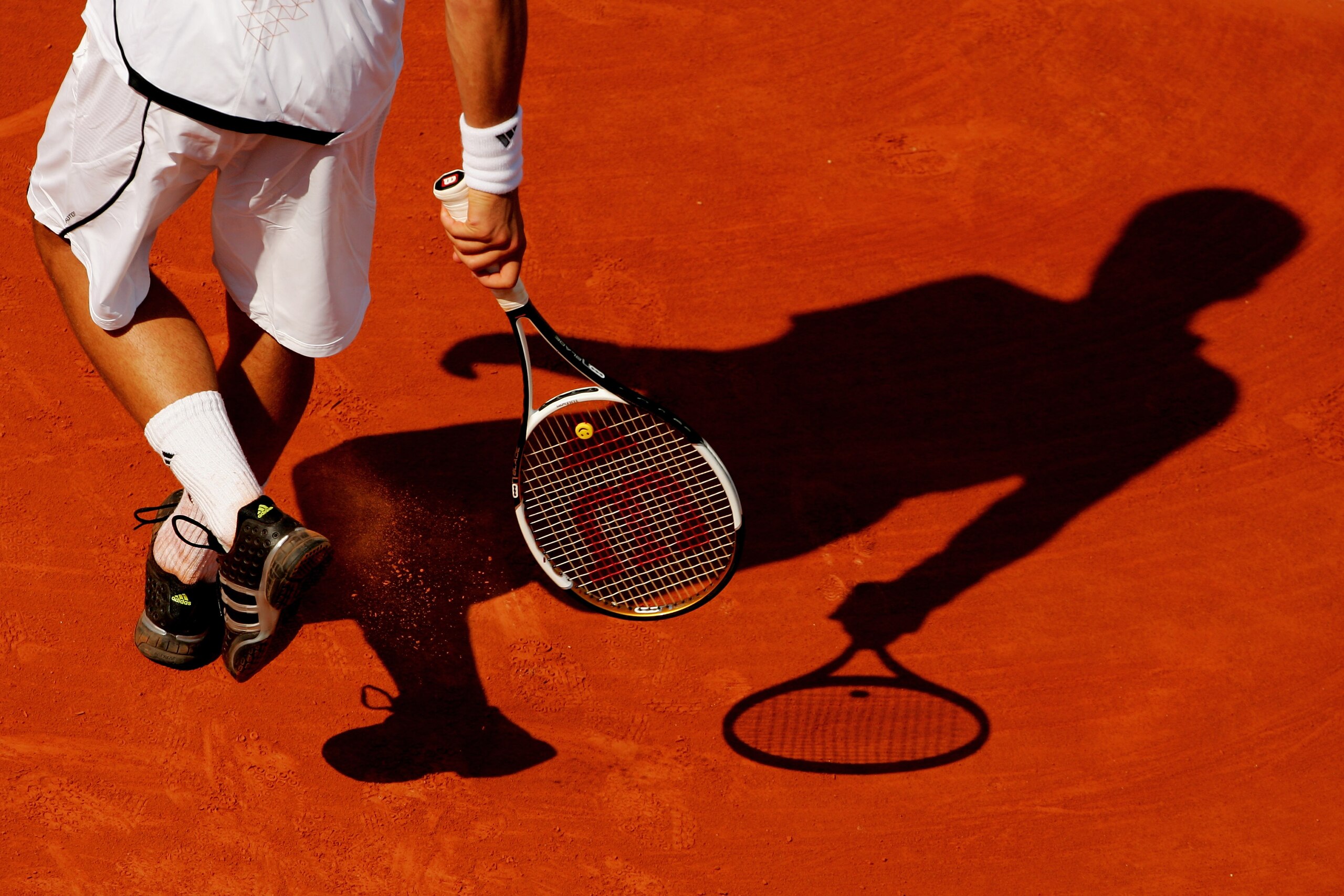

Men's Tennis: The Top 5 Stories to Look out for in the 2011 Clay Season
We are at the threshold of yet another arduous clay-court season. Already a fourth of the year has passed, and having been treated to the swift hard courts of Australia, the Middle East and most recently, of America, the tennis world returns to the seat of human history–Europe–for a slightly slower ride.
Clay court tennis, however, is not by any means confined to Europe, neither is it all that slow. Yes, it is the slowest surface by far, but there are tournaments in America (the Houston Clay Court Championships, for instance), and there have certainly been plenty of tense and speedy, blood-rushing moments over the last few years.
Most of all, 2011 is the year of many big stories for men's tennis. Is Rafael Nadal's hold on the red dirt as impregnable as ever or will Novak Djokovic prove the real spoiler at last? Will Federer regain the slam-winning form that saw him clinch a career-defining French Open in 2009? Here are some of the biggest stories to look out for this year.
Can Rafa Make It 7 in a Row?
1 of 5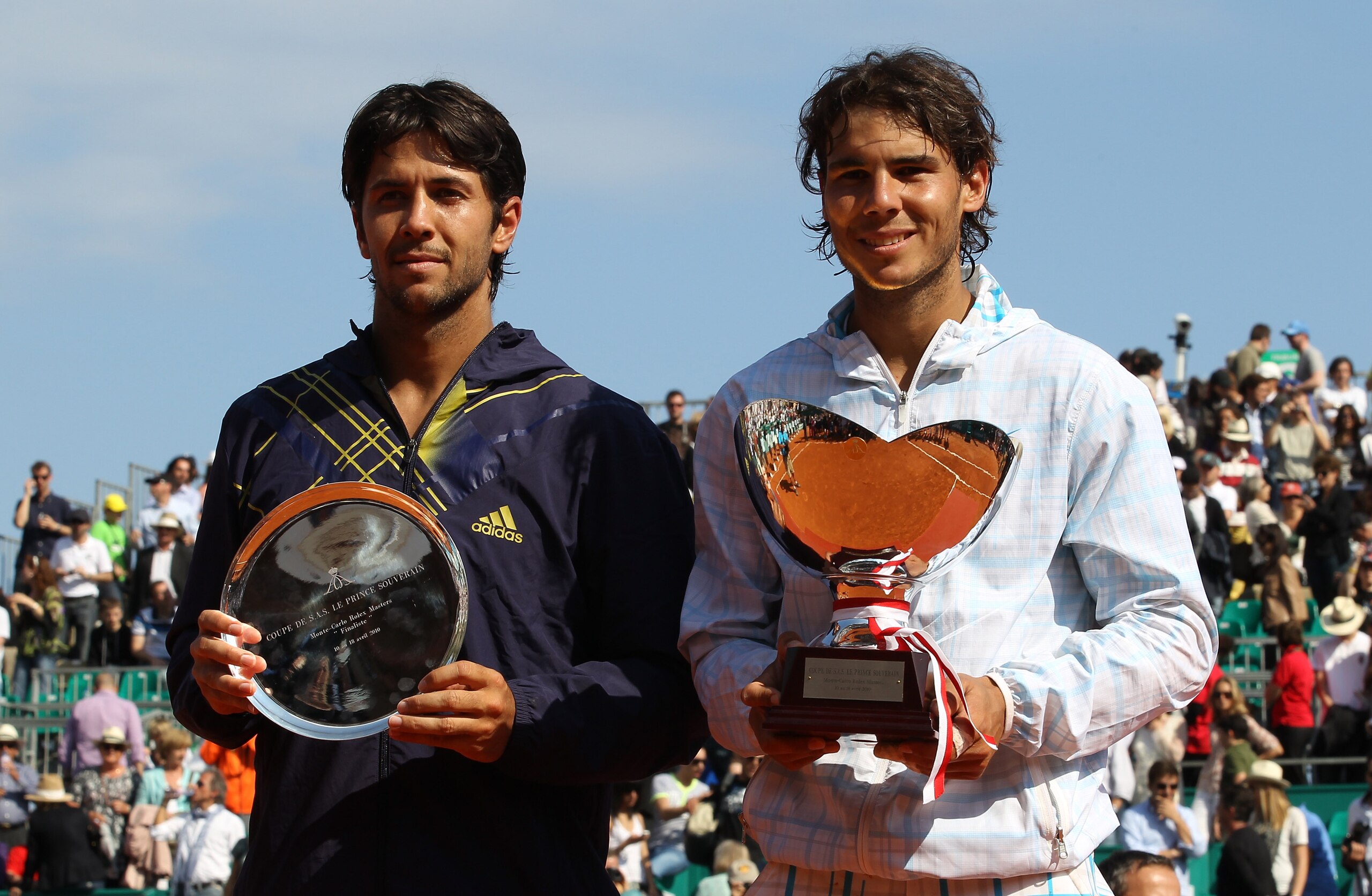
This is the first and most readily-answerable question. With the Monte Carlo Masters coming up just in about a week or so, one cannot but help asking: Will Rafael Nadal make it seven in a row on the Cote d'Azure?
He has already won a record-defining six straight titles here, surpassing everybody in the Open Era in doing so. More scarily, perhaps, was the ease with which he did so last year. In beating Fernando Verdasco by the score of 6-0 6-1 in that final, it was made clear that winning his sixth straight title had been no more difficult than winning his first. Nadal, fearsome as he is, has managed to remain the same racquet-swinging teenager on this surface for the last six years.
That has ultimately been the source of so much success for him over the years, and will likely continue to help him. Whether he wins seven straight titles at Monaco is something of a triviality, but for him to do so and set a record like that would be simply out of this world.
The Emergence of the Rafa-Djokovic Rivalry, and the Battle for Number One
2 of 5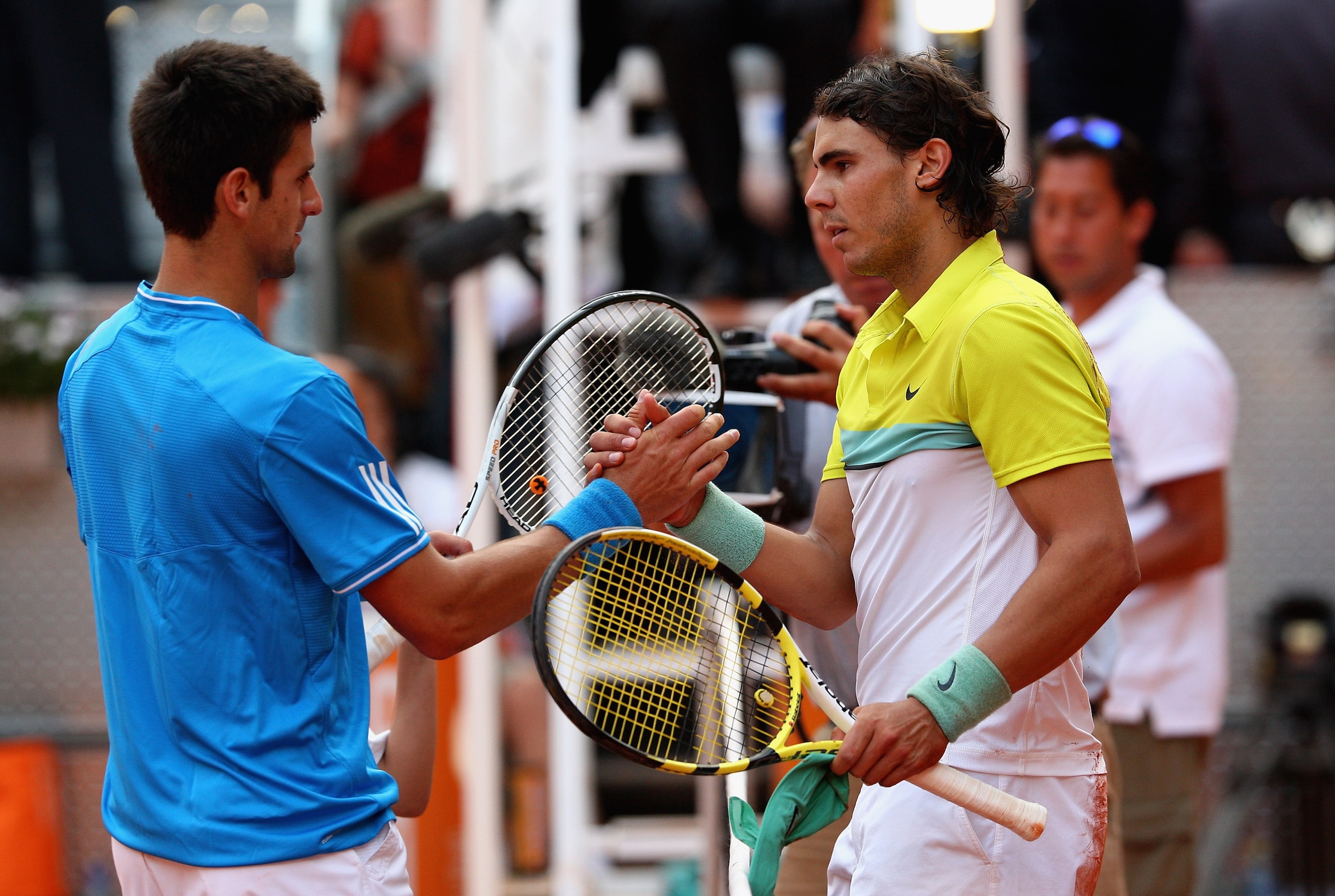
The clay season of 2010 was remarkably mute. In contrast to the years that had gone before it, Nadal's passage to all his titles last year was abnormally smooth, as only Verdasco, Ferrer, and Soderling stood in his way for three of his four titles. The fourth victim, Roger Federer, was the only star-studded opposition at Madrid.
Nadal, of course, had had many storied matches against the said Swiss in the years 2006-8, and in 2009 he had faced, often in thrillers, Novak Djokovic. This year promises more of the same. With the Serb coming off a hot streak of twenty-six consecutive victories dating to his last loss to Federer in 2010 and with four straight titles already this year, he enters the clay court season in the best form of his life. Here, he will find himself in the slightly unusual position of being second-favourite for the first time this year, on a surface where Nadal has ruled utterly supreme for six years.
Should Nadal and Djokovic re-enact their rivalry of 2009 this year, it will be the clash all have been waiting for–that mythical encounter of an irresistible force (Djokovic) with an immovable object (Nadal). Federer, in some ways, groomed Nadal for his reign as the king of clay, but Djokovic seems the best bet this year to contest its legitimacy. It would be vicious, gruelling and exhausting and with Nadal having a ton of points to defend, his No. 1 ranking would certainly be a mighty factor.
In the narratives of Djokovic's hunger and Nadal's current imperturbability as the No. 1, we have the potential for a grand war–the likes of which we haven't seen since Nadal's own chasing of Federer in 2008. Glorious tennis it would be, indeed.
The Dark Horses: Will the Giants Make Their Mark at Last?
3 of 5
Along with the usual suspects, the last few years have witnessed the legitimate rise of big-hitting giant players–a genre of competitors that have proven not un-clayworthy.
We have, for instance, the most underrated example of Robin Soderling, who scored the decade's greatest upset in 2009, defeating Rafael Nadal at Roland Garros. Reaching the final that year, he also managed to repeat his performance last year, stunning Roger Federer en-route to the final. That he lost both times is perhaps not entirely surprising, seeing as they were losses to the two greatest players of our generation. It is clear, nonetheless, that Soderling's crushing groundstrokes, to which the slowness and preparation time on clay have proved remarkably amenable, have played no small role in his success.
For Juan Martin Del Potro, too, largeness of stroke has overshadowed the mobility issues traditionally associated with tallness. In 2009, we would have witnessed a final of giants, had not Federer found an extra gear against the Argentine in their classic five-set semifinal. There is no doubt about it, Del Potro is the real deal. He has punishing groundstrokes which pace very few can challenge on a consistent basis, and his his abilities on clay are little in doubt. Last year was slightly disappointing, as he was unable to prove any of it to us, since he was sidelined as he was with injury.
There are many other giants around–Berdych, Gulbis (who was the only person to take a set off Nadal on this surface last year), being but a few who made headlines last year. In recent years, it has been the story of the crushing, time-prepared groundstroke overpowering nimble clay-court mobility. Maybe this year will see its fruits at last.



Is Roger Federer Really Going Nowhere?
4 of 5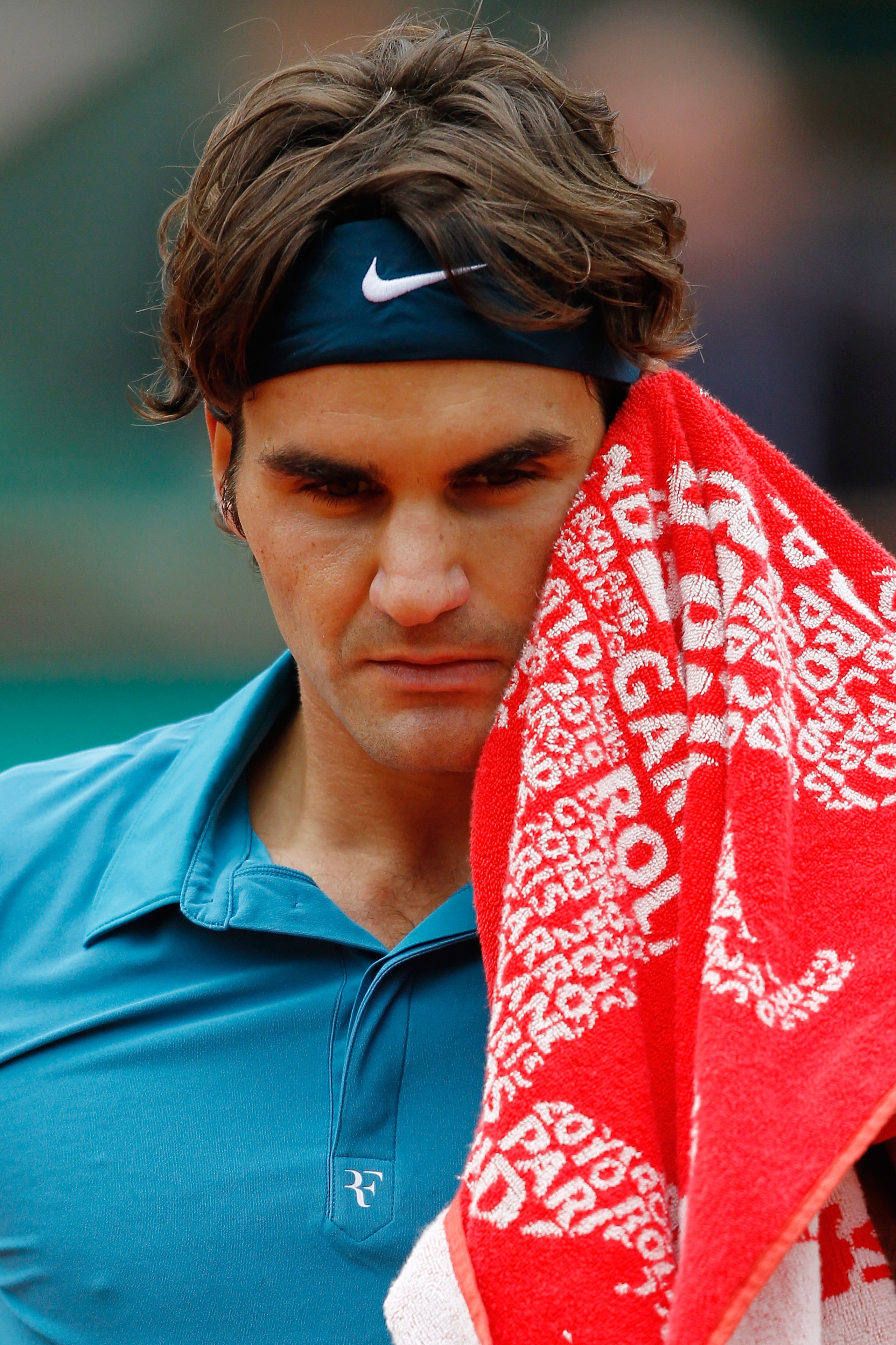
Of course, this is one of the bigger questions. Is Roger Federer really on an inevitable downhill? Will he ever regain the top spot in tennis? The most recent history would suggest not. Four times in a row this year, he has been outmatched by a younger, more consistent opponent and while having already a five year age gap between himself and Nadal, he will be reaching thirty later this year.
No doubt, his clay season will be utterly crucial in determining his readiness to reclaim the No. 1 ranking. So constantly has he managed to deceive and surprise us over the last few years, with an unerring consistency at the top that has often been enough to snuff out the plague of decline. Maybe, however, his fate is for an exponential downward slope, occasionally halted by a spectacular win.
Perhaps, and one would hope, such a spectacular win comes sometime this clay season. Whether its an avenging victory against Djokovic, or–the possibility is there–he beats Nadal in another clay court final, Federer badly needs a statement win. If the fans are lucky enough, it may even be 2009 deja-vu and the Swiss Maestro may even go on to claim a second French title. All this, of course, seems awfully distant, and with the way things are going in the game and in his game, terribly unlikely. Clay, moreover, has often been touted as his 'worst' surface, whatever that might mean for the multi-surface grand slam champion.
It's hard to see him do any serious damage this season the way Nadal and Djokovic are playing, but one can only hope that he won't play with any reserve or play like he is some grand slam reserve champion. Let's just hope he won't be playing to go nowhere.
Roland Garros: History to Be Made Everywhere
5 of 5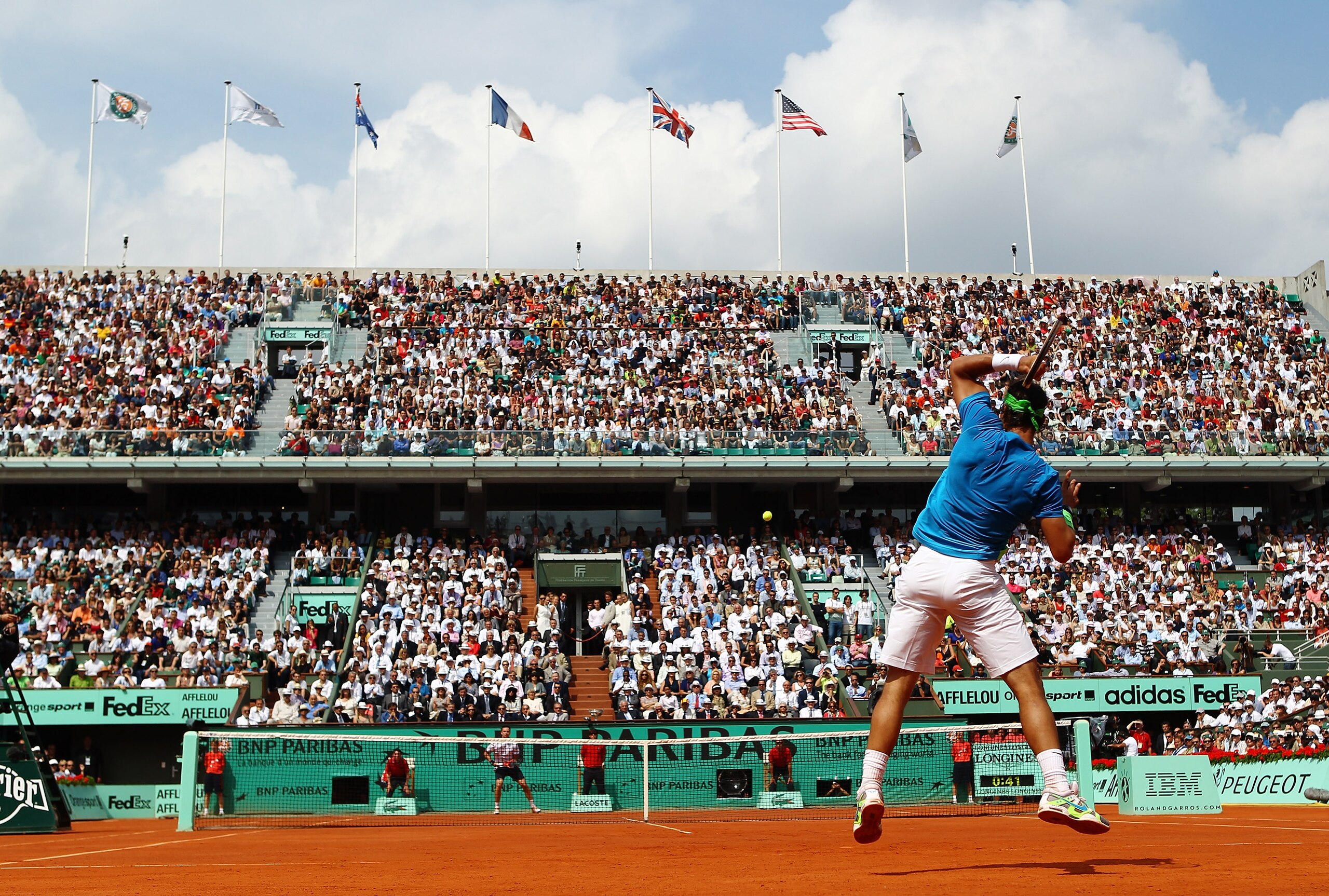
The clay season will certainly culminate in one eventuality, however–Roland Garros, the great crown of the red dirt. It is the seat of much history, but in 2011, it may be witness to even more. There are many historic scenarios that could transpire in the last week of May.
Firstly, Nadal's sixth French. Victory here again would tie him with Bjorn Borg for titles at Roland Garros, and go some way to forging for him the clay-court legend he seems to have been born to become. His record here is utterly impeccable, of course, marred only by one loss–he's a staggering 38-1. Victory would make that 45-1 and six victories in seven years. It would also be his tenth grand slam, making him one of only a handful of players to have reached double digits in their grand slam tally. It would also bring him closer, of course, to the record of his great rival Roger Federer.
Should Djokovic win, too, it would be another utterly stunning sight. It would cap an incredible last few months and only consolidate his hold on tennis–to say nothing of this chances of reaching the No. 1 ranking. Winning the Australian and the French in the same year, of course, would make him a terribly strong candidate for winning that chillingly elusive Calendar Grand Slam.
Lastly, we have the record possibilities of that records magician, Roger Federer. A win here would surely seal his all-time greatness as the winner of every grand slam at least twice. It would also add, naturally to his already untouchable tally of sixteen slams. He wouldn't have to win the tournament, however, just to make history–reaching the quarterfinals alone would break the streak of Jimmy Connors, whom he tied at the Australian for the most consecutive grand slam quarterfinals at 27.
These are just the biggest stories that may unfold come Roland Garros, for it is some weeks away. For now, one should just sit back, relax and enjoy the spectacle of tennis on clay.
.png?w=2560)
.jpg?w=2560 "Malik Beasley Negotiating Plea Deal (AP)")

.jpg?w=2560 "Jonathan Taylor Landing Spots")
