In Memoriam: 50 Athletes We Lost Way Too Soon
Our sports heroes loom large in our society and in our imaginations as larger-than-life icons of greatness, bigger, faster and stronger than us mere mortals. Not only do they do things we can only dream of, but they live lives that none of us can imagine in the spotlight, bathed in the adoration, adulation and awe of the sports world.
Perhaps that's why it is that when one of these super beings is felled by tragedy, the magnitude of the loss is felt so widely. For surely, or so it would seem, the privilege of walking the earth as a superhero must come with immortality. If only.
Let us take a look at 50 athletes we lost way too soon.
NIck Adenhart, Major League Baseball (1986-2009)
1 of 50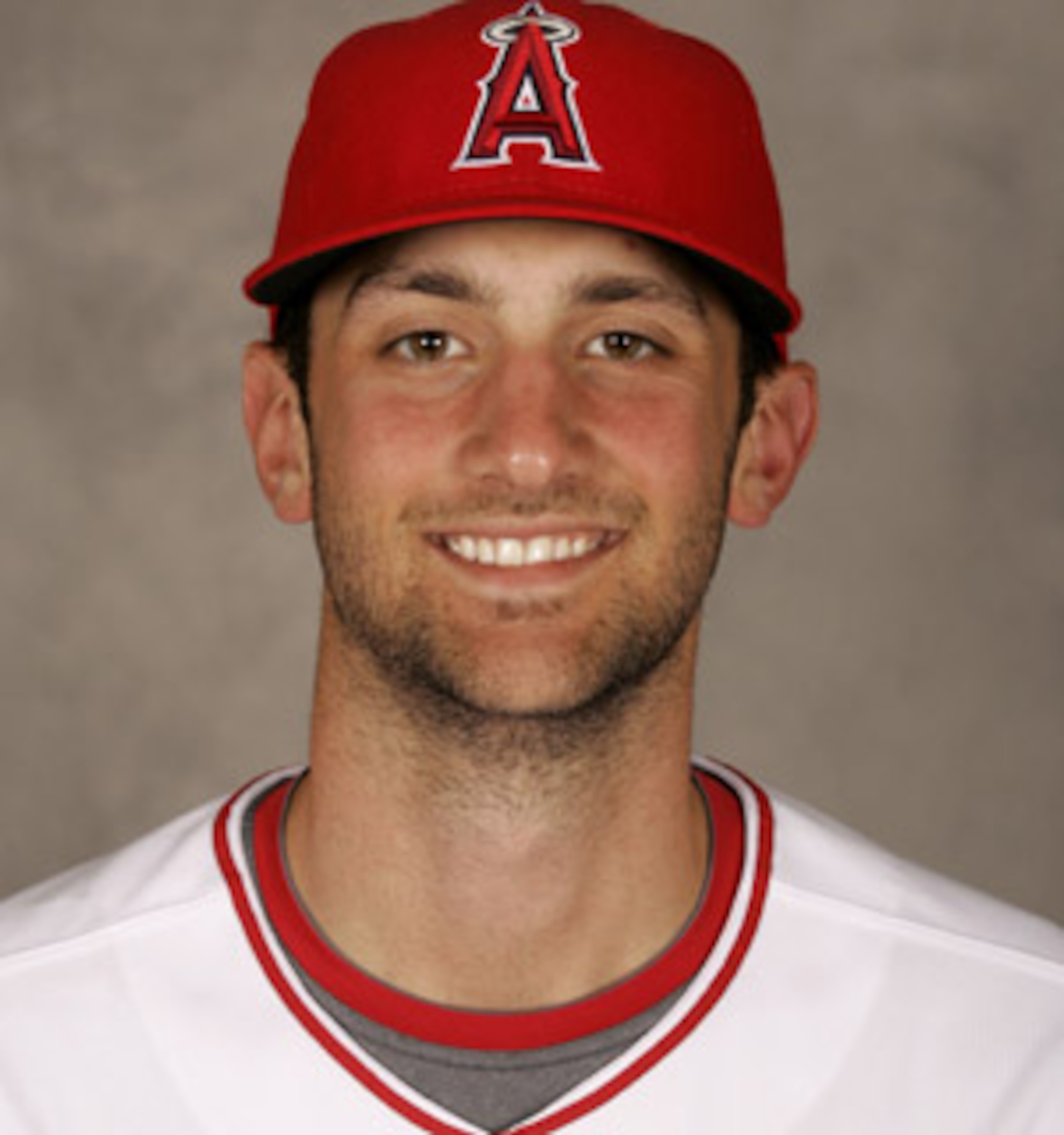
On April 8, 2009, 22-year-old Nick Adenhart made his season debut with the Los Angeles Angels of Anaheim, pitching six shutout innings, allowing seven hits and three walks while striking out five. Only his fourth major league start, it would be his last, as later that night, Adenhart would be killed by a drunk driver.
Davey Allison, NASCAR (1961-1993)
2 of 50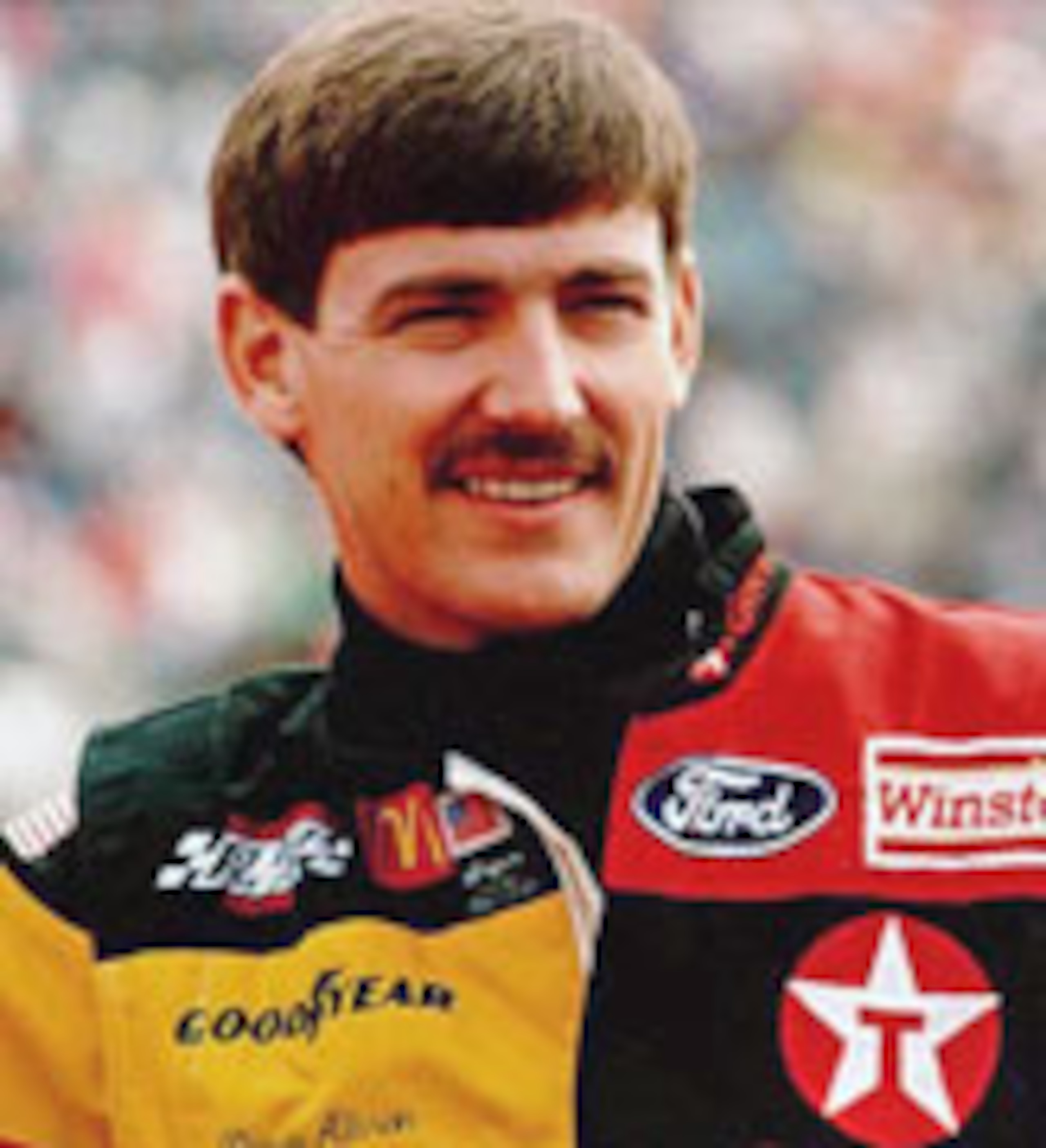
NASCAR driver Davey Allison died in 1993 after a helicopter he was piloting crashed while trying to land at Talledega Superspeedway. Allison was coming off his best season in 1992.
Andre the Giant, Wrestler (1947-1993)
3 of 50
Andre the Giant may have been one of the most ironic of professional athletes, a true gentle giant whose in-the-ring demeanor belied his gentle nature.
The disease that gave Andre the Giant his celebrity, the appropriately named "gigantism", was eventually what led to his death, at the age of 46, from congestive heart failure.
.jpg?w=2560 "Eagles Bears Football")
Chris Benoit, Wrestler (1967-2007)
4 of 50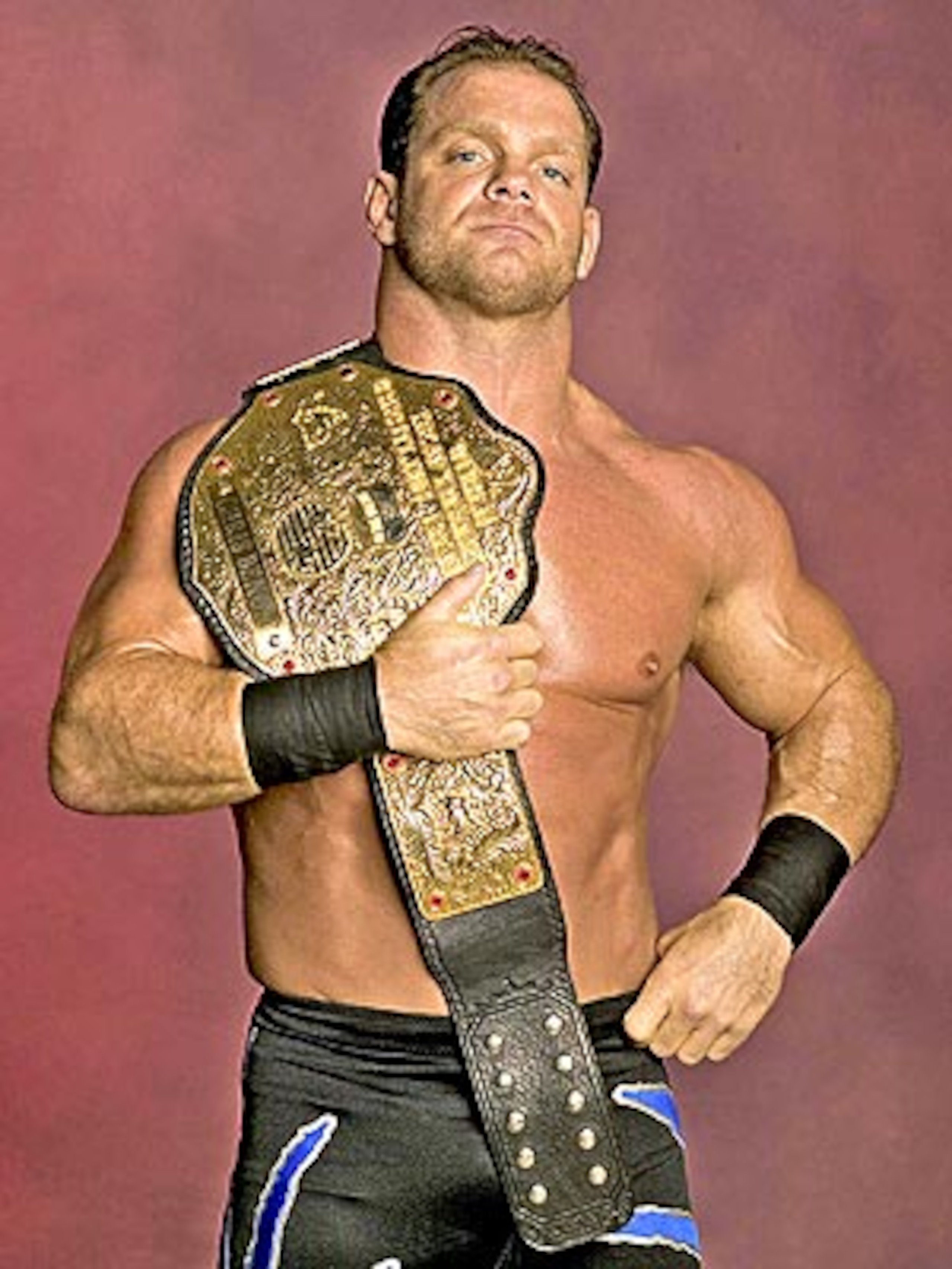
We need not re-live the horrific details of Chris Benoit's death except to say that it was a tragedy. He was clearly a troubled soul who felt he had no where to turn and whose brutal acts were more than likely the result of substances that he put into his body to remain competitive in an increasingly competitive wrestling world.
David Berger, Israeli Wrestler (1944-1972)
5 of 50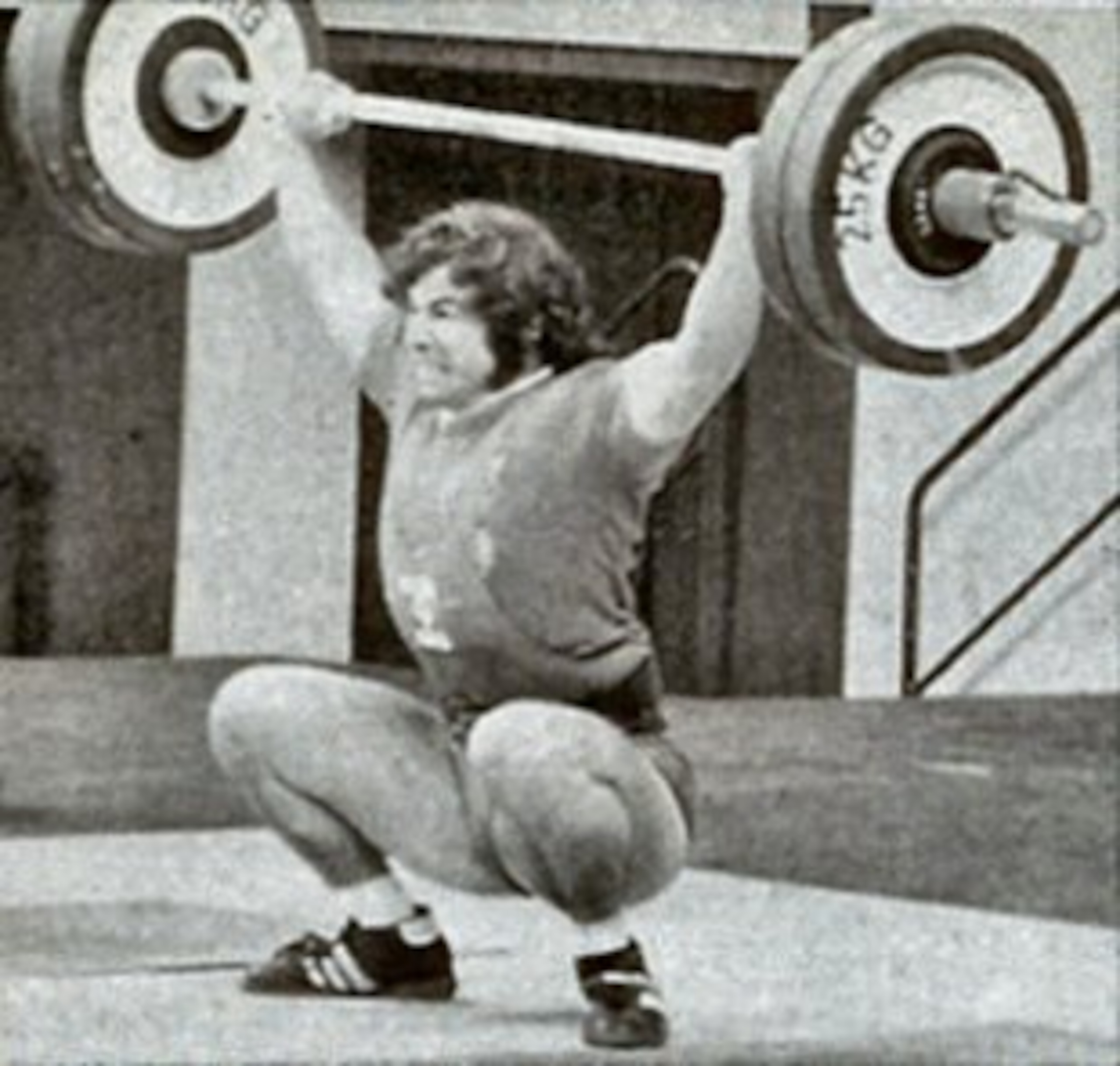
A native of Cleveland and a graduate of Columbia law school, David Berger was a weightlifter for the Israeli Olympic National team in the 1972 Munich Olympic in Germany. On September 2, 1972, he competed but was eliminated in an early round of competition.
Three days later, he was taken hostage, along with 10 other coaches and teammates, by Palestinian terrorists and murdered in what has come to be described as the Munich Massacre.
Len Bias, Boston Celtics (1963-1986)
6 of 50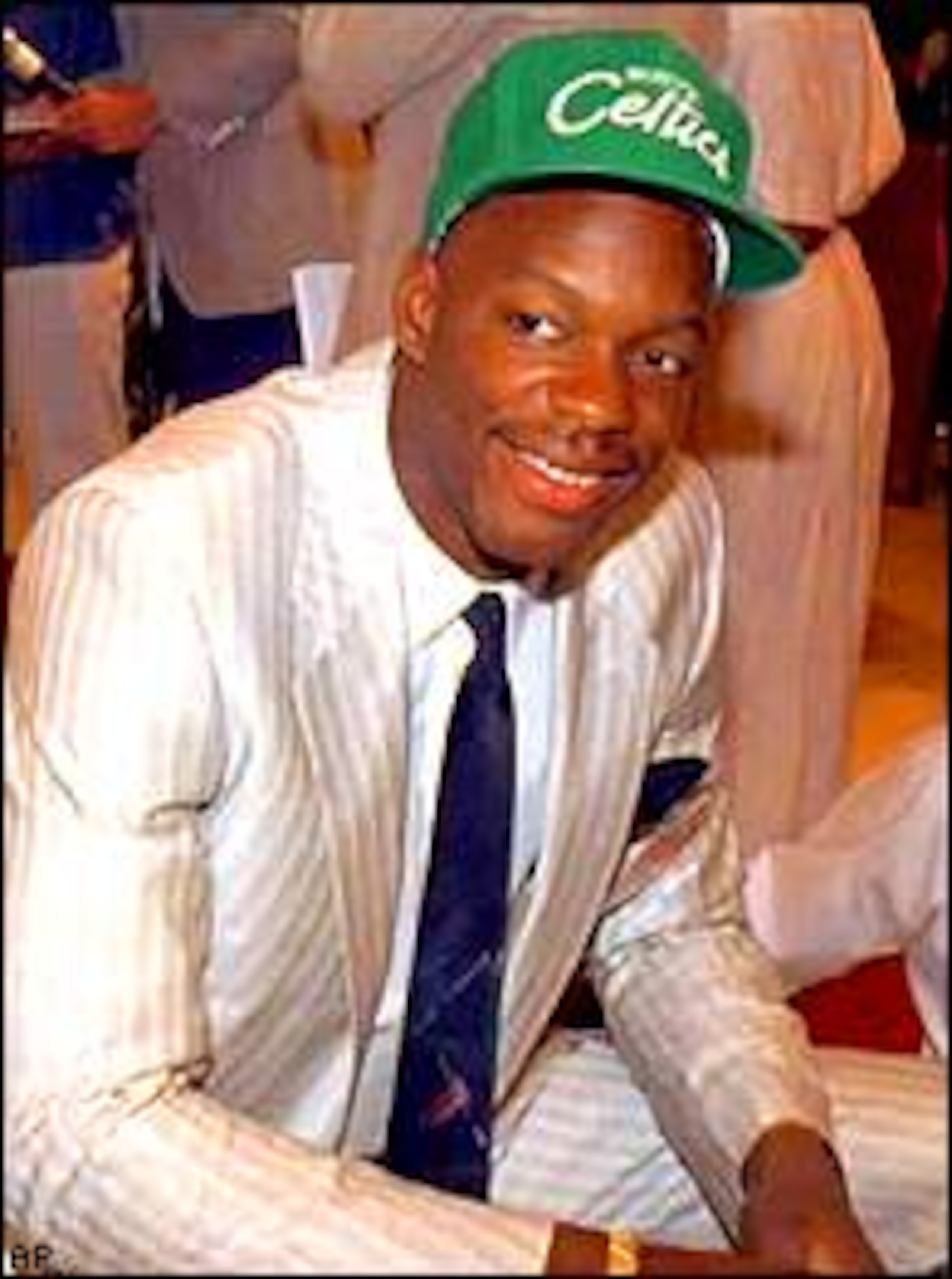
On June 17, 1986, Len Bias was selected by the Boston Celtics with the second overall pick in the 1986 NBA Draft. Bias was set to join one of the most prolific NBA teams of all time, the Bird-McHale-Parrish Celtics of the 1980s.
Two days later, on the morning of June 19, 1986, Bias was found unconcious and not breathing in his dorm room at the University of Maryland. A sad symbol of the excesses of the 1980s, Bias used cocaine the night before, which likely triggered the cardiac arrhythmia that ultimately killed him.
Lyman Bostock, California Angels (1950-1978)
7 of 50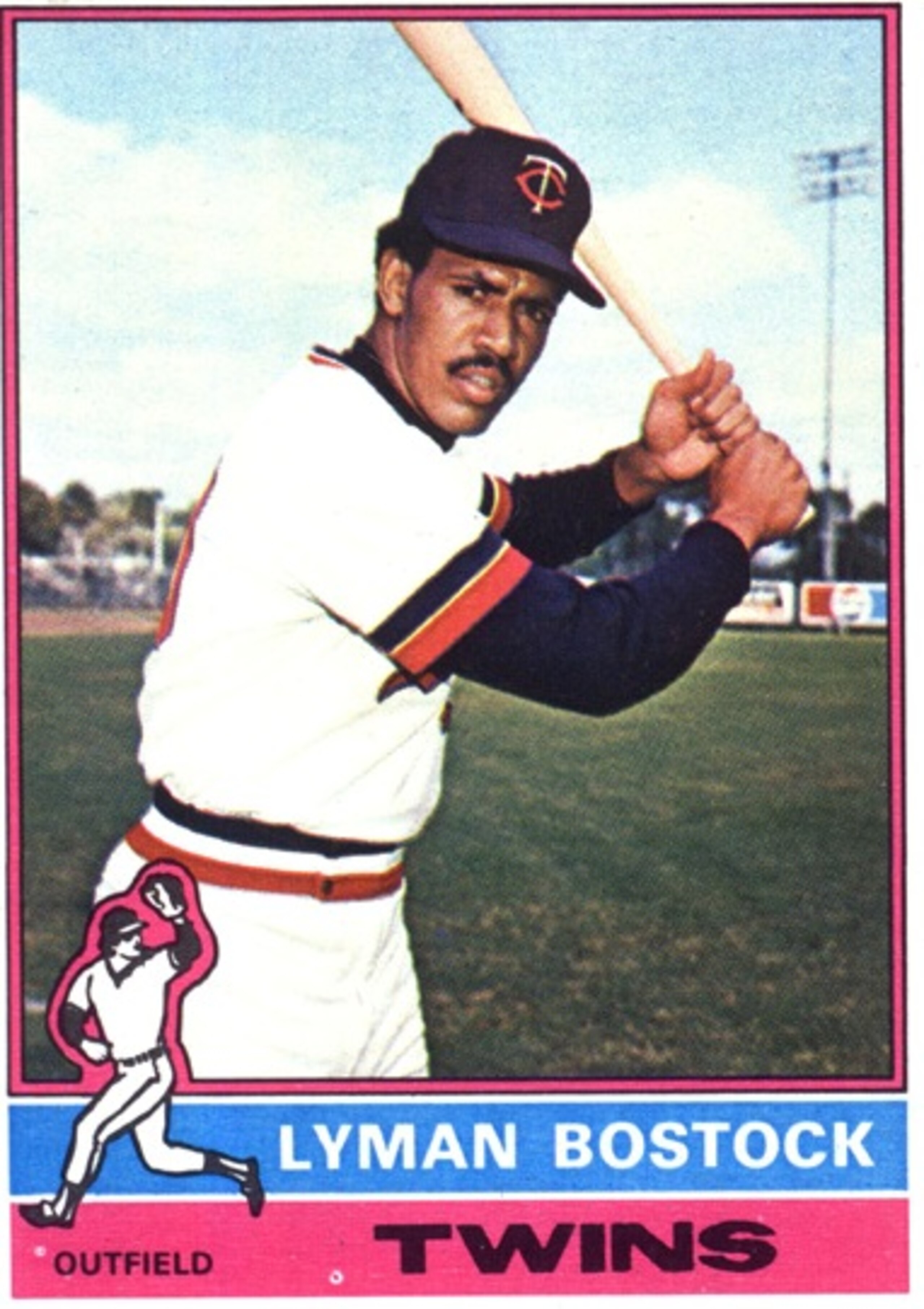
Lyman Bostock was taken in the 26th round of the 1972 draft. Nevertheless, he managed to make it to the majors with the Minnesota Twins in 1975 as a 24-year-old, and became a full timer the following season. Bostock had a career .311 batting average in four major league seasons.
On September 23, 1978, Bostock went 2-for-4 with a walk and a run in a 5-4 loss to the Chicago White Sox. Later that night, he was in the backseat of a friend's car sitting next to a woman whom he'd only met 20 minutes earlier when friends of the woman's ex-husband pulled up next to the car and fired a shotgun into the backseat, killing Bostock but leaving the woman unharmed.
Jerome Brown, Philadelphia Eagles (1965-1992)
8 of 50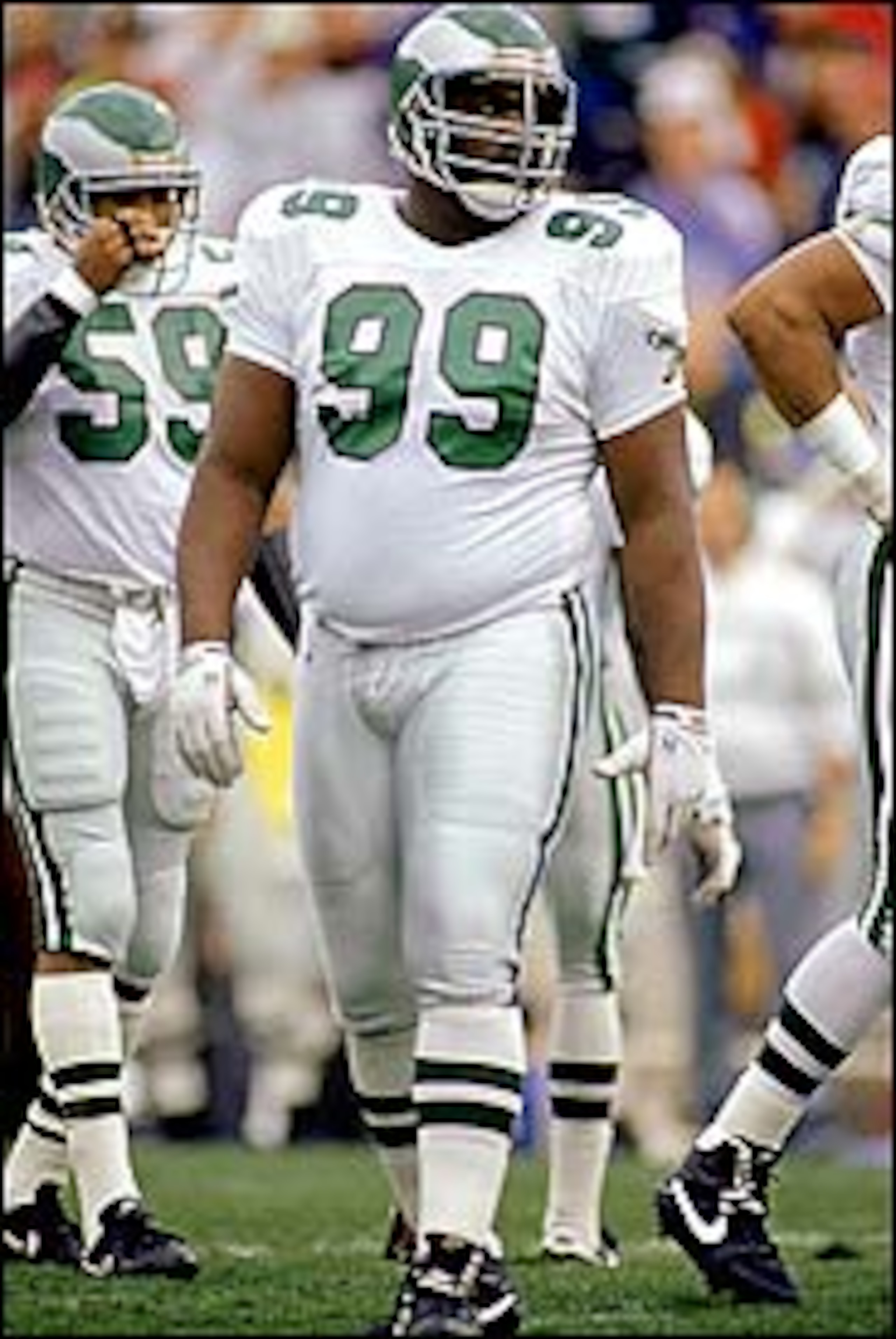
On June 25, 1992, Jerome Brown--coming off of back-to-back All-Pro seasons as part of the dominant Philadelphia Eagles defense of the early 1990s--was killed in a car accident in Florida at the age of 27.
Ken Caminiti, Major League Baseball (1963-2004)
9 of 50
Ken Caminiti went from a light-hitting defensive dynamo with the Houston Astros to a dominant offensive force with the San Diego Padres and he won the 1996 NL MVP for his efforts.
Years later, in 2002, Caminiti would admit that he was using steroids when he won the MVP award. Just two years later, Caminiti suffered a heart attack and died in New York. An autopsy later revealed that he had cocaine and opiates in his system when he died.
Ray Chapman, Cleveland Indians (1891-1920)
10 of 50
The only Major League Baseball player to be killed by a pitched ball, Ray Chapman died 12 hours after being struck by a pitch by Carl Mays. The sound of the ball crushing Chapman's skull was so loud that Mays assumed the ball had been hit, fielded and threw it to first before anyone realized something was wrong.
Chapman's death is the reason behind the elimination of the spitball and the rule requiring umpires to replace the ball if it becomes dirty.
Roberto Clemente, Pittsburgh Pirates (1934-1972)
11 of 50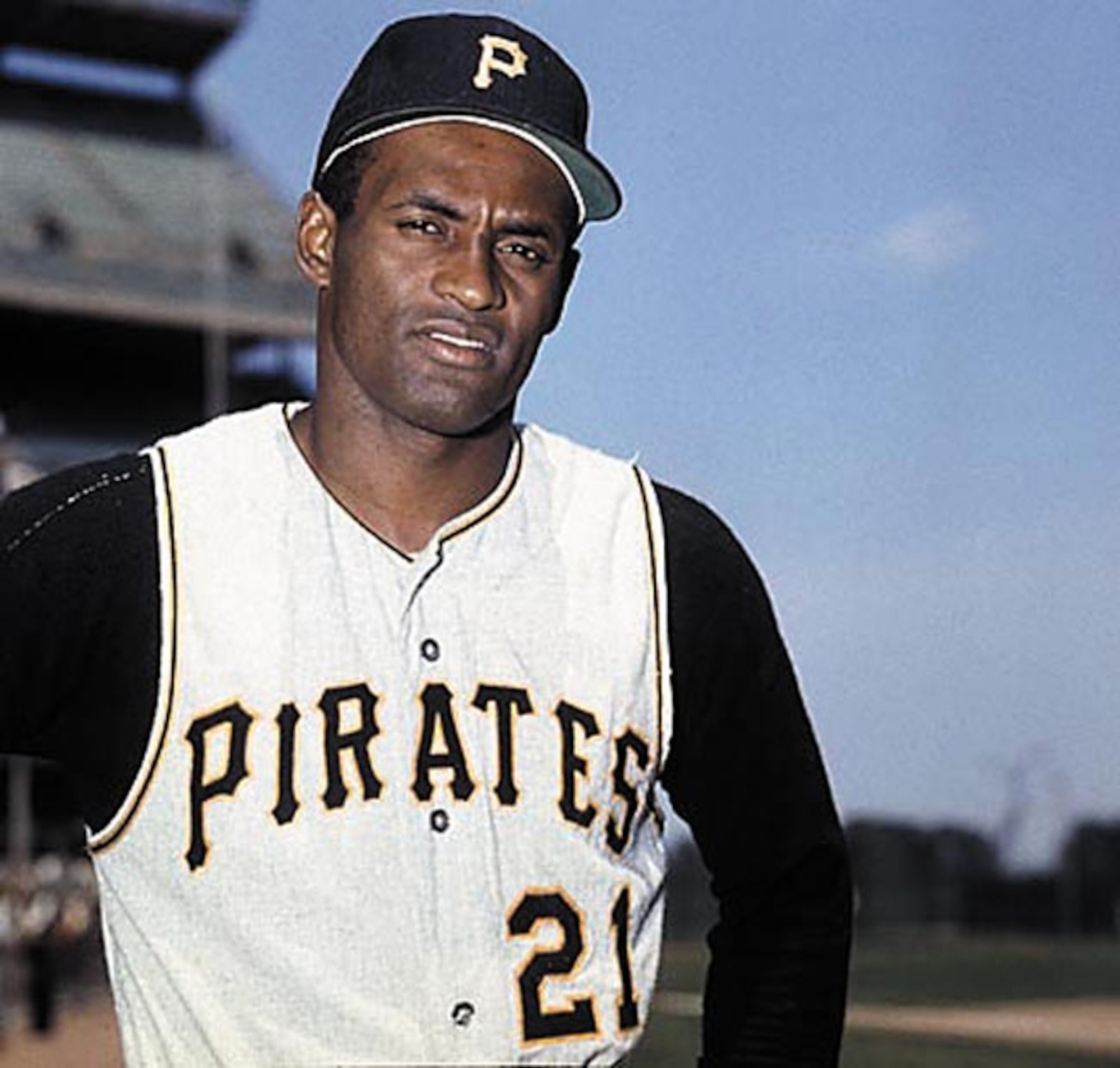
Roberto Clemente's death is the most celebrated and honored athlete death in history. Responding to an earthquake in Nicaragua, Clemente chartered a plane overloaded with relief supplies, only to crash to his death on New Year's Eve, 1972.
Clemente's death gives us one of sport's most beautiful statistics: Clemente finished his career with exactly 3,000 hits, having reached the milestone in his final at-bat of the season and, as it would turn out, his career.
Jason Collier (1977-2005)
12 of 50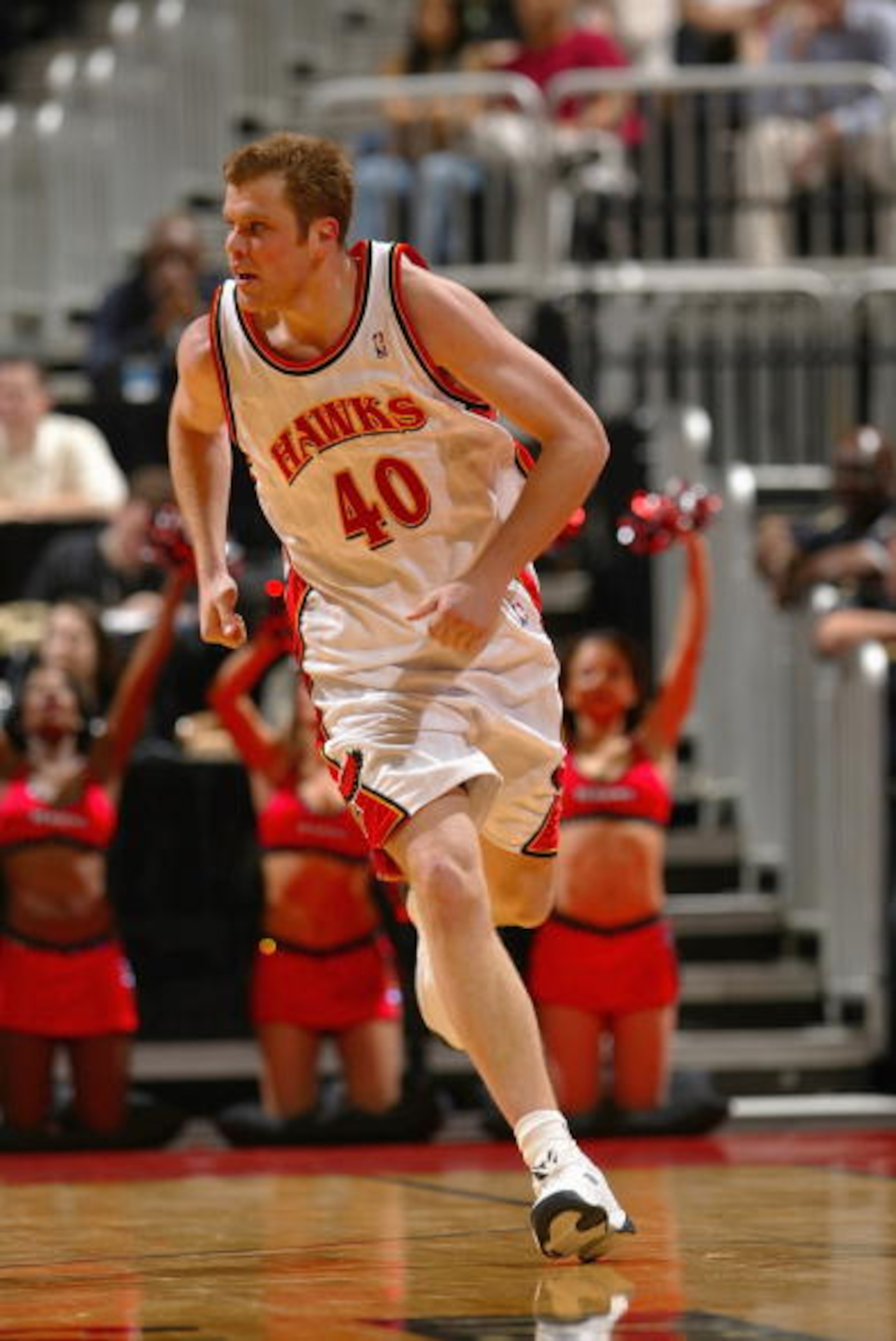
A big seven-footer, Jason Collier had a heart that was too big for his own chest. After his death in 2005 from hypertrophic cardiomyopathy, Georgia's chief medical examiner confirmed that Collier's heart was at least one-and-a-half times the size of a regular heart and was too big even for a man of Collier's size.
Mike Coolbaugh, Minor League Coach (1972-2007)
13 of 50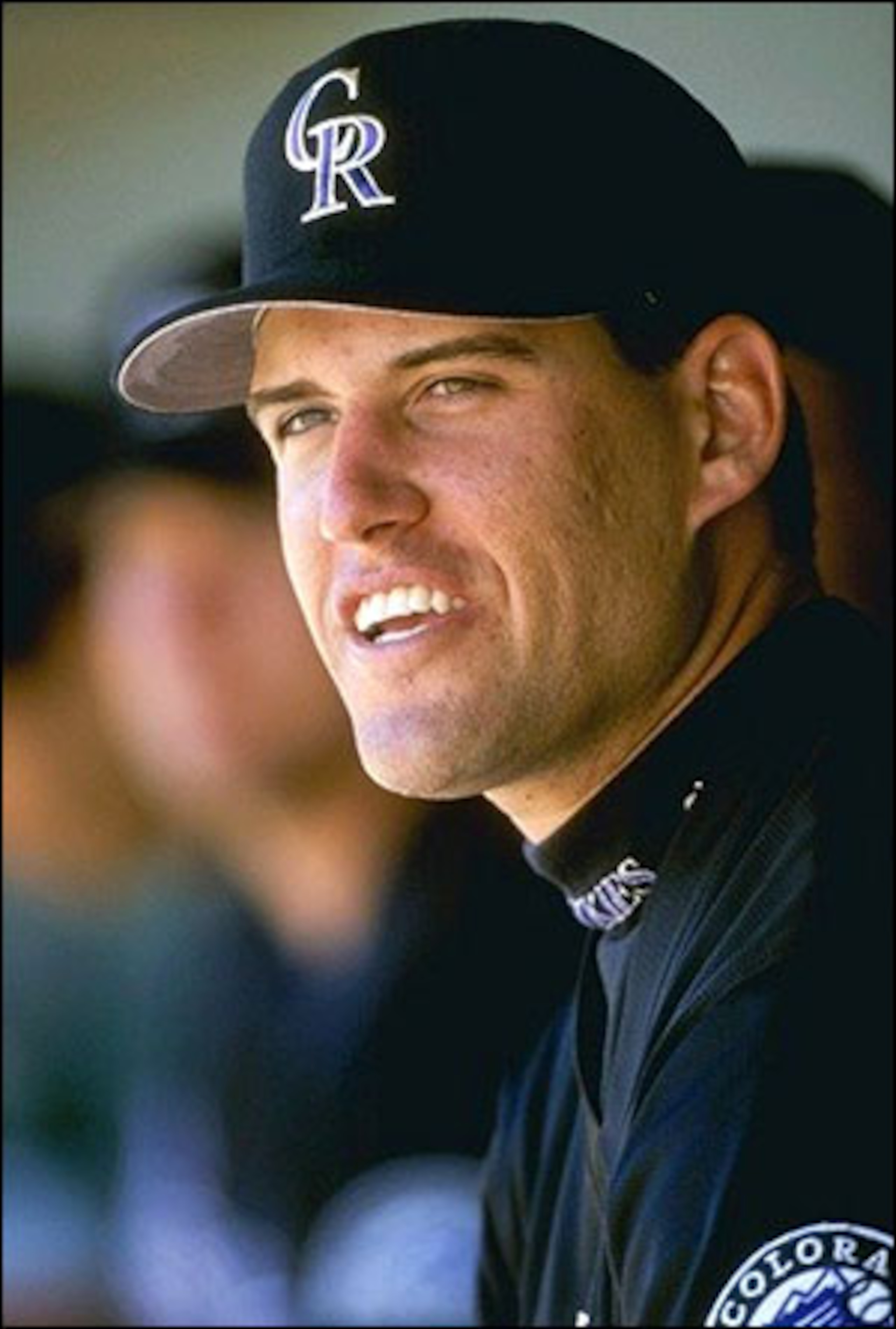
Tragedy struck the ball field on July 22, 2007, when Mike Coolbaugh was struck in the neck by a foul ball.
The ball crushed his vertebral artery, which probably killed him instantly.
The way this accident happened very nearly makes it feel like a miracle that it does not happen more often.
Tim Crews, Cleveland Indians (1961-1993)
14 of 50
Signed by the Cleveland Indians in the offseason before the 1993 season, Tim Crews never got to play a game for the Indians. He died, along with Steve Olin, in a late night boat crash in Florida.
Ernie Davis, Syracuse University (1939-1963)
15 of 50
A college football Hall of Famer and two-time All-American, Ernie Davis was a dynamic halfback at Syracuse and the first black player to win the Heisman Trophy.
He was drafted by the Washington Redskins and then traded to the Cleveland Browns but never played in a single NFL game before being diagnosed with leukemia. He died in May 1963. Brown was eulogized in both the House of Representatives and the Senate, and a message from President John F. Kennedy was read at his funeral.
David Duerson, Chicago Bears (1960-2011)
16 of 50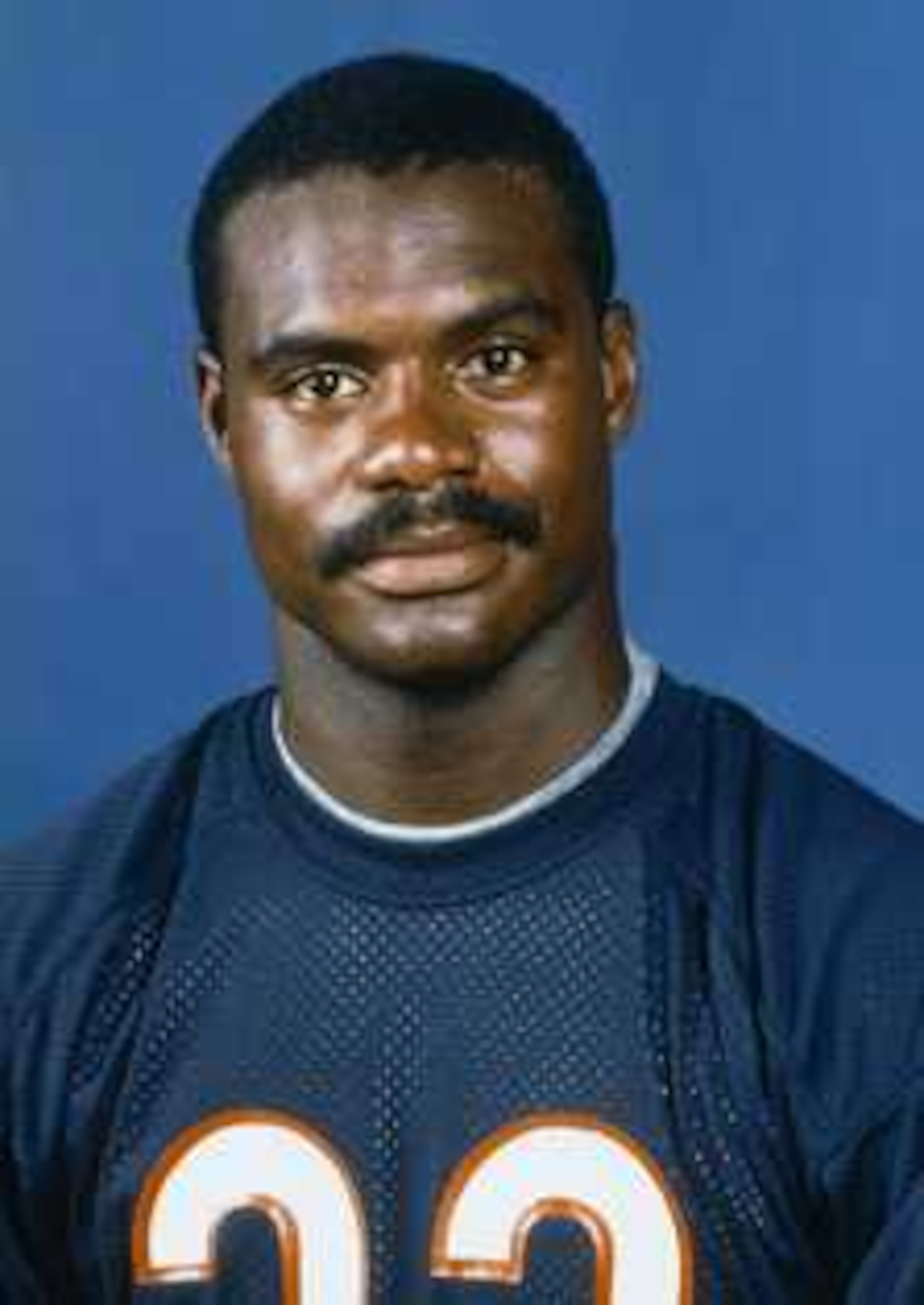
Duerson was a four-time Pro Bowler and won two championships, one with the Bears in 1985 and one with the Giants in 1990.
In 2011, Duerson took his own life by way of a self-inflicted shotgun wound to the chest. Obviously haunted by the demons of head trauma, Duerson sent a text message before he killed himself requesting that his brain be donated to the Boston College School of Medicine, which is conducting research into chronic traumatic encephalopathy.
Dale Earnhardt Sr., NASCAR (1951-2001)
17 of 50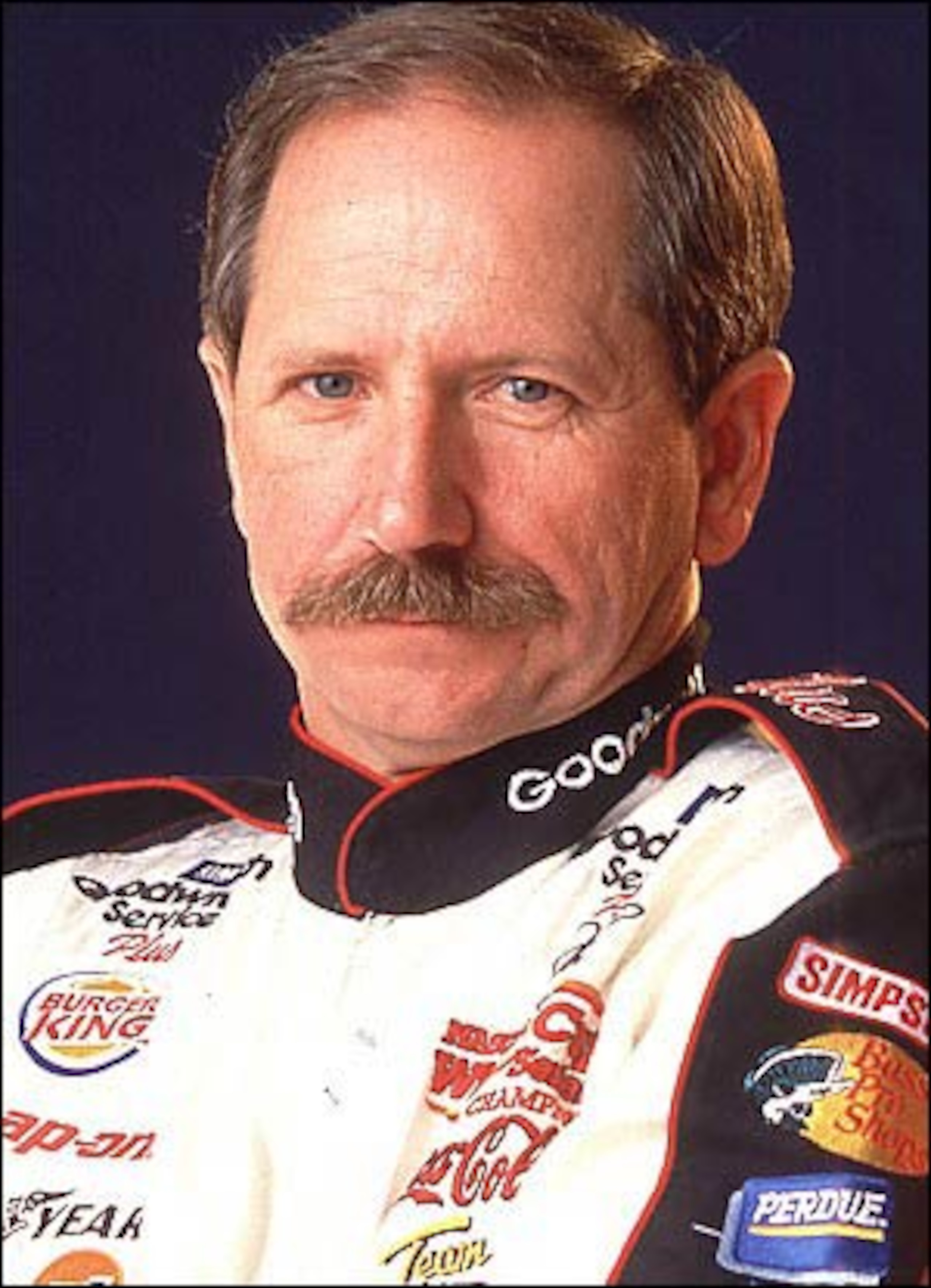
Dale Earnhardt, Sr., was one of the greatest NASCAR racers of all-time. Known as "the Intimidator," he died in a crash during the last lap of the 2001 Daytona 500.
Ze'ev Friedman, Israeli Weightlifter (1944-1972)
18 of 50
One of the Israeli athletes killed by terrorists in the Munich Massacre.
Hank Gathers, Loyola Marymount (1967-1990)
19 of 50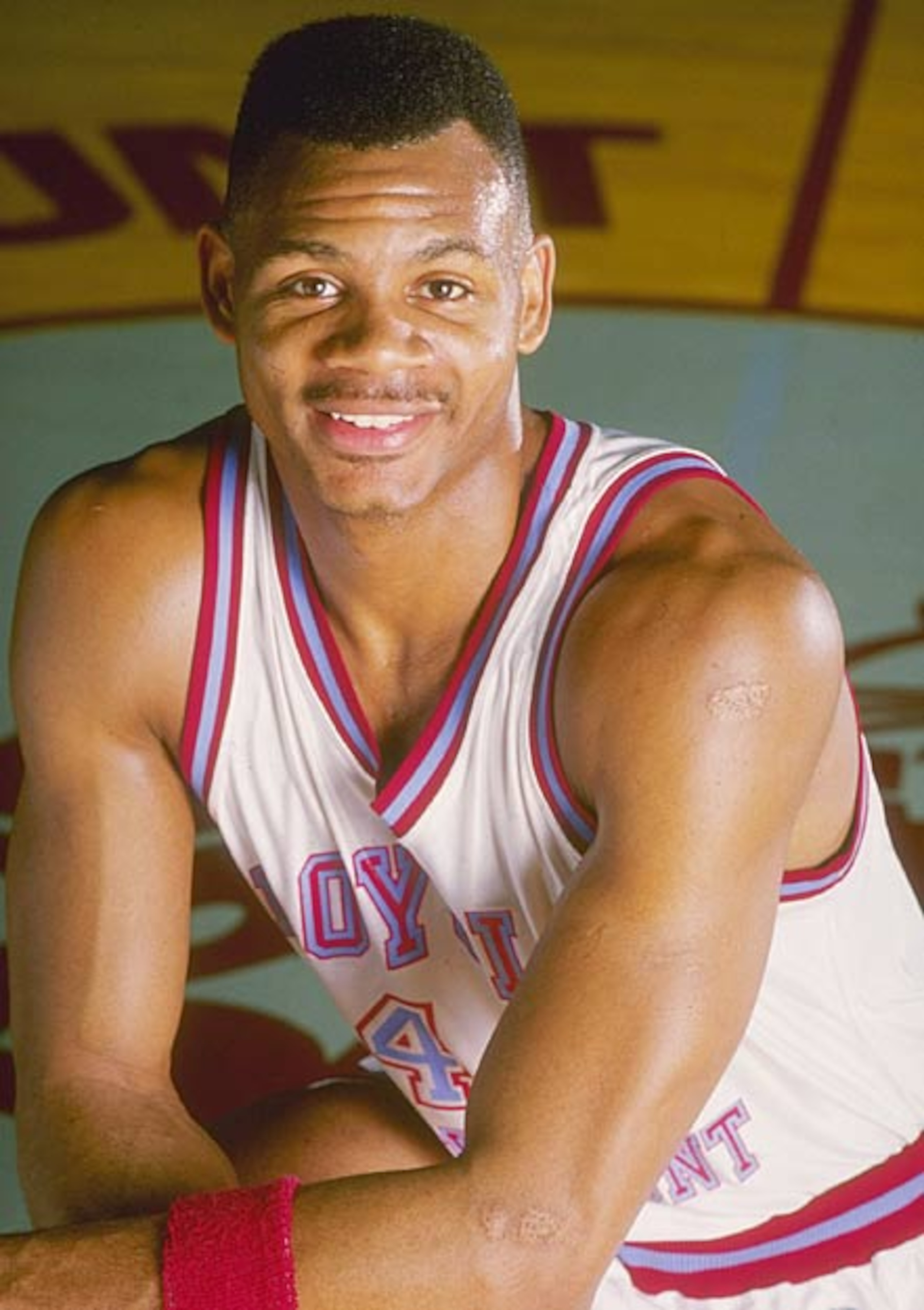
A high-scoring college basketball dynamo at Loyola Marymount, Hank Gathers was discovered to have an irregular heartbeat and given medication. However, after the drugs impacted his ability to play ball, he slowly reduced his dosage and, it is suspected, stopped taking it altogether on game days.
In March of 1990, Gathers collapsed during a game against Portland and never regained consciousness.
Lou Gehrig, New York Yankees (1903-1941)
20 of 50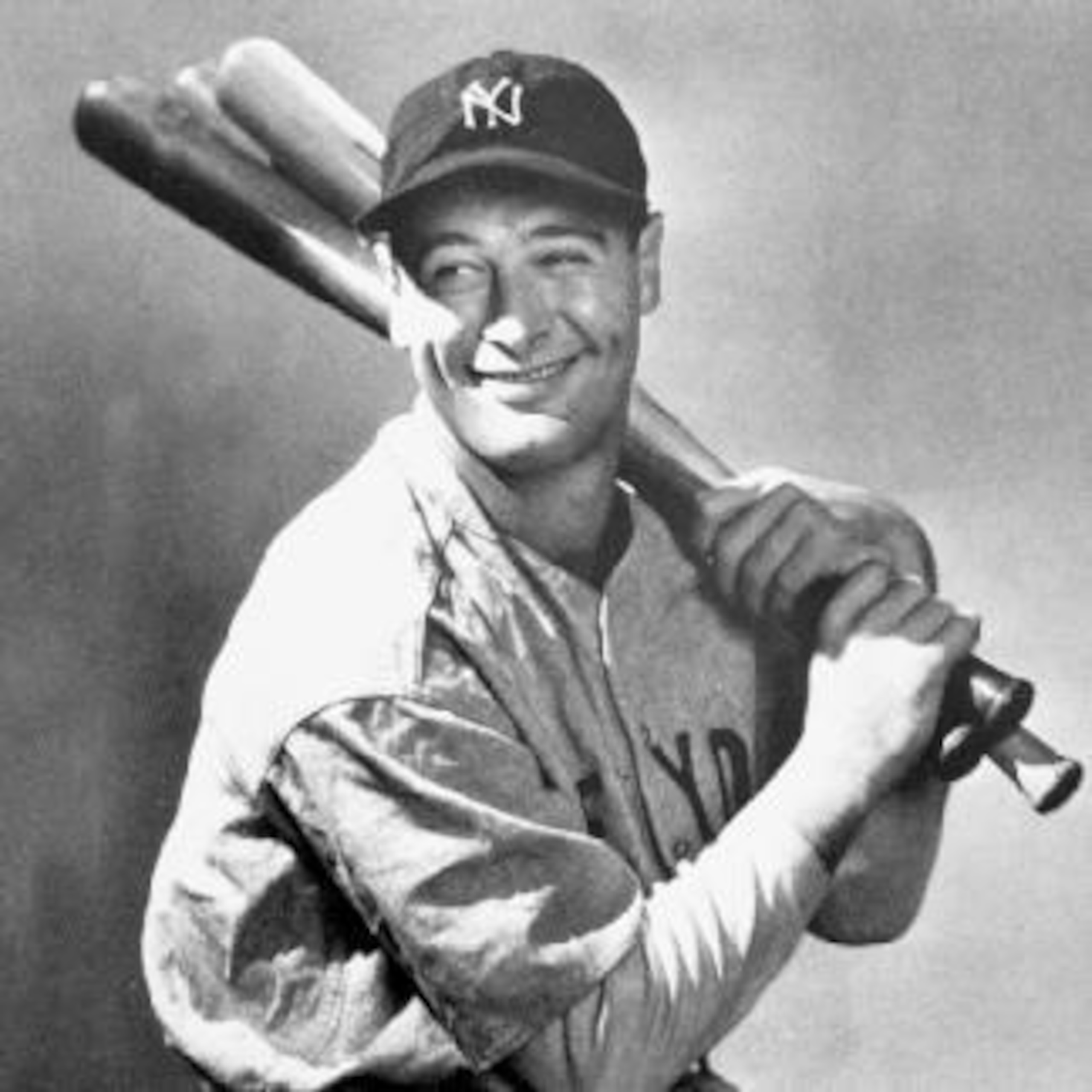
One of the most tremendous hitters of all-time, Lou Gehrig would have set all the records if he had not been taken so young.
The tragedy of Gehrig's demise was that the disease that afflicted him, and that now bears his name, robbed him of the very powers that made him tremendous. Watching Lou Gehrig's decline as the ALS destroyed his body was nothing less than watching Superman wilt under the rays of kryptonite.
Eliezer Halfin, Israeli Wrestler (1948-1972)
21 of 50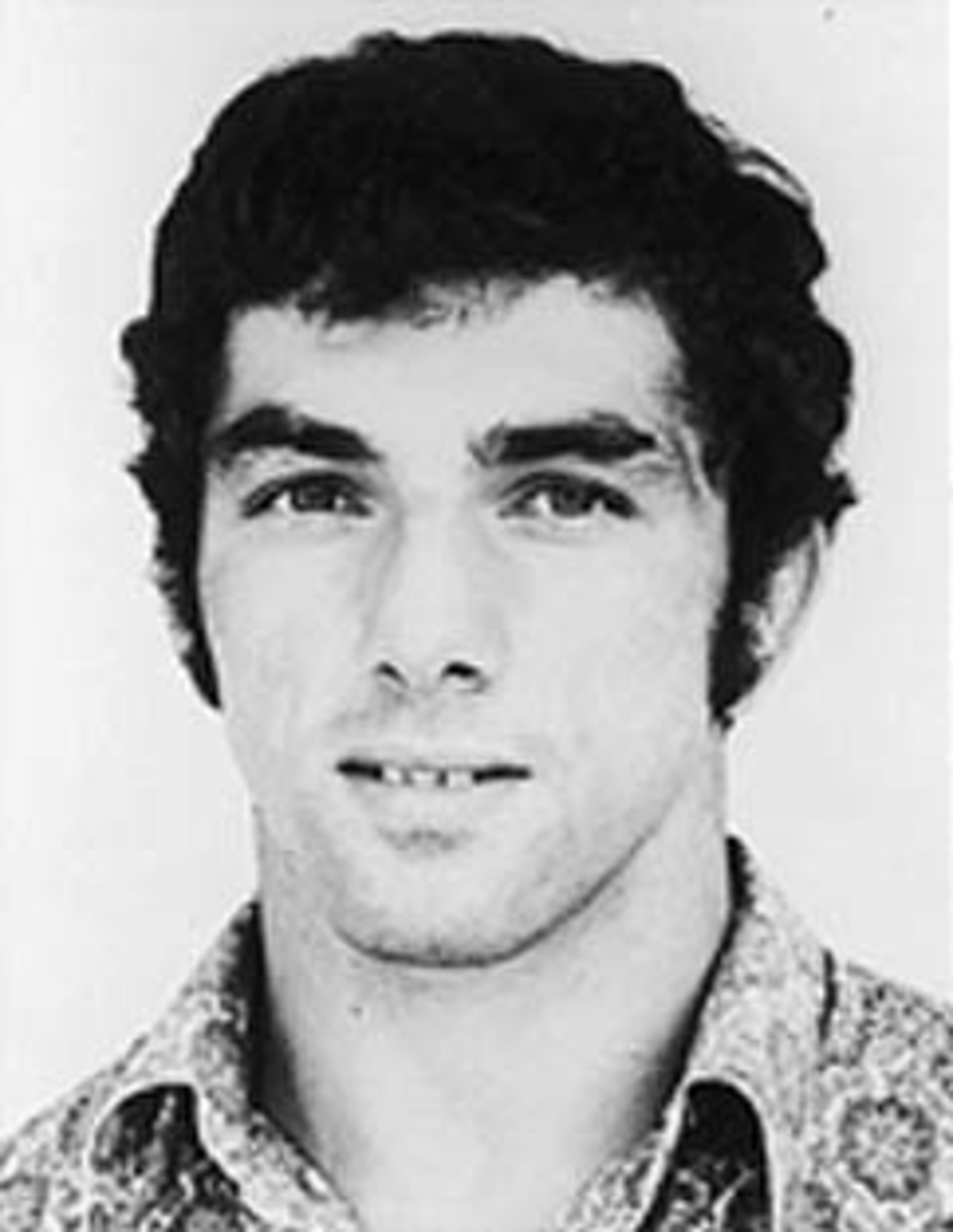
A wrestler in competition, Eliezer Halfrin was a mechanic by trade who was born in Russia and had become an Israeli citizen just seven months before the 1972 Olympics in Munich.
Chris Henry, Cincinnati Bengals (1983-2009)
22 of 50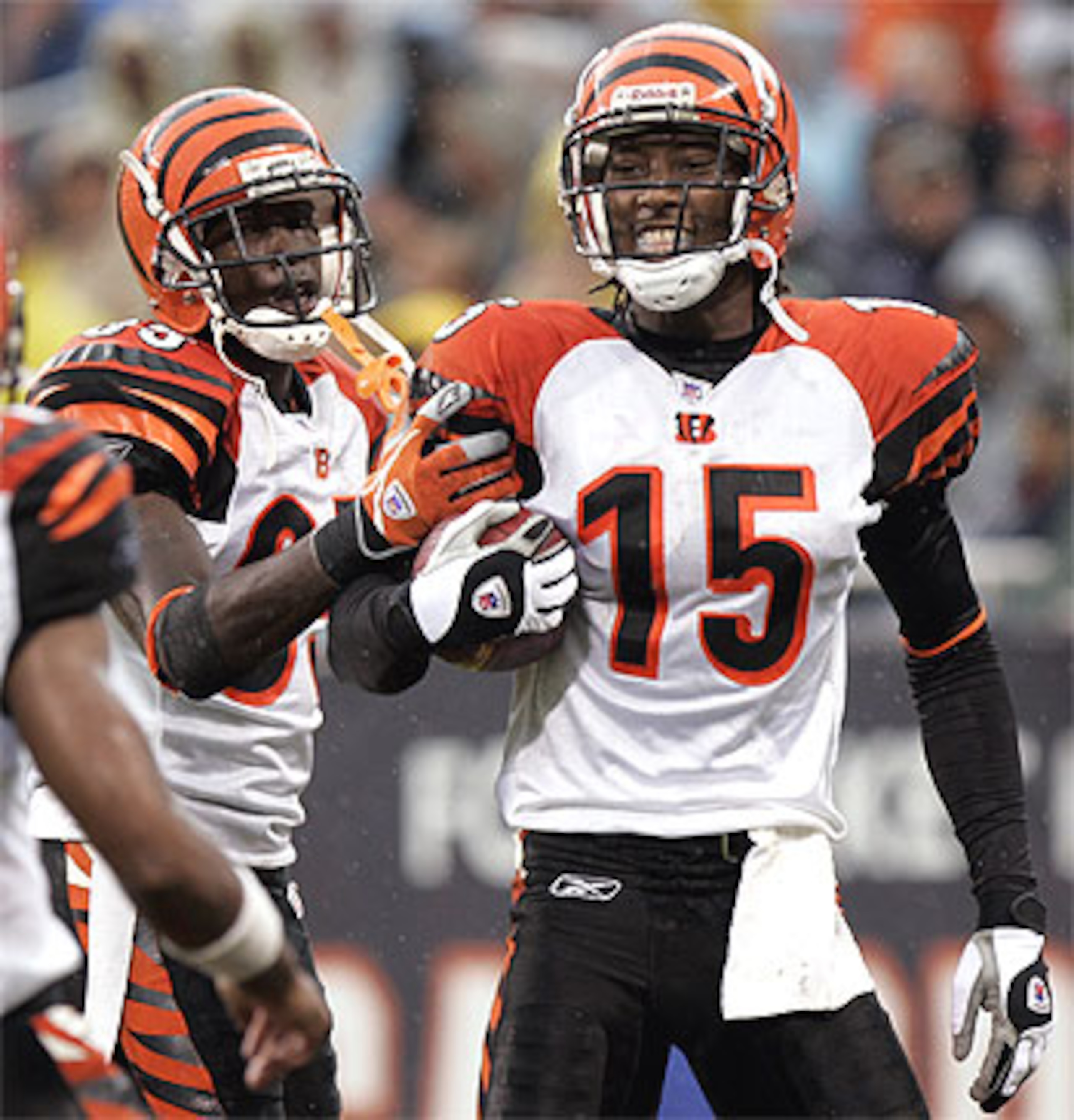
Chris Henry was a young and, at times, exciting young wide receiver when he died of blunt force trauma to the head after falling out of the back of a pickup truck being driven by his fiancee after a domestic dispute.
It was later revealed that he had developed chronic traumatic encephalopathy, a disease often associated with concussions. The presence of the disease in Henry, who had never sustained a concussion, raised questions about whether the disease could develop simply as a result of the ordinary wear-and-tear of the game.
Dick Howser, Kansas City Royals (1936-1987)
23 of 50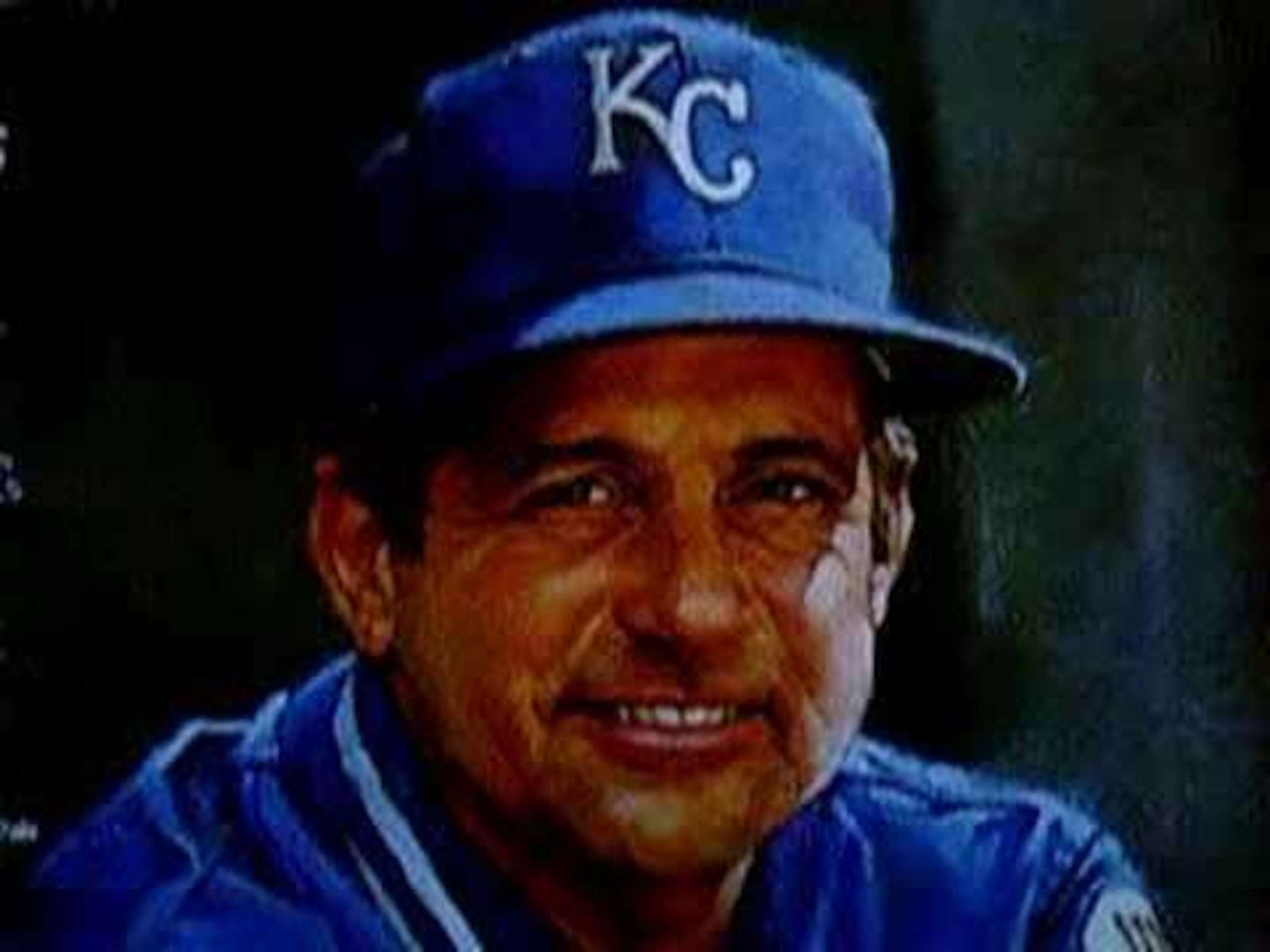
A rare Yankees manager who refused to take George Steinbrenner's abuse in the 1970s. Howser refused to order Reggie Jackson to shave, refused to fire coaches and generally refused to listen to George in general.
After being fired by Steinbrenner, Howser went over to the Kansas City Royals, whom he took to consecutive division titles and their own World Series title in 1985.
Howser was managing the AL All-Star team in 1986 when he felt sick throughout the day, and then, broadcasters began noticing that he was mixing up signals when changing pitchers throughout the day.
Howser was later diagnosed with a brain tumor, and he died in 1987.
Addie Joss, Cleveland Naps (1880-1911)
24 of 50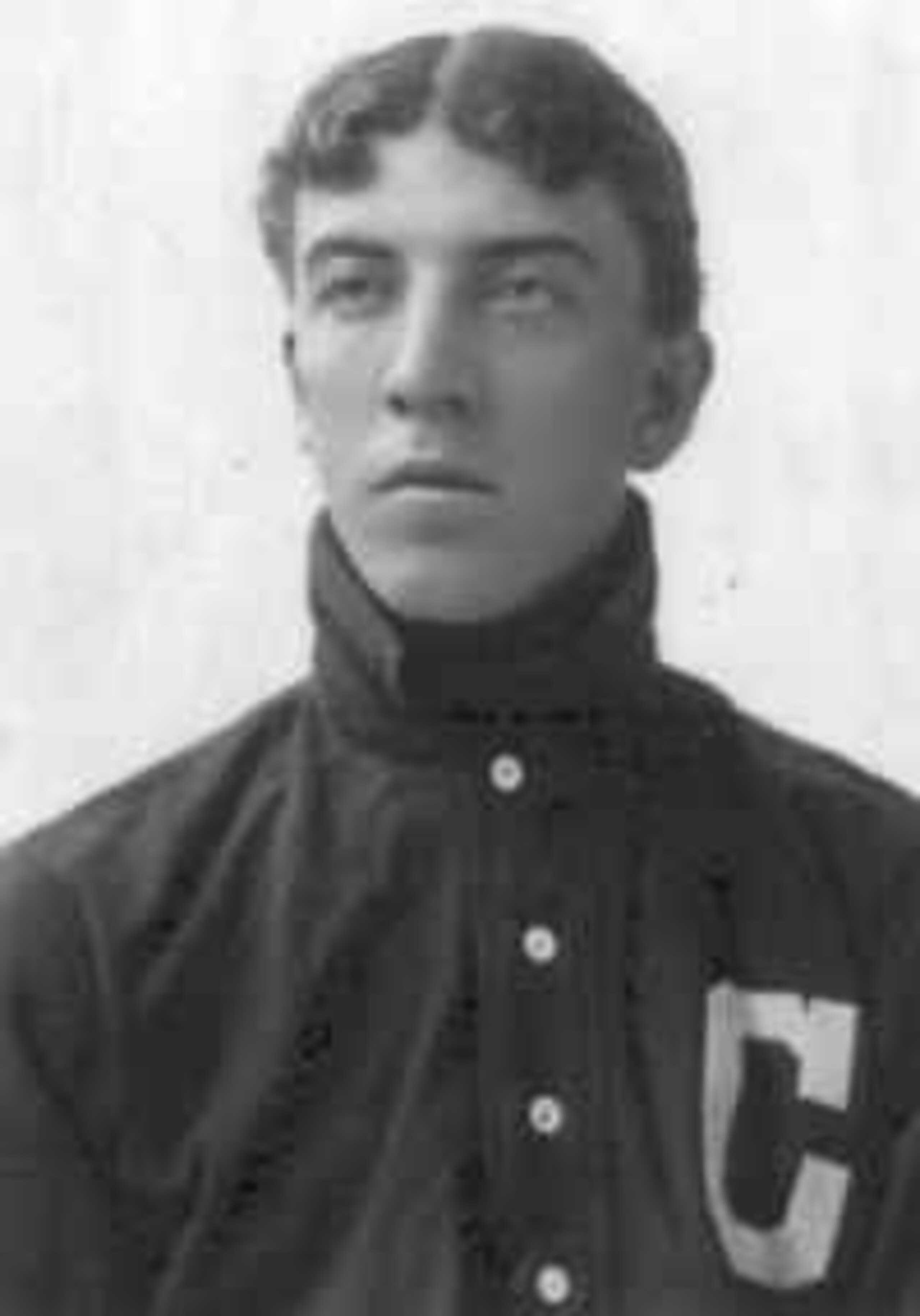
One of the great underrated pitchers of all-time, Addie Joss died at the age of 31 from, of all things, tubercular meningitis. His career is very similar to Sandy Koufax's.
Darryl Kile, St. Louis Cardinals (1968-2002)
25 of 50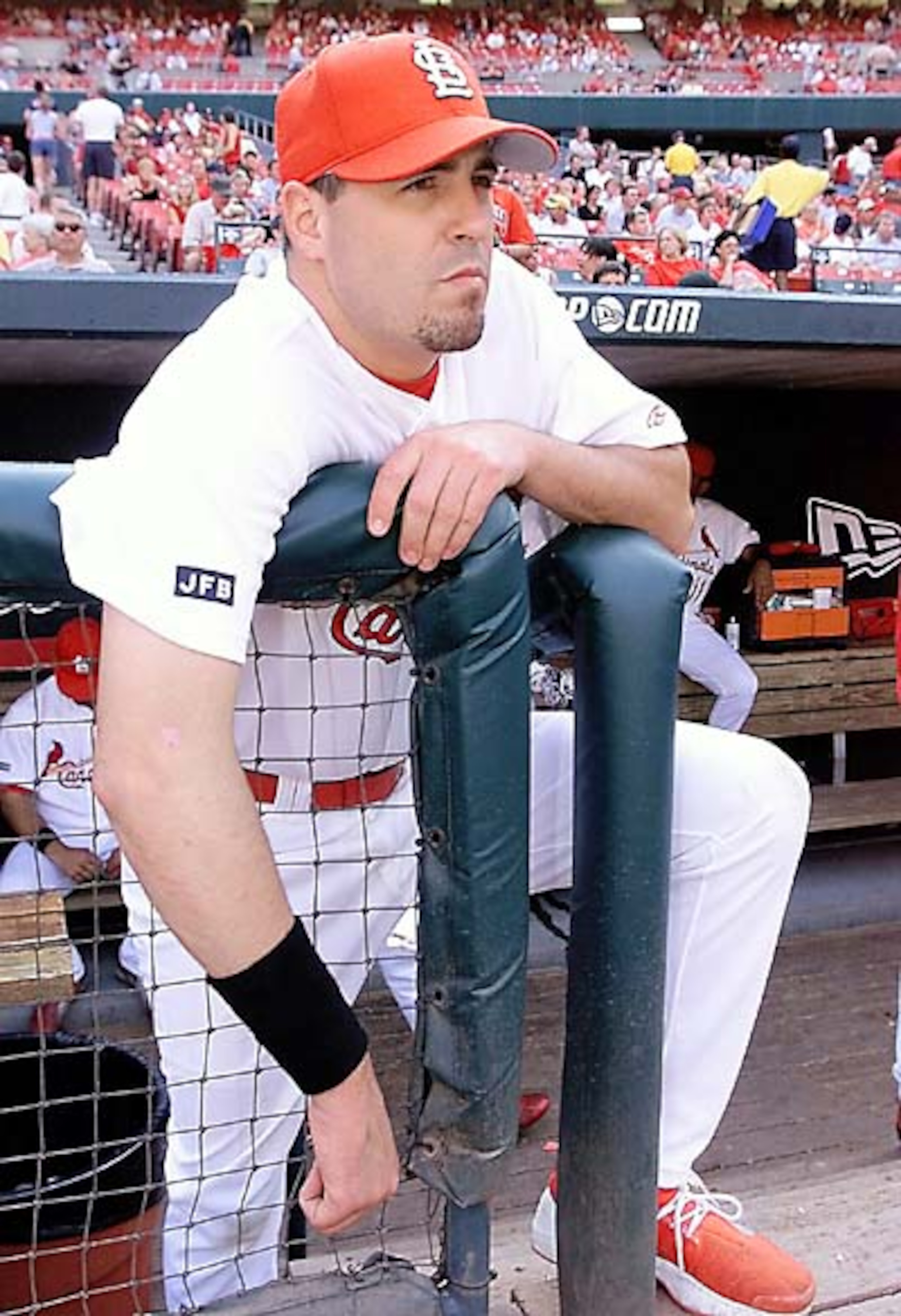
On June 22, 2002, Chicago Cubs catcher Joe Girardi emerged from the dugout to face a crowd already puzzled by a delay of over an hour in the start of a game between the Cubs and the St. Louis Cardinals at Wrigley Field. Girardi had emerged as the designated player representative to inform the crowd that the day's game was being cancelled. As the crowd began to boo, Girardi's voice cracked as he pleaded with them to "Please be respectful. Please be respectful."
At that moment, the crowd at Wrigley and the fans watching at home knew something must be very wrong. And it was. During pregame warm-ups, Cardinals staff had noted Kile's absence. When his hotel room was checked, he was found in bed, dead of a heart attack at the age of 33.
Reggie Lewis, Boston Celtics (1965-1993)
26 of 50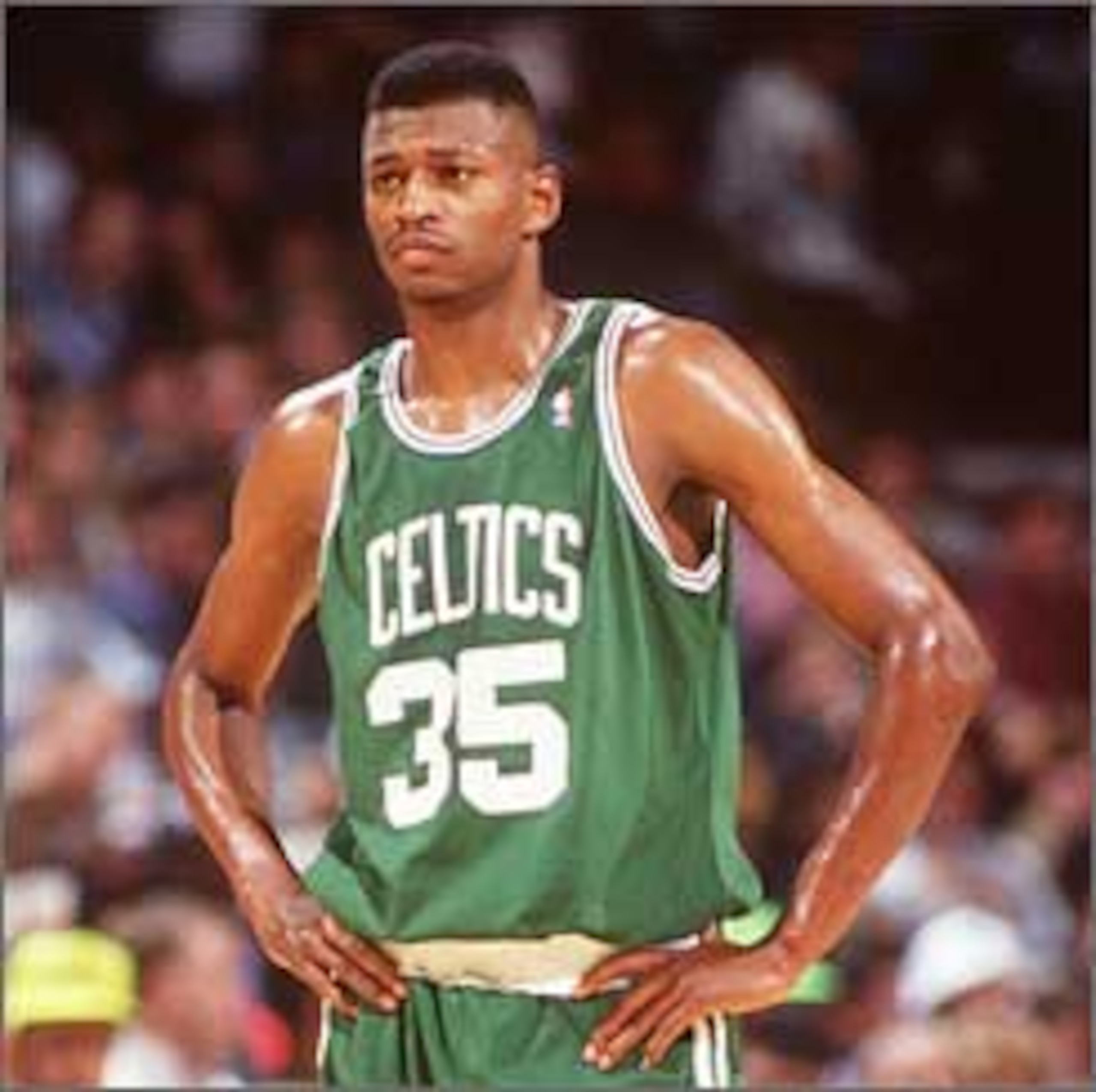
Reggie Lewis collapsed during a playoff game with the Charlotte Hornets in 1993, which raised questions about his health. Three months later, he collapsed during an offseason practice and could not be resuscitated. Autopsy reports revealed that he died of hypertrophic cardiomyopathy, which is a common cause of death in athletes.
Cory Lidle, New York Yankees (1972-2006)
27 of 50
Just four days after Cory Lidle and the New York Yankees were eliminated from the 2006 playoffs, Lidle and his flight instructor were killed when his Cirrus SR20 aircraft crashed into an apartment building in New York City.
Steve Olin (1965-1993)
28 of 50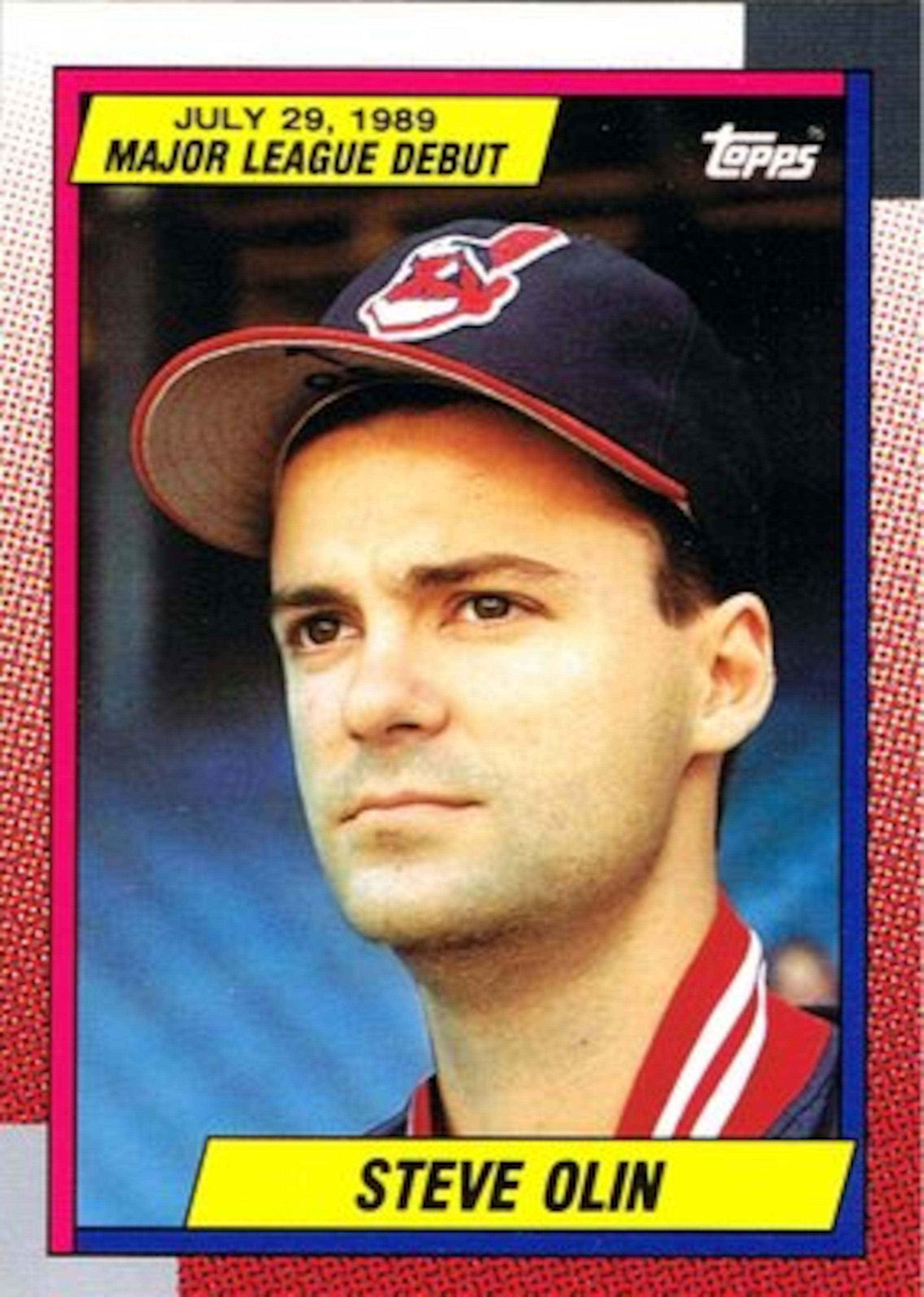
In the spring of 1993, Steve Olin was killed along with Tim Crews on a late night fishing trip in Florida.
1970 Marshall University Football Team
29 of 50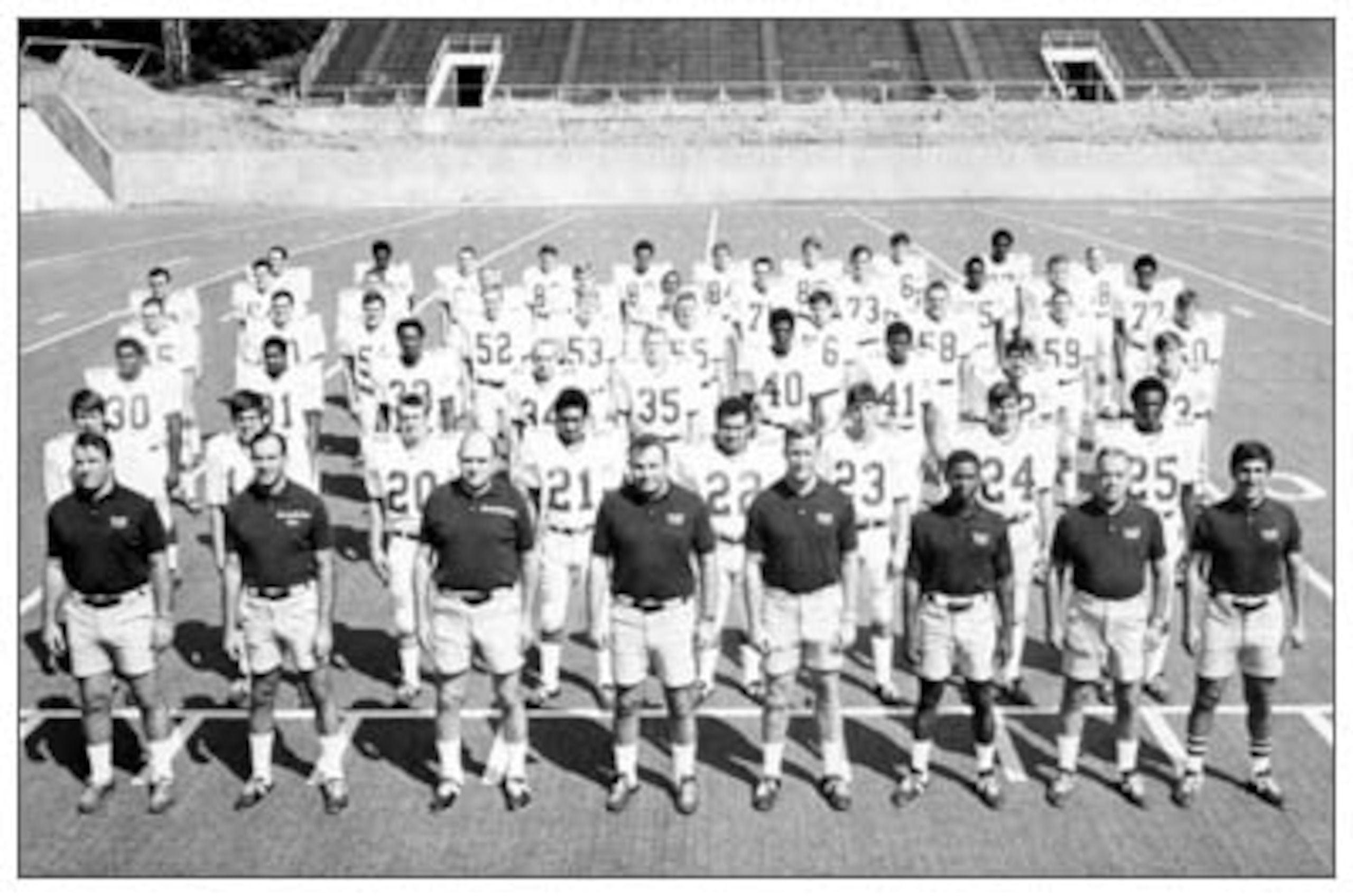
On November 14, 1970, an airplane crashed into a hill just short of the Tri-State Airport in Ceredo, West Virginia, killing all 75 people on board. Included amongst those 75 were 37 members of the Marshall University football team, eight members of the coaching staff, 25 boosters and four flight crew members.
Ironically, the team rarely travelled by plane and had even considered cancelling this flight.
Billy Martin, New York Yankees Manager (1928-1989)
30 of 50
Billy Martin was working as an assistant to George Steinbrenner and was getting ready to be brought back for another stint as Yankees manager (which would have been his sixth) when he died in a one-car accident on Christmas Day in 1989.
Donnie Moore, California Angels (1954-1989)
31 of 50
Before Bill Buckner blew the 1986 World Series against the Mets, Donnie Moore blew the 1986 ALCS against the Red Sox. The California Angels were up three games to one and down to the final strike against the Red Sox when Moore gave up a two-run home run to Dave Henderson which kept Game 5, and the series, alive.
The Red Sox would eventually go to the World Series, and it sent Moore's life into a downward spiral.
In 1989, he committed suicide by a self-inflicted gunshot wound.
Thurman Munson, New York Yankees (1947-1979)
32 of 50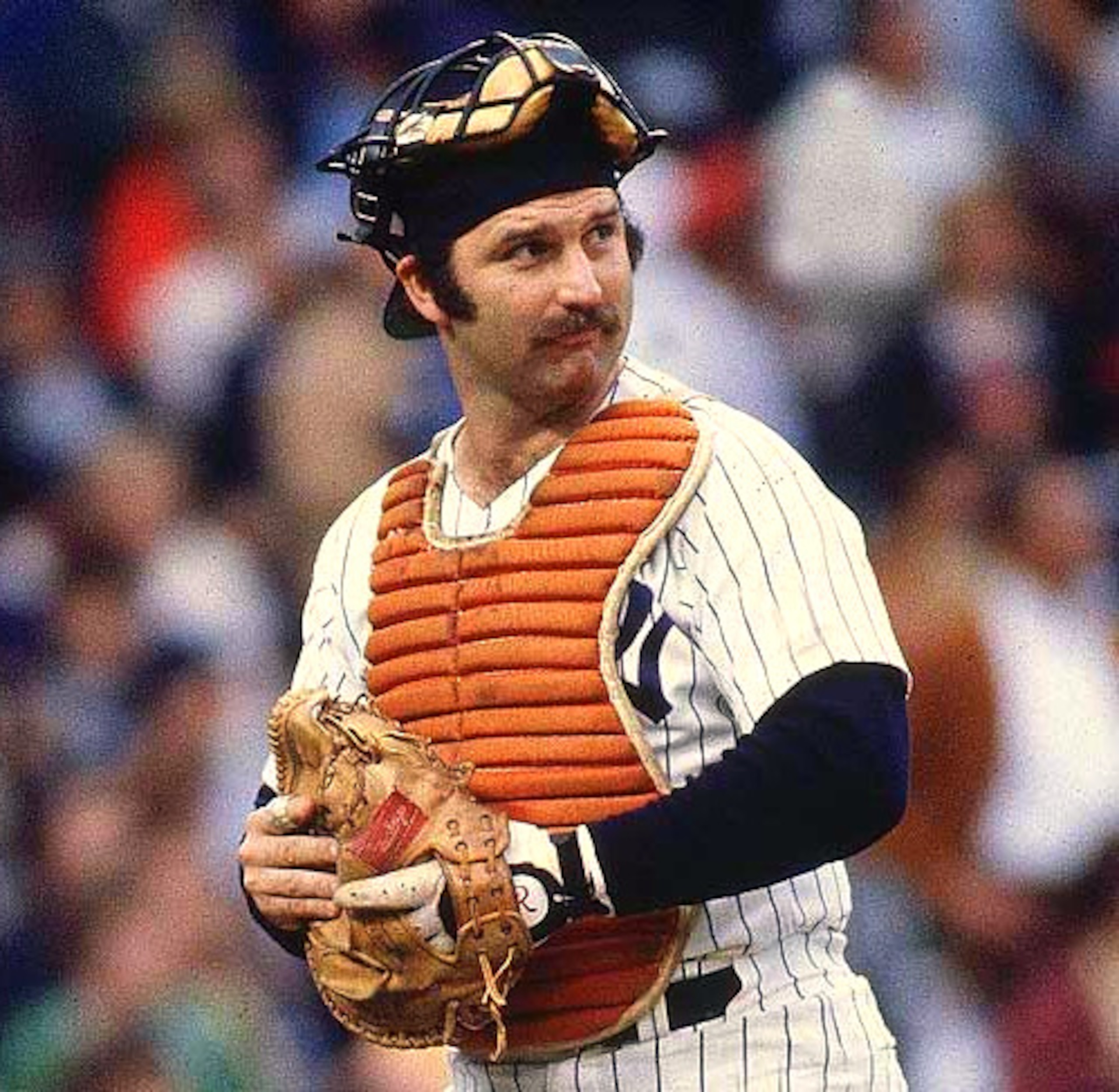
Ready to establish himself as the next great Yankees catcher, in line with Bill Dickey, Yogi Berra and Elston Howard, Thurman Munson was killed while practicing landing his private aircraft.
Tragically, the crash did not kill him. Rather, he died of smoke inhalation after being trapped by the wreckage.
Walter Payton, Chicago Bears (1954-1999)
33 of 50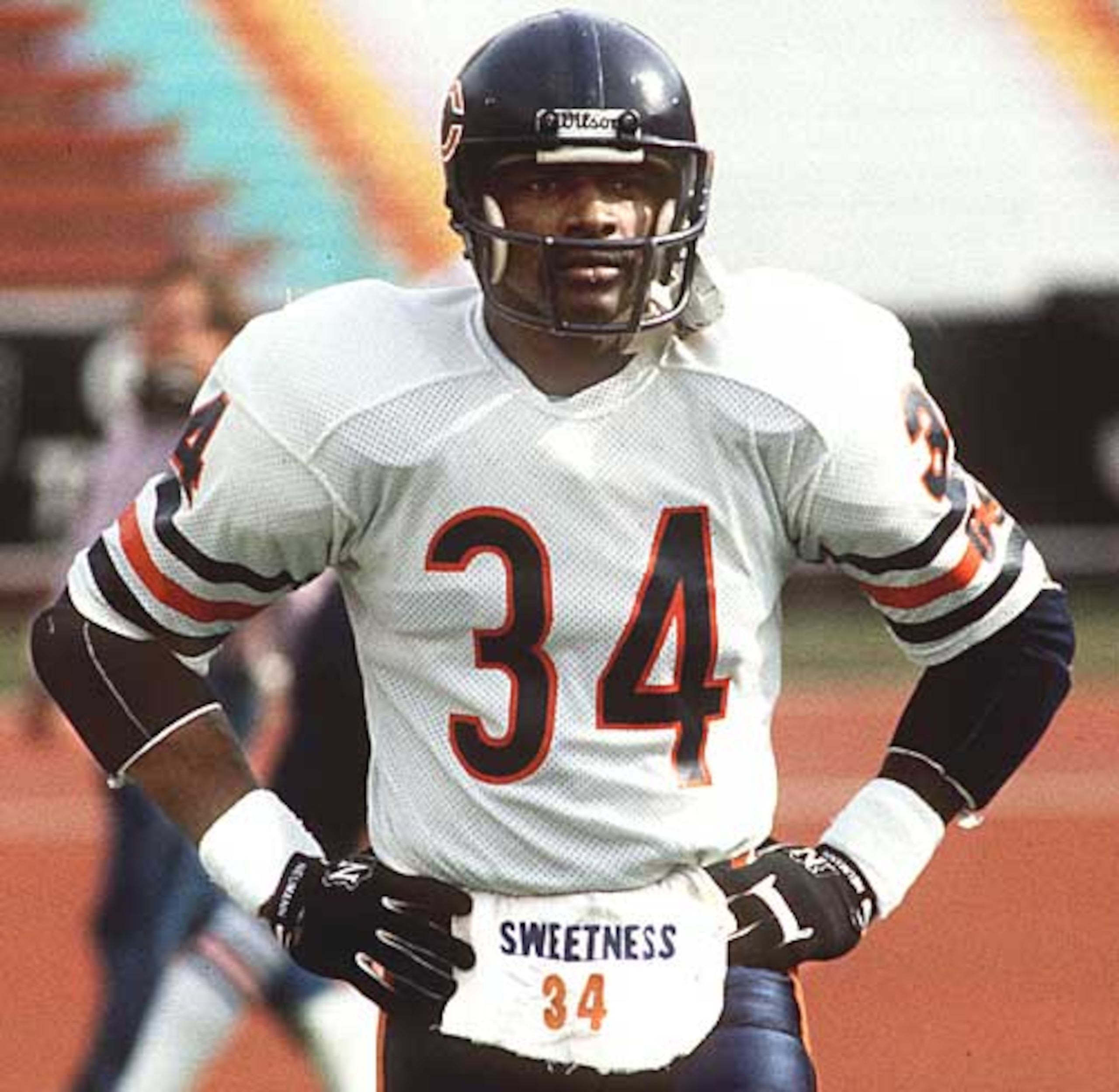
Walter Payton's illustrious career had already ended by the time he was killed by a rare liver disease at the age of 45, but we deserved to have him around longer.
Drazen Petrovic, New Jersey Nets (1964-1993)
34 of 50
One of several athletes killed in 1993, Drazen Petrovic was asleep in the passenger seat of a car being driven by his girlfriend on the Autobahn 9 when a tractor-trailer crossed over the median and came to rest in the path of their automobile.
Bobby Phills, Charlotte Hornets (1969-2000)
35 of 50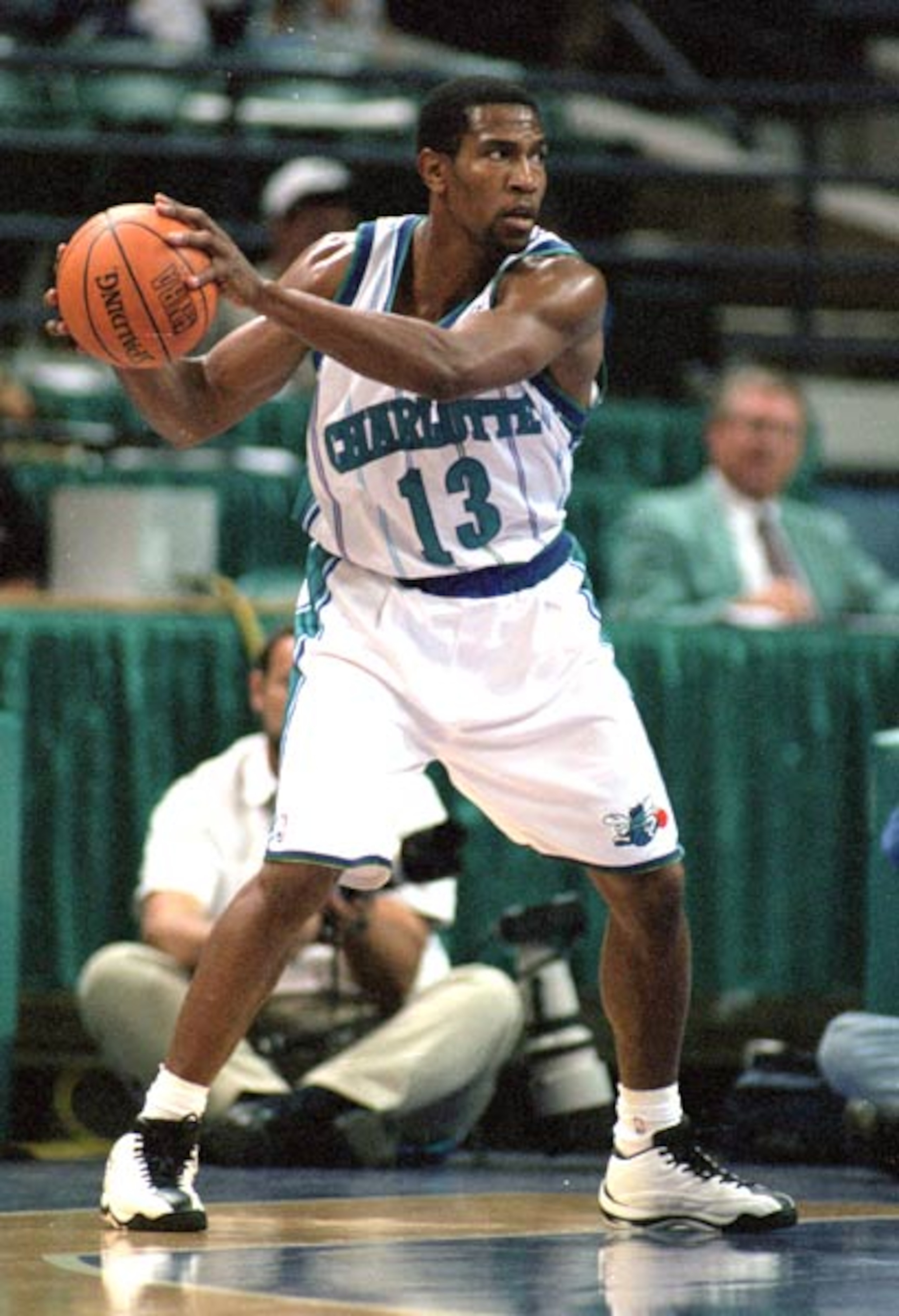
Bobby Phills was killed tragically in a car accident after apparently racing his Porsche against David Wesley one day after practice in Charlotte.
Brian Piccolo, Chicago Bears (1943-1970)
36 of 50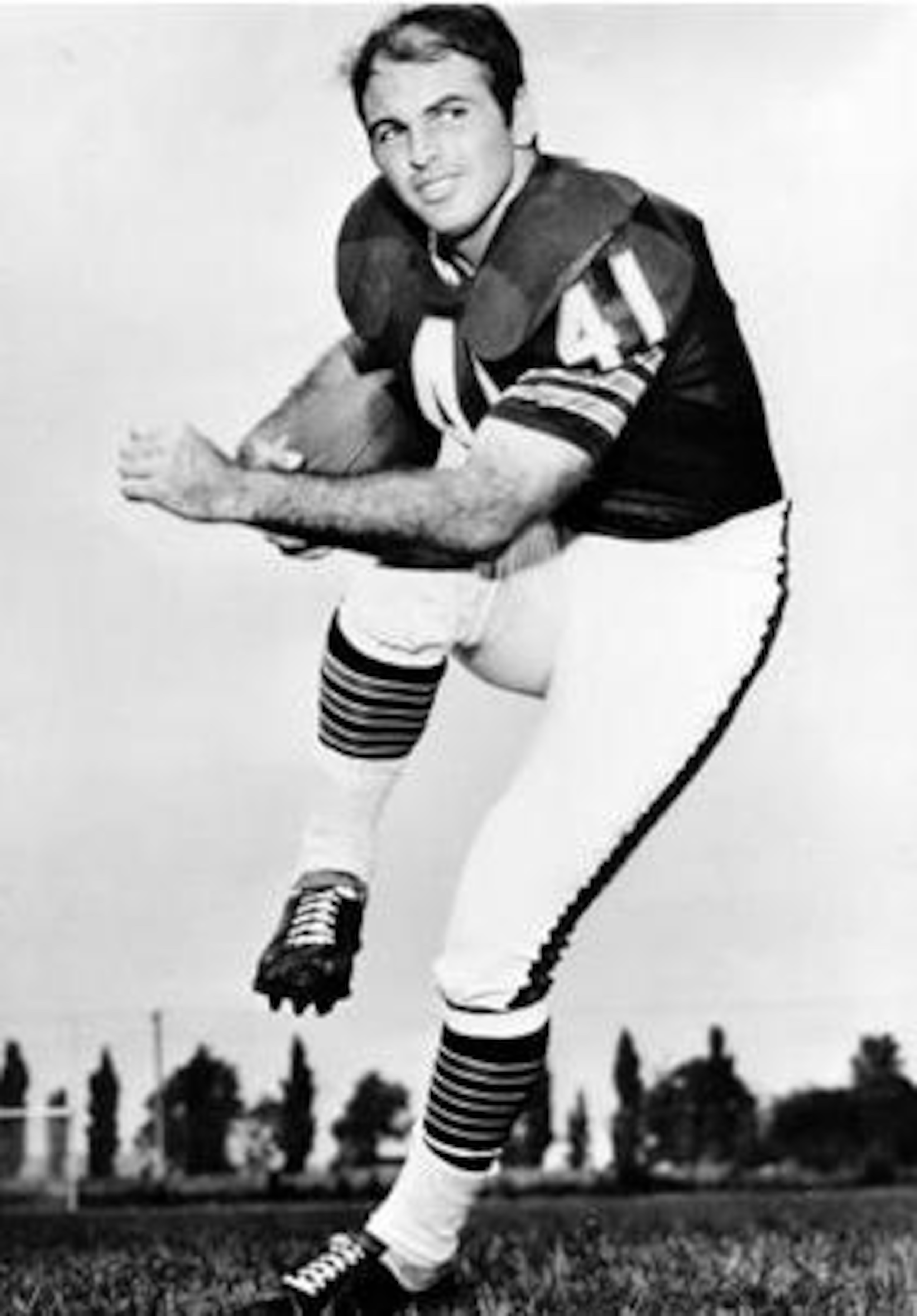
A four-year running back for the Chicago Bears, Piccolo died of cancer at the age of 26. His life and death were the inspiration behind the legendary movie Brian's Song.
Steve Prefontaine, Runner (1951-1975)
37 of 50
At one time, Steve Prefontaine was the American record holder in seven track events between 2,000 and 10,000 meters, and he was the symbol of the running boom of the 1970s. Prefontaine trained under the legendary Bill Bowerman at the University of Oregon, who would later found Nike.
He did all of this before the age of 24, at which age he was killed in a single car accident.
Kirby Puckett, Minnesota Twins (1960-2006)
38 of 50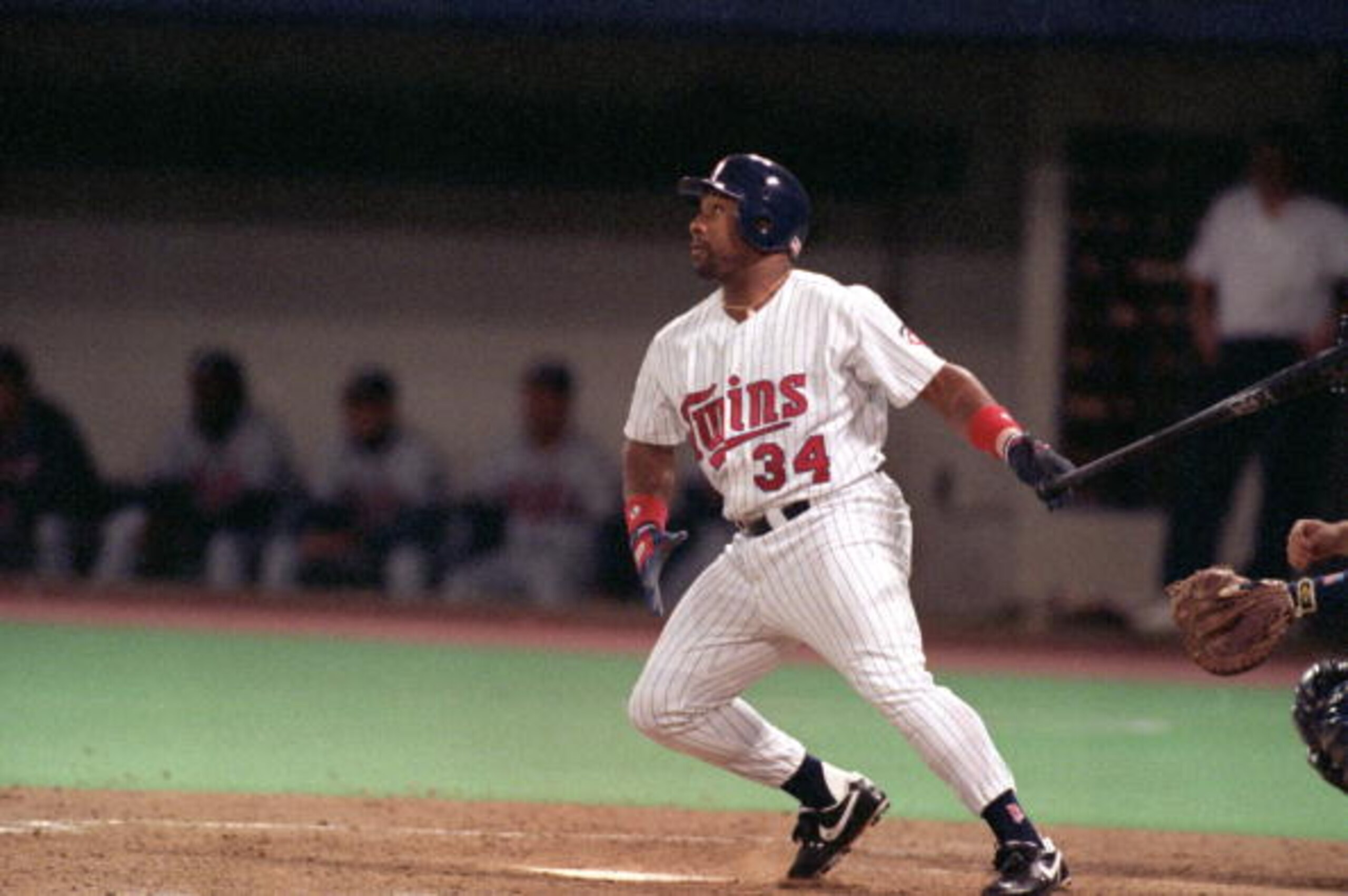
Kirby Puckett's career was shortened by glaucoma that deprived him of his vision at 35, and his life was shortened by a stroke that killed him at the age of 45.
Mark Vivien Foe, Footballer (1975-2003)
39 of 50
A Camaroonian footballer, Marc-Vivien Foe shocked the world when he collapsed during an international match and later died from undiagnosed hypertrophic cardiomyopathy. He died while playing for the squad for the FIFA Confederations Cup.
Malik Sealy, Minnesota Timberwolves (1970-2000)
40 of 50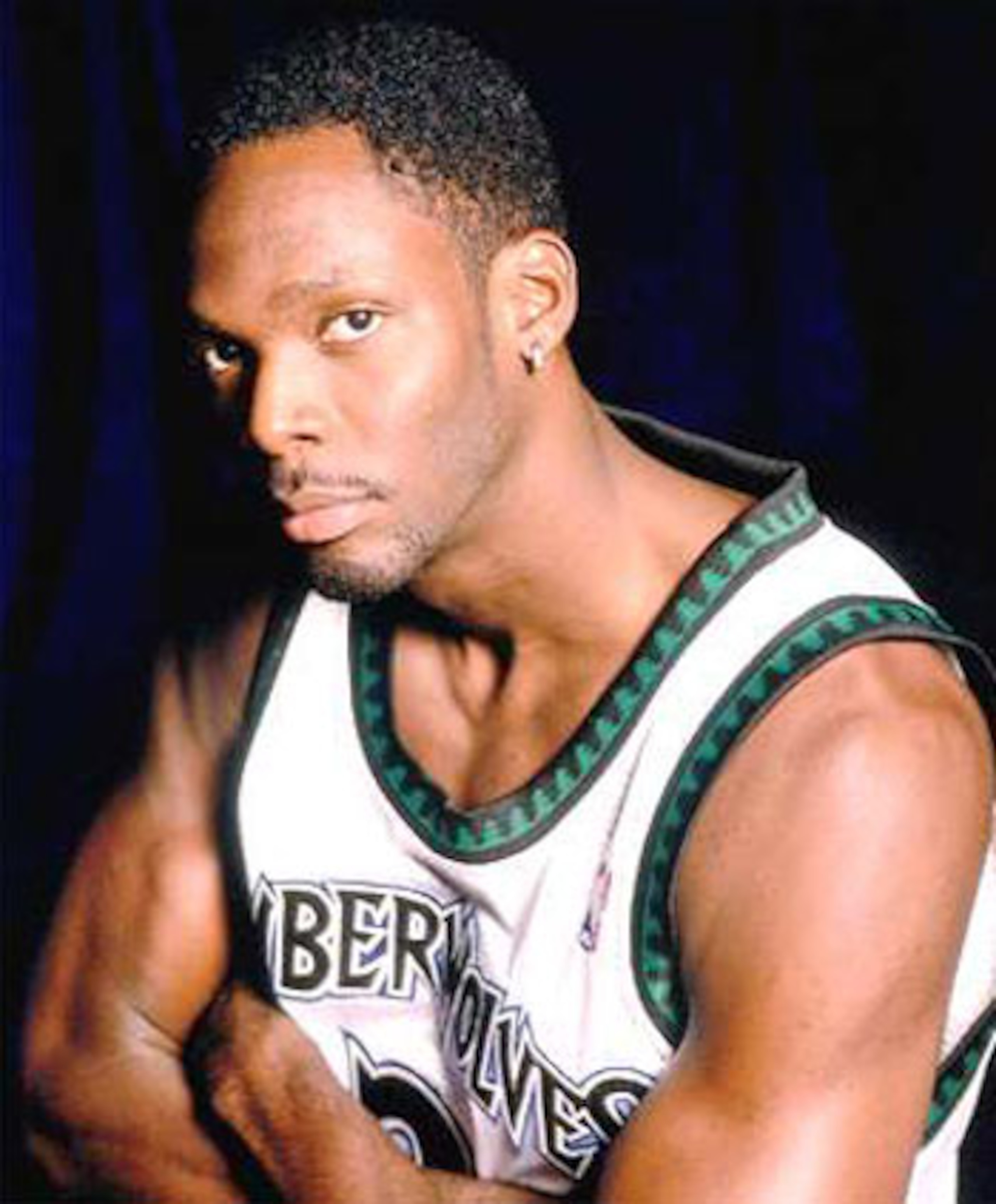
Malik Sealy died while driving home from a birthday party for Kevin Garnett in 2000.
He was driving his SUV when a pickup truck traveling in the wrong direction on the highway by 43-year-old Souksangouane Phengsene crashed head on into Sealy's. Phengsene survived after his airbag deployed, but Sealy's SUV did not have an airbag.
Mark Slavin, Israeli Wrestler (1954-1972)
41 of 50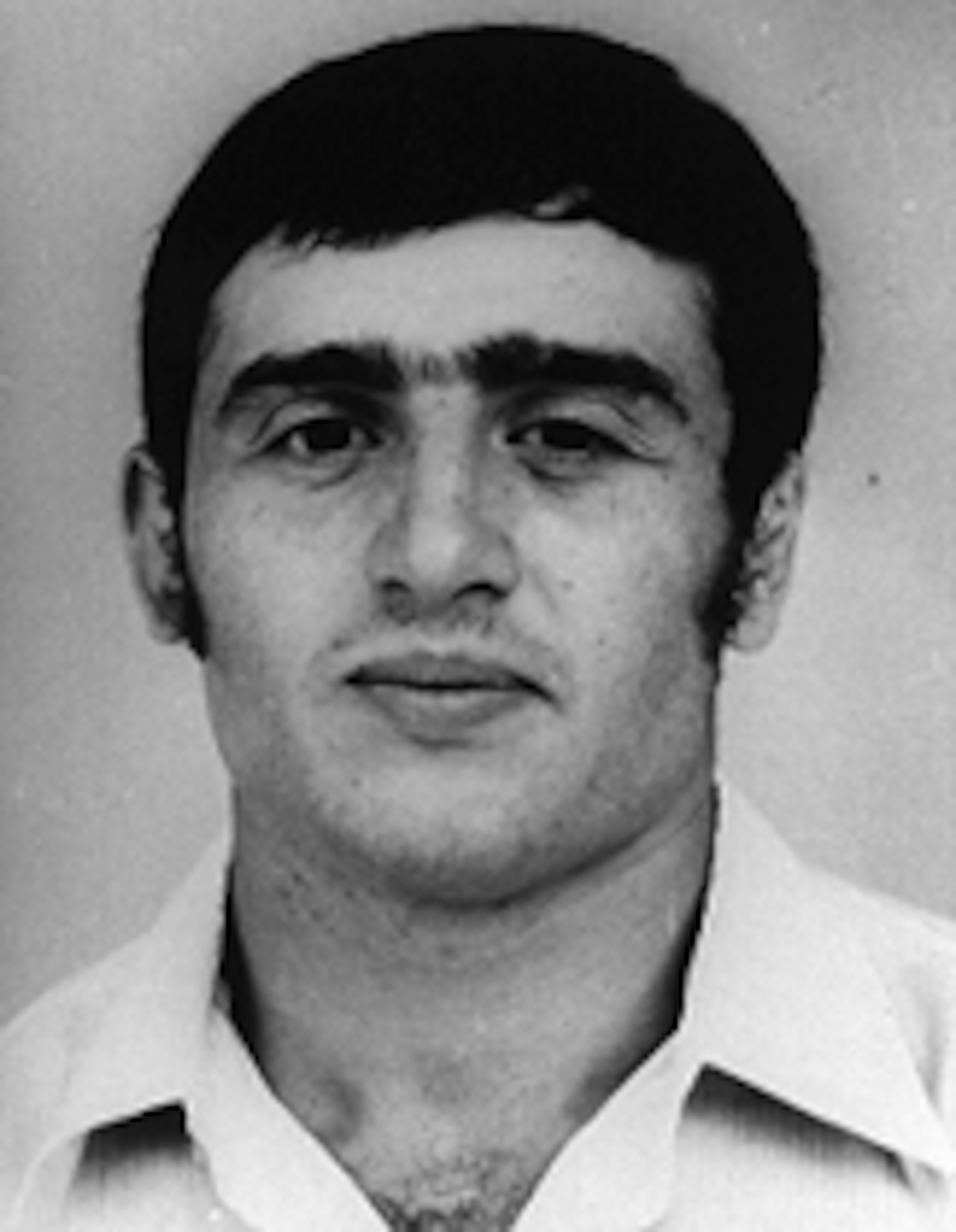
Born in Russia, Mark Slavin moved to Israel in May of 1972 and joined the Israeli Greco-Roman wrestling team. Just four months later, the 18-year-old would be the youngest of the athletes killed in the Munich Massacre.
Andre Spitzer, Israeli Fencing (1945-1972)
42 of 50
The fencing master was one of the Israeli athletes killed during the Munich Olympics in 1972.
Payne Stewart, Golf (1957-1999)
43 of 50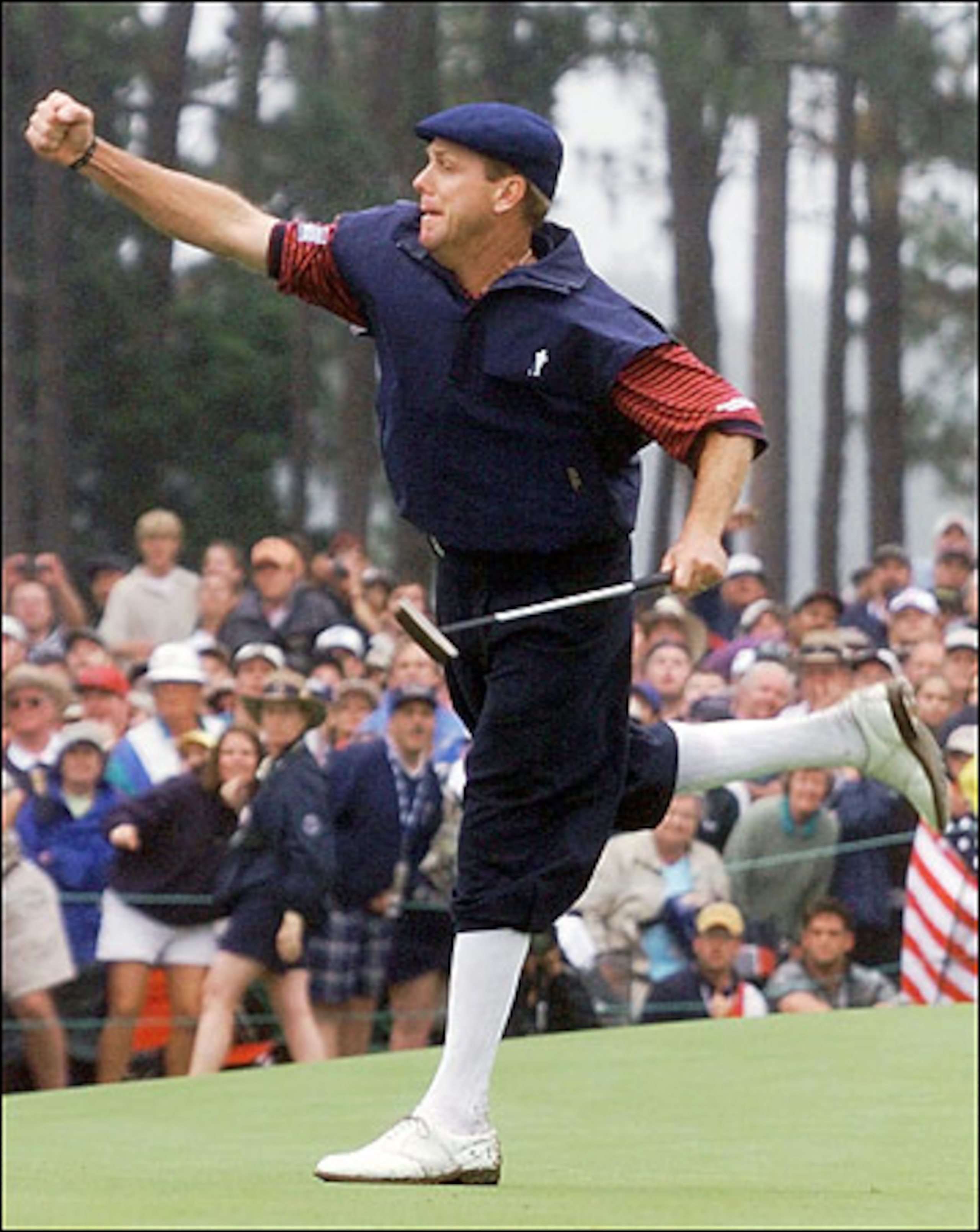
Payne Stewart's death is one of those Where-Were-You-When moments.
Many sports fans, and golf fans in particular, remember where they were the day Payne Stewart's plane lost contact with air traffic control and flew on auto-pilot through the Southern and Midwestern United States before crashing in South Dakota. It was thought that the plane lost all cabin pressure, and everyone aboard was killed by hypoxia well before the plane crashed.
Korey Stringer, Minnesota Vikings (1974-2001)
44 of 50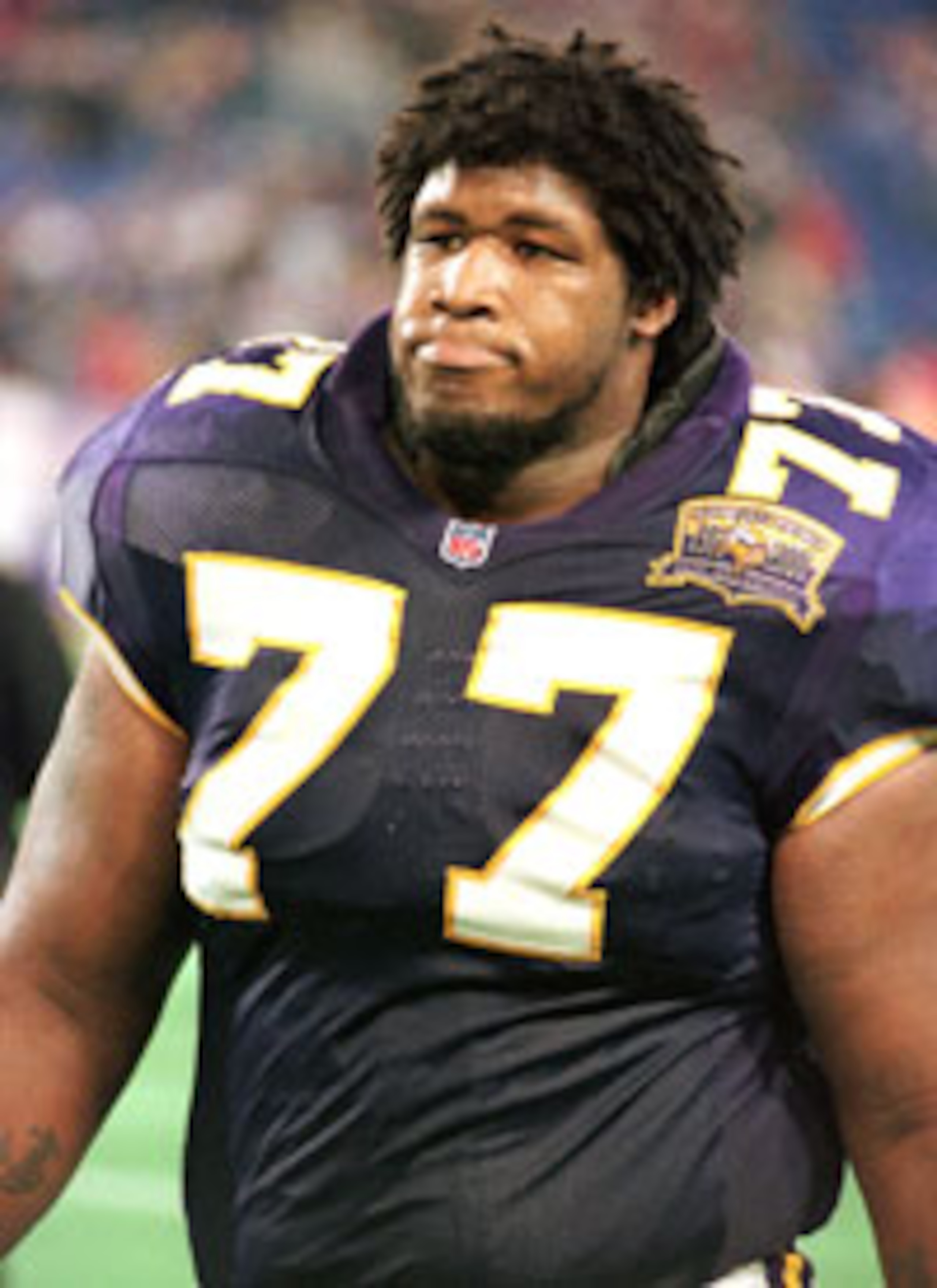
Korey Stringer remains a cautionary tale regarding proper nutrition and hydration after collapsing during training camp. Stringer suffered a heat stroke and died in 2001, one year after making his first Pro Bowl.
Sean Taylor, Washington Redskins (1983-2007)
45 of 50
A cold, calculating, hard-hitting free safety, Sean Taylor was no nonsense, rarely showboating after a big hit.
In November 2007, an intruder burst into Taylor's bedroom and shot him in the upper leg. The bullet ruptured his femoral artery, and he went into a coma and died the next day.
The following Sunday, Taylor's Redskins teammates played the first play of the game against the Buffalo Bills with only 10 men on the field, leaving the free safety position open in honor of Taylor.
The NFC Pro Bowl team paid the same respect on the field in Hawaii weeks later.
Derrick Thomas, Kansas City Chiefs (1967-2000)
46 of 50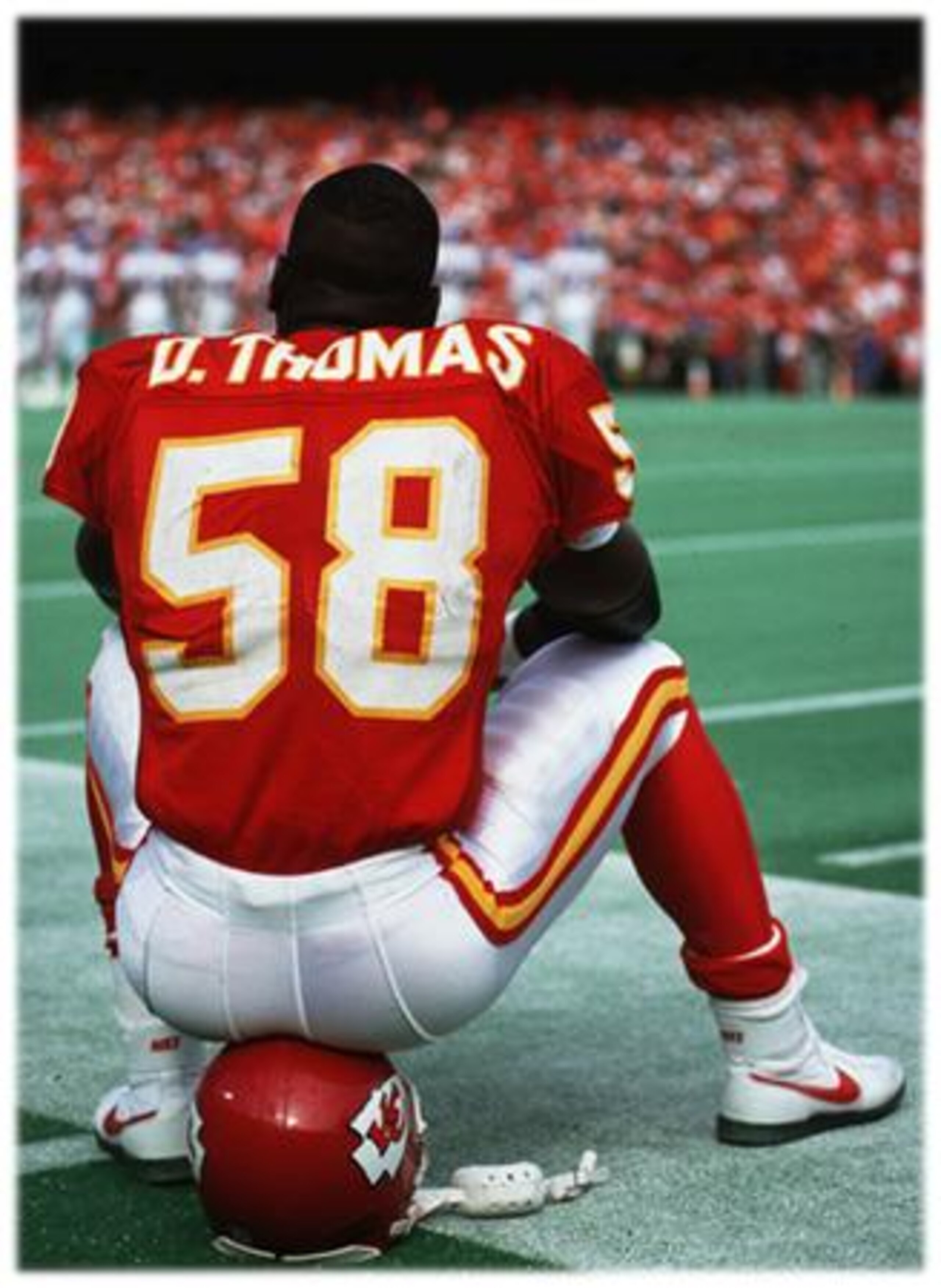
In January 2000, Derrick Thomas crashed his SUV on a snowy road on his way to the airport where he was going to fly to go watch the NFC championship.
Two weeks after the crash left him paralyzed, he sustained a pulmonary embolism and passed away.
Pat Tillman, Arizona Cardinals (1976-2004)
47 of 50
A hero on the field, he gave his life on the battlefield, answering the call of duty in a time when professional sports and military duty no longer overlap.
Pat Tillman answered his own call.
JIm Valvano, College Basketball (1946-1993)
48 of 50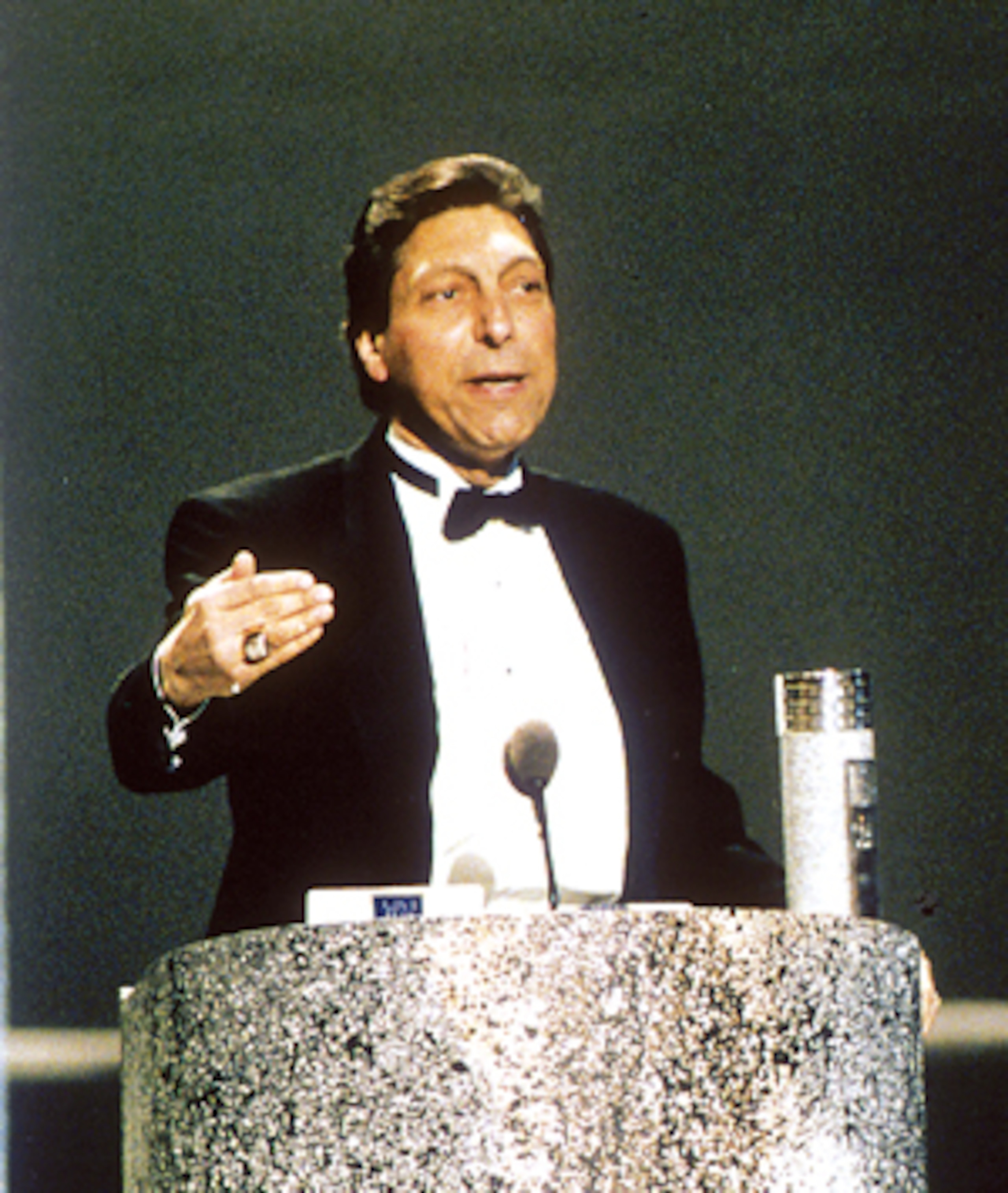
Already dying of cancer, Jim Valvano gave his incredibly emotional and inspiring "Don't Give Up, Don't Ever Give Up" speech at the ESPY's in 1993, during which he said:
"To me, there are three things we all should do every day. We should do this every day of our lives.
No. 1 is laugh. You should laugh every day.
No. 2 is think. You should spend some time in thought.
And No. 3 is, you should have your emotions moved to tears, could be happiness or joy.
But think about it. If you laugh, you think, and you cry, that's a full day. That's a heck of a day. You do that seven days a week, you're going to have something special."
Valvano passed away just two months later.
Andre Waters, Philadelphia Eagles (1962-2006)
49 of 50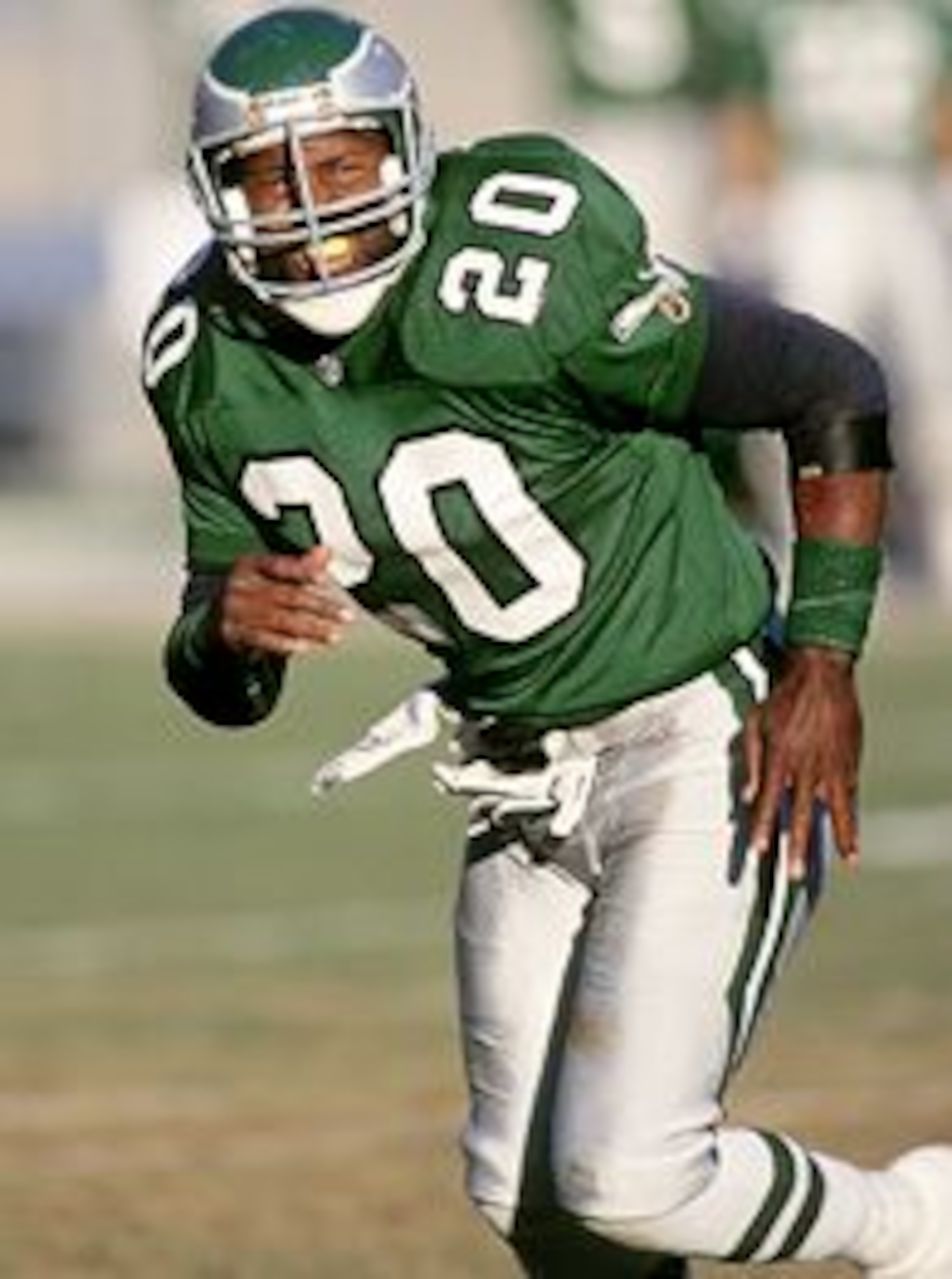
One of the toughest and meanest players on the field during his playing days, Andre Waters paid the price with his body and his mind.
By the time Waters committed suicide in 2006, doctors say that his brain had deteriorated to the level they would have expected of an 85-year-old man, and Waters was experiencing early Alzheimer's symptoms.
Darrent Williams, Denver Broncos (1982-2007)
50 of 50
Darrent Williams was tragically shot and killed outside of a Denver nightclub early in the morning on New Year's Day in 2007.