
MLB Power Rankings: Which Stats Really Matter? Part 1: Pitchers
With the Major League Baseball season beginning, casual fans, fantasy fanatics and players alike are getting ready for a new influx of stats to analyze.
Players ultimately are judged on how they produce in certain stat categories. In recent years there have been new stats added to the puzzle, while some of the traditional measures have been left behind.
Here's my take on how we should be evaluating players in the upcoming season and beyond, starting with pitchers.
Stats thanks to espn.com and fangraphs.com.
Background
1 of 7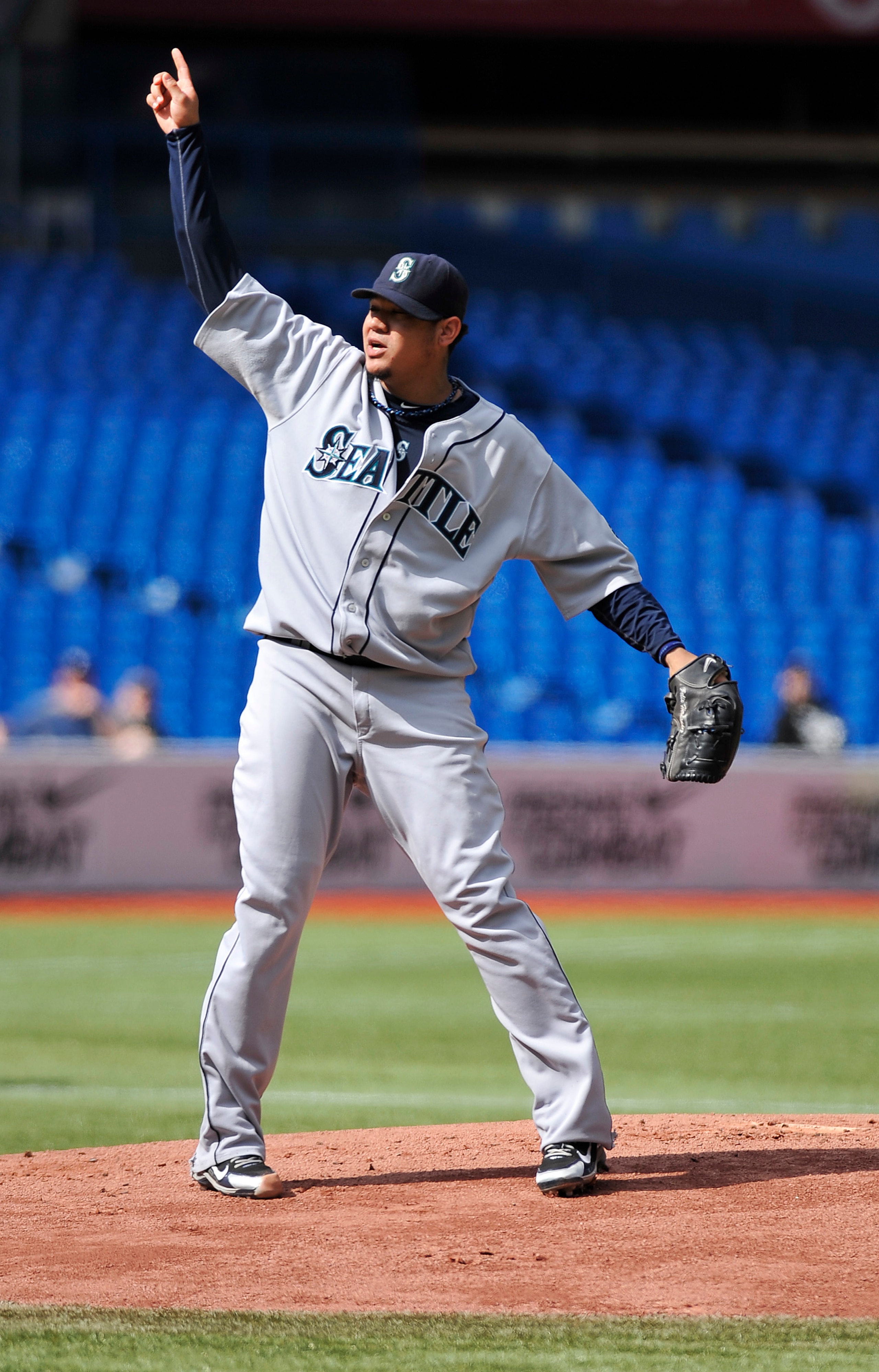
The 2010 AL Cy Young went to Felix Hernandez, as he received 21 first-place votes to David Price's four and CC Sabathia's three. King Felix got the award despite his mediocre 13-12 record, while Price was 19-6 and CC was 21-7.
This contrasts with the traditional belief that wins are the measure of a pitcher's supremacy. As Hernandez put it, “This confirms the Cy Young is an award not only for the pitcher with the most wins but the most dominant.”
It is true that old stats such as wins have been devalued while new ones like WHIP are becoming more popular. There has also been the development of several statistics aimed to measure a pitcher's performance independent of other players' defensive play. This has led to all sorts of variations on ERA as well as new creations, all with their own complex formulas.
So which stats break through the complications of new formulas and oversimplification of old statistics to really show what a pitcher is made of?
5) CG (Complete Games)
2 of 7
If a pitcher records a complete game, you know he dominated. Have you ever seen a pitcher go a full game and lose? Probably not, because it has happened only a few times in recent history.
In today's day and age, in which pitchers' arms are considered not only extremely valuable but also fragile, the complete game is becoming harder to accomplish. A pitcher has to be completely dominating the other team, keeping his pitch count low while getting high numbers of batters out.
The reason CG is low on this list is because it happens so rarely that a pitcher can have just a couple of good days and be near the top of the league. Also, some pitchers are on teams with dominant closers, and managers see no reason to risk injury by letting the starter continue.
The complete game is still an awesome feat, a display of a pitcher's dominance over a entire team on that day.
2010 CG Leaders
Roy Halladay: 9
Carl Pavano: 7
Cliff Lee: 7
Felix Hernandez: 6
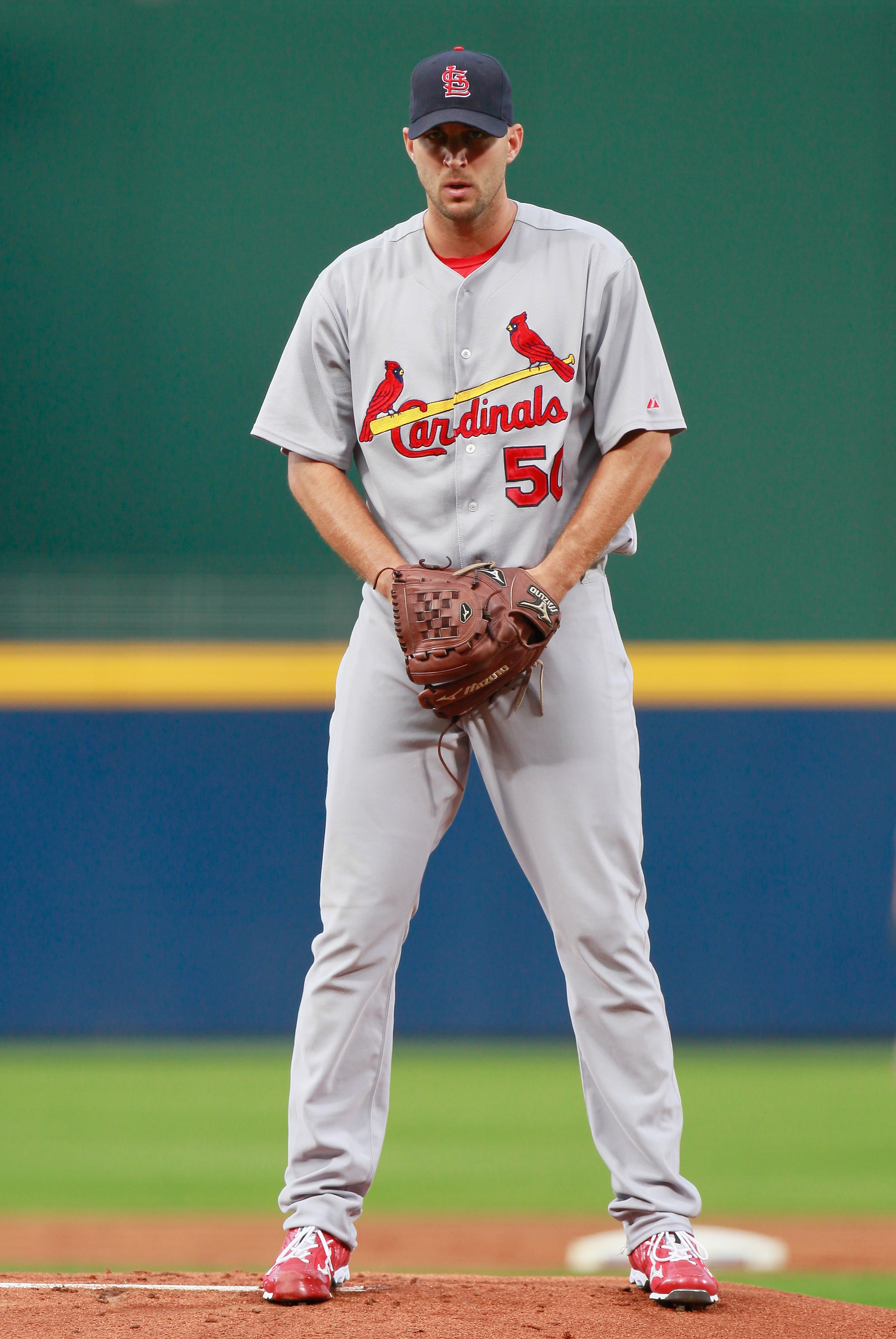
Adam Wainwright: 5
4) WHIP (Walks Plus Hits Per Inning Pitched)
3 of 7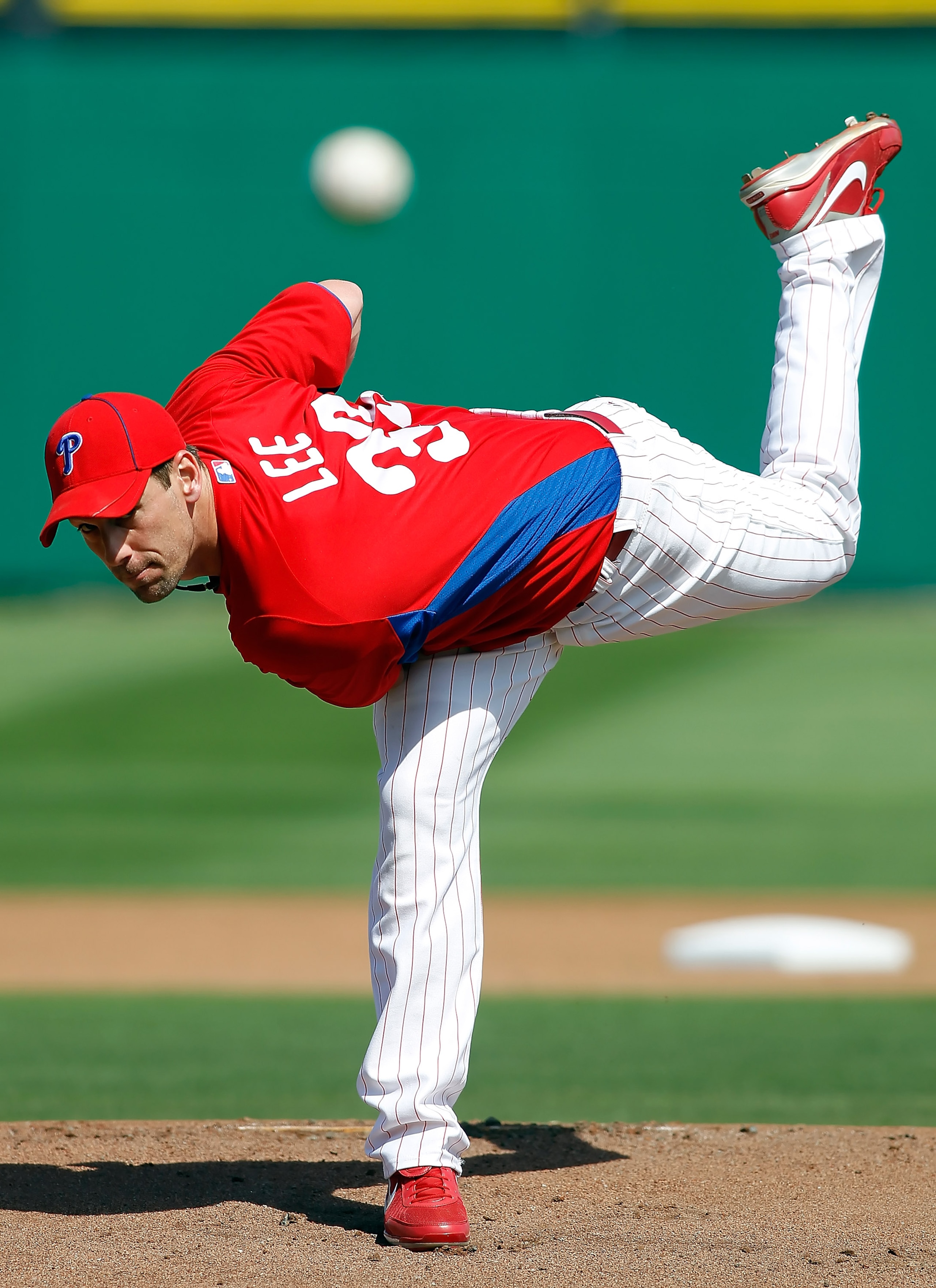
WHIP has gained a lot of popularity in recent years and has even made its way into fantasy baseball as a scored stat.
WHIP essentially measures how many baserunners a pitcher allows per inning. This is important because baserunners often translate into runs, which ultimately separate winner from loser.
Many people will probably be shocked WHIP is not higher on this list, but the truth is I considered leaving it off because of how dependent on defense it is. A lesser defense is more likely to give up hits, raising a pitcher's WHIP through no fault of his own.
Though it does depend on defense, WHIP still takes into account things only the pitcher controls, like walks and strikeouts. The walks are directly in the formula and the strikeouts indirectly through innings pitched. If a pitcher gets a strikeout, his IP increases, which lowers his WHIP.
I think an altered version of WHIP is needed, something that takes a pitcher's opponent's BABIP (batting average on balls in play) into account so defense is not as much of a factor.
Still, I could not ignore the fact that many of the league's best pitchers seem to have consistently low WHIPs, so it must be doing something right.
It attempts to show a pitcher's ability to keep batters off base, which any dominant pitcher should be able to do.
2010 WHIP Leaders
Cliff Lee: 1.00
Roy Oswalt: 1.03
Roy Halladay: 1.04
Adam Wainwright: 1.05
Felix Hernandez: 1.06



3) IP/GS (Innings Pitched Per Games Started)
4 of 7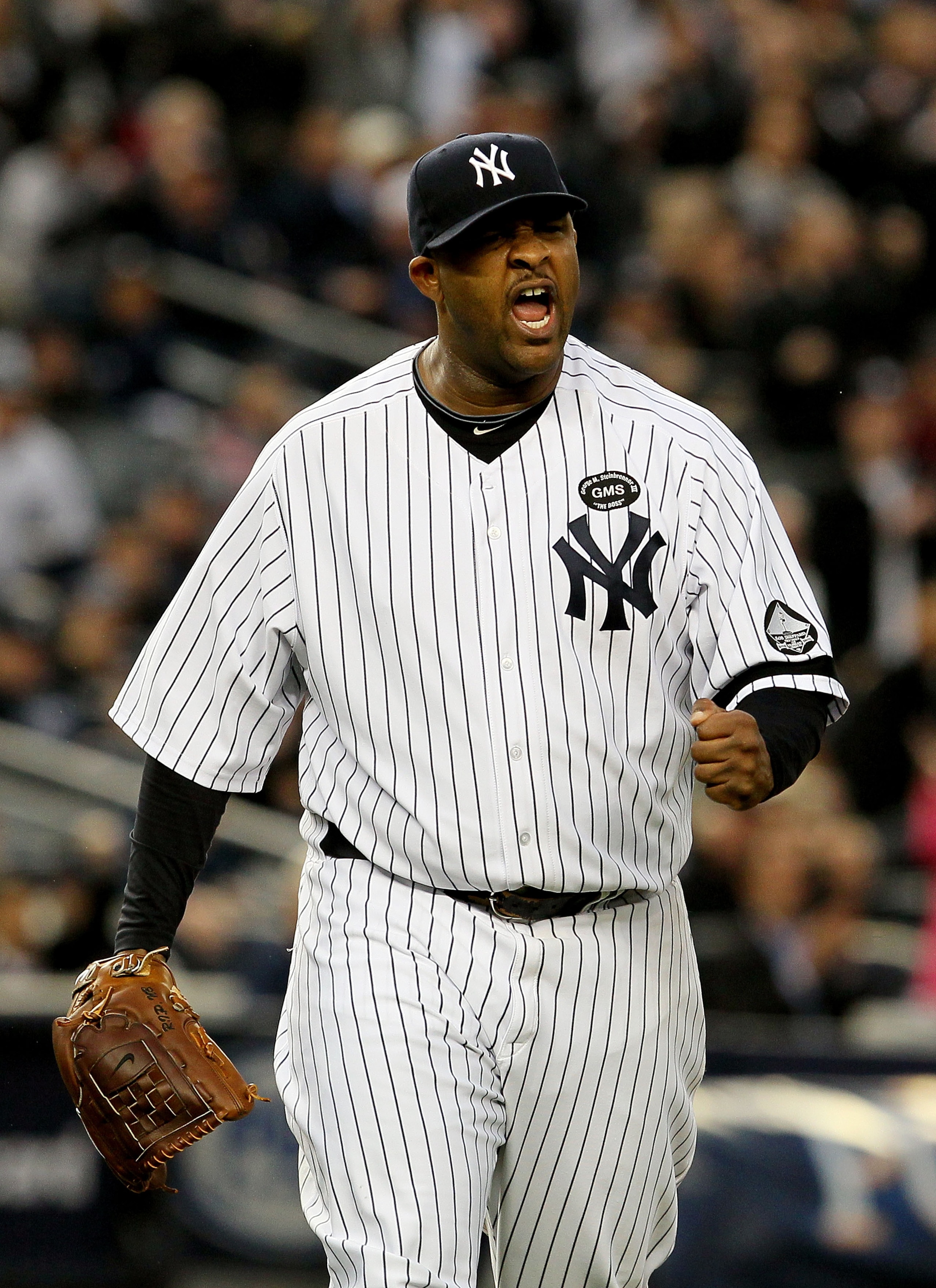
It's pretty simple. If your starter is getting pounded, you take him out and go to the bullpen. If he is doing well, keep him in. Managers let successful pitchers keep pitching, and they rack up innings.
If a starter goes deep into a game, he is holding the opposing team to a low run total, giving his team a chance to win. He is also reducing the number of middle relief innings, which are usually filled by less capable pitchers.
Some won't like IP/GS because it will benefit the “innings eater” who can be valuable but usually not dominant. The truth is aces often throw the most innings but aren't given the “innings eater” label because they're already aces.
2010 IP/GS Leaders
Cliff Lee: 8.04
Roy Holladay: 7.72
Felix Hernandex: 7.26
Adam Wainwright: 7.04
CC Sabathia: 6.97
2) K/9 (Strikeouts Per Nine Innings Pitched)
5 of 7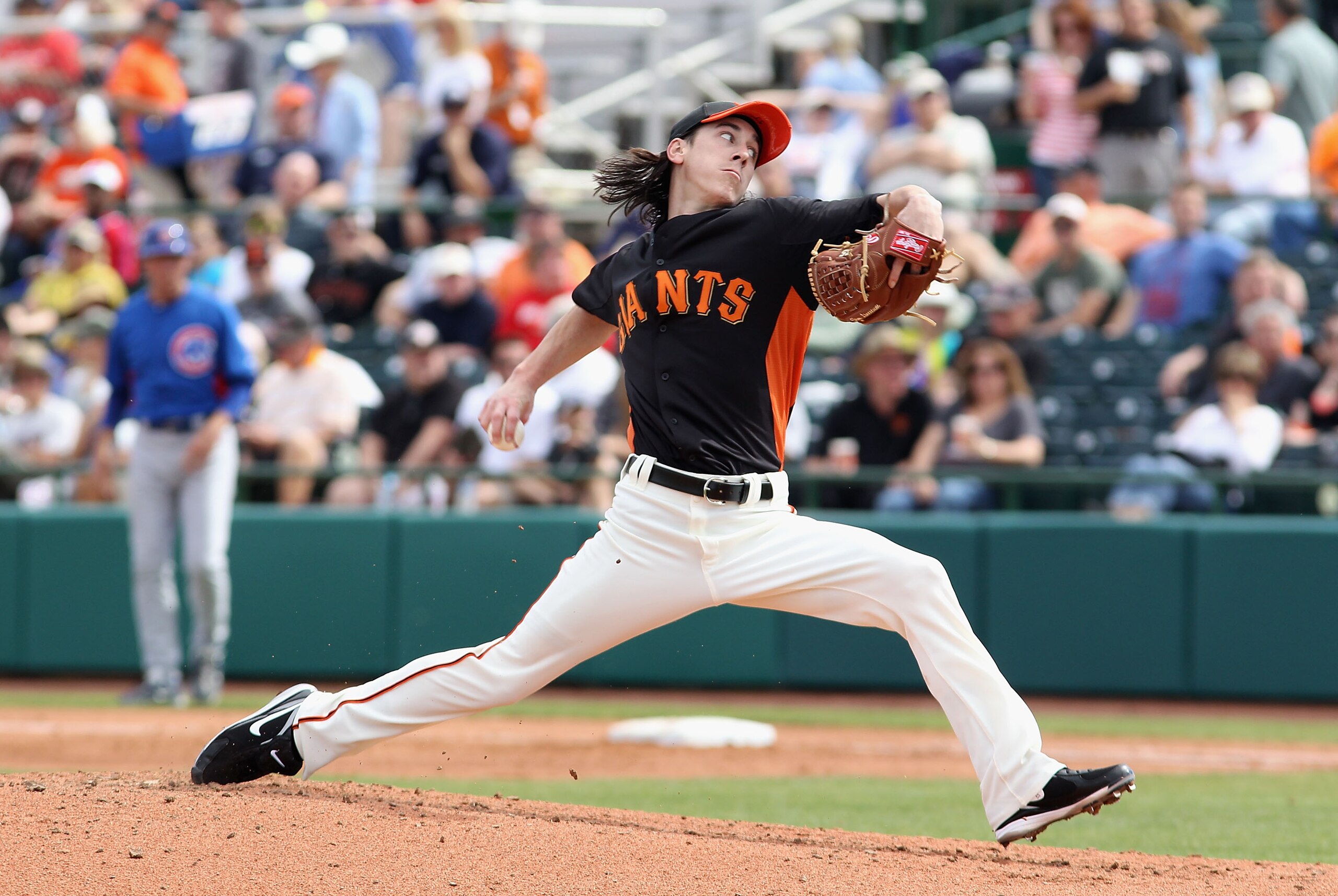
When a batter steps up to the plate, he is thinking one thing: Hit the ball. He has been doing it all his life and is getting paid millions of dollars to hit the ball. So when a pitcher can completely keep a batter from making contact, it has to be considered impressive.
A pitcher needs to keep men off base. The only way he can ensure a batter won't reach base is through the strikeout. Anything less and he becomes dependent on the defensive ability of his teammates.
This is why WHIP doesn't satisfy me. It keeps track of baserunners per inning but is too dependent on defensive players other than the pitcher. K/9 shows what a pitcher is doing to keep batters off base. The division helps to compare pitchers with different numbers of innings pitched since we covered that with IP/GS.
2010 K/9 Leaders
Tim Lincecum: 9.79
Jon Lester: 9.74
Yovani Gallardo: 9.73
Jonathan Sanchez: 9.54
Francisco Liriano: 9.44
1) FIP (Fielding Independent Pitching)
6 of 7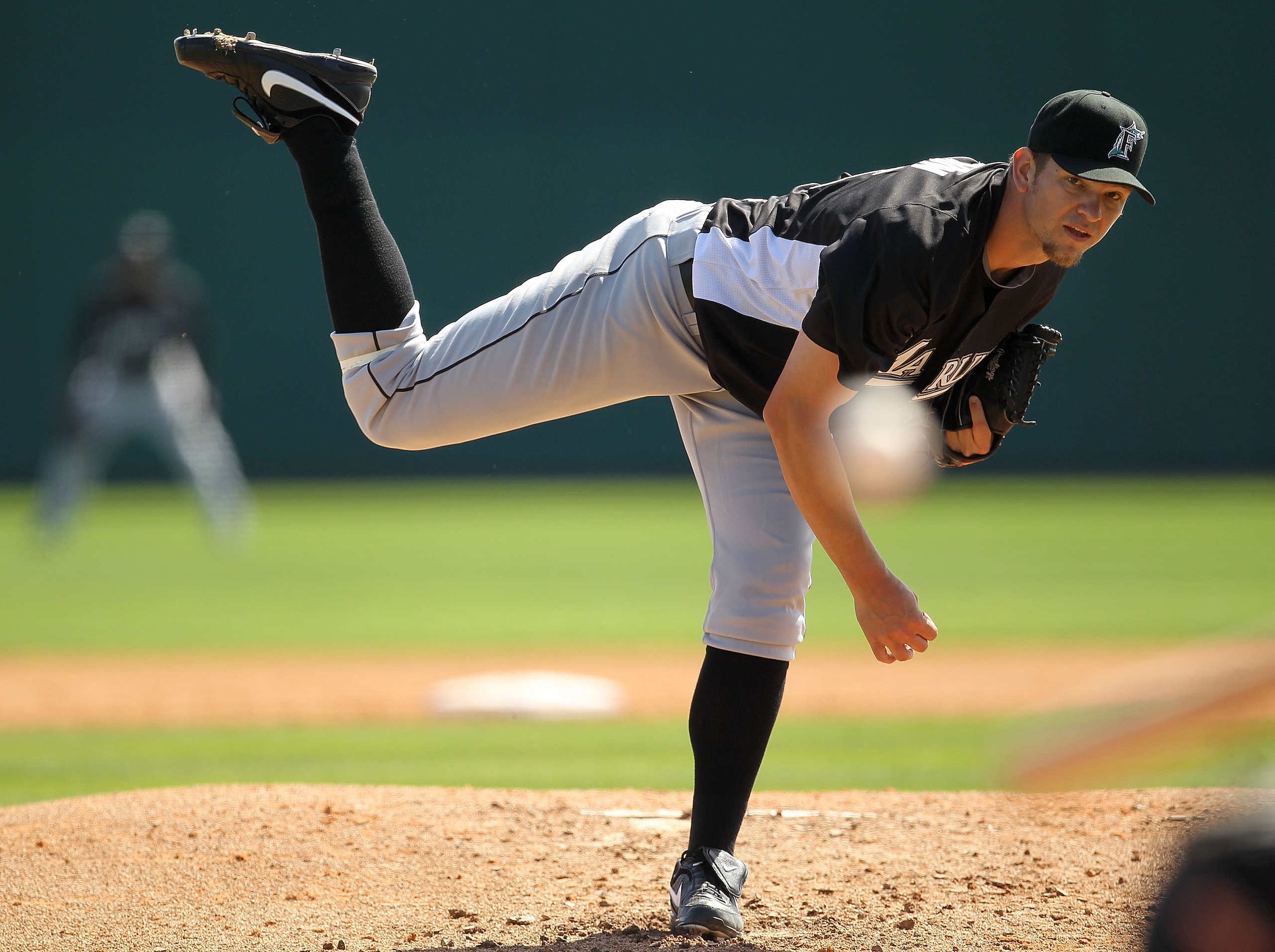
FIP is a variation of ERA meant to more accurately reflect a pitcher's performance independent of defense. FIP uses home runs, walks, strikeouts and innings pitched to evaluate a pitcher. I won't go too deep into the math, but the formula is as follows:
13*HR + 3*BB - 2*K + 3.10 = FIP
IP
The coefficients (13, 3, 2) are determined using league averages of BABIP, or batting average on balls in play. The 3.10 is added to make the number look similar to an ERA so comparison is easy.
The great thing about FIP is exactly what many critics point out as its flaw. It is not really a defensive independent stat. By considering innings pitched and BABIP, defense factors into the equation. I have already spoke about the importance of IP, so lets take a quick look at BABIP now.
BABIP measures how much on average a batter gets a hit when he puts the ball in play. This is highly dependent on defense. If I have Ichiro behind me flying around right field, he is more likely to catch a shallow fly ball than, say, Carlos Beltran with his arthritic knees. By using averages of BABIP in the formula, FIP levels the playing field and sees how pitchers would have performed with the average defense.
In the end, the team with the most runs wins the game. ERA, FIP and similar stats show how well a pitcher was able to keep the opponent's run total low. In my opinion, FIP does the best job of putting every pitcher on a level field and comparing who truly was responsible for the fewest number of runs.
2010 FIP Leaders
Josh Johnson: 2.41
Cliff Lee: 2.58
Francisco Liriano: 2.66
Adam Wainwright: 2.86
Justin Verlander: 2.97
Conclusion
7 of 7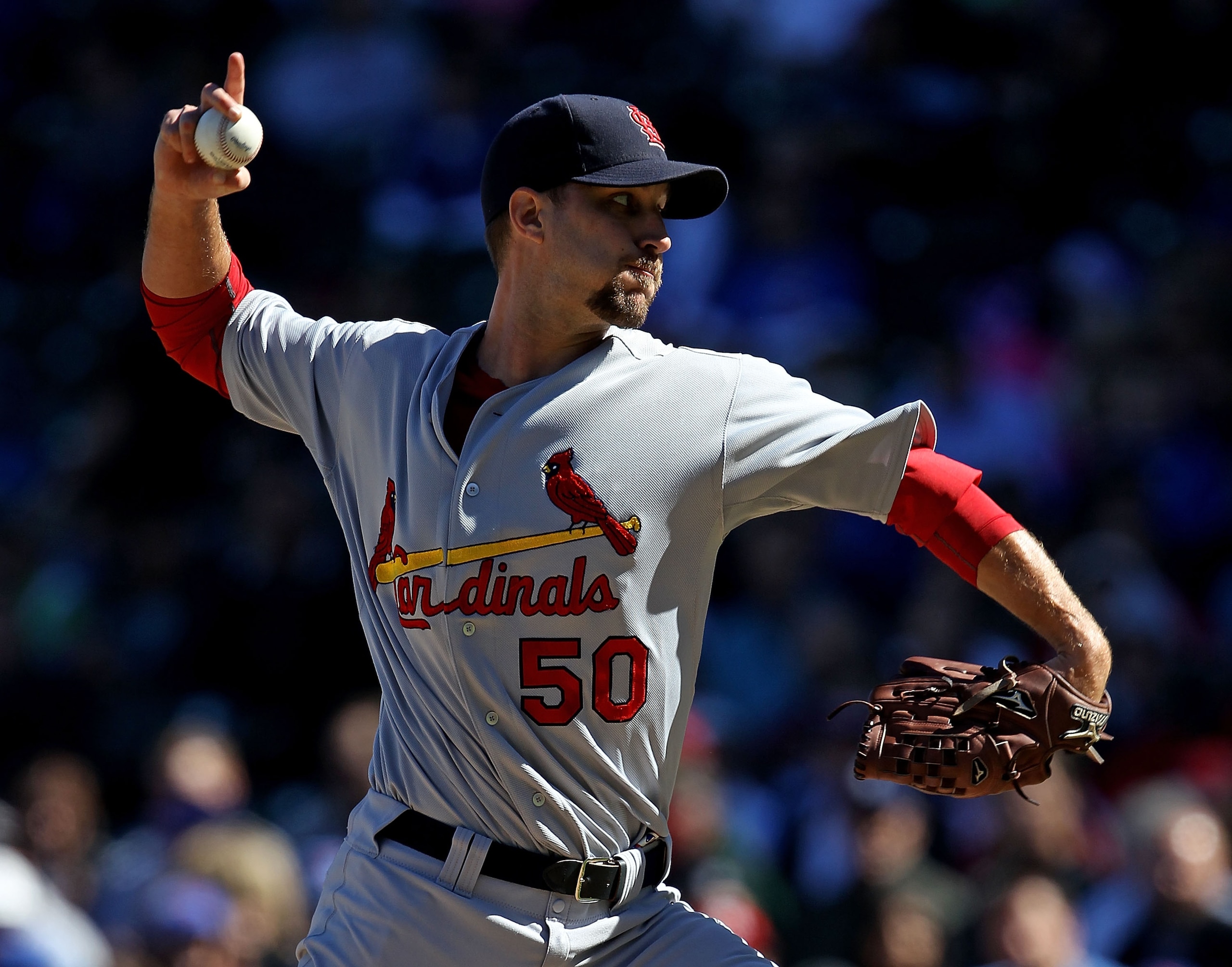
The surprise here was Adam Wainwright, who showed up in the top five in MLB in most of the categories. That has to make his injury hurt even more for Cardinal fans (sorry).
While FIP does use some math, it is much simpler than other alternatives to ERA. Though I think defensive independent stats should tell the best story about pitchers, there are too many different formulas and variations currently being used. Until there is some form of agreement on how to limit defense from a pitcher's stats, we have to steer clear of some sabermetrics and do the best with what we have.





.jpg?w=2560 "Latest Peyton-Colts Rumors")