
Boston Red Sox: 5 Keys to Reaching the World Series
It's a funny thing. Spring begins and somehow immediately conjures thoughts of October. For baseball fans, the weeks leading up to Opening Day are all about what the upcoming season has in store. And ultimately, that means playoffs.
The Boston Red Sox had arguably the most successful off-season of any team in Major League Baseball, signing the best all-around position player in free agency and trading for one of the game's top sluggers.
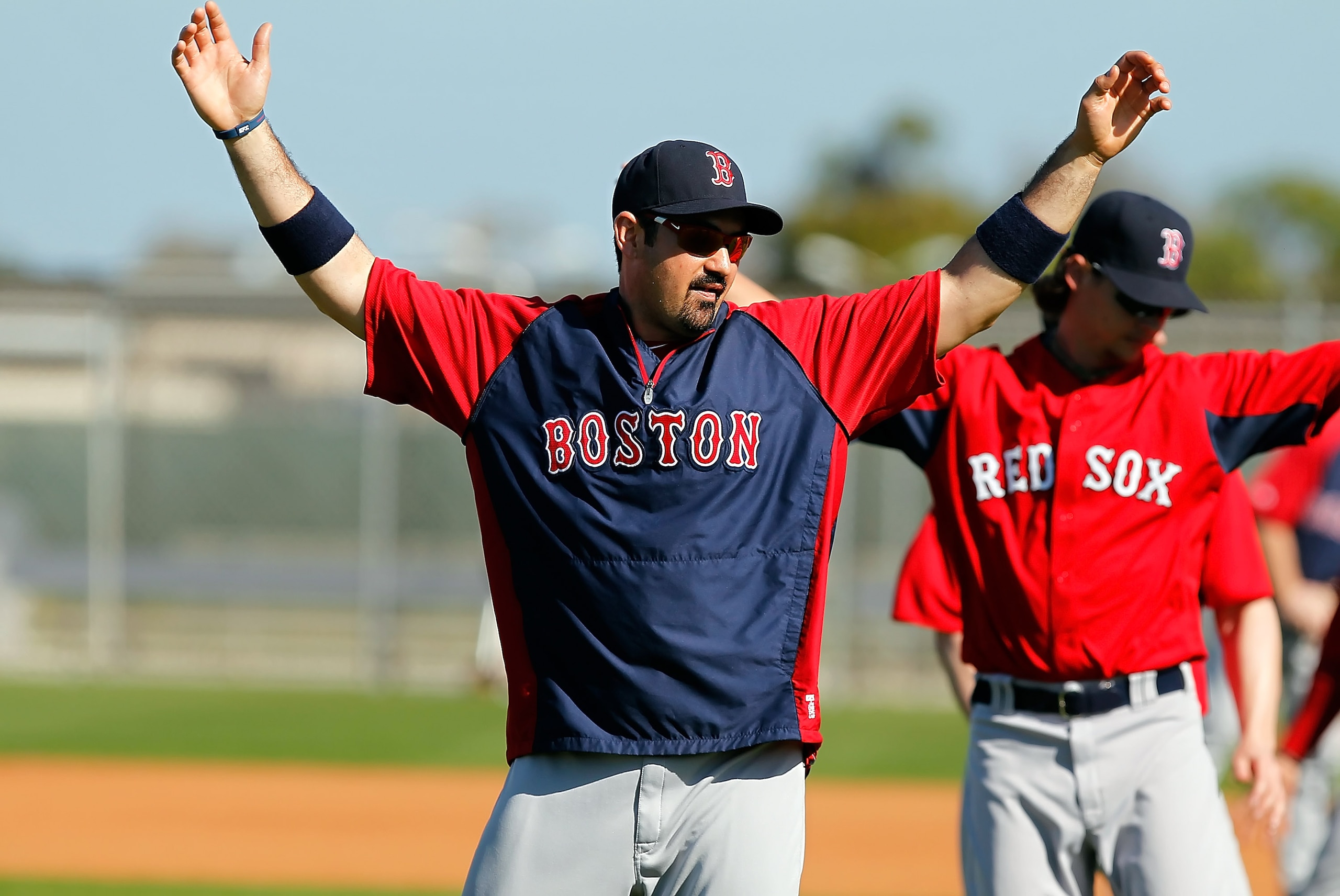
The additions of Carl Crawford and Adrian Gonzalez give Boston the most fearsome lineup of 2011. Still, there's more to making the postseason than just mashing the ball.
Last year, the organization was devastated by injuries, but it was more than just health that led to a third-place finish in the AL East.
So what does this revamped club need to do in order to get back to the World Series?
A Revived Rotation
1 of 5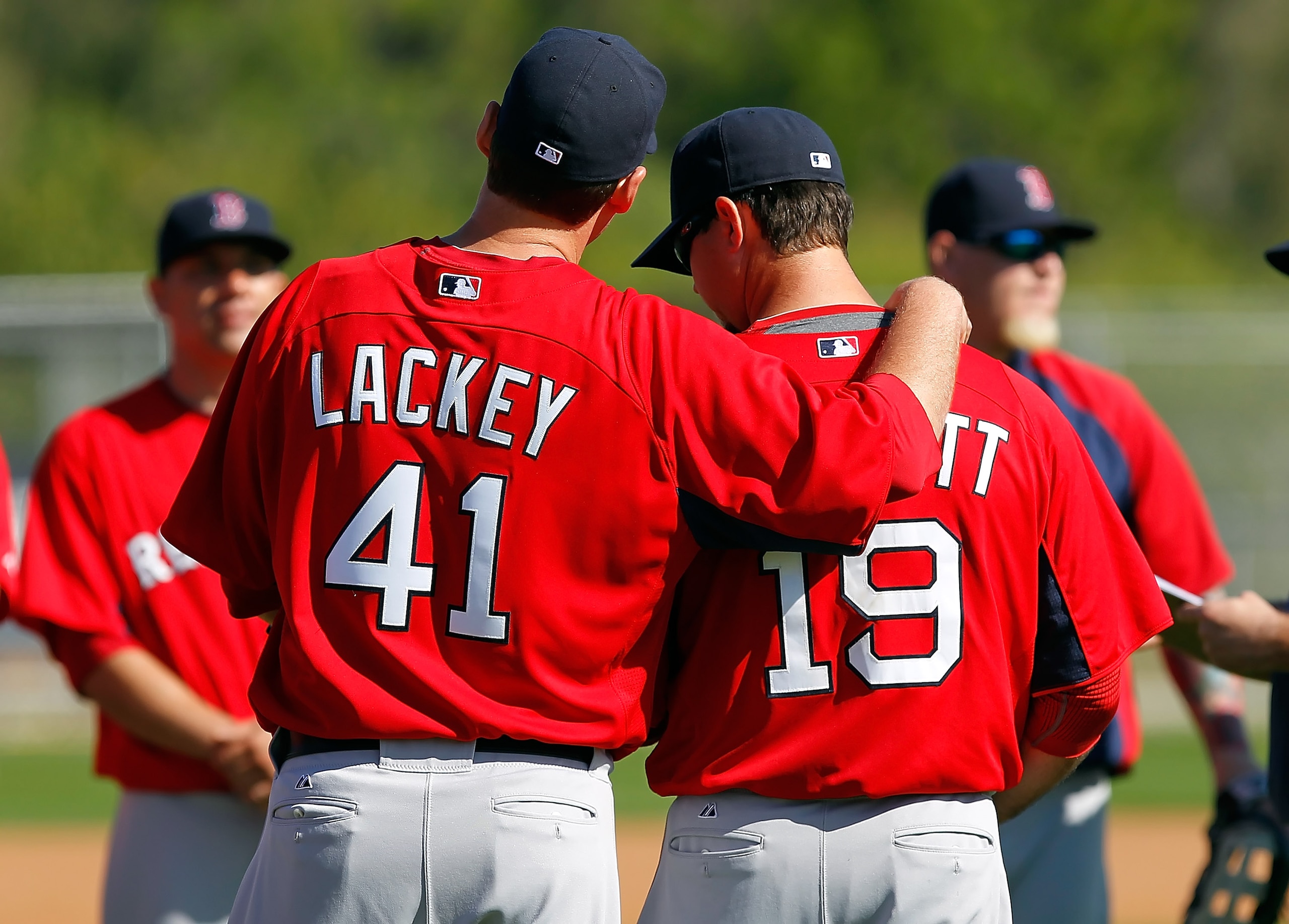
Before last year, John Lackey hadn't posted a season ERA over 4.00 since 2004. When Boston inked him to an $85 million contract, it was paying for the kind of production and consistency that the big righty put up year after year for the Angels: ERAs in the mid to high 3s, and WHIPs (walks plus hits per inning pitched) around 1.25.
Last year's 4.40/1.42 were definitely not what the Sox had in mind.
But perhaps it was a big adjustment, coming across the country and stepping into a high-intensity market like Boston. I'm willing to give Lackey the benefit of the doubt.
Former pitching coach John Ferrell is managing the Blue Jays and former Athletics guru Curt Young has taken over the Red Sox arms. Will that transition help? Hurt? Have no effect?
The Red Sox need Lackey to be a legitimate No. 3 or 4 guy, and for their purposes, that means keeping that ERA below 4.00.
Then there's Josh Beckett.
The 2010 season was the worst of his career, but despite the ugly 5.78 ERA, the Sox showed faith in their erstwhile ace by giving him a four-year, $68 million extension that has him under control through 2014. It's time for him to justify that love with a bounce-back performance.
In the regular season, and especially in playoff "short series," a team has to have a minimum of three reliable starters to feel comfortable. Right now, Boston is getting good stuff from Jon Lester and Clay Buchholz. After that pair is a large and frightening question mark.
Simply put, Beckett needs to get his ERA back into the 3s and lower his walk rate from last year's 3.2 walks per nine innings.
Assuming Lackey and Beckett can improve from last year's debacle, the team should be in good shape. Having Daisuke Matsuzaka and/or Tim Wakefield as the No. 5 guy in the rotation will be far more bearable if the front four are solid.
A Better Bullpen
2 of 5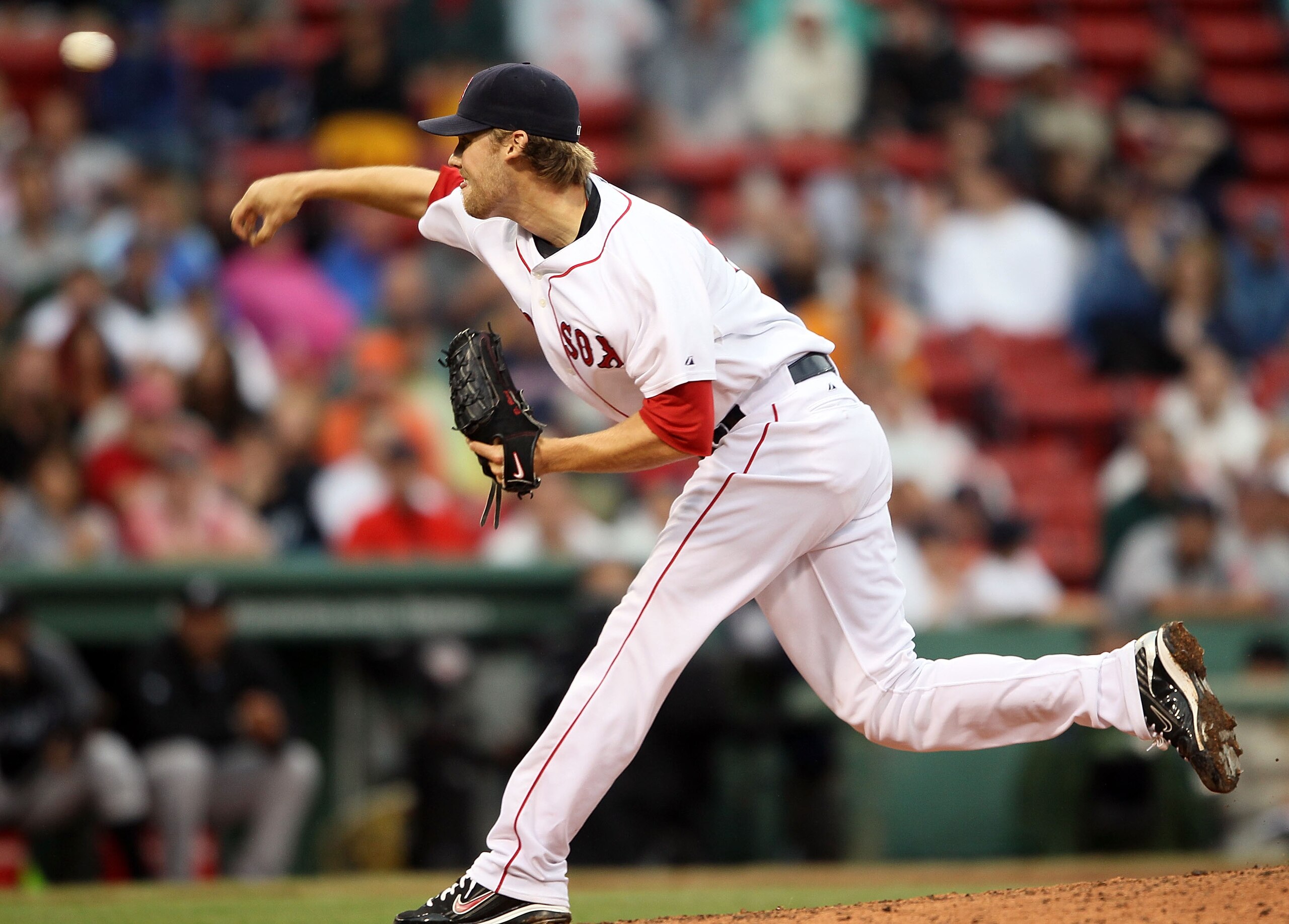
In Jonathan Papelbon and Daniel Bard, the Sox have one of the game's best late-inning 1-2 punches. In fact, Bard's development has made Papelbon expendable. With his salary at a hefty $12 million and free agency looming in 2012, the team might very well try to deal the fiery closer as the trading deadline nears.
Regardless, one of Boston's biggest concerns in 2011 is the bullpen. Sox relief pitching was among the worst in the American League last year, ranking second-to-last in save percentage (66 percent) and 12th in ERA (4.24). Far too many games were given away late, and that has to change.
Manny Delcarmen and Ramon Ramirez are out. Dan Wheeler, Bobby Jenks, Matt Albers and Dennys Reyes are in. Hideki Okajima has been sent to the minors. In short, however the 'pen shakes out this year, you can't say the team hasn't tried something new.
The hope is that the reorganization will minimize the blown saves and help bridge the gap between the rotation and the dependable late-inning arms.
Jenks has plenty to prove. The former White Sox closer will go back to a setup role with Boston, and has to be looking to show that 2010's 4.44 ERA was a fluke.
Wheeler was a standout in Tampa, posting a collective 3.24 ERA and 0.97 WHIP over three seasons.
And though he wasn't great in Baltimore, Albers has been lights-out this spring with a 2.38 ERA, 13 strikeouts and no walks.
If the bullpen can turn things around and keep leads secure, the team will be in great shape.
Backstop Production
3 of 5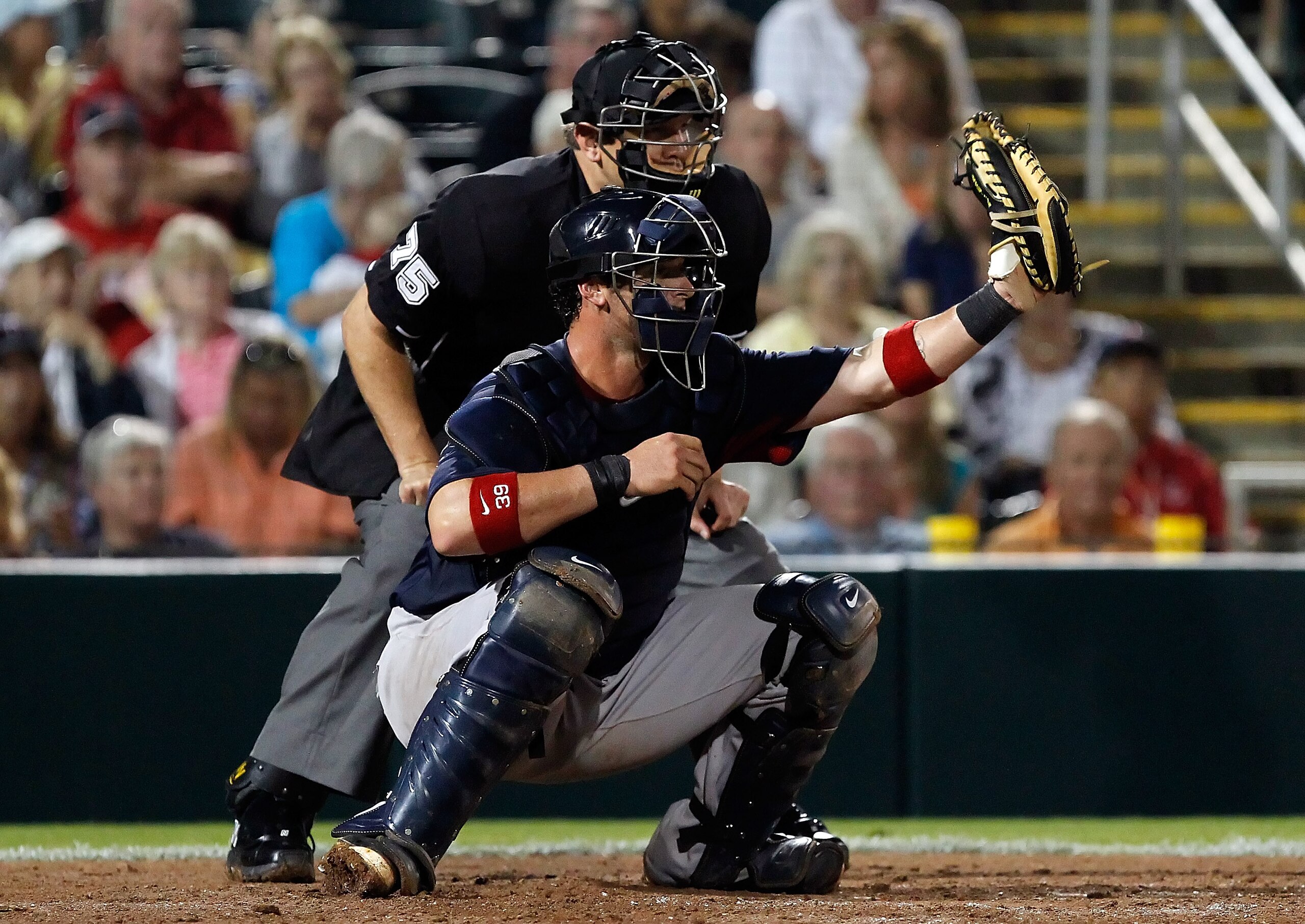
Red Sox Nation loves Jason Varitek. The Captain has been a fixture over the years; his ability to manage a pitching staff and call an effective game cannot be understated. But at the plate, he's simply no longer a threat. And behind it, his arm strength and quickness have worn down.
Varitek is clearly not an everyday player anymore, and so Boston will be relying on 25-year-old Jarrod Saltalamacchia. Once a top prospect, Salty has fallen on hard times. He hasn't developed as many hoped he would and has yet to play anything resembling a full season at the major league level.
His OPS numbers (on-base percentage plus slugging) have gone from mediocre to lousy; a high of .732 in 2007 was bad enough, but that deteriorated to .716, .661 and finally .625 last year.
His defense isn't great, but it would be sufficient if he starts hitting. He still has youth on his side, but unless Saltalamacchia begins making strides in short order, the Sox will continue to focus on the catching position when it comes time to make a trade.
Even if Varitek can contribute at the dish, the team faces the very real possibility of a combined .700 OPS and fewer than 20 home runs from the duo. And while they may be able to get away with those numbers in a stacked lineup, a better solution will need to be found in the long term.
In the playoffs, no team can afford such a glaring positional weakness. Last year, teams ran wild against the Sox on the basepaths, swiping bases at an 80 percent clip. Then there's the ability to work with the team's new pitchers. Varitek can handle the responsibility, but how will Salty fare?
Improving at catcher, both offensively and defensively, will be vitally important down the stretch.

Team Chemistry
4 of 5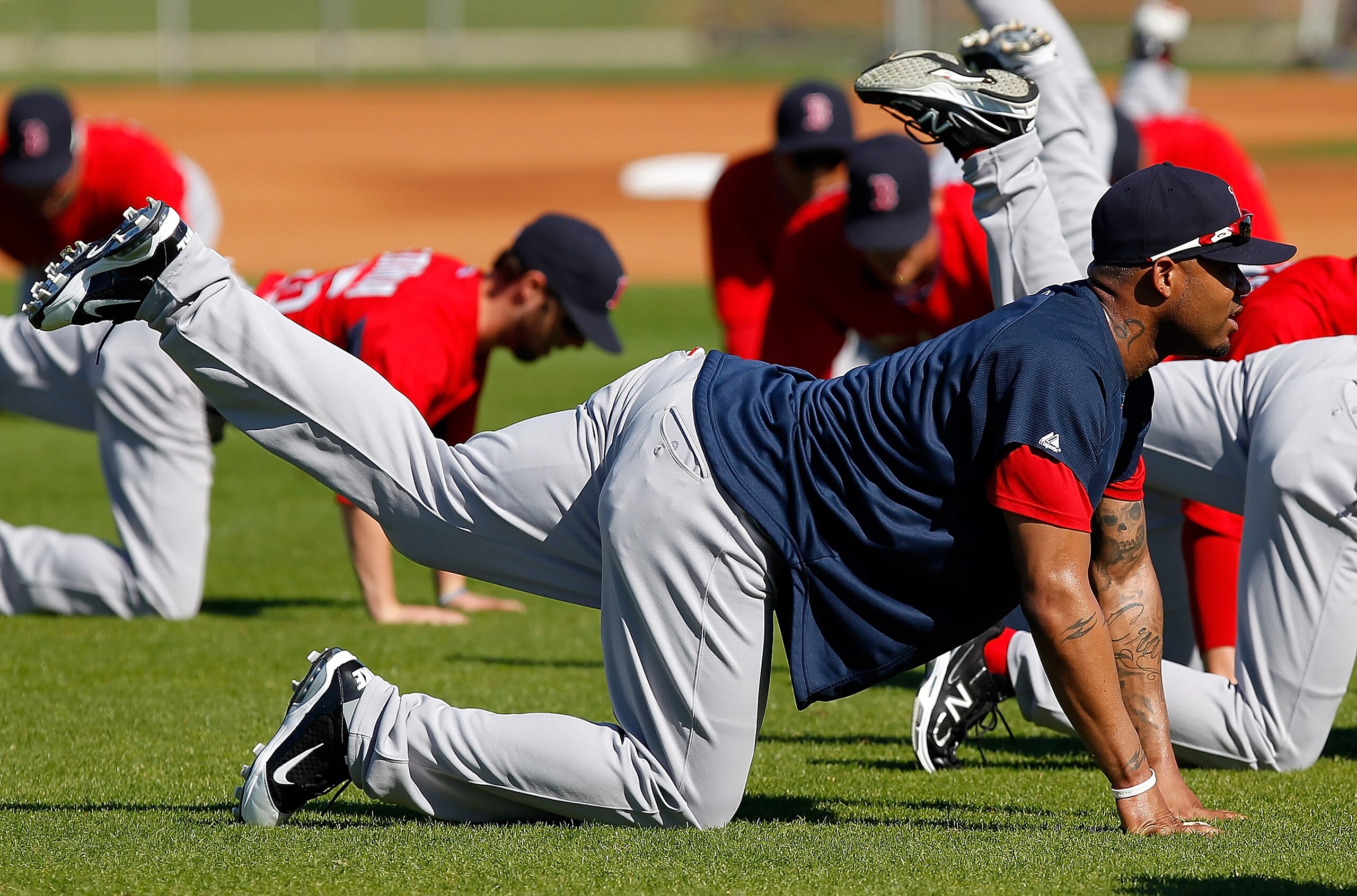
When the Sox were winning titles back in 2004 and 2007, the team knew how to have fun. The players were loose, compatible, and a little bit crazy. The self-described "idiots" and "dirt dogs" didn't necessarily have the most talent on the field, yet they never quit.
The importance of hustle and heart has become cliche in modern sports, but as important as statistics are, a team's chemistry still has a major impact.
Boston just introduced two key players into what was already a very good batting order. Though these guys are widely respected for their skills and should have no problem fitting in, being the new guy is never easy. It almost always requires a period of adjustment.
It's nice to think that Adrian Gonzalez and Carl Crawford will slide right into their new roles with nary a problem. And maybe they will. But adapting to a new environment is still an unknown.
And it's not just the newcomers who are affected. Guys like Kevin Youkilis, Dustin Pedroia and even David Ortiz have had to carry the offense at various points over the last several seasons. The new additions will mean changes for the Sox veterans as well.
Finally, there are some potential issues lingering after last season's difficulties. Jacoby Ellsbury had a highly publicized difference of opinion with the team when it came to his rib injuries and subsequent rehab. He was called out at one point by Youkilis and others. Will that mean continued bad blood, or has it truly been forgotten?
How will Terry Francona keep all of these guys happy in the lineup? Crawford doesn't like to lead off, but will Tito be able to honor his new left fielder's wishes? Will Ellsbury be bumped to ninth in the order? Can Pedroia handle leadoff if it comes to that?
The decisions that Francona makes and the way all of these players mesh will go a long way toward determining the team's level of success in 2011.
The Injury Bug
5 of 5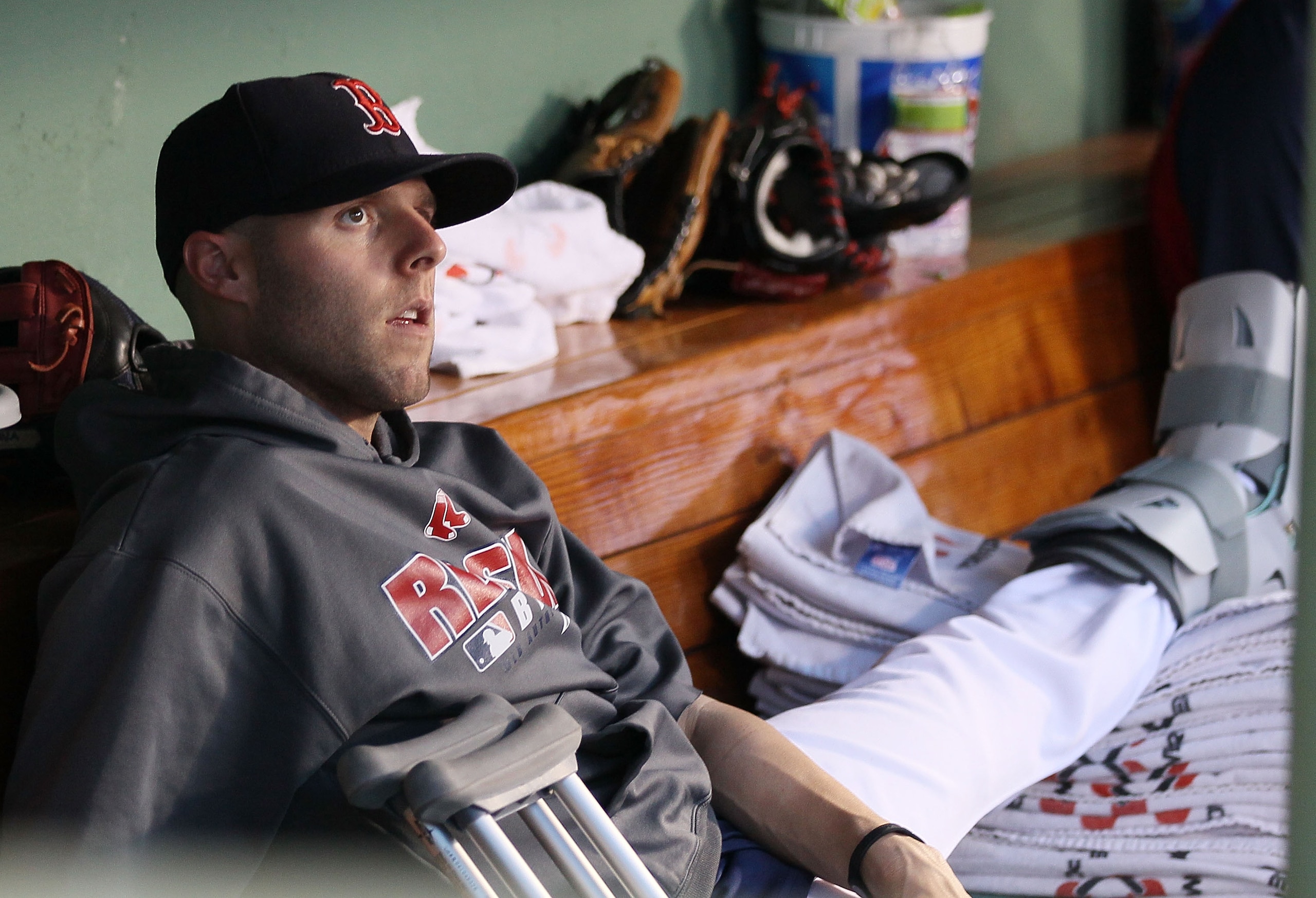
The 2010 season was nothing short of a disaster for the Red Sox in terms of injuries. It's hard to believe that any team could be that unlucky two years running. But if fans learned anything, it's to never take a player's health for granted.
You can have nothing but All-Stars—if they're on crutches instead of on the field, they can't be of much help.
While I'd like to believe that this team is mentally tough enough to overcome challenges, I do think it's important to avoid any major injury-related setbacks, especially early in the season. Seeing a key player go down with something serious could certainly evoke a "here we go again" reaction from the the rest of the team.
The good news is that Boston has depth. Mike Cameron and Darnell McDonald are more than capable of spelling the top three outfielders. Marco Scutaro and Jed Lowrie can both play the middle infield positions. And the team has some flexibility at the corners with the addition of Gonzalez, although third could become a problem spot if Youkilis was to get hurt.
That said, even backups went down last season. Depth alone is no guarantee of success.
The player with the most to prove is Ellsbury, because his rib fractures cost him (more or less) an entire year. The team isn't wholly confident in him as a centerfielder, and he needs to improve his on-base percentage if he has any hope of batting atop the order.
But every player who missed significant time last year will be looking to re-establish himself, and the overall health of the team will be on everyone's mind as the season progresses.
Personally, I'm going with the belief that this year will have to feature fewer trips to the DL based on the law of averages alone. And if this team can stay healthy, it should compete for the A.L. East.
Making an early prediction, I expect the Sox to win the division and make a nice playoff run, assuming the pitching holds up. The talent is there for a trip to the World Series. Let's hope that these guys can make it happen.




.jpg?w=2560 "Weather Channel Trolls Texans-Titans 💀")