
Premier League: Examining Tottenham Hotspur's Title Credentials in 2012
With so much left to play for in this league campaign it may seem premature to begin speculating on the destination of next year's Premier League title. With upcoming challenges both in the league and in European competition, Tottenham Hotspur will fear more than most getting too far ahead of themselves.
Yet, with so much still to play for, the final two months of their 2010/11 season will also in some ways give us a good idea of whether they really are the closest they have been for two decades in ending their now half-a-century wait for another championship.
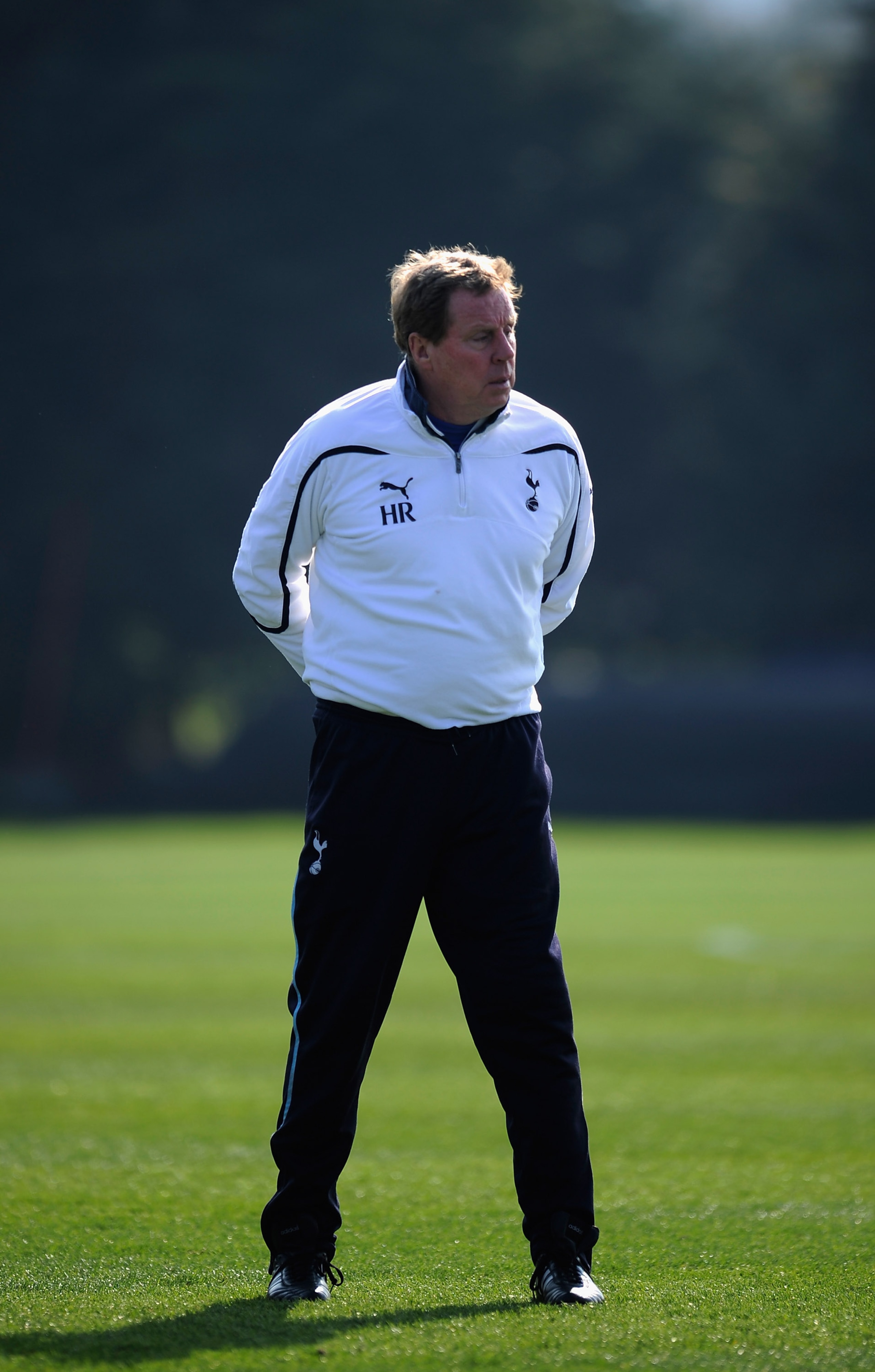
Are they on the verge of becoming a serious rival to perennial title challengers like Manchester United and Chelsea, and where does progress need to be made so Harry Redknapp's side do not lose ground to the emerging force of Manchester City?
Achieving Consistency
1 of 5
Tottenham's thrilling return to the Champions League has gone someway to masking an uneven campaign at home.
Currently in fifth place with 50 points, five behind Chelsea in fourth, with eight games left they still have ample opportunity to cement a second top-four finish in a row. However they have not made things easy for themselves, and only similar inconsistency from the teams around them—specifically Chelsea, Manchester City and Liverpool—has kept them from drifting back into mid-table obscurity.
A main point of frustration with Spurs supporters has been an inability to get results against teams down the bottom of the table. In a season where the parity of many teams is such that just under half of the league are still fighting it out to avoid relegation, perhaps the White Hart Lane faithful should be content where they are.
With all due respect to these clubs these are games that a team wanting Champions League football, let alone having championship aspirations, need to win. In seven games against the current bottom four (Blackpool, West Ham, Wolves and Wigan) they have lost three and only won once (3-1 against Wolves in September).
With these clubs making up Tottenham's previous four league fixtures, it can't help but look like a worrying indictment of their ability to succeed that they have not been able to take maximum points when they needed them most.
Fighting on More Than One Front
2 of 5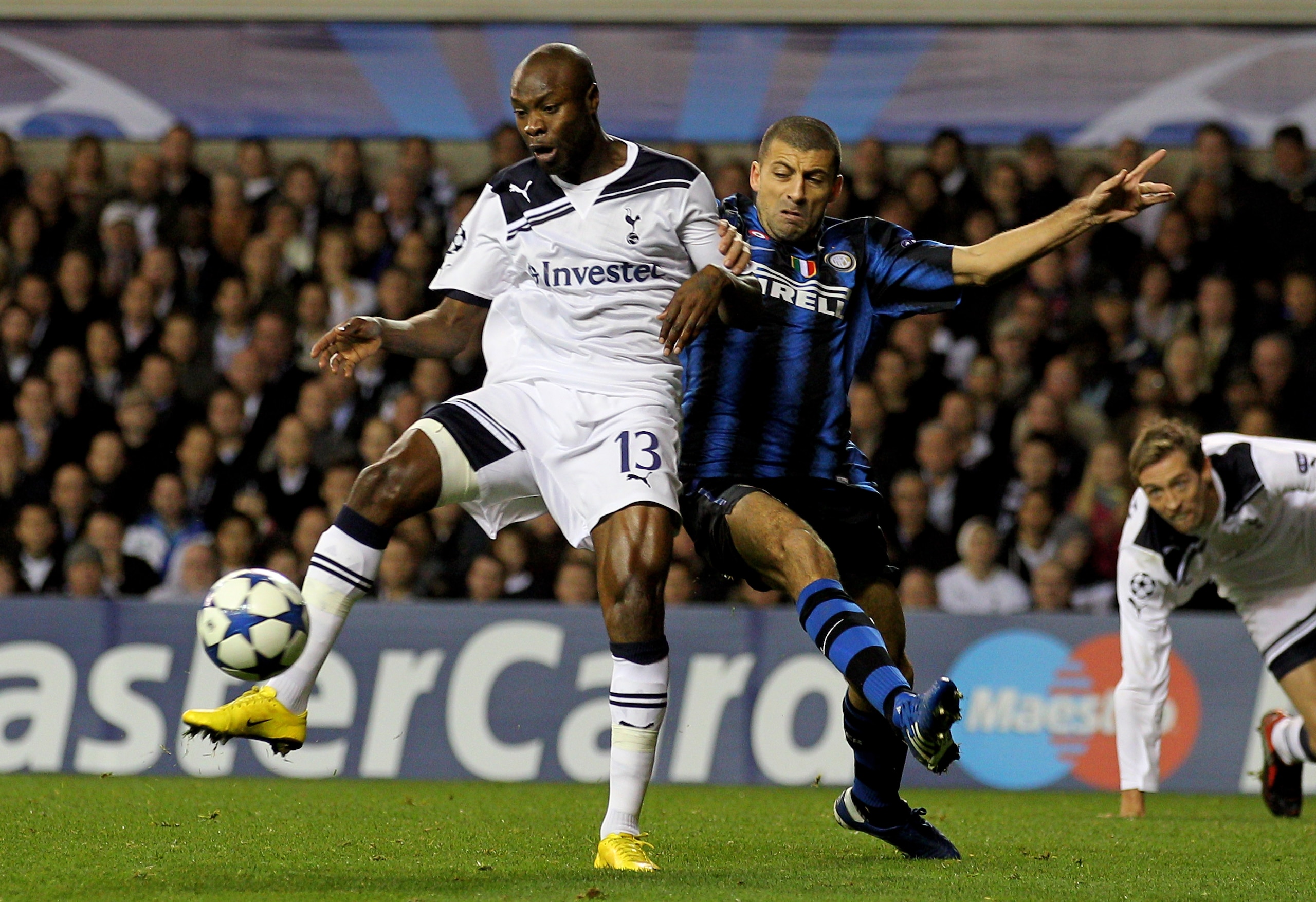
Tottenham's recent inconsistency does beg the question of how well they have been able to juggle both their league and Champions League commitments, with their recent slump coming around their hard-fought second round victory over AC Milan.
The answer is...actually not too shabbily. In Premier League games either side of their first three group matches in September and October they lost only once. Moving into November, two poor away losses came either side of the 3-1 win versus Inter Milan, but they did not lose again outside around either of their remaining group fixtures.
Harry Redknapp's squad also proved resilient over the hectic Christmas and New Year period. After their 4-2 loss at Bolton on 6 November they went unbeaten in the league until a narrow 2-1 away defeat to Everton on 5 January.
In Redknapp's time at the club Spurs have handled the hectic nature of the English football season generally well. In their run to the top four last year, while they were not competing in Europe, they reached the semi-finals of the FA Cup by way of three replays.
The Champions League is admittedly an altogether different prospect to the FA Cup. But Spurs have shown themselves more than capable of handling two-games a week over a lengthy period. Should they be playing top-flight European football again next season this should not be a hindrance of any prospective bid for the title. They will have to find other excuses for their failures.
Beating the Best
3 of 5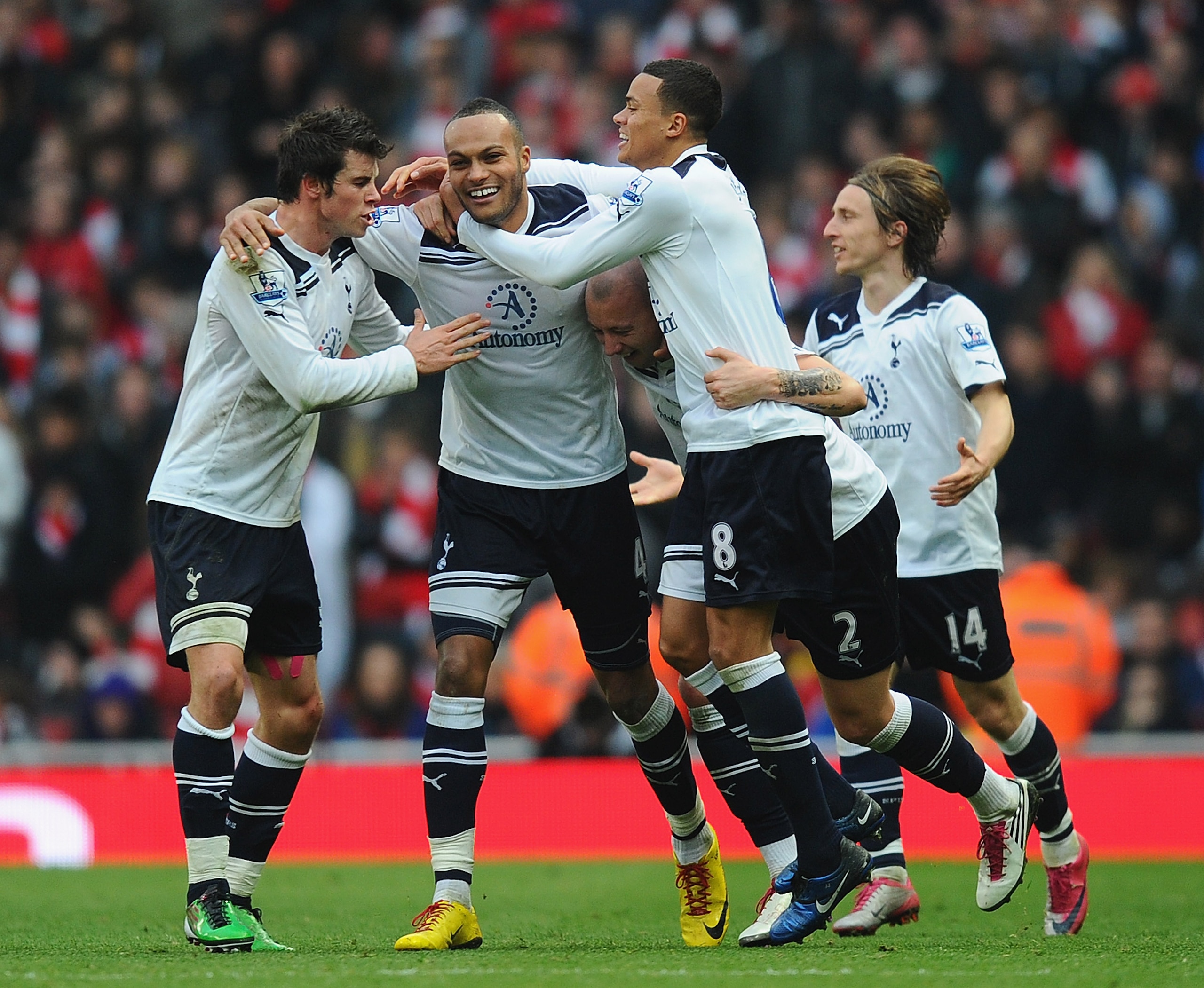
One such excuse should not be their record against the Premier League's best teams.
During Martin Jol's tenure as manager Spurs recorded their best finishes in the Premiership era (fifth in 2006 and 2007), returned to European competition, and for a time became a genuine threat to the hegemony of the "Big Four." However a failure to beat Chelsea, Manchester United, Arsenal or Liverpool with any real regularity denied the club's dreams of further progress.
While the Red Devils remain an elusive scalp, over the last 18 months they have secured memorable and well timed victories over their rivals at the top of the table, a group which now includes Manchester City.
Tottenham's remaining schedule this season bares remarkable resemblance to the run-in of last year, with difficult fixtures once again versus City and their London rivals, as well as a trip to Anfield. Positive results this time around will almost certainly bring the same reward of Champions League football, but they could also prove vital psychologically.
To be able to go into next season with a first league double over Arsenal for several years, and/or wins in a couple of Premier League football's toughest fixtures would prove that their wins in 2010 were not merely a fluke. They would act as a statement of intent, that Tottenham are now a genuine contender for championship glory.
This is of course easier said than done, but a necessary challenge Spurs most arise to if they want to progress any further.


Personnel Matters
4 of 5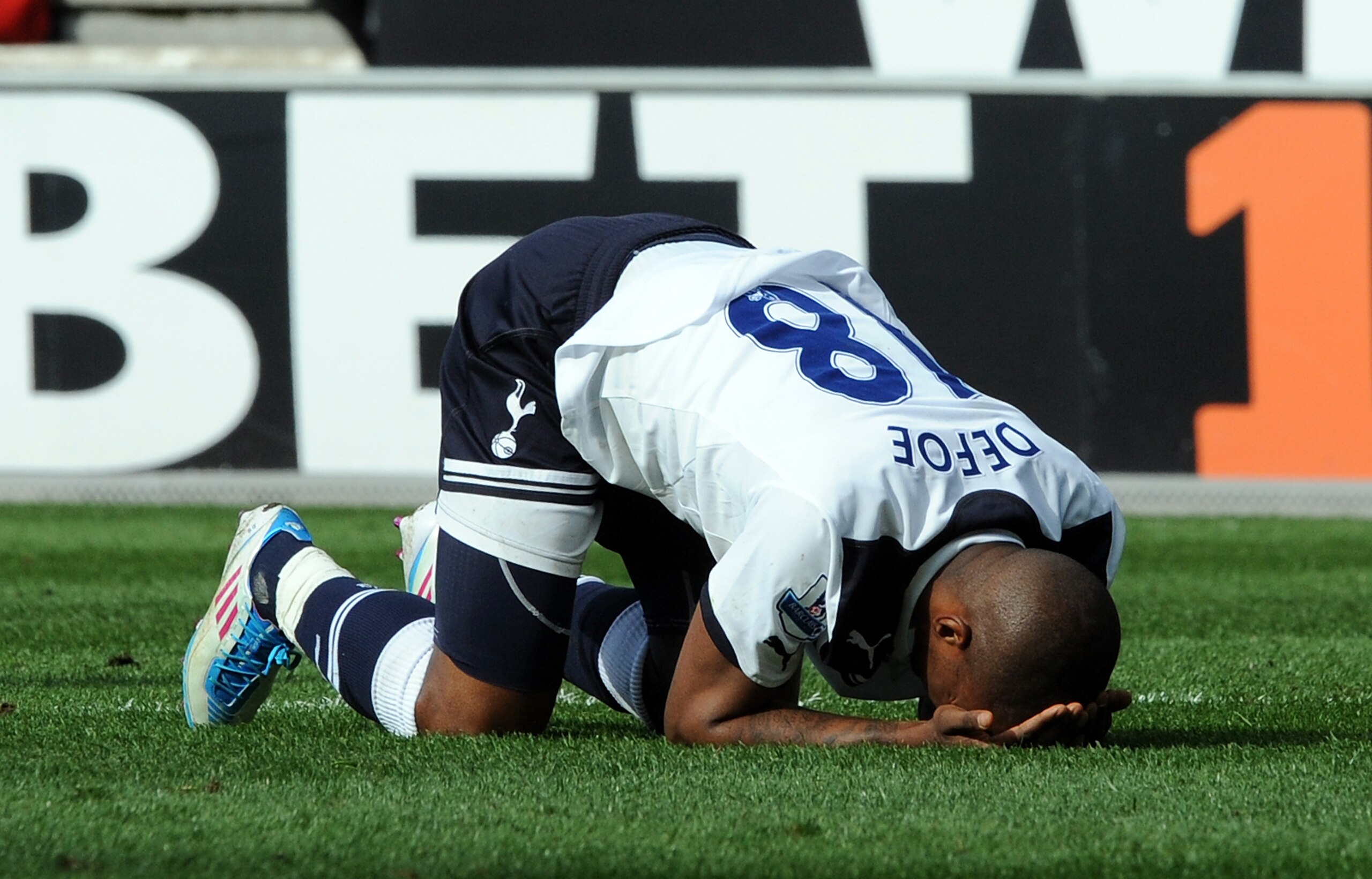
Tottenham are already blessed with a talented squad. If they can hold onto several key parts this summer (regardless of them signing new contracts there will likely be interest in Luka Modric and Gareth Bale), the experience gained through this season and their adventures in Europe will stand them in good stead in 2011/12.
Just what they can do in the transfer market this summer may depend on whether they are able to lure prospective players with Champions League football. Either way there are some areas where improvement, or reinforcement at least, is needed.
Spurs are realistically going to be unlikely to find a left-back who can improve upon the work Benoit Assou-Ekotto has done in that position. But they will need cover for him, especially if they continue to use Bale as a left winger. At central defence, the continued injury problems of Jonathan Woodgate and Ledley King are a concern Harry Redknapp might feel he needs to address too.
One area that needs addressing is the worrying lack of goals from Tottenham's forwards. The club's current strikeforce consists of good, capable players with different attributes. But not since the departure of Dimitar Berbatov have they had what you would call an elite striker who could help bring the best out of them.
From Alan Shearer to Ruud Van Nistlerooy, Thierry Henry to more recently Didier Drogba, title winning sides have had that top-level calibre forward capable of regularly getting 20-plus goals a season. That Spurs reportedly spent the last couple of days of the January transfer window putting in huge bids for some of La Liga's most prolific strikers suggests this is an issue the club's coaching staff are more than aware of. Recent troubles in front of goal will make sure this hunt is resumed come June.
Plan B
5 of 5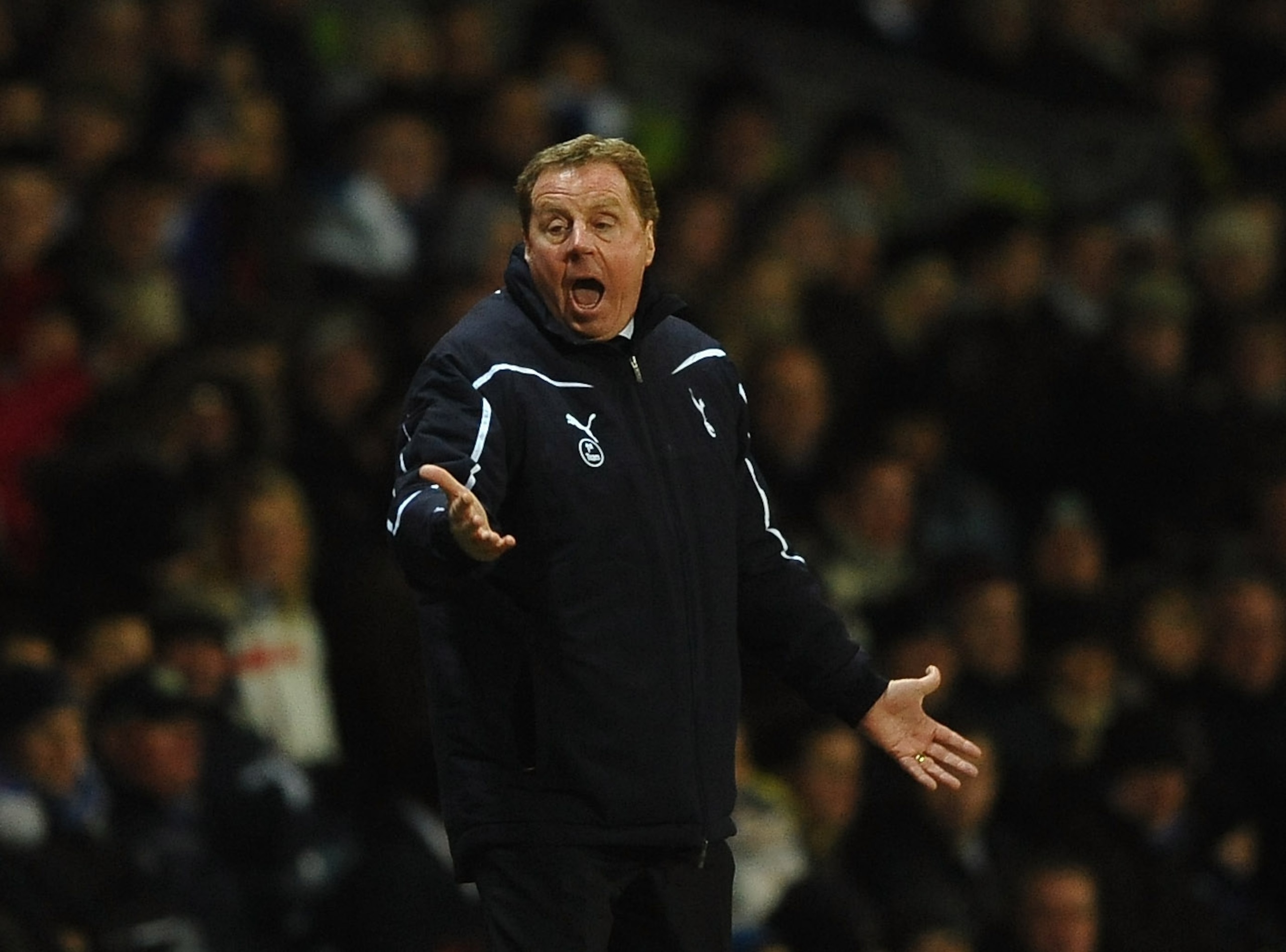
Considering the heights they have helped return Tottenham too in the past couple of seasons, any criticism by Spurs supporters of the tactics employed by the club's coaching staff and in particular manager Harry Redknapp are often brushed off as the ungrateful complaints of a perpetually moaning fanbase.
But seasoned Tottenham watchers will have found at several points in Redknapp's reign the appearance of a coach without a Plan B, one with little imagination to make changes when needed in both tactical approach and team selection.
Most problematic this season has been the use of Peter Crouch. Too often Spurs will resort to launching long balls and crosses in search of their tall forward in the penalty area. While this has fared better against European sides less experienced with such a physical threat, for many Premier League defences it is easy pickings. It is hard to work out whether this is how Redknapp wants them to play, or if it his players giving up too easily in trying to break down opposition defences.
It is one example of Spurs picking a singular approach to utilising their attacking weapons and sticking to it, one synonymous with Redknapp's philosophy of picking talented footballers and letting them play. But at some point a more thoughtful approach is needed.
Redknapp has proven he is not without some tactical nous. The away leg against AC Milan was a fine demonstration of selecting a team that was capable of absorbing punishment and still being a potent threat on the counter attack.
That Redknapp has taken Spurs to a point where they are considered potential title challengers also speaks immeasurably about his ability to get the best out of players. To take that final step, a more considered and imaginative approach will be needed.


.png?w=2560 "Week 8 Winners & Losers 📊")



.jpg?w=2560 "Jonathan Taylor Landing Spots")