
US Soccer: 5 Things We Learned About the United States Against Argentina
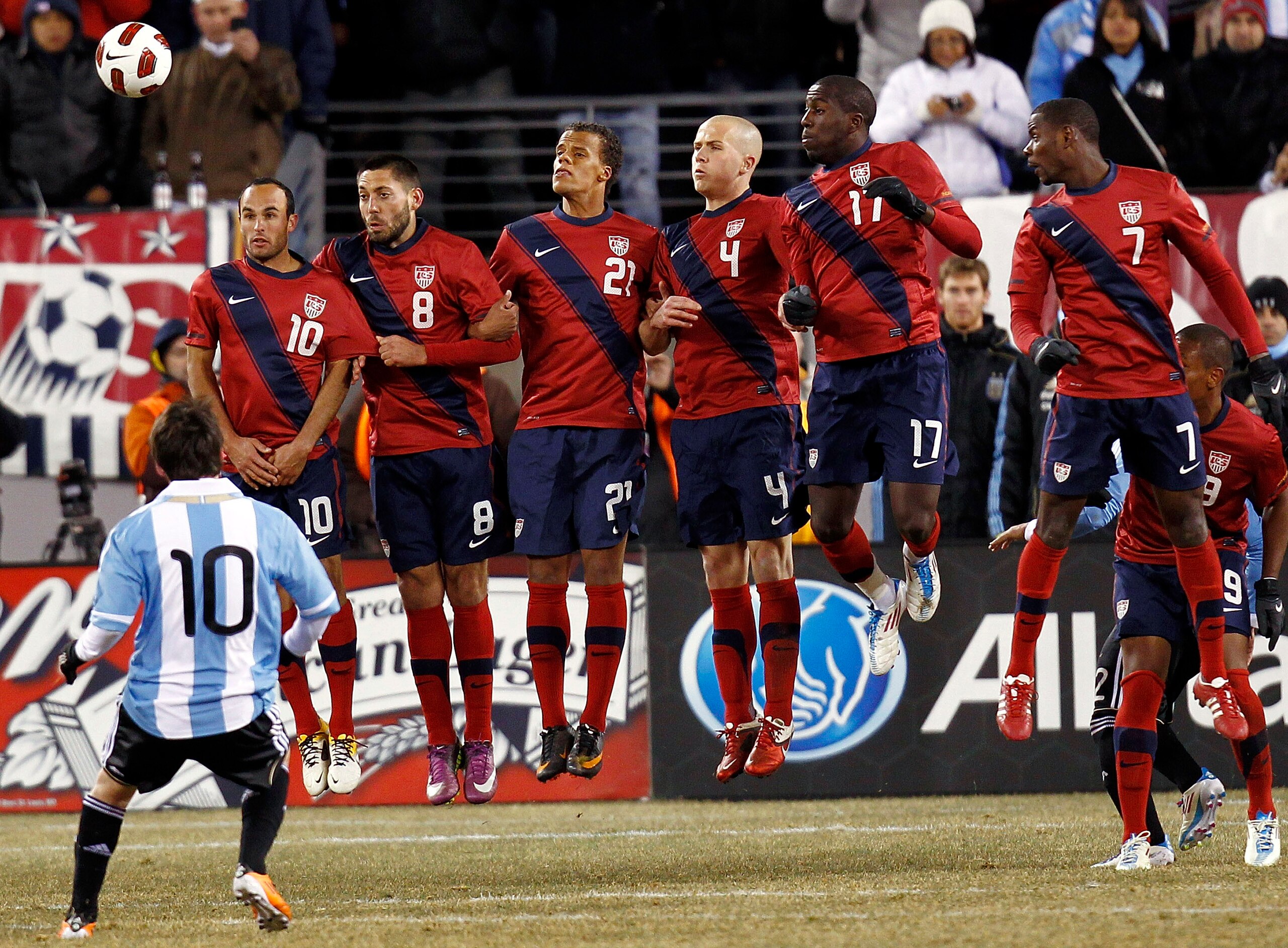
On Saturday night, the United States took on one of the best international teams in the world. Argentina feature the world's best player, Lionel Messi, and the talent certainly does not stop there.
For the first 45 minutes, Messi and Co. put on a passing clinic, as the Argentine side hardly faced any adversity. While they put on a show, the U.S. looked lost while chasing the ball, and they finally conceded with five minutes left in the half.
In the second half, the Americans played with a more attacking mentality, and they leveled the score.
While it wasn't the prettiest of performances from the Americans, they showed their trademark resiliency in coming from behind again.
We knew they would be tough-minded going in, but what did we actually learn from the match? Here are five things that I noticed after watching the American side draw with Argentina.
The Defense Relies Too Heavily on Tim Howard
1 of 5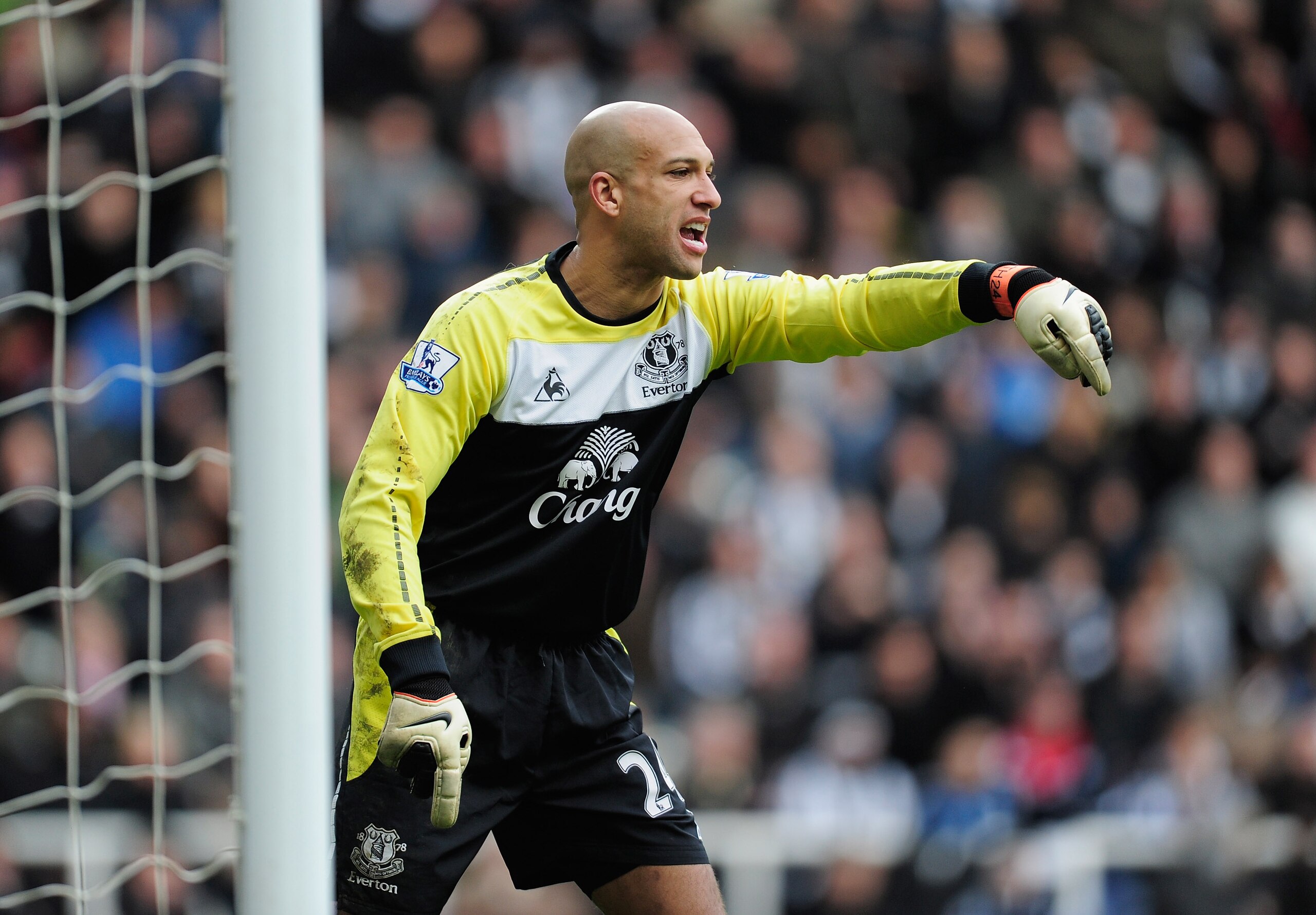
In the world, Tim Howard is a top-15 goalkeeper. Arguably, he is a top-10 keeper. Still, the United States can't rely on him to make save after save against top competition.
A defensive-minded formation isn't a bad idea, but some pressure needs to be put on a team like Argentina. If not, they will pass around until they find a seam and then pepper the goalie.
Howard continued to make saves, but eventually, he was beaten. If he weren't called upon a dozen times, the chance of him maintaining a clean sheet would increase.
It's easy: If you don't concede, you can't lose. The United States have good enough defenders, but they have a "Tim will bail us out" mentality. With that, they don't have a pressing feeling to take the ball away.
That mentality is fine in the midfield, but once the strikers start knocking the ball around the box, the ball needs to be cleared.
The defense remains relaxed, and the opposing team can have its way with them. The defenders need to step up, and they need to relieve the constant pressure on the American keeper.
4-4-2 Is the Best Formation for the Americans
2 of 5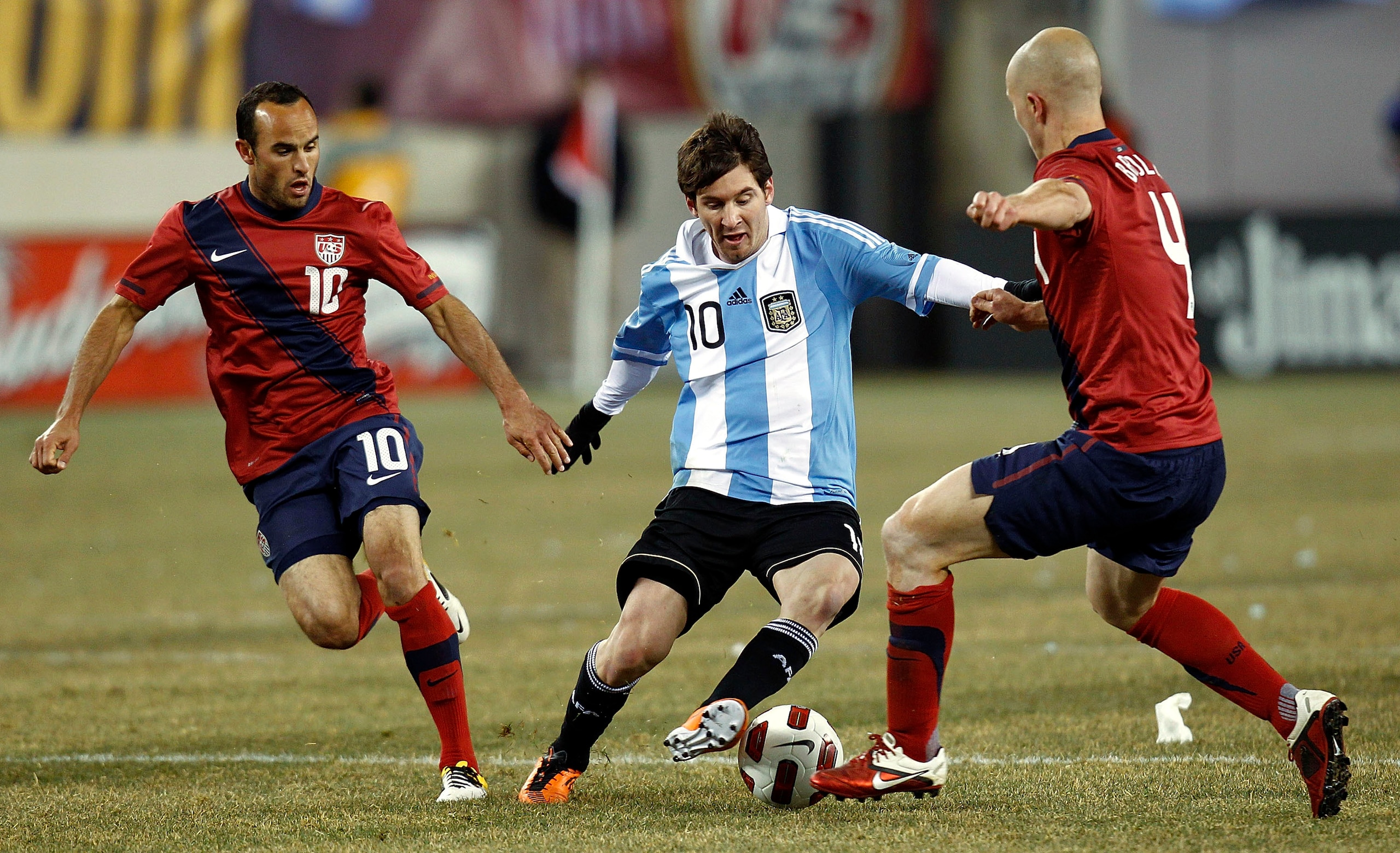
I was excited as anyone when Jermaine Jones started playing for the United States. I thought he would provide a strong presence in the midfield for the red, white, and blue.
Unfortunately, I don't think he fits on the squad. Once he was replaced with Juan Agudelo, the American side started looking dangerous offensively.
While Jones is a good defensive midfielder, he does not help the United States push forward. If the United States wants to be competitive, they need to have some form of offense, and 4-4-2 gives them the best chance to do that.
The 4-2-3-1 formation is gaining a lot of popularity, and with the right personnel, it is one of the most effective formations in the world. Unfortunately, the Americans do not have the talent at the right positions to be effective in that formation.
With the 4-4-2, the United States can have two strikers work together while the midfielders and (potentially) defenders push up to help the attack.
If the U.S. doesn't have a striker that can work alone, they will not be able to run a 4-2-3-1. That's fine. The coaching staff just needs to recognize that a 4-4-2 provides the U.S. with the best chance to win.
Jozy Altidore Is Not Able to Play Striker Alone
3 of 5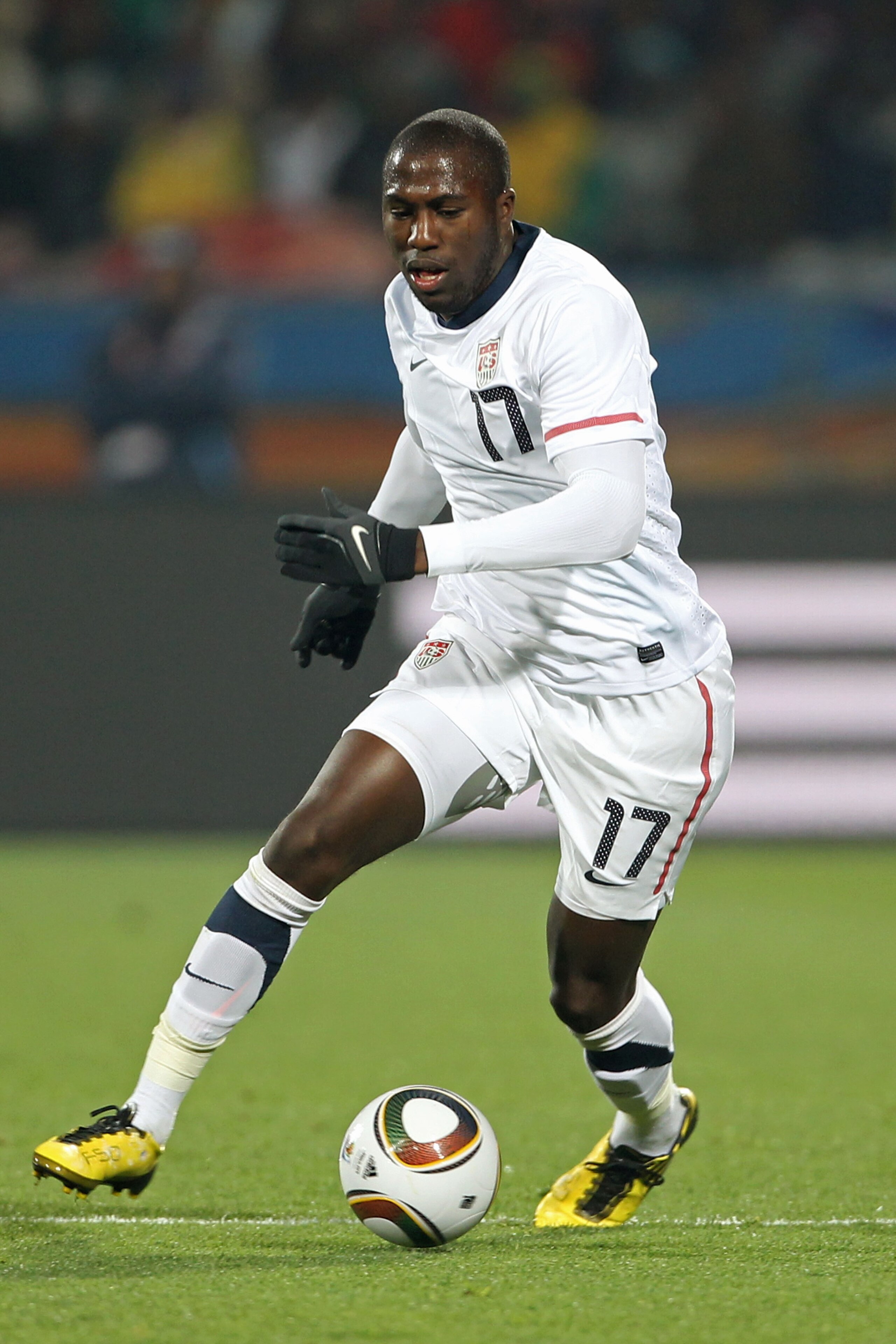
Jozy Altidore is a tremendous talent. Although he had a disappointing World Cup, he was the Americans' best option for the striker position. He continues to improve, and he has the ability to develop into a tremendous target forward for the U.S.
Unfortunately, he is not there yet.
Against Argentina, Bob Bradley started the match by playing Altidore alone up top. Obviously, he wanted to keep more players behind the ball and maintain a strong defense against a skilled Argentine squad. Nevertheless, the United States were unable to build any substantial opportunities in the first half.
Once Altidore had an attacking partner, the Americans were able to combine for a few dangerous build-ups, and they were eventually able to score, albeit off a set piece.
Altidore doesn't have the ability to hold the ball long enough for his midfielders to catch up to him. He has the strength and balance, but he does not have the ball skill or composure needed to hold the ball for 10 or 15 seconds while the counter-attack builds.
His impatience prevented the United States from testing the Argentine defense in the first half.
Once he had another striker, Altidore was able to build up a few attacks, and the Americans looked dangerous. Jozy has played pretty well for the United States, but he needs help up top to be effective.

Bob Bradley Cotinues to Handcuff His Team
4 of 5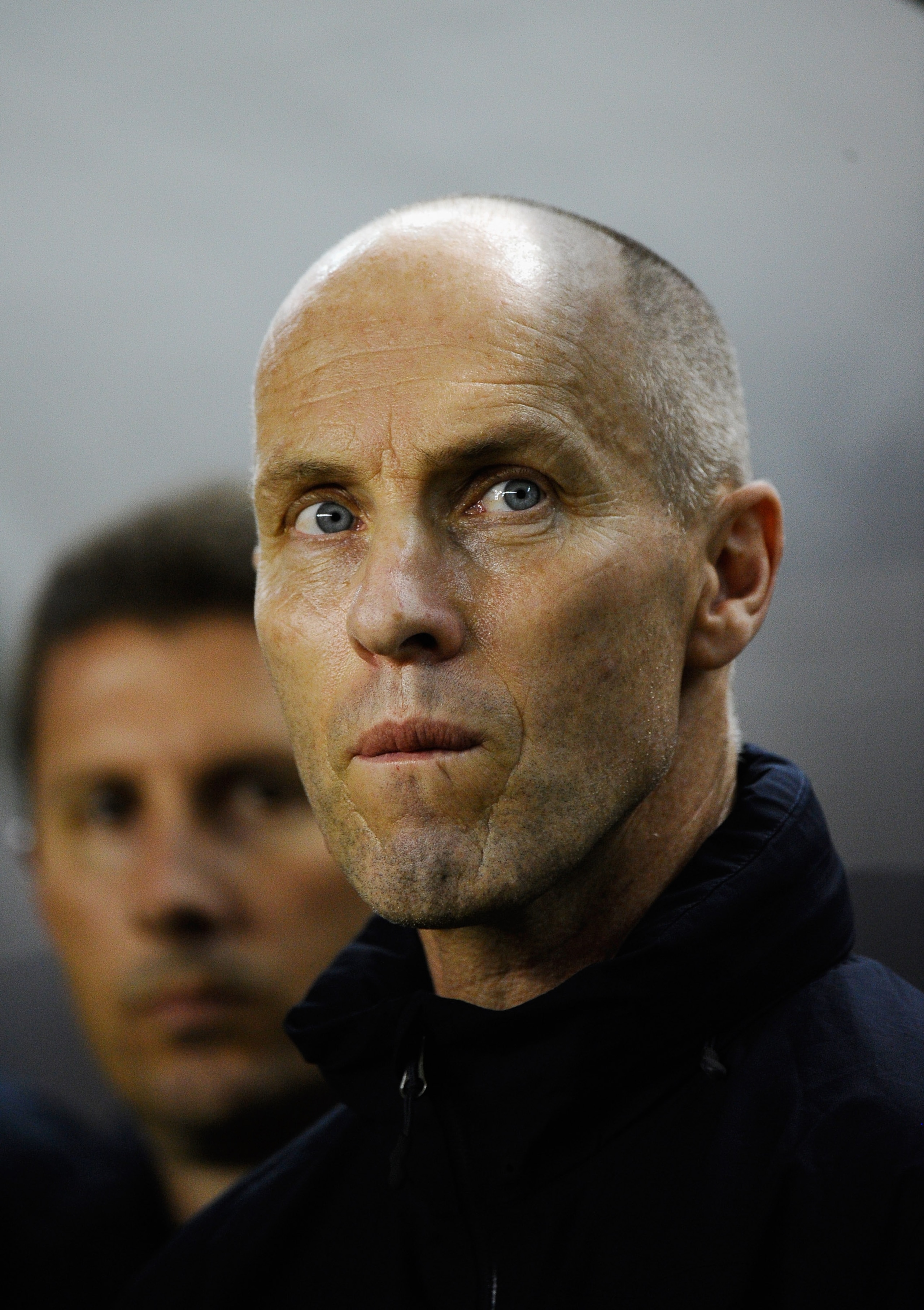
I would like to note that I like Bob Bradley. A lot of people have been down on him after a disappointing World Cup.
Some of his decisions were questionable (Ricardo Clark anyone?), but they could be justified; however, his lack of creative tactics continue to show against the world's best.
Obviously, the U.S. does not have many creative players. Some of the squad's most well-known players rely on hard work and effort to succeed (see: Donovan, Bradley, Altidore).
That's fine. If the creativity doesn't come from the players, however, the manager needs to be creative. It is his job to put his players in the best position to succeed. Bob Bradley does not always do a good job with that.
His decision to run a compact 4-2-3-1 against Argentina wasn't a poor decision, however, his decision to avoid putting pressure on their strikers is inexcusable.
The defenders were clearly instructed to allow the Argentinians to get deeper and deeper into the Americans' third and let Tim Howard do the rest. The American defenders are not talented enough to take the ball away at the last possible instant. That was evident against Argentina.
Then, in the second half, everything changed. The Americans were building attacks, applying pressure, and frustrating the more talented squad. Why? Their 4-4-2 formation allowed the forwards to combine, the midfielders to use their speed, and the defenders to take a breather every now and then between onslaughts.
See? Bradley has the knowledge. He knew his team needed a change, and he knew they needed to try something to have a more attacking mentality. Guess what? It worked. The United States played with one of the best teams in the world, and they earned a 1-1 draw.
Now, he just needs to do that from the beginning. Rather than start the game in a defensive formation and appearing scared, he needs to instruct his squad to go right after a team that can get frustrated.
Maybe you lose 3-1, but you at least stand a chance of winning the match. In my opinion, the United States needs to start trying to win games instead of trying to hang with the best teams. The easiest way to do that is for Bradley to start putting his players in a position to succeed.
Juan Agudelo Is the Spark the United States Need
5 of 5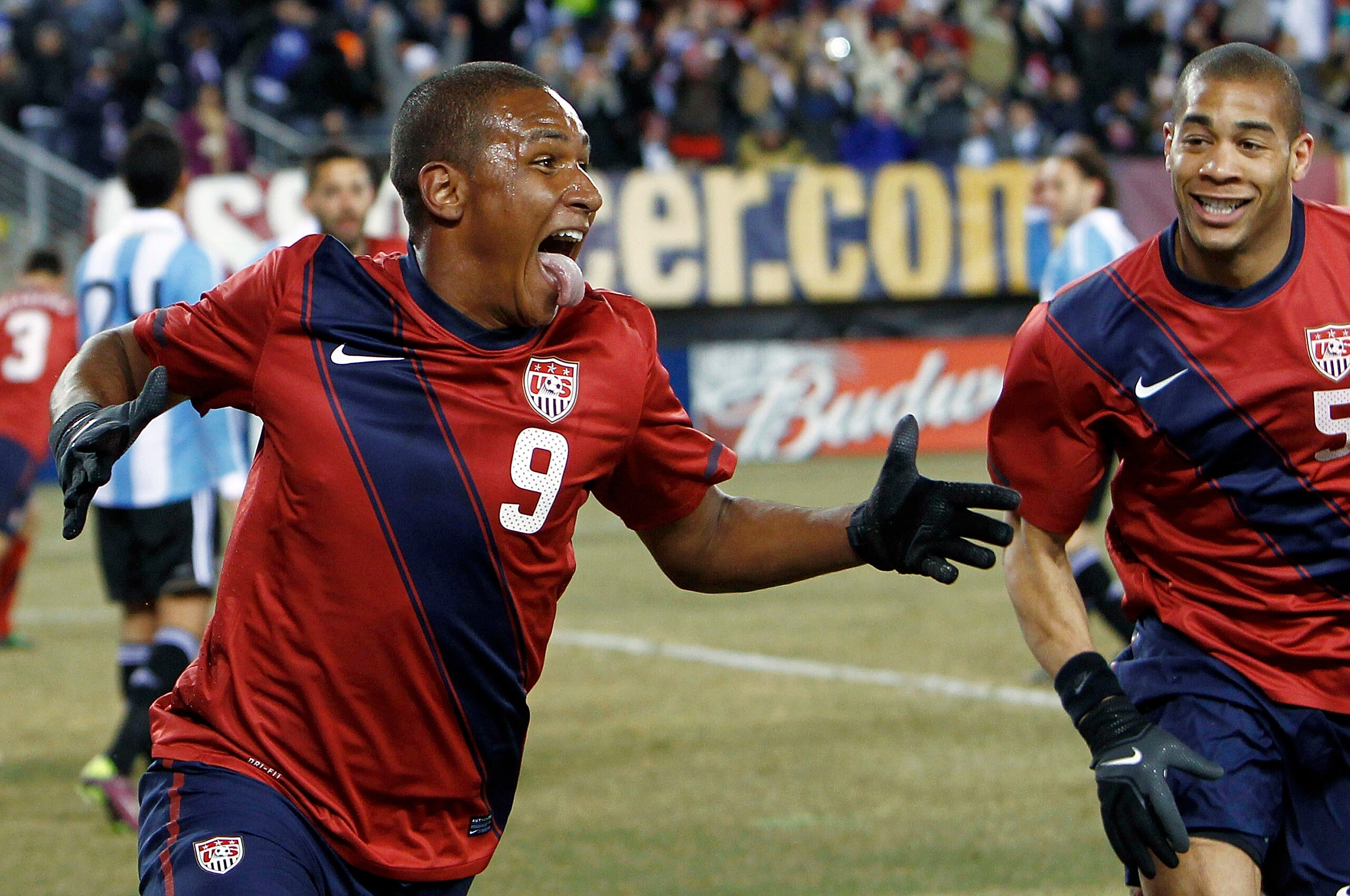
I purposely didn't write this article right away. I didn't want to get caught up in the Agudelo high and sound foolish. Still, it's too hard not to be caught up with this kid.
He has shown creativity, confidence, and (most importantly) an ability to put the ball in the net. While he may never be a world-class striker, he can give the Americans a legitimate scoring threat up top.
Granted, the goals he has scored have not been breathtakingly skillful, but that doesn't matter. He has a nose for scoring goals, and that is the most important thing. He has a swagger on the field, and he has no fear going after one of the best international teams.
Those intangibles are something the United States desperately need.
If the Americans have finally found a legitimate goal-scoring threat, they have the chance of climbing the world rankings, and they have a more serious ability to beat any team in the world.
Maybe Agudelo isn't the answer, but his showing on Saturday night has given the United States team something to look forward to, and that may be his most important addition. He gives the team a new confidence, and the future looks bright.
No one knows where his ceiling is, but I am hoping that it is very high. If so, he could change the face of American soccer.





.jpg?w=2560 "Latest Peyton-Colts Rumors")