
Buffalo Bills: Top 10 Best Buffalo Bills Draft Picks of the 2000s
This is the second part of a two-part series on the Buffalo Bills' draft picks in the 2000s.
The Bills have not had much success in the NFL Draft recently. Still, they have managed to identify and select some Pro Bowlers and diamonds in the rough.
I determined the rankings based on the quality of the players' contributions to the team, and their value based on when they were drafted.
Feel free to add your opinions in the comment section about who I may have left off, or how you would change the order.
Bonus Slides: Undrafted Free Agents
1 of 12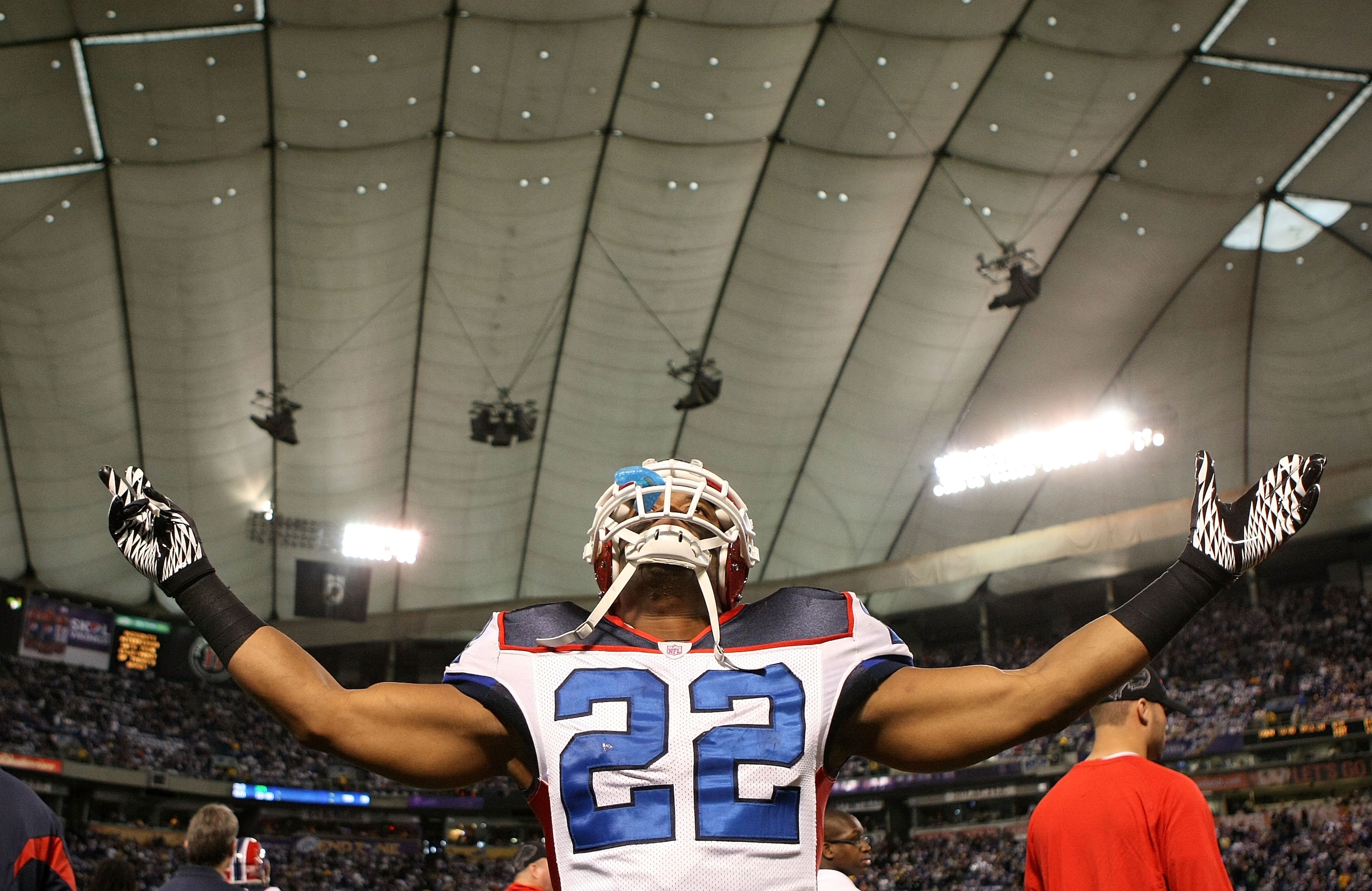
Buffalo has had success in recent years at identifying players that went undrafted, but can make valuable contributions to the team. Here are some notables:
David Nelson:
Picked up just last year out of the University Florida. A big target, he showed he could have success running routes across the middle of the field. I'm looking forward to see how he develops.
Fred Jackson:
A running back out of Coe College, Marv Levy's alma mater, he has done exceptionally well after spending a few years in NFL Europa. He played so well that he made Marshawn Lynch expendable.
Bonus Slide: Undrafted Free Agents
2 of 12
Jabari Greer:
After being picked up by the Bills in 2004, he spent several years as a nickelback and eventually became a starter opposite Terrence McGee. Unfortunately, he played so well that he out-priced himself when his contract came up.
Jason Peters:
Some say he's overrated. Others say he's one of the best offensive linemen in the game. What no one can deny is that he is one of the greatest undrafted free agent success stories.
He came into the NFL as a tight end, but was quickly converted to tackle by the Buffalo coaching staff. Peters became an All-Pro tackle and expected to be paid like one. He had a lengthy holdout in 2008, and a sub-par season. After that, Buffalo traded him to the Philadelphia Eagles.
10. Demetrius Bell, OT. 7th Round
3 of 12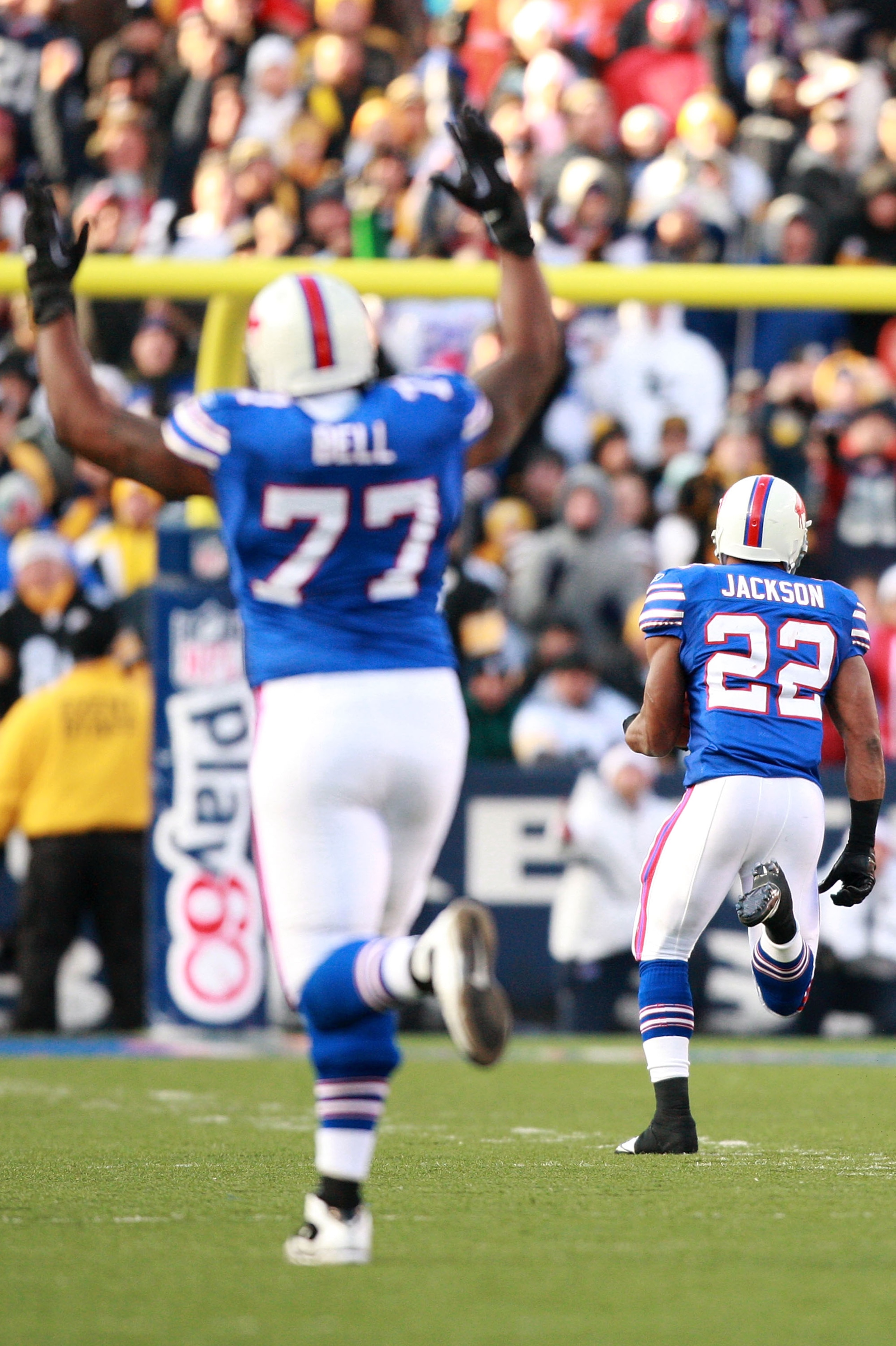
Demetrius Bell had only played three years of organized football when the Buffalo Bills drafted him in the seventh-round out of Northwestern State in 2008.
Since that time, Bell has certainly proved worthy of that pick. His potential must have been a factor when Jason Peters was deemed expendable and subsequently traded. He stepped into the starting lineup after the Peters trade in 2009. His play was not all that spectacular, but it was good enough to keep his starting job in 2010 where he was much improved.
Bell should continue to get better over the next few years and be a more than serviceable option. Expectations are not high for a seventh-round pick. It's a pretty good thing then when you're able to identify a starter in that round.

9. Paul Posluszny, LB. 2nd Round
4 of 12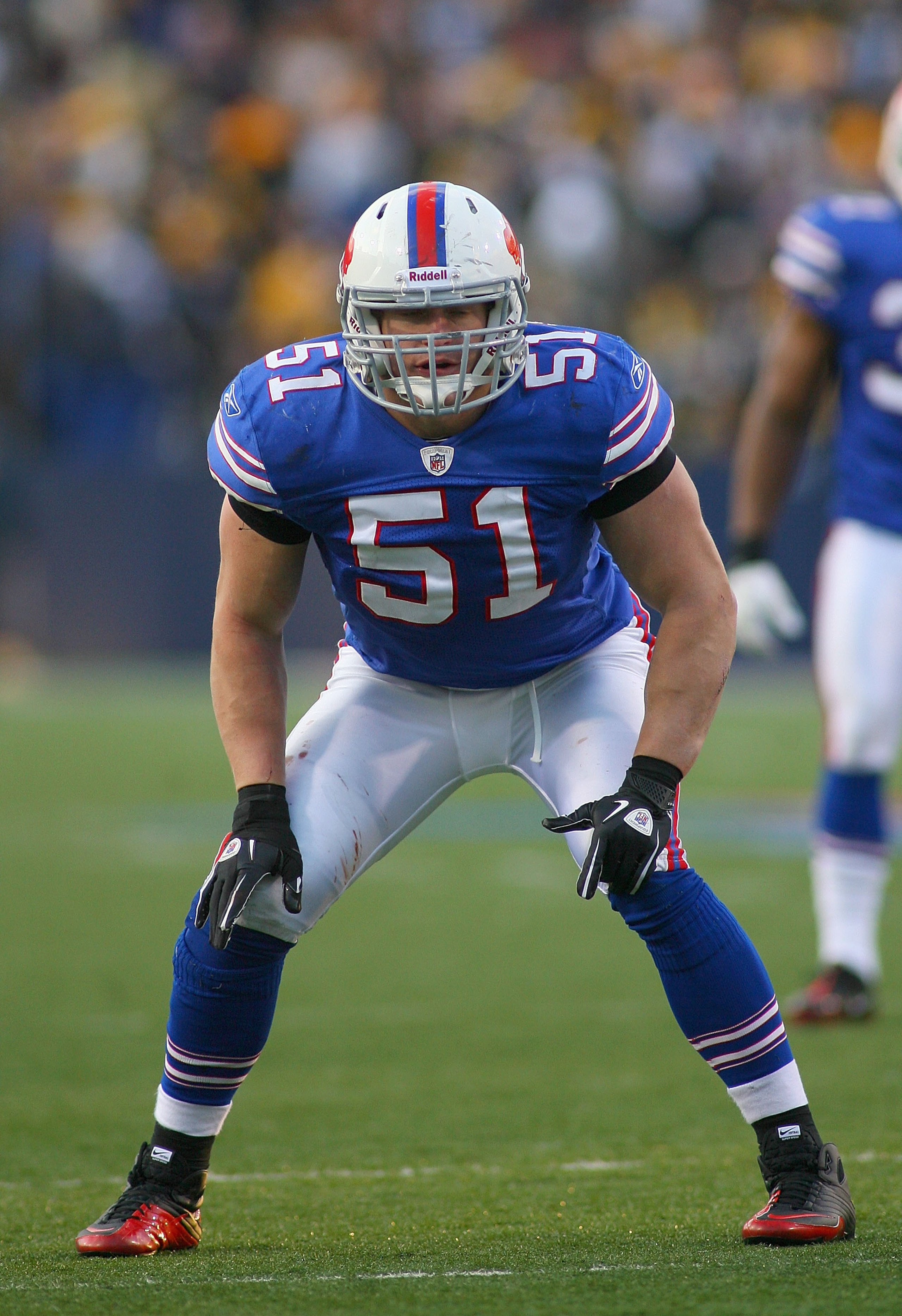
Paul Posluszny has been the most consistent linebacker for the Buffalo Bills over the past couple seasons.
Poz is not the flashiest player. He doesn't make the huge plays with sacks or interceptions. What he does do is rack up the tackles.
Since his rookie season was wiped out with an injury, he has recorded 100 tackles in each of the past three seasons. Selected as a team captain in 2009, he is the leader of the defense.
He is not going to go out and win Defensive Player of the Year awards, but he is the heart of the Bills' defense. Posluszny has certainly justified his second-round selection.
8. Eric Wood, OL. 1st Round
5 of 12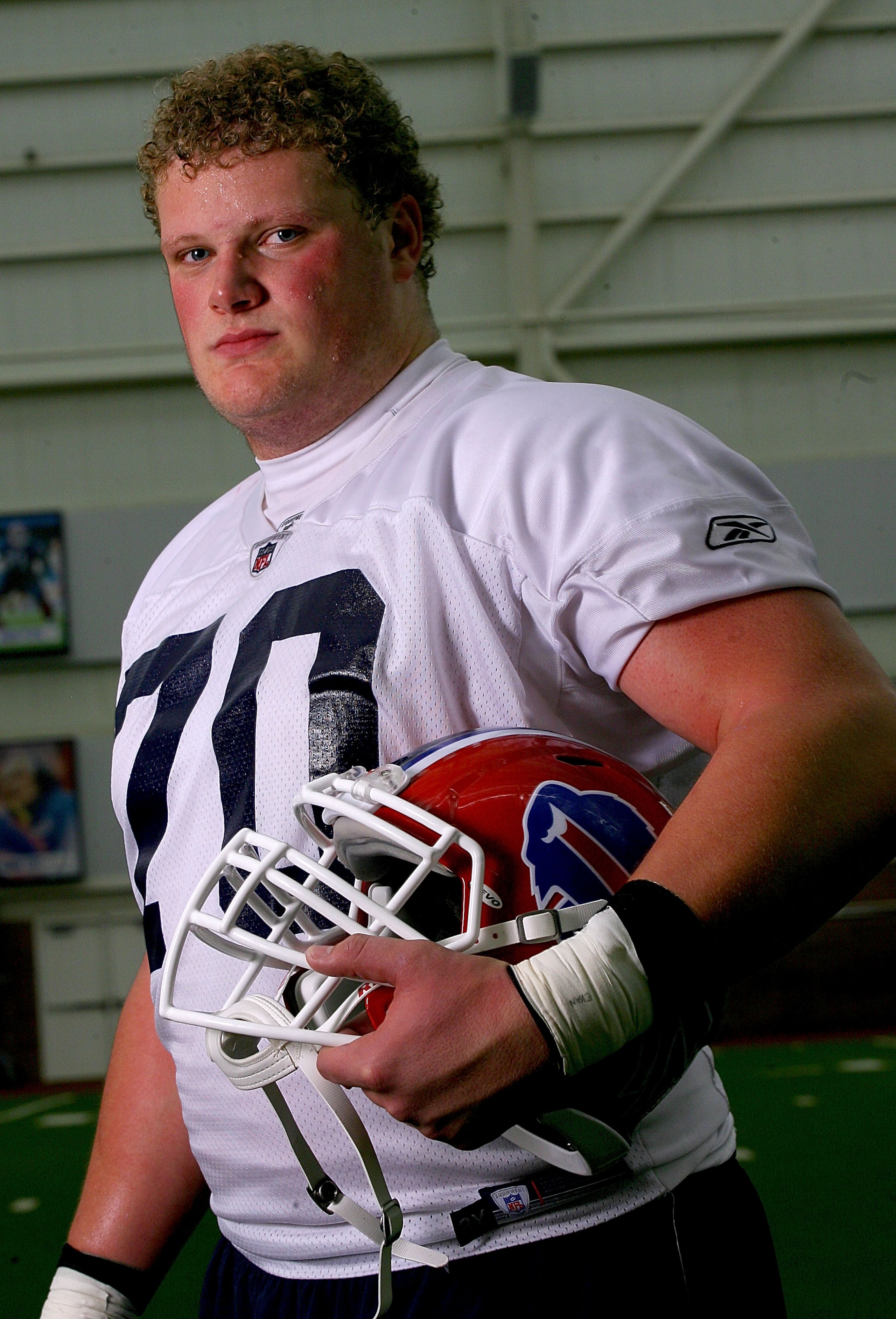
This first-round pick out of Louisville appears to be the anchor for the Bills' rebuilt offensive line.
There is no question that the offensive line for Buffalo has not been a strength in recent years. But Eric Wood has been one of the bright spots on that offensive line. He was one of the best players on the line in his rookie year before a devastating leg injury. Somehow, he managed to come back better than ever in his sophomore campaign.
Wood's versatility is a major advantage. He played center throughout college before being moved to guard in the pros. Wood moved back to center last year when Geoff Hangartner went down with an injury. He performed so well there that he may stay there permanently.
Whatever the future of Buffalo's offensive line, Wood figures to be the centerpiece of it.
7. Nate Clements, CB. 1st Round
6 of 12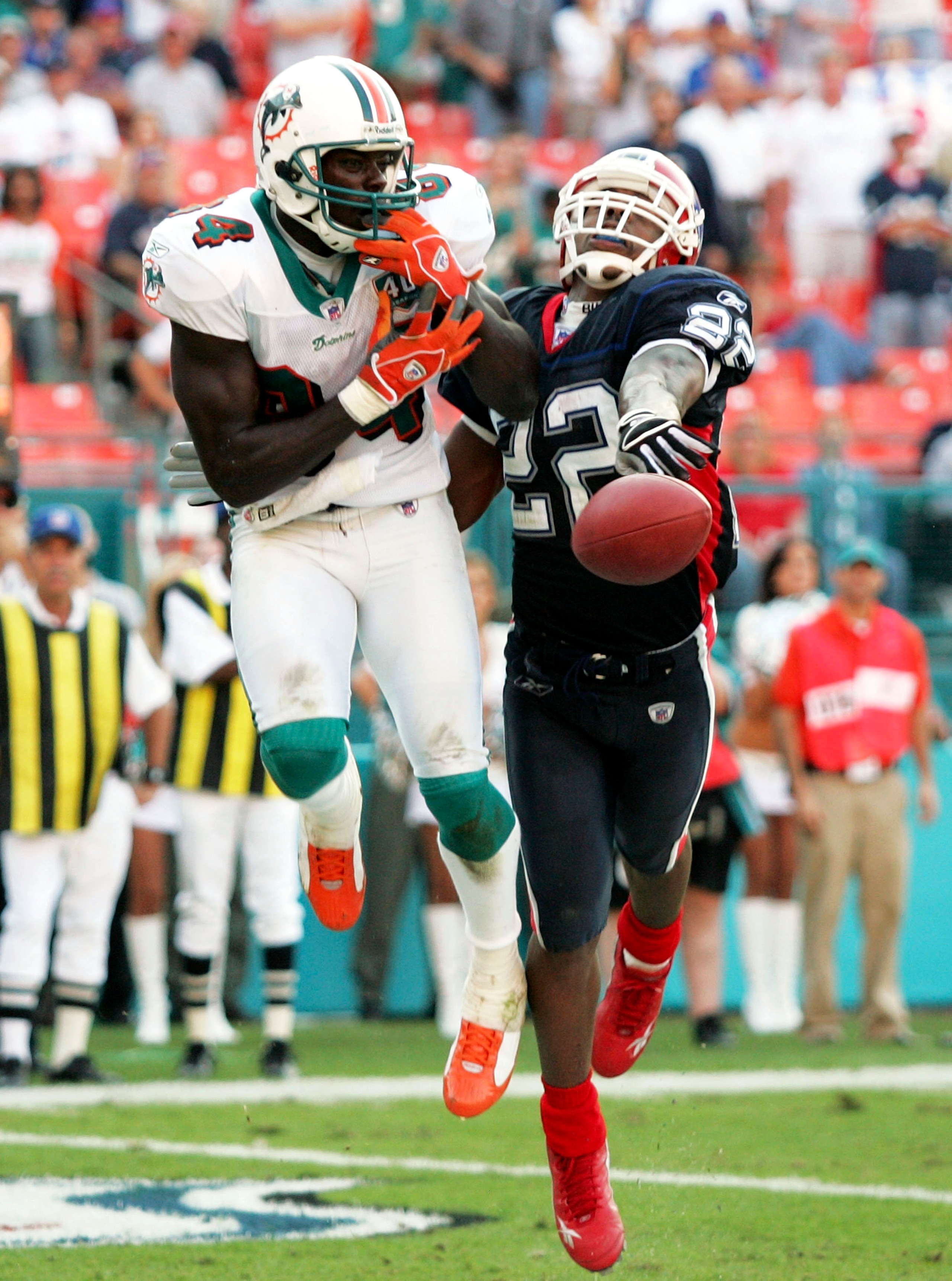
Nate Clements is one of the few hits that the Buffalo Bills have made in the first-round in recent years.
Clements was a play-making cornerback in his six years with the team from 2001-2006. He recorded six interceptions in a season twice, and made the Pro Bowl in 2004. His presence at cornerback has been missed. Terrence McGee is a more than capable replacement, but his ball skills are not nearly as good. Clements had more interceptions in his six years than in McGee's eight.
He left the team in 2007 when the San Francisco 49ers gave him a contract that made him the highest paid defensive player in the league. Sounds a bit familiar, doesn't it? A great player leaving Buffalo because he was offered more elsewhere? I think that's been part of Buffalo's sports woes in the last decade, the inability to retain and attract top free agents.
6. Lee Evans, WR. 1st Round
7 of 12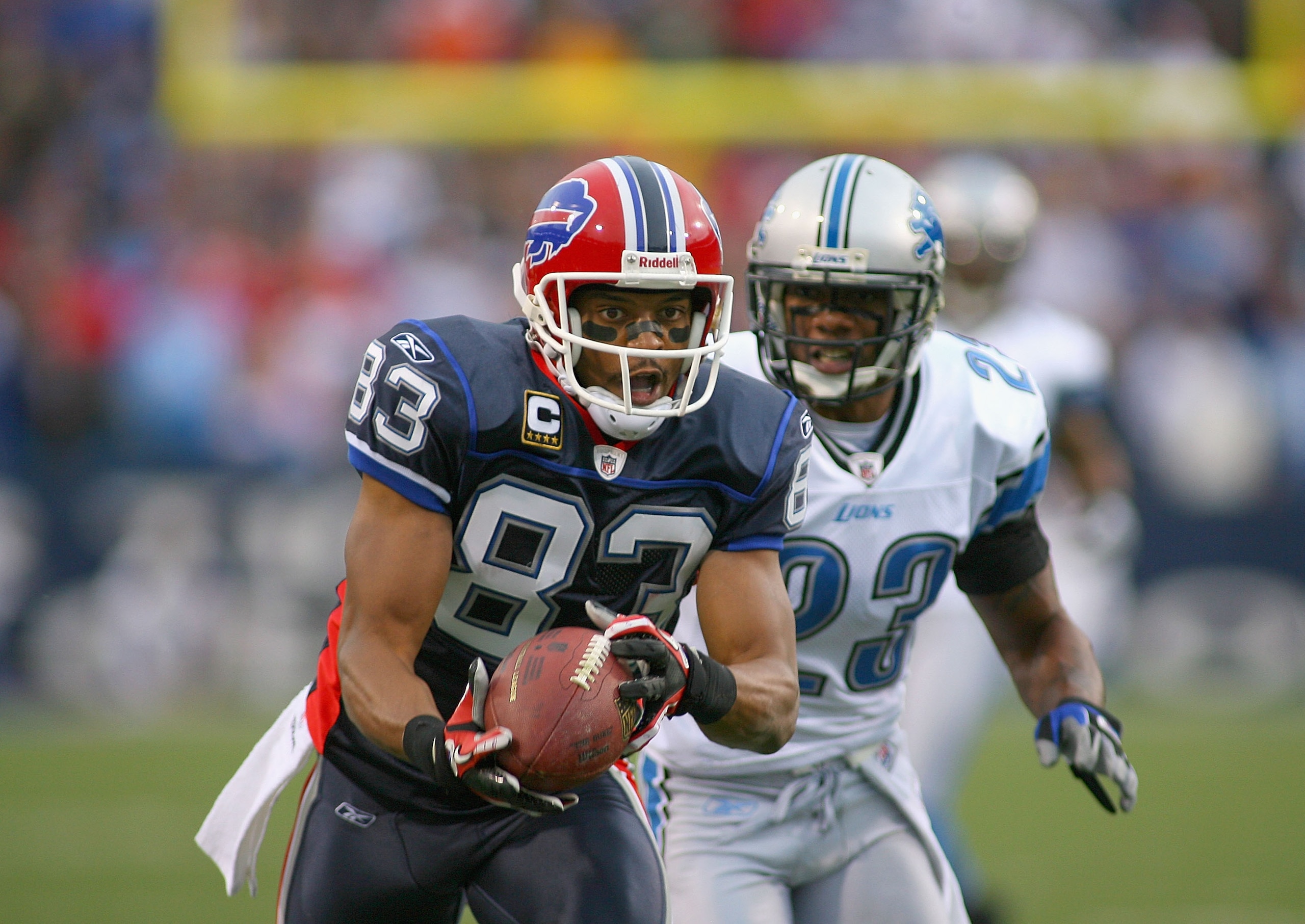
Lee Evans is a rare example of the Bills' front office correctly identifying the best player available at a given position.
It could be argued that Lee Evans is the second best receiver to have come out in the 2004 NFL Draft, after only Larry Fitzgerald. Buffalo correctly selected him over other first-round receivers Michael Clayton, Michael Jenkins and Rashaun Woods.
Evans has been the best and most consistent receiver on Buffalo's roster since the departure of Eric Moulds. He has gone over the 1,000 yard mark twice and averaged over six touchdowns a year in his seven-year career.
Unfortunately, Evans may already be on the downside of his career after recording two straight disappointing seasons. The Bills could be forced to make a decision about him and his hefty salary.
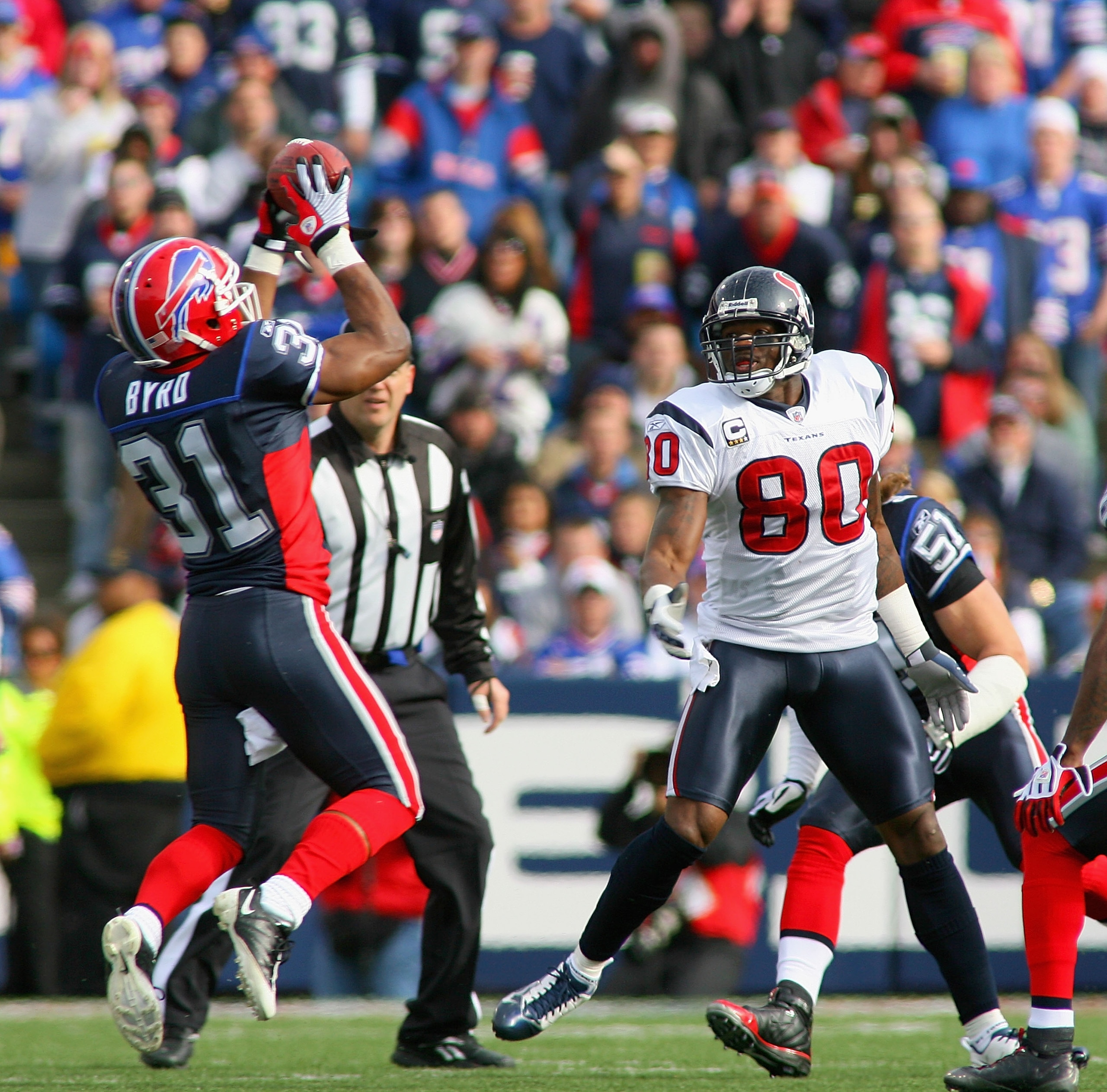
5. Jairus Byrd, S. 2nd Round
8 of 12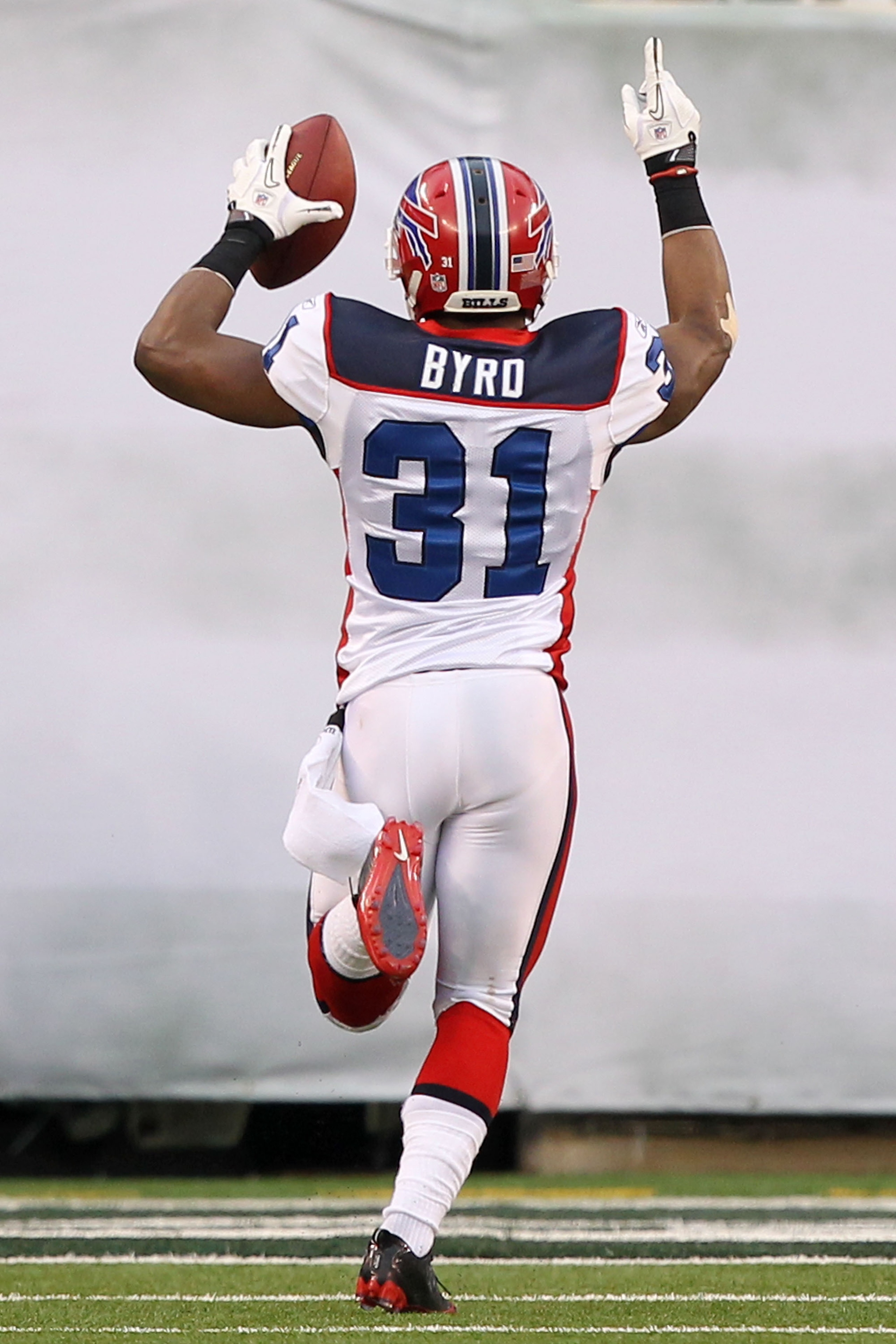
Jairus Byrd exploded onto the scene in his rookie year.
After injuries to both Bryan Scott and Donte Whitner, Byrd was pressed into action. Immediately, Byrd demonstrated his ball-hawking capabilities. He had three-straight games with two interceptions and five consecutive games overall with an interception. He was selected to his first Pro Bowl that year after finishing with nine interceptions. Byrd struggled with a groin injury towards the end of the year, and his season was cut short after surgery.
Byrd had trouble following up his rookie year. He recorded only one interception in 2010. Whether it was the lingering effects of the groin injury or a difficulty adjusting to the new defensive scheme, we'll never know.
I do have hope that he will rebound this year.
4. Terrence McGee, CB. 4th Round
9 of 12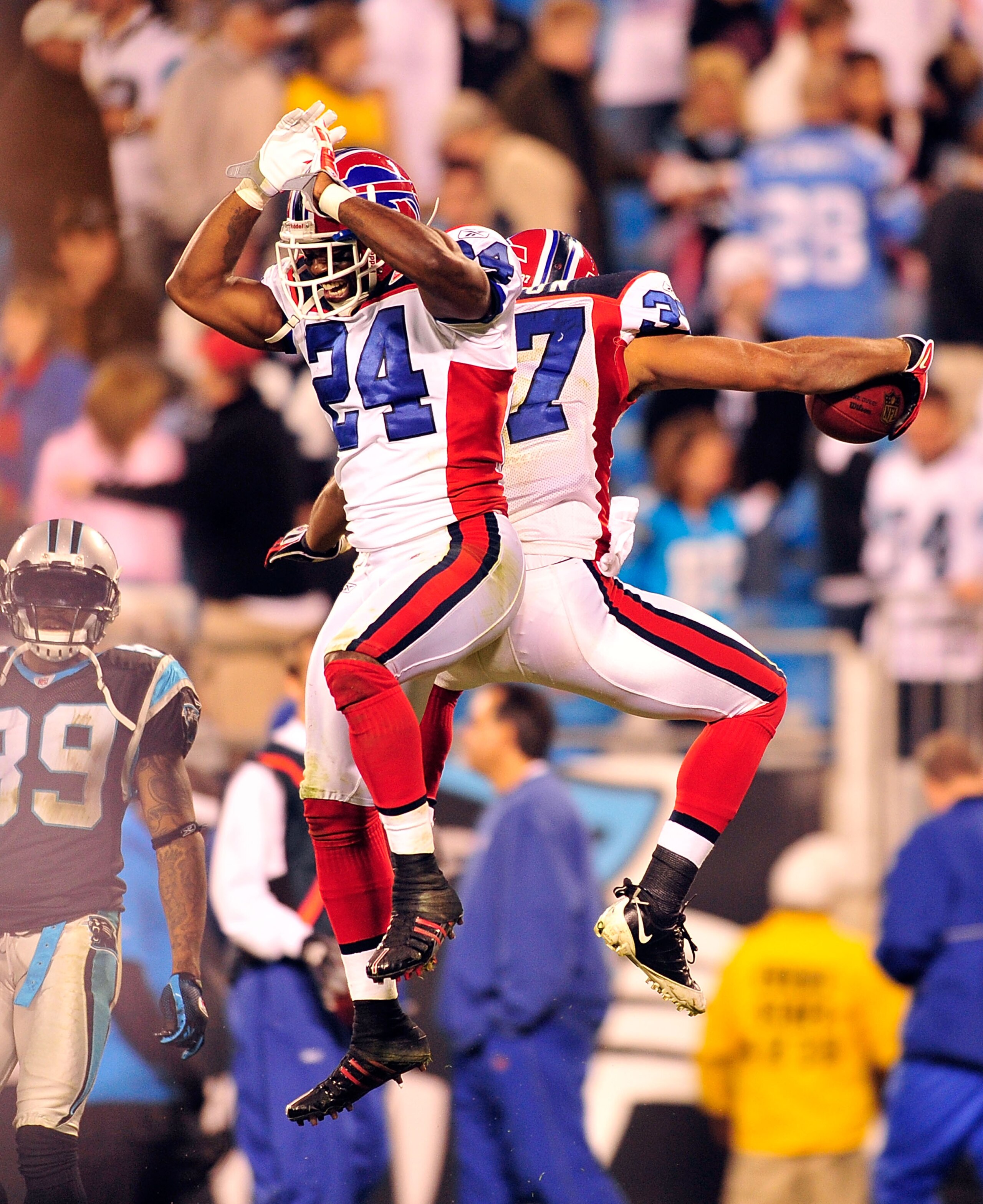
Terrence McGee brings back some memories of Antoine Winfield for me. Both are listed at 5'9" and both are aggressive tacklers.
In McGee's 2004 Pro Bowl year, he recorded 93 tackles, two sacks and three interceptions. Those seem more like safety numbers. But McGee was consistently lined up on the outside covering fast, talented wide receivers. His versatility is also a plus, as McGee is an explosive kick returner, totaling five return touchdowns in his career.
His production is very impressive for a fourth-round pick. Being able to identify All-Pro players in later rounds is a major advantage.
3. Steve Johnson, WR. 7th Round
10 of 12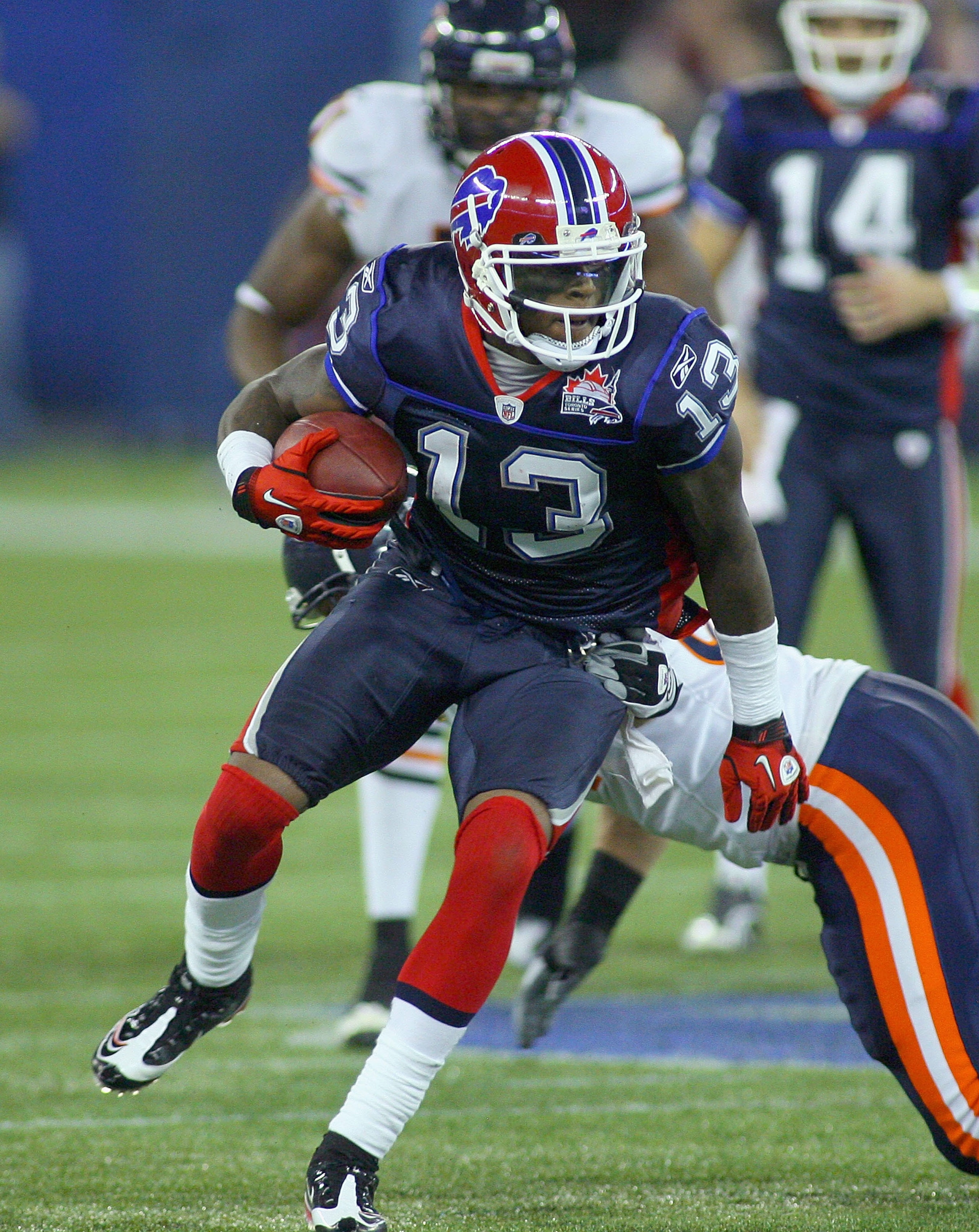
Steve Johnson and James Hardy were both drafted as wide receivers by the Buffalo Bills in the 2008 NFL Draft. That's about where the similarities end.
Hardy was drafted in the second-round and was expected to be the perfect complement to Lee Evans. Instead, he was released and landed himself on my list of worst Bills' picks of the 2000s. Johnson, on the other hand, went from seventh-round pick to most productive Buffalo receiver last year.
In 2010, Johnson broke the 1,000 yard mark and scored 10 touchdowns. Impressive production for anyone, let alone a seventh-round draft pick.
I believe that Johnson is just getting started. If Stevie can continue to produce for Buffalo, he may climb further on this list.
2. Aaron Schobel, DE. 2nd Round
11 of 12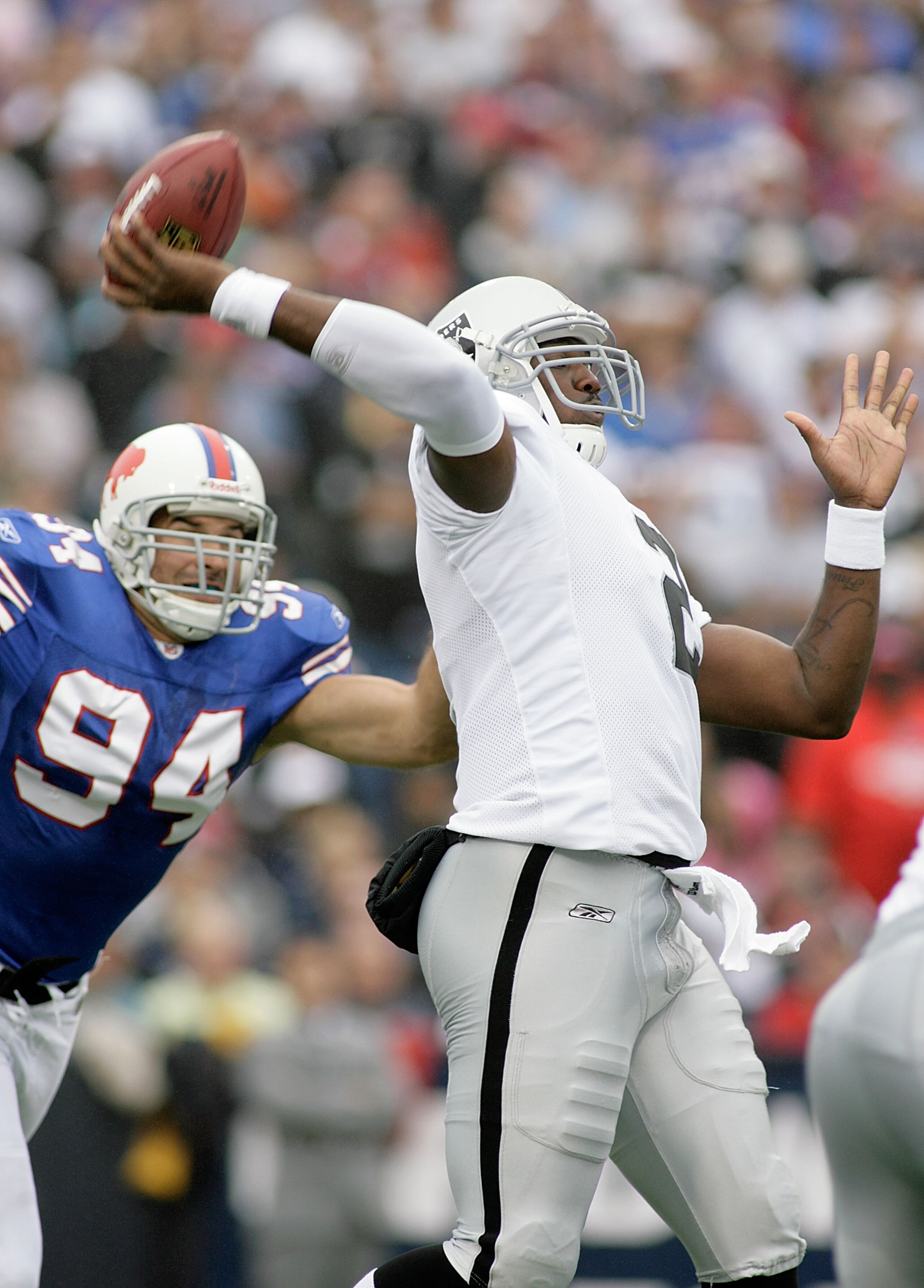
Aaron Schobel is the only player on this list whose career is already over. But a fine career it was.
In his nine-year NFL career, Schobel recorded double digit sacks in a year four times and was selected to the Pro Bowl twice. Between 2001 and 2009 when he retired, the only player with more sacks than him was Jason Taylor. Schobel was the only consistent pass rusher on the Buffalo Bills during his career. Buffalo's pass rush struggled immensely without him in the lineup.
He retired in 2009 to spend more time with his family.
1. Kyle Williams, DT. 5th Round
12 of 12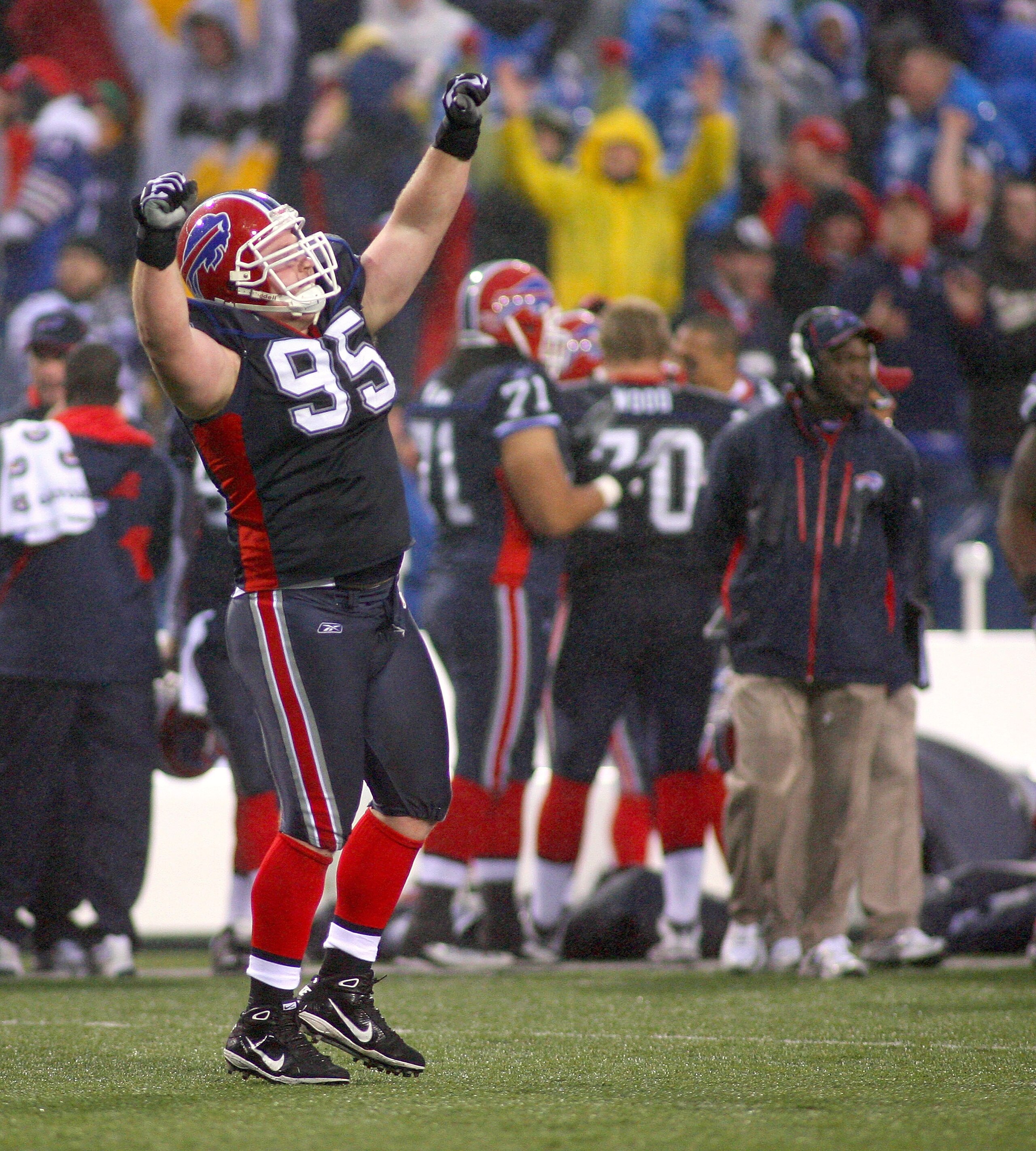
Kyle Williams was by far the best player on the Bills' horrendous defense last year. He's also one of the most underrated players in the NFL today.
Williams was a solid, but not spectacular player his first couple years in the league. But he has really blossomed recently. He is very different from the average nose tackle. Instead of being a massive run-stuffer like Vince Wilfork, Williams has the ability to penetrate into the backfield and harass opposing runningbacks and quarterbacks. Last year, Williams made 77 combined tackles and added 5.5 sacks.
Despite this, he barely made it into the Pro Bowl last year. He was only added to the roster after Richard Seymour was injured.
That shouldn't happen.
He doesn't get the respect that he deserves because of Buffalo's terrible defense. If you ask the coaches that played against Buffalo last year who the Bills' best defender was, they would probably say Kyle Williams. Which is partially a testament to how bad the Bill's defense actually was. I get shivers when I think of how good he could be if he had a decent supporting cast.
Kyle Williams has had a very impressive career so far for a fifth-round draft pick. He should have many more productive seasons to come.
.jpg?w=2560 "Eagles Titans Football")
.jpg?w=2560 "Texans-Mixon Released Football")