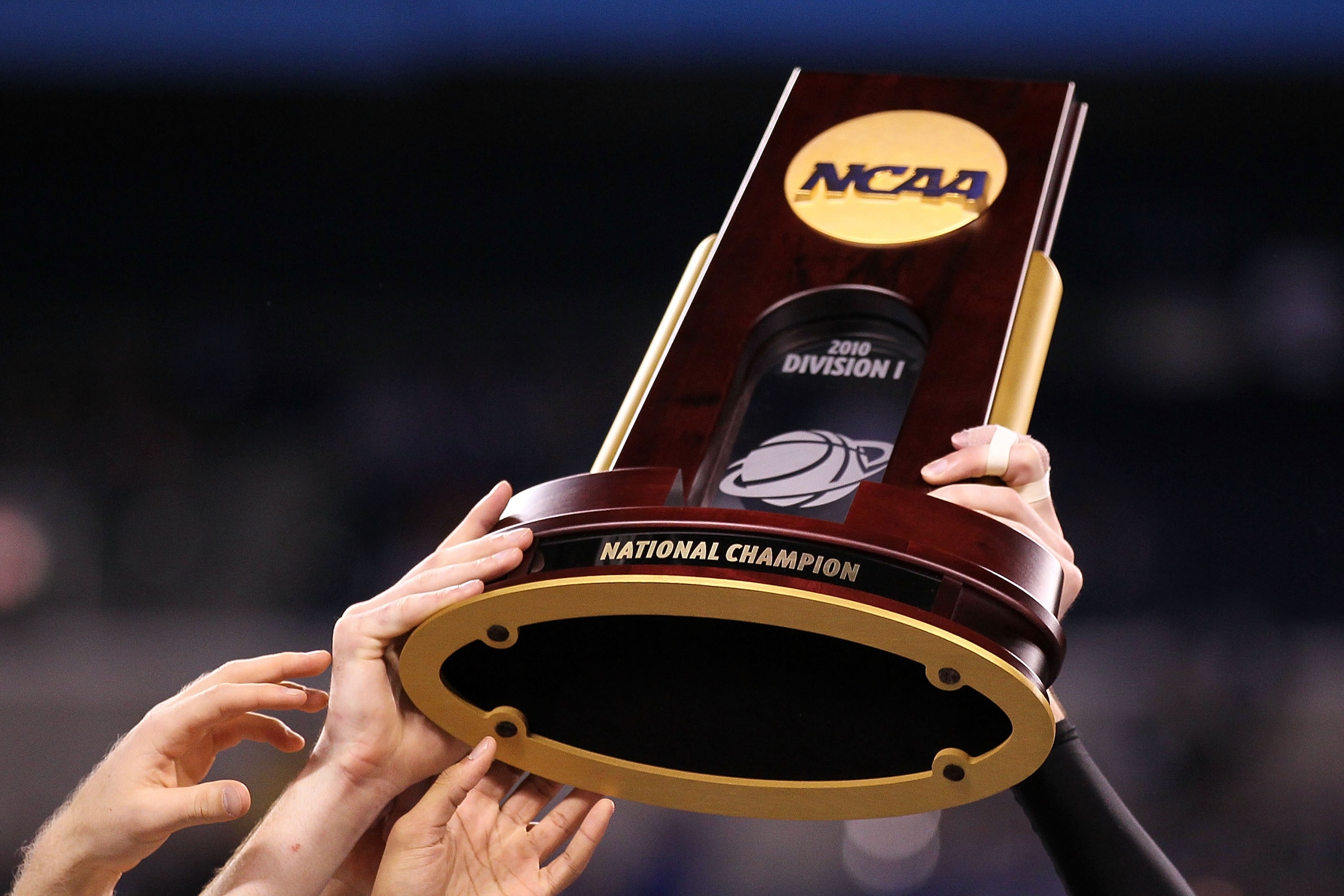

NCAA Bracket 2011: Six Team Facts You Should Know
Six games to win it all, six facts to look for.
With millions of people filling out brackets all of the country (and most likely the world), researching for facts becomes the norm as opposed to just checking the score.
Tons and tons of stats are discussed, while the so-called "experts" analyze every team in the field.
There is no proven system to picking the perfect bracket, however there are ingredients that can guide you to predicting a successful bracket.
So, with that being said, here are six facts to help you fill out your bracket.
Guard Play
1 of 6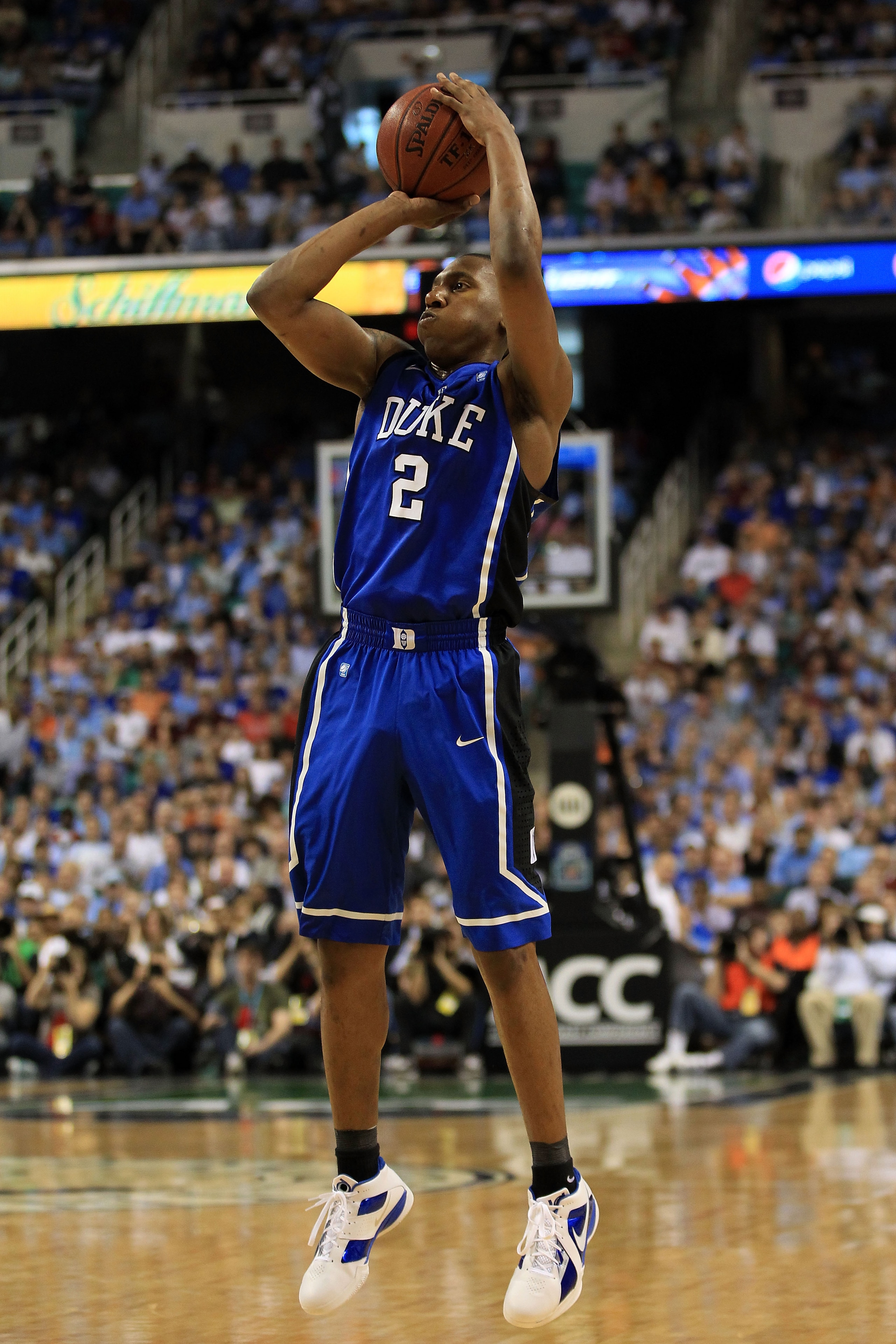
Essentially the quarterbacks of their team, point guards call the play while maintaining possession and pass the ball to run an effective offense.
Shooting guards are like the wide-receivers for the big play three-point shot, much like a 50 yard TD pass.
However, they must also have the ability to handle the ball as well as dish it elsewhere.
Defensively, both must be able to guard well on the perimeter and force turnovers.
Being able to disrupt the opposition while not fouling is key, because getting into foul trouble doesn't bode well into the game-plan.
Depth
2 of 6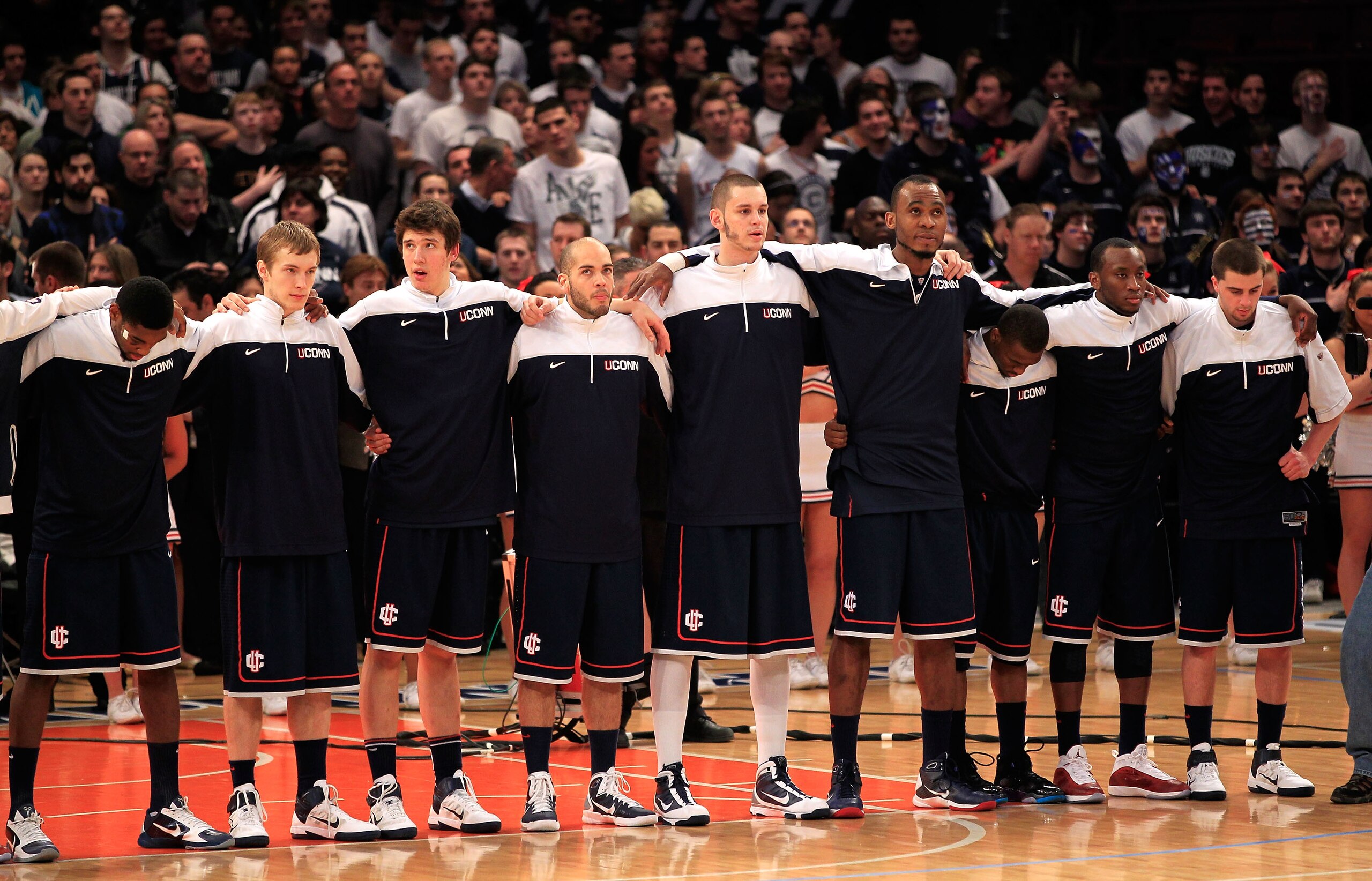
In the picture you see nine of UConn's 13 players.
The funny thing is, TEN of their players have received ample amount of playing time all season long.
If a coach knows that he can count on his bench players to hit the ground running once in the game, it only makes everything that much easier.
Starters getting into foul trouble?
Not a problem, as long as the bench has experience and can adhere to the game-plan.
Also, it allows for versatility because in some cases a team may want to go with more big men, or with mostly guards.
Mix and match, create confusion for the opponent then, come out with the win.
The Coach
3 of 6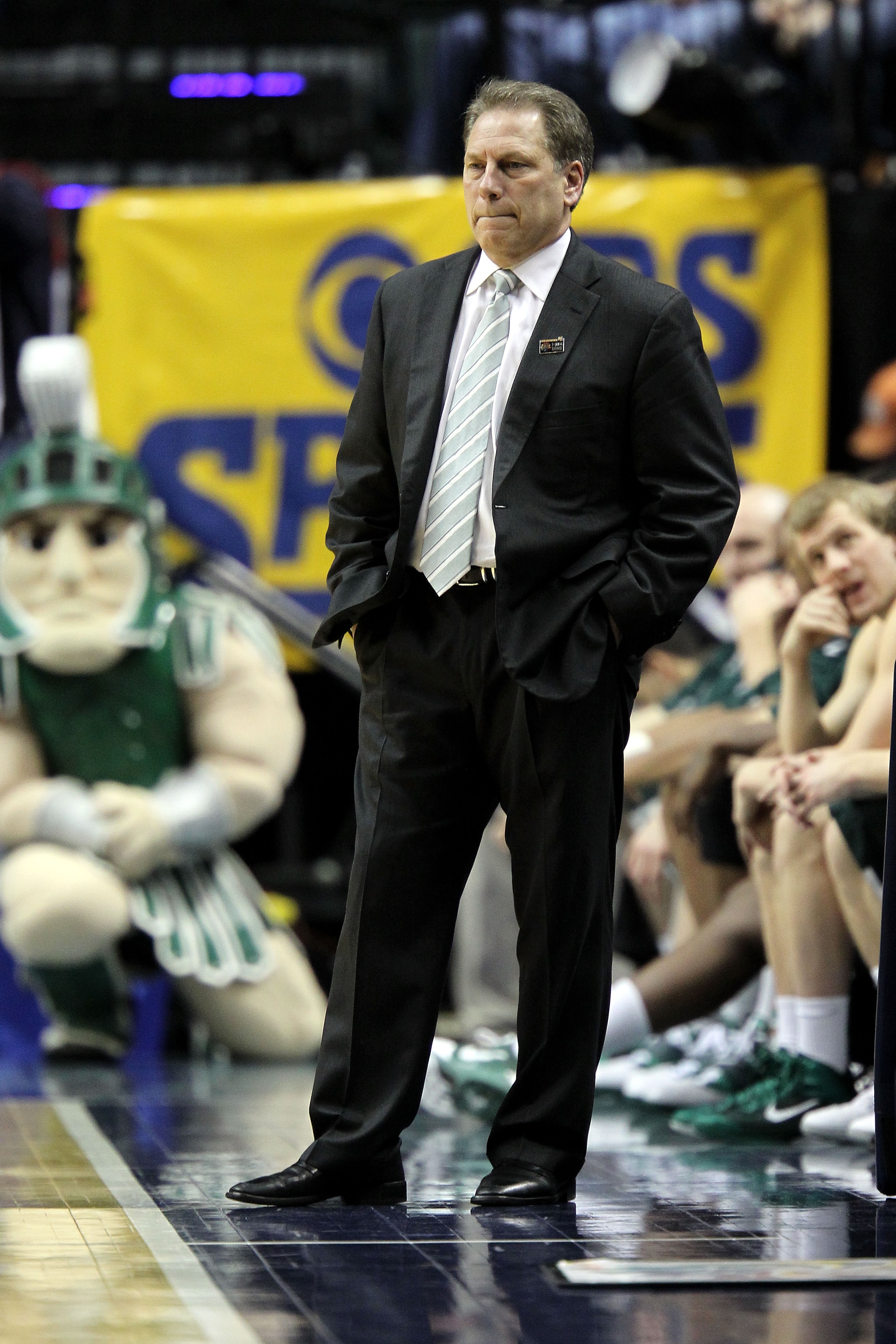
Think about the long history of college basketball and for most of those championship teams, who was the one holding everything together?
The coach.
From how they recruit, to how they manage their team through thick and thin, the coach always plays a major role.
When you listen to players who have played in successful college programs, they always mention the coach.
If you watched the ESPN Film, "The Fab Five", you saw how much those players appreciated their coach.
Picture Duke basketball without coach K, Syracuse without Jim Boeheim or Michigan State without Tom Izzo (pictured left).
It just can't happen; therefore, picking teams with a coach who has a proven track record is never a bad idea.


Resume
4 of 6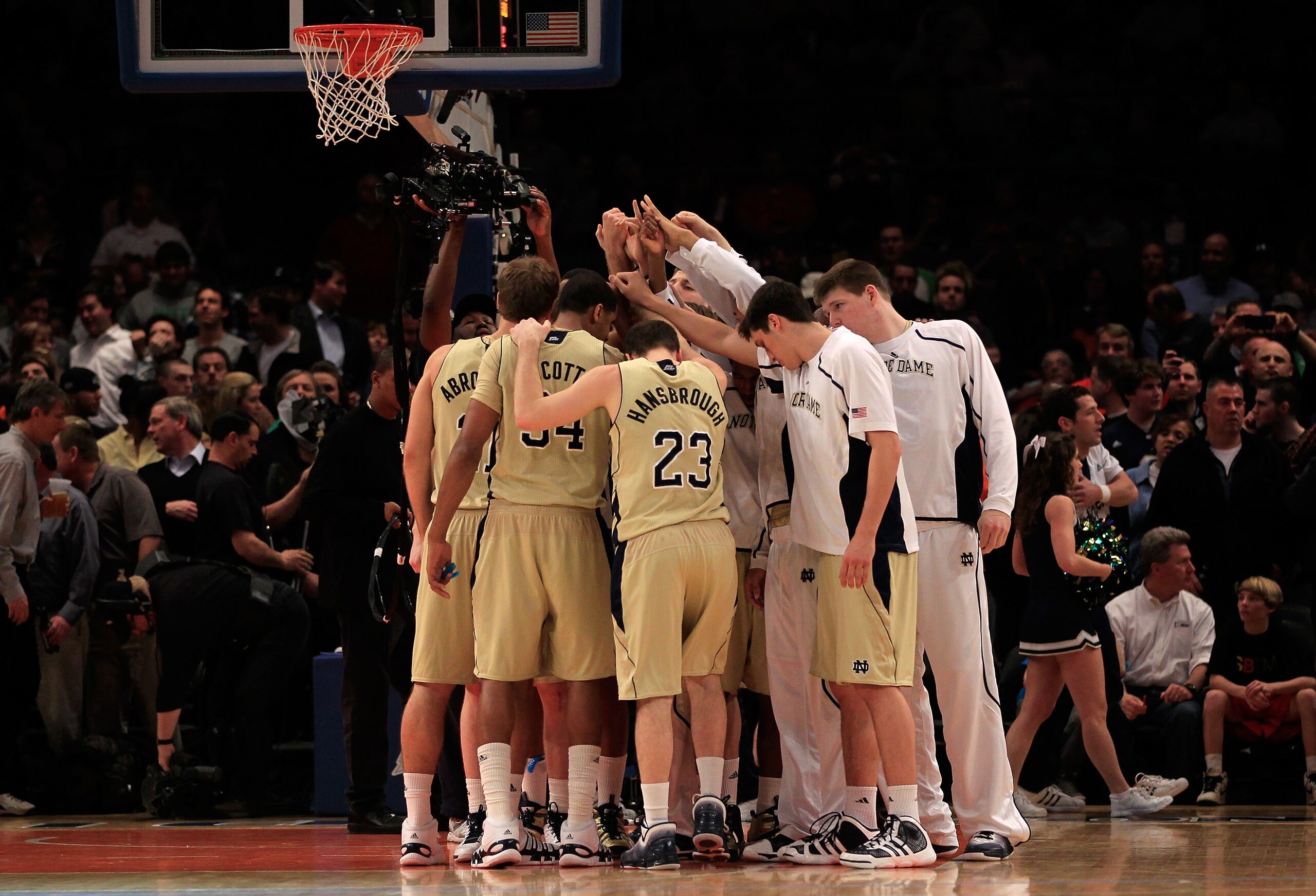
In regards to the teams that you have running deep into the tourney; how did they do against the top competition?
Well, this tournament pits the best against the best any way you slice it.
For the major conference schools that struggled in-conference, the top mid-majors are a major concern.
However, take the Notre Dame Fighting Irish for example.
On the year they post wins over Pittsburgh, Louisville, West Virginia, Wisconsin and UConn (twice).
A great resume that earned them a No. 2 seed in the Southwest region of the bracket.
They know how to play against and beat some of the best teams college basketball has to offer.
Now, if you look at teams with lackluster resumes that sneaked into the tournament, they may need further consideration.
Experience
5 of 6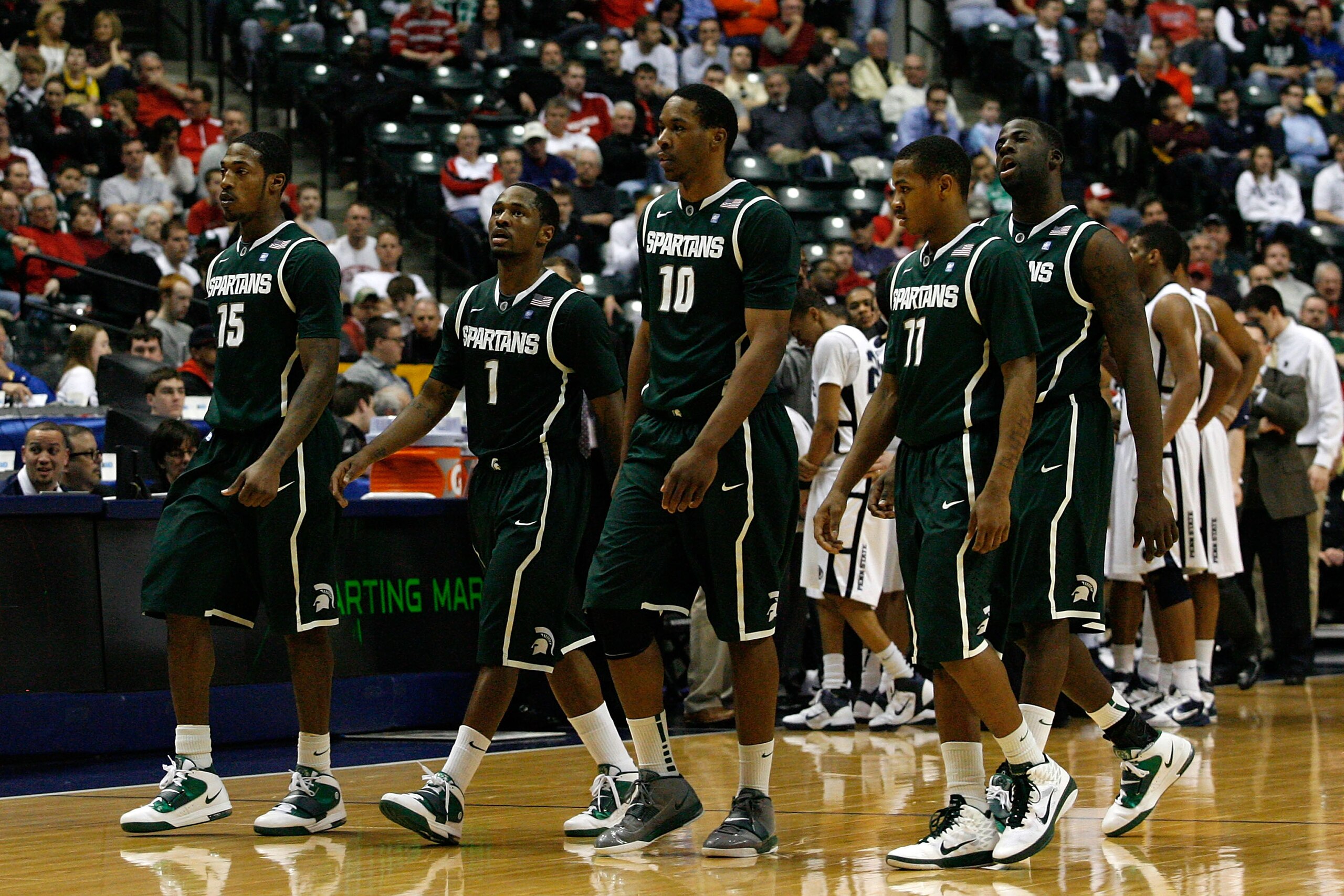
When being interviewed for a job, what does an employer want to see on your resume?
Experience.
Now although you obviously can't get experience without being considered for a job, the same goes in sports.
A player can't gain experience unless they receive playing time and everyone has to start somewhere.
However, for those already with a significant amount of experience, the intangibles are in their favor.
A team like the Michigan State Spartans have that experience.
The past two seasons they have made it to the Final Four and six times in the past decade.
So, with that being said, a team with experience should be recognized (regardless of seed), and if they happen to have a coach (previously mentioned), then their odds just increased.
Close Game Results
6 of 6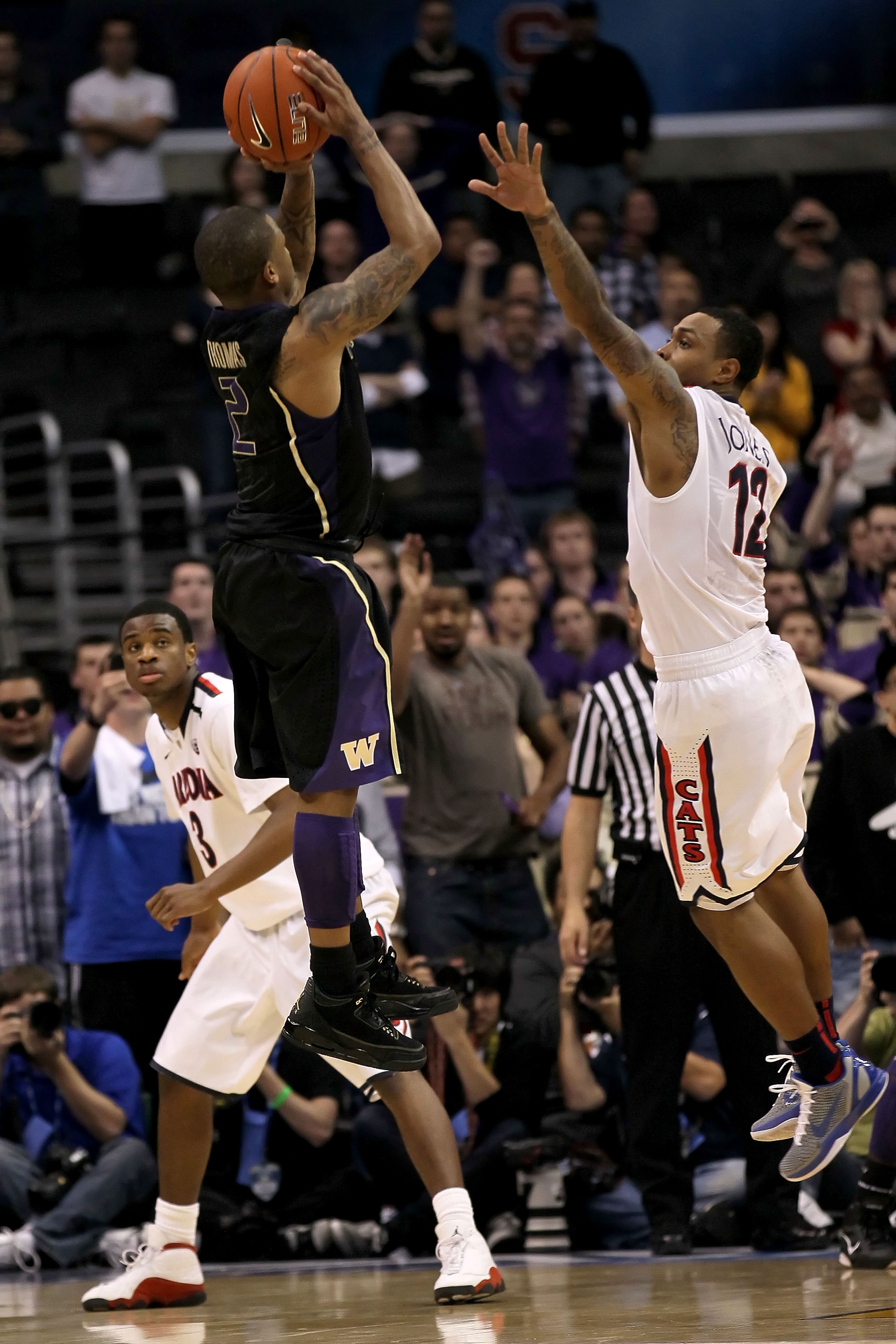
Even though buzzer-beaters are rather common in college basketball, they never get old.
Now, although not every close game ends as a buzzer-beater, winning those barn-burners are extremely crucial.
A big part of that is because it can show a teams' true colors.
How do they react to being down 20 with six minutes to play?
How do they react after being up 20, to being down by two with five seconds left?
If the game is going back and forth, do they maintain their poise until the final buzzer?
Do they get into foul trouble and/or turn the ball over more?
And ultimately, what was the end result?
Those that pulled through (more often than not), when it was crunch time definitely need to be considered.


.jpg?w=2560 "Latest Peyton-Colts Rumors")