Texas Tech Football 2011: How the Red Raider Defense Will Look With DC Glasgow
 The most popular and perhaps most intriguing question mark for Texas Tech football going into the 2011 season is no doubt the four-man quarterback race.
The offensively obsessive (with good reason) Red Raiders will be keeping close tabs on who will take over under center for what has been (even with the exit of the pass-happy Pirate) the bread and butter of Tech football for over a decade.
While not nearly as exciting or trendy are the huge question marks surrounding Texas Tech’s defense and what new DC Chad Glasgow will do to revive a Red Raider defense that fell well short of the mark in 2010.


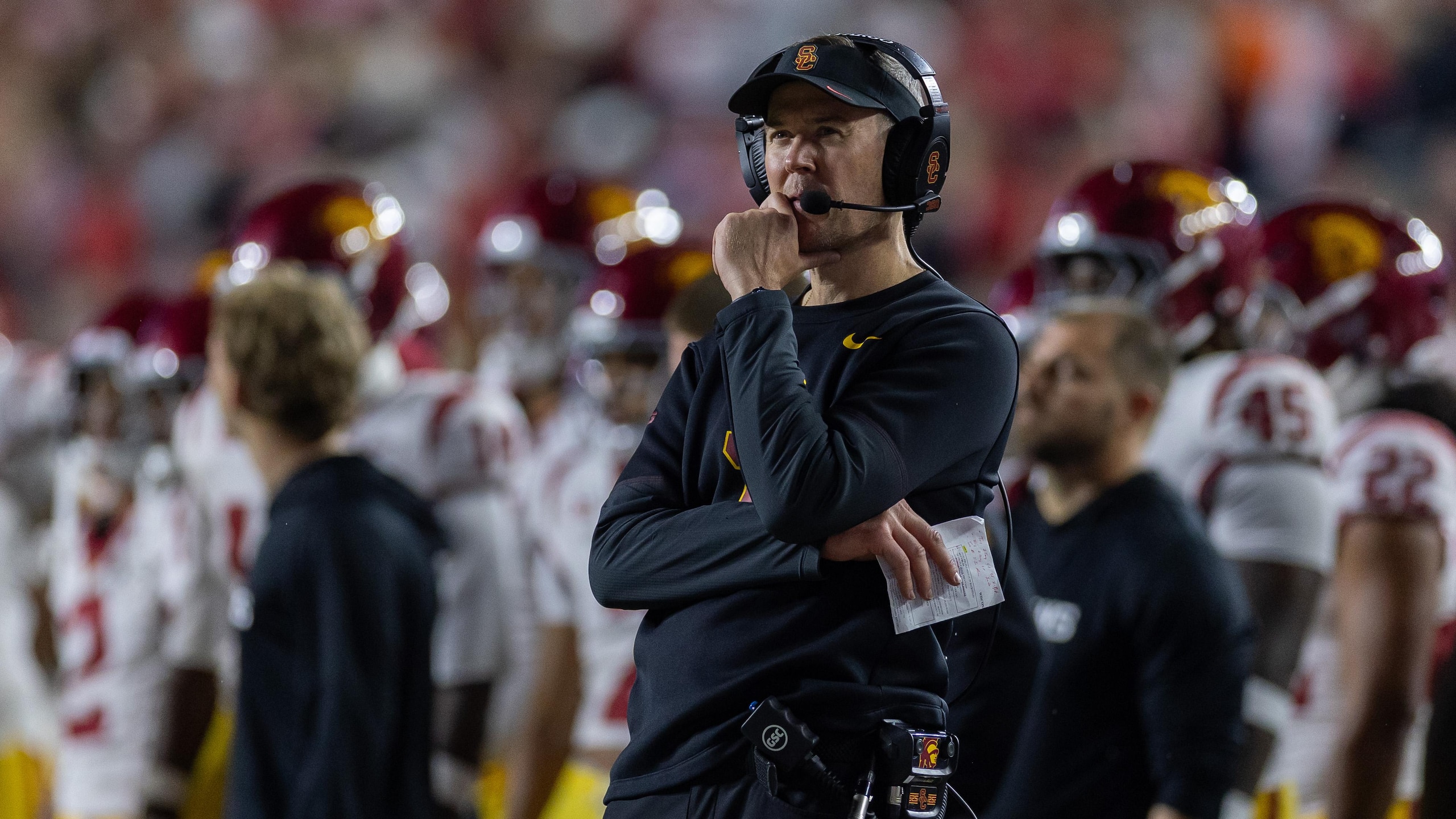
Despite the promises of a defensive revival when riding into town at the beginning of 2010, Tommy Tuberville and his now departed DC James Willis simply did not or were not able to produce the kind of results on “the other side of the ball” that they had claimed necessary and possible.
In 2009, Texas Tech ranked No. 37 nationally in scoring defense, allowing only 21.8 points per game. In 2010, however, the Red Raiders dropped to No. 93 nationally, allowing 30.9 points per game.
That’s an increase of 9.1 points per game.
Blame it on personnel losses, blame it on injuries (which were indeed a reality), blame it on the conversion to a new system or blame it on the rain. Any way you slice it, it wasn’t pretty.
Enter Chad Glasgow, the new defensive coordinator at Texas Tech who was hired in January after the somewhat bizarre and sudden departure of James Willis just before the Ticket City Bowl.
Glasgow, 39, most recently served as the safeties coach for TCU under Gary Patterson, was a member of Patterson’s original staff in Fort Worth and has a defensive resume that stretches back to the mid 1990’s when he played linebacker at Oklahoma State.
So, what will the Tech defense look like with Glasgow on the sidelines?
First, the scheme looks destined to change from the 3-4 that James Willis installed to a 4-2-5 defense, which is what TCU ran while Glasgow was on board.
In both scrimmages thus far this spring, Texas Tech has indeed run the 4-2-5 scheme and at least at this point, not surprisingly, look to have a long way to go until they're running it successfully.
Among the major issues in running a 4-2-5 scheme is that suddenly you have one less man in the box, which forces the remaining six men up front to play smarter, faster and better at their positions.
Though the five defensive back set definitely presents better coverage for a team that ranked dead last in passing yards last season (giving up over 300 yards per game through the air), it puts more pressure on a defense that ranked No. 66 nationally against the run (not exactly the type of thing you tout on your athletic website).
The 4-2-5 is all about speed and plays best against opposing offenses that run a spread out attack, which should be great in the pass-happy Big 12. At the same time, it still allows plenty of options for a safety to cheat up near the line when facing a more run dominant opponent.
TCU, for example, faced Air Force in 2010 when the Falcons were the No. 1 rushing team in the country, winning 38-7 and holding an Air Force team that averaged over 300 yards per game on the ground to 184 yards rushing.
Over the past five seasons, TCU (with the 4-2-5 and Chad Glasgow as a part of the equation) have enjoyed an average ranking of No. 6 in scoring defense, including a No. 1 ranking in 2010.
In that same period, the Horned Frogs allowed a mind blowing average of 13.34 points per game.
That’s 8.46 points less than Tech’s average points allowed in 2009 and a startling 17.56 points per game less than the 2010 mark.
All this sounds great until we start looking at Tech’s personnel who were recruited for or made to fit into either the "defense is an afterthought" Leach/McNeill defense, which turned out to be more effective than the Tuberville/Willis 3-4, or now the new 4-2-5 Tuberville/Glasgow defense.
This amalgamation of players is forced to regroup, yet again, to learn new positions in a new scheme with a new guy barking out the orders (and, apparently, Glasgow does bark).
Let’s remember this was not successful last year when arguably, overall, there was more experienced defensive talent to work with.
Case in point, of the 10 defensive seniors listed on the unofficial early spring depth chart, only one is on the first team—Sam Fehoko at middle linebacker.
The other side of that coin is that teaching the new scheme to a young group of players means that if Tech can stick with one DC and one scheme for a few years, it won’t be taught and re-taught but, instead, veteran players will emerge that flourish in that system. What's more, you know what system you are recruiting players into in the first place.
More good news is found in Glasgow’s somewhat simplified approach to teaching defense to Tech players.
In a recent interview with David Ubben of ESPN, Glasgow stated: "We're going to teach certain concepts that carry over into different things...We want to try to eliminate as much extra verbage and as much extra learning as we can...Every position has got to learn 15-20 words that mean something to them...A young guy can come in and play very quickly and play well.”
Glasgow also confirmed Tech’s need for speed defensively, which he rightly identified as being able to be remedied by recruiting.
Overall, Glasgow offered the following philosophy: “The difference in a football game is going to come down to seven or eight plays, but you don't ever know which one of those seven or eight plays it's going to be...We've got to approach every play like it's the most important play and find a way to go win that play. And once that play is over, I can't look back on it, I've got to go play the next play, because that's the most important one.”
Red Raiders can hope that the 2011 squad will take this advice to heart and that Chad Glasgow can be the successful, long-term answer to defense at Texas Tech.
.png?w=2560)
.png?w=2560)
.jpg?w=2560 "Chiefs, Steelers Eye WR Trades")