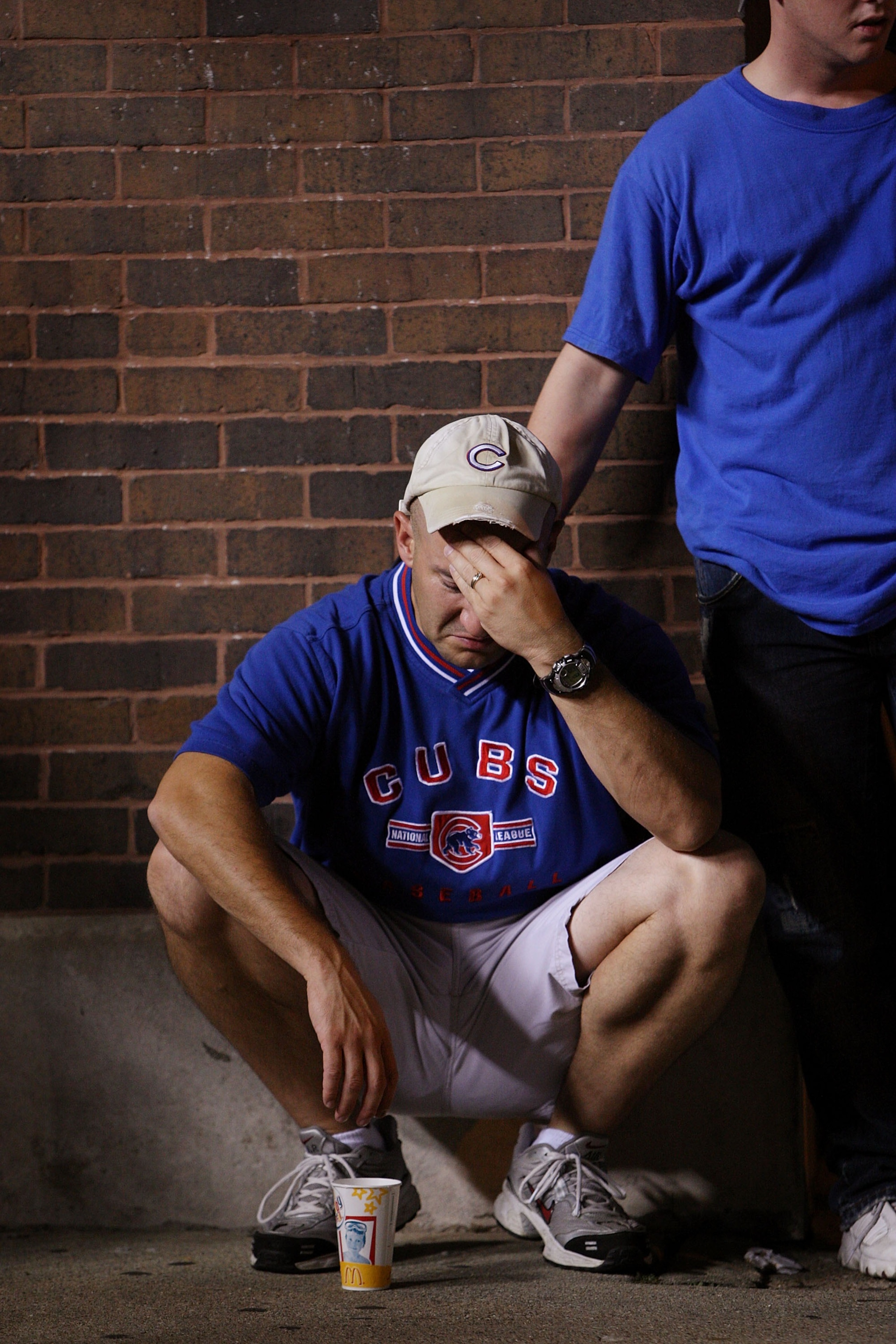

Top 5 Reasons Why the Chicago Cubs Haven't Won the World Series
They’ve been told they’re cursed. They’ve been told they’re losers. Even random odds should give them a World Series win roughly every 30 years. But now they’re pushing 103 years and with a new owner, manager and renovations at the ball park, are the Cubs really turning it around?
They have Mike Quade. He pulled their dismal 51-74 overall record last year to an acceptable 75-87 by the end of the regular season. They’ve even reclaimed their old pitching star Kerry Woods, and the Rickett’s family has had their first full year to prepare for the upcoming season.
But is it enough? And is the Cubs’ front office tackling the real issues? Here are the top five reasons why they haven’t won yet—and this time we’re not blaming the billy goat.
Wrigley Field
1 of 5
The Cubs play a lot of day games. So many in fact, that they play more day games than any other team. Over 50 a year to be exact. It’s an important part of Chicago and something Cubs fans would never be willing to sacrifice. Couple that with Chicago nightlife and add night games on the road and you’ve got some exhausted players.
But player exhaustion only solves some of the problem Wrigley Field creates. The low-lying bleachers in the outfield allow for wind to either push the ball out of the park or fall back into the hands of the outfielders.
So why can other teams find such success in the park and the Cubs fail time and again? Steve Stone, the 20-year Wrigley broadcaster and ex-Cubs player, stated, "I believe there hasn't been a whole lot of people that have run that team that truly understand the ballpark."
The new owner, Tom Ricketts, has improved the park substantially but as for a winning baseball team, the jury is still out.
Timing and Injuries
2 of 5
Winning the World Series is like falling in love. Anyone that’s experienced it knows timing is everything.
The Cubs know this more than anyone. Take a look at their 1969 season. The Cubs were up 8 ½ games in the NL East in mid-August to the 2nd place St. Louis Cardinals. They had four, count ‘em, four future Hall of Fame members including Ron Santo, Ferguson Jenkins, Ernie Banks and Billy Williams.
They still managed to finish with an impressive 92-70 record and in a different year might have secured themselves with a World Series. But not when you’re in the same division as the Amazin’ Mets.
Timing also seemed to ruin their chances in their most recent postseason berths. Despite back-to-back division titles in 2007 and 2008 their star power seemed to burn out just when the playoffs came, causing sweeps in both years (although not the primary reason for the sweeps).
Throw in a few injuries and "good luck" seems to disappear for the Cubs. But as the saying goes, "Luck has a peculiar habit of favoring those who don't depend on it."
The Farm System
3 of 5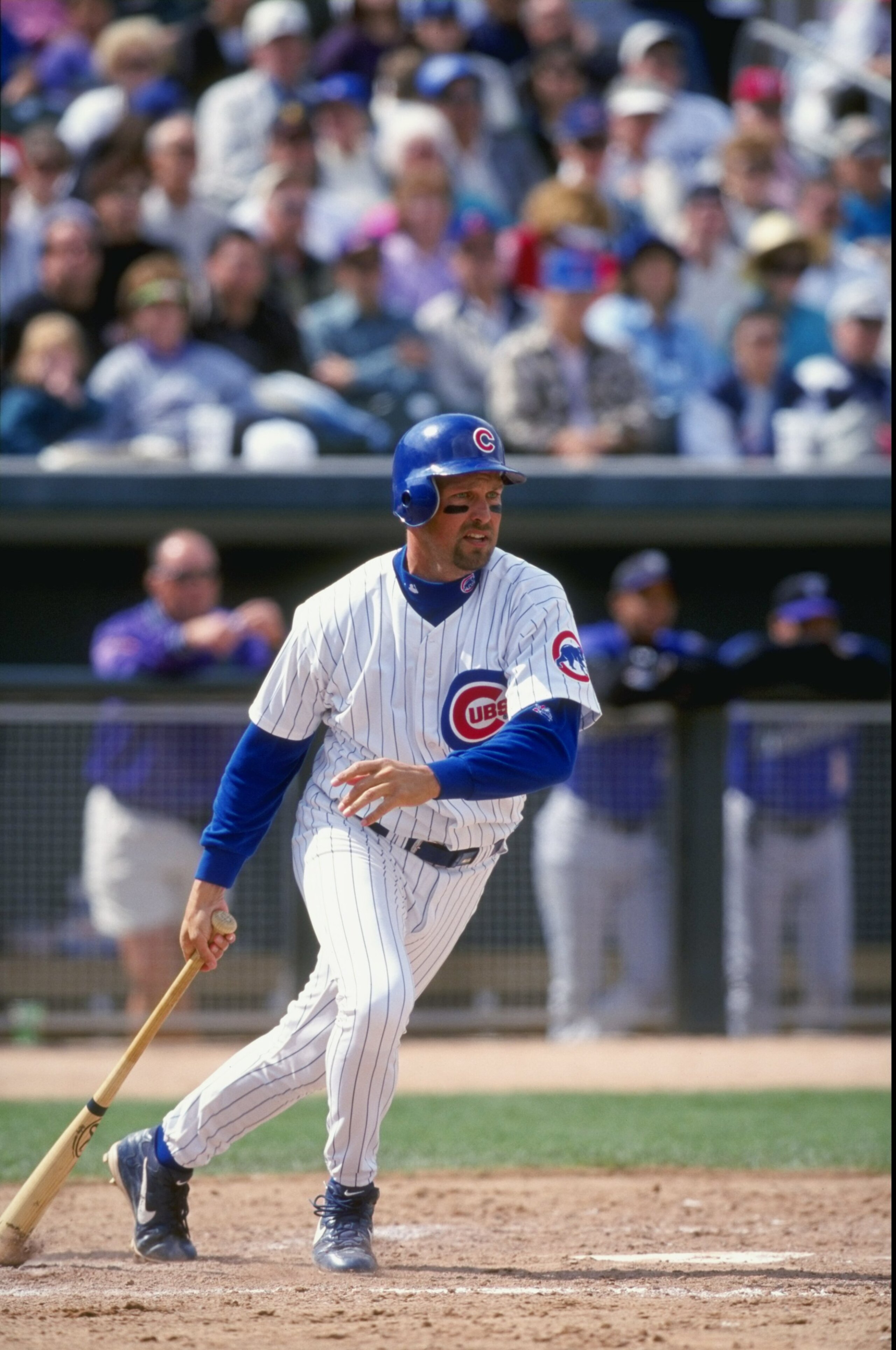
One of the only teams to never move to another city in their 141-year history and with the second-most regular season wins in the history of the league, you’d expect an established farm system of baseball recruits.
Think again.
Only two All-Stars since 1990 have come up from the farm system: Mark Grace in 1993, ‘95, and ‘97 and Geovany Soto in 2008.
Latin America has also been ignored by the Cubs until recently, not to mention their failure to integrate African-Americans until 1953, although the reasons for the two are unrelated.
However, credit is due to the Rickett’s family and the end of the Chicago-Tribune era for beginning the recovery of the farm system.
Recruits like Starlin Castro and Tyler Colvin have become big prospects for the Cubs.


The Fans
4 of 5
Surprised? Don’t be. The fans have been one of the biggest enablers for the drought and one of the biggest disablers for morale, although they may not be directly responsible for the losses.
Regardless of the Cubs’ record throughout the years, the franchise is still the fifth most valuable in the league.
Cubs fans, myself included, love the team no matter how horrible things get. But towards the end of each season the pessimism creeps in, the boo’s get a little louder, the stadium gets a little more bare and the years of failure seem to weigh on their shoulders. If you think this doesn’t rub off on the team, you might want to reconsider.
Yet, each new season, hope springs eternal and the fans buy the t-shirts, watch the games, sell out Wrigley and say “this is the year.” Maybe the best way to cure this curse is through good, ol’ fashioned, tough love?
Management and the Owners
5 of 5
By far the most responsibility for their drought has to be placed upon the managers and the owners over the years.
From Dusty Baker overworking his star pitchers Kerry Woods and Mark Pryor, to the inability for Lou Piniella to win it big on any team, managers take a major share.
But nothing compares to the owners who made it all happen. For example, the Wrigley’s seemed mostly disinterested—and wholly inept—at running the franchise. See: College of Coaches.
The Chicago Tribune showed some ability to perform during the 1980’s and again in the 2000’s but after becoming a publicly traded company in 1983, stockholders became more concerned with profits than series titles.
However, things are looking better for the Cubs in this department. After the bankruptcy of the Chicago Tribune in 2008, the Cubs went for sale.
The Ricketts family purchased the Chicago Cubs for $845 million and vowed to win a World Series title. Wrigley has also seen major renovations in the last 16 months.
As for how they're doing now, it's best not to jump all over spring training win-loss records.
The Cubs are in the top ten in the league for batting average, slugging percentage and hits.





.jpg?w=2560 "Latest Peyton-Colts Rumors")