
MLB Preview 2011: 10 Top Young Pitchers Who Will Have Strict Innings Limits
History shows that young pitchers can run into serious trouble if they are pushed too far, too fast. There is even a semi-official term for this occurrence.
The "Verducci Effect" is named for Tom Verducci of Sports Illustrated, who originally called this phenomenon the "Year After Effect." The theory is based on the idea that pitchers under the age of 25 who have 30-inning increases year over year tend to underperform.
While there is ample evidence supporting this argument, there is also evidence to the contrary. However, it is generally accepted that many young pitchers who are overworked are more likely to get injured or show fatigue the following season.
Actually, the same can be said of most baseball players. Overuse can lead to injury, underperformance and can also have lasting effects on a player's career.
With young, talented pitchers, it is especially important for teams to protect their investments. The following is a list of 10 good, young pitchers who may be issued inning limits in an effort to preserve their arms for the future.
Brett Anderson, 23, Oakland Athletics
1 of 10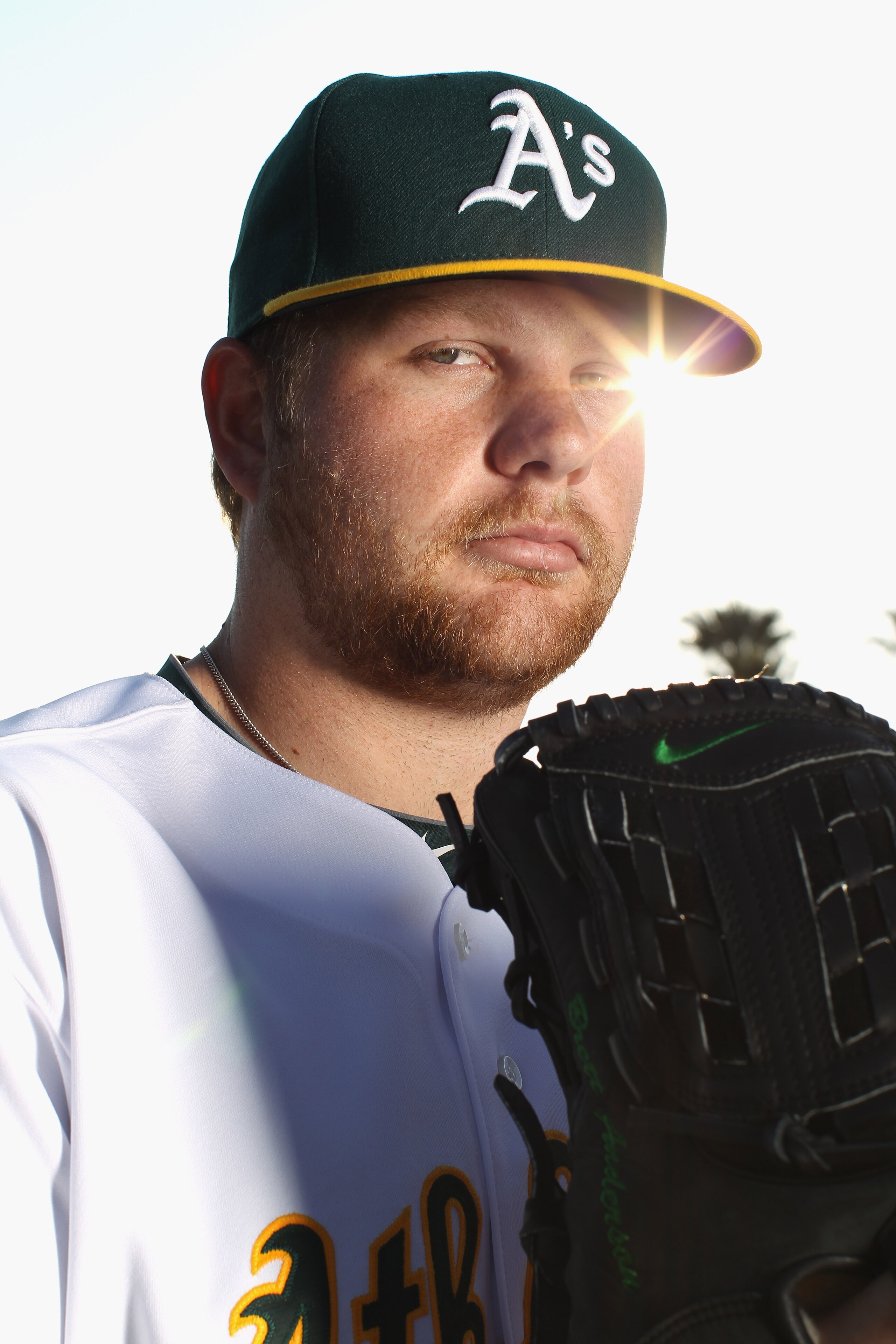
Entering his third major league season, southpaw Brett Anderson will have a watchful eye upon him in 2011. After a dominant rookie season in 2009, Anderson performed well in 2010 as well.
But despite going 7-6 with a 2.80 ERA and 1.19 WHIP, injuries plagued the young pitcher and limited Anderson to just 19 starts.
With just over 112 innings in 2010, the A's will be careful not to push Anderson too far and risk additional injuries.
Madison Bumgarner, 21, San Francisco Giants
2 of 10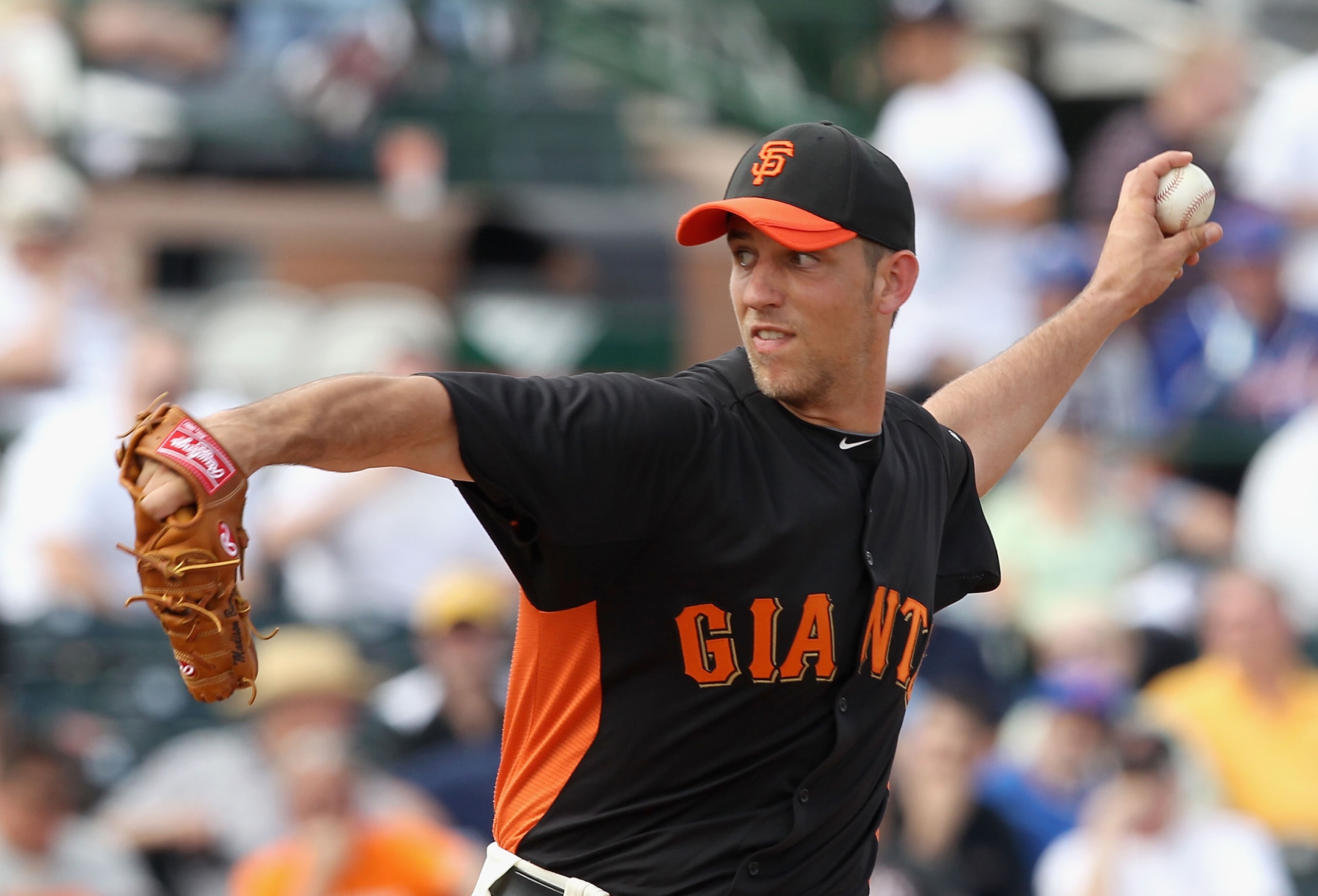
As the Giants top pitching prospect, few were surprised to see Madison Bumgarner recalled in late June to finish the year with the big club.
Not only did Bumgarner live up to the hype, he also won two of his three playoff starts, including a World Series victory over the Rangers. Going eight innings in that game, Bumgarner allowed only five baserunners and helped the Giants bring home the championship.
Bumgarner is the real deal. And as such, the Giants should proceed with caution. At only 21-years of age, Bumgarner has just 121 major league innings under his belt between 2009 and 2010.
As long as the Giants are careful with his workload, Bumgarner has a very bright future.
Clayton Kershaw, 22, Los Angeles Dodgers
3 of 10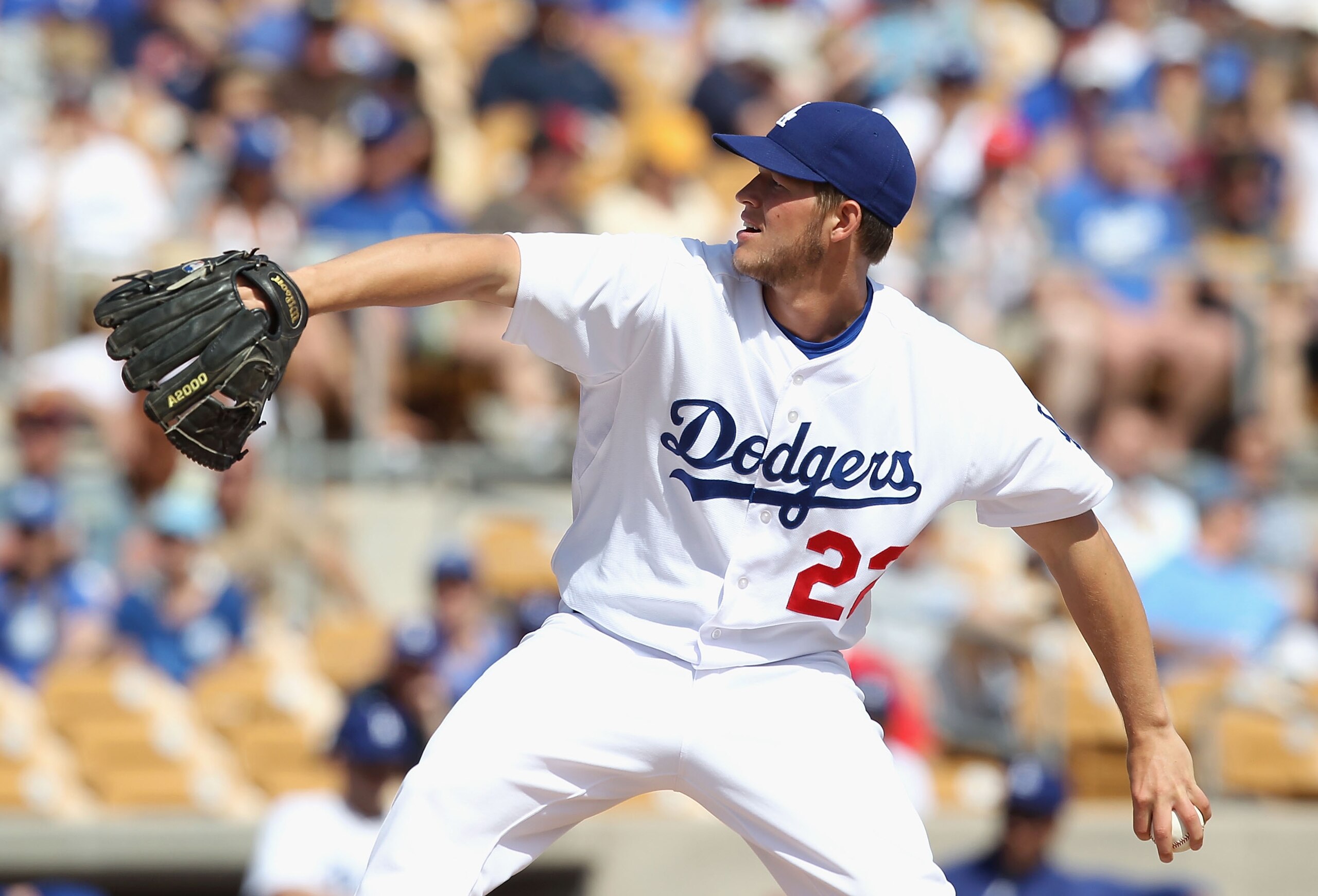
At only 22 years of age, it is hard to believe that lefty Clayton Kershaw has already recorded 483 innings in the big leagues over three seasons. In 2010, his first full season with the Dodgers, he posted a 2.91 ERA and a 13-10 record.
Kershaw is known as a hard thrower. In 2009, he became the youngest pitcher in Los Angeles Dodgers history to strike out 13 or more batters in a game and is also the youngest pitcher in franchise history to strike out at least 13 since Sandy Koufax did it in 1955.
And while the results so far have been outstanding, the Dodgers would be wise not to press their luck with the young Kershaw. History shows that both injuries and underperformance can occur in a young pitcher's second full season.
No one can predict the future and Kershaw looks very solid, but a little caution with his inning totals could not hurt.



Jaime Garcia, 24, St. Louis Cardinals
4 of 10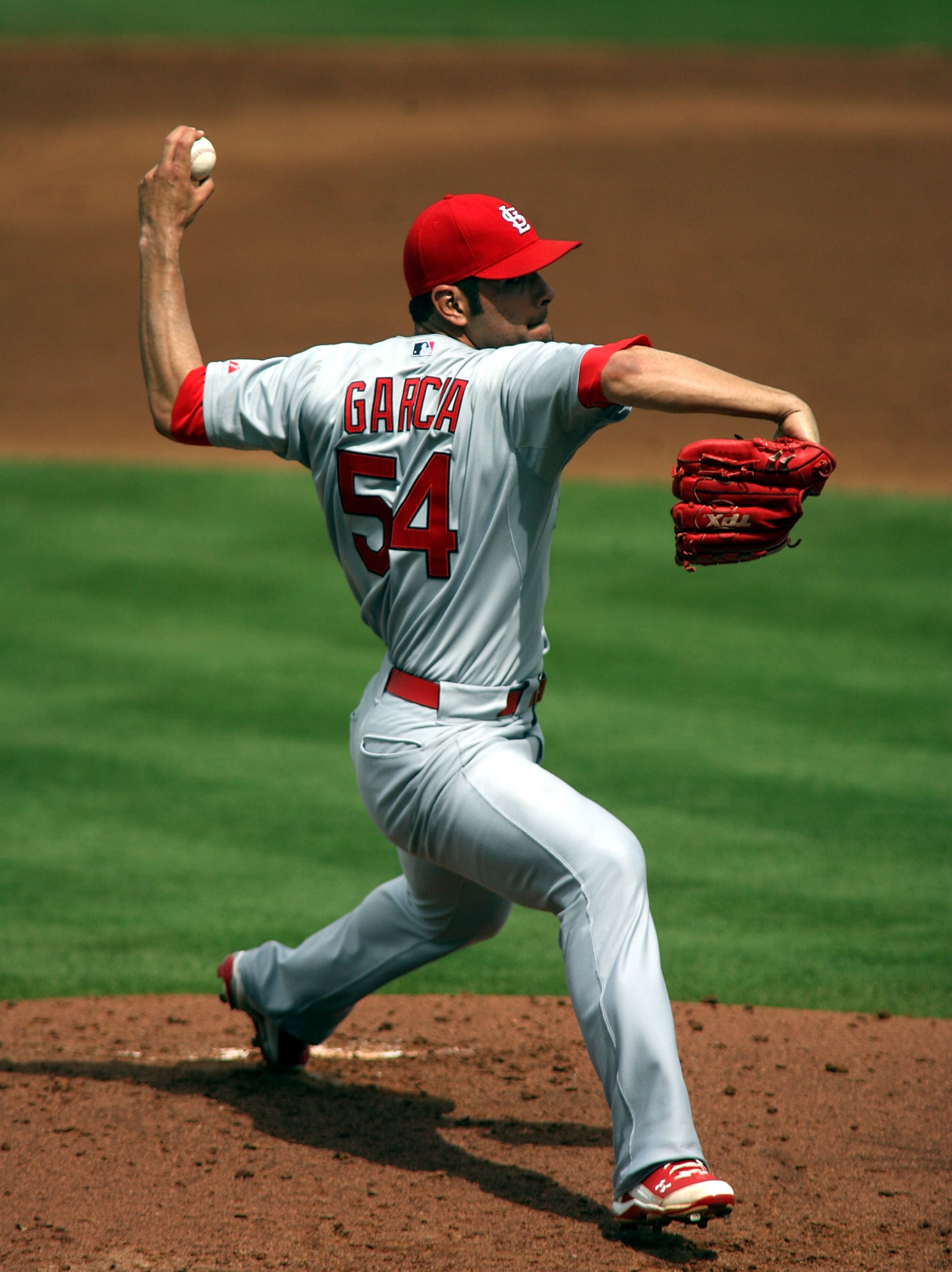
After the 2010 season, Jaime Garcia was in the discussion for the National League Rookie of the Year Award with his 2.70 ERA and 13 wins. The lefty also racked up 132 strike outs over 28 games.
Garcia had a huge jump in innings from 2009 to 2010, as he spent most of 2009 recovering from a torn ligament in his elbow. Wisely, the Cardinals limited him to 163.1 innings in 2010.
And while he should get more work in 2011, the Cardinals will likely have a number of innings in mind that he will not go beyond, as a precautionary measure.
Mitch Talbot, 27, Cleveland Indians
5 of 10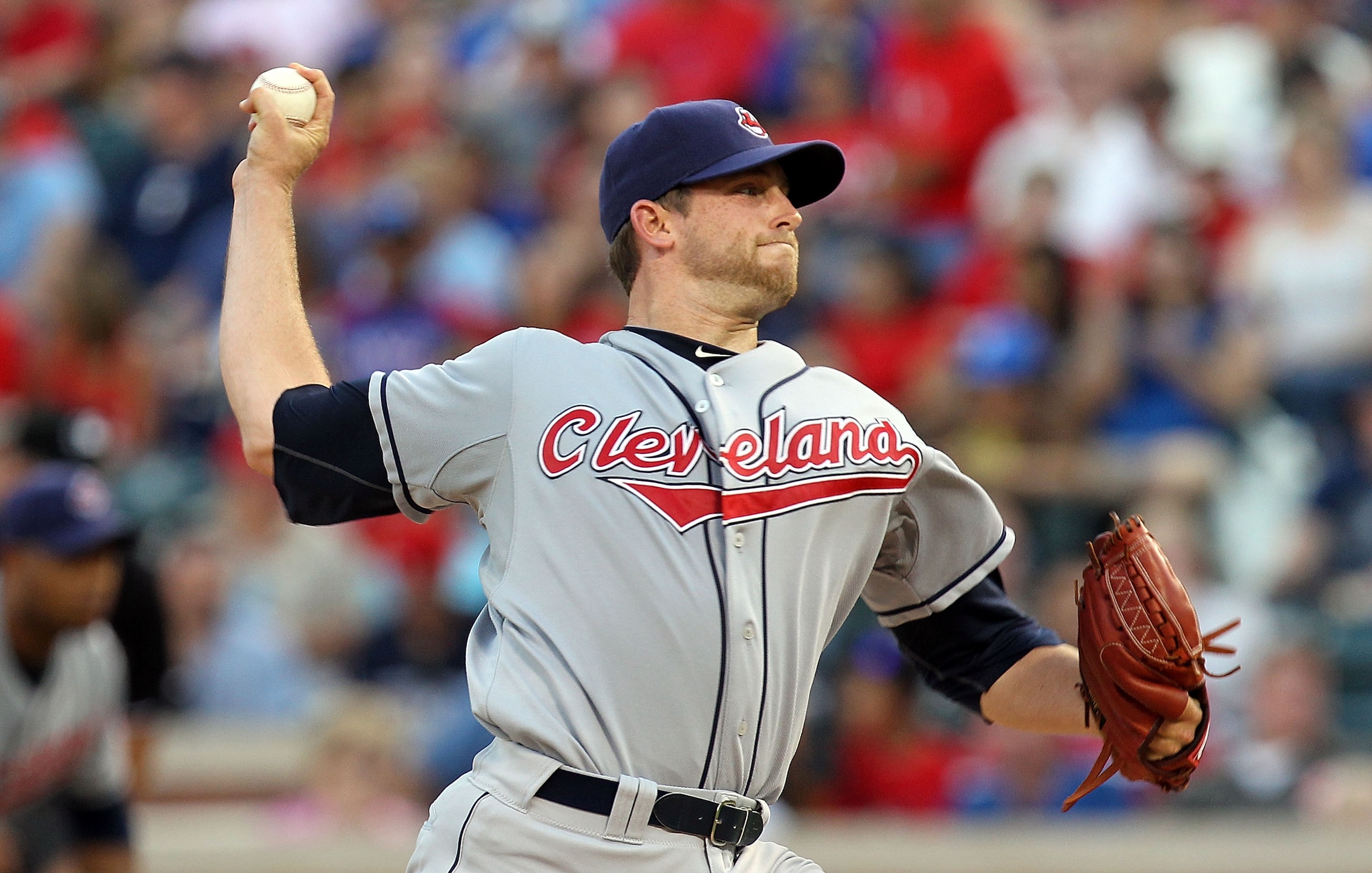
Mitch Talbot is an interesting case. This right-hander did not pitch his rookie season in the majors until 2010 at 27 years of age.
And though he started off very strong, Talbot ran into a rookie slump about mid-way through the season. He posted a 3.99 ERA over 17 starts in the first half, but that number rose to 4.41 for the year as he struggled afterwards.
In September, Talbot missed time due to right shoulder soreness and was limited to 159.1 innings for the year. He hit a similar wall in 2009 when a right elbow sprain took him out of minor league play for over two months.
Talbot appears to be injury prone, based on the previous seasons. However, he also shows a great deal of potential. If the Indians are careful to limit his innings in 2011, Talbot could go on to have a healthy, productive year.
Jon Niese, 24, New York Mets
6 of 10
With Mets ace Johan Santana down due to surgery, lefty Jon Niese will be expected to pick up some of the slack. In his rookie season of 2010, Niese won nine games while striking out 148 batters over 30 starts.
Niese has had issues in the past with torn hamstrings, which may be a concern considering the jump in innings from 25.2 in 2009 to 173.2 in 2010. The Mets will need to watch Niese closely.
If they can limit his innings to avoid injury, and if Niese can reduce walks issued, 2011 should be a productive year. With a lack of starting pitching, this is the perfect time for Niese to carve out a niche in the Mets rotation.
Jake Arrieta, 25, Baltimore Orioles
7 of 10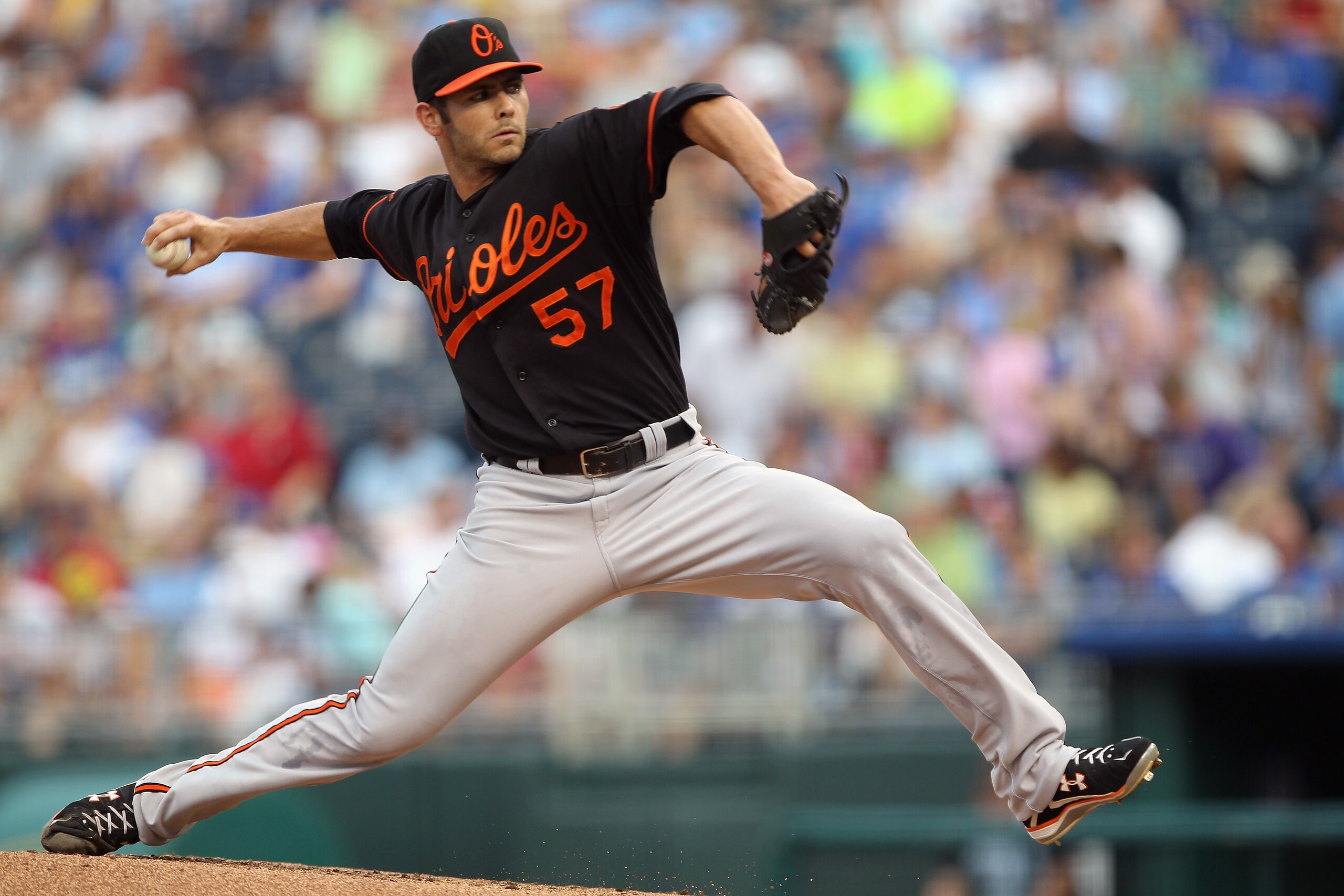
The Orioles are in serious need of solid starting pitching. After a good showing in 18 games last season, Jake Arrieta is expected to make the rotation this season.
However, Arrieta will be pitching with a bone spur in his right elbow. After getting a second opinion on the injury, Arrieta decided against surgery.
While bone spurs are fairly common, Arrieta should be limited in innings as a precaution. Both the bone spur and the fact that he pitched only 100.1 innings in 2010 will factor into this decision.
Travis Wood, 24, Cincinnati Reds
8 of 10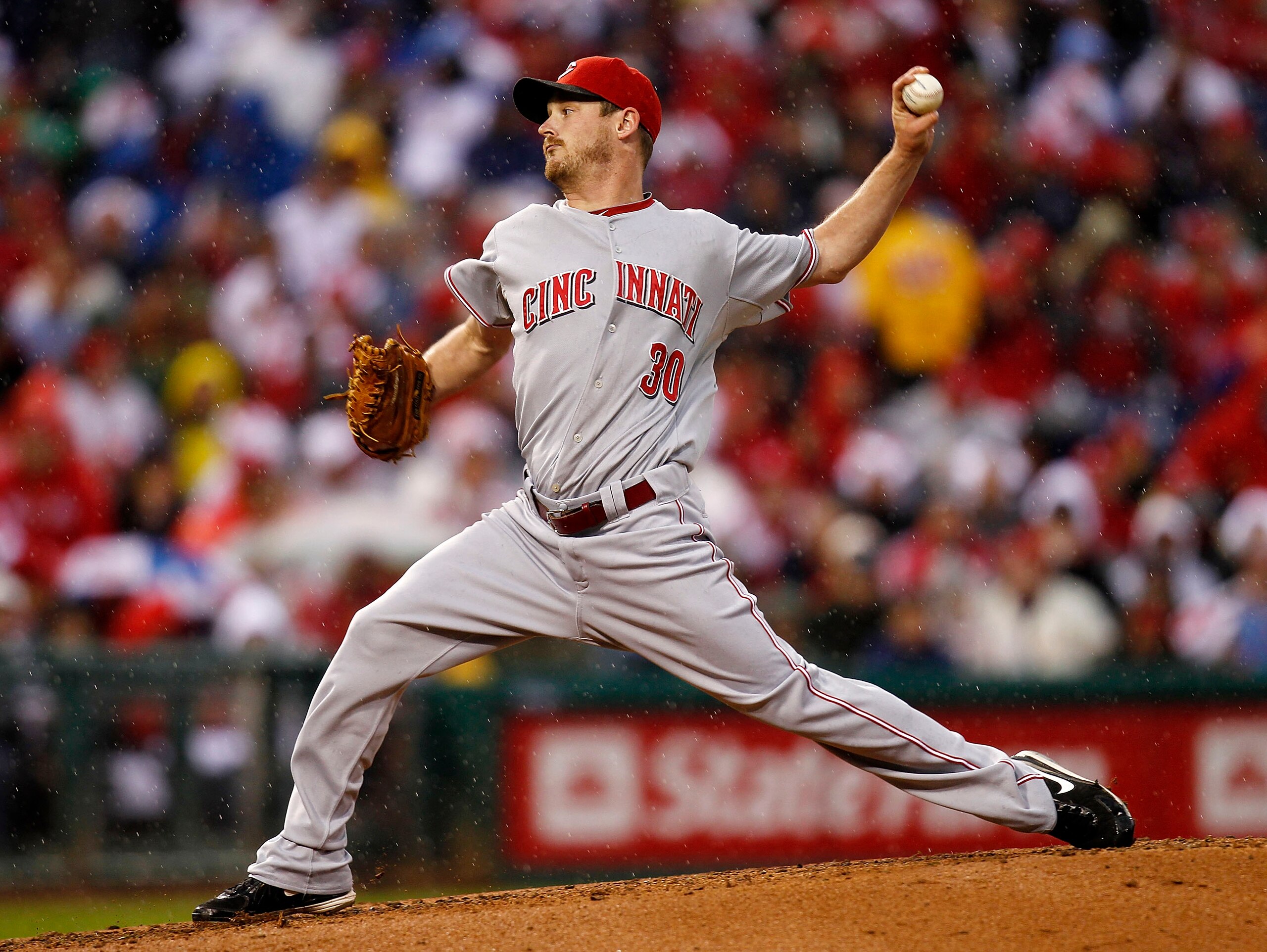
While the Reds rotation is not set in stone yet, Travis Wood is said to have an inside track on the fifth spot after a great effort in 17 games last season. Wood ended the year with five wins and a 3.51 ERA.
In only his third major league start, Wood pitched a complete game one-hitter with eight strikeouts against the National League-leading Phillies. The 24-year-old lefty shows great potential.
But with only 102.2 major league innings, the Reds should be putting a limit on his innings in 2011. If he can put in a full season, Wood may even see double digits in the win column.
Mat Latos, 23, San Diego Padres
9 of 10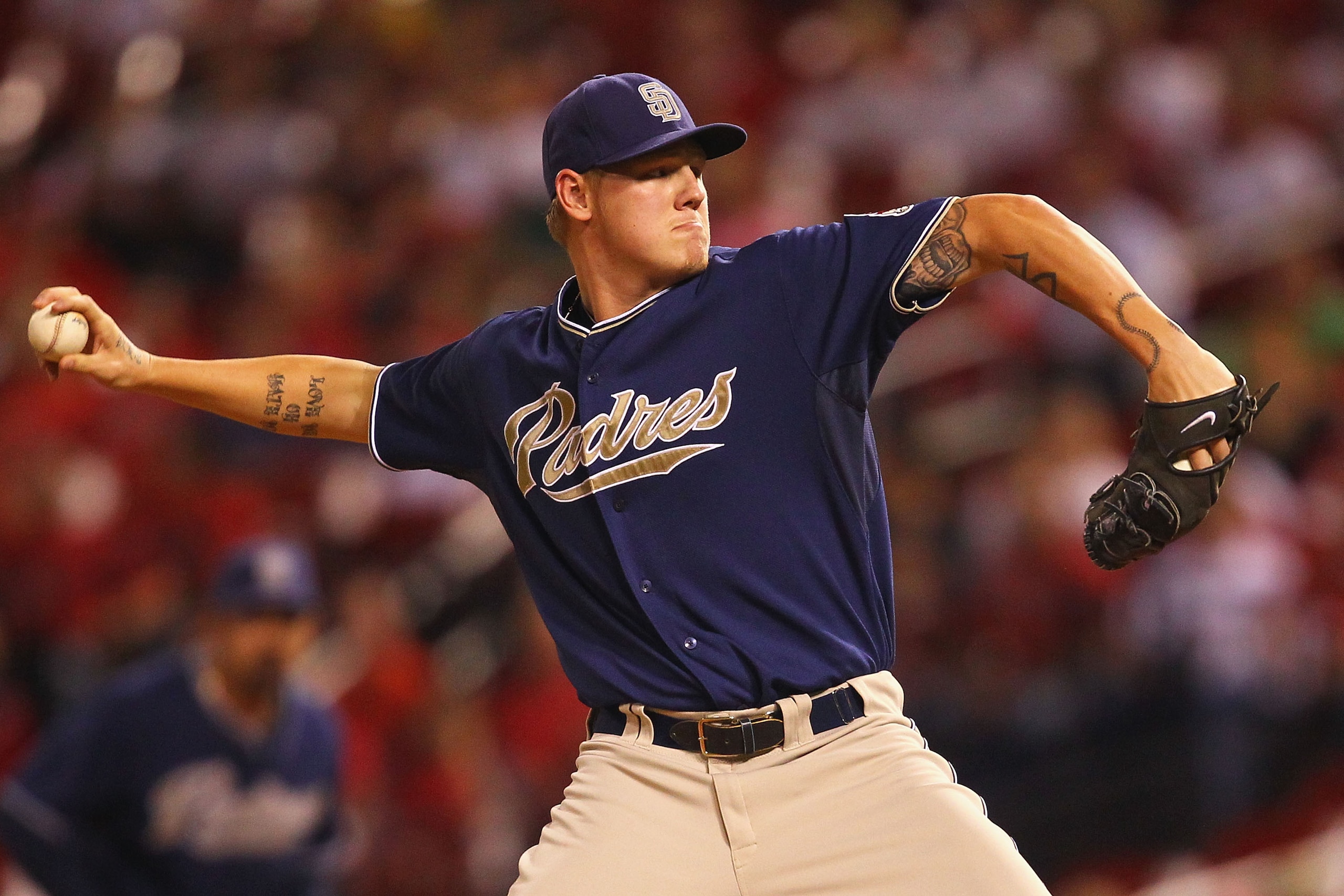
Mat Latos has risen through San Diego's farm system very quickly. As a starter in 2010, the right-handed Latos racked up 14 wins and an impressive 2.92 ERA.
What the Padres need to watch now is the number of innings he will pitch in 2011. In 2009, Latos' combined major and minor league innings were only 97.2. In 2010, it made a big jump to 184.2 innings, all in the majors.
By September last year, Latos started showing signs of fatigue, possibly as a result of the sudden increase in workload. The Padres will need to watch for this again in 2011 in order to preserve the young pitchers arm.
Jhoulys Chacin, 23, Colorado Rockies
10 of 10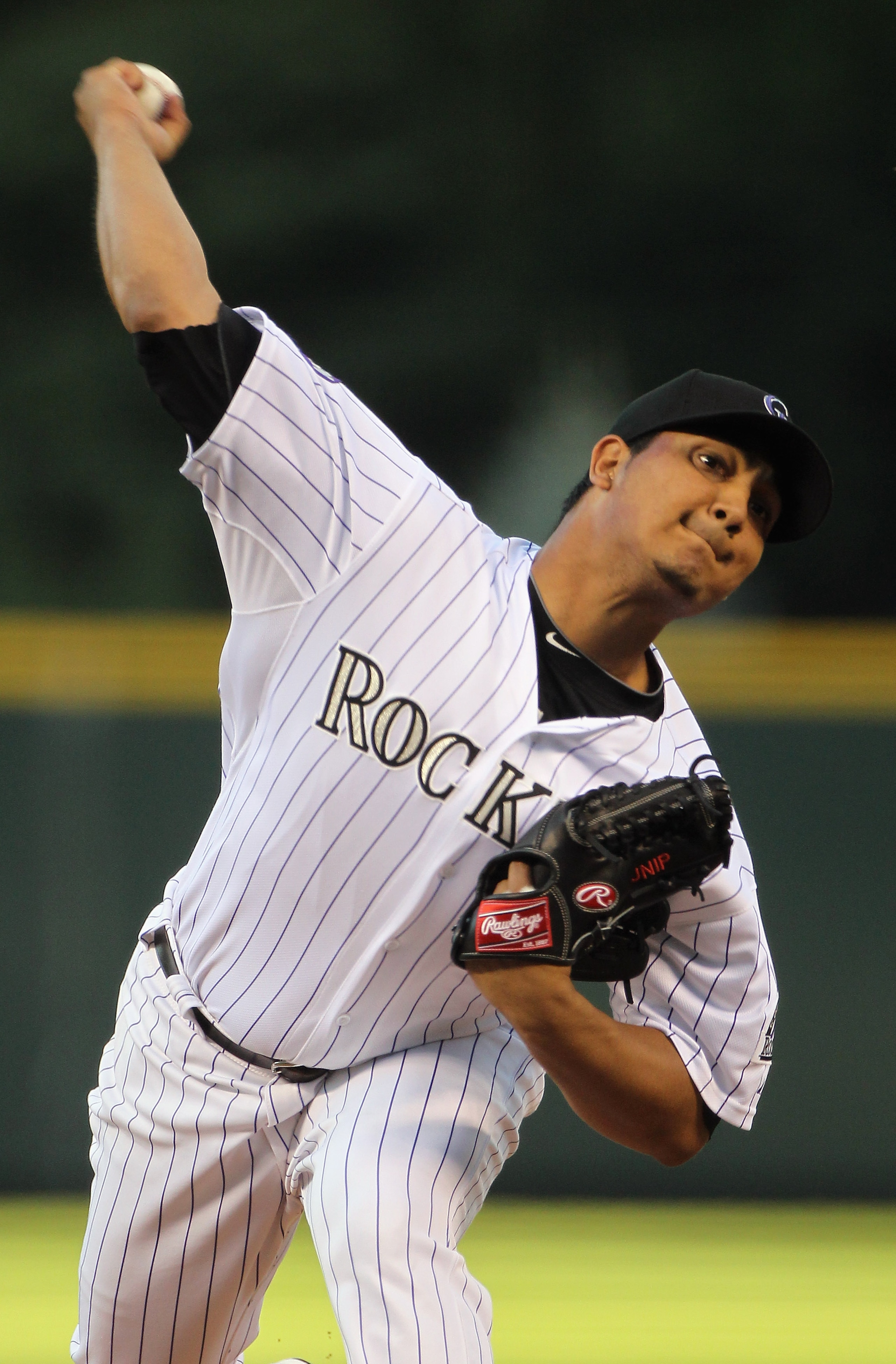
Jhoulys Chacin spent parts of both 2009 and 2010 in the majors. Last season, Chacin sparkled in a starting role, where he posted a 3.28 ERA and a 1.27 WHIP after being called up to the big club.
This year, Chacin is expected to be in the Rockies rotation for the entire season. But after pitching only 137.1 innings in 2010, the 23-year-old righty should not be pushed too hard, too fast.
The Rockies would be wise to take baby steps with such a young, talented pitcher.
Once Chacin has a full season under his belt, they can begin to add to his workload a bit more.


.jpg?w=2560 "Chiefs, Steelers Eye WR Trades")



.jpg?w=2560 "Latest Peyton-Colts Rumors")