
AL East: 10 Most Underrated Players in the Division
To most baseball fans the words "underrated" and "AL East" don't really go together, especially considering the division's two powerhouse teams that spend over $360 million annually on their payrolls.
Yes, some of the most productive players in the game call the AL East home, and they're paid obscenely high amounts of money to do so, but there are plenty of other productive players in the division who don't get the hype—players who aren't in the tabloids because they spend their offseasons building mansions or dating Cameron Diaz (and if they are doing those things, we don't know, because they're underrated).
Here are 10 players in the AL East who either don't get the full recognition they deserve or get a bad rap when they deserve better.
10) B.J. Upton—2010 WAR: 3.4
1 of 10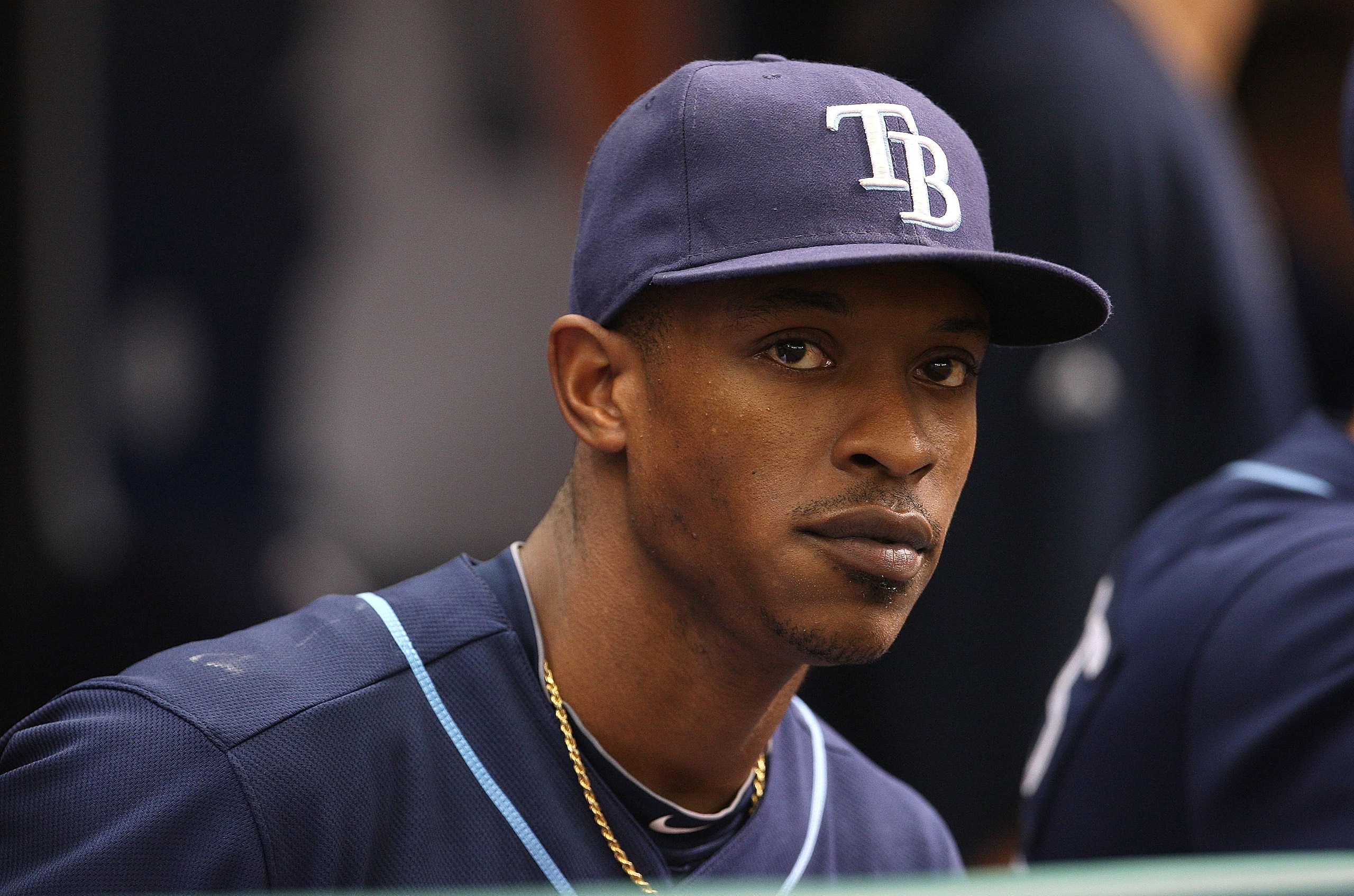
There are two types of underrated players: those who always performed well but never got the recognition, or those who were at one time over-hyped and fell further than they deserved because of it. Upton fits the latter category.
Although he hasn't become the superstar his '07-08 seasons would have led us to believe he'd become, Upton still has a considerable amount of value to the Rays. The line wasn't pretty in 2010—.237/.322/.424—but it was an improvement over 2009, and his outfield defense has remained above average to good even during the struggles at the plate.
The main problem for B.J. seems to be his lost plate discipline. According to FanGraphs, in 2008 Upton only swung at 15 percent of the pitches he saw out of the strike zone, but that number ballooned to 25 percent by 2010. Not surprisingly, in that time Upton's walk rate and on-base percentage dropped from 15.2 percent and .383 respectively to 11 percent and .322 in 2010.
Even with the hitting troubles Upton was worth 3.4 WAR, and continued progress at the plate could turn him back into the four-plus WAR player he used to be.
9) J.D. Drew—2010 WAR: 2.6
2 of 10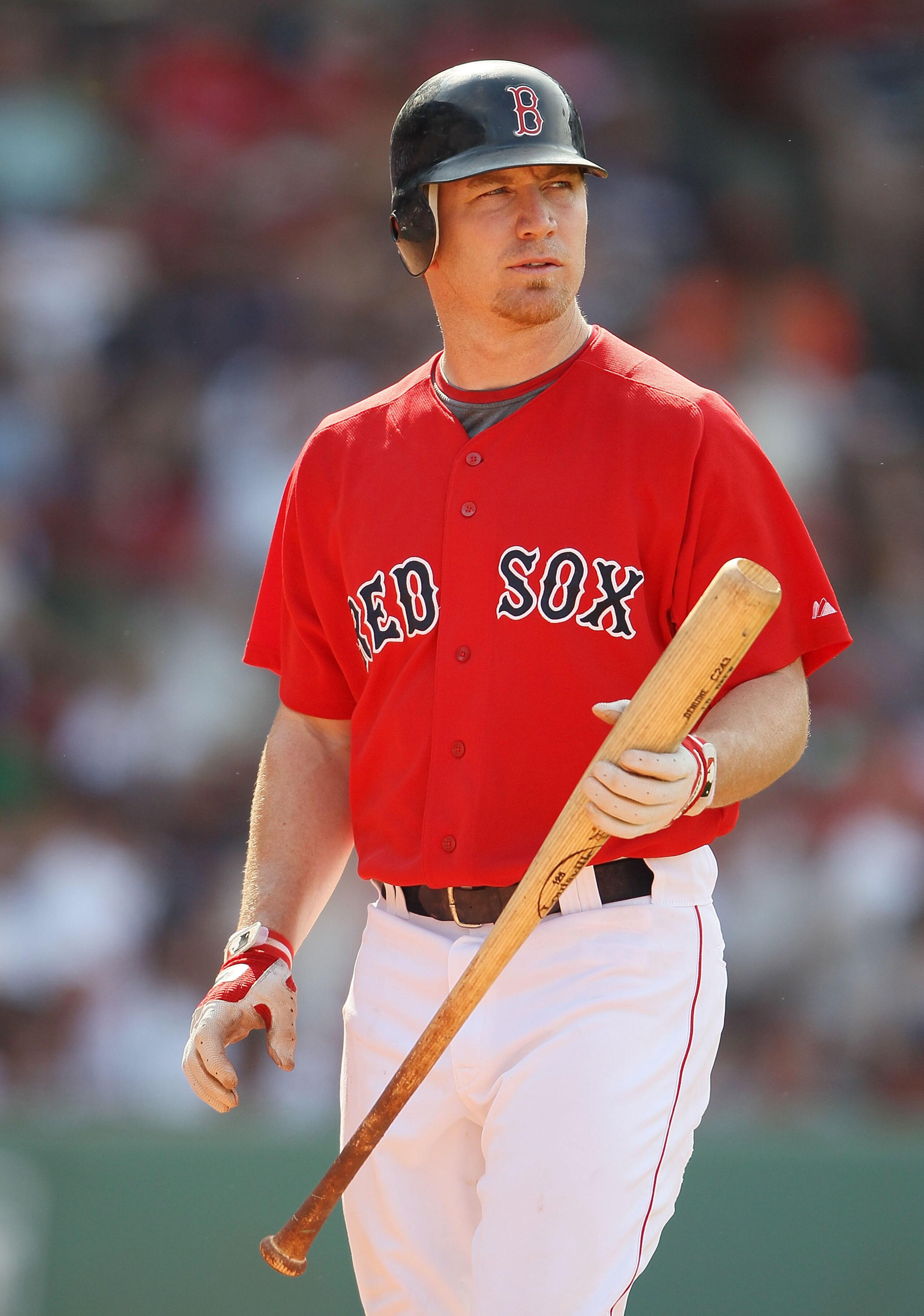
This one is painful to write. Seven years ago I would have argued (vigorously) that not only was J.D. Drew overrated, he was the most overrated player in baseball.
In fact, I can recall when he signed with the Dodgers that I said it was beyond idiotic to give him that contract, considering he had never driven in 100 runs in a season. Ah, the ignorance of youth.
While Drew has thrown up some less than impressive seasons, overall he has consistently been both above average (no season with a WAR below 1.8 since becoming a regular) and exceptional at fielding his position (four years with an Ultimate Zone Rating in the double digits). The years he is on, Drew can maintain a a line in the realm of .280/.400/.500, which is elite at any level.
No, J.D. Drew isn't the hitter you fear most in that Red Sox lineup, but he is a pretty good ballplayer. The numbers don't lie on this one.
8) Nick Swisher—2010 WAR: 4.1
3 of 10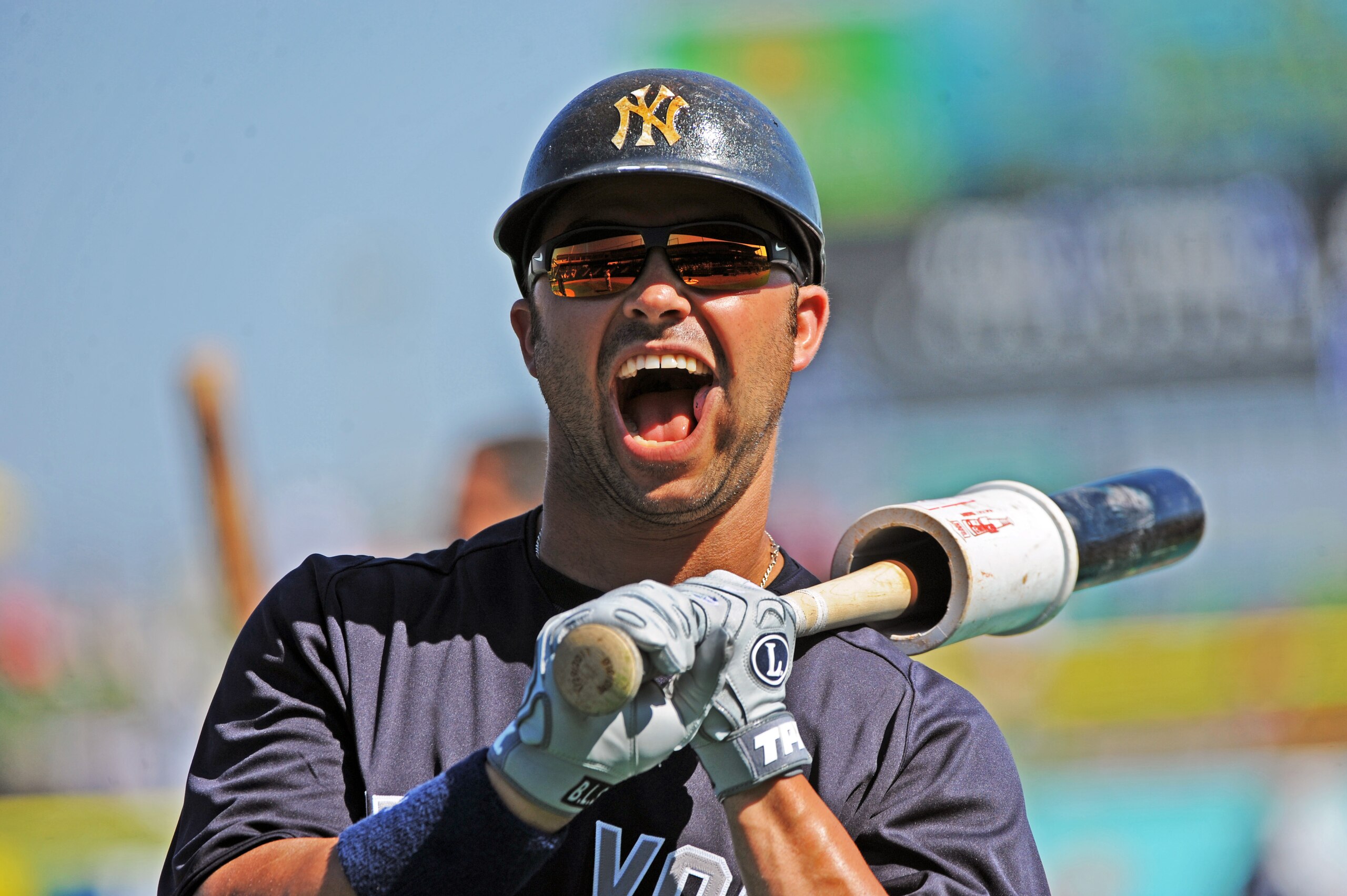
2010 was sort of a breakout year for Swisher. He made his first All-Star team (albeit by winning a popularity contest) and was able to adjust his approach at the plate to trade a few OBP points for average and power.
Swisher's .288/.359/.511 line was the best of his career, despite the drop in walk rate from a plump 16 percent in 2009 to an underwhelming nine percent in 2010.
The key for Swisher was his ability to up his aggressiveness without upping his strikeout rate; he actually struck out a higher percentage of the time in 2009 even though he swung at more balls outside the strike zone in 2010. How was he successful at doing that? Simply put, Swisher swung more and made more contact.
Swisher used to be a one-dimensional player (on-base machine, decent pop), but with an improvement in contact rates and average, his value becomes so much more. He's not even close to being one of the biggest names on his team, but his performance last season made him the fourth most valuable Yankee. Another Kevin Long success story.


7) Marco Scutaro—2010 WAR: 2.1
4 of 10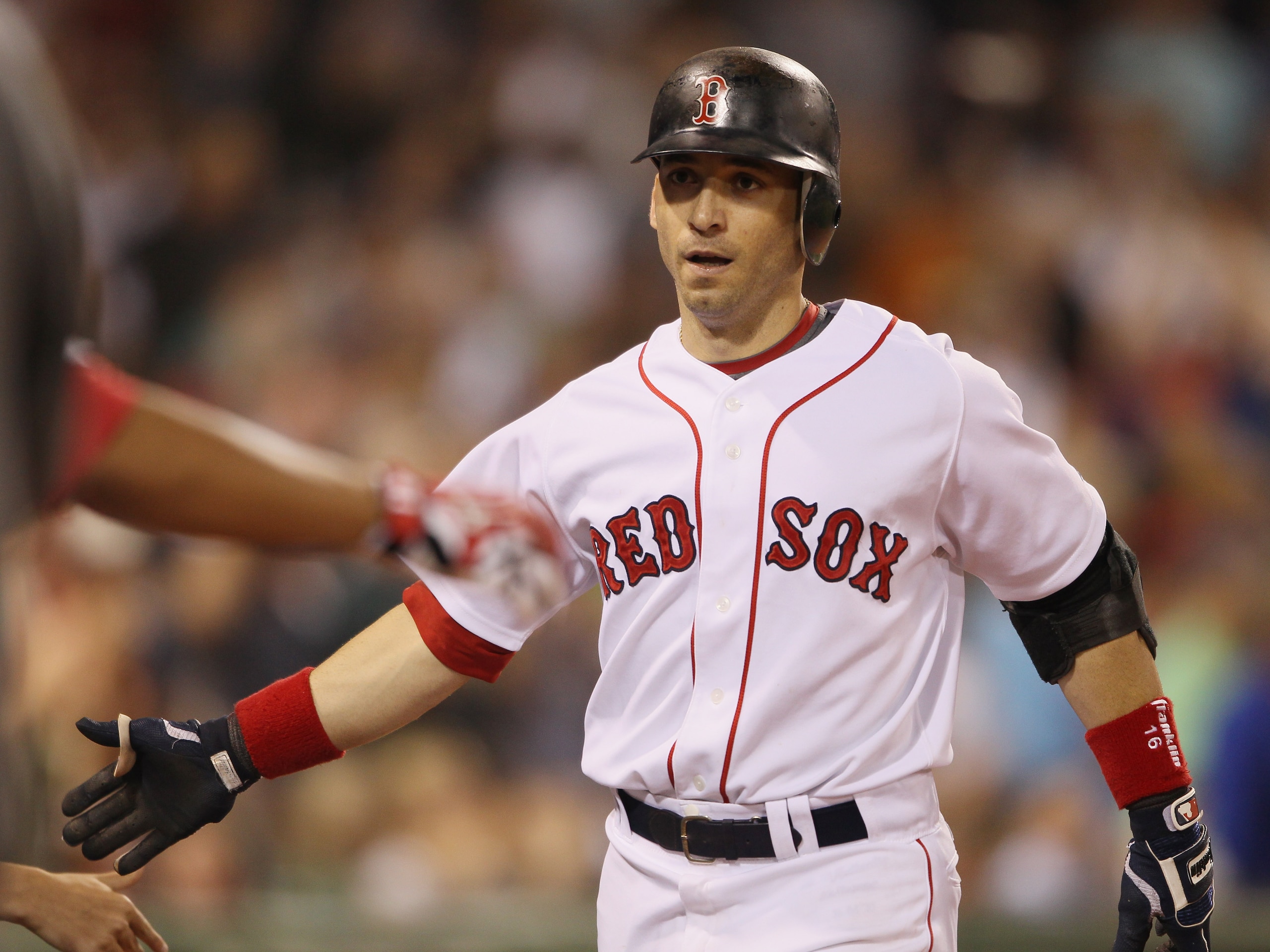
No, Scutaro's Wins Above Replacement (WAR) in 2010 wasn't too spectacular, but in his two previous seasons with Toronto, Scutaro's WAR scores were 3.1 and 4.3 respectively, meaning his 2009 was more valuable than Nick Swisher's 2010.
Scutaro doesn't do two things consistently: He doesn't hit for power, and he doesn't strike out. A shortstop who plays average defense and gets on base like he does is much more valuable than one might imagine.
But the most important thing for a player like Scutaro is the ability to take walks. Hitters who always make great contact sometimes fall into the trap of swinging more often than they should. When Scutaro takes his walks, as he did in 2009, his value jumps; FanGraphs rated him the sixth most valuable SS in the league that year.
He'll never be Derek Jeter, but he sure isn't Julio Lugo either.
6) Ben Zobrist—2010 WAR: 3.1
5 of 10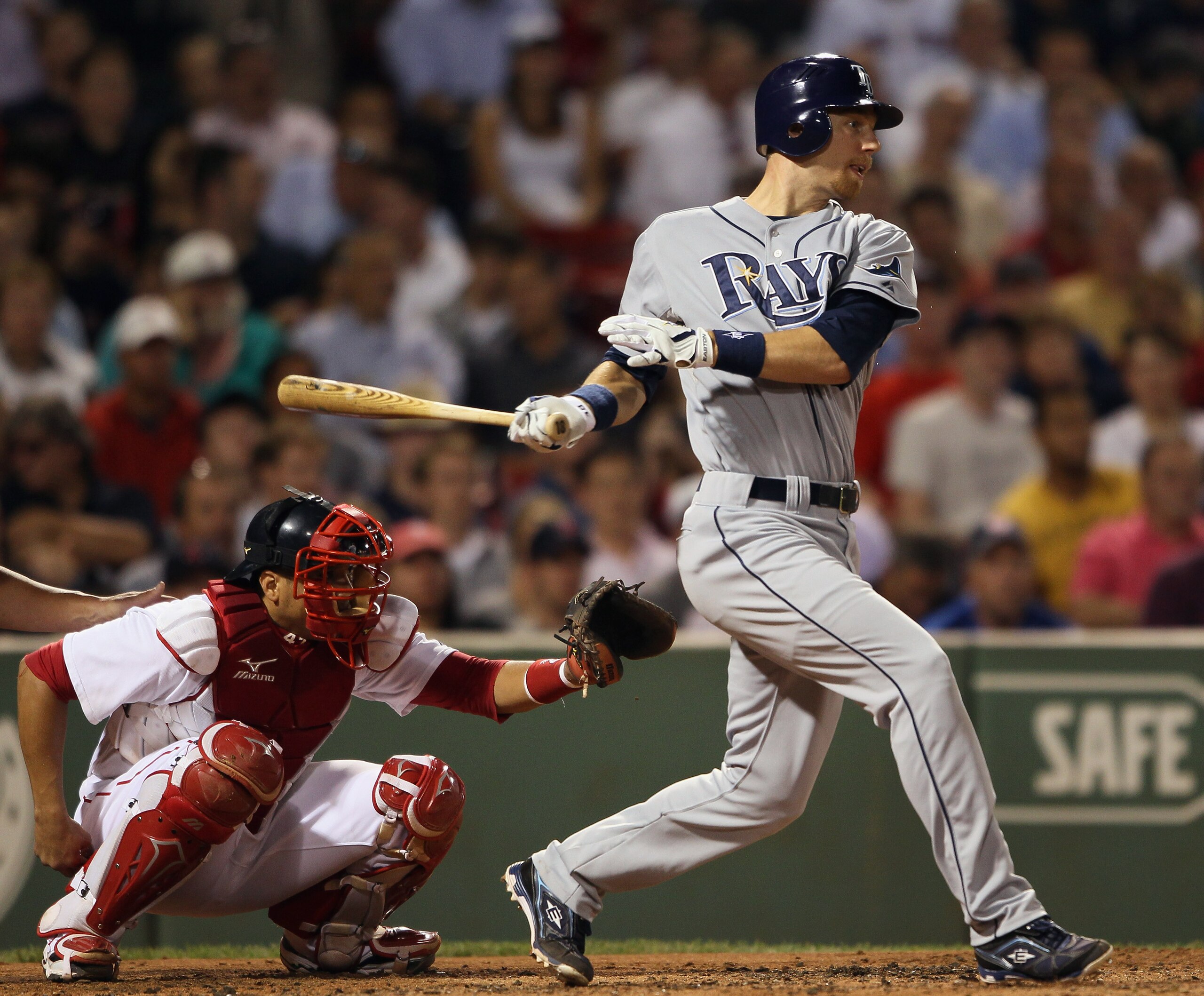
From overrated to underrated, Zobrist had a HUGE 2009 with a .297/.405/.543 line, which translated to a .408 wOBA (weighted on-base average, a stat that encompasses a hitter's entire offensive performance and is weighted to look like OBP), making him an elite-level player.
Couple the strong hitting with exceptional defense at multiple positions—making him a real fantasy darling—and Zobrist was, according to WAR, the second most valuable player in the game behind Albert Pujols.
Then came 2010. Zobrist's line of .238/.346/.353 was a huge drop, especially the almost 200 points in slugging, and his stock dropped right along with it. His WAR, although greatly diminished from '09 to '10, was still pretty good because of his defensive value, and although his power was nonexistent, he maintained his K/BB ratio, which kept his OBP from falling off the cliff as well.
So which Ben Zobrist is the real Ben Zobrist, the 2009 version or 2010? I'd say neither. Zobrist is probably somewhere in between the two performances, unless the power never comes back, but I don't think that will be the case. In my estimation, Zobrist is not the flash in the pan some have made him out to be, and his value as a defensive jack-of-all-trades cannot be underestimated.
5) Aaron Hill—2010 WAR: 1.1
6 of 10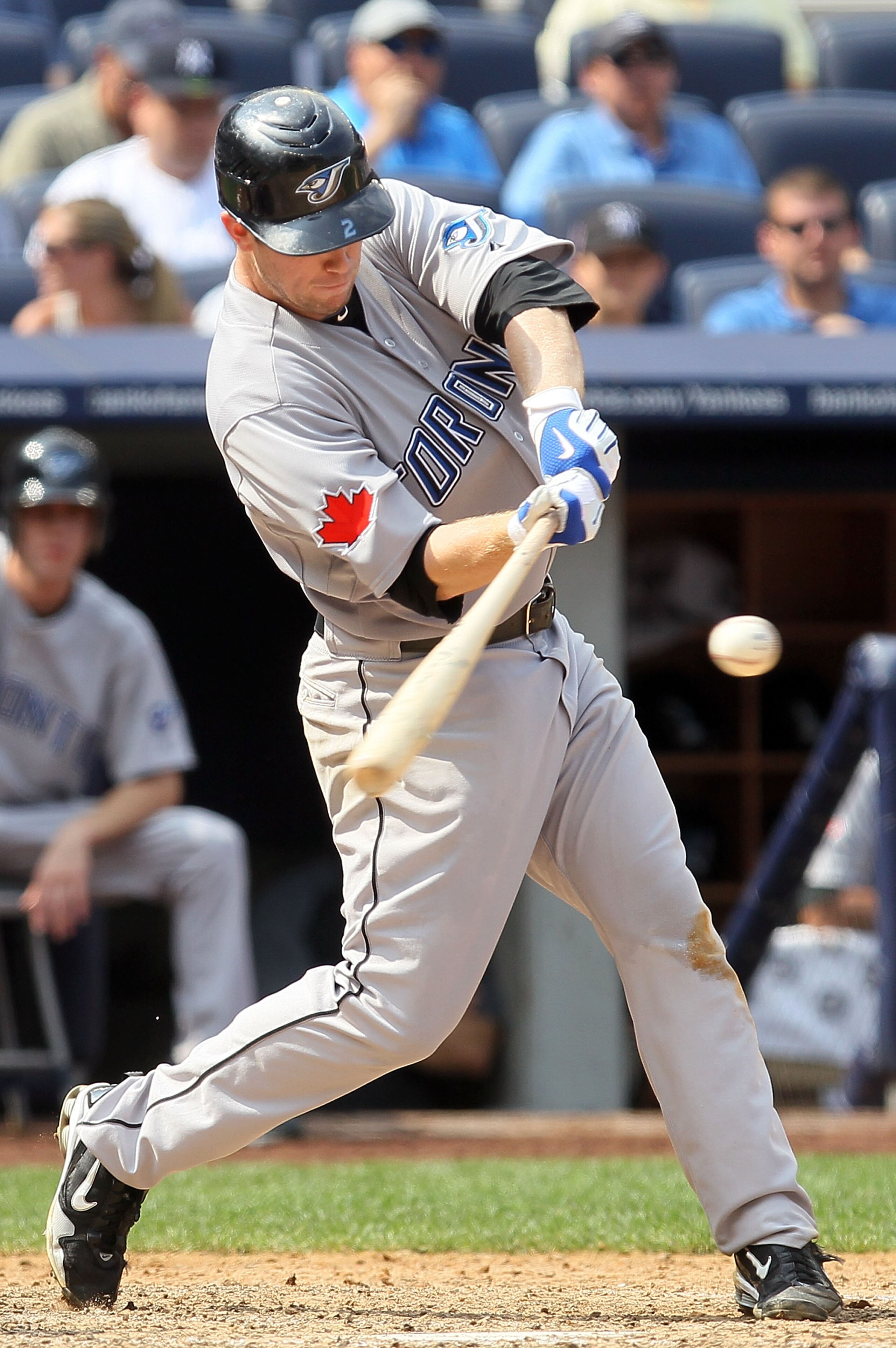
Like Zobrist, Hill had a monster 2009 and followed it up with a stinker in 2010. Unlike Zobrist, Hill's value in the field, while positive, wasn't enough to maintain a good WAR (although it probably kept the WAR from falling off the face of the earth), and his struggles at the plate led to an anemic .205/.271/.394 line.
Two things stand out the most when looking at Hill's 2010 numbers. First, Hill's walk rate actually increased from 2009 to 2010, from 5.7 percent to 7.1 percent, which indicates his approach wasn't drastically different.
Second, Hill's batting average for balls in play (BABIP) was an incredibly low .196, meaning that of the balls Hill did put in play, only 19.6 percent resulted in a hit. League average for BABIP is usually a little above .300, so basically Hill was the unluckiest player in the majors last season.
Only a major leaguer who really doesn't belong in the majors could sustain such a bad BABIP, and even then he'd probably get luckier than Hill did. He isn't an on-base machine and never will be, but he's shown pretty good power in three of the last four years (including last season, where the BA dragged everything down), and if his luck changes even a little, Hill could be a four-WAR player. Good buy low candidate here.
4) Brandon Morrow—2010 WAR: 3.7
7 of 10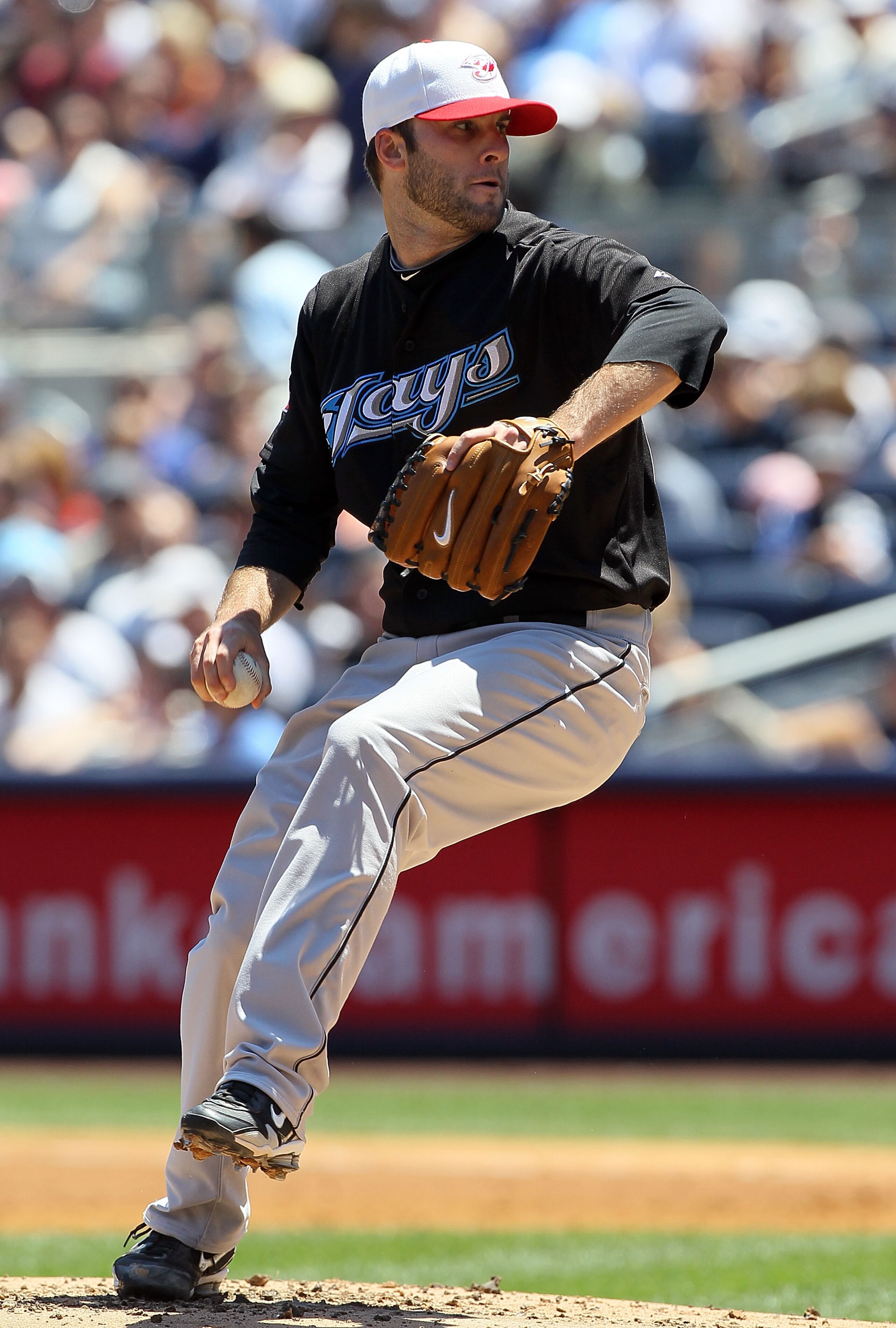
Morrow has always had electric stuff, but his performance never really matched the potential until last season. The Jays bought low on him and were rewarded with a player who had a 3.16 FIP (almost a run and a half lower than his ERA) and an incredibly impressive K/9 (strikeouts per nine innings) of 10.95.
Morrow's 26 starts, 146.1 innings and 10 wins (if you're into that sort of thing) were all career highs, and the FIP and BABIP both indicate he probably would have had even better numbers had the defense played at a higher level.
Even without a bit more luck, Morrow's 2010 performance was better than those of Phil Hughes and James Shields and was just as good as Clay Buchholz's, but you don't hear him mentioned in that company often.
Morrow is only 26, hardly a lost cause when the Mariners traded him, although a change of scenery was probably part of the turnaround.He's already been a steal for the Jays, but if he can replicate his 2010 performance over more innings, he could become elite.
3) Joba Chamberlain—2010 WAR: 1.4
8 of 10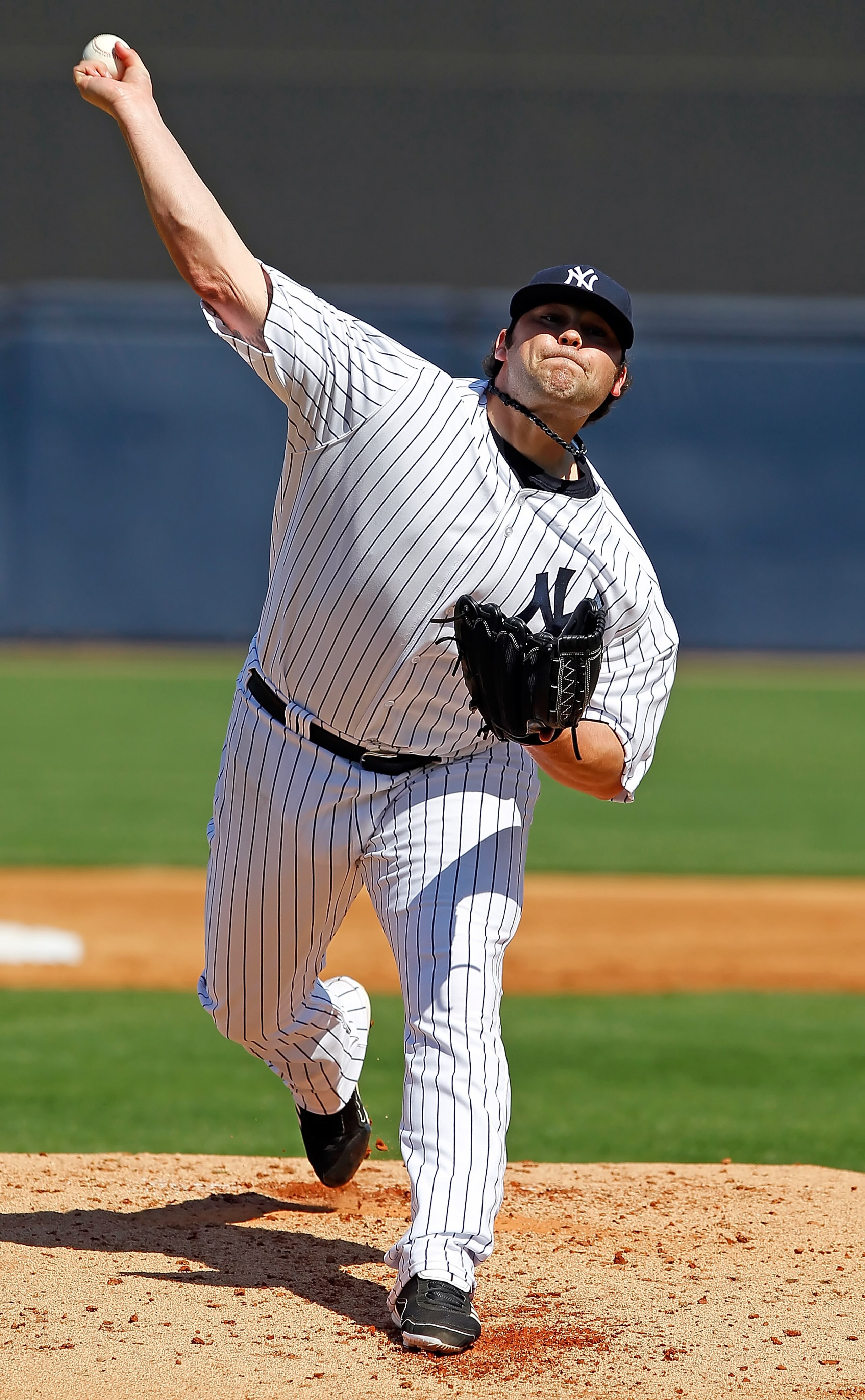
Remember what I said about B.J. Upton, going from over-hyped to underrated due to hype backlash? Multiply that by a thousand for Joba.
Most Yankee fans will tell you Chamberlain stunk up the joint last year, and they have every right to think that when you compare his 2007 bullpen performance (0.38 ERA) to that of 2010 (4.40 ERA).
But consider this: Joba's FIP was actually 2.98 in 2010, almost a run and a half better than the ERA, and his 9.67 K/9 was up two strikeouts per nine innings from his 2009 season.
It's also important to keep a proper perspective here. Chamberlain's 1.4 WAR outperformed Jonathan Papelbon (1.2 WAR), "All-Star" closer Jose Valverde (0.6 WAR) and was incredibly close to Red Sox closer in waiting Daniel Bard (1.5 WAR).
Is Chamberlain the next coming of Jesus? No, but he doesn't suck either.
2) Luke Scott—2010 WAR: 3.1
9 of 10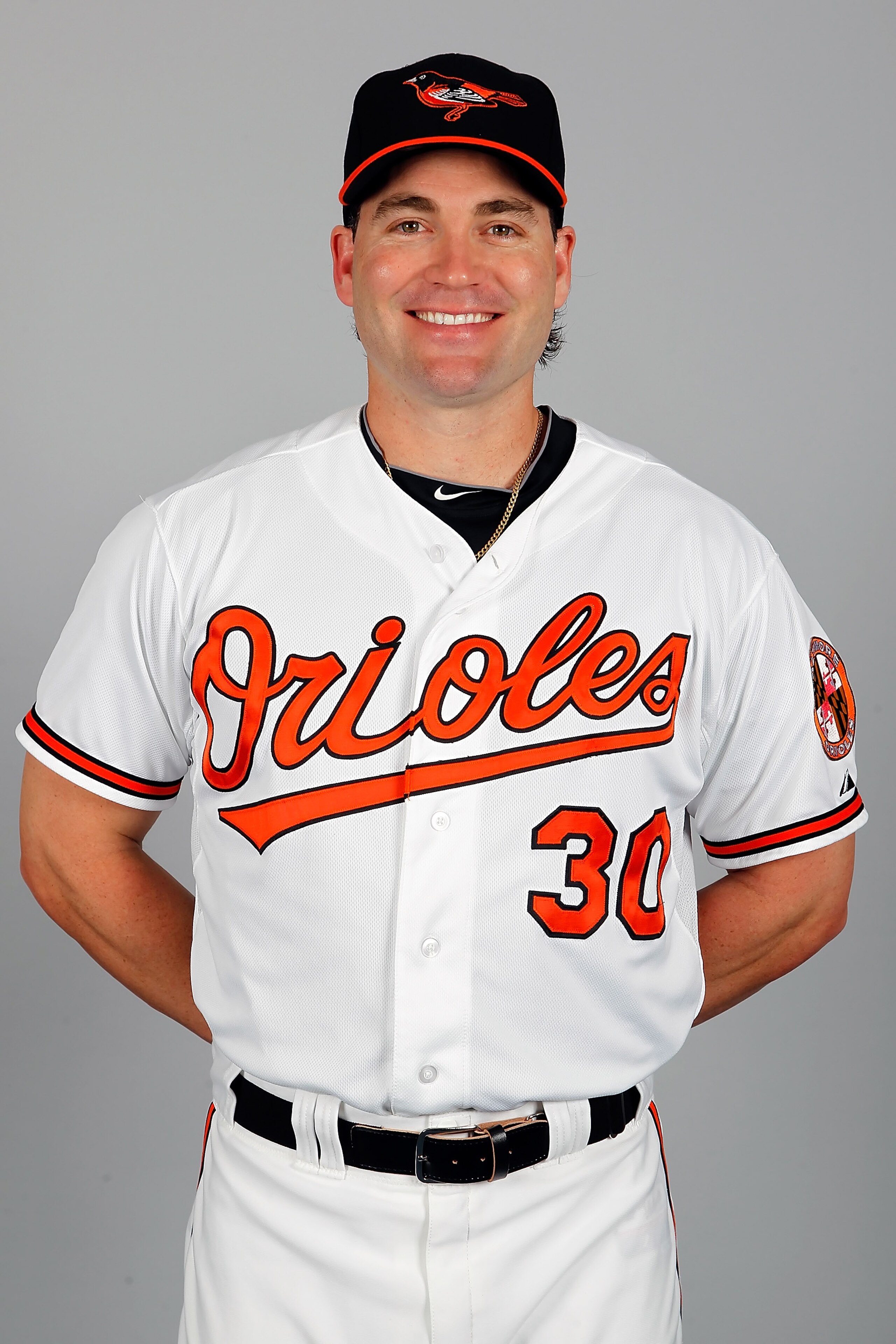
Scott isn't elite by any means, but he had a very good year offensively in 2010 with a line of .284/.368/.535, and his 3.1 WAR outperformed Vlad Guerrero, J.D. Drew and Nick Markakis, just to name a few comparable DHs and outfielders.
Scott was a sell high player for the Orioles last year, but they didn't sell, for whatever reason. Noted baseball stat guru Bill James predicts drops across the board for Scott in 2011, but with numbers that would still make him an attractive piece for a team making a stretch run.
For his career Scott has shown some pretty heavy platoon splits—he can't hit lefties very well—but he kills right-handed pitching, so he and the team he plays for are best served to have him as part of an outfield platoon.
If that's not possible, you could still do worse than Scott as a regular, and the Birds would be smart to move him when his value is at its highest.
1) Brett Gardner—2010 WAR: 5.4
10 of 10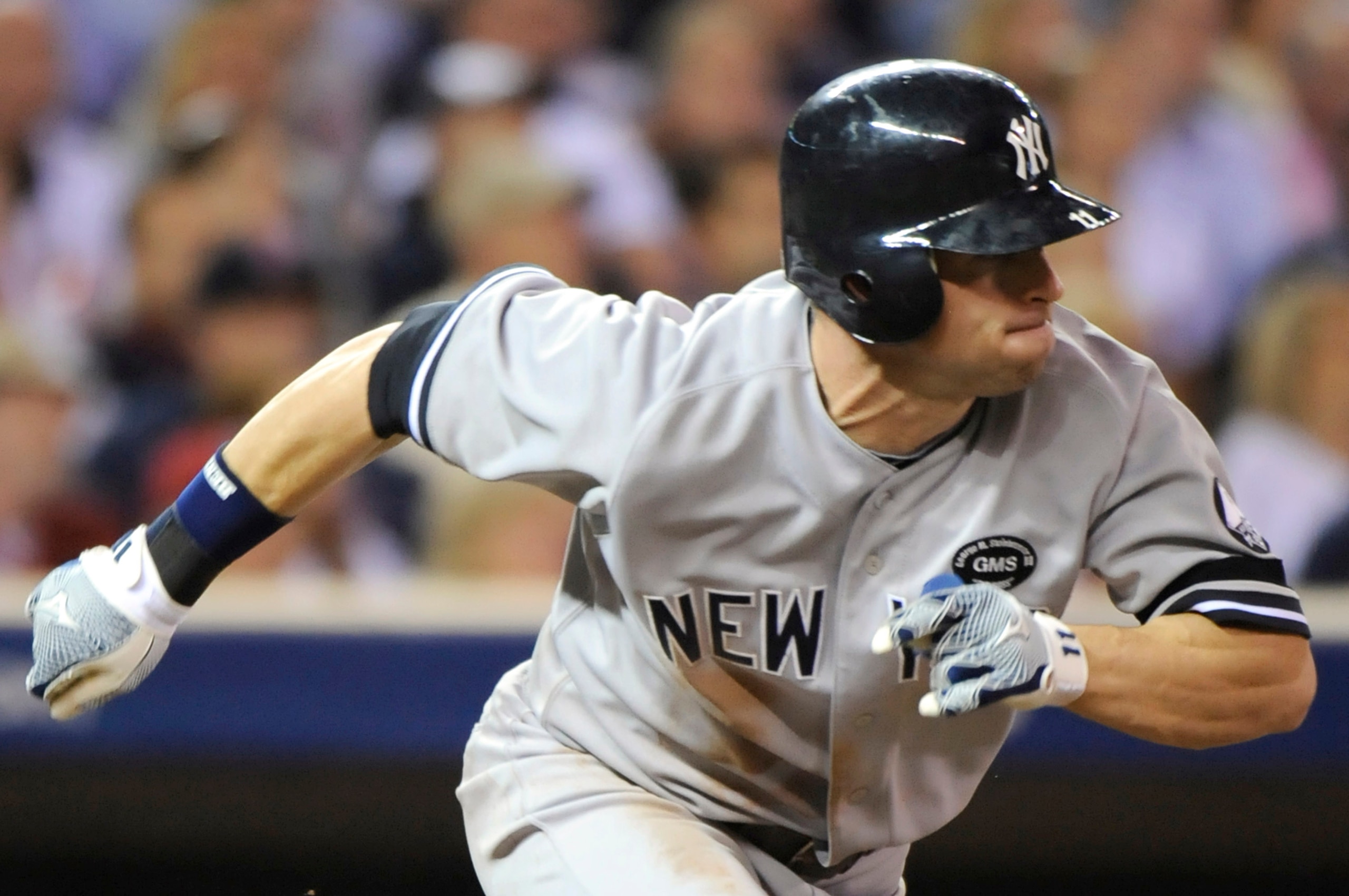
This one was pretty shocking to me. Gardner's WAR of 5.4 made him the ninth most valuable outfielder in baseball last season, due in no small part to his speed and defense.
Gardner played a sensational outfield last season—UZR of 21.9, best in the majors—and despite the obvious lack of power, he got on base to the tune of a .383 OBP. Once on base, Gardner caused a lot of trouble for opposing teams; he stole 47 bases and was caught only nine times.
Predictions for 2011 show only slight drop-offs for Gardner, and if he can continue to play great defense, he should be able to maintain his impressive value for some time, at least until that speed finally drops off. When facing the Yankees, you hardly fear the Brett Gardner at-bats, but his value is undeniable to the team. Not bad for what Keith Law predicted was a fourth outfielder.


.jpg?w=2560 "Chiefs, Steelers Eye WR Trades")



.jpg?w=2560 "Latest Peyton-Colts Rumors")