
Atlanta Braves MLB 2011 Predictions: 10 Things That Could Vault Them to Pennant
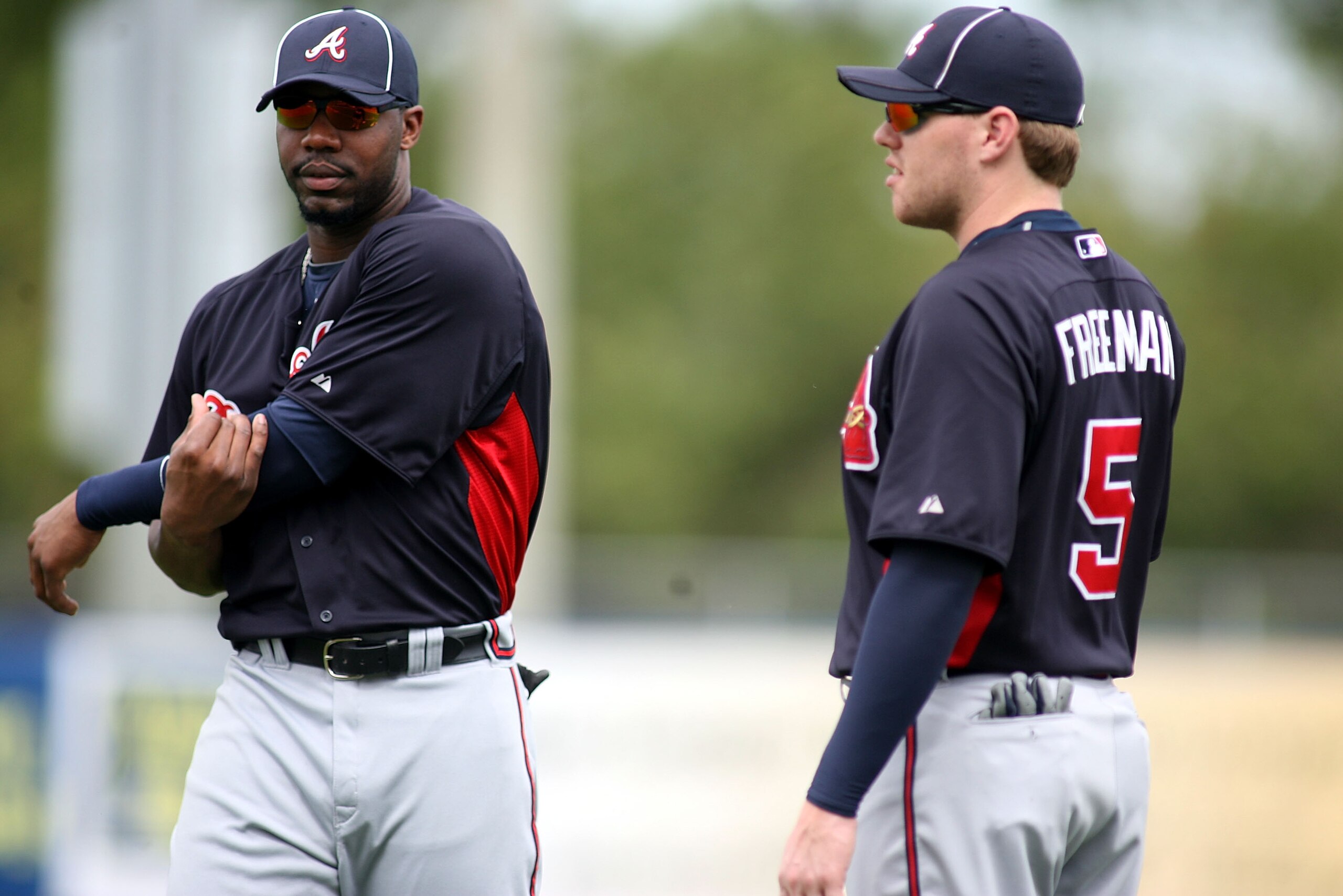
Jason Heyward has graduated, but the Atlanta Braves' minor-league system remains loaded with talent. Another superb player, first baseman Freddie Freeman, will make the jump to the parent club as its starting first baseman in 2011. Homegrown excellence was the trademark of the Bobby Cox-era Braves, but nothing much has changed in that regard, even as Fredi Gonzalez has taken the reins this spring.
Dan Uggla was the team's lone big addition this winter, but they did not need much: Atlanta won 91 games and claimed the Wild Card last season. With a singularly deep and talented pitching staff in place and an improved offense, they have every reason to believe they can take the next step this season. Here are 10 things that have to happen first.
This is the second in a series of pieces listing 10 things that would have to go right for each MLB team to win a pennant this season. To find out when your favorite team's article comes out, follow me on the twitter @MattTrueblood, or sign up for your team's Bleacher Report newsletter.
1. Jason Heyward Matures as a Hitter
1 of 10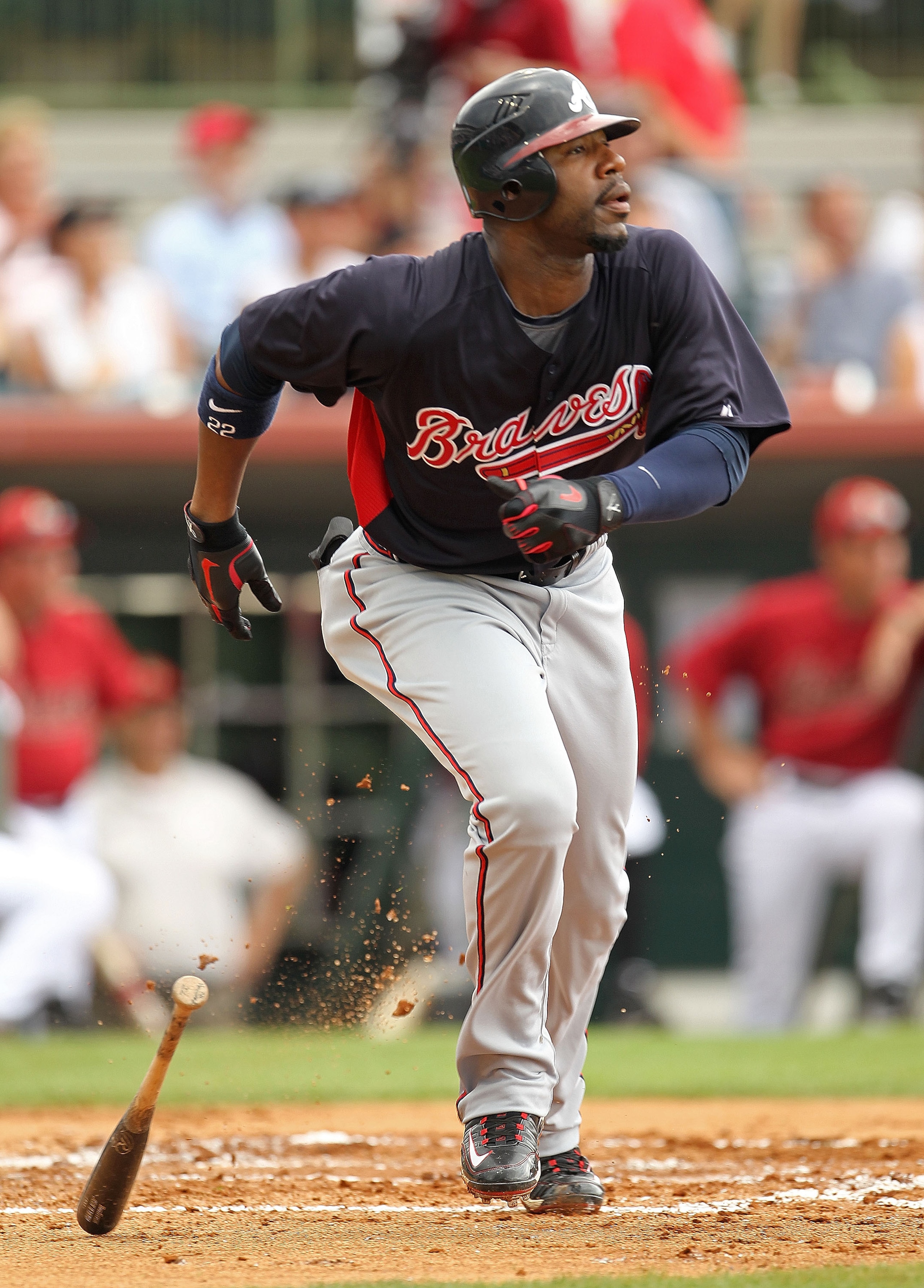
John Updike wrote, "Insofar as the clutch hitter is not a sportswriter's myth, he is a vulgarity, like a writer who writes only for the money." I don't want to call Jason Heyward vulgar, but I just did, because he was a clutch hitter in 2010—and to a certain extent, too much so.
Heyward finished fourth among NL hitters in Win Probability Added last season. That stat reflects context, clutch contributions and the like. In offensive Wins Above Replacement, though, he narrowly made the top 20. He also had stretches of ineptitude that reminded us all of his youth, despite his polish at the plate.
Heyward has almost no ceiling: He could hit .300 with a .420 on-base percentage and sock 35 home runs, and he could do it this year. If he does, the Braves' offense will be more than good enough to lift them back into the postseason and beyond. If he has a somewhat longer learning curve, the team lacks a bit of depth offensively.
2. Craig Kimbrel Throws Enough Strikes
2 of 10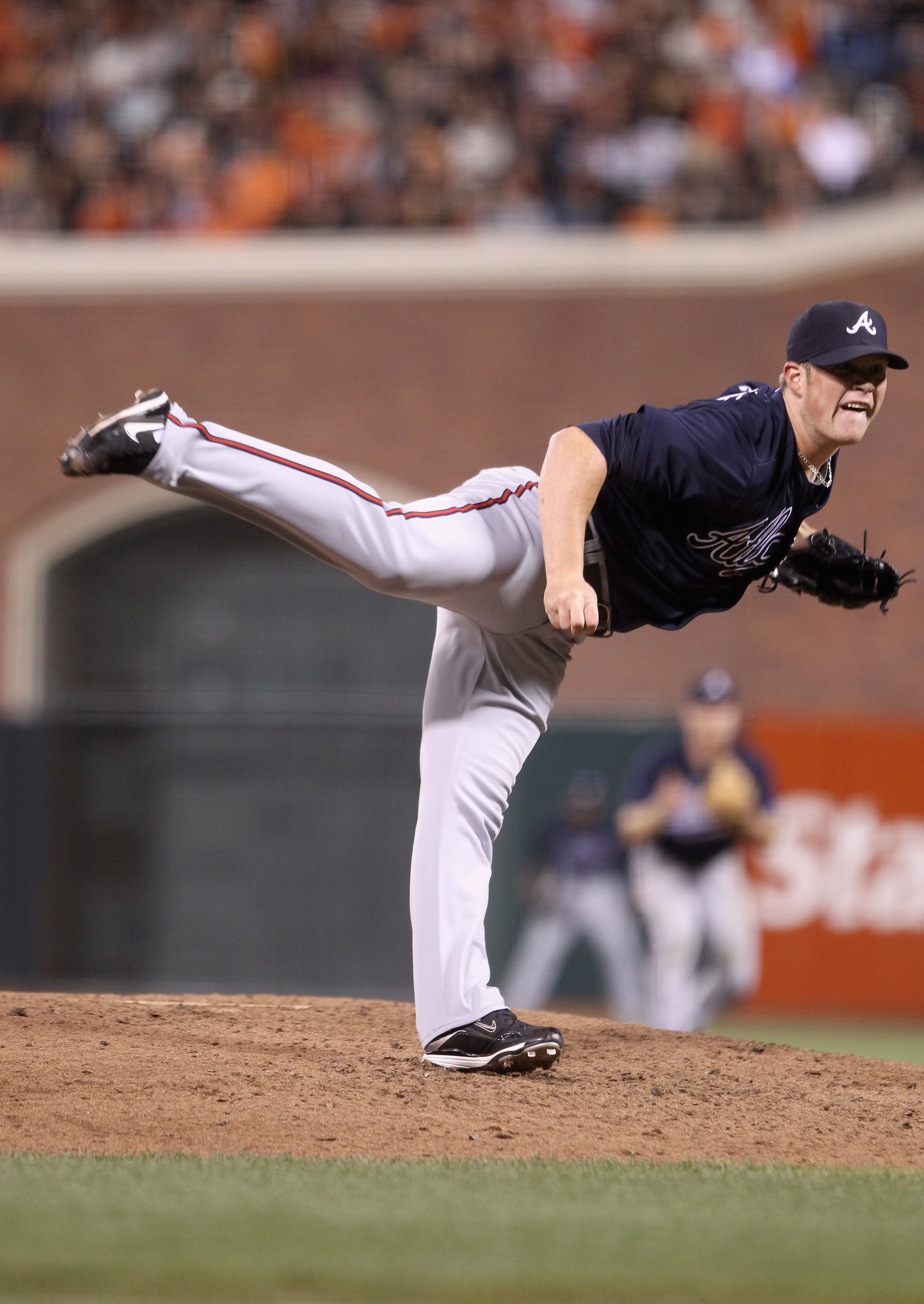
Last season, splitting time between Atlanta and Triple-A, Craig Kimbrel threw 76.1 innings. Over that span, he allowed just 37 hits, struck out 123 and walked 51. Those are Carlos Marmol numbers.
Incidentally, that is an apt comparison: Marmol has proved that a certain threshold of fastball-slider aptitude exists beyond which control no longer matters much, and Kimbrel is cast in the same mold. His fastball hums in the mid-90s and higher with effort, and his slider is so vicious that even what little contact is made with it is weak and not damaging. Marmol had a stretch of ineffectiveness in late 2008 and early 2009 when the strikeouts and poor contact lagged a bit and the control problems bit him, and Kimbrel is vulnerable to the same volatility.
In 2010, though, Marmol had the highest strikeout rate over a full season in big-league history, posted the best FIP of any pitcher with more than 60 innings of work and had the highest WAR of anyone with fewer than 163 innings. Kimbrel will be the primary closer in Atlanta this year and could match Marmol if he can balance wildness with dominance.
3. Fredi Gonzalez Does His Best Bobby Cox
3 of 10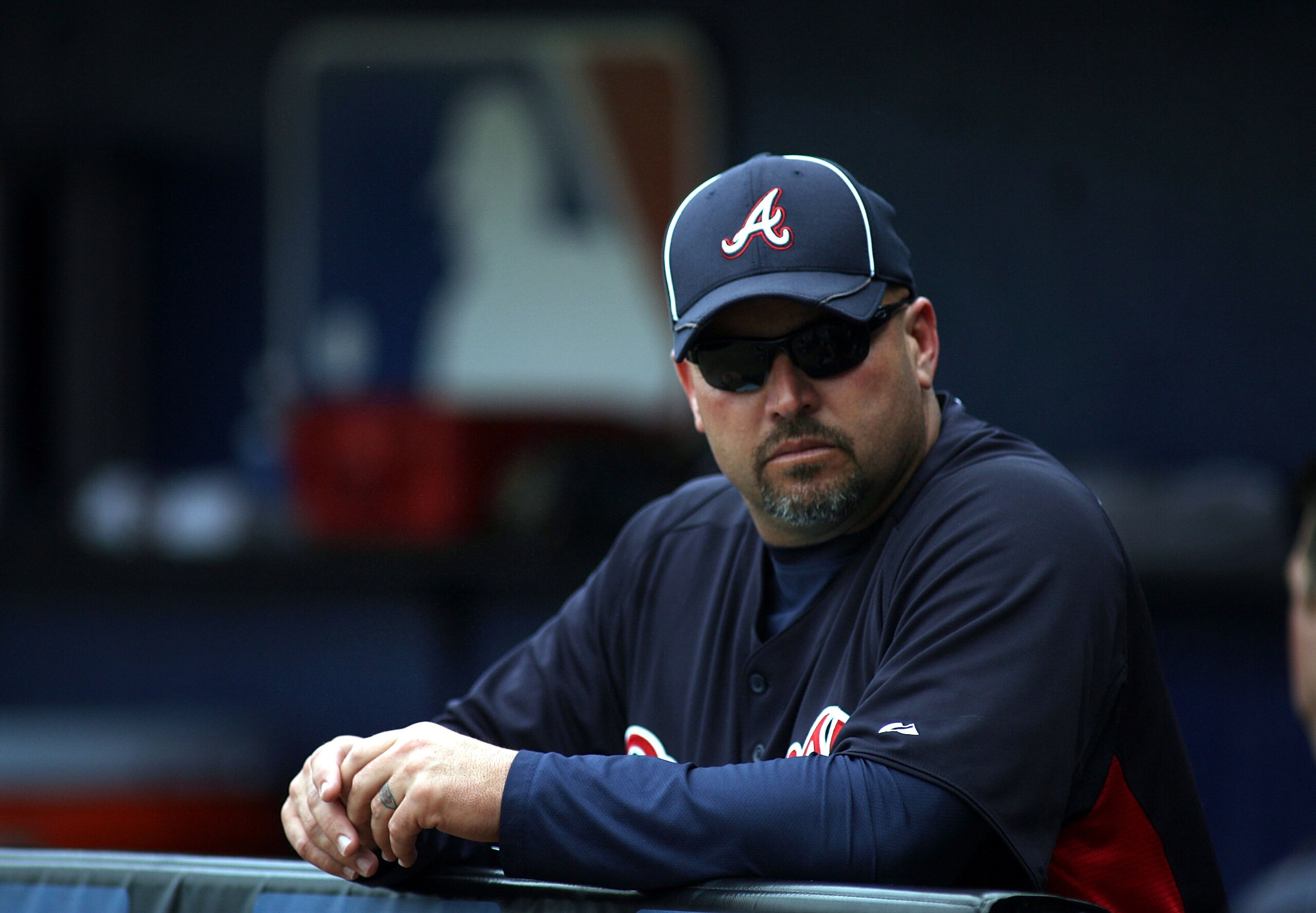
Bobby Cox was great for a dozen reasons, but the best ones were his treatment of players and his relationship with umpires. Cox was a disciplinarian when it came to effort, but he had tremendous patience with a well-intentioned and hard-working player who merely struggled to produce.
His replacement, Fredi Gonzalez, proved he has that in him last season when he went to war with Hanley Ramirez to keep control of the Marlins clubhouse and put the slacking Ramirez in his place.
Cox also was an artist with umpires. He argued until red in the face enough times to set the record for all-time ejections, but his value there was in winning over umpires. Home-field advantage in sports is generally the result of officiating calls, according to the new book "Scorecasting."
Sure enough, in 20 years at the helm, Cox guided the Braves to one of the NL's three best home records 13 times. Six times, Atlanta had the best home record in the league, including in 2010 (when they were just 35-46 on the road). Gonzalez has the same fire in his belly that Cox did and should do fine when it comes to standing up for his guys.


4. Nate McLouth Remembers To Be Nate McLouth
4 of 10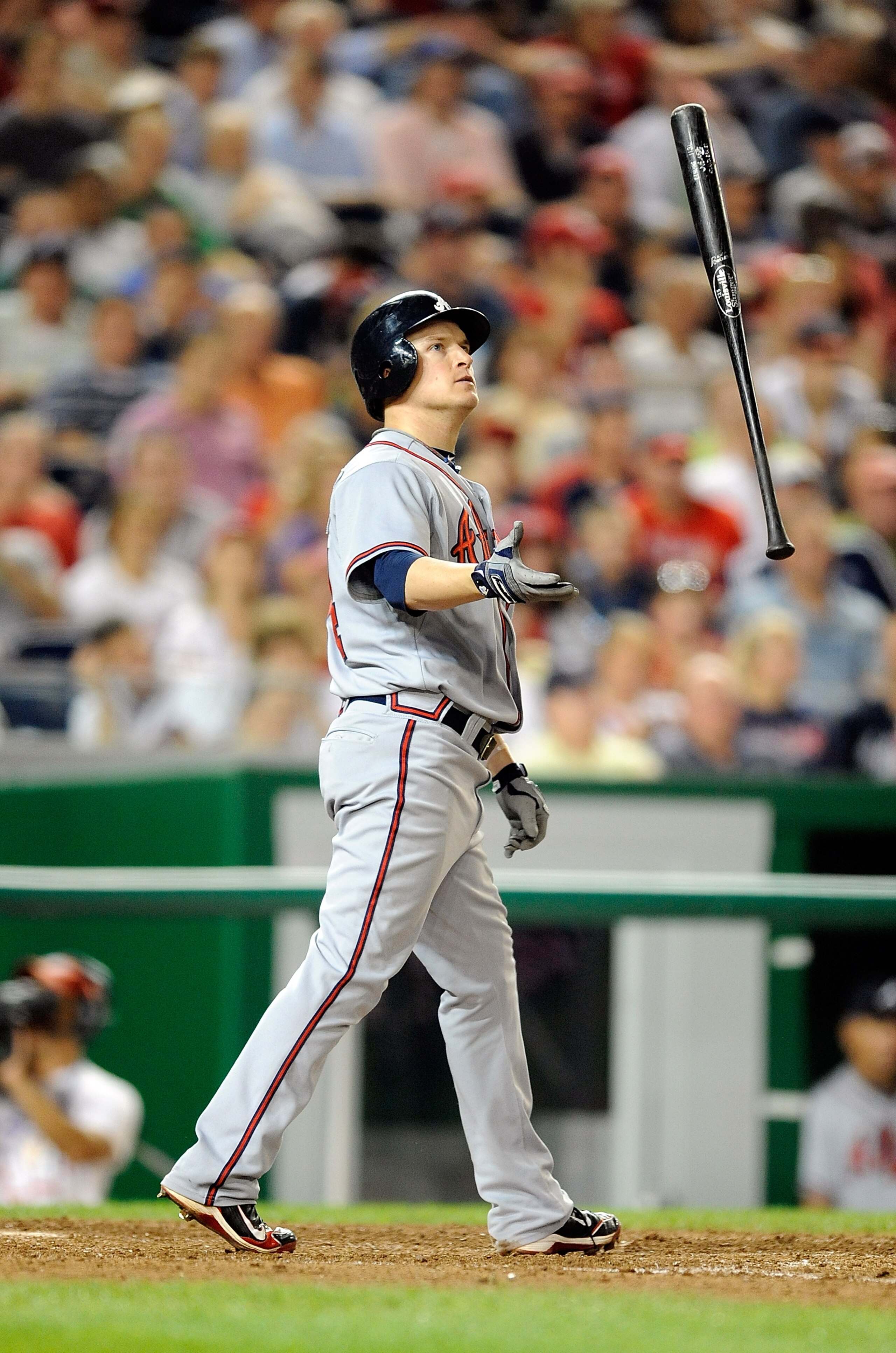
When the Braves traded for Nate McLouth in mid-2009, it seemed like a singularly good move. McLouth would finish that season with 20 home runs and 19 stolen bases in just 129 games. The year before, in a full season, McLouth had swatted 26 homers and stolen 23 bags. The future looked bright.
Then, suddenly, Nate McLouth lost himself. He gave up his number 13 in deference to Billy Wagner, and beginning in Spring Training 2010, he looked entirely befuddled at home plate. He never really recovered, partially because of a concussion suffered in June that sapped his strength for much of the season.
He has his jersey number back now, and a swagger back in his step. If he returns to the silver Slugger and Gold Glove winner that he was in 2008, the Braves have a dangerous extra dimension. If not, speed is very much lacking for this club.
5. Dan Uggla Defends Second Base
5 of 10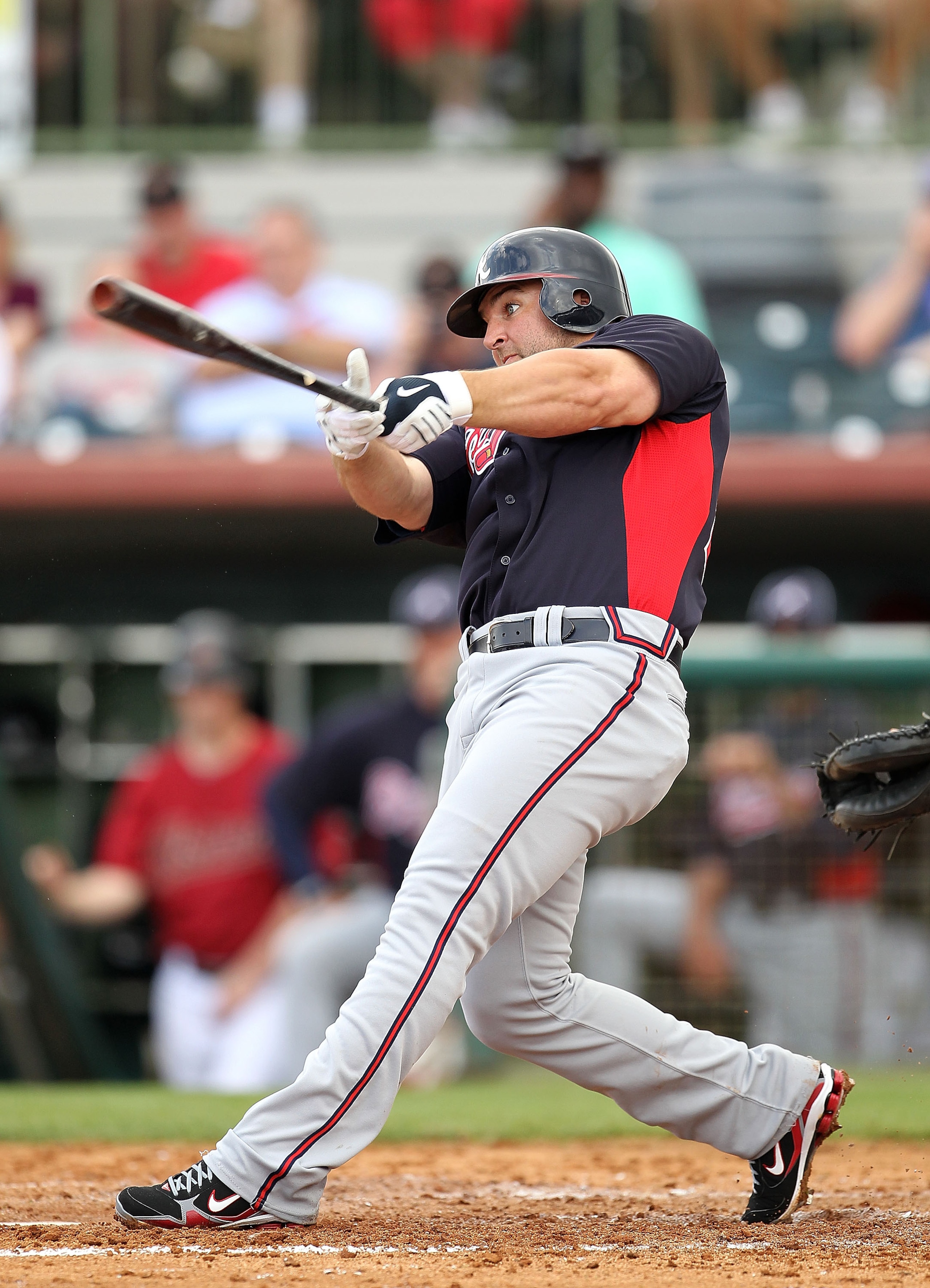
By "defends," I do not merely mean stay healthy and stand at second base, although given the investment the Braves have made in Uggla, staying healthy would be awfully nice. Rather, I mean that Uggla must prove he can still play a position most people believe he is much too slow to play well.
Uggla is a terrific hitter, and even if his batting average does not hold at the inflated new level to which it rose in 2010, he provides elite power that Atlanta had been severely lacking. To justify the team's decision to leave him at second base and move more capable defender Martin Prado out to left field, though, Uggla needs to play a fair second base himself.
If he does, Tim Hudson and Derek Lowe (whose abilities to rack up outs on ground balls are crucial to their overall value) will thrive and the team will be well-balanced. If he does not, Manager Gonzalez needs to recognize as much and swap Prado and Uggla defensively.
6. Chipper Jones Has One Last Hurrah
6 of 10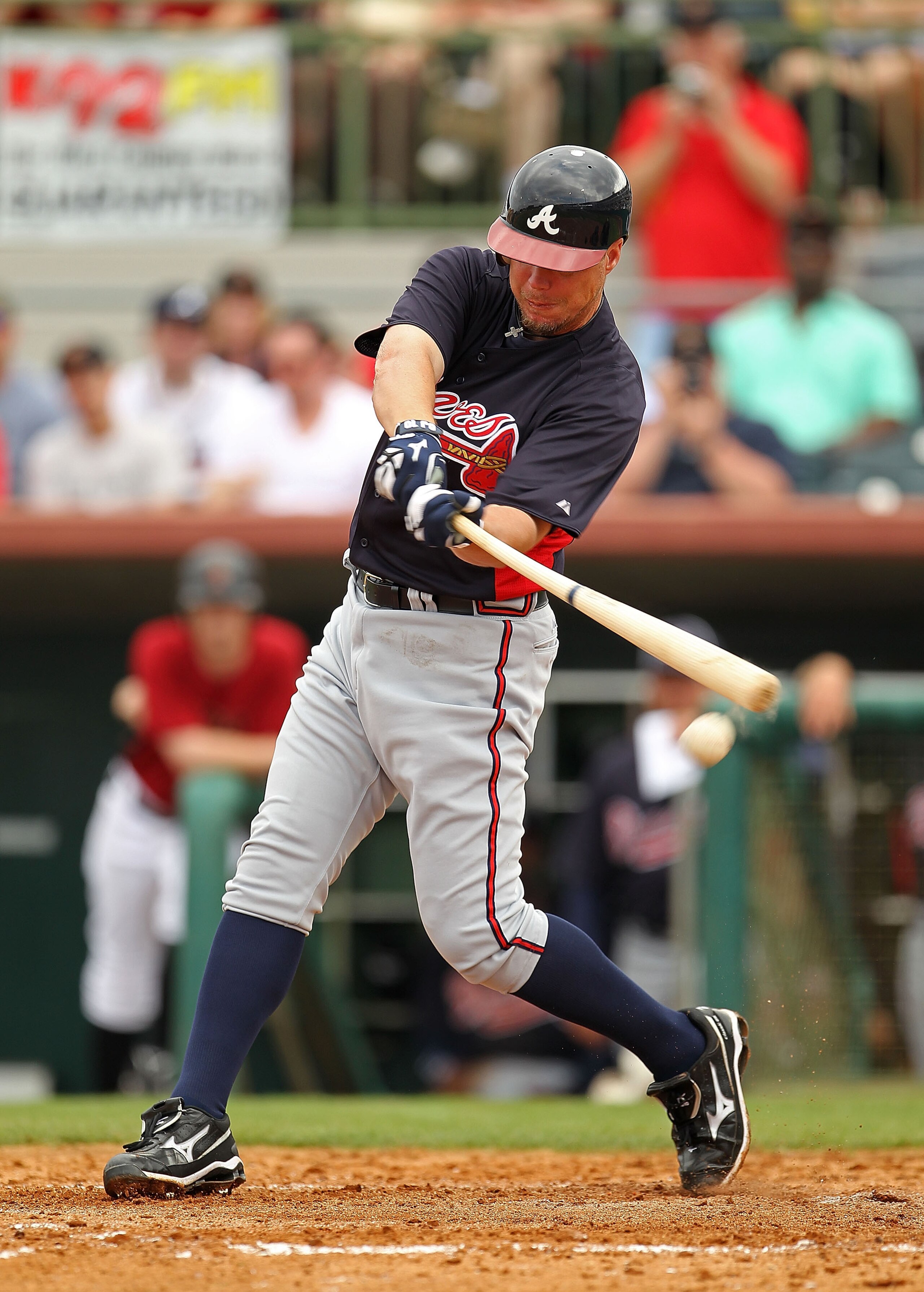
He will turn 39 on Easter Sunday, but Jones looks for all the world to have one more resurrection in his body. After a knee injury that threatened to end his Hall of Fame–worthy career last season, Jones has nonetheless played in even the earliest Grapefruit League games for Atlanta and has done some running with only minor pain.
He has yet to play third base in live action, but Jones already looks good at the plate and says his knee is "probably 80 to 85 percent." This will almost certainly be his last season: One can see that in the way Jones is preparing for it, working so hard to make sure he is ready by Opening Day.
If the knee holds up, Jones can still post .375 or better in the on-base percentage department without effort, and the ceiling is much higher. The Braves are a much better team with their leader, a lifelong Brave and a truly special talent, in the lineup every day.
7. Brooks Conrad Is the Good Guy, Not the Bad
7 of 10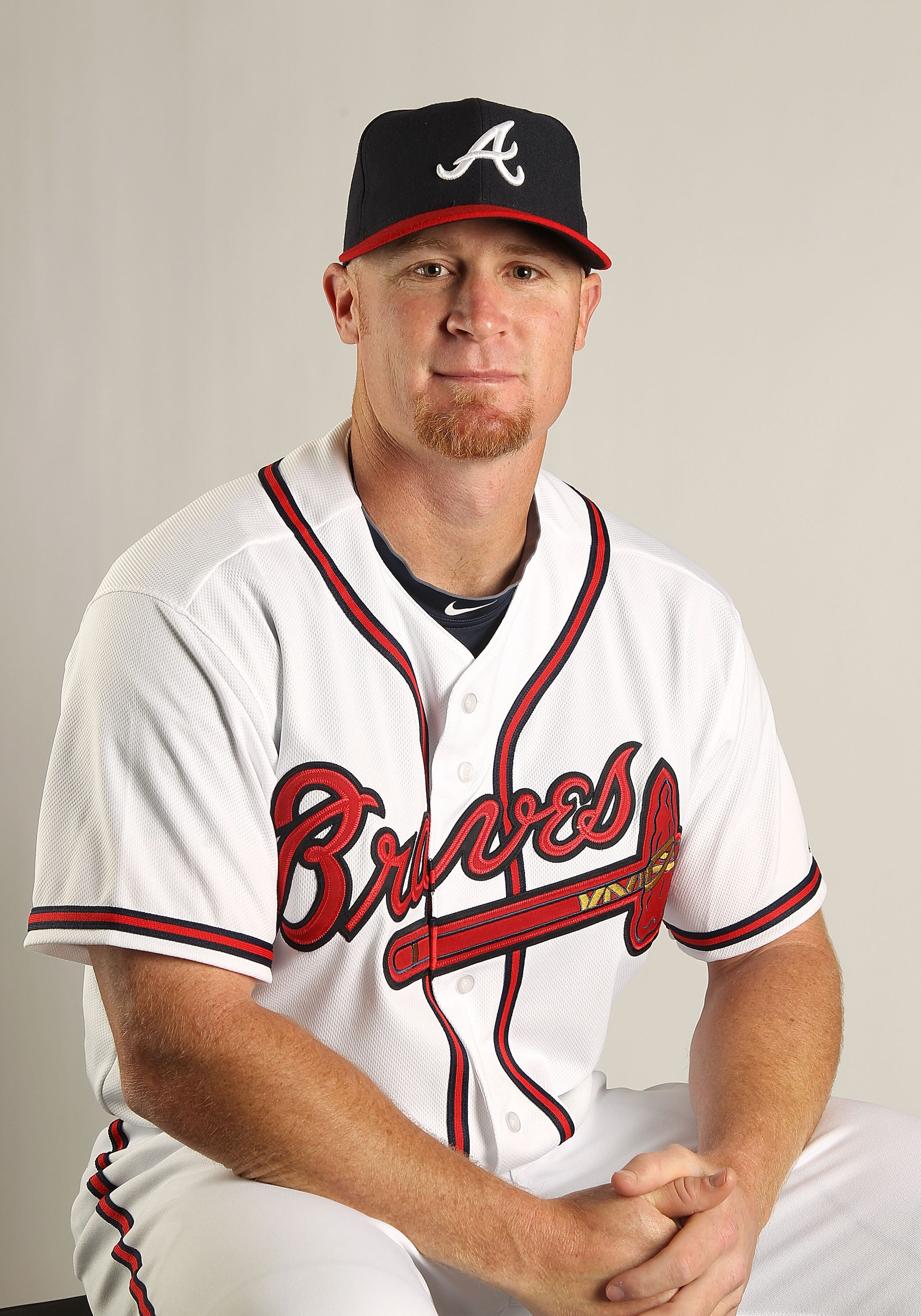
Talk about getting a raw deal. Brooks Conrad ended up being the goat of the season for the Braves in 2010, but it's hard to say how. He is not a good fielder at any position, and at second base, he is downright bad. That he ended up playing there in the playoffs is a function of too many injuries for any team to deal with and poor decision-making by Braves management.
Try to remember that before Conrad booted the Division Series away, he single-handedly won two games for the Braves, who made the playoffs by just one game. Brooks Conrad giveth, and Brooks Conrad taketh away.
Conrad is a better leatherman at third base and should see action there in 2011 if and when Jones gets hurt and needs days off to stay fresh. If the same Conrad who posted an .800 OPS with eight home runs in 177 plate appearances shows up, the Braves have depth and are a solid offense.
8. Derek Lowe Holds It Together
8 of 10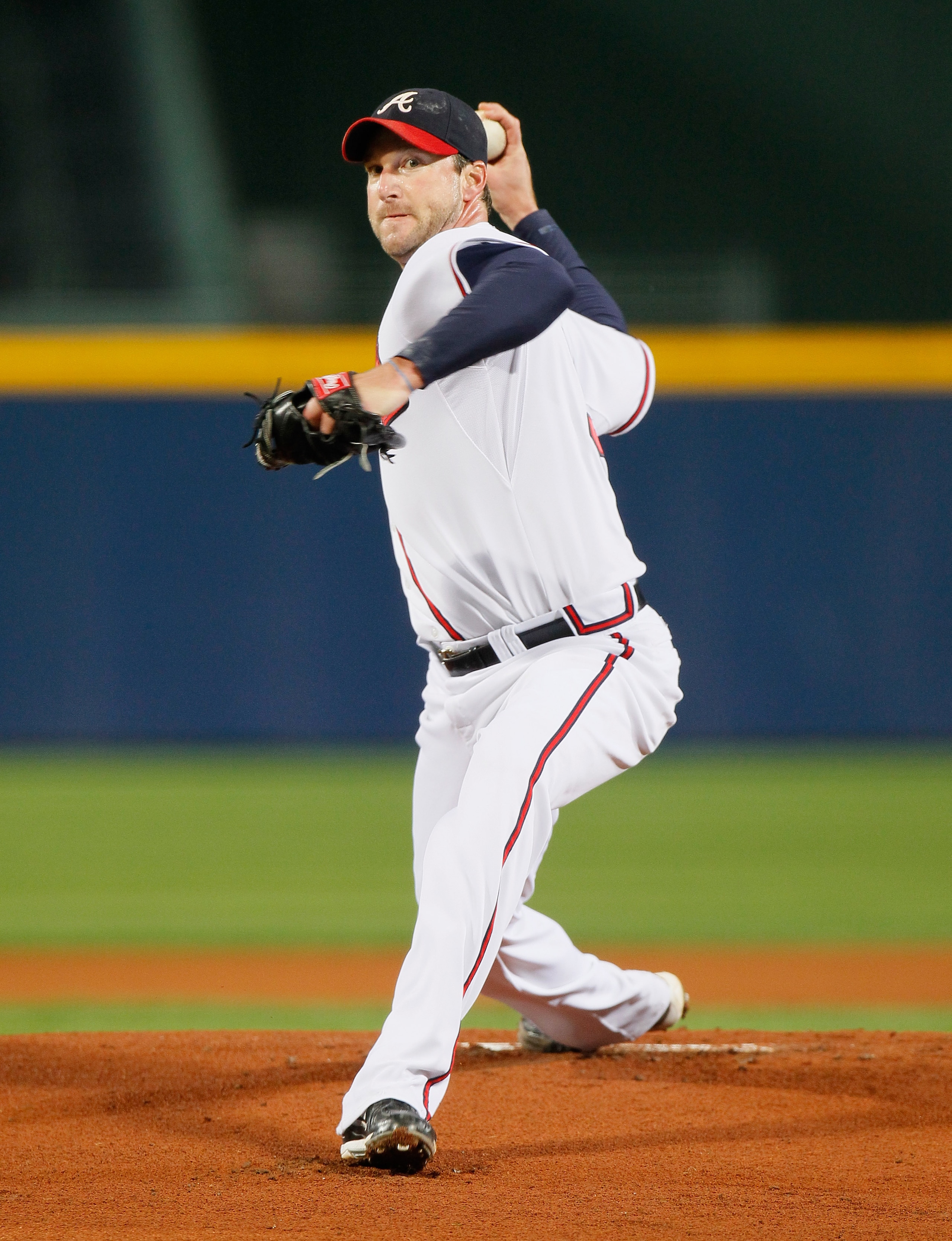
Since 2002, when Lowe became a full-time starting pitcher, only Roy Halladay and CC Sabathia have more wins. Does that make Lowe the third-best pitcher over that period? Not by a long shot. Wins can be functions of luck and outside influences. In fact, they almost always are.
But Lowe does do certain things well that make him a good candidate to win a lot of games and help his team do the same. He eats innings (only seven pitchers have pitched more since 2002), limits walks and (more frequently and effectively than anyone else over the past three years) keeps the ball on the ground. He did it again in 2010, and as a result, he won 16 games despite a park-adjusted ERA two percent worse than league average.
If Lowe can keep going as he turns 38, the Braves will gladly let the Phillies have their hype and quietly run out a rotation just as deep as Philadelphia's.
9. Freddie Freeman Fights for Freshman Favor
9 of 10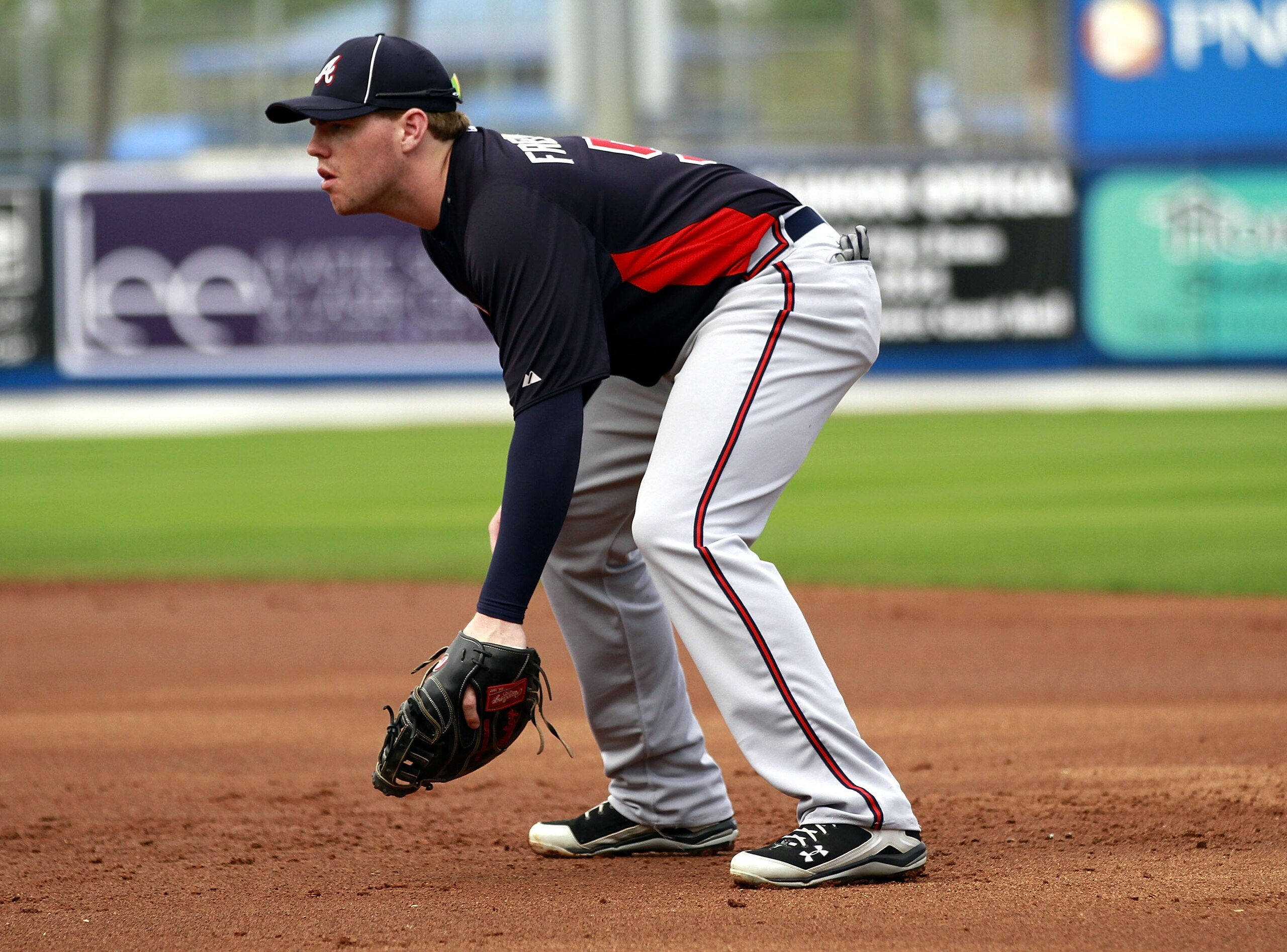
I heard a Mark Grace comparison for Freddie Freeman the other day. As a Cubs fan, that pricked my ears: Grace was exceptionally valuable, though underrated. Freeman does not look like Grace: Grace was shorter and rail-thin, Freeman a thick man with the chance to hit for much more power. He also will never match Grace's pure ability to put bat on ball.
Still, Freeman could be a consistent .300 hitter at the highest level, and should he do it beginning this year, the Braves could have as many as three .300 hitters with a modicum of both power and patience: Prado, Heyward and Freeman all fit that mold.
10. Julio Teheran Makes the Difference
10 of 10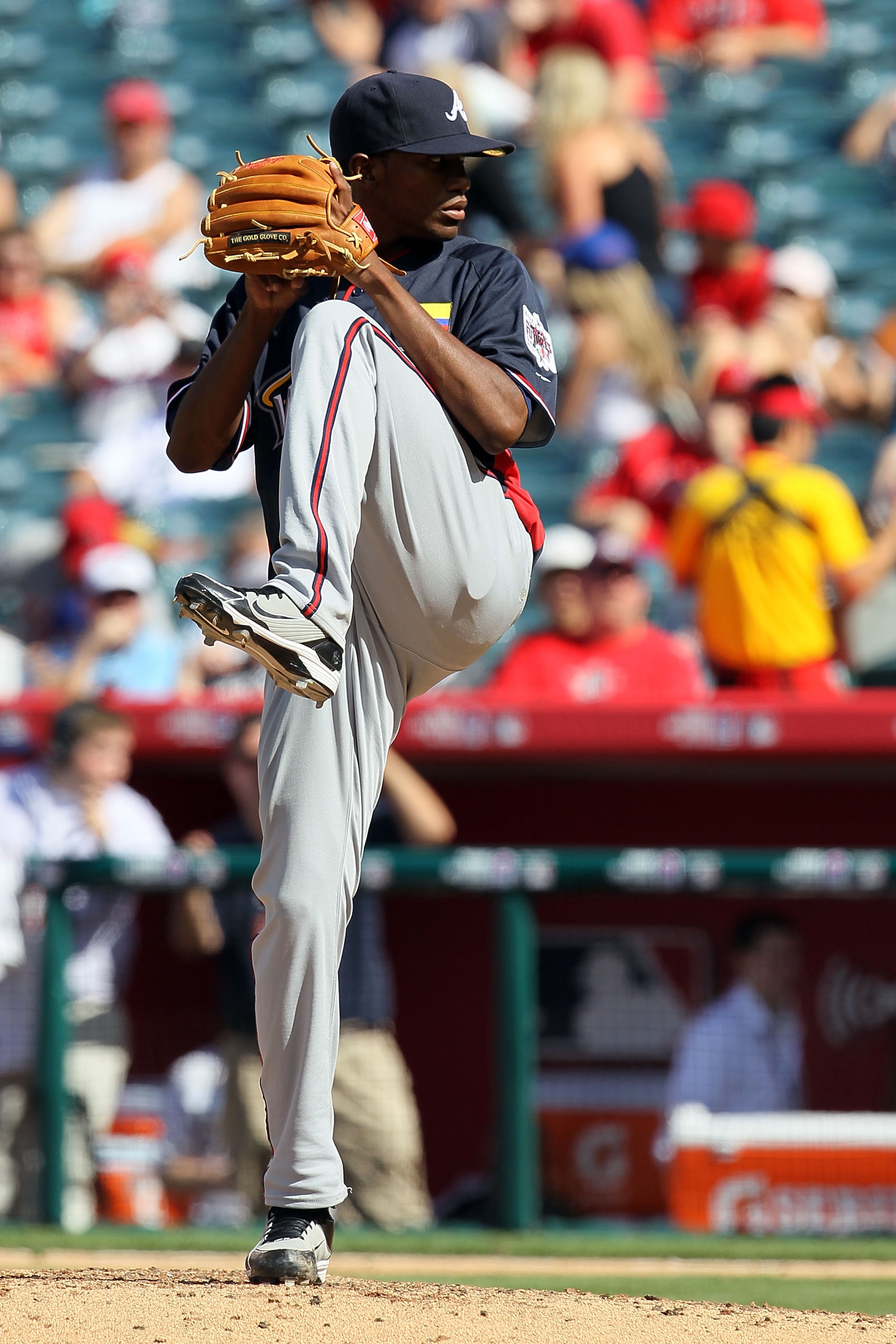
Remember Pedro Martinez? Of course you do, he's a future member of the Hall of Fame and was at one time the best right-handed pitcher in baseball for several consecutive years. He had a moving fastball with some heat to it, an array of pitches he could throw for strikes and (usually) pinpoint control. The only knock on Martinez was that you always wished he were a bit bigger and could hold up more over long outings and long seasons.
Well, Julio Teheran is bigger than Pedro Martinez. Even better, he's got the same kind of stuff. He throws his fastball in the mid-90s, has a sick change-up not unlike Martinez's, and commands both pitches (as well as his above-average curve) really well.
He will start the season at Double-A, but he could easily make the Majors by the end of the year, and if he is a part of the team's rotation in the postseason, the trio of Teheran, Tommy Hanson and Tim Hudson need not be intimidated by Lincecum, Cain and Bumgarner, nor by Halladay, Lee and Hamels.
Matt Trueblood is a National MLB Featured Columnist for Bleacher Report and for AtHomePlate.com. He is on twitter @MattTrueblood. Matt will graduate with a degree in journalism from Loyola University Chicago in May.
.jpg?w=2560 "Chiefs, Steelers Eye WR Trades")





.jpg?w=2560 "Raiders Sticking with Cousins")