
NFL Draft 2011: Ranking the Most Important Combine Drills for the RBs
Leading into this year's draft, the defense appears to have the upper hand.
However, even though the running backs are not as talented as previous years, this does not mean they should go overlooked.
As we all know, nothing really matters until the pads are put on and the true results are revealed.
With that being said, here's a look at the seven NFL Combine workout drills in relation to their importance to the running back position.
7. Vertical Jump
1 of 7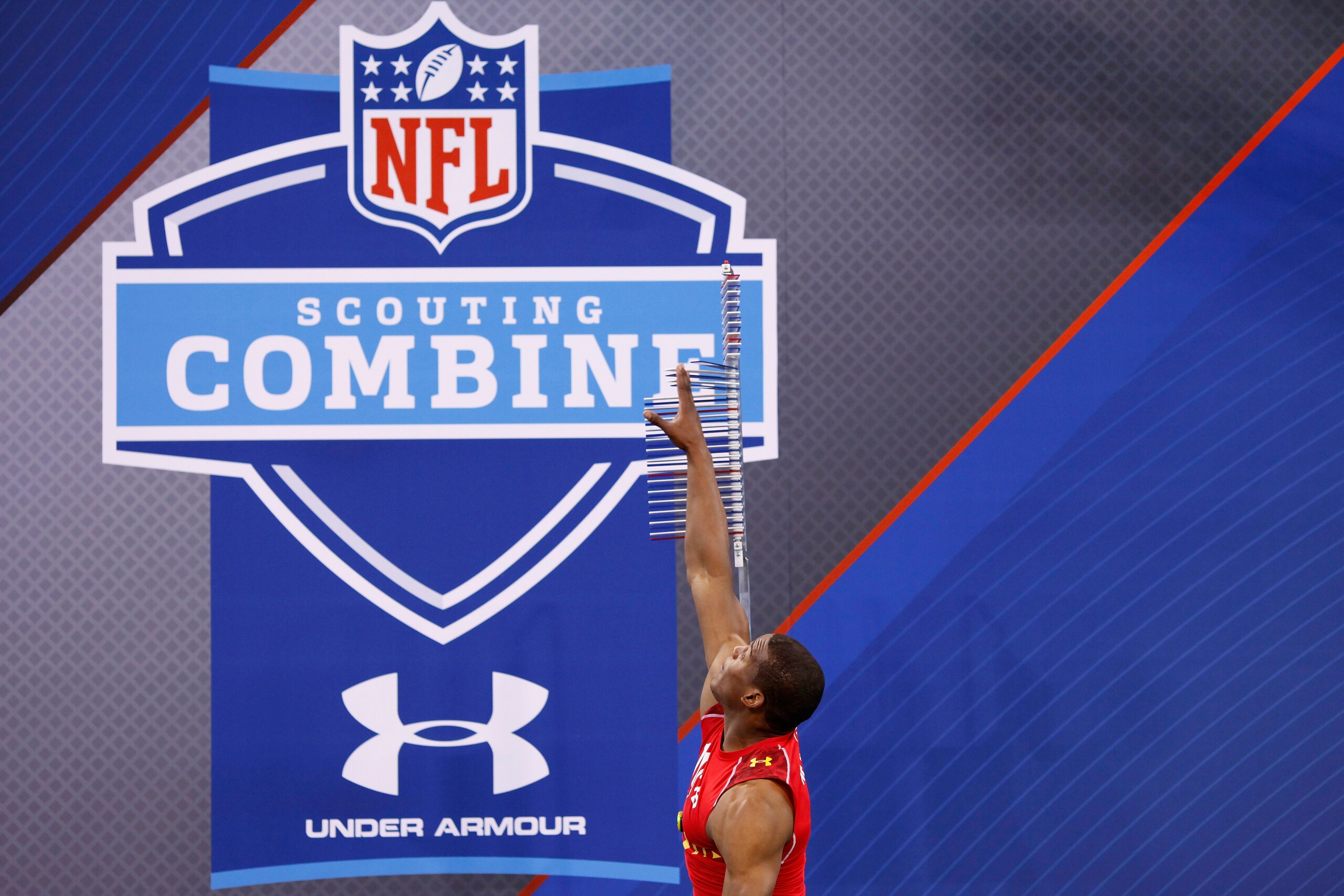
Definitely the one most important for WRs and those in the secondary.
However, not too important for RBs.
It does reveal some explosiveness and core strength, but most RBs are not running the fade routes near the goal line.
Also, not too many RBs are going deep on a post route or streak pattern.
The only jump ball is if the screen or check-down pass gets slightly overthrown.
As for jumping over players? Well, not everyone is Peyton Hillis, and most players don't want to risk injury.
Leaping over the pile in a short-yardage situations is most likely your best bet to see a running back soar through the air.
6. Bench Press
2 of 7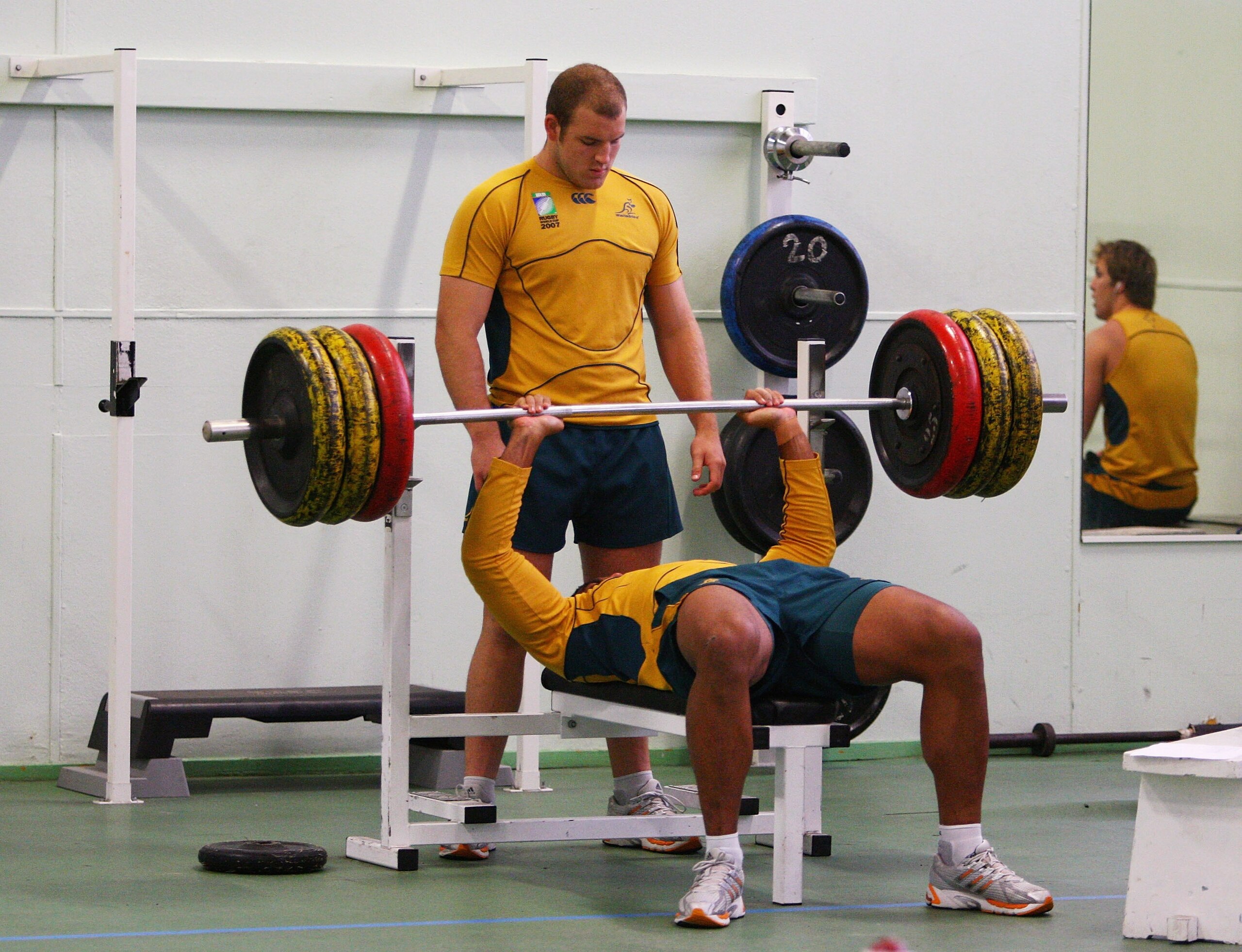
Mainly for fullbacks, but tailbacks will need to block sometimes as well.
Also, if you got the ball, the strength from the bench allows for a strong stiff arm to shove off weak defenders.
However, the most important part of this for the RB is blocking the blind side of his QB (especially if the blind side offensive tackle is under-performing).
Blocking for fellow RBs is key, but saving the QB in a league that's more passing-oriented is arguably the most crucial.
The downside? Not nearly as important as the agility drills since carrying the ball uses more leg muscles and vision.
5. 60-Yard Shuttle
3 of 7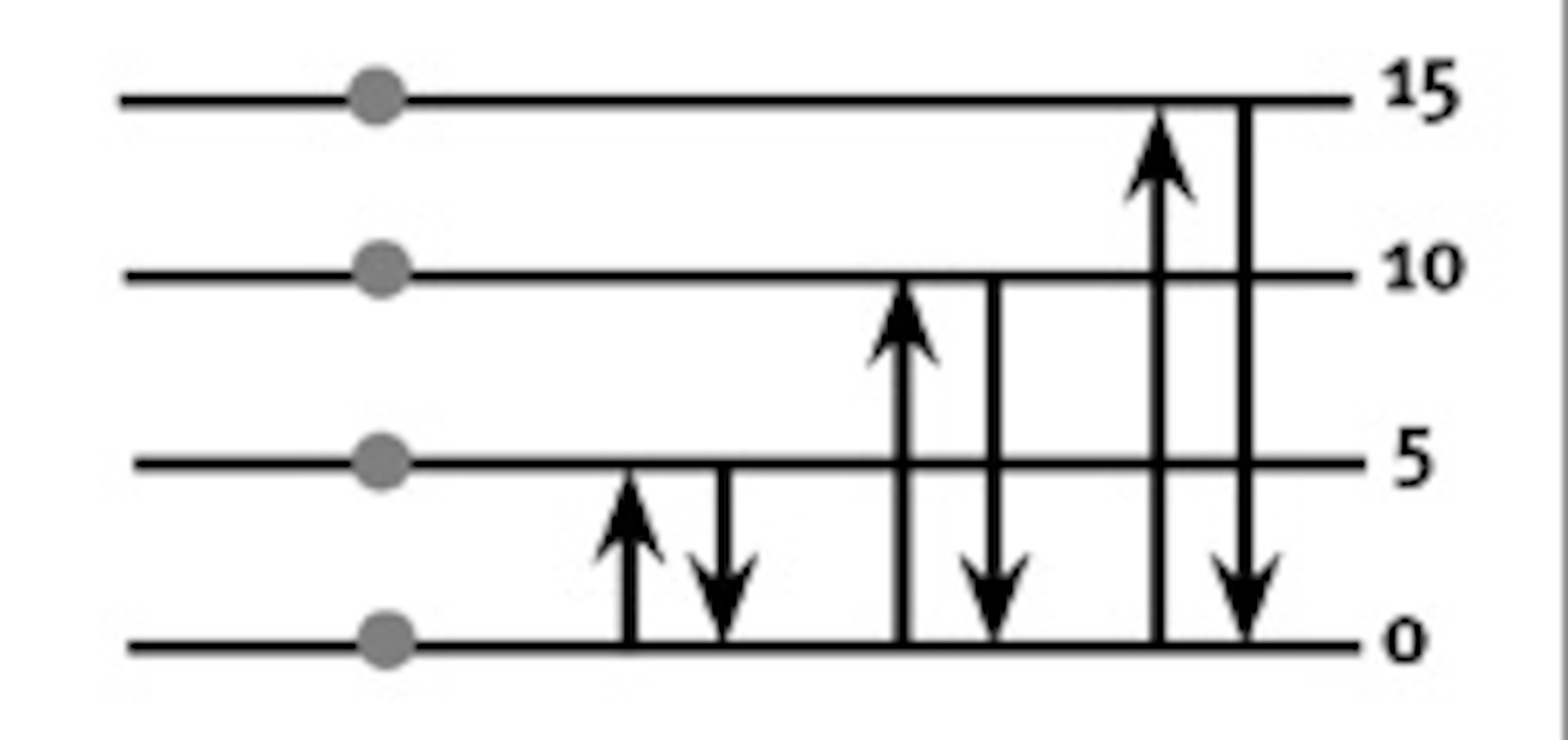
Not too too important for RBs, because they're never going to back pedal.
However, it does display change of direction and the ability to quickly control and shift your body.
How fast can you accelerate going forward and then begin to back pedal?
How fast can you accelerate in reverse and then explode into a sprint?
Running backs who are in the open field, but are being caught from a defender who has a good angle, is where this drill comes in.
Should the RB step out-of-bounds, try to run him over or stop on a dime?
Having the ability to go from top gear to zero at a moment's notice could be the difference between a TD and coming up just short.

.jpg?w=2560 "Seahawks Chiefs Football")

4. Broad Jump
4 of 7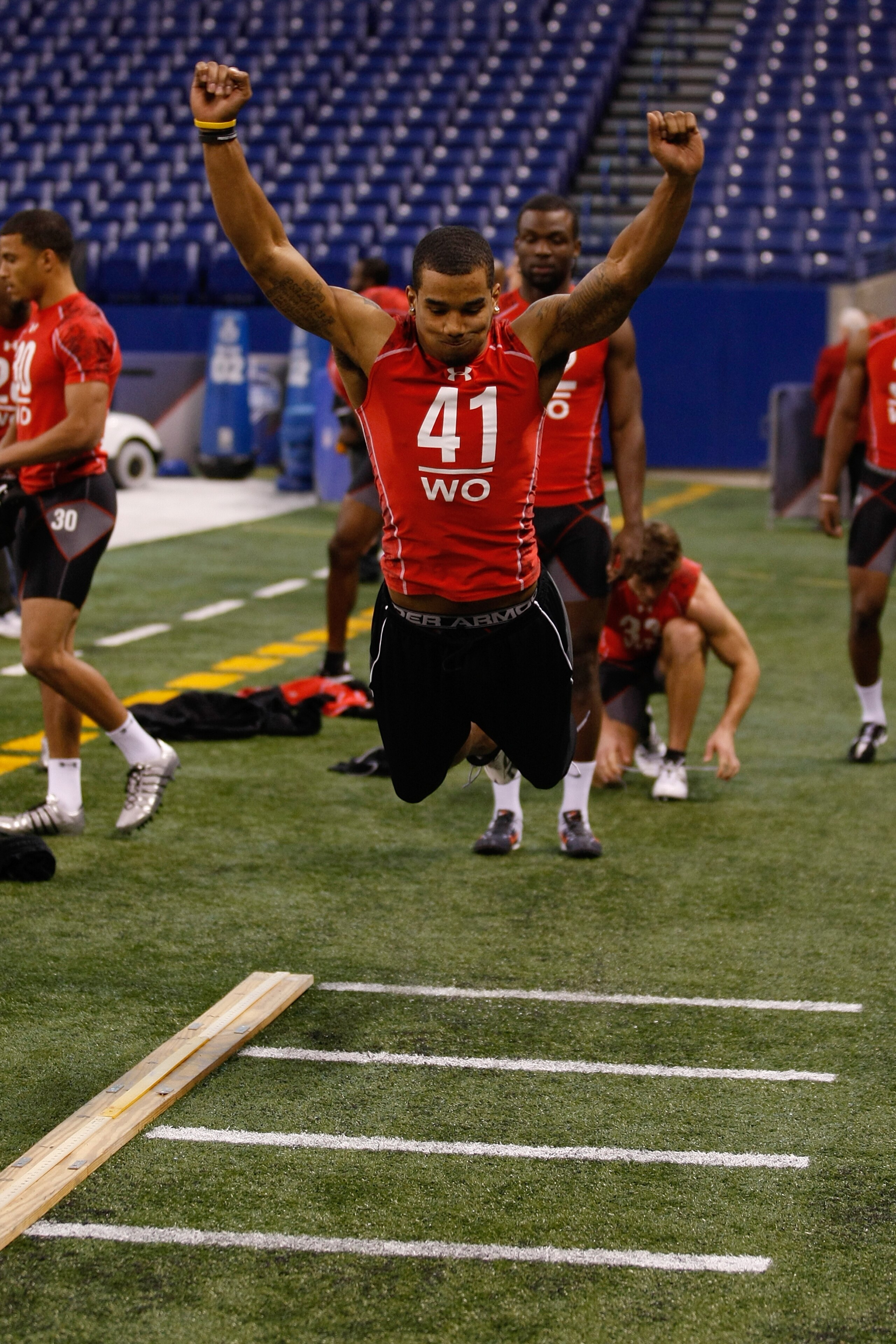
Definitely tests explosiveness in a different way than vertical jump.
Slightly more important for a running back, since it simulates leaping forward more so than the vertical.
When running downfield or traveling through some traffic, being able to leap over guys on the ground and getting the feet off the ground while maintaining ball and body control is vital.
The biggest thing to look for in a broad jump is how high the knees get.
The higher the knees are, the better chances the jump will be farther along the ground.
And keeping those knees up while running is only going to add that much more power.
3. 20-Yard Shuttle
5 of 7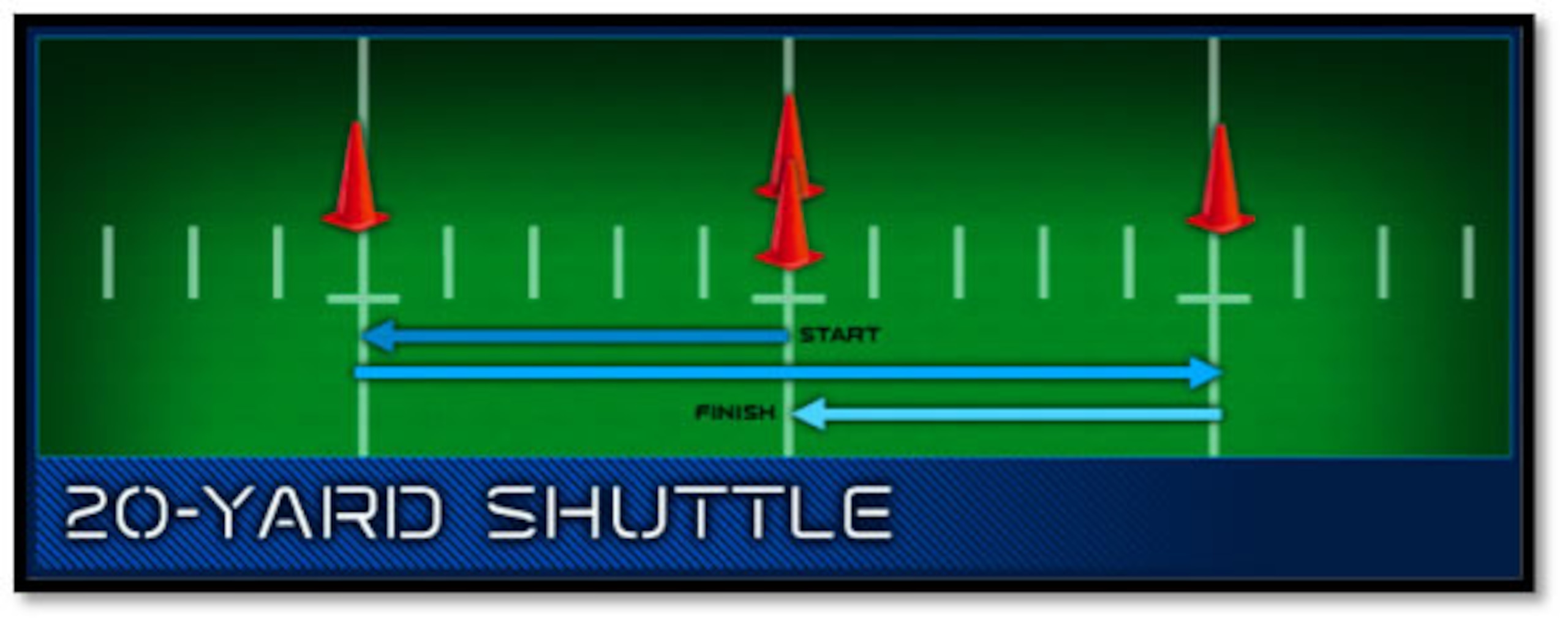
Pulling a 180-degree turn on the spot takes not only body control, but even more explosiveness and acceleration than you think.
In the three-cone drill, there is constant movement with some change of direction.
The 20-yard shuttle pulls two 180-degree turns, and displays off-the-ball quickness.
A running back takes the handoff or pitch, goes to hit the hole but then shifts against the grain and explodes across the field.
Nothing but change of direction amidst chaos and confusion.
Also, some plays are even designed to go in one direction and then finish in the exact opposite direction.
Stopping, starting and accelerating: How fast can you do it?
2. 3-Cone Drill
6 of 7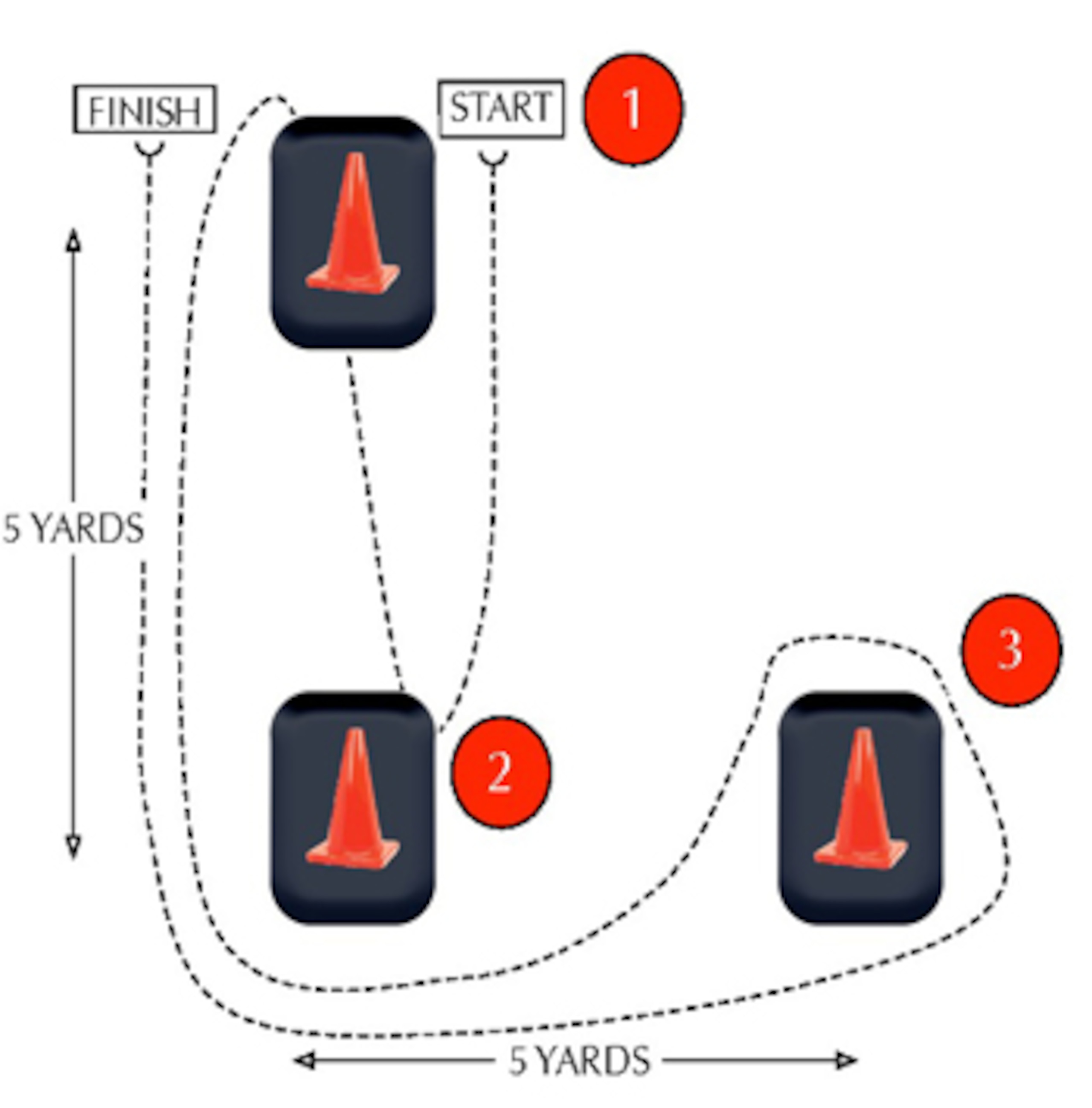
How quickly can someone change direction?
Well, this drill is also one of three that will tell you.
For RBs it's extremely important because of how oddly their bodies can twist and turn at moment's notice.
Ever watch highlights of Barry Sanders?
His highlights may exaggerate this drill a bit, but being able to juke on a dime and shift body weight defines this drill.
Body control is vehemently important because you could easily twist an ankle or pull a groin muscle if it is not done properly.
1. 40-Yard Dash
7 of 7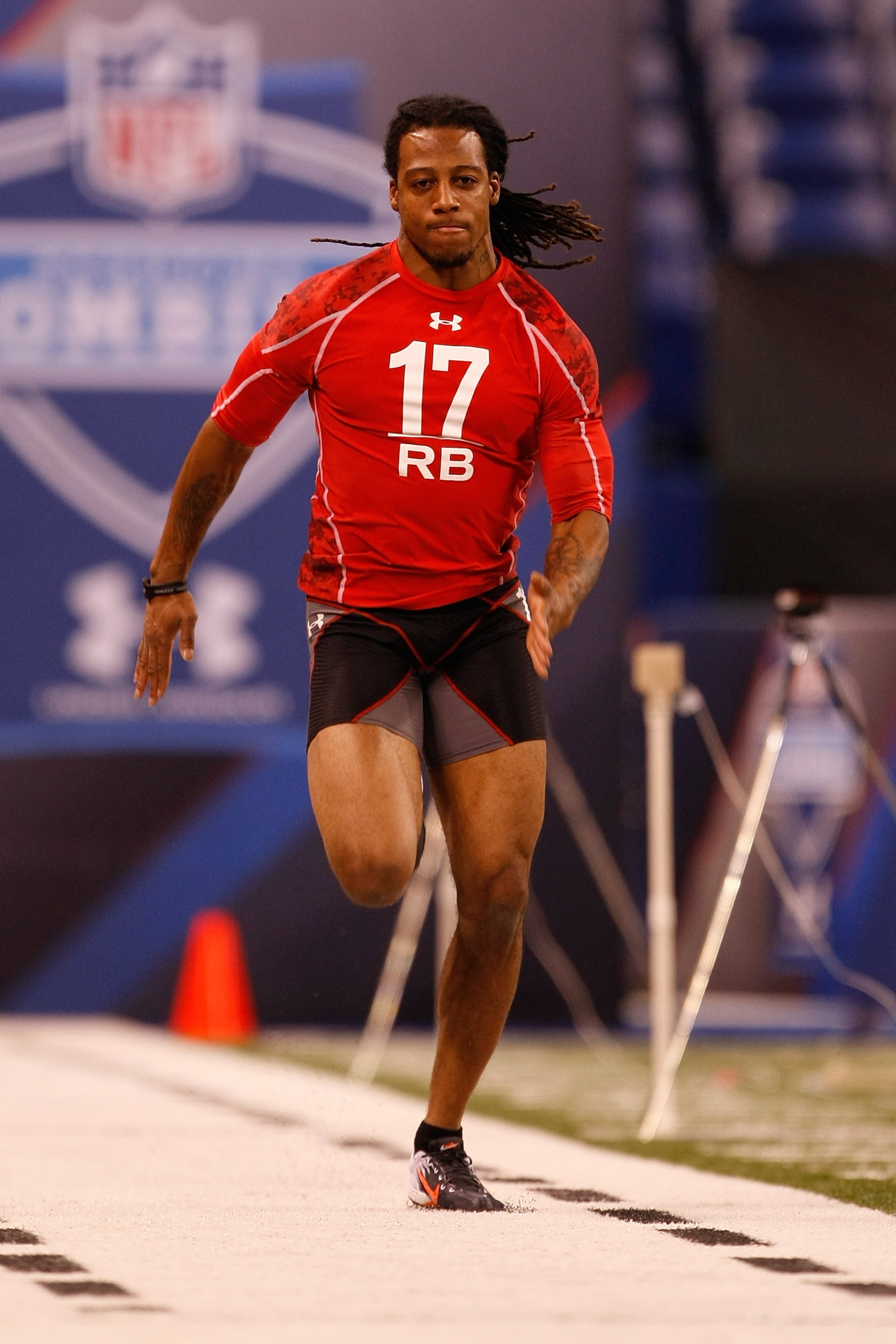
The use of acceleration and breakaway speed is a deadly combo for a running back.
The ability to hit the hole and then use that acceleration to explode through the defense are what RBs in the NFL need to do.
A guy who runs downfield and then can out-run the secondary is a definite necessity.
Vision and patience also help, and then being able to go from zero to top gear at the blink of an eye are what coaches look for.
The 40-yard dash allow the scouts to see a player's explosiveness, acceleration and top speed combined with his ability to control his body.