
Power Ranking The Best Acquisition in the History of Each NFL Team
Power Ranking The Best Acquisition in the History of Every NFL Team
Power ranking the most disappointing acquisition in the history of every NFL team is as fun as it is challenging (yes—we did the same article two days ago about the WORST acquisitions. This is the flip side).
Now for the most part, great acquisitions come from high draft choices. But to avoid the same old collection of “Barry Sanders, Aaron Rodgers, and the greatest NFL Draft picks,” we’ve kept all draft choices off this list.
Since free agency is a relatively modern invention in the NFL—the unrestricted phase beginning in 1993—most of these entries will be from the past 20 years. But trades are also eligible for this list, and those date back to the beginning of the NFL.
And moves that turned out to be a greater surprise—anyone can throw $100 million at a reigning league or Super Bowl MVP who is the hottest free agent on the market—take precedent over all others.
So look back on these entries with pride and glee as your team hit the jackpot.
Philadelphia Eagles: Trading for Norm Van Brocklin, QB
1 of 32
How Acquired: From Los Angeles Rams in exchange for players, draft choices
Tenure: Three years
Runner-Up Selection: Signing Michael Vick, 2009
The Eagles paid a hefty price (a first-round draft choice and starters Jimmy Harris and Buck Lansford) for the 32-year-old quarterback.
But—especially fifty years later—it was well worth it.
After a tumultuous 2-9-1 first season with the Eagles, he and the club improved in 1959. A year later, Van Brocklin won the NFL MVP, won 10 games, and put the Eagles in the NFL Title Game.
In his final NFL game, Van Brocklin drove the Eagles 40 yards in the fourth quarter to defeat the Packers and win the NFL Championship—a feat they’ve been chasing ever since that date in December 1960.
Since the Eagles were the only team to pick up Vick when he was a pariah and kept him after a less than stellar first year, that was a great signing—and he might someday produce the Eagles' first title since Van Brocklin’s.
New York Giants: Trading for Y.A. Tittle, QB
2 of 32
How Acquired: From San Francisco, in exchange for Lou Cordileone
Tenure: Four years
Runner-Up Selection: Trading For Ottis Anderson, 1986
Already a budding dynasty, the Giants of the late 1950s/early 1960s needed a new quarterback in 1961; Charlie Conerly was turning 40.
They went after another successful veteran—34-year-old bald-headed Y.A. Tittle. They seemed to overpay, giving the 49ers their recent first-round draft choice (12th overall) from Clemson, defensive lineman Lou Cordileone—a player the press referred to as “a boy pro scouts figure has the stamp of future greatness.”
Cordileone was out of San Francisco after one season while Tittle went to three straight pro bowls, set, then re-set the NFL record for touchdown passes, won the 1963 MVP, and took the Giants to three consecutive NFL Title Games.
The next time the Giants had a championship caliber team they added O.J. Anderson for a pair of low draft picks. He would ride the pine for the next two-and-a-half seasons, but beginning in 1989 he became their workhorse and soon a key cog in their Super Bowl XXV victory.
Dallas Cowboys: Trading for Charles Haley, DE
3 of 32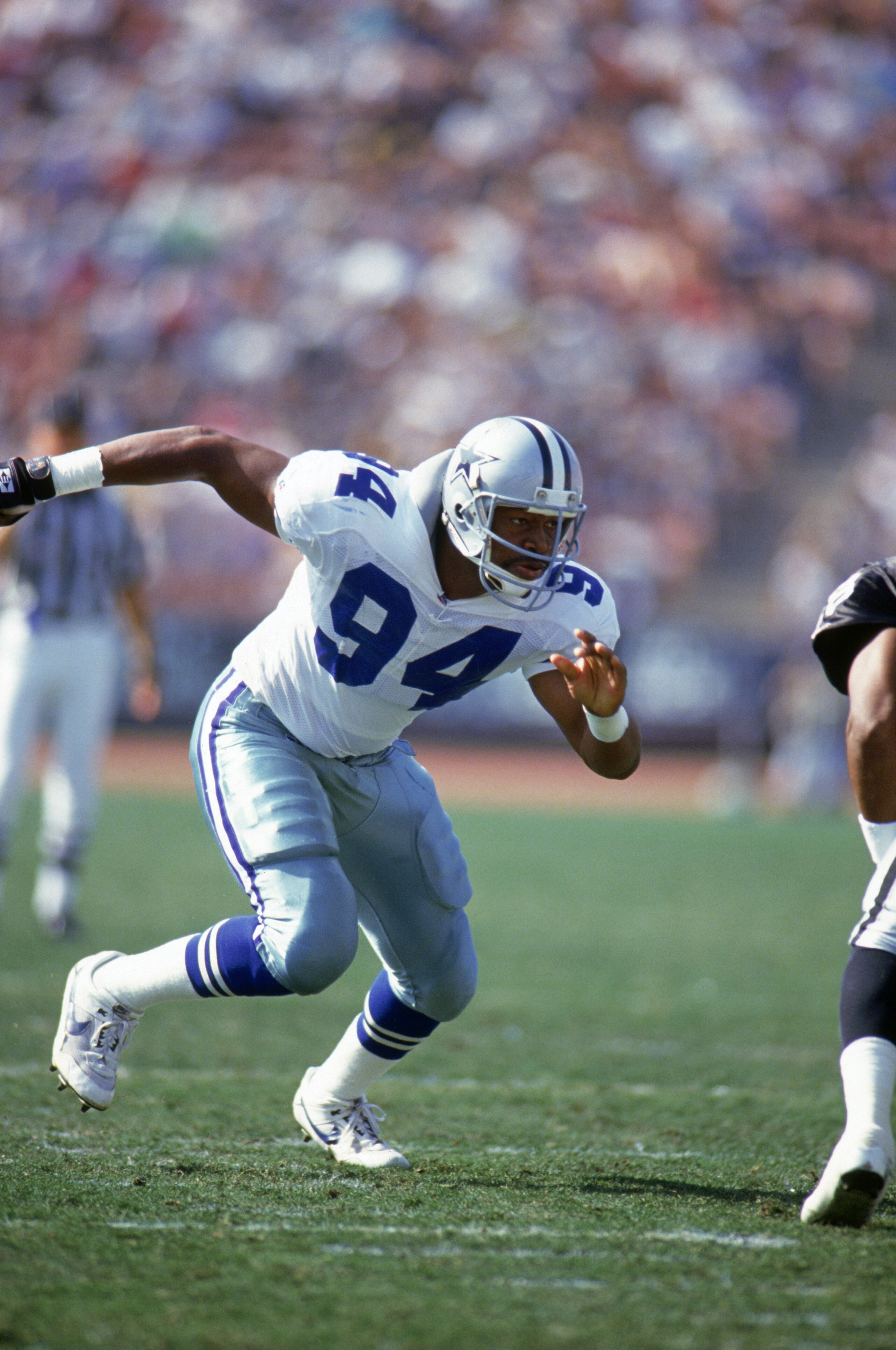
How Acquired: From San Francisco in exchange for draft picks
Tenure: Five years
Runner-Up Selection: Signing Deion Sanders, 1995
On the offensive side of the ball, the Cowboys had everything in place prior to the 1992 season: Emmitt Smith, Troy Aikman, Michael Irvin, Alvin Harper, and an incomparable line.
But the defense was still missing something; they had been annihilated 38-6 a year before in a playoff loss to Detroit.
Two weeks before the start of the new season, the Cowboys acquired Charles Haley, the 49ers sack specialist who already had two Super Bowl rings.
Haley’s veteran presence was crucial to the development of the young Cowboy defense that was just as vital to Dallas’ three Super Bowl wins over the next four years.

.jpg?w=2560 "Rams Eagles Football")
.jpg?w=2560 "Texans-Mixon Released Football")
Washington Redskins: Signing John Riggins, RB
4 of 32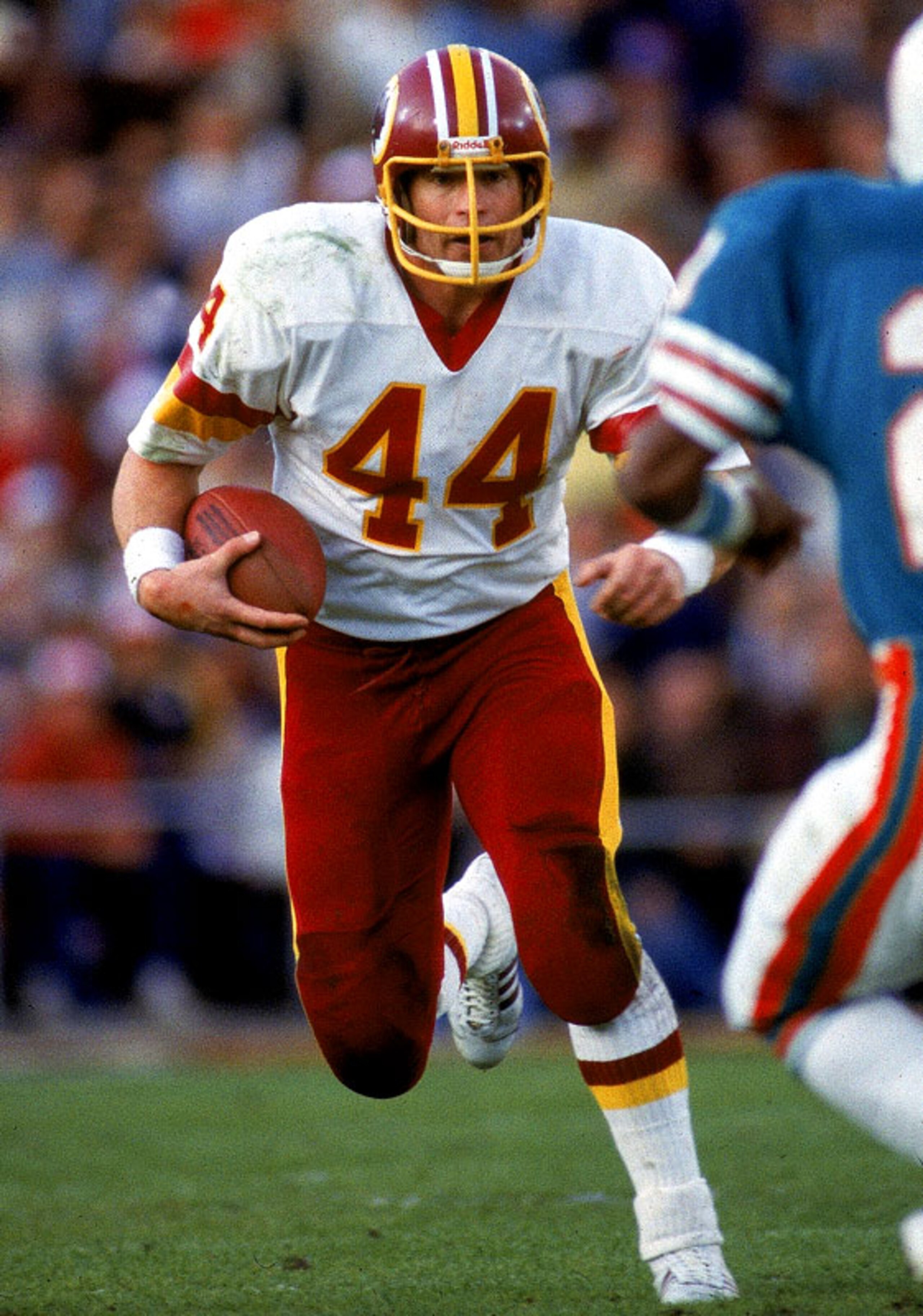
How Acquired: Free Agent, 1976
Tenure: Nine years
Runner-Up Selection: Trading for Joe Theismann, 1974
Riggins was a hot commodity in 1976 when he was allowed to explore signing with another club. But with the Jets, he wasn’t nearly the dominant back he later became with the Redskins. So giving him a then-unheard-of $1.5 million was a bit of a gamble.
After plenty of growing pains with George Allen and management, he blossomed into a league MVP, Super Bowl MVP and Hall of Famer as the Redskins went to consecutive Super Bowls, winning one.
Acquiring Theismann from the Dolphins (and the CFL) a few years earlier was nearly as important, but since “The Diesel” was the key to that powerful offense, he gets the top billing.
Chicago Bears: Trading for Doug Atkins, DE
5 of 32
How Acquired: From Cleveland, in exchange for draft choice
Tenure: 1955-66
Runner-Up Selection: Signing Muhsin Muhammad, 2005
Atkins, the Browns number one draft choice in 1953, was declared something of a bust during his first two years in Cleveland—a surprising misjudgment of talent by the great Paul Brown.
Under George Halas, Atkins became a dominant player, went to eight pro bowls and helped the Bears win the 1963 NFL title.
Muhsin Muhammad would never become a Hall of Famer like Atkins, but his arrival in Chicago—after being cut from the Panthers—did have a major impact; he was the leading receiver on the NFC Championship team in 2006 and scored the Bears' only offensive touchdown in Super Bowl XLI.
Green Bay Packers: Trading for Brett Favre, QB
6 of 32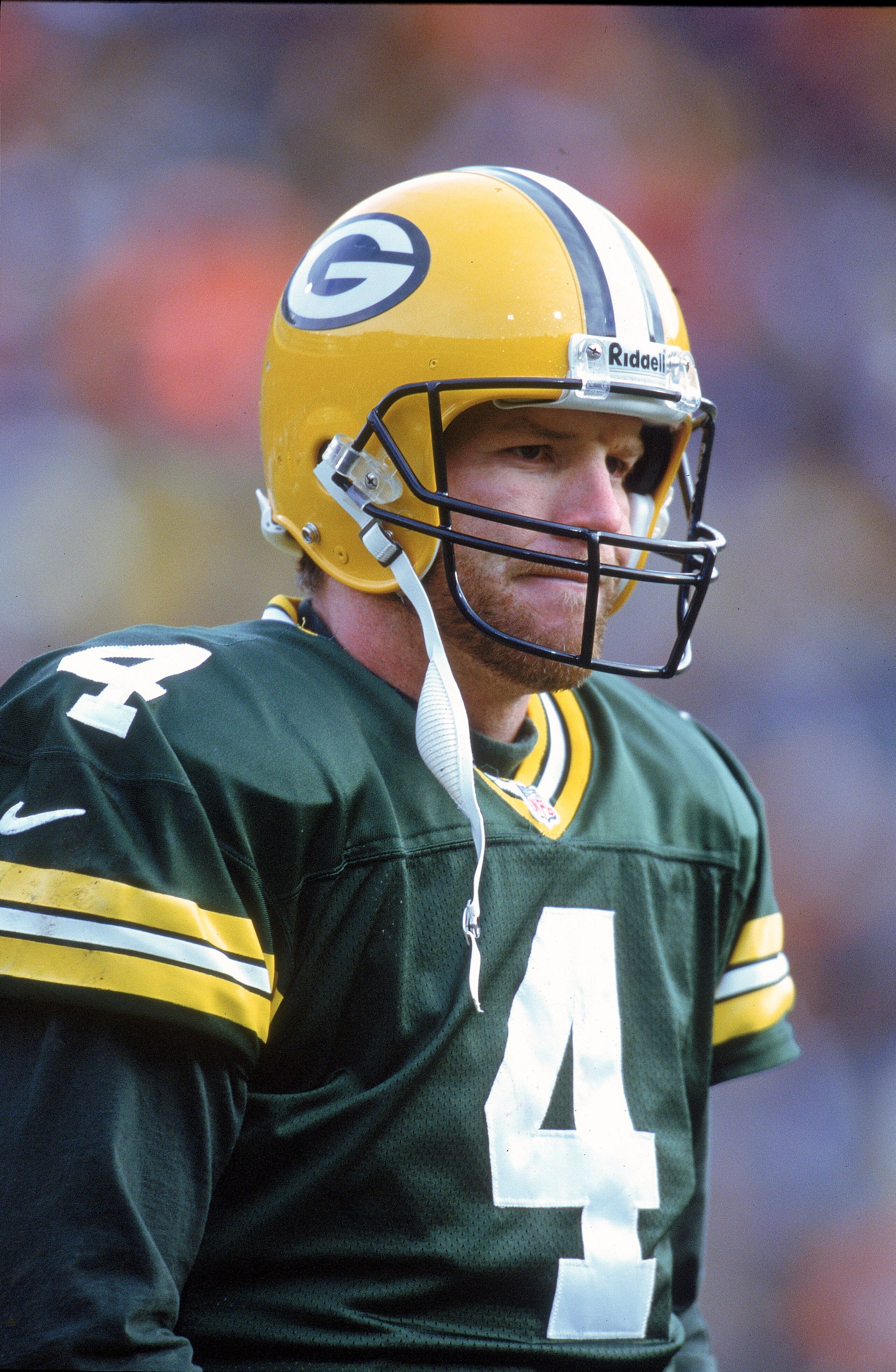
How Acquired: From Atlanta, in exchange for draft choice, 1992
Tenure: 16 years
Runner-Up Selection: Trading for Willie Wood, 1960
This isn’t quite as much of a no-brainer as you’d think. Certainly the acquisition of Favre was a game-changer for the Packers—and since Reggie White was the most coveted player on the free agent list in 1993, his acquisition took about one second to consider—and it deserves the top spot.
But when the Packers traded A.D. Williams to the Browns in 1960 for an unknown defensive end named Willie Davis it was another game-changer. The former 17th-round pick became a five-time first team All Pro, a five-time NFL champion and a Hall of Famer.
Detroit Lions: Trading for Dick "Night Train" Lane
7 of 32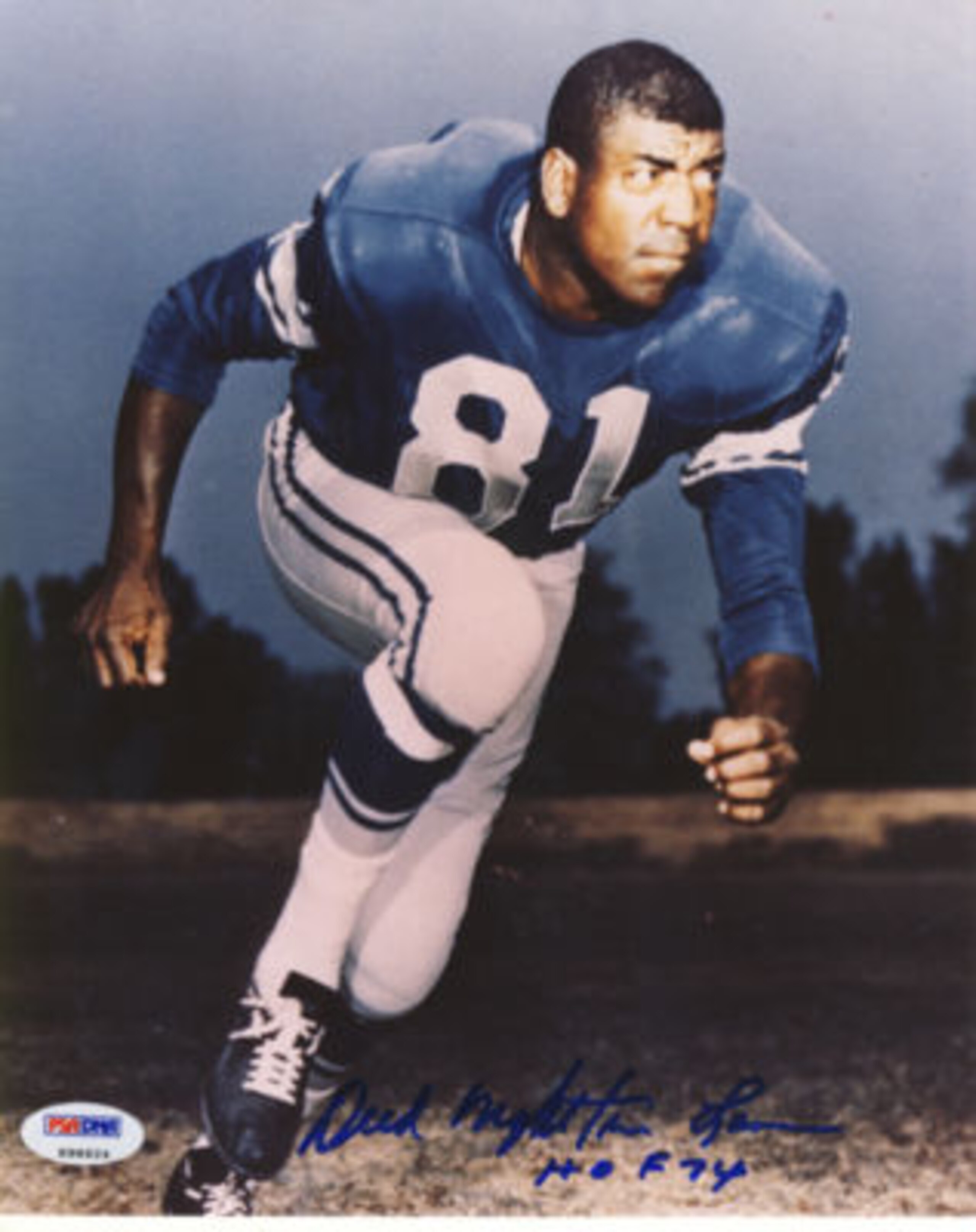
How Acquired: From Chicago Cardinals in exchange for Gerry Perry, 1969
Tenure: Six years
Runner-Up Selection: Signing Mel Gray Jr., 1986
The unbelievable, historic years of his career were already behind him. But 33-year-old Dick “Night Train” Lane still had plenty of great football left in him when the Lions acquired him in August 1960.
Not only that, but all they had to give up for the four-time pro bowler was a defensive end/kicker who would be out of the NFL a few seasons later.
Lane went to three more pro bowls after joining the Lions and in his first season even picked off Johnny Unitas then returned the pick 80 yards for a game-clinching touchdown to upset the defending NFL Champion Colts.
Minnesota Vikings: Signing Cris Carter, WR
8 of 32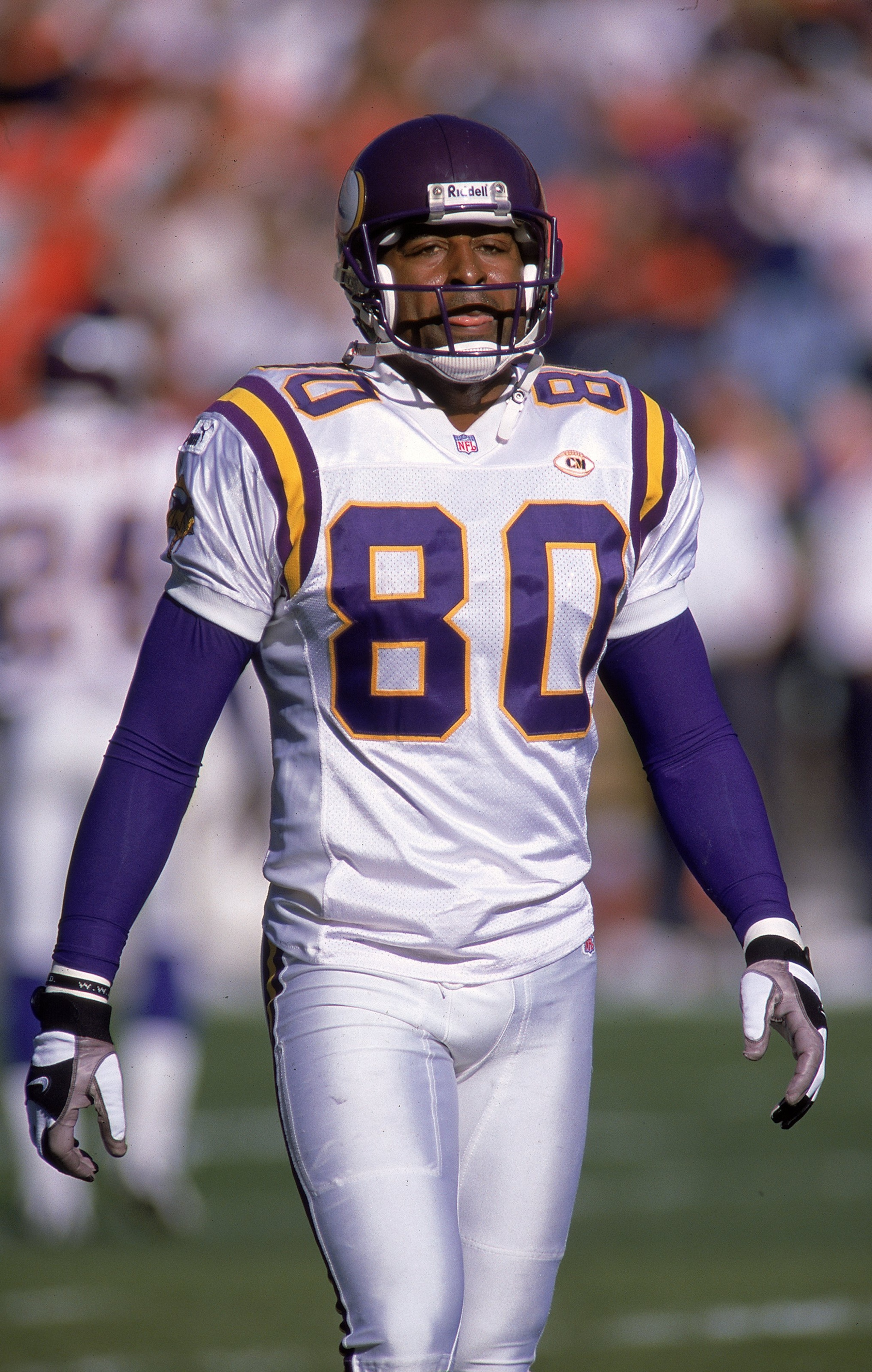
How Acquired: Free Agent, 1990
Tenure: 12 years
Runner-Up Selection: Trading for Fran Tarkenton, 1972 (the second tenure)
Because “all he could do was catch touchdowns” (according to former head coach Buddy Ryan), the Eagles cut Cris Carter in 1990. Minnesota snatched him up in a heartbeat and it ultimately paid off.
When Dennis Green arrived in Minnesota he became one of the best receivers in the league and eventually a Hall of Famer.
But it was Tarkenton—who the Vikings re-acquired (five years after sending him to the Giants) in 1972 in exchange for picks, Bob Grim and Norm Snead—that took the team to its last three Super Bowl appearances.
Atlanta Falcons: Trading for John Abraham, DE
9 of 32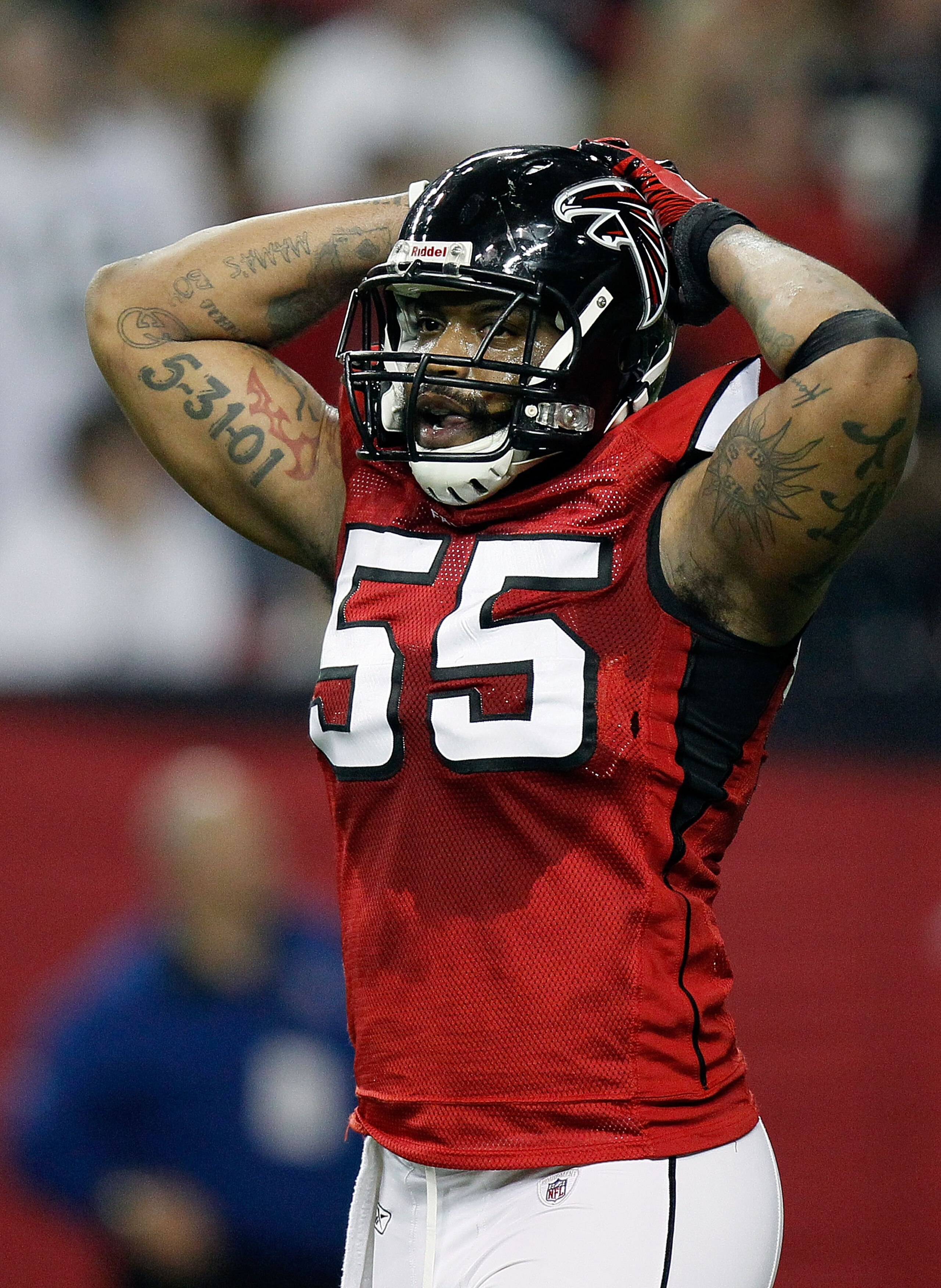
How Acquired: From New York Jets in exchange for draft pick, 2006
Tenure: Five years+
Runner-Up Selection: Trading for Chris Chandler, 1997
Tough call here.
Chandler remains the only Falcons quarterback to lead the team to a Super Bowl. And because the Oilers had recently drafted Steve McNair, Atlanta only had to give up a fourth-round pick to get Chandler.
But Abraham has been the key defensive player during the Falcons nice run of the last three years. They had to part with a late first-round draft choice to get him, but next year he should become the team’s all-time leader in sacks.
New Orleans Saints: Signing Drew Brees, QB
10 of 32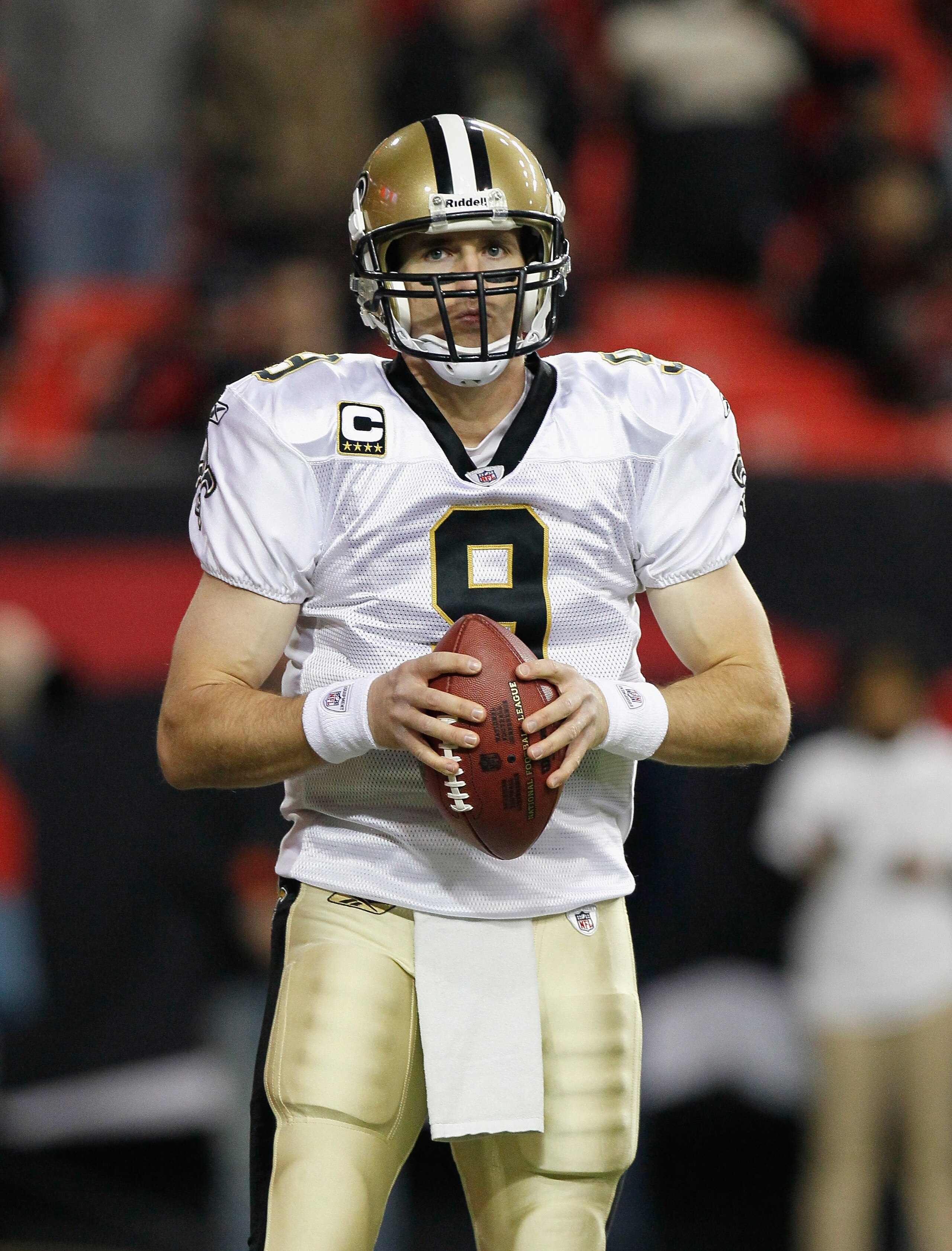
How Acquired: Free Agent, 2006
Tenure: Five years+
Runner-Up Selection: Signing Joe Horn, 2000
People tend to forget that there were major concerns about the Saints acquisition of Drew Brees. Not only was he coming off major (throwing) shoulder surgery, but he hadn’t been able to keep the Chargers from acquiring Phillip Rivers two years earlier.
However, you know the rest; he is arguably the finest passer in the NFC and a Super Bowl MVP.
Horn was a nice pickup for the team a decade ago, but his arrival pales in comparison to Brees'.
Tampa Bay Buccaneers: Signing Brad Johnson, QB
11 of 32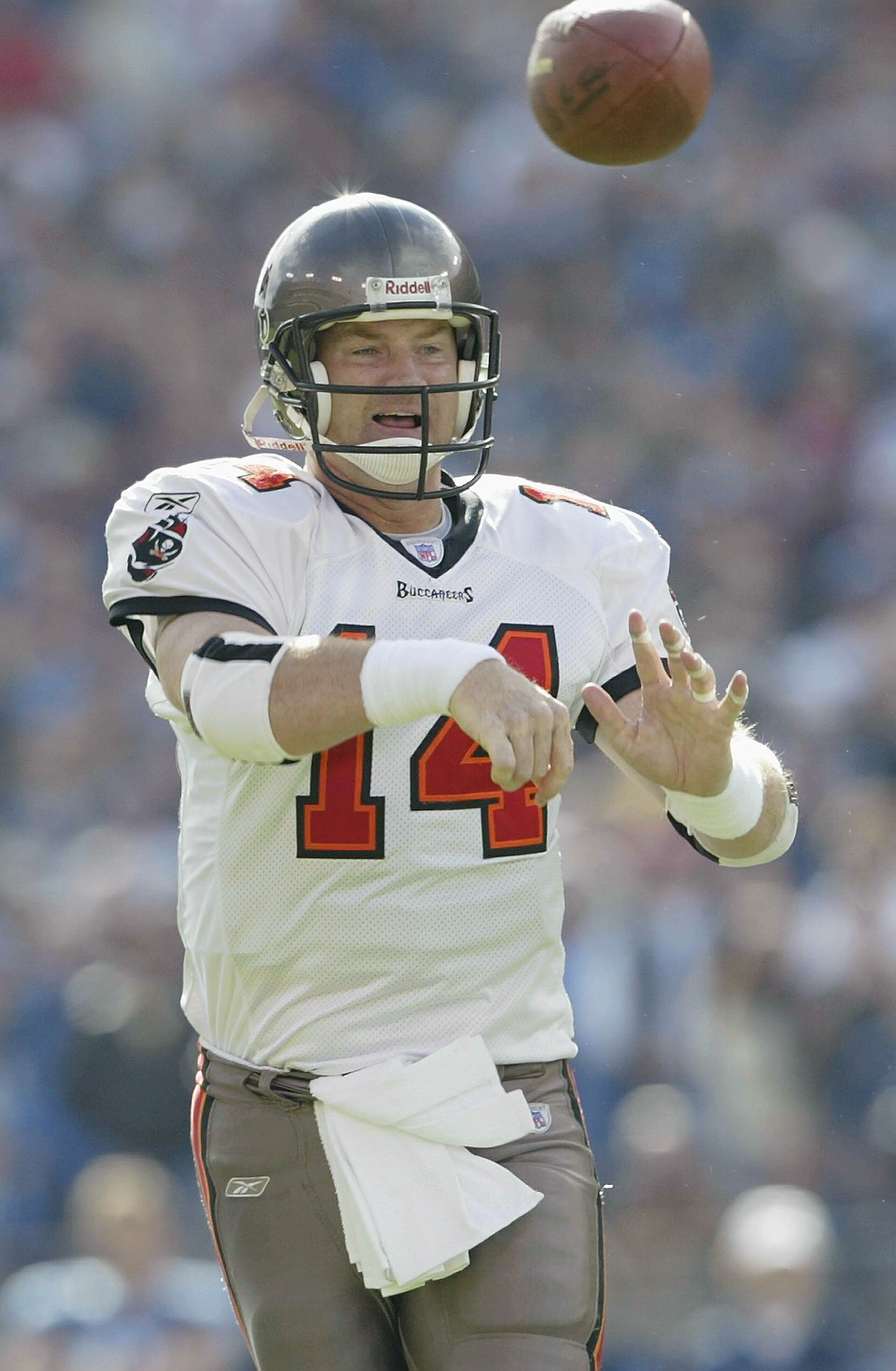
How Acquired: Free Agent, 2001
Tenure: Four years
Runner-Up Selection: Signing Simeon Rice, 2000
Brad Johnson will never make the Hall of Fame, but he remains the only Bucs quarterback to take the club to the Super Bowl. And he was hardly the Trent Dilfer/caretaker quarterback some people remember.
After leaving Washington to sign with the club, Johnson had a great season in 2001, then transitioned smoothly to Jon Gruden’s offense a year later as the team won the Super Bowl.
He still holds the club record for single season yards, touchdowns, completions and attempts.
Carolina Panthers: Signing Jake Delhomme, QB
12 of 32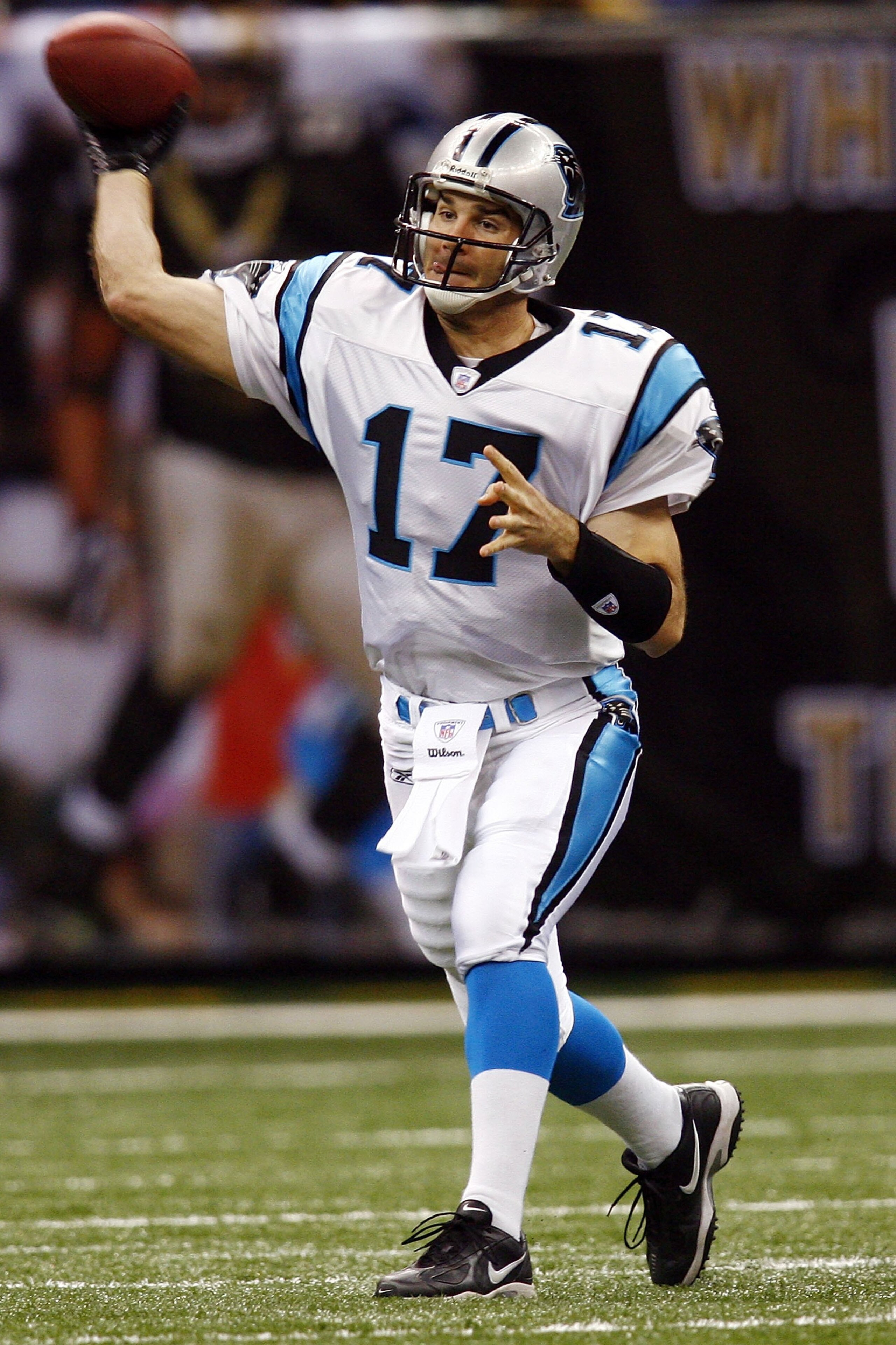
How Acquired: Free Agent, 2003
Tenure: Seven years
Runner-Up Selection: Signing Wesley Walls, 1996
His career in Carolina ended on less than stellar terms, but he was the catalyst for the Panthers great ride (three division titles) from 2003 to 2008.
He brought them to within one bad John Kasay kickoff to a potential Super Bowl title in 2004 and 53 wins in 90 starts. Not a bad pickup considering they signed him less than a year after he was in NFL Europe.
A few years before Delhomme's arrival, the Panthers passing game relied much more on the tight end and Wesley Walls was a key component of the team that went to the 1996 NFC Championship Game.
Seattle Seahawks: Trading for Steve Largent
13 of 32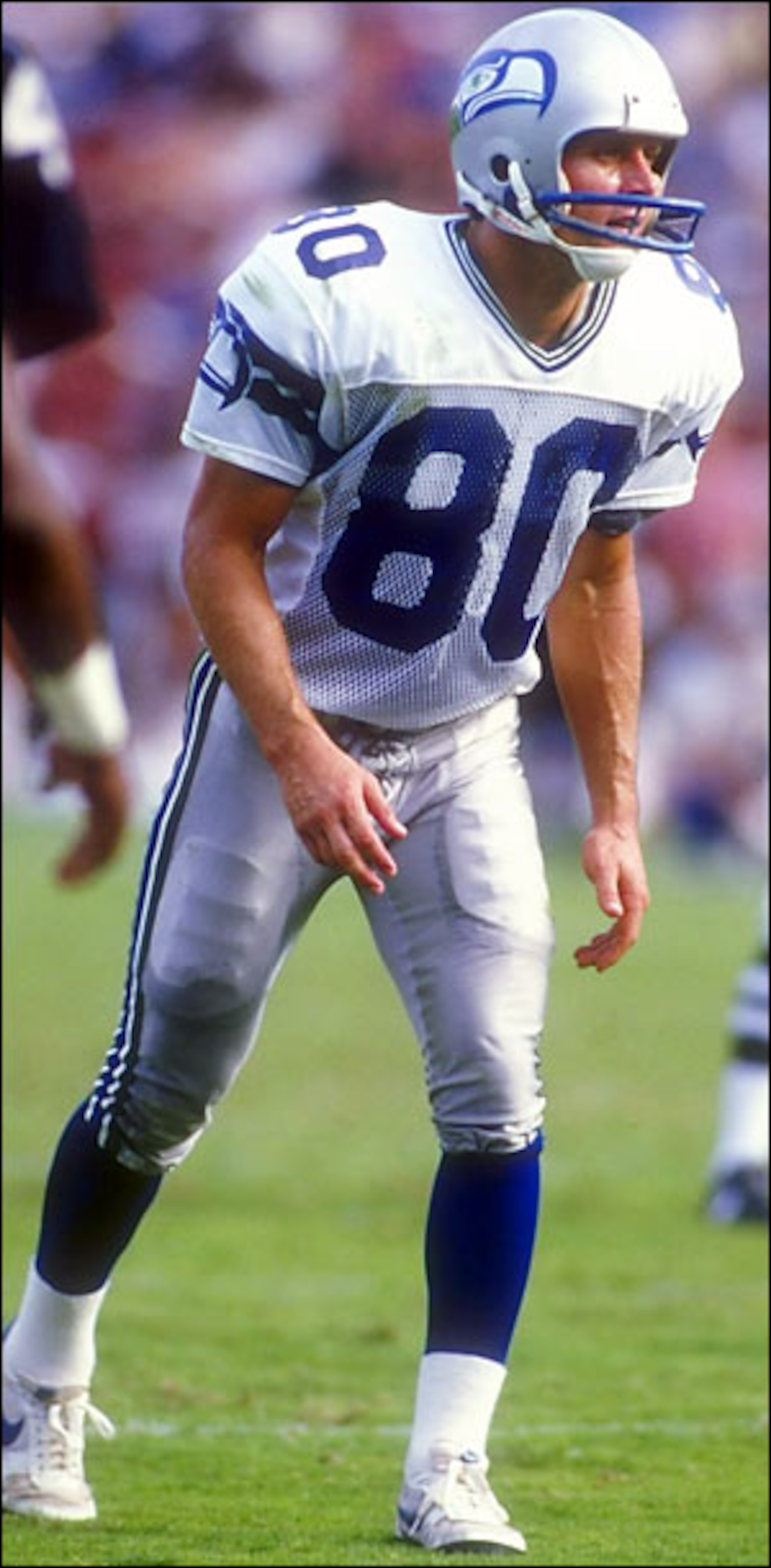
How Acquired: From Houston Oilers in exchange for eighth round pick, 1977
Tenure: 14 seasons
Runner-Up Selection: Trading for Matt Hasselbeck, 2000
With an assist from Andrew Eide, Largent deserves the Seahawks entry on this list. He remains the only player in the Hall of Fame who spent more than three seasons with the club, he rewrote the record books as an undersized receiver playing on mostly unheralded clubs, and all the Seahawks had to do was give up and eight round pick for him.
With Largent, the Oilers might have been able to get over the hump (i.e. Pittsburgh) and reach the Super Bowl in 1978 or 1979, coincidently the years that they lost the AFC title game and Largent went to his first two pro bowls.
Two decades later, Seattle would pull the wool over the eyes of the Packers, by nabbing a franchise quarterback.
All the Seahawks had to do to get Matt Hasselbeck—the player who would be their starter for more than a decade—was exchange picks with Green Bay and move down seven places in the 2001 Draft.
And since the Packers used that 10th pick on a player (Jamal Reynolds) who they would cut after three injury-riddled seasons, and the Seahawks would use that pick on future perennial pro bowler Steve Hutchinson, the deal was a rousing success.
Los Angeles/St. Louis Rams: Trading for Marshall Faulk, RB
14 of 32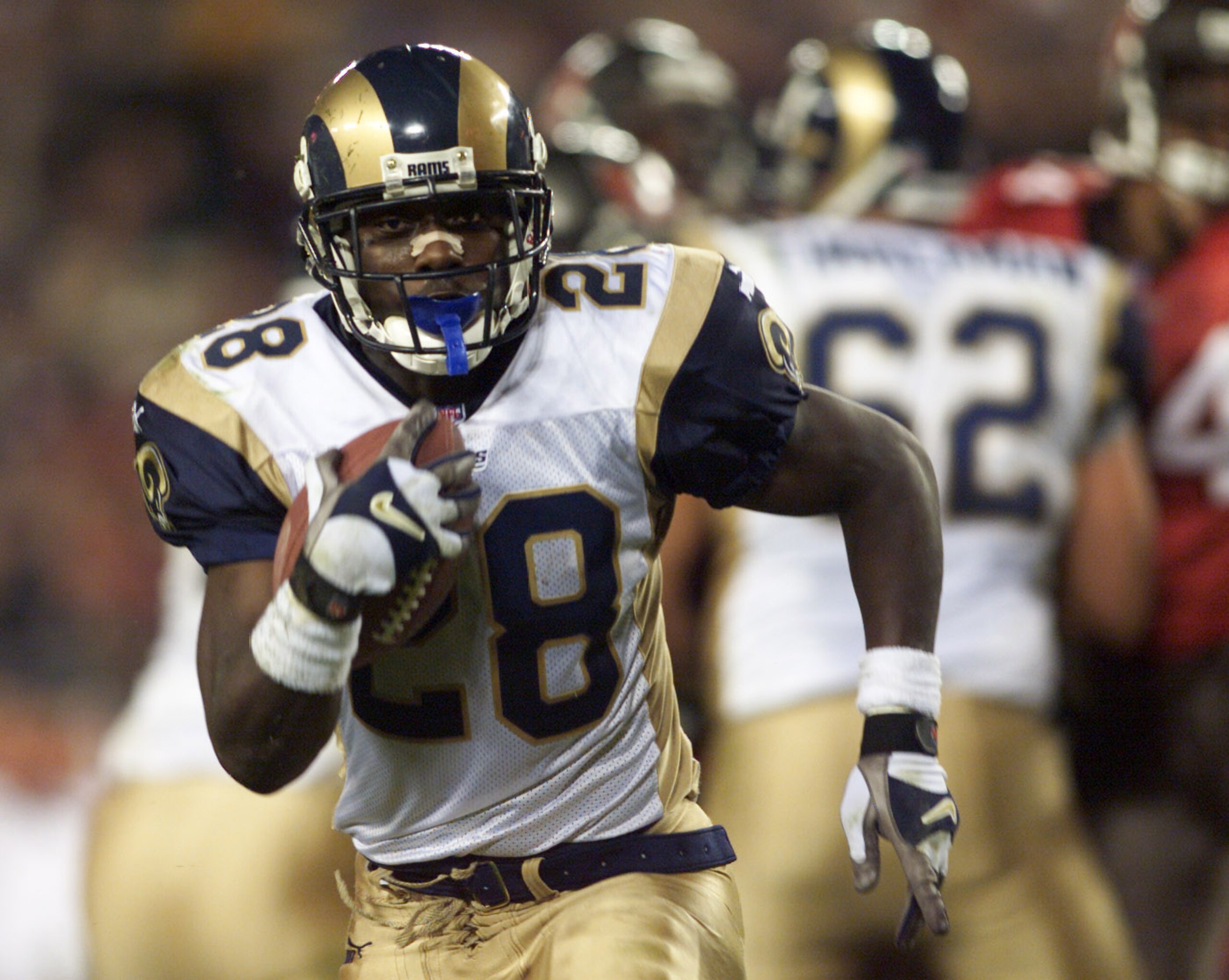
How Acquired: From Indianapolis in exchange for draft picks
Tenure: Seven years
Runner-Up Selection: Trading For Rosey Grier, 1963
Faulk had certainly been an outstanding back for the Colts, but he didn’t become a superstar multi-talented Hall of Famer until joining the Rams in 1999.
And because he contributed so much to both the running and passing game, he was the most important player on the “Greatest Show On Turf.”
Back when they were in Southern California, the most significant acquisition the franchise made was pulling pro bowler Rosey Grier out of New York so he could join Merlin Olsen, Deacon Jones, Lamar Lundy in order to complete “The Fearless Foursome.”
San Francisco 49ers: Trading for Steve Young, QB
15 of 32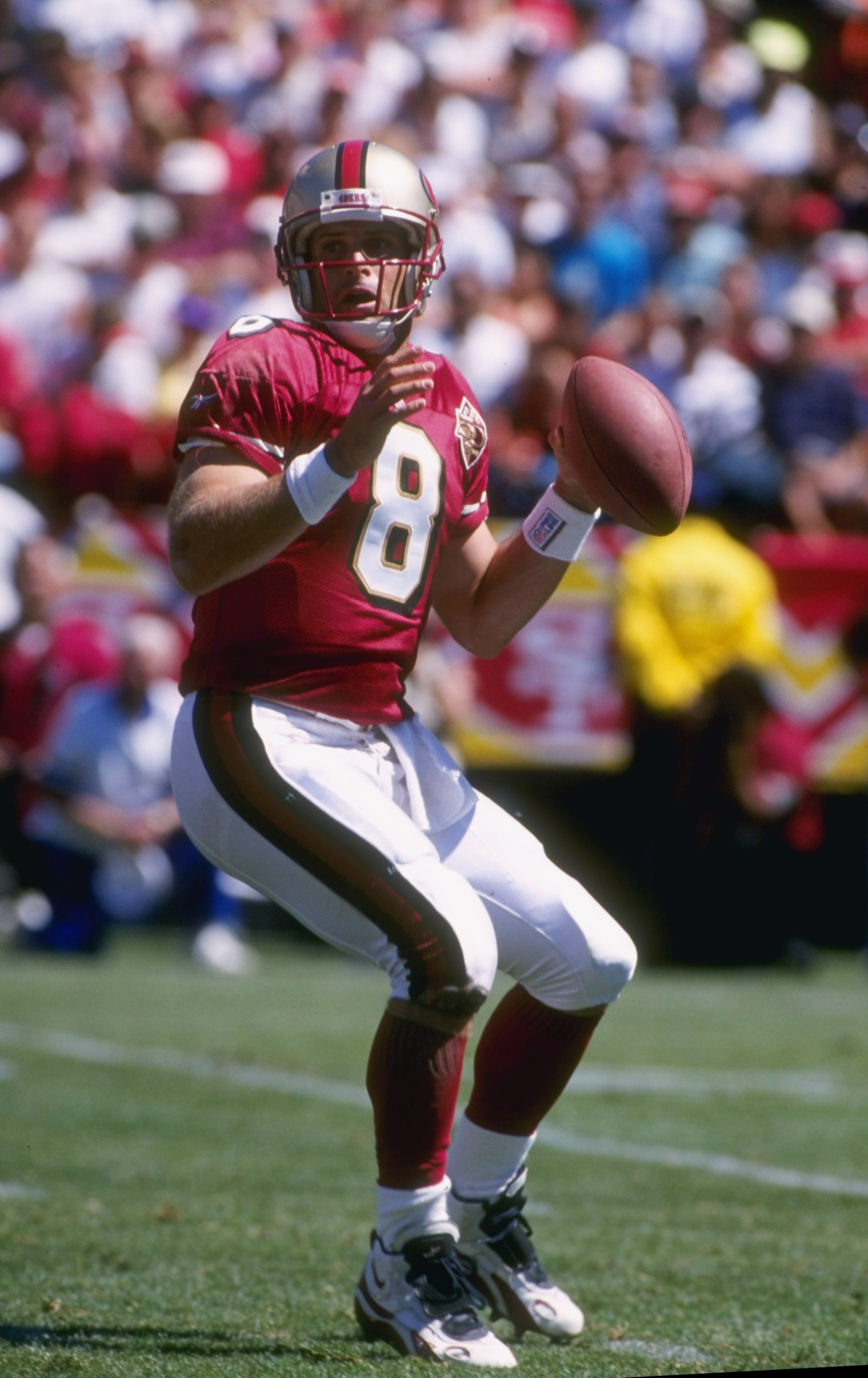
How Acquired: From Tampa Bay in exchange for draft picks
Tenure: 13 years
Runner-Up Selection: Trading for Freddie Solomon, 1978
Trading a second and fourth-round pick to acquire a future Hall of Famer who would win two league MVPs, a Super Bowl MVP and spend an entire decade under center: A pretty solid move.
So let’s move on to the runner-up spot.
In addition to Dwight Clark, the go-to receiver on the early editions of the San Francisco dynasty was Freddie Solomon, the undersized receiver who the pre-Bill Walsh 49ers plucked out of Miami in exchange for Delvin Williams—who had one great year for the Dolphins before injuries ended his career.
Solomon on the other hand, spent eight years in San Francisco, caught 40 touchdown passes from Joe Montana and was the team’s leading receiver in Super Bowl XVI. He also caught six touchdown passes in the eight playoff games from 1981-84.
Chicago/St. Louis/Arizona Cardinals: Signing Kurt Warner, QB
16 of 32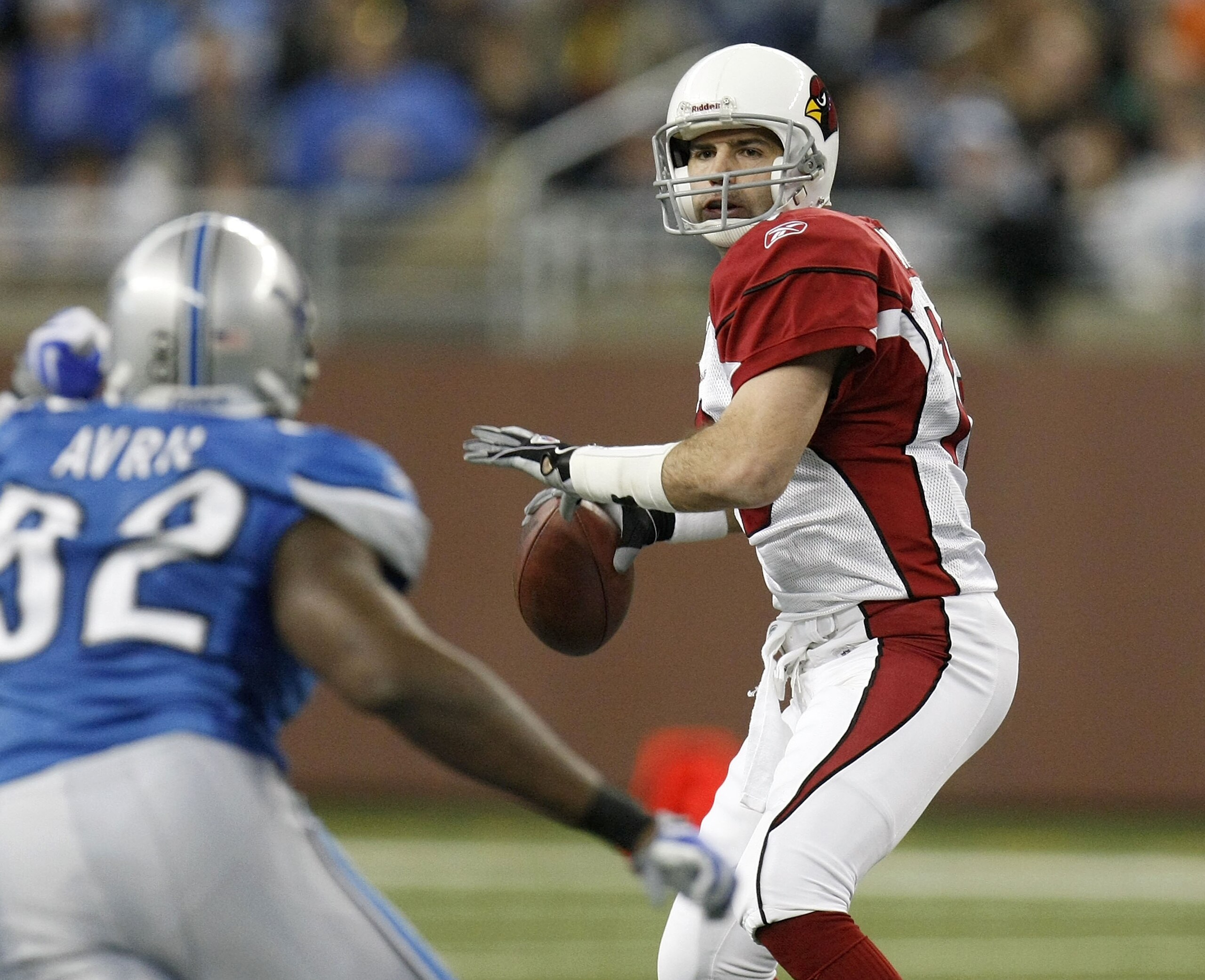
How Acquired: Free Agent, 2005
Tenure: Five years
Runner-Up Selection: Signing Jim Otis, 1973
When the Cardinals pulled Kurt Warner off the scrap heap in March 2005, no one knew that he would be the man who eventually led them to a Super Bowl.
He had been replaced in St. Louis by Marc Bulger, replaced by rookie Eli Manning in New York, and the best offer he received was a one-year, $4 million deal from a franchise that had exactly one playoff berth in almost a quarter century.
But Warner braved a terrible first season, was given an extension after 2005 and would soon lead the Cardinals to their greatest stretch (two playoff berths and a near Super Bowl victory) since the late 1940s.
The only team that compares to the 2008-09 Cardinals were the old St. Louis version of the club during the mid-1970s. The leading rusher on Don Coryell’s team was Jim Otis, a fullback who had been cut by the Chiefs and signed off waivers a year earlier.
New England Patriots: Signing Mike Vrabel, LB
17 of 32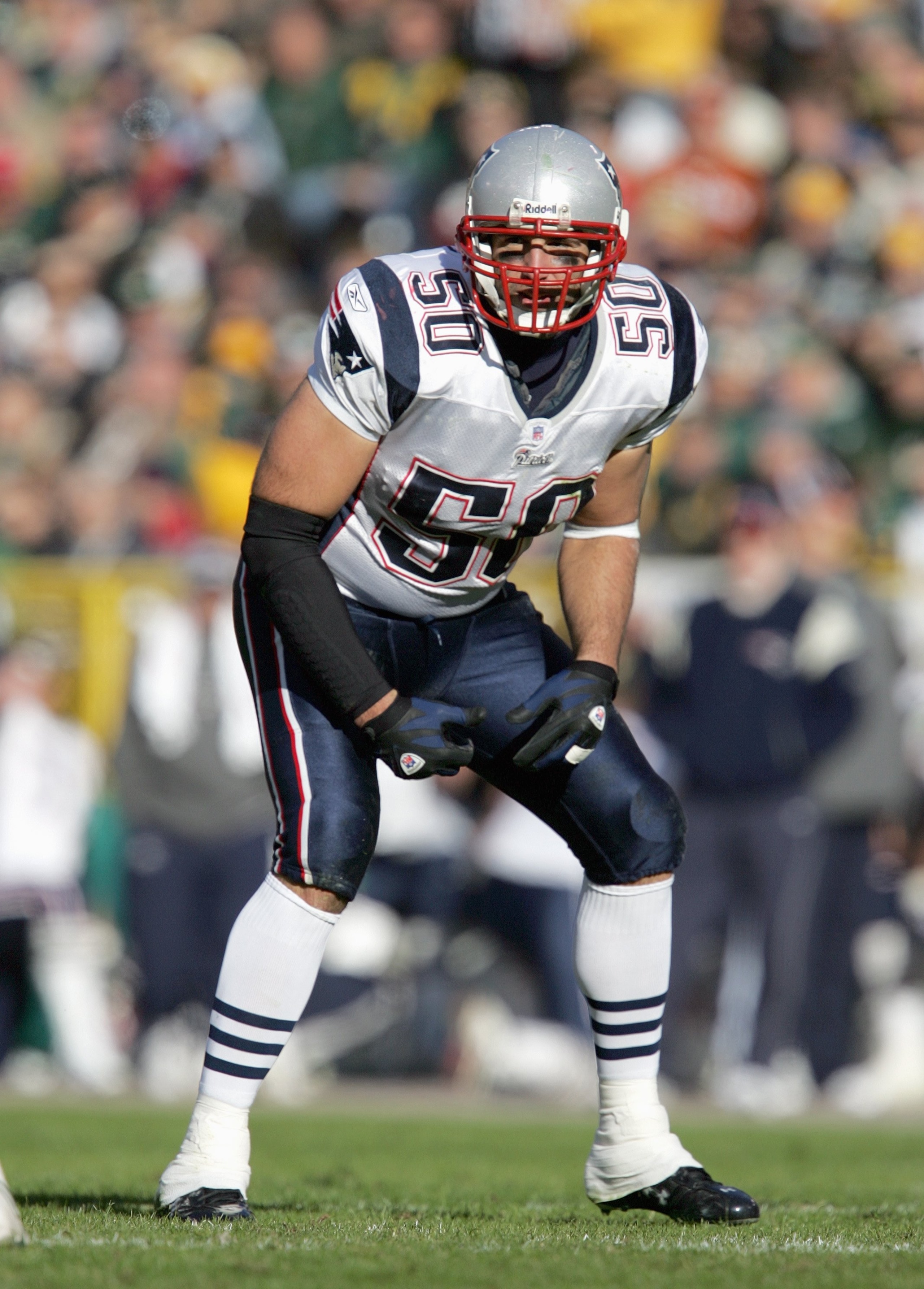
How Acquired: Free Agent, 2000
Tenure: Eight years
Runner-Up Selection: Trading for Wes Welker, 2007
Vrabel wasn’t THE most important player on the Pats dynasty: Willie McGinnest, Vince Wilfork, Richard Seymour, Tedy Bruschi, Ty Law—take your pick.
But Vrabel was a valuable contributor on both offense and defense. Considering they picked him up at a minimum salary, it was an absolute steal.
And although picking up Randy Moss for just a fourth-round pick was another brilliant stroke by the Pats front office, signing Wes Welker—who has more catches than anyone since 2007—was a better long-term pickup.
New York Jets: Signing Curtis Martin, RB
18 of 32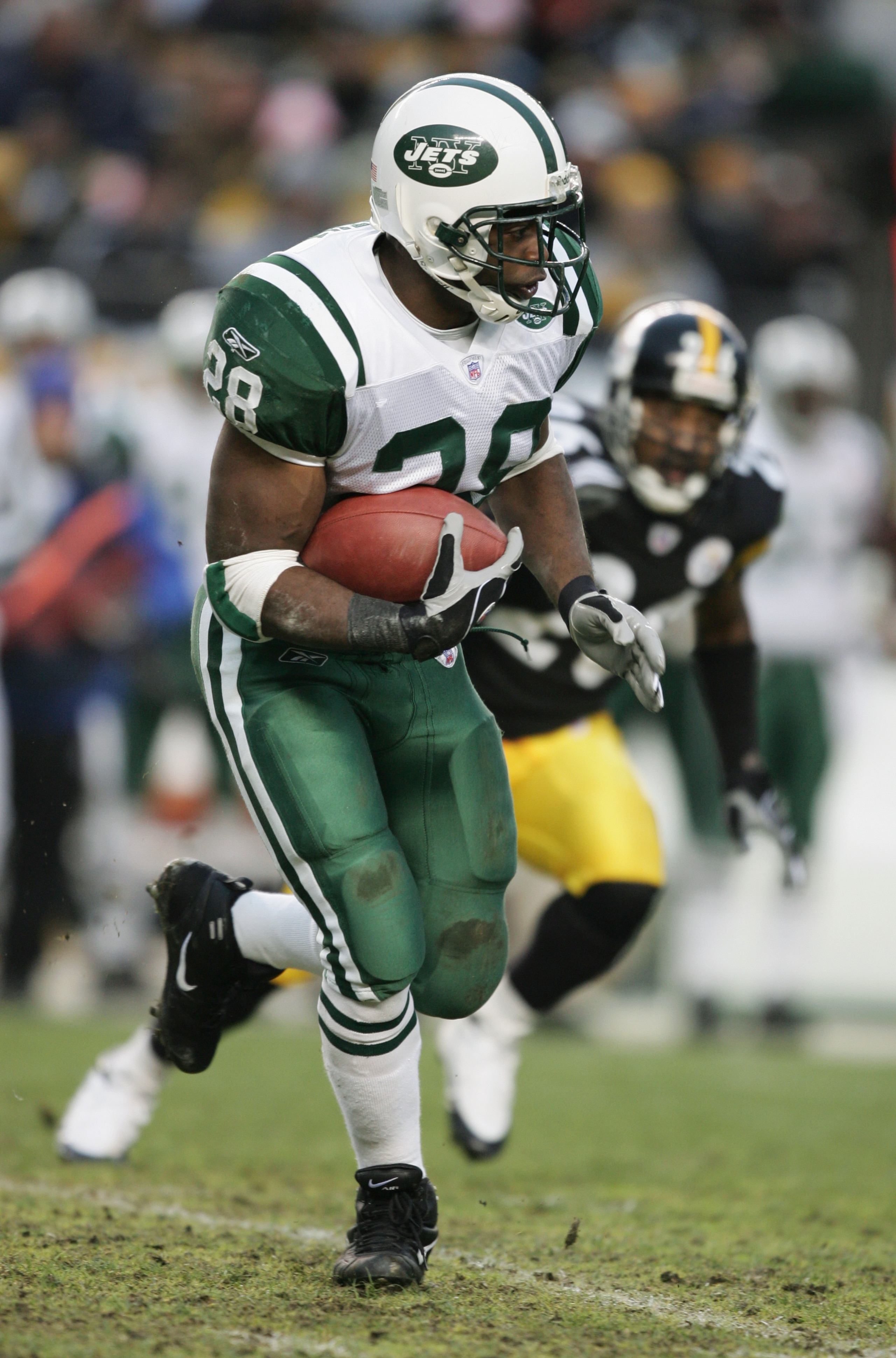
How Acquired: Free Agent, 1997
Tenure: Eight years
Runner-Up Selection: Signing Don Maynard, 1960
Martin was hardly a “diamond in the rough” when the Jets signed him to a tenure sheet in the spring of 1997. But because Martin AVERAGED over 1,350 yards for the next seven seasons and was a major blow to the rival Patriots' offense, it remains one of the most important deals in franchise history.
Even if it did end up costing them two draft picks.
Still, Martin’s Jets never won a Super Bowl. Wide receiver Don Maynard—cut by the NFL’s New York Giants in 1959 only to become the first signee of New York’s AFL team, the Jets, a year later—did.
Miami Dolphins: Trading for Paul Warfield, WR
19 of 32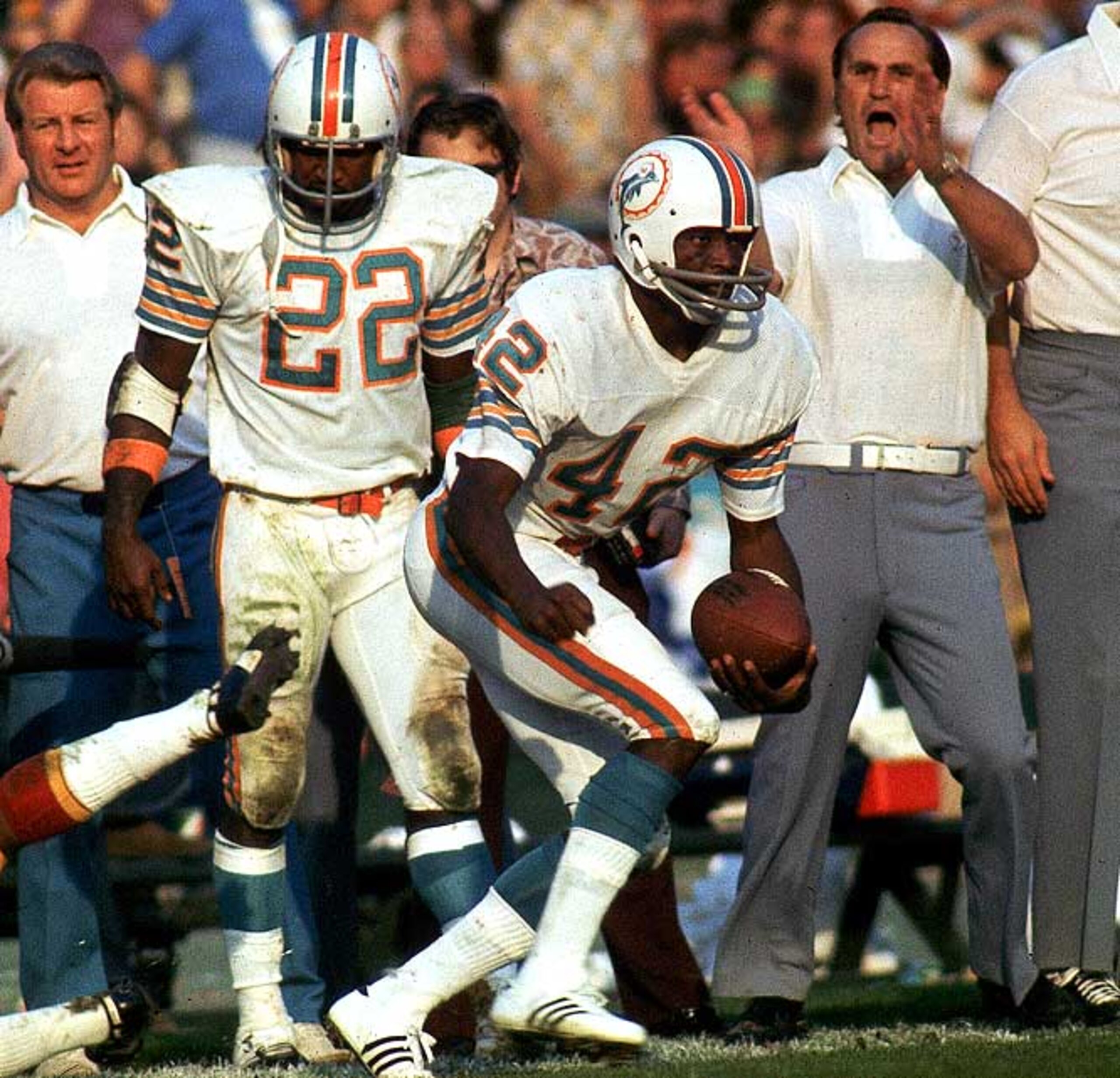
How Acquired: From Cleveland in exchange for draft pick, 1970
Tenure: Five years
Runner-Up Selection: Trading for Ricky Williams, 2001
Although Warfield wasn’t happy about it at first (he threatened to hold out if Miami didn’t give him money to offset losses from leaving his personal business behind in Cleveland) his joining the Dolphins was a rousing success.
The Dolphins gave up a first-round pick for the three-time pro bowler, but he more than made up for it, earning spots in the pro bowl the next five years and becoming Bob Griese’s favorite receiver on the Dolphins early 1970s dynasty.
Acquiring Ricky Williams three decades later was much more expensive (four picks including two first-rounders) and it didn’t lead to a title. But he has won a rushing title and next year will probably become the franchise’s all-time leading rusher.
Buffalo Bills: Trading for Cornelius Bennett, OLB
20 of 32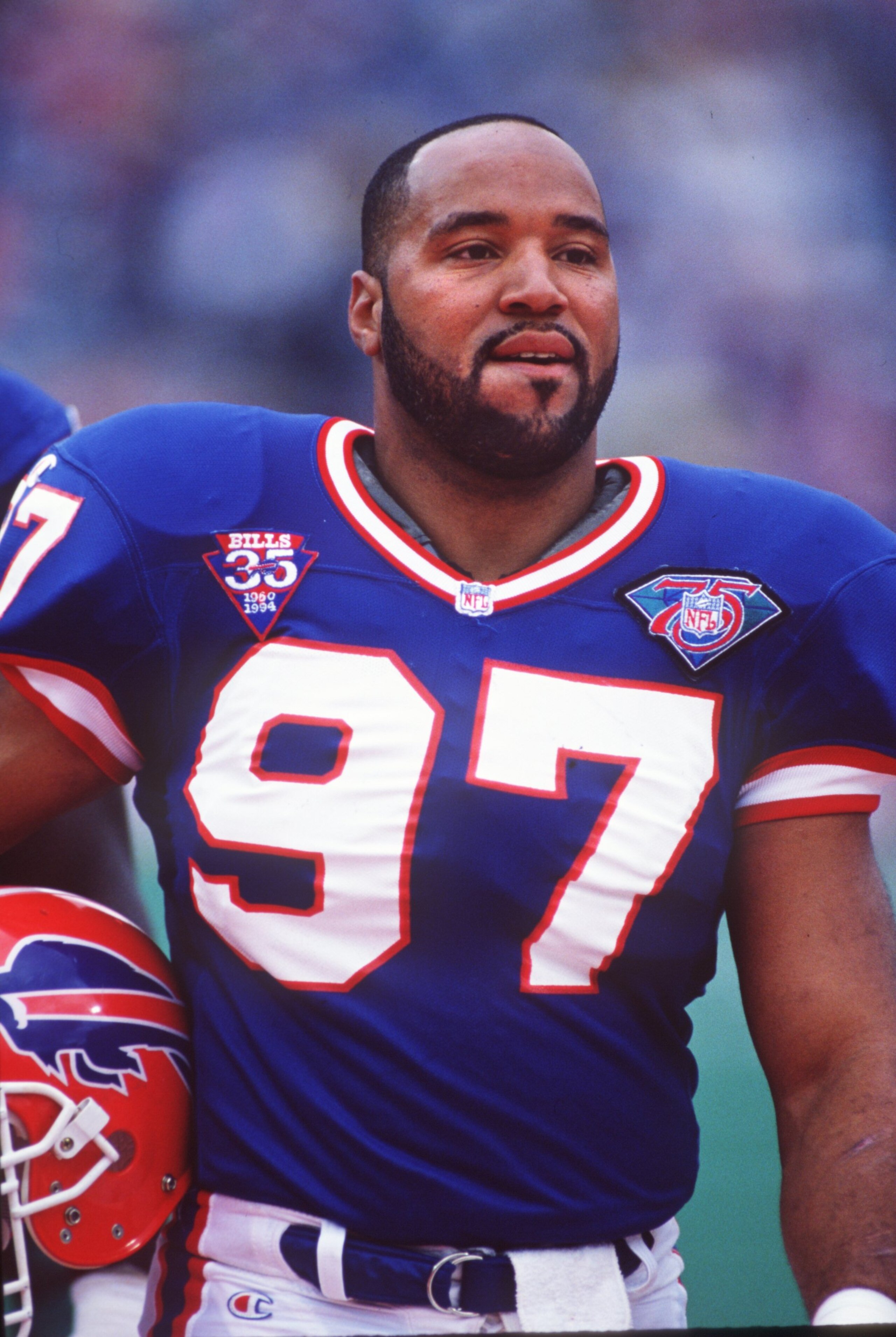
How Acquired: From Indianapolis in exchange for Greg Bell, draft picks
Tenure: Nine years
Runner-Up Selection: Signing Jack Kemp, 1962
In 1987 the Bills didn’t really need another high first-round linebacker draft pick from a prestigious football factory—they drafted Penn State’s Shane Conlan with the eighth overall pick.
But when the Colts were unable to sign Cornelius Bennett, the second overall pick from Alabama, the Bills gave away three picks (a first-rounder in 1988 and two second-rounders) along with their leading rusher, Greg Bell, to get him.
It paid off as Bennett, along with Conlan, Bruce Smith and Darryl Talley, became an elite defense and brought them to the verge of a title four straight years.
Still, they were never able to win a title, something Jack Kemp—who the Bills paid $100 to sign off waivers after the Chargers cut him—did in 1965, the same year he won both the league and AFL Title Game MVP.
Pittsburgh Steelers: Trading for Jerome Bettis, RB
21 of 32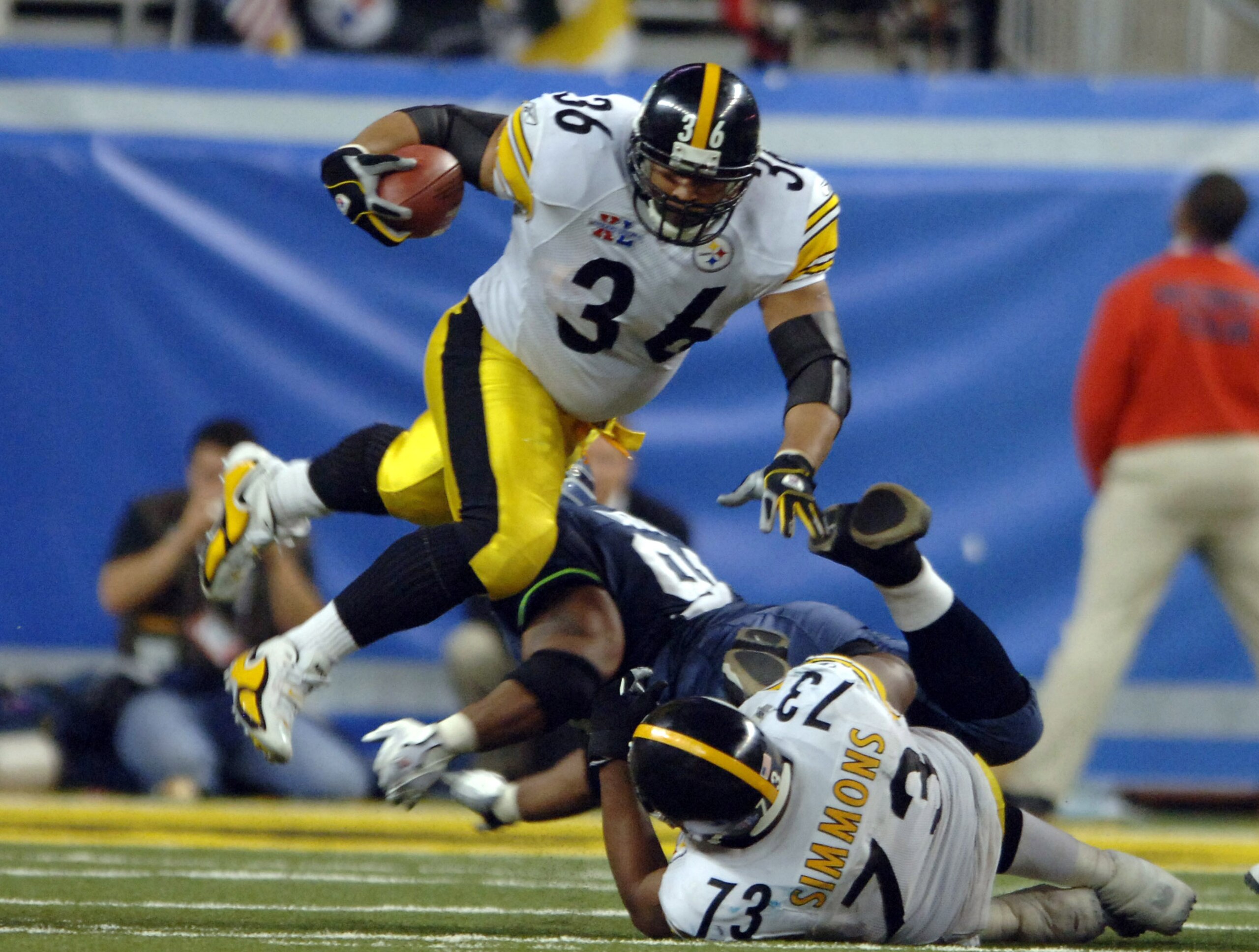
How Acquired: From St. Louis Rams in exchange for two draft picks
Tenure: 10 years
Runner-Up Selection: Signing James Farrior, 2001
The Rams dealt away Jerome Bettis for second and fourth-round picks. That was only made worse by replacing him with Lawrence Phillips as the sixth overall selection in the 1996 Draft.
It worked out pretty well for the Steelers, however. Bettis rushed for 1,000 yards each of the next six seasons, went to four pro bowls and helped Pittsburgh reach three AFC Championships and win Super Bowl XL.
Since the Steelers are notorious for not signing free agents and do such a good job of drafting there aren’t many other great acquisitions to choose from.
But (and thanks to Chad Smith here) the Steelers signing James Farrior away from the Jets in 2001 was certainly their greatest free agent acquisition. He's been the leader and (literally) at the center of a defense that three times has led the NFL in fewest points and won a pair of Super Bowls.
Baltimore Ravens: Signing Rod Woodson, S
22 of 32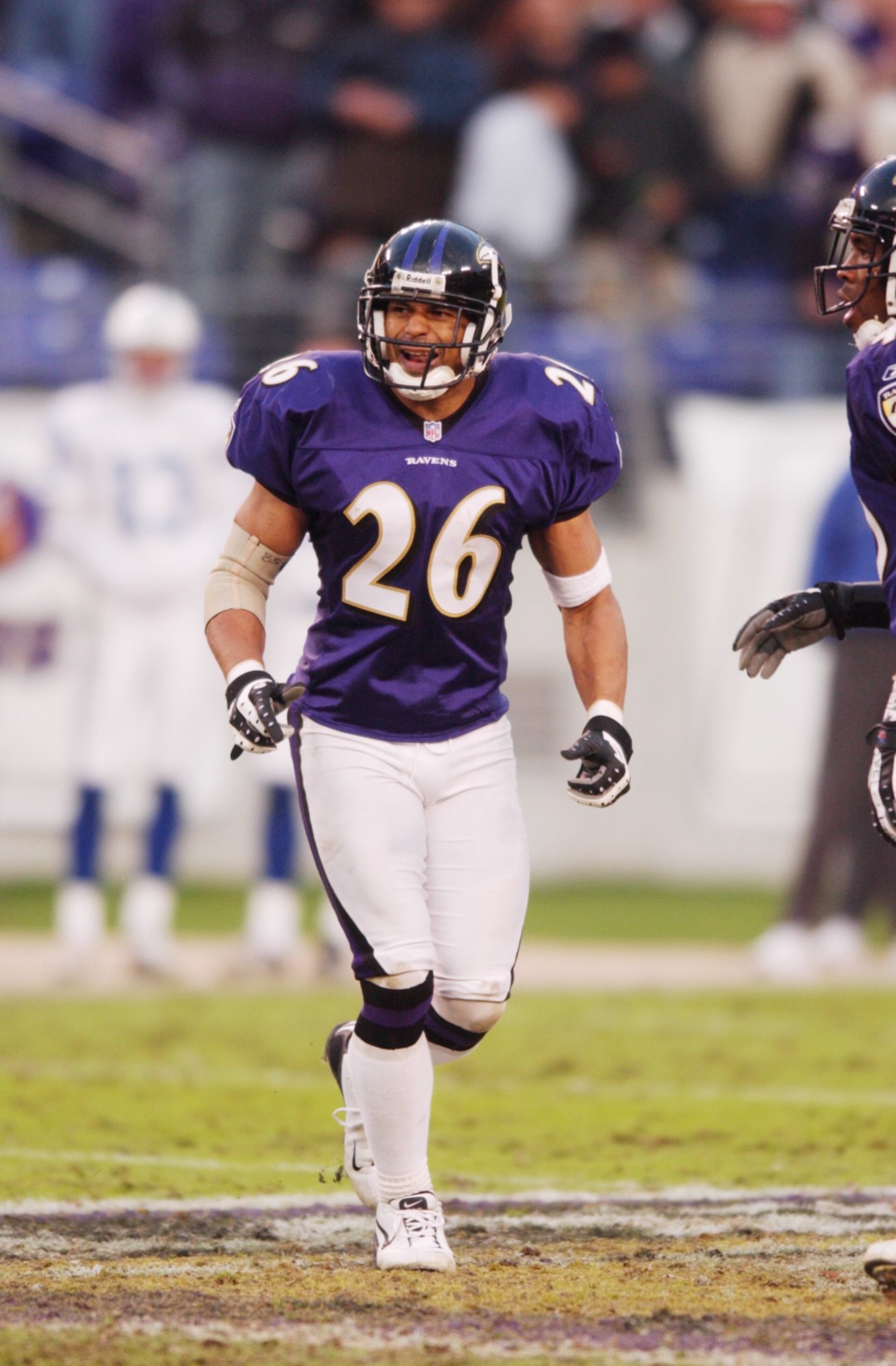
How Acquired: Free Agent, 1999
Tenure: Four years
Runner-Up Selection: Signing Derrick Mason, 2005
He may always be remembered as a Steeler, but from 1998-2001 Rod Woodson was nearly as productive in Baltimore as he was in Pittsburgh.
Shifting to safety, he went to three straight pro bowls, recorded 20 interceptions, scored five defensive touchdowns and was the best in the secondary on arguably the greatest defense in NFL history.
There’s also a case to be made about the Ravens all-time leading receiver, Derrick Mason, who was signed away from Tennessee in 2005. Mason has had four 1,000-yard seasons and missed just two games in six seasons, but his addition didn’t produce a title.
Cleveland Browns: Trading for Frank Ryan, QB
23 of 32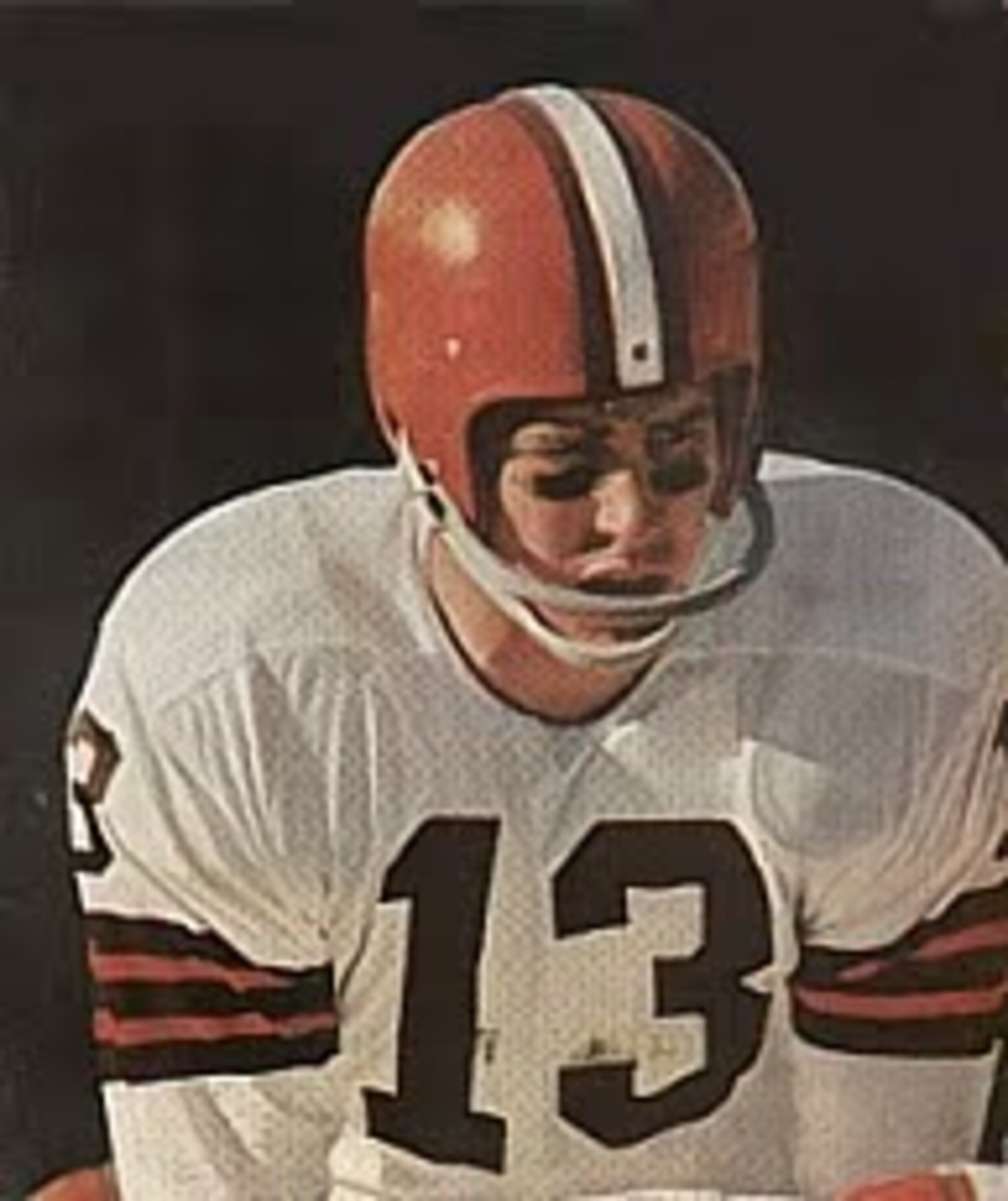
How Acquired: From Los Angeles Rams in exchange for Larry Stephens, draft picks, 1962
Tenure: Seven years
Runner-Up Selection: Signing Bob Golic, 1982
As great as Jim Brown was, he didn’t win an NFL title until Frank Ryan joined the club and took over as the team’s starting quarterback.
In the summer of 1962, Paul Brown gave up defensive tackle Larry Stephens and two draft choices in exchange for Ryan, who was expected to be a backup Jim Ninowski.
But Blanton Collier soon replaced Brown and by 1964, Ryan earned trips to three straight pro bowls, twice led the NFL in touchdowns, and threw three touchdowns to Gary Collins in the Browns 27-0 NFL Championship Game thumping of the Colts.
The Browns haven’t been to the NFL title game since then, but they came close in 1986 and 1987. A key defender on that team: three-time pro bowler Bob Golic (and American hero for his work on Saved By The Bell: The College Years), who had been waived by New England in 1982.
Cincinnati Bengals: Trading for James Brooks, RB
24 of 32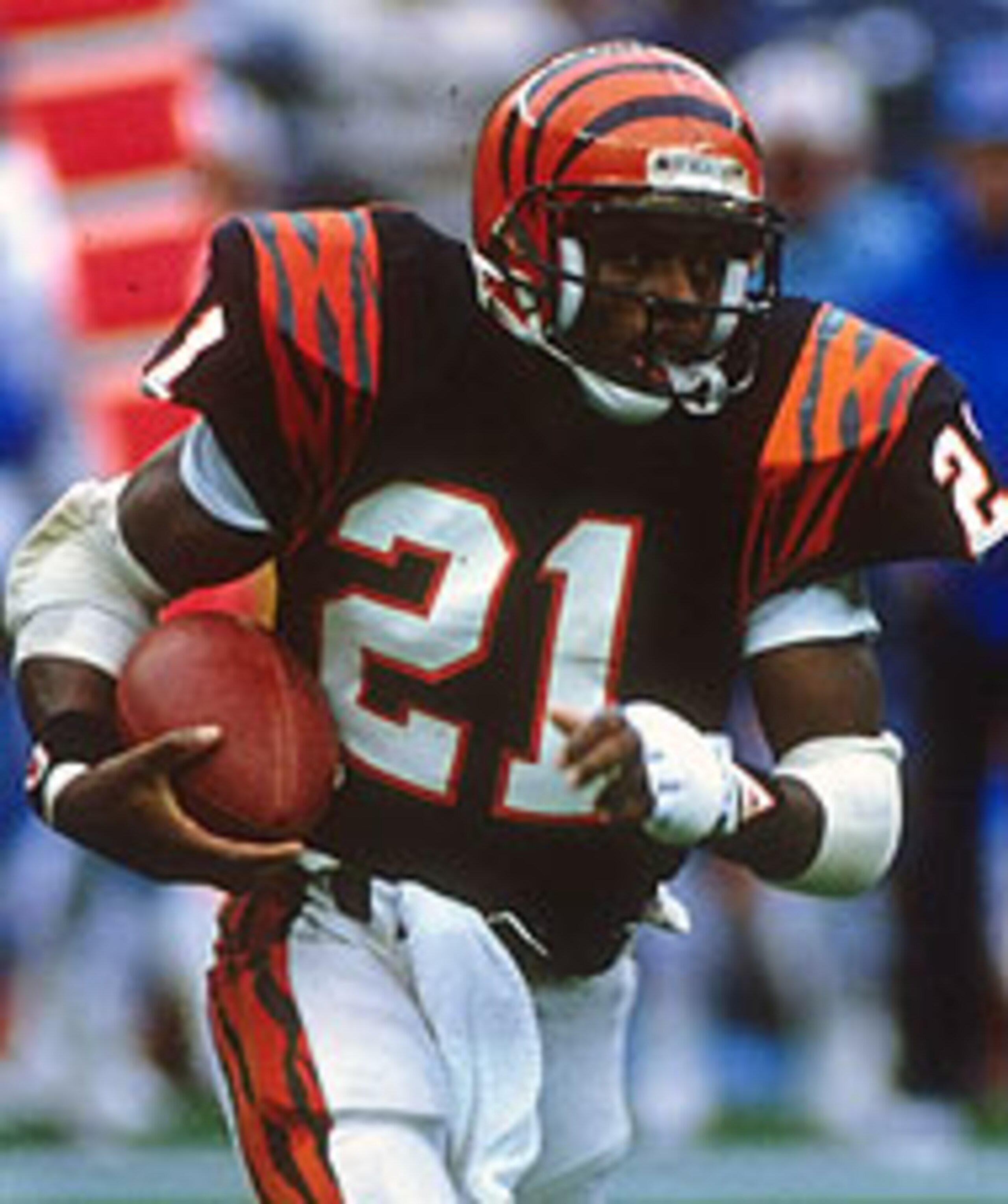
How Acquired: From San Diego in exchange for Pete Johnson
Tenure: Eight years
Runner-Up Selection: Signing Cedric Benson, 2008
As popular and memorable as Icky Woods was, the best running back the Bengals had during the 1980s was Woods’ teammate, James Brooks.
The former Auburn star went to four pro bowls from 1986 to 1990 and was the franchise’s all time leading rusher until Corey Dillon came along. And since all they gave up to get him in 1984 was Pete Johnson—who would be out of football within a year—the move was a major success.
Cedric Benson still has a way to go, but with back-to-back 1,000-yard seasons he's on his way to becoming one of the Bengals top backs.
Baltimore/Indianapolis Colts: Signing Johnny Unitas, QB
25 of 32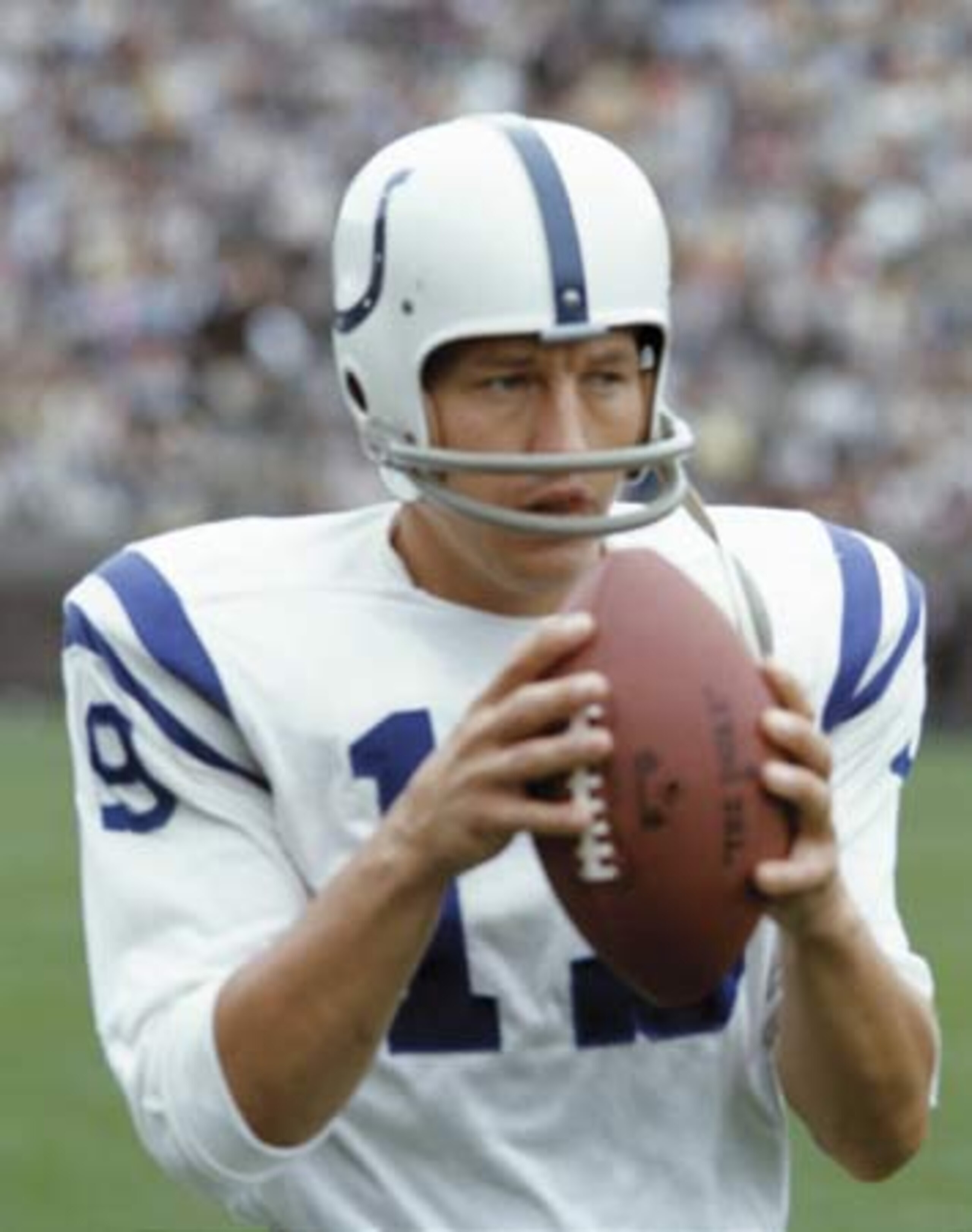
How Acquired: Free Agent, 1956
Tenure: 17 years
Runner-Up Selection: Signing Jeff Saturday, 1999
No explanation needed here either. Picking up the greatest quarterback of his generation for next to nothing is a once-in-a-century type of steal.
Ironically, there is also a Baltimore connection to the Colts runner-up entry.
The Ravens cut center Jeff Saturday after less than 10 weeks of offseason work only to see him sign with Indianapolis, where he would go to five pro bowls and set a new NFL record with Peyton Manning for most starts between a center and quarterback.
Jacksonville Jaguars: Trading for Mark Brunnel, QB
26 of 32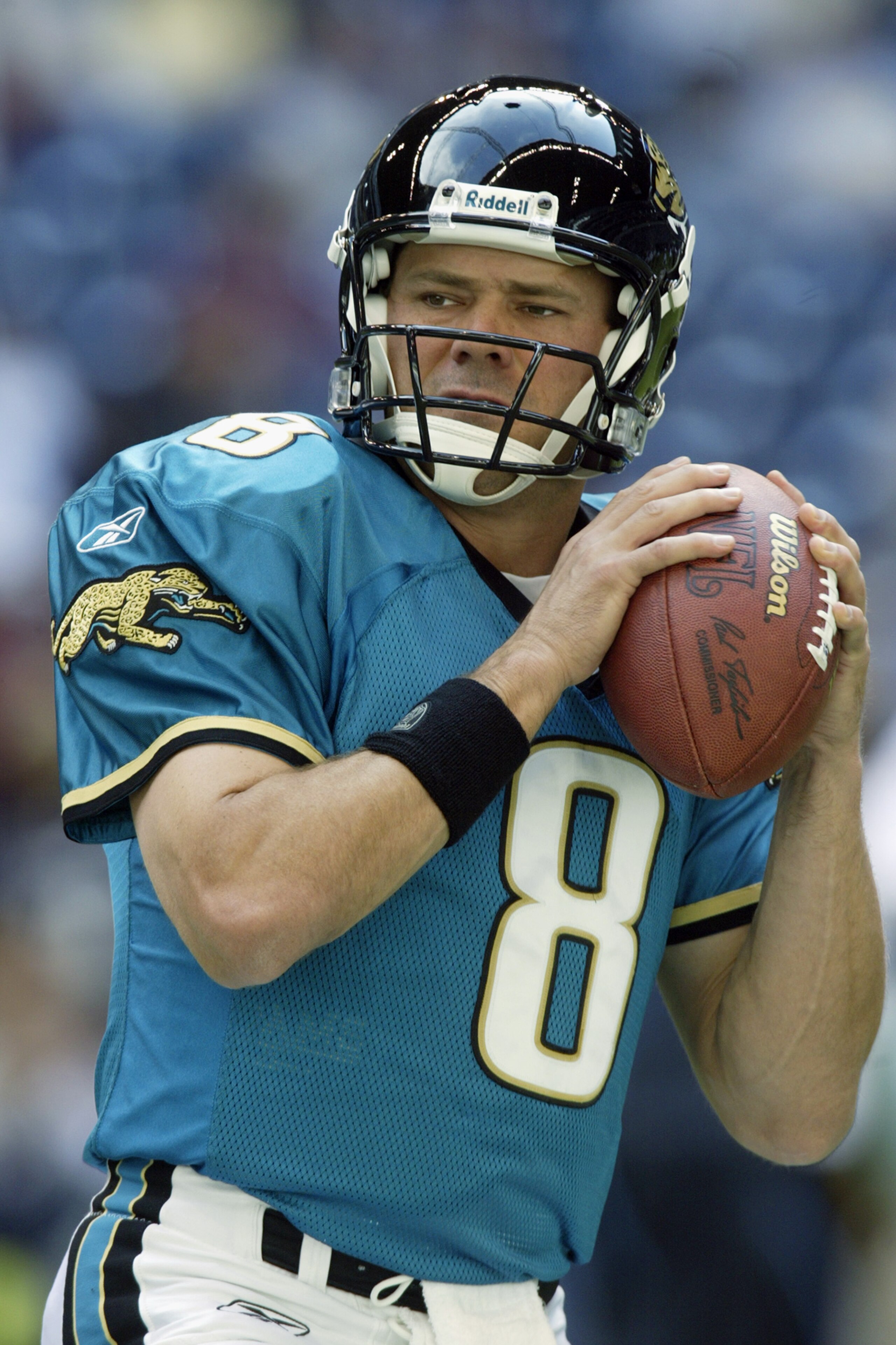
How Acquired: From Green Bay in exchange for two draft picks
Tenure: Nine years
Runner-Up Selection: Signing Jimmy Smith, 1995
Five years before the Seahawks fleeced the Packers on the Matt Hasselbeck deal, the Jaguars also found a diamond in the rough hiding behind Brett Favre.
For a third and fifth selection in the 1995 Draft, the Jags received Mark Brunell, who would soon engineer one of the most improbable postseason runs in NFL history.
By the time he was pushed out of town by Byron Leftwich, Brunnel would win 63 games, go to three pro bowls and be the face of the franchise for nearly a decade.
The favorite target of Brunnel and his successor, Leftwich, was Jimmy Smith, another free steal of the 1995 offseason. Eventually a five-time pro bowler, Smith was signed cheap that March.
Houston Texans: Trading for Matt Schaub, QB
27 of 32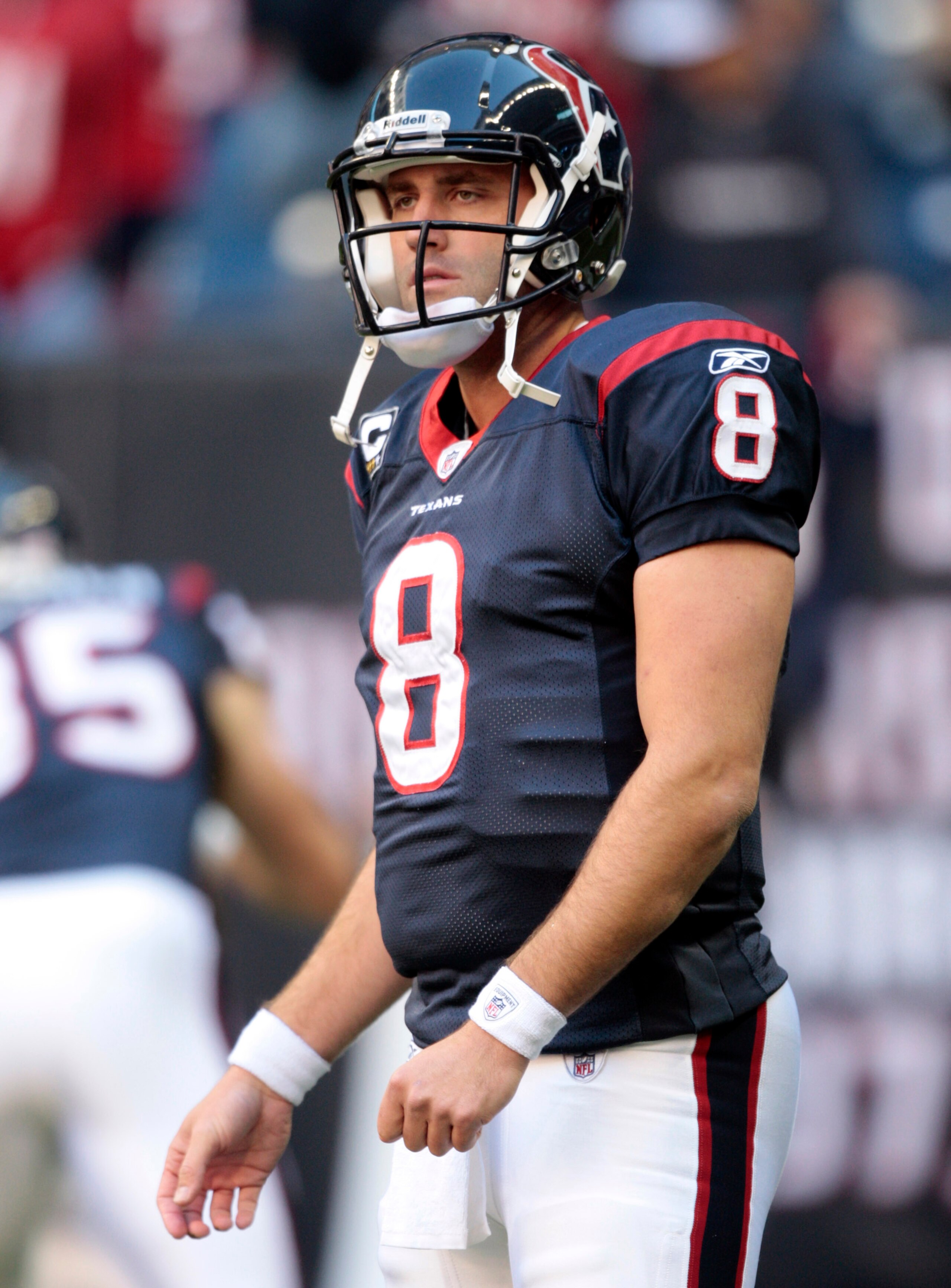
How Acquired: From Atlanta in exchange for second round picks
Tenure: Four years+
Runner-Up Selection: Signing Vonta Leach, 2006
After the David Carr debacle the Texans were fortunate to hit on their next franchise quarterback.
They gave up a pair of second-round picks in addition to nearly $50 million with the belief that Matt Schaub’s scant brilliance in subbing for Michael Vick was a foretelling of things to come.
It was, as he’s been a pro bowler and even made a run at Dan Marino’s all time single-season yardage record.
Another key pickup for the current Texans came the year before, when they signed fullback Vonta Leach off waivers in September 2006. Within a few seasons Leach became a pro bowler by opening holes for All-Pro Arian Foster.
Houston Oilers/Tennessee Titans: Trading for Drew Hill
28 of 32
How Acquired: From Los Angeles Rams in exchange for draft picks
Tenure: Seven years
Runner-Up Selection: Signing Kyle Vanden Bosch, 2005
We didn’t put Warren Moon on this list because—as an undrafted free agent who went to the CFL—he was never tabbed to any NFL team prior to joining with the Oilers.
But Moon’s favorite receiver, especially in those early seasons, was Drew Hill—who the Oilers pried from the Rams in exchange for two mid-round choices.
From 1985 to 1991—while Moon was racking up Marino-like passing numbers—Hill set the franchise record for receptions and yards and averaged over 1,000 yards every one of his seasons in Houston.
Kansas City Chiefs: Signing Len Dawson, QB
29 of 32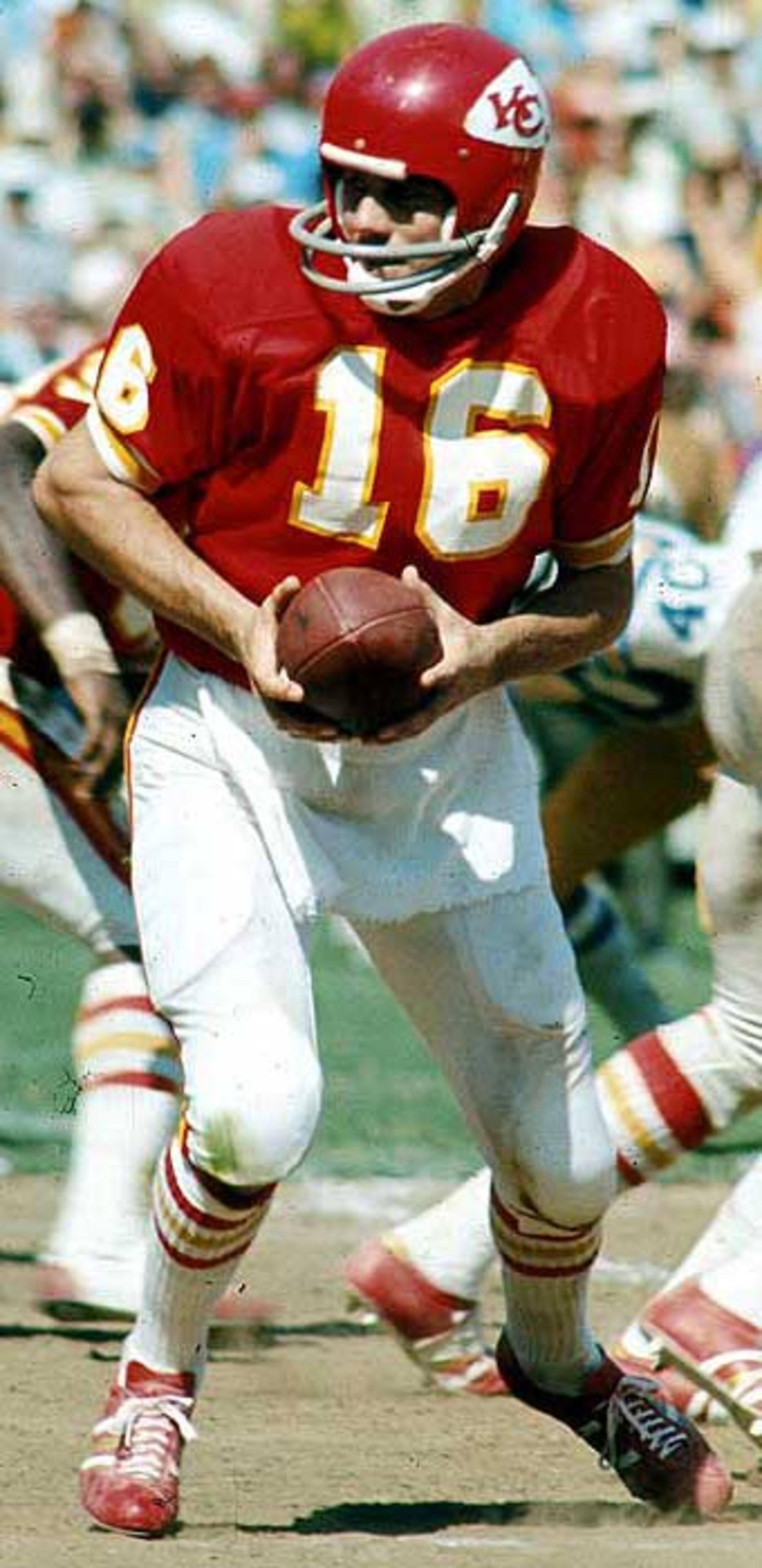
How Acquired: Free Agent, 1962
Tenure: 14 years
Runner-Up Selection: Signing Priest Holmes, 2001
Still the only quarterback to give Kansas City an NFL title, Dawson was cut from both the Browns and Steelers before finding a home in the AFL with the Texans-turned-Chiefs.
Not only was Dawson the most successful quarterback in AFL history—leading the league in completion percentage six times and touchdowns four times—but because he had failed so spectacularly in the NFL (a fifth overall pick by Pittsburgh then a washout in Cleveland), his signing was a bold move by Hank Stram.
The only reason the scoring machine Priest Holmes takes second to Dawson? His career was far shorter and didn’t produce even a single playoff victory.
San Diego Chargers: Trading for Charlie Joiner, WR
30 of 32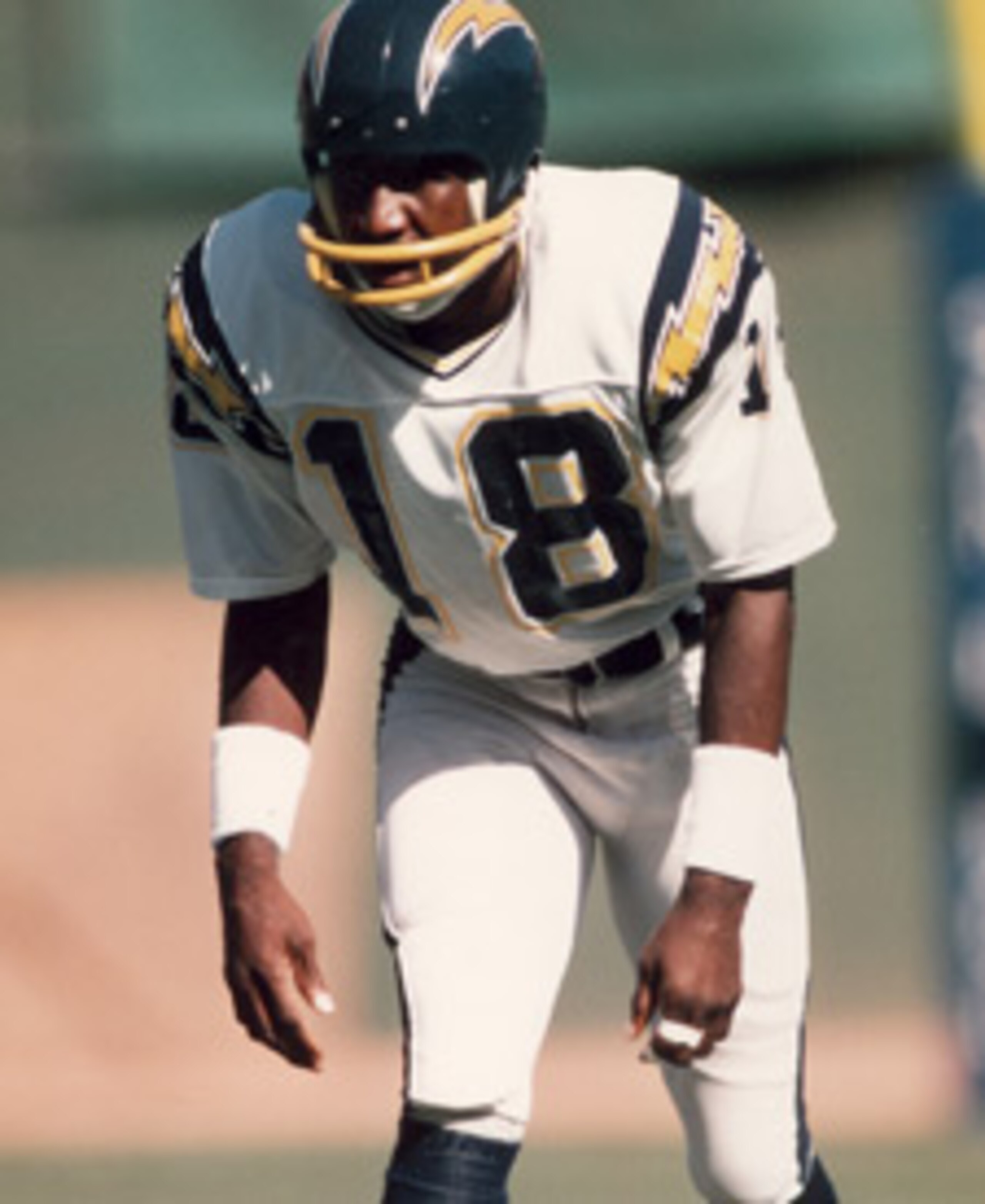
How Acquired: From Cincinnati in exchange for Coy Bacon, 1976
Tenure: 11 years
Runner-Up Selection: Trading for Tony Martin, 1994
When the Bengals traded Joiner—a player who had caught just 82 passes in four years—for pro bowler Coy Bacon, they seemed to get the much better end of the deal. But Joiner soon blossomed into one of the NFL’s best receivers while Bacon’s best days were behind him.
Joiner became a three-time pro bowler, set the NFL all-time record for receiving yards and helped mentor John Jefferson and Kellen Winslow while forming the greatest trio of receivers in NFL history.
But as good as Air Coryell was, they never reached the Super Bowl. The only Charger team to play for an NFL title came a decade and a half later in 1994. That April, they acquired wide receiver Tony Martin in exchange for a fourth-round pick.
Not only did Martin lead the team in receptions, yardage and touchdowns, he caught the game-winning touchdown in the AFC Championship Game against Pittsburgh that sent them to Super Bowl XXIX.
Oakland/Los Angeles Raiders: Signing Mike Haynes, CB
31 of 32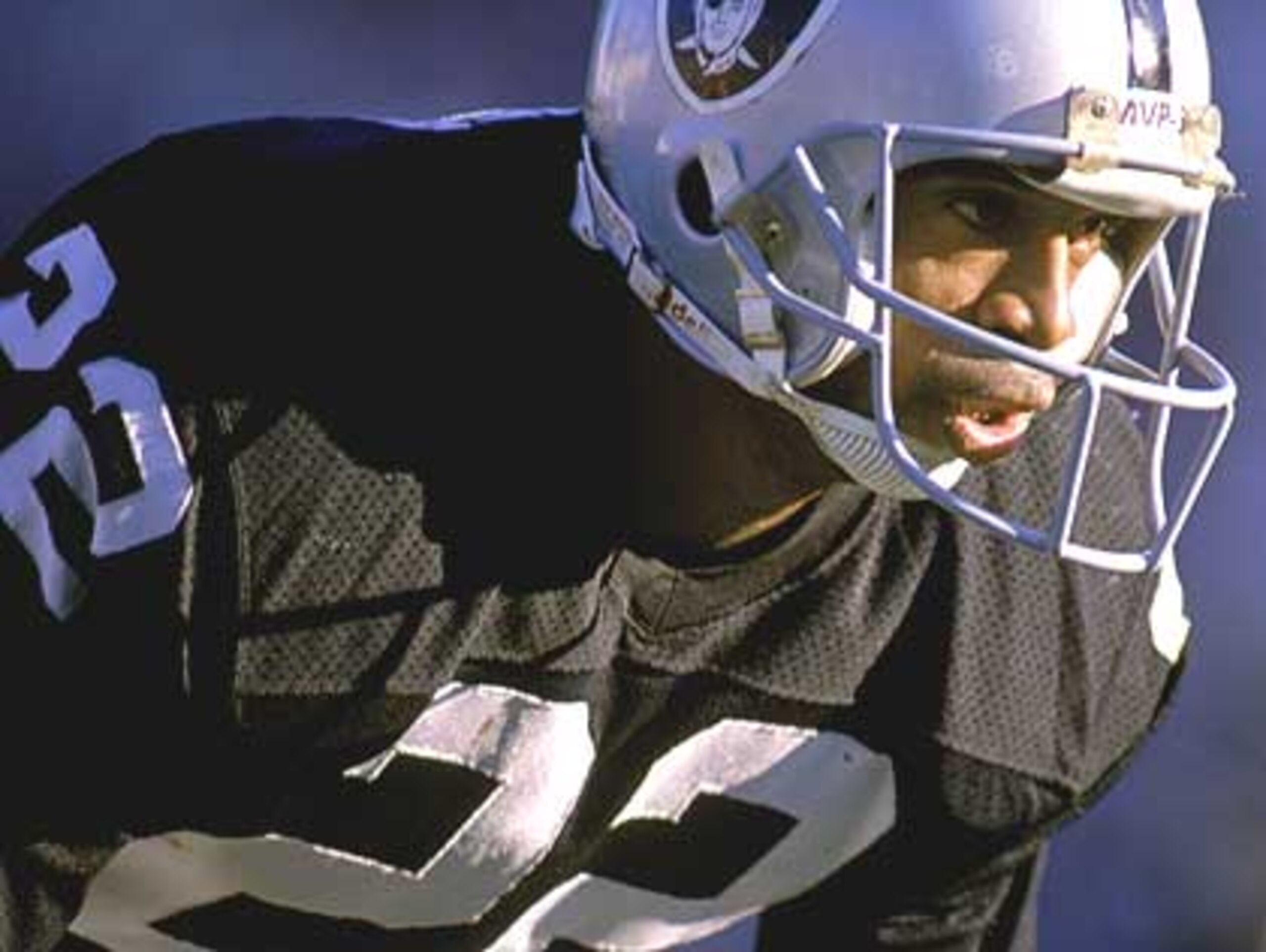
How Acquired: Free Agent, 1983
Tenure: Seven years
Runner-Up Selection: Signing Rich Gannon, 1999
The Raiders may have won a pair of Super Bowls in the seven years before signing Mike Haynes away from the Patriots. But without his dominating presence against the powerhouse Redskins offense, they might not have won their only Los Angeles world title.
Hayne’s teammate on the 1983 championship team, quarterback Jim Plunkett, is worthy of an honorable mention on this list, but he didn’t have the same impact on the Raiders that Rich Gannon would later have.
In February 1999, the Raiders gave Gannon a four-year, $16 million deal—not usually an obscene amount, but perhaps it was to a player without a sparkling resume as a starter.
It certainly paid off, as Gannon went to four-straight pro bowls, won a league MVP and took the Raiders to their lone Super Bowl since 1983.
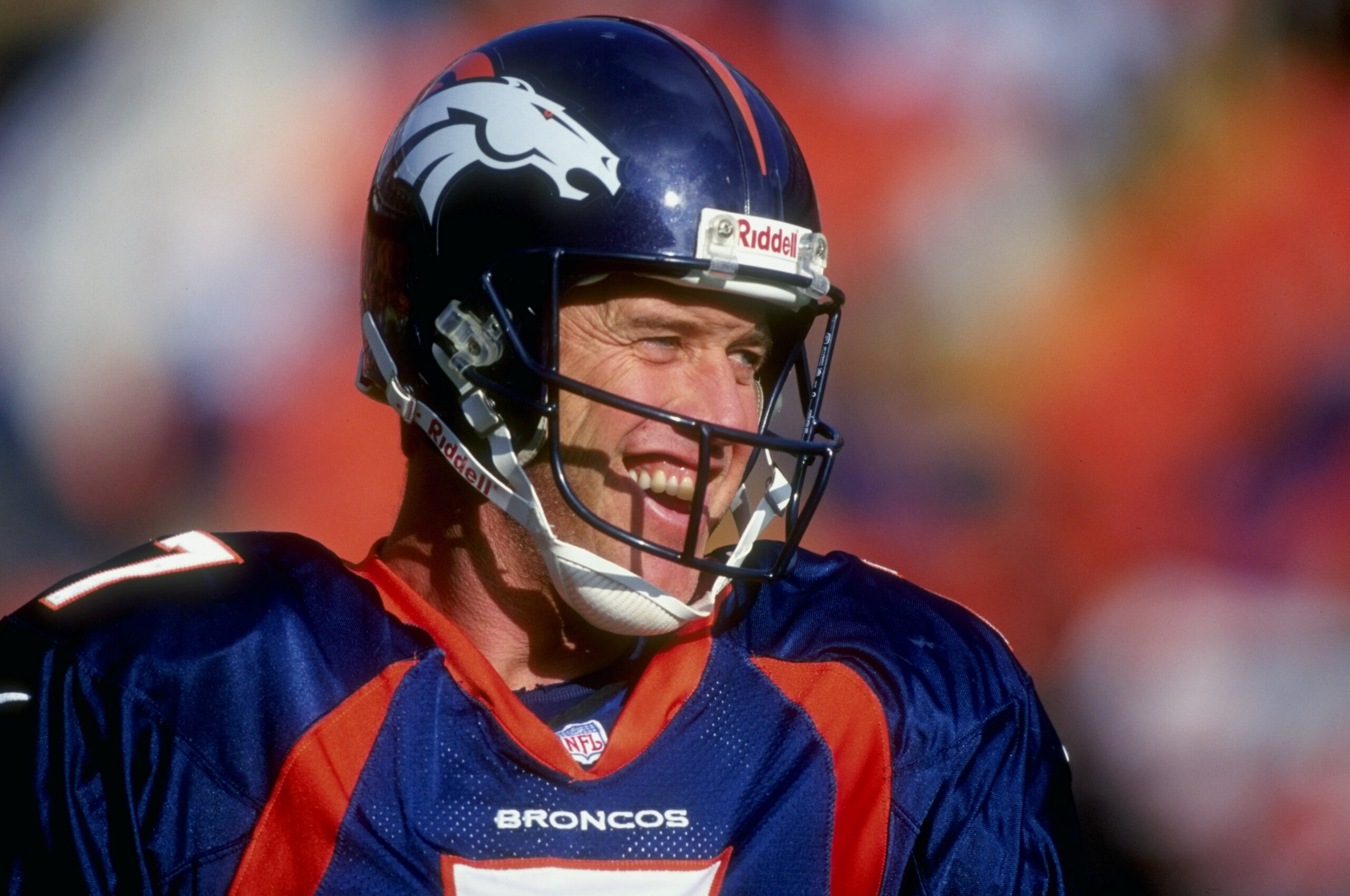
Denver Broncos: Trading for John Elway, QB
32 of 32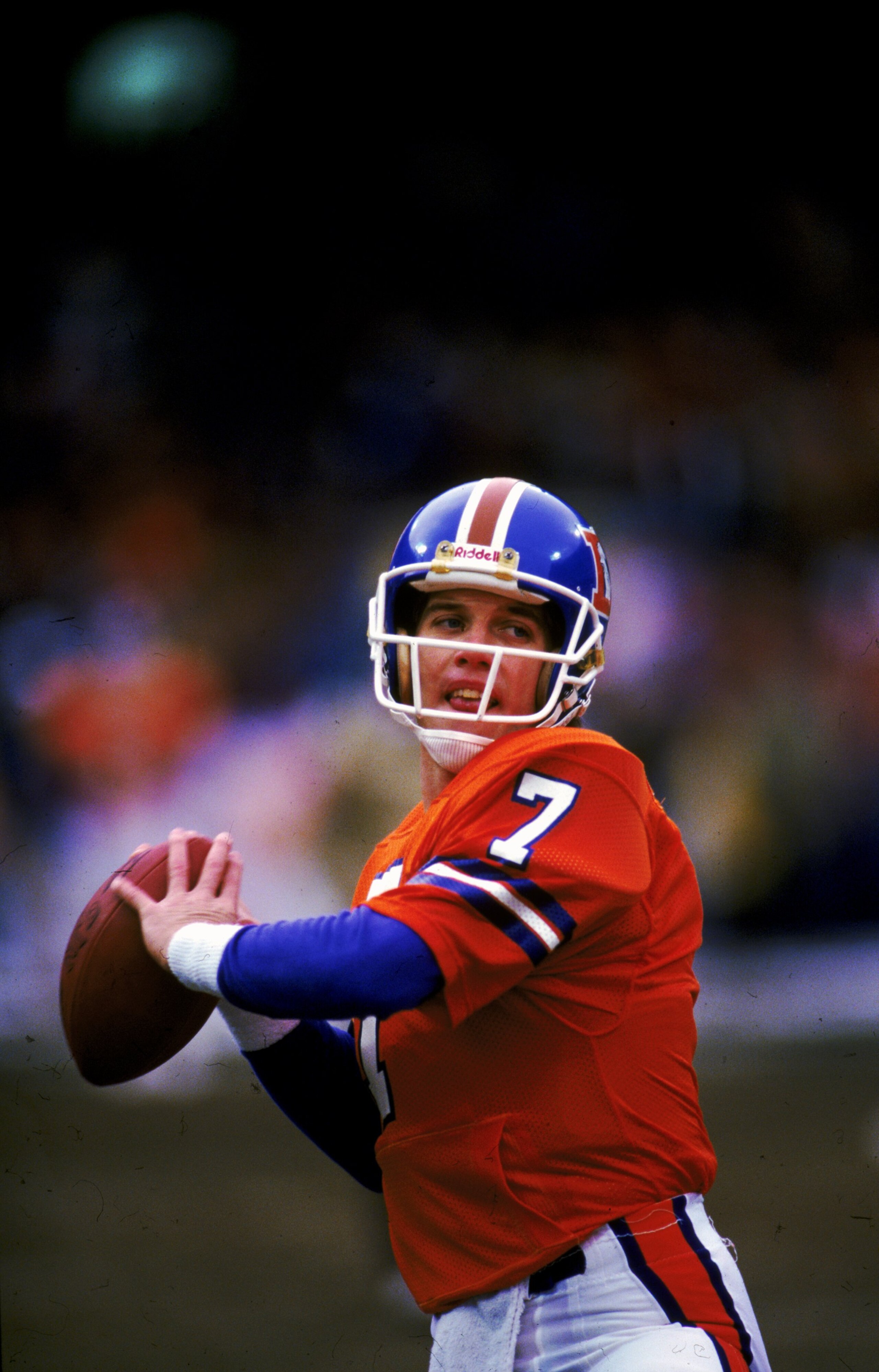
How Acquired: From Baltimore in exchange for players, picks
Tenure: 16 years
Runner-Up Selection: Signing Bill Romanowski, 1996
Like Cornelius Bennett, Elway was the property of another team so technically he was
“acquired” by the Broncos. So no explanation is needed for his value.
The Broncos runner-up was a bit more difficult to select.
His spitting and other mishaps on and off the field notwithstanding, Bill Romanowski’s contributions to the late 1990s Broncos are hard to overlook.
Coincidence or not, when he joined the team in 1996, they instantly became Super Bowl contenders and he went to pro bowls in 1996 and 1998.
.jpg?w=2560 "Commanders Eagles Football")
.jpg?w=2560 "Chiefs Dolphins Football")


.jpg?w=2560 "Grading WWE Raw 🔠")

