
Tuesday night’s 2-1 defeat at Old Trafford has likely condemned Chelsea to a trophy-less season.
Beaten in the League Cup by Newcastle, knocked out of the FA Cup by Everton and now eliminated from the Champions League thanks to goals from Javier Hernandez and Park Ji-Sung.
It’s still mathematically possible for Chelsea to win the Premier League, but it would take a miracle to overturn an 11-point deficit between them and leaders Manchester United.
Marred by injuries to key players, lackluster performances and uncharacteristic tactical insecurities from manager Carlo Ancelotti, the Blues have had a year to forget.
It’s not been a complete disaster and qualification for next season’s Champions League looks likely, but the Stamford Bridge faithful will ultimately look back on the 2010/11 campaign with regret and disappointment.
Deciding where to point the finger is difficult. Ancelotti has had a tough season and may be replaced this summer, but things like Frank Lampard’s injury troubles and Florent Malouda’s loss of form have hardly helped him.
Their narrow system has pedestrian without their starting midfield to its potential and Fernando Torres’ addition has only added further tactical complications.
Regardless of who’s to blame, Chelsea’s squad is in dire need of revitalisation. The players that dominated the league in 2009/10 are not performing to the level they once were, while others are over 30 and reaching the end of their peak years.
Regardless of whether Ancelotti stays on, this Chelsea is unbalanced and full of problems that must be addressed if the club are to improve next season.
Here are five things Chelsea should do to re-establish their supremacy.
Find Balance in Their Strikeforce
1 of 5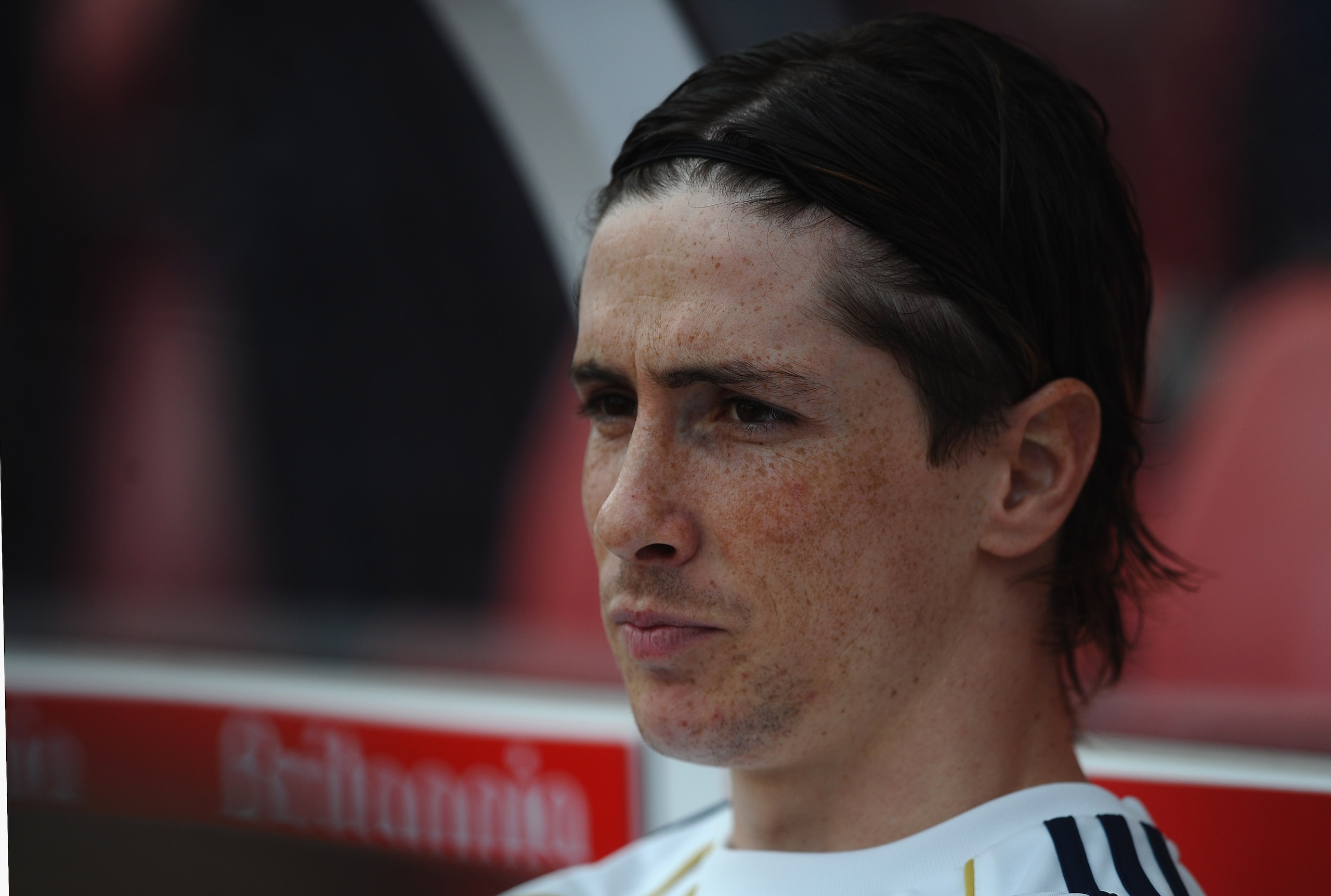
“Form is temporary, class is permanent” is one of football’s favourite clichés.
Routinely wheeled-out by journalists and pundits whenever one of the sport’s big stars is enduring tough times, there’s no doubt that this phrase is trite and overused. Unfortunately, it also describes the Fernando Torres situation perfectly.
The Spaniard’s season has been wretched and he’s still goalless in 11 Chelsea appearances. Having not been given enough time to recover after an injury-blotted 2009/10 season, Torres was overused by Spain at the World Cup and is still feeling the effects. There’s still a world-class striker inside Torres, but we’re probably not going to see it until after summer.
Torres has picked-up countless injuries, aches and pains over the past few seasons, but has never been given sufficient time to recover from any of them. He was often forced back into the Liverpool XI ahead of schedule and he’s suffering for it now. El Nino hasn’t had a full summer’s rest since 2007 and we won’t see him at his sharpest until he gets one.
Unfortunately, poor form isn’t the only problem Torres brings to the table: there’s also the fact that he just doesn’t fit with Chelsea’s tactics. It’s not that he’s “too similar” to Didier Drogba or Nicolas Anelka, it’s that the system doesn’t suit him.
At Liverpool, Torres was primarily used as a lone striker supported by Steven Gerrard. The quality of Drogba and Anelka means that he’s never going to play this role at Chelsea unless both are injured. Even if Torres were to get this chance it’s unlikely he’d shine.
His ability to exploit space created by pinpoint passes is perhaps his most impressive attribute as striker and Frank Lampard is more likely to shoot from the edge of the area than play a through-ball.
Some personnel changes are clearly in-order. Playing Anelka, Torres and Drogba in the same XI will create an imbalance in midfield and on the flanks, and none will want to spend large portions of next season on the bench. Anelka seems the player most likely to leave, but can Drogba and Torres, two forwards so adept at playing on their own, form a cohesive partnership?
If not, who do they get rid of?
Drogba, who is one of the club’s all-time best centre-forwards but isn’t getting any younger, or Torres, who’s only been at the club since January?
Sign Frank Lampard's Long-Term Successor
2 of 5
Frank Lampard is getting old.
A haul of 27 goals and 20 assists made last season the most productive of his 16-year career and he’s still one of the Premier League’s best midfielders, but Chelsea’s vice-captain turns 33 this June. There’s no getting past the fact that he’s reached his peak and the only way from here is down.
Since joining Chelsea in 2000, Lampard has developed into one of the best players of his generation and his eventual retirement will be a sore blow for the Blues.
His contribution to Chelsea’s Abramovich-era successes cannot be understated. Always among the league leaders in goals and assists, Lampard has been a virtual ever-present in Chelsea’s first XI since signing from West Ham.
You only have to look at Chelsea’s form during this, his most injury-wrought season, to realise how much the Stamford Bridge side have missed his excellent range of passing and off-the-ball midfield runs.
Although Lampard still has plenty to offer, Chelsea are going to have to find his replacement sooner rather than later. Abramovich will need to downscale his spending when UEFA’s Financial Fair Play regulations come into effect and signing a player with the quality to replace Lampard will not be cheap. It therefore makes sense for Chelsea to start looking for this player immediately.
Marek Hamsik of Napoli is the obvious choice. Though not quite as prolific as Lampard, the Slovakian’s sublime abilities as a goal-scoring playmaker mean he fits the mould perfectly. Palermo’s Javier Pastore is another option and either could easily fill the void left by Lampard, but would they be willing to play second fiddle and wait on Lampard’s retirement?
Acquire a Young Goalkeeper to Rival Petr Cech
3 of 5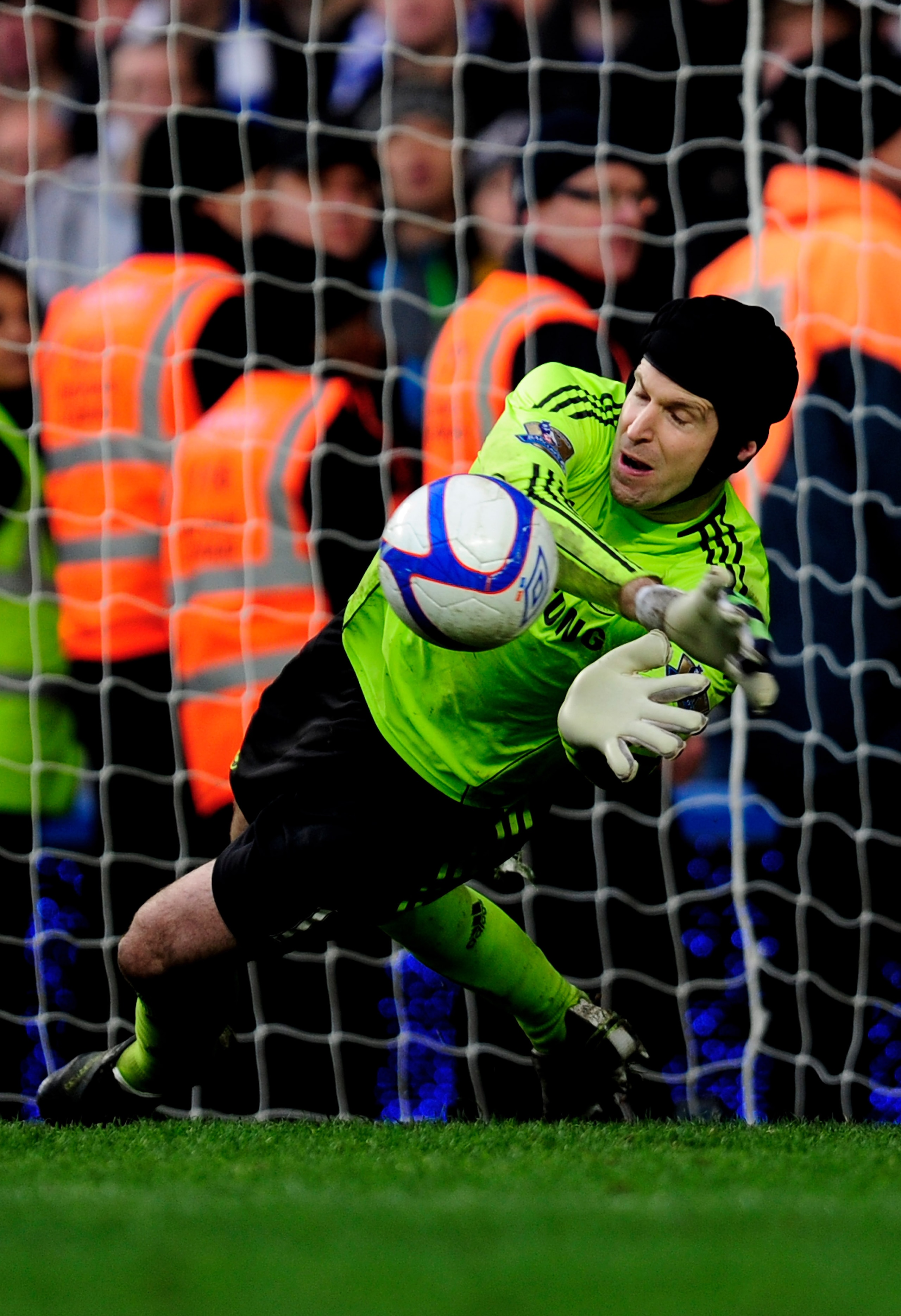
Petr Cech isn’t the player he used to be. An unfortunate collision with Reading’s Stephen Hunt in an October 2006 left Cech with a fractured skull and has forced him to wear a protective headguard every time he’s played since.
His injury only kept him out of action for three months but his performances have diminished considerably since the accident and he may never reach the standards he set early in his Chelsea career.
The injury didn’t turn Cech into a bad ‘keeper, but his performances have definitely lost something. Once an outstanding goalie with exceptional reflexes and several highlight reels worth of astonishing saves, Cech has lost the spark that made him one of the world’s best goalkeepers.
He’s still a very good player and one of the Premier League’s best in his position, but Cech just doesn’t make those spectacular reflex saves with the same regularity as he used to.
The Petr Cech of 2011 is a less confident ‘keeper than the player of 2006: one who is reticent to dive at the feet of incoming strikers or rush from his line to claim a high ball. Though Cech is still a solid goalie who rarely makes mistakes, Chelsea could really do with the Cech of old between the sticks.
One way to provoke an improvement in the Czech international is to increase competition for his position. Hilario and Ross Turnbull are able deputies but both lack the ability to challenge Cech for the #1 jersey in the long run.
Signing a young, hungry goalkeeper with first-team ambitions to keep Cech on his toes can only be beneficial for Chelsea Football Club.


Add Width to the Side
4 of 5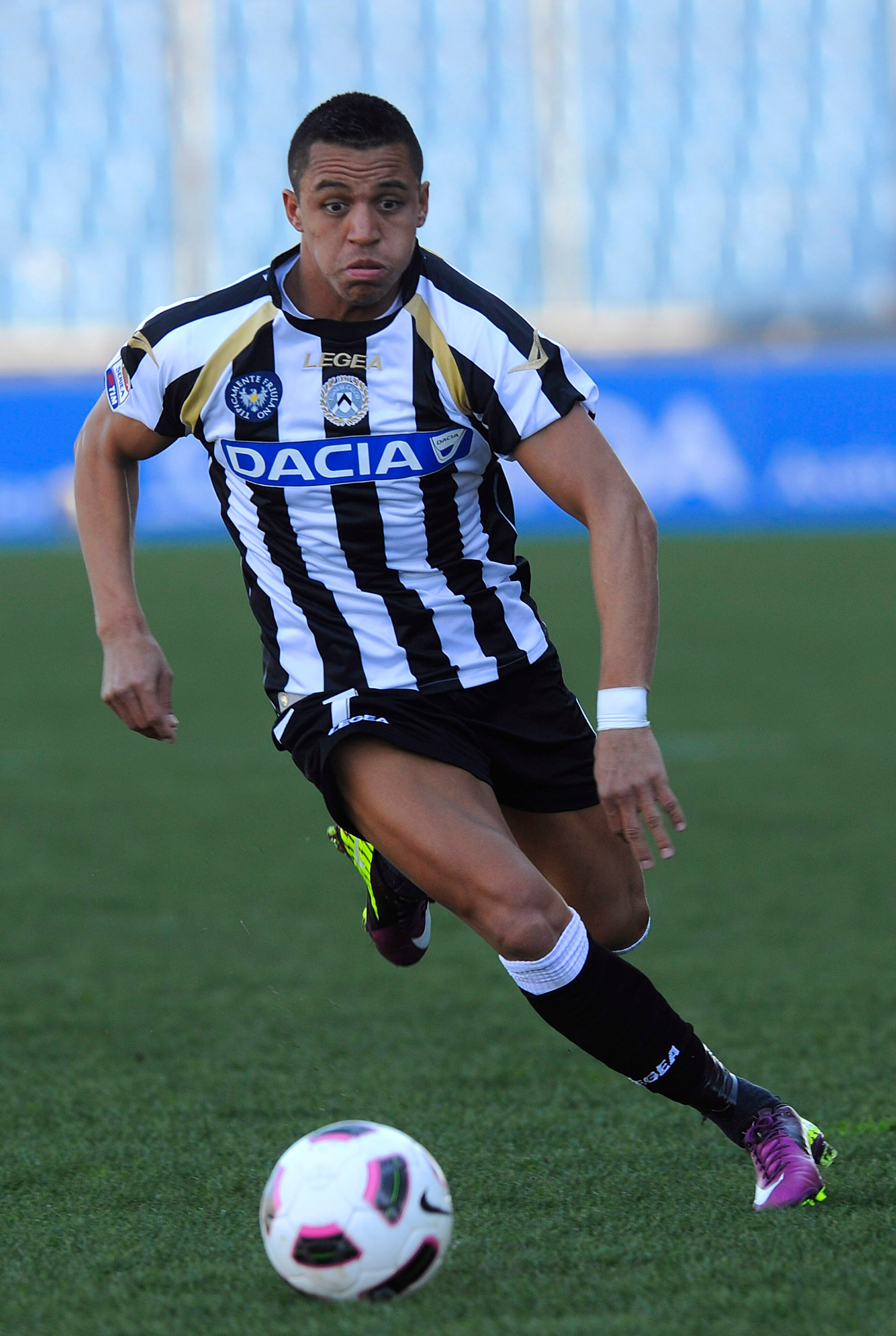
Chelsea’s lack of quality in wide positions has been a huge reason as to why they’ve underachieved they’ve season.
Though Ancelotti’s diamond midfield served them well last season, Chelsea’s system has often looked flat and one-dimensional this year. This is partly down to Florent Malouda’s loss of form and Yossi Benayoun’s injury, but Chelsea must address their chronic lack of width this summer or they risk falling even further behind Man United and Arsenal.
Ancelotti’s favoured 4-4-2 diamond system is designed to boss the centre of the park. Having four central midfielders gives the team a numerical advantage in midfield against most teams, thus simplifying ball-retention and passing triangles.
Having the likes of Michael Essien, John Obi Mikel and Ramires supporting Lampard gives the attacking midfielder a licence to roam and express himself, which often makes for exciting, aesthetically pleasing football.
Its major flaw comes from the lack of wingers.
Such a narrow formation is open to exploitation from teams possessing quality wide players and Premier League sides are beginning to find this out. Chelsea’s system is still effective enough to boss lesser teams, but their attacks could be devastating if they had the right wingers to compliment Ashley Cole and Jose Bosingwa’s forward runs.
Adding width would let Chelsea stretch play against teams they can’t dominate possession against, thus giving them a faster, less predictable attack.
Udinese’s Chilean winger, Alexis Sanchez, is the perfect man for the job. With pace to burn and the ability to cut inside and dribble into the opposition’s box, Sanchez is an exciting talent who will be in high-demand this summer, but he is exactly the kind of player Abramovich and Ancelotti should be looking at to diversify Chelsea’s squad.
Give Youth a Chance
5 of 5
When was the last time a young player from Chelsea’s youth academy was given the opportunity to establish himself in the first team? John Terry is the only player in Chelsea’s XI who can be accurately described as a product of the Chelsea youth system and his breakthrough came over a decade ago.
Abramovich’s success has brought many top class players to Stamford Bridge. Multi-million pound signings like Dider Drogba and Michael Essien have helped the club prosper and with these players they wouldn’t have enjoyed such great success since the Russian’s takeover.
Unfortunately, the influx of these big money first-team players has effectively strangled the club’s youth system. This is something that’s clearly worth addressing.
Man United’s squad is peppered with former academy players, while Arsenal’s side is mostly comprised of players brought to the club when they were teenagers. Kenny Dalglish’s Liverpool have started to blood the likes of Martin Kelly and Jay Spearing into their team.
The benefits of developing young players are immense, and particularly pertinent with UEFA’s Financial Fair Play regulations looming. Chelsea could save massive sums by investing in youth development and focusing their scouting efforts on young players. You only need to look at Arsenal’s net transfer expenditure of -£10,850,000 over the past four seasons to see the advantage such a philosophy brings.
Jay McEachran has impressed in his fleeting Chelsea appearances this season and Gael Kakuta has shown flashes of brilliance despite his obvious rawness.
These players can occupy important Chelsea roles in the future if their development continues, and it’s exactly this type of player that Chelsea should be looking at to build their future.


.png?w=2560 "Week 8 Winners & Losers 📊")



.jpg?w=2560 "Jonathan Taylor Landing Spots")