
2011 MLB Predictions: Forecasting the "All-Bust" Team, Position by Position
Every year there are players that come into the season with lots of hype. However, there are some that fail to produce at the level that is expected of them.
It is important to note that, for the sake of this piece, a bust is considered someone who will significantly under-perform based on what is expected from him. The expectations will be based on performance last season, Bill James' projections and career numbers.
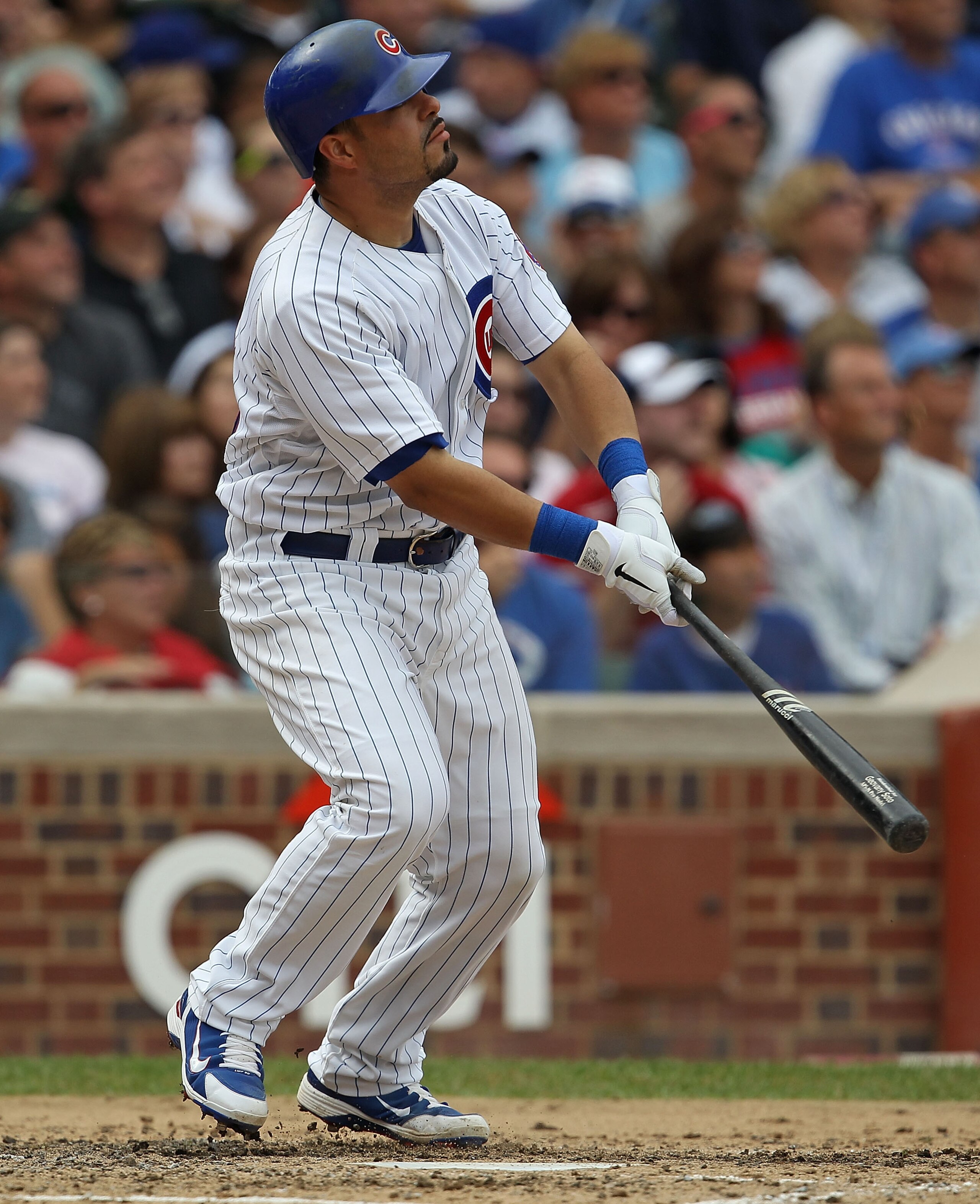
Catcher: Geovany Soto
1 of 17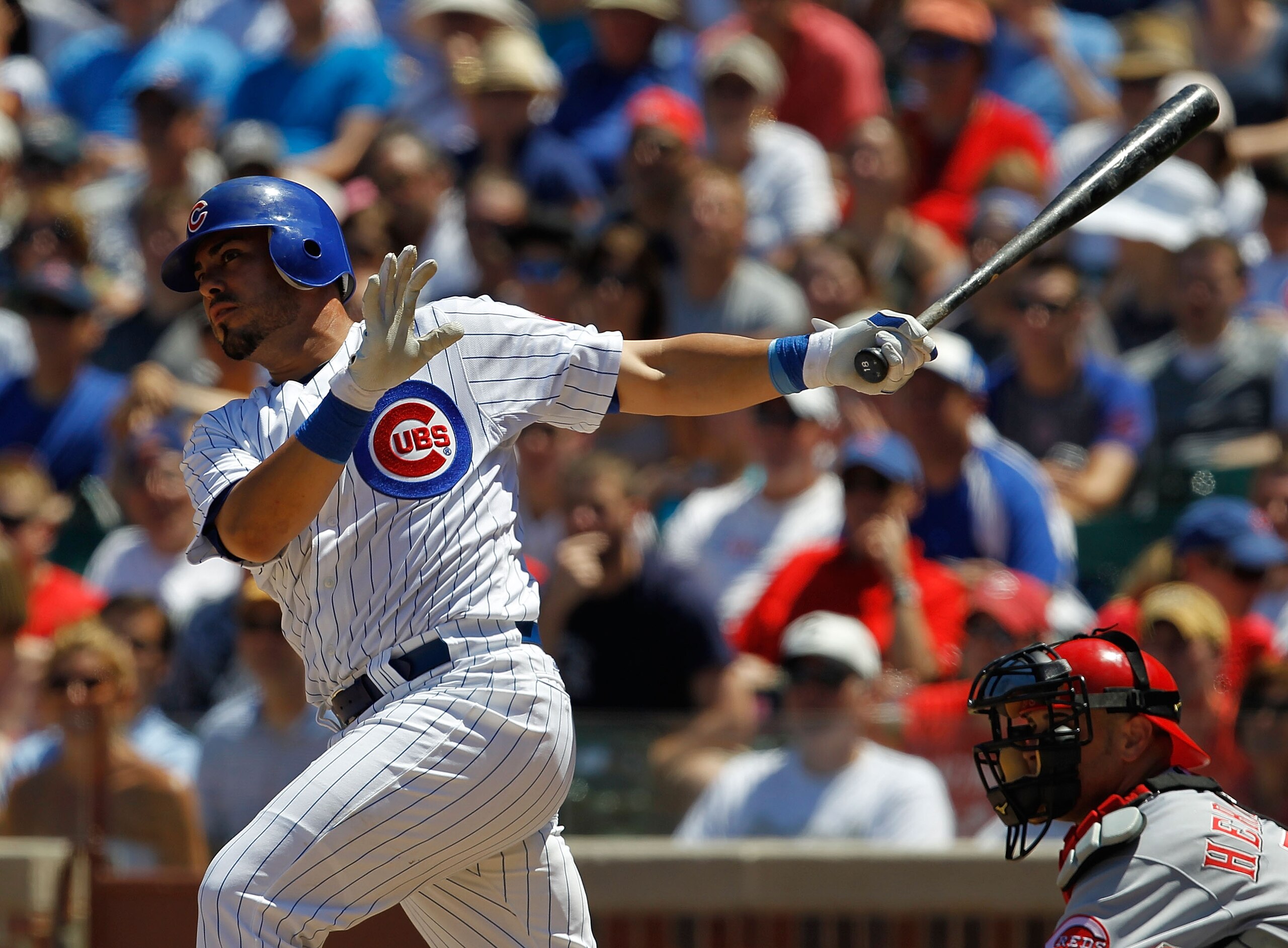
It's not that Soto won't have a good year for a catcher, but the problem is there are very high expectations for him. Bill James predicts that he will bat .276 and hit 20 home runs. Soto had a sophomore slump in 2009, but he put up solid numbers last season.
Soto does own a career 24.4 percent strikeout rate, which is a bit of an issue. He will not have much protection in the lineup, as clubs will look to challenge all of the Cubs hitters next season. Expect Soto to have a decent year, hitting .255 with 12 to 14 home runs.
First Base: Derrek Lee
2 of 17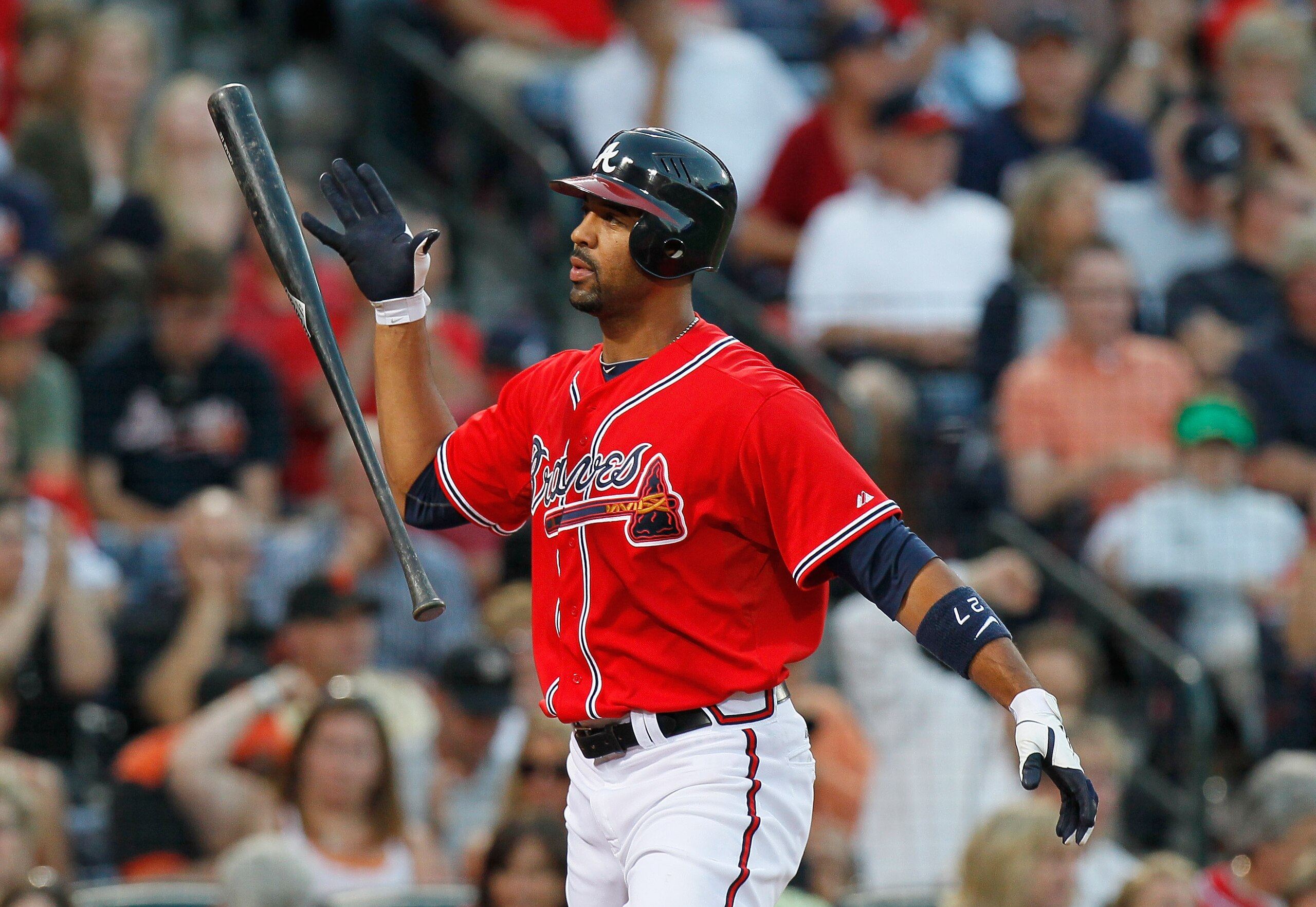
Lee will be facing some of the toughest competition in his life in the AL East. Having to compete against the Rays, Yankees and Red Sox pitchers will limit Lee's production.
Bill James expects Lee to post a .197 ISO and drive in 84 runs. These are increases from last year, and it is hard to see this with Lee changing leagues.
Second Base: Rickie Weeks
3 of 17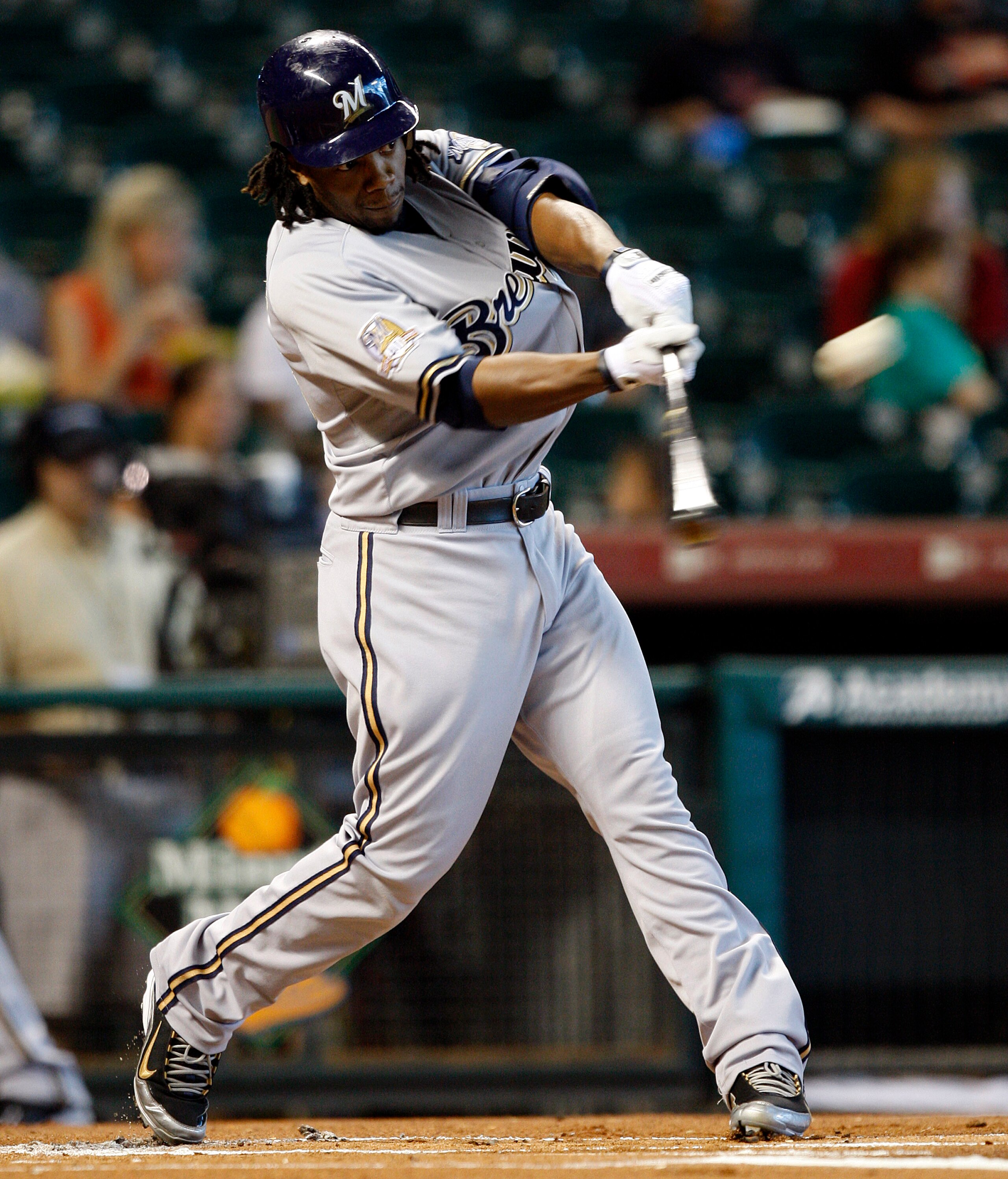
Weeks had a career year last year, hitting 29 home runs and scoring 112 times. This season, he is projected to hit 21 home runs. It is hard to see Weeks reaching that number based on the rest of his career. His previous career high was 16 home runs.
Weeks is also a player that boasts a high career strikeout rate. He strikes out in 26.9 percent of his at-bats. This is something that may hold him back this season.


Shortstop: Derek Jeter
4 of 17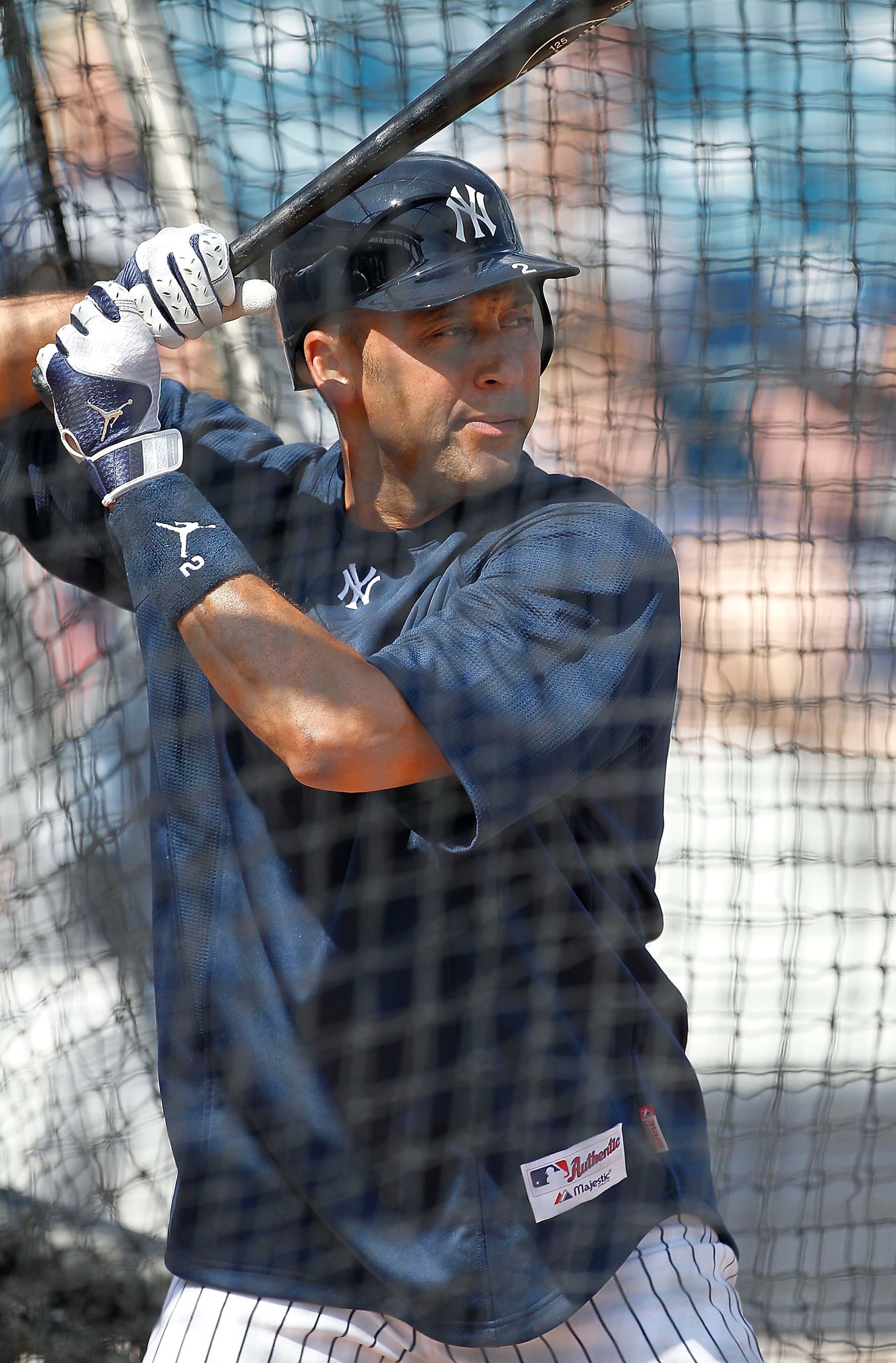
The Captain is getting older and he started to show signs of declining last season. Jeter will be 37 during the season.
Jeter is projected to hit 13 home runs this season just one year after hitting 10. Jeter is also expected to hit .295. While this might have been possible two years ago, it is hard to see this from Jeter this year. Also, his range has decreased, and he is not as good in the field.
Third Base: Michael Young
5 of 17
Players tend to struggle when they are unhappy. Young wants out of Texas, but he may not be traded. This will certainly impact his performance. If he is traded, it will also hurt that he is leaving Rangers Ballpark.
Young has hit 20-plus home runs each of the past two years. It is unlikely that he will be able to repeat that. Also, don't be surprised to see the 34-year-old's batting average drop into the .270s.
Right Field: Jayson Werth
6 of 17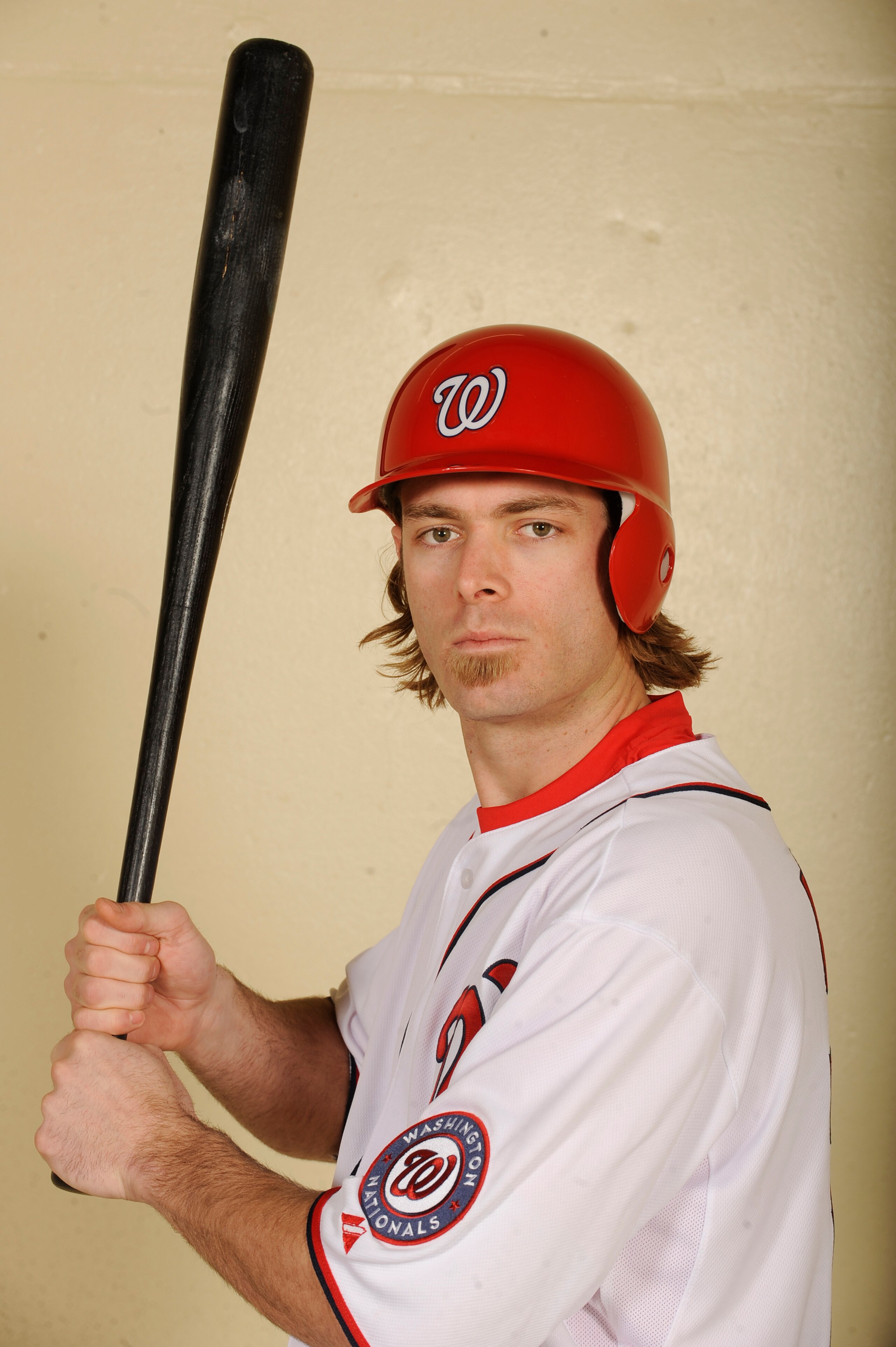
Werth has a lot of hype and expectations surrounding him after the big contract he signed this offseason. This is a lot of pressure. In addition, he is moving from a bandbox in Philadelphia to a large, pitcher-friendly stadium in Washington.
Part of Werth's success last year was fueled by his career-high .352 BABIP. This number should be expected to drop next season. Werth should see a decent-sized decline in home runs and RBI next season and potentially in batting average as well.
Center Field: Matt Kemp
7 of 17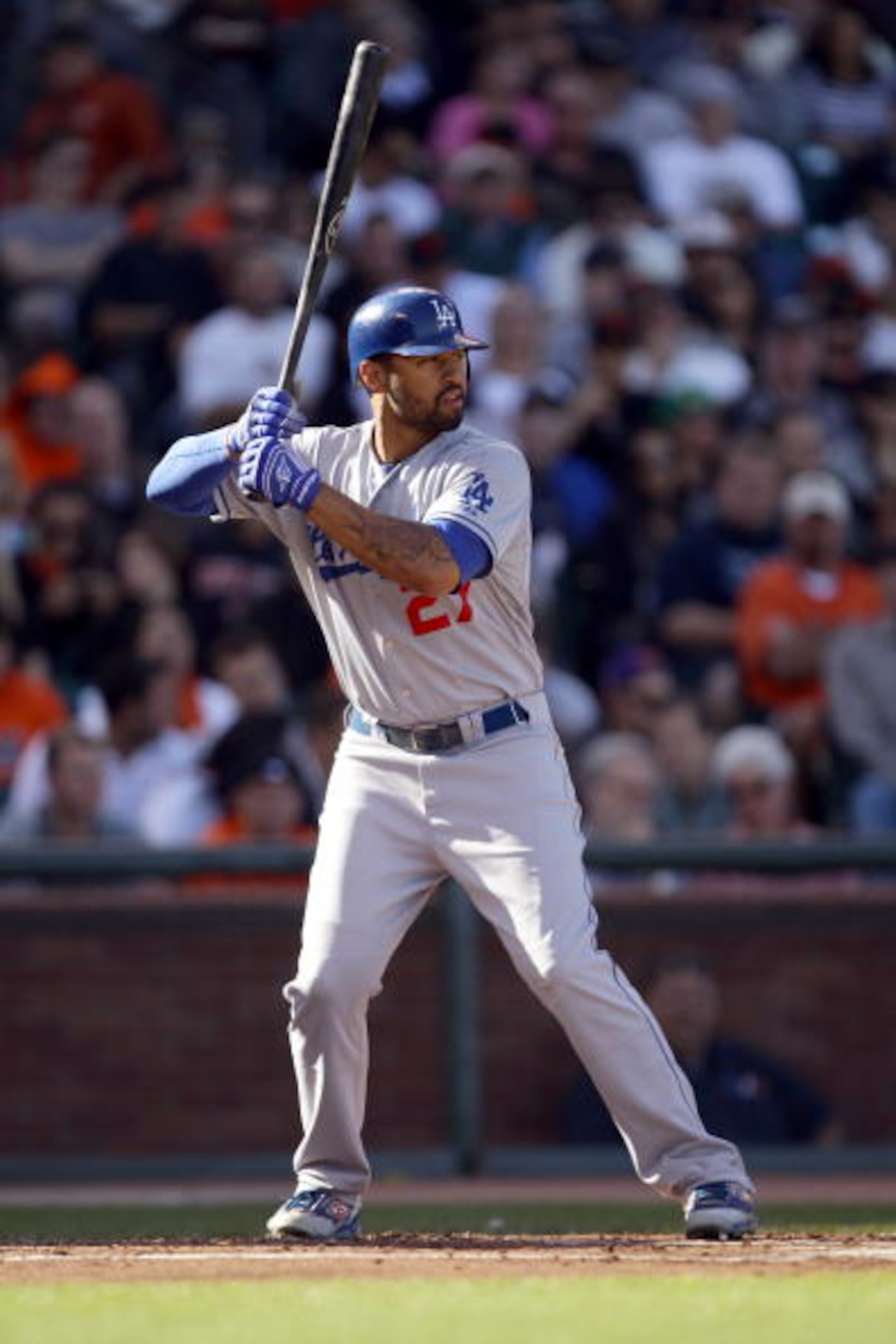
Kemp has had a lot of struggles with fastballs over the past two years. This was detailed in an article on FanGraphs. Even with these issues, Kemp managed to hit a career-high 28 home runs last season.
However, if these struggles continue, it is hard to see Kemp continuing to produce these numbers. Pitchers know how to beat him. Kemp may even struggle to reach 20 home runs.
Left Field: Alex Gordon
8 of 17
There was so much hype surrounding Gordon after his strong rookie season. He had a solid performance again his sophomore season. Then the struggles began. Gordon moved from third base to left field, as he no longer had a starting spot at the hot corner.
Bill James projects Gordon to hit 19 home runs this season. This is a lot for a player who has only hit 14 major league home runs in 123 games over the past two years.
Designated Hitter: Hideki Matsui
9 of 17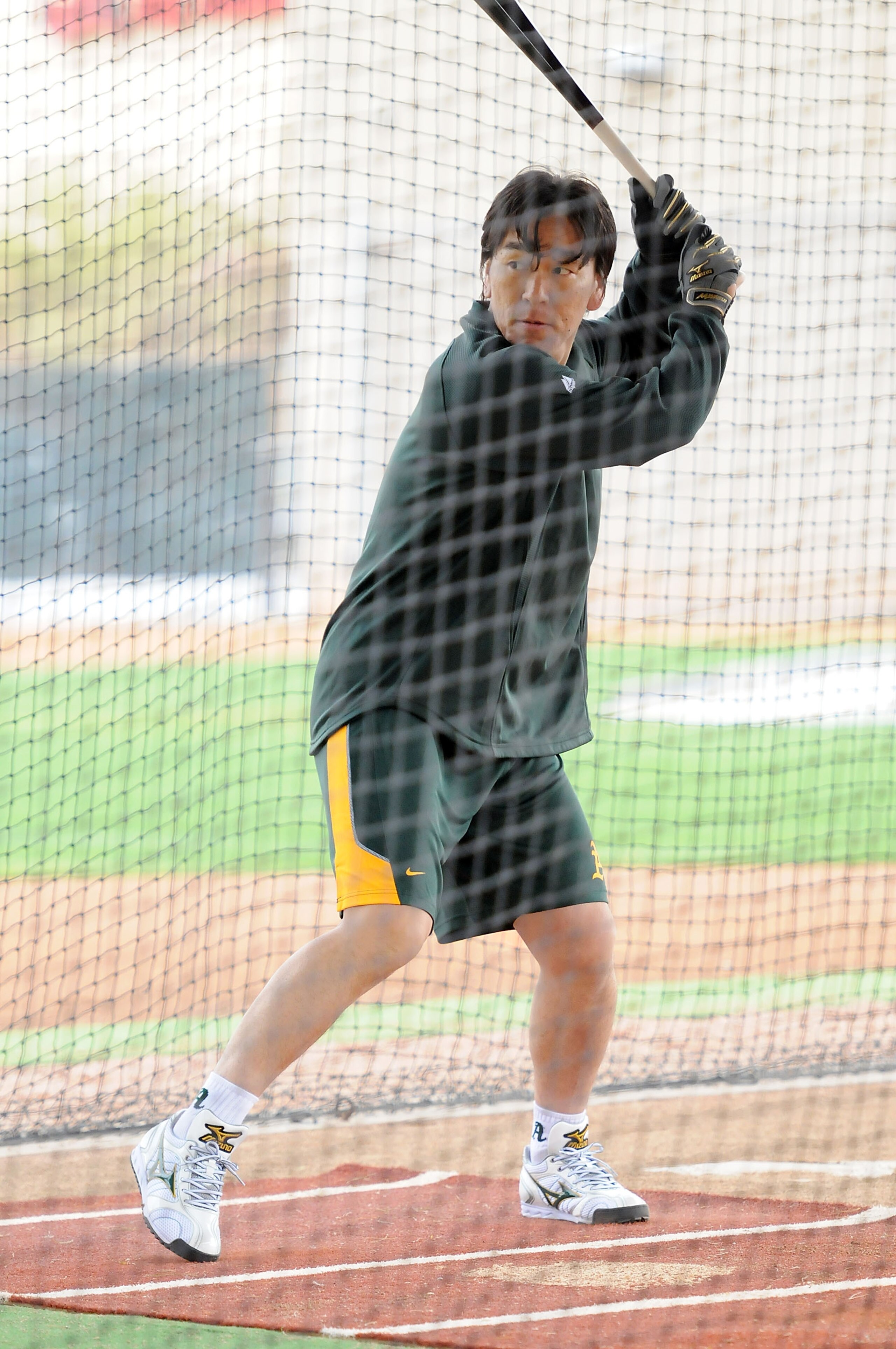
The Athletics may be a bit disappointed with the performance they get from Hideki Matsui this season. There is a strong chance that for the first time since his rookie year in 2003, Matsui will fail to hit at least 20 home runs.
Matsui is yet another player who is starting to get up there in age. A drop in his performance should be expected. After posting a 1.9 WAR season last year, it would not be surprising to see Matsui post something closer to a 1.2 WAR season this year.
No. 1 Starter: Matt Cain
10 of 17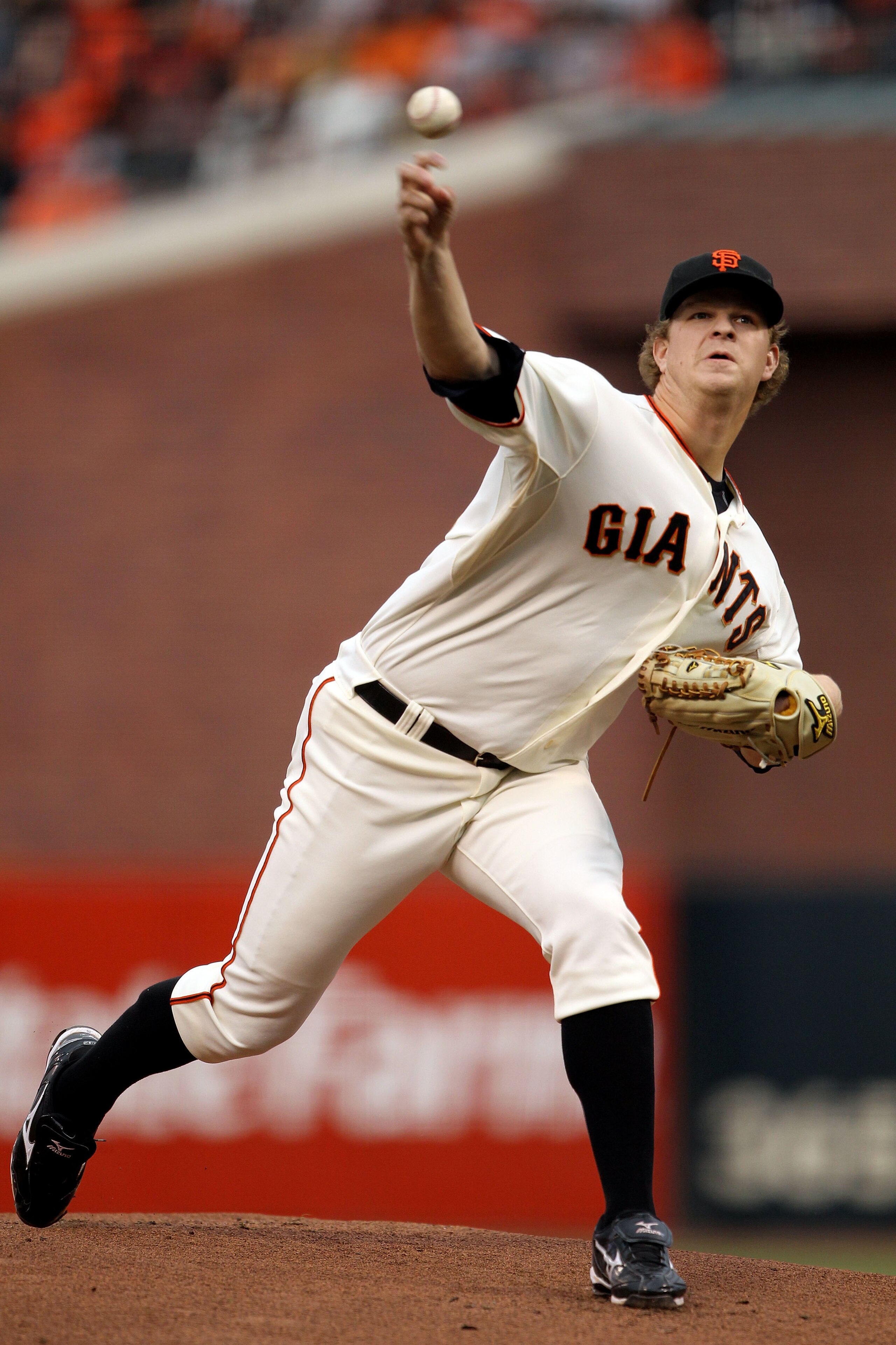
Cain will likely have an average year this year, but that is not what is expected from him. Last season, even though Cain posted a 3.14 ERA, he had a 4.19 xFIP. This shows that Cain got lucky last season and is due for some regression.
Cain will likely win close to 10 games this season, and it would not be surprising to see him have an ERA near 3.75.
No. 2 Starter: Clay Buchholz
11 of 17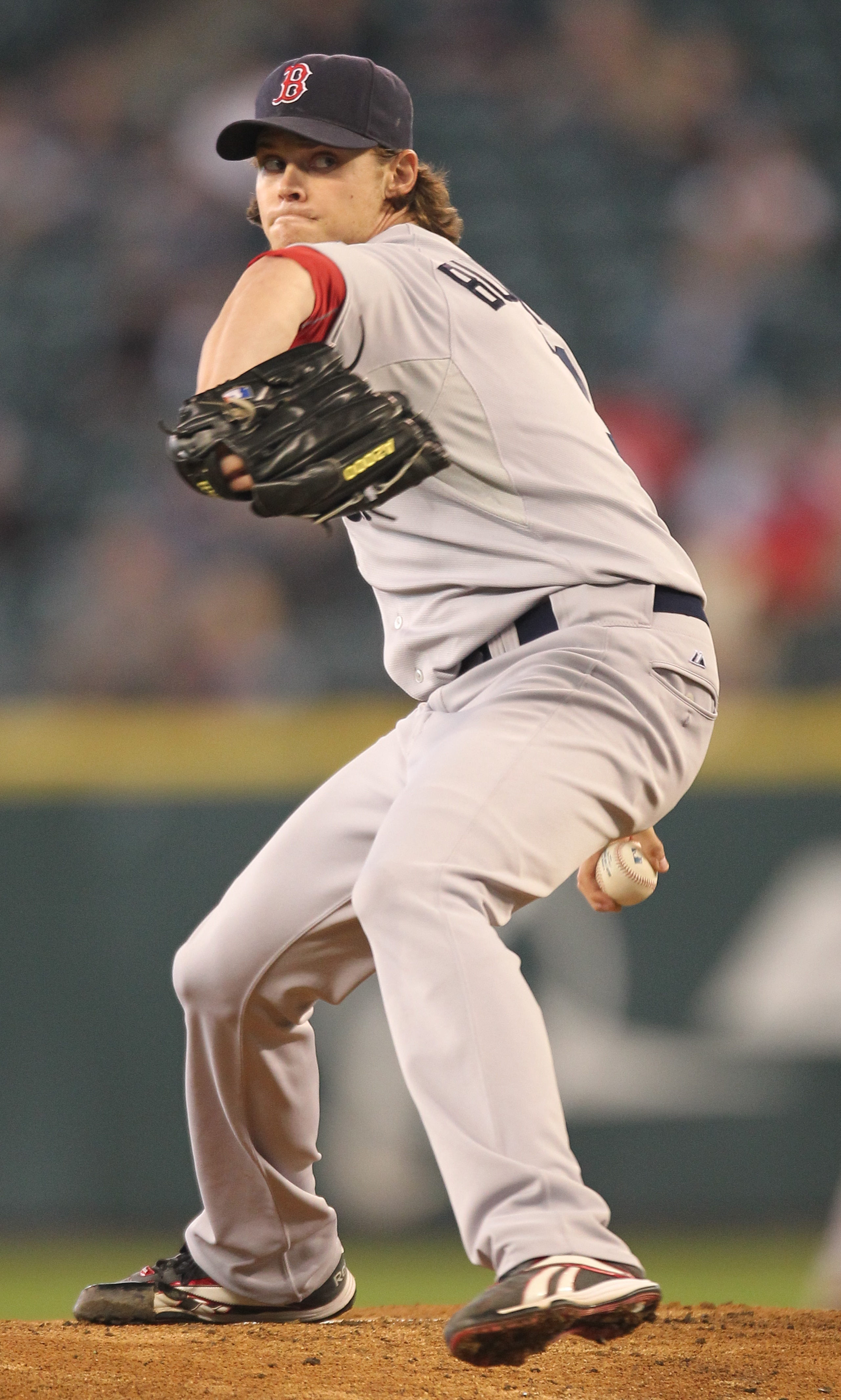
Buchholz had an outstanding year, winning 17 games last season. However, don't expect the same from him this year. He is another pitcher who significantly outperformed his ERA last year.
Buchholz had a 2.33 ERA but also had a 3.61 FIP and 4.20 xFIP. His ERA will rise above 3.25 next season, and he may only win as many as 13 games.
No. 3 Starter: Jaime Garcia
12 of 17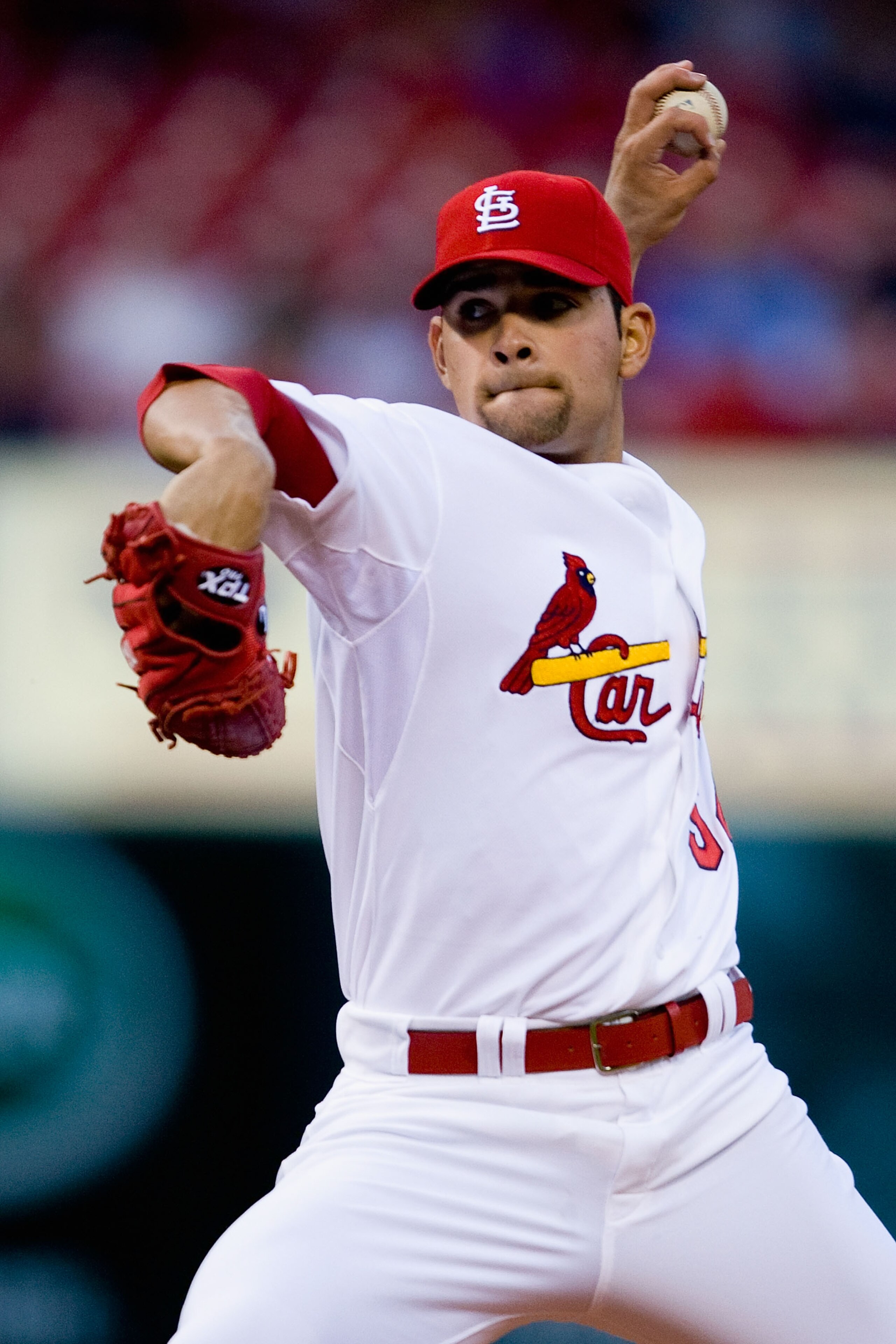
Garcia had an outstanding rookie season. He won 13 games, posted a 2.70 ERA and finished third in NL Rookie of the Year voting. However, Garcia also had a 3.73 xFIP last season.
Garcia's WHIP was also fairly high last season. He cannot sustain a 1.32 WHIP and continue to have an ERA under three. Garcia will regress this season and will not be able to repeat his performance from last year.
No. 4 Starter: Tim Hudson
13 of 17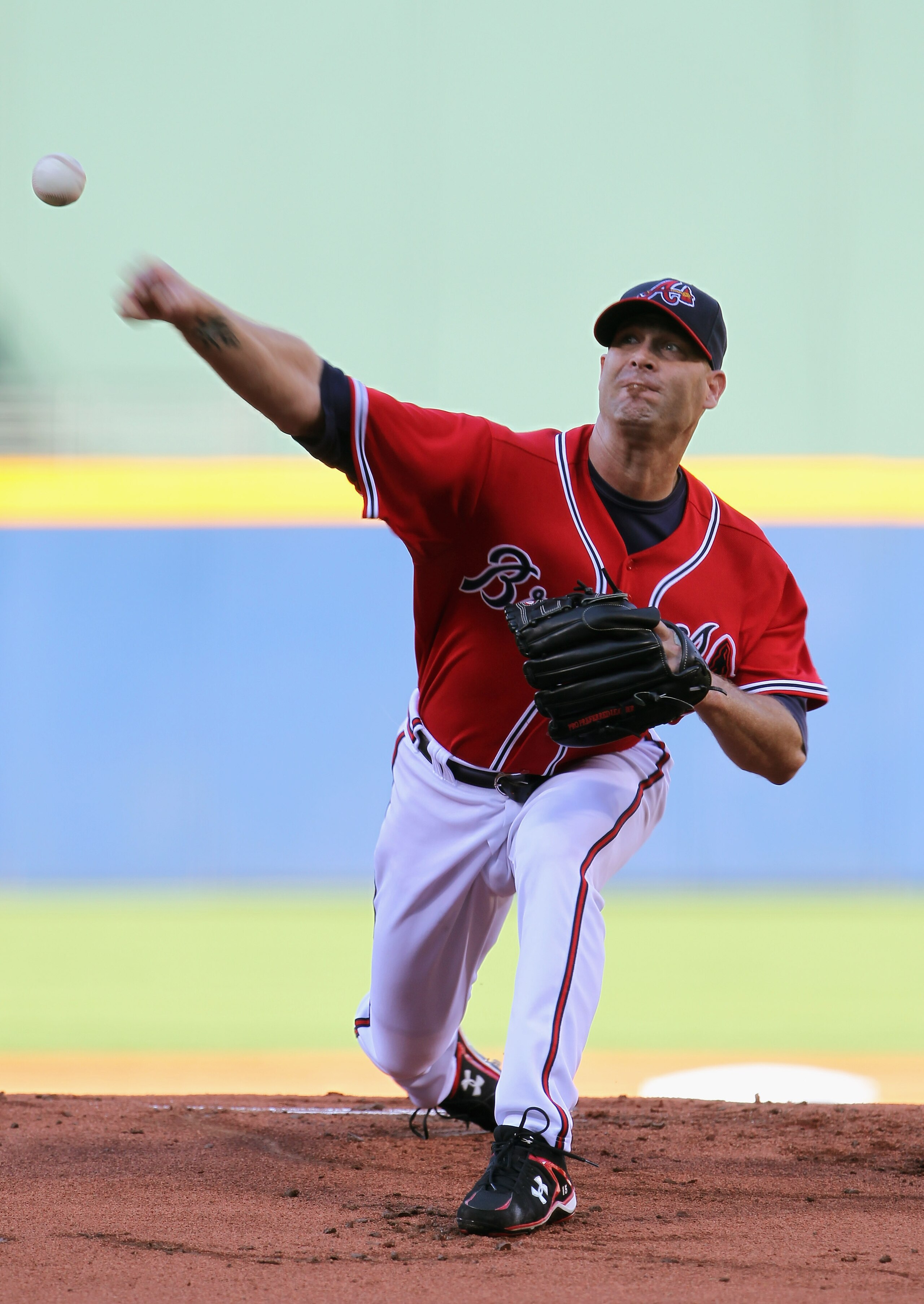
Hudson was very impressive last season. He won 17 games and had a 2.83 ERA. However, when taking a closer look at his statistics, it is hard to see him performing this well during the 2011 season.
Hudson held hitters to a low .249 BABIP last season. This will be a difficult number to sustain. Hudson also got lucky last year. He stranded 81.2 percent of baserunners, which is seven percent higher than his career average. Hudson will be an average pitcher this season.
No. 5 Starter: Trevor Cahill
14 of 17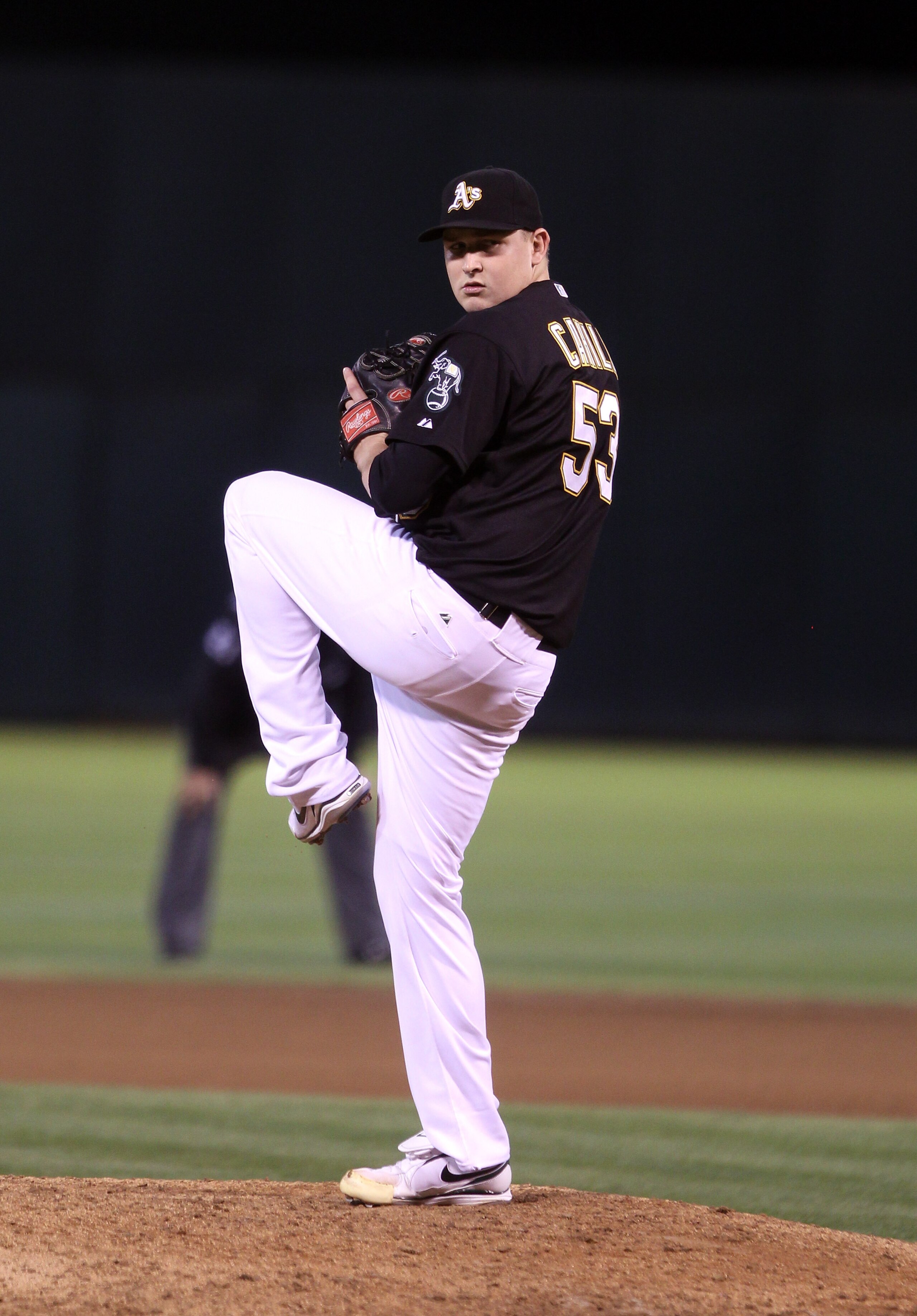
The 2010 All-Star was fourth in the AL in both wins with 18 and ERA at 2.97. Cahill also finished ninth in the AL Cy Young voting. While it was a great year for the second-year starter, he will be hard pressed to repeat it.
Cahill benefited from having a .236 BABIP. His other peripherals seem to indicate that he may struggle this season. Cahill had a 4.19 FIP and a 4.11 xFIP. There is a fair chance that in 2011 we see a performance more like Cahill's rookie year than the one we saw from him last season.
Reliever: Joba Chamberlain
15 of 17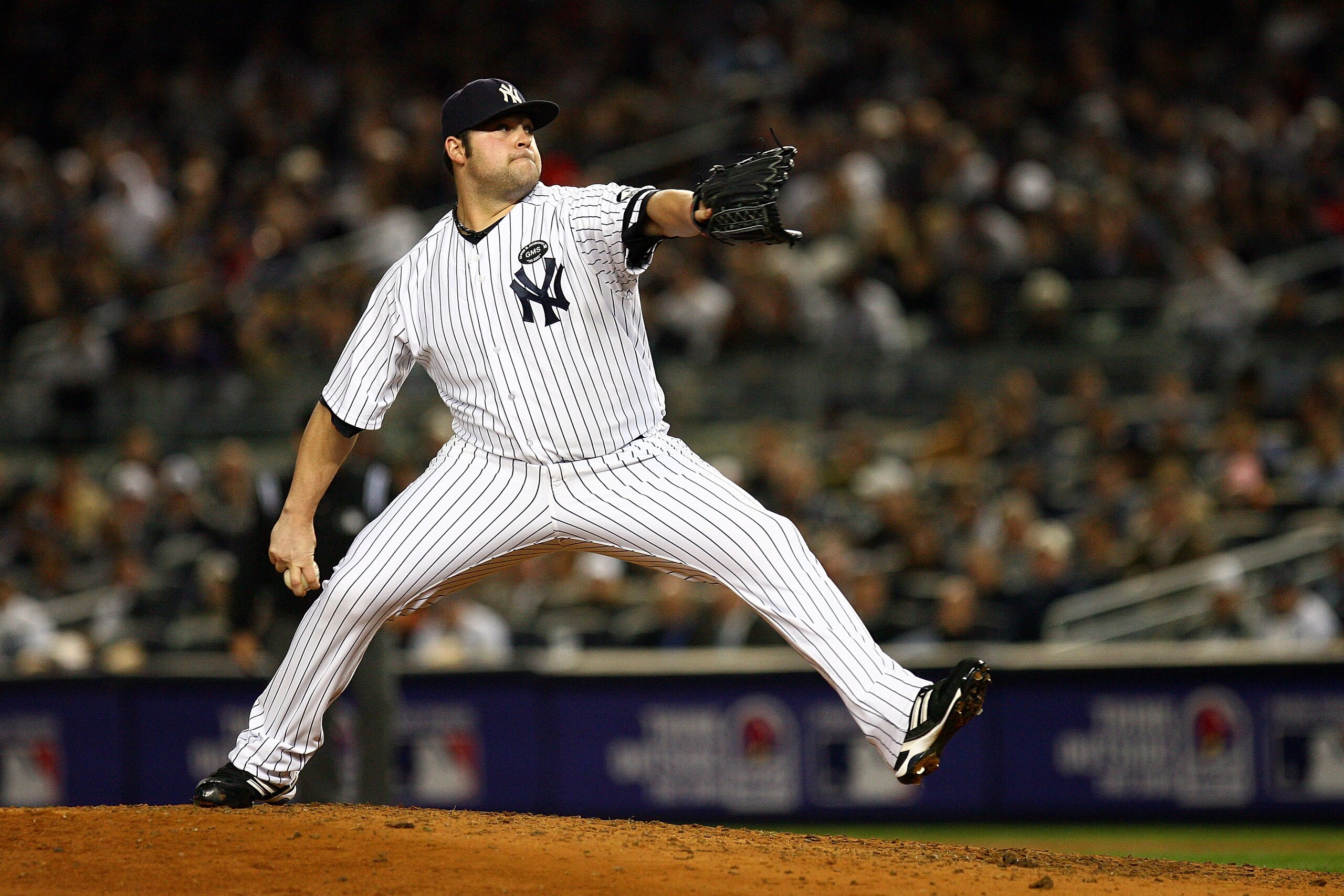
Yankee fans were ready to anoint Chamberlain the next Mariano Rivera after the 2007 season, during which he posted a 0.37 ERA in 24 innings. However, things have not gone well for Chamberlain since then.
Chamberlain showed up to spring training overweight this year. There has been talk that he may not even break camp with the major league team. If this happens and he toils in the minors for a few months, Chamberlain could be the biggest bust in the majors this year.
Setup Man: Daniel Bard
16 of 17
Bard pitched way over his head last season. His 1.93 ERA is impressive on the surface, but when taking a deeper look, it appears that Bard will be headed towards some struggles next season.
Hitters had just a .215 BABIP against Bard last season. The average BABIP for a pitcher tends to be between .290 and .300. It is likely that Bard will regress towards these numbers next season.
He also benefited from leaving 86.0 percent of runners on base last season. This again is a high number. Bard's ERA will be close to 3.00 next season, and he will not appear as dominant as he was in 2010.
Closer: Chris Perez
17 of 17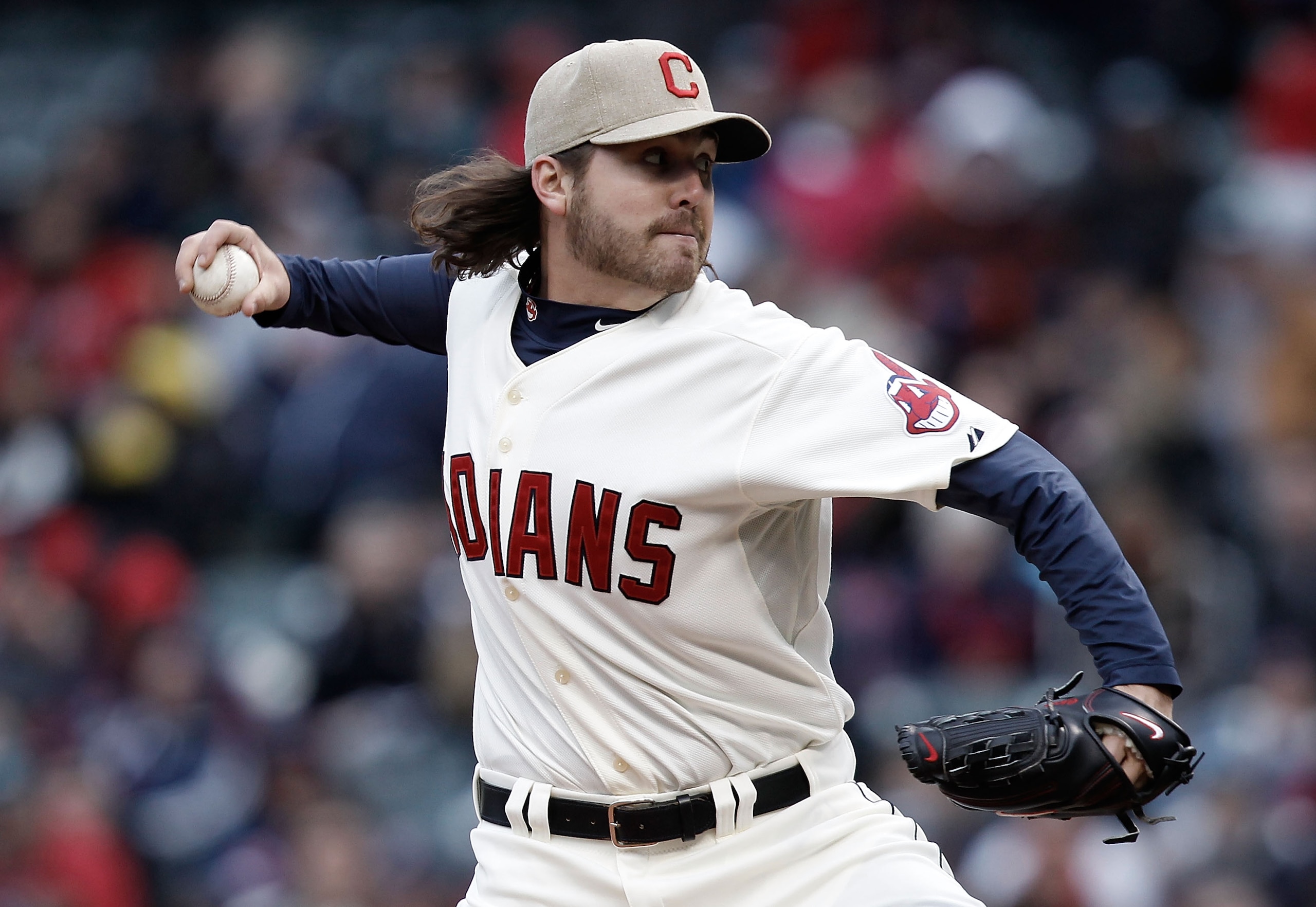
Perez had what was by far his best season in the majors last year. He had a 1.71 ERA and 23 saves. However, these numbers are deceiving.
Perez had a 3.54 FIP and a 4.30 xFIP. He also stranded 86.1 percent of baserunners. In addition, Perez saw his strikeout rate drop from 10.7 in 2009 to 8.7 in 2010.
While Perez will rack up some saves next year, he will see his ERA be much closer to his career average of 3.06. It is even possible that he could lose the job altogether.



.jpg?w=2560 "Raiders Could Start Mendoza")

.jpg?w=2560 "Rodgers Iced Out on Plane 💎")

.jpg?w=2560 "Packers Safety Slams Refs 🤬")

.jpg?w=2560 "🚨 Week 8 AP Top 25 Poll")
