
NFL Scouting Combine: Identifying The Packers Prospects at Each Position Of Need
Prospects the Green Bay Packers Might Target to Fill Needs at the NFL Scouting Combine
With the NFL Scouting Combine upon us this week, it's time for the Green Bay Packers to start really identifying prospects they may draft in April.
Certainly, like all NFL general managers this week, Packers GM Ted Thompson will have a busy couple of days in Indianapolis.
He'll be watching workouts and interviewing prospects in hopes of solidifying the Packers board for April's NFL draft.
Despite Thompson's reputation for being unpredictable, let's take a look at some of the prospects at the combine the Packers might be targeting.
Quick Disclaimer
1 of 29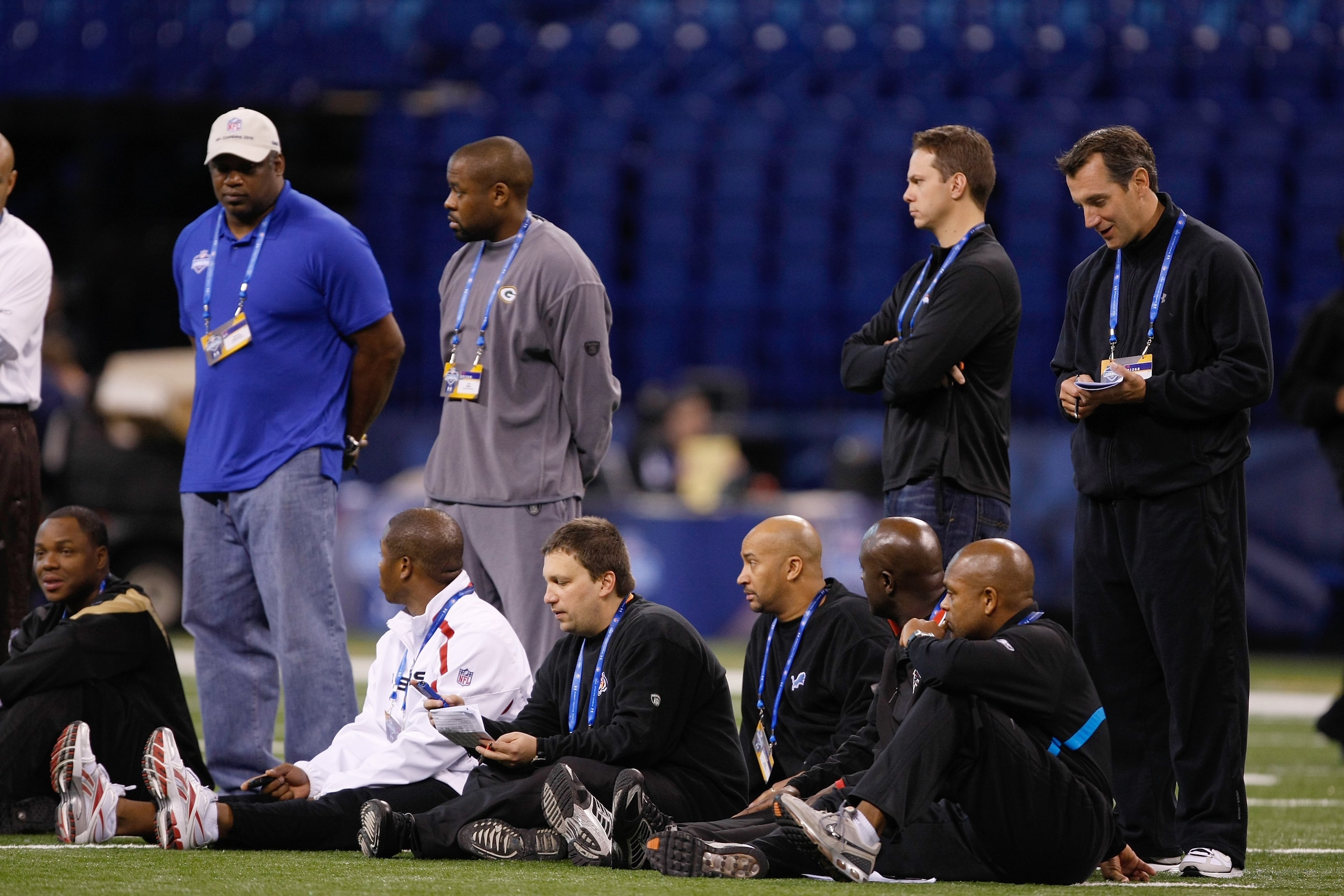
I want to warn you right away: This is an exhaustive look at some of the prospects invited to the combine.
However, that's the way I wanted it.
I didn't want this to become just another mock draft—I want to give Green Bay Packers fans the information they need to form their own opinions on what position to draft, where to draft it and who might be available in those slots.
With this information, Packers fans should have a better feel for the draft and how they'd like to see Green Bay go about the process.
Without further ado, let's get to the prospects. The foundations of the next Packers championship might be found in the following slides.
Outside Linebacker: Why It's a Potential Need
2 of 29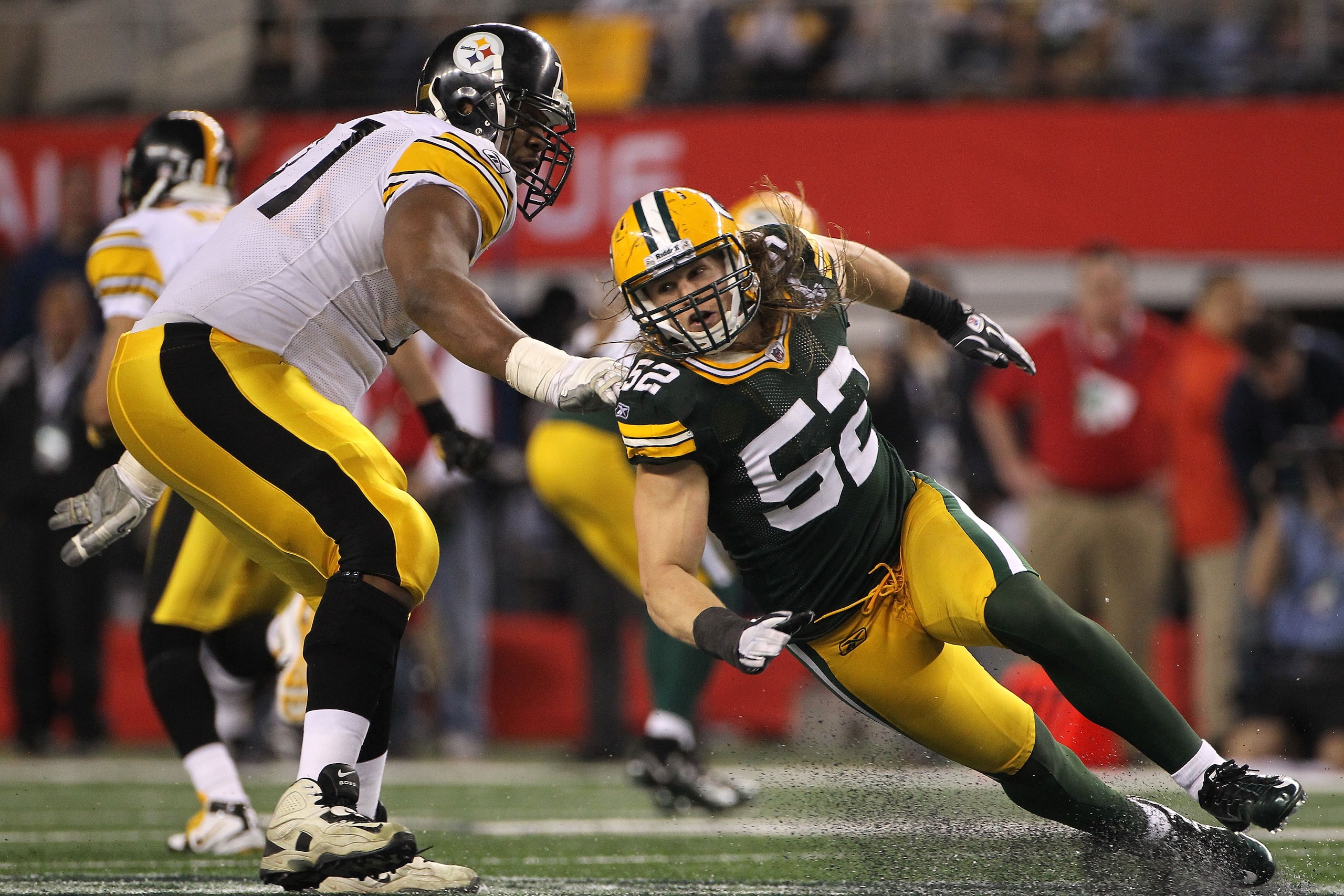
To be fair to the Packers' outside linebackers already on the roster, it's hard to call this a position of "need."
All-Pro Clay Matthews holds down one side (17 total sacks in 2010), and the combination of Frank Zombo and Erik Walden—both of whom should be back next season—tallied nine sacks opposite Matthews.
While Walden and Zombo were both contributing parts to a Super Bowl champion defense, the outside linebacker position in a 3-4 demands a playmaker at both spots.
Walden and Zombo might have the potential to be that player, but there's always room for competition and adding talent to the linebacking pool.
And for those who think they can't find an impact rusher without having a top 10 pick, the Packers found Matthews with the 26th overall pick in 2009.
Finding another Matthews-caliber rusher would make the Packers defense a scary bunch.
OLB: First Round (No. 32) Prospects
3 of 29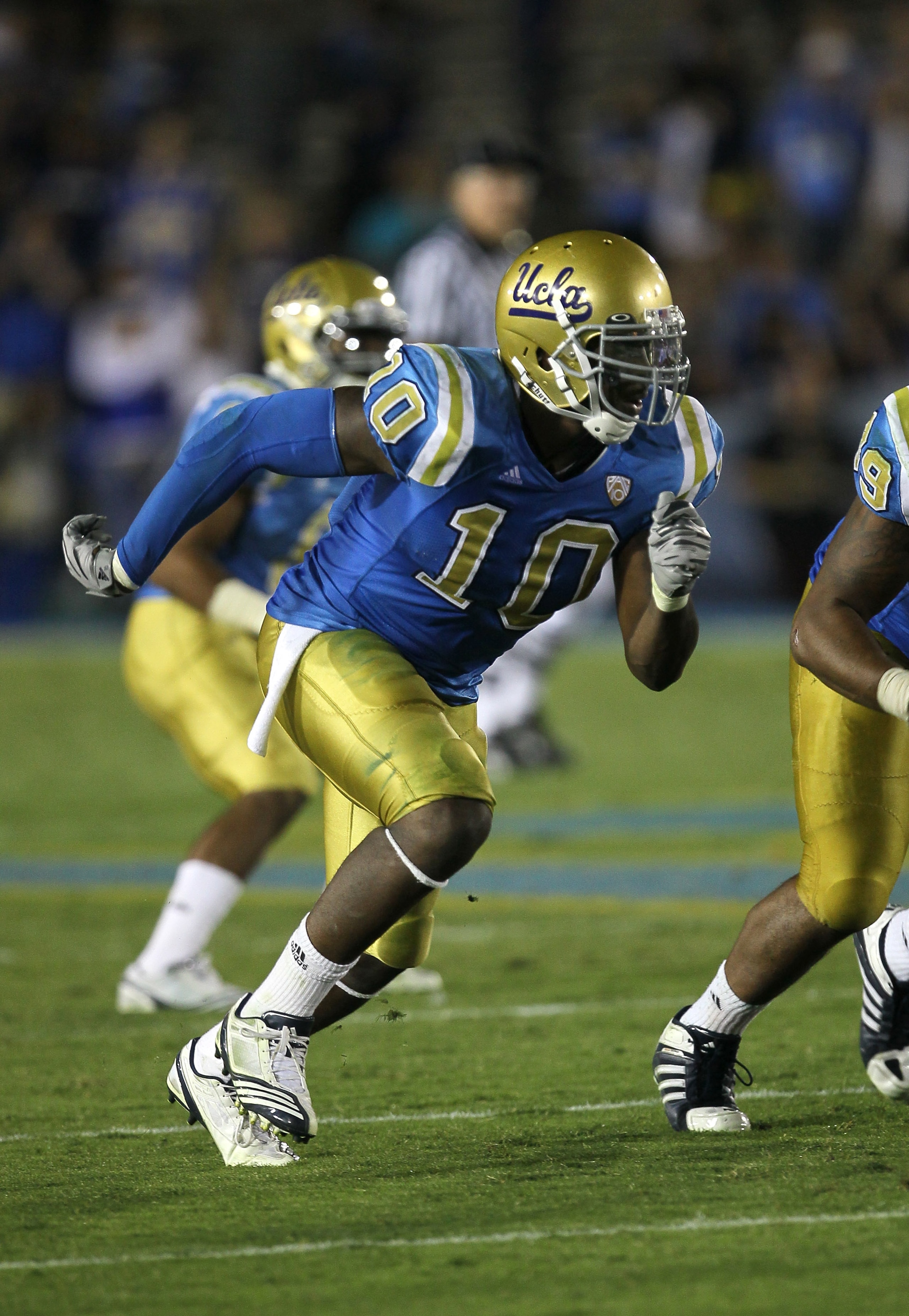
Ryan Kerrigan (Purdue): While he clearly has the motor and the collegiate production (11 sacks, led FBS in tackles for losses with 26), Kerrigan lacks the explosiveness off the edge and could be a liability in coverage.
His ceiling is still probably somewhere near what Aaron Kampman brings to the table, but the Packers have been down that path.
If Kerrigan shows more burst and runs a good time at the combine, he might be a better fit in Green Bay's 3-4 defense. However, that'd also probably mean he wouldn't last to the Packers at No. 32.
Akeem Ayers (UCLA): When breaking down Ayers, there is a lot to like about adding him to the fold.
Ayers is a versatile athlete, can drop into coverage and was solid against the run. His pass rushing skills are still a bit raw, but you'd have to think Kevin Greene has the capability to teach an elite talent like Ayers.
With good combine numbers, Ayers will probably cement his status near the middle of the first round.
However, if he has a disappointing showing, the Packers could snag Ayers at the end of the round for good value.
Justin Houston (Georgia): As an athlete on the same level as Ayers, Houston would also bring explosiveness off the edge and might actually be the most pure pass rusher standing up of any the prospects listed here.
With an impressive showing at the combine however, Houston could take his draft stock out of the Packers' range.
Georgia has him running in the 4.6 range and squatting 430 pounds during college, and if he tests out that well at the combine, it's more than likely he'll be gone before the Packers pick at the end of the first round.
.jpg?w=2560 "Rams Raiders Football")

OLB: Second Round (No. 64) Prospects
4 of 29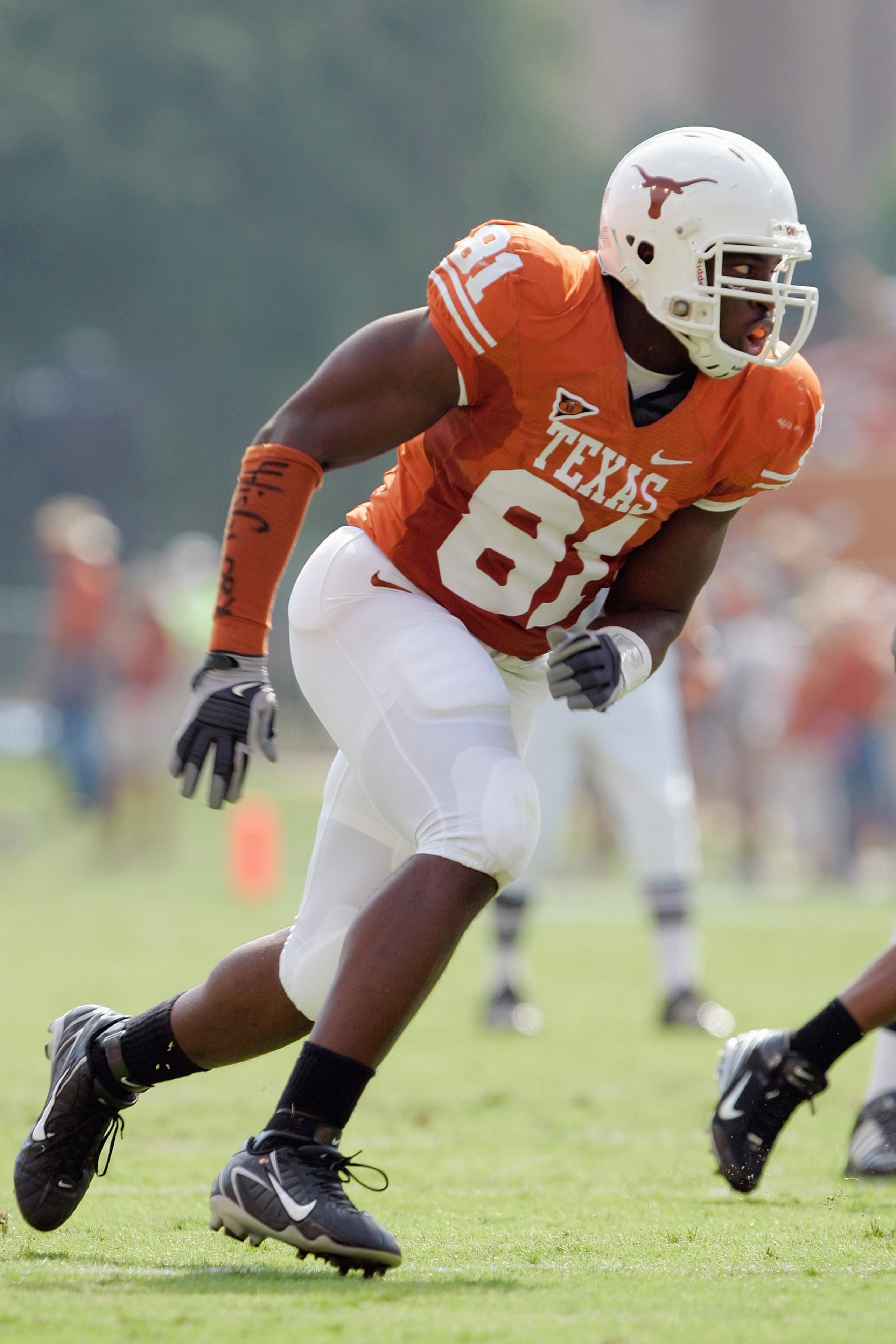
Brooks Reed (Arizona): A solid Senior Bowl week has Reed's stock steadily rising, and the comparisons with Matthews might not be as far-fetched as you think.
He's incrementally improved throughout his college career, and his motor might be unrivaled in this class.
If he can show the burst and quickness at the combine, Reed could have a lot of value at the end of the second round.
Sam Acho (Texas): After a productive senior season, Acho showed off his short-area quickness in the Senior Bowl by beating likely first round offensive tackle Nate Solder for a sack.
He should also have an impressive combine, and that could mean a team reaches in the second round to take him.
However, he's still good value at the end of the second and a steal at the end of the third.
Dontay Moch (Nevada): He's maybe the most raw pass rusher on the list, but Moch is most likely going to drop some jaws at the combine.
Reports from Nevada say he can run in the 4.2 range, and while that probably isn't happening in Indianapolis, anywhere close to that will certainly entice a team to reach for him in the early second round.
Freak athletes like Moch are usually boom or bust kind of guys, but it'd be hard to argue with the Packers getting him in the third round. The second round might still be a reach.
OLB: Third Round (No. 96) or Later Prospects
5 of 29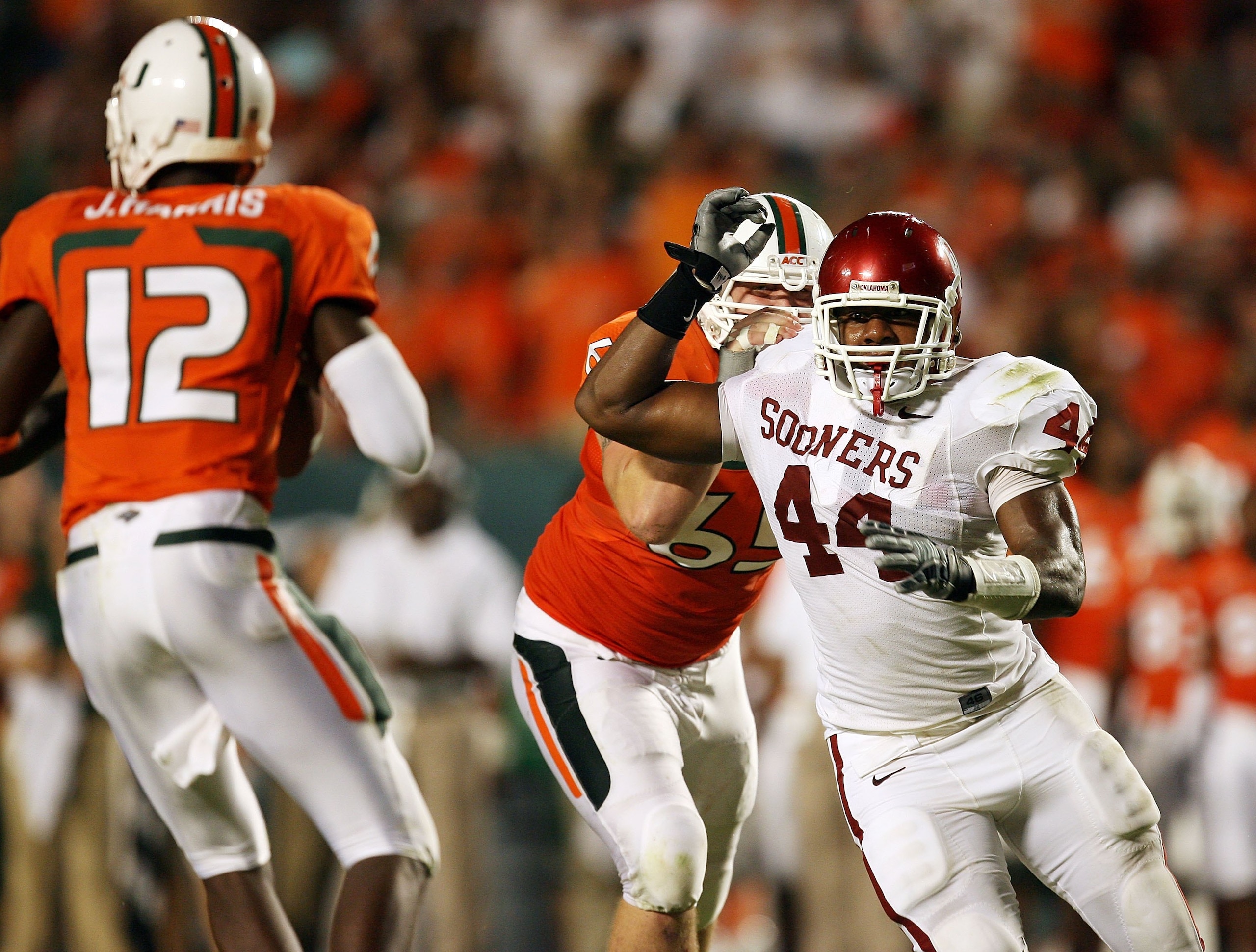
Jaabal Sheard (Pitt): He's a big guy, and he'd need to show some athleticism at the combine to warrant anything higher than a fourth round selection for Green Bay.
Jeremy Beal (Oklahoma): Beal has the size, burst and repertoire of pass rushing moves to make a splash at the combine and move up the Packers board.
Greg Romeus (Pitt): Injury concerns have held down his stock, but he can prove both his knee and high ceiling are healthy with a good showing at the combine.
Chris Carter (Fresno State): He'll need to have an eye-popping performance at the combine to really give himself a chance to be picked in the later rounds.
Rick Elmore (Arizona): Brooks Reed gets more attention and Elmore won't surprise anyone at the combine, but he might be worth a try in the late rounds.
Chet Ozougwu (Rice): He's going to impress scouts in the interviews, but his limited pass-rushing skills don't allow Ozougwu much wiggle room from the late rounds.
Offensive Tackle: Why It's a Potential Need
6 of 29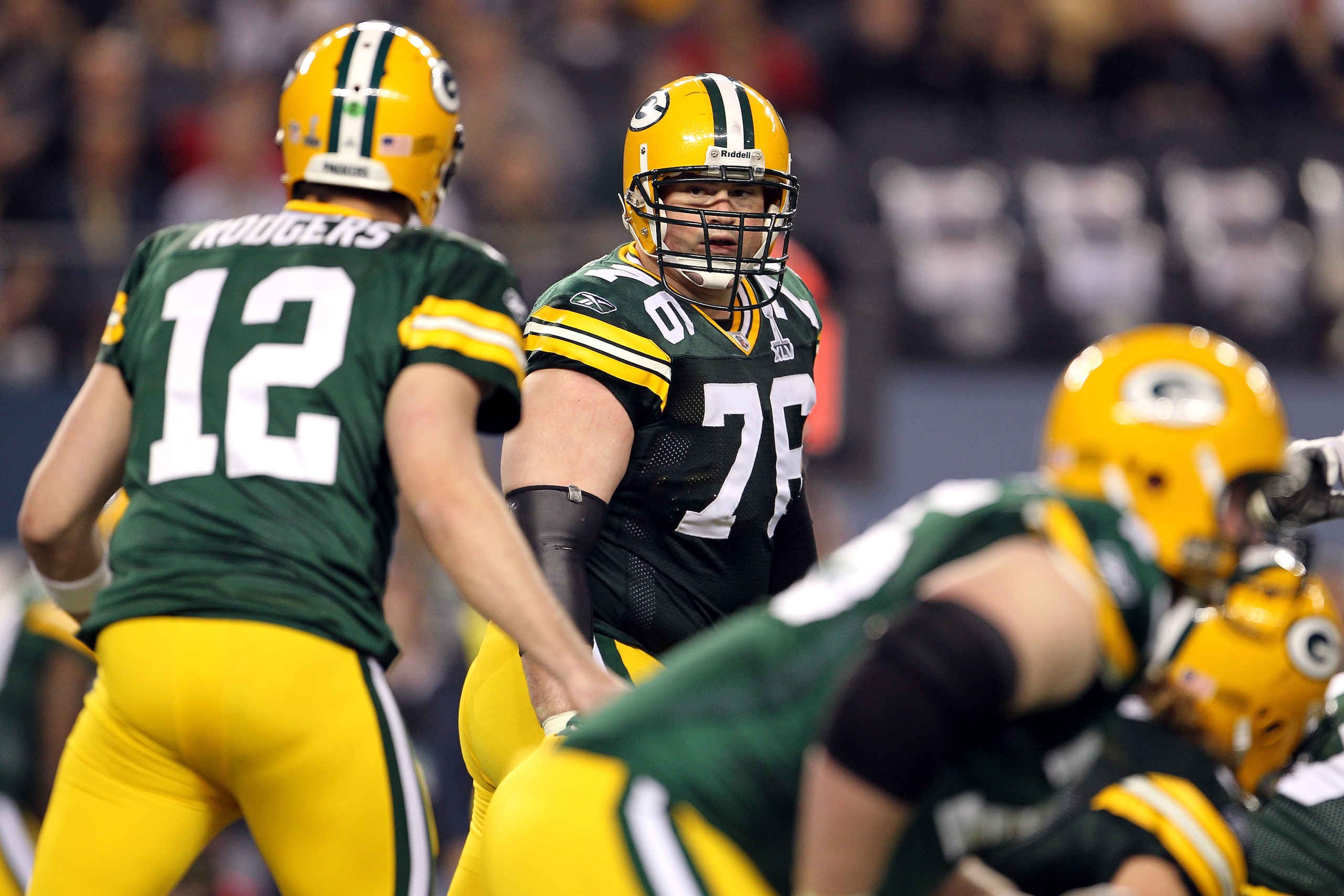
When a team has a Pro Bowl left tackle and a recent first round pick starting at right tackle, you wouldn't assume offensive tackle is a position in need of strengthening.
For the Packers, that probably isn't the case.
Chad Clifton, who was selected to start in the Pro Bowl this season, turns 35 in June and has a long history of injured knees.
Bryan Bulaga was drafted 23rd overall in last year's draft and is slated to be the long term answer at one of the tackle spots, but the depth chart gets shaky after that.
Mark Tauscher (34 years old) is coming off another season-ending injury, and I'm not sure Green Bay has seen enough from T.J. Lang to be comfortable using him in an extended role.
Like it or not, the Packers could use both a long term answer and an insurance policy for next year at offensive tackle, and they might use one of their top picks to address it.
OT: First Round (No. 32) Prospects
7 of 29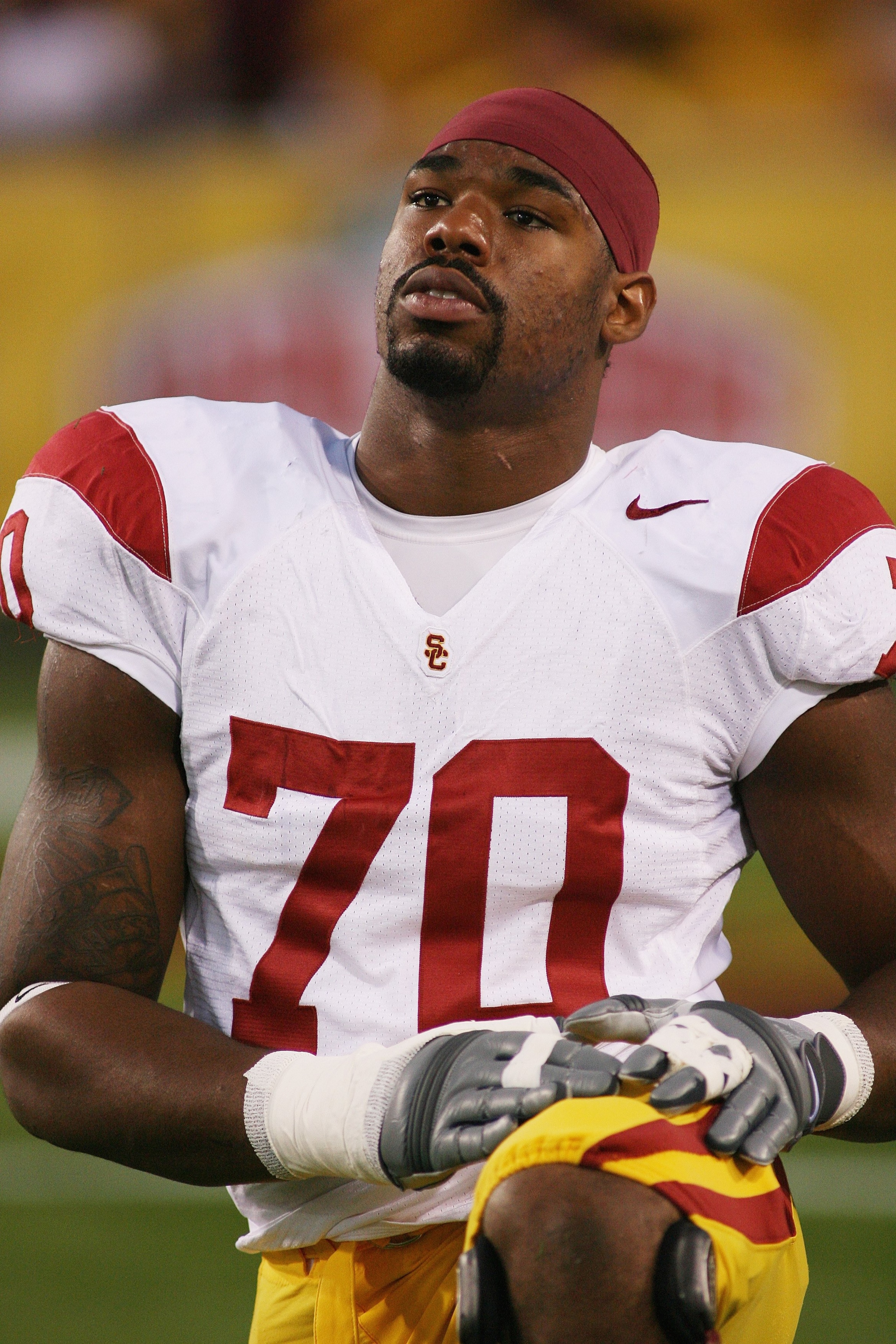
Gabe Carimi (Wisconsin): The Outland Trophy winner has tons of experience on one of the nation's best offensive lines and would improve the Packers' running game.
Carimi needs to prove he has the lateral quickness at the combine to solidify a first round selection.
Anthony Castonzo (Boston College): His stock seems to be slipping a bit with an average showing at the Senior Bowl, but Castonzo is going to wow most scouts during the interview process.
He's also better suited for a zone run-blocking scheme, something the Packers primarily do on offense.
Nate Solder (Colorado): There's a lot of different opinions about Solder (much like Bulaga a year ago), but he was beaten more than a few times during the Senior Bowl.
He needs to calm some of those fears at the combine with a good physical showing.
Tyron Smith (USC): He might not even weigh 300 pounds by the combine, but Smith has the chance to rocket up boards with a good performance.
While many will predict him to be the biggest boom or bust tackle prospect, Smith has a lot of gain in Indianapolis this week.
Derek Sherrod (Miss. State): He stayed somewhat in the shadows for much of the season, but Sherrod is as talented as any of the prospects on this list.
A solid performance at the combine will probably cement his stock in the first round, but he'd still be good value if he got to the Packers at 32.
OT: Second Round (No. 64) Prospects
8 of 29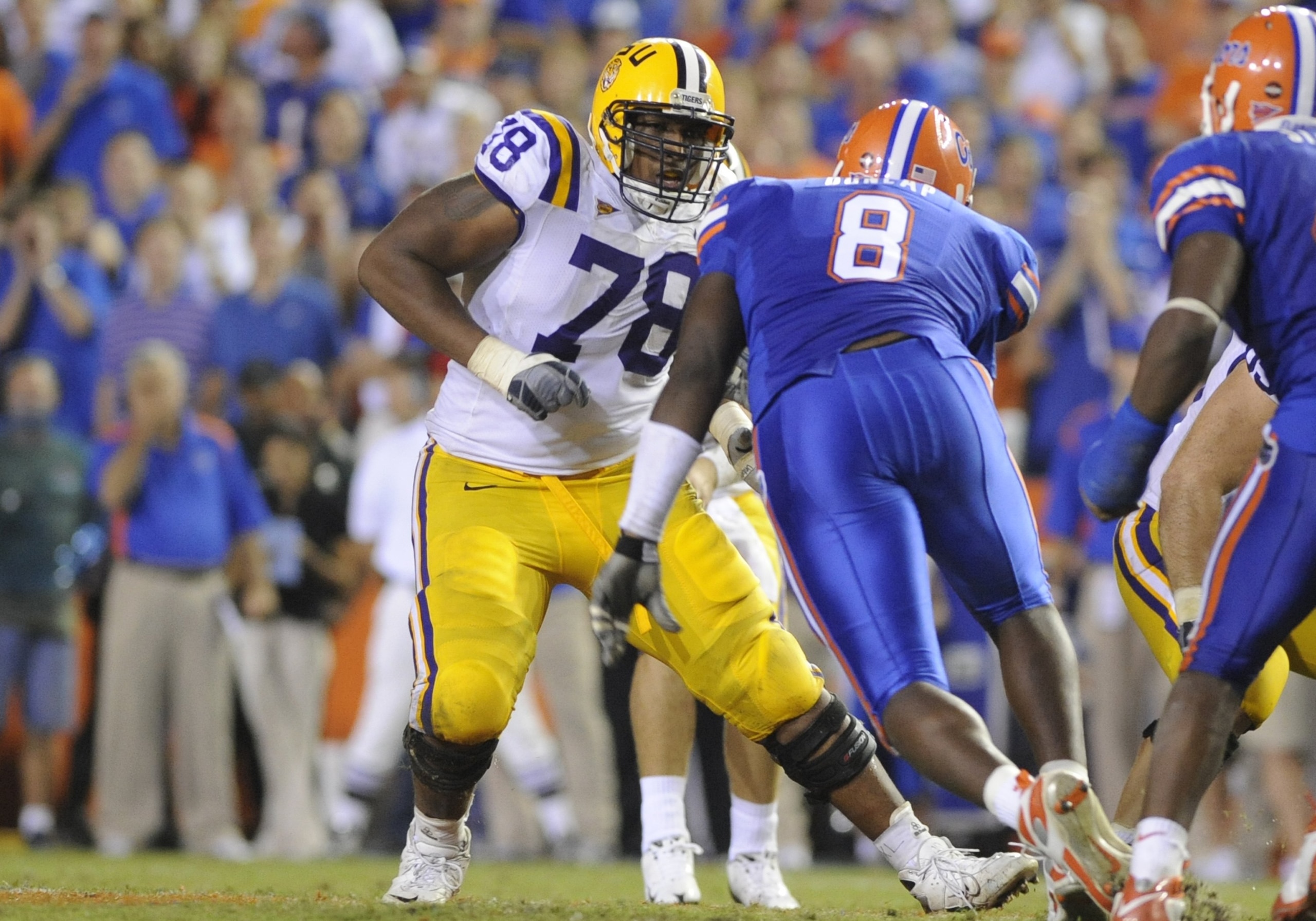
Jason Pinkston (Pitt): Some have projected him as a guard, and Pinkston's recent knee injury might scare a few teams off, but the talent is there.
Pinkston will need to prove his lateral quickness at the combine, but if the Packers don't go tackle in the first round, he could make a good insurance policy in the second round.
Benjamin Ijalana (Villanova): Another prospect that might be better suited at guard, but the Packers aren't exactly stacked there either.
Ijalana would get the time he needed to develop, and Green Bay could find either a replacement at guard or tackle.
Joseph Barksdale (LSU): Not many talk about him, but Barksdale could fire up some draft boards with a good showing at the combine.
He's got good footwork and might have the best mechanics of any lineman in the class. Barkdale's ceiling isn't as high as the others, but he might be the best option short term.
OT: Third Round (No. 96) Or Later
9 of 29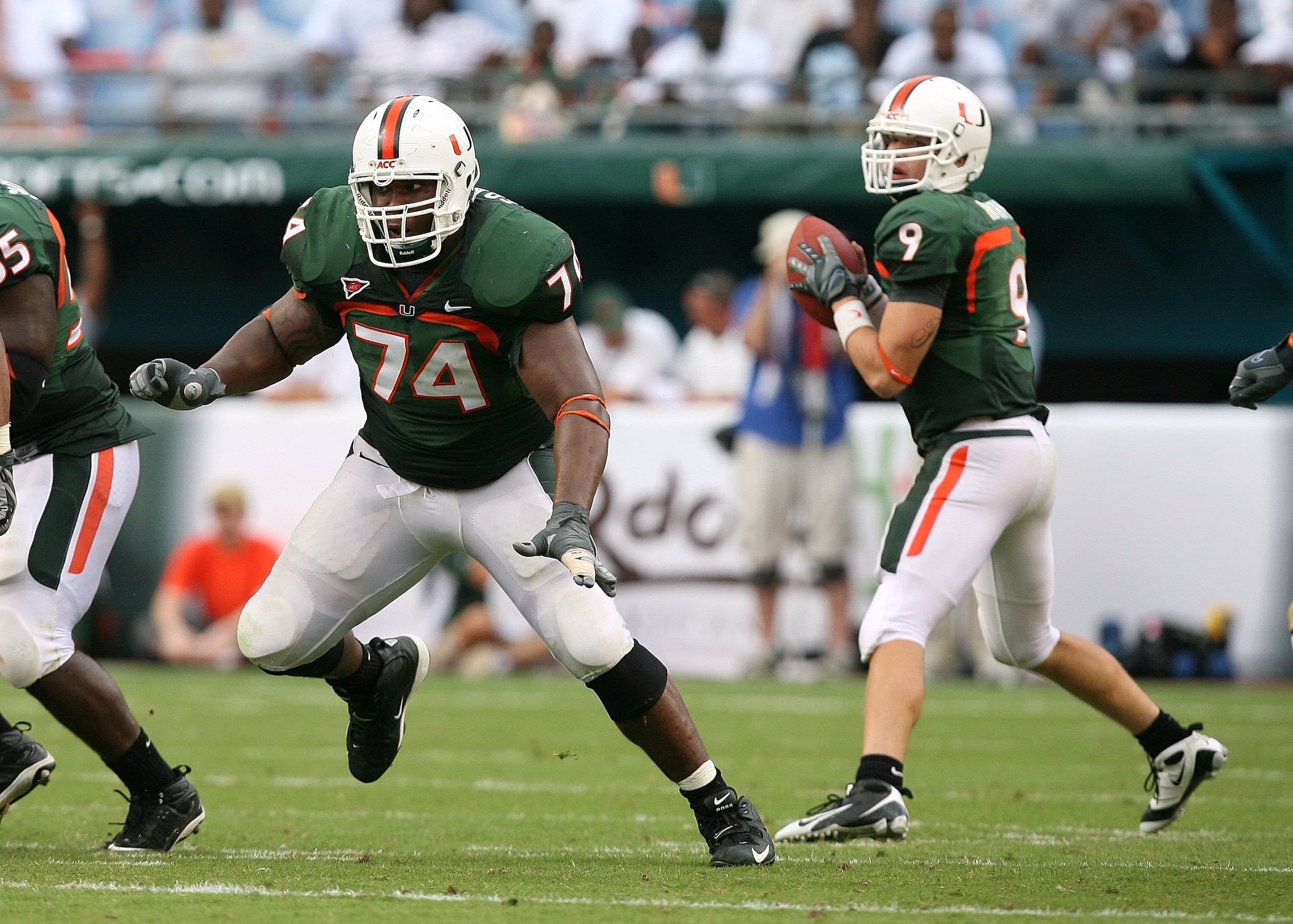
Marcus Gilbert (Florida): Strength is in pass protection but would need time to develop.
James Brewer (Indiana): Needs to show more lateral quickness at the combine to get picked.
James Carpenter (Alabama): Like Gilbert, a better pass blocker but has good size.
Demarcus Love (Arkansas): The most versatile and skilled lineman on this list but needs a good combine to solidify a third round selection.
Chris Hairston (Clemson): Smart and aware lineman who would be best suited at right tackle.
Orlando Franklin (Miami): Possibly the most interesting of all of the middle-round tackles and has the highest ceiling.
Cornerback: Why It's a Potential Need
10 of 29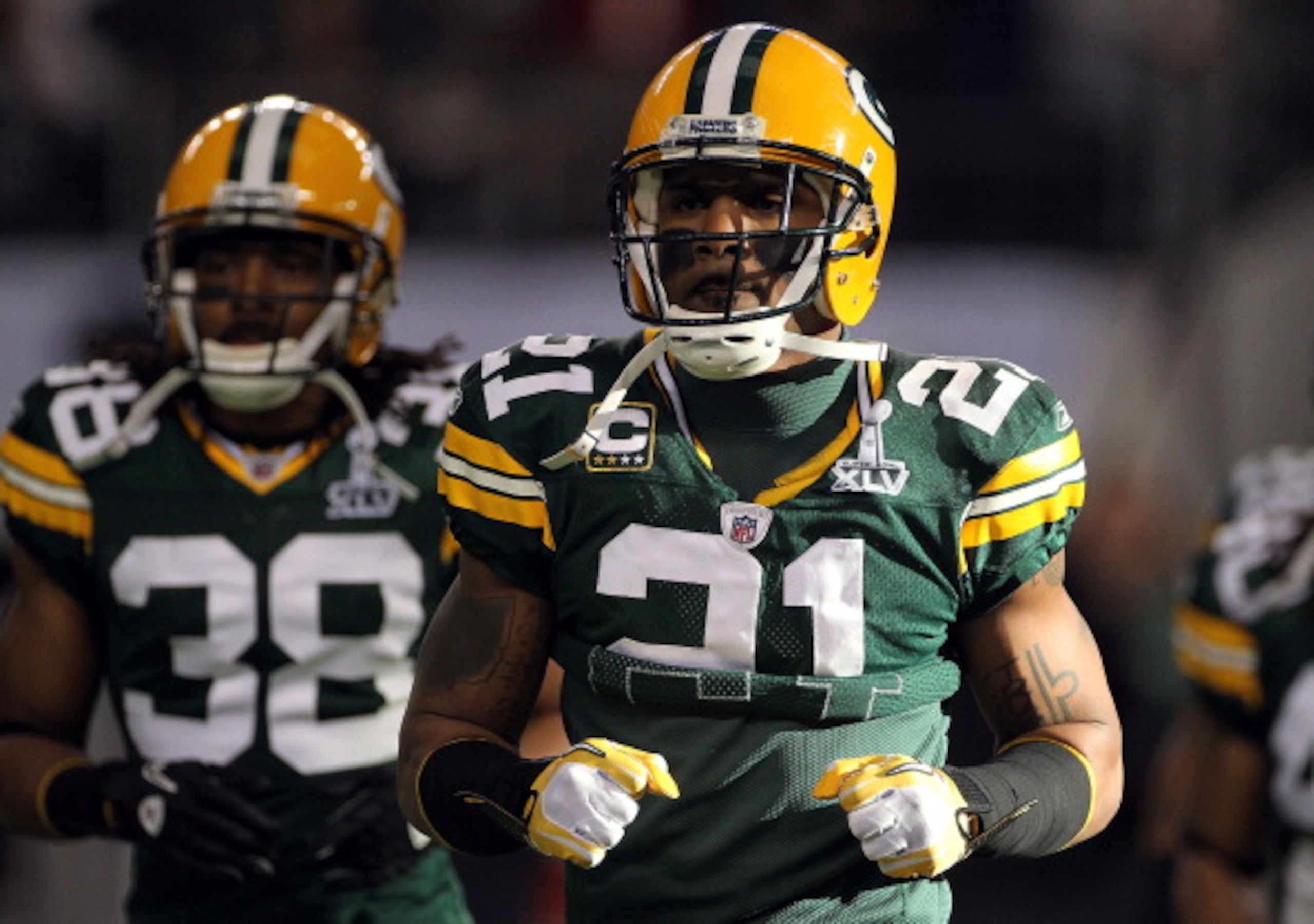
While one could make the argument that the Packers had the best trio of cornerbacks in the NFL last season, there's a few reasons why Green Bay could potential address this position in the draft.
The first, and most obvious, reason is the age of Charles Woodson.
He'll be 35 in October, and while he's still playing some of his best football, the Packers would be wise to begin the search for a potential replacement.
Secondly, and maybe most importantly, the Packers are in need of better depth behind their three main coverage guys.
Pat Lee, Jarrett Bush and Brandon Underwood are serviceable players, but we saw how shaky things got in the Super Bowl when they were forced into prolonged duty.
Most are comfortable with Woodson, Tramon Williams and Sam Shields, but adding another young and talented guy to that mix would only improve the Packers right now and in the future.
CB: First Round (No. 32) Prospects
11 of 29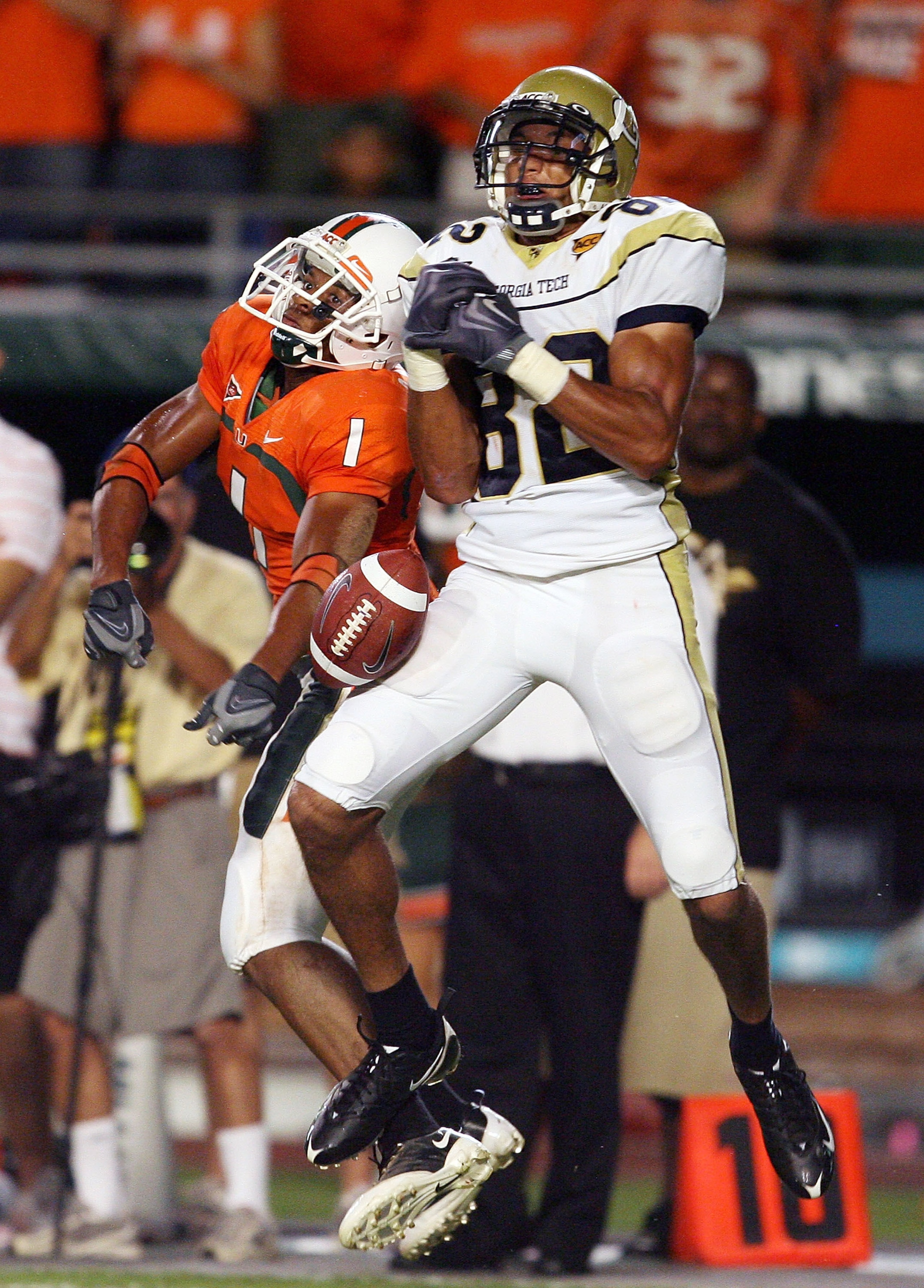
Jimmy Smith (Colorado): With great size for the position (6'2", 200 lbs.), Smith will most likely be the first cornerback off the board after Patrick Peterson and Prince Amukamara.
However, Smith will need a solid combine showing to solidify his first round status.
One of the main worries on Smith is his short-area quickness and hip fluidity, and the combine should give him all the opportunities he needs to erase those concerns.
At this point it's hard to say the Packers would be best served taking a cornerback in the first round, but Smith would be good value at No. 32.
Brandon Harris (Miami): If the Packers did decide to go corner in the first round, their best bet might be Harris.
He's shown an elite closing burst and unmatched work ethic, two qualities that will endure him to both the Packers management and the corners currently on the roster that would be teaching him the game.
If Harris has a good couple of days at the combine, he could shoot up draft boards and land somewhere in the middle first round.
The Packers would be finding a good football player at the end of the first round if he fell, however.
Aaron Williams (Texas): Williams' draft stock has been an up and down ride both during the season and after.
Some mocks have him as the third corner taken, and some (most, actually) have him somewhere between the end of the first and the second round.
Williams needs to prove his hips are good enough to play at the next level, and if he did that at the combine, his stock might steady in the first round.
You could possibly justify taking him at the end of the second round, but the Packers probably won't reach for Williams at No. 32.
CB: Second Round (No. 64) Prospects
12 of 29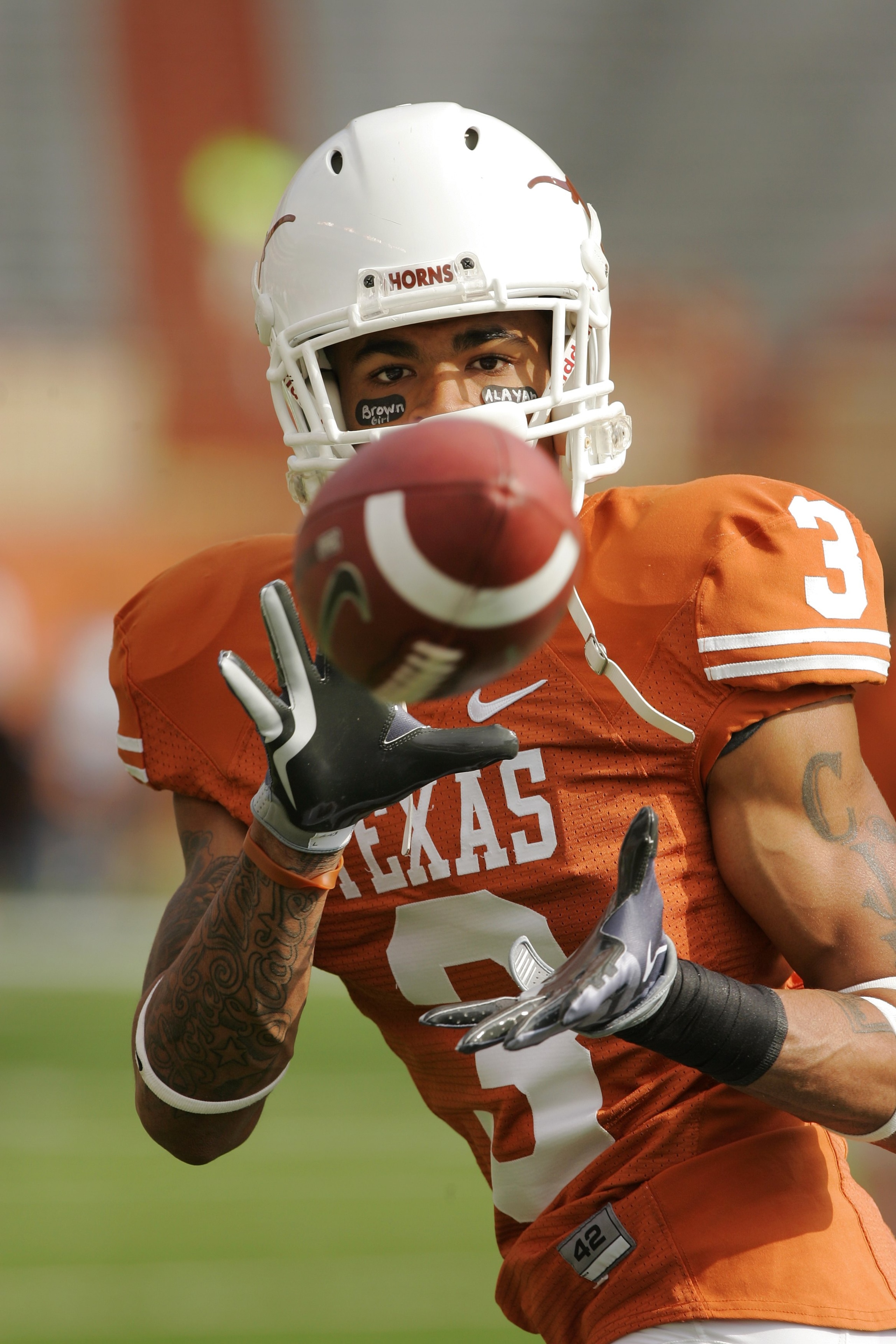
Curtis Brown (Texas): Possibly no cornerback in this year's class has as much momentum heading into the combine as Brown.
His Senior Bowl performances, which erased any doubts about his closing burst and physicality, have Brown rocketing up boards.
A solid combine showing could get Brown near the first round, but the Packers would probably get the best value by taking him at the end of the second.
Davon House (NM State): House is one of the more physical corners in the draft, and scouts like his anticipation in the passing game.
However, scouts also like him as more of a Cover-2 type corner, and that obviously wouldn't fit into the Packers scheme.
At the end of the second round, and given the time he'd have to develop, House could still be a targeted corner for Green Bay.
Ras-I Dowling (Virginia): Dowling headed into his senior season with first round hopes, but his final season at Virginia was a mess.
He missed the first five games with a lingering knee injury, then Dowling broke his ankle after returning and missed the rest of the season.
Even with the injury issues, Dowling has the size (6'2", 200 lbs.) to be a high-upside prospect at the end of the second round and into the third.
CB: Third Round (No. 96) Or Later Prospects
13 of 29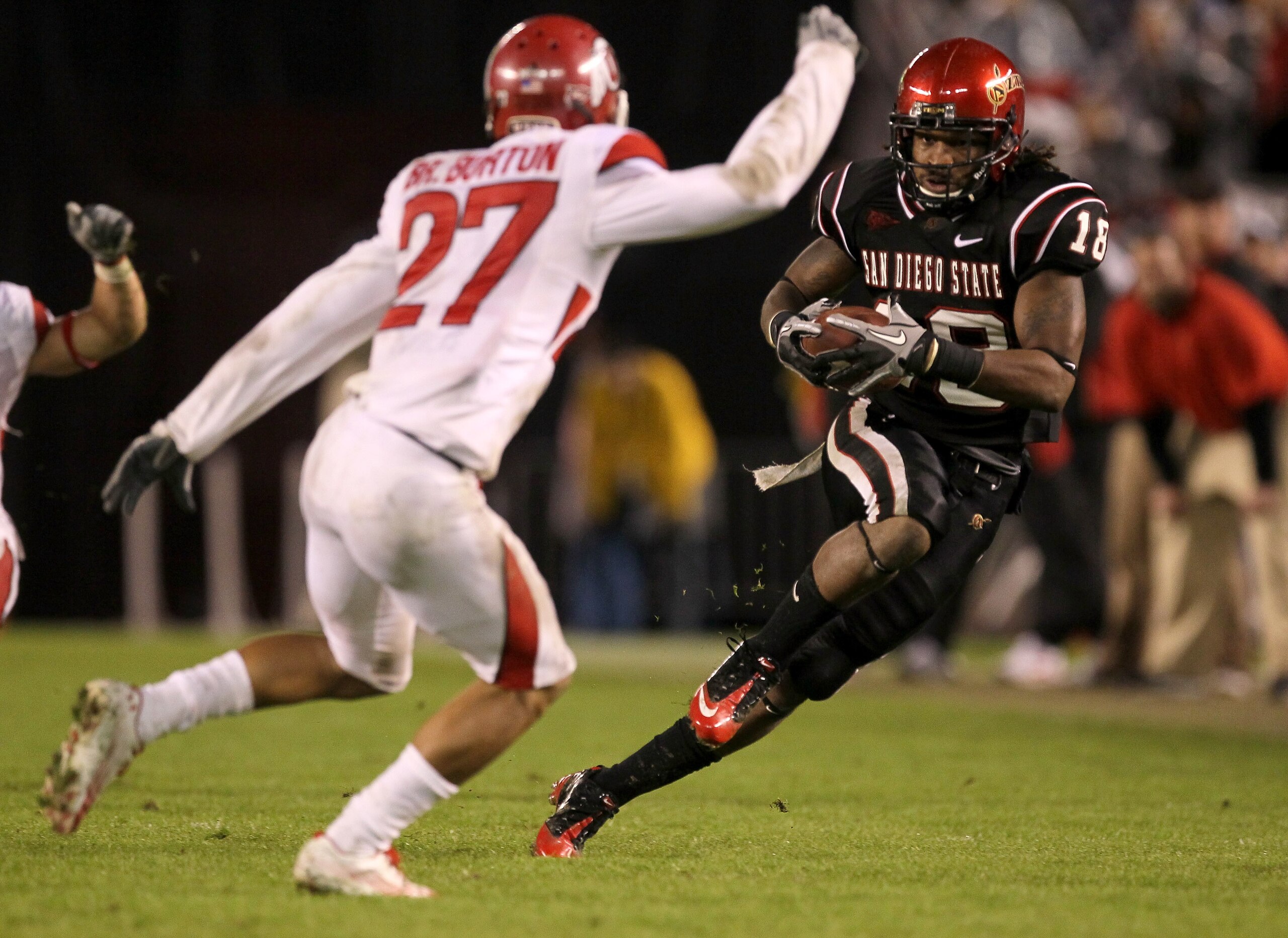
Johnny Patrick (Louisville): Patrick is a fringe second rounder but is more likely to be selected in the third round. He's quick and has good ball skills.
Brandon Burton (Utah): His strengths are in press coverage, and Burton's style of play would fit the Packers aggressive scheme. If Green Bay could get him in the third round, he'd be an upgrade.
Kendric Burney (UNC): At just 5'9", Burney is obviously undersized. He's a good tackler, however, and could be found in the middle rounds.
Shareece Wright (USC): He's fast and solid in run support, but Wright lacks size and has some injury concerns. In the later rounds, however, he certainly has value as a project corner.
Chykie Brown (Texas): The third corner from Texas in this draft, Brown has the most work to do to become an NFL starter. He's the fastest of the three, but is also the least polished.
Defensive End: Why It's a Potential Need
14 of 29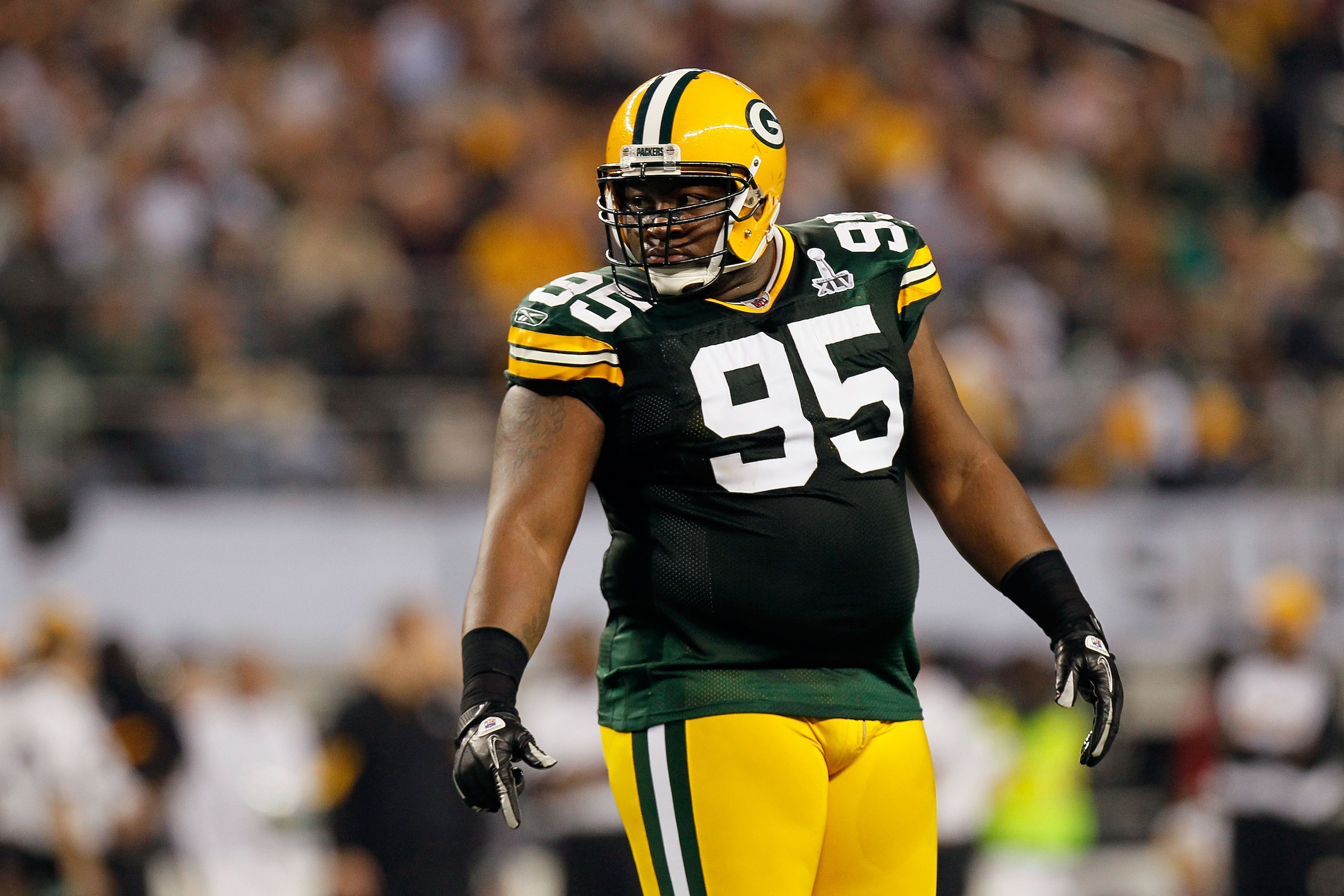
This position of need is dependent solely on how the Packers approach their offseason.
At the present, defensive end is a position of strength for Green Bay, as Ryan Pickett, Mike Neal, Howard Green, Jarius Wynn and C.J. Wilson certainly give the Packers plenty of depth.
However, if Cullen Jenkins isn't re-signed and Johnny Jolly is either let go or still suspended, defensive end could get a little thin for the Packers' liking.
Thompson also loves restocking the defensive line early in the draft, so don't be shocked if he does it again in April.
DE: First Round (No. 32) Prospects
15 of 29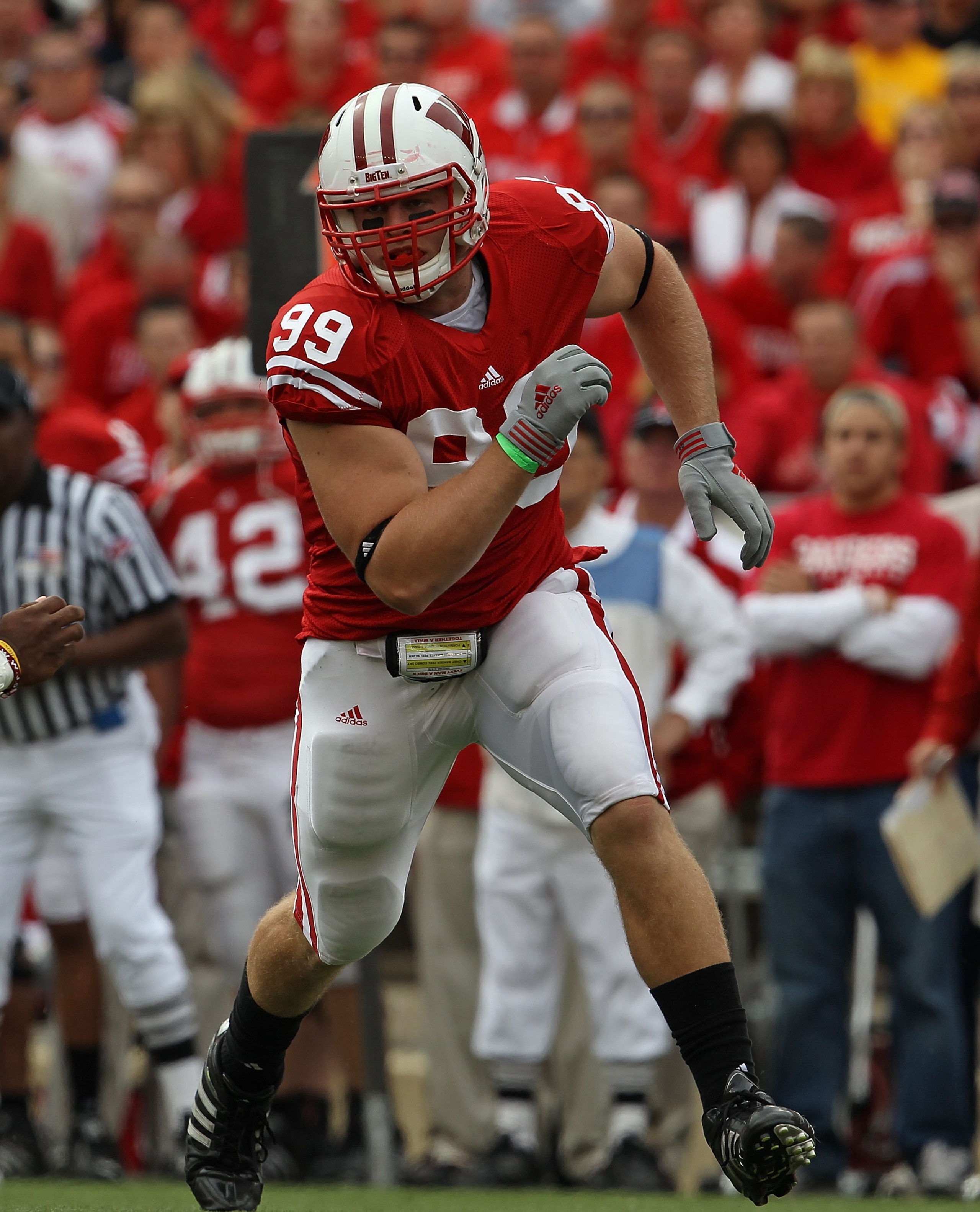
Muhammed Wilkerson (Temple): There's a lot to like about the 6'5", 305 pound Wilkerson.
He has a great first step for a man his size, and his height will cause the quarterback some vision problems and could result in plenty of batted balls.
However, that height also means he plays too high occasionally, and he doesn't use his hands to disengage well enough.
Still, at the end of the first round, Wilkerson would make a fantastic addition to the Packers defensive line.
Corey Liuget (Illinois): At 6'3", 300 pounds, Liuget has the ideal size to play end in the Packers' 3-4.
He won't be an impact rusher like Cullen Jenkins or a run-stuffer like Ryan Pickett, but he has the ability to do both well.
If Liuget put forth an impressive showing at the combine his stock could get out of the Packers range, but he's another good value guy at the 32nd spot.
J.J. Watt (Wisconsin): Watt's ability to make plays in both the pass and run game is especially appealing, and he might be the best comparison to Jenkins if he can put on some more weight.
However, Watt would still give the Packers a lot of versatility along the defensive line regardless of his weight.
His non-stop motor will be tough to sell at the combine, but Watt could rocket up boards with an impressive showing in Indianapolis.
Adrian Clayborn (Iowa): He's not going to give you a lot of "wow" plays, but Clayborn has the potential to be the most steady and consistent of the defensive end prospects possibly available to the Packers.
At just 285 pounds, however, he'd also have to put on some weight to be a full-time player like Jenkins.
Clayborn wouldn't be the sexiest pick for the Packers, but he might be close to the safest at the end of the first round.
Cameron Heyward (Ohio State): He's tall (6'5") like Wilkerson, and has a lot of the consistent, safe-pick qualities of Clayborn.
Heyward won't blow anyone off the line, and he might never have the pass-rushing abilities that Jenkins has, but he'll be solid against both the pass and run.
With the bust of Justin Harrell still looming over Thompson, he might want to take the safer pick over the bigger potential guys. Heyward fits that bill.
DE: Second Round (No. 64) Prospects
16 of 29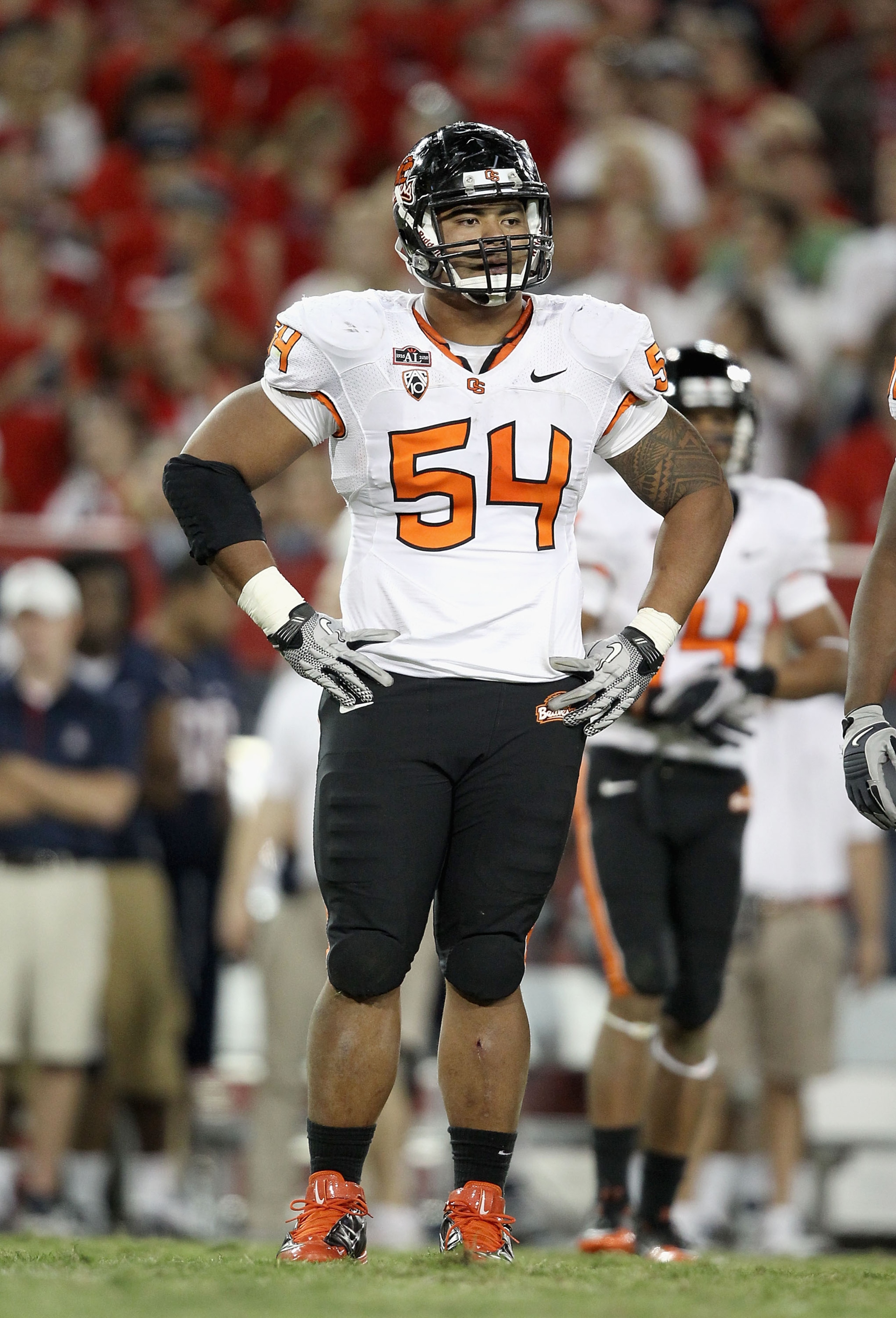
Allen Bailey (Miami): He's a guy that's going to impress a lot of teams with a sensational workout performance at the combine.
For his size (285 lbs.), Bailey is extremely athletic and mobile. In addition, his experience playing both inside and outside in college is a positive as well.
However, for all the physical tools, Bailey might be nothing more of a workout warrior. He's a high risk, high reward type of player.
Christian Ballard (Iowa): Ballard is a gifted athlete much like Bailey but was a much more consistent performer during his college days.
While he has good size (6'5", 300 lbs.) and displays a good motor, he's never been a true pass rushing threat.
With a solid combine, Ballard could go early in the second, but he's also got a good chance at falling to the Packers at 64.
Stephen Paea (Oregon State): Paea is really an underrated prospect heading into the combine, and that could change in a hurry in Indianapolis.
He shows a good burst at the snap in both the pass and run game, and he's already got the body to play in the NFL right now.
Paea could vault up boards with a good showing at the combine, but he'd give the Packers tremendous value on the defensive line in the second round.
DE: Third Round (No. 96) Or Later Prospects
17 of 29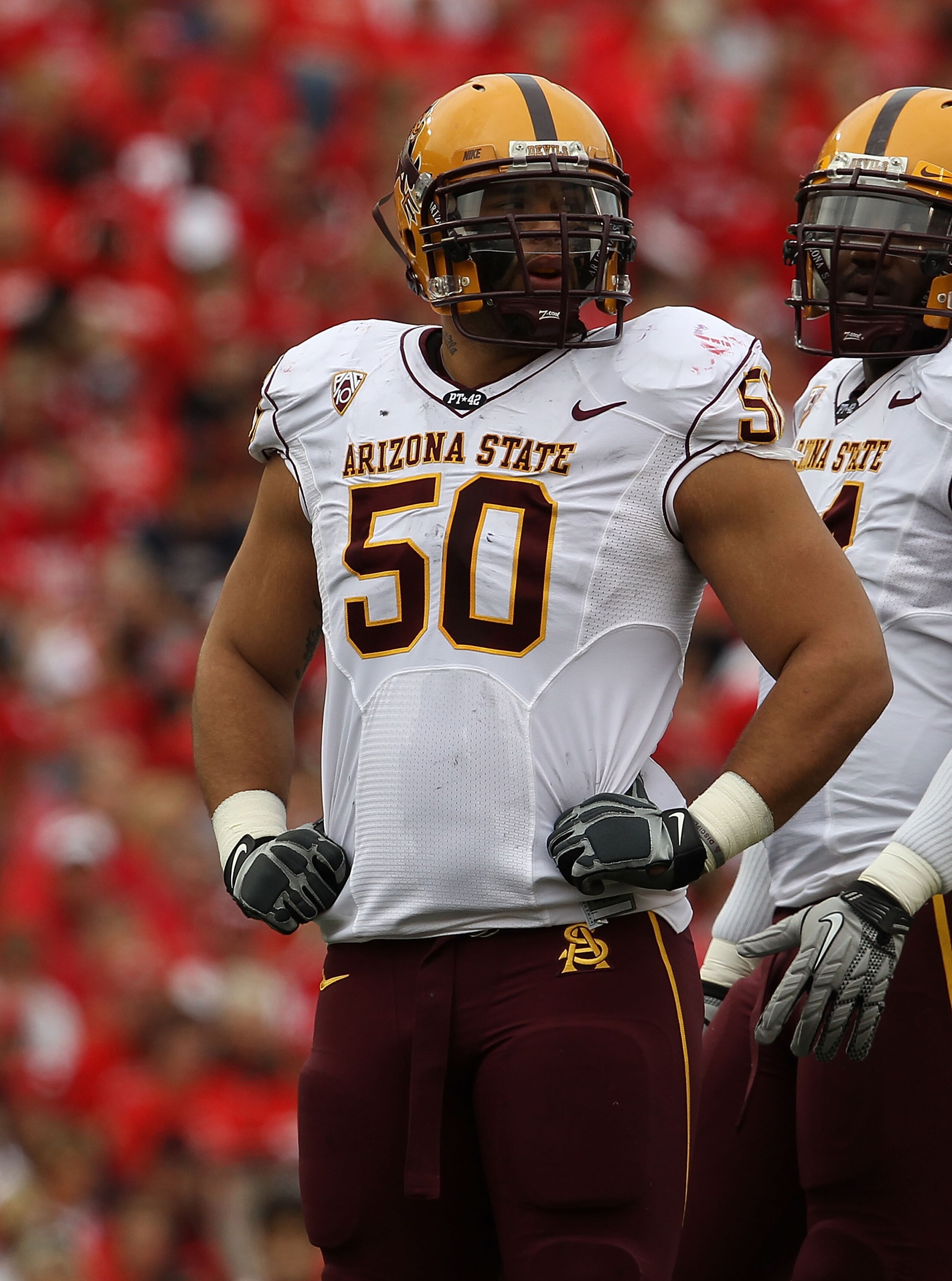
Jurrel Casey (USC): He's a big body that's hard to move and stands his ground well.
In a 3-4 defense, those are important qualities.
Jarvis Jenkins (Clemson): At 315 pounds, Jenkins shows plenty of the pass rushing ability that could attract a team like the Packers in the middle rounds.
Lawrence Guy (Arizona State): Another tall (6'5"), physically imposing prospect, Guy could have the most upside of the middle round ends.
Pernell McPhee (MIss. State): He's not be a prototypical end in a 3-4 and could actually be better suited to play standing up.
That versatility could be appealing for Green Bay.
Wide Receiver: Why It's a Potential Need
18 of 29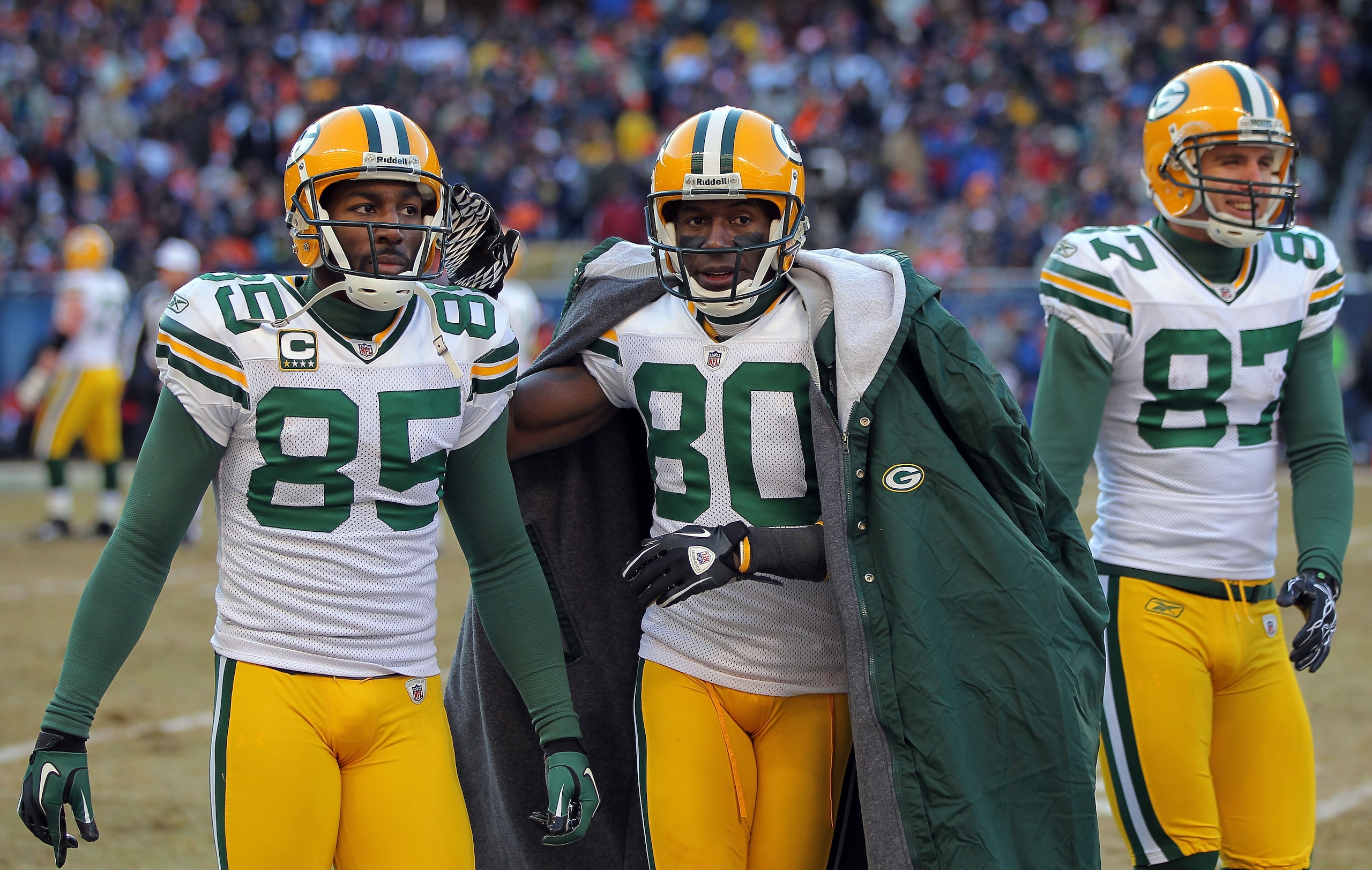
Wide receiver is certainly a strength for the Packers right now but could turn into a potential weakness down the road if Green Bay doesn't address it.
While Greg Jennings will be the No. 1 receiver for the foreseeable future, things get a little more unclear after that.
Donald Driver is 36 years old, and his best days of football are clearly behind him. He could have some productive years left, but even expecting another 1,000 yard season might be a stretch.
James Jones is a free agent this offseason, and all it would take is one team to offer him starting money and he's gone.
Jordy Nelson could potentially settle in to the No. 2 role, but he's probably better suited as the third receiver for the Packers' offense.
With Aaron Rodgers under center for the Packers and how much coach Mike McCarthy leans on the pass, finding another receiver could potentially be a big need for Green Bay.
WR: First Round (No. 32) Prospects
19 of 29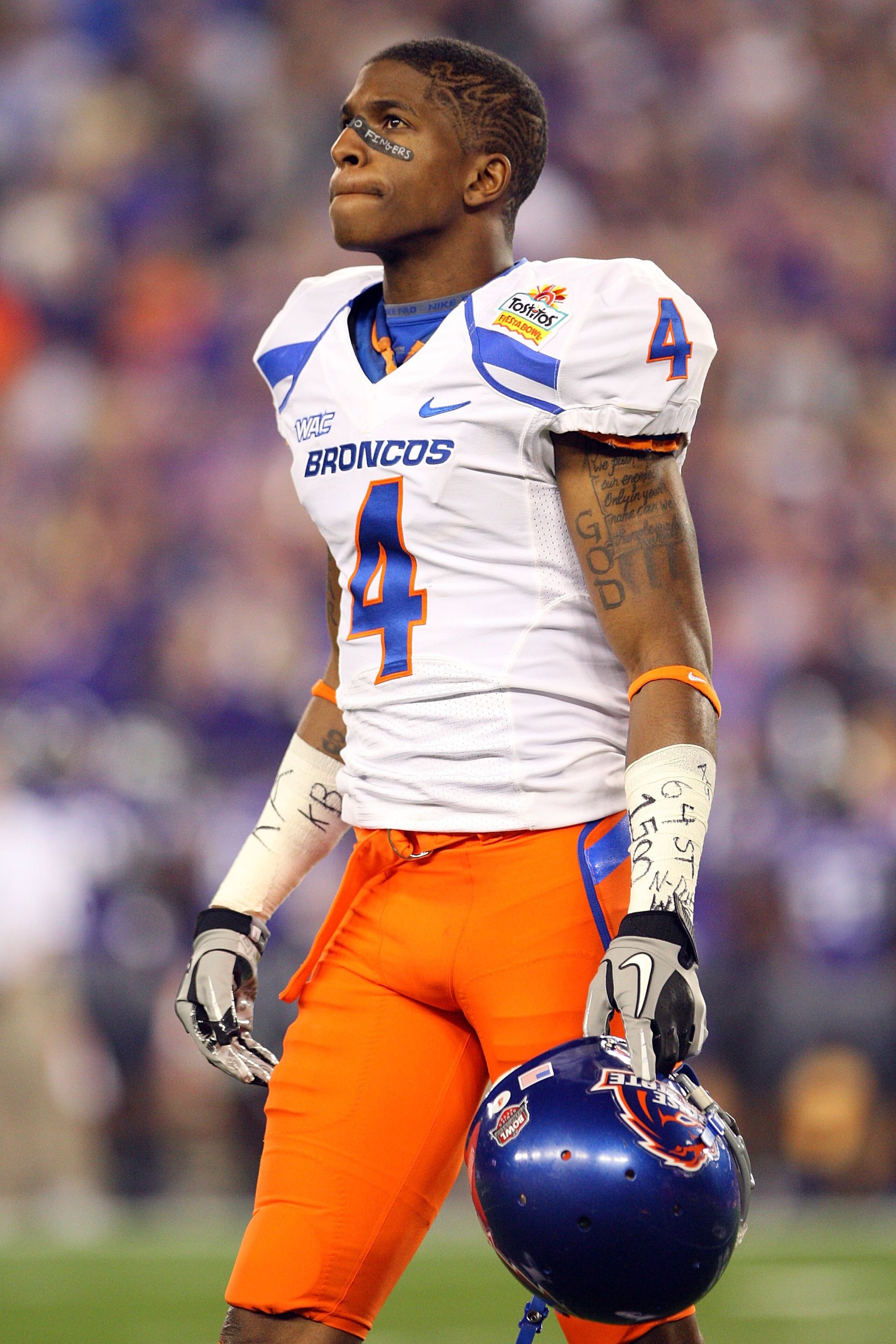
Titus Young (Boise State): He's not physically imposing by any means, but Young mixes an explosive burst with a solid understand of running routes.
That alone makes Young an elite downfield threat, and he's always been good after the catch.
Of the three receivers the Packers might have a chance to take in the first round, Young might be the best value at 32.
Torrey Smith (Maryland): The perception on Smith varies because he is as explosive and fast as any receiver in Indianapolis but also needs some polishing in receiving fundamentals.
There's a decent chance Smith will run the best 40 time at the combine, and that alone might tempt some teams into reaching for him in the first round.
The Packers under Thompson haven't been a team that reaches based on eye-popping 40 times, but he could make a solid second round pick if he fell that far.
Jonathan Baldwin (Pitt): At 6'5", 230 lbs., Baldwin will remind people more of Jermichael Finley than Greg Jennings.
And while Baldwin would give the Packers another big target for Aaron Rodgers, there are some red flags for the Pitt receiver.
He occasionally takes plays off, doesn't run crisp routes and plays slower than his sure to be fast 40 time (he's been clocked in the low 4.4 range).
Finley had plenty of red flags coming into the NFL as well, but the Packers stole him in the third round. Baldwin would probably have to have a similar drop for Green Bay to take him.
WR: Second Round (No. 64) Prospects
20 of 29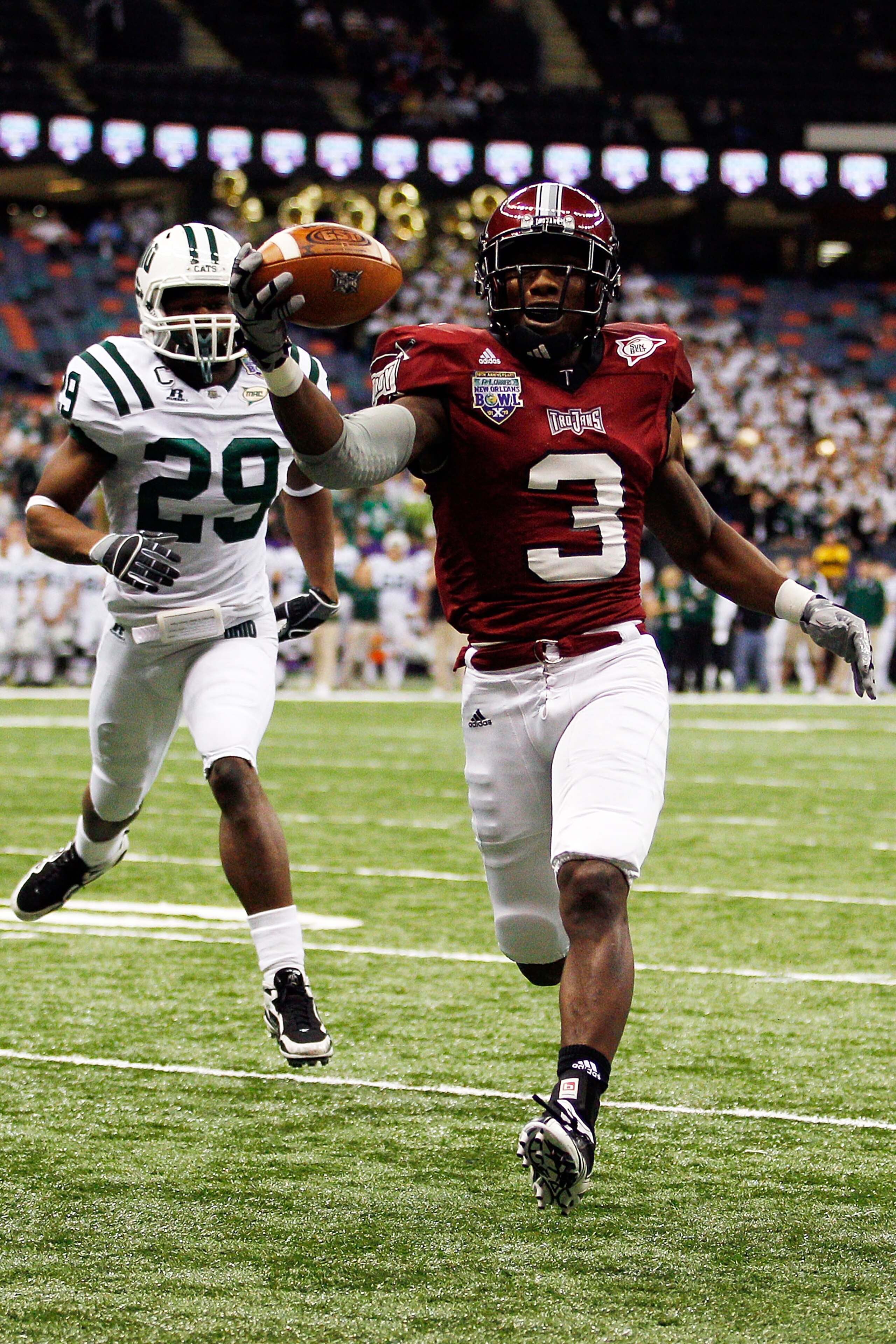
Leonard Hankerson (Miami): As one of the big movers during Senior Bowl week, Hankerson needs to continue his momentum during the combine.
He'll never be a blazer, and he could struggle with separation at the next level, but Packers fans will appreciate his very good hands.
Hankerson needs to run a good time at the combine to squall some of the separation concerns, but he could be an effective receiver in the Packers' spread offense.
Randall Cobb (Kentucky): While Cobb's ceiling probably doesn't involve being a No. 1 type receiver, the Packers already have their one (Jennings) and two (Finley) targets on the roster.
Cobb's strengths lie in the slot, and he's one of the better receivers in the draft after the catch.
We'll get to his other skill that might make the Packers look at him, but he's an interesting receiver prospect at the end of the second round regardless.
Jerrel Jernigan (Troy): He's a similar type of player to Cobb, but Jernigan probably has more potential as a receiver than his Kentucky counterpart.
Jernigan is a polished route runner and excels at routes underneath coverages, which gives him the possibility of an immediate impact in Green Bay.
He also possesses another skill the Packers might like, but that's next. Jernigan skills as solely a receiver has good enough value at 64.
WR: Third Round (No. 96) or Later Prospects
21 of 29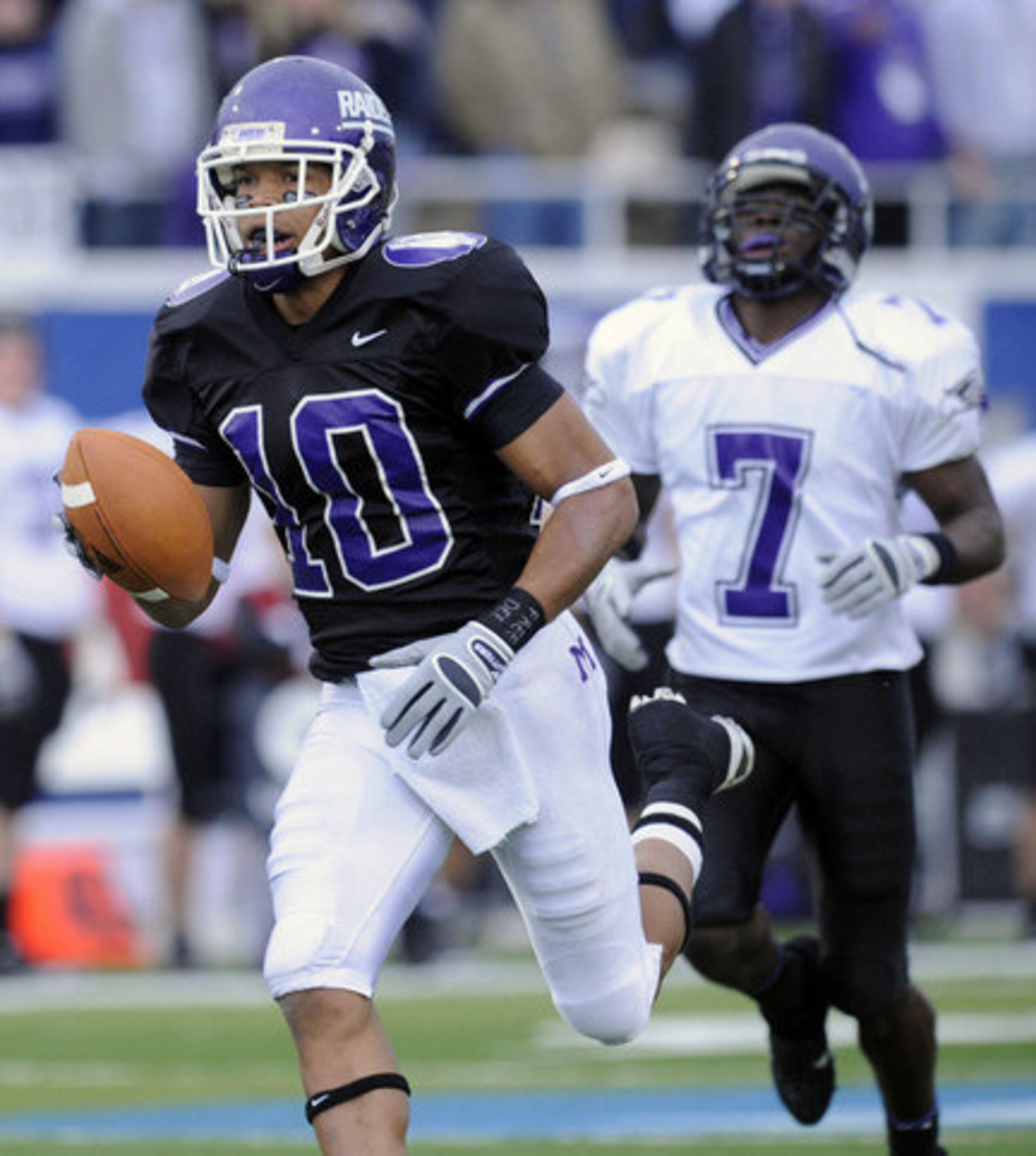
Cecil Shorts (Mount Union): The secret is out now, but Shorts has been my draft "crush" since I started looking into draft prospects.
Shorts has good size, short-area quickness and definitely won't be athletically overmatched in the NFL.
The Packers could potentially find him in probably the fourth or fifth round , and he'd be a tremendous value to Green Bay that late in the draft.
Tandon Doss (Indiana): He has good size (6'3"), and while he won't blow anyone away with speed or athleticism, Doss has the potential to be a solid No. 2 in the NFL.
One warning, however: Doss has had problems with the "drops" in the past.
Vincent Brown (San Diego State): Like Hankerson, Brown was a mover at the Senior Bowl by catching everything in sight.
He needs to shape up some of his routes and run a good time at the combine, but there's no reason to think Brown can't be a No. 2 receiver for an NFL team.
Niles Paul (Nebraska): Paul lacked production during his college days, but his frame and explosive first step says he could have an impact at the next level.
He needs to become a better route runner and get more consistent catching the football, but the potential with Paul exists.
Running Back: Why It's a Potential Need
22 of 29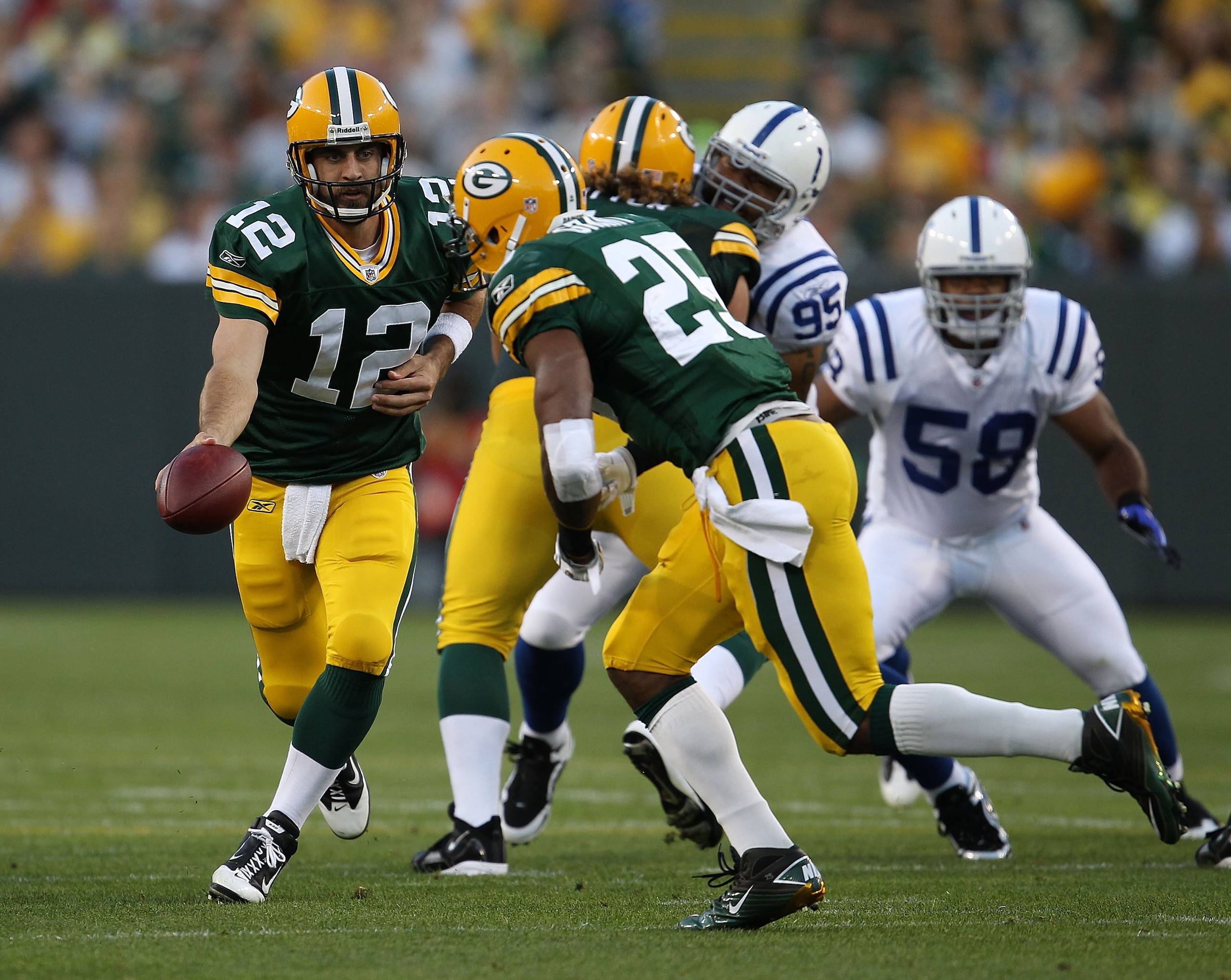
Because Brandon Jackson is a free agent, running back is another position that could be altered this offseason.
Some fans have also mentioned the possibility of moving Ryan Grant, but that's a hard situation to envision happening.
Grant will be due nearly $6 million next season (with bonuses), and the chances the Packers get anything back of fair value is pretty small.
With Grant assumedly back, however, he'll make a solid tandem with James Starks running the football.
If Brandon Jackson—a valuable third down asset—is also retained, the Packers are probably set at the running back posiiton for next season.
However, if Jackson is lost to free agency or the small chance of Grant leaving is realized, the Packers might need some help at running back.
RB: First Round (No. 32) Prospects
23 of 29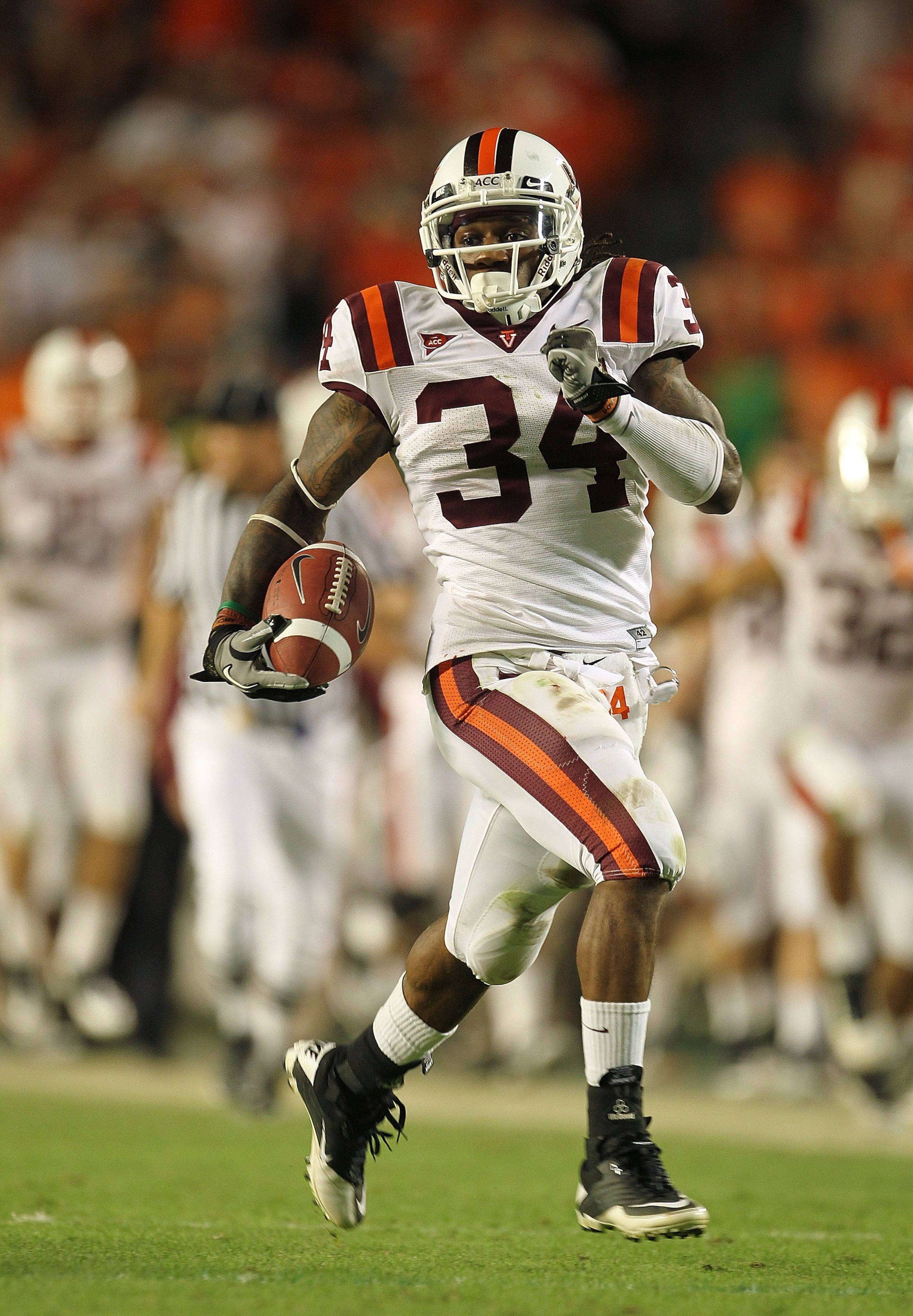
Mark Ingram (Alabama): Almost certainly Ingram won't be available by the time the Packers pick at No. 32, but it's possible he could fall if there are any struggles between now and the draft.
While many scouts have called Ingram the next Emmitt Smith, that could be a fair comparison.
He's not the fastest or tallest back, but Ingram has the vision and body to be a No. 1 running back for a long time in the NFL.
MIkel Leshoure (Illinois): In a weak class of running backs, Leshoure comes in at No. 2 on the draft board.
He gets compared to former teammate Rashard Mendenhall a lot, but those comparisons are far from accurate.
Even so, he's got the talent to be a No. 1 back for plenty of teams in the NFL.
Ryan Williams (Virginia Tech): Williams is a borderline first round prospect, but many think he has the potential to have a similar impact as Ingram for an NFL team.
Williams has a certain violentness to his running style that will appeal to GM's and he isn't afraid to run in tight spaces.
With Ingram more than likely gone at No. 32, the Packers best bet (if they reached on a back in the first) would be Williams. He'll end up being a steal for whoever gets him, however.
RB: Second Round (No. 64) Prospects
24 of 29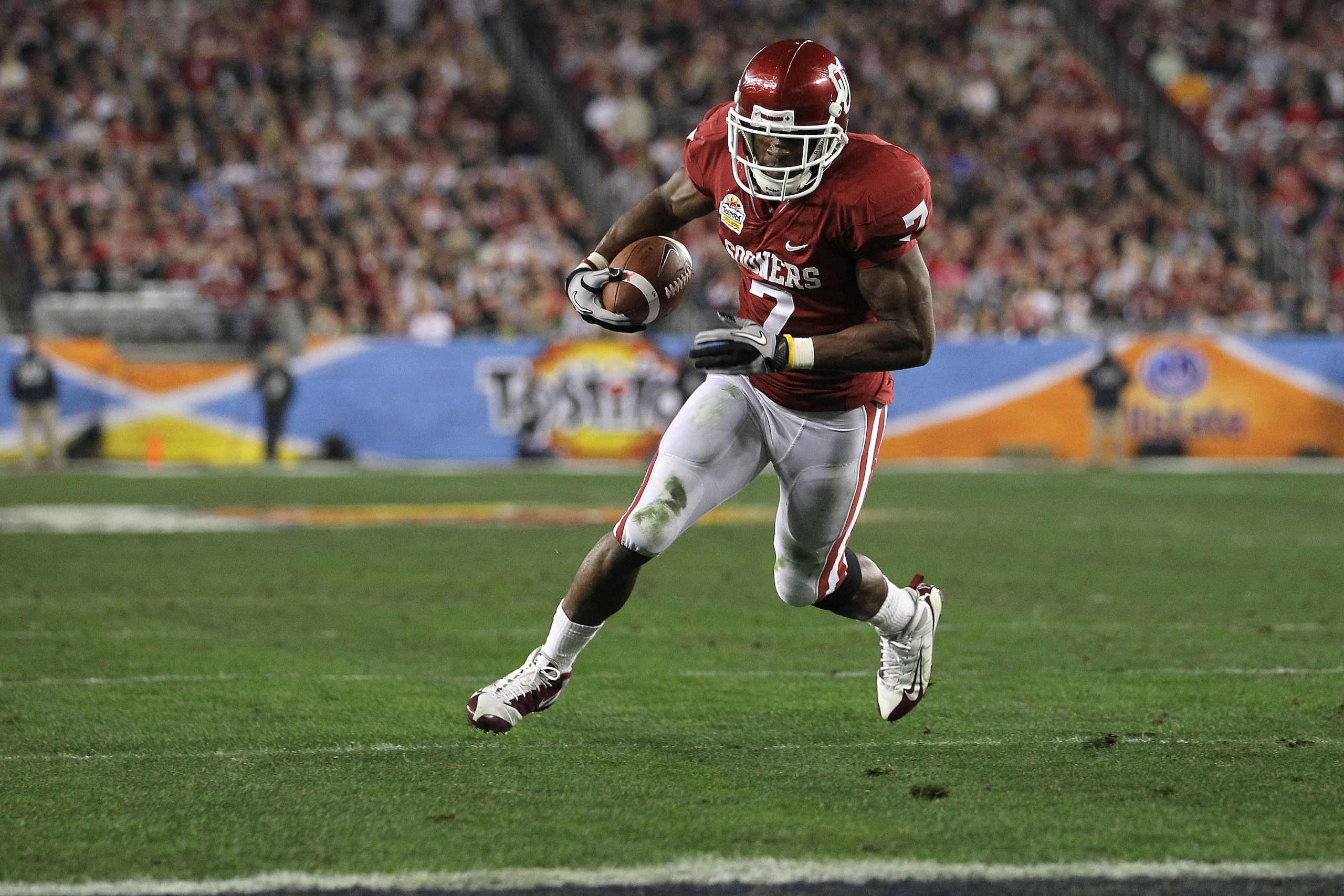
Shane Vereen (California): The Packers have lacked a shifty back for awhile, but Vereen could bring that to the table.
He clearly lacks the size to be an everydown type of runner, but his speed and vision could make him a valuable asset in certain situations for the Packers.
Demarco Murray (Oklahoma): Murray is another shifty back who wouldn't be able to hold up as the featured back.
Still, he's an accomplished receiver out of the back field and would present mismatches for a defense.
Daniel Thomas (Kansas State): At 6'2", 220 pounds, Thomas has the body type the Packers like in a back.
He's also a solid receiver, but he wouldn't add much to the Packers offense they don't already possess.
Jordan Todman (UCONN): One of the more accomplished backs in college football, Todman does a lot of things well for an offense.
However, he lacks that first step explosiveness backs need, and his ceiling isn't anything more than what Brandon Jackson already gives the Packers.
RB: Third Round (No. 96) or Later Prospects
25 of 29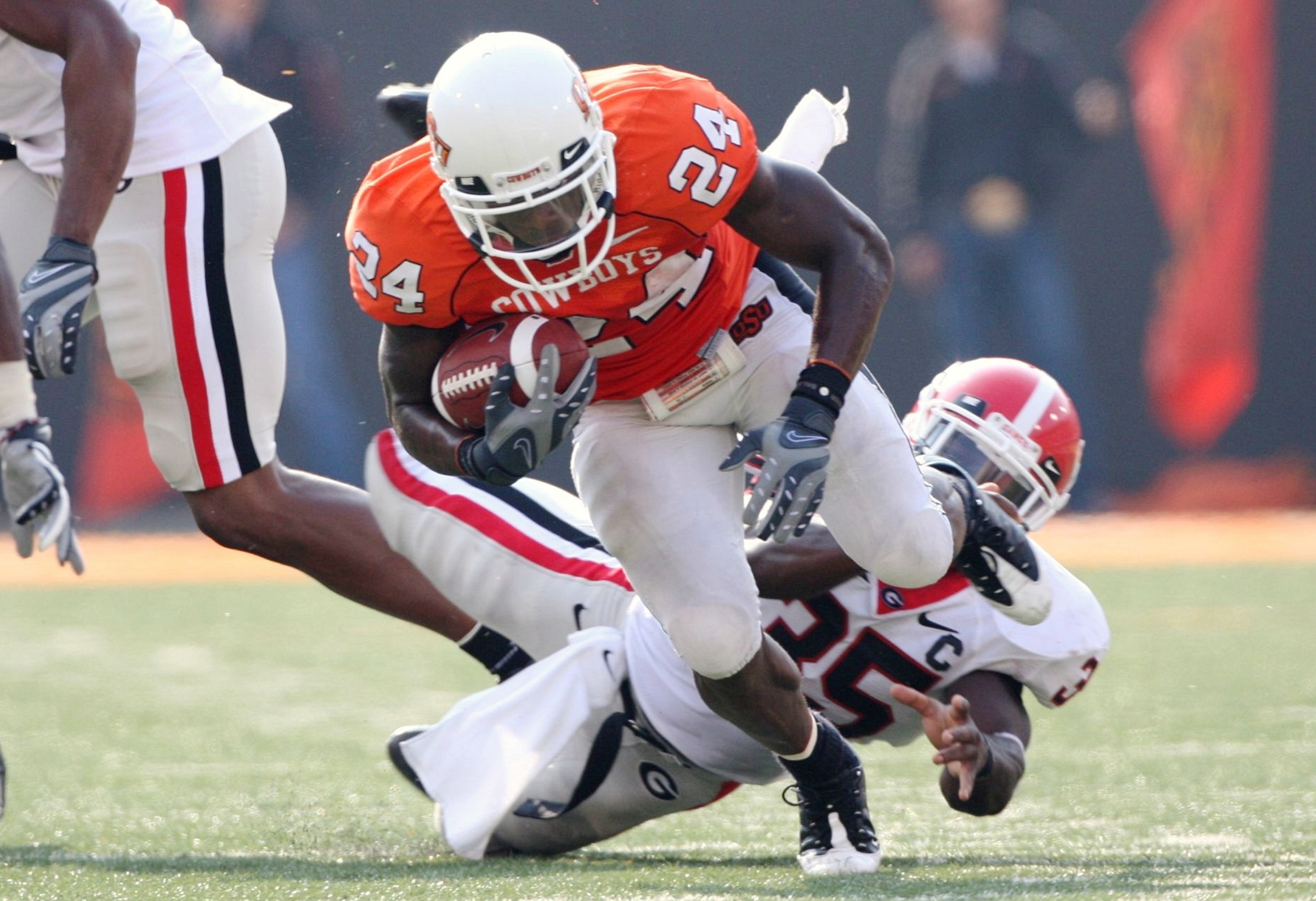
Bilal Powell (Louisville): He's a well-built, productive runner who will make an NFL happy for drafting him in the middle rounds.
Jacquizz Rodgers (Oregon State): He's definitely undersized, but he can run, catch and possibly return kicks for a team.
Derek Locke (Kentucky): Always known as a burner, Locke improved as a runner over the past season and could be a solid third down back.
Delone Carter (Syracuse): He has some character issues, but Carter is a big bodied runner with natural running skills.
Kendall Hunter (Oklahoma State): There are a lot of mixed perceptions on him (mostly injury related), but Hunter could be a steal in the middle rounds as an explosive and dangerous open-field runner.
Graig Cooper (Miami): A torn ACL dropped his stock, but he could be a steal if his knee is fully recovered.
Kick and Punt Returner: Why It's a Need
26 of 29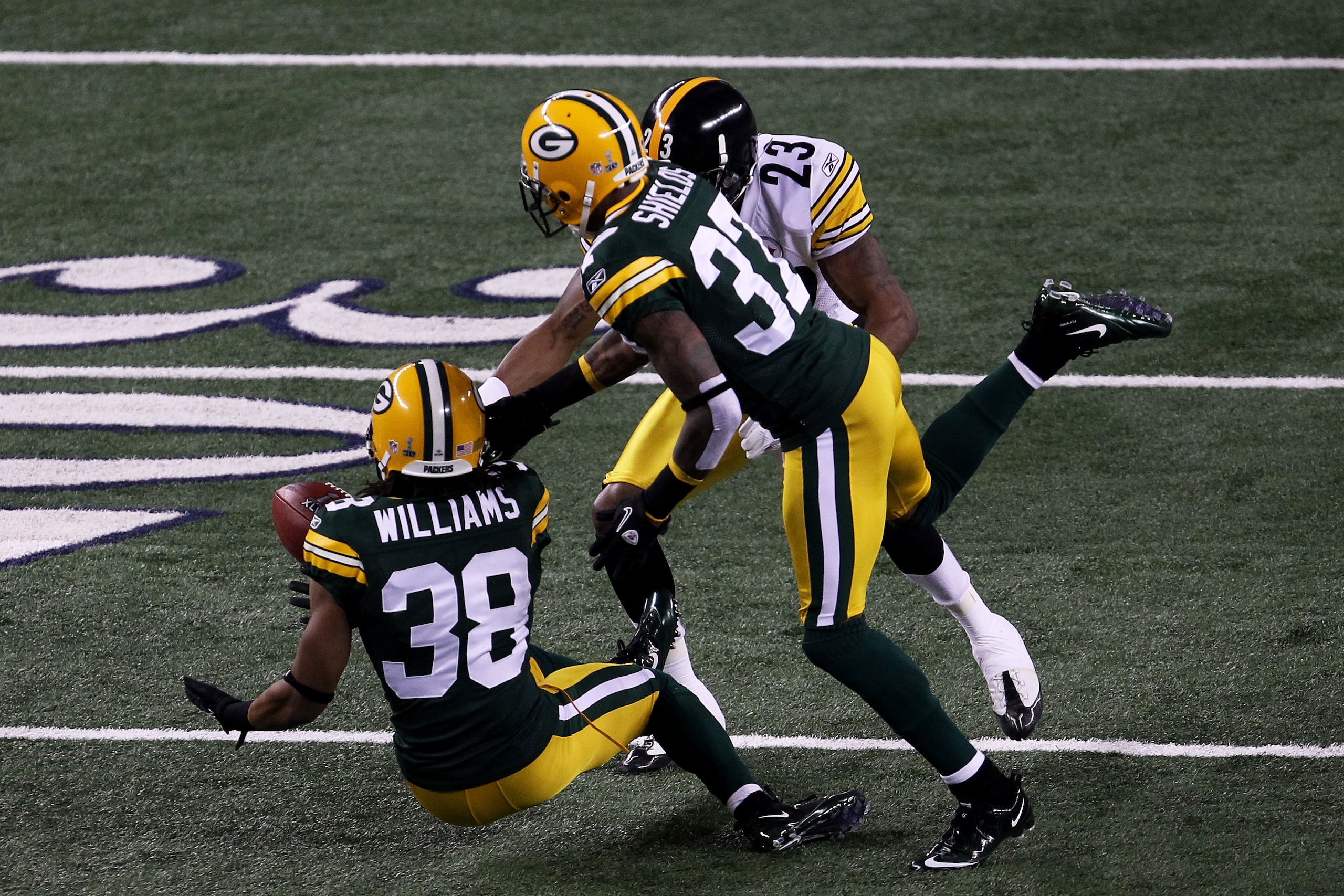
Throughout Thompson's six-year tenure as GM, the Packers have yet to find a true answer at either kick or punt returner.
Will Blackmon has probably been the best during that time, but he's not currently on the Packers roster.
Last season, the Packers got by with Tramon Williams returning punts and a bevy of players returning kicks, but it might be time for Thompson to find a true returner for Green Bay.
Williams is too valuable on defense to continue risking his health on punts, and having a viable weapons at returner can drastically shift field position—something the Packers have struggled with.
Note: none of the following prospects are just returners. I can't see the Packers spending a pick on a player who can't contribute in other ways besides at returner.
KR: First Round (No. 32) Prospects
27 of 29
Titus Young (Boise State): He only returned 14 punts in his college career, but Young was a difference maker as a kick returner at Boise State.
His explosive second gear makes him a very attractive option for the Packers as a kick and punt returner, and his ability to be an impact at receiver allows this selection to solve two potential needs for Green Bay.
Torrey Smith (Maryland): Smith also had limited experience return punts, but he was one of the top kick returners in the nation over the past three seasons.
He might clock out with the best 40 time in Indianapolis, and surely the Packers could use that kind of speed as a game-changing returner and potential impact receiver.
KR: Second Round (No. 64) Prospects
28 of 29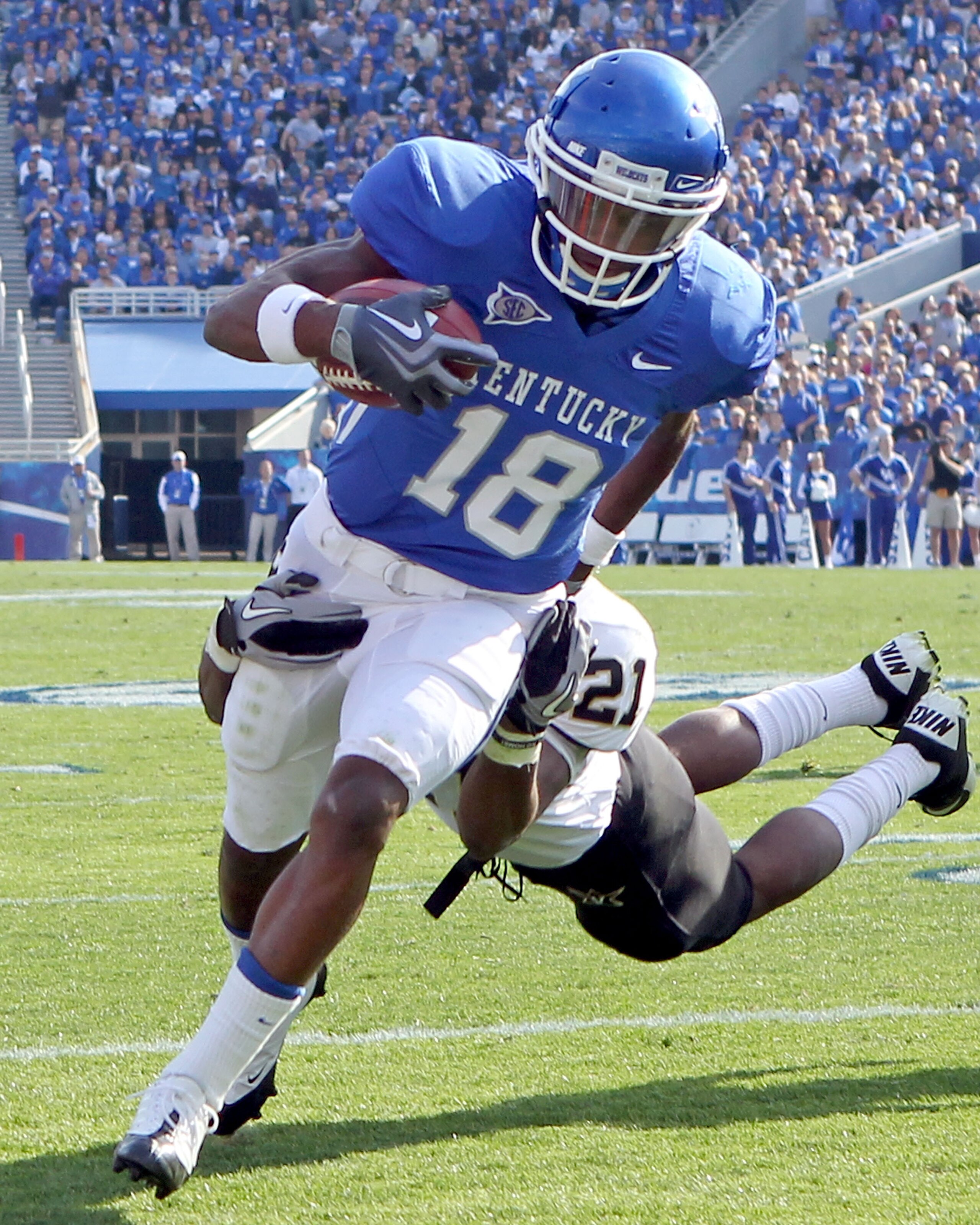
Jernel Jernigan (Troy): At just 5'9", you wouldn't expect Jernigan to be a strong runner, but that's not the case.
He's strong, has an explosive first step and plenty of experience returning kicks and punts (with success too, two TD's).
I've heard comparisons to Percy Harvin, but I'm not ready to confirm those quite yet.
Randall Cobb (Kentucky): Cobb has even more experience returning kicks and punts (92 punts, 44 kicks).
He isn't as polished a receiver as Jernigan, and that could drop his stock in Green Bay, but the returning issue would be effectively solved.
Kendall Hunter (Oklahoma State): Hunter only has experience returning kicks, but he also gives the Packers an answer at running back if Brandon Jackson leaves in free agency.
Hunter is fast and has had plenty of work in the receiving department.
KR: Third Round (No. 96) Or Later Prospects
29 of 29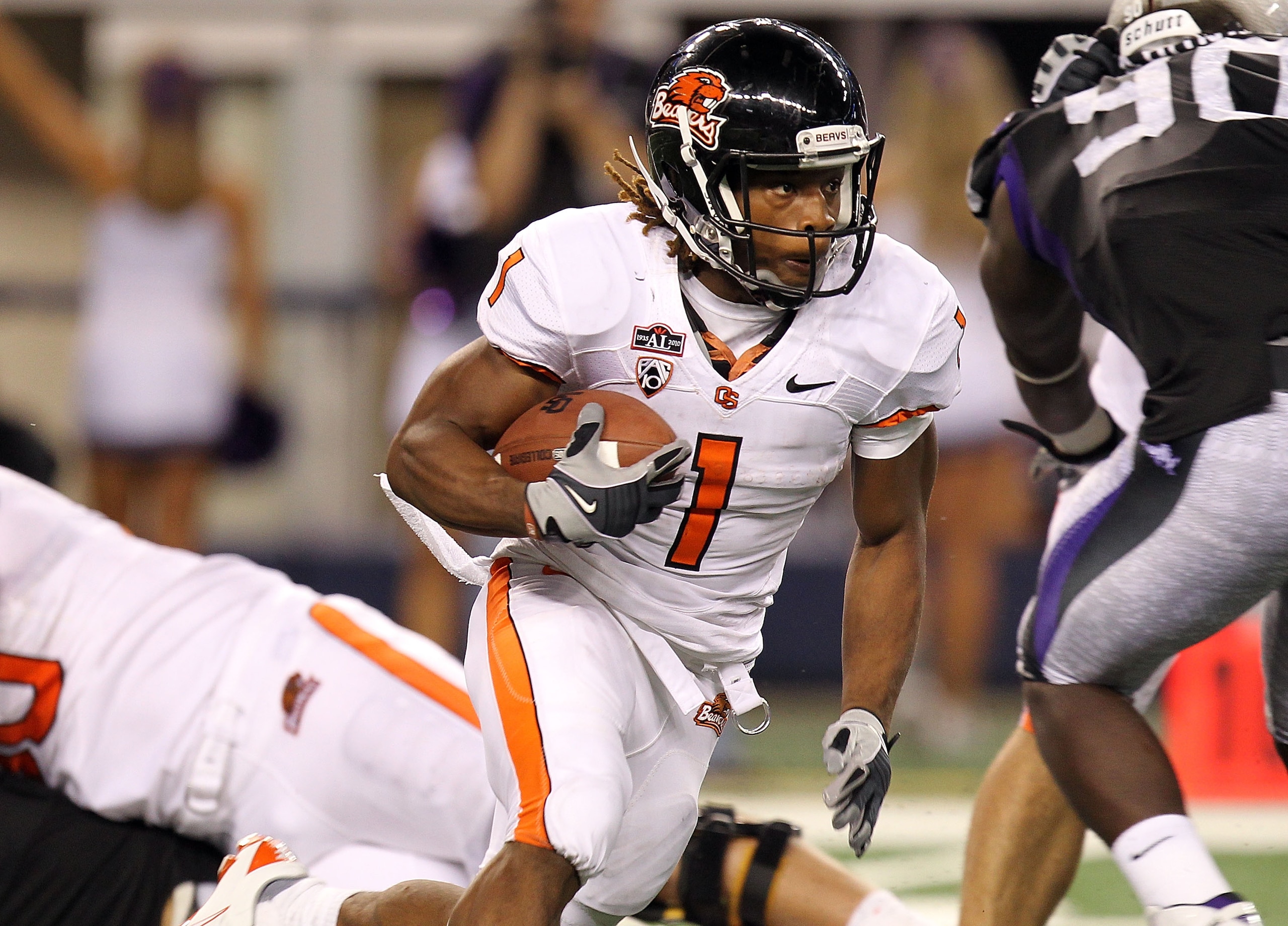
Jacquizz Rodgers (Oregon State): Plenty of rushing and receiving experience that would transfer over to the return game very easily.
Curtis Marsh (Utah State): An interesting cornerback prospect that also can return punts and kicks.
Cecil Shorts (Mount Union): Has experience at both punt and kick returner, and was good at it. Just another reason he'd be a perfect for the Packers.
Jeremy Kerley (TCU): Has returned over 300 combined kicks and punts, and has the potential to be a No. 3 receiver eventually in the NFL.
Justin Rogers (Richmond): Another interesting cornerback prospect who returned both punts and kicks at Richmond.
Niles Paul (Nebraska): Returned two kicks and one punt for touchdowns over four years of work for the Huskers.
.jpg?w=2560 "Steelers Saints Football")



.jpg?w=2560 "🚨 Week 8 AP Top 25 Poll")
