
NFL Draft 2011: The 25 Most Stunning Draft Day Tumbles in NFL History
The 2011 NFL Draft will definitely have a few no-brainer selections. Whether it’s Nick Fairley or Da’Quan Bowers or Patrick Peterson, there just seem to be a few players destined to be top-10 picks, no matter whose turn it is to choose.
But there is just as likely to be a player who remains on the board long after the experts predicted. Could it be Cam Newton? Or Blaine Gabbert? Or Von Miller?
Whoever it is, they’ll join a long list of surprising Draft Day tumbles.
And let’s be clear: For a player to “tumble,” they have to drop a whole bunch of spots. Warren Sapp falling to 12th, Matt Leinart falling to 10th or Eddie George dropping to 15th was unexpected, but not a free-fall.
We're talking about players who really had to sweat it out.
No. 25: Terry Kirby, RB, Virginia
1 of 25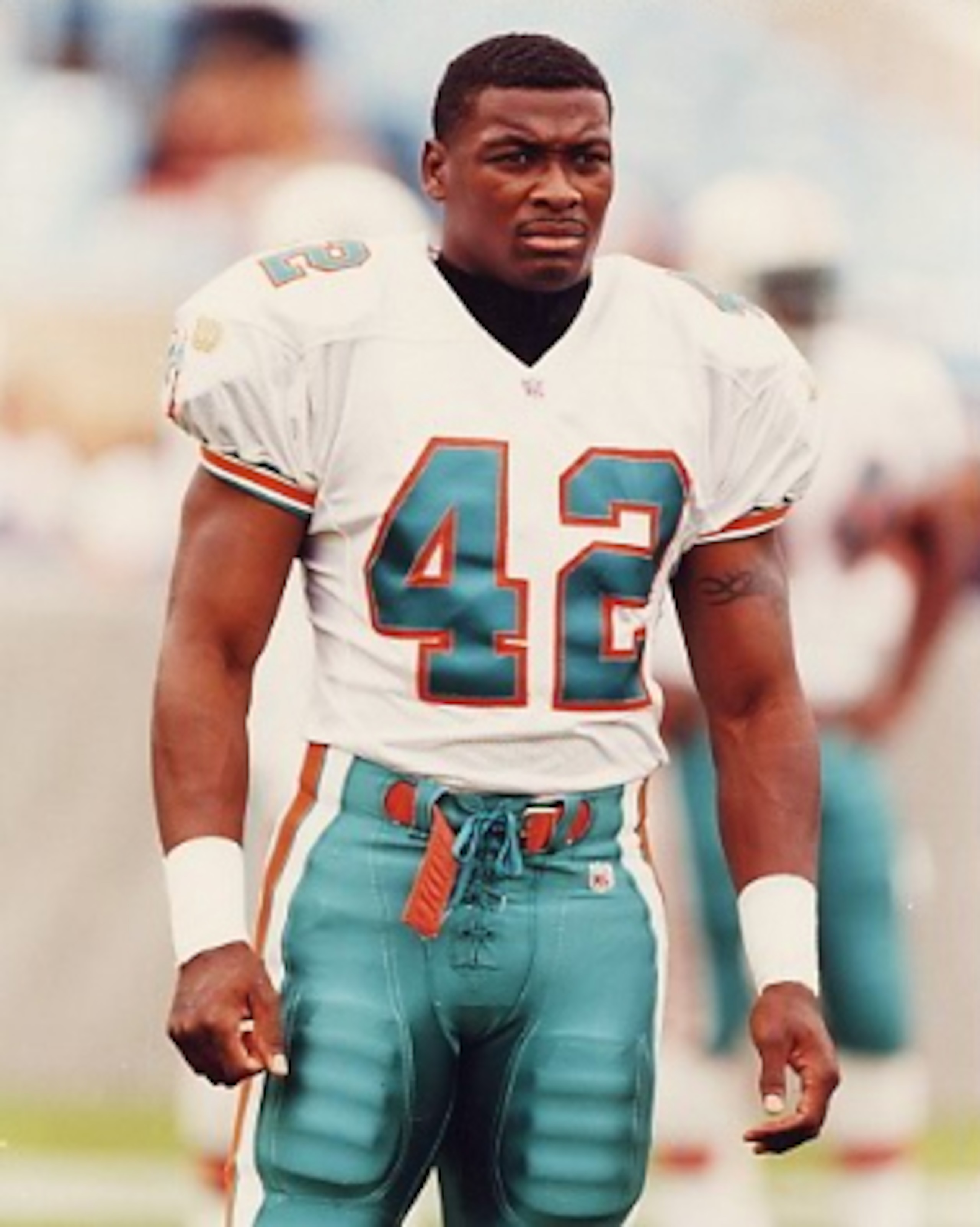
Team: Miami Dolphins
Year: 1993
Selection: Third round, 78th overall
There are cases like Tony Mandarich and Mike Mamula soaring up the boards on draft day because of hype along the grapevine. But that type of buzz goes both ways: It can also terribly hurt a player's draft status, as you’ll see in this list.
One such interesting case came in April 1993.
Terry Kirby left the University of Virginia as the school’s all-time leading rusher and was also a great weapon catching passes out of the backfield for the Cavaliers. An early-season Heisman hopeful in his senior season, Kirby was mentioned alongside Jerome Bettis and Garrison Hearst as one of the top running backs available in the 1993 NFL Draft.
But as ESPN.com would later reveal, Kirby tumbled to near the end of the third round, largely because of a false report that he was blind in one eye. When all was said and done, eight backs were chosen before him, including Roosevelt Potts and Russell White.
No. 24: Andy Katzenmoyer, LB, Ohio State
2 of 25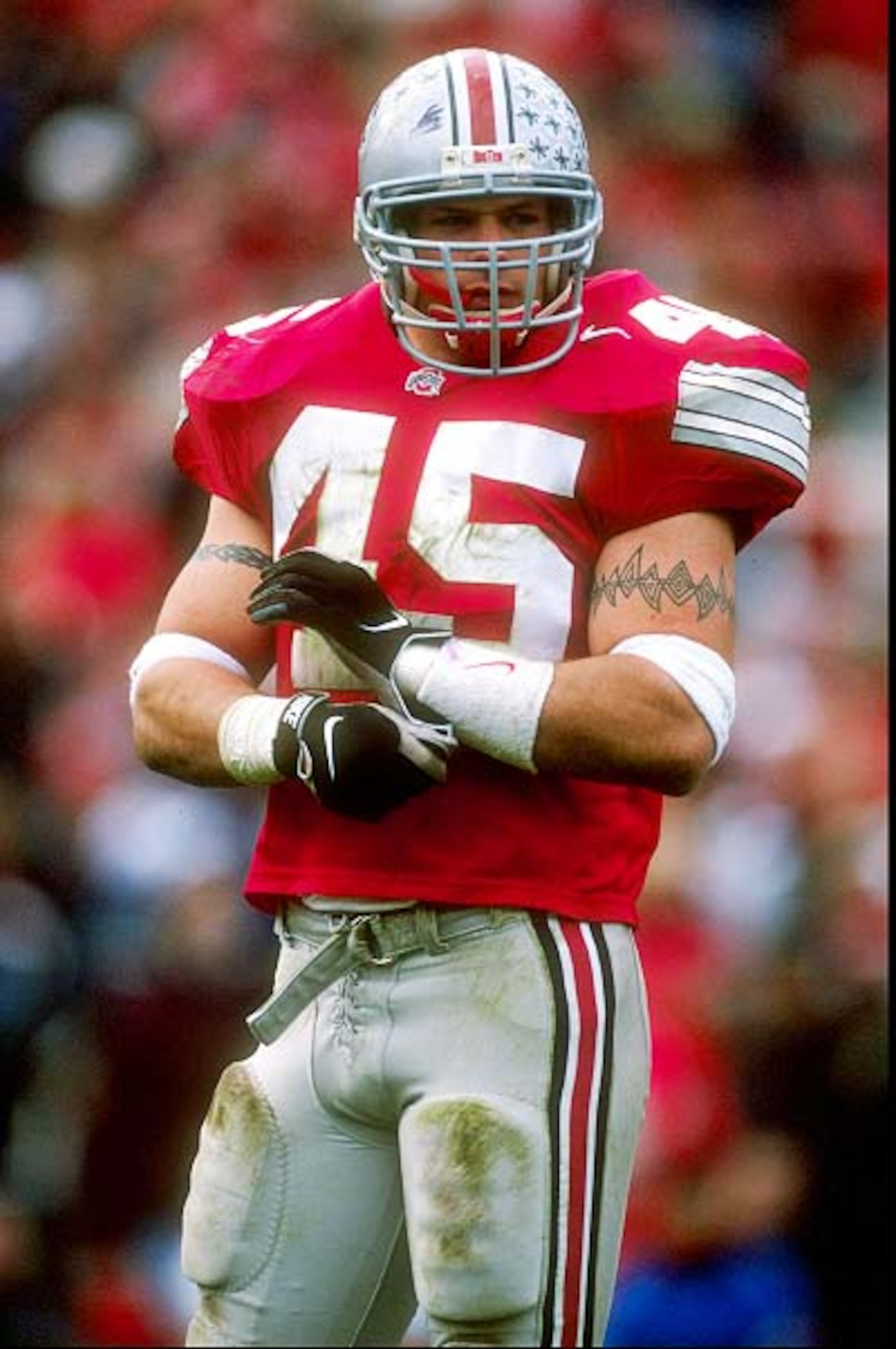
Year: 1999
Team: New England Patriots
Selection: First round, 28th overall
Had he been able to leave Ohio State following his freshman season, Andy Katzenmoyer might have been a top-five pick.
But after winning the Butkus Award in 1997, he nabbed more headlines for his easy class load than he did for improving on the field.
Still, he was expected to be taken in the first half of the first round in 1999.
Chris Claiborne was the first linebacker taken that year, ninth overall. And although nine defensive players were selected soon after him in the first round, none were Katzenmoyer. The Patriots selected him 29th overall, far later than he was expected to be chosen.
No. 23: Larry Johnson, RB, Penn State
3 of 25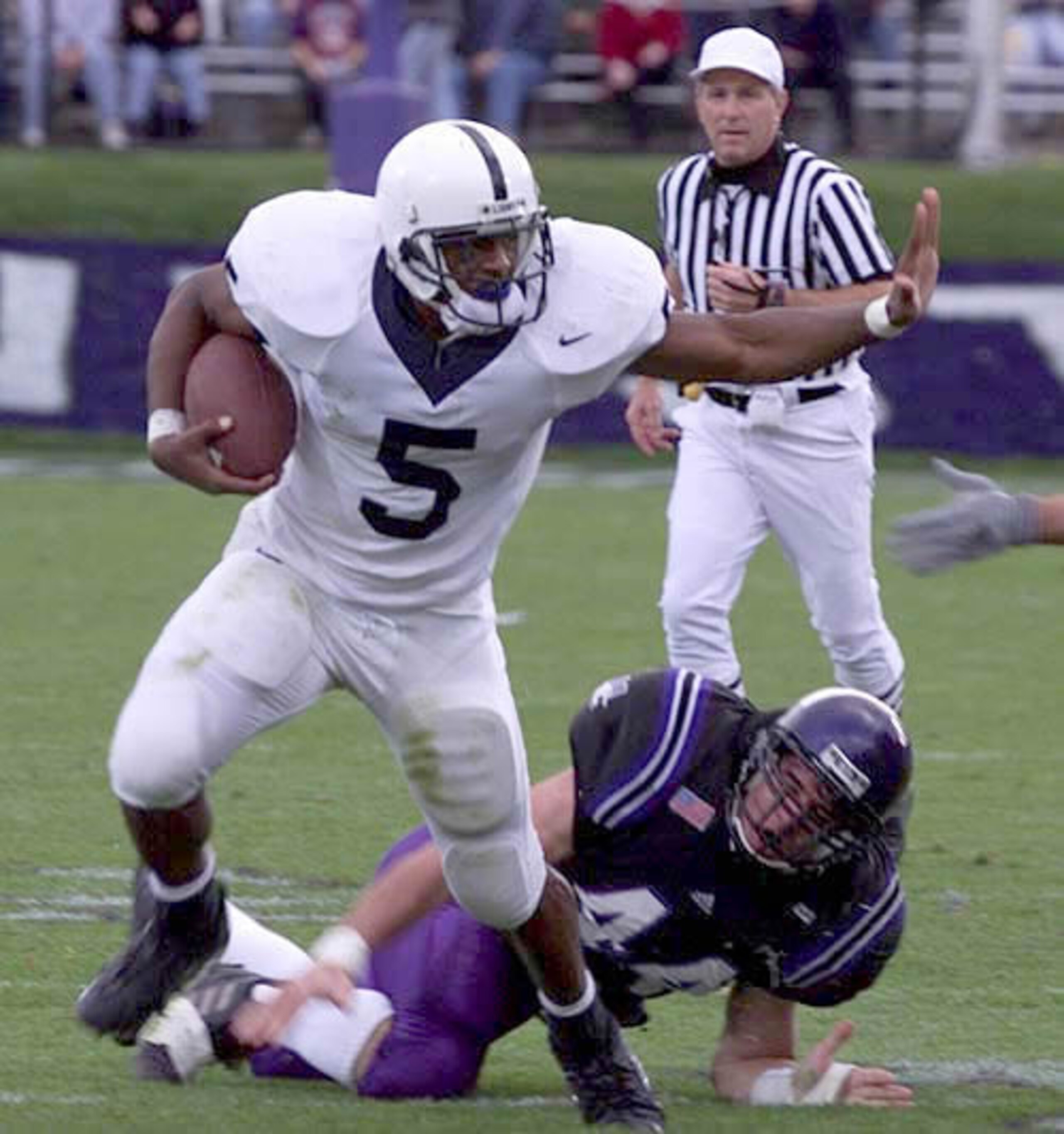
Year: 2003
Team: Kansas City Chiefs
Selection: First round, 27thoverall
No matter what teams or the experts say, history finds its way into the NFL war rooms.
The failed careers—no matter why or how they became busts—of Blair Thomas, Ki-Jana Carter and Curtis Enis had to be a factor in 24 teams passing on the second runner-up in the 2002 Heisman voting.
Johnson became the first Nittany Lion in history to rush for over 2,000 yards.
But the Buffalo Bills selected Willis McGahee and his torn ACL as the draft’s first running back..
And the Bears, perhaps still sour on selecting Enis four years earlier, took sophomore Rex Grossman instead of Johnson. He would later rush for over 1,750 yards in consecutive seasons.
.jpg?w=2560 "Rams Raiders Football")

.jpg?w=2560 "Steelers Saints Football")
No. 22: Lydell Mitchell, RB, Penn State
4 of 25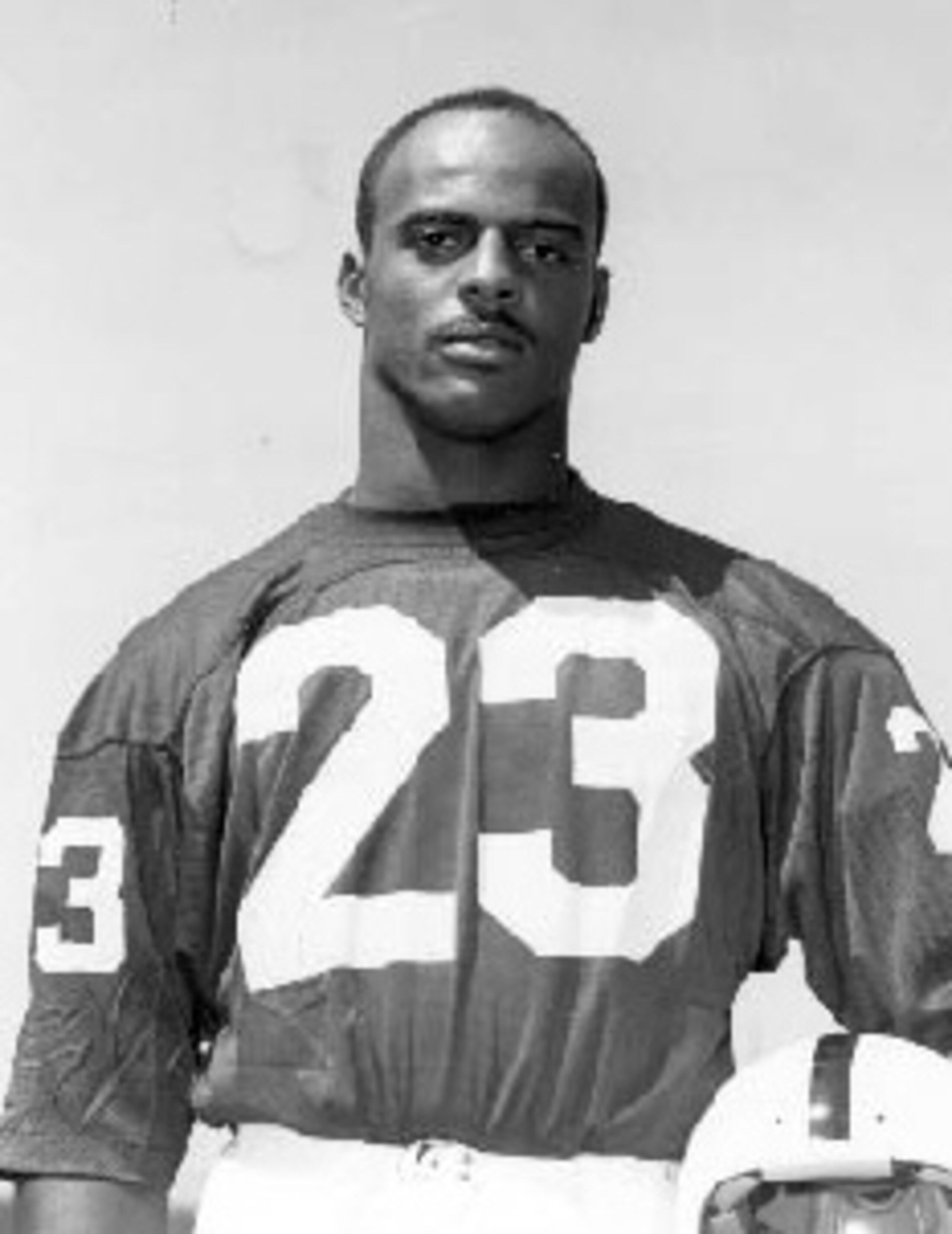
Year: 1972
Team: Baltimore Colts
Selection: Second round, 48th overall
Penn State running backs weren’t always borderline pariahs on draft day. And in 1972, desperately needing a running back, the Pittsburgh Steelers took one from their in-state football factory.
But it wasn’t who most people expected. Franco Harris, not Lydell Mitchell, was the back Pittsburgh took.
Still, as inexplicable as that move was, it was even more stunning that four more backs (Robert Newhouse, Jim Bertelsen, Jeff Kinney, Bill Thomas) were chosen ahead of Mitchell, an All-American who ran for 1,567 and 29 touchdowns the previous season.
No. 21: Gino Torretta, QB, Miami (FL)
5 of 25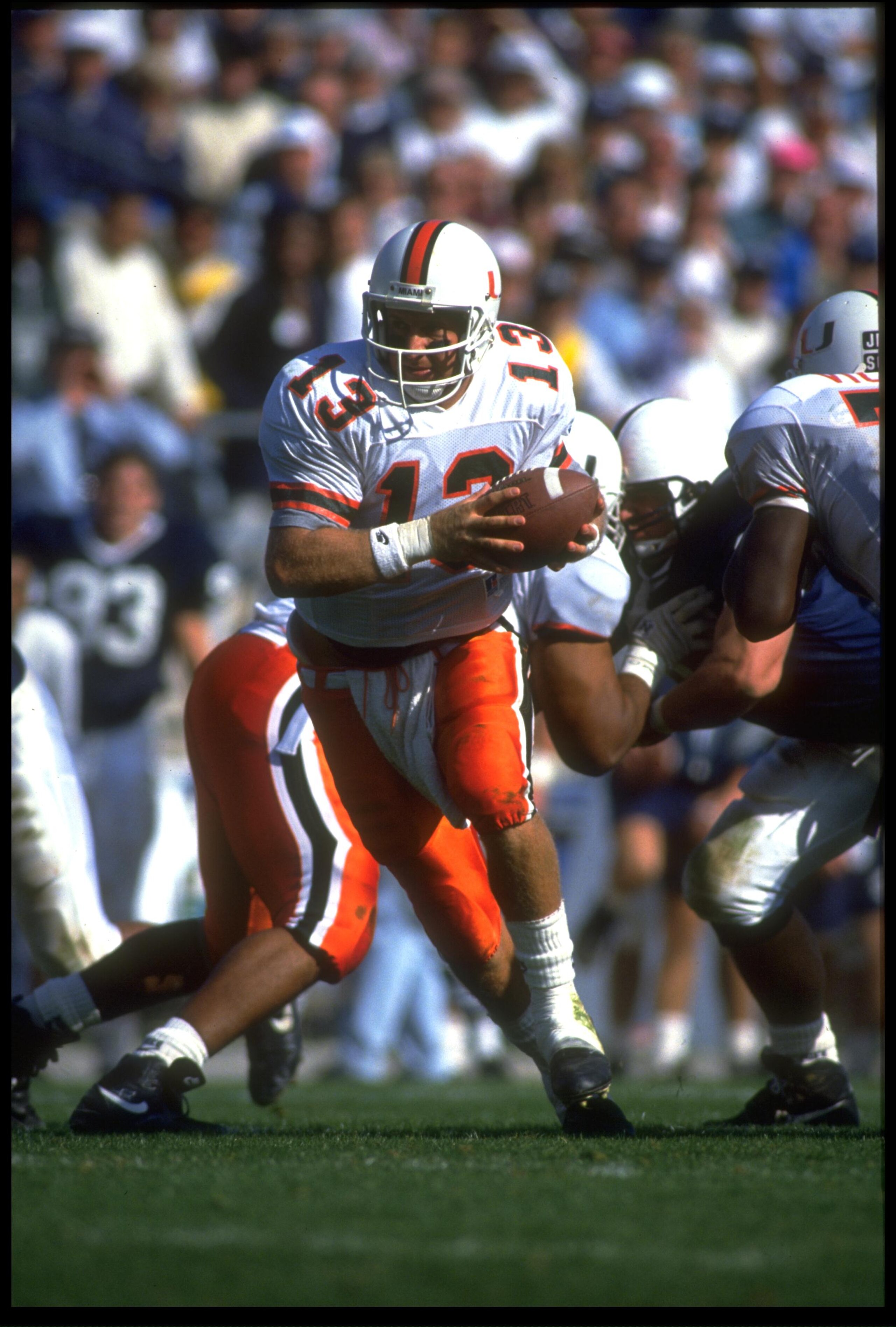
Team: Minnesota Vikings
Year: 1993
Selection: Seventh round, 192nd overall
Too often the Heisman Trophy goes to the best player on the best team. And in 1992, that was certainly the case. During that regular season, the Miami Hurricanes again soared to the No. 1 ranking and a berth in the Sugar Bowl. Naturally, their quarterback, Gino Torretta, was given the Heisman.
And although everyone knew that Torretta had benefited greatly from pro talent on both sides of the ball, he was still big, reasonably accurate and had a wealth of crunch-time experience. He won 26 of his 28 starts.
Because of questions about his arm strength, mechanics and mobility, no one expected him to be a first-round pick. But most thought he’d fall somewhere in the middle of the draft.
Even that didn’t happen. Torretta fell to the middle of the seventh round, 190 selections after another quarterback with a great winning percentage but plenty of question marks, Notre Dame’s Rick Mirer.
No. 20: Dez Bryant, WR, Oklahoma State
6 of 25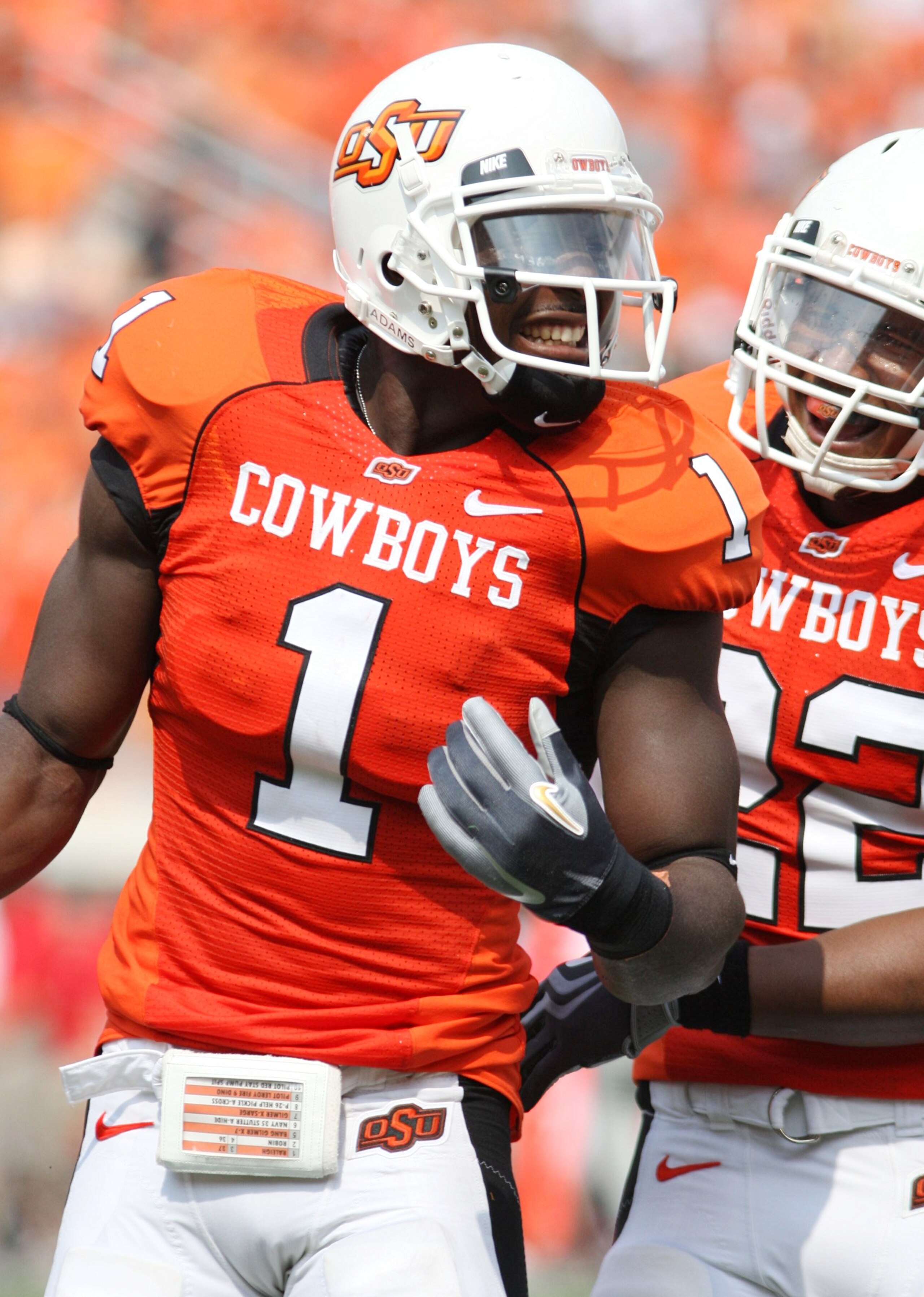
Team: Dallas Cowboys
Year: 2010
Selection: First round, 24th overall
Bryant’s suspension in the middle of his last year at Oklahoma State certainly kept him from being chosen inside the top 10, where he probably belonged.
He still tumbled further than most people expected. So much so that the Broncos took Demaryius Thomas before taking Bryant.
No. 19: Rey Maualuga, LB, USC
7 of 25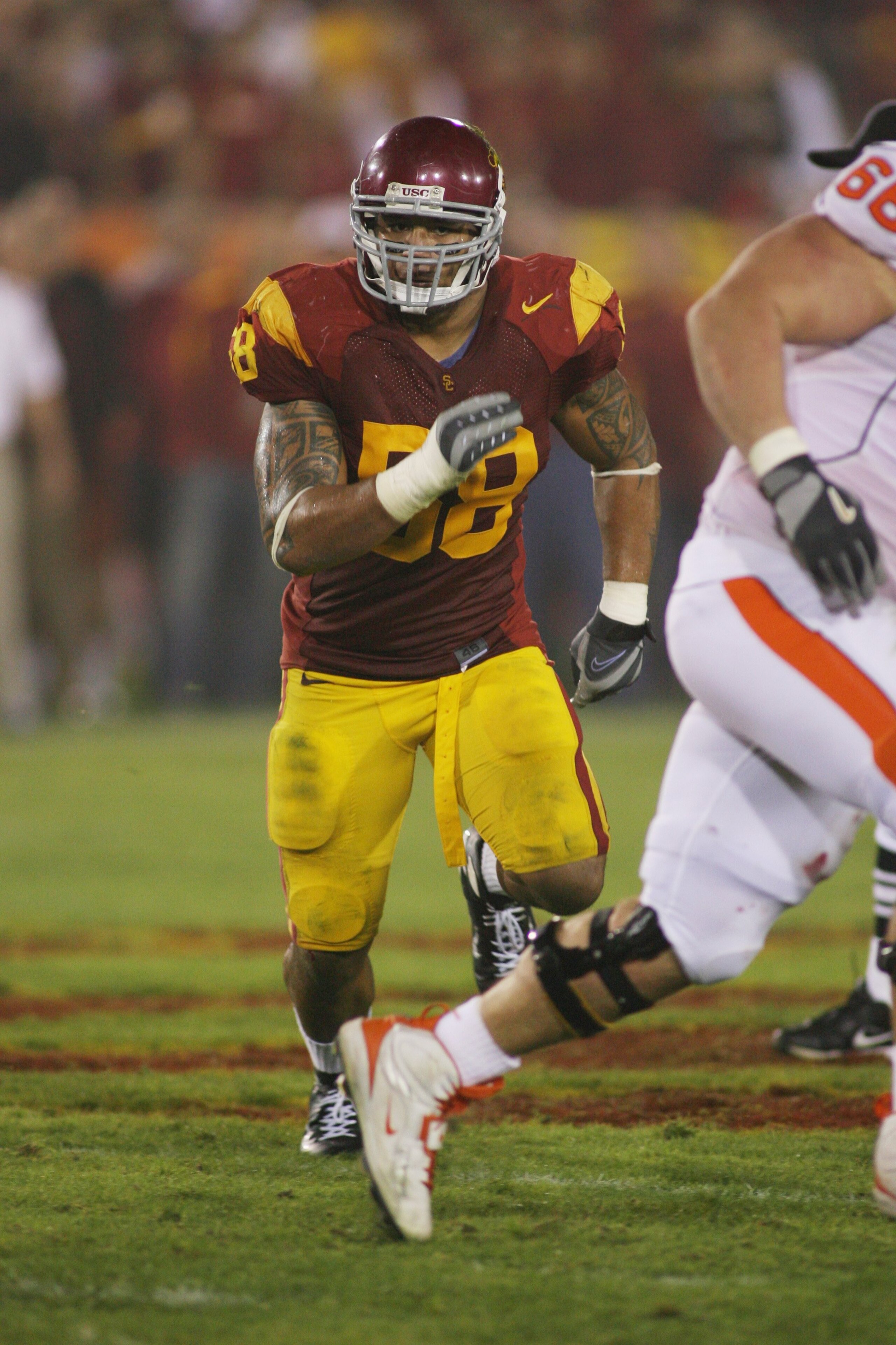
Team: Cincinnati Bengals
Year: 2009
Selection: Second round, 38th overall
Maualuga was a three-time All-Pac-10 selection. He was a Rose Bowl MVP. And in his senior season in 2008, he won the conference’s Defensive MVP award and the Bednarik Award.
Just as important, he came from a school and a defensive system that produced NFL stars like Lofa Tatupa and Troy Polamalu.
But he didn’t overwhelm anyone at the combine and wasn’t even a first-day selection.
Not only was Ohio State’s James Laurinatis taken before him, but two of his fellow Trojans linebackers, Clay Matthews III and Brian Cushing, went before him.
No. 18: Taylor Mays, S, USC
8 of 25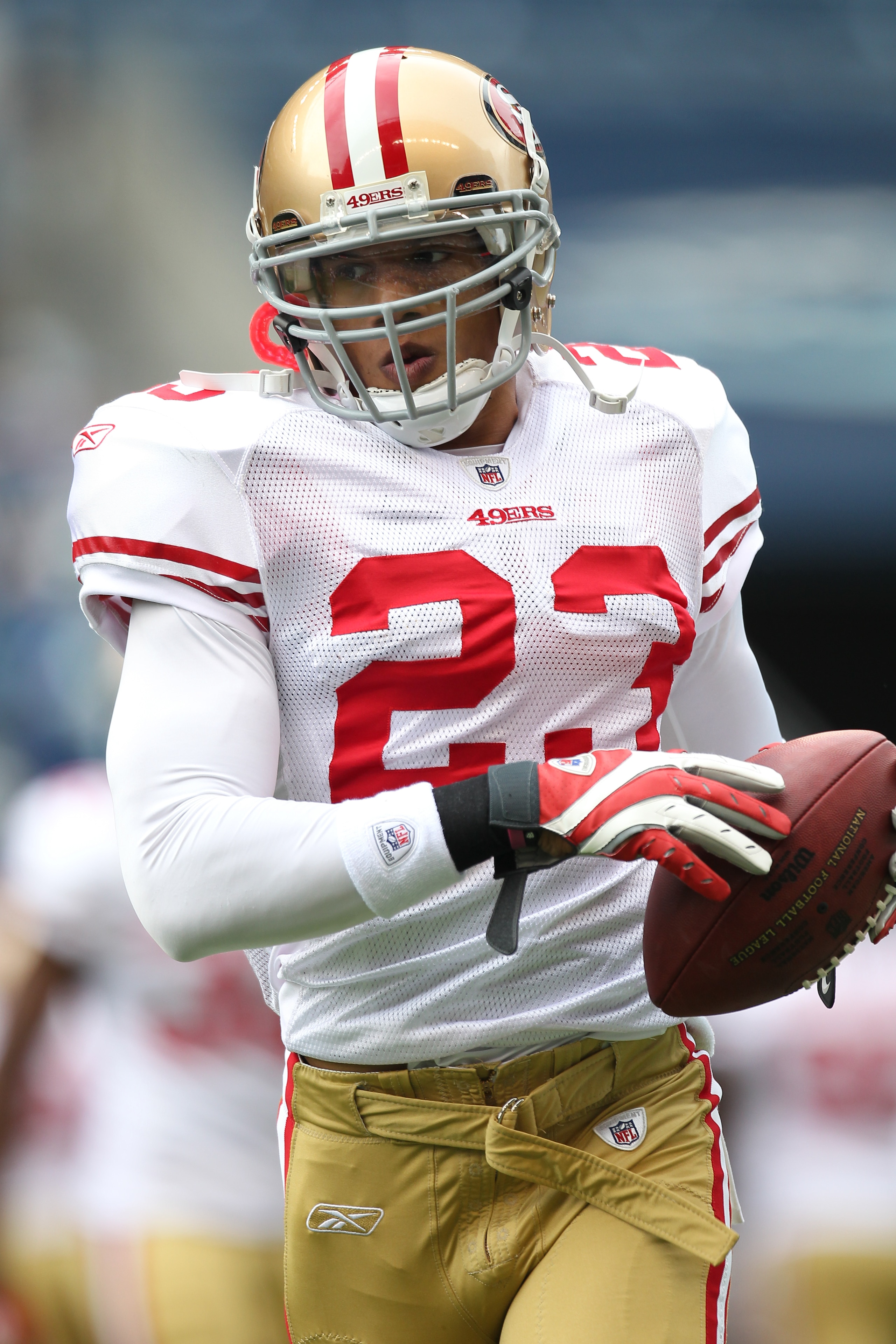
Team: San Francisco 49ers
Year: 2010
Selection: Second round, 49th overall
A year after Maualuga’s tumble surprised everyone, there was an even bigger USC draft shocker.
A three-time first-team All-American, Taylor Mays was seen as a great NFL prospect: a 6’3”, 230-pound safety who ran a 4.4 at the combine.
But after believing that he would be chosen 14th overall (his former head coach Pete Carroll took Texas safety Earl Thomas there instead), Mays tumbled through the middle of the second round.
Not only was Thomas taken before him, but so were South Florida’s Nate Allen and Oregon’s T.J. Ward.
No. 17: Archie Griffin, RB, Ohio State
9 of 25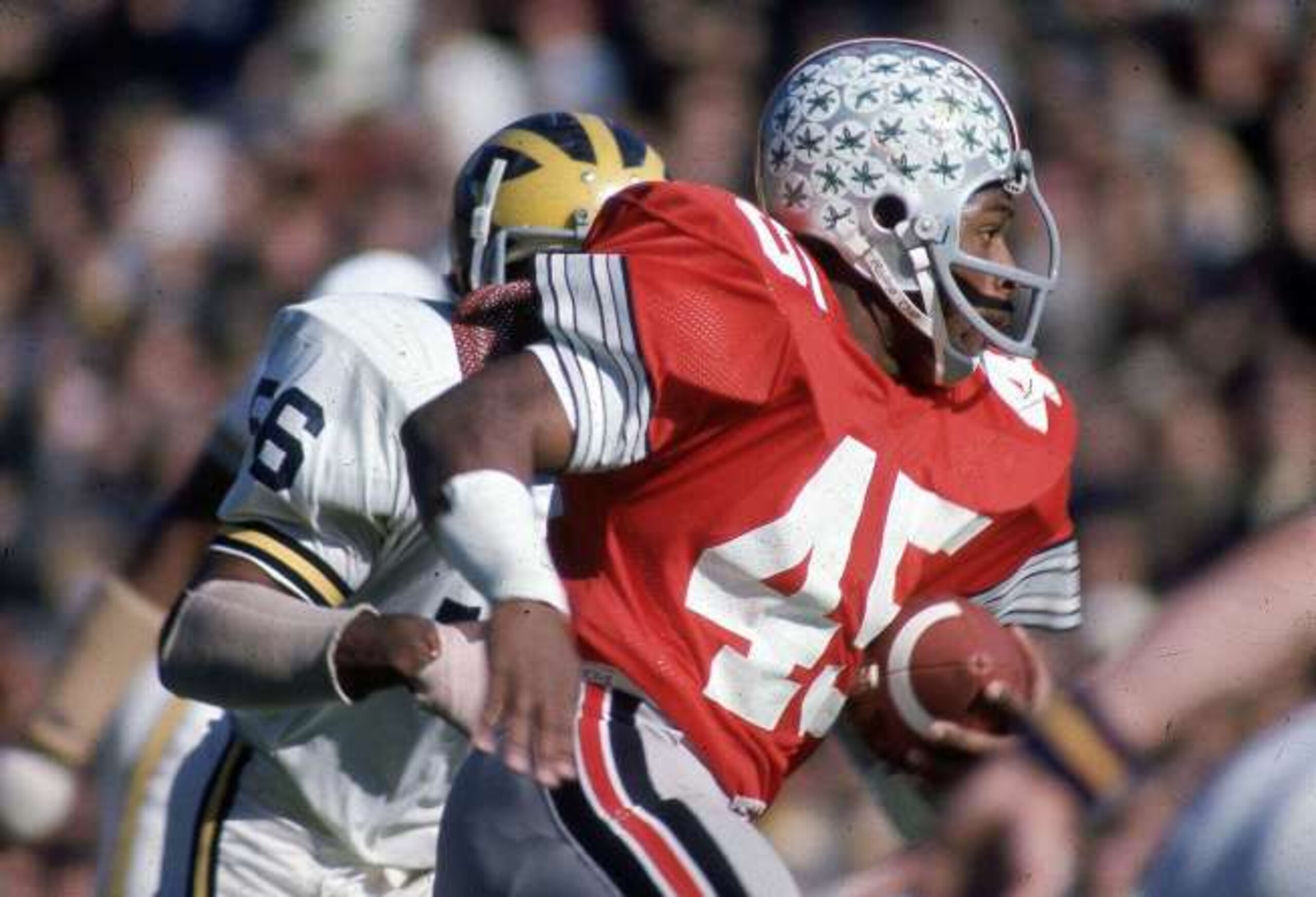
Team: Cincinnati Bengals
Year: 1976
Selection: First round, 24th overall
Before the Heisman Trophy became infamous for not producing great NFL players (Andre Ware, Ty Detmer, Desmond Howard, Gino Torretta, Charlie Ward, Rashaan Salaam all in a row), the award was a better litmus test for pro greatness.
So for a team in the market for a running back (and there were several in 1976), the only two-time winner in history, Ohio State’s Archie Griffin, seemed to be a good fit.
But the Saints (Chuck Muncie), Chargers (Joe Washington), Browns (Mike Pruitt), Falcons (Bubba Bean) and Lions (Lawrence Gaines) all looked elsewhere when they took a running back in the first round.
The Bengals, who played their games just a hundred miles from where Griffin starred at Ohio State, were also in the market for a runner. But they too passed on him with the 11th overall pick, taking wide receiver Bill Brooks instead.
Still, Cincinnati also had a late first-round pick, so they finally took the local legend, 24th overall.
No. 16: Gary Beban, QB, UCLA
10 of 25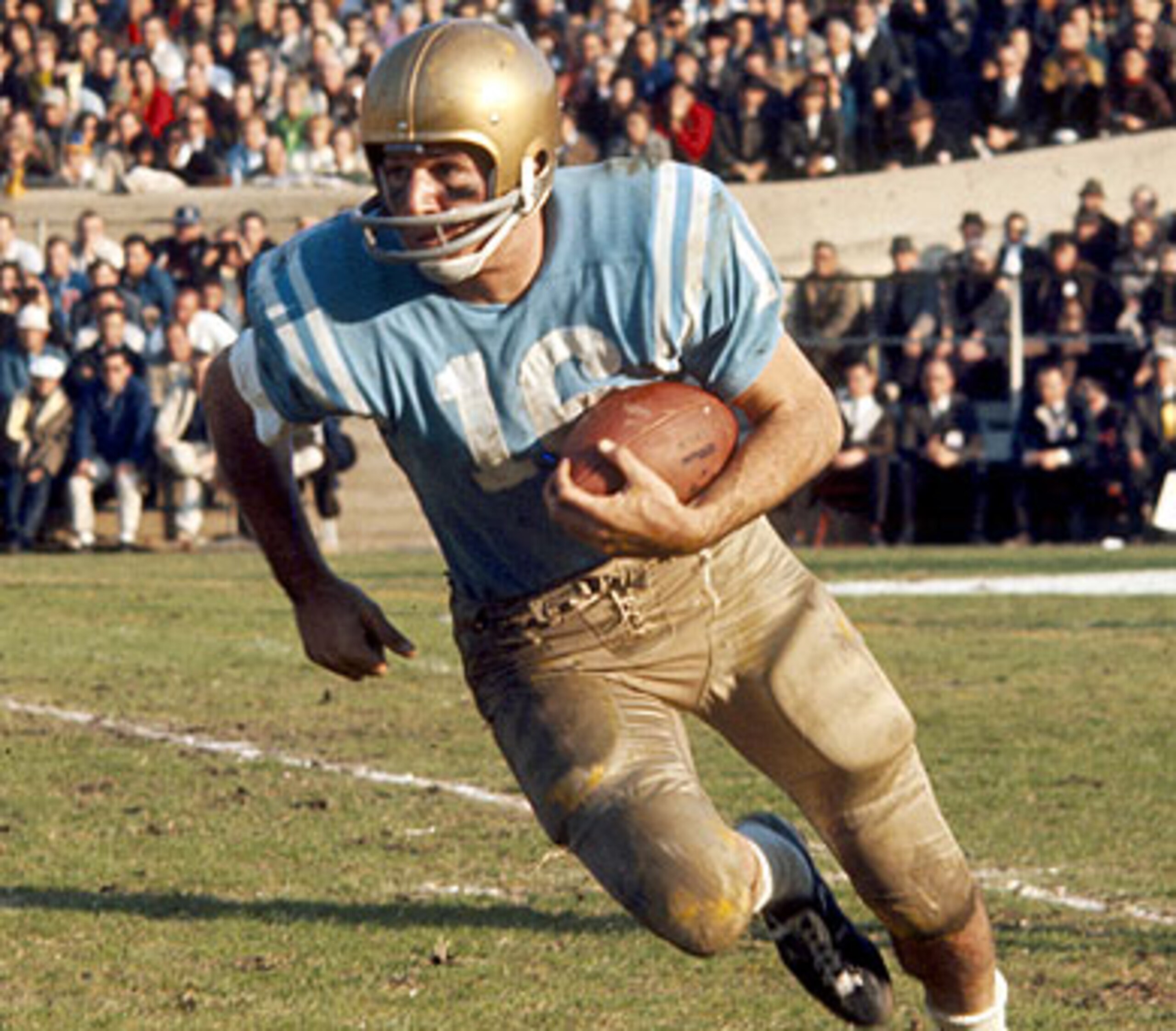
Team: Washington Redskins
Year: 1968
Selection: Second round, 30th overall
Gary Beban left UCLA with the Heisman Trophy, a Rose Bowl victory and virtually every Bruins passing record.
And the week of the draft, many scouts and league insiders expected the quarterback to be the first overall selection in 1968.
But when the Lions and Raiders turned to the college ranks for quarterbacks, they took players from far less prestigious and accomplished programs. Detroit took Greg Landry from UMass and Oakland took Eldridge Dickey from Tennessee State.
No. 15: Errict Rhett, RB, Florida
11 of 25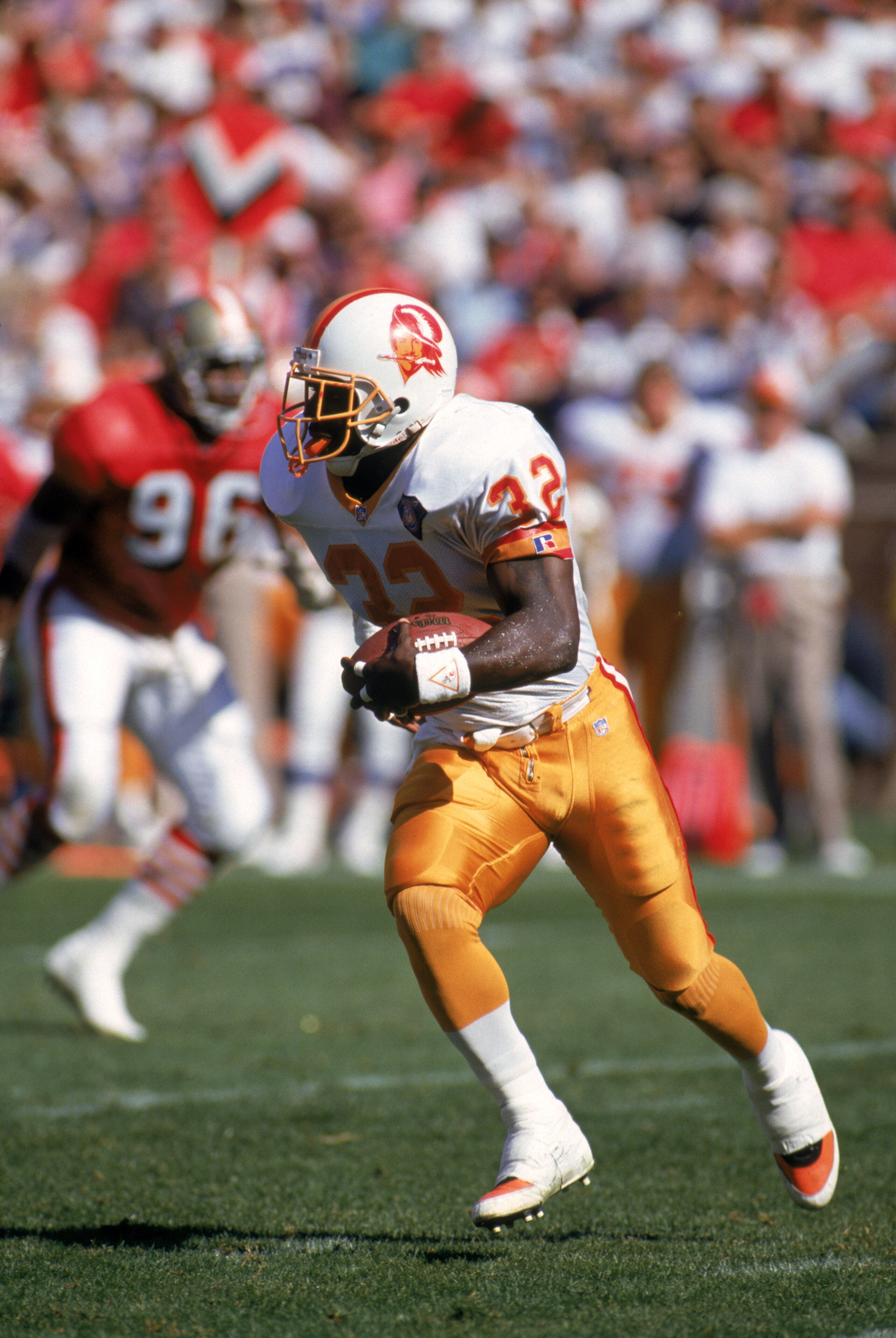
Team: Tampa Bay Buccaneers
Year: 1994
Selection: Second round, 34th overall
With the 1993 NFL Most Valuable Player award going to Emmitt Smith, a former Florida Gator, it’s no wonder that scouts and prognosticators believed several teams would look to Gainesville for another first-round running back selection.
After Marshall Faulk, the Gators' Errict Rhett was considered one of the favorites as a first-round runner. He was compact (5’10”, 210 pounds), a team captain, broke all of Smith’s Gator records and in his last college game he was the MVP of Florida’s Sugar Bowl victory.
But on draft day, concerns about fumbling issues caused him to tumble from the first round: The Chiefs, looking for a young back to pair with Marcus Allen, took Texas A&M’s Greg Hill instead of Rhett with the 25th overall pick.
No. 14: Joe Theismann, QB, Notre Dame
12 of 25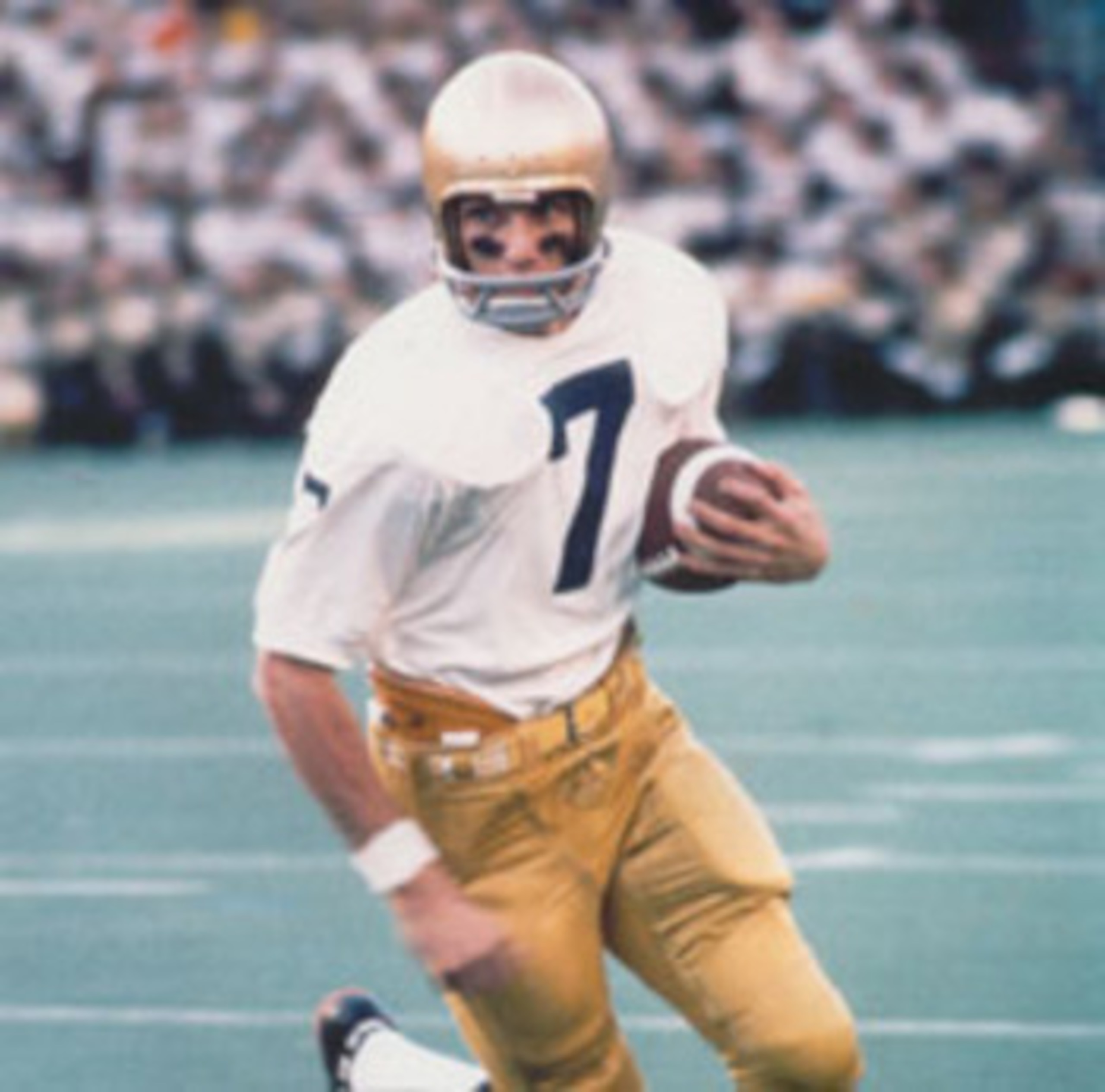
Team: Miami Dolphins
Year: 1971
Selection: Fourth round, 99th overall
In terms of NFL prospects, there was only one concern about Theismann: his size. The quarterback who posted a 20-3-2 record at Notre Dame was only 6’0”.
Although that hadn’t stopped him from breaking all the school’s passing records, seven quarterbacks were taken before him during the 1971 Draft.
A few of those were to be expected: Heisman Trophy winner Jim Plunkett went first overall, followed by the incomparable Archie Manning and Dan Pastorini.
But no one could have expected Lynn Dickey, Leo Hart, Ken Anderson and Karl Douglas to be third-round choices with Theismann still on the board.
No. 13: Jake Plummer, QB, Arizona State
13 of 25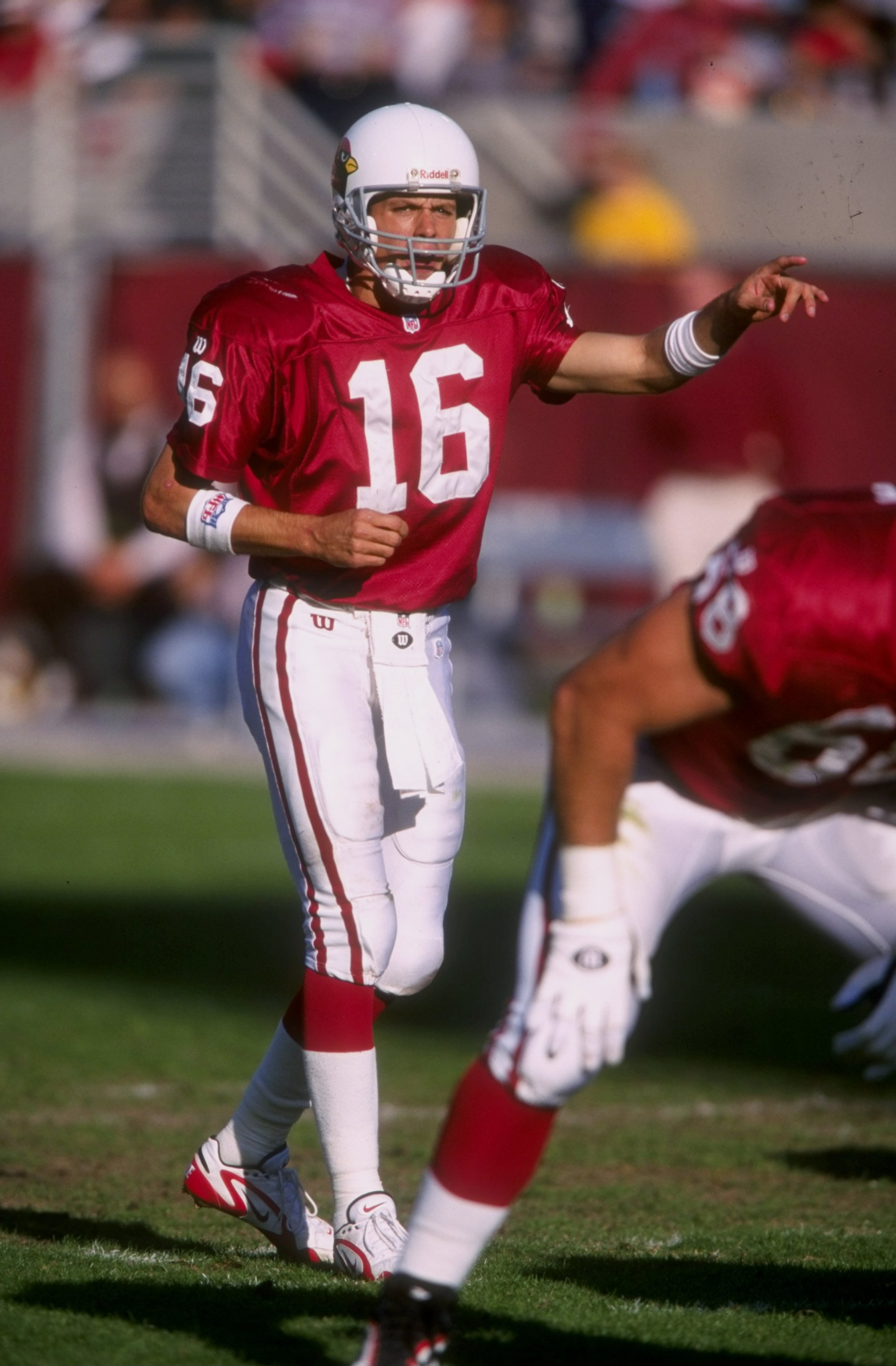
Year: 1997
Team: Arizona Cardinals
Selection: Second round, 42nd overall
Sure, Jake Plummer didn’t turn out to be the next Joe Montana like people wanted. But falling to the second round was still surprising.
In 1996, he led Arizona State to an 11-1 record and the Sun Devils' second-ever Rose Bowl, a game they nearly won thanks to his thrilling go-ahead touchdown with under two minutes to play.
Only one quarterback went ahead of him, Jim Druckenmiller. But because he was available in the middle of the second round, Arizona selected him. How much further would he have fallen if Plummer wasn’t a local hero who played his college ball in the same stadium as the Cardinals?
No. 12: Rashaan Salaam, RB, Colorado
14 of 25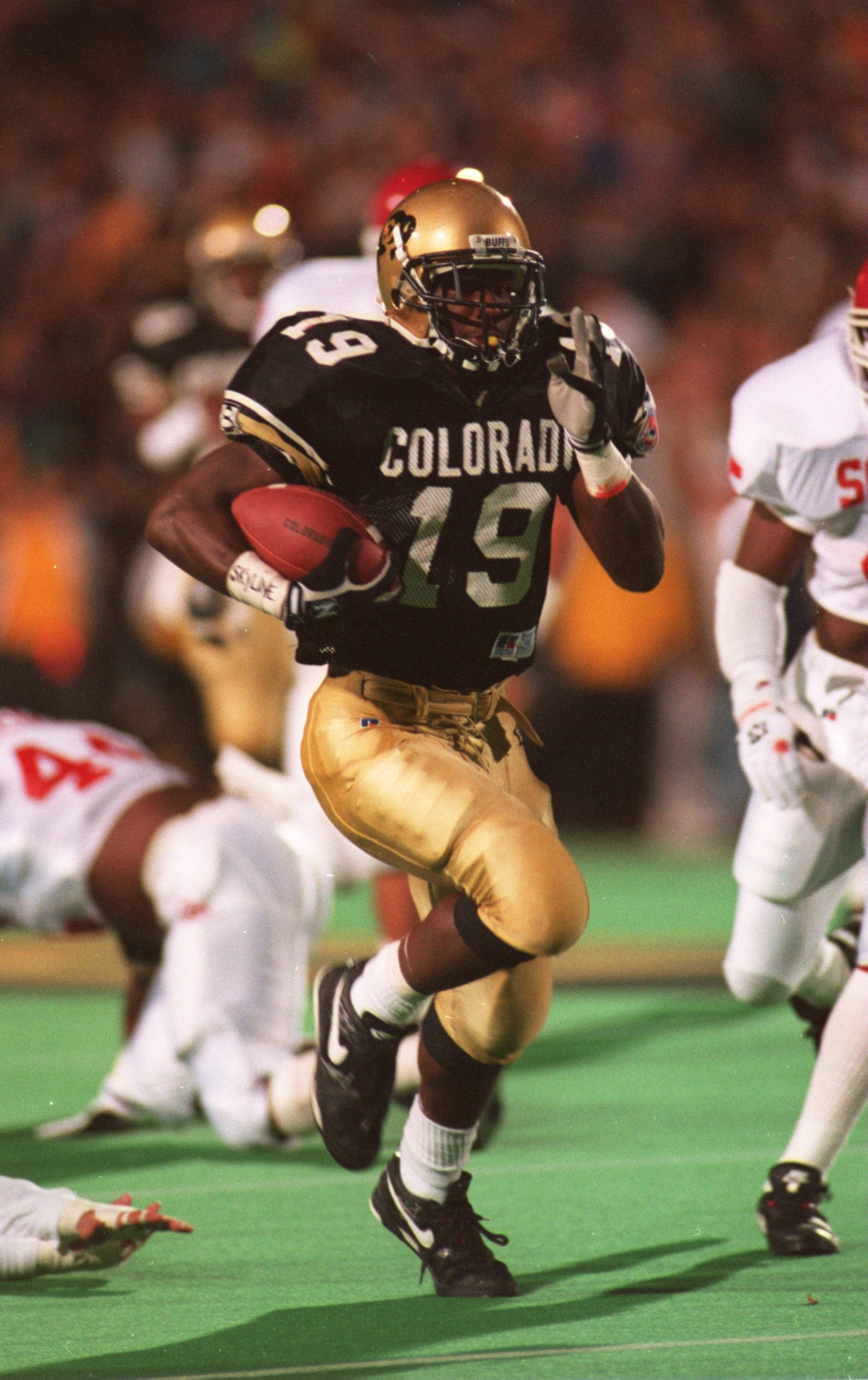
Team: Chicago Bears
Year: 1995
Selection: First round, 21st overall
In 1994, running back Rashaan Salaam edged out Penn State’s Ki-Jana Carter for the Heisman Trophy. And since they both declared for the draft after their junior years, the experts projected they would be the top two backs taken in 1995.
Carter went first overall to the Cincinnati Bengals.
But Salaam, who rushed for over 2,000 yards and scored 24 touchdowns the previous season, had to endure 20 more picks, including three more at the running back position, before he was finally taken 21st by the Chicago Bears.
Perhaps he could understand the Giants taking three-year Michigan starter Tyrone Wheatley. But probably not 5’9” Washington back Napolean Kaufman, or Tennessee’s James Stewart.
No. 11: Terry Hanratty, QB, Notre Dame
15 of 25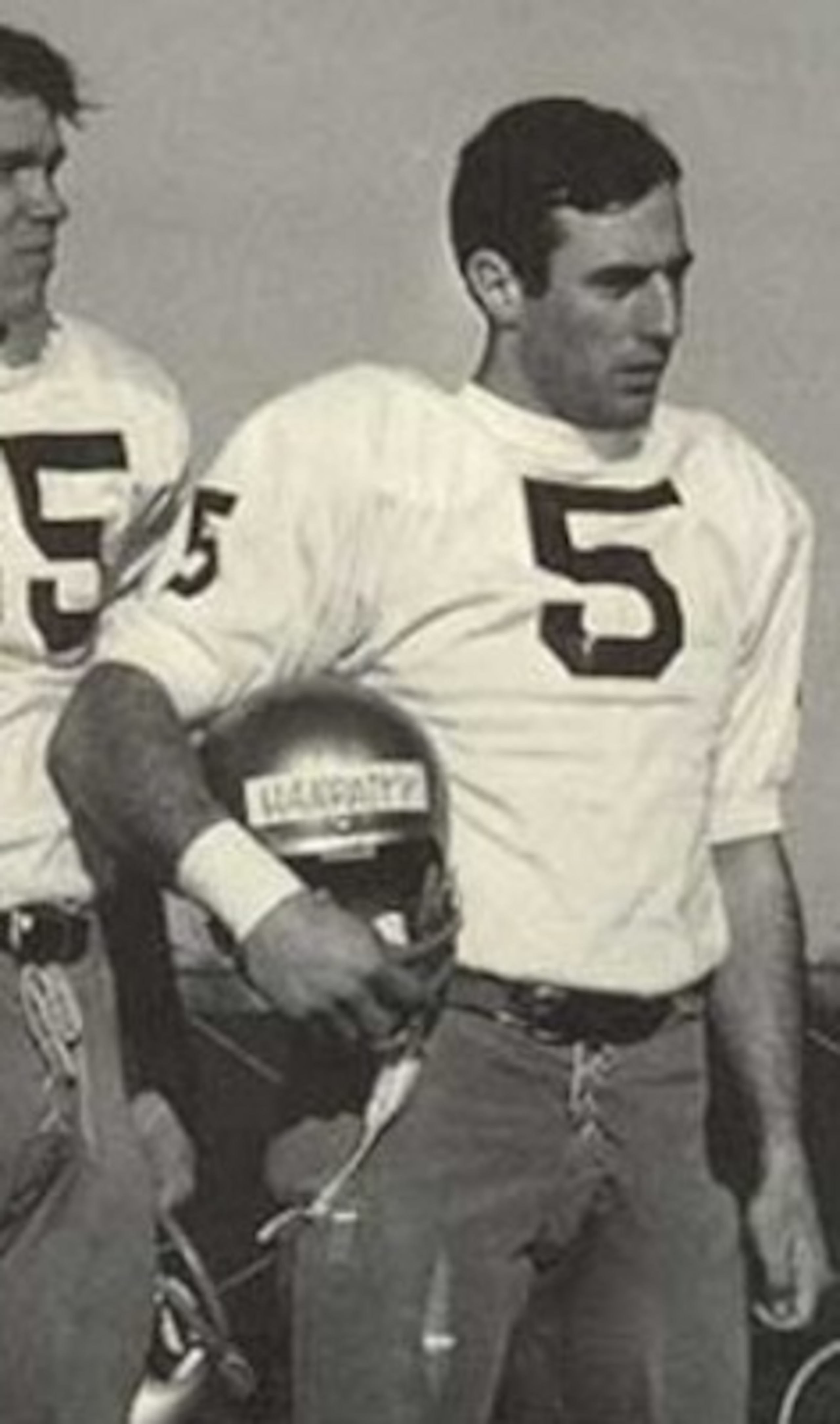
Team: Pittsburgh Steelers
Year: 1969
Selection: Second round, 30th overall
Before Joe Theismann tumbled, the man he replaced at Notre Dame was met with repeated disappointment on Draft Day.
Because Terry Hanratty was a legend at Notre Dame and a tough, blue collar kid from Western Pennsylvania, many Steeler fans and so-called experts thought new coach Chuck Noll would take the Irish quarterback with their fourth-overall selection in 1969.
Instead, Noll took a virtually unknown player from a virtually unknown school: North Texas State’s Joe Greene.
After Pittsburgh passed on Hanratty, two other teams in search of a passer did as well: the Bengals took Greg Cook from nearby Cincinnati, and the Chargers took Marty Domres from Columbia.
Worse yet, Hanratty’s wide receiver, Jim Seymour, actually went in the first round.
The Steelers finally took the hometown kid with the fourth selection in the third round, but he would only be a placeholder for the next year’s first-round choice, Terry Bradshaw.
No. 10: Randy Moss, WR, Marshall
16 of 25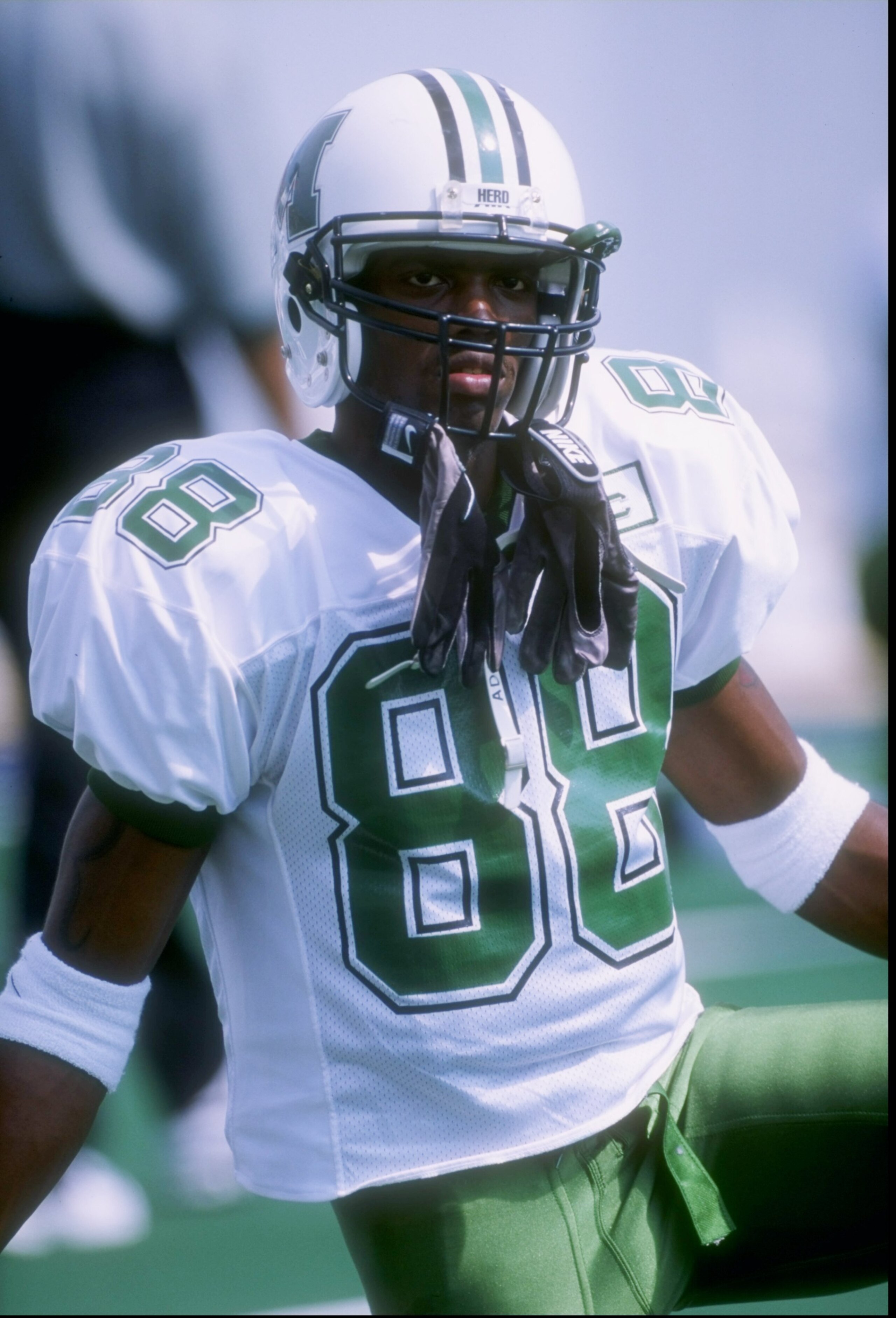
Team: Minnesota Vikings
Year: 1998
Selection: First round, 21st overall
We know now that Randy Moss’ “character concerns” were warranted, just look at what happened in 2010. But back then, draft gurus weren’t sure if those issues would be enough to keep Moss from being a high selection in the 1998 draft.
Coaches like Dick Vermeil and Tony Dungy insisted they wouldn’t touch Moss, but every team thinks they can rehab a bad attitude.
But even the Cowboys passed on Moss at the eighth spot, and so did the Titans, who took Utah wide receiver Kevin Dyson with the 16th pick.
Extremely grateful he was still there, Dennis Green and the Vikings snatched Moss up and he soon rewarded them with the greatest season a rookie wide receiver ever had.
No. 9: Clinton Portis, RB, Miami (FL)
17 of 25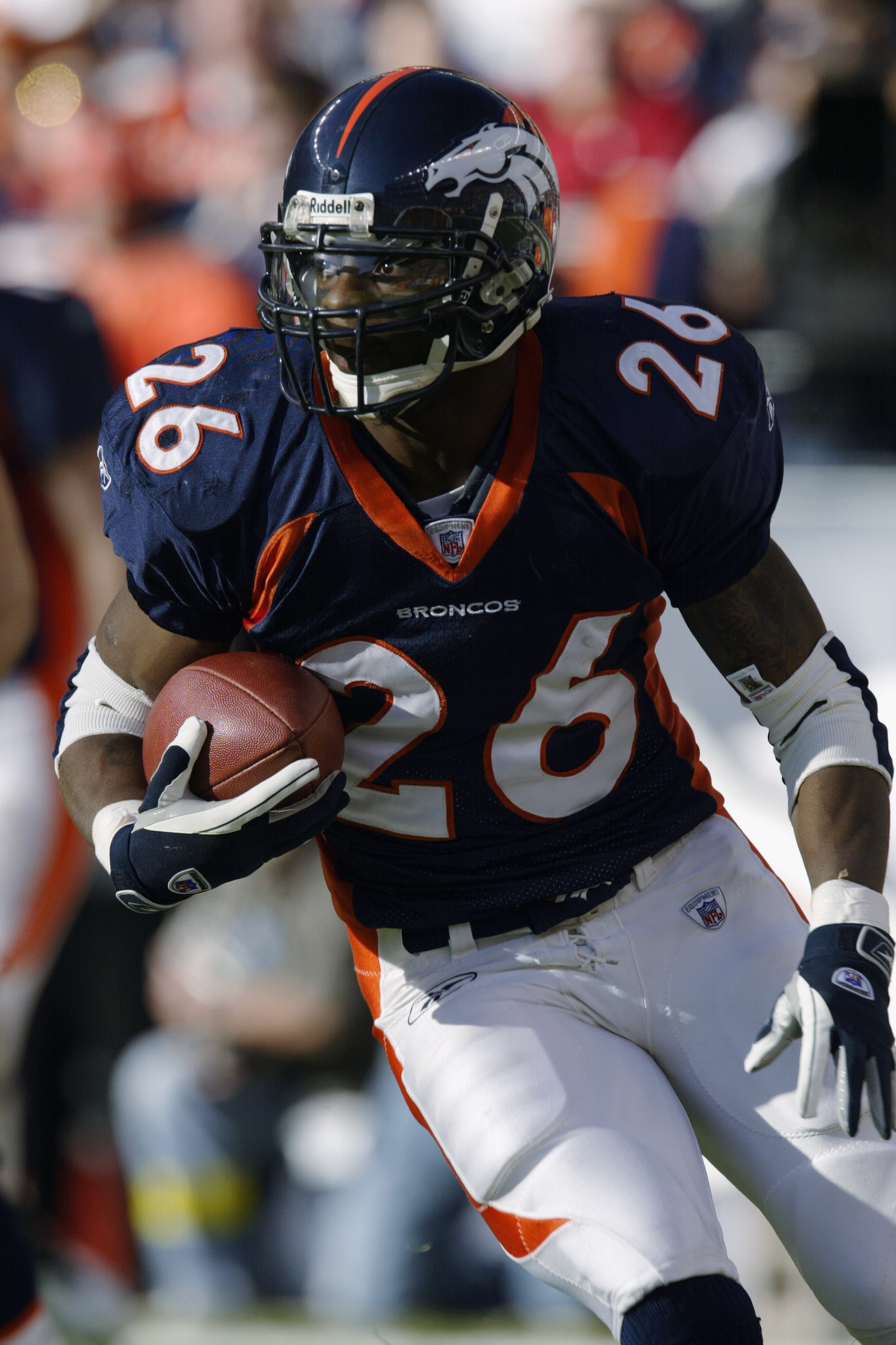
Team: Denver Broncos
Year: 2002
Selection: Second round, 51st overall
The 2002 NFL Draft was supposedly thin at running back. And true to form, there wasn’t one taken in the first 15 picks, the first time that had happened since 1985.
Still, when the Cleveland Browns picked 16th, people expected them to break the trend—they definitely needed a running back. And since their head coach was Butch Davis, the man who had left his post at the University of Miami a year earlier, the Hurricanes' Clinton Portis was expected to be his choice.
After all, Davis recruited Portis to Miami and he been a star as a freshman. He also ran a 4.35 40-yard dash at the combine, so there weren’t any questions about his speed.
But Davis surprised everyone by taking William Green, and since the Falcons took Michigan State’s T.J. Duckett two spots later, the first round ended without Portis being chosen.
Another back, UCLA’s DeShaun Foster, would go before the Broncos picked up Portis in the middle of the second round.
No. 8: LenDale White, RB, USC
18 of 25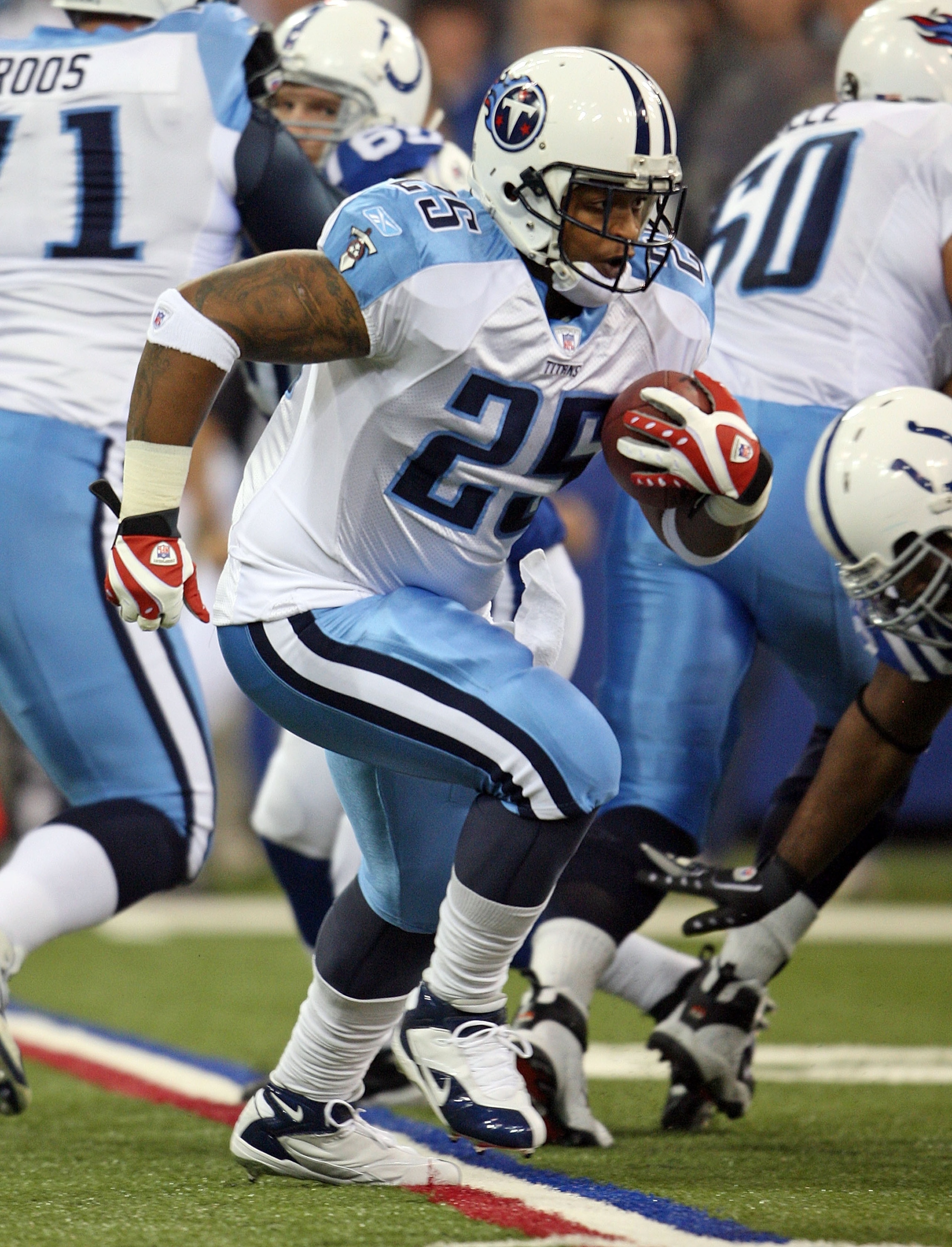
Team: Tennessee Titans
Year: 2006
Selection: Second round, 45th overall
We’re not trying to fill this list up with recent Trojans, but they just keep popping up.
Maybe it’s the Southern California backdrop that makes prospects look better to mock drafters and prognosticators than they really are. Or maybe it was just that they almost always seemed to be on national television from 2002 to 2009.
Either way, plenty of people expected the USC dynasty to produce three more first-round selections in the 2006 NFL Draft.
After Reggie Bush and Matt Leinart were to go inside the top 10 (which they did), their backfield mate LenDale White was supposed to land somewhere in the later part of the first round.
The day before the draft, ESPN’s John Clayton saw him landing with the reigning Super Bowl champs:
“The Steelers really don't think White's going to drop to them. They think he could go to the Panthers or the Jaguars, but he's the big back who can replace Jerome Bettis. White repaired his image during his visit to the Steelers. If he's there, he's a Steeler.”
It didn’t happen: Joseph Addai was taken at the end of the round and White had to wait until the middle of the second round.
No. 7: Drew Brees, QB, Purdue
19 of 25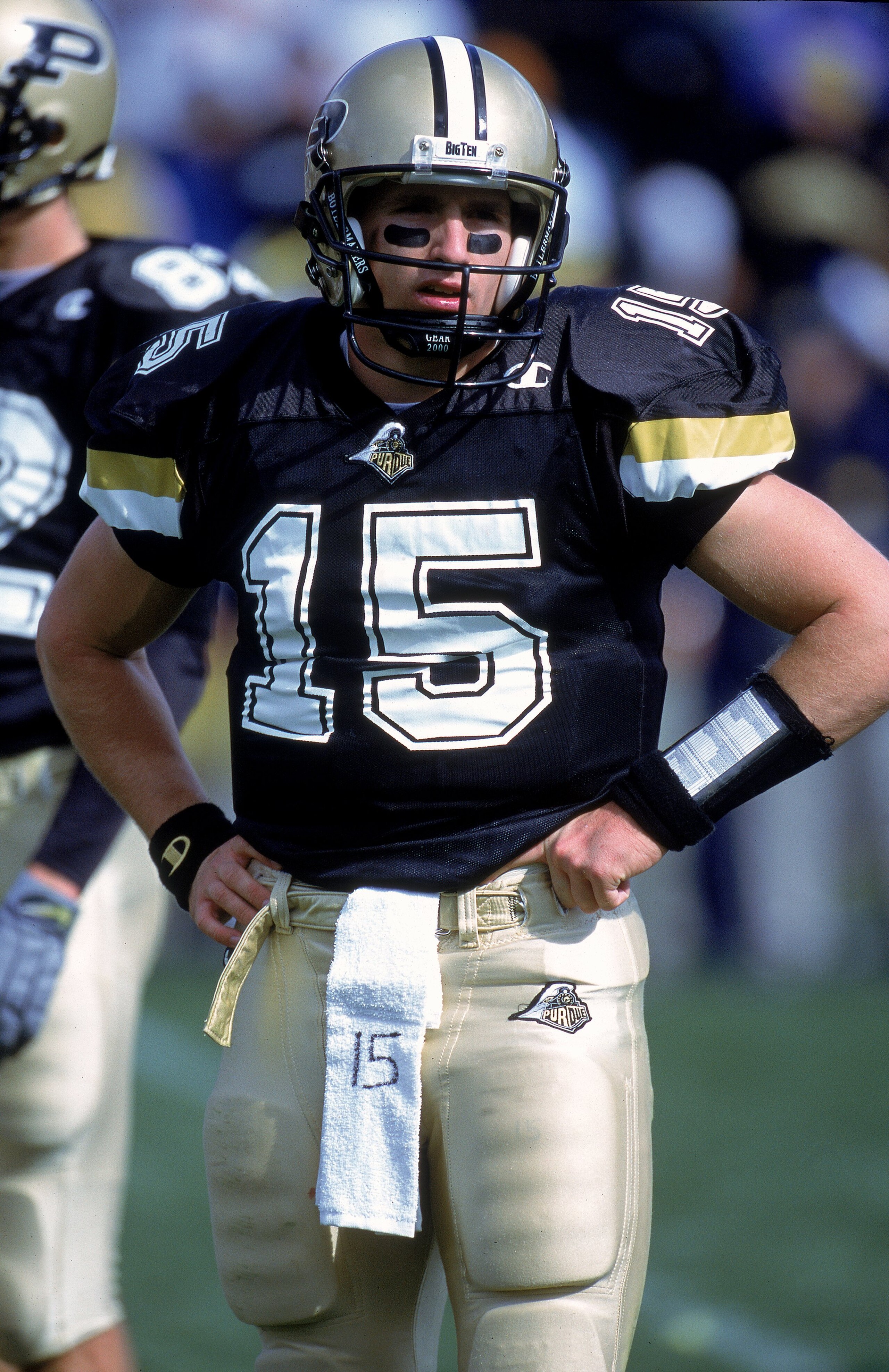
Team: San Diego Chargers
Year: 2001
Selection: Second round, 32nd overall
Despite being one of the most accomplished passers in Big Ten history (a two-time Heisman finalist), because of his small size, no one wanted to spend a first-round pick on Drew Brees. Strange, since the person selected first overall, Michael Vick, was also only 6’0”.
No other quarterback was chosen between Vick and Brees, but since superstars like Freddie Mitchell, Rod Gardner and David Terrell went before Brees, a few teams would like to have that pick back.
No. 6: Jimmy Clausen, QB, Notre Dame
20 of 25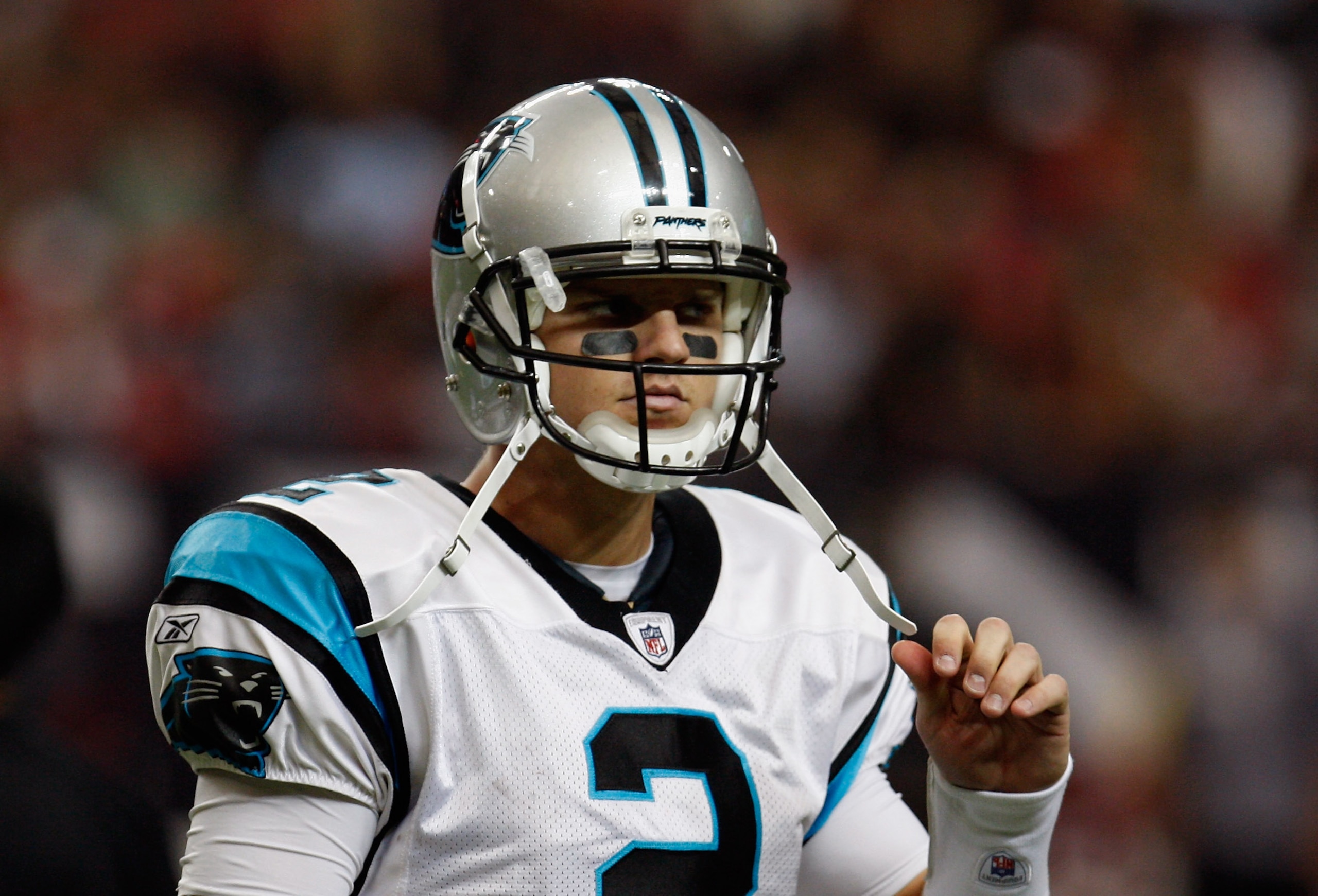
Team: Carolina Panthers
Year: 2010
Selection: Second round, 48th overall
Jimmy Clausen, the high school senior who arrived on the South Bend campus in a stretch Hummer limo, did not leave Notre Dame a year early hoping to be a mid-second round choice.
But some of his own “character issues” and unabashed self confidence knocked some of the luster off his draft status.
First, gimpy-shouldered Sam Bradford was selected first overall by the Rams. Then Tim Tebow, openly mocked by Cowboys owner Jerry Jones, was chosen 25th. Clausen had to wait 23 picks later until the Panthers mercifully ended his pain.
No. 5: Charles White, RB, USC
21 of 25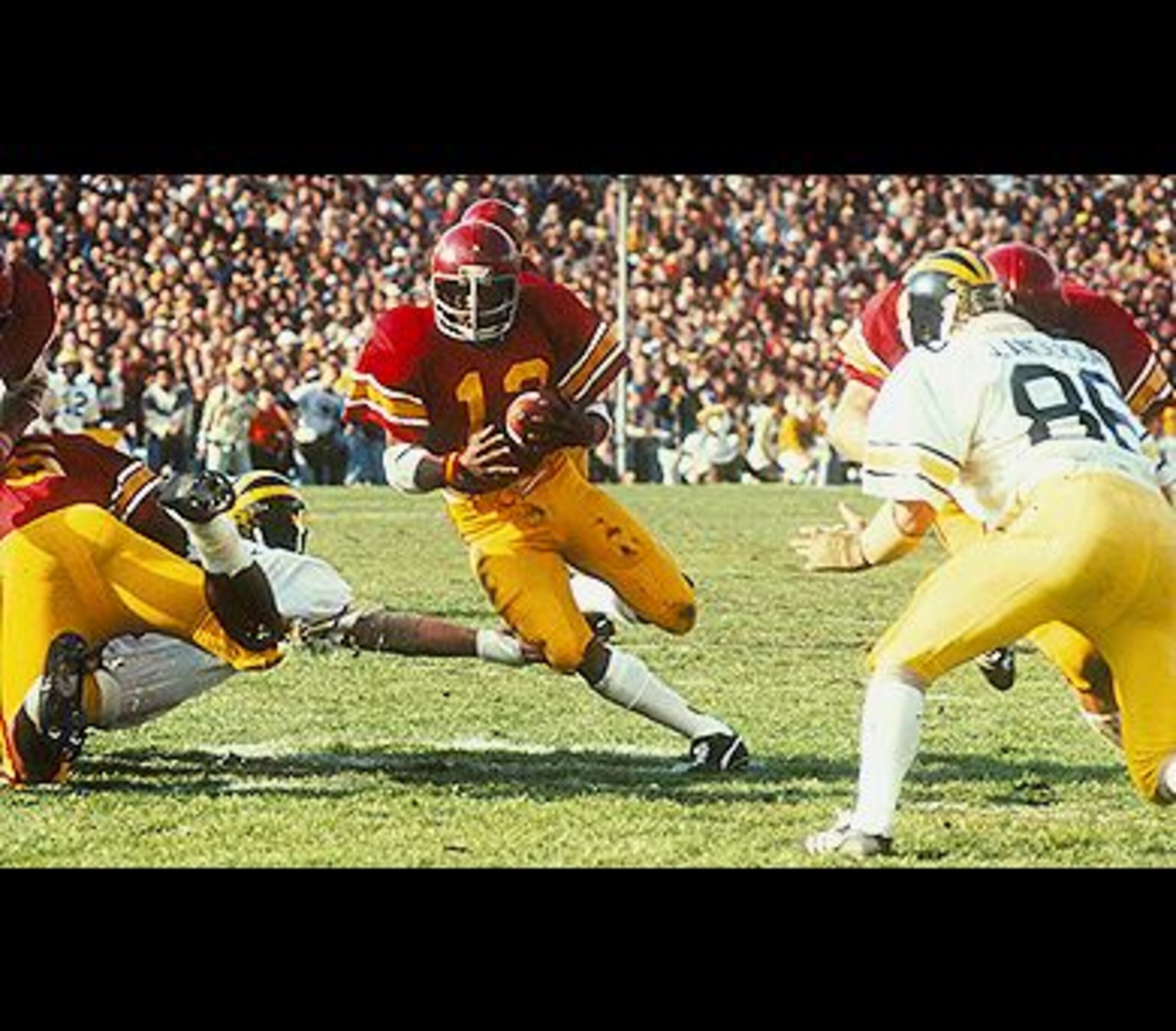
Team: Cleveland Browns
Year: 1980
Selection: First round, 27th overall
In the 1980 NFL Draft, there were actually two different Heisman Trophy-winning running backs for teams to choose from: Oklahoma’s Billy Sims and USC’s Charles White.
Simms went first overall to the Lions.
And since White, who rushed for 1,803 yards and 18 touchdowns, including a 247-yard effort in a Rose Bowl win over Ohio State, clobbered Sims in the 1979 Heisman voting, he was a good bet to be the next runner chosen.
But after Sims, Curtis Dickey of Texas A&M was the next runner taken. Then Earl Cooper from Rice. Then Vagas Ferguson from Notre Dame. The Browns, which were hoping to take a defensive lineman, “settled” for White with the second-to-last pick of the first round.
“I was surprised that my name was on the board so long,” White said that day.
No. 4: Brady Quinn, QB, Notre Dame
22 of 25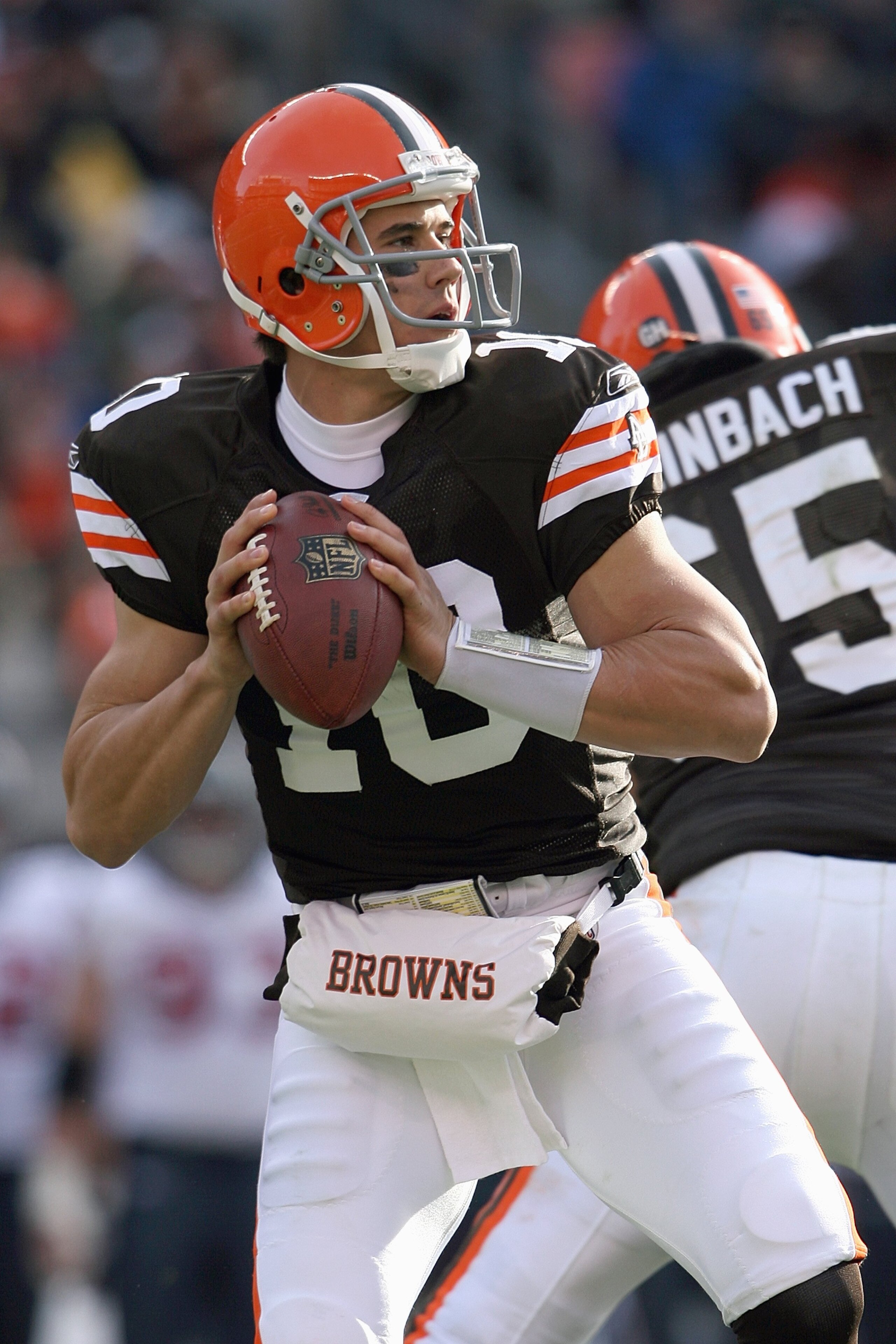
Team: Cleveland Browns
Year: 2007
Selection: First round, 22nd overall
For months, the debate over who would be the first overall pick of the 2007 NFL Draft seemed to boil down to two names: Brady Quinn and JaMarcus Russell.
As you know, the Raiders took Russell first overall. Two spots later, the Cleveland Browns were expected to take Quinn, the Ohio native who posted 29 wins as a starter at Notre Dame. They didn’t.
Neither did a handful of teams, several of which were in desperate need of a quarterback.
Cleveland ultimately took him later in the first round, but not before 20 teams passed on Quinn.
No. 3: Aaron Rodgers, QB, Cal
23 of 25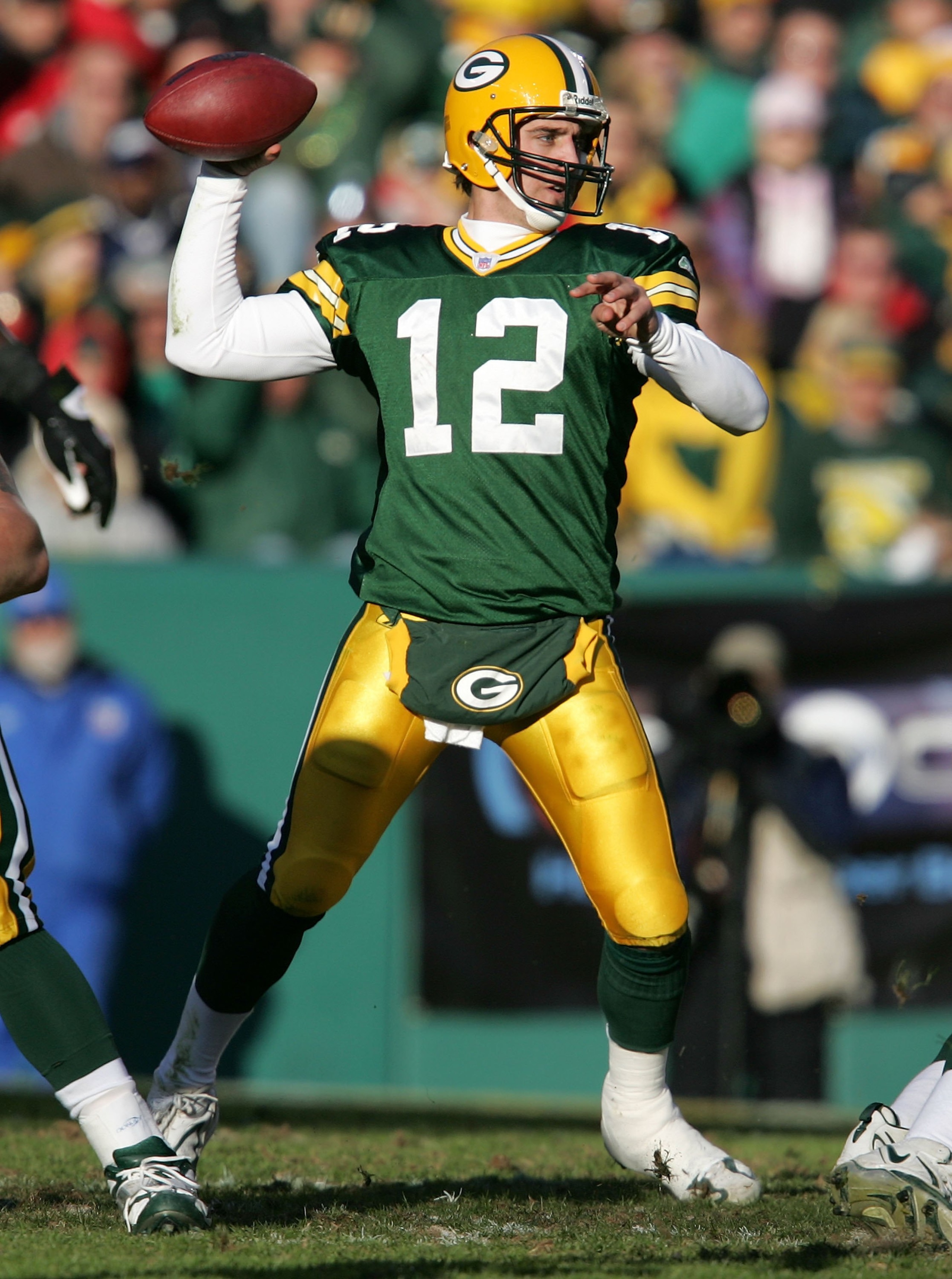
Team: Green Bay Packers
Year: 2005
Selection: First round, 24th overall
Two years before the Quinn-Russell debate that overshadowed everyone else on draft day, the Alex Smith-Aaron Rodgers debate dominated the 2005 NFL Draft headlines.
Ultimately, the 49ers, who had the first overall choice that year, took Smith instead of Rodgers. Hindsight, of course, tells us that they made a slight miscalculation with that move.
But 22 other teams passed on him as well, leaving anyone who watched ESPN’s draft coverage feeling extremely uncomfortable, especially when Suzy Kolber shoved a microphone in his face.
No. 2: Thurman Thomas, RB, Oklahoma State
24 of 25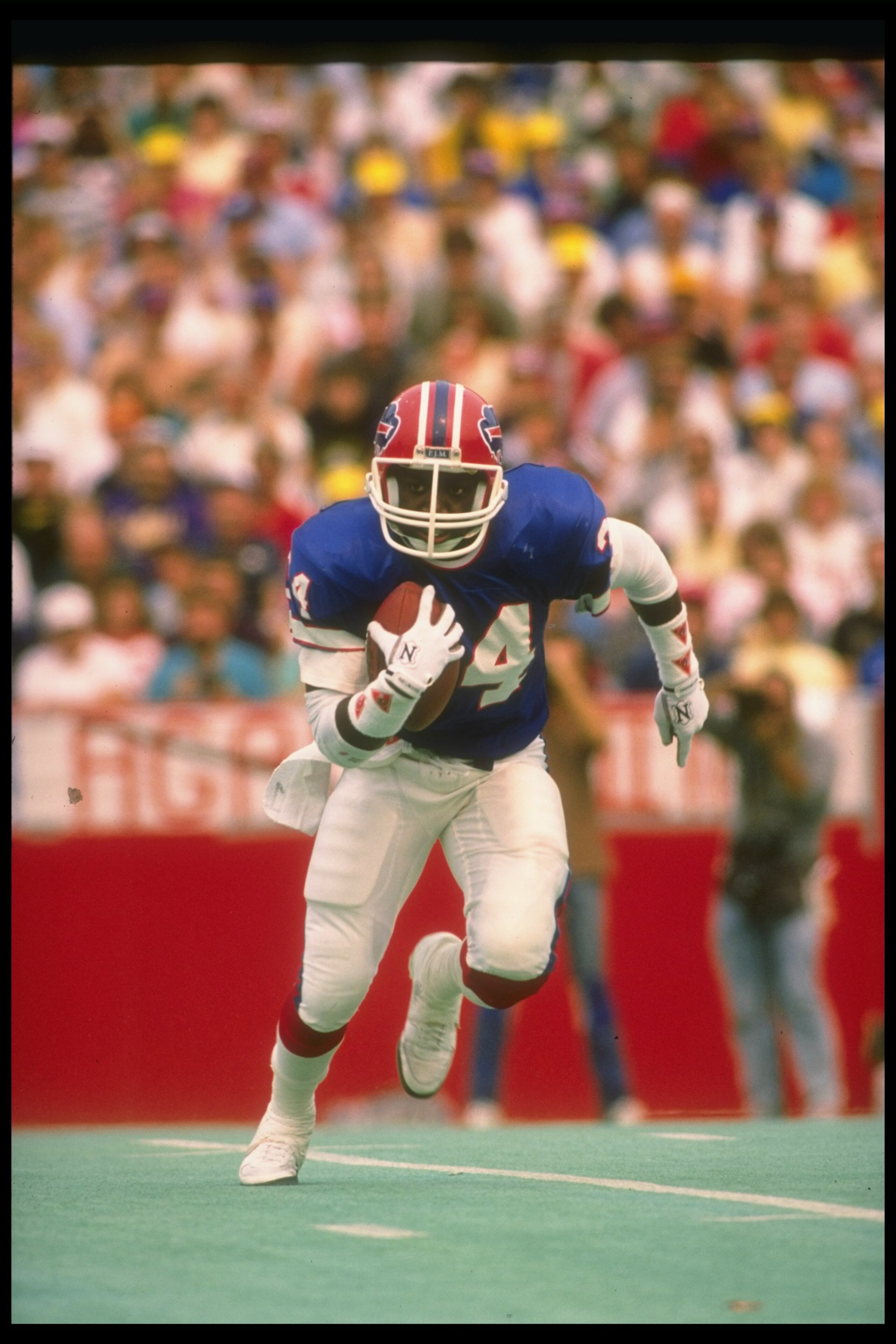
Team: Buffalo Bills
Year: 1988
Selection: Second round, 40th overall
Thurman Thomas dropping to the second round wasn’t quite as surprising as the fact that seven running backs were chosen before him.
But as stunning as this free-fall was, at least there were some valid concerns behind it.
Thomas had torn his knee as a junior and freshman Barry Sanders took his place during the 1986 season at Oklahoma State. He rebounded to have a second Heisman Trophy-like season as a senior in 1987, but nearly every NFL team still shied away from him.
Thomas falling asleep on a couch while waiting to be selected remains the NFL Draft’s greatest free-fall snapshot, but it is not the most famous Draft Day tumble of all time.
No. 1: Dan Marino, QB, Pitt
25 of 25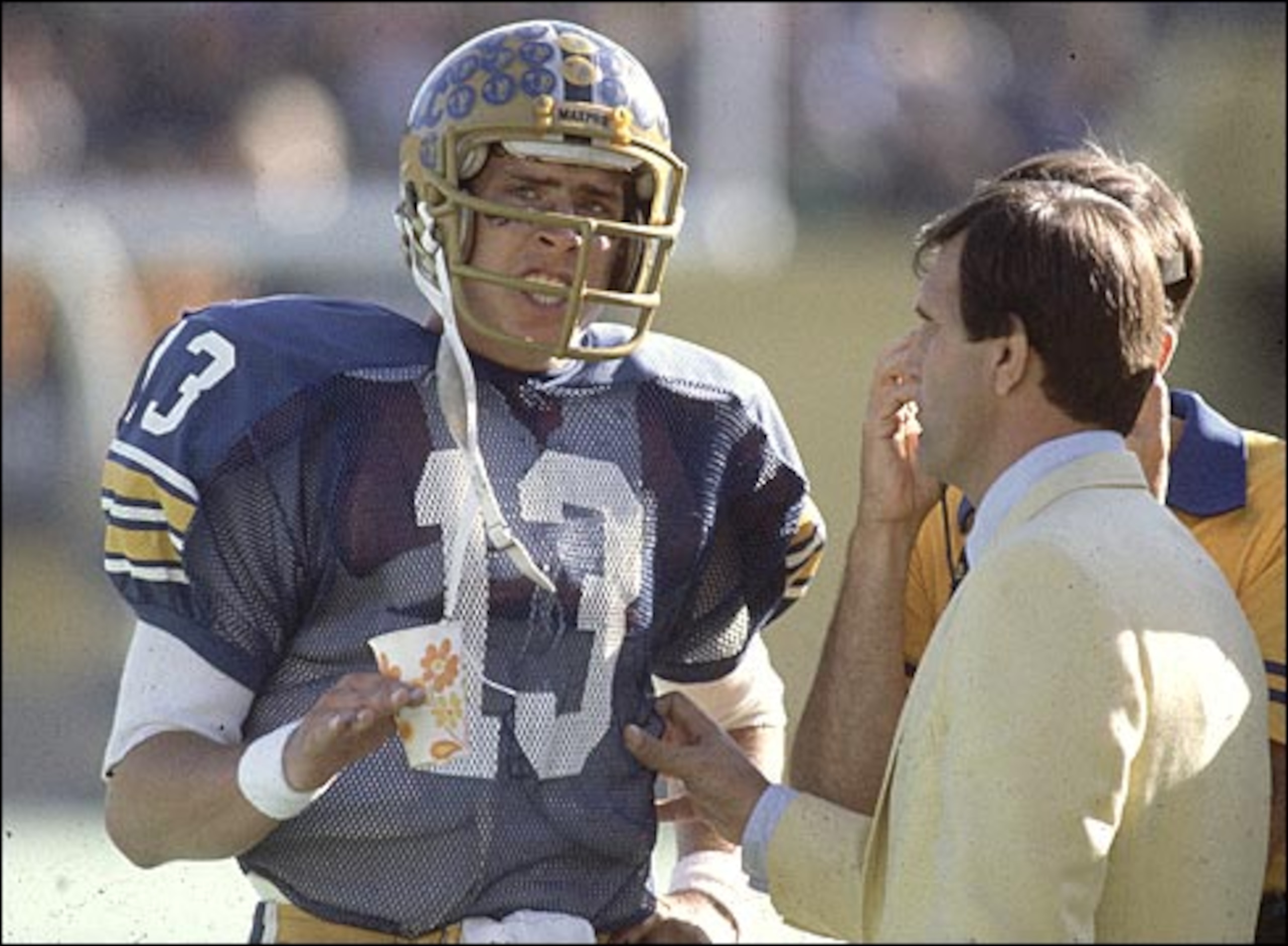
Team: Miami Dolphins
Year: 1983
Selection: First round, 27th overall
Other than rumors and a comparatively average senior season, there isn’t much explanation for why Dan Marino was persona non grata in the first round of the 1983 NFL Draft.
And although he was still selected much higher than Thurman Thomas and only five quarterbacks went before him—while seven running backs went before Thomas—Marino’s free-fall has to be considered the greatest in draft history.
Especially since the Pittsburgh Steelers, a team desperately in need of a quarterback since Terry Bradshaw was on the verge of retirement due to a terrible elbow injury, passed on the hometown kid.
.jpg?w=2560 "Cowboys Packers Football")





.jpg?w=2560 "🚨 Week 8 AP Top 25 Poll")