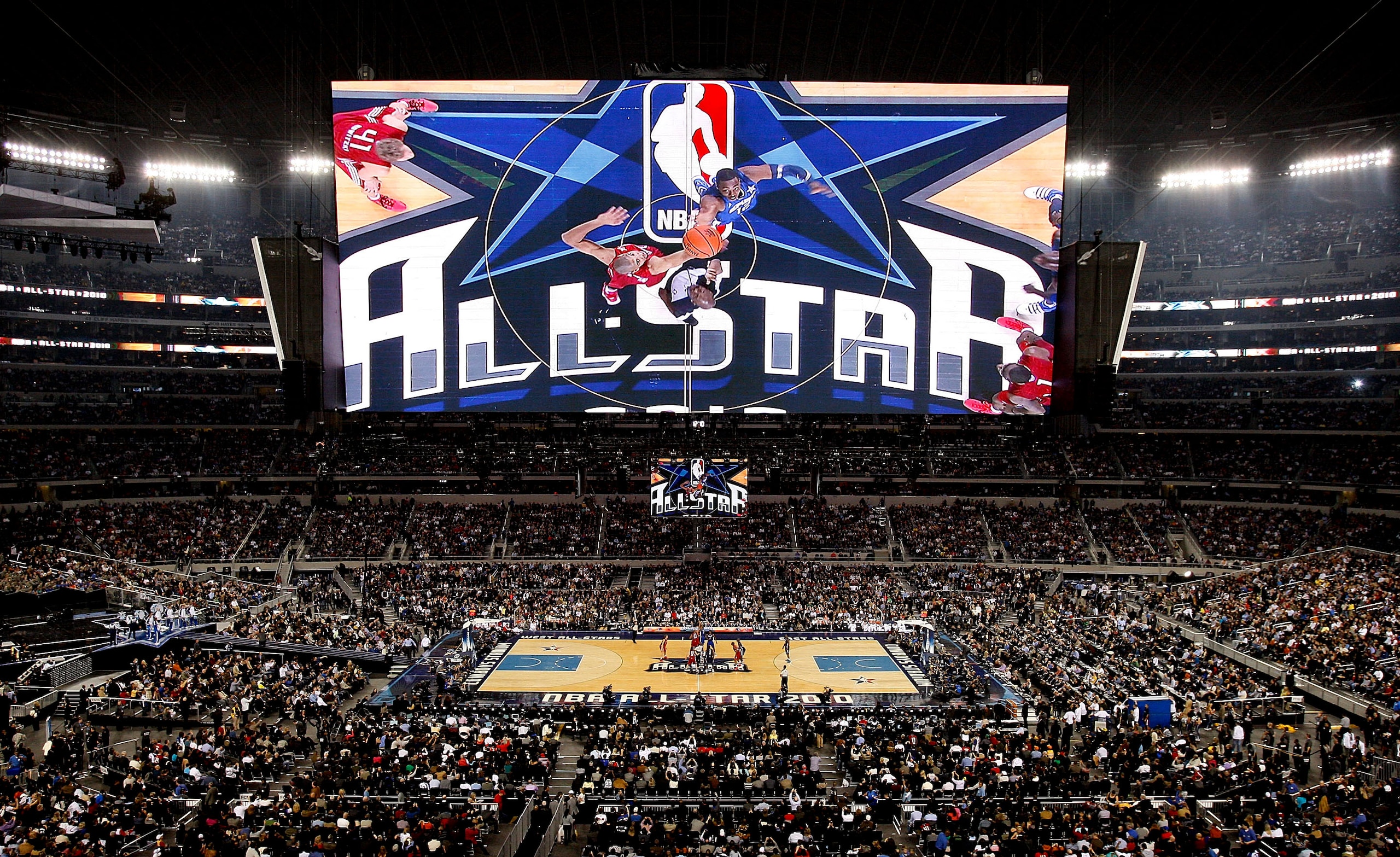

NBA All-Star Game And The 10 Biggest Problems with the NBA
NBA All-Star Weekend is almost here.
We can all celebrate...until it finally begins and puts us to sleep, much thanks to LeBron James’ absence in the ever-underwhelming dunk competition and the general apathy-show that the “excited” players will put on in the NBA All-Star Game.
Since it is being held in Los Angeles, a city noted for glitz, glamour and the largest amount of homelessness in the United States of America, we can all expect the most plastic of showings ever.
It will be fun to watch Blake Griffin in the dunk contest, which will alleviate much of the boredom that Nate Robinson has given us year, after year, after year.
But then, JaVale McGee will show us what happens when you combine height, power, jumping ability and the incapacity to put them all together into something creative: Yawn.
But All-Star Weekend is far from the most disappointing and lurking problem that the National Basketball Association has to offer. It is simply a taste.
Here are 10 of the biggest problems with the NBA:
Player Friendships
1 of 10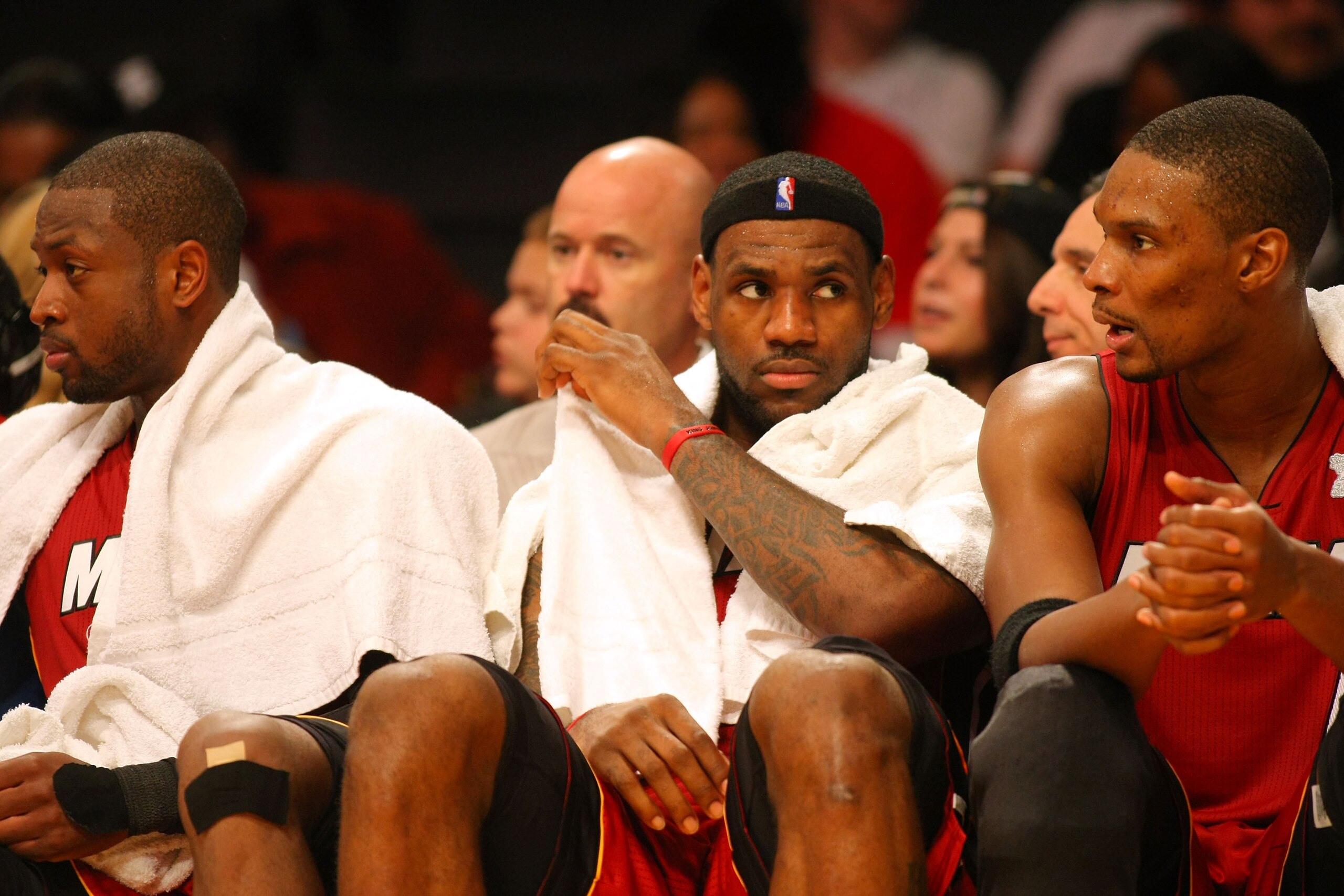
Media and technology have created a friendly game.
Players are in constant contact with other players that aren’t on their team. They text message back and forth like schoolgirls planning an epic sleepover for when their teams are in the same city.
Sure, not all of these hiney-slapping players are guilty of collusion and conspiring, but the common friendliness between players isn’t good for the league.
LeBron James, Dwyane Wade and Chris Bosh all played in the same conference. From a competitive standpoint, they should have been enemies, especially with their respective teams all lying in different parts of the Eastern Conference landscape.
There were close friendships inside the game before now. Michael Jordan and Charles Oakley were thicker than thieves after Oakley’s brief stint in Chicago. But I don’t remember Oakley letting Jordan get to the rim without trying to slam him to the floor when he put on that New York Knicks uniform.
And they certainly weren’t trying to play on the same team again.
There’s nothing wrong with some friendships in the league. It can be healthy. Isiah Thomas and Magic Johnson would kiss cheeks before and after games. Talk about respect.
But the general gaiety and genial affability of the NBA is a disease that’s spreading quickly and killing the competitive atmosphere that all major sports need.
That’s why LeBron James’ walk-off playoff loss to the Orlando Magic in 2009 was seen as disrespectful. The fans and media were expecting him to buy Dwight Howard a congratulations present. But, in all reality, it was the last time that James showed a competitive spirit, perhaps what Otis Smith was referring to.
And wasn't it great when the calm-mannered Kevin Durant called Chris Bosh what he is: a coat-tailing and overpraised faker of a tough guy?
Everybody can criticize Kevin Garnett for being a bully and taking things too far. Nobody wants cancer to become a joking issue.
But, the only joke and cancer in the NBA is the buddy-buddy relationship all players seem to have with each other.
At least Garnett isn't parading around like Winnie the Pooh, Barney or Casper the Friendly Ghost to opposing players.
All-Star Weekend
2 of 10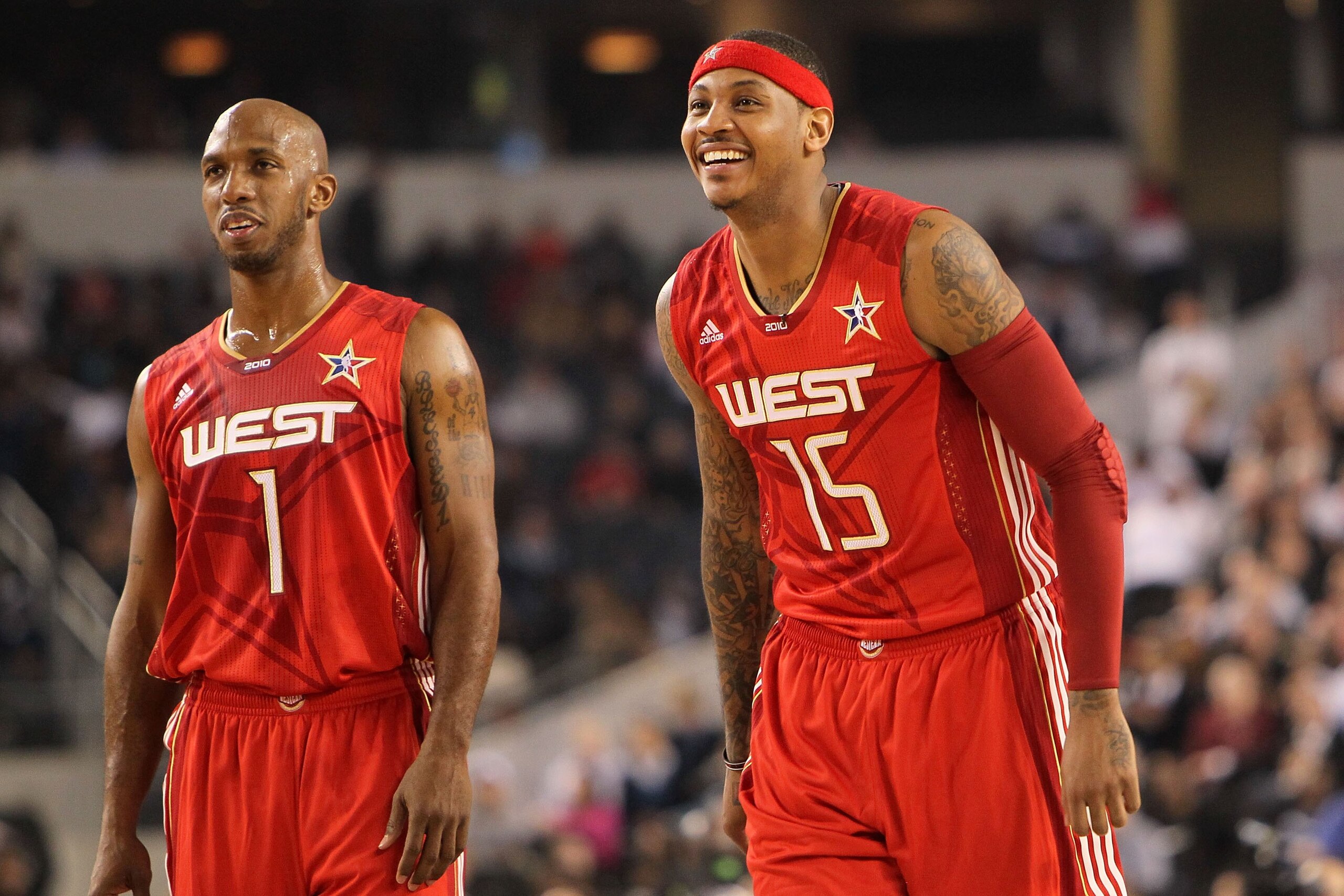
The NBA All-Star Game used to be the ultimate competition.
Players saw it as an opportunity to showcase their talents against the best of the best, and it was far from disappointing for the fans or the players involved.
It wasn’t exclusively an offensive game like it is now. The All-Stars attacked each other and defended the same way long before the final five minutes of the fourth quarter.
The anticipation of watching the best 24 basketball players in the world go at it was an excruciating wait. Where else could you see Hakeem Olajuwon and David Robinson team up against Shaquille O’Neal and Patrick Ewing?
Nowhere—because it was a dream game.
Now, Carmelo Anthony gets to play his favorite kind of basketball—all offense, no defense—and it’s his best chance to show Mike D’Antoni exactly what he can offer one of the already-worst defensive teams in the NBA.
The NBA All-Star Game has become the Pro Bowl of the NBA, with a minor tweak. The only difference is that fans are still initially excited about the All-Star Game.
But when Sunday finally gets here and the game gets going, fans will remember the disappointment from years past and probably change the channel.
Officiating and Rules
3 of 10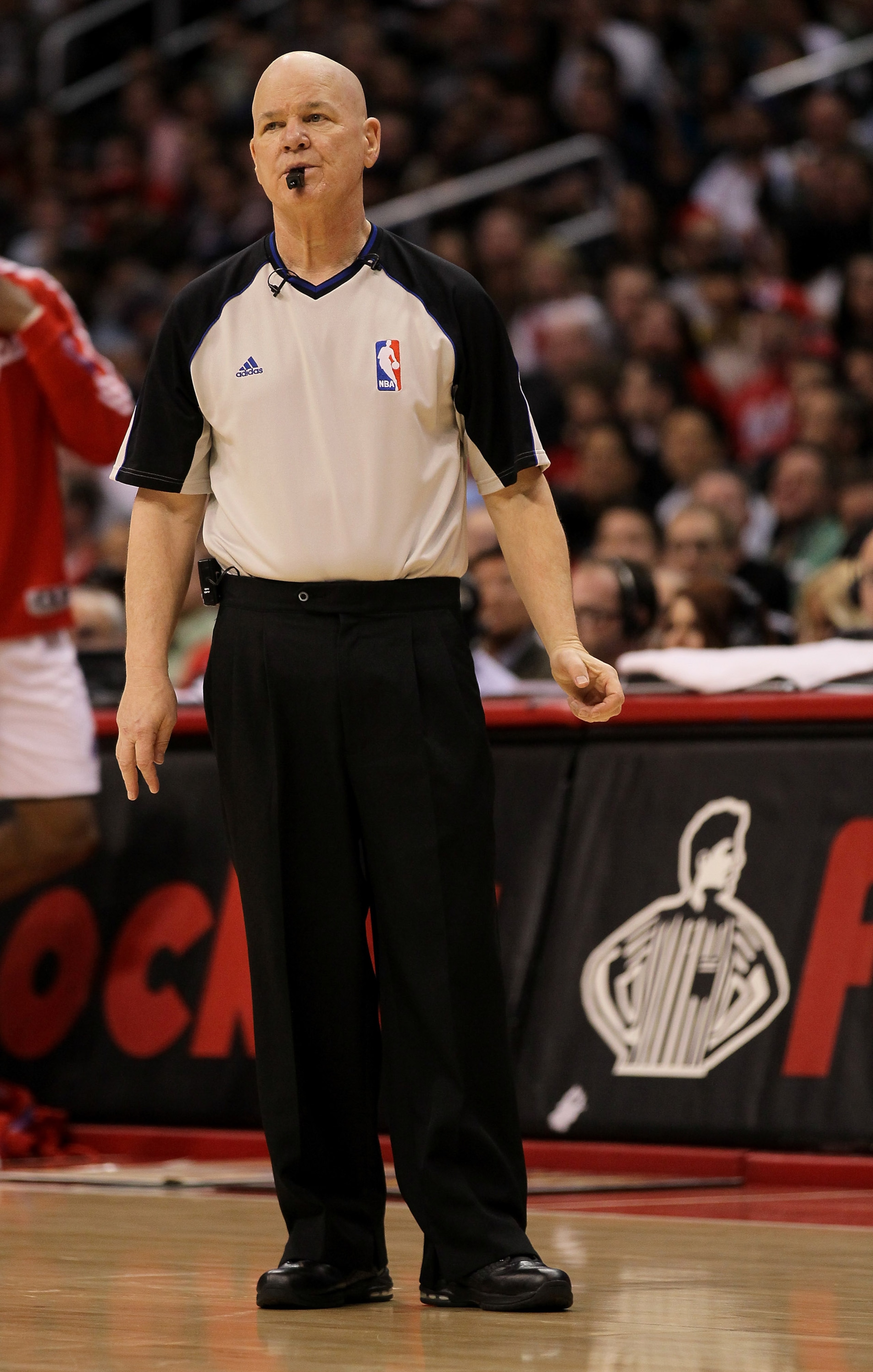
There hasn’t been a rule change in the NBA in the past decade that wasn’t dedicated to putting up more points on the board and selling more tickets.
Ultimately, Commissioner David Stern has sold the game out, but that’s my opinion.
Everybody has something to say about the Kobe Bryant-Michael Jordan debate. But I would have loved to see Jordan play under modern rules.
Imagine if John Starks wasn’t allowed to put his hands on Jordan on the perimeter, or if Patrick Ewing, Charles Oakley and Anthony Mason had to leave the painted area just as Jordan was arriving there.
The hand-checking, defensive three-seconds and zone defense rules were all implemented to help offensive players score, particularly highly athletic players.
Maybe that’s your thing, maybe not. But there are major inconsistencies in the rulebook.
First of all, the NBA needs to ditch offensive goaltending. If the point of basketball is to put the ball in the basket, then accomplishing that goal should be by any means necessary.
What’s illegal about making sure the ball goes in?
It’s sad to see Europe being more progressive than the United States in a game invented in the state of Massachusetts.
Secondly, why does the mini half-circle under the rim have so much power? Scorers who are going to the rim, thanks to an easier path, have to worry about Glen “Big Baby” Davis—the least athletic player in the NBA—sliding underneath them as they attack the basket.
And they call it defense, but only if he can get his giant, stumpy feet outside of this tiny restricted area.
This isn’t a criticism on Davis. In fact, more power to him for being able to use the rules in his favor when his ability to challenge a scorer at the rim is non-existent.
A foul call should have no bearing on location, only on contact and who initiates it. And besides—the offensive foul is the toughest call to make in all of basketball. With the general ineptitude of NBA referees, why make it more difficult on them?
And finally, there is the "Kevin Durant Rule," where he’s awarded two foul shots for initiating contact with a defensive player's hands and forearms, when the defender is supposedly entitled to any area he occupies first, or so the rulebook says.
Sure, it always looks like a defensive foul, but the defender never moves and no actual foul takes place. And as a fan, you can only sit back and laugh.
There are a half-dozen more rules or non-rules that could be addressed here, particularly involving the general lack of respect for rookies, but these are the ones where the league should start.


Lack of Parity
4 of 10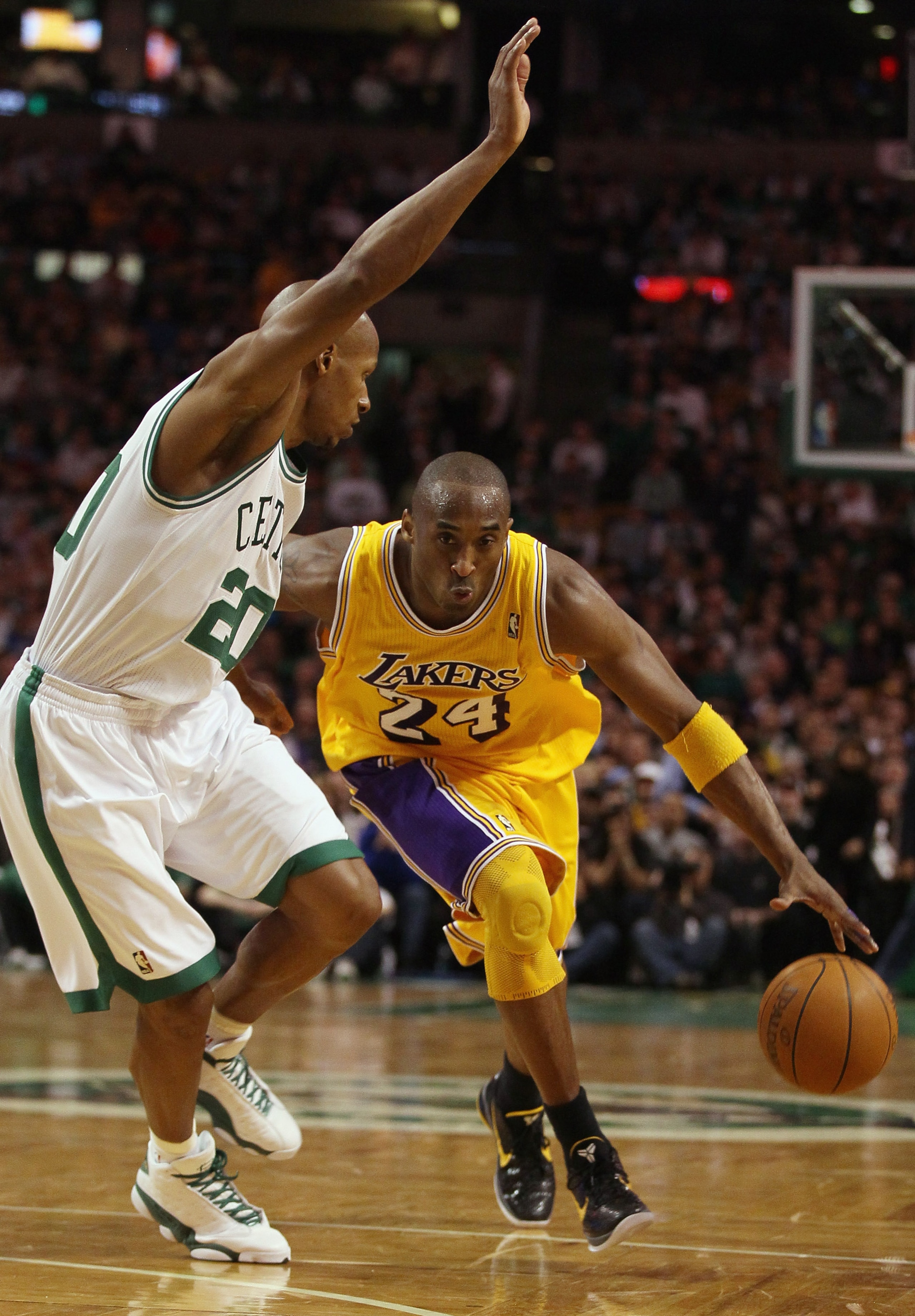
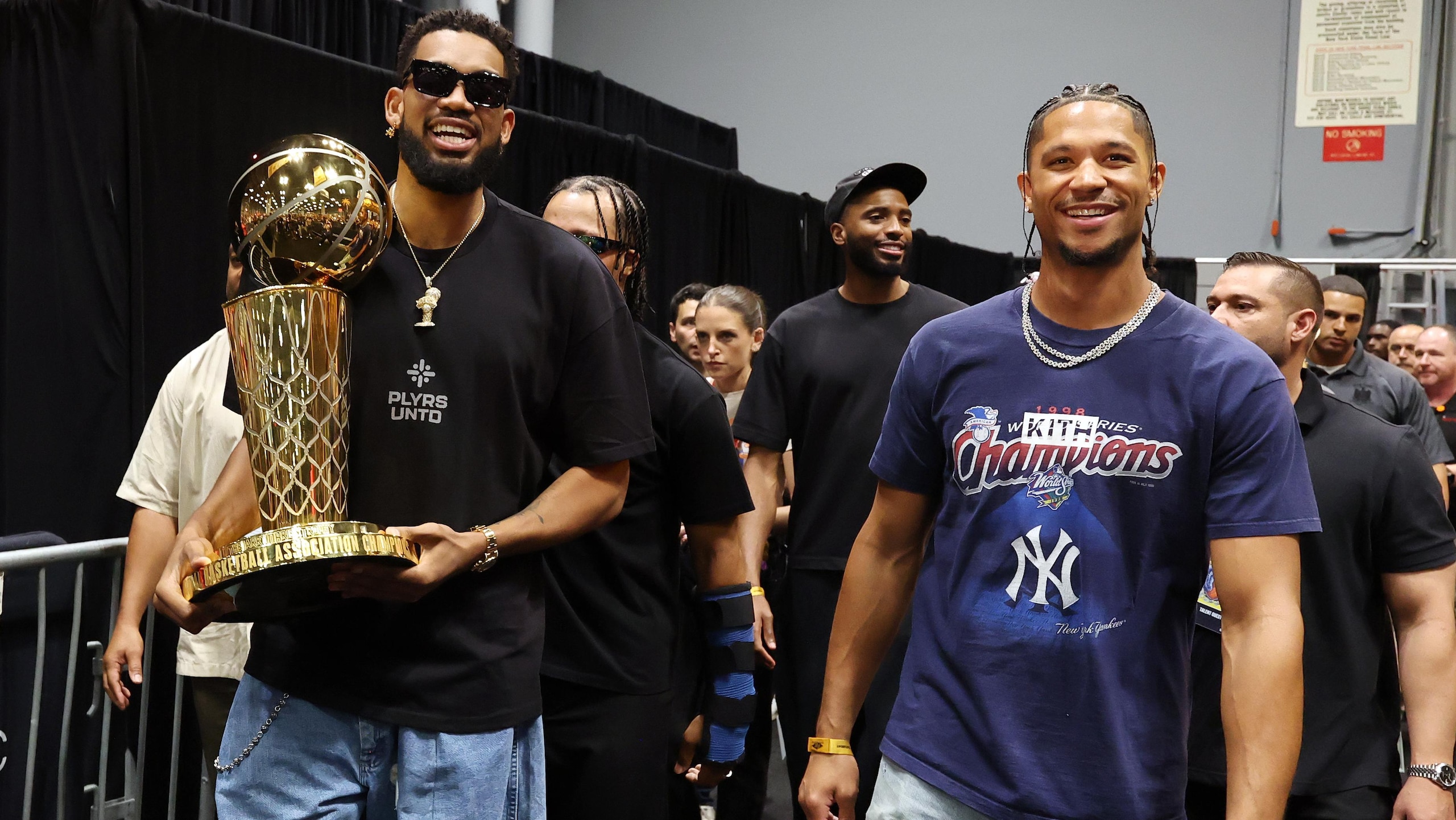
Since 1984, only seven teams have won the NBA Finals. Twenty-six different seasons have offered only a few suitors.
And in those 26 years, only two of those seven teams have been champions only one time (Boston Celtics and Miami Heat).
The Los Angeles Lakers and the Celtics have combined for 33 Larry O’Brien trophies. The rest of the league has combined for only 31.
But the dominance by the Lake Show and Green Machine are only the beginning of the problem, especially if you consider the fact that the C’s have only captured the flag once in the last 24 years.
Which leads to the next issue...
Too Many Teams, Not Enough Talent
5 of 10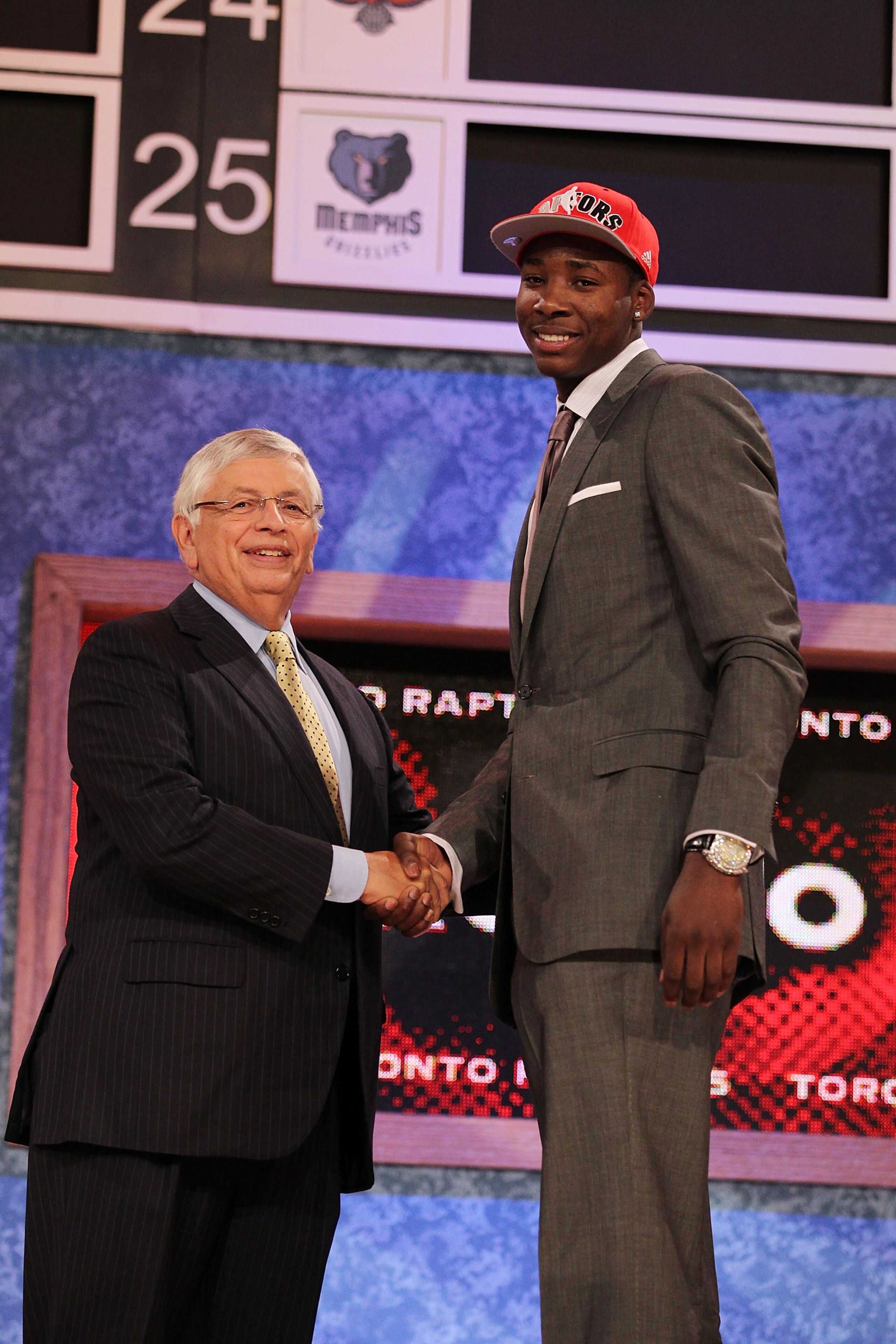
So LeBron James didn’t know what he was talking about when he mentioned the dreaded "contraction" word. It’s too bad, because it’s the first thing he’s said over the last seven or so months that was worth listening to.
A lot of people have complained that a possible contraction would put a lot of people out of jobs. Well, forgive me if I don’t feel bad about a bunch of millionaires being stuck on the couch to play video games all day, especially when hard-working Americans are struggling to feed their families.
(And no, not Latrell Sprewell).
If the NBA’s general talent level was higher, contraction wouldn’t be an issue.
But no—the fans must watch a guy like Josh Smith be drafted straight out of high school, despite the fact that he can’t shoot the basketball beyond 10 feet.
Thank God that Russell Westbrook and Derrick Rose have taken it upon themselves to be players that put in extra time during the summer to improve their overwhelming and fundamental flaws.
But, in general, those two don’t conquer the general demographic of basketball players. They’re rarities.
General managers across the league are forced to draft based on potential rather than on existing skill, and it’s difficult to blame them.
If underachieving college kids decide to leave for the NBA Draft, despite lacking actual professional skills, it’s not the fault of executives.
On the other hand, we have players like Wesley Matthews out of Marquette, who went undrafted in 2009. Matthews’ collegiate statistics were underwhelming, but he played all four years and graduated.
He was physically prepared for the rigors of the NBA and contained some basketball fundamentals to back it up. His success is a testament to what the word “professional” means, even if GMs overlooked him on draft day.
Besides, players wouldn’t have to worry about getting the axe via contraction if they stayed in school and earned a degree. They could, if need be, get a real job.
And coaches all around the league would be ecstatic if they didn’t need to teach "Basketball 101" to supposed professionals whose knowledge about the game doesn’t go much further than ball, dribble and basket.
The NBA is the only profession where an under-skilled, highly athletic prospect can get a job based solely on potential.
DeMarcus Cousins-Archetype
6 of 10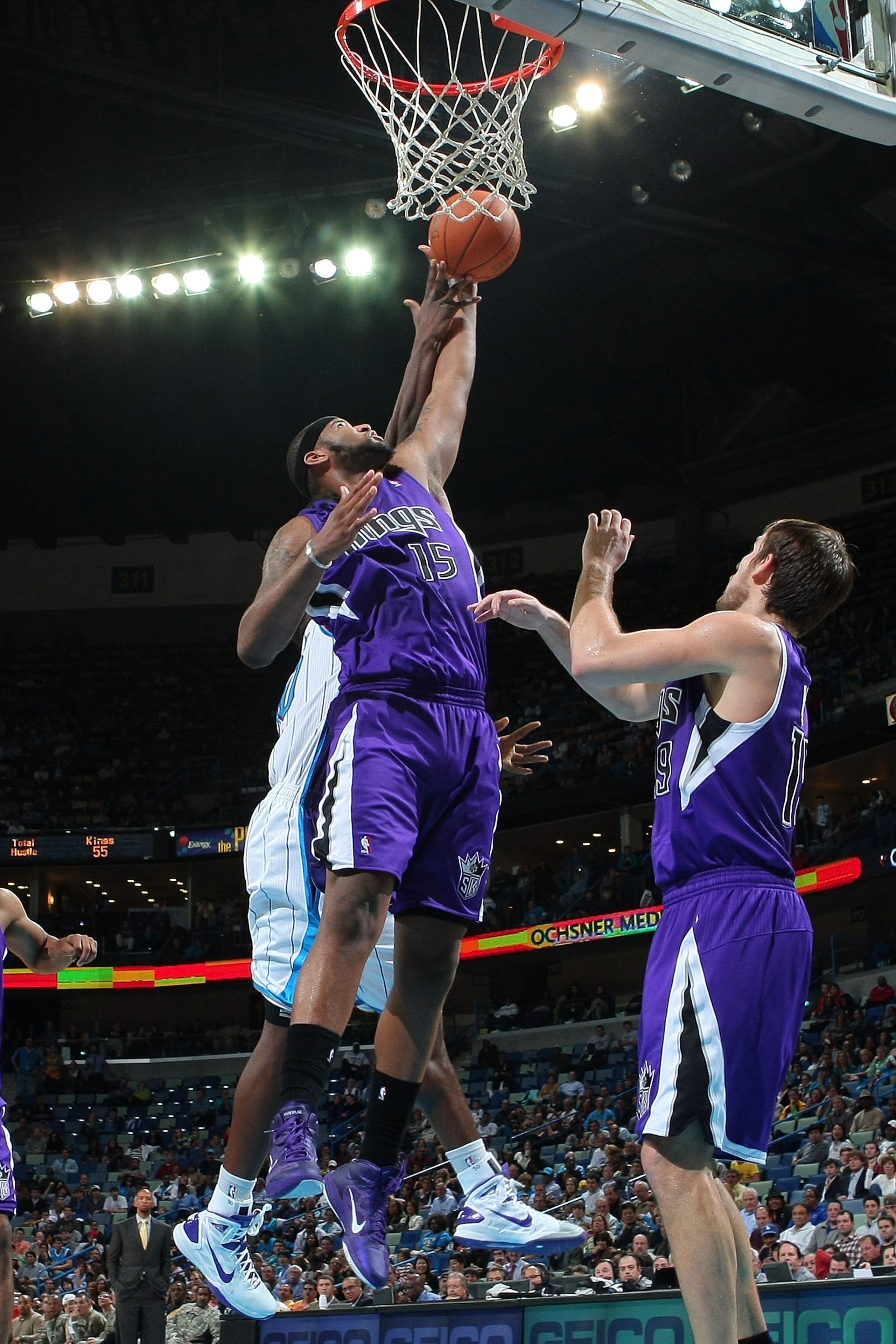
Without having been in the league long enough to wipe himself properly, DeMarcus Cousins is starting fights with his own teammates and revealing himself to be un-coachable.
It’s unfortunate that the maturity level of a guy like Cousins is toddler-like, at best, because he is a supreme talent.
In only 27 minutes a game, Cousins is putting up 14 points and more than eight rebounds—not bad statistics for a rookie who should be helping Ron Artest in his campaign to raise mental health awareness.
The problem is that the last thing that enters the mind when hearing Cousin’s name is his abilities. He’s more definable by his less likeable qualities than he is his game.
In the defense of Cousins, it may not be entirely his fault. The league—mainly executives—has been putting up with egomaniacs like him for decades.
And I’m not referring to one-hour specials like “The Decision.” Yes, it was the most deplorable ego-stride put on national television maybe of all time, but at least LeBron James is an exclusive talent, one that the NBA has never seen before.
But no coach or general manager wants or should have to deal with Latrell Sprewell, Allen Iverson, Gilbert Arenas, Delonte West or Stephen Jackson.
Besides, what troublemaker ever led any team to NBA glory? Even Iverson couldn’t win a title while being Most Valuable Player, led by Coach of the Year (Larry Brown), backed up by the Defensive Player of the Year (Dikembe Mutombo) and having the Sixth Man of the Year (Aaron McKie).
Classy swagger is slowly being filtered out of the league with each new draft.
Talent trumps troublemakers.
Not Enough Kevin Durants, Larry Millers or Jerry Sloans
7 of 10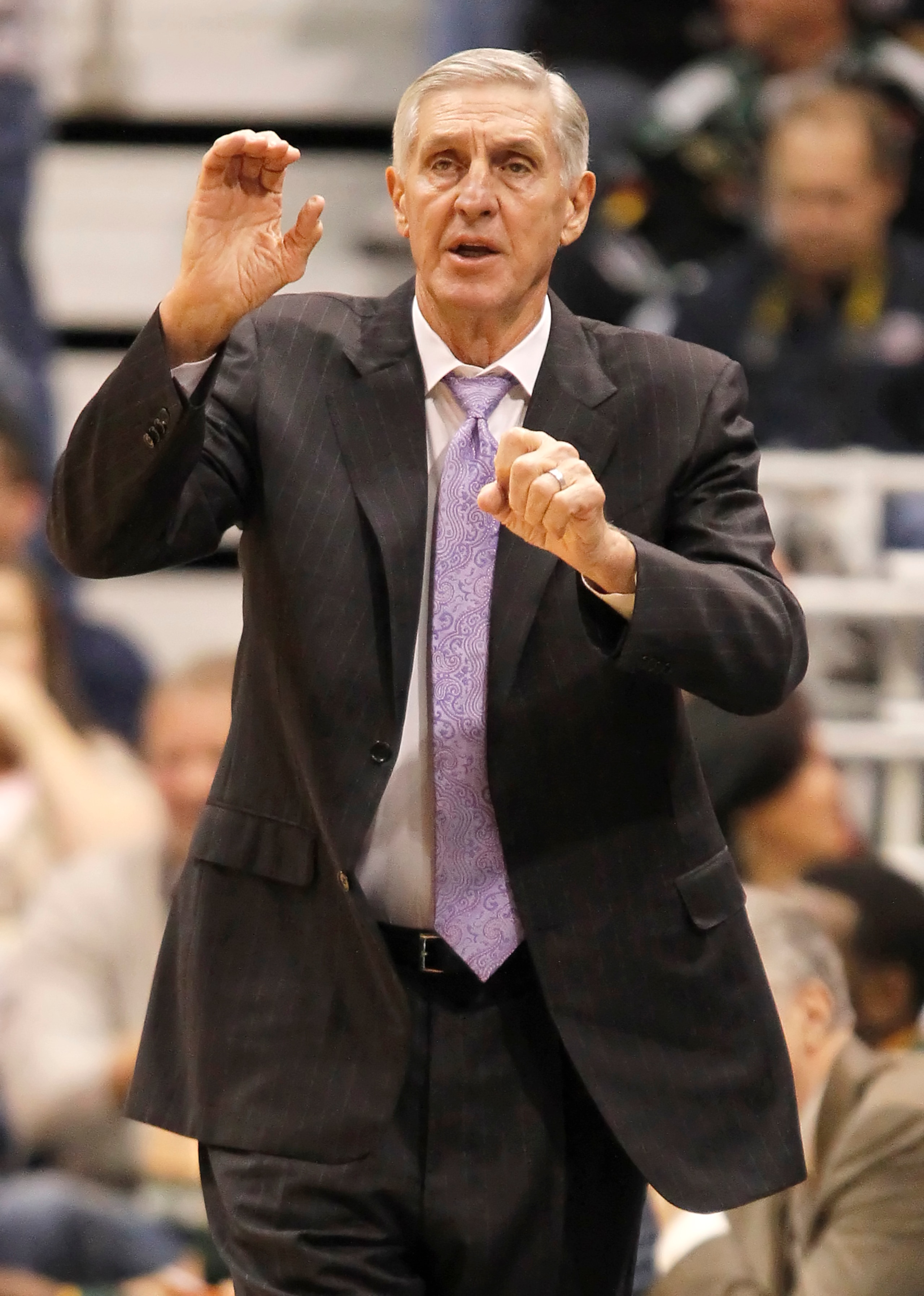
Too many NBA players are leaving for greener pastures, too many owners don’t care about winning and too many coaches are being fired for the general incompetence of their players.
But when Kevin Durant signed his extension with the small-market Oklahoma City Thunder this summer, Durant’s national stock rose and a league-wide hope was risen.
Fans were impressed, coaches were shocked and GMs across the league were scratching their heads and wondering how they could get their stars to do the same.
LeBron James had just laid an egg against the Boston Celtics and bolted for Miami. But Durant lost in the first round and still signed?
Amazing.
Cleveland isn’t exactly a hot-spot of national marketability, but what does that make Oklahoma City? The city of Cleveland at least has the Rock and Roll Hall of Fame. The last memorable thing to happen in Oklahoma was the tragedy of Timothy McVeigh.
Durant revealed humility—something not associated with modern players—and the whole world was impressed. He showed commitment.
Then there is the affiliation between coaches and owners. Sadly, the last great relationship between a coach and owner has dissolved in the last 24 months.
The late Larry Miller, longtime owner of the Utah Jazz, believed in one very important thing: The system is more important than the players, and in Jerry Sloan he did trust.
Sloan did not disappoint either, leading the Jazz to the playoffs in all but three years of his 22-and-a-half years coaching Utah, including back-to-back efforts in the NBA Finals.
Coaching changes happen a lot in the NBA (more than amazing happens), mostly because there isn’t a sincere trust between owners and coaches. The power lies in players.
The players run the show in the end. Or, as Karl Malone would put it, the insane are running the asylum.
New York Knicks-Carmelo Anthony Situation
8 of 10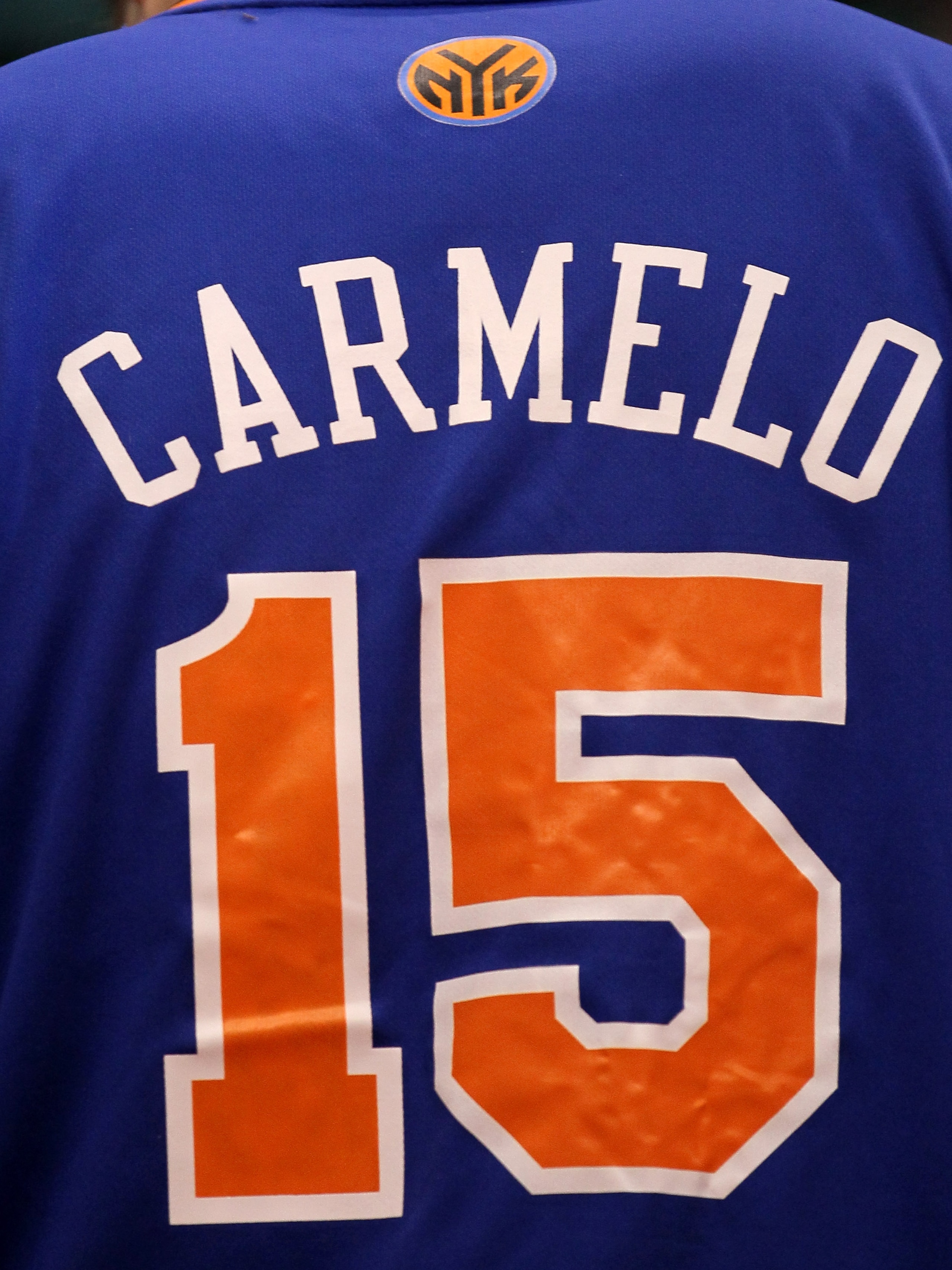
Never in my life have I rooted for the New York Knicks, even though I live less than 65 miles from Madison Square Garden. In fact, watching them lose year after year has become a twisted, personal joy of mine.
But for some reason, I can’t help but sympathize with New York fans, except for when they’re chanting “We want ‘Melo. We want ‘Melo.”
Calm down—you’re probably going to get him.
On one hand, the Knicks are having their best season in over a decade’s worth of memory. Amar’e Stoudemire has revived the city’s spirits and aspirations, and the playoffs are mere months away.
But they have this looming and unceasing player problem, much different than the Michael Jordan issue they dealt with in the 90s. For the first time since 1998, the biggest troublemaker for the Knicks isn’t a player on their roster.
It’s not Stephon Marbury, Eddie Curry or Zach Randolph. It’s not even Isiah Thomas or Jamal Crawford. It’s a singular-dimensional player that lives 1,800 miles away in one of the most desolate cities the country has to offer.
And all the annoying hype could just be solved this summer by signing Anthony when his contract is up, instead of gutting a solid nucleus of young talent to employ an underachieving crybaby.
If the Knicks really wanted to win, they would let the situation play out this summer. Anthony has given no inclination that he won’t sign with them. In fact, it’s been the opposite.
In the end, the trade talk is all about money to Knicks' owner James Dolan, not about winning. The addition of Carmelo Anthony makes New York more marketable, not a better team.
Technical Fouls
9 of 10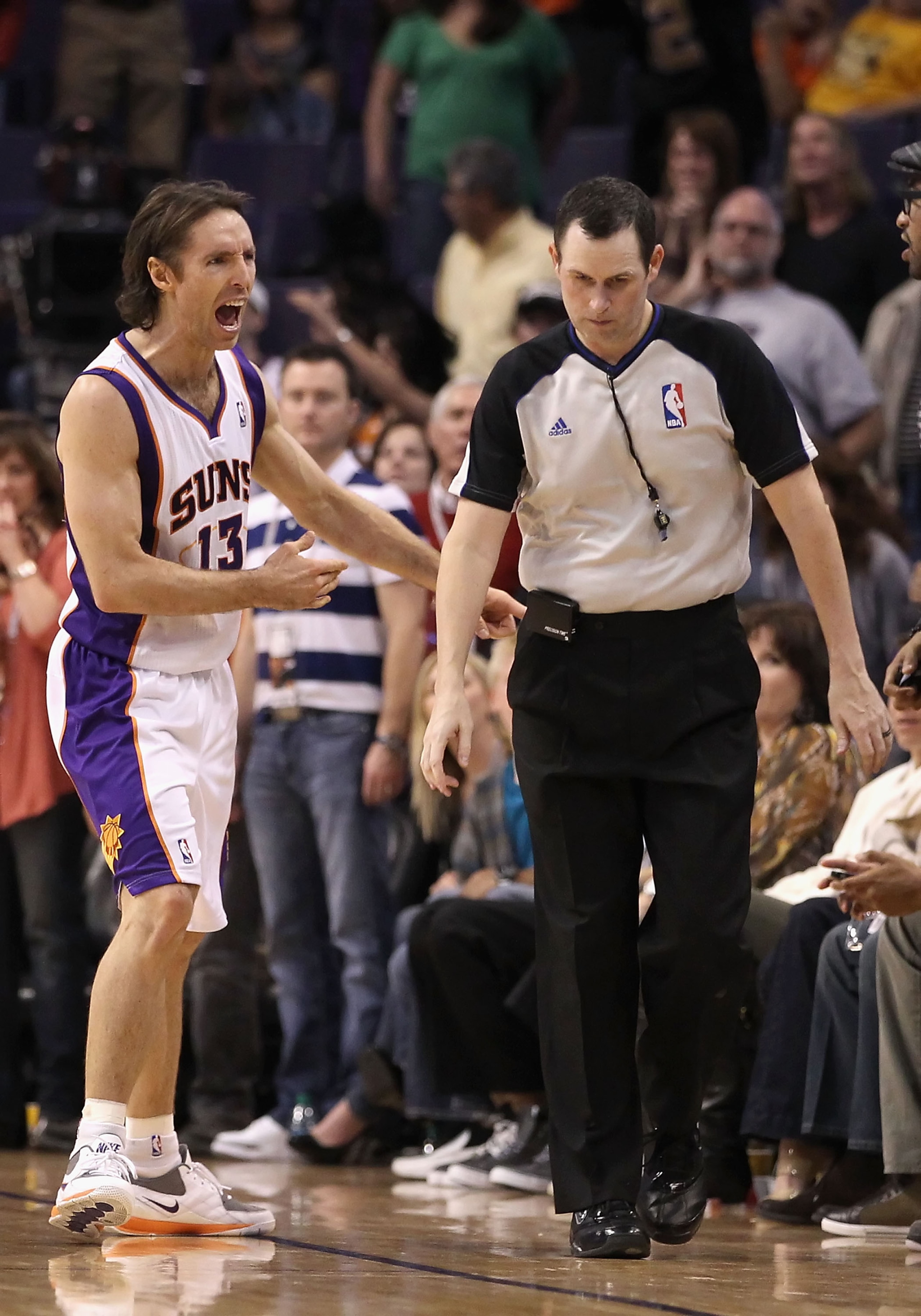
David Stern’s “Respect the Game” act is ridiculous.
Basketball is a game of emotion and physicality. When you combine those two things for nine months a year, you better hope that the result is passion. If it's not, then you have a problem respecting the game.
We all wish we could go back and see Chris Webber be punished for his incessant crying, nagging and whining to NBA referees. We all know he needed some attention and deserved more technical fouls than anyone not named Rasheed Wallace.
But when players are being hit with technical fouls for slightly raising an eyebrow, the NBA has a real problem, one created by personal design. Most fans would rather see complaining players’ opponents score on the other end while they’re debating with the referees, which would be real punishment.
But no—we’re forced to watch the taming while we unrelentingly scream and yell for the players.
And you can’t blame the refs...they’re just as incompetent as they ever were.
You can blame David Stern, however. He’s basically given them a get-out-of-jail-free card by handing them the power to swing the results of games for players who are reflexively putting their hands in the air.
The crackdown is a joke, especially since the biggest complaint with NBA officiating is inconsistency.
Now, mediocre players are asked to keep their mouths shut and arms to their sides while Kobe Bryant and LeBron James can have week-long conversations with Steve Javie and Dick Bavetta while waving their arms like wacky, wavy, inflatable, arm-flailing tube-men.
Somebody should tell David Stern to respect the game.
Commentators Jeff Van Gundy and Mark Jackson
10 of 10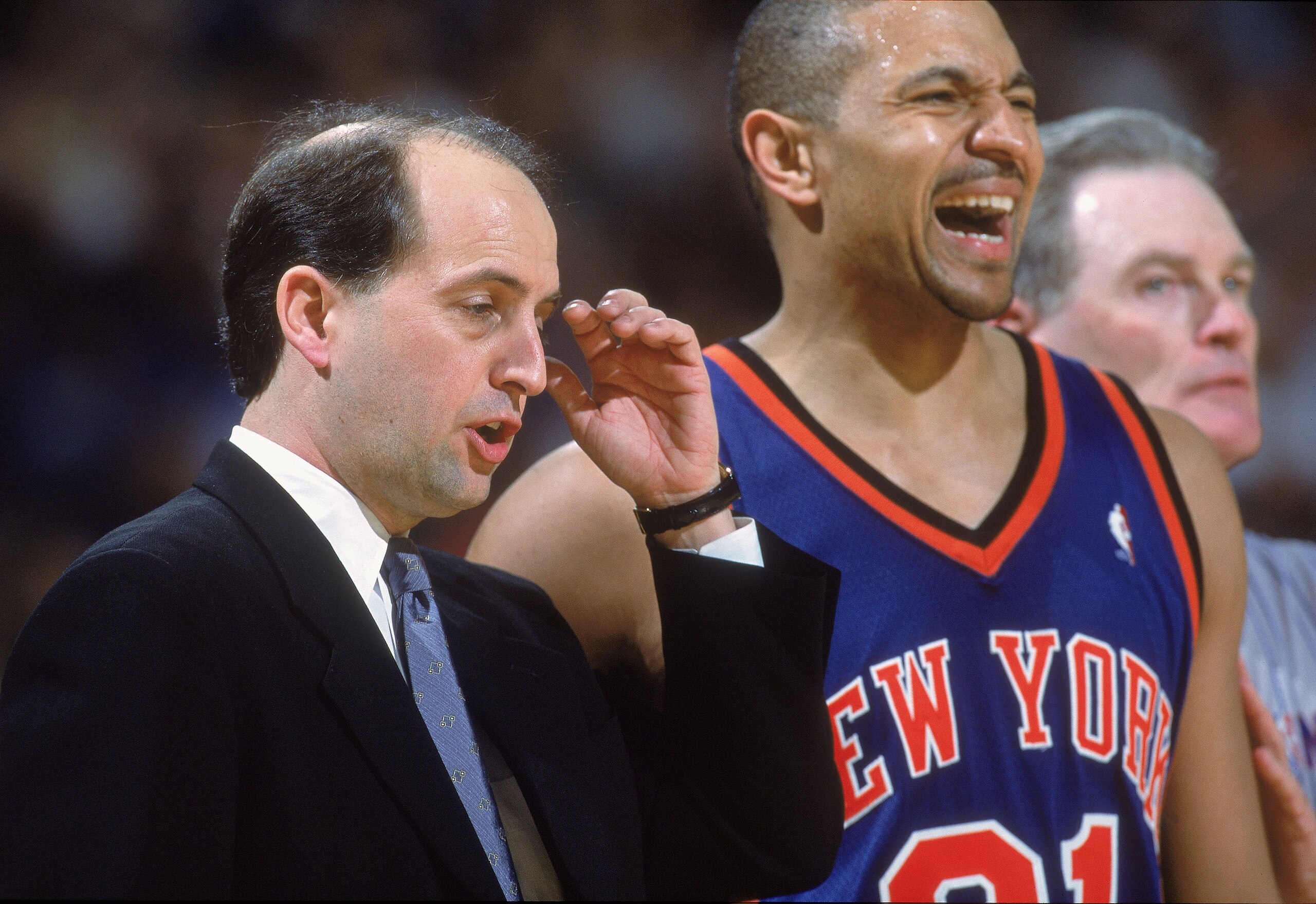
If you are anything like me, you love watching the NBA, even with all my very specific complaints.
But whenever the beautiful voice of Mike Breen has been unfairly combined with the collective idiocies of Mark Jackson and Stan Van Gundy, muting the television is easier than shutting off a game between the Cleveland Cavaliers and Minnesota Timberwolves.
There hasn’t been a worse pairing since Bill Walton and Tom Tolbert put their stupidity on tour at the expense of the fans’ ears.
Listening to Hubie Brown over-explain everything is more tolerable than listening to Van Gundy and Jackson argue about which color Gatorade is Kevin Garnett’s favorite. They should tip Breen at the end of each game just for salvaging the audio performance that the fans have been subject to.
When Van Gundy speaks, nobody wonders why he isn’t a coach anymore. If his ability to communicate to players is at all similar to the things he says as a commentator during games, it’s amazing that he ever had a job.
Van Gundy couldn’t teach a child to tie his shoes, because his thoughts trip over one another as they form into words and leave his mouth.
And Mark Jackson is just as bad. Sure, he is obviously smarter than Van Gundy, but so is Jeff Foxworthy, and he’s still trying to figure out if he should return to fifth grade.
At best, Jackson should write basketball books for children, and he could be the Dr. Seuss of the NBA with his clever rhyme schemes, like “Hand down, man down.”
We get it, Mark. After hanging out with Van Gundy’s awful hyperbole for too long, you’ve reverted to simple, childlike quips.
But all the fans cannot wait until the NBA has rid itself of Van Gundy and Jackson so we can all say, in unison: “Mama, there goes that man…thank God.”


.jpg?w=2560 "Grading WWE Raw 🔠")
.jpg?w=2560 "Viral Rams Coach Vid 🖕")
.jpg?w=2560 "Injury-stricken Seahawks signing veteran RB")
.jpg?w=2560 "2 NFL Officials Suspended")

.jpg?w=2560 "Mahomes' Wife Trolls Kubiak 💀")