
2011 NFL Draft: The Biggest Draft Steals For All 32 Teams
Every year, ESPN rolls out its cast of pundits to mull over the prospects of the draft. Each gives their opinion on who the top prospects are for the Senior Bowl and the NFL Scouting Combine. The 2011 NFL Draft is no different.
But there are always a few players who slip down the board for whatever reason(s). This presents the opportunity for some teams to sneak in and pick up those key players before the other teams are any wiser.
Every team has had this pleasure at some point, and here are my takes on who is each team's biggest steal.
Check out Erik Frenz's football curator page at myspace.com/football. Follow Erik on Twitter at @e_frenz.
NOTE: Draft info and other stats courtesy pro-football-reference.com.
Arizona Cardinals: Larry Wilson
1 of 32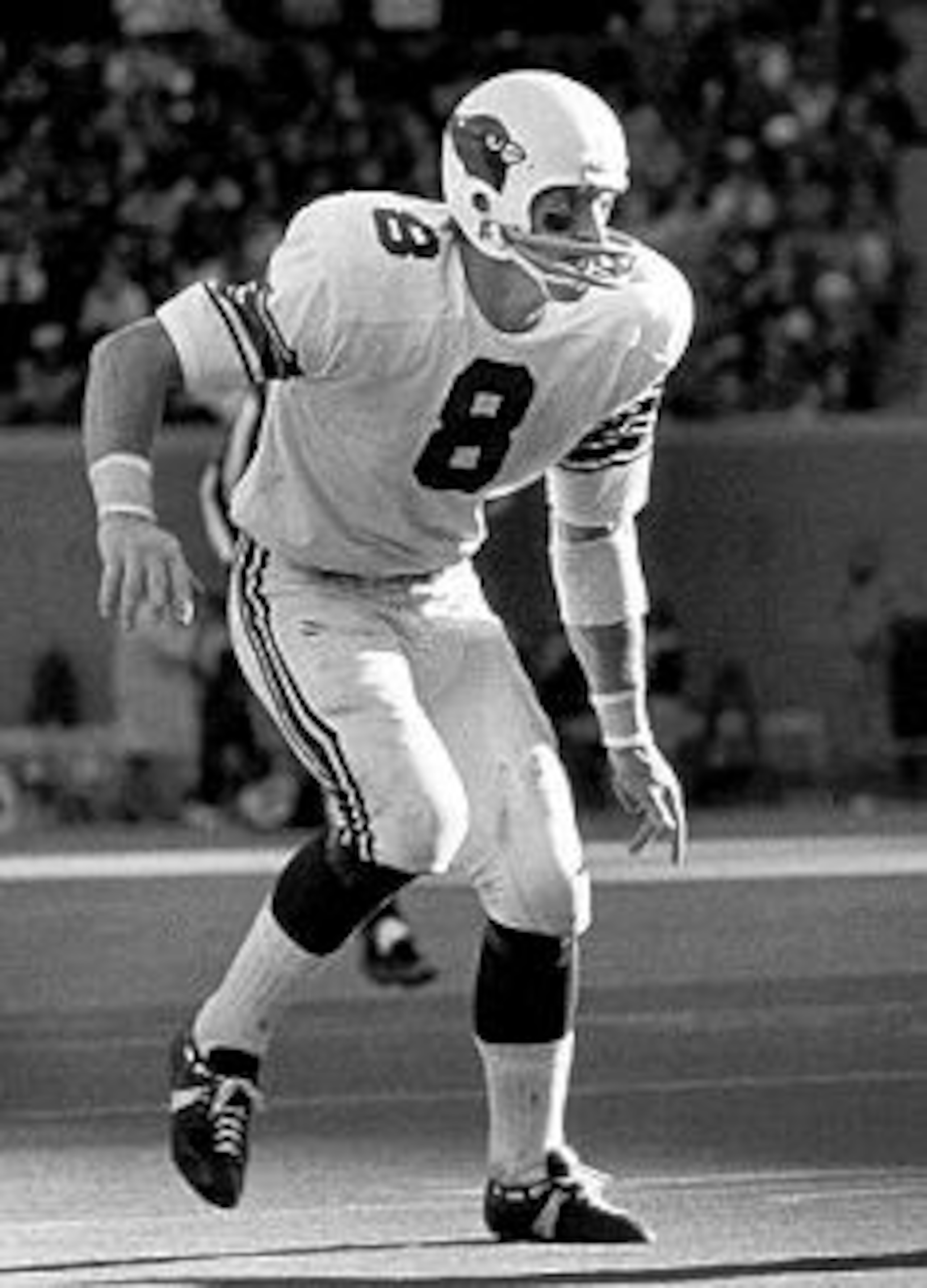
I briefly considered tight end Jackie Smith for this spot, but when I found out that NFL Network ranked Wilson in their top 10 all-time draft steals, I had to put him on here.
And why not? He was a first-ballot Hall of Famer and had the numbers to back it up. With 52 career interceptions, including a league-leading 10 in 1966, it's no wonder he was named to eight All-Pro squads.
All this for the lowly cost of a seventh-rounder.
Drafted: Seventh round, 74th overall in 1960
Atlanta Falcons: Jamal Anderson
2 of 32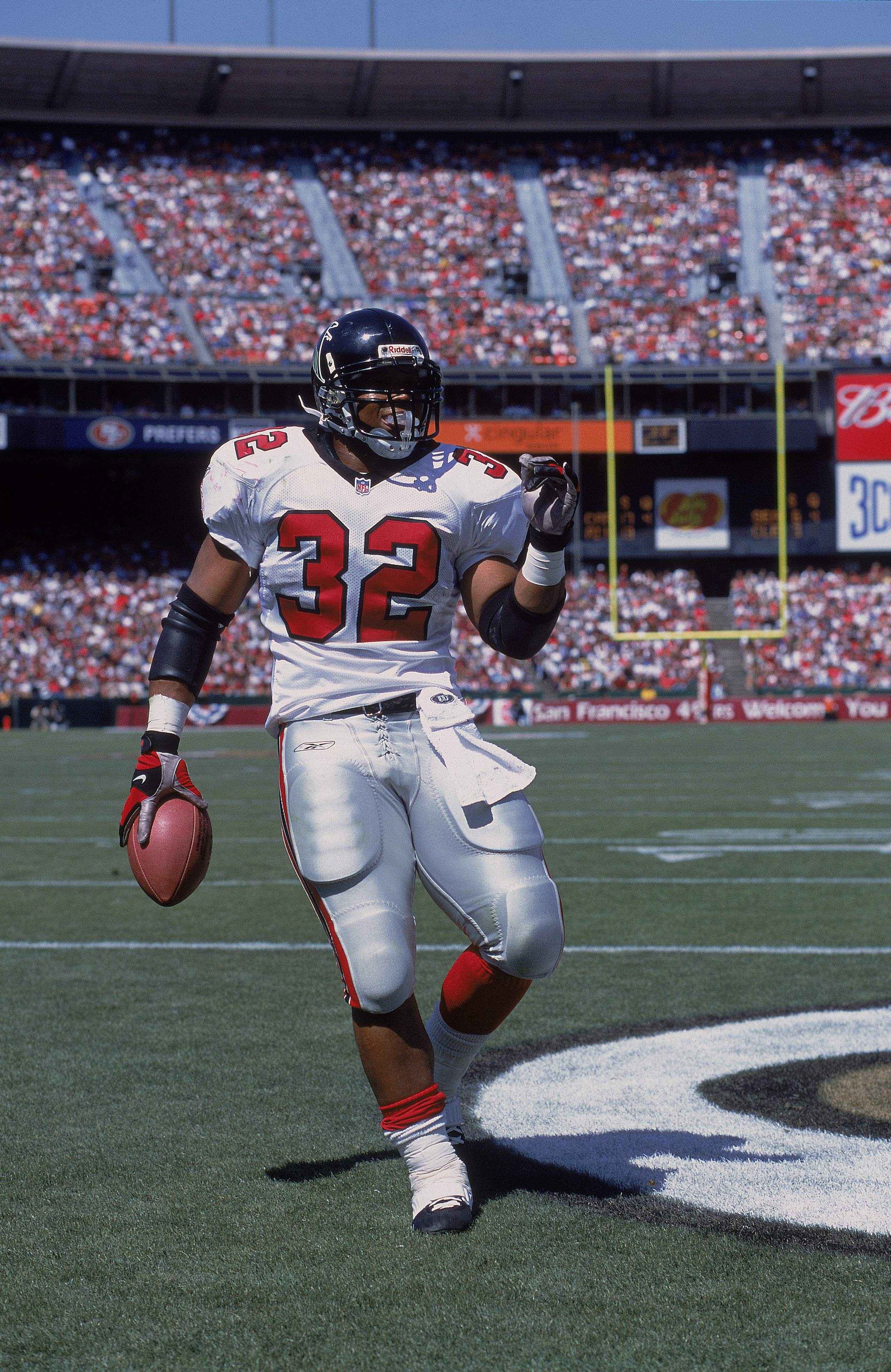
Jamal Anderson is a tragic case. He could have been one of the greatest draft steals of all-time had he not torn his ACL in 2001 and subsequently ended his career. Just the year before, he amassed 1,024 yards and six touchdowns.
He got off to a hot start to his career and broke the 1,000-yard rushing mark three seasons straight. He capped it off with an 1,846-yard performance in which he totaled 16 touchdowns rushing and receiving.
He was the definition of a running back coming into his own.
Drafted: Seventh round, 201st overall in 1994
Baltimore Ravens: Adalius Thomas
3 of 32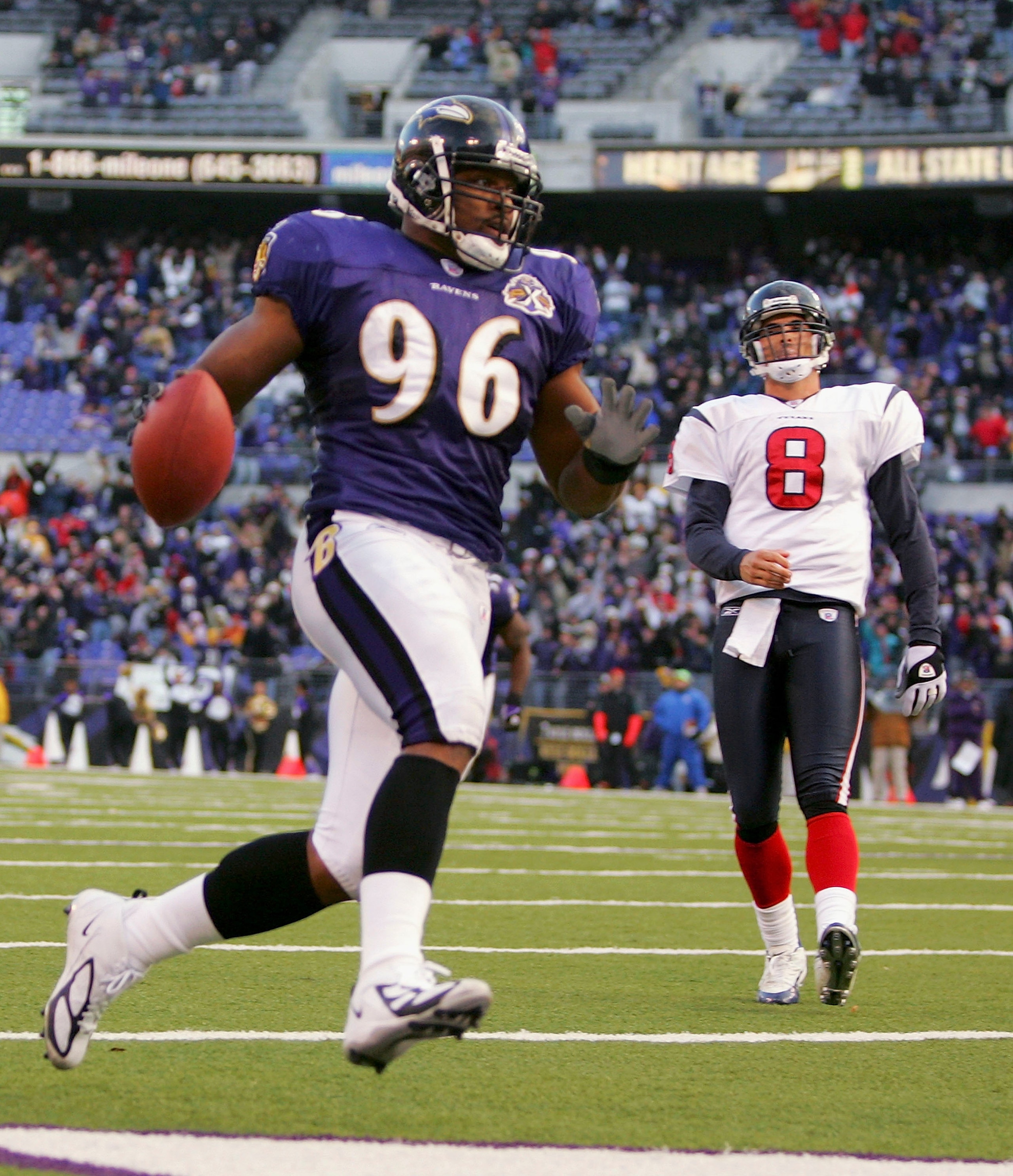
There's not a lot to choose from but Adalius Thomas made the job easy. Many linebackers in Rex Ryan's defenses have seen success, but Thomas is the standard to which others are held.
He became one of the premier pass rushers in the league for a few years from '04-'06, but his production dipped when he went to New England.
Still, if you told me you could get a guy in the sixth round who would produce 38.5 sacks in seven seasons, not even all of them starting, I'd be pleased with that pick.
Drafted: Sixth round, 186th overall in 2000

.jpg?w=2560 "Steelers Saints Football")
.jpg?w=2560 "Rams Raiders Football")
Buffalo Bills: Andre Reed
4 of 32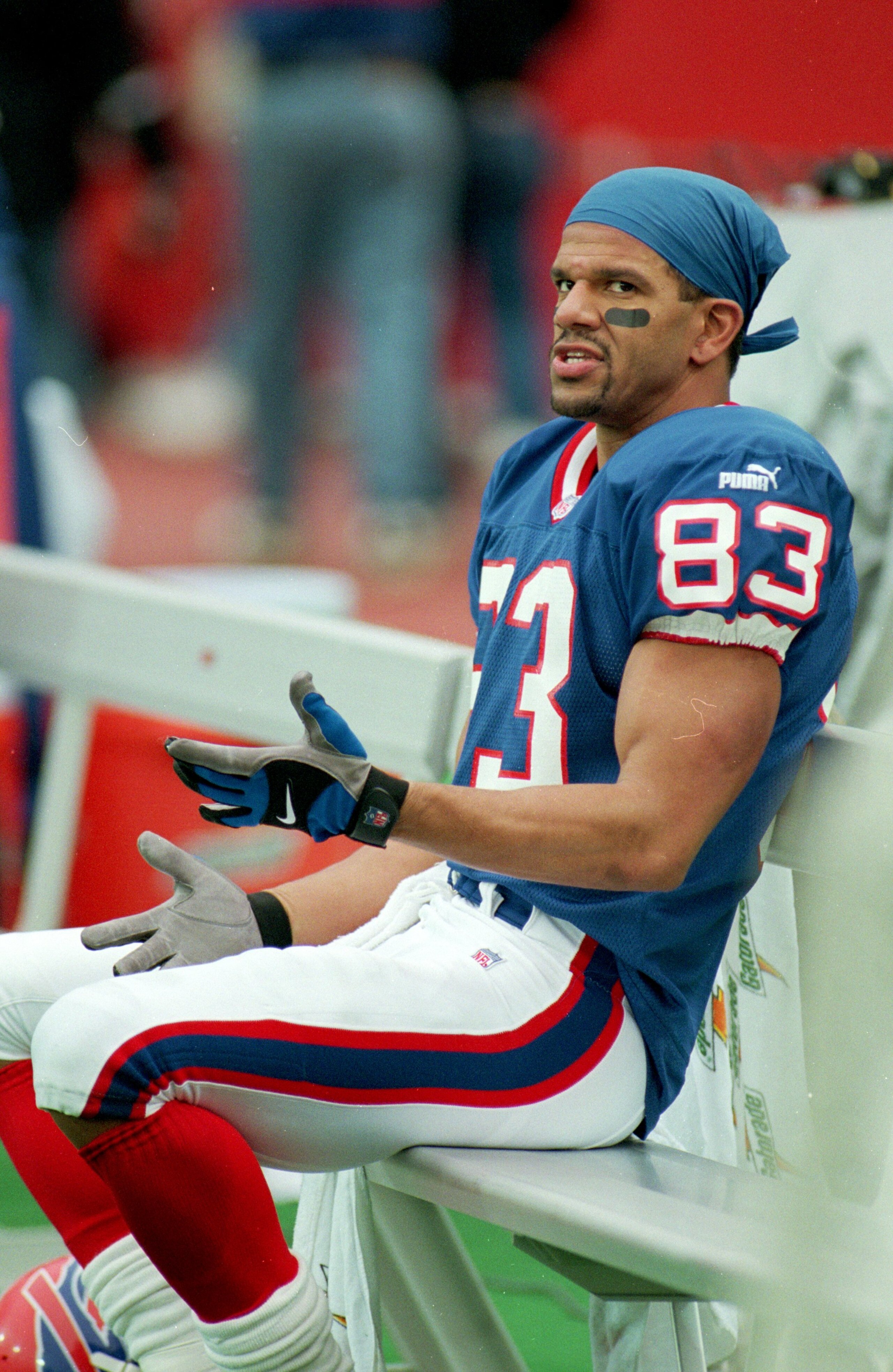
The Buffalo Bills of the late 80s and early 90s were known for being good enough to get to the Super Bowl, but not to win it. Really, they were so much more than that, and Reed was a big part of that success.
In his 16-year career, he had four seasons of over 1,000 yards receiving, 13,198 total receiving yards and 87 touchdowns. Reed was one of the biggest weapons on an offense that was full of them.
After being voted to seven consecutive Pro Bowls, Reed figured to be a lock for the Hall of Fame, but he has been shunned at the doorstep, being named a finalist in the voting process five times.
Drafted: Fourth round, 86th overall in 1985
Carolina Panthers: Steve Smith
5 of 32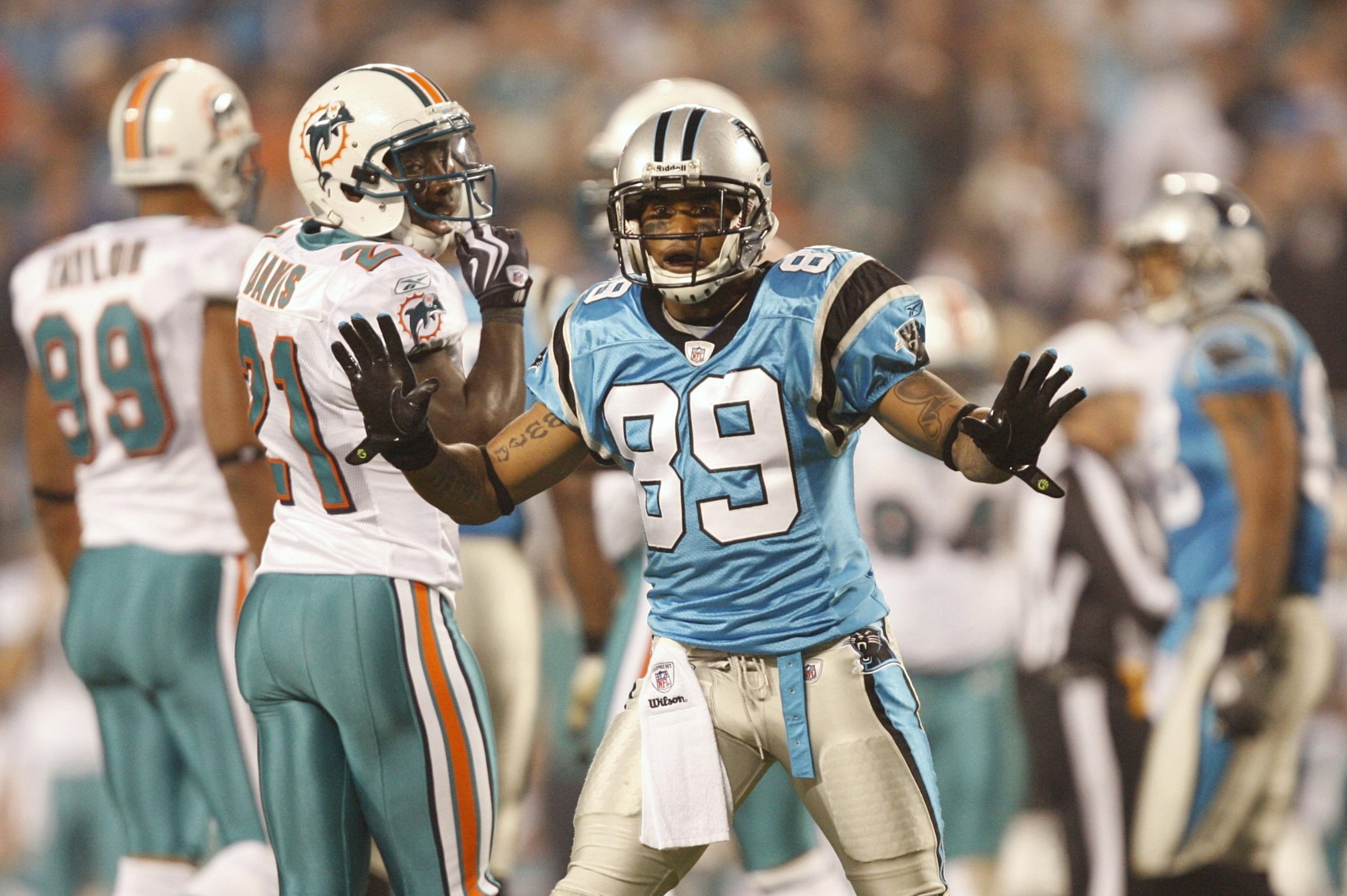
The third-round pick had to continue to prove himself even once he reached the NFL. Smith started off his career as a special teams return man and even returned six kicks for touchdowns in his first three years in the league.
Then, of course, we all know he took those afterburners to the offensive side of the ball and broke out as an All-Pro wideout.
His best year came in 2005, in which he led the league in all receiving categories (receptions, yards, touchdowns).
And to think his draft stock was diminished because of his height.
Drafted: Third round, 74th overall in 2001
Chicago Bears: Richard Dent
6 of 32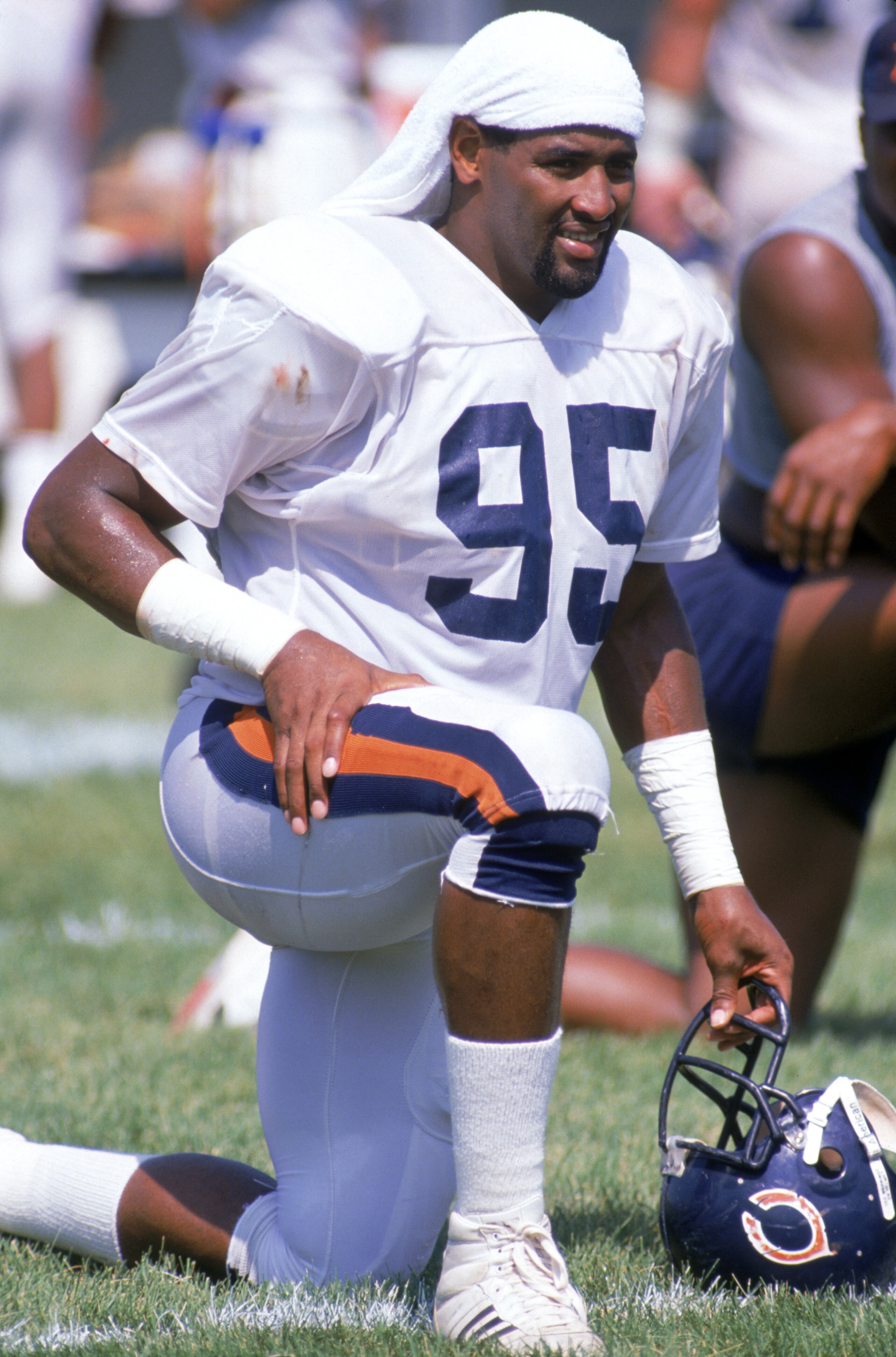
The hulking Chicago Bears defensive lineman almost instantly jolted the Bears pass rush. In just his second year, he logged 17.5 sacks, which ended up being a career high for him.
Still, he only failed to log double-digit sacks twice in his time with the Bears. On his career, he tallied 137.5 quarterback takedowns.
He always came to play in the playoffs and had 10.5 sacks in six games, including 1.5 against the Patriots in the Bears' Super Bowl XXV win.
After seven years of being snubbed as a finalist, Dent finally made the Hall of Fame.
Drafted: Eighth round, 203rd overall in 1983
Cincinnati Bengals: TJ Houshmandzadeh
7 of 32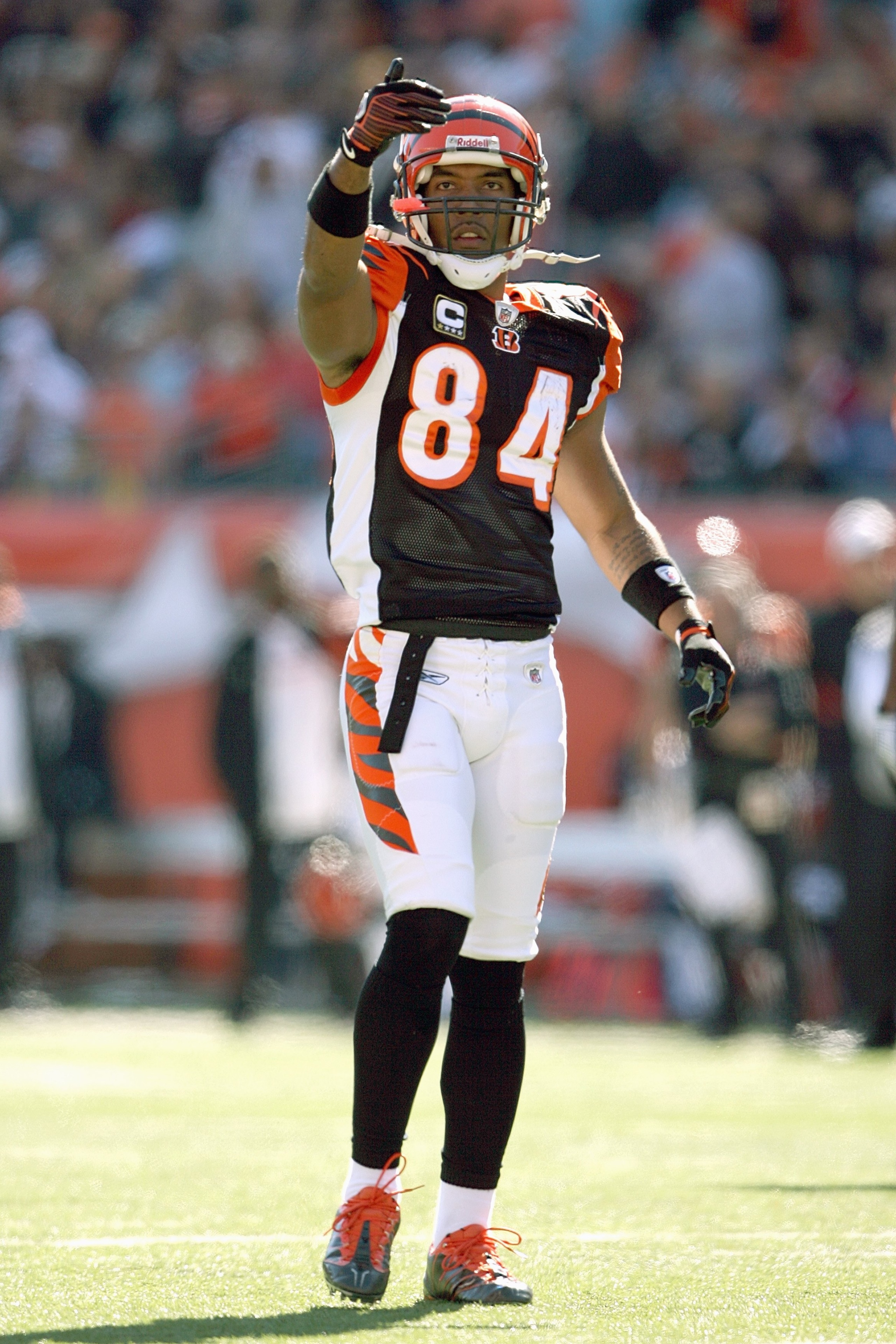
It's hard to find much spotlight when you're lining up on the other side of the offense from Chad Ochocinco, but as a seventh-round pick, Houshmandzadeh made quite a name for himself.
TJ had five straight seasons over 900 yards receiving. He tied for the league lead in receptions in 2007 with 112 and was named to the Pro Bowl for his efforts.
He didn't start to get much work as a receiver until his fourth year in the league. Any earlier and we could be telling a whole different story about just how great he was for a seventh-round pick.
Drafted: Seventh round, 204th overall in 2001
Cleveland Browns: Leroy Kelly
8 of 32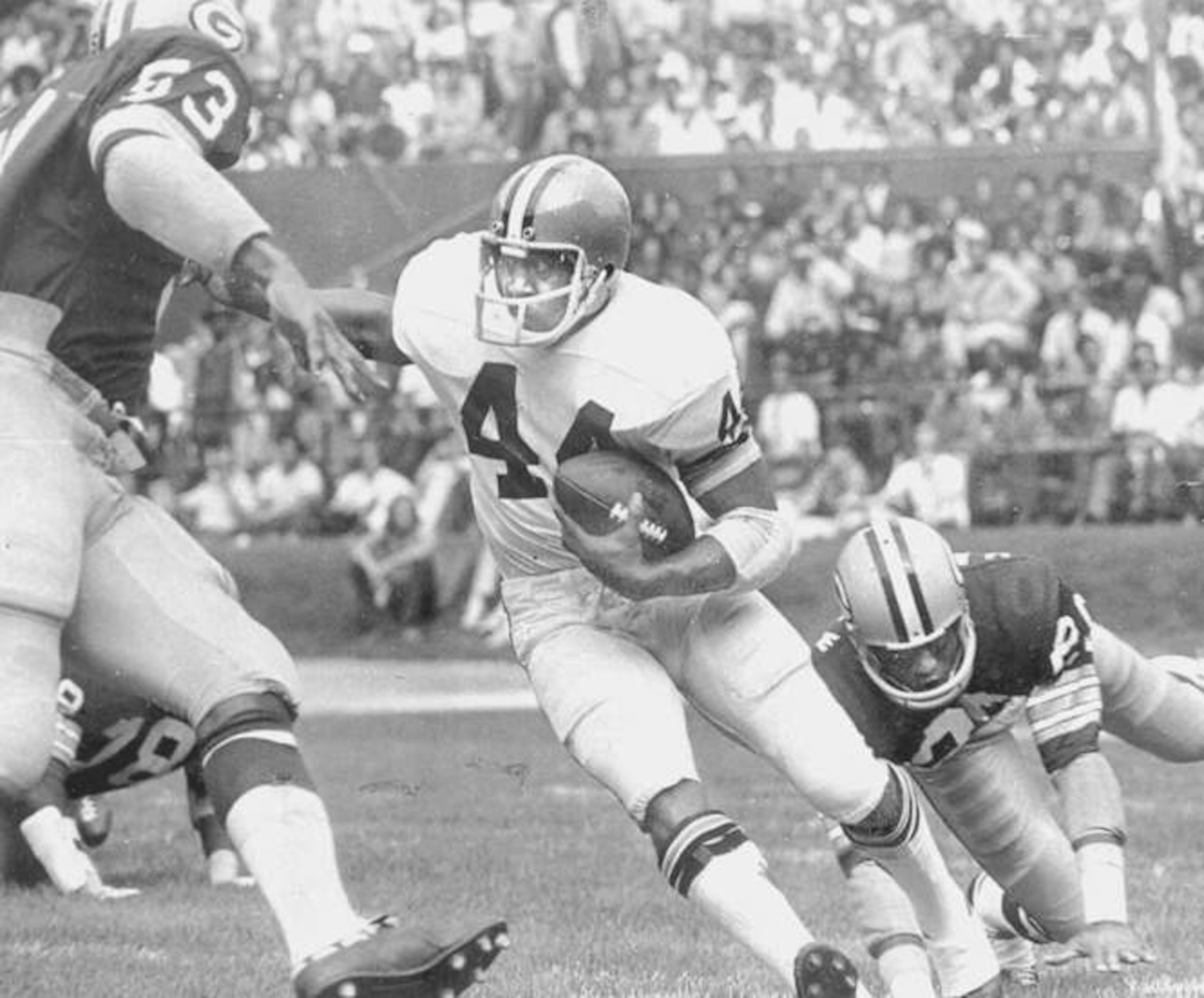
The Browns have had some great running backs in their time, but Leroy Kelly is one of the most memorable.
He led the league in touchdown runs three years straight, and led in yardage twice. He loved to run up the middle, but he was able to evade tacklers in doing so.
His production dipped a bit toward the end of his career, but his legacy speaks for itself and has landed him in the Hall of Fame.
Drafted: Eighth round, 110th overall in 1964
Dallas Cowboys: Roger Staubach
9 of 32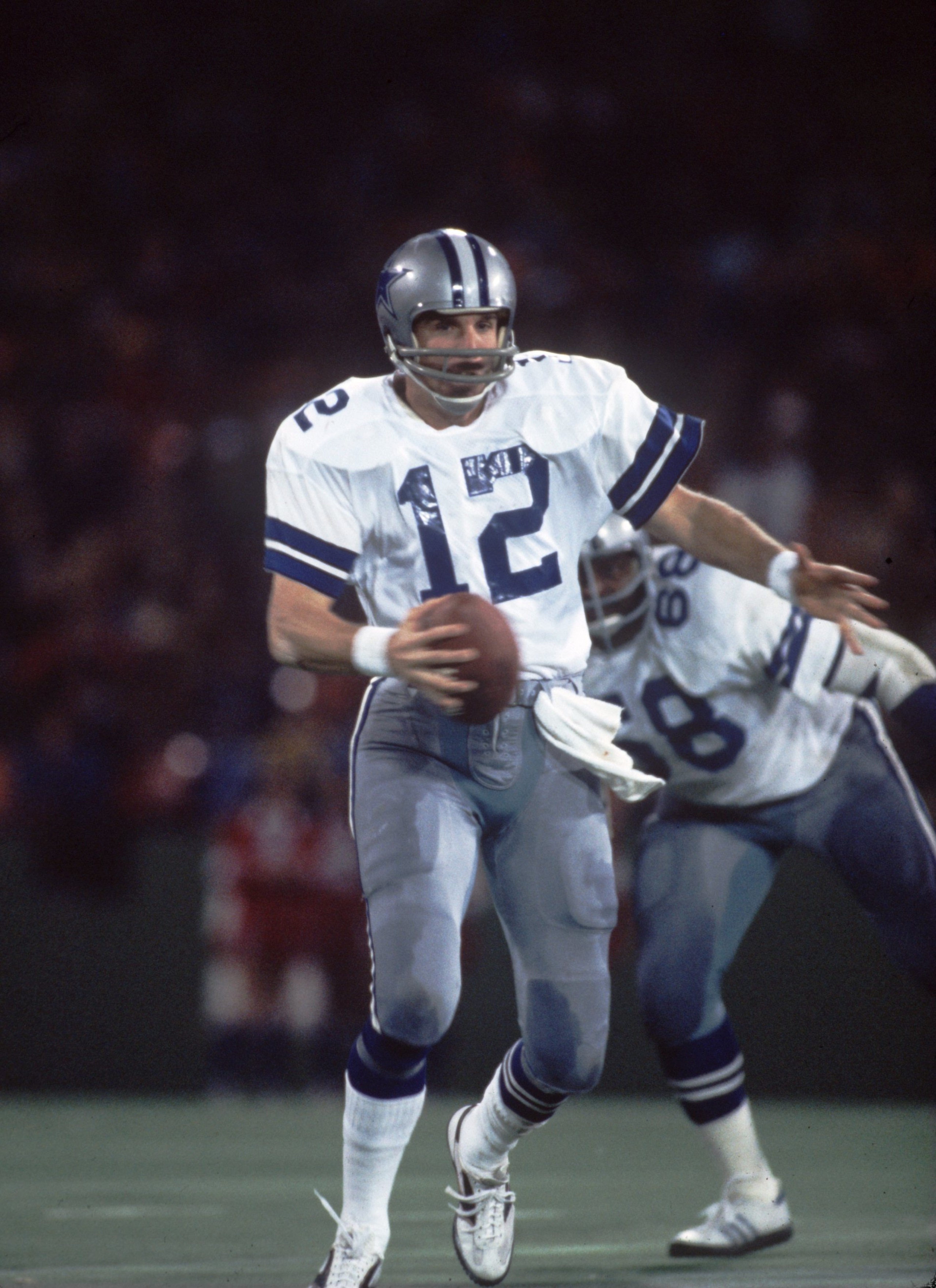
The Cowboys selected Staubach as the quarterback who had the thankless job of replacing "Dandy" Don Meredith.
It wasn't long before he became the face of the franchise and led them to four Super Bowl appearances and two Super Bowl trophies. He was the MVP of Super Bowl VI.
Staubach is second all-time on the Cowboys passing list only to Troy Aikman, and he is third in passing touchdowns.
That's not bad for a 10th-round pick.
Drafted: 10th round, 129th overall in 1964
Denver Broncos: Shannon Sharpe
10 of 32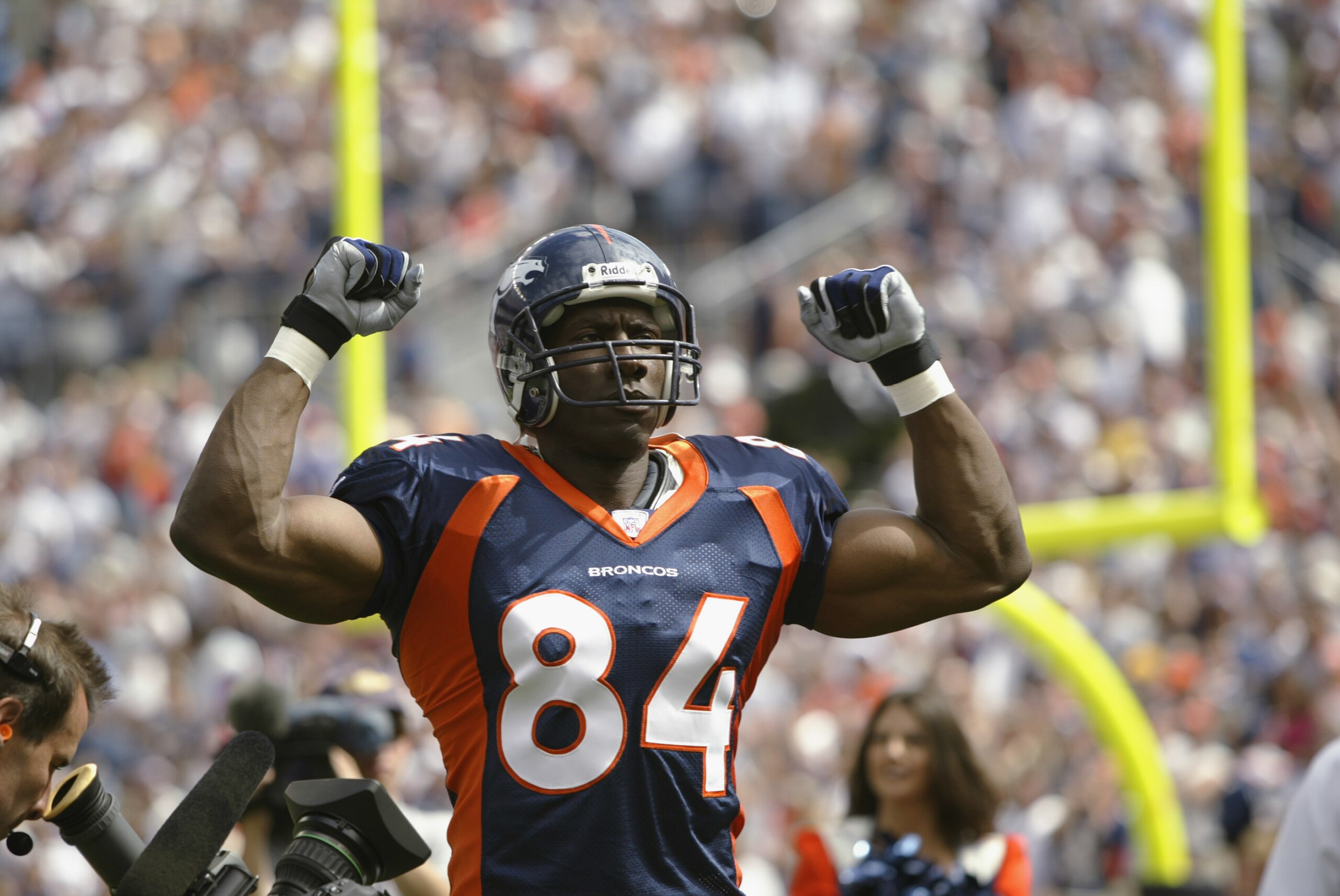
This was a very tough pick between Sharpe and Terrell Davis, but I took the tight end who once held every receiving record there was for tight ends.
With his 815 receptions, 10,060 yards and 62 touchdowns, it took Tony Gonzalez's sure-fire Hall of Fame career to top what Sharpe did.
Sharpe also has longevity over his Super Bowl champion counterpart "TD," not to mention those eight Pro Bowls, four All-Pro nominations and Hall of Fame induction.
It's almost a crime he wasn't a first-ballot Hall of Famer, but it doesn't matter how many tries it takes once you're there.
Drafted: Seventh round, 192nd overall in 1990
Detroit Lions: Jack Christiansen
11 of 32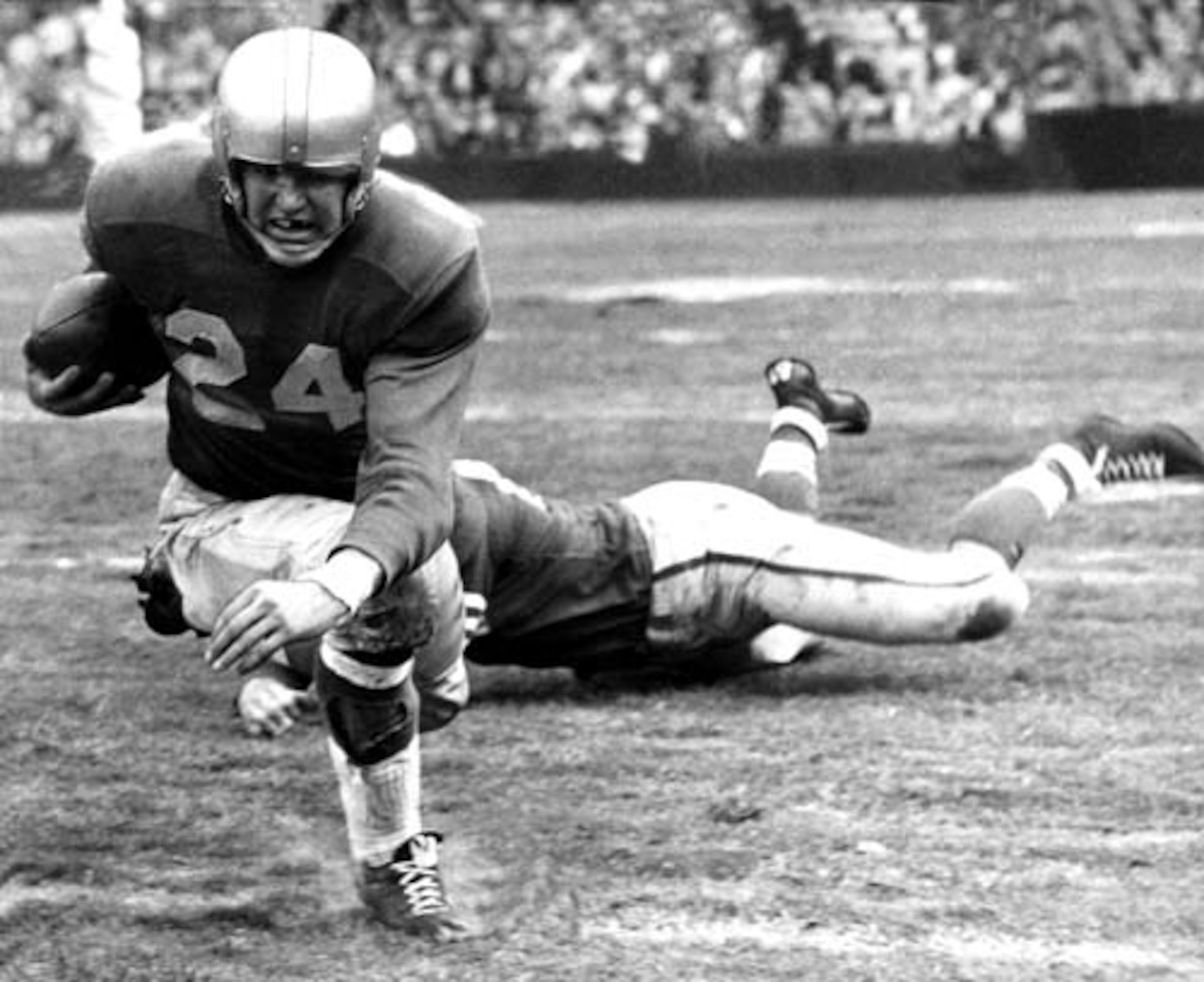
Christiansen made an impact on special teams right from the start. He had four punt returns for a touchdown in his rookie season and two the very next year.
That added up to six touchdowns in just 33 tries. He turned right around in his third year and as a starter at safety, he nabbed 12 interceptions and returned one for a score.
Gotta love that versatility. He was named to six All-Pro squads for his troubles.
A sixth-round pick back then equated to what is a third-round pick now, but every team still had six chances to get Christiansen.
Drafted: Sixth round, 69th overall in 1951
Green Bay Packers: Bart Starr
12 of 32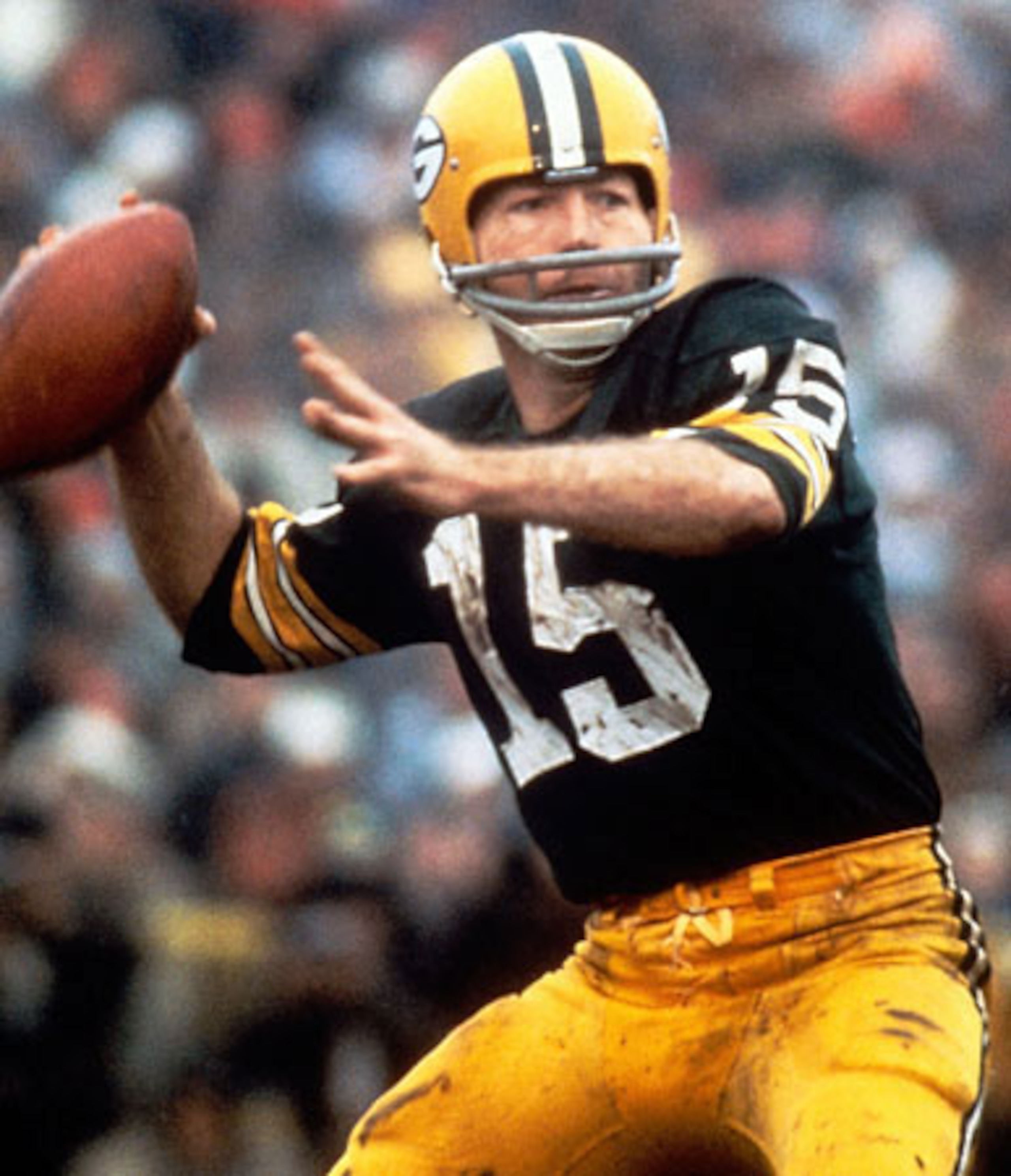
I debated for a grand total of .5 seconds over whether Starr or Donald Driver was the Packers' biggest steal. I hope you're not disappointed with my decision.
Here's my justification—three NFL championships, two Super Bowl trophies, four Pro Bowl nominations, two first-team All-Pro selections and a league MVP award in 1966.
His induction into the Hall of Fame was never in question. The only question is, how did every team pass on him 16 times?
Drafted: 17th round, 200th overall in 1956
Houston Texans: Owen Daniels
13 of 32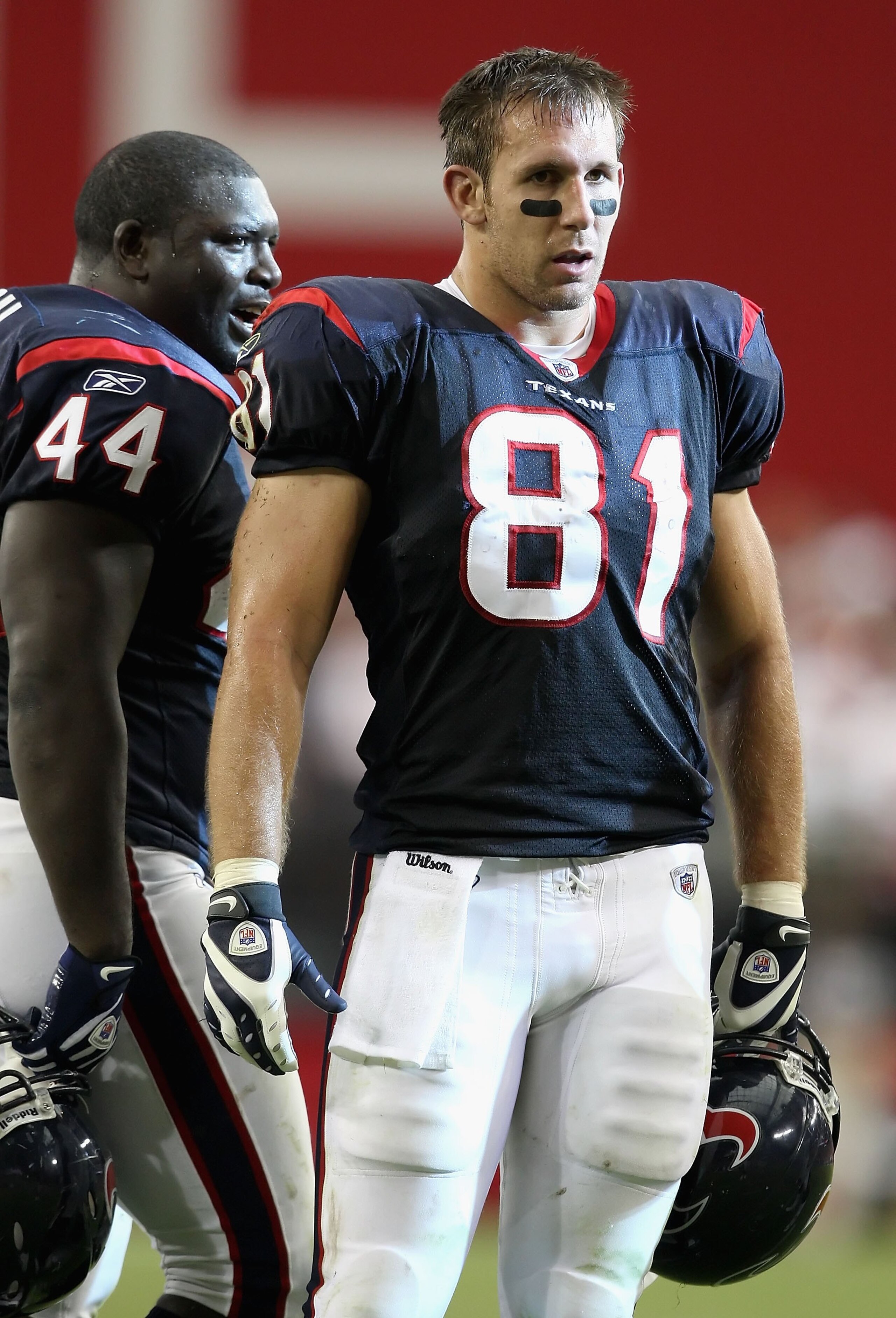
There were quite a few tight ends taken in the 2006 draft. Names like Vernon Davis, Marcedes Lewis and Tony Scheffler topped most boards, but Owen Daniels snuck into the hands of the Houston Texans all the way down in the fourth round.
In Daniels, the Texans have had one of their most consistent options in the passing game not named Andre Johnson. In just five seasons in the league, Daniels has 245 receptions for 2,972 yards and 17 touchdowns.
Those are respectable numbers for a tight end, especially when you consider that he's been plagued by injury over the past couple of years.
In the pass-happy Houston offense, there's plenty of time for Daniels to make up for lost ground.
Drafted: Fourth round, 98th overall in 2006
Indianapolis Colts: Raymond Berry
14 of 32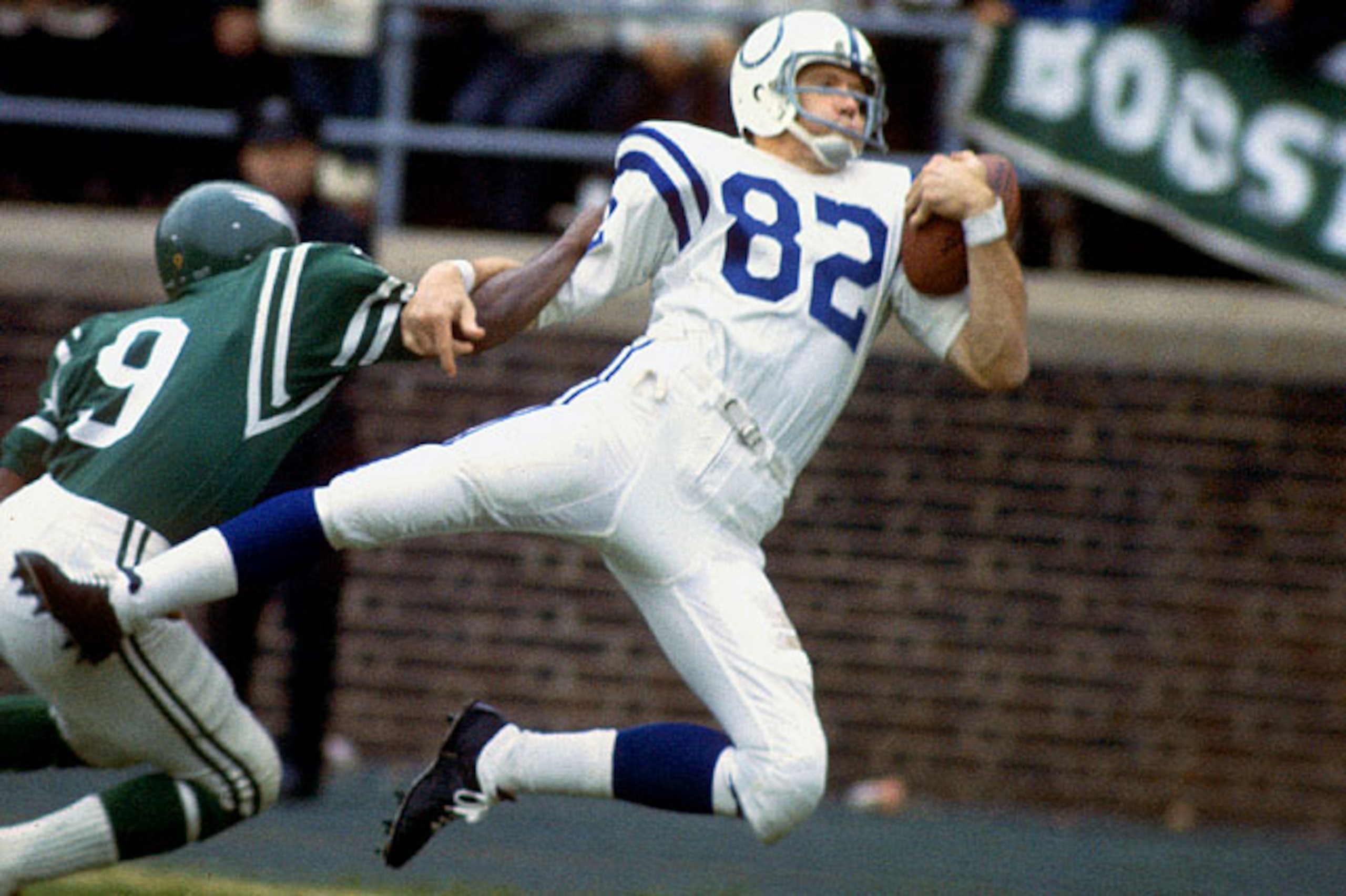
Berry didn't make the Hall of Fame for his accomplishments as a head coach, though taking the laughingstock New England Patriots to a Super Bowl is nothing short of an "accomplishment."
Berry is third all-time in career receiving touchdowns for the Baltimore/Indianapolis Colts and he is in some good company. Marvin Harrison and Reggie Wayne are the only receivers with more.
He led the league in receptions from 1958-1960, and in yards three times ('57, '58, '60). It's no wonder he has six Pro Bowls and three All-Pros under his belt.
His production may not be elite, but it was good enough for the Hall of Fame and good enough to make him the all-time biggest draft steal for the Colts.
Drafted: 20th round, 232nd overall in 1954
Jacksonville Jaguars: Maurice Jones-Drew
15 of 32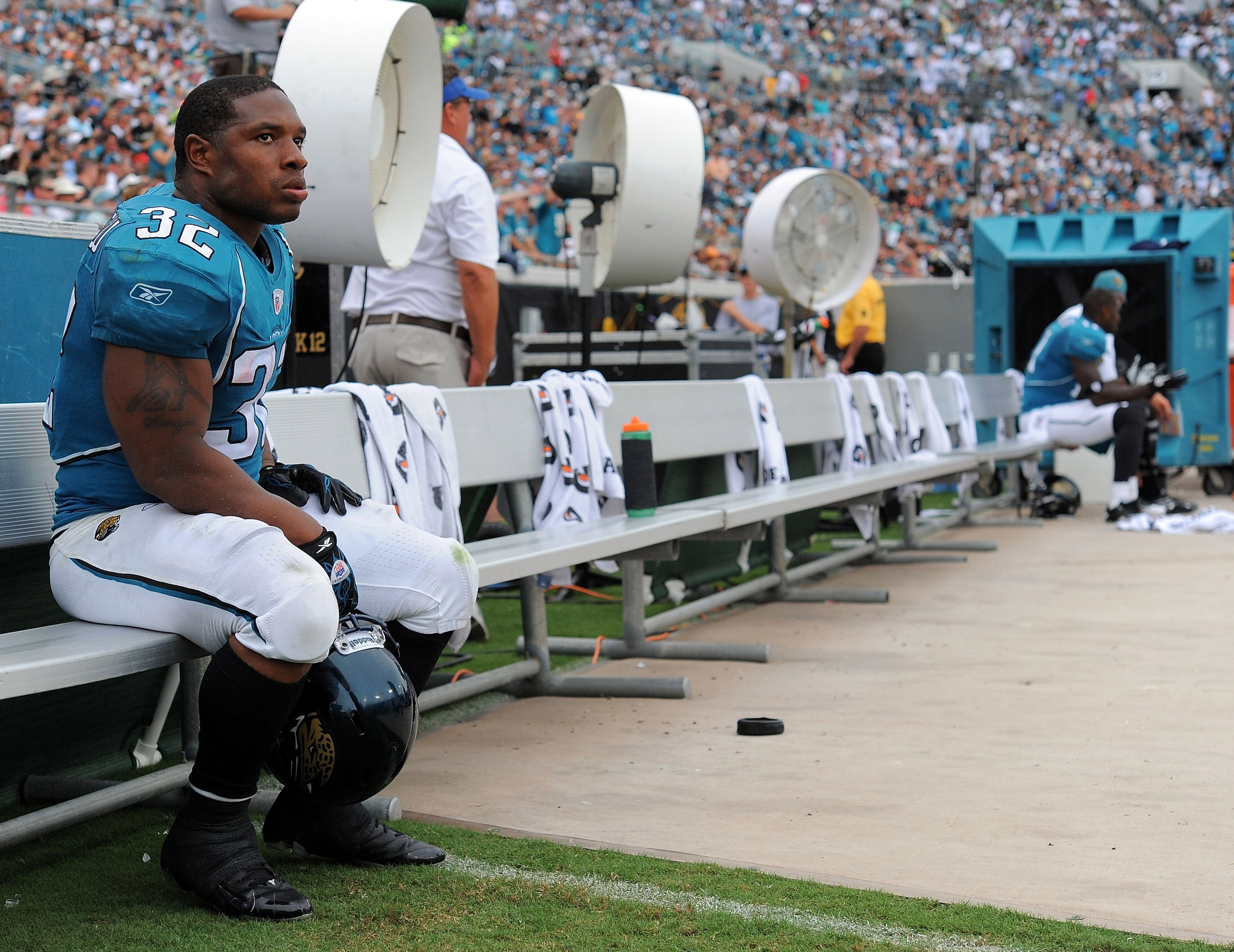
As NFL teams have come to realize that running backs get injured frequently, the "franchise running back" has become a thing of the past.
Maurice Jones-Drew is one of the last of a dying breed, and he was had for the lowly price of a second-round pick.
The Jaguars back has never averaged fewer than 4.2 yards per carry in a season. He has 54 career rushing touchdowns and seven receiving touchdowns in just five years in the league, with only two years as the lead running back.
A second-round pick might be a hard sell for some in terms of "steal" status, but consider this: two of the running backs taken before him were Laurence Maroney and Joseph Addai, who have underachieved and been injured respectively.
Why does Jones-Drew wear No. 32? As a reminder that he was passed on by all 32 teams.
Drafted: Second round, 60th overall in 2006
Kansas City Chiefs: Bobby Bell
16 of 32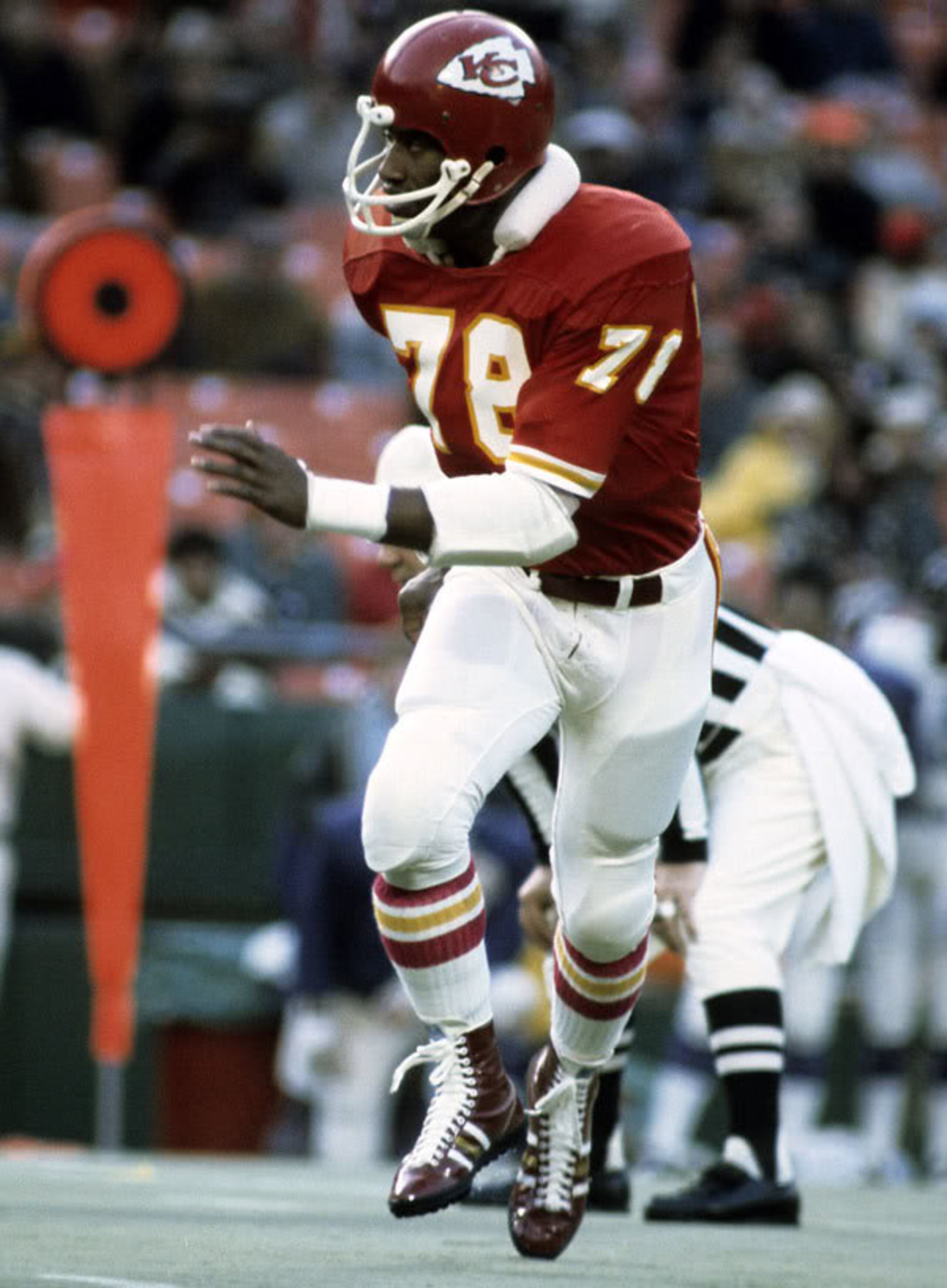
The Hall of Fame outside linebacker was a part of the only Super Bowl-winning Kansas City Chiefs team.
He was one of the most versatile linebackers in the league, capable of both rushing the passer and dropping into coverage.
Wikipedia unofficially credits him with 40 sacks in his career. Add that to his 26 interceptions and that's one heck of a linebacker you have.
Drafted: Seventh round, 56th overall in 1963
Miami Dolphins: Dan Marino
17 of 32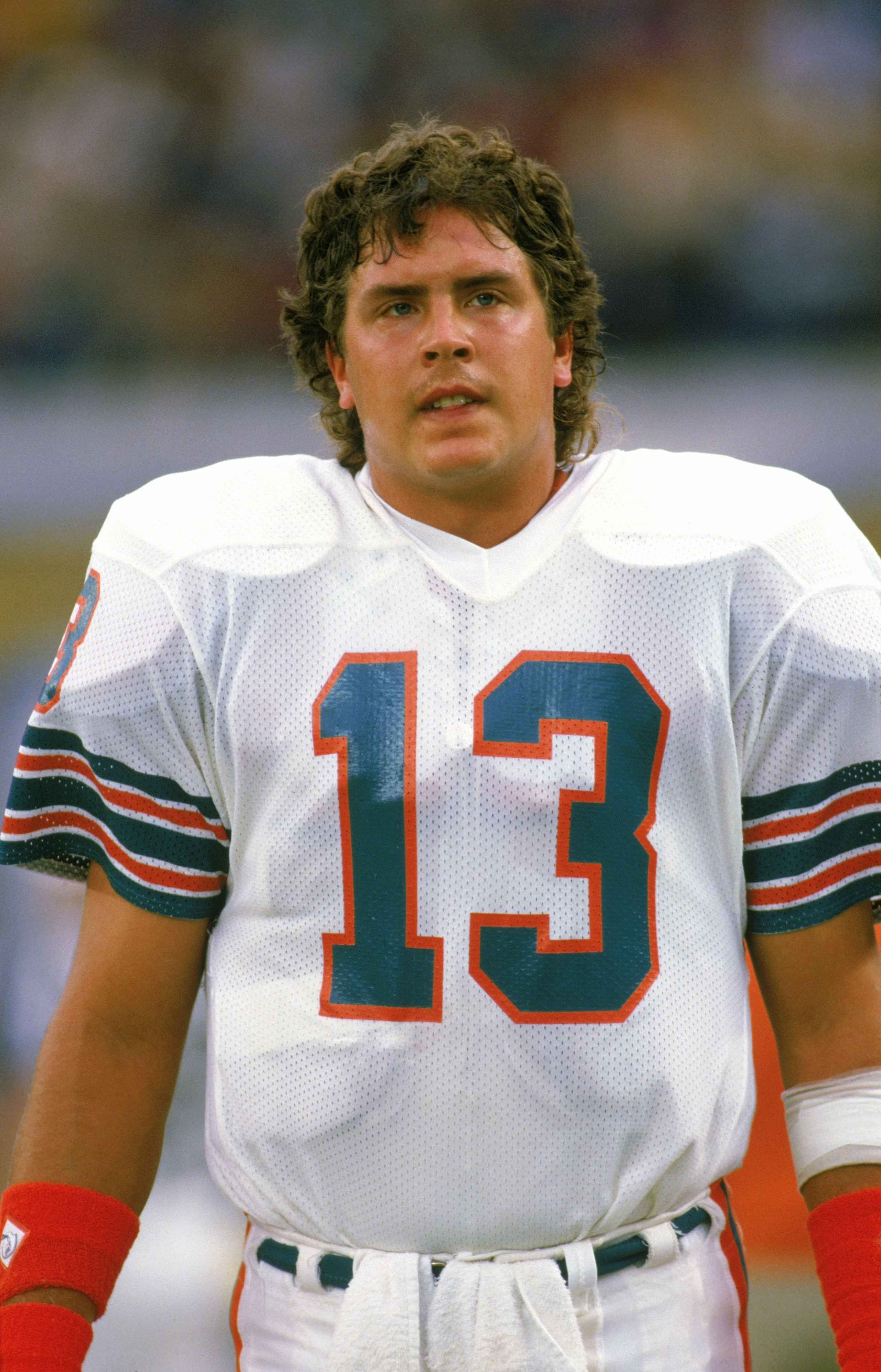
Yes, another first-round pick makes this list. Why? Because there were several quarterbacks taken before him that amounted to little or nothing.
Of course, John Elway and Jim Kelly were taken before him, but as the 27th overall pick, Marino was taken after the likes of Todd Blackledge, Tony Eason and Ken O'Brien.
Sure, Marino never won a Super Bowl, but the Dolphins hadn't been that close to a Lombardi Trophy since 1972 and they haven't been that close since he left.
With 61,361 yards, 420 touchdowns and 147 wins, Marino proved he was the real deal, and with nine Pro Bowls, three All-Pro selections, an MVP and just about every passing record in the books under his name, he was a lock for a first-ballot Hall of Fame selection.
Drafted: First round, 27th overall in 1983
Minnesota Vikings: Fran Tarkenton
18 of 32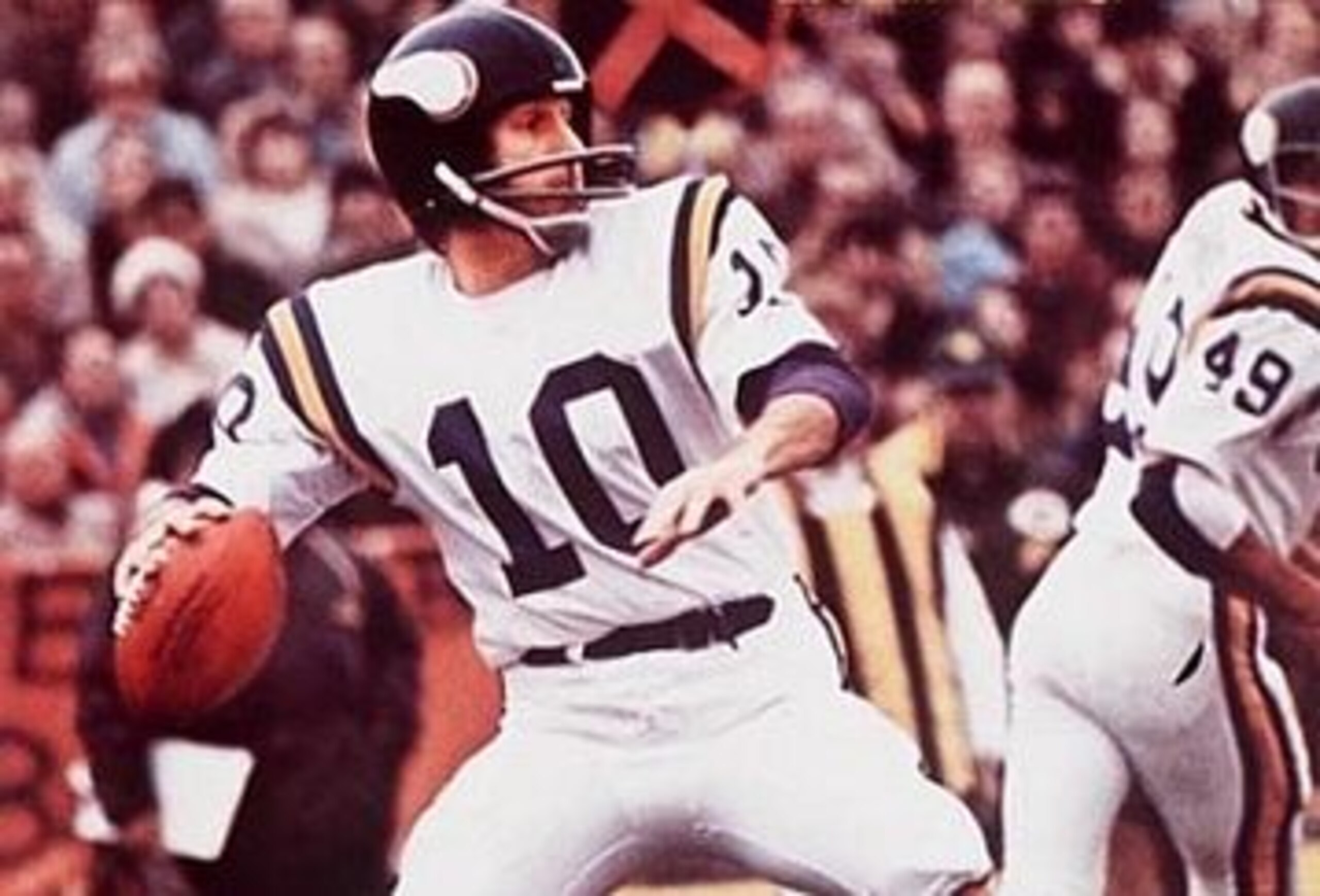
With Fran Tarkenton at the helm of the offense, the Vikings navigated their way to three Super Bowl appearances in four seasons.
His first stint with Minnesota was unimpressive, but after docking in New York for five seasons with the Giants, he came back to the Vikings and quickly helped right the ship.
He led the team to a 12-2 record, completing 61.7 percent of his passes for 2,116 yards and 15 touchdowns with just seven interceptions.
Not too long after, he was lighting up the boards with 2,994 yards and 26 touchdowns on 64.2 percent completions in what was an All-Pro season in 1975. It was all capped off with a Hall of Fame selection in 1986.
Drafted: Third round, 29th overall in 1961
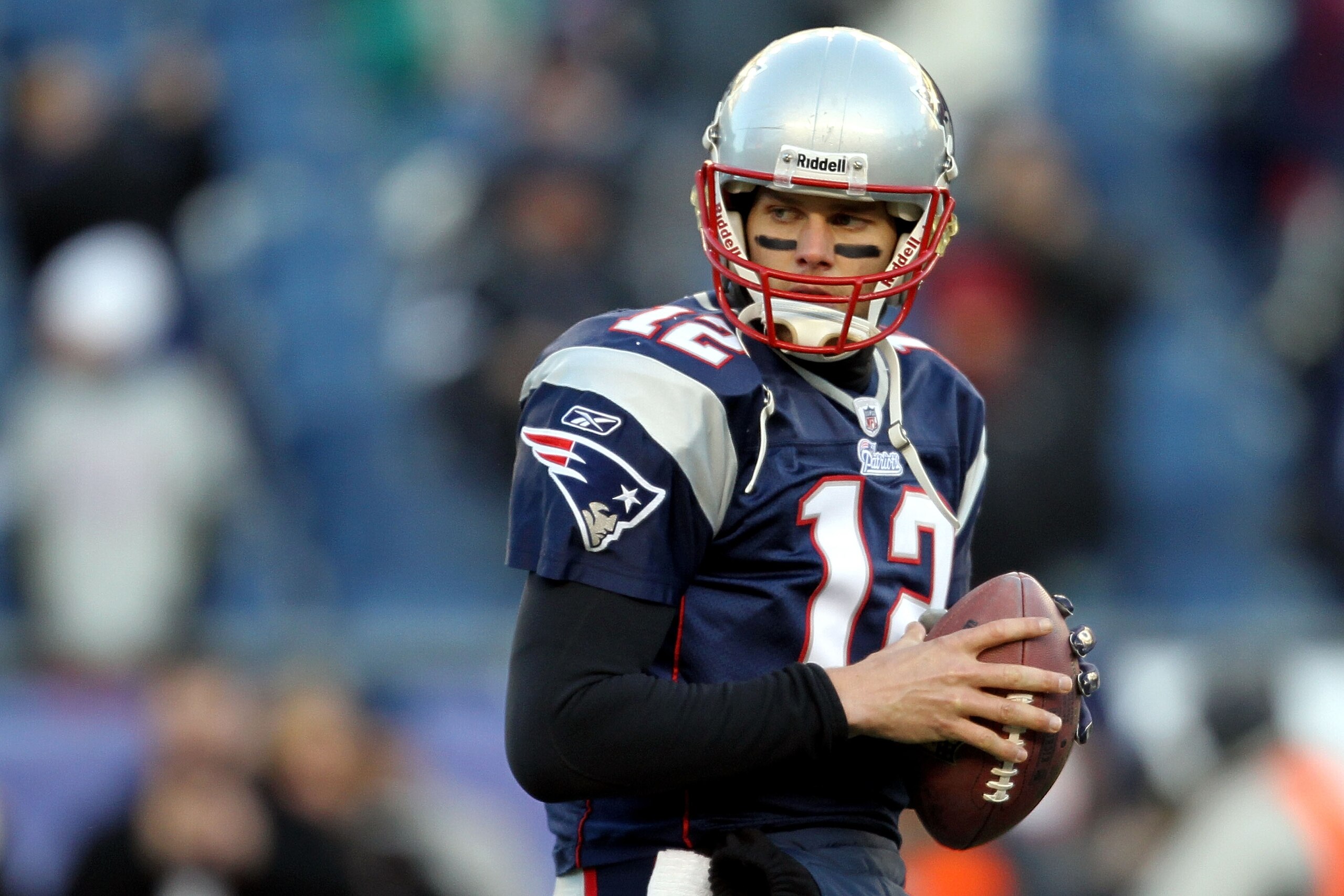
New England Patriots: Tom Brady
19 of 32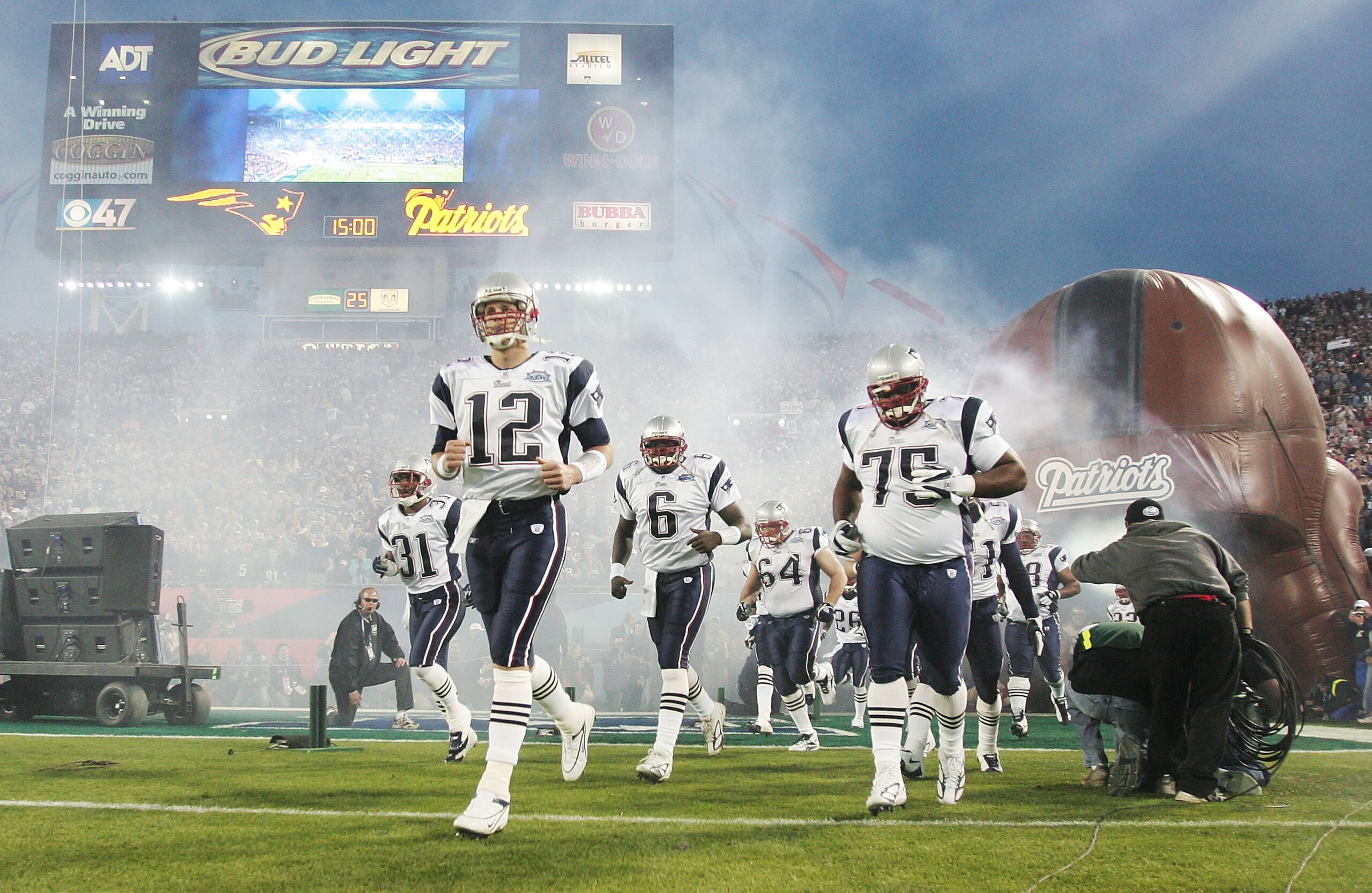
Duh.
The 199th-overall pick has been regarded as the biggest steal in the history of the NFL Draft. Wonder why...oh, let me count the ways.
He has, at times, been the most deadly quarterback in the league, throwing over 50 touchdowns in a single season.
At other times, he's been simply the most efficient, carving up defenses like a Thanksgiving Day turkey to the tune of the lowest interception rate in the league. For these talents, he has earned two league MVPs.
Oh yeah, and something about three Super Bowl rings and two Super Bowl MVPs.
Drafted: Sixth round, 199th overall in 2000
New Orleans Saints: Rickey Jackson
20 of 32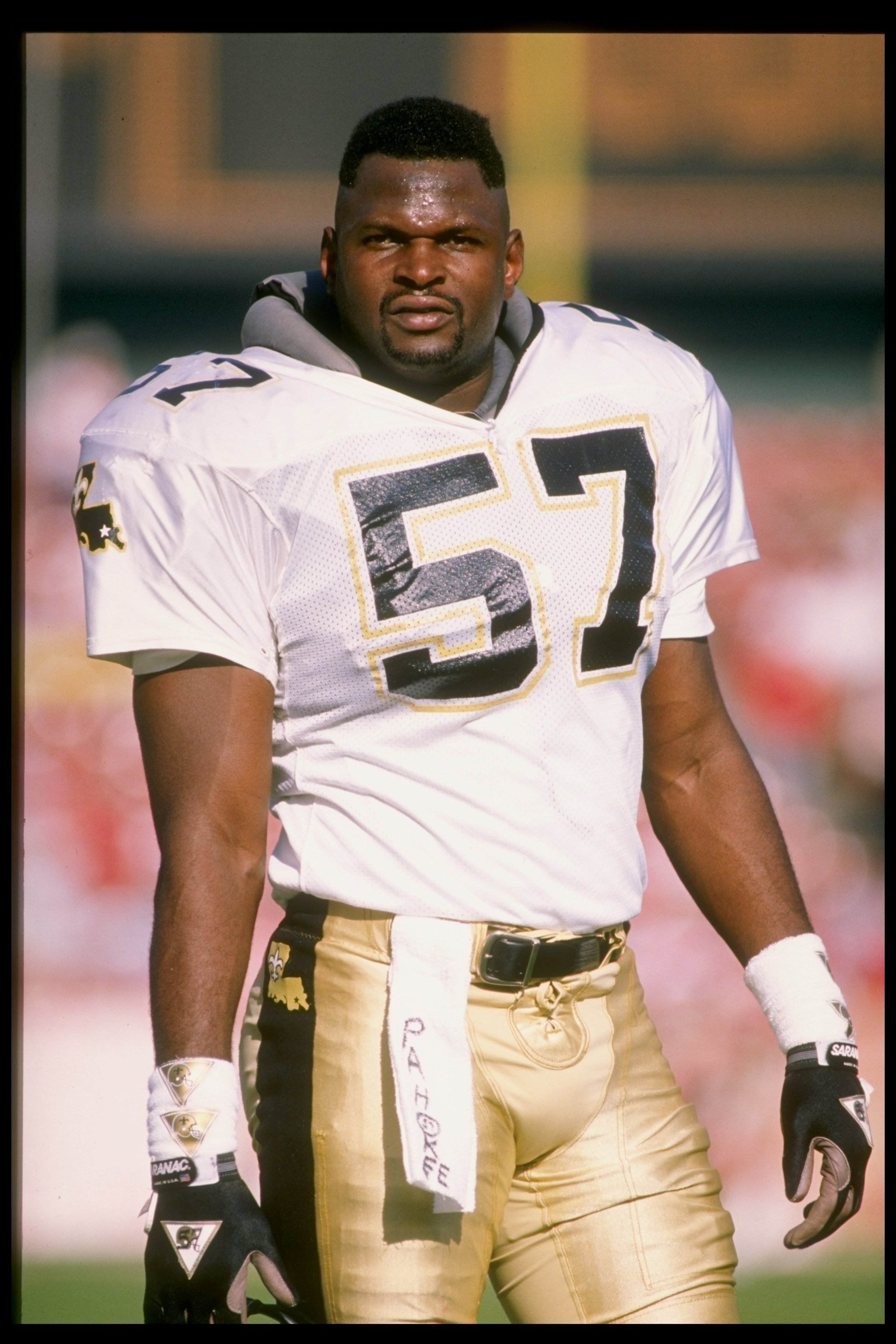
The Saints have only drafted one Hall of Famer in their entire 43-year existence. That man came in the second round and his name was Rickey Jackson.
He was a terror off the edge in the Saints' defense, tallying a total of 128 sacks in his 13-year career, including an astonishing six seasons with double-digit sacks.
Although he was voted to six Pro Bowls, he somehow never made it onto an All-Pro squad.
No matter; he still made his way into the Hall of Fame last year.
Drafted: Second round, 51st overall in 1981
New York Giants: Rosey Brown
21 of 32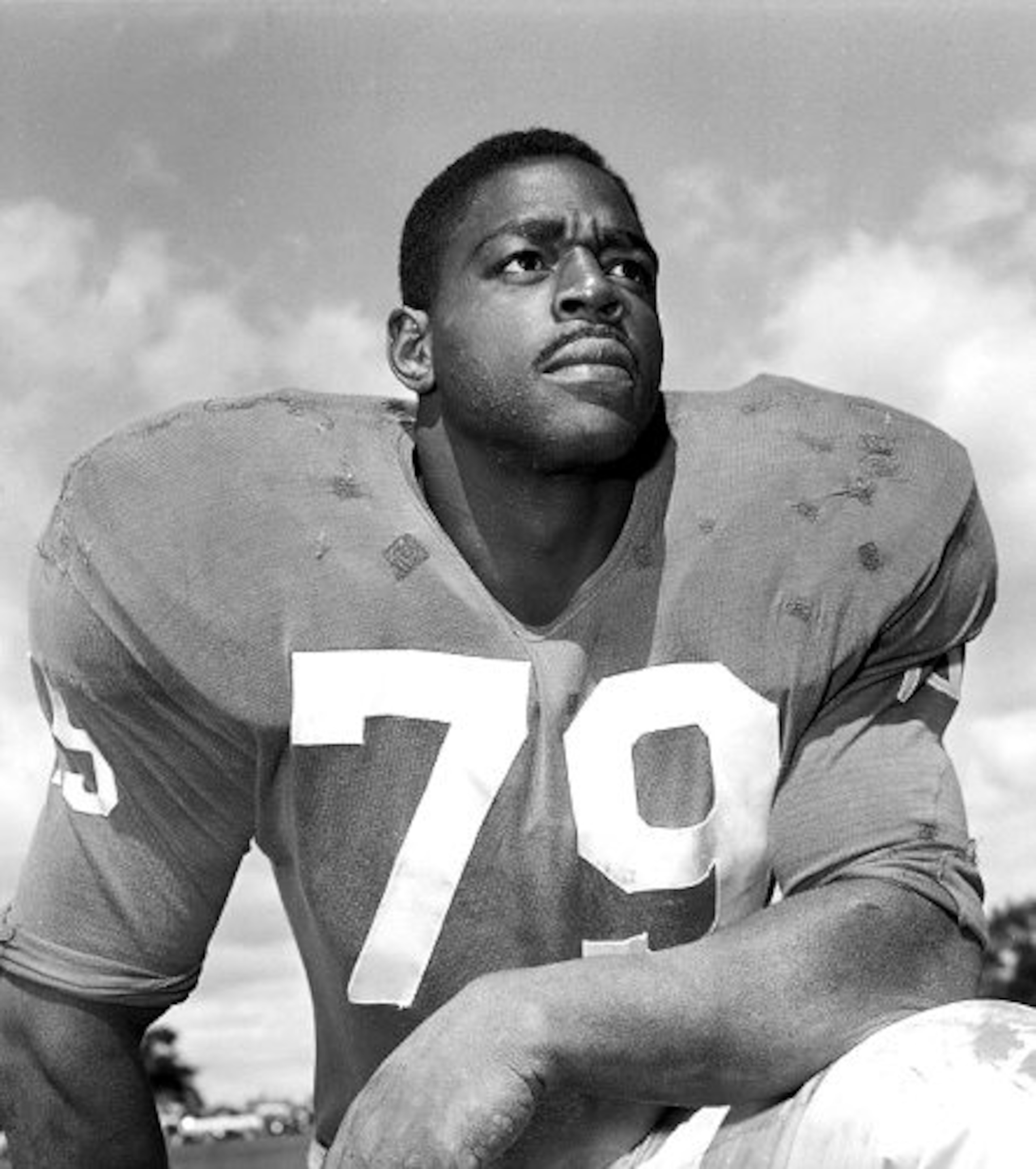
I'd be remiss if this selection were anyone but Brown, the offensive lineman who made nine Pro Bowls and six All-Pro squads.
Giants.com says: "Brown was known as a big, fast blocker who could make the block downfield. He was also used along the defensive front on goal-line stands. Brown helped the Giants advance to the NFL Championship in 1956, 1958, 1959, 1961, 1962 and 1963."
To get an anchor on the offensive line for 13 seasons in the first round would be considered a great pick, but in the 27th round? That makes him one of the best sleeper picks of all-time.
Drafted: 27th round, 321st overall in 1953
New York Jets: Joe Klecko
22 of 32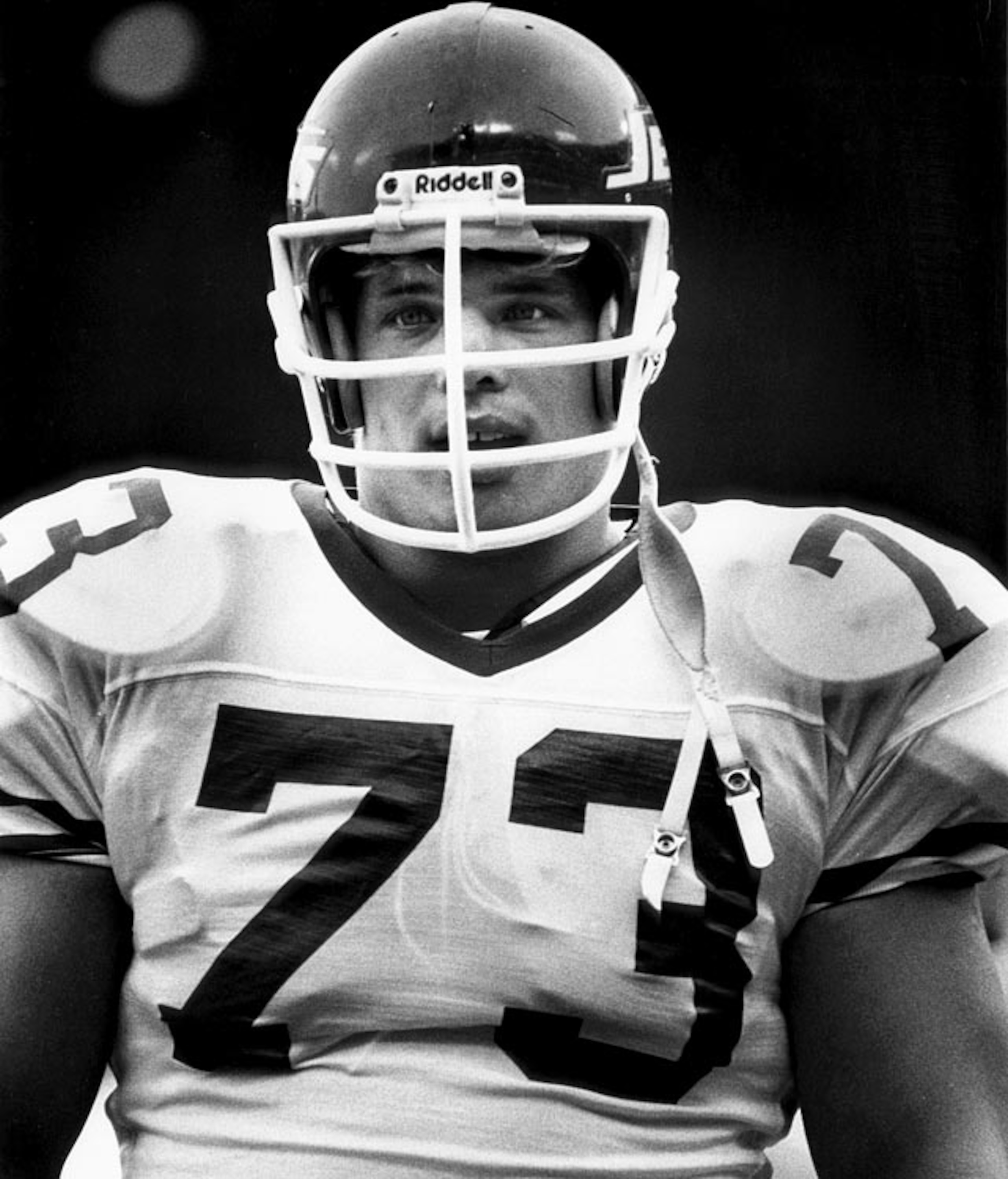
The Jets are known for their sometimes dubious first-round draft choices, but Klecko proved to be more valuable than most of those selections.
When I spoke with Patriots Hall of Fame guard John Hannah a few months ago, he had nothing but glowing reviews to give of his former nemesis in the trenches.
Klecko made his life a living nightmare down there, and Hannah even said that there's no reason Klecko shouldn't be in the Hall of Fame, too.
Unfortunately, they didn't start tallying sacks as a stat until partway through his career, but he had 24 sacks in the six seasons they tracked the stat. That's not bad coming from a defensive tackle.
A sixth-round pick as a fixture on the defensive line for 11 seasons? That's a steal, no doubt.
Drafted: Sixth round, 144th overall in 1977
Oakland Raiders: Cliff Branch
23 of 32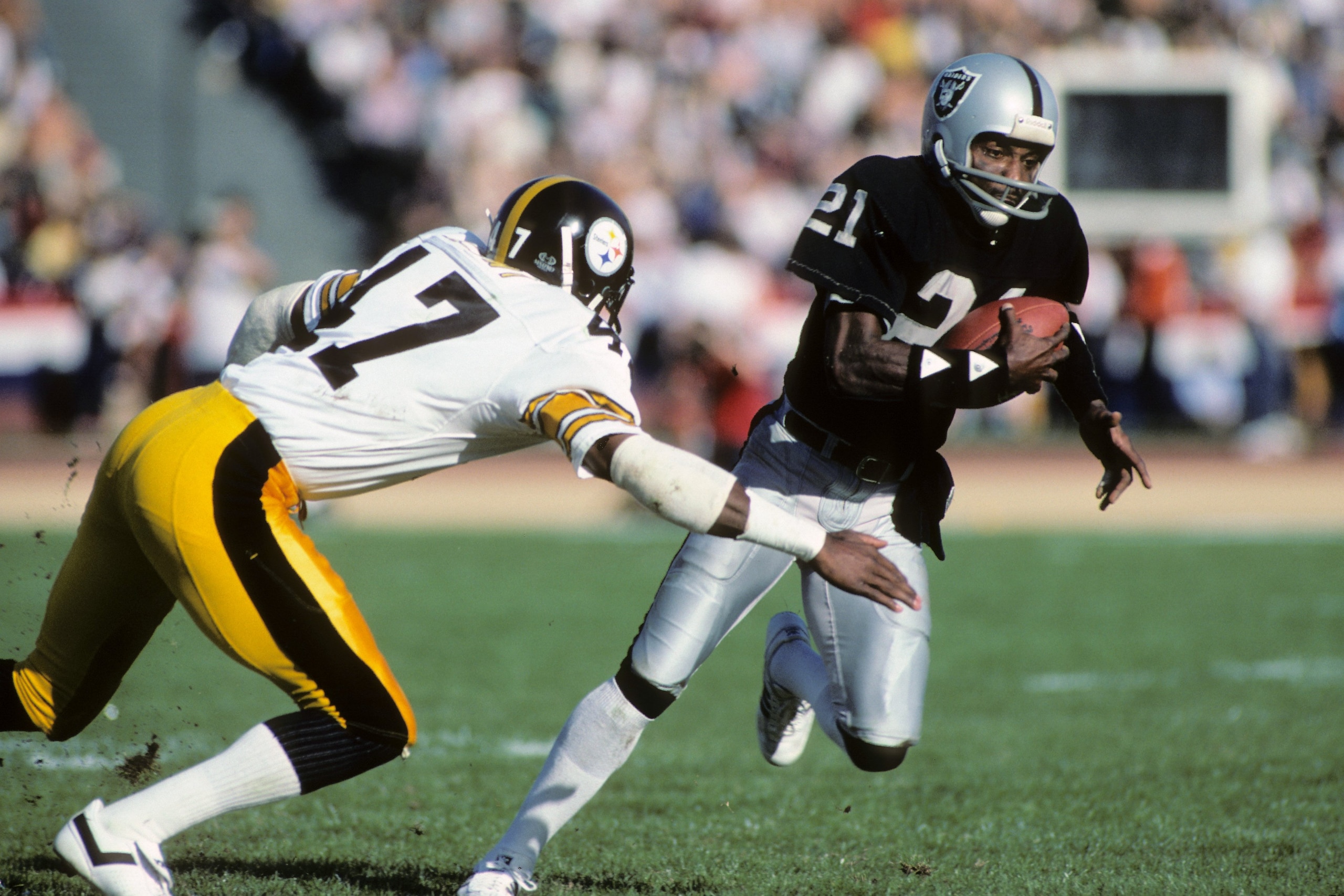
It's a wonder why Branch hasn't yet been inducted into the Hall of Fame, having posted better numbers than some already there (Lynn Swann immediately comes to mind, but there are others).
He led the league in touchdowns twice (13 in '74, 12 in '76) and in yards once (1,092 in '74).
He had some up-and-down years and, of course, he had Ken Stabler throwing him the ball, but for the quick production Branch brought to the Raiders offense, getting him where they did was nothing short of a steal.
Drafted: Fourth round, 98th overall in 1972
Philadelphia Eagles: Harold Carmichael
24 of 32
Lou Creekmur could have easily been the choice here if he had played one down for the Eagles, but that wasn't to be.
Harold Carmichael is considered one of the premier receivers ever to play the game. At 6'8" and 225 pounds, he won just about every jump ball thrown his way.
He grabbed 79 touchdowns in his career and led the Eagles from the basement at the start of the decade to the Super Bowl at the end.
Not bad for a seventh-round "flier."
Drafted: Seventh round, 161st overall in 1971
Pittsburgh Steelers: Mike Webster
25 of 32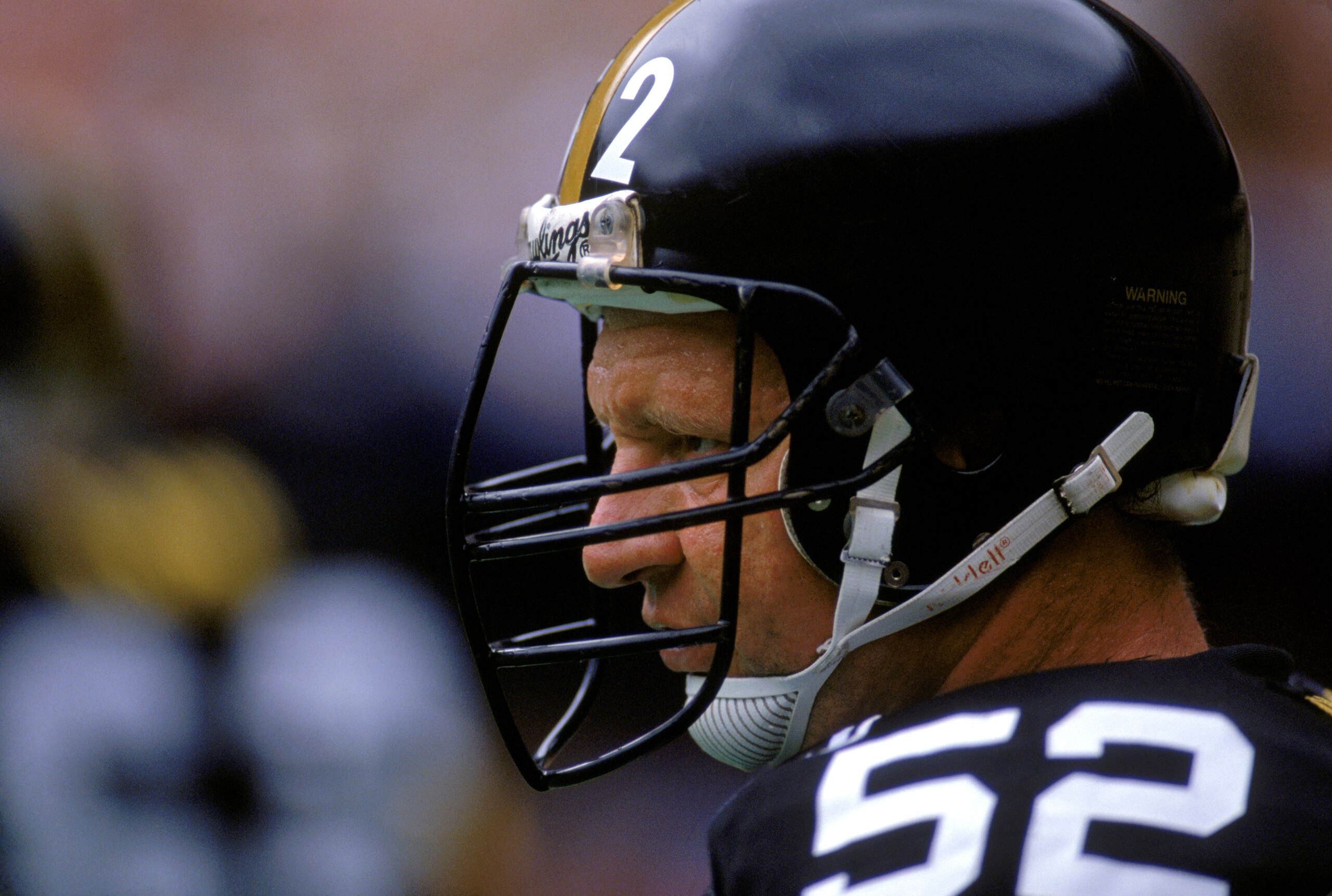
Ah yes, the famed 1974 draft class of the Pittsburgh Steelers. Their first five picks that year produced four Hall of Famers and Webster snuck out from under the noses of NFL scouts, GMs and head coaches alike.
As the center for the Steelers, he paved the way for a rushing attack that consistently ranked in or near the top five in the league.
Most offensive linemen go unnoticed, but not Webster, who was elected to nine Pro Bowls, five All-Pro squads and became a Hall of Famer in 1997 just like the other three.
What one draft can do for a franchise.
Drafted: Fifth round, 127th overall in 1974
San Diego Chargers: Dan Fouts
26 of 32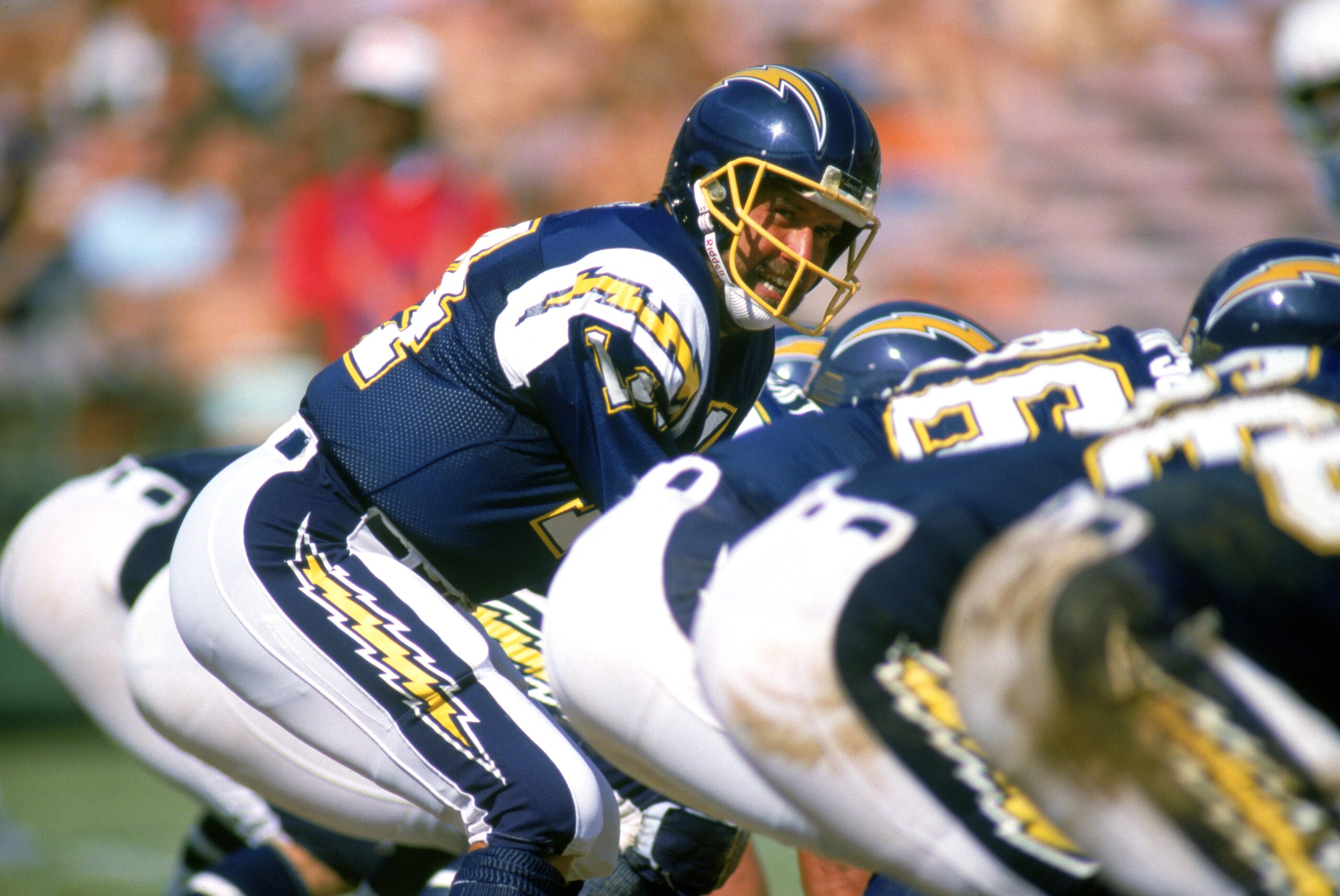
I could have labored between Fouts and Rodney Harrison (taken in the fourth round in 1995) for days, but I went with what I felt to be right.
He may have only been a third-round pick, but the Chargers found their quarterback for the "Air Coryell" offense in Fouts.
He came to the Chargers at just the right time, with Kellen Winslow, Charlie Joiner and Charley Taylor all entrenched in the system.
Six Pro Bowls, two All-Pros and a Hall of Fame election later, the fact that Fouts never won a Super Bowl still doesn't detract from his status as a big-time steal.
Drafted: Third round, 64th overall in 1973
San Francisco 49ers: Joe Montana
27 of 32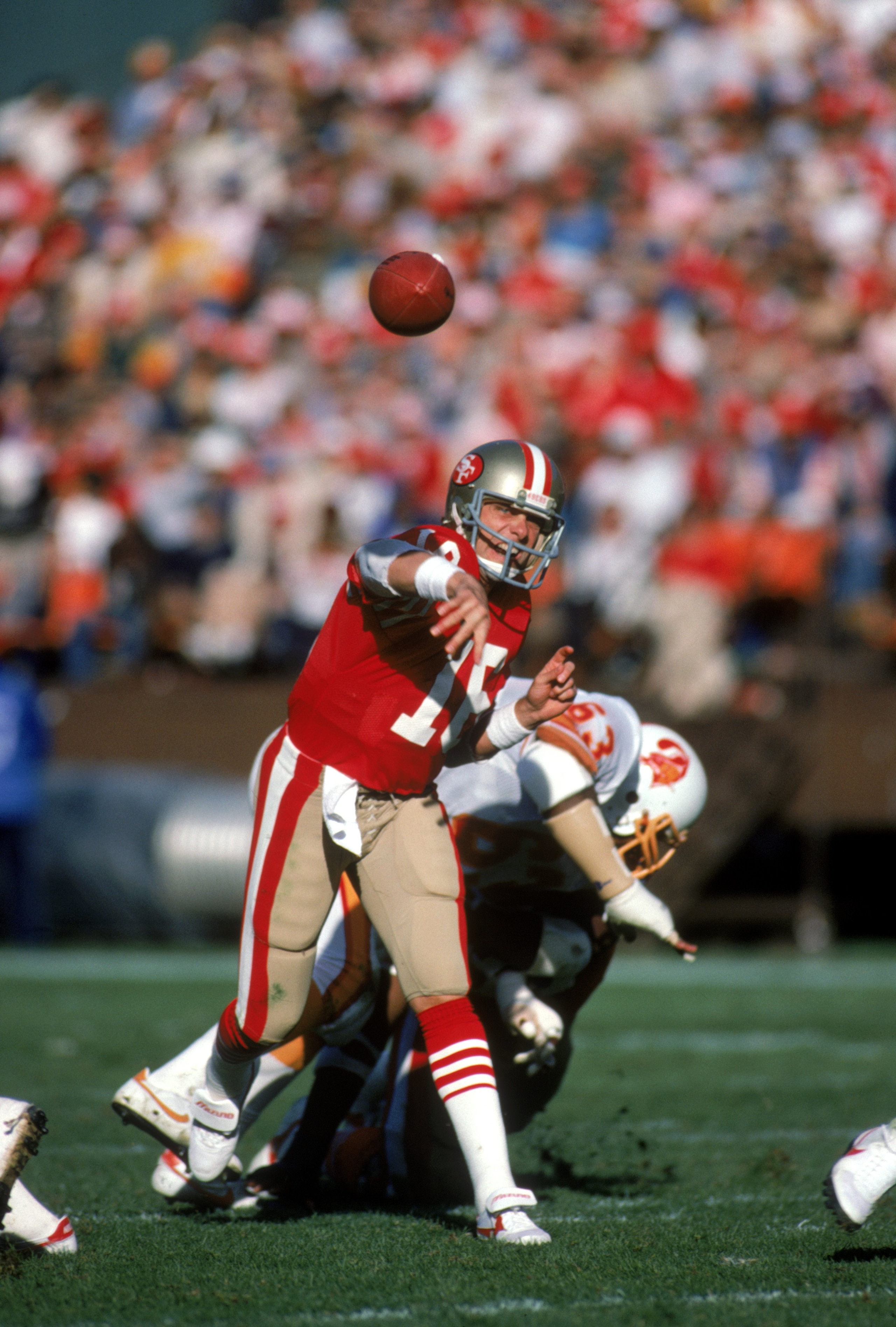
Montana is known for having been one of the greatest clutch quarterbacks of all-time. His regular season success was tremendous, but some of his best stuff came in the postseason, where he threw 45 touchdowns and 21 interceptions.
He led the 49ers to four Super Bowl wins and was named to three All-Pro squads. He is, without question, one of the best quarterbacks of all-time.
His first-ballot induction into the Hall of Fame came as no surprise, even after a less-than-climactic ending to his career.
Drafted: Third round, 82nd overall in 1979
Seattle Seahawks: Lofa Tatupu
28 of 32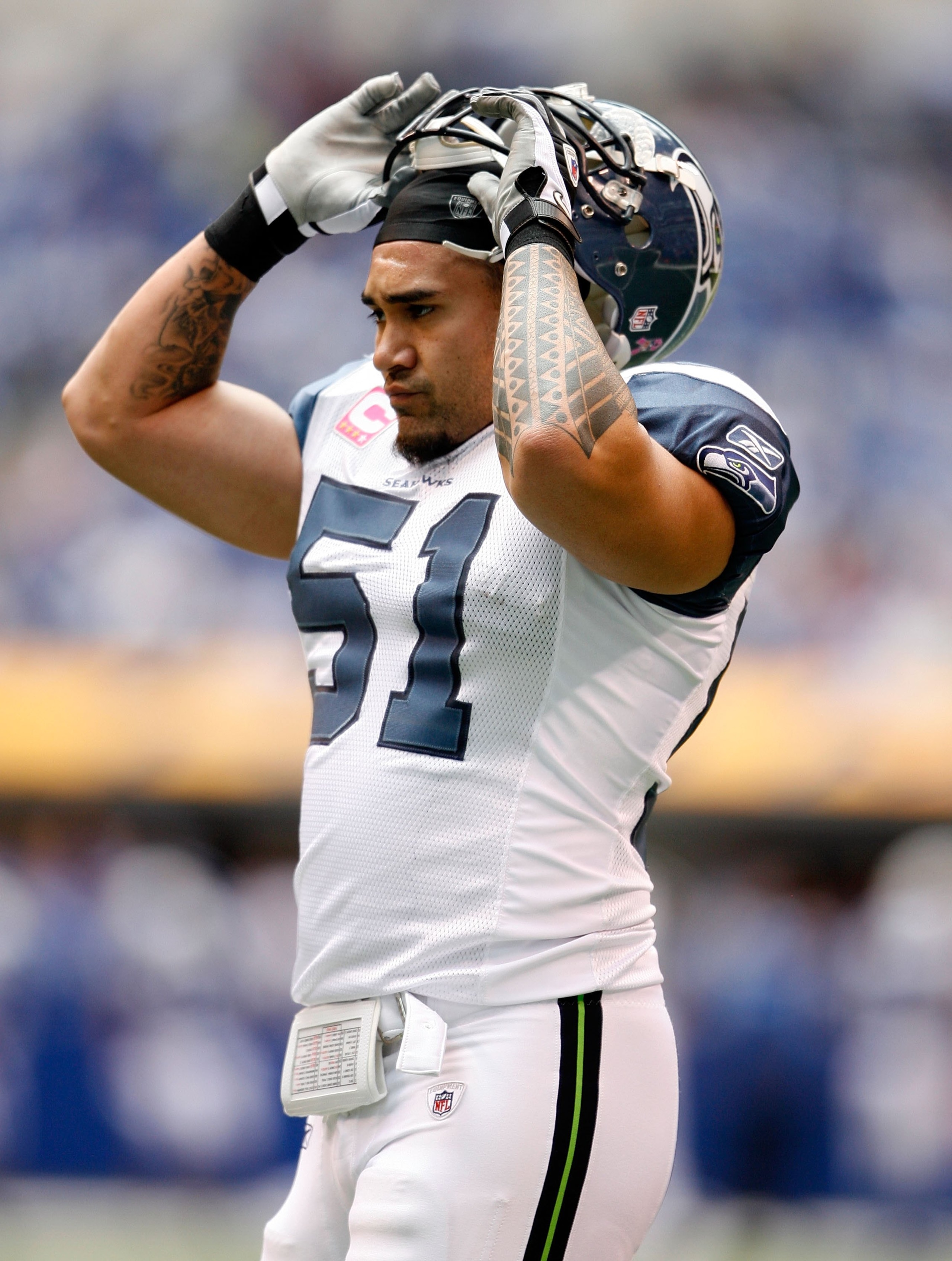
Yes, Lofa Tatupu is only a second-round pick, but I challenge anyone to name a better late-round pick for the Seahawks for the price than Tatupu.
He has started 84 games at middle linebacker for the Seahawks in his six-year career, and has been named to three Pro Bowls and an All-Pro.
And to think he was such a highly-criticized pick at the time.
He was a monster in his first four seasons, but dipped last year after coming back from an injury he suffered in 2009. Still, there's plenty of time left in this bright young man's career.
Drafted: Second round, 45th overall in 2005
St. Louis Rams: Deacon Jones
29 of 32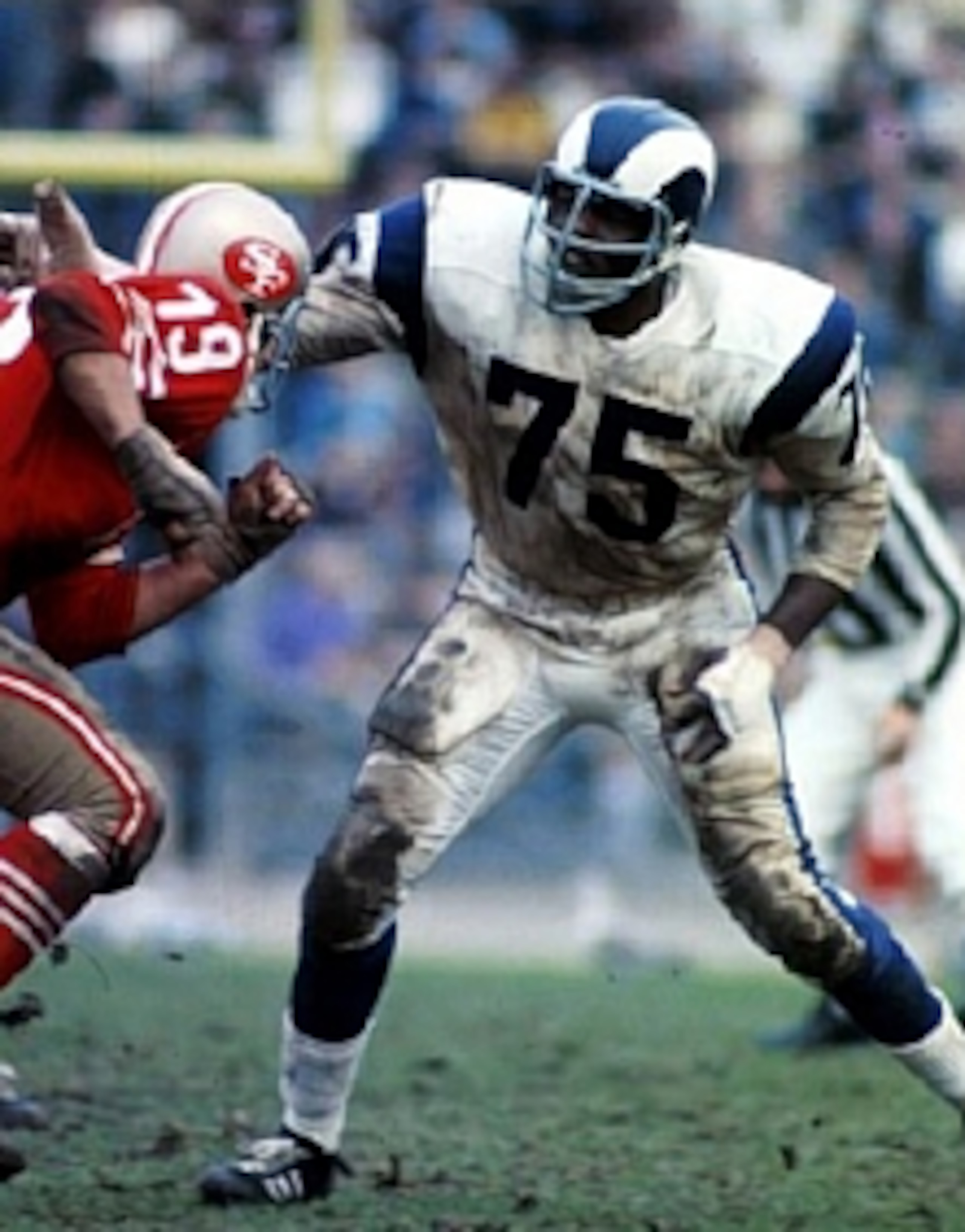
The guy coined the term "sack." That tells you all you need to know about Deacon Jones.
As a member of the "Fearsome Foursome" defensive line group for the St. Louis Rams in the 1960s, Jones made it to five consecutive All-Pro teams and seven consecutive Pro Bowls.
His unofficial sack totals via Wikipedia credit him with 26 sacks in 1967 and 24 in 1968. Fifty sacks in two seasons? Ouch...
No surprise. Hall of Fame. First-ballot.
Drafted: 14th round, 186th overall in 1961
Tampa Bay Buccaneers: Ronde Barber
30 of 32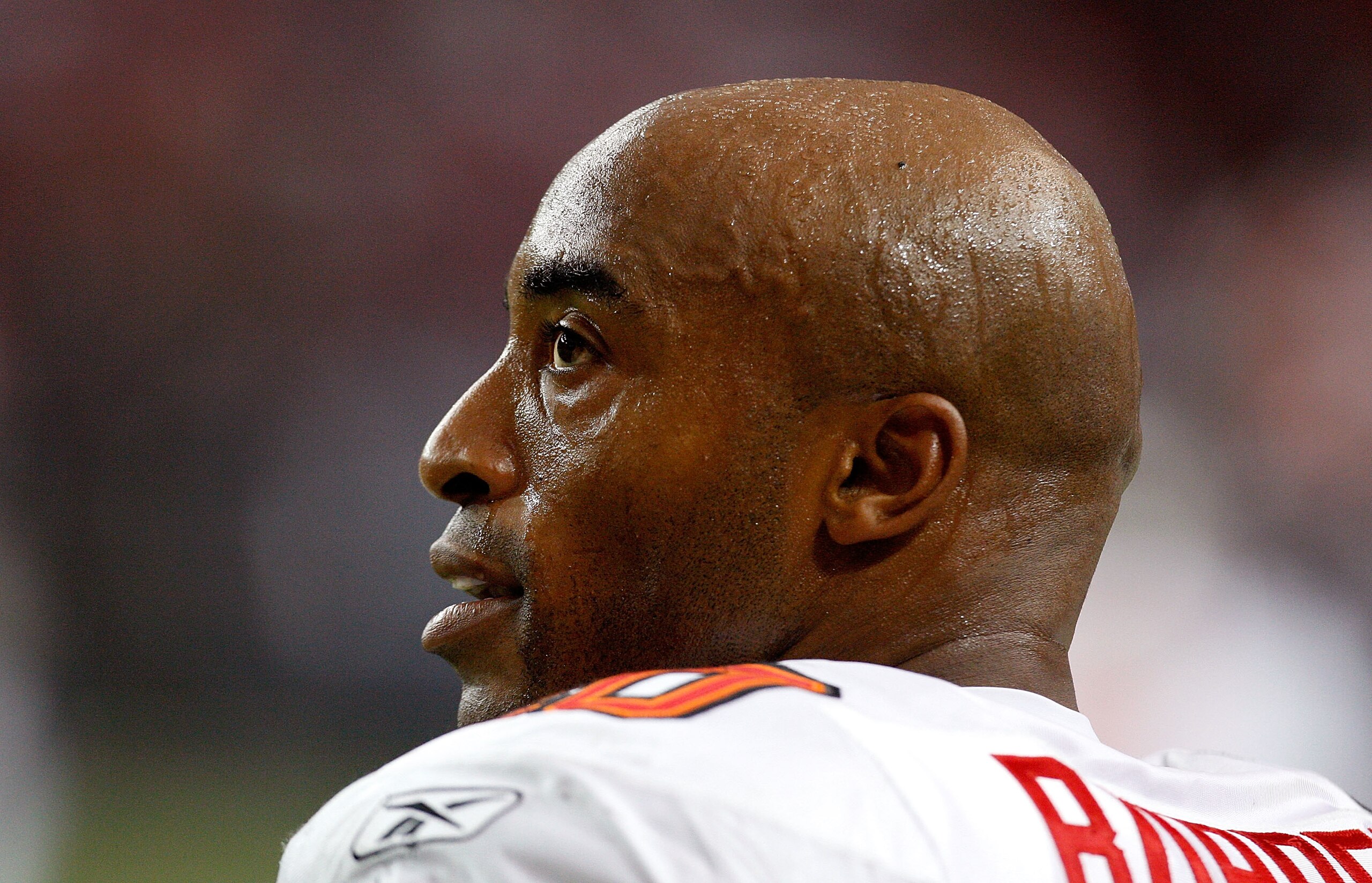
The first player ever to reach 40 interceptions and 25 sacks in his career, Ronde Barber has been a fixture on the Buccaneers defense for 14 seasons.
He led the league with 10 interceptions in 2001, and has been named to five Pro Bowls and three All-Pro squads.
He may not be a first-ballot Hall of Famer, but as the first member of the "40-25 club," he's bound to get there eventually.
Drafted: Third round, 66th overall in 1997
Tennessee Titans: Ken Houston
31 of 32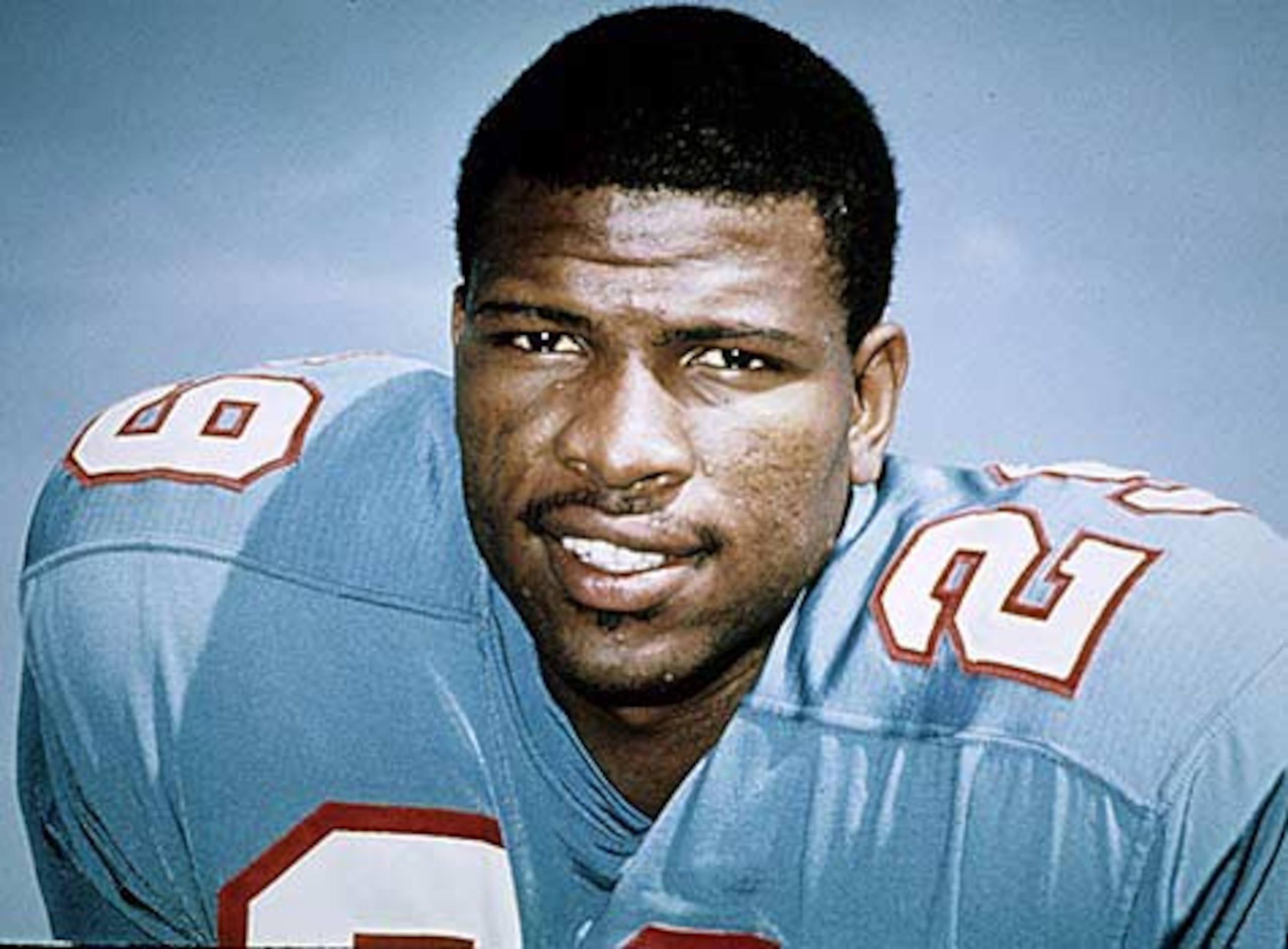
With 49 interceptions taken a total of 898 yards for nine touchdowns, Ken Houston was more than adequate as a safety for the Houston Oilers.
He was a scoring machine as a defender, producing 12 touchdowns off returns. In fact, his record of five touchdown returns in a season stood until Devin Hester broke it in 2006.
His career was celebrated with an election into the Hall of Fame in 1986, on his very first ballot.
Drafted: Ninth round, 214th overall in 1967
Washington Redskins: Russ Grimm
32 of 32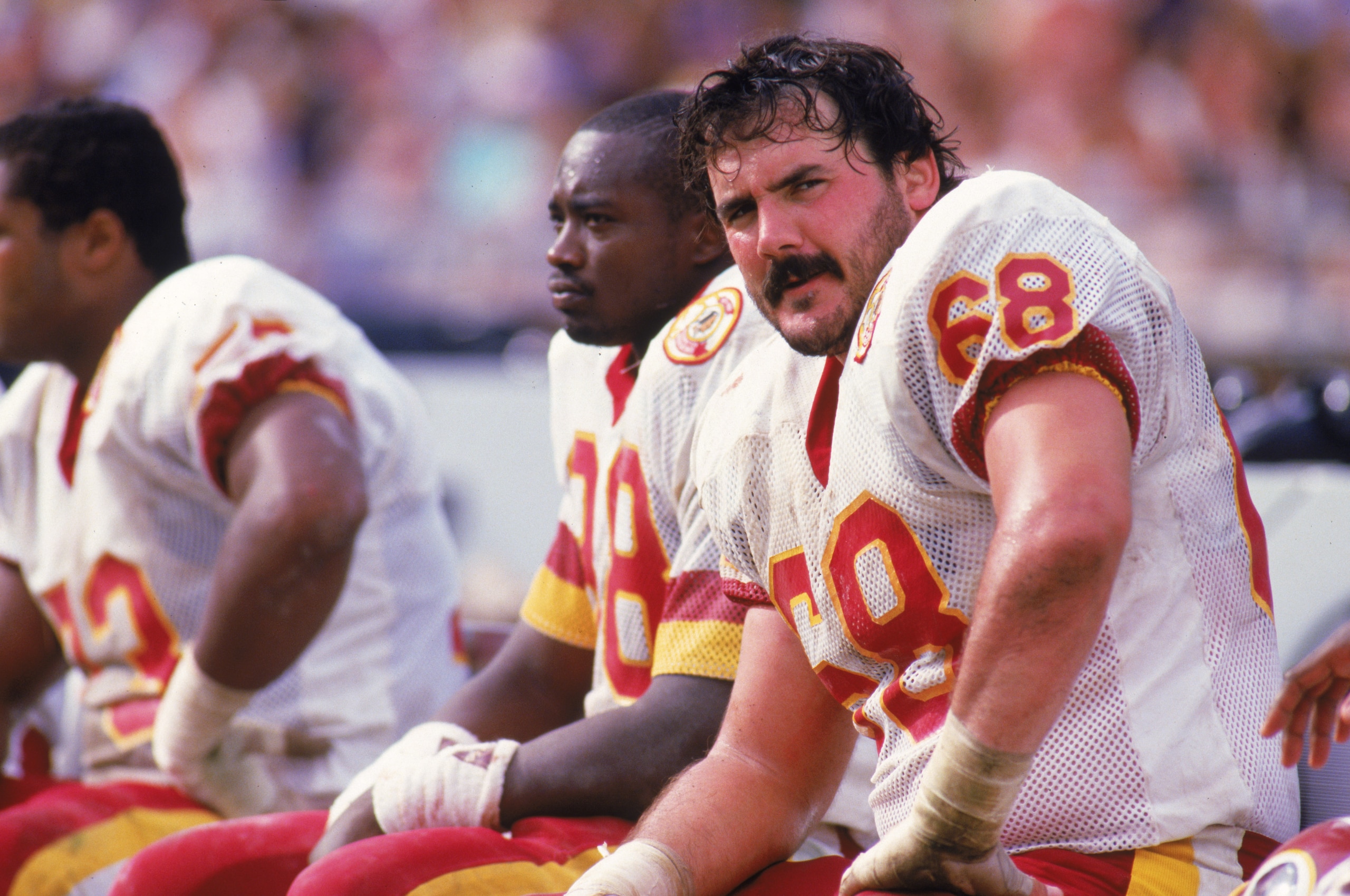
Russ Grimm is universally considered one of the toughest, meanest offensive linemen ever to have played the game.
His 2010 induction into the Hall of Fame should serve as proof positive in that regard. The three-time All-Pro opened up holes for one of the league's best running attacks, which ranked in the top three in the league three straight years.
Grimm was flexible, too, and could play at different spots along the offensive line, further adding to his value. For a third-round pick, though, it's safe to say the Redskins got it right.
Drafted: Third round, 69th overall in 1981
.jpg?w=2560 "Chiefs Giants Football")
.jpg?w=2560 "Titans Ravens Football")
.jpg?w=2560 "🚨 Week 8 AP Top 25 Poll")

.jpg?w=2560 "Packers Safety Slams Refs 🤬")