
MLB Trade Rumors: Every Team's Most, Least Expendable Trade Asset
It doesn't matter whether you're in charge of a contender or a pretender, a club thinking short-term or long-term, a small market franchise under strict orders to finish in the black or a budget-busting behemoth doling out record contracts. Any general manager that earns his keep has to be constantly on the lookout for trades that can improve his team.
Highly-touted prospects, stars on their way to free agency and proven veterans who could be that "final piece" on a championship team--these are the most common trade commodities. But for the best general managers, no player is completely untouchable.
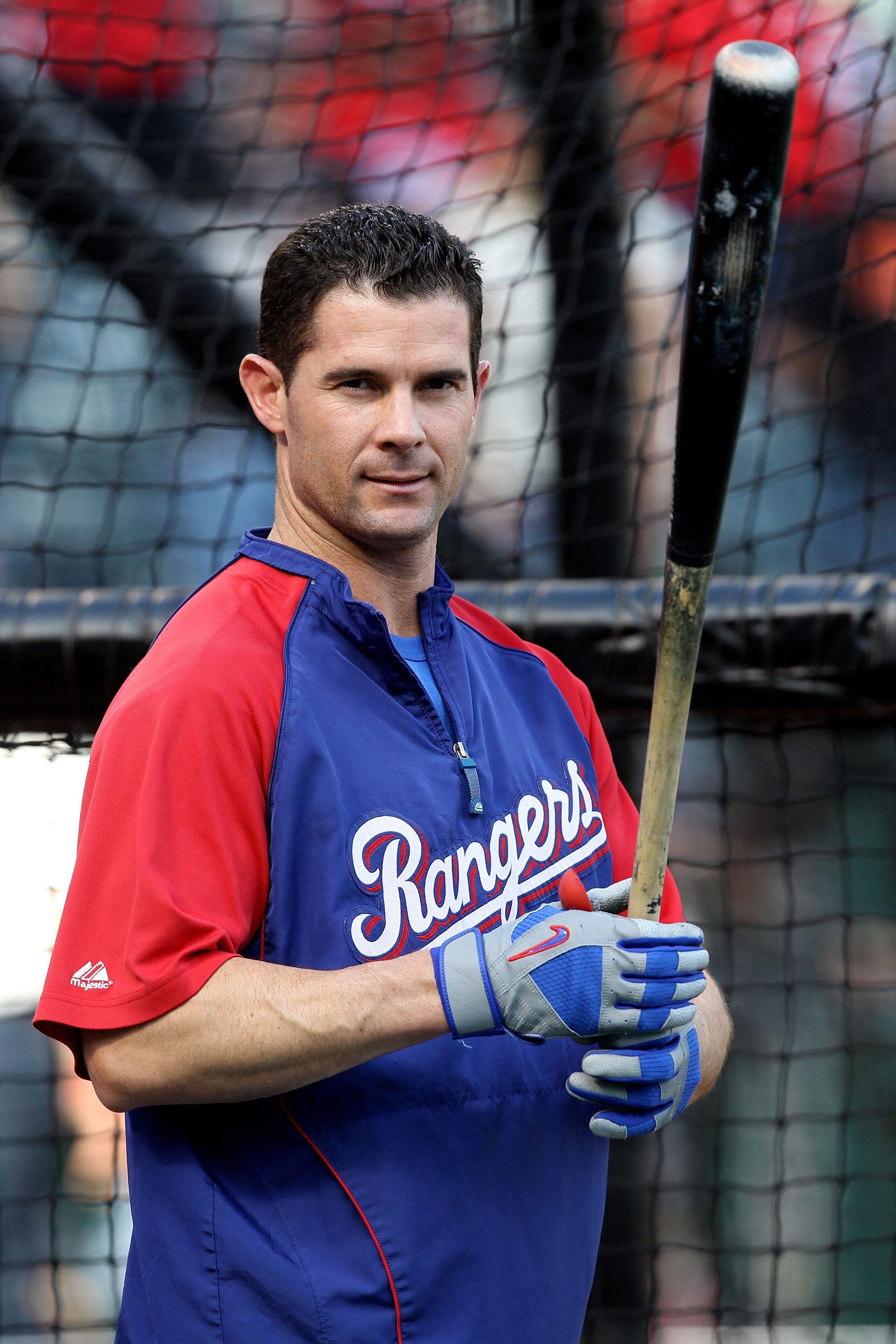
That said, some players are obviously easier to acquire than others. Just ask the Rangers, who would be willing to give Michael Young away for a stick of gum if the other team would pay his contract.
With that in mind, let's take a look at all 30 teams' most and least expendable trade assets.
San Diego Padres
1 of 30
Most Expendable Trade Asset:
Things could change if the Padres manage to surprise the baseball world for a second straight year and compete into August and September, but for now, Heath Bell is the Friars' most expendable trade asset. Bell avoided arbitration by agreeing to a one-year, $7.5 million contract with San Diego last month, but he'll be a free agent at year's end.
He has expressed interest in a long-term contract with the Padres, but small market teams don't typically want to invest a big chunk of their payroll in a closer, and Mike Adams and Luke Gregerson have each proven themselves more than capable of filling in for Bell in the ninth. The Padres also recently signed former closer Chad Qualls to a deal with a club option for 2012, another sign Bell could soon be on his way out of sunny San Diego.
Least Expendable Trade Asset:
On a team with very little star power, Mat Latos stands out. Latos, who put up 14 wins, 189 Ks, a 2.92 ERA and 1.08 WHIP in his first full season in the majors, is making just over $400,000 a year. He isn't arbitration eligible until 2013 and isn't eligible for free agency until 2016. He isn't going anywhere anytime soon.
San Francisco Giants
2 of 30
Most Expendable Trade Asset:
The Giants were an unlikely World Series champion in 2010. After winning the title, however, you can bet that they'll enter 2011 with the mindset to repeat, whatever it takes. That could include shipping out prospects at the trade deadline for key pieces, especially on offense. The team's need for impact bats probably rules out dealing 1B Brandon Belt, but Zach Wheeler, the team's #2 prospect behind Belt according to Baseball America, could go for the right price. Wheeler is unlikely to contribute at the Major League level this year, and starting pitching is already the team's biggest strength with Tim Lincecum, Matt Cain, Madison Bumgarner and Jonathan Sanchez all young and effective.
Least Expendable Trade Asset:
Along with battery mate Lincecum, Buster Posey is the face of the franchise in San Francisco. He took the league by storm in 2010, hitting .305 with 18 HRs and 67 RBIs in 108 games and winning the Rookie of the Year award. Catchers that can hit like Posey don't come along very often, and while he has received some criticism for tipping pitches, he did a decent job of handling the pitching staff in his first season. Posey is years away from arbitration and free agency and is probably as close to untouchable as a player can get.
Los Angeles Dodgers
3 of 30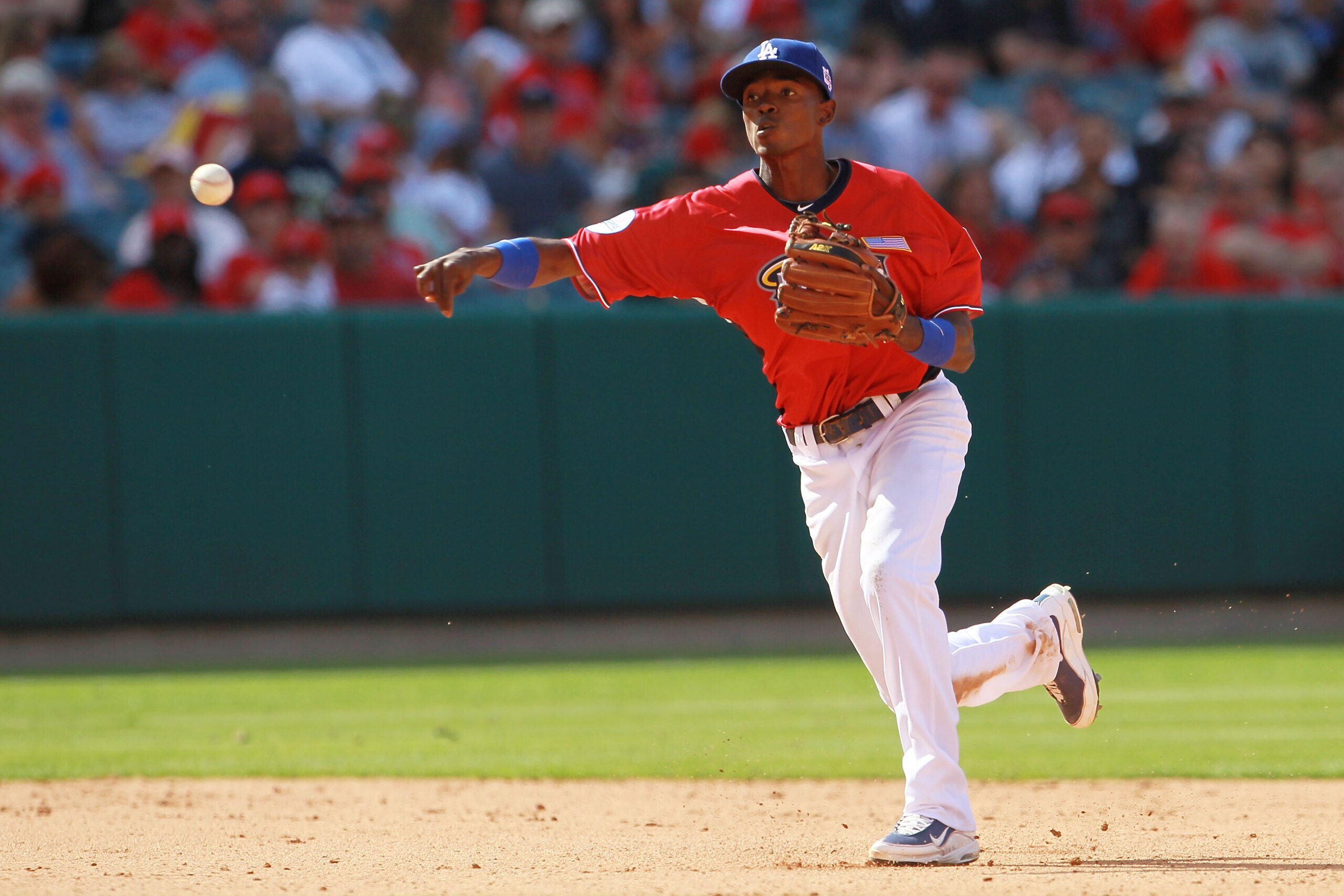
Most Expendable Trade Asset:
The Dodgers finished a disappointing fourth in the NL West in 2010, but they remain a team loaded with talent, no doubt seeking a division title in 2011. While some pundits and fans may be tempted to list Matt Kemp or Jonathan Broxton here because of their down 2010 seasons, both players will bounce back and be key contributors this year. The underachieving James Loney is a more sensible name to consider, but the team's lack of young infielders makes him fairly indispensable.
The Dodgers' most expendable trade asset is young pitching: seven of the Dodgers' top ten prospects are pitchers, and pitching is a clear strength of the team. If L.A. is in contention in July and can add a power hitting left fielder or infielder for a prospect like SP Zach Lee, they'll have to think long and hard about it.
Least Expendable Trade Asset: Clayton Kershaw is an obvious choice here, as the Dodgers' version of Mat Latos: young and dominant. But SS prospect Dee Gordon also deserves mention. The Dodgers will enter 2011 with a starting infield of Loney and three veterans on the wrong side of 30: Juan Uribe, Rafael Furcal and Casey Blake. According to Baseball America, Gordon is the Dodgers' only top-10 prospect that is an infielder. Not to mention, he's the best hitter for average, fastest baserunner, best athlete and best infield defender in the team's farm system. They can't afford to deal him.


Colorado Rockies
4 of 30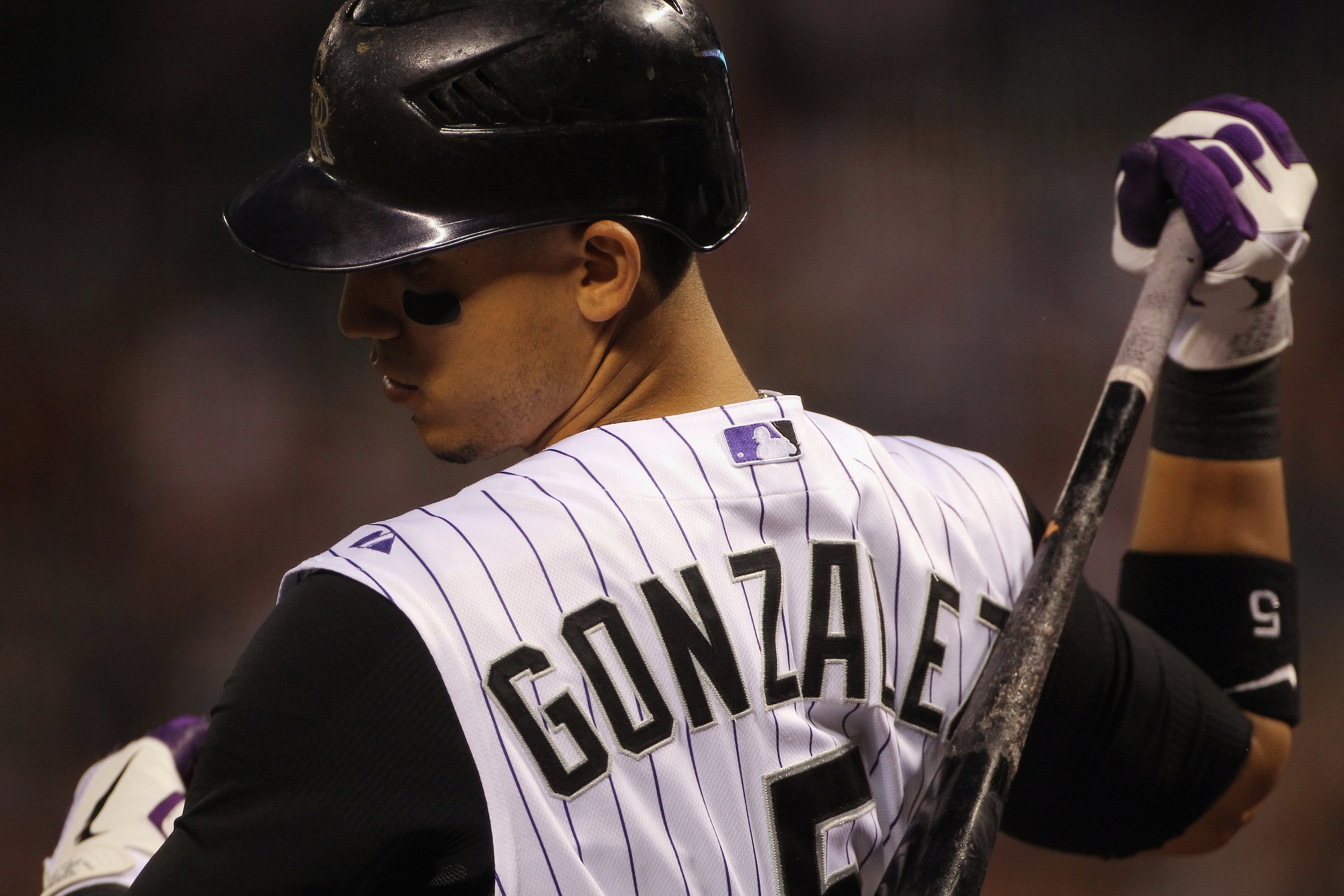
Most Expendable Trade Asset:
The Rockies are another team that plans to compete in the wide-open NL West, but how they fare in the season's first half will determine whether they are buyers or sellers come July. Either way, the team's offseason acquisitions of infielders Jose Lopez and Ty Wigginton give Colorado lots of flexibility to make a deal. Troy Tulowitzki isn't going anywhere, but the Rockies could afford to part with Lopez, Wigginton, Ian Stewart, Todd Helton or Eric Young Jr. to fill a need that emerges during the season. Eric Young or Lopez could even be part of a deal for the Rangers' Michael Young before opening day.
Least Expendable Trade Asset: A strong argument can be made for three players here: Tulowitzki, Ubaldo Jimenez and Carlos Gonzalez. Position players are more reliable foundations for a franchise than pitchers, so Tulowitzki and Gonzalez are more indispensable than Jimenez. Both players are young superstars, but Gonzalez is ultimately the team's least expendable player because his contract is not as cumbersome as Tulowitzki's. As great as Tulowitzki is, the Rockies may eventually come to regret paying him over $100 million after he's 30 years old.
Arizona Diamondbacks
5 of 30
Most Expendable Trade Asset:
Coming off a 97-loss season, the Diamondbacks are fairly unlikely to compete even in a division known for surprises. They are a relatively young team and won't be looking to deal any long-term pieces. The most likely player to go is a player they just acquired: J.J. Putz. When healthy, Putz is a lights-out closer, and there is a good chance he'll be among the league's best in the first half of 2011. Putz will be 34 years old this year, but he's signed to an affordable contract and will be a desirable trade target for a contender in need of bullpen help.
Least Expendable Trade Asset:
Diamondbacks GM Kevin Towers reportedly explored trade options involving OF Justin Upton over the offseason. However, these revelations may be more indicative of an attempt to motivate Upton than any actual willingness to deal the talented youngster. Towers says no offers came anywhere close to what he'd demand in return, pointing to Upton being the team's least expendable player. Upton has proven to be a bit of an enigma up to this point in his career, and his 2010 season was underwhelming. But he's still just 23 years old, and few players in baseball possess his all-around skill set. On a team lacking much superstar talent, Upton would be tough to move.
Pittsburgh Pirates
6 of 30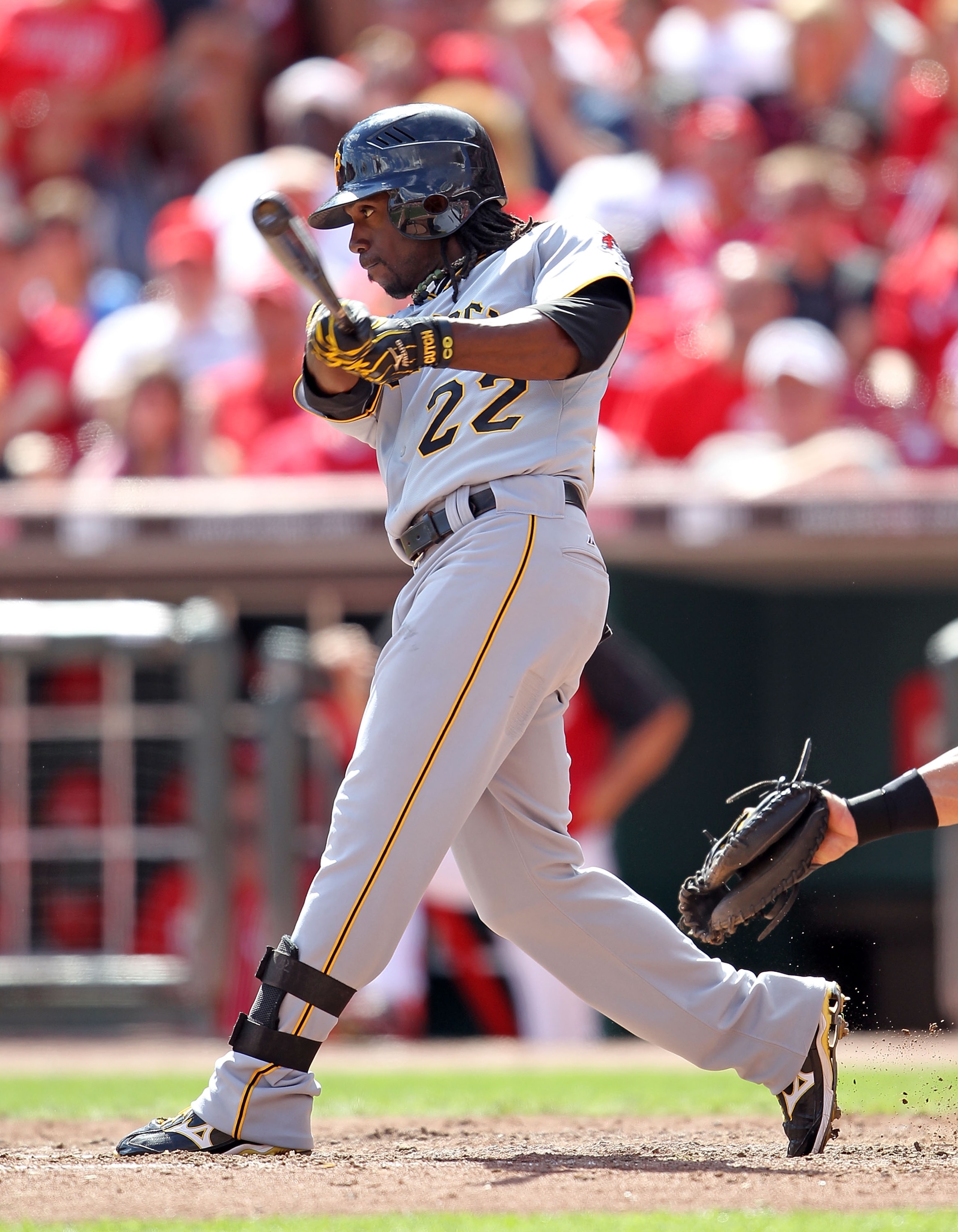
Most Expendable Trade Asset: Like other non-contenders, the Pirates' most expendable trade asset is a late-inning reliever. Pittsburgh will reportedly determine their bullpen roles in spring training, but expect Joel Hanrahan to be given the first chance at saves to build up his trade value. Hanrahan is far from a sure thing, but if he can come through he'll probably finish the season in a different uniform. Evan Meek stands ready to take over the ninth if and when Hanrahan is dealt.
Least Expendable Trade Asset: The Pirates have three impressive young position players that will be in the everyday lineup in 2011: Andrew McCutchen, Pedro Alvarez and Jose Tabata. All three are highly unlikely to be dealt by a rebuilding team, but McCutchen is the least expendable because he's already proven to be a top-notch Major League regular, whereas Alvarez and Tabata still have more work to do to prove they are cornerstones of the franchise.
Chicago Cubs
7 of 30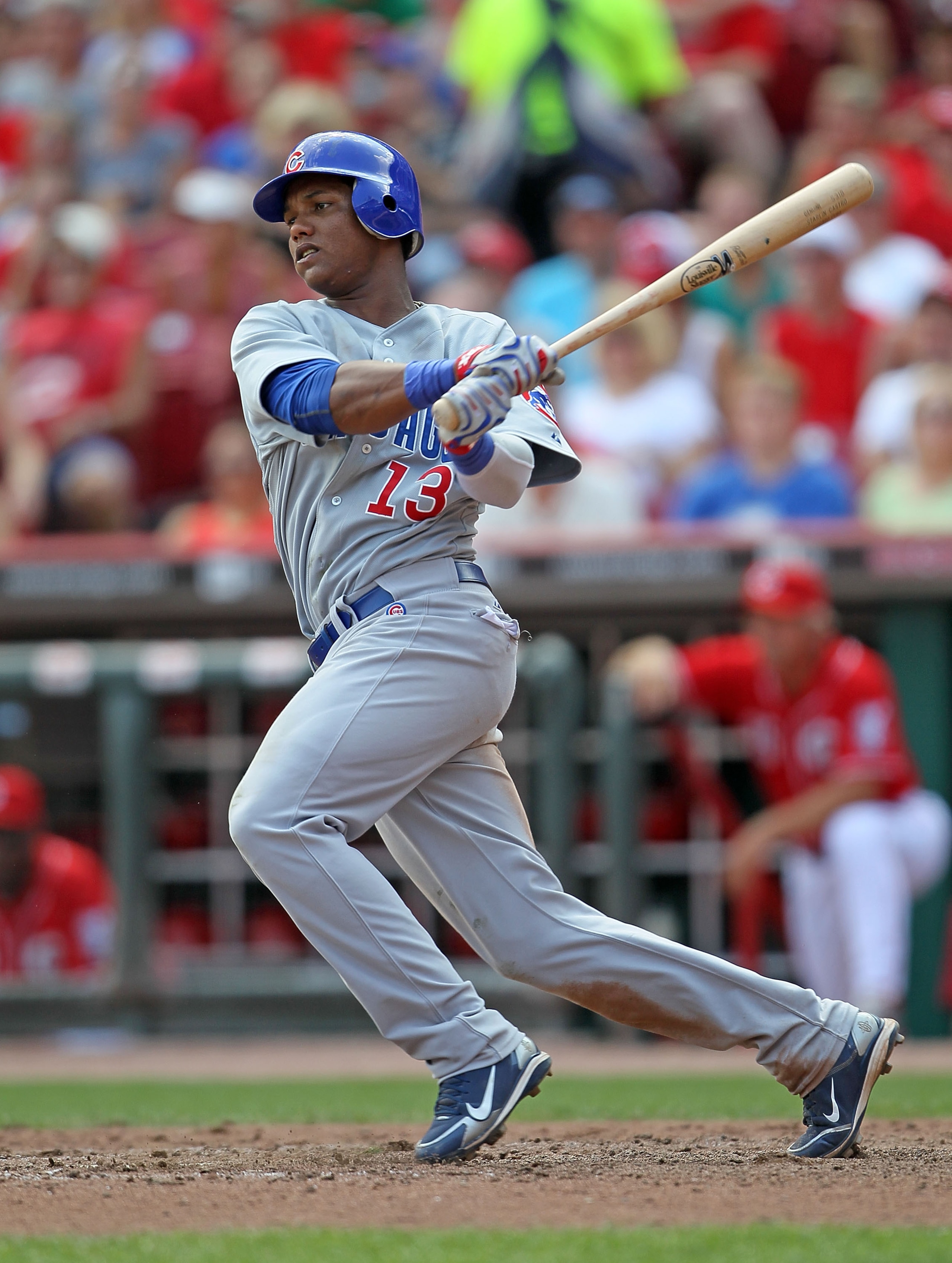
Most Expendable Trade Asset: The Carlos Pena and Matt Garza acquisitions left little doubt that the Cubbies intend to contend in 2011. If the Cubs play up to expectations but need to make a move to address an injury or glaring weakness, they may look to deal Tyler Colvin. Colvin is 25 years old and hit 20 HRs last year in limited playing time, but is set to begin 2011 as a fourth outfielder behind Alfonso Soriano, Marlon Byrd and Kosuke Fukodome. However, if the Cubs play poorly again like last season, they may shift gears and attempt to unload aging veterans like Soriano, Pena and Aramis Ramirez.
Least Expendable Trade Asset:
Whether or not the Cubs compete, Starlin Castro should be playing in Wrigley for years to come. The only young regular on the team, Castro managed to hit .300 in the first 463 at bats of his Major League career. He also spent the offseason working to improve his defense.
Houston Astros
8 of 30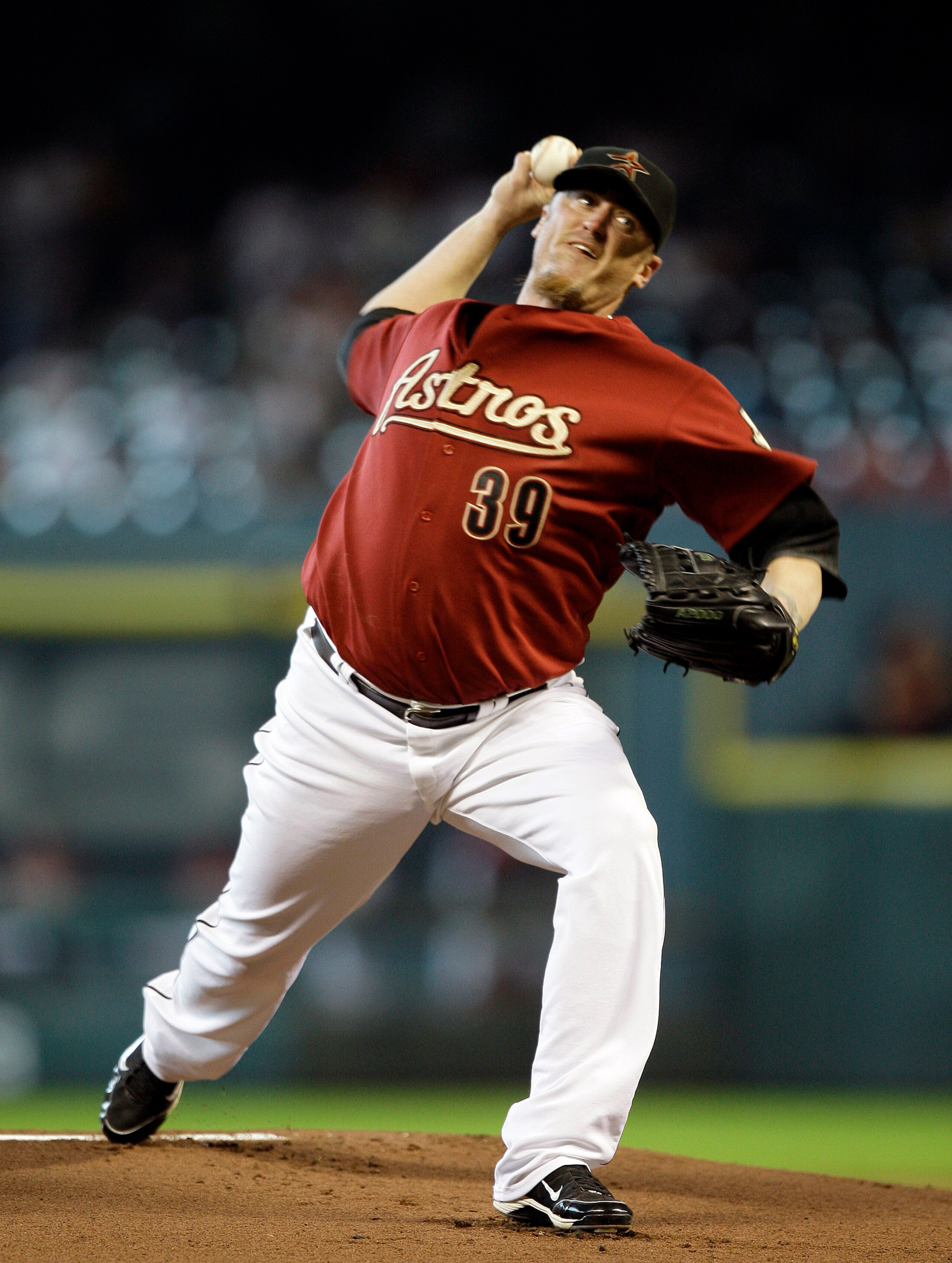
Most Expendable Trade Asset: The Astros dealt away Roy Oswalt and Lance Berkman at the trade deadline last season, signaling the commencing of a full-on rebuild. That process should continue this July when the Astros will again be sellers. Carlos Lee would make sense as the next guy to go; he's a veteran slugger who should still have enough left to help a contender. The two years and $37 million left on Lee's contract will make unloading him tough, though, so don't expect to see him dealt until 2012. For now, the Astros' best trade chip is Brett Myers, who is coming off career highs in wins (14), ERA (3.14) and innings (223.2). Teams are always looking for pitching at the deadline: can you say trade opportunity?
Least Expendable Trade Asset:
The astounding number of placeholders in the Astros' lineup (Lee, Clint Barmes, Bill Hall and Jeff Keppinger) signal the long rebuild ahead. Michael Bourn is an adequate and relatively young lead-off man, and Houston will hope that Chris Johnson can show the doubters that his inspiring 2010 campaign was no fluke while Brett Wallace can cash in on his once-hyped prospect status. But this team only has one young hitter who can truly be relied on to lead the team as it rebuilds: Hunter Pence. Pence, who has hit 25 HRs for three straight years and continued to improve his overall production and baserunning while cutting down on his strikeouts, is clearly the Astros' least expendable trade asset.
Milwaukee Brewers
9 of 30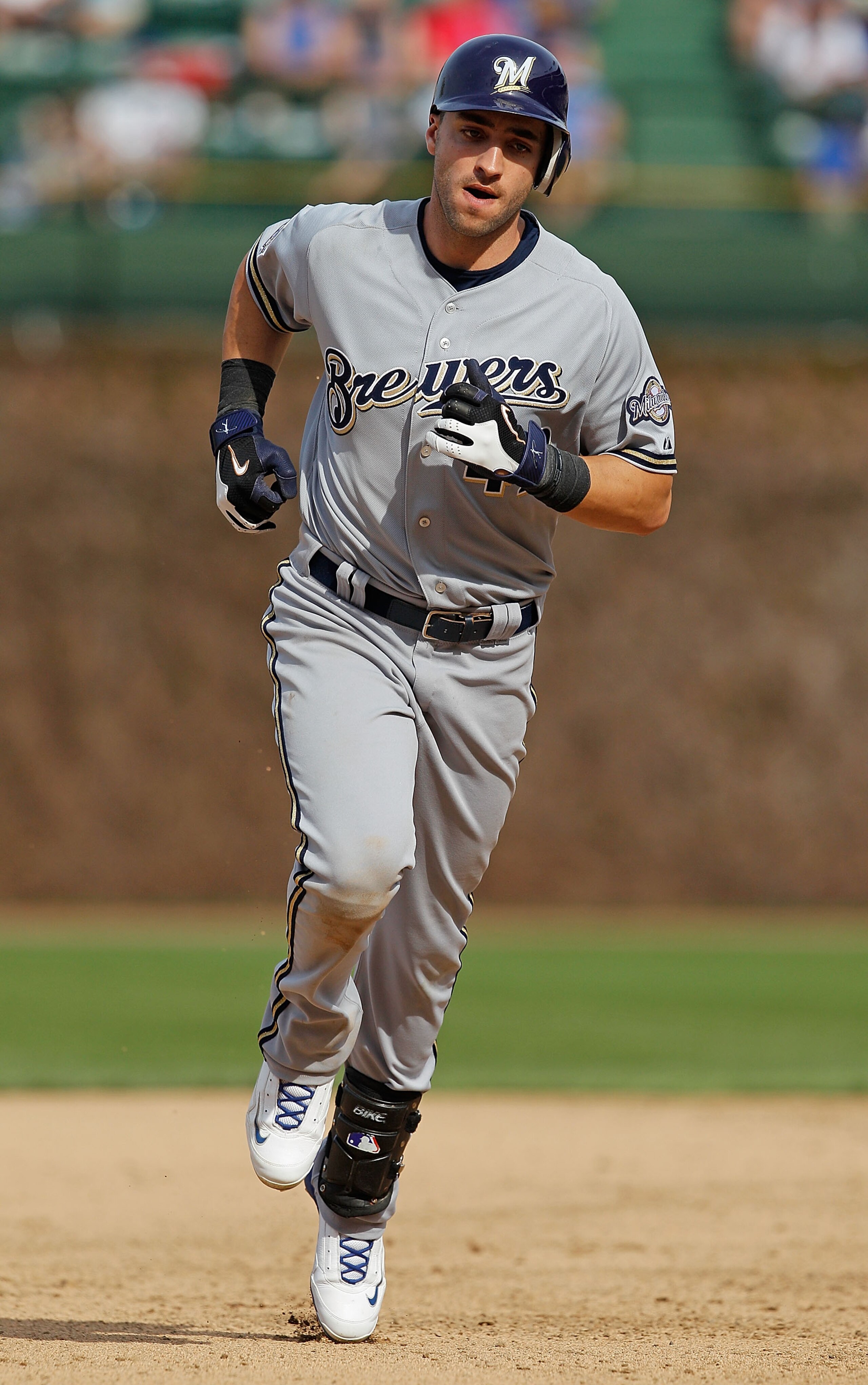
Most Expendable Trade Asset:
2011 is in many respects a make-or-break year for the Brewers. Yes, they are a relatively young and very talented club, but the shadow of Prince Fielder's free agency hangs over the team. Milwaukee's off-season acquisitions of SPs Zack Greinke and Shaun Marcum show they are going all-in this year.
If the Brewers can't manage to leapfrog the Reds and Cardinals by mid-season, Fielder could very well be put on the block. But Milwaukee should easily be in the playoff hunt this year, so it's more likely to be a buyer than a seller. Expect the Brewers to see what they can get for Mat Gamel in July if Casey McGehee continues to surprise with his potent production.
Least Expendable Trade Asset:
Ryan Braun is the Brewers' best all-around player, and he's arguably the best outfielder in baseball. He's also signed to a quite team-friendly contract through 2015. Fielder may walk at year's end, but Braun should continue to keep Bernie Brewer and the Milwaukee faithful happy for years to come.
Cincinnati Reds
10 of 30
Most Expendable Trade Asset:
The Reds were given a cold dose of reality when they were swept out of the playoffs by the Phillies last year, but winning the division was quite an achievement in itself for a young team that is still coming into its own. Cincinnati will no doubt go into 2011 expecting to win another division title and move further into October this time around.
While the Reds are the type of team that may opt to stay put at the trade deadline, they have the resources--especially in the pitching department--to make a move if they need to do so. If the Reds feel compelled to make a move, look for them to dangle whichever young arm loses out on the competition for the team's fifth rotation spot: Travis Wood or, more likely, Mike Leake.
Least Expendable Trade Asset: The Reds' roster is filled with young and talented players they'd be crazy to part with, from the rotation (Johnny Cueto, Edinson Volquez, Homer Baily, Wood and Leake) to the bullpen (Aroldis Chapman) to the lineup (Drew Stubbs and Jay Bruce). But one player clearly stands above the rest: 1B Joey Votto. In his age 26 season, Votto put up a .324-106-37-113-16 line that earned him the NL MVP award. Votto has emerged as the face of a franchise that should have an extended window in which to try to win a championship.
St. Louis Cardinals
11 of 30
Most Expendable Trade Asset:
While most teams are weighing their chances of competing in 2011, the Cardinals have a much bigger dilemma on their hands right now. If St. Louis can't get Albert Pujols signed by February 16, Pujols says he won't negotiate again until after the season, when he's a free agent. If the situation remains unresolved, the Cardinals could pull out all the stops to win a World Series before they risk losing Pujols.
The problem is, they won't want to commit to any salaries that would make resigning Albert even more difficult or deal away the young players that would need to redefine the franchise if Pujols left. Add it all together, and it's unlikely the Cardinals will make a bigger move than perhaps shipping a middle infielder (Skip Shumaker, Nick Punto or Ryan Theriot) or backup catcher Gerald Laird for a similarly small return.
Least Expendable Trade Asset: Pujols would be the team's least expendable trade asset, but he's not really a trade asset at all: he has a full no-trade clause and says he will veto any deal. Matt Holliday is the Cards' next best player, but with a contract that will pay him $17 million a season until he's 37, St. Louis would have to at least consider dealing Holliday if they lose Pujols and need to rebuild. Five-tool outfielder Colby Rasmus would no doubt be tough to trade, despite his run-ins with manager Tony LaRussa. But the Cardinals' least expendable trade asset has to be staff ace Adam Wainwright, who is arguably one of the top five starters in baseball and signed to an affordable contract through 2013.
Washington Nationals
12 of 30
Most Expendable Trade Asset:
The Nationals have taken several steps towards respectability in recent years. While they probably overpaid for Jayson Werth, the Werth and Adam LaRoche deals sent a message to fans that they are ready to start competing with the big boys. That said, Washington is unlikely to emerge as a playoff contender in a year where Stephen Strasburg probably won't throw a single pitch. Expect the Nationals to remain relatively quiet on the trade front this year as they seek to build momentum heading into 2012. Look for them to explore trade possibilities involving backup catcher Jesus Flores, who is very expendable with Ivan Rodriguez starting and Wilson Ramos the team's catcher of the future.
Least Expendable Trade Asset:
Ryan Zimmerman is among the best third basemen in baseball and is unquestionably the foundation of the Nationals. And yet, if you had to pick just one player as the team's least expendable trade asset, it'd be Strasburg, even though he'll most likely miss the entire 2011 season. While Zimmerman is a great player to build around, Strasburg brings that "WOW" factor that a franchise only sees once in a lifetime, if they're lucky. It was Strasburg, not Zimmerman, who made Nationals fans feel like baseball was truly back in the nation's capital. And it also doesn't hurt that Strasburg is under team control through 2016, whereas Zimmerman's increasingly expensive contract only runs through 2013.
New York Mets
13 of 30
Most Expendable Trade Asset:
The free-spending Mets have suddenly hit rocky financial waters that could severely impact the types of moves they look to make. The Mets are unlikely to take on any additional salary commitments during the season, and they may look to unload a hefty contract or two. They'd love to trade away Oliver Perez's $12 million contract, but no team is foolish enough to acquire Ollie.
If the Mets fall out of contention, one name that makes sense to deal is Francisco Rodrigiuez, who will be guaranteed $17 million in 2012 if he finishes 55 games in 2011. That is a lot of money for a team in financial trouble to pay to a closer. That said, the Mets have no logical replacement for K-Rod, so this kind of move would essentially amount to waving the white flag for 2011.
Least Expendable Trade Asset:
David Wright is the most reliable player on a team known for enigmas. While Wright's 10 HR 2009 season shows that even he isn't immune to the Mets' patented off-year syndrome, he rebounded in 2010 with the type of performance that Mets fans have come to love. Wright is signed through 2013, and he's the type of player the Mets will pay to keep regardless of their financial situation.
Florida Marlins
14 of 30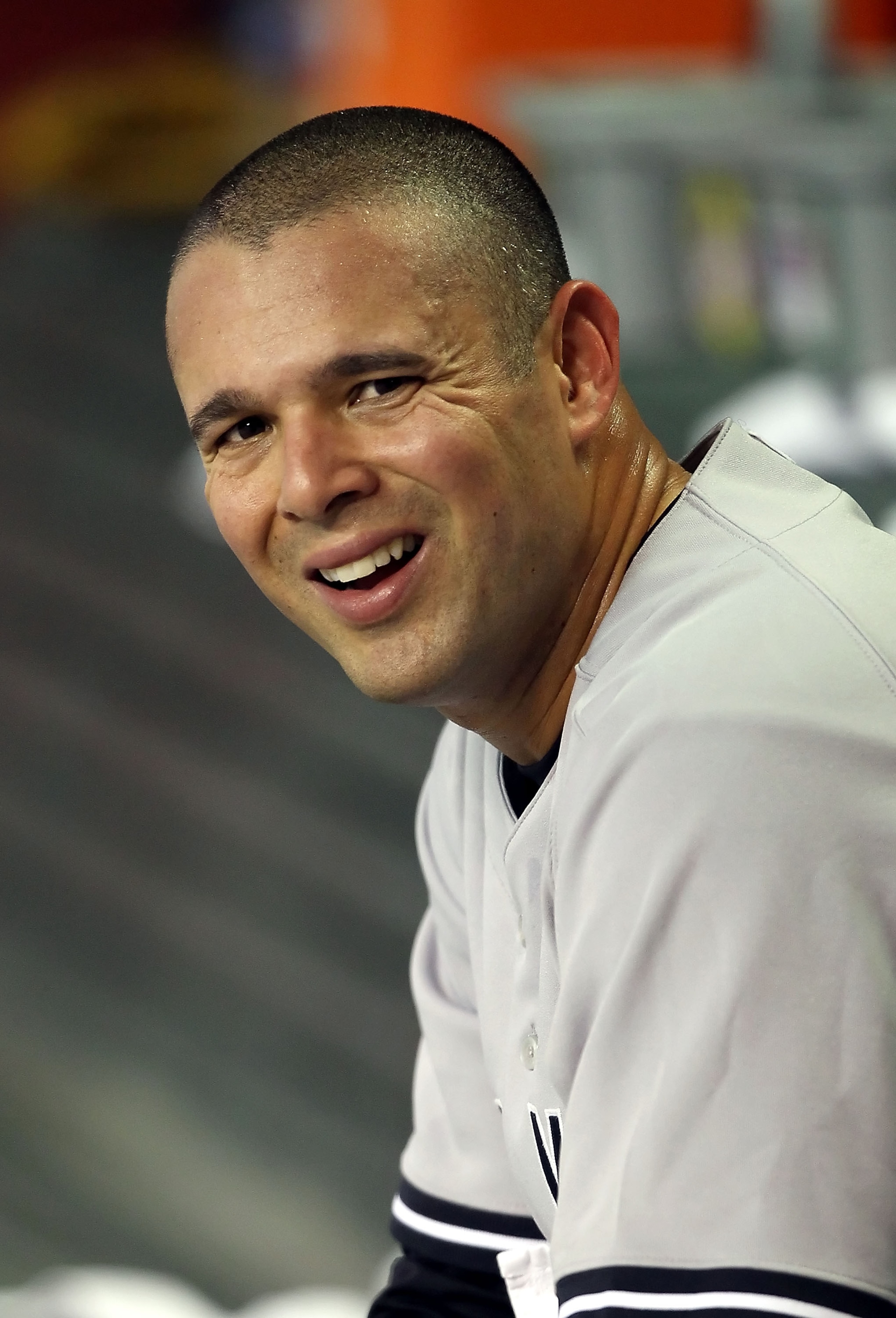
Most Expendable Trade Asset:
The Marlins have a good young core of players that could compete for a playoff spot if things break their way. The team has no obvious trade scenarios, but Javier Vazquez is always a good bet to switch teams. Vazquez, who signed a one-year deal with the Fish after an awful year with the Yankees, could be an appealing trade deadline target for contenders if he can rebound now that he's back in the National League.
Least Expendable Trade Asset:
Mike Stanton could emerge as a 40 HR threat as soon as this year, but even he is not as essential to the Marlins as Hanley Ramirez. Ramirez, who may be the most valuable player in baseball not named Pujols, is just entering his prime and is signed for four more years. During a time where offensive shortstops are as rare as a Marlins sellout, Hanley Ramirez is a special player.
Atlanta Braves
15 of 30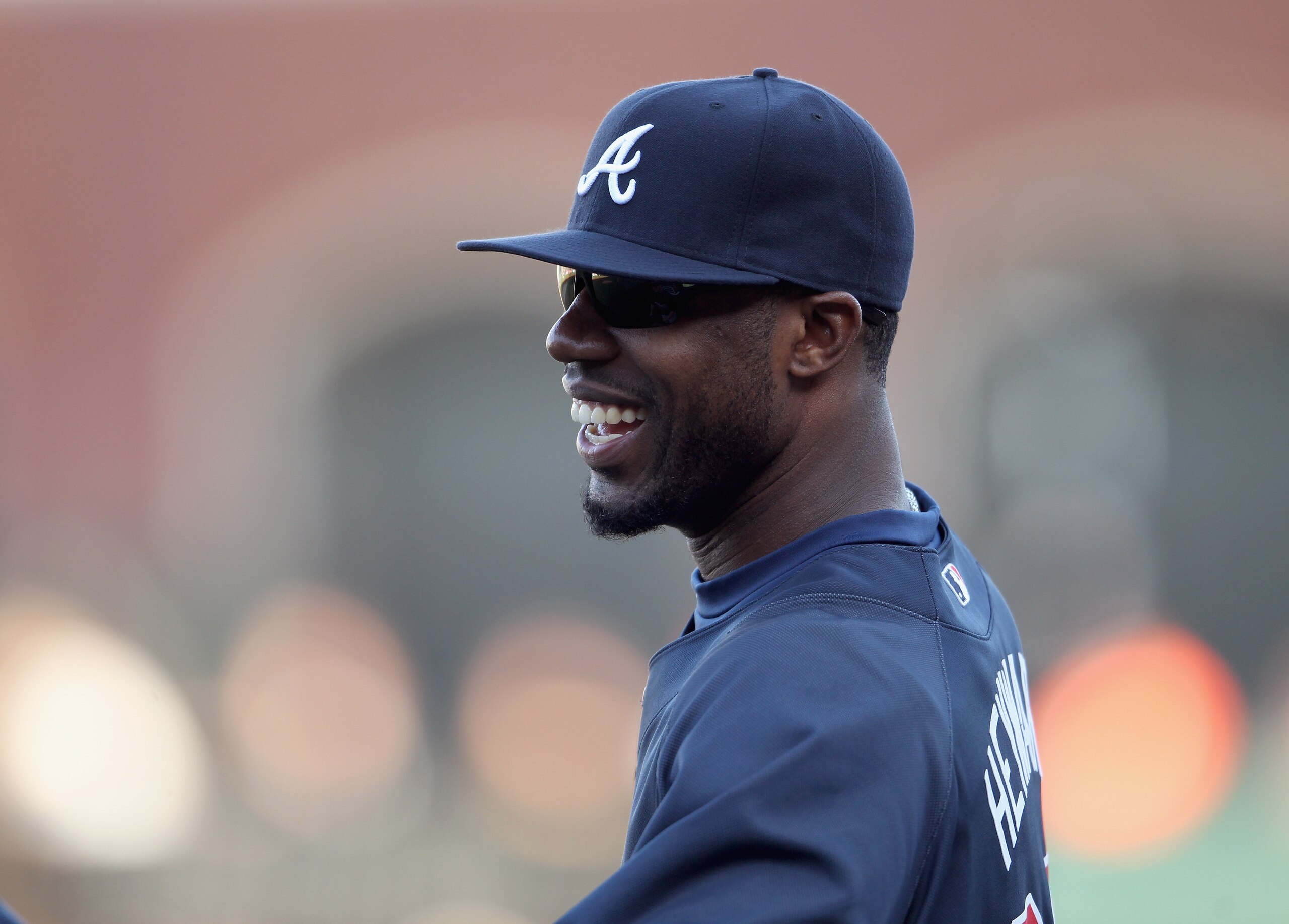
Most Expendable Trade Asset:
The Braves enter 2011 with a balanced mix of solid veterans like Dan Uggla, Martin Prado and Brian McCann, promising youngsters like Jason Heyward, Freddie Freeman and Craig Kimbrel, and elder statesmen like Chipper Jones, Tim Hudson and Derek Lowe. A division title is certainly within the realm of the possible, although the Phillies will be heavy favorites. Atlanta is unlikely to make any major moves during the course of the season, but it has enough pitching depth to consider parting with a young arm like Mike Minor or Brandon Beachy if it can get the Braves a key player to help win the division.
Least Expendable Trade Asset:
Jason Heyward was mighty impressive in his first go-around in the big leagues, finishing second in the Rookie of the Year chase. The sky is the limit for Heyward, who is not eligible for arbitration until 2013 or free agency until 2016. You can bet the Braves plan to hold on to him at least until then, if not far longer.
Philadelphia Phillies
16 of 30
Most Expendable Trade Asset:
The Phillies' surprise acquisition of Cliff Lee put them atop the list of World Series contenders in the National League. With the best starting rotation in baseball and solid hitters throughout the lineup, the Phillies are built to win now and should move aggressively to fill any perceived weaknesses as the season progresses.
OF Domonic Brown is the only Major League-ready young player on the roster, and he could have an immediate impact in Philadelphia, where mediocore veteran Ben Francisco and aging slugger Raul Ibanez man the corner outfield spots. However, if the Phillies feel the need to make one more splash to win a title, it's not inconceivable that they could deal Brown, but only if they can acquire a real difference-maker.
Least Expendable Trade Asset:
Teams don't typically build around pitchers for the long-haul, as they run a greater risk than position players of suddenly flaming out. But when you're a team like the Phillies that is built to contend for a title over the next three years, you're least expendable players are your best players right now, and it's hard to beat the combination of Roy Halladay and Cliff Lee. Halladay and Lee, who were involved in a three-team deal in December 2009 before joining forces this winter, give Philadelphia two of the five best pitchers in the game. That could be critical come playoff time, and the Phillies will rely on these two aces for as long as they can.
Seattle Mariners
17 of 30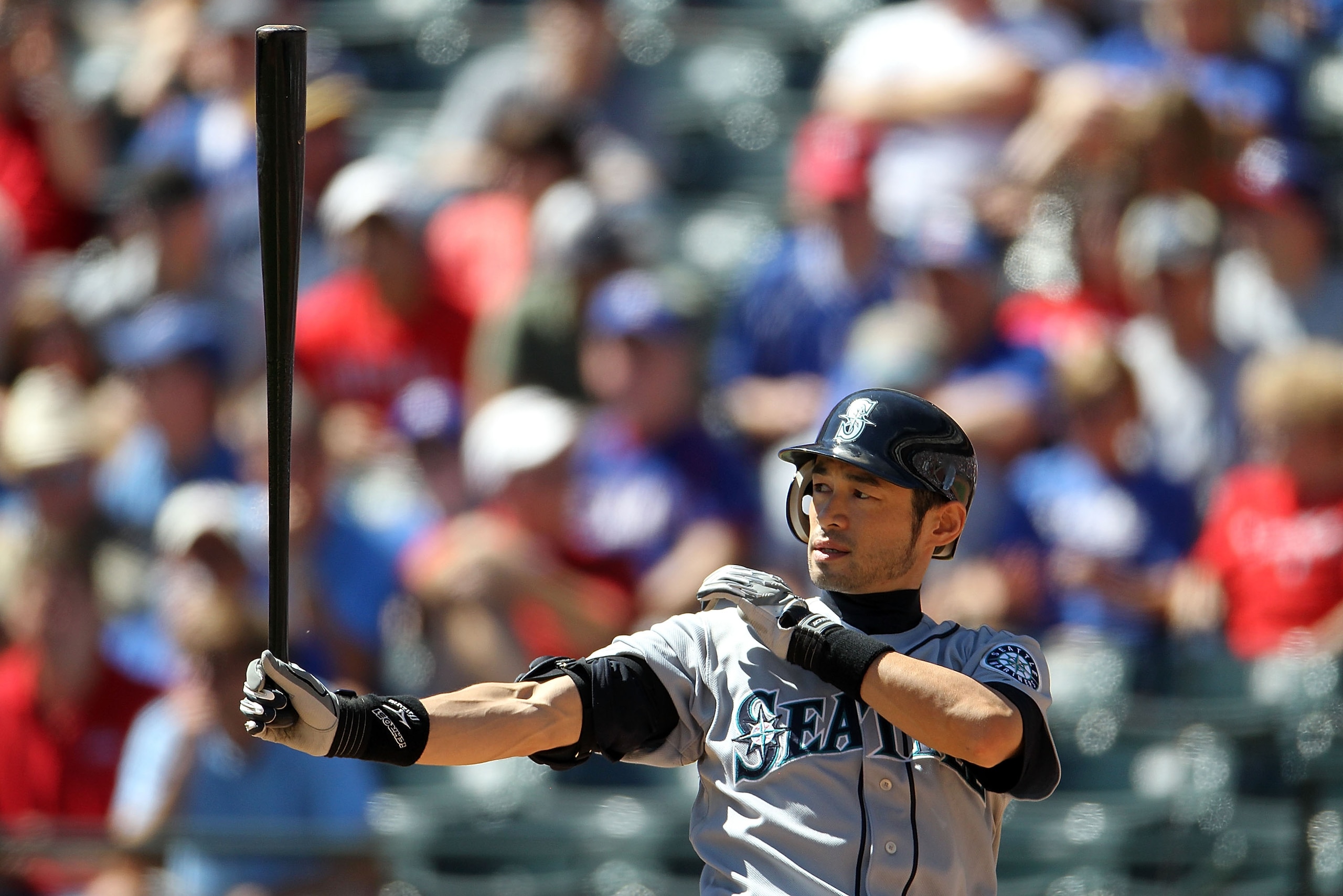
Most Expendable Trade Asset:
Coming off a 101-loss season, the Mariners are a long-shot to contend in 2011, so they may look to deal a couple veterans for young talent. The veteran the Mariners could get the most for is clearly Ichiro Suzuki, but this is one case where on-field considerations take a back seat to off-field financial factors. Suzuki is a huge financial asset for the Mariners in terms of ticket and merchandise sales and Japanese corporate investment in the club, so the Mariners are unlikely to consider him expendable even though he is 37 years old and the team is rebuilding. That means the most likely Mariners veteran to get traded is Chone Figgins, who will obviously bring much less in return.
Least Expendable Trade Asset:
Dustin Ackley is the #1 prospect in the Mariners' system and isn't going anywhere. But the Mariners' least expendable player is Felix Hernandez, who is quite possibly the best pitcher in the American League. Hernandez will be paid big bucks from 2012-2014, but there's no question he's worth it. He is the one certain superstar the Mariners will have throughout the rebuilding process.
Los Angeles Angels
18 of 30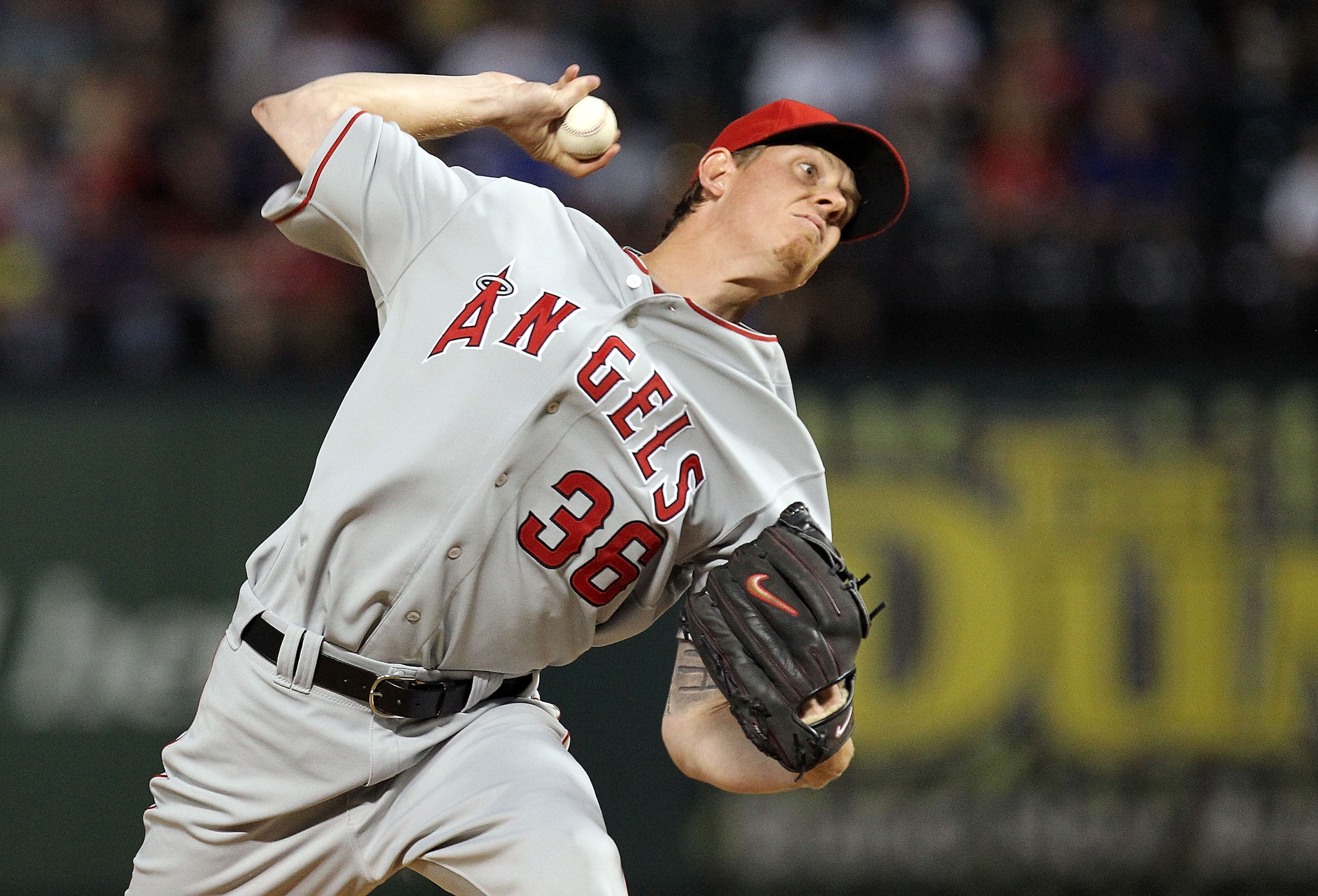
Most Expendable Trade Asset:
With a solid lineup and two ace-caliber pitchers at the front of the rotation, the Angels have their sights set on overtaking the Rangers. The fact that they were willing to take on Vernon Wells' obscene contract shows money is no obstacle in L.A. The Angels have a good balance of veterans and young talent, so they are unlikely to make a major move.
However, if team management feels that a World Series is within reach, OF Mike Trout is the type of elite prospect that could get them a dominant late-inning reliever or impact bat at the trade deadline. Considering the Angels' aging outfield, dealing Trout would be a damaging move for the long-term, so they'd likely try to deal a package of lesser prospects first.
Least Expendable Trade Asset:
If the Angels are going to compete for a championship with their current roster, they will need Jered Weaver to be as dominant as he was in 2010. Weaver, 28, led the league in strikeouts while putting up a 3.01 ERA and 1.07 WHIP. His agent is Scott Boras, so there could be trouble on the horizon, but Weaver won't be a free agent until 2013, so he'll be key to determining the Angels fate over the next two years.
Oakland A's
19 of 30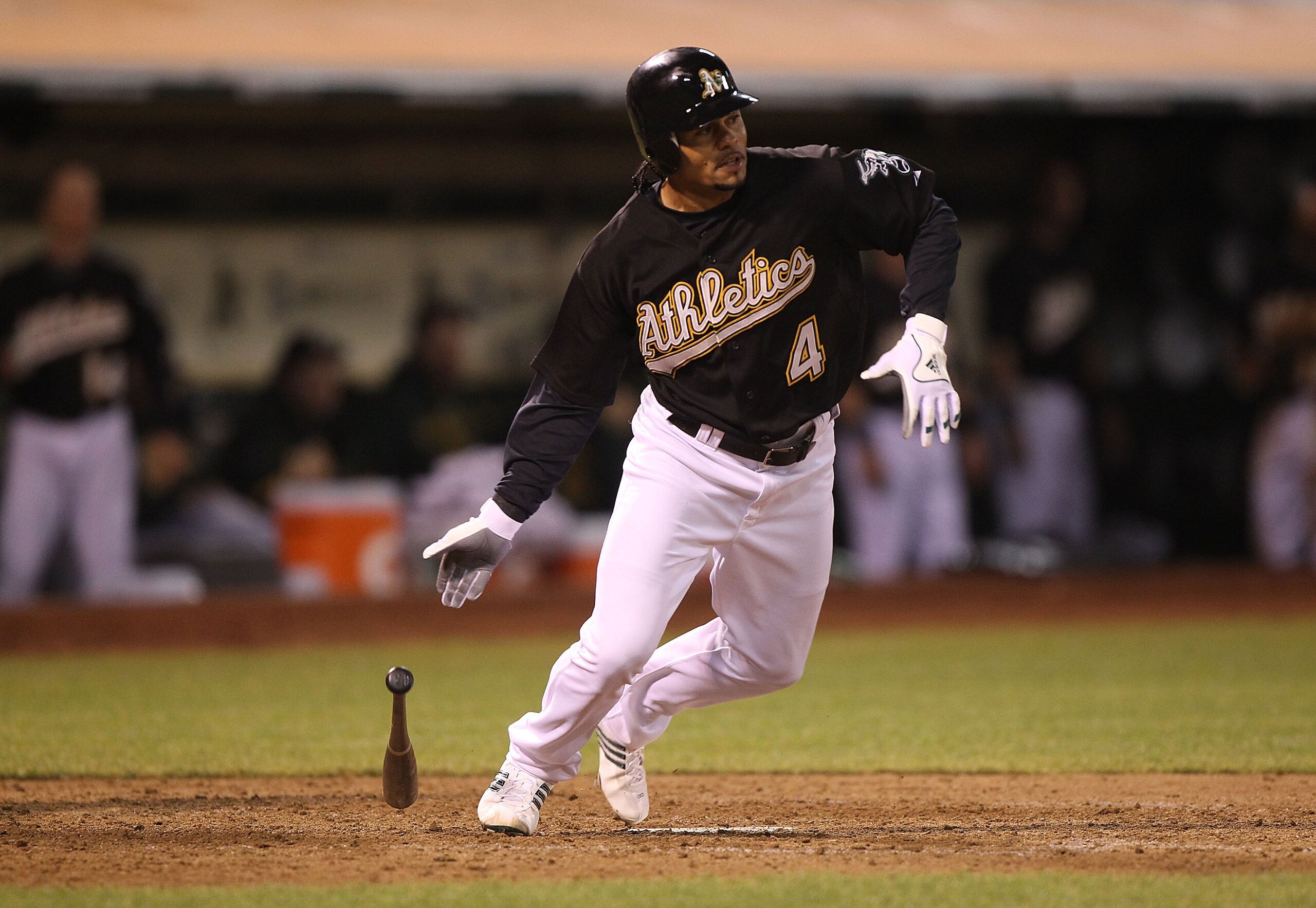
Most Expendable Trade Asset:
The A's scored a moral victory by finishing 81-81 last season, but there simply isn't enough high-level talent on this team to compete for a championship. That means that Oakland will once again be hoping to deal pending free agents to contenders for prospects. One such name to keep in mind this year is Coco Crisp, who if healthy, could be an attractive table-setter for a playoff team.
Least Expendable Trade Asset:
The A's have very few young position players to get excited about, but they have plenty of young pitching. Andrew Bailey, Brett Anderson, Gio Gonzalez, Trevor Cahill and Dallas Braden are all young A's hurlers that are under team control for the next several years. Oakland will look to build around these pitchers as they gradually improve their offense, so don't expect any of these guys to get dealt anytime soon.
Texas Rangers
20 of 30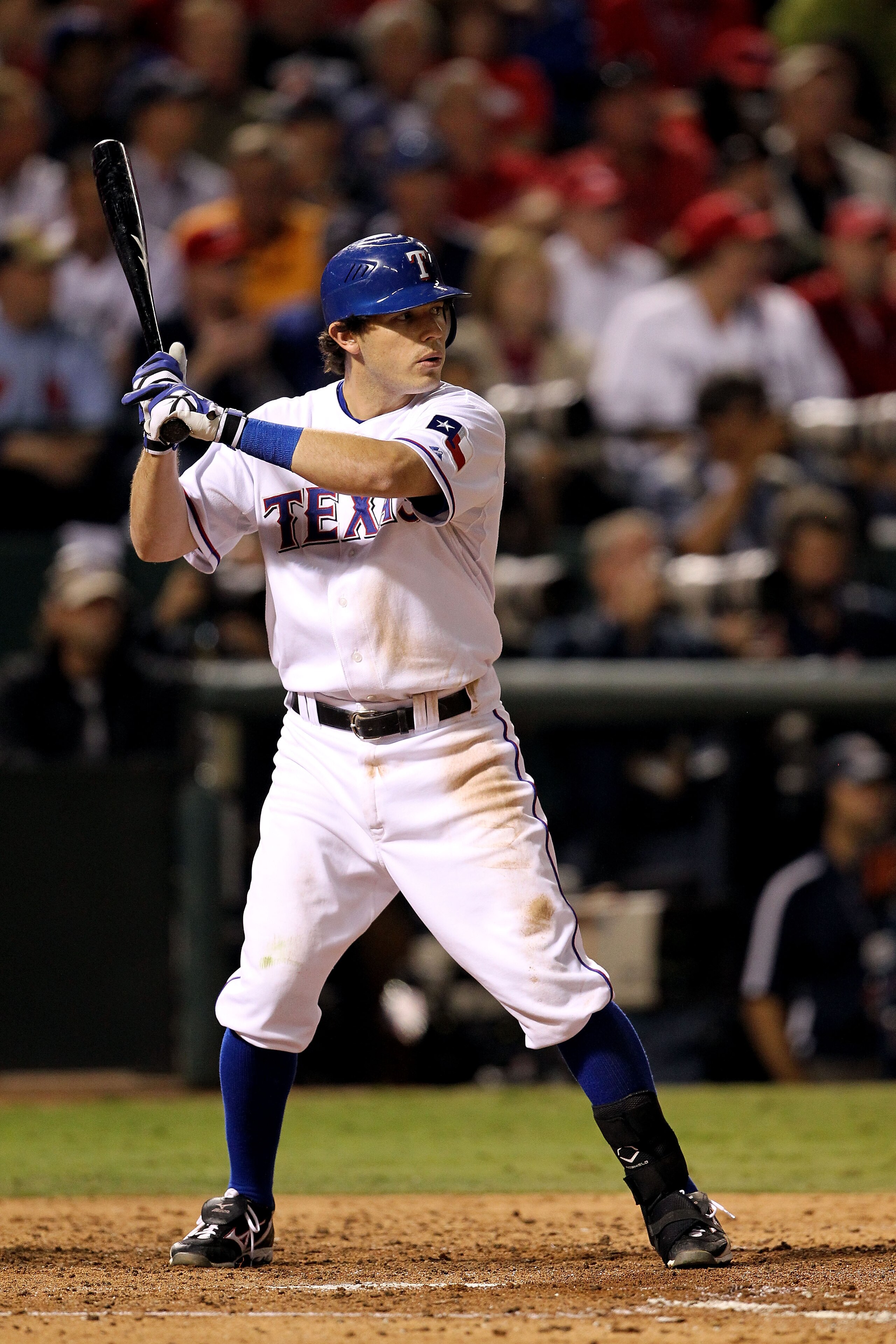
Most Expendable Trade Asset:
Well, the Rangers have basically already announced this one to the world. Since acquiring C/1B/DH Mike Napoli, Texas has been aggressively looking to deal Michael Young and his massive contract. The Rangers' desire to deal Young suggests that have a lot of confidence not only in Napoli, but also in young 1B Mitch Moreland.
Least Expendable Trade Asset:
The Rangers' lineup is filled with impressive hitters. Ian Kinsler, Josh Hamilton and Nelson Cruz are all among the very best hitters in baseball at their respective positions, the question is whether they can stay healthy. Elvis Andrus is also full of upside. While many people would likely say Hamilton is the team's least expendable player, the better choice is Kinsler, who is younger than Hamilton, signed for one more year at a more affordable rate, and plays a more difficult position to fill.
Kansas City Royals
21 of 30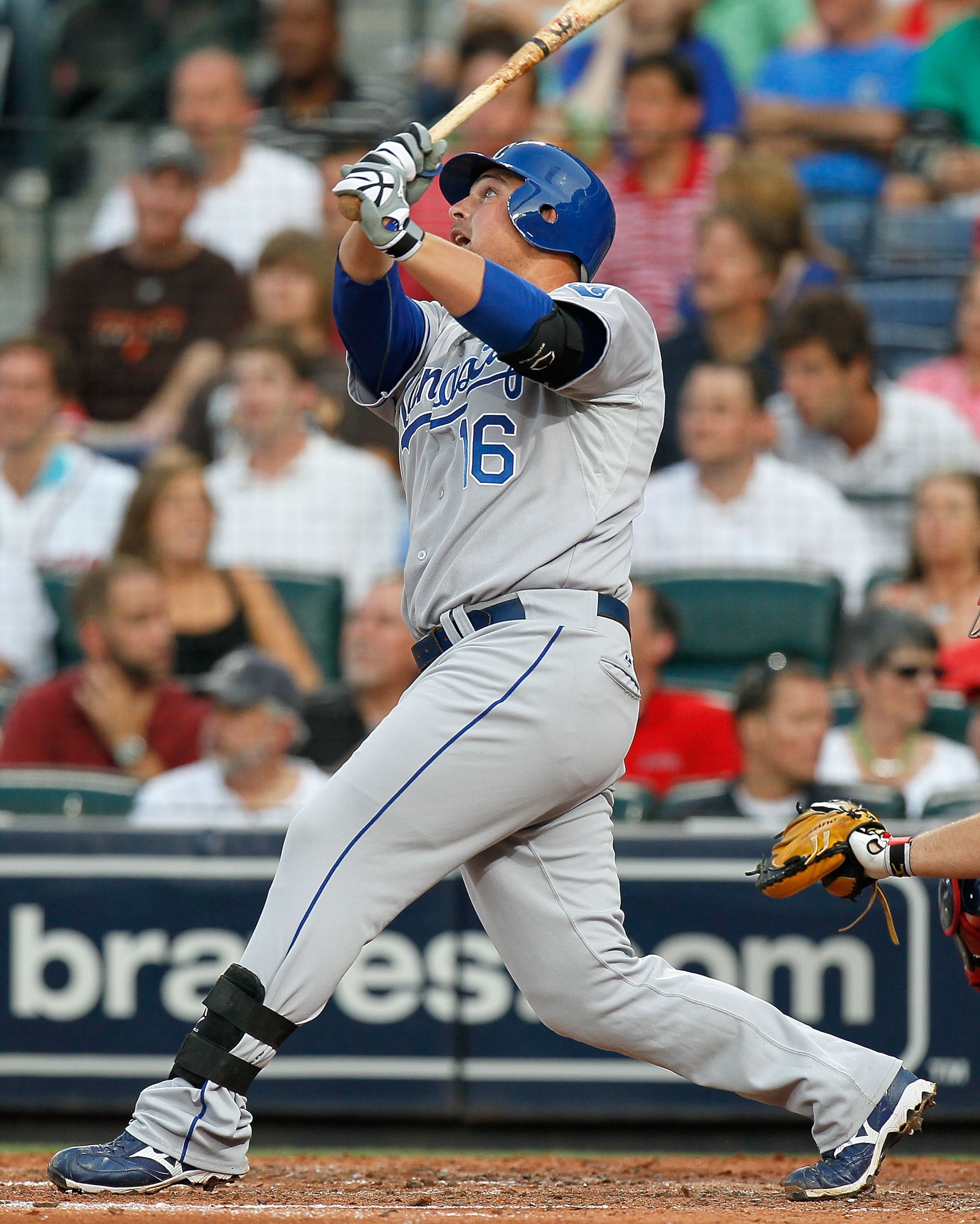
Most Expendable Trade Asset:
Per usual, the Royals are rebuilding. While that would typically mean they'd be looking to deal their veterans for young players, there aren't a lot of valuable veterans to be found on the Royals' roster. One player it might make sense to deal, though, is Mike Aviles. Aviles has hit over .300 in both of his seasons in which he's had 400-plus at bats, and is signed to a team friendly contract. Those traits make him desirable for the Royals, but also for contenders. The reason Kansas City could look to deal Aviles is that he is already 29 years old, and the team will want to open up 3B for top prospect Mike Moustakas.
Least Expendable Trade Asset:
The best building blocks currently on the Royals' roster are two 1B/DH types: Billy Butler and Kila Ka'aihue. Butler has already proven himself to be a very solid Major League hitter, and Ka'aihue projects to have similar ability. Because Butler already has two .300-plus seasons under his belt, he's the least likely Royal to be dealt.
Cleveland Indians
22 of 30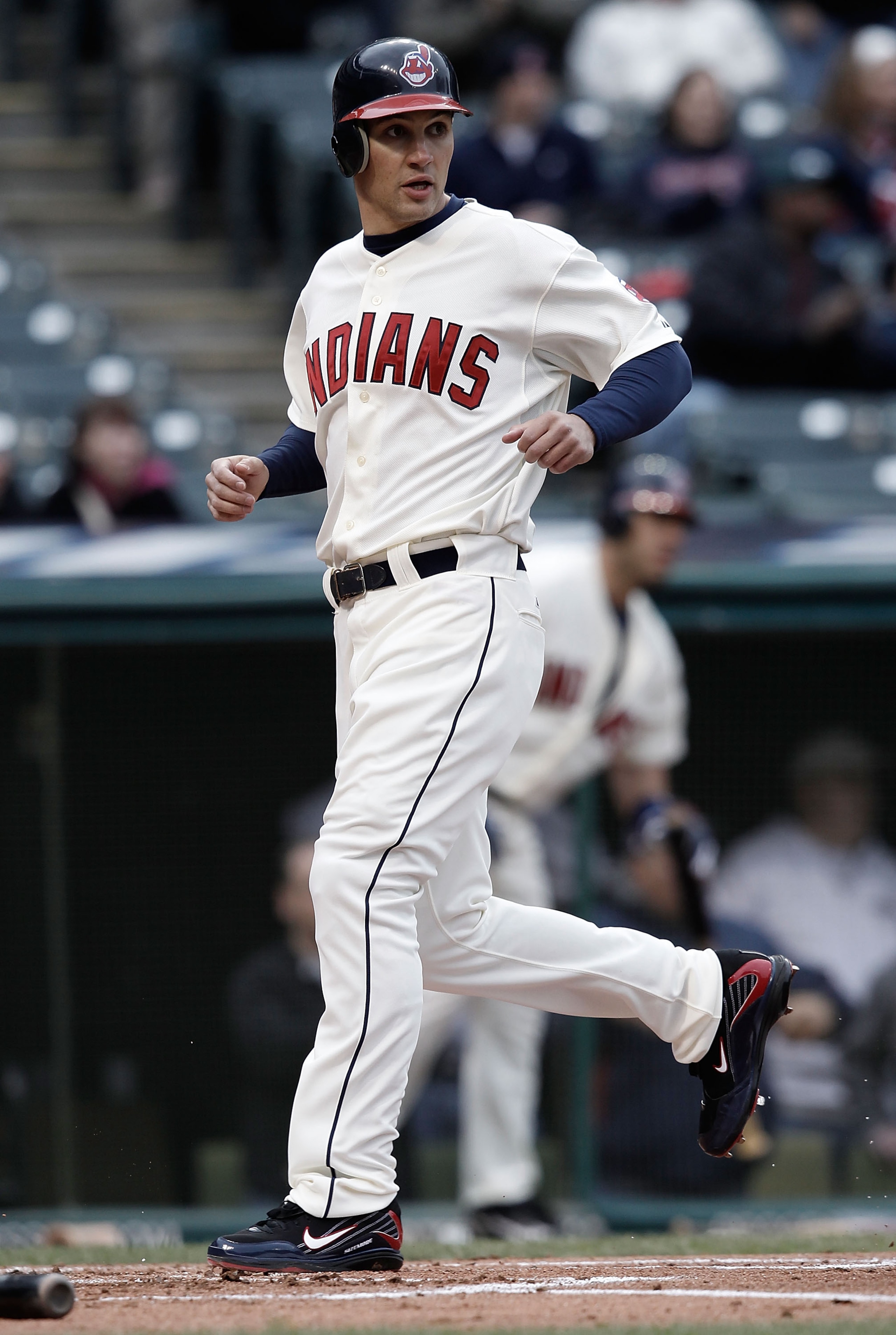
Most Expendable Trade Asset:
Having traded away Cliff Lee, C.C. Sabathia and Victor Martinez--among others--in recent years, the Indians are well into rebuilding mode. Their next trade could also involve a big name: Grady Sizemore. Sizemore is coming off two straight disappointing seasons and microfracture surgery on his knee, but if he proves to be healthy this spring he'll have plenty of trade value. Sizemore is signed through the 2012 season, so there is no immediate rush to deal him. But if the Tribe feels dealing Sizemore for a package of prospects will speed up the rebuilding process, look for it to pull the trigger.
Least Expendable Trade Asset:
OF Shin-Soo Choo and closer Chris Perez are both excellent players who are under team control for at least three more seasons, so it's highly unlikely Cleveland will deal either player this year. But the Tribe's least expendable player is catcher Carlos Santana, who has the ability to be a real difference maker and is years away from arbitration and free agency.
Detroit Tigers
23 of 30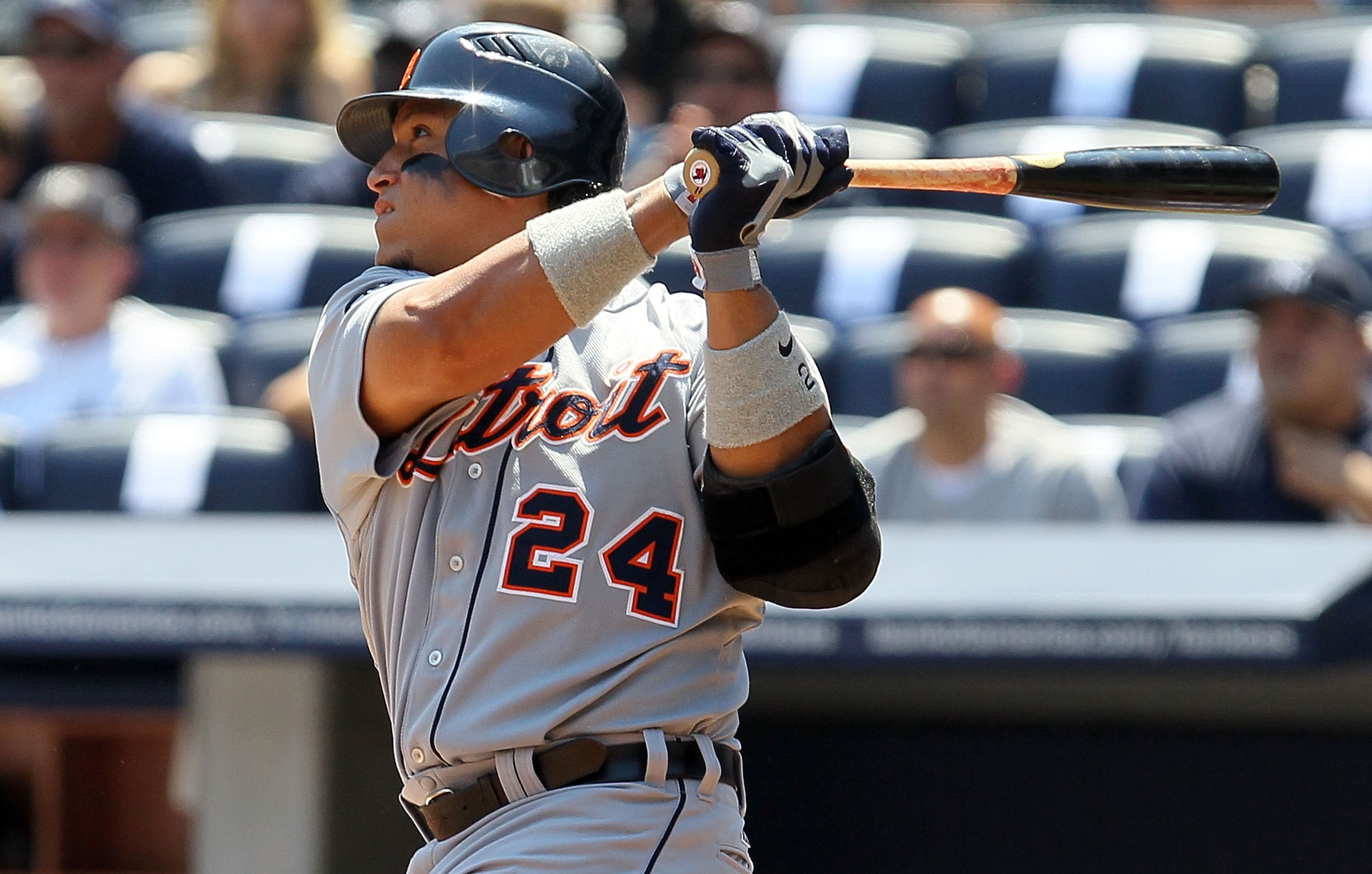
Most Expendable Trade Asset:
The Tigers finished a disappointing 81-81 in 2010, but with a roster full of veterans who aren't getting any younger (I'm looking at you, Magglio Ordonez and Carlos Guillen), the future is now in Detroit. The Tigers already dealt starter Armando Galarraga last month, so another deal may be unlikely.
However, if Dave Dombrowski feels compelled to make another move, his best trade chip could be Ryan Perry. Perry, formerly Detroit's #2 prospect, could be seen as a potential closer of the future for a rebuilding club. With Jose Valverde, Joaquin Benoit and Joel Zumaya around, the Tigers have no immediate need for Perry.
Least Expendable Trade Asset:
If Hanley Ramirez isn't the best player in baseball not named Pujols, then Miguel Cabrera probably is. Cabrera will earn $106 million over the next five seasons, but it's hard to argue that he's not worth it. Now that he is fully focused on baseball, Cabrera should be a perennial triple crown threat for the life of his contract.
Chicago White Sox
24 of 30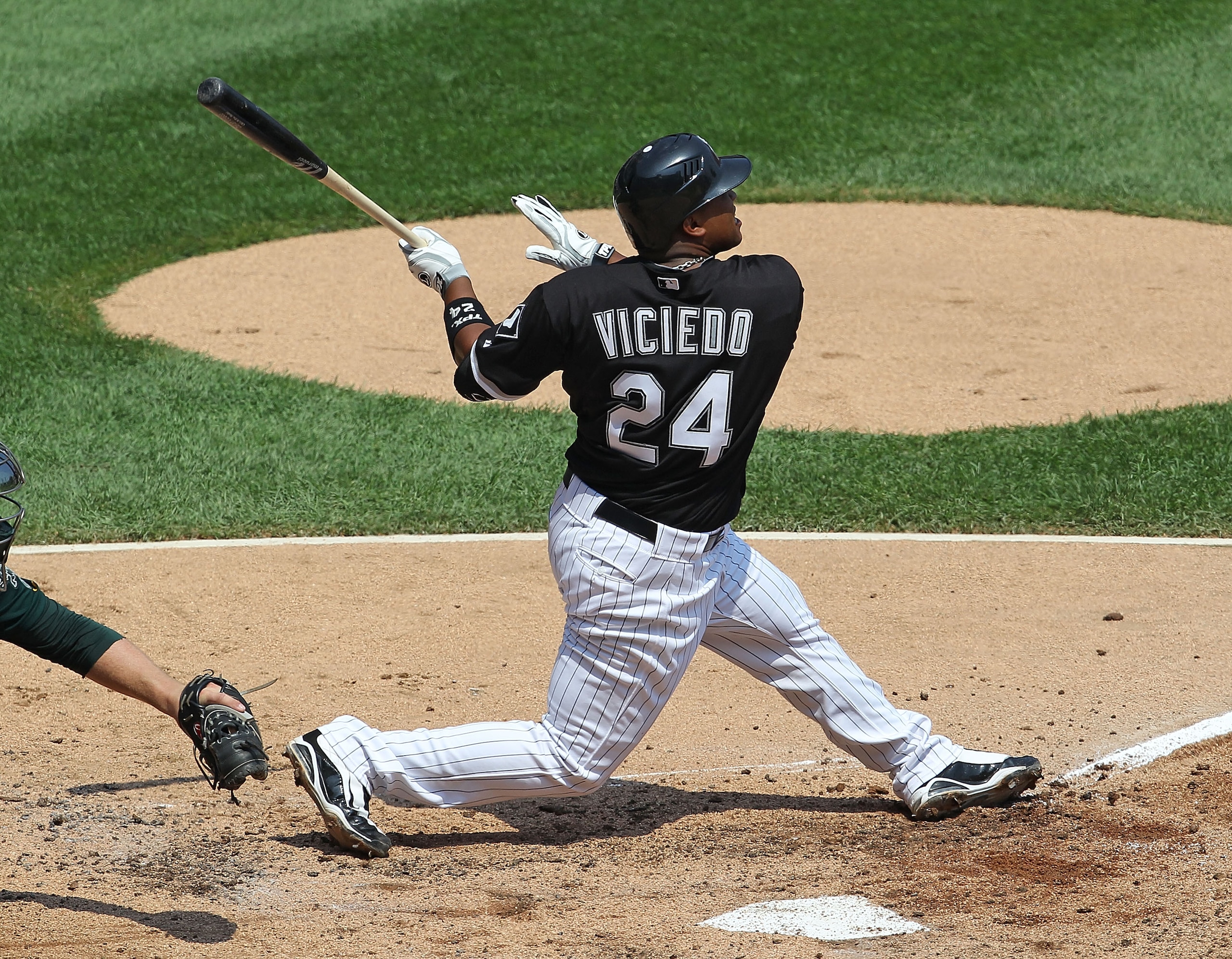
Most Expendable Trade Asset:
The White Sox are a team that refuses to rebuild, even when it probably should. So it's safe to say they won't be dealing away any veterans coming off an 88-win season and an offseason where they landed Adam Dunn. The White Sox also continue to develop decent prospects through their farm system, which gives them some flexibility to make deals.
With the acquisition of Dunn and the resurgence of Paul Konerko, first base and DH should be occupied in Chicago for the next couple of years. So with top prospect Brett Morel being given a crack at the starting third base job, fellow corner infield prospect Dayan Viciedo makes sense as trade bait.
Least Expendable Player:
Gordon Beckham did not have the breakthrough year in 2010 that White Sox fans were hoping for, but he still has enormous potential. Beckham could become the rare middle infielder that you can build a franchise around, and he's under team control through the 2015 season. Unless his progress continues to stall, it's highly unlikely the White Sox will part with him.
Minnesota Twins
25 of 30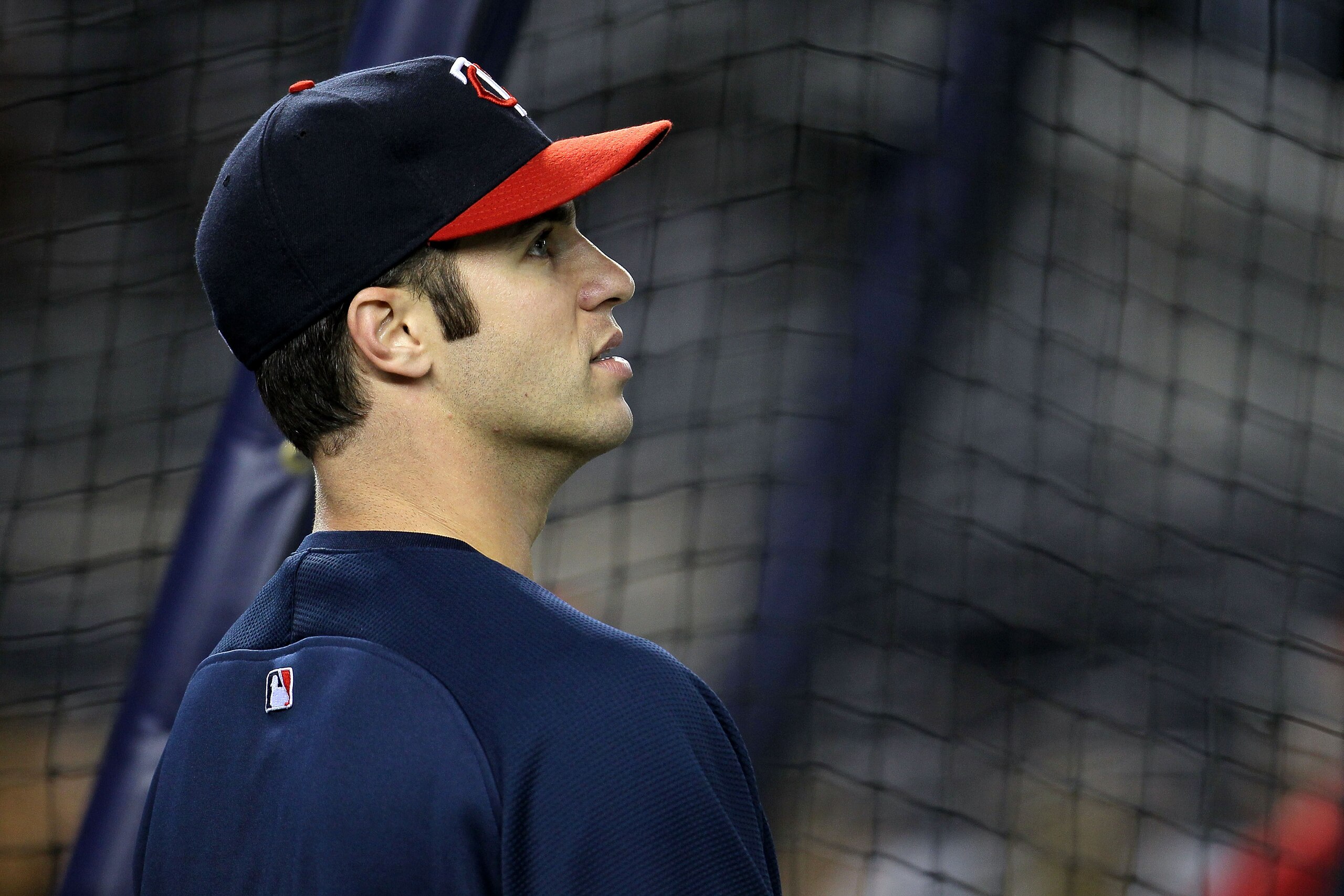
Most Expendable Trade Asset:
The Twins are fresh off a 94-win season, and they have every reason to expect to contend again this year. They also have excellent depth, which could allow them to make a move without having to deal away the future. In particular, the Twins have six legitimate starting pitchers (Francisco Liriano, Carl Pavano, Scott Baker, Kevin Slowey, Brian Duensing and Nick Blackburn). They will also have to sit one of these six players everyday: Delmon Young, Denard Span, Michael Cuddyer, Justin Morneau, Jason Kubel and Jim Thome. If 3B Danny Valencia struggles in his first full season in the big leagues, look for Minnesota to deal a starter like Blackburn or a hitter like Kubel for a veteran to man the hot corner.
Least Expendable Trade Asset: Joe Mauer has a hefty contract that could eventually become a burden ($23 a year through 2018), but the Twins will happily pay it for now. Mauer is the rare catcher that is always a threat to win the batting title, he's adept at handling the pitching staff, and he's the type of player that is a favorite of fans, teammates and coaches. It's hard to imagine Twins baseball without him.
Baltimore Orioles
26 of 30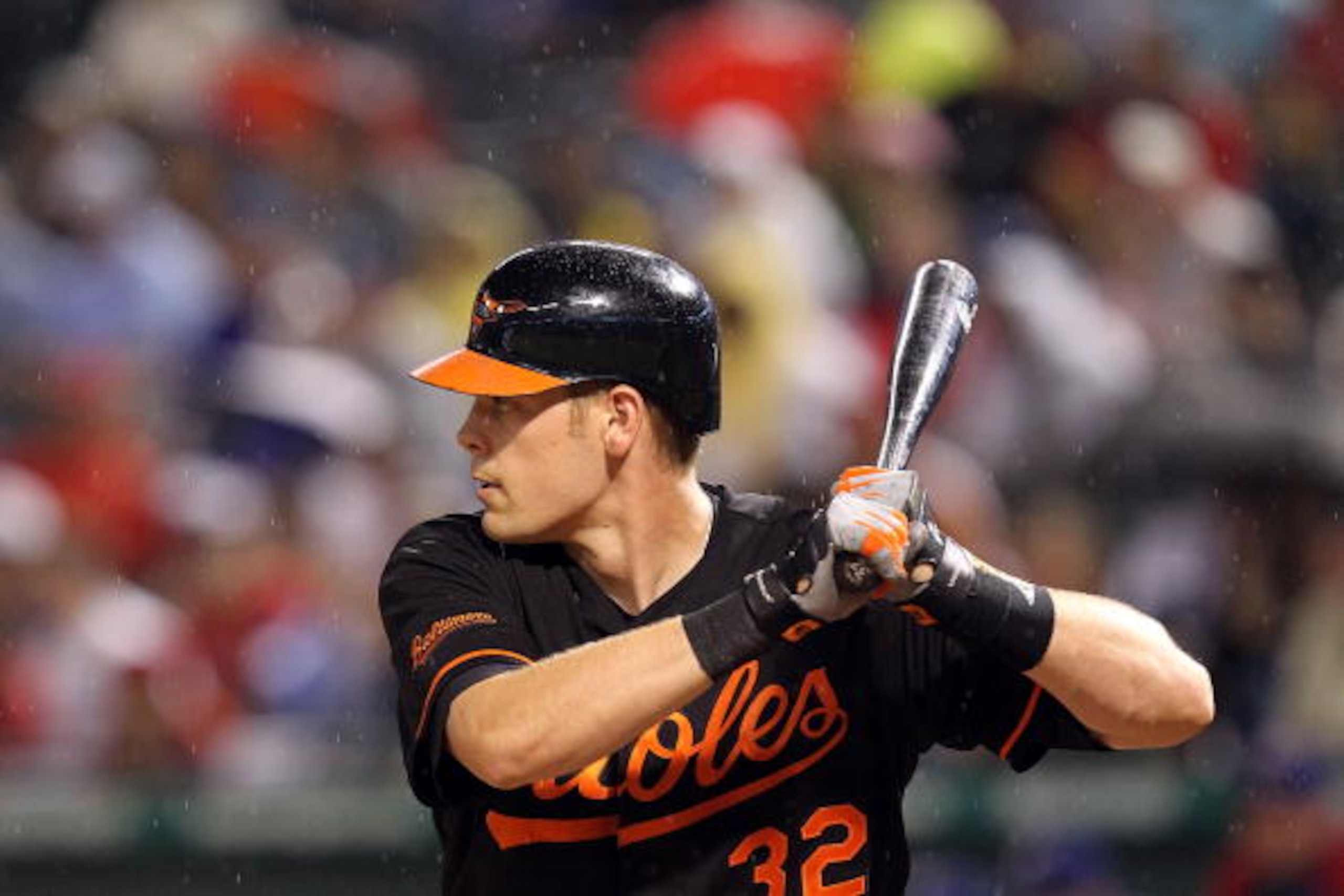
Most Expendable Trade Asset:
The Orioles surely recognize that competing in the AL East is an uphill battle, but that isn't stopping them from trying. Baltimore was as busy as anyone this winter, completely remaking its offense with the additions of 3B Mark Reynolds, 1B Derrek Lee, SS J.J. Hardy and DH Vladimir Guerrero. They also added Kevin Gregg to the back end of the bullpen.
Baltimore will probably realize by July that even these moves aren't enough to keep up with the Red Sox and Yankees, so a deadline deal is unlikely. But if the O's decide to double down and add yet another veteran, look for them to deal Felix Pie, Nolan Reimold or perhaps even Adam Jones to do it.
Least Expendable Trade Asset:
Matt Wieters still has a lot to prove as a Major Leaguer, but he's also got plenty of time to prove it. Wieters, one of the most highly touted prospects in recent years, is already a solid regular but has yet to fully break through. The fact that he isn't eligible for free agency until 2016 means the Orioles will be patient as they wait to see just how good he can be.
Toronto Blue Jays
27 of 30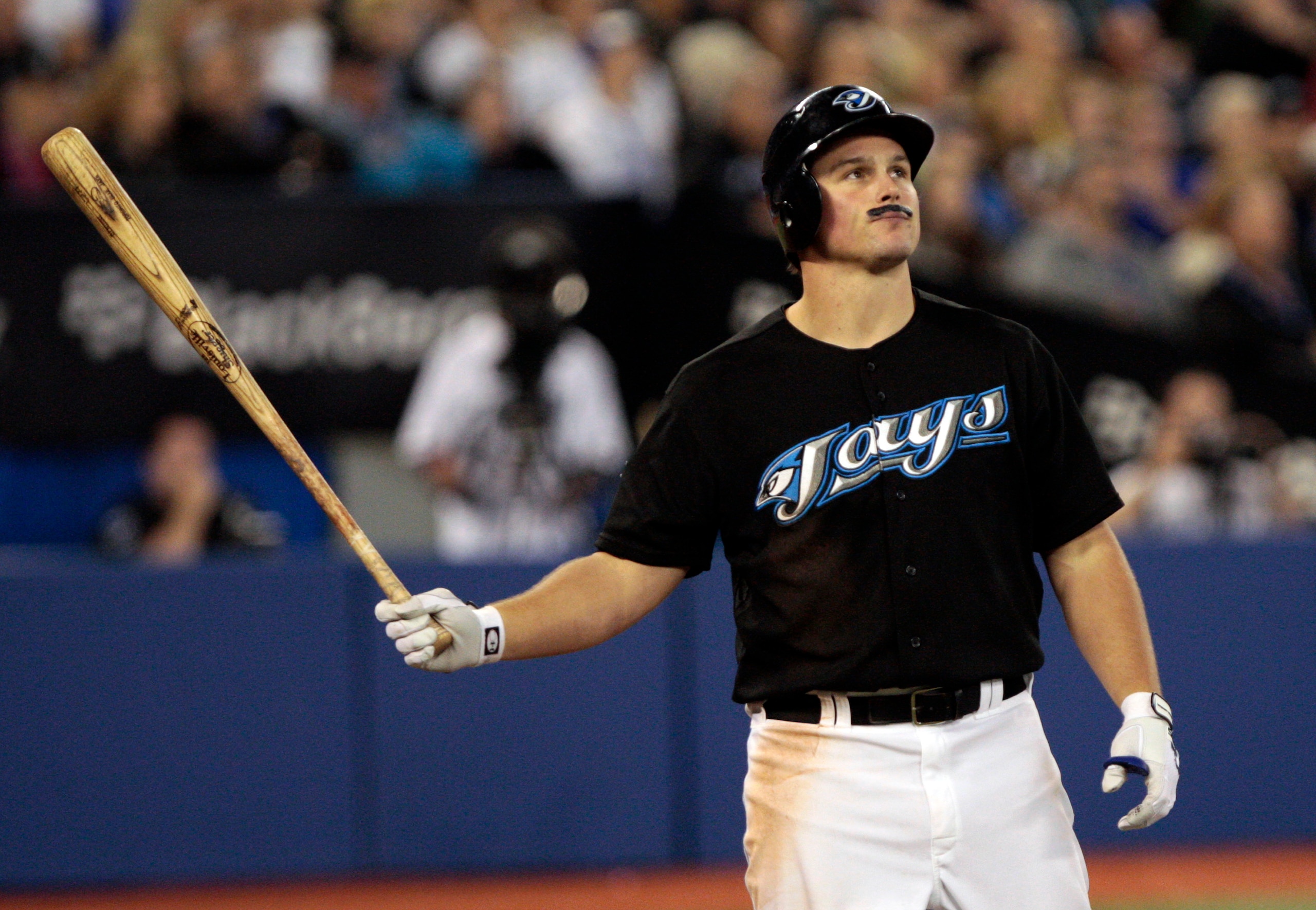
Most Expendable Trade Asset:
The Blue Jays had a surprisingly successful 85-win season in 2010 ... but they still finished fourth. If that's what happens when things break right for Toronto, you'd have to imagine they will be sellers come July. The Blue Jays, who acquired Frank Francisco, Octavio Dotel and Jon Rauch over the winter, should be able to cash in on one--or even all three--if there is the usual demand for late-inning relievers at the trade deadline.
Least Expendable Trade Asset:
The Blue Jays roster is full of decent players, but it is severely lacking in star power (no offense, Jose Bautista). The player Toronto management hopes can emerge as the team's next big star is OF Travis Snider. Snider, who cracked 14 HRs in just 298 at bats last season, was the Blue Jays' top rated prospect in 2008 and 2009. He's under team control until 2016, and as if that weren't enough, he homered last year while wearing a fake eye black mustache in honor of Cito Gaston.
Tampa Bay Rays
28 of 30
Most Expendable Trade Asset:
The Rays managed to win baseball's toughest division in 2010, but their reward was a dismantling of the team that accomplished that feat. Gone were Carl Crawford, Rafael Soriano, Matt Garza, Carlos Pena and Jason Bartlett. The Rays still have plenty of impressive young players, and the signings of veterans Manny Ramirez and Johnny Damon restored some hope. But with huge question marks in the bullpen, the Rays could be sellers by July, meaning that a rejuvenated Ramirez could be on the move again to open up a sport for Desmond Jennings or Matt Joyce.
Least Expendable Trade Asset:
Evan Longoria has 82 HRs and 302 RBIs in his first three seasons in the Major Leagues, and his batting average and on-base percentage continue to improve as he gets more and more comfortable at the plate. Longoria is signed to a very reasonable contract through 2016, so don't expect to see him on the move anytime soon.
Boston Red Sox
29 of 30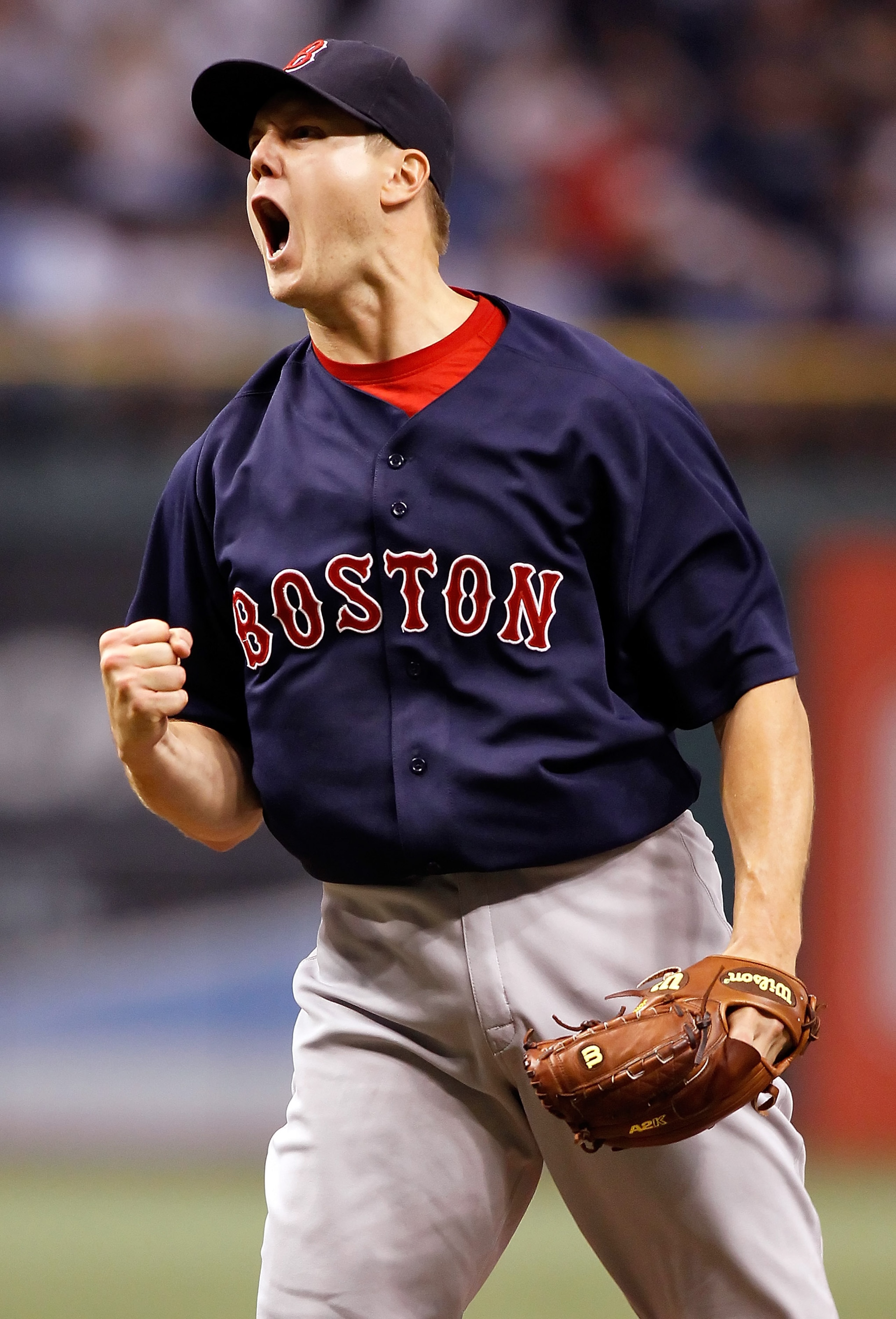
Most Expendable Trade Asset:
Following a disappointing third place finish, the Red Sox made not one, but two major offseason moves, signing Carl Crawford and dealing for Adrian Gonzalez. But that doesn't necessarily mean they're done -- the Red Sox know better than to sit back and rest on their laurels. However, if Boston feels compelled to make another big trade, it may not be top prospects they use to get it done. Rather, the Red Sox could look to deal impending free agent Jonathan Papelbon. It would be a risky move to be sure, but with Daniel Bard, Dan Wheeler and Bobby Jenks, the Red Sox are not short on potential replacements. GM Theo Epstein is unlikely to shell out the cash necessary to keep Papelbon in Boston next season, so he may decide to swap Papelbon for a player who can help the team both in 2010 and beyond.
Least Expendable Trade Asset:
Crawford and Gonzalez will get all the buzz this season, not to mention hefty new contracts. But Dustin Pedroia is the team's least expendable player. Just entering his prime at 27 years old, Pedroia already has an MVP and Rookie of the Year award on his resume. He brings passion, a solid glove and an impressive bat to a position where big-time offensive production is rare. Most importantly, he is signed for the next five seasons at an average of less than $9 million per year--quite the bargain.
New York Yankees
30 of 30
Most Expendable Trade Asset:
After missing out on Cliff Lee and helplessly watching as Andy Pettitte retired, you have to believe the Yankees will go hard after the best pitchers available on the trade market by July, if not sooner. Names like Bartolo Colon, Freddy Garcia and Kevin Millwood may have got the job done in 2001, but in 2011 they are simply not good enough.
So who will the Yankees deal? If they want to acquire a true ace, it may require parting with prized catching prospect Jesus Montero. Montero projects to be a terrific hitter, but the Yankees already have plenty of hitting--they need starting pitching. Montero is not expected to last behind the plate in the Majors, and the Yankees have a couple other good catching prospects in their farm system anyway.
Least Expendable Trade Asset:
Robinson Cano may be slightly better than Dustin Pedroia, but he's also significantly more expensive. Luckily, the Yankees aren't a team to worry about big contracts, and Cano is clearly worth every penny. After winning a Gold Glove and finishing third in the MVP race, fans in the Bronx are anxious to see what Cano has planned for an encore.


.jpg?w=2560 "Grading WWE Raw 🔠")
.jpg?w=2560 "Viral Rams Coach Vid 🖕")
.jpg?w=2560 "Injury-stricken Seahawks signing veteran RB")

.jpg?w=2560 "2 NFL Officials Suspended")

.jpg?w=2560 "Mahomes' Wife Trolls Kubiak 💀")
