
College Basketball: Top 10 Turnaround Teams From Last Season To This One
It is never easy to turn a losing program into a winning one in just one season. However, there are several teams around the country—in smaller and in power conferences—who are well on their way to doing that this season.
This list highlights ten teams who have experienced an impressive turnaround—both in overall wins and losses as well as improvement in their conference standings.
Although there is plenty of season left to play, it is safe to say that each of these teams have improved significantly from a year ago, and their accomplishments should be commended.
10. FLORIDA ATLANTIC (Sun Belt)
1 of 10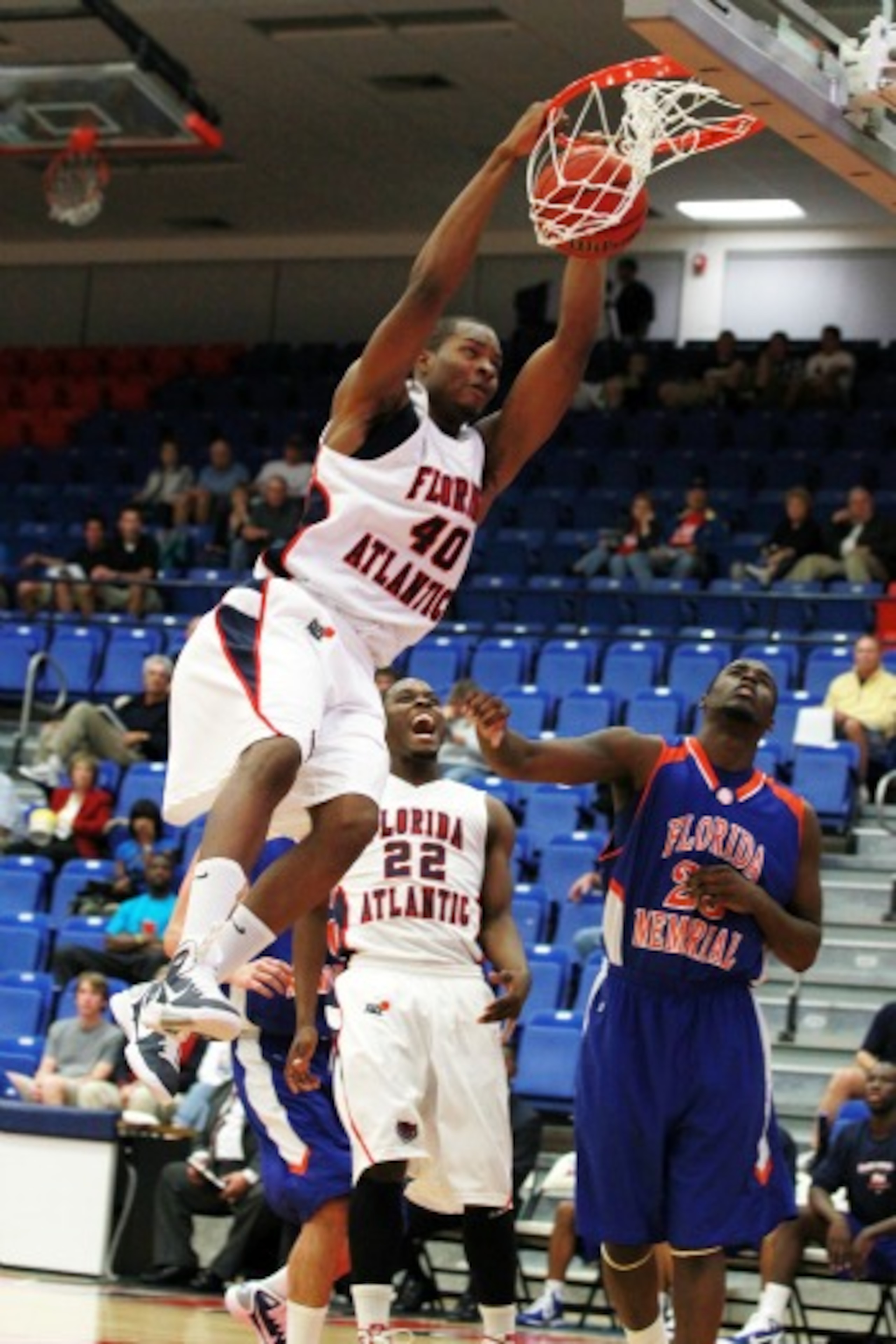
2009-10 Record: 14 – 16; 10 – 8 Sun Belt – 6th place
2010-11 Record: 16 – 7; 8 – 1 Sun Belt – 1st place
Florida Atlantic, with 16 wins, has already topped last season’s win total. The Owls have risen to the top of the Sun Belt standings this season, winning their first eight league games before losing to Western Kentucky.
The Owls have stepped up their defensive play this season. They have held Sun Belt opponents to just over 62 points a game, while holding them to just under 40 percent shooting. Senior Bret Royster (pictured) has been a big part of that defense, leading the league with 3.3 blocks per game, good for sixth nationally.
FAU has a couple wins over BCS-conference teams—South Florida and Mississippi State. They also beat a very good Hofstra team, who is in contention for the CAA title.
Photo from FAUOwlAccess.com (nice pun)
9. CHATTANOOGA (Southern Conference)
2 of 10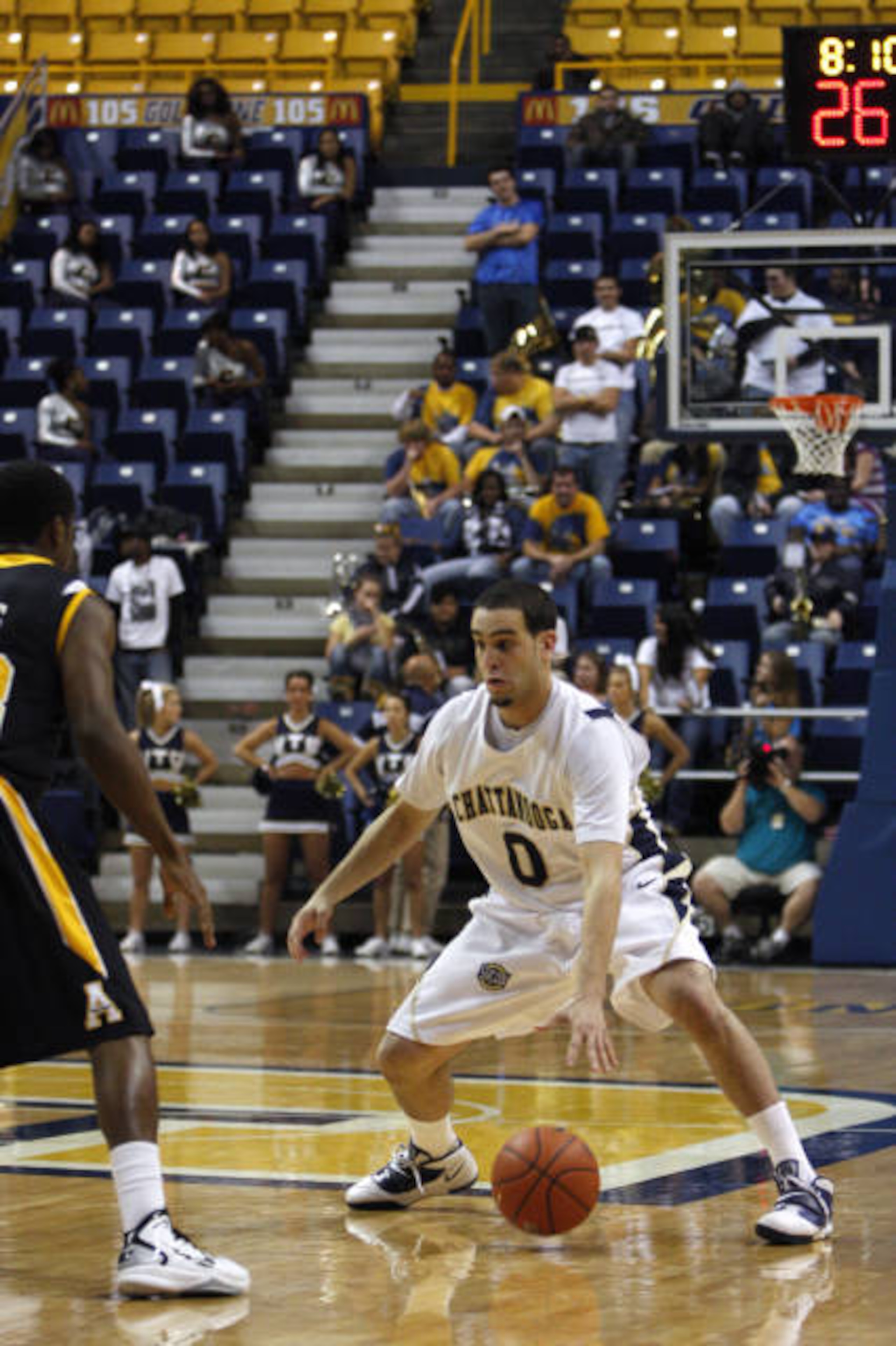
2009-10: 15 – 18; 6 – 12 Southern, 8th place
2010-11: 13 – 10; 9 – 2 Southern, 1st place
While Charleston and Wofford have been the focal points of the Southern Conference playing in the South division, Chattanooga has quietly made an impressive turnaround in the North. The Mocs have a four-game lead in the division, and have already won three games in the SoCon than they did all of last season.
A key addition this season to the Chattanooga roster was Omar Wattad (pictured), a transfer from Georgetown. Wattad has been a key element to the Mocs’ success, leading the team at nearly 15 points a game. He scored 27 in the Mocs’ win over Charleston—their biggest win to date this season—and 30 in a win over The Citadel.
Chattanooga’s success has also come from their ability to win close games. The Mocs are 10 – 2 in games decided by ten points or less. This has come in part from their strong rebounding—they average seven more rebounds a game than their SoCon opponents.
8. EVANSVILLE (Missouri Valley)
3 of 10
2009-10: 9 – 21; 3 – 15 MVC, 10th place
2010-11: 12 – 9; 6 – 5 MVC, 5th place
After a last place finish in the Missouri Valley last season, Evansville has quietly doubled their conference win total from last season, while moving into a tie with Creighton in the middle of the standings.
After a 1 – 4 start in the MVC, the Aces have won five of their last six games, including a win at Indiana State last week. That win completed a season sweep of their in-state rival.
Evansville has managed to play above .500 in league games despite having only one scorer averaging in double figures. Colt Ryan, averaging 15 points a game, has shot over 41 percent from three-point range on the season, leading the team.
Evansville’s biggest win of the season came back in November, when they knocked off defending NCAA Runner-Up Butler in overtime at Hinkle Fieldhouse.

.jpg?w=2560 "Rams Raiders Football")

7. JAMES MADISON (Colonial)
4 of 10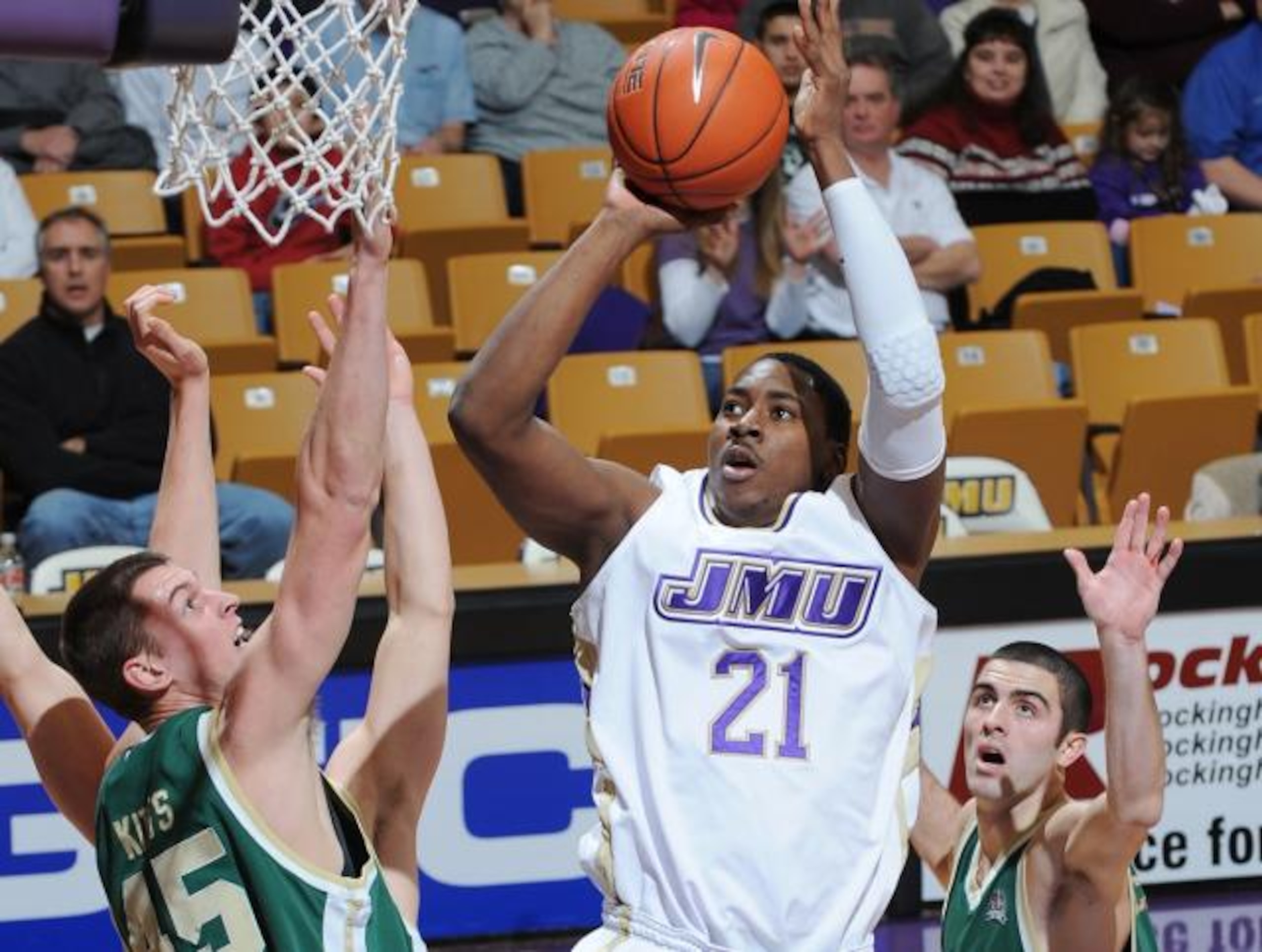
2009-10: 13 – 20; 4 – 14 CAA, 11th place
2010-11: 17 – 6; 7 – 4 CAA, 5th place
James Madison has fought their way back to respectability in the CAA this season, thanks in large part to their all-conference power forward, Denzel Bowles. The senior, averaging 18 points and nine rebounds a game, has been difficult for many of the smaller CAA teams to contain.
Julius Wells has been an excellent compliment to Bowles. The junior guard, who is averaging five points per game less than he did last season, can make defenses pay if they try to double or triple-team Bowles. Wells hit 5-of-9 threes at Hofstra last week, a game the Dukes eventually lost in double-overtime.
With the exception of their season opener at Kansas State, none of JMU’s other five losses have been decided by more than six points. With three of those losses coming to the league’s top four teams, Coach Matt Brady’s team is just a few baskets from a spot in second place in the CAA.
6. COLORADO STATE (Mountain West)
5 of 10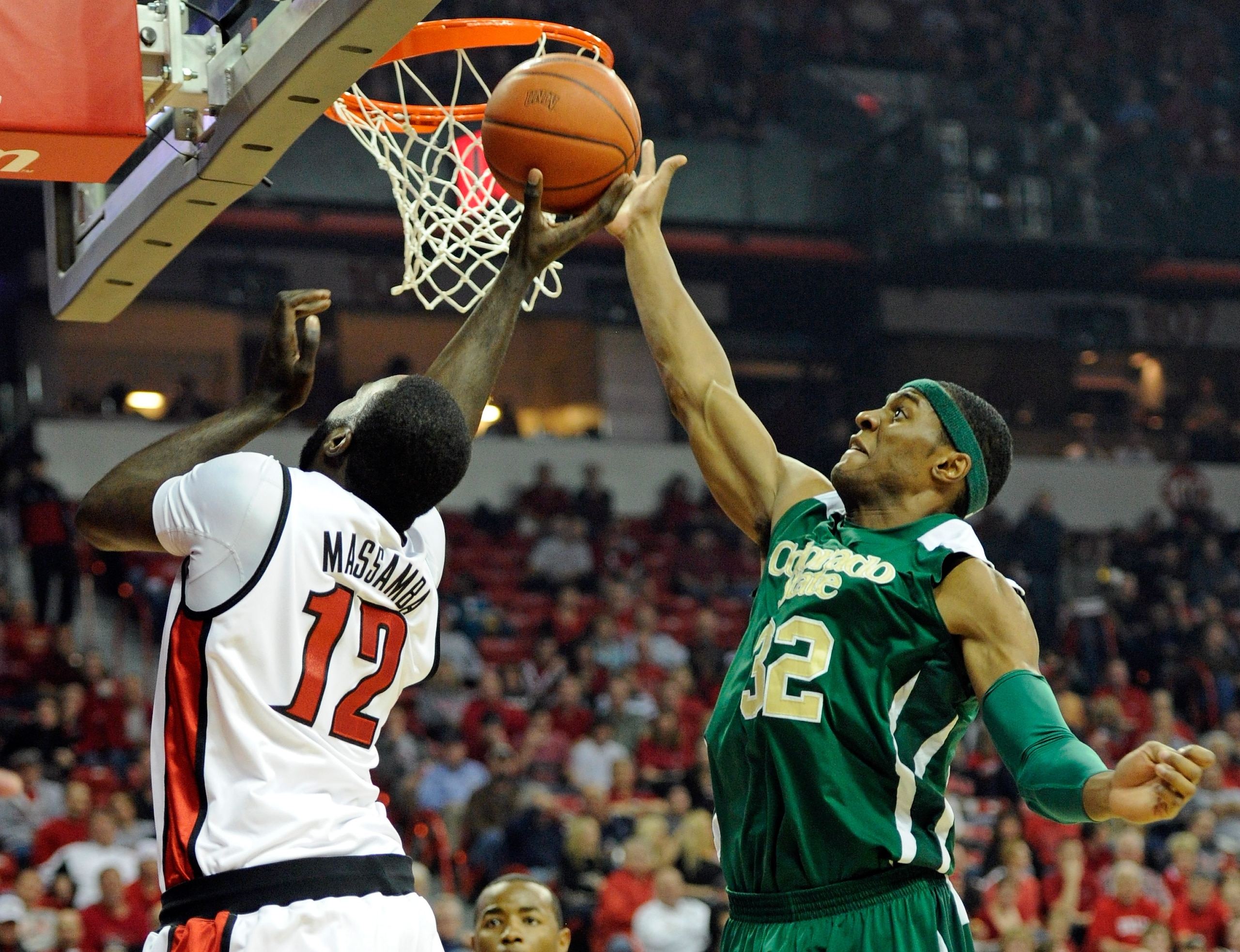
2009-10: 16 – 16; 7 – 9 MWC, 5th place
2010-11: 15 – 6; 5 – 2 MWC, 3rd place
Colorado State has not made quite as monumental a leap in the standings—from fifth last year to third place currently—as the other teams on this list. However, that should not take away from the outstanding season Coach Tim Miles’ team has had thus far. They have moved ahead of UNLV and New Mexico in the standings, and are in the running for an NCAA Tournament bid
The Rams have already shown their progression by winning tough road games—at UNLV and at Utah. They also posed quite a challenge to top-10 BYU, losing by nine in Fort Collins. Prior to MWC play, the Rams also pulled off an impressive three-day run in Cancun, including wins over Ole Miss and Southern Miss to claim the tournament title.
Senior forwards Andy Ogide (pictured) and Travis Franklin have been quite a dual threat for the Rams, each averaging over 15 points a game. Ogide is coming off a career game in the win over Utah, scoring 28 points (including 3-of-4 on three-pointers).
This week, Colorado State has a chance to show just how much they have improved this season when they host San Diego State on Wednesday night. Given the Rams’ resurgence, it should be a great atmosphere in Fort Collins.
5. ALABAMA (SEC)
6 of 10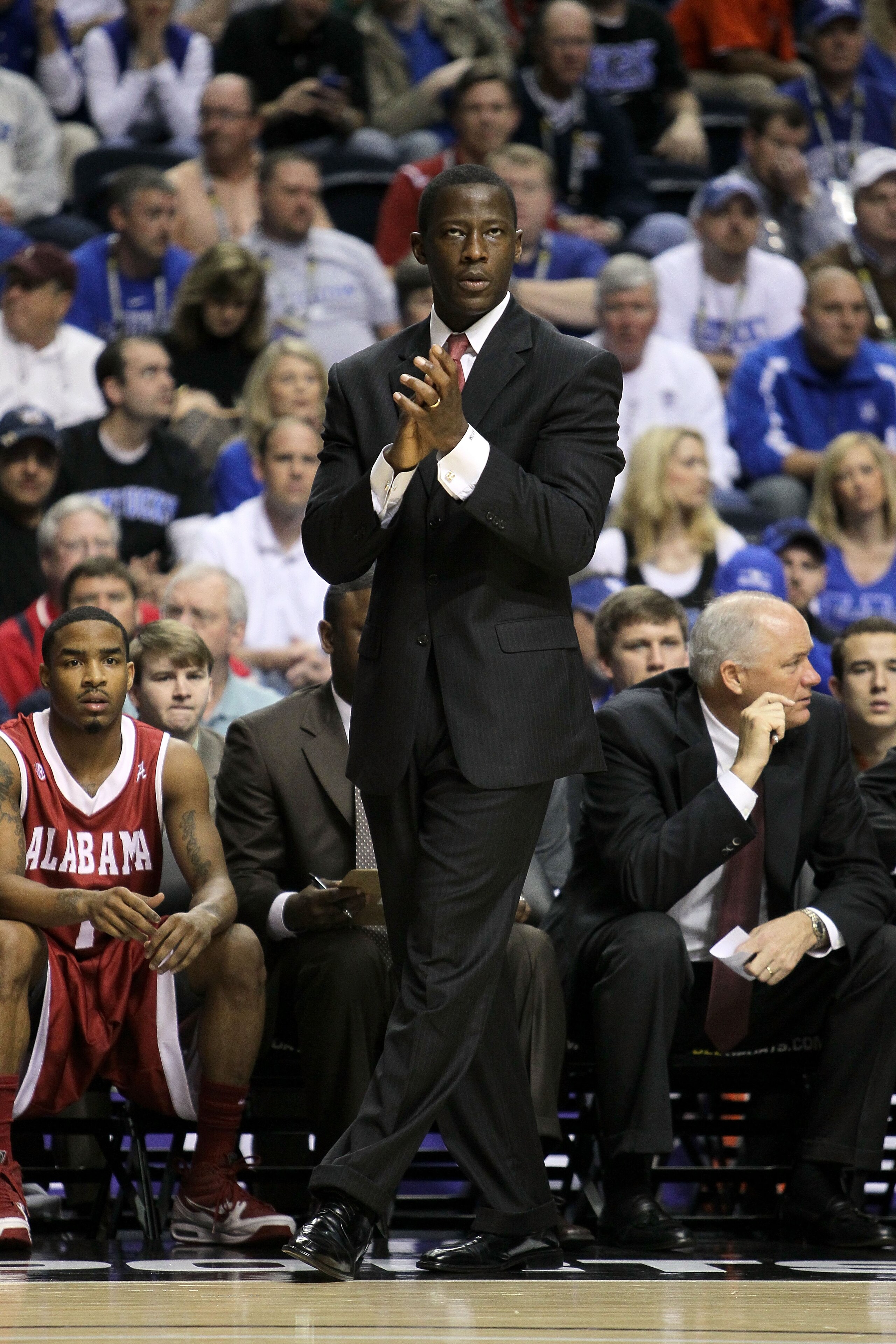
2009-10: 17 – 15; 6 – 10 SEC, 8th place (4th in SEC West)
2010-11: 13 – 7; 5 – 1 SEC, 1st place
Head Coach Anthony Grant’s first season at Alabama was characterized more by effort than by results. The Crimson Tide lost several close games to teams like Purdue, Tennessee, Vanderbilt and Florida.
Perhaps their loss in the SEC tournament to Kentucky was the biggest source for optimism—the Tide lost by just six to the Wildcats, ranked No. 2 at the time and on their way to a No. 1 seed in the NCAA tournament.
Grant’s team has turned a corner this season, thanks to an even bigger commitment to pressure defense and rebounding. The Tide’s defensive statistics against SEC opponents are quite impressive—they are giving up just 57 points a game, while only allowing them to shoot 36 percent from the floor. They are also third in the SEC in rebounding.
The results are beginning to show in Grant’s second season. After early losses to Iowa and St. Peter’s in the Virgin Islands, Alabama has gone on to win nine of their last eleven games, including five of six in the SEC. The Tide already has a signature win over Kentucky en route to a game-and-a-half lead over Arkansas in the SEC West.
4. SANTA CLARA (West Coast)
7 of 10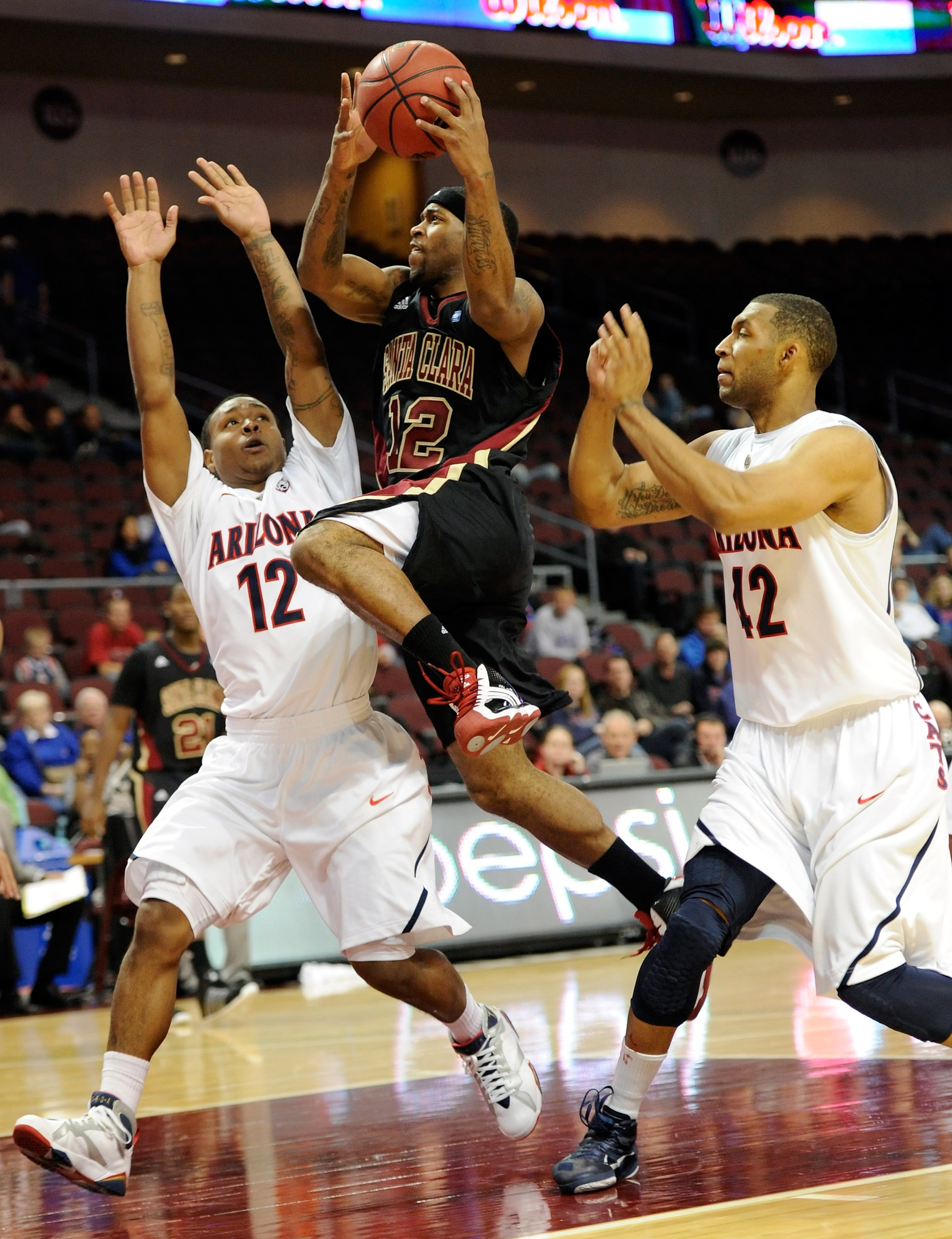
2009-10: 11 – 21; 3 – 11 WCC, T-6th place
2010-11: 14 – 9; 5 – 2 WCC, T-2nd place
It’s been a little while since Santa Clara was ahead of Gonzaga in the West Coast Conference standings halfway through league play. You have to go all the way back to the days when Steve Nash ran the point for the Broncos.
Santa Clara’s 14-point win over Gonzaga a couple weeks ago was indeed a statement game. The Broncos showed the rest of the WCC that they would not be the same team who won just three games last season.
The win over Gonzaga was also a coming out party for guard Kevin Foster, who scored 36 in the game. The redshirt sophomore is averaging 19 a game on the season, including 28 in a win at Loyola Marymount this past weekend.
Coach Kerry Keating deserves some credit for scheduling some quality Pac-10 teams in the early season—Arizona, USC and Washington State. That seems to have helped the Broncos be very competitive in WCC play, challenging for one of the coveted top two spots in the league. That would mean two byes in the WCC tournament.
3. DUQUESNE (Atlantic 10)
8 of 10
2009-10: 16 – 16; 7 – 9 A-10, 8th place
2010-11: 15 – 5; 7 – 0 A-10, T-1st place
Duquesne was considered a slight disappointment last season, finishing under .500 in the Atlantic 10. This came a year after going 9 – 7 in 2009 and reaching the conference tournament final. Last season now seems like a distant memory, as the Dukes have already matched last year’s conference win total—in just seven games. They are currently in a tie with Xavier, who is still the team to beat in the A-10.
Duquesne’s undefeated run to this point has been headlined by double-digit victories over Temple and Dayton. In their seven A-10 games thus far, the Dukes average margin of victory is over 16 points per game—quite impressive for a league with several RPI Top-100 teams.
On the season, Duquesne ranks No. 9 nationally in points per game (81.8). The key number for them is 80—when the Dukes score more than 80, they are 12 – 0. When they score under 80, they are just 3 – 5. Three of these losses are to Pittsburgh, West Virginia, and Penn State (who just happens to be on this list).
The Dukes rely heavily on their experience—three of their top four scorers are upperclassmen. Senior Bill Clark leads the Dukes in scoring at about 18 a game. Fellow senior Damian Saunders is second in scoring at 13 a game, while averaging 7.5 rebounds.
Those two seniors are hoping this is the year they can finally break through and reach the NCAA tournament.
2. NEBRASKA (Big 12)
9 of 10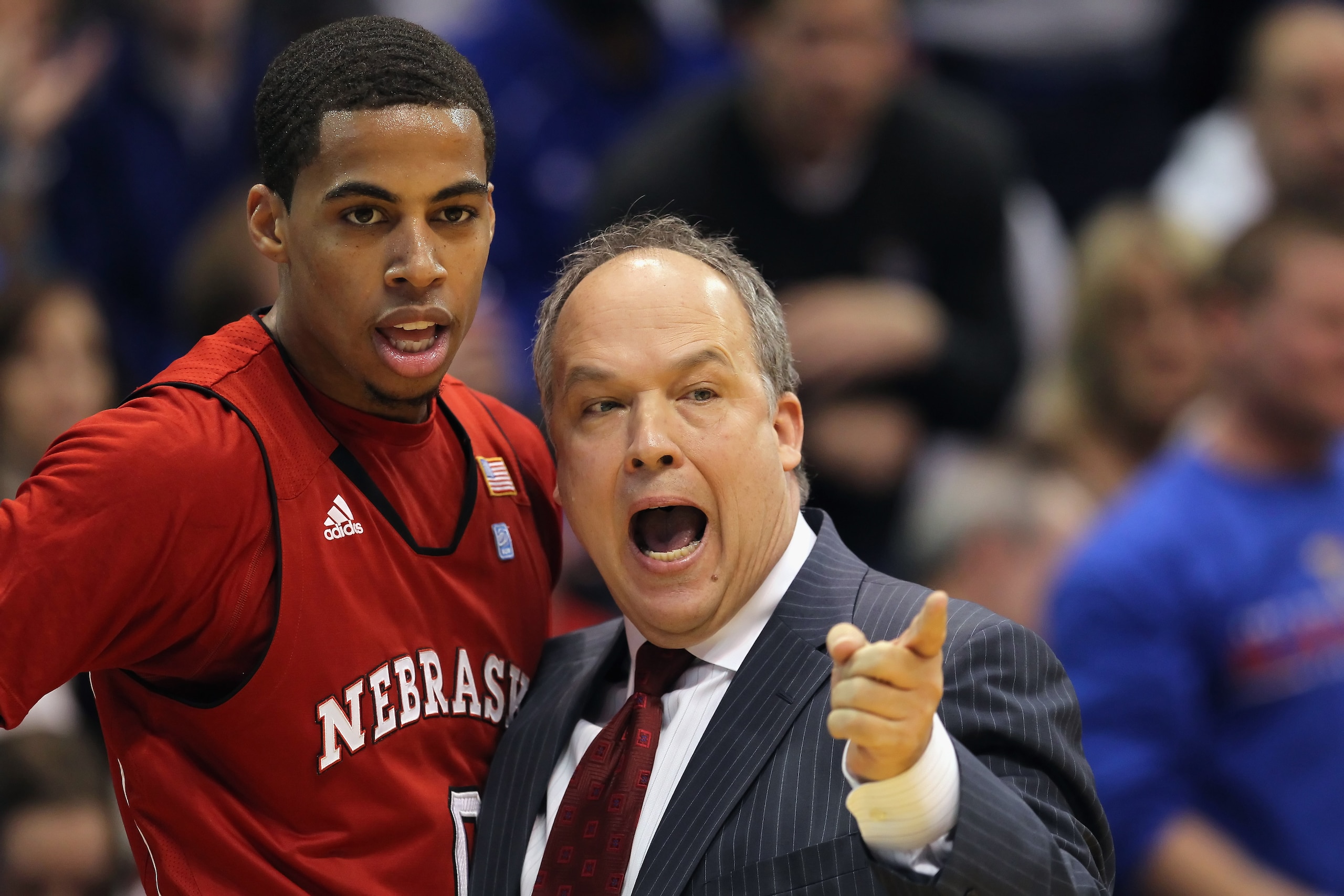
2009-10: 15 – 18; 2 – 14 Big 12, 12th place
2010-11: 15 – 5; 3 – 3 Big 12, T-5th place
In a league with as many quality teams as the Big 12, ascending from the basement of the league to the mid-level in one season seems like a pretty overwhelming task. Nebraska, however, is on pace to accomplish this feat.
Nebraska has become the team no Big 12 team wants to see on their upcoming schedule. The Huskers thrive on lockdown defense and physical play. They want to make the game as ugly as possible.
Just ask Texas A&M, who left Lincoln stunned this past weekend after being held to just 17 second half points in a 57-48 loss to the Huskers. The Aggies, the only team better defensively in the Big 12 than Nebraska, were essentially beaten at their own game.
Just ask Kansas, who managed just 63 points, tied for a season-low, in a three-point nail-biter in Lawrence. The rematch in Lincoln should be just as ugly, but the Jayhawks may not be so lucky to win the second time around.
Coach Doc Sadler has his team believing that with outstanding effort on defense, they have a chance to win every game they play. If they continue to play at this level, an NCAA tournament bid seems very likely for his Huskers.
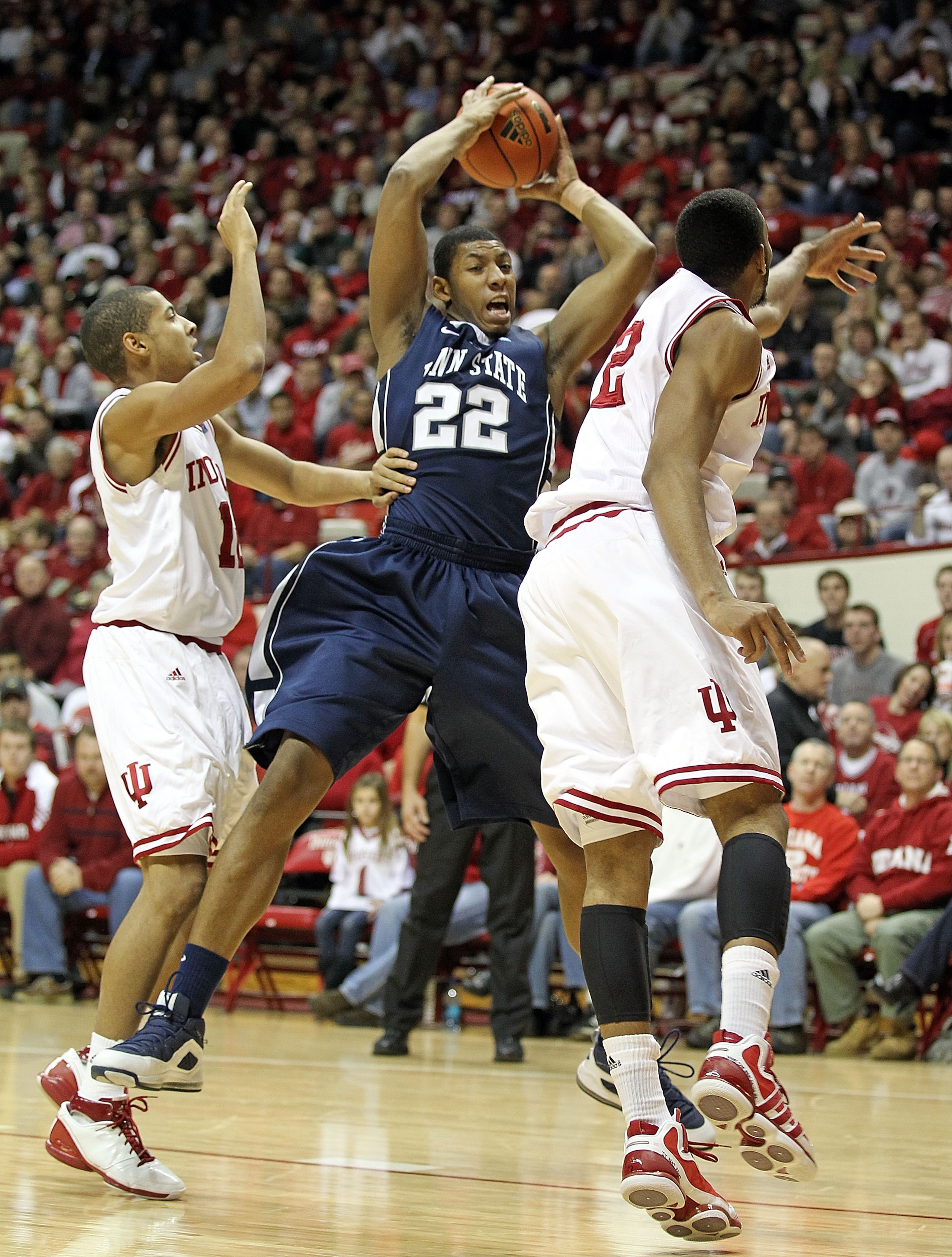
1. PENN STATE (Big Ten)
10 of 10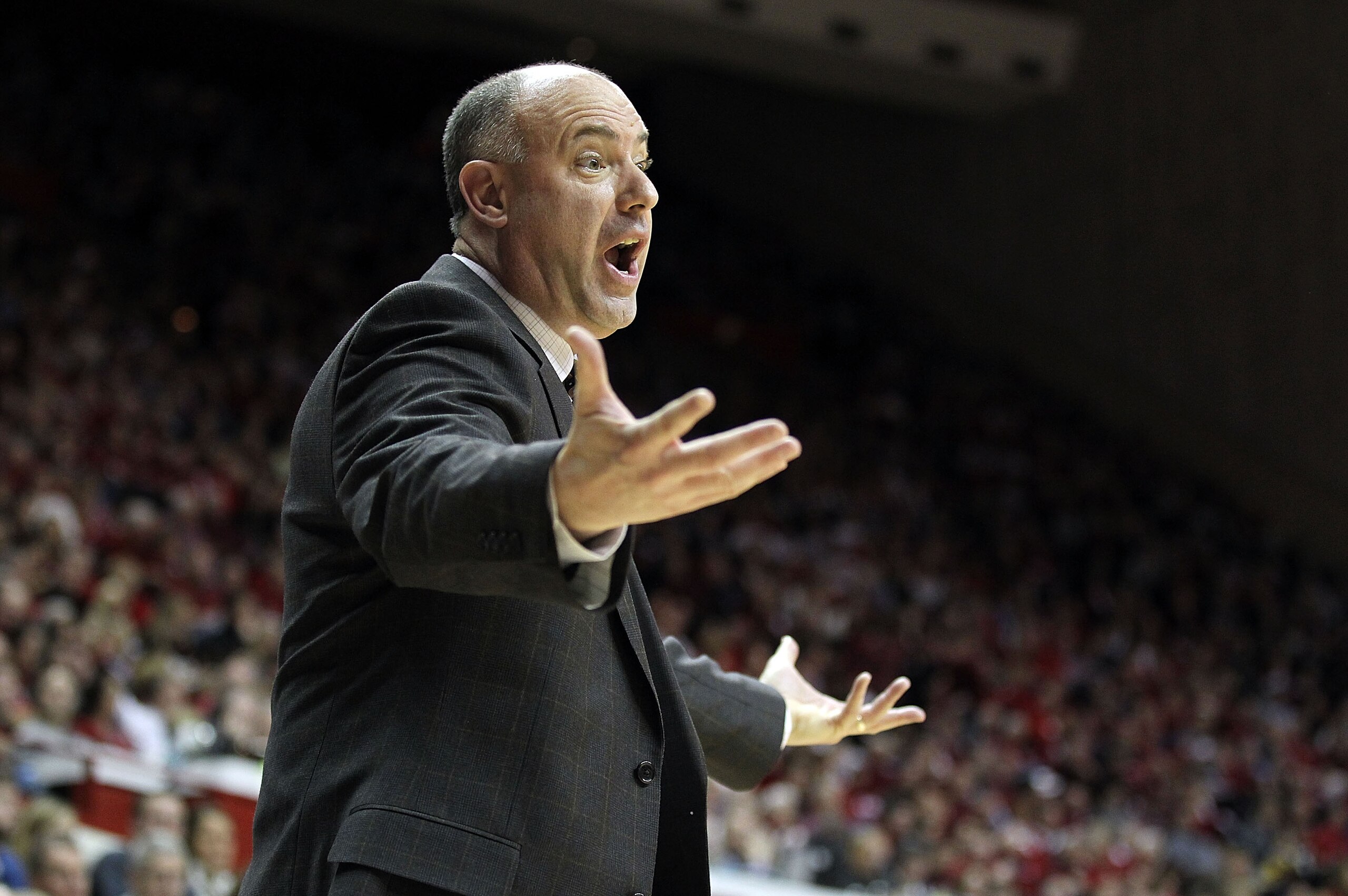
2009-10: 11 – 20; 3 – 15 Big Ten, 11th place
2010-11: 12 – 8; 5 – 4 Big Ten, T-4th place
The only team who has made an even more impressive rise than Nebraska, from the depths of their conference, is a team who will be one of Nebraska’s Big Ten rivals next season—Penn State.
The only real expectation for the Nittany Lions this season was that they would finish ahead of Indiana and Iowa—probably. Going into Big Ten play in late December, there wasn’t any evidence to indicate they would finish any higher than that.
January 8 was the turning point for Penn State. The Lions knocked off Michigan State, still a Top-20 team at the time, by four in State College. Later that week, they beat Illinois, another Top-20 team. They added to the list of head-turning victories by coming back from 22-9 down to beat No. 15 Wisconsin this past weekend.
You could make a very solid argument that the only two Big Ten teams who have been better than Penn State the past three weeks are Ohio State and Purdue. Even the margin behind those two teams at this point might be pretty small. Consider the fact the Lions lost by just three to Ohio State (in Columbus) and by one to Purdue (in West Lafayette).
Coach Ed DeChellis (pictured) has his team in solid position to reach the NCAA tournament. If they continue to handle all challenges at home, and grab a couple road wins along the way, Penn State should be good to dance.

.jpg?w=2560 "Steelers Saints Football")
.jpg?w=2560 "Packers Safety Slams Refs 🤬")

.jpg?w=2560 "🚨 Week 8 AP Top 25 Poll")
