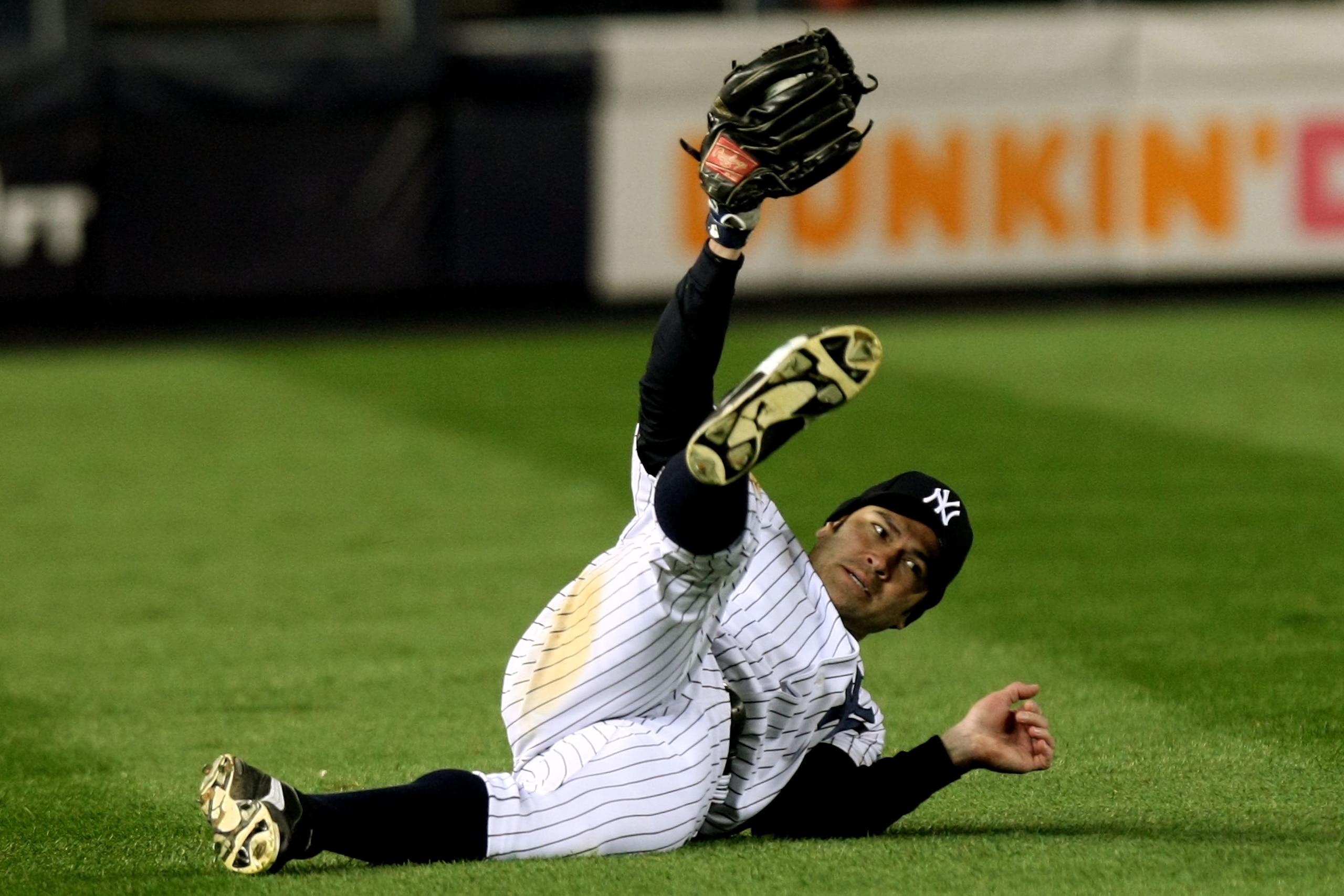

MLB Power Rankings: The Greatest Left Fielders in Each Team’s History
A lot of names come to mind when you think of the question: Who was the greatest left fielder in all of history?
It's a tough question to answer. We made it a little bit easier by breaking it down by team.
In the series of greatest player at the various positions in each team’s history, here’s the latest installment: the greatest left fielder for each team.
Baltimore Orioles: Frank Robinson
1 of 30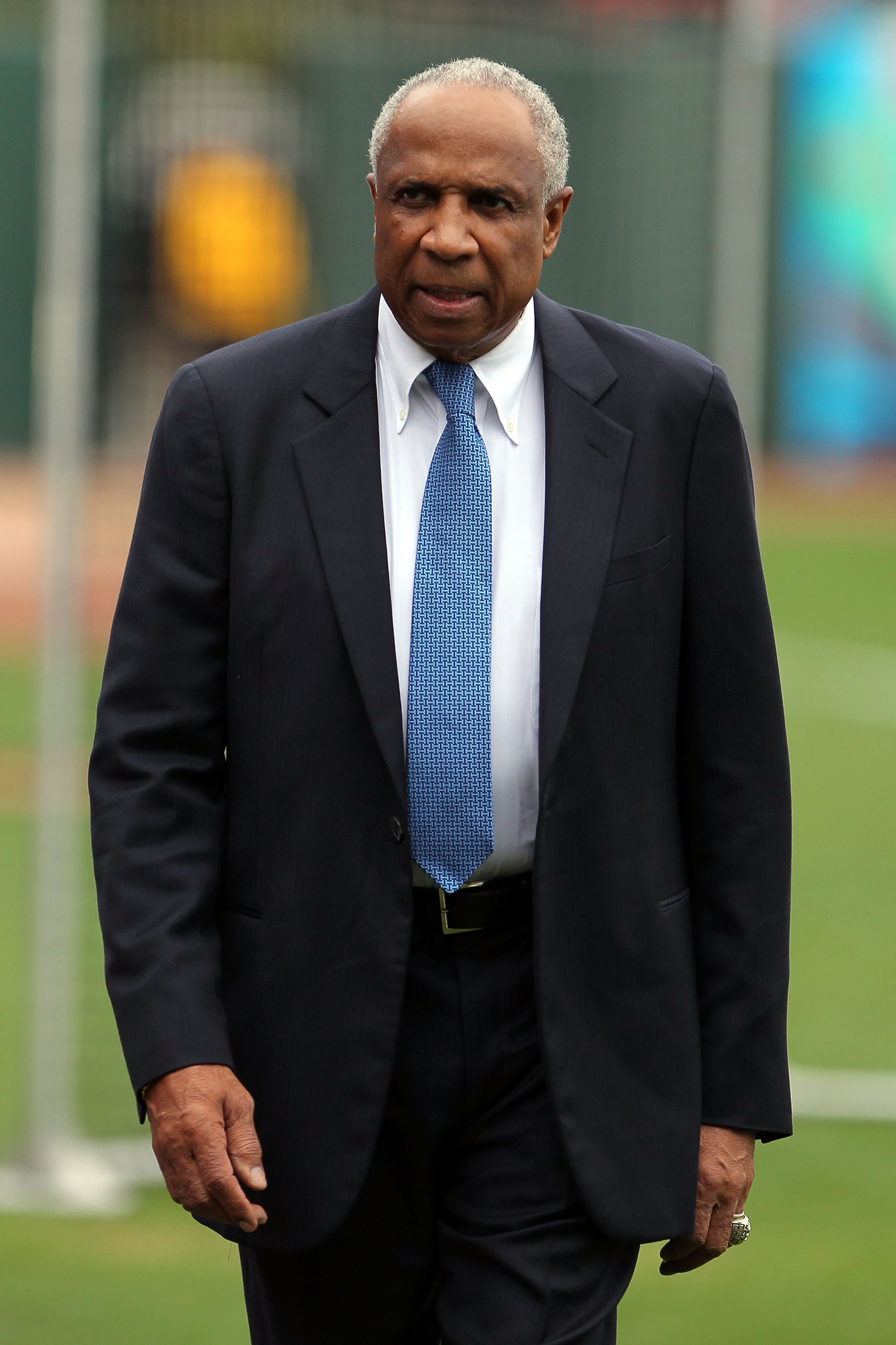
Frank Robinson had most of his best years with the Cincinnati Reds. But the reason he is listed under the Orioles is because after nine seasons with the Reds, Cincinnati thought he had had his best years and was done.
They couldn't have been more wrong.
In five years with the Baltimore Orioles, Robinson began his career in Baltimore by winning the AL Triple Crown.
During his tenure with the Orioles, he helped the team to win two World Series and three AL pennants. He also was selected for the All-Star game every year but one with the Orioles.
Boston Red Sox: Ted Williams
2 of 30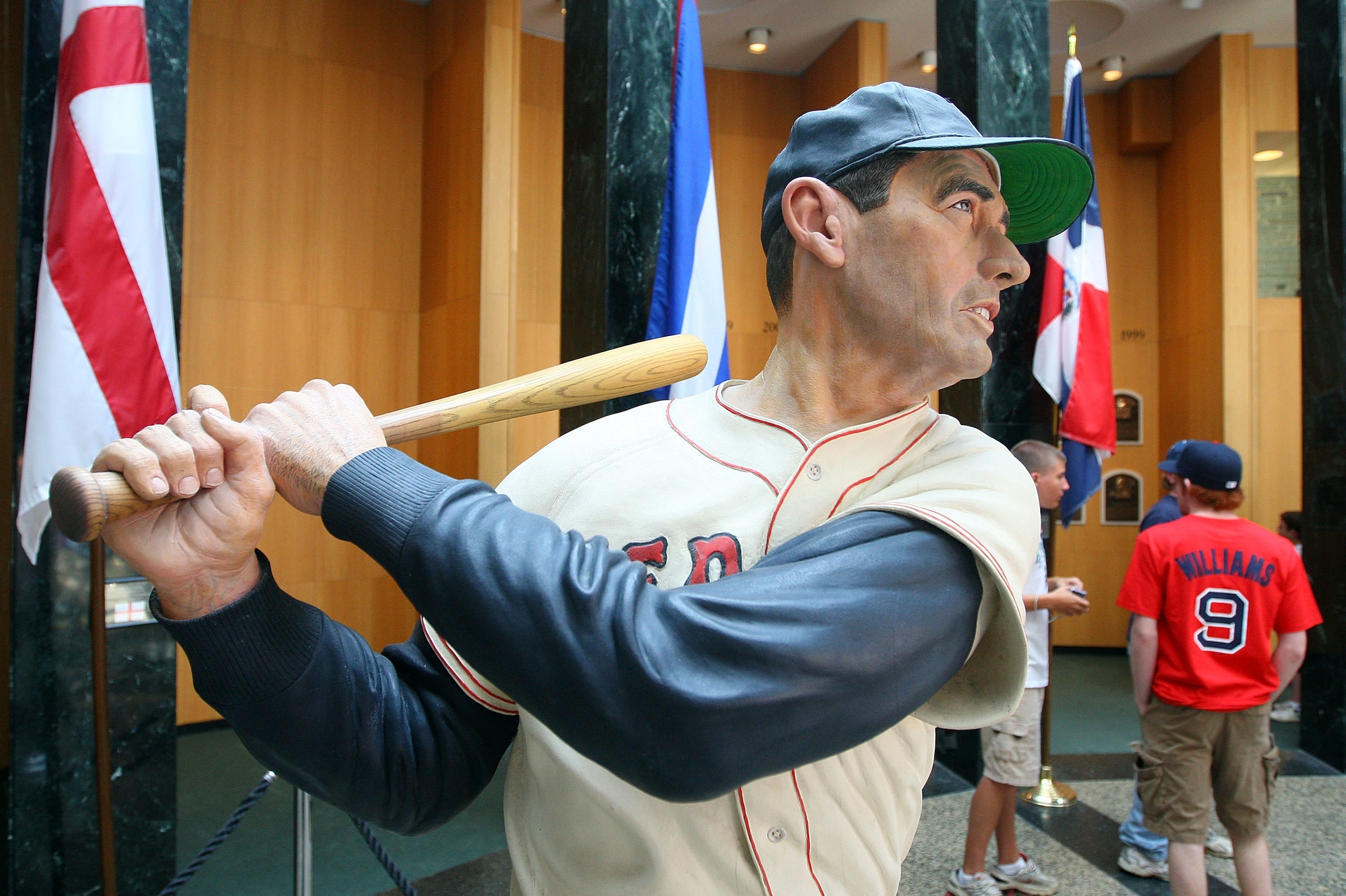
This was a tough choice because the Red Sox have had a long line of great left fielders.
But I have to give it to Ted Williams. After spending all of his 21 seasons with the Boston Red Sox, I think Williams deserves it. He was a 19-time All-Star. He handed off his legacy to Carl Yastrzemski.
Honorable Mention: Carl Yastrzemski
Yastrzemski took over for the great Ted Williams and impressed. He played all of his 23-year career with the Boston Red Sox. He accumulated seven Gold Gloves over his career.
Chicago White Sox: Shoeless Joe Jackson
3 of 30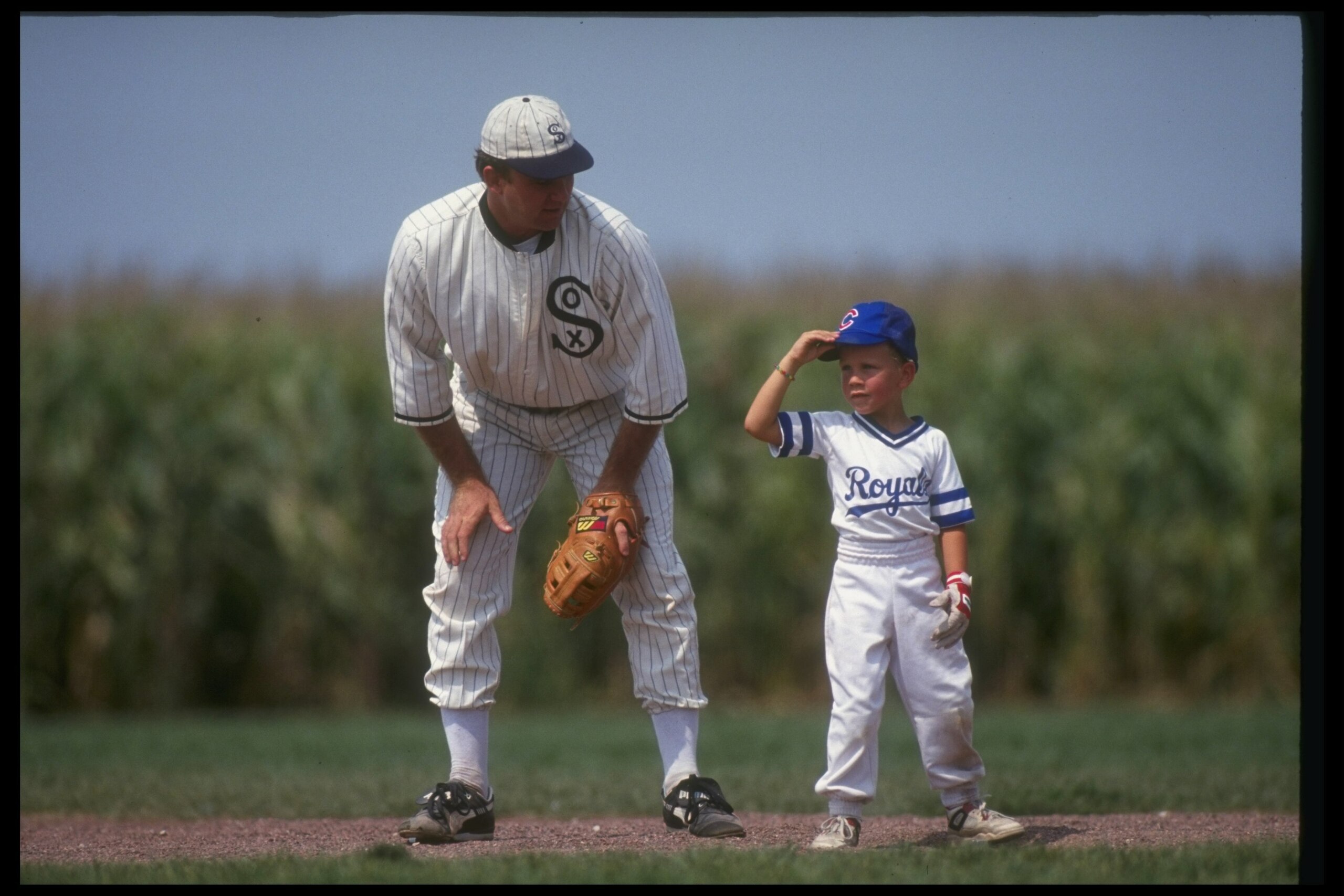
His career may have been tainted by the Black Sox scandal, but you can’t argue that “Shoeless” Joe Jackson wasn’t one of the all-time greats.
Jackson was known primarily for his offensive and baserunning prowess, but he was an excellent fielder as well. During the infamous World Series loss to the Cincinnati Reds, Jackson posted perfect fielding, committing no errors and even throwing out a runner at the plate, which can be a difficult task for some outfielders.
He probably would have had even better defensive numbers if he hadn’t allegedly helped fix the Series by not making defensive plays.



Cleveland Indians: Manny Ramirez
4 of 30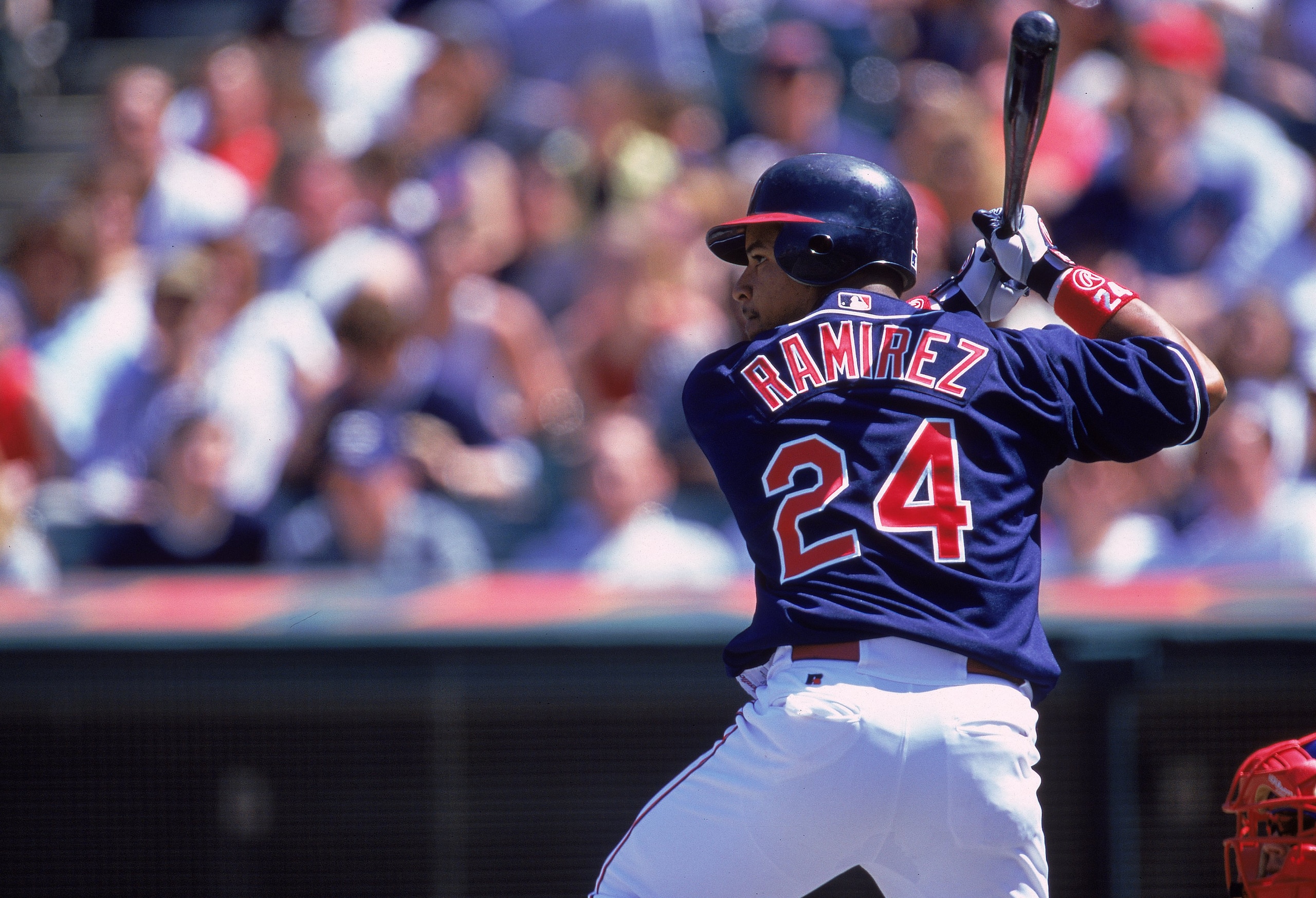
Ramirez is probably best known for his years in Boston and then Los Angeles, but Ramirez spent his first seven seasons with the Cleveland Indians.
Ramirez is better known for his batting than his fielding. His fielding can be good, but he'll have little lapses from time to time.
He has been criticized for “Being Manny,” first coined by his Indians manager Mike Hargrove, to describe his lapses in hustling in the outfield or running the bases.
Detroit Tigers: Bobby Veach
5 of 30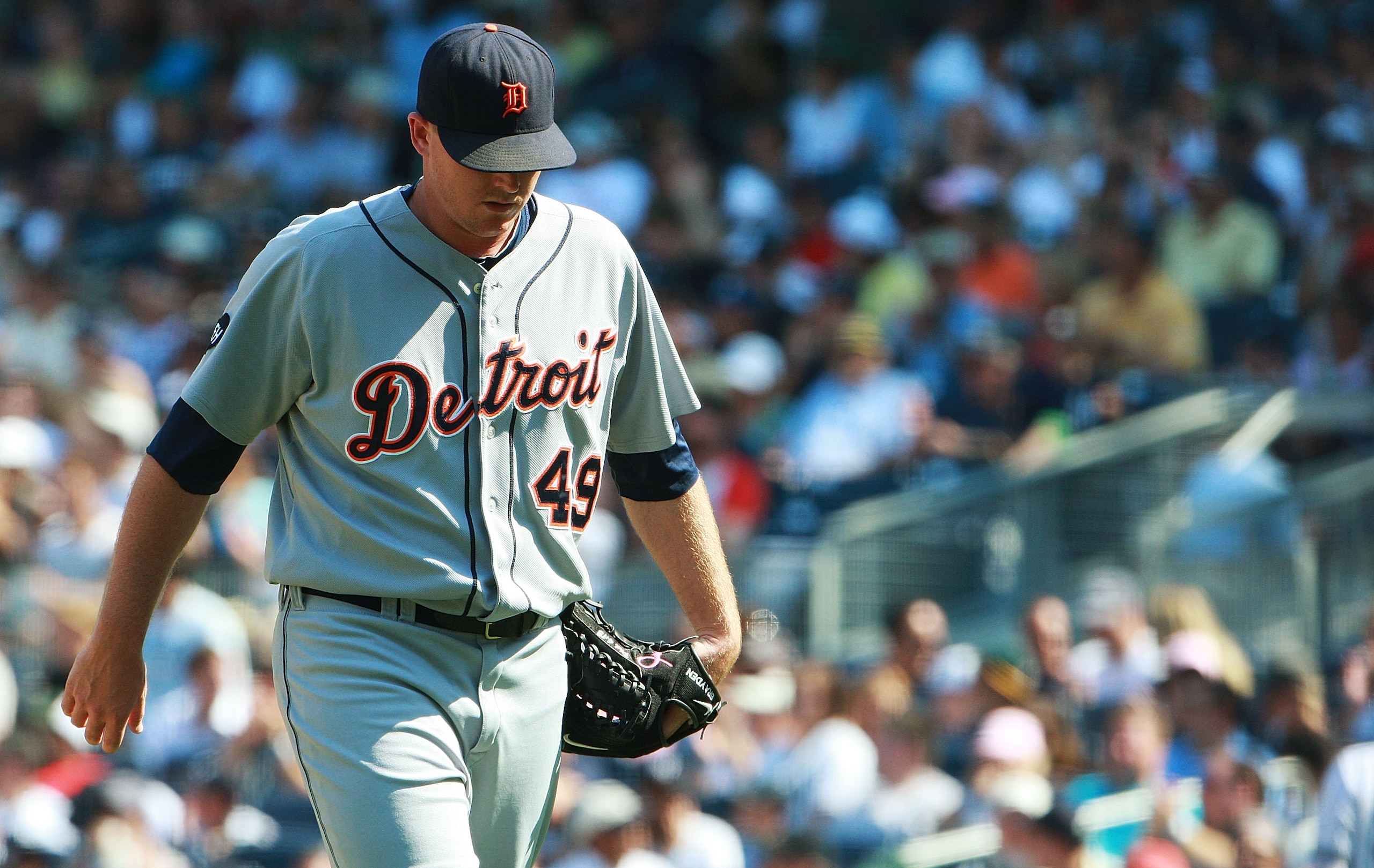
Bobby Veach played 11 seasons as the Detroit Tigers starting left fielder. He was part of the “greatest outfield of all time,” dubbed of the Veach, Ty Cobb and Sam Crawford trio by baseball historian Bill James.
Veach was talented at the bat, but he was also an impressive left fielder. His speed increased his range factor. That, and his strong arm helped him to lead the American League with putouts and assists by an outfielder in 1921.
His career total assists and range factor are among the top 10 in baseball history for left fielders.
Kansas City Royals: Bo Jackson
6 of 30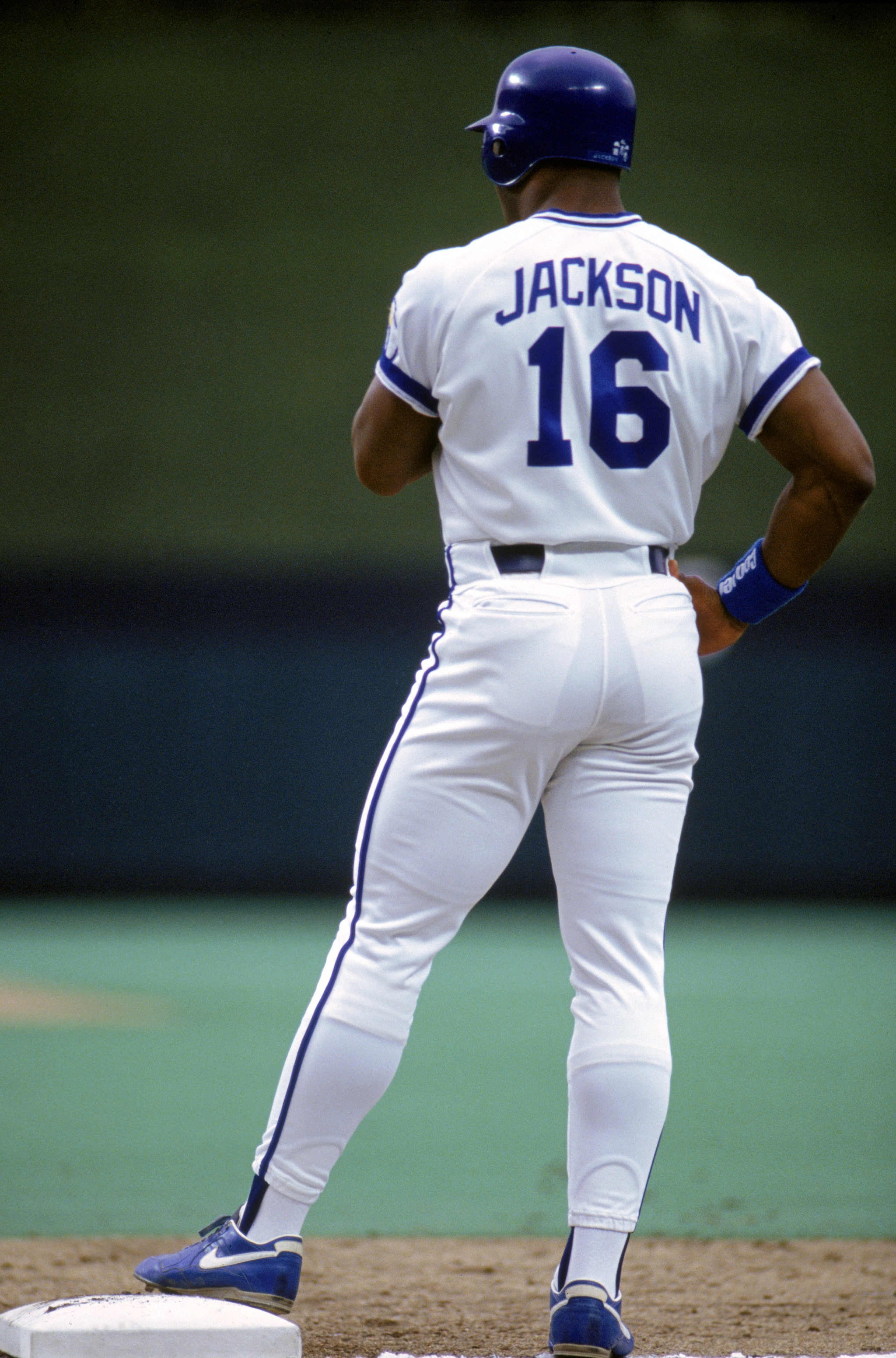
Bo Jackson was an amazing athlete—playing both professional baseball and professional football. He was drafted into the NFL by the Tampa Bay Buccaneers but chose to sign with the MLB’s Kansas City Royals instead.
In 1989, Jackson was the All-Star game MVP for both his offense and defense. One of the most impressive displays of his talent in left field was in 1989. Jackson threw out Seattle Mariners’ Harold Reynolds from the warning track—a play that probably couldn’t be repeated.
There was also Jackson’s famous “wall run” in 1990 when he made a catch a couple steps away from the wall, then to avoid running into the wall ran up and along the wall before coming down, thus avoiding a collision and potential injury from the impact.
Los Angeles Angels of Anaheim: Brian Downing
7 of 30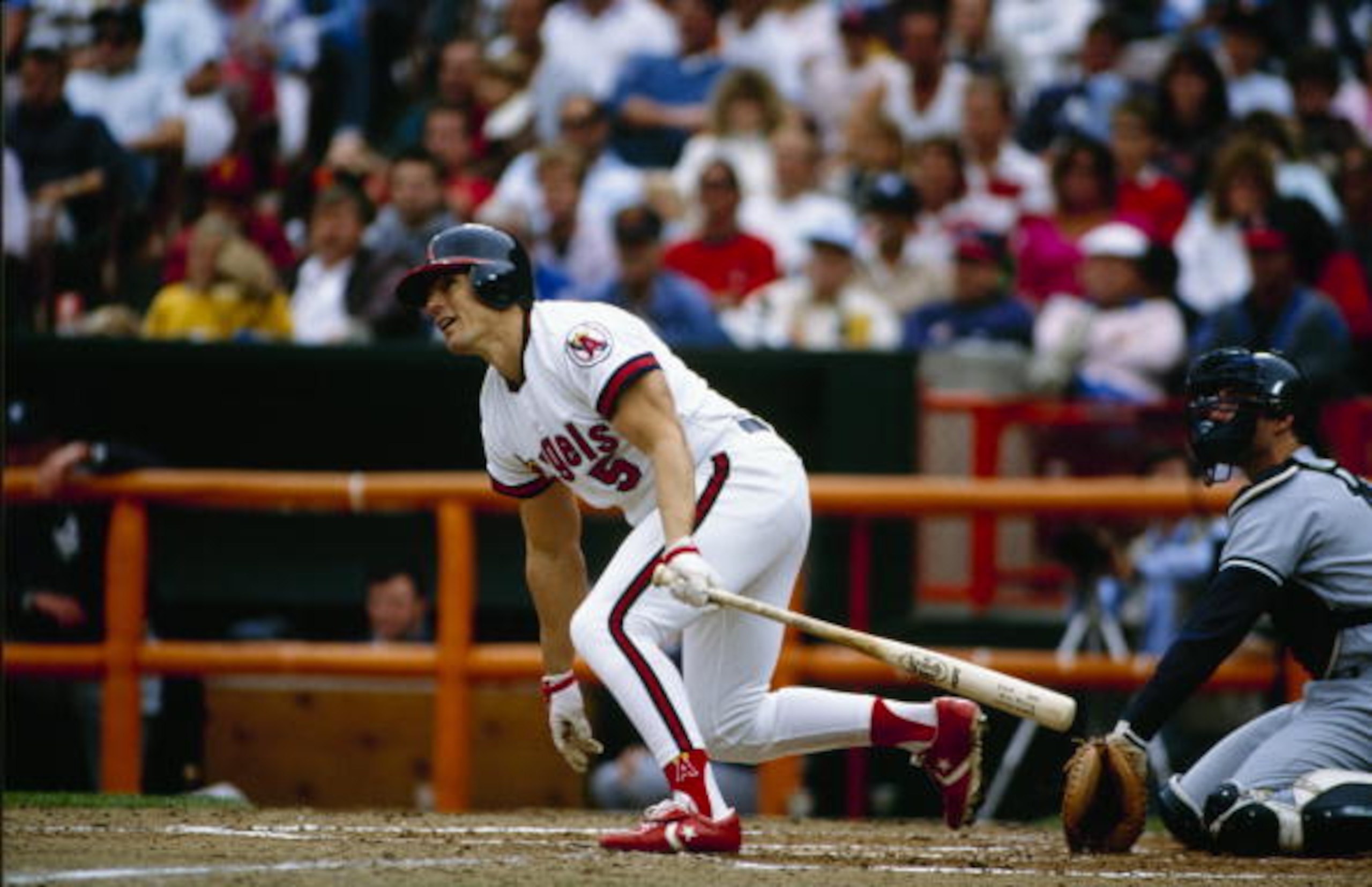
Brian Downing played 13 seasons for the California Angels (now the LA Angels).
He was originally a catcher, with a great bat. In 1980, he suffered a broken ankle and to protect his offense, the Angels moved him to the outfield—a position he would play for his last 10 years as an Angel.
Because of his former position, Downing didn’t have great speed or great range in the outfield. But he worked hard and had good hands. He even played the entire 1982 season without committing an error.
Minnesota Twins: Goose Goslin
8 of 30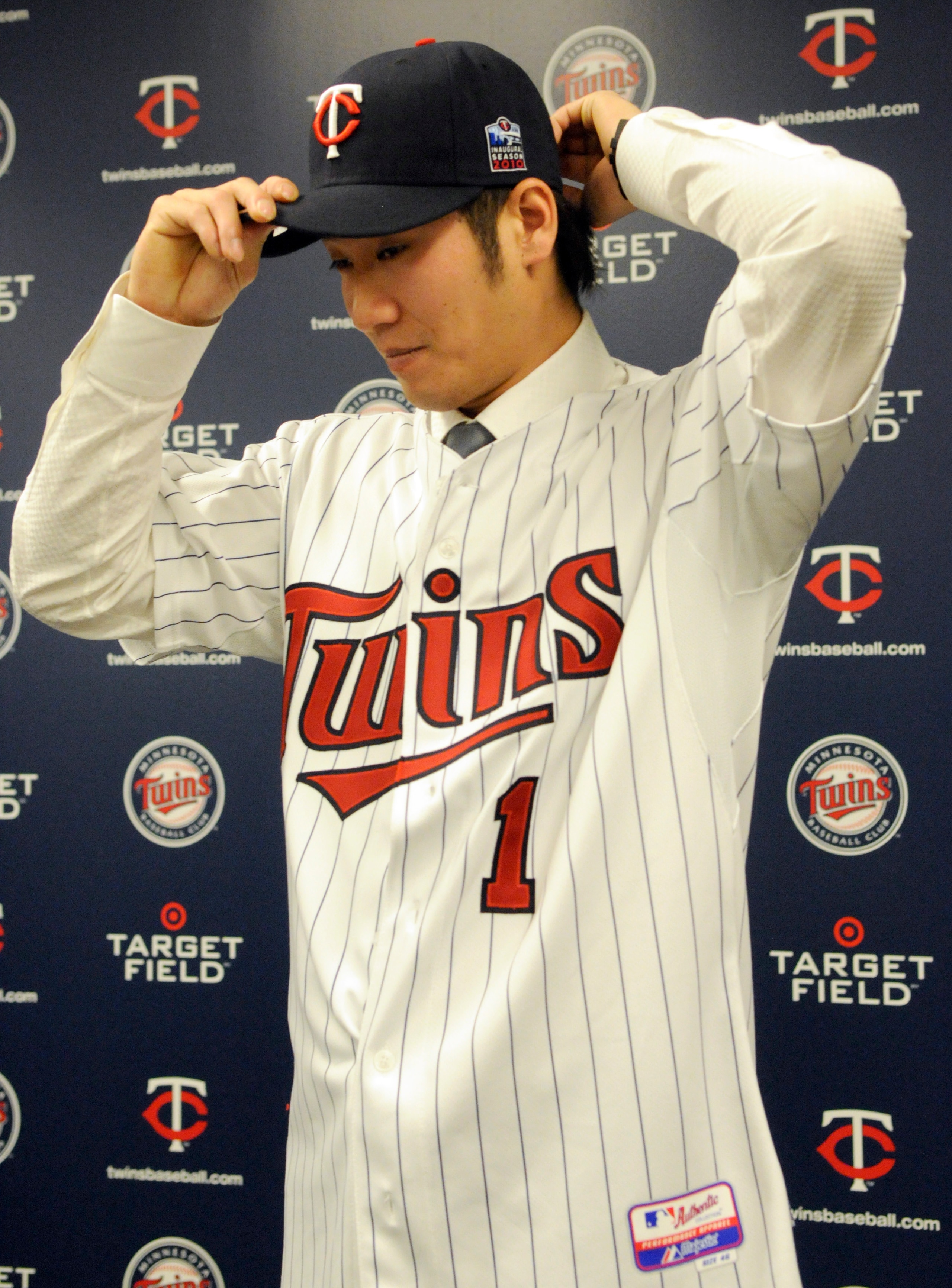
Goslin is considered to be one of the greatest left fielders of all time. He played the majority of his career for the Washington Senators (now the Minnesota Twins).
Goose Goslin played 11 seasons altogether for the Senators. At 20, Goslin was called up from the minors to play the final two weeks of the 1921 baseball season for the Senators. He never looked back.
In 1922, he earned his spot in left field, which he would hold until 1930. Goslin is better known for his appearances at bat, than for his defense in left field though.
New York Yankees: Dave Winfield
9 of 30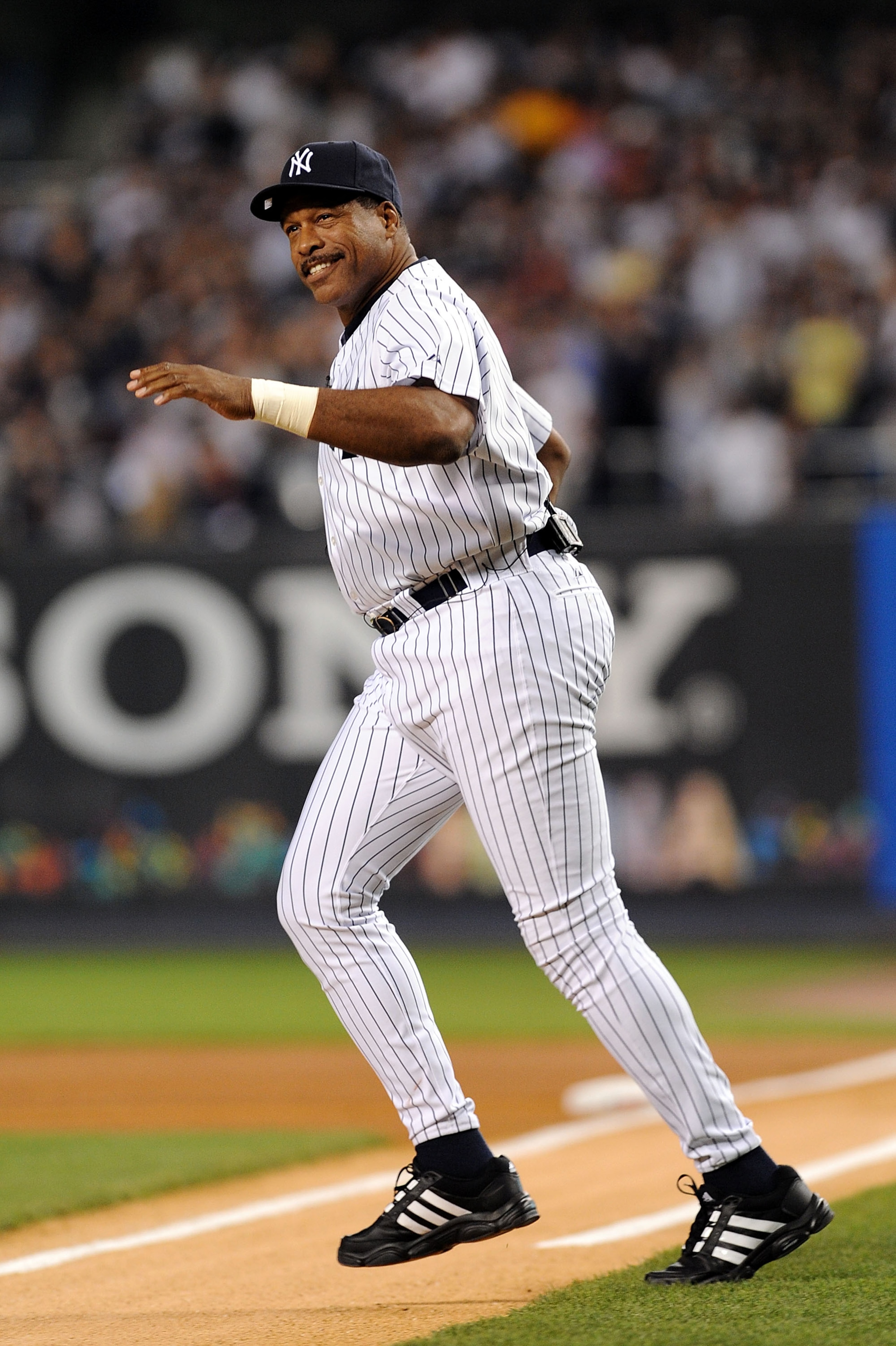
The New York Yankees lineup has always been talent-packed, making it difficult to choose a best player for any position.
Dave Winfield may not have begun his career in New York, but he had arguably the best years of his career in New York. He was stellar offensively but will be remembered for his defense as well.
He won an astounding five of his career seven Gold Gloves (three of them were back-to-back-to-back) with the Yankees for his outstanding defense in the outfield. Among all the other Yankee greats, Winfield holds his own, quite a feat.
Oakland Athletics: Rickey Henderson
10 of 30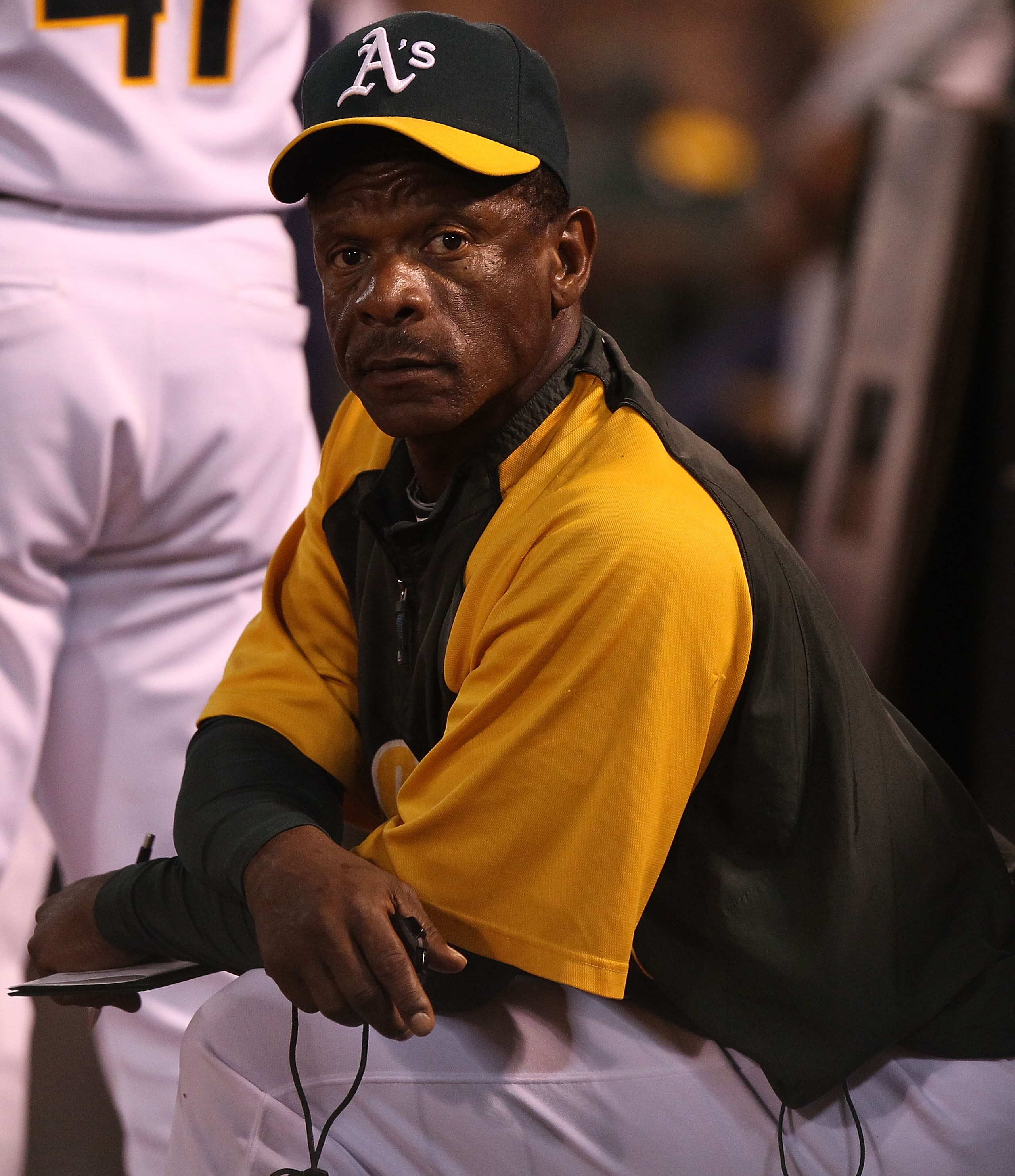
Rickey Henderson is another all-time greatest left fielder. He played some of his best years in an Oakland uniform. He played for the Oakland Athletics on four different occasions, for a cumulative 11 years as an Athletic.
Six of his 10 All-Star selections, and his Gold Glove came when he was in Oakland. For his fielding, he became known for his “snatch catches,” after he made a catch.
Seattle Mariners: Raul Ibanez
11 of 30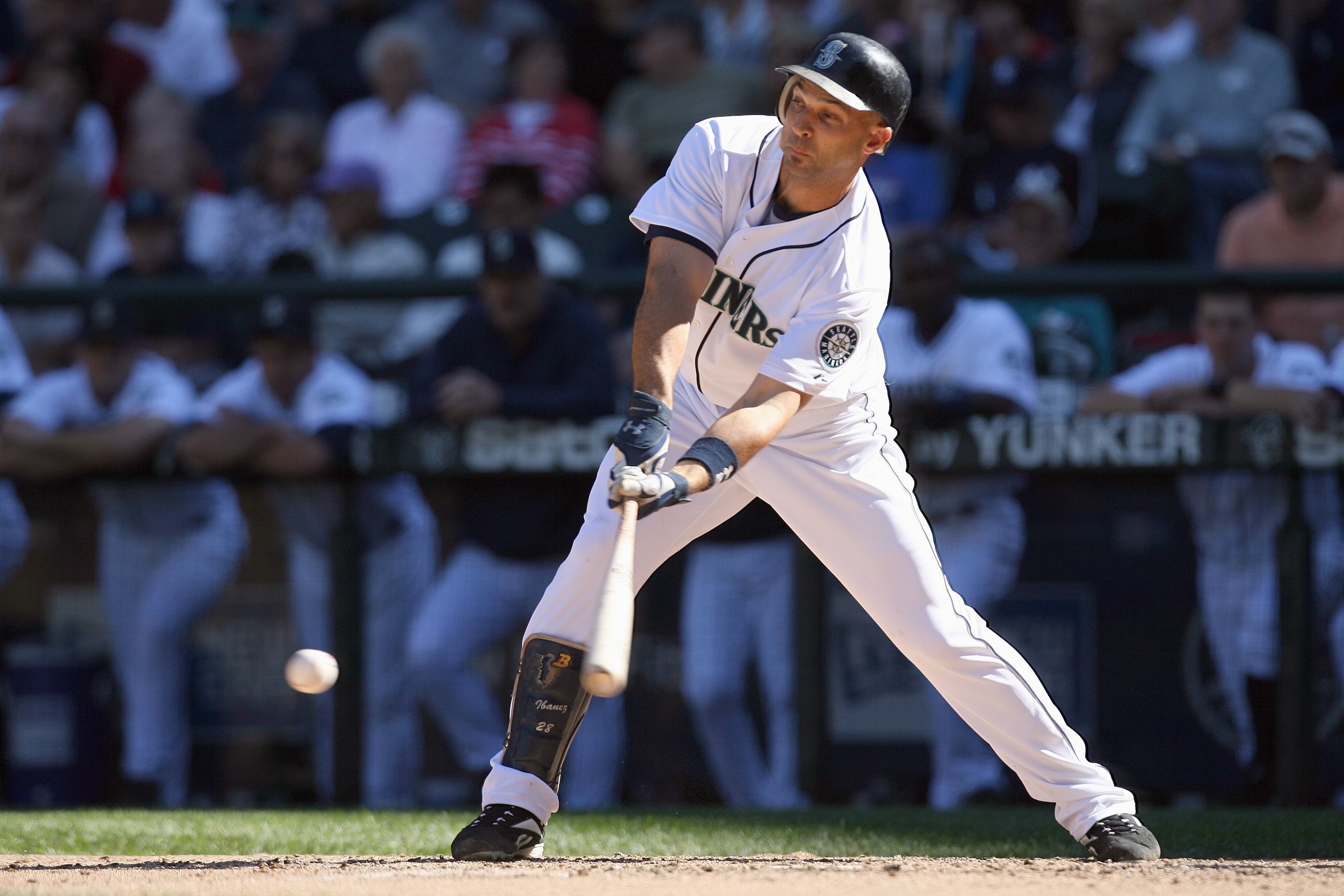
Ibanez played a cumulative eight seasons with the Seattle Mariners. He was best known for his offense but was solid defensively too.
In 671 career games at left field for the Mariners, he has 1,232 putouts and 58 assists. His defense improved in later seasons.
Tampa Bay Rays: Carl Crawford
12 of 30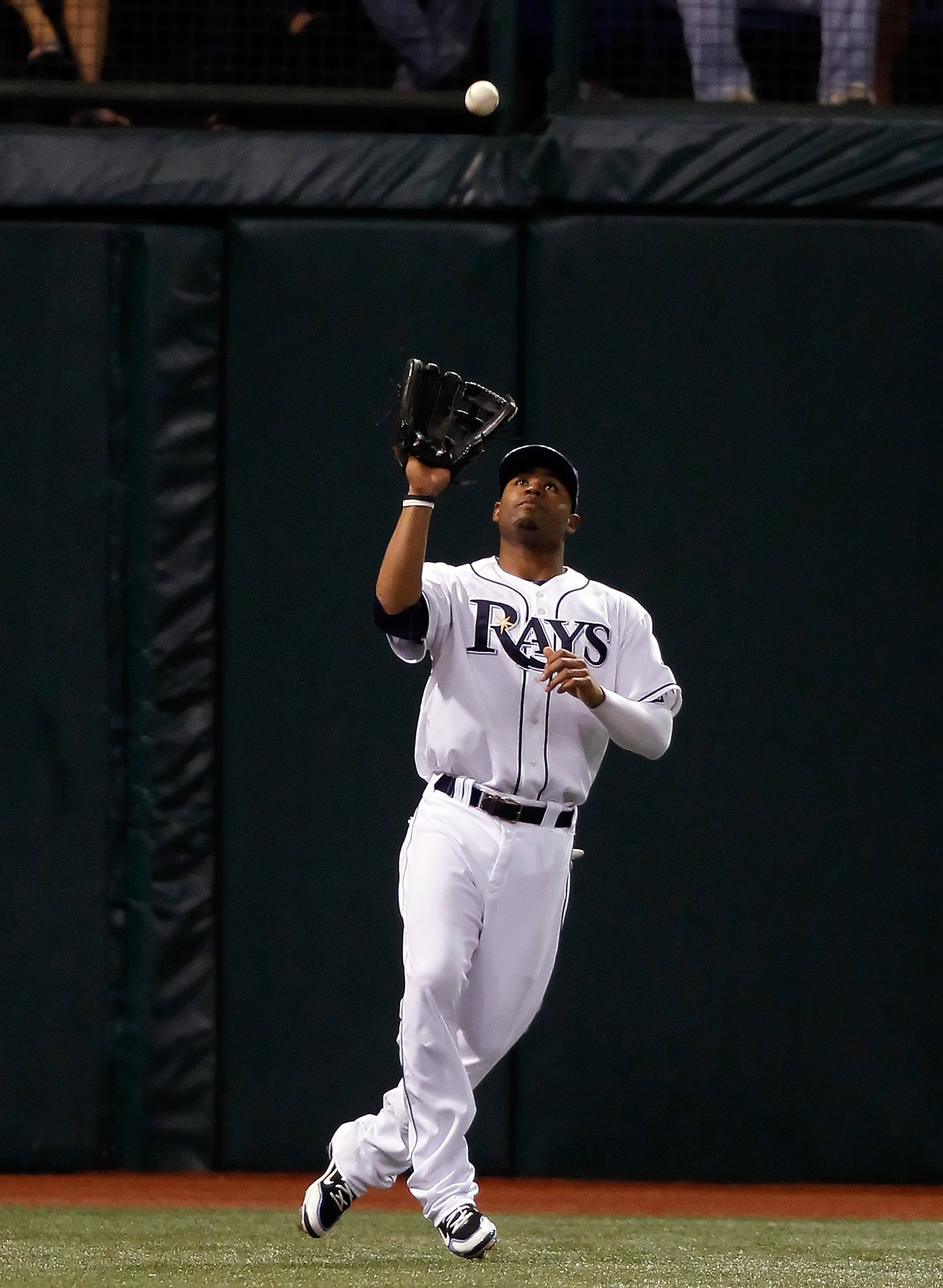
The Tampa Bay Rays have not been around that long so it will probably not surprise many to see the name Carl Crawford.
Carl Crawford signed with the Boston Red Sox over the offseason to become the latest in a line of great left fielders for the Sox.
Crawford is typically known for his offensive stats, but in 2010, he was rewarded for his defense with a Gold Glove. I’m sure it won’t be the last Gold Glove for Crawford.
Texas Rangers: Josh Hamilton
13 of 30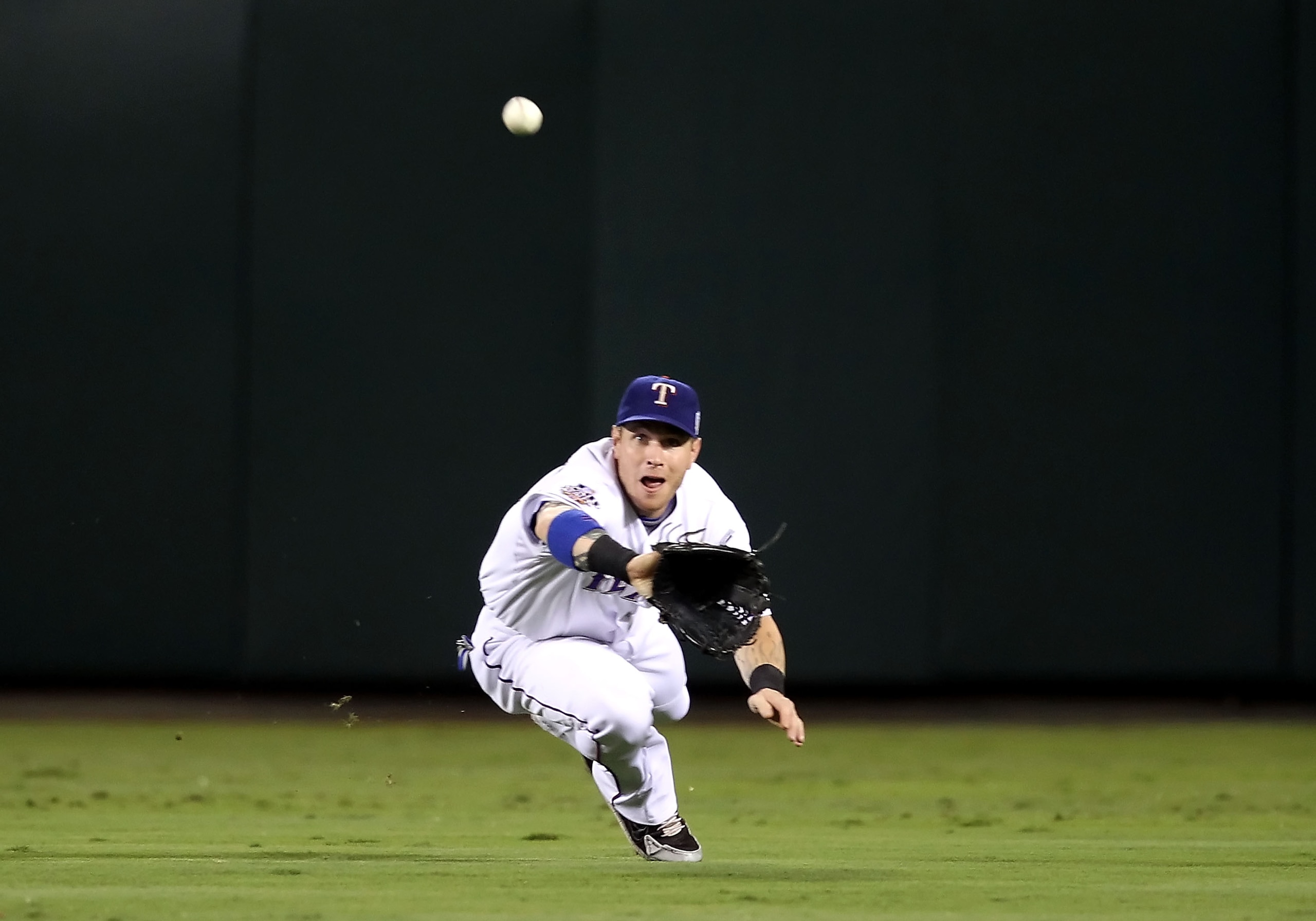
He’s only been a Texas Ranger since 2008, but he’s shaping up to be one of their best players. He has been selected to the All-Star game all three of his seasons with the club and is perhaps best known for his 2008 home run derby performance.
He hit 28 home runs in one round, beating the previous record of 24. He continued his successful years in 2009 and 2010, even winning the AL MVP in 2010.
Toronto Blue Jays: Joe Carter
14 of 30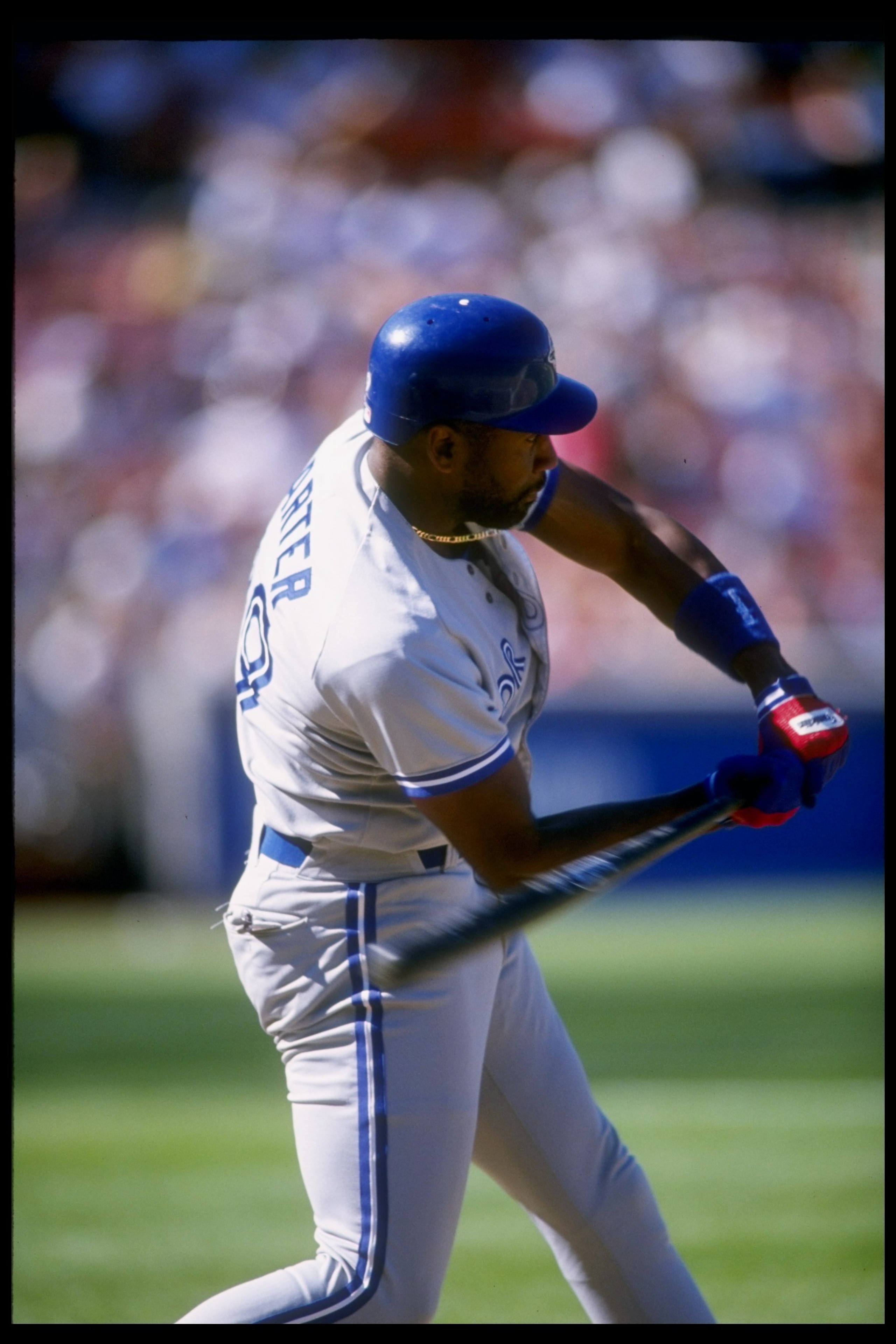
Joe Carter didn’t begin his career with the Toronto Blue Jays, but he had his best years in a Blue Jays uniform.
During his six-year tenure in Toronto, Carter received all five of his career All-Star selections. He also won back-to-back World Series with the Jays.
Offensively, he won his two Silver Slugger Awards with the Jays as well.
Atlanta Braves: Rico Carty
15 of 30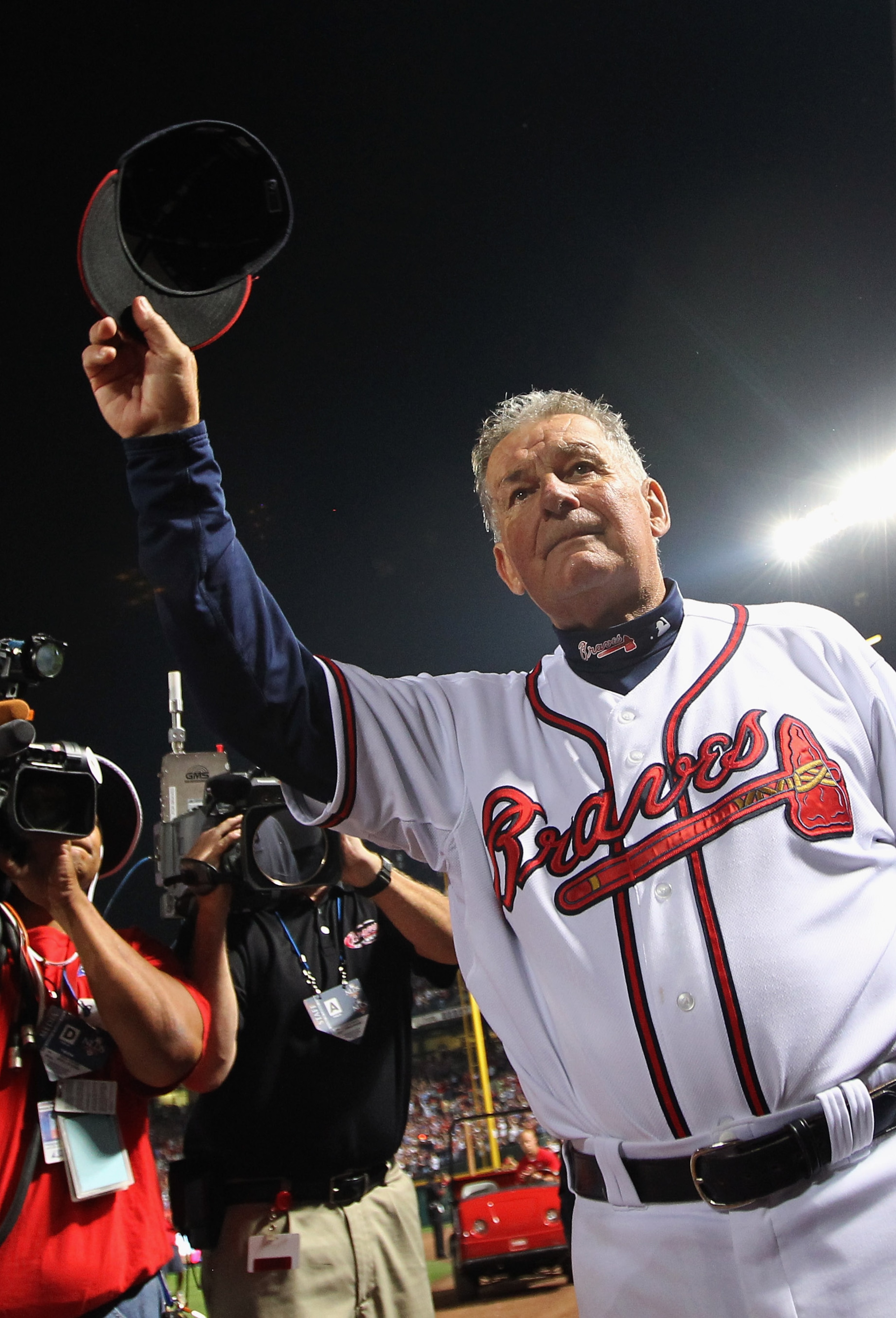
Rico Carty was great at offense, but not so great at defense. He began his career as a catcher, but with his poor defensive skills was moved to the outfield.
His play was better in the outfield. He played 10 of his 15 seasons as a left fielder. He finished his career with 1,239 putouts and 33 assists as a LF.
Arizona Diamondbacks: Luis Gonzalez
16 of 30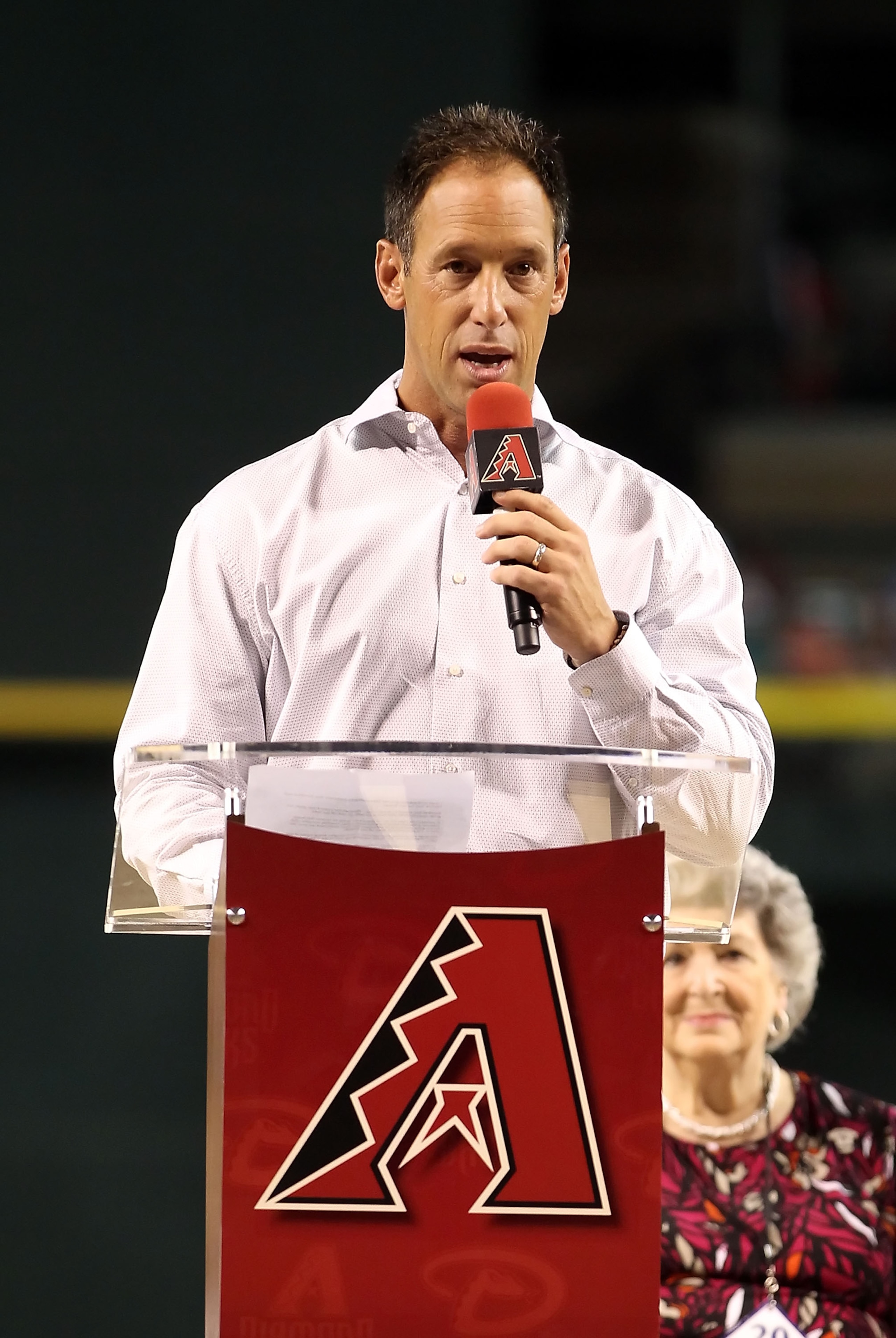
Gonzalez spent seven seasons in Arizona. They were arguably his best years.
All five of his All-Star selections came while he was in Arizona. He helped them to win the World Series in 2001.
His number, 30, was retired by the Diamondbacks.
Chicago Cubs: Billy Williams
17 of 30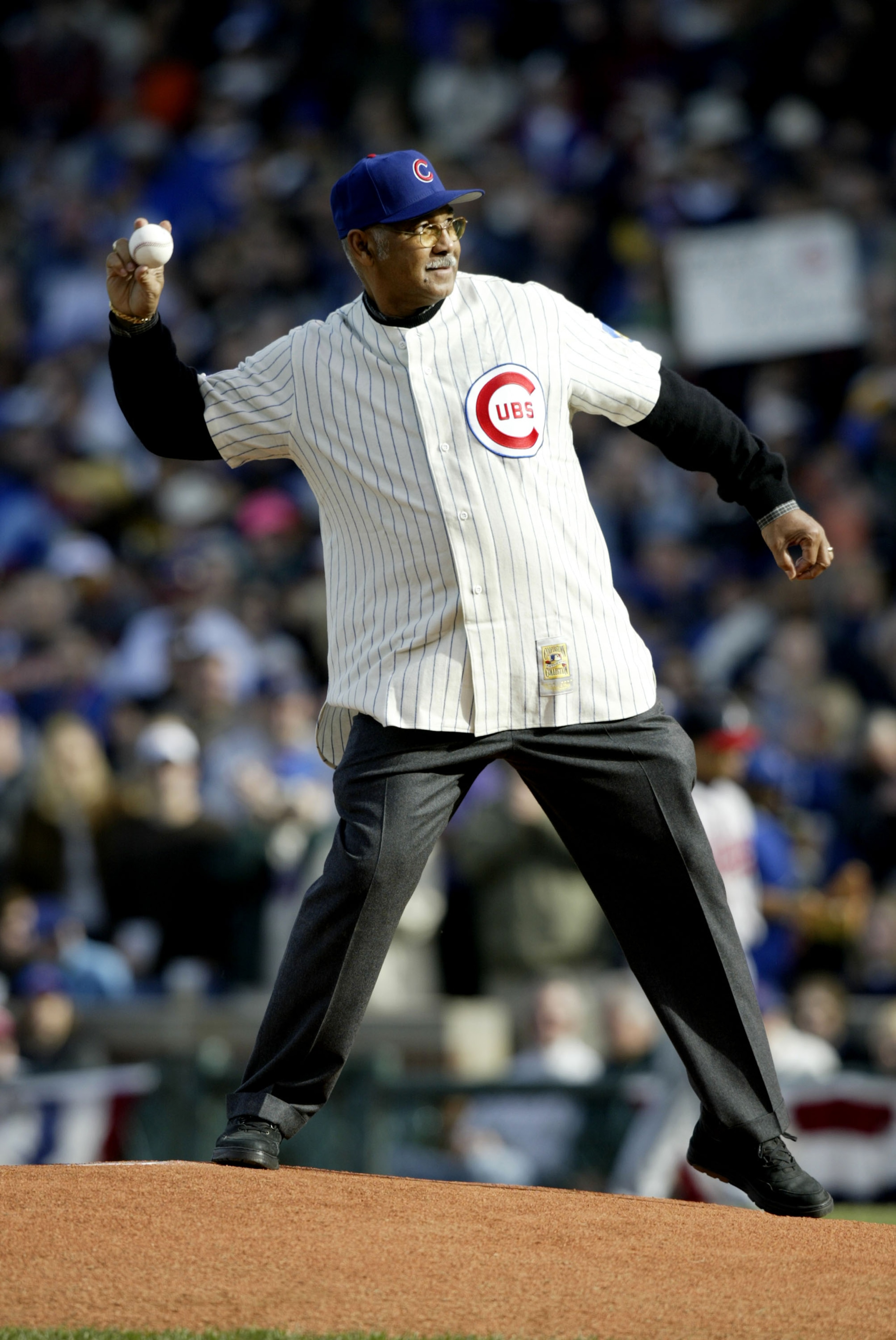
Billy Williams played 15 seasons for the Chicago Cubs. His rookie season (1961), he was chosen as the NL Rookie of the Year. He was selected to six All-Star Games during that period.
His number, 26, was retired by the Cubs. In addition to retiring his number, the Cubs announced that they will be erecting a statue of Williams outside of Wrigley Field to honor his legacy as a Chicago Cub left fielder.
Cincinnati Reds: George Foster
18 of 30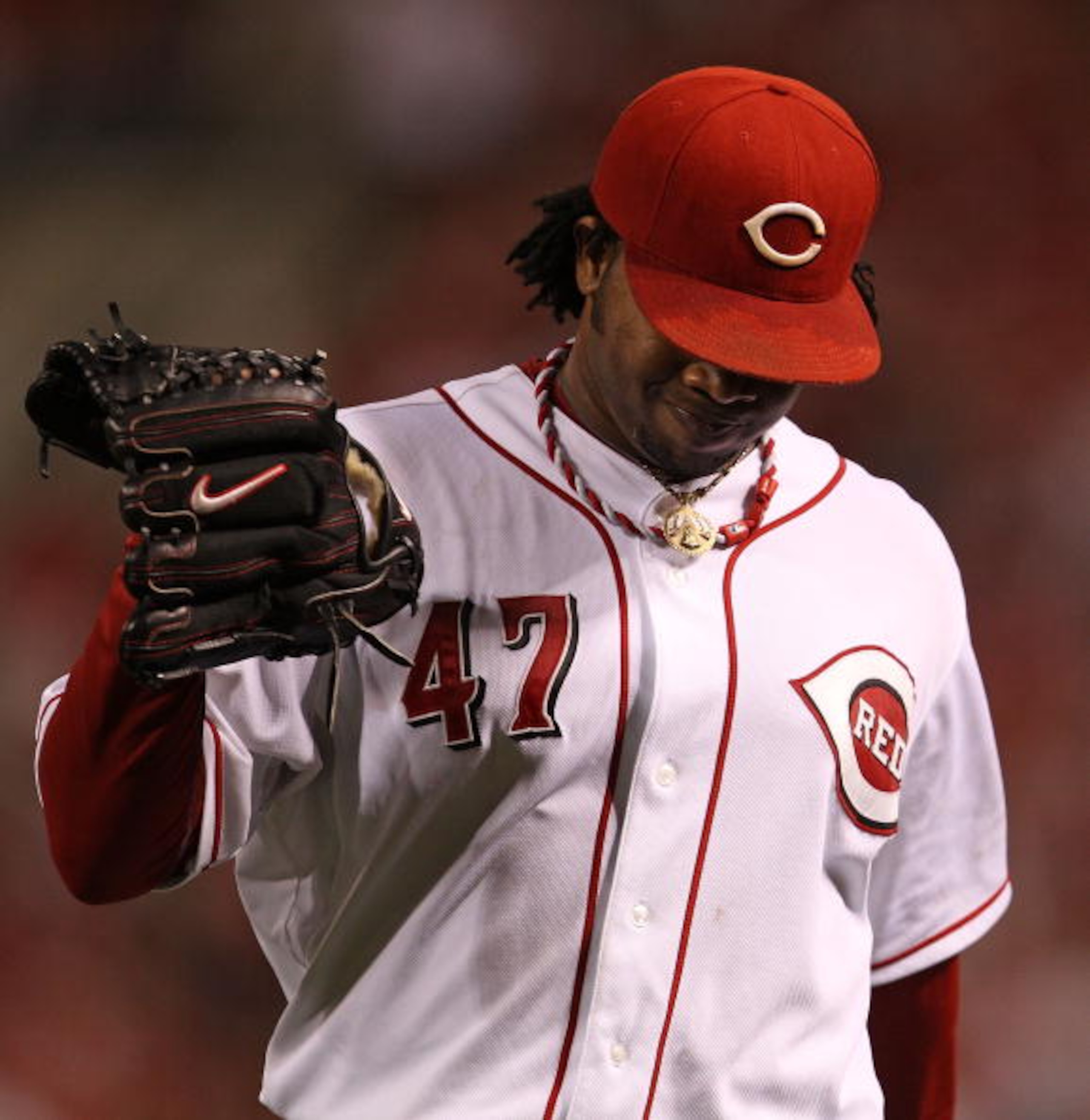
George Foster spent 10 years in the Cincinnati Reds franchise. He began in right field, as Pete Rose was in left. Then Pete Rose was moved to third base, and Foster took his place in left.
That’s when Foster really came into his own. He became a vital part of “The Big Red Machine.” During that time, Foster was selected to five All-Star Games. He also was part of two championship teams in Cincinnati.
Colorado Rockies: Matt Holliday
19 of 30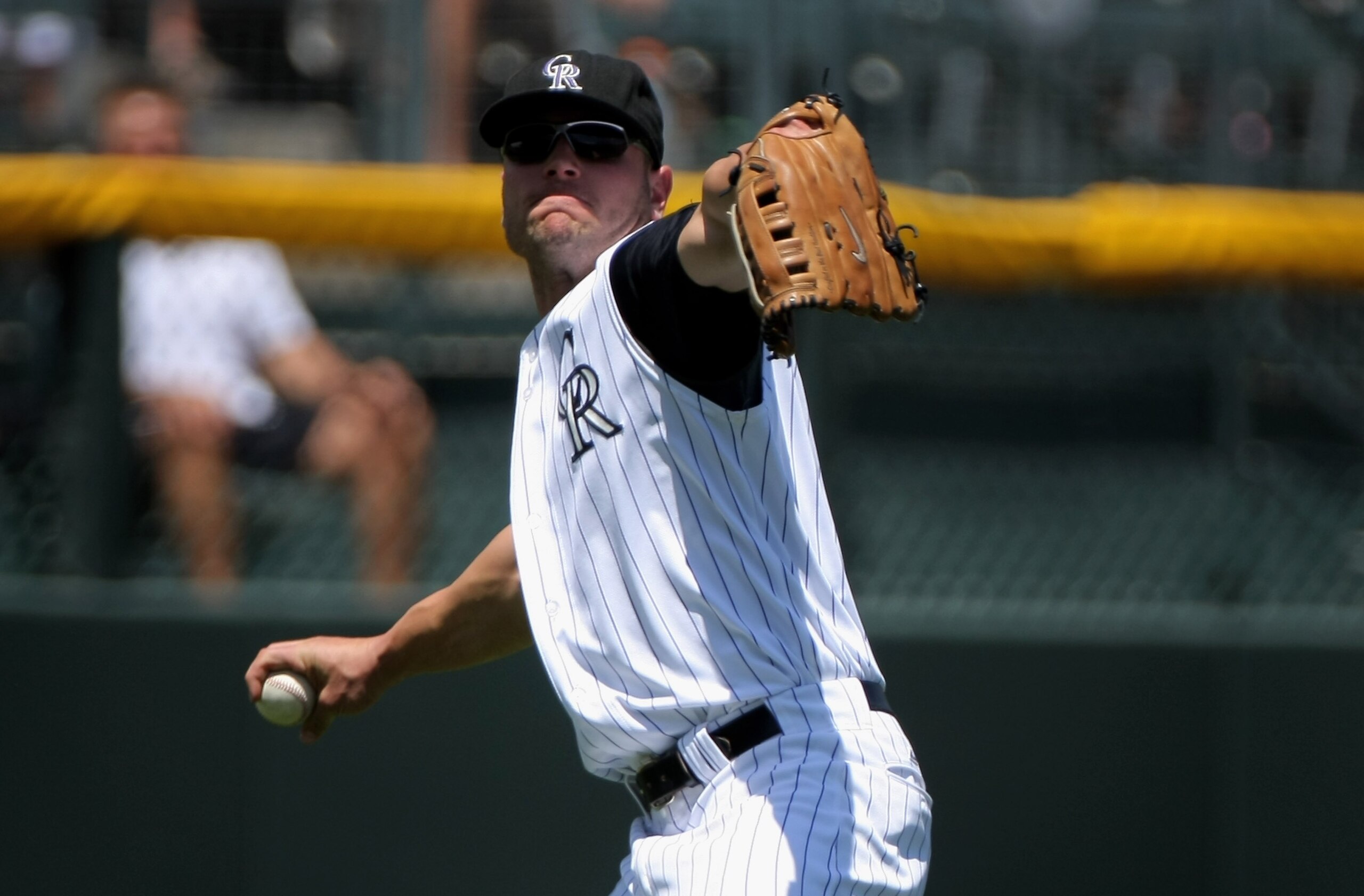
Matt Holliday began his career in Colorado and spent four seasons there. He was selected to three All-Star Games and awarded three Silver Slugger Awards during his tenure there.
In 2007, he was the NLCS MVP.
Florida Marlins: Jeff Conine
20 of 30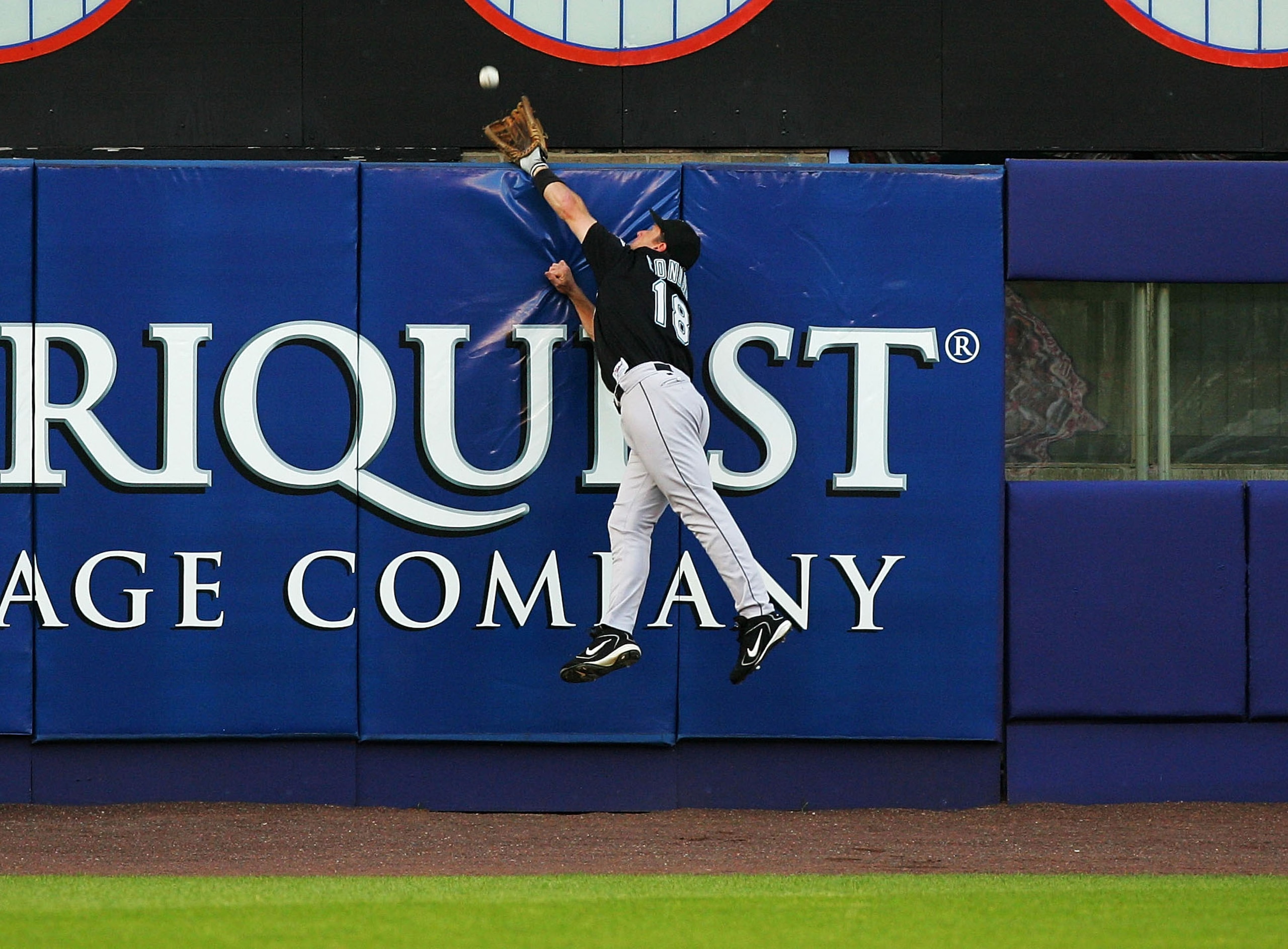
Jeff Conine is known as Mr. Marlin.
He is the only player to have played in the Marlins first season and on both of their World Series championship teams (1997 and 2003).
He was selected to the All-Star Game twice, as a Florida Marlin.
Houston Astros: Lance Berkman
21 of 30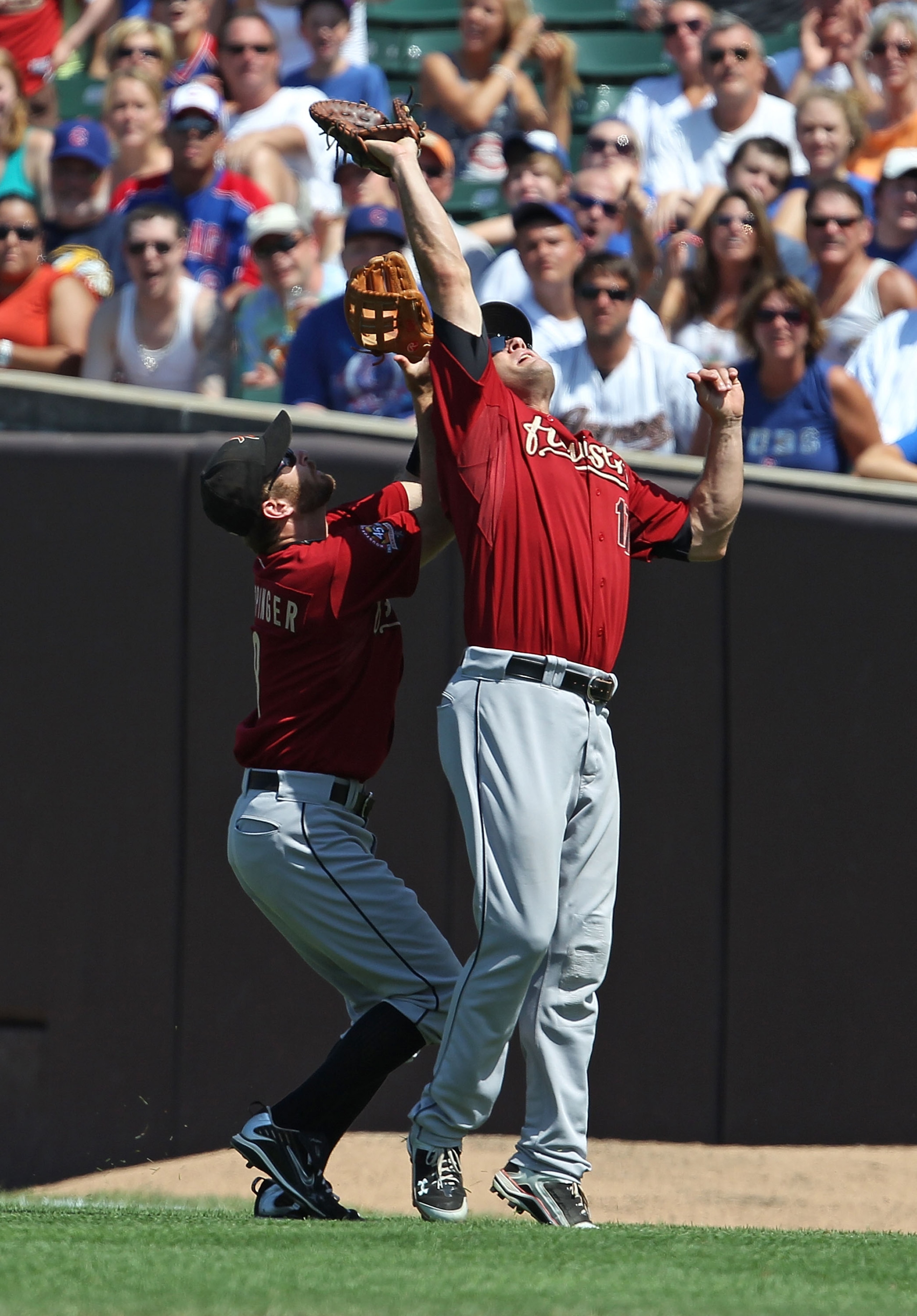
Lance Berkman played his first 11 seasons in Houston. He was moved around between first base and the outfield.
Berkman played a significant role in the Houston Astros for the past decade, before being traded to the New York Yankees.
During his tenure in Houston, he was selected to the All-Star Game five times.
Los Angeles Dodgers: Kirk Gibson
22 of 30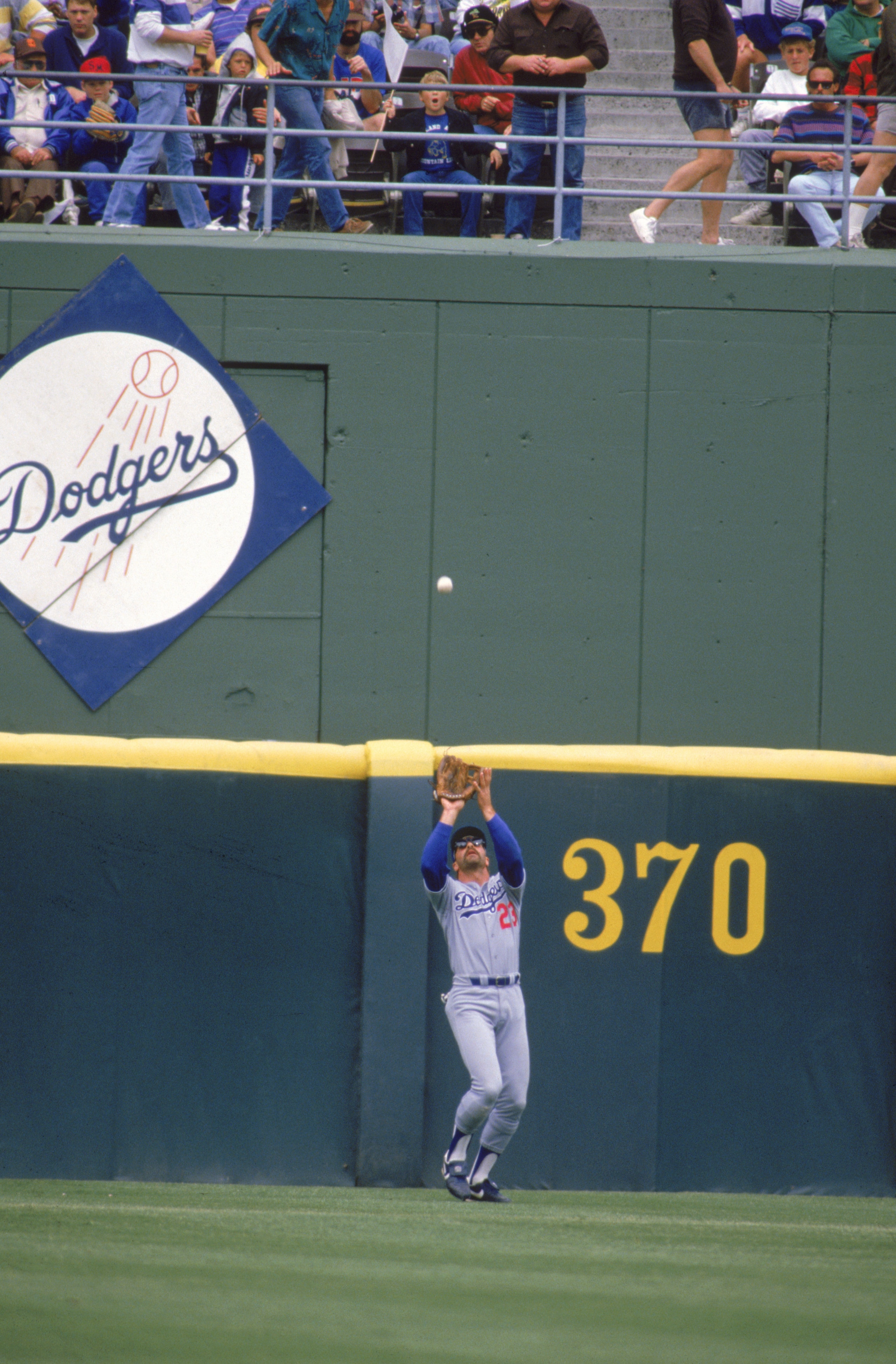
Gibson didn’t spend much of his career in a Dodgers uniform, but he made an impact. He brought leadership to the table and got the team focused on the right track.
He was a big part of their 1988 World Series win. In the NLCS, he made an amazing diving catch in wet grass in left field to save the Dodgers’ win.
Then during the Series, Gibson didn’t play much because of a virus and injuries. But he made one pinch hit appearance and made it count. He limped up to bat and hit a home run off of Hall of Fame pitcher Dennis Eckersley.
Gibson’s tenure may have been short, but his impact was huge.
Milwaukee Brewers: Ryan Braun
23 of 30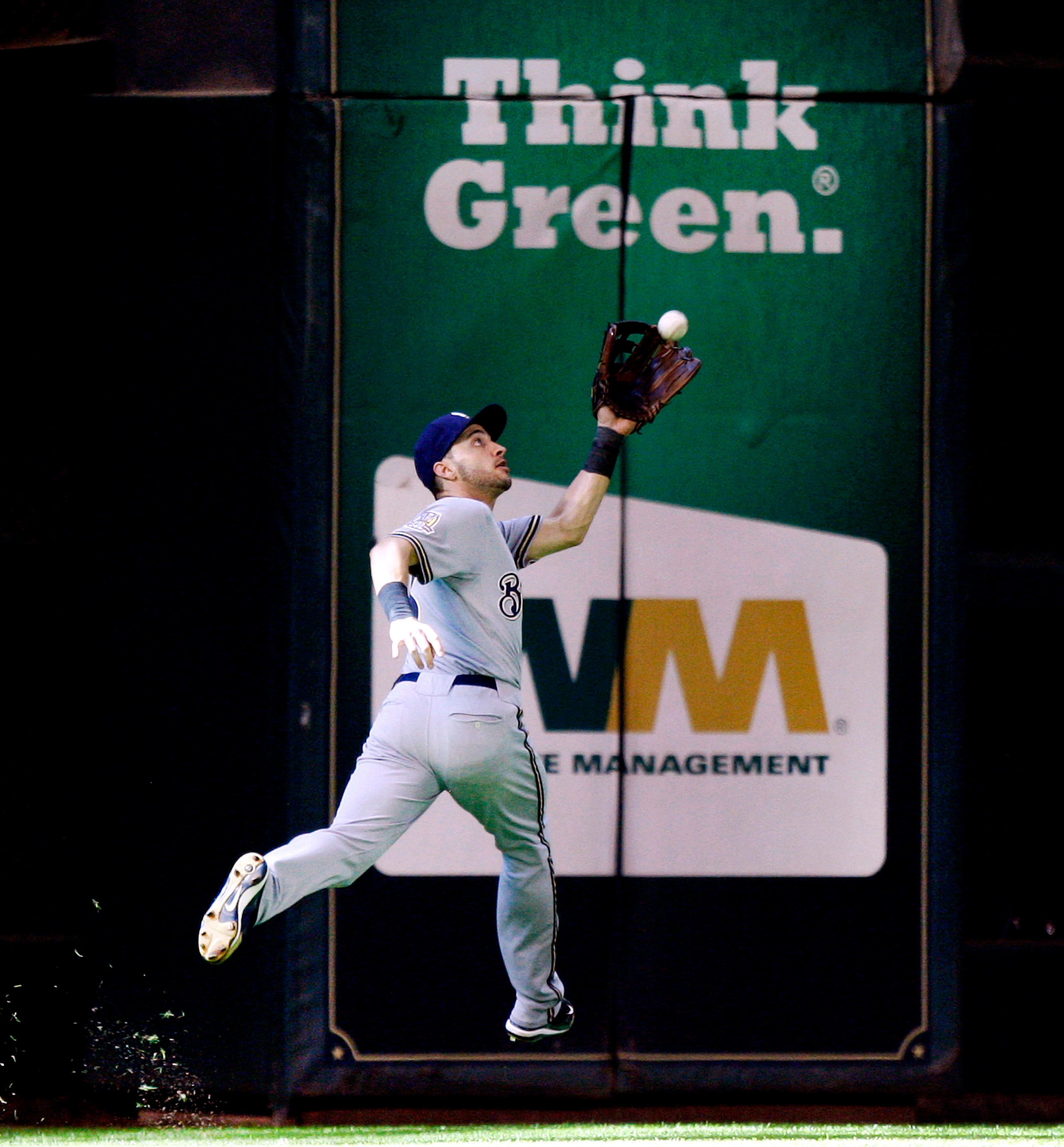
His career is young yet so this may be presumptuous, but if he continues on the path he’s headed down, I believe by the end of his career, he will be lauded the greatest left fielder in Brewers history.
In 2008, he led major league outfielders in fielding percentage. In 2009, he led NL left fielders in putouts, range factor and fielding percentage.
He’s also started in three All-Star Games so far in his young career.
New York Mets: Moises Alou
24 of 30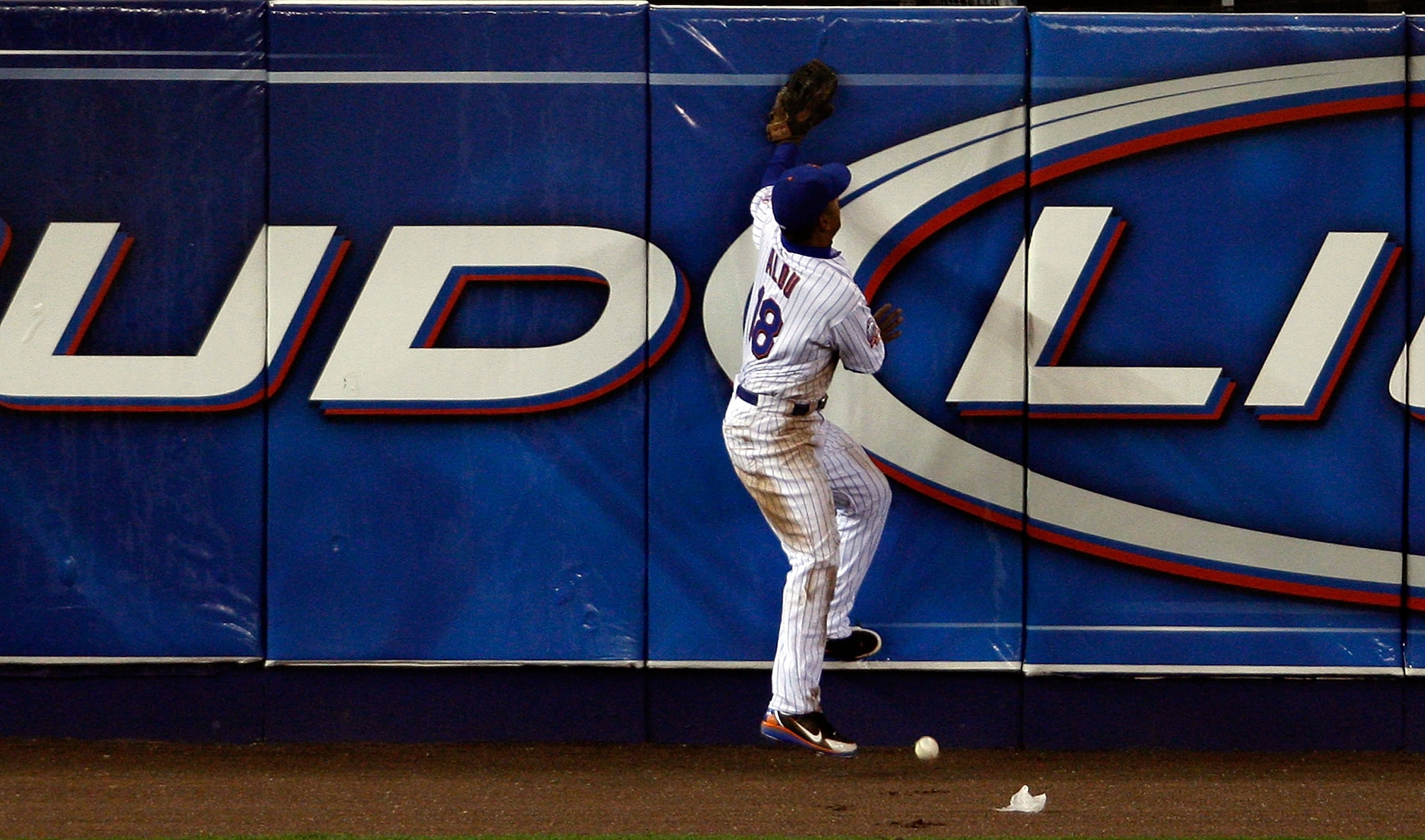
Moises Alou could have had a more impressive career with the Mets, was it not cut short by injury. In 97 games as a New York Met, Alou had 156 putouts, seven assists and only four errors.
However, during Alou’s first season with the Mets, he tore his quadriceps muscle and missed a significant amount of play. Upon his return though, he rebounded with a 30-game hitting streak, the longest of the 2007 season, for a player over 40, and breaking the Mets record.
Then, the next year, Alou’s bad luck continued. He had a hernia and then during his rehabilitation, he tore his right hamstring. He subsequently retired.
Philadelphia Phillies: Ed Delahanty
25 of 30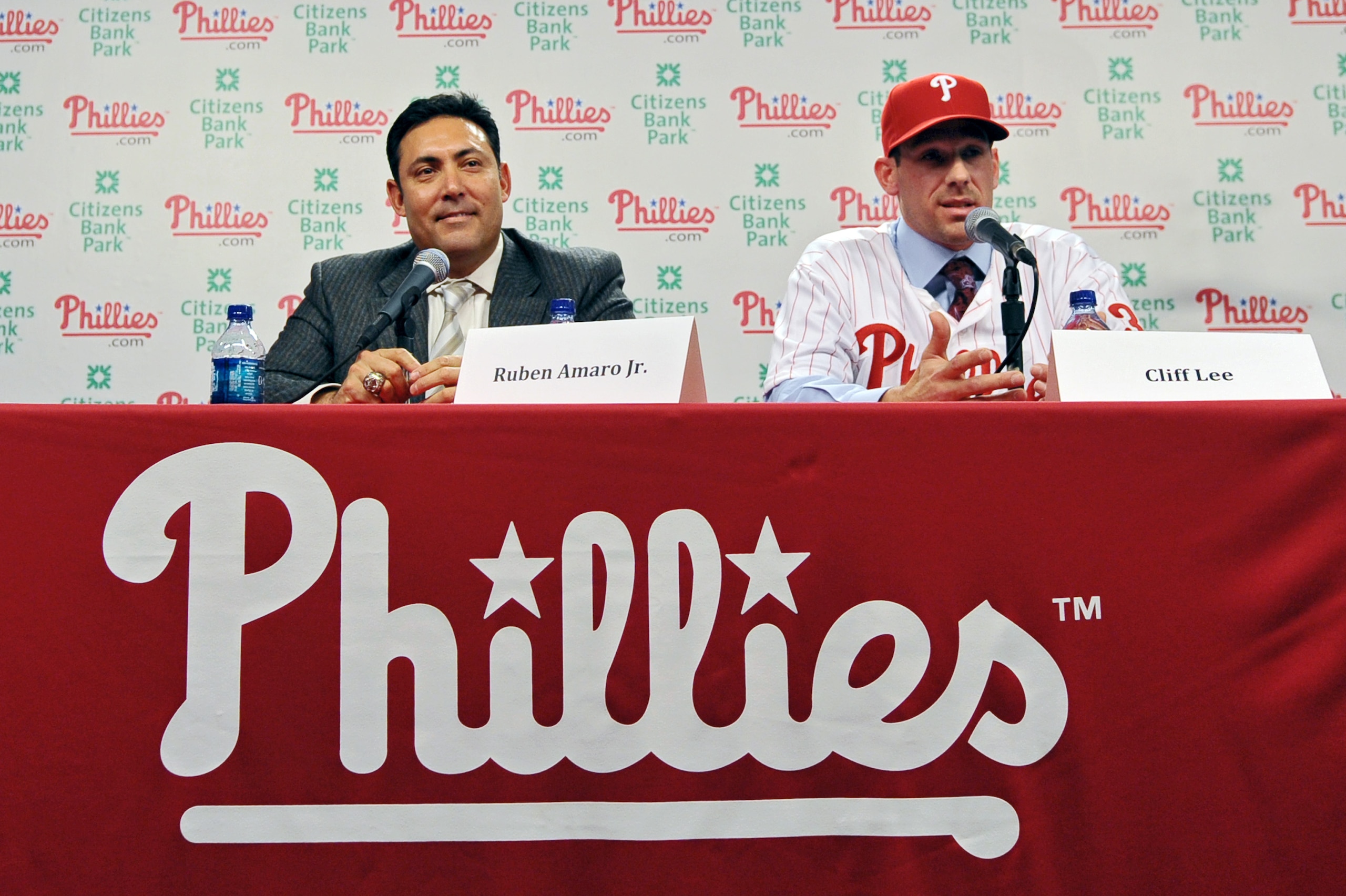
Delahanty played for Philadelphia Phillies in the late 1800s.
He was known as being one of the first real power hitters in the game. He was best known for his offense and base-running; Delahanty was a gifted base-stealer.
He was inducted into the Hall of Fame in 1945.
Pittsburgh Pirates: Willie Stargell
26 of 30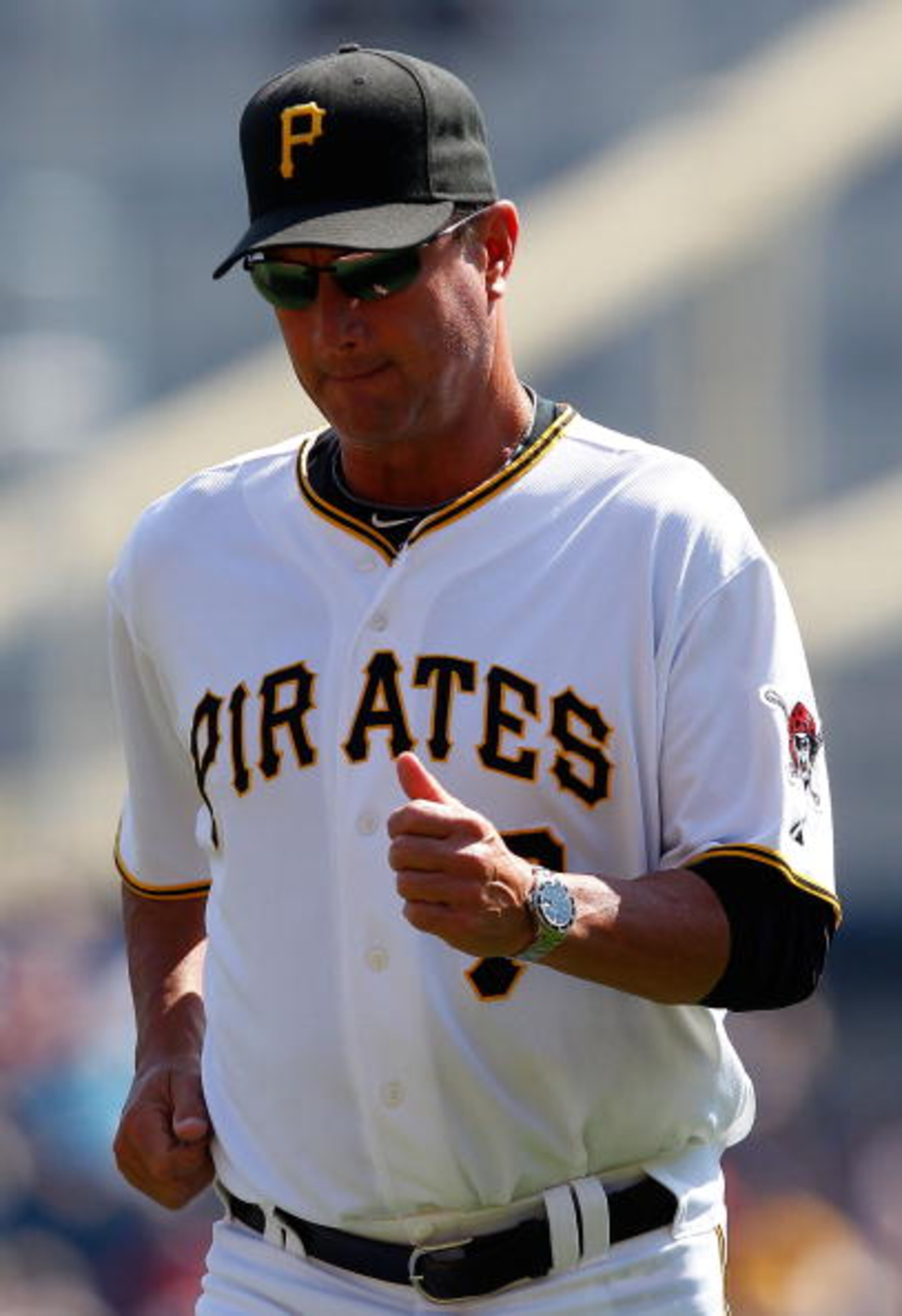
He played all of his 21-career seasons with the Pittsburgh Pirates. During his career, he helped the Pirates win six NL East division titles, two NL pennants and two World Series championships.
During the last World Series title (1979), Stargell was awarded the NL MVP, the NLCS MVP and the World Series MVP. He was selected to seven All-Star Games in his career as well.
His number, 8, was retired by the Pittsburgh Pirates, and he was inducted into the Hall of Fame in his first year of eligibility, 1988.
San Diego Padres: Dave Winfield
27 of 30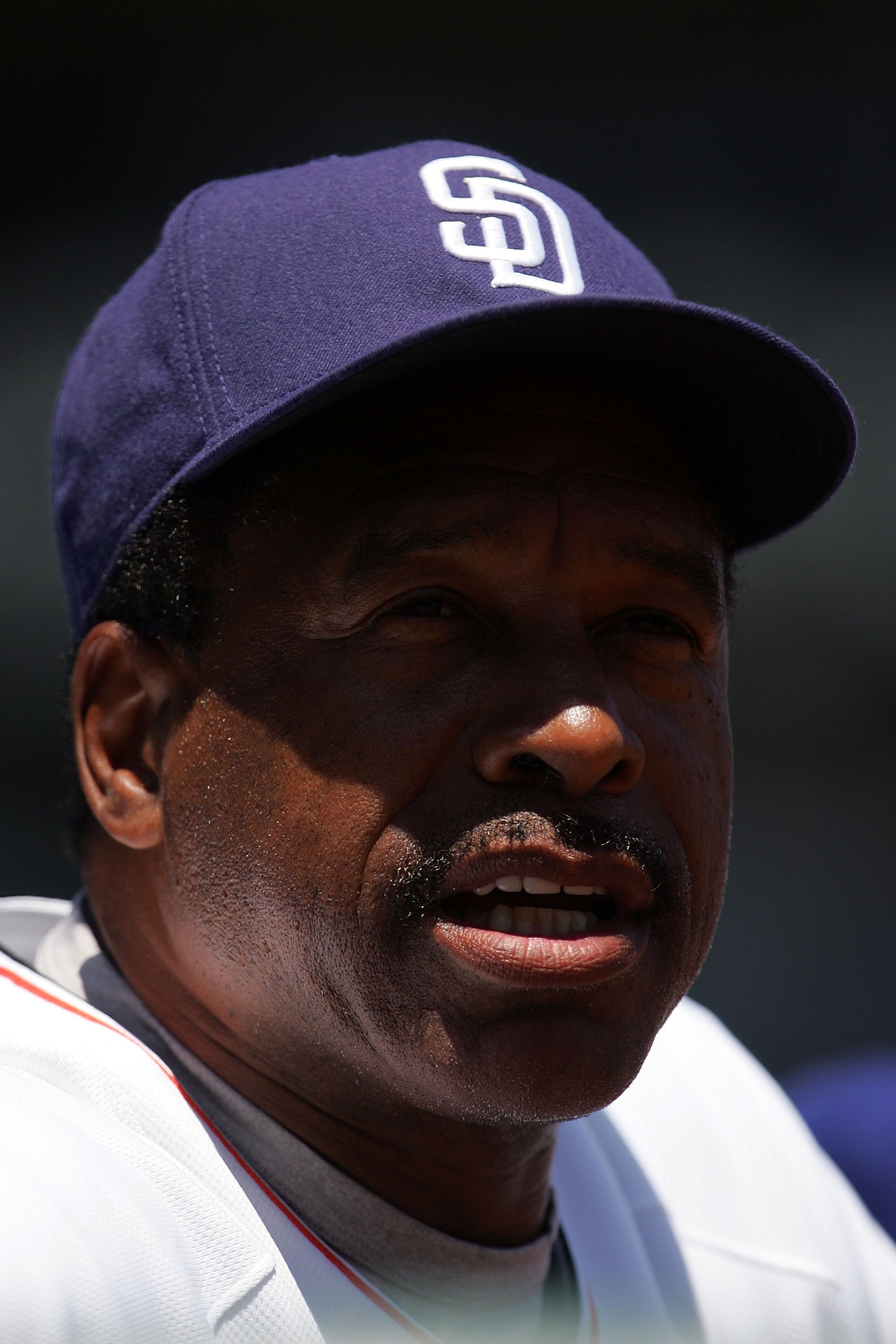
Dave Winfield is on here twice. That’s because he was a fantastic outfielder.
He played his first seven years in San Diego. He was team captain from 1978, until his departure to the Yankees in 1980.
His number, 31, was retired by the Padres. He was inducted into the Hall of Fame in 2001.
San Francisco Giants: Barry Bonds
28 of 30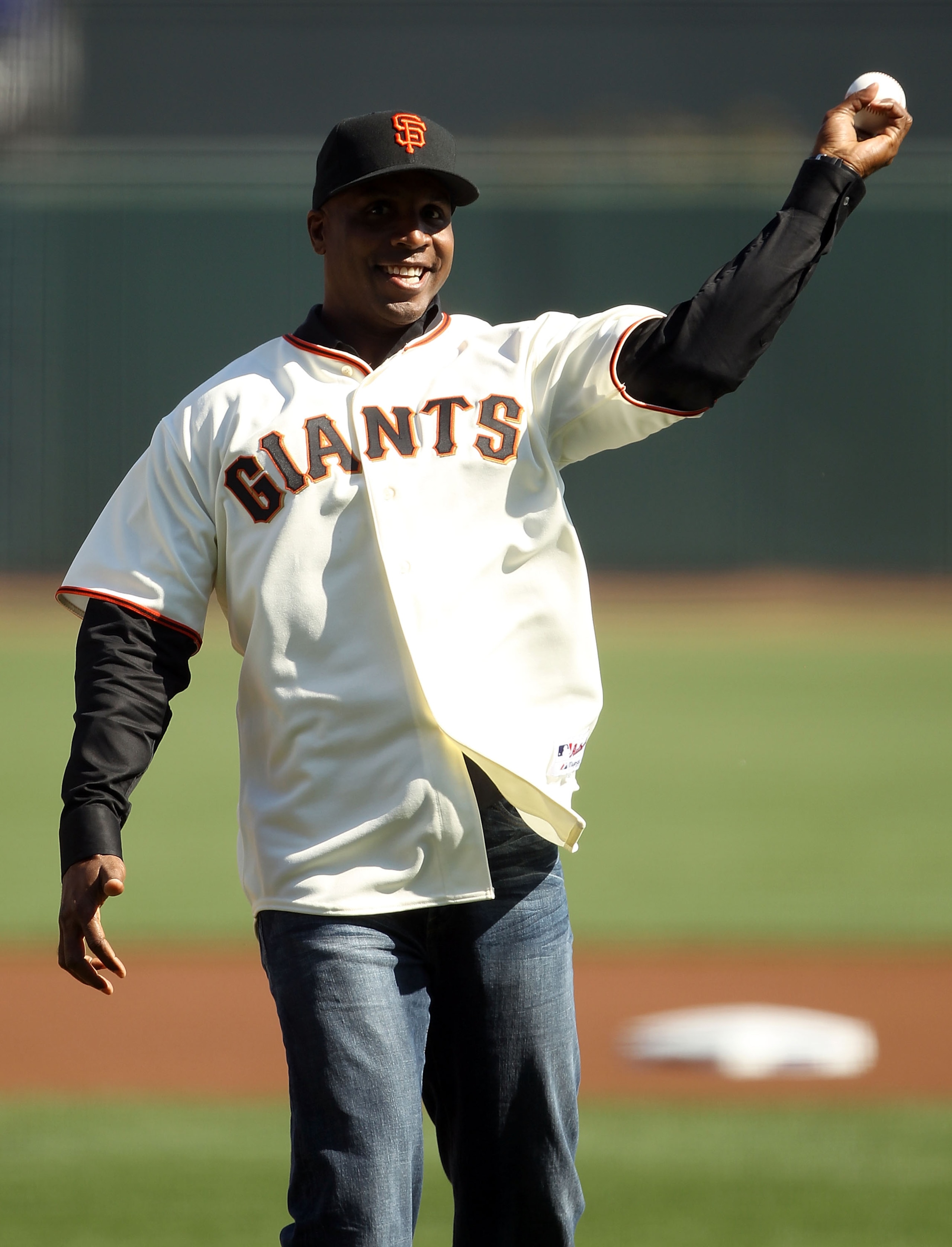
Barry Bonds probably won’t be remembered for his defense in left field. He’ll be remembered for his offense—his home run record and..well let’s keep this list positive.
He was selected to 12 All-Star Games and won five Gold Gloves as a Giant.
He holds many other records as well. This is why he’ll go down as the greatest left fielder in San Francisco Giants history.
St. Louis Cardinals: Stan Musial
29 of 30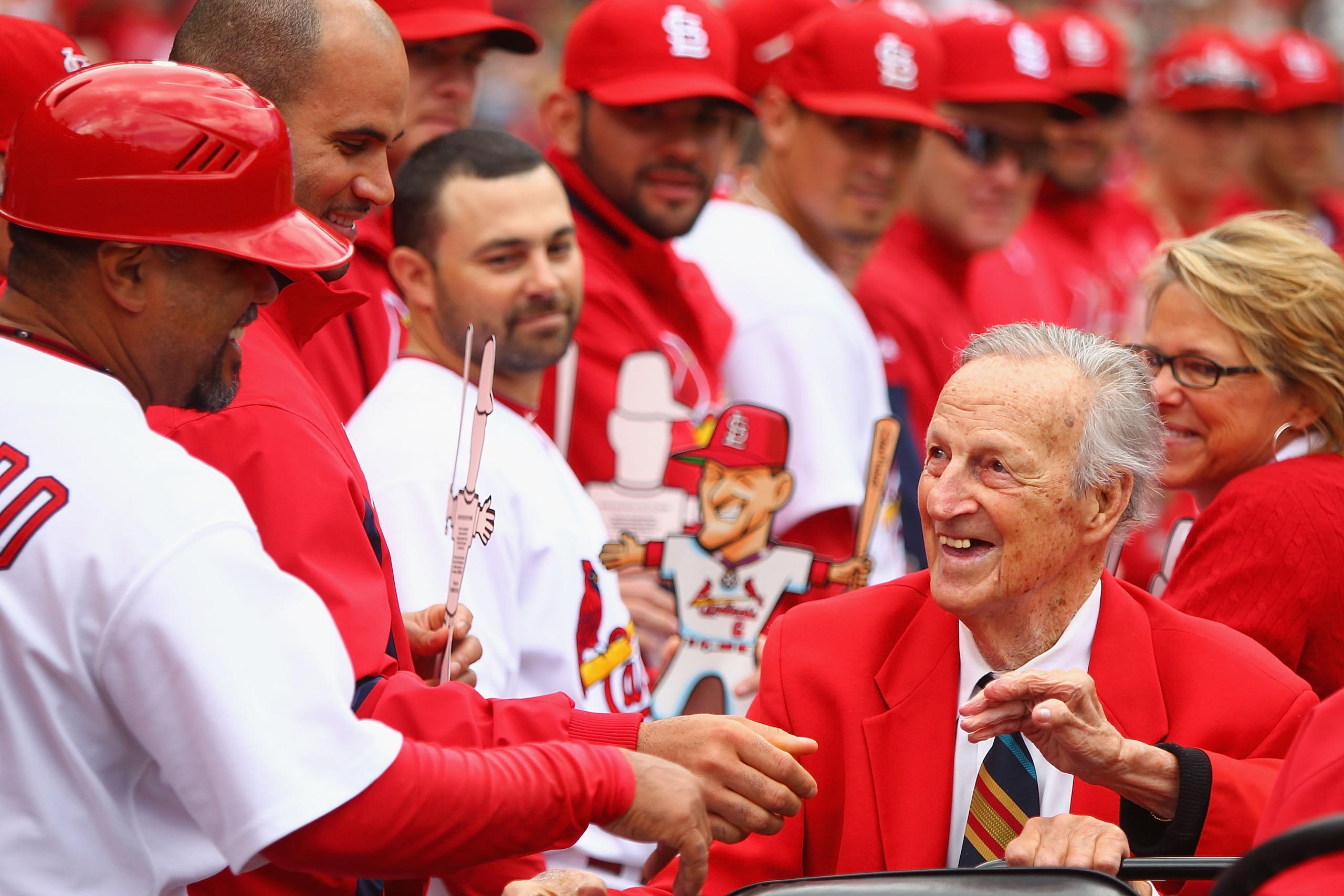
Stan Musial was one of the most talented players. He was selected to the All-Star Game a remarkable 24 times.
During his career in St. Louis, he helped the team win three World Series titles. He was also named the NL MVP three times.
His number, 6, was retired by the St. Louis Cardinals. He was inducted into the Hall of Fame in 1969.
Washington Nationals: Tim Raines
30 of 30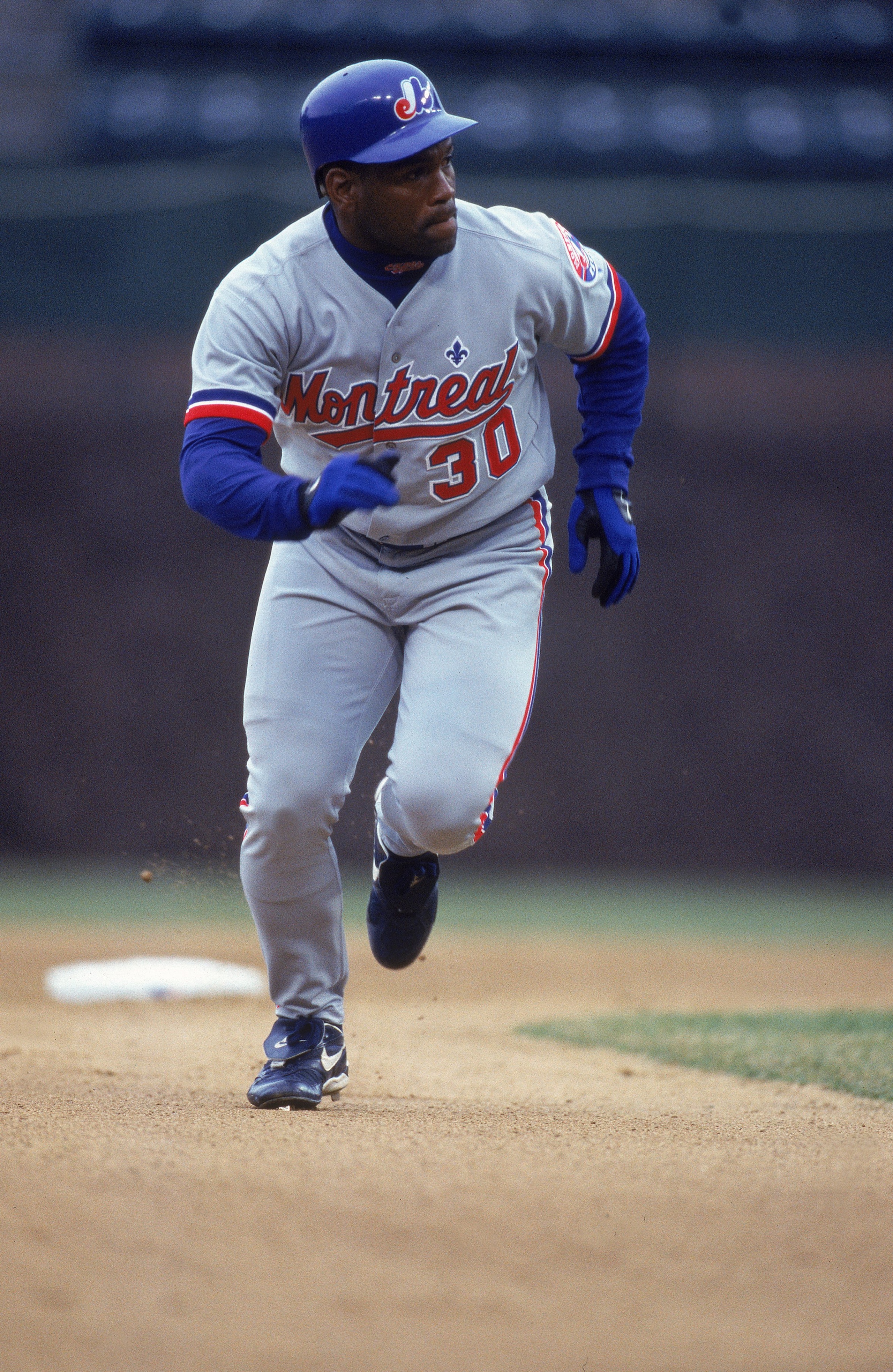
Tim Raines played for the Montreal Expos from 1979-1990 (and then again briefly in 2001). During his career in Montreal, he was selected to the All-Star Game seven times, becoming the MVP of the 1987 Game.
He played excellent defense stemming from his aggressive style of play. In 1983, he led the league with 21 assists and in 1985 tied for the lead with four double plays.
His number, 30, was retired by the Montreal Expos.


.jpg?w=2560 "Grading WWE Raw 🔠")
.jpg?w=2560 "Viral Rams Coach Vid 🖕")
.jpg?w=2560 "Injury-stricken Seahawks signing veteran RB")

.jpg?w=2560 "2 NFL Officials Suspended")

.jpg?w=2560 "Mahomes' Wife Trolls Kubiak 💀")
