
MLB: Ranking the Shortstops
Here, every MLB team's shortstop is ranked, starting with the worst, and ending with my pick for the best in the game.
To keep the list manageable, I ranked one shortstop from every team, choosing the player who has spent the most time at the position this year. Thus, injured regulars like Rafael Furcal and J.J. Hardy are not included. Also, in the case of the Los Angeles Angels, Maicer Izturis is considered their shortstop because he has spent more time at the position than any of his teammates, despite having spent more time playing third base.
30. Miguel Tejada (San Francisco Giants)
1 of 30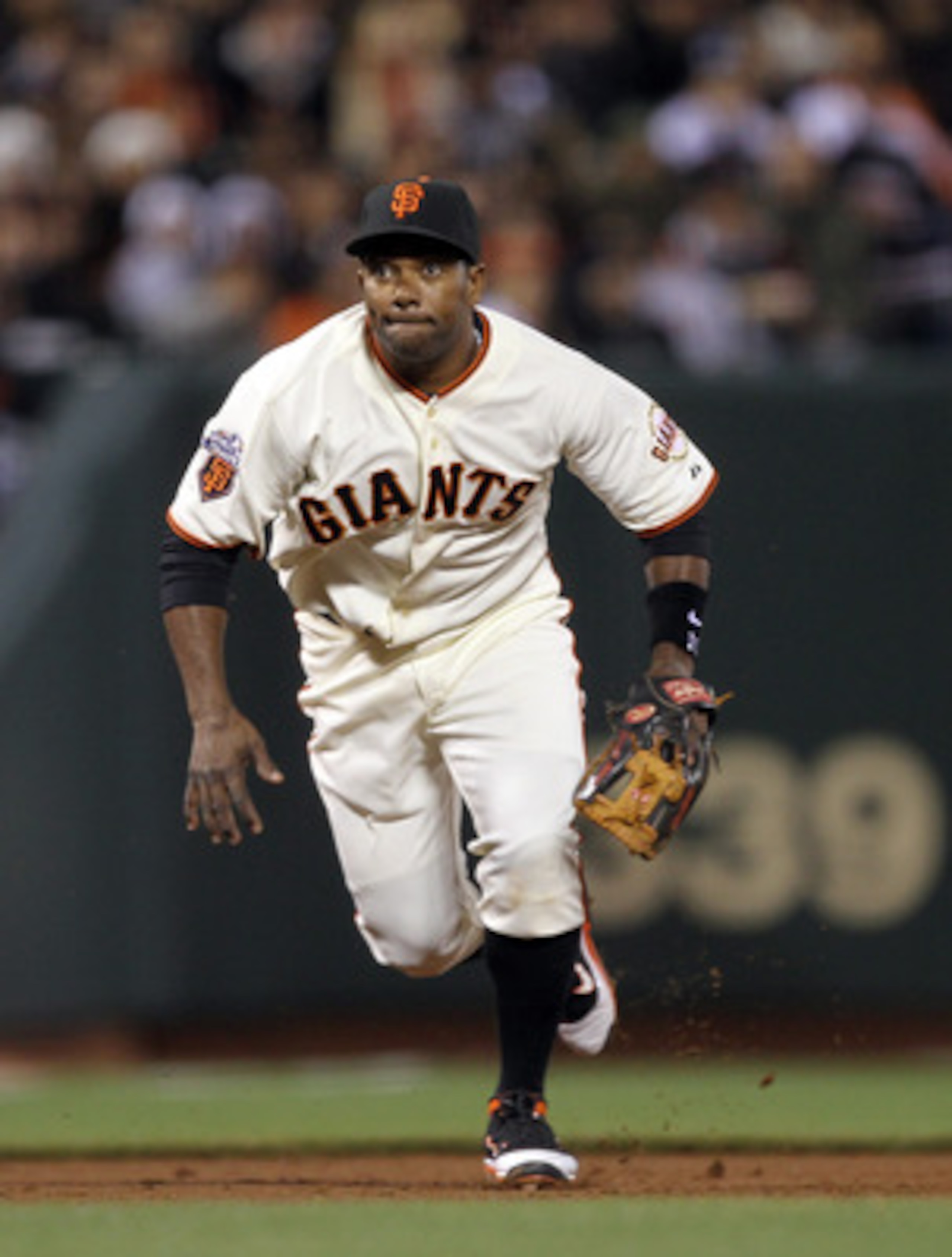
Miguel Tejada survived years of low walk rates by reliably hitting 30+ home runs and limiting his strikeouts. He isn’t the .216 hitter we’ve seen over the last two months, but he probably won’t be able to get the average high enough for his OBP to get anywhere near .300. That looks awful when you supplement it with a single-digit home run total, very few steals and ugly defense.
The 37-year-old has his chemically-enhanced best seasons far in the rear-view mirror, and is now producing well below replacement level. I don’t think he’ll hit above .250 on the season, assuming his season actually extends into the summer.
The best thing Tejada could do for his team is elevate the ball, (which might at least result in more productive outs) but he doesn’t even do that. Edgar Renteria’s offseason demands probably aren’t looking too bad to the Giants anymore.
29. Angel Sanchez (Houston Astros)
2 of 30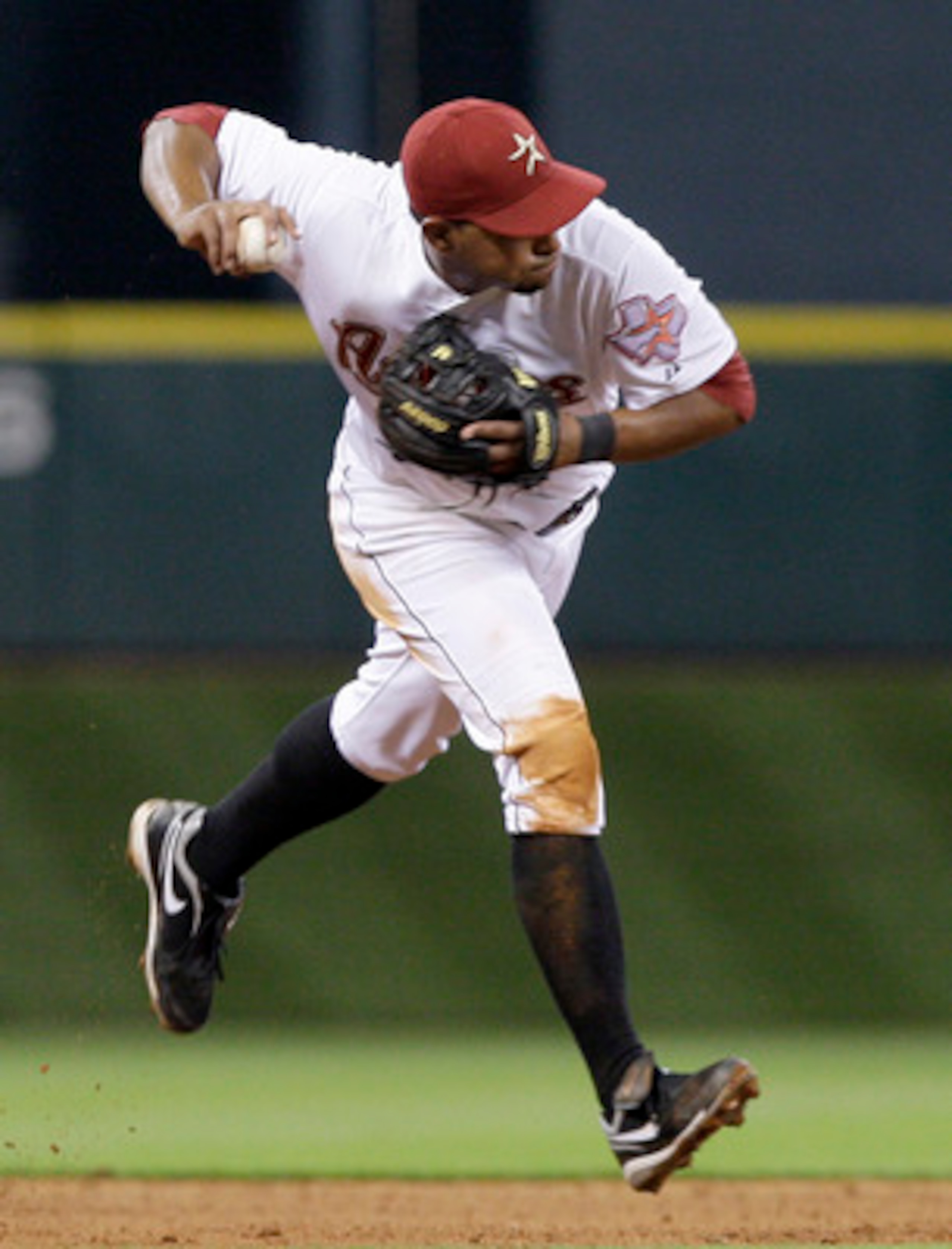
Angel Sanchez is currently hitting .266, which is about what we should expect based on his minor league stats. That average, combined with his lack of power and speed, probably explains why he bounced around between several teams’ farm systems before getting a chance to stick with the rebuilding Astros last year.
He doesn’t even field his position well, so I doubt that Sanchez is going to be spending much longer in the major leagues.
28. Robert Andino (Baltimore Orioles)
3 of 30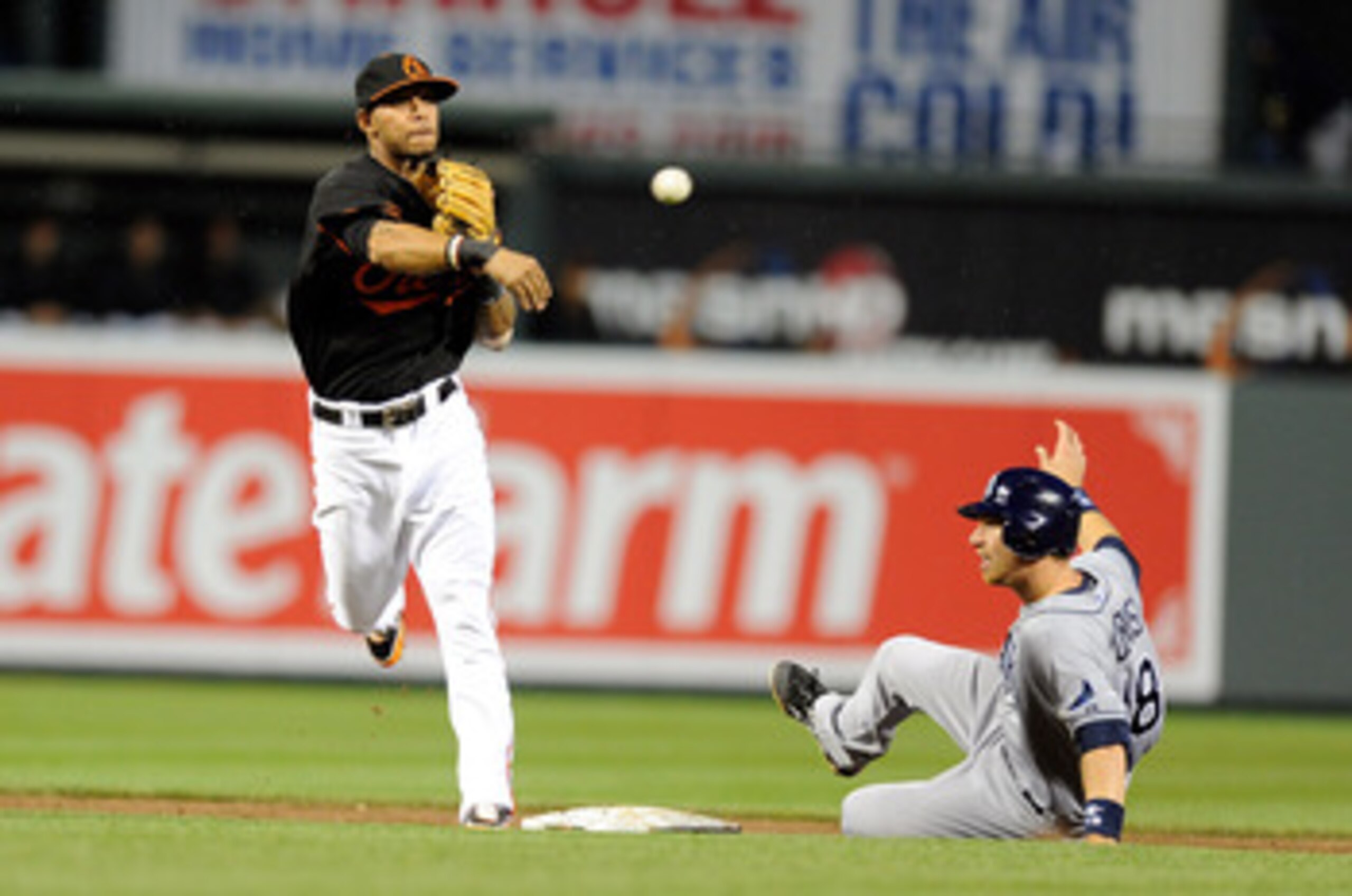
Robert Andino (currently standing in for J.J. Hardy in Baltimore) has put up some nice batting averages over the last two seasons. Unfortunately, those averages span less than 200 plate appearances, which is responsible for his disproportionately high BABIP (batting average on balls in play).
He has speed, but hasn’t run much at the major league level. Andino is a good fielder who can play multiple positions, but is significantly better in the infield. His defense might be his greatest asset, and it makes him a useful major league player, but I would rather have J.J. Hardy swinging the bat if I were an Orioles fan.


27. Reid Brignac (Tampa Bay Rays)
4 of 30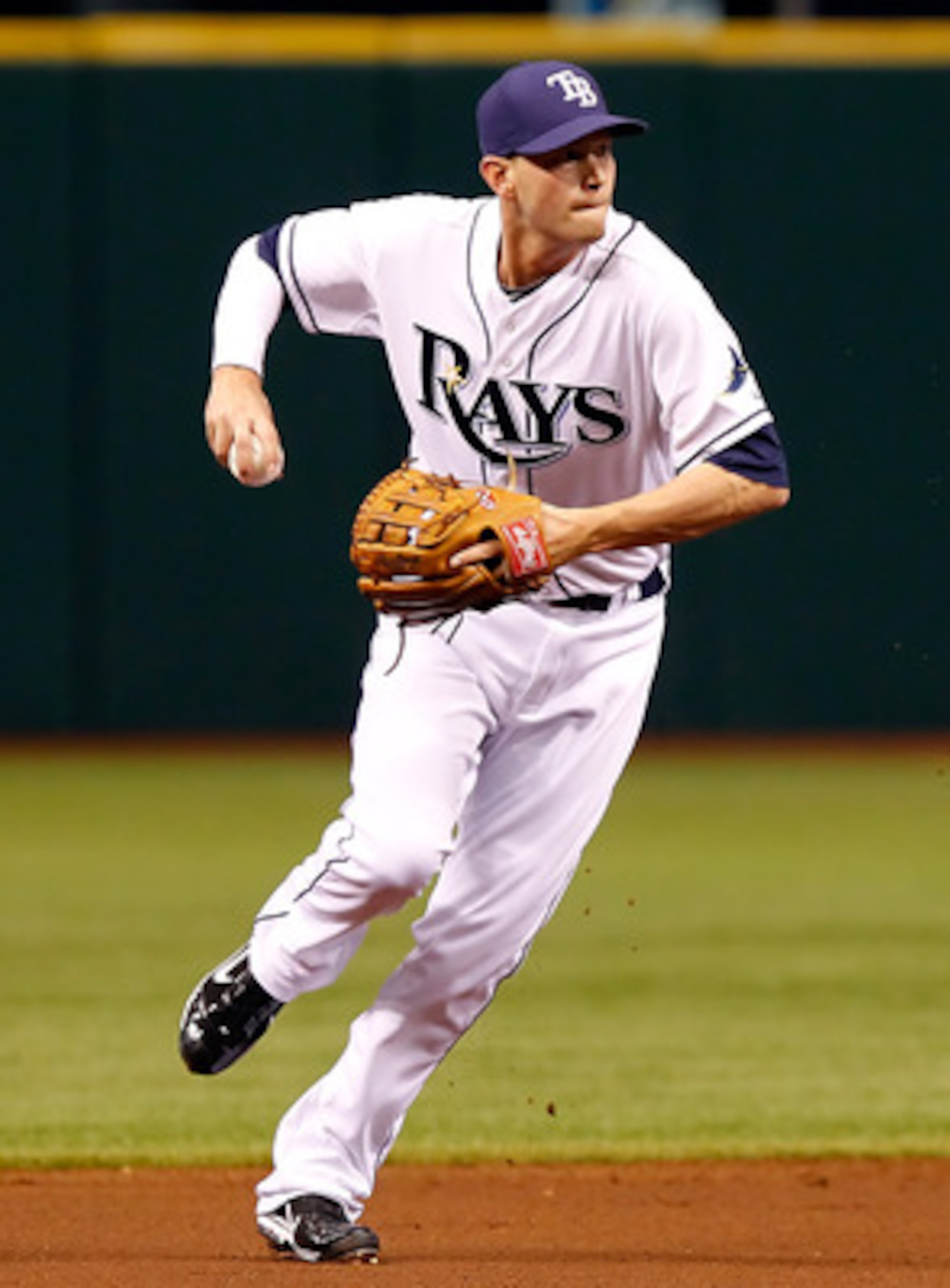
Reid Brignac is probably not going to hit for a very good average throughout his career. I know his .175 mark this year is partly the product of a .233 BABIP, but it's also due to his high strikeout rate and low walk rate.
The modest power and speed he showed as a minor leaguer haven’t reared their heads in his major league career, and they probably won’t until he learns how to either make consistent contact or lay off the bad pitches.
Brignac can play all over the field and isn’t terrible on defense, so his value to the Rays may extend beyond his offensive output, which presently shows little cause for optimism.
26. Yuniesky Betancourt (Milwaukee Brewers)
5 of 30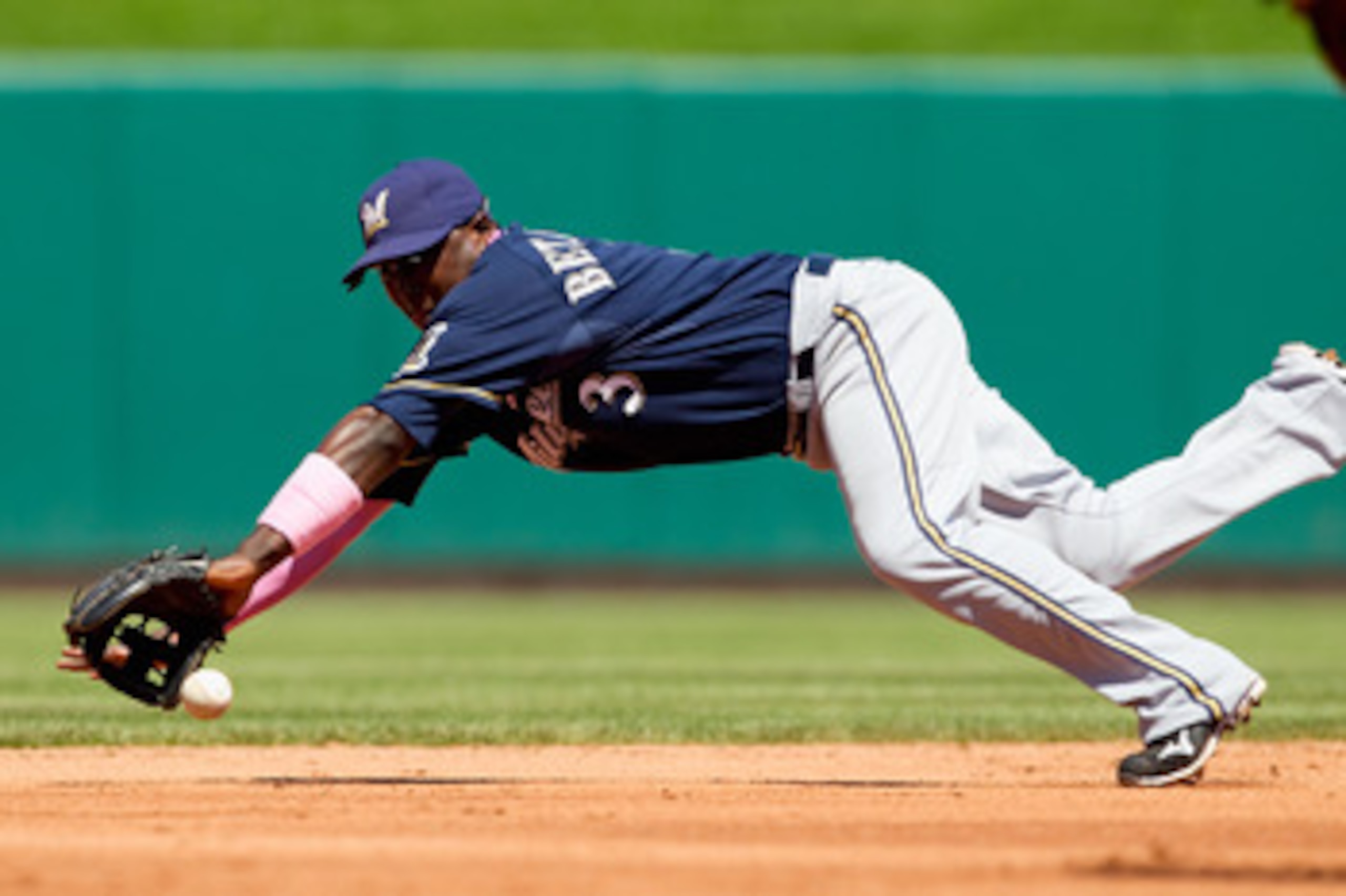
I don’t care if you only strike out 9.7 percent of the time, a walk rate under four percent is going to get you a sub-.300 OBP. In Betancourt’s case, it’s .294 on his career, and it's even lower this year because of his low BABIP.
Best case scenario, Betancourt’s a .290 hitter who still fails to get on base as often as your average major leaguer. This problem is compounded by his terrible defense and lack of speed. Last year’s 16 home runs are nice, but I’ll take a zero home run guy who can at least walk eight percent of the time over Betancourt. Trading him might have been the best move made by the Mariners in years, even if they didn’t get much in return.
25. Brendan Ryan (Seattle Mariners)
6 of 30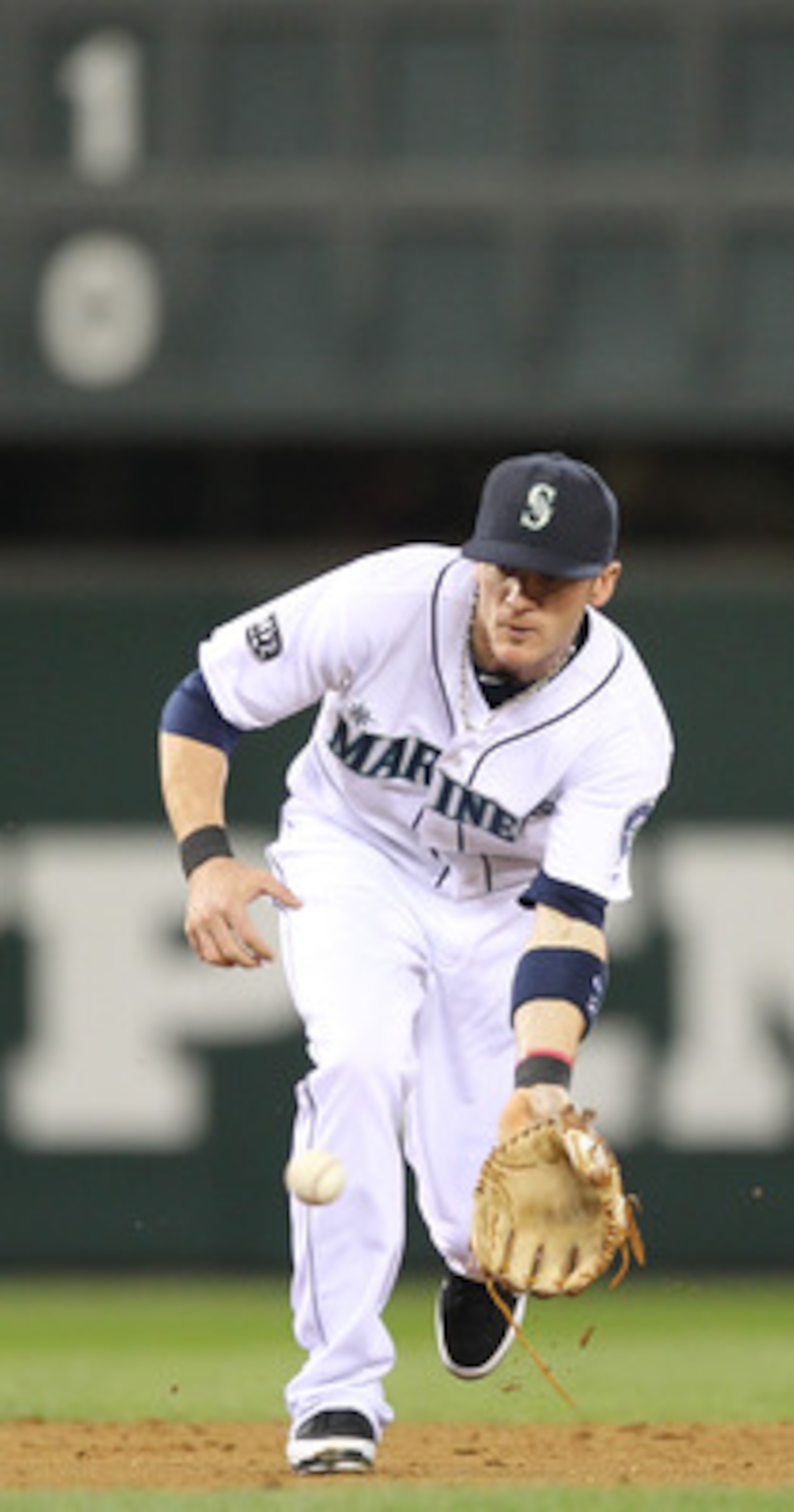
Brendan Ryan is probably a .265/.325/.345 guy, which makes for a mediocre player, but he has found himself on both sides of those marks in each of his four full seasons so far.
His greatest assets are his ability to put the ball in play, his speed and his defense. Unfortunately, Ryan seems to have left the latter two in St. Louis, and his contact abilities are above average but not great. He doesn’t drive the ball often and walks at a below-average rate, which leaves Ryan best suited for backup duty. I think he'll eventually return to such a role, and I don't think he'll make a bad backup.
24. Alcides Escobar (Kansas City Royals)
7 of 30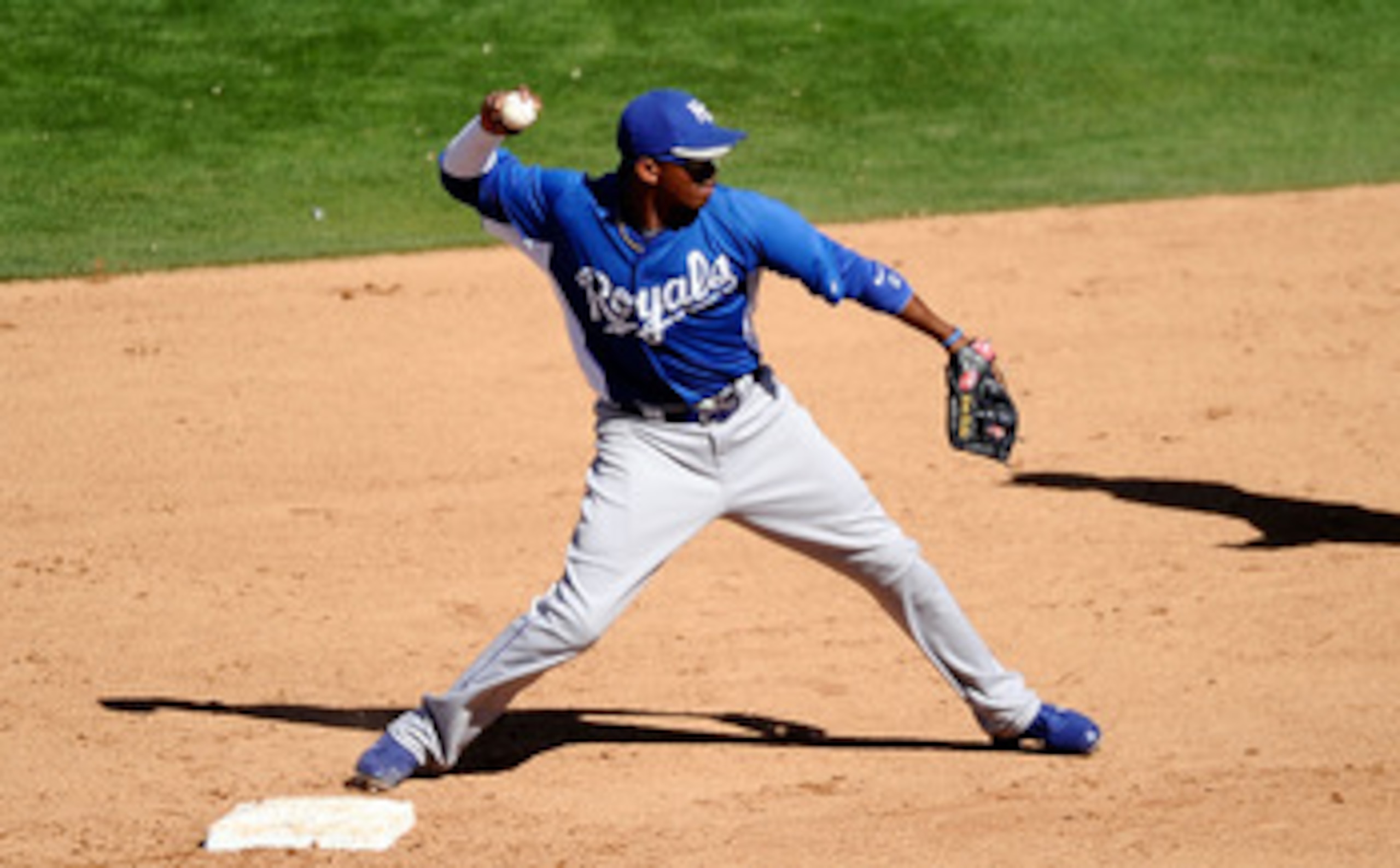
Alcides Escobar should be a better hitter than his .230s average since 2009, but the 24-year-old has time to turn it around before he runs out of chances. He swings at far too many bad pitches and not enough good ones, and he isn’t likely to hit more than 10 home runs in a given season.
Escobar is on pace for 20 steals this year and is fielding his position well, but the Royals probably expected more when they gave up Zack Grienke in the trade that sent Escobar to Kansas City.
23. Paul Janish (Cincinnati Reds)
8 of 30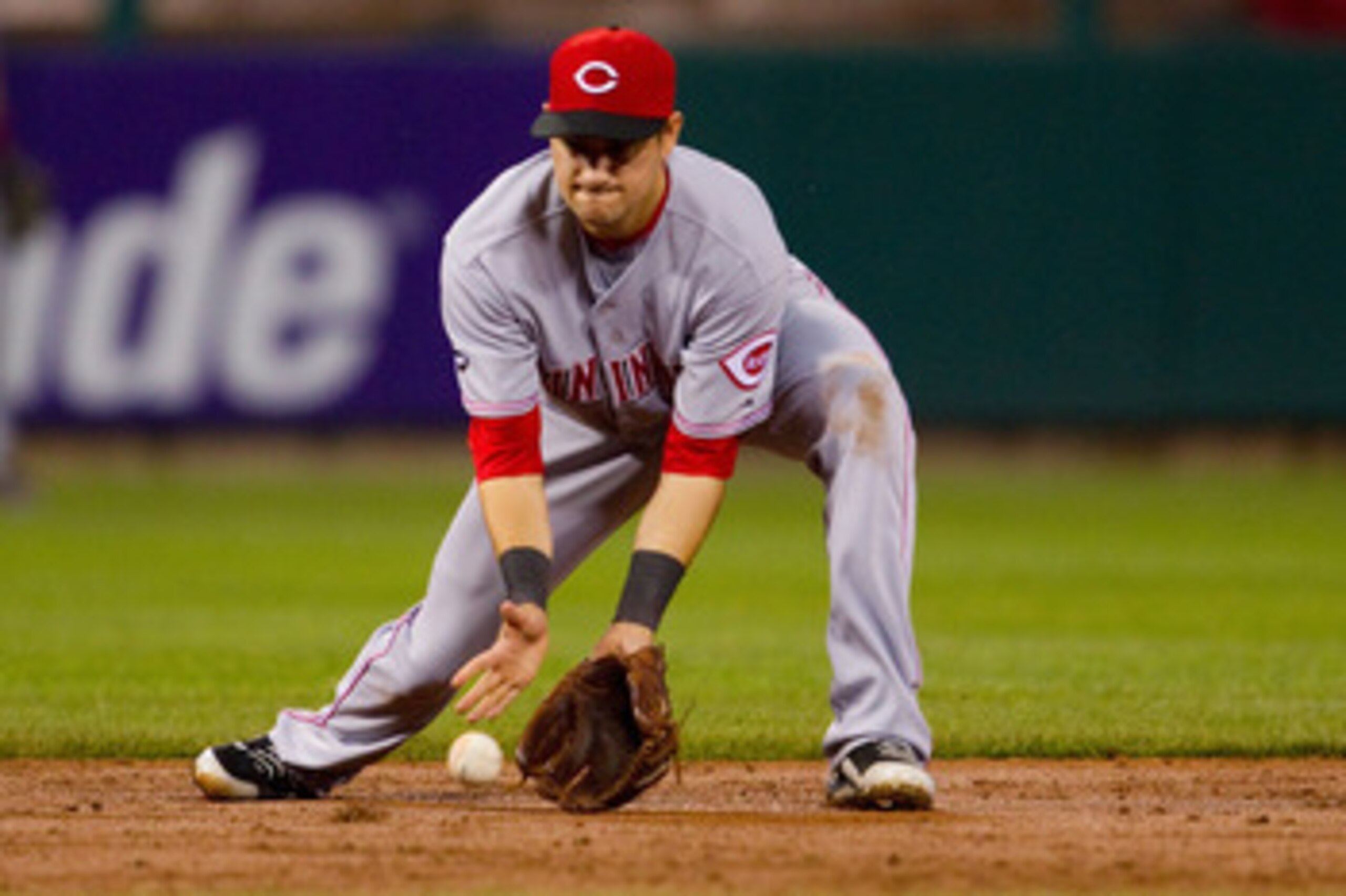
Paul Janish is a good fielding shortstop who puts the ball in play. He is probably better than Edgar Renteria at this point, but his ability to take walks has seemingly evaporated this season. I know he can take a free pass at least as often as the major league average, and he's done so on multiple occasions.
I think he will probably improve on his .238/.273/.287 slash line as he accumulates more plate appearances, but the transition from part-time duty to full-time can tax a player.
Janish's low slugging percentage is an accurate indicator of his ability. He isn’t a power hitter, despite hitting five home runs in about a third of a season’s worth of plate appearances in 2010.
22. Alex Gonzalez (Atlanta Braves)
9 of 30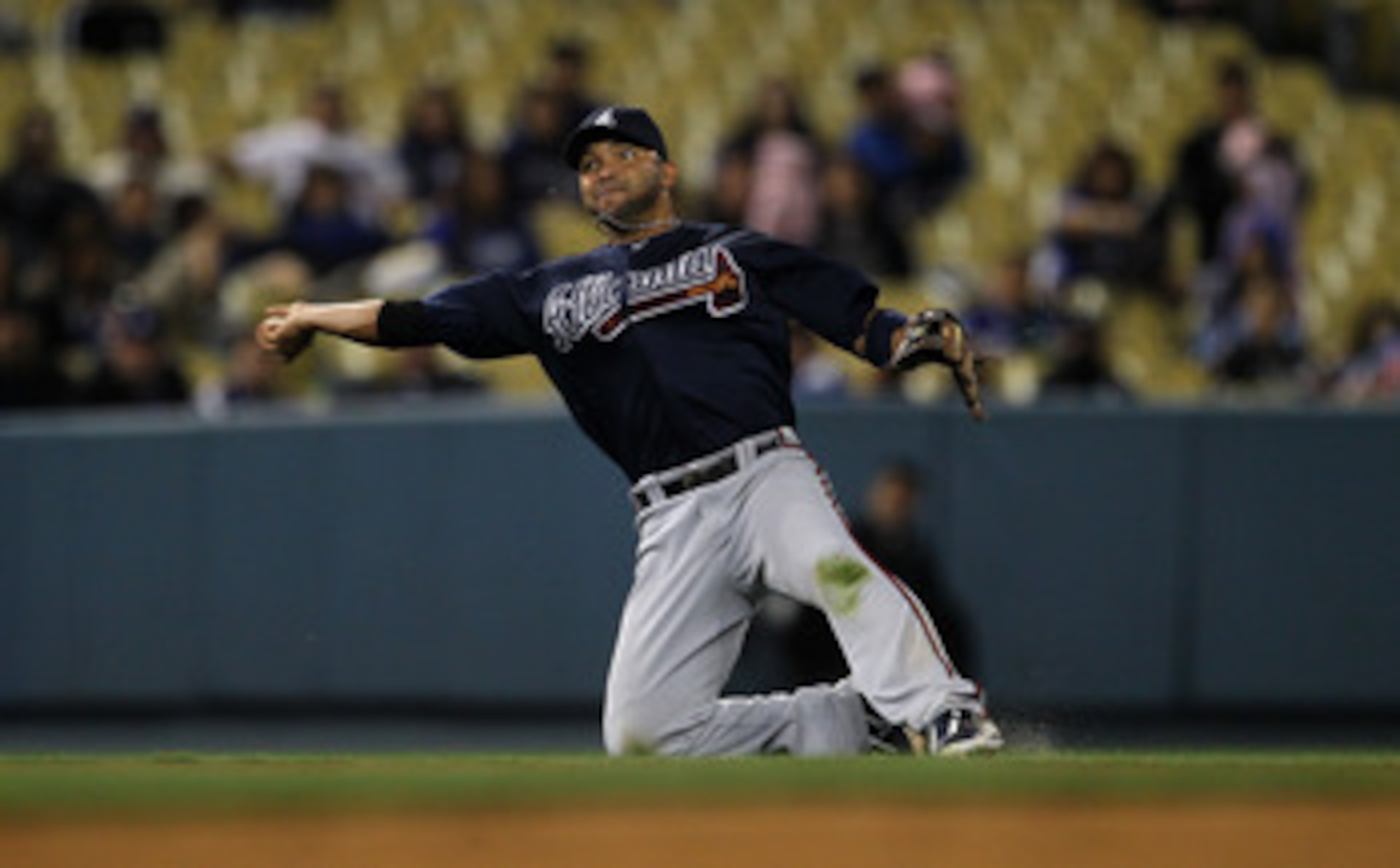
Alex Gonzalez has some power and plays great defense, but he does nothing else well. He is a career .248 hitter who has a career OBP below the on-base Mendoza line (.298). I don’t believe he hits for enough power to make up for his refusal to take a walk.
This year, he has swung at 44.6 percent of pitches out of the zone, third-worst in baseball, but the two guys higher than him are better bad-ball hitters.
21. Ronny Cedeno (Pittsburgh Pirates)
10 of 30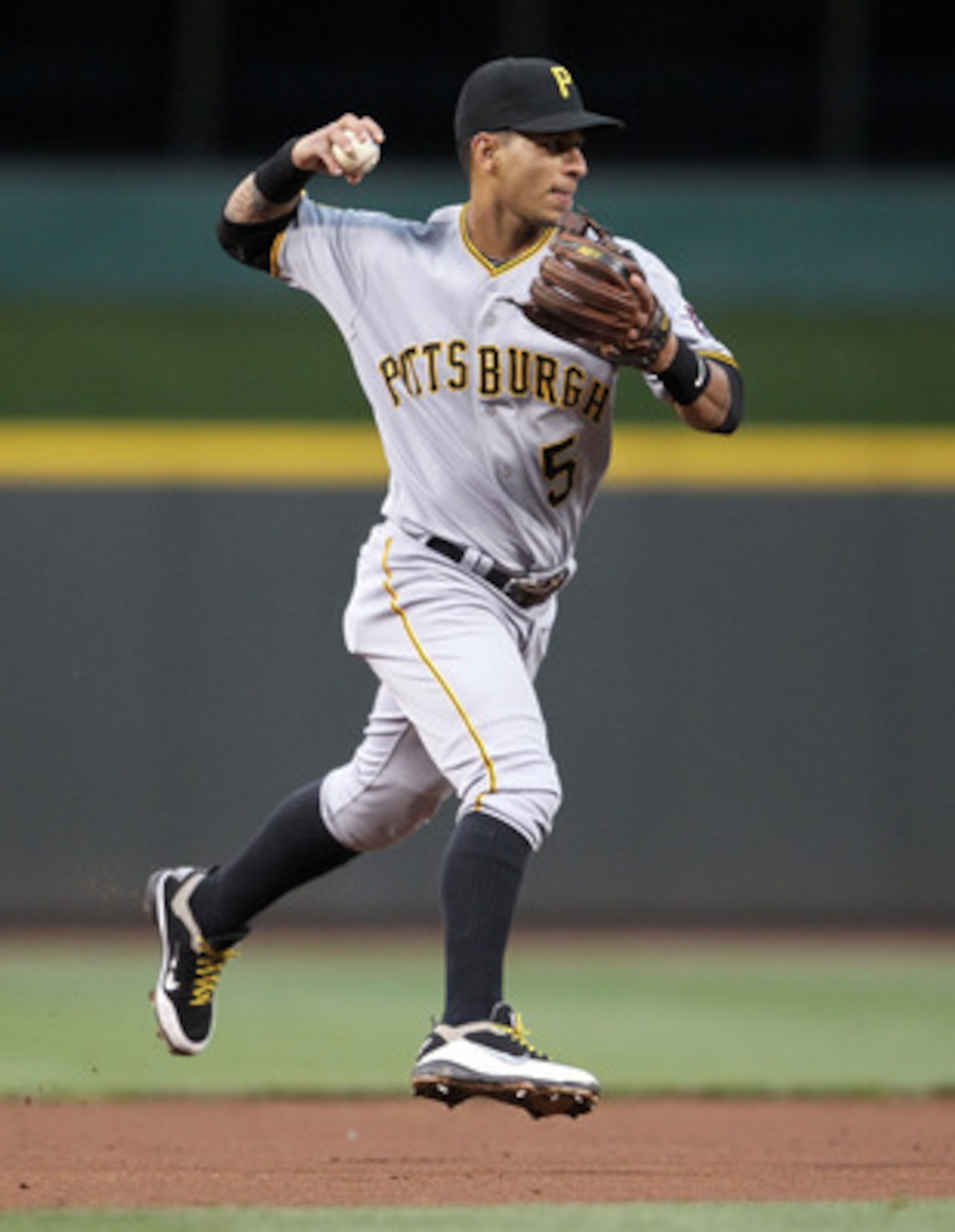
Ronny Cedeno has finally started to draw walks. He’s walking in 9.1 percent of plate appearances this year, after walking less than five percent of the time prior. He also strikes out more often than average, but he doesn’t do so at a catastrophic rate.
The power he showed in 2009 has since disappeared, but Cedeno can catch the ball and has shown above-average speed in the past. He’s still somewhat unpredictable, but if his new-found plate discipline sticks, he could be better than most of us previously thought. That still doesn’t mean I expect Cedeno to be especially good, but he’s not the worst.
20. Ian Desmond (Washington Nationals)
11 of 30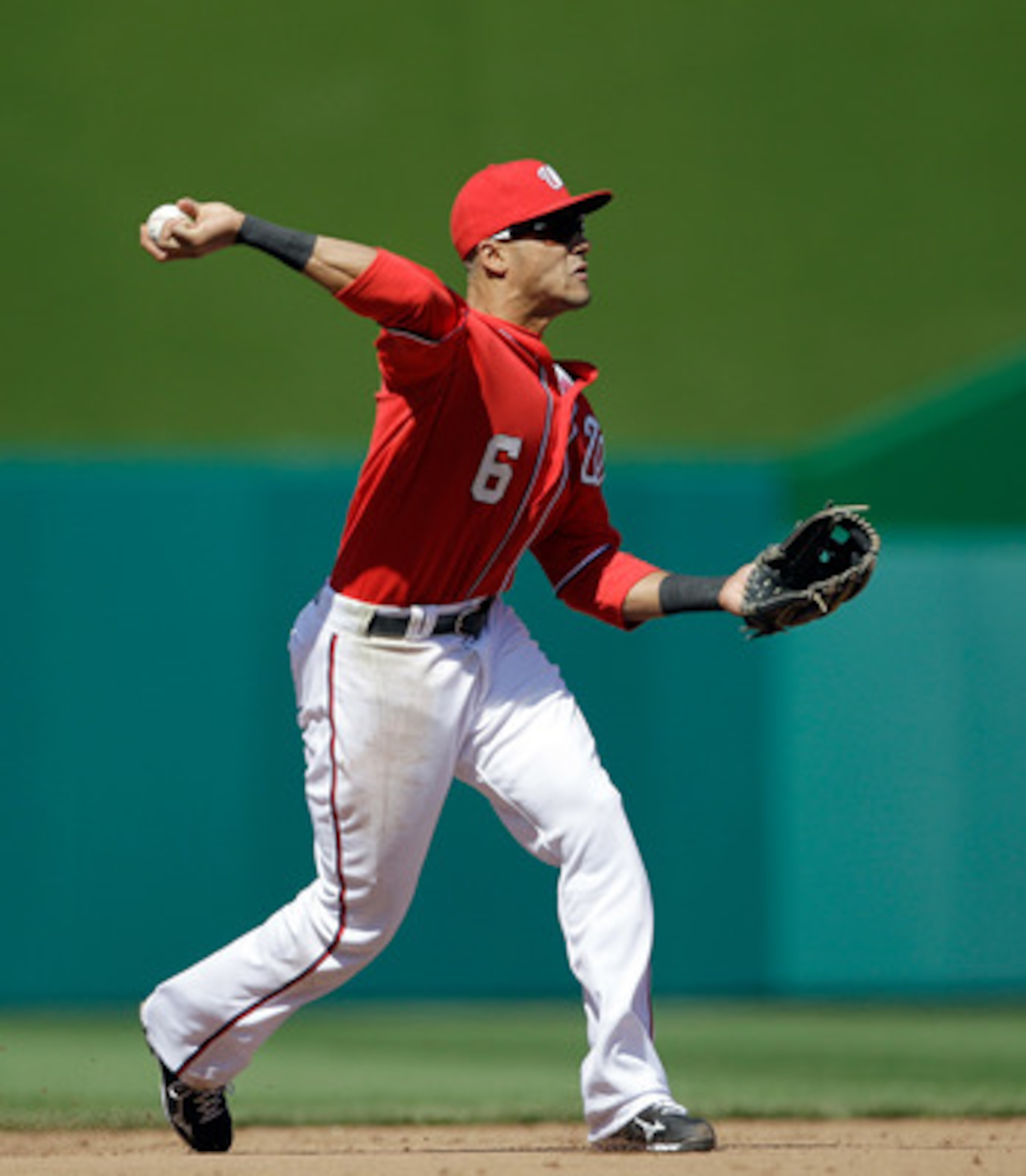
Ian Desmond is in the midst of a horrendous season and at the beginning of what I think will be a career of mediocrity. Even when he isn’t hitting .217, he doesn’t get on base. Desmond takes a lot of pitches, but opposing pitchers go right after him, which has inflated his strikeout rate. Even for a guy who sees a lot of pitches in the zone, a 4.2 percent walk rate is abysmal.
Desmond is starting to look like a 10 to 12 home run guy who would steal a ton of bases if he got on base more, and might steal 40 anyway. Ultimately, he will need to improve his defense and his plate discipline to look like a long-term solution for the Washington Nationals at shortstop.
19. Cliff Pennington (Oakland Athletics)
12 of 30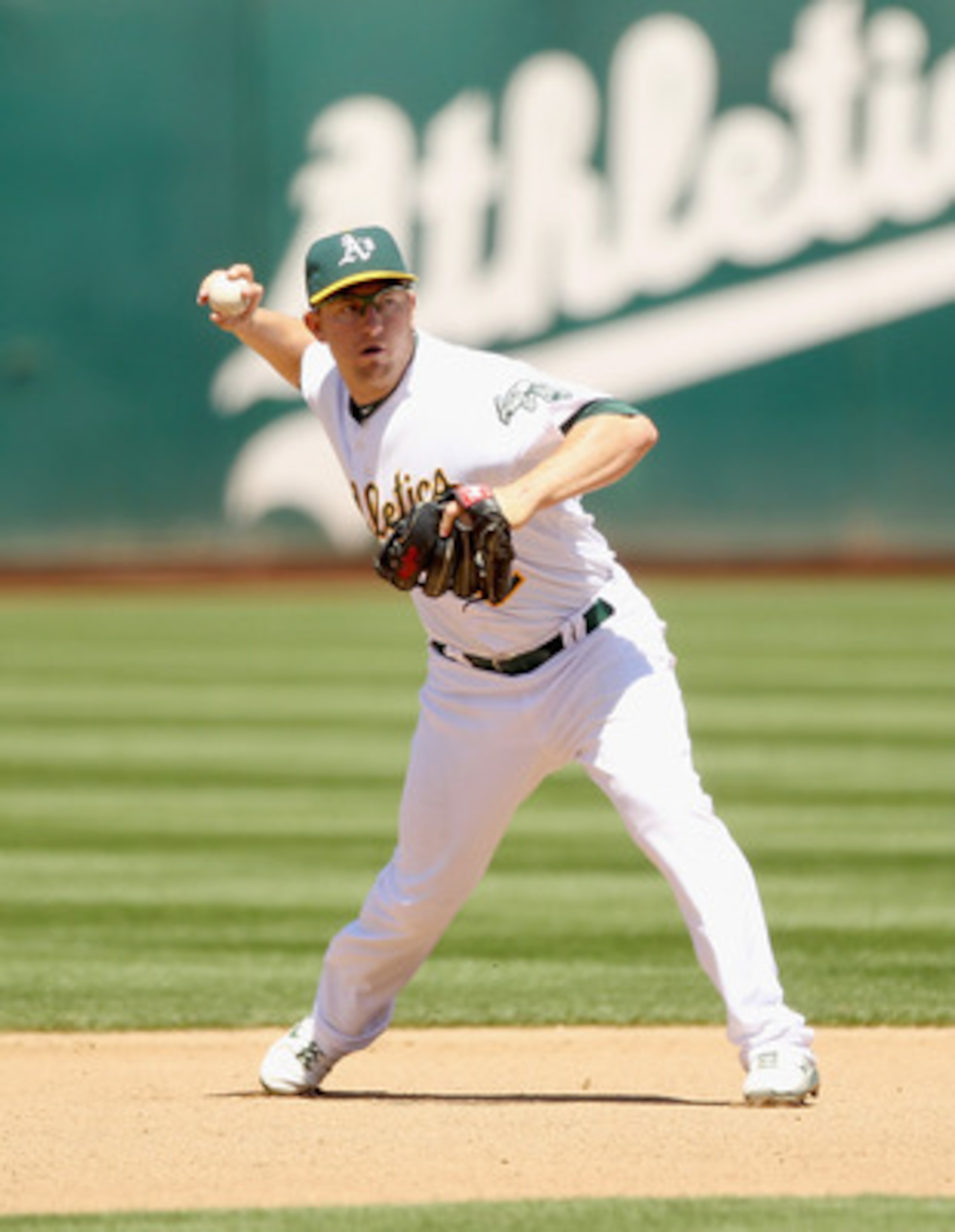
Having read Moneyball, I'm sure Cliff Pennington brings something to the team that the numbers aren’t showing me. He drew a ton of walks as a minor leaguer, but those numbers have gone downhill in recent years. Pennington does put the ball in play, though a fly-ball hitter without power is not the sort of player built for McAfee Coliseum.
I know Billy Beane doesn’t care much for base-running ability or defense, which are the only two things Pennington did well last year. This year, he’s on pace for 11 home runs, 52 RBI and 15 stolen bases. He is currently getting on base at a .287 clip, which should rise with his average, but I think he’s naturally a .250 hitter. I’ll like Pennington a lot more if the walks return.
18. Jamey Carroll (Los Angeles Dodgers)
13 of 30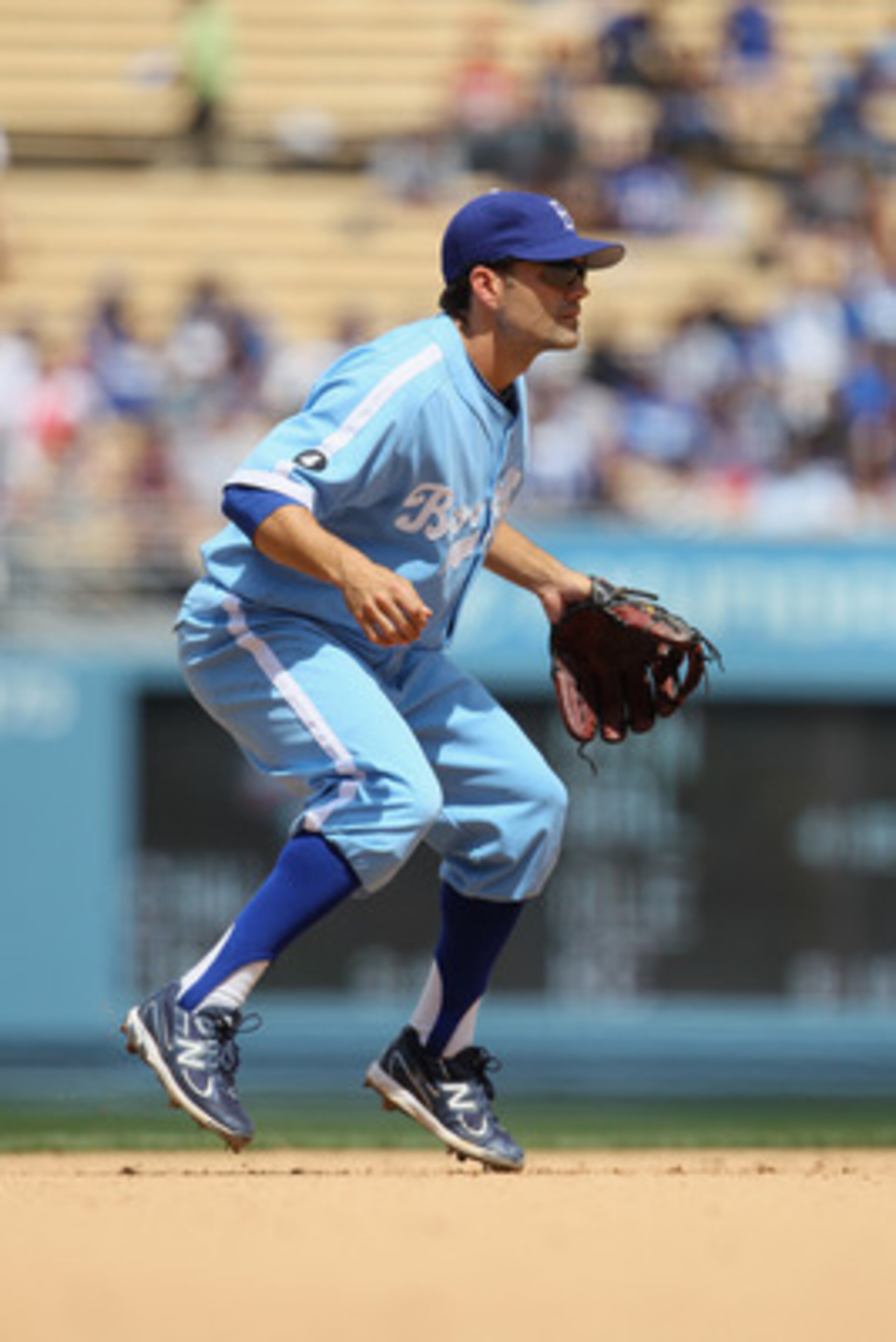
Maybe it’s unfair to put Jamey Carroll on this list. He’s only filling in for Rafael Furcal, after all, and isn’t it more fun to rank the household names? Well, it is, but Carroll is an interesting player to talk about because he’s better than most people think.
A .278 career hitter with a .357 career OBP, Carroll has good plate discipline, walking in 9.9 percent of his 3000 plus plate appearances. Why is Carroll largely ignored? To start with, he has 12 home runs in that time, and OBP is a far less sexy statistic than batting average.
Despite my belief that Carroll is an effective major league player, he probably performs better in a reserve role. He is walking less and swinging at more bad pitches than he has since 2003. I wouldn’t play Carroll every day, but he's one of the better bench players in the game. His defense isn’t up to par this year, but he's usually a good defender. It’s also worth noting that he has never performed below replacement level in a season, despite being a career reserve.
17. Jason Bartlett (San Diego Padres)
14 of 30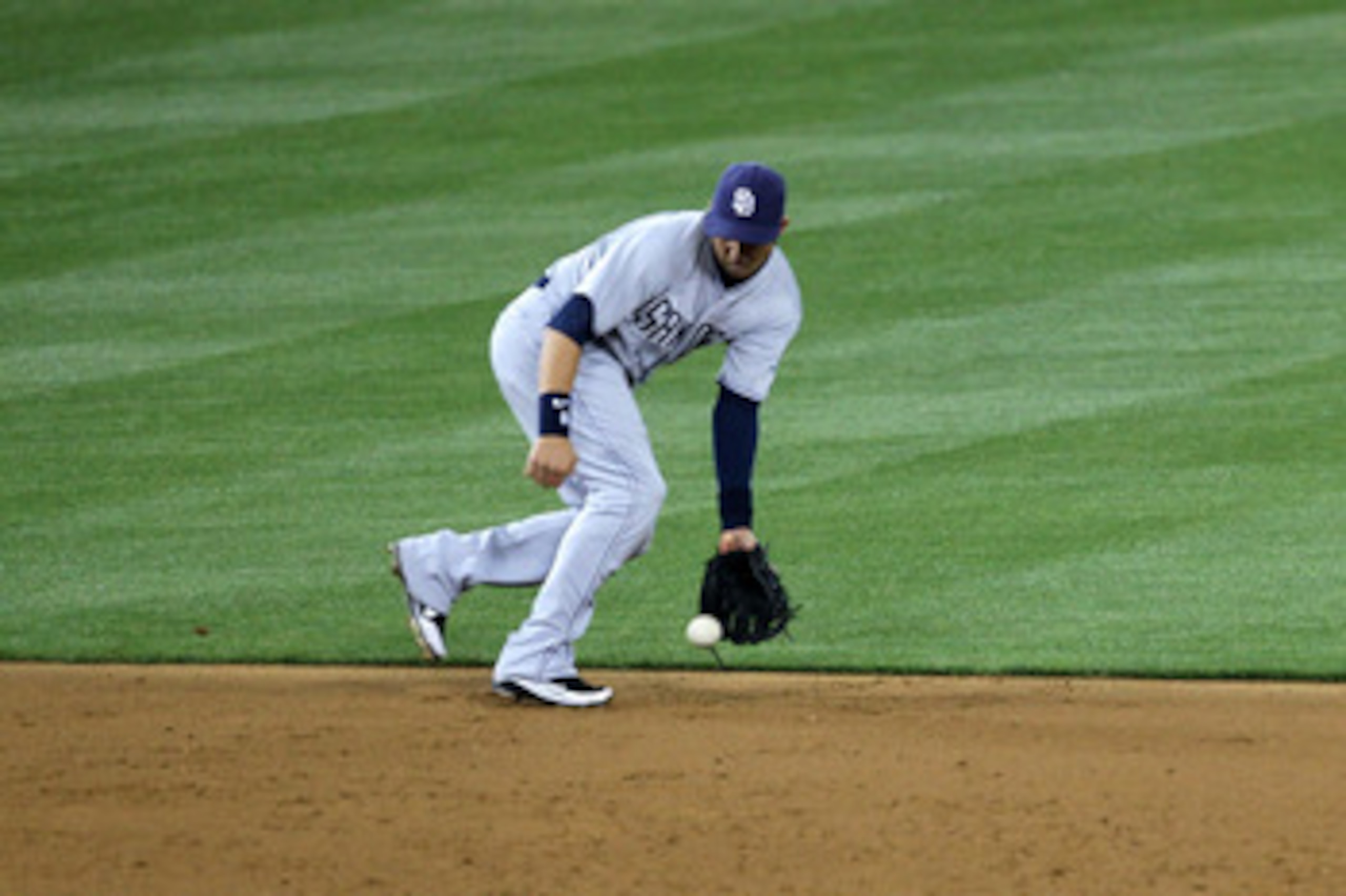
After an outstanding 2009 season, Bartlett has regressed. His surprising power output that year also brought an increase in his K-rate, which hasn't disappeared even though his numbers have gone down. He’s a career .280 hitter, but has hit .256 with a subpar OBP since his breakout performance two years ago. He runs very well, with an 80 percent success rate in 135 career steal attempts.
His defense was atrocious last season, but he has been alright in the field this year in San Diego. I don’t expect Bartlett to do much with the bat, and low RBI and runs scored totals are partly the fault of his team’s light hitting.
16. Alexi Casilla (Minnesota Twins)
15 of 30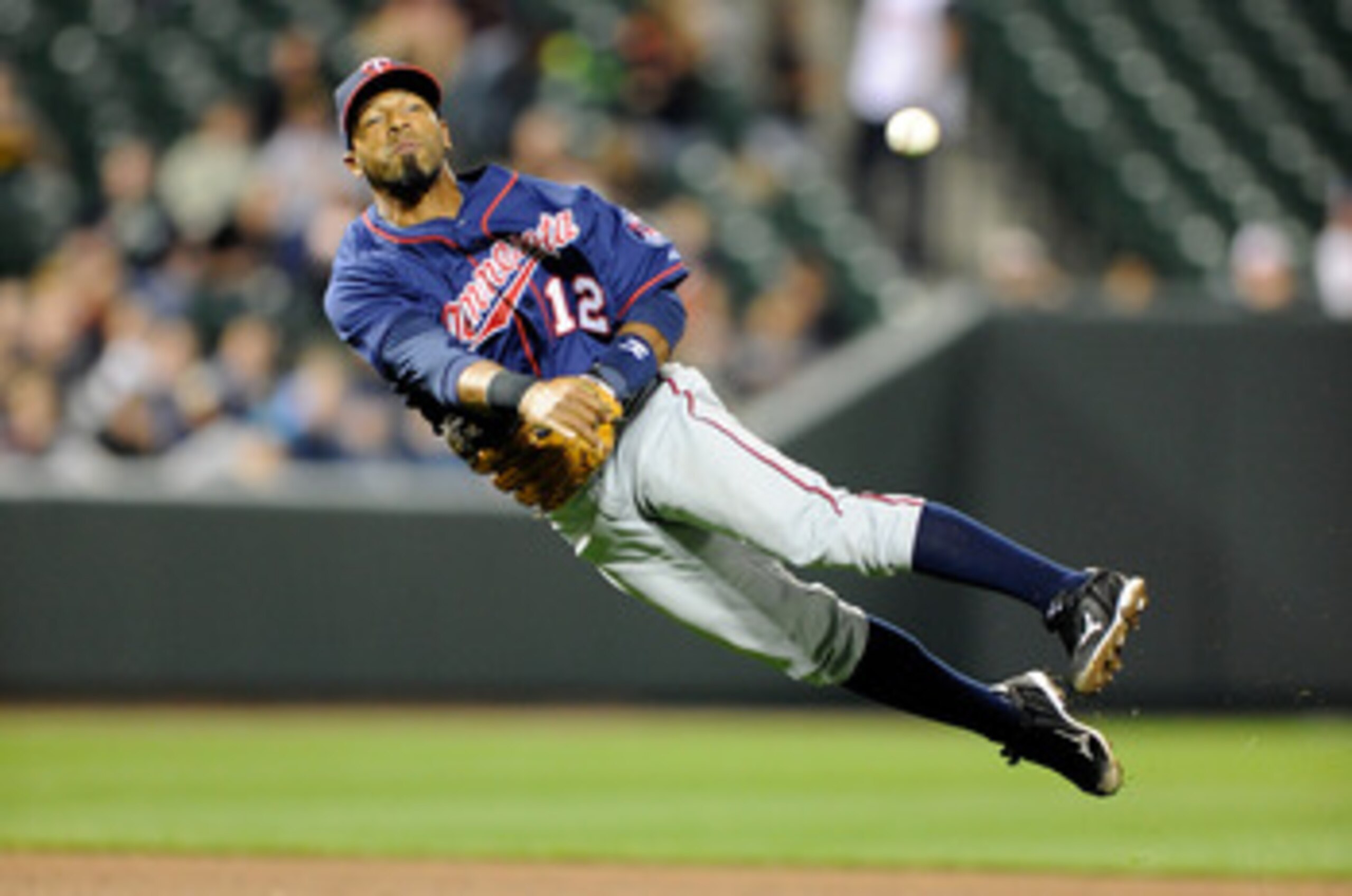
Usually a good hitter, Alexi Casilla has had rotten luck on balls in play this season. He won’t be hitting below the Mendoza line for long. Casilla is striking out at his usual low rate and is walking only 5.6 percent of the time, but is capable of raising that closer to his seven percent career mark.
When Casilla was drafted, it was with the assumption he would eventually develop into an elite base stealer, but he hasn’t been able to secure enough playing time for that to happen. Frequently low BABIPs have knocked his career average down to .244, but he has shown that he is capable of something closer to .270.
He doesn’t hit for power, and his defense is nothing to write home about.
15. Ryan Theriot (St. Louis Cardinals)
16 of 30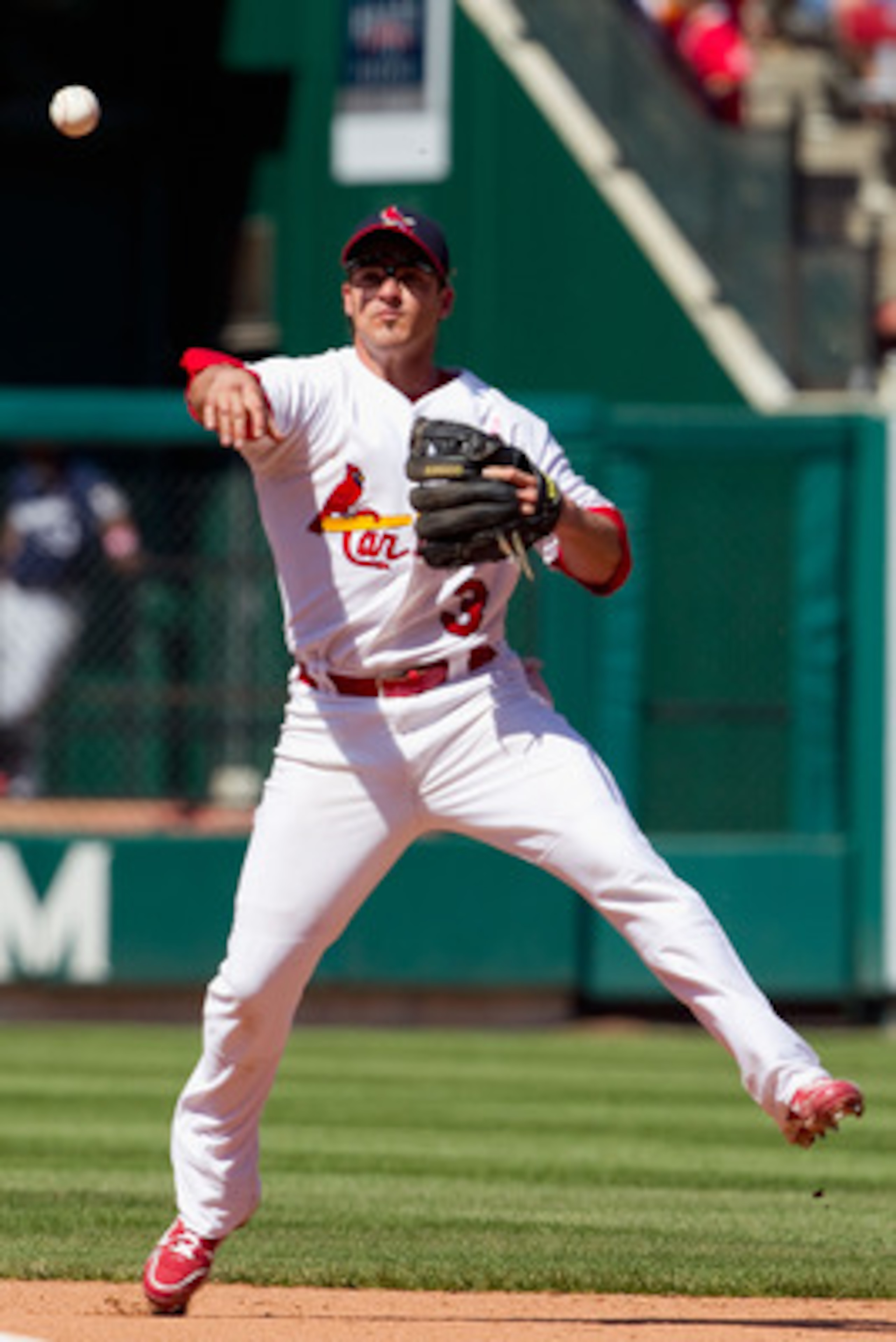
Ryan Theriot never struck out much, but this year his K rate is at its lowest yet. It's for this reason that I think he can sustain his .301 average, even if his BABIP is up around .330. Theriot hasn’t walked much in recent years, so he has to hit for average to maintain his value.
Once he gets on base he's a threat to steal, but he hasn’t run often this season. His career defense has been mediocre to decent, but he’s on pace for more than 30 errors this year which is probably a fluke.
At the end of the day Theriot is a good contact hitter, if not an especially flashy one. He has no power and hits almost two grounders for every fly, but he’s a guy Tony La Russa should feel comfortable having in his lineup day-to-day, especially because of the hitters batting around him.
14. Maicer Izturis (Los Angeles Angels)
17 of 30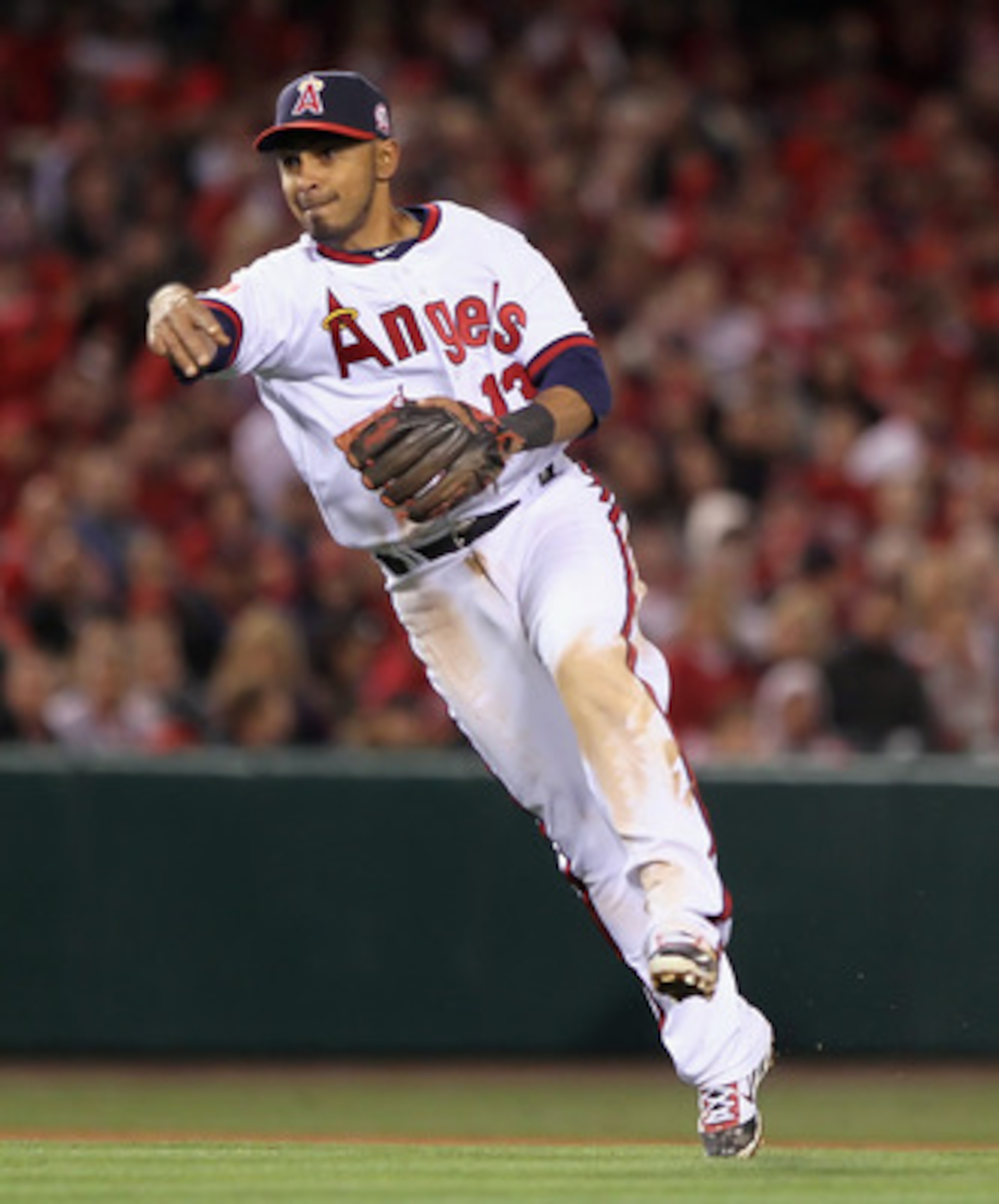
Maicer Izturis has actually spent more time at third base this season, but he is eligible for this list because no other player has spent more time at shortstop for the Angels.
Izturis is a good contact hitter. His current .307 batting average is slightly inflated by his BABIP (.339), but it isn’t outlandish to expect him to hit somewhere around .290.
He has little power, but 10 home runs is a reasonable expectation. Izturis is a useful player for the Angels, given his ability to play all over the infield. He gets himself on base (his career OBP is .342) and runs well, with a success rate of 75 percent in 92 steal attempts. In addition, he plays solid defense, having already saved the team 3.7 runs with his glove.
13. Starlin Castro (Chicago Cubs)
18 of 30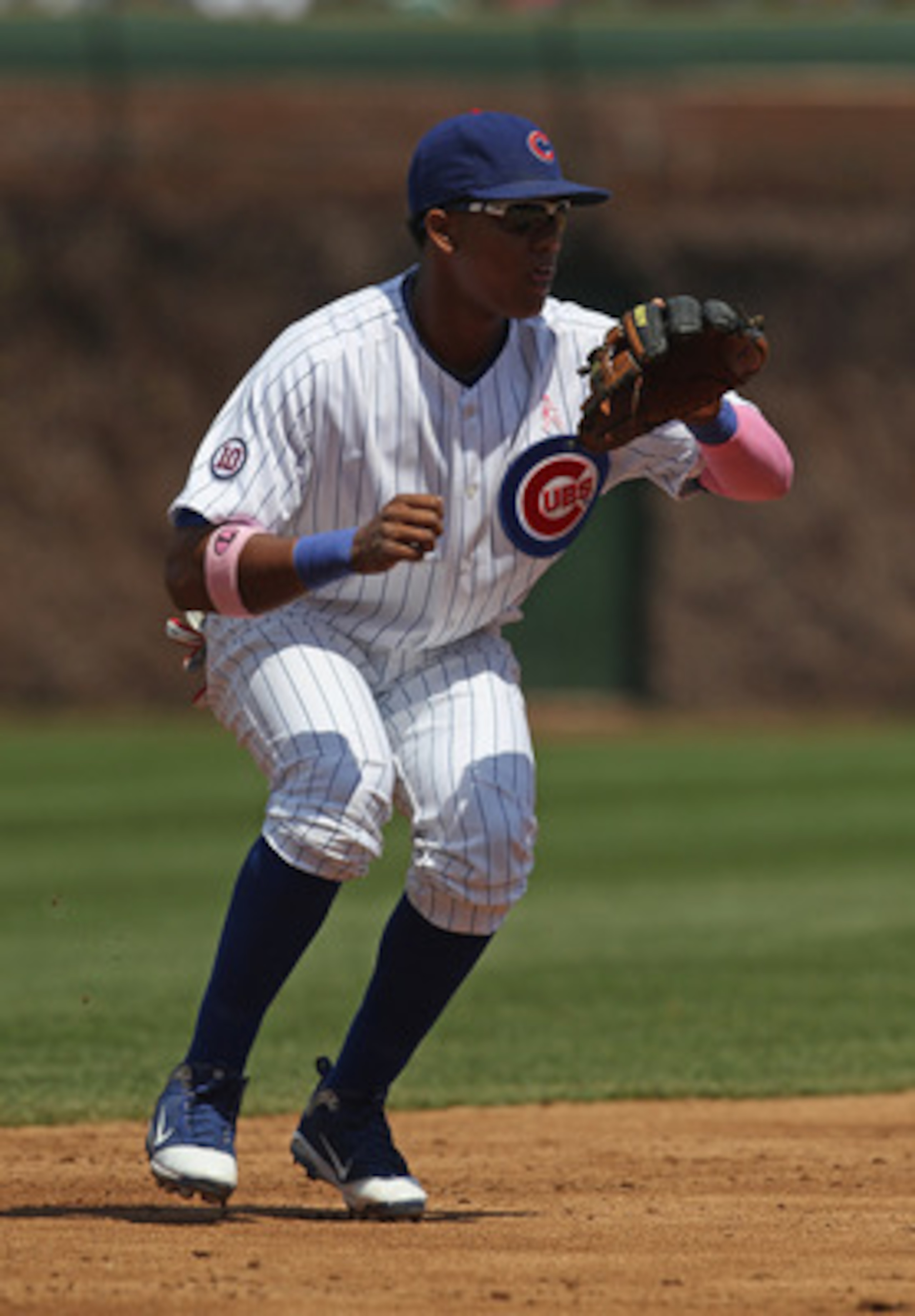
Starlin Castro is a very good contact hitter, and he should get better once he learns discipline. We should be somewhat forgiving since he's only two months removed from his 21st birthday, but Castro’s value has come entirely from his ability to make contact with the ball.
Castro could steal a few bases, (probably around 15 on the year), but does little else especially well. He hasn’t been a good defender, he has minimal power and doesn’t walk much. To be fair, he sees a lot of pitches in the zone, so it's good that he has been swinging. Castro has a good chance to lead all shortstops in batting average, but that’s all I expect him to do well this season.
12. Asdrubal Cabrera (Cleveland Indians)
19 of 30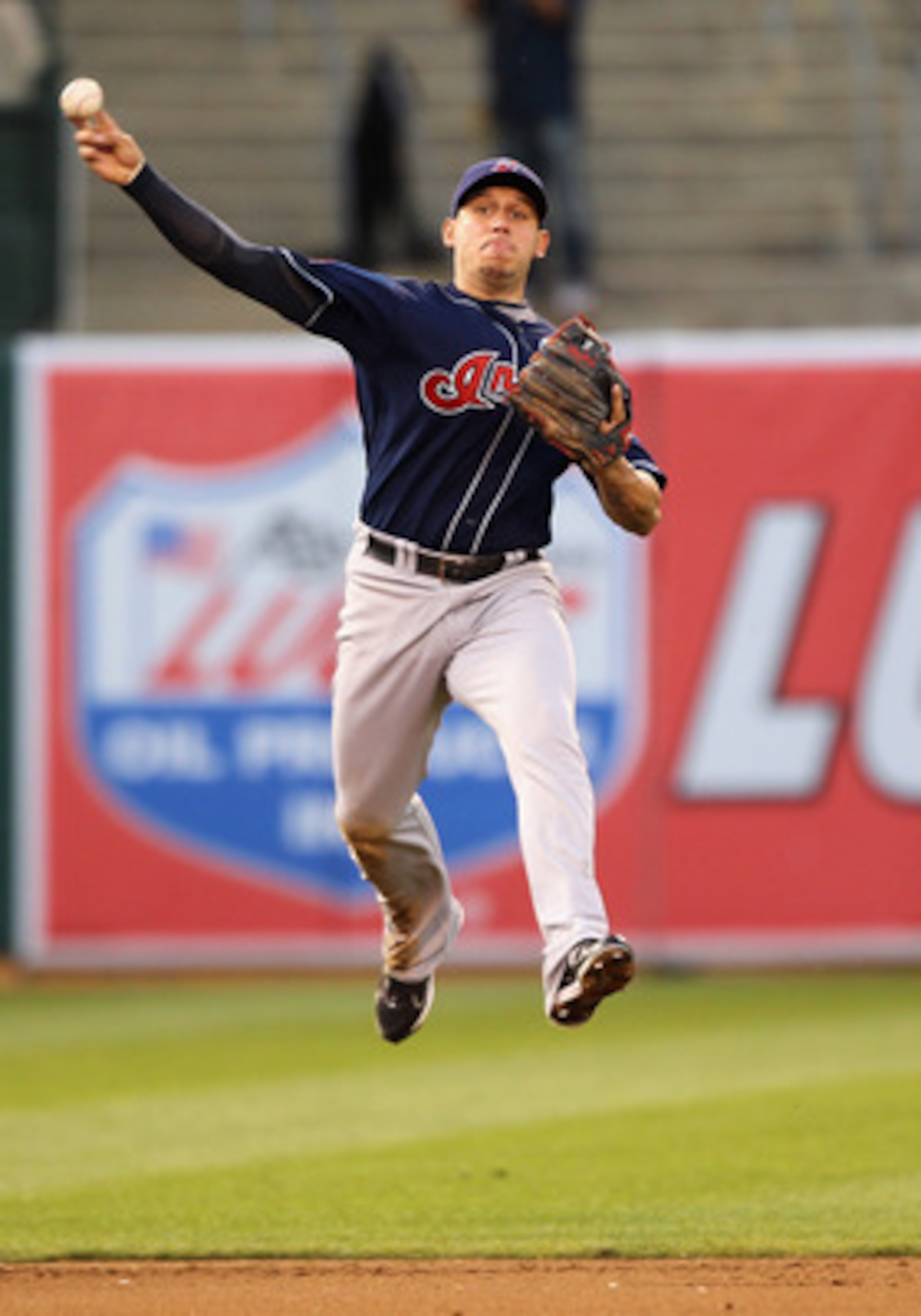
With last year’s injury woes apparently behind him, Cabrera has already set a new career high with seven home runs in the early going. He is striking out at a lower rate than his career mark (15.6 percent on the year) but is walking at a less than ideal rate (6.6 percent).
His .283 batting average is probably sustainable, but Cabrera needs to walk more since he is seeing fewer pitches in the zone than ever before. The power he has shown is encouraging, as are his five steals, but Cabrera’s defense is, as usual, unacceptable. With limited range in the field, Cabrera has already cost the Indians four runs with his glove. He has made up for that with his bat, and is probably entering his prime as a hitter.
I think Cabrera has some good years in his immediate future, but somewhere down the line he's going to start looking like a third baseman playing short.
11. Elvis Andrus (Texas Rangers)
20 of 30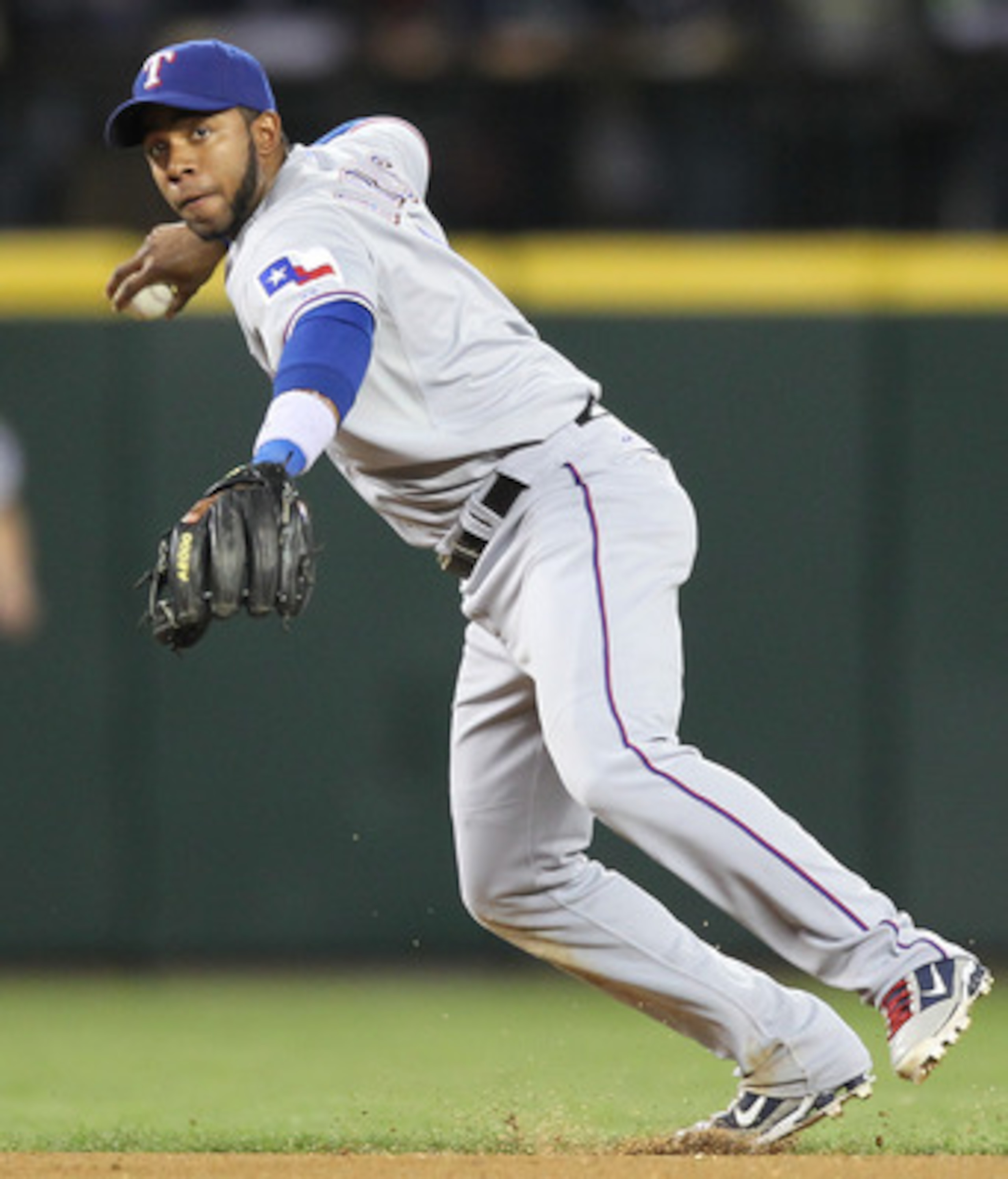
In Andrus, The Rangers have a young base-stealing machine, set to blaze past his steal totals from the past two seasons (32 and 33) sometime in July. Andrus is not an especially good contact hitter, especially for a speedy guy who hits grounders more than twice as often as he elevates the ball.
He’s a single-digit home run guy who probably wont eclipse 50 RBI, which is low even for a leadoff guy on a good team. He gets on base at a rate near the major league average, which is what happens when you hit .260 to .270 and walk at a rate about equal to the major league average.
After a great rookie season as a fielder, Andrus was just decent in on defense last year. He won’t turn 23 until August, so Andrus has time to develop into a better hitter. He has struggled to hit the fastball in his career, but I believe that he'll improve over the coming years.
10. Derek Jeter (New York Yankees)
21 of 30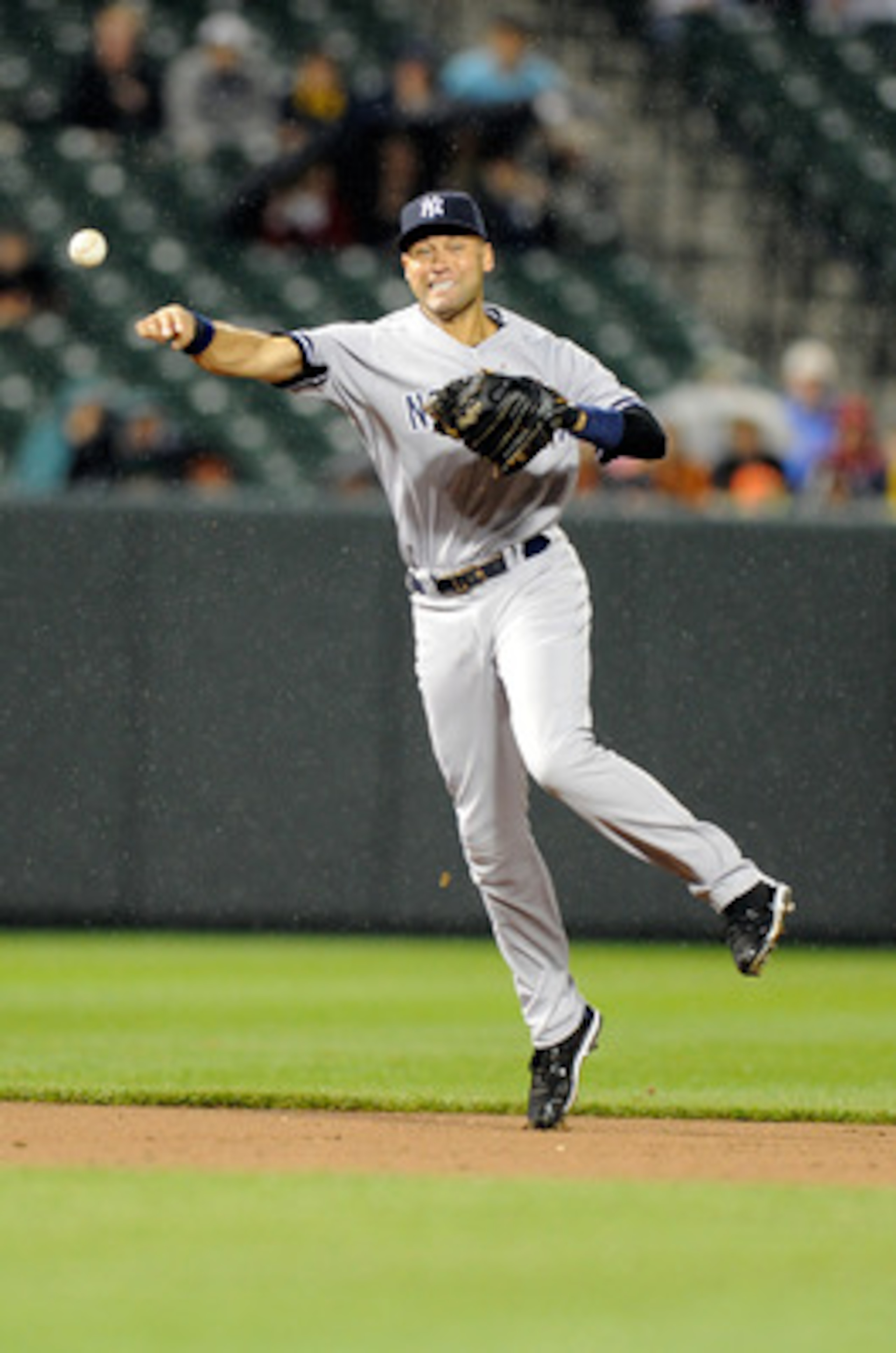
I thought last season was an off year, but Jeter’s recent hot steak hasn’t even been enough to break him out of an early-season funk. His .259/.313/.328 slash line has him dangerously close to replacement level, and if he makes the all-star team this year, we should take that as a full confession of bias from the voters.
I have the utmost respect for Derek Jeter. He has been one of my idols and I grew up rooting for him and the Yankees, but he isn’t the same hitter he used to be. He’s making contact with the ball at a very high rate, but doesn’t hit line drives like he used to. His lowered bat speed needs to be offset by an increase in walks, but his .313 OBP is unfortunately low.
He has been decent in the field this year, but he's no longer a great hitter. Also, Jeter is on pace for his first single-digit steals season ever. A hot streak could render much of what I’ve written here premature, but as much as it pains me to say this, Derek Jeter is now little more than a decent player. I spent all of 2010 defending Jeter, and I still want him in pinstripes until he can't stand up unassisted, but I can’t argue with the numbers.
I hope that everything I've written on this slide looks incredibly stupid in a month or so.
9. Jimmy Rollins (Philadelphia Phillies)
22 of 30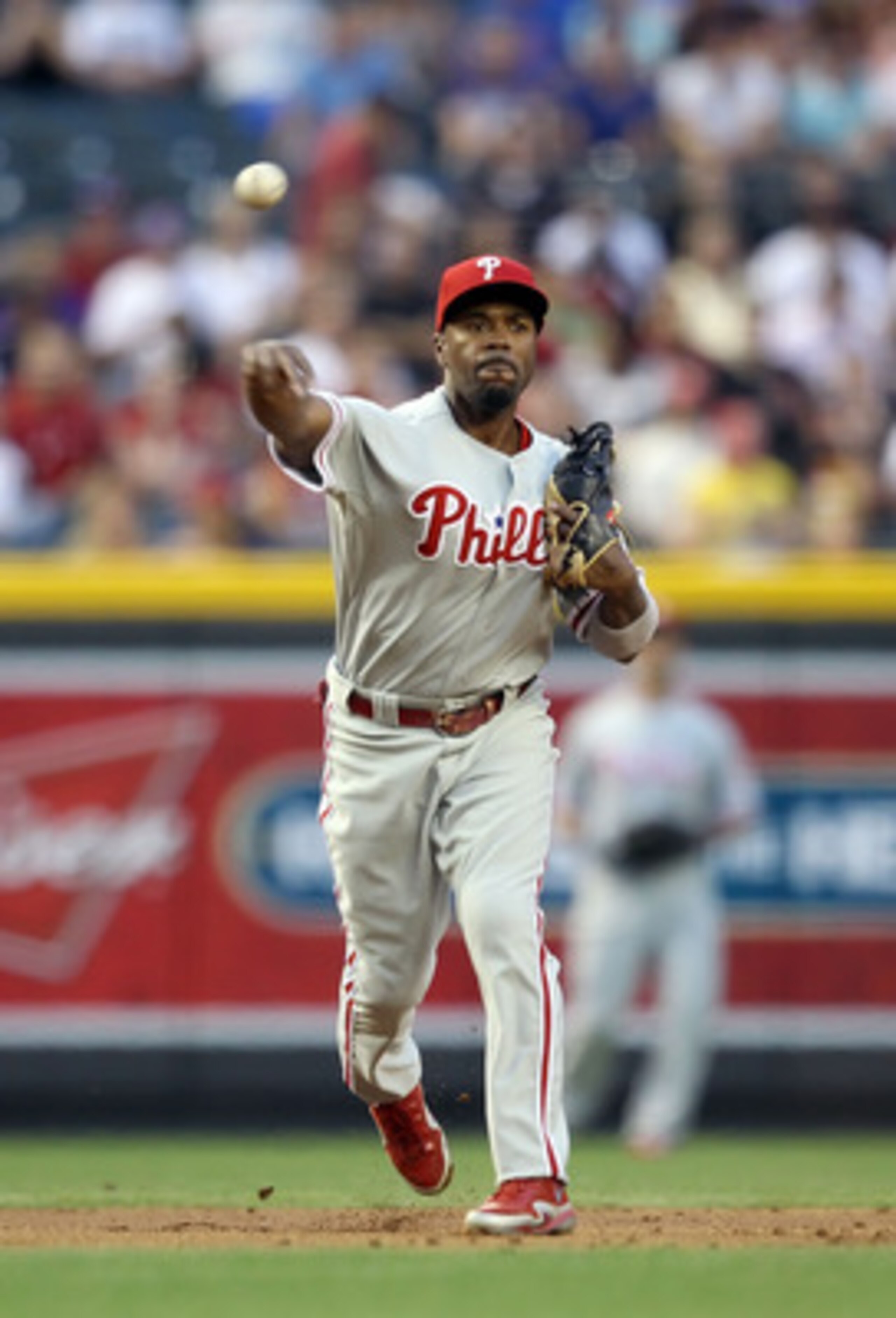
Rollins has helped his chances at having a longer career by starting to take more walks. Actually, to be more accurate, opposing pitchers have helped Rollins' chances by pitching around him, but regardless, Rollins, usually an unimpressive on-base guy, has been able to produce despite batting averages down around .250 or .260. He is probably capable of more, but injuries and age have started to take their toll.
His power has evaporated overnight, but he is stealing bases at his usual 30+ rate again, which is good. His days as an elite shortstop are over, but no one should be calling for Rollins’ retirement. He shouldn’t put up any stunning statistics, other than 35 steals or so, but he won’t hurt the Phillies in any regard.
8. Jed Lowrie (Boston Red Sox)
23 of 30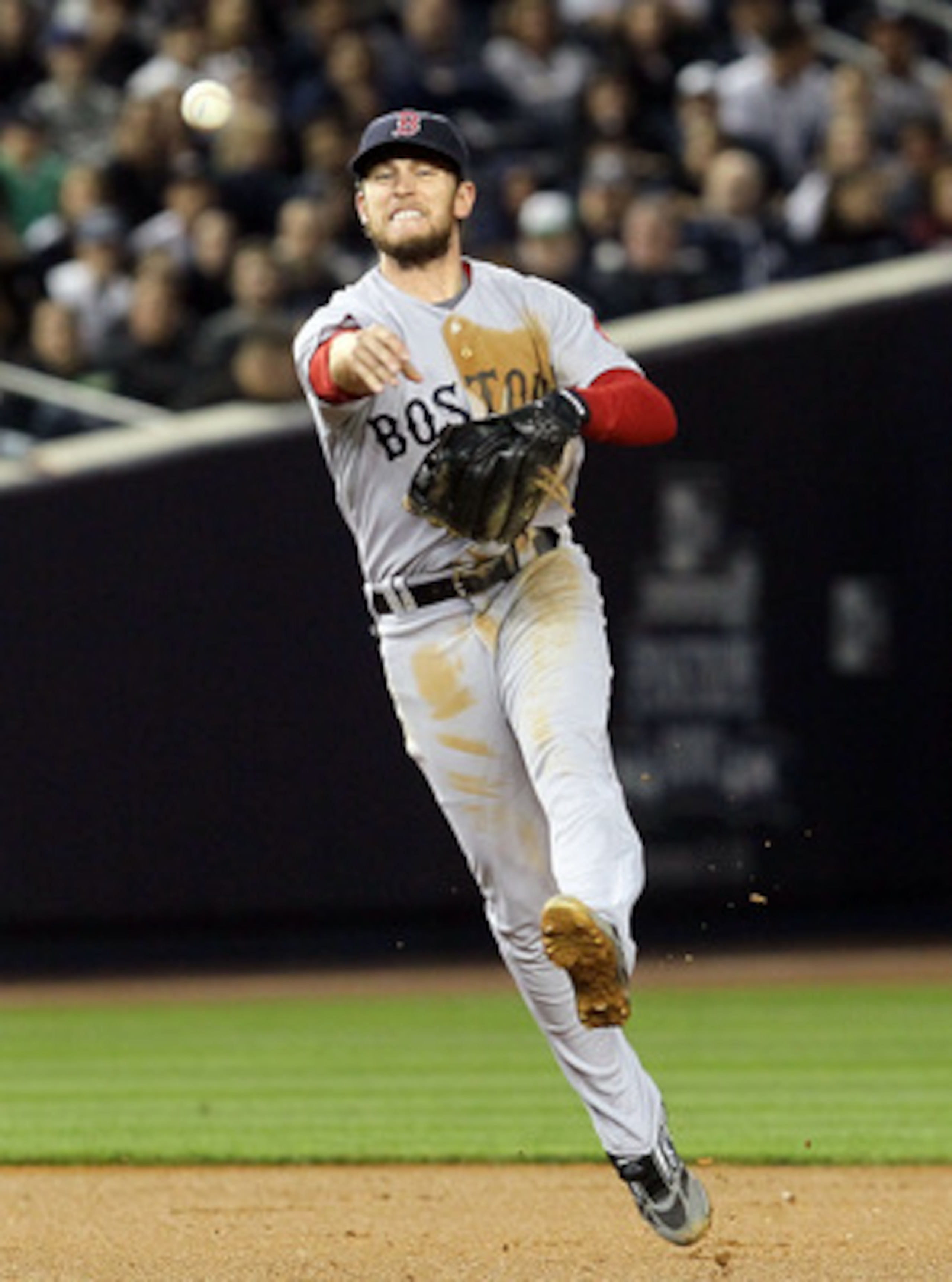
Marco Scutaro should return from the DL without a job this summer. Jed Lowrie’s .313 average through 38 games is luck-inflated, but not by much.
Usually a high-walk guy, Lowrie has been swinging a lot more this year, but as long as he’s hitting the ball, that’s okay. I think he'll walk more often than most in the coming seasons while striking out around 20 percent of the time (a little lower than his career mark).
He isn’t a great home run hitter, but I would expect a few seasons of 15 or so, while being a pesky hitter in the mold of many of his teammates. Lowrie is a good player who I don’t expect to be great, but we’ll see what he can do as the Red Sox’ starting shortstop.
7. Yunel Escobar (Toronto Blue Jays)
24 of 30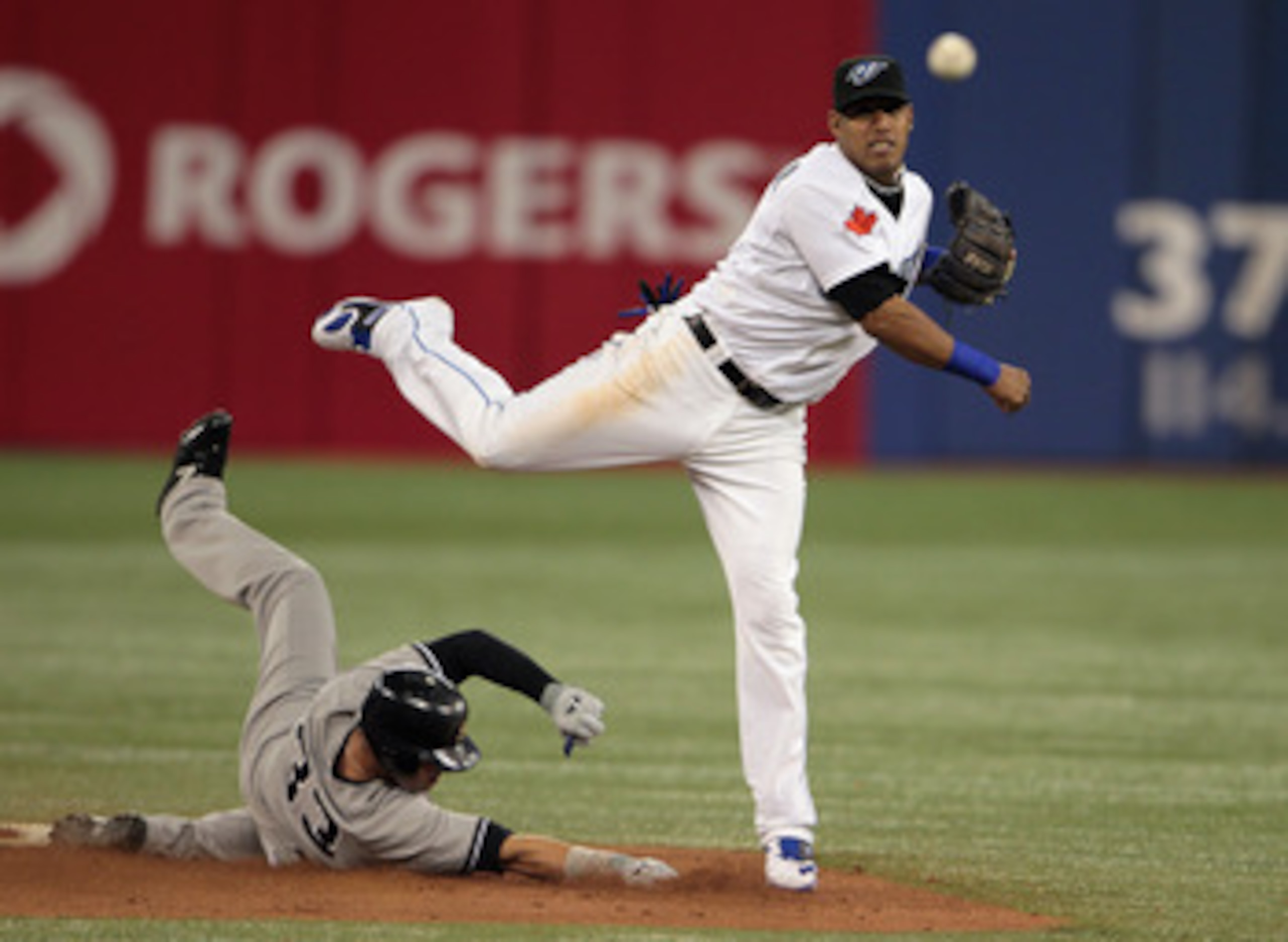
Yunel Escobar seems to have returned to form after the Braves gave up on him last year. He is a good contact hitter who is walking more than ten percent of the time. He's also striking out more than he usually does, but less often than most.
He could bring his .277 average up closer to his career mark of .288, and I wouldn't be surprised if he does. He won't contribute more than a handful of steals, and he isn't going to hit more than 12 home runs or so. Escobar is a good defender (though probably not a gold glove candidate), but his value comes from his on-base potential, which makes him more valuable than most contact-hitting middle infielders.
6. Alexei Ramirez (Chicago White Sox)
25 of 30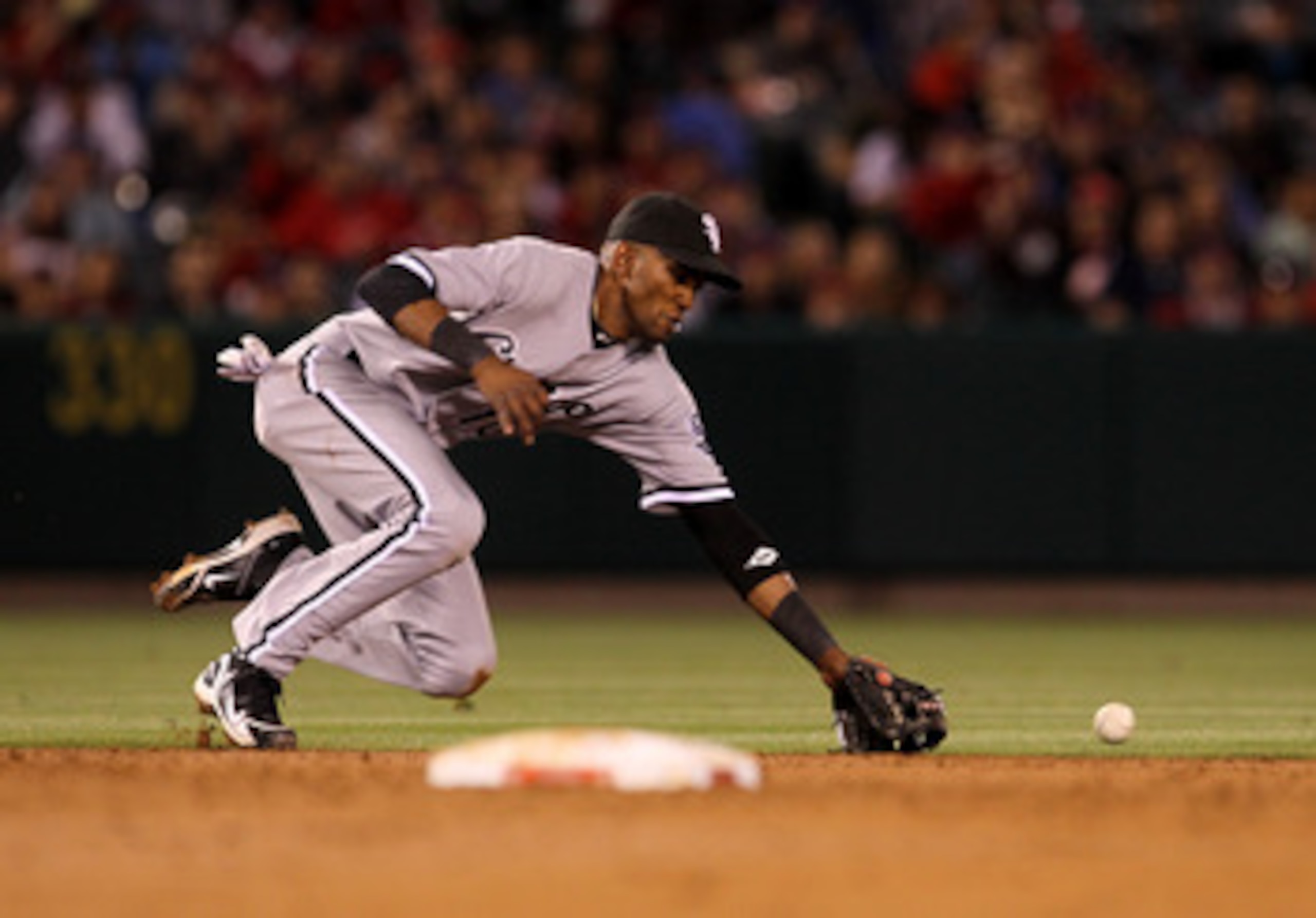
Alexei Ramirez began his career smack in the middle of his prime, so we probably shouldn’t expect him to get a lot better. He hits for a good average, with a .281 career mark, and this year’s .262 will probably creep upwards.
He hits home runs, and should be able to capitalize on RBI opportunities to the tune of 70 or so. Despite his good career average, Ramirez seldom walks, so his career OBP of .322 is below average. Interestingly, he’s been elevating the ball more this year than ever before. In his home ballpark, that could mean a new career-high in home runs, but I would expect something like 17 from him.
Ramirez arguably deserved a gold glove award last year.
5. Stephen Drew (Arizona Diamondbacks)
26 of 30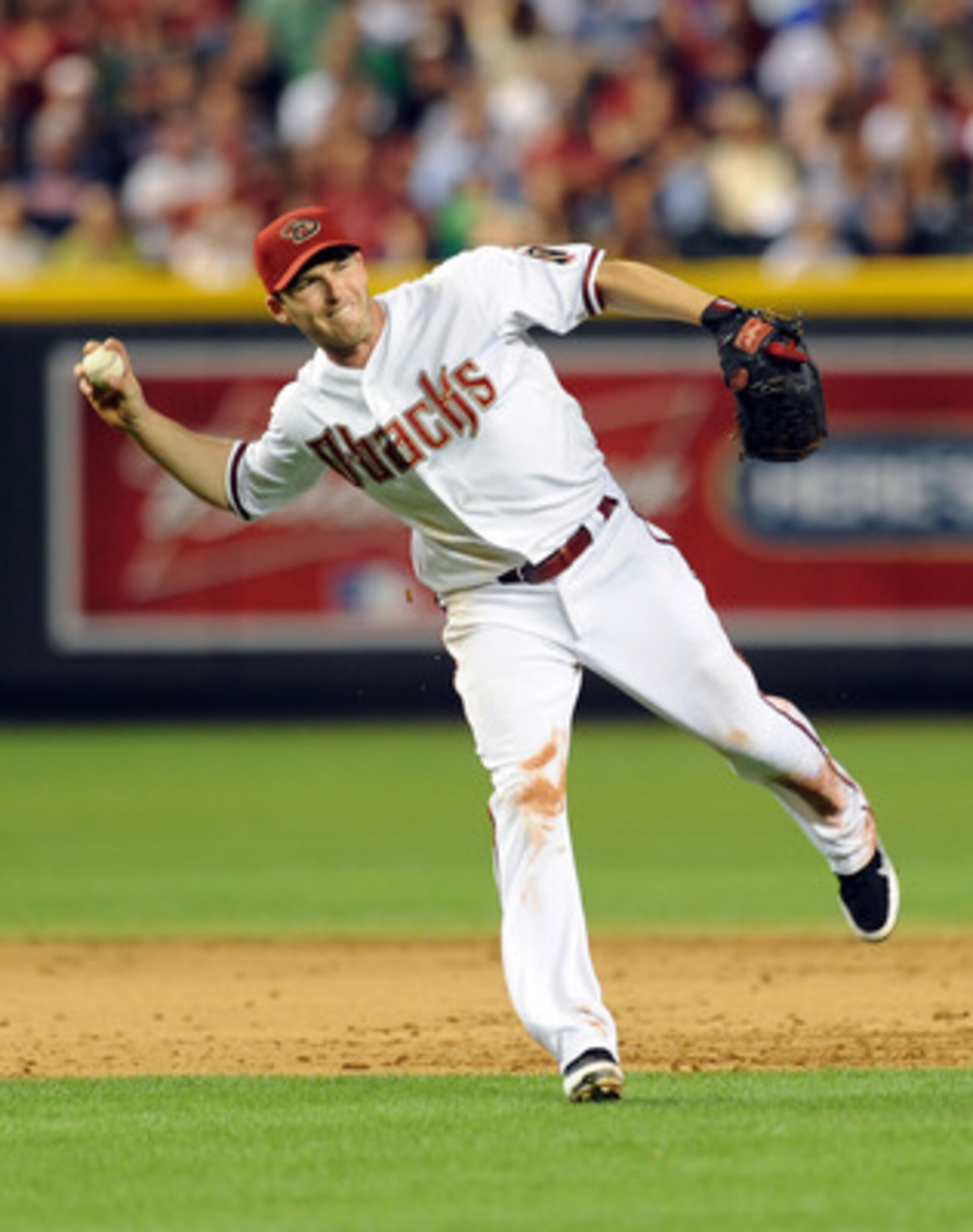
Drew tends to have good even-numbered years and mediocre to poor odd-numbered years, but I think that trend ends in 2011. His current .273 average is slightly luck-inflated, but he’s striking out slightly more often than usual. I think both of these factors will correct themselves, and we’ll see Drew for the .270 hitter he is.
He draws walks, this year more than ever, and is on pace to soar past his previous career-high in RBI sometimes in late July. He isn’t the 21 home run player he was three years ago, but 15 is reachable.
Drew has improved his defense over the past few years and can pick up a few steals, probably around 12 on the season. A good all-around player, Drew is slightly underrated by those who balk at his unspectacular batting average and recent home run output.
4. Jhonny Peralta (Detroit Tigers)
27 of 30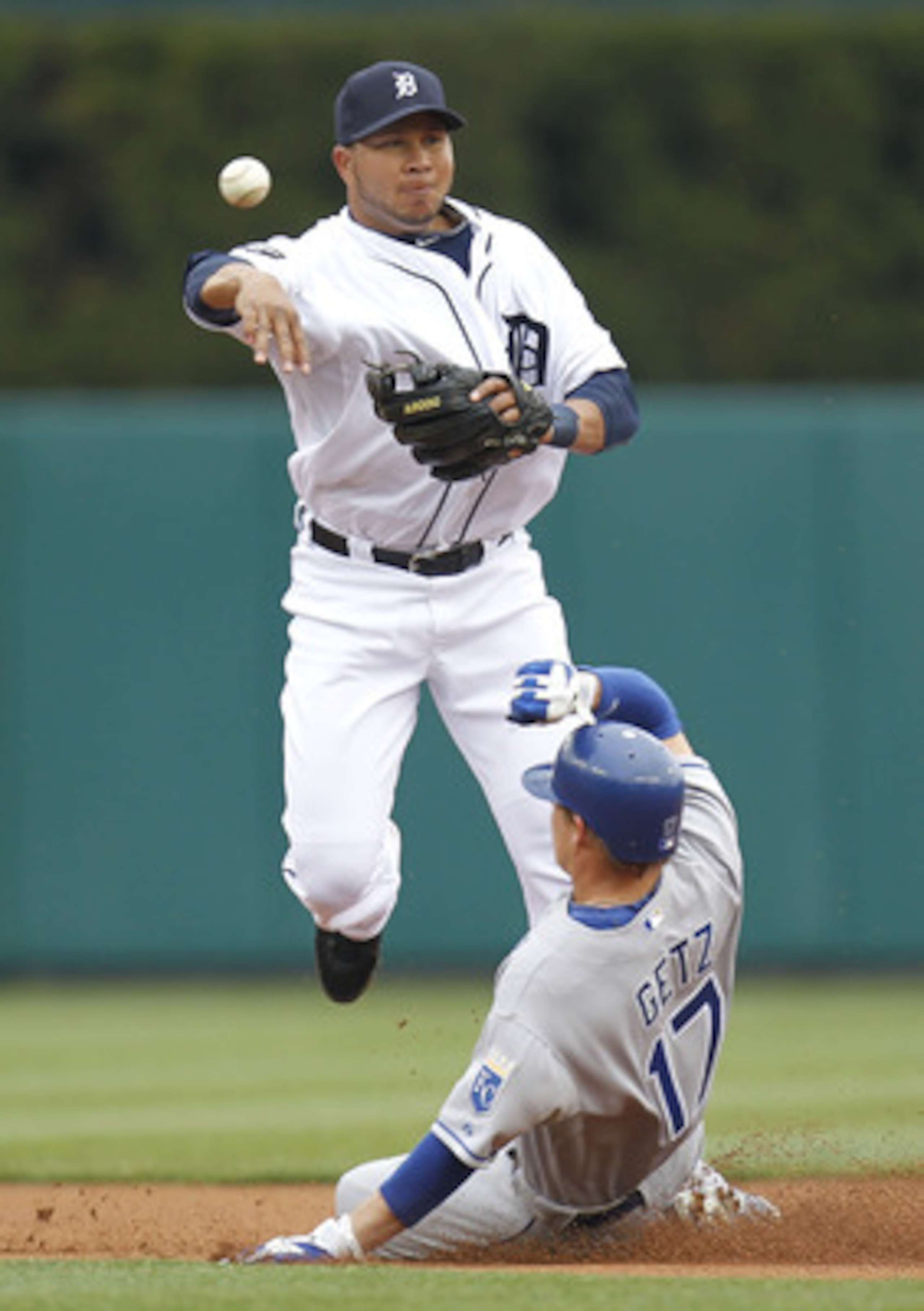
Two things have changed with Jhonny Peralta over the last couple of seasons. He has started to make more consistent contact, and the balls he hits tend to be elevated more. With neutral luck, Peralta carries a .290 average into late May. As a result, his OBP is an impressive .351.
Peralta typically walks at a rate close to the MLB average. With his batting average close to .300, his OBP is soaring close to a career-high, and I think it’s legit. While he has been largely forgotten, having played in Cleveland through some rough seasons, Peralta has hit 20 home runs three times and should reach that mark again this season.
He is typically worth about 80 RBIs, which is good for a middle infielder. Perhaps his move to Detroit has helped him; in his new home, Peralta is laying off more pitches and is playing better than he has in years.
3. Hanley Ramirez (Florida Marlins)
28 of 30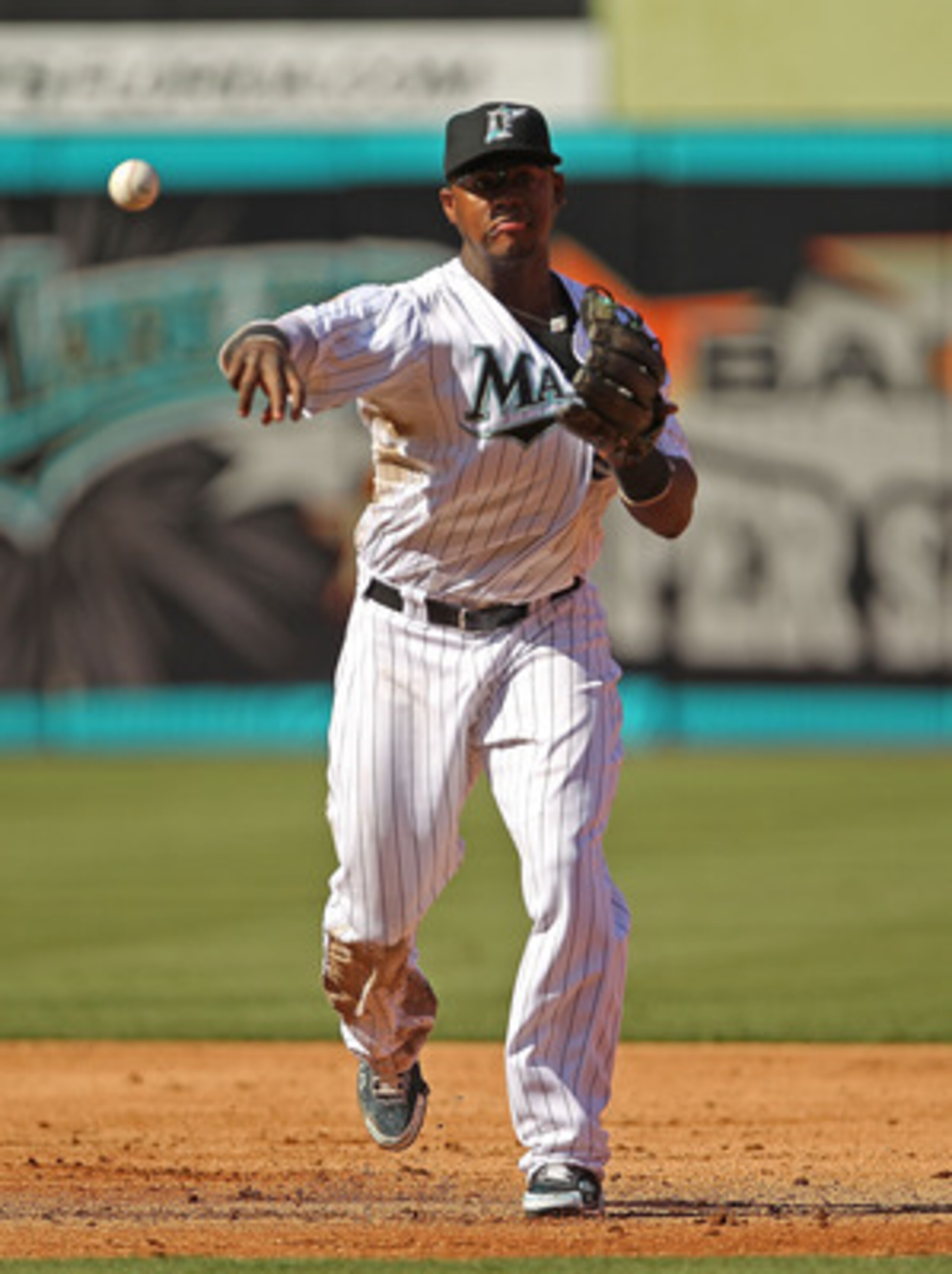
Hanley Ramirez’ career .308/.380/.510 slash line deservedly ranked him among the best hitters in the game over the last half-decade. Ramirez has done everything exceptionally well with his bat, even though he's never been a great fielder. His slump earlier this year was a fluke that should correct itself with additional at-bats, and 2011 will probably go down as an off-year.
I don’t doubt that Ramirez can still hit .300, and in a better hitter’s park could hit 30 or more home runs again, but his recent struggles have been disconcerting. I'm most worried about his troubles on the base paths, but Hanley brings much more than speed to the table when he’s on.
2. Jose Reyes (New York Mets)
29 of 30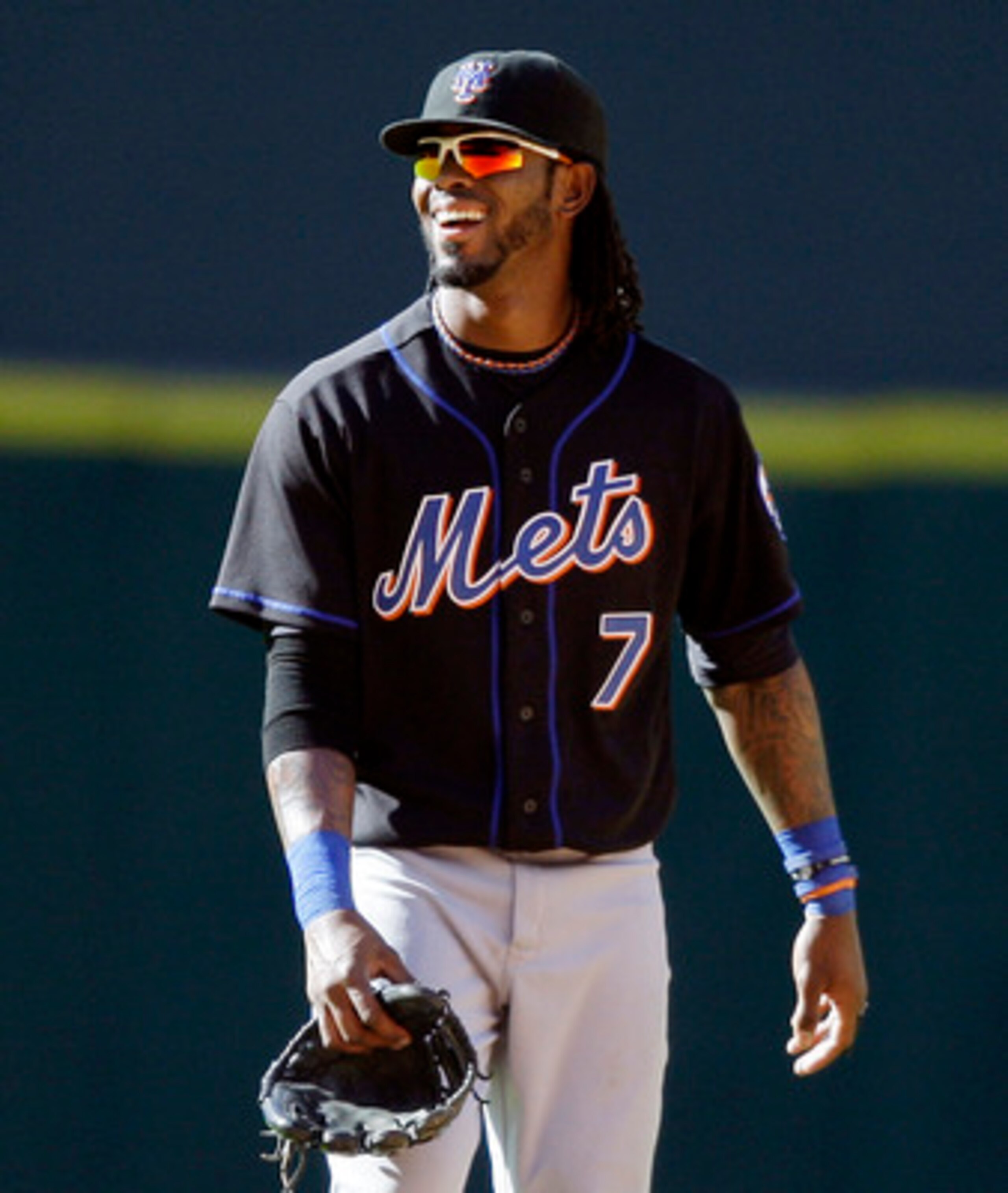
Jose Reyes has been the best shortstop in the game so far in 2011, leading the pack in WAR. Though the season in young, it’s hard not to think Reyes is back. Reyes’ success has come from his ability to consistently put the ball in play and let his speed take over, and it's still working for him now. He has never struck out more than 14.1 percent of the time, and this year is striking out at his lowest rate ever.
During his best seasons, Reyes also took walks and put up around 15 home runs. He is walking again, and the hits are falling in at a .311 clip. Perhaps most importantly, he is on pace for 59 steals. The power isn’t there, but if Reyes can continue to get on base at a .365 clip, he doesn’t need to hit home runs.
The Mets need to win with discipline and speed, and Reyes can help them do that. Still only 27 years old, Reyes is healthy and in his prime. He's an elite shortstop who could be headed for a career year.
1. Troy Tulowitzki (Colorado Rockies)
30 of 30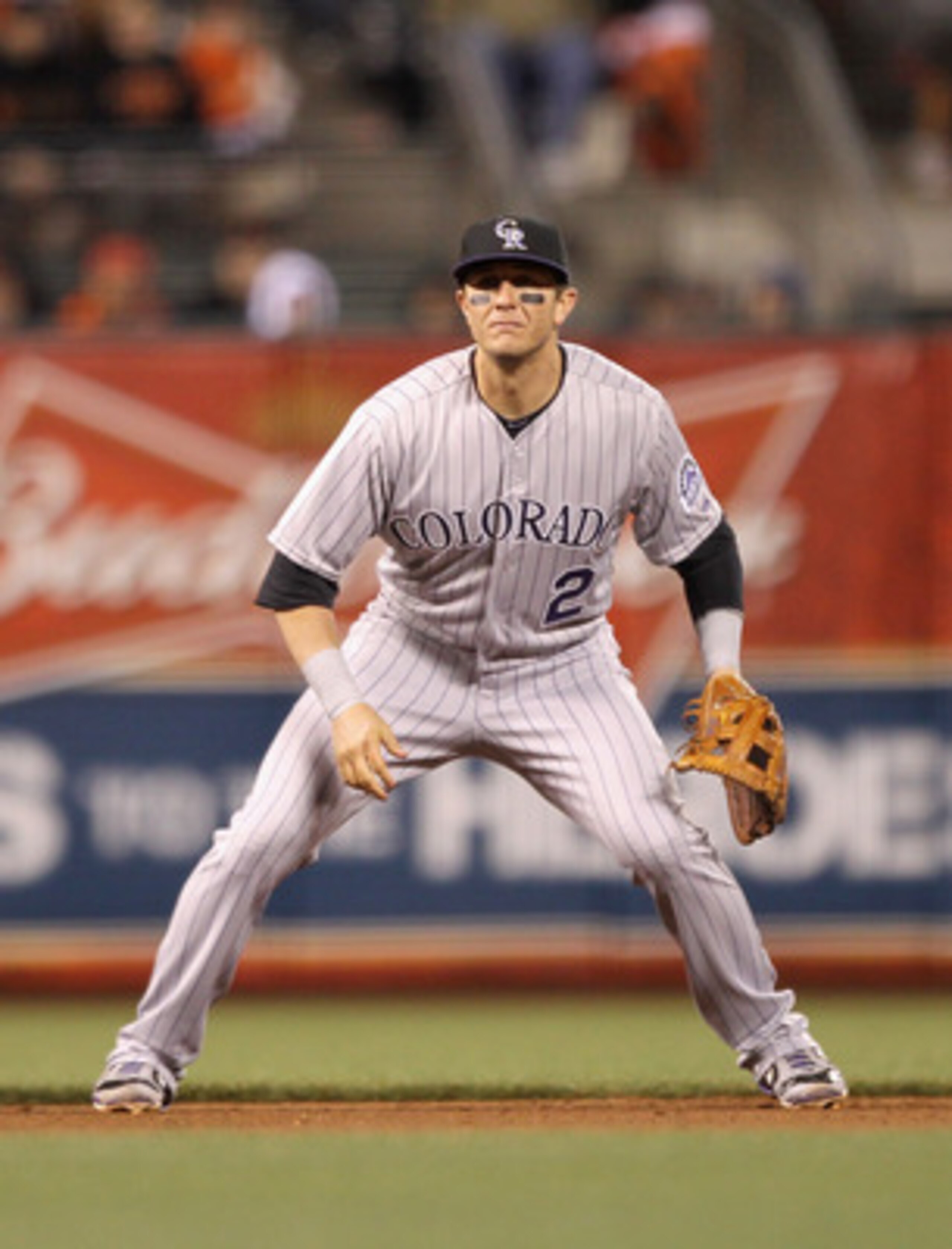
Tulo probably has the most power of any shortstop in the game. It probably isn’t entirely ballpark-aided either, as his home/road home run split is 56/47. He's striking out at his lowest rate ever at only 9.6 percent, and is walking at his usual higher-than-average clip.
His low batting average, sitting at .247 today, is due to horrendous luck. His BABIP sits at .214 and is bound to rise. His power has come in bursts this year, but he is still on pace for over 40 home runs and could very well maintain that pace.
Tulowitzki is fast and a very good fielder, and has all the tools to put up an MVP-caliber season—power, discipline, speed, and contact hitting. In my estimation, Tulo is the best all-around shortstop in the game, not just because of Hanley’s struggles or Jeter’s apparent aging, but also because he’s one of the most dynamic athletes playing baseball and is more fun to watch than anyone else on this list.
When the season's over, I expect him to be among the leaders at the position in most offensive categories.


.jpg?w=2560 "Latest Peyton-Colts Rumors")

.jpg?w=2560 "Landing Spots for Trade Candidates 📍")
.jpg?w=2560 "Ugly Jets Scoring Stat 😳")