
Cubs and Brewers: Did They Get What They Paid For In Garza and Greinke Deals?
National League Central rivals, specifically the I-90 enemies, have recently made additions to improve the top of their rotations.
The Crew made a six-player deal that brought former AL Cy Young Zack Greinke into a rotation that already had right-handers Shaun Marcum and Yovani Gallardo, in addition to left-hander Randy Wolf. Each of these members have enjoyed recent success at the major league level and will be able to work deep enough into games to help keep the bullpen rested.
The Cubbies brought in Matt Garza in an eight-player deal that sent four of the Cubs' top prospects to Tampa Bay. Garza joins Carlos Zambrano, Ryan Dempster and others in another rotation that needs to lead their team.
The two trades involved plenty of guys changing uniforms and therefore will be scrutinized for years to come as each player progresses with their new team. The fact that the Brewers and Cubs made deals for ace pitchers, within weeks of each other adds more intrigue to the transaction. Each team had to unload a good portion of their farm system, and that begs the question of whether or not each team got what they paid for.
The Cubs Get:
1 of 6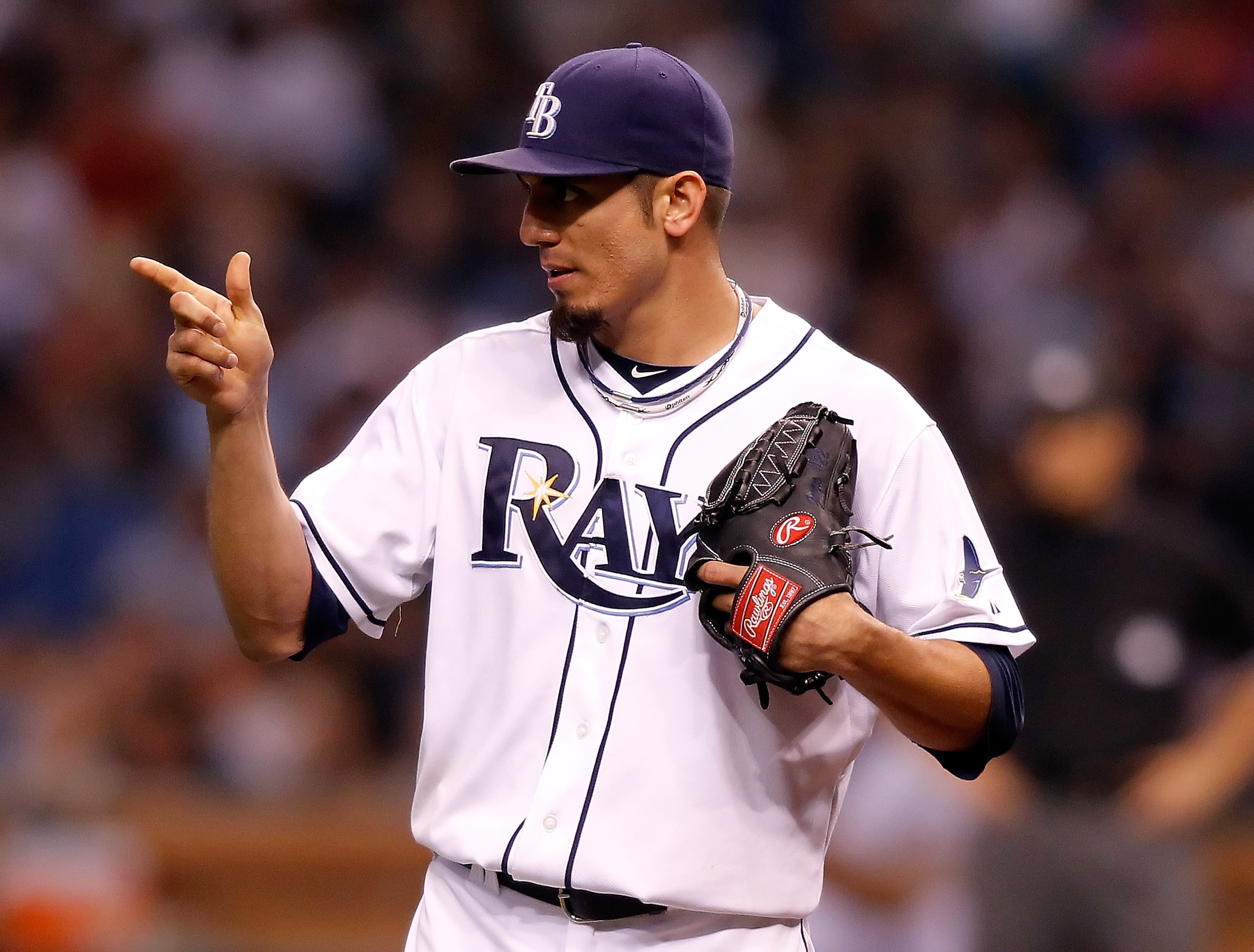
Matt Garza, a 27-year-old pitcher, has been in the majors for five years, two with the Twins and three with the Rays. For the past four seasons, Garza has held his ERA under 4.00 while striking out a fair amount and walking few. In 2010 he won a career-high 15 games with the Rays as they earned the best record in the American League. Garza has had up and down performances in five postseason starts.
Fernando Perez, an outfielder, is a speedster with a good glove. He has limited major league experience but is best known for scoring a game-winning run against Boston in the 2008 playoffs. Perez only played at the AAA level in 2010 where he struggled to a .223/.280/.299 line in 116 games.
Zach Rosscup, a 22-year-old lefty pitcher, has only made it as high as Single-A in his young career. In his limited time, Rosscup has put up a 2.66 ERA in 22 games, 17 of which were starts.
The Rays Get:
2 of 6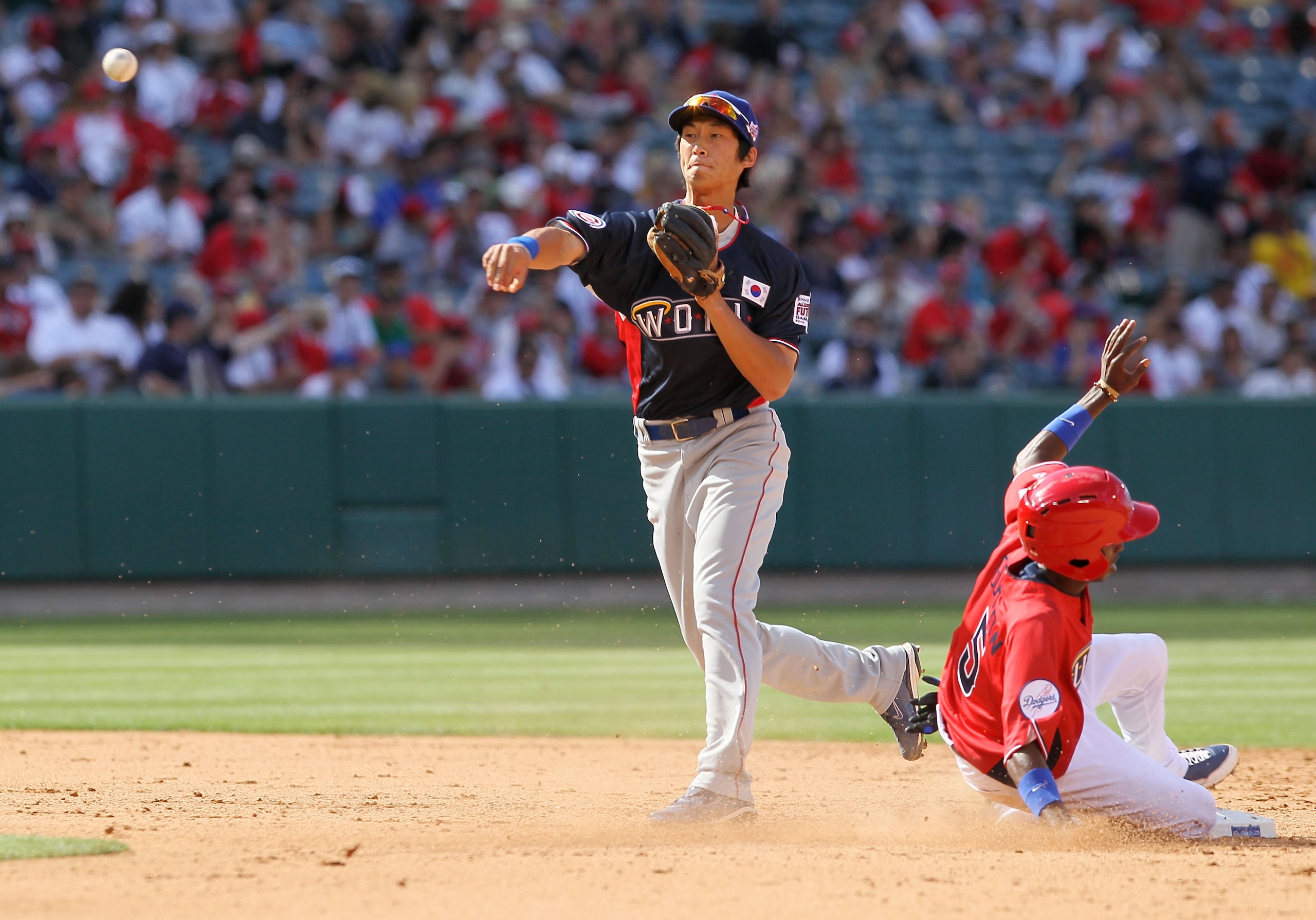
Chris Archer, a 21-year-old pitcher, started out in the Cleveland Indians' system when he was just a teenager before coming over to the Cubs in the Mark DeRosa trade a couple years ago. After struggling earlier in his career, Archer started to really put it together in 2009, when he had a 2.81 ERA in 109 innings pitched. Then he really broke out in 2010 with a 2.34 ERA in 142.1 innings between Chicago's High-A and AA affiliates. He also struck out 149 on the season while walking only 65.
Hak-Ju Lee, a shortstop, is the youngest player in the trade at 20 years old. Though he has also handled the bat with skill in his two years as a minor leaguer, Lee is most well known for his great arm. Some people have said that he would have been blocked by Starlin Castro, but others have said that Lee's ability at shortstop would have actually moved Castro to second base. It will be interesting to see Lee as he progresses alongside shortstop Tim Beckham, who is one of Tampa Bay's top prospects.
Brandon Guyer, an outfielder, had the best season of his minor league career in 2010 when he hit .344/.398/.588 at the AA level. His combination of 13 home runs and 30 stolen bases is intriguing, especially when he can do that while playing solid defense at all three outfield positions.
Robinson Chirinos is a catcher who will turn 27 during the season but has not yet reached the majors. He is another guy who struggled early in his career but turned it on of late when he .326/.416/.583 in 92 games between Double-A and Triple-A in 2010. Chirinos played all over the field throughout the first seven years of his career, but mainly second, short and third. In 2009, he became a catcher full-time. Chirinos' age may have hurt his value a bit but he had been mentioned in a few different trade rumors earlier in the offseason.
Sam Fuld is the only Cub in the trade that has any major league experience, though it wasn't much. He has been a rather consistent hitter in the minors, with a .285 average, and has hit .252 in parts of three limited seasons in the majors. Fuld is already 28 years old.
The Verdict
3 of 6
The Cubs got a potential ace for the next three years (or more) in Matt Garza, while Fernando Perez could end up being their fifth outfielder. To get this, they gave up one of the top pitching prospects in the game, a great prospect at shortstop, their minor league player of the year, a catcher with a bat, and another fifth outfielder type. The fifth outfielders essentially cancel each other out and therefore make this trade a four for one, with the "four" being really good and the "one" also being really good.
Some would say that Garza is proven and therefore is already a better commodity than any package of prospects which, to an extent, is correct. Garza has proven that he can pitch for a winning team in the toughest division in baseball but if that were the only factor that mattered, Tampa Bay never would've traded him.
People must remember that trades are made to create the best shot at winning a World Series, even when teams like the perennial losing Pittsburgh Pirates make trades. The team's budget and window for winning are large factors when determining the correct fit for a trade.
The Cubs are known for, at least recently, being a team that overspends for talent. In this trade they became a slightly more expensive team and sold an important group from what could have been a refreshing youth movement in the years to come.
But their window for winning, even with Garza, is not now. The team should've continued to transition their young talent into the majors over the next year and waited for the large salaries of Kosuke Fukudome, Aramis Ramirez and Carlos Silva to come off the books after 2011. At that point, they could've had a young, inexpensive core to build around at a time when winning in the National League would be more realistic.
There is nothing wrong with Garza individually, the problem lies with the timing of the trade and the amount that they gave up. In this situation, general manager Jim Hendry was trading for Garza in the hopes of making the playoffs, but that will be difficult with the rest of this roster. Therefore, the Cubs do not appear to have gotten what they paid for in this trade.
Now, let's make an early judgement on the Brewers' blockbuster trade.

The Brewers Get:
4 of 6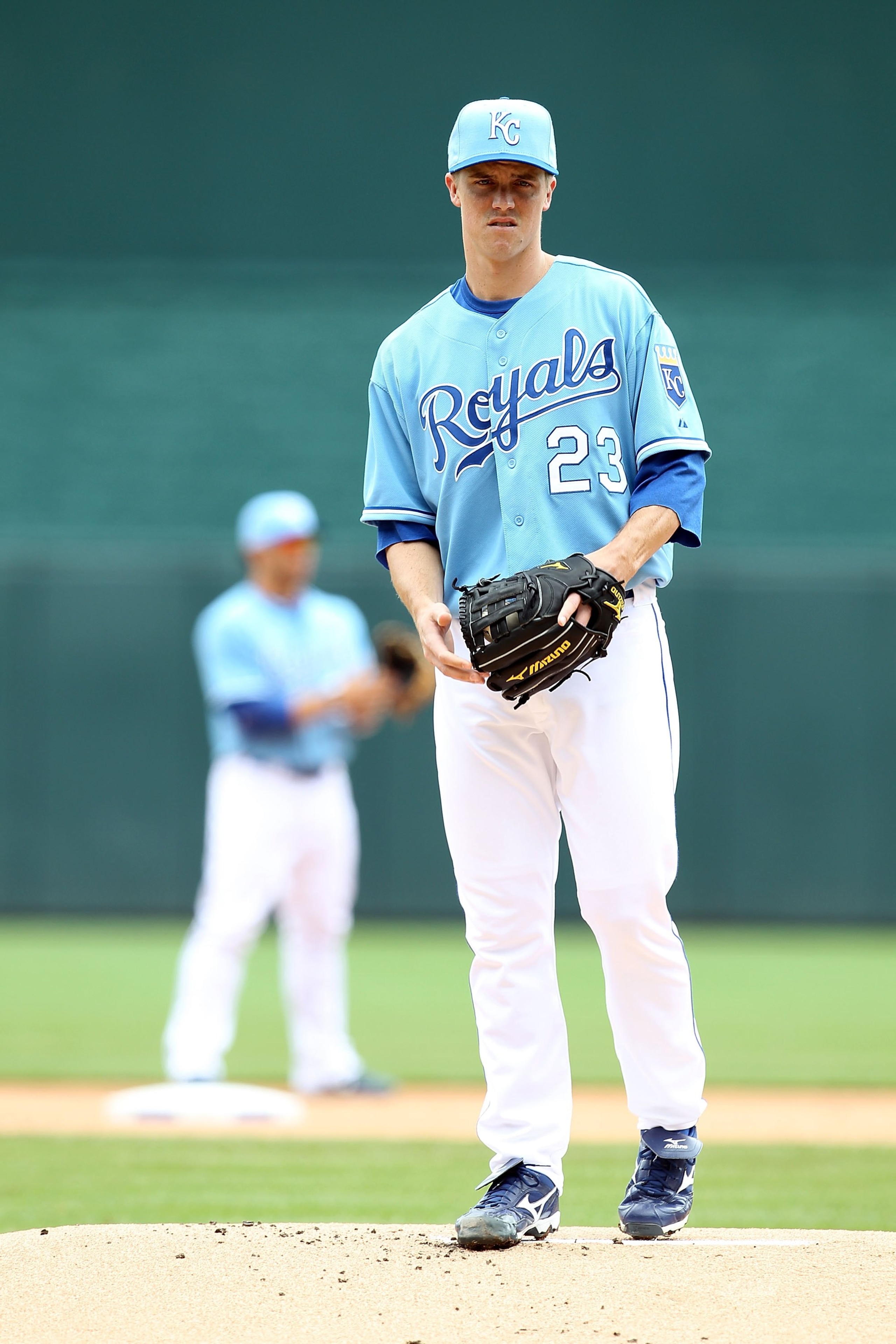
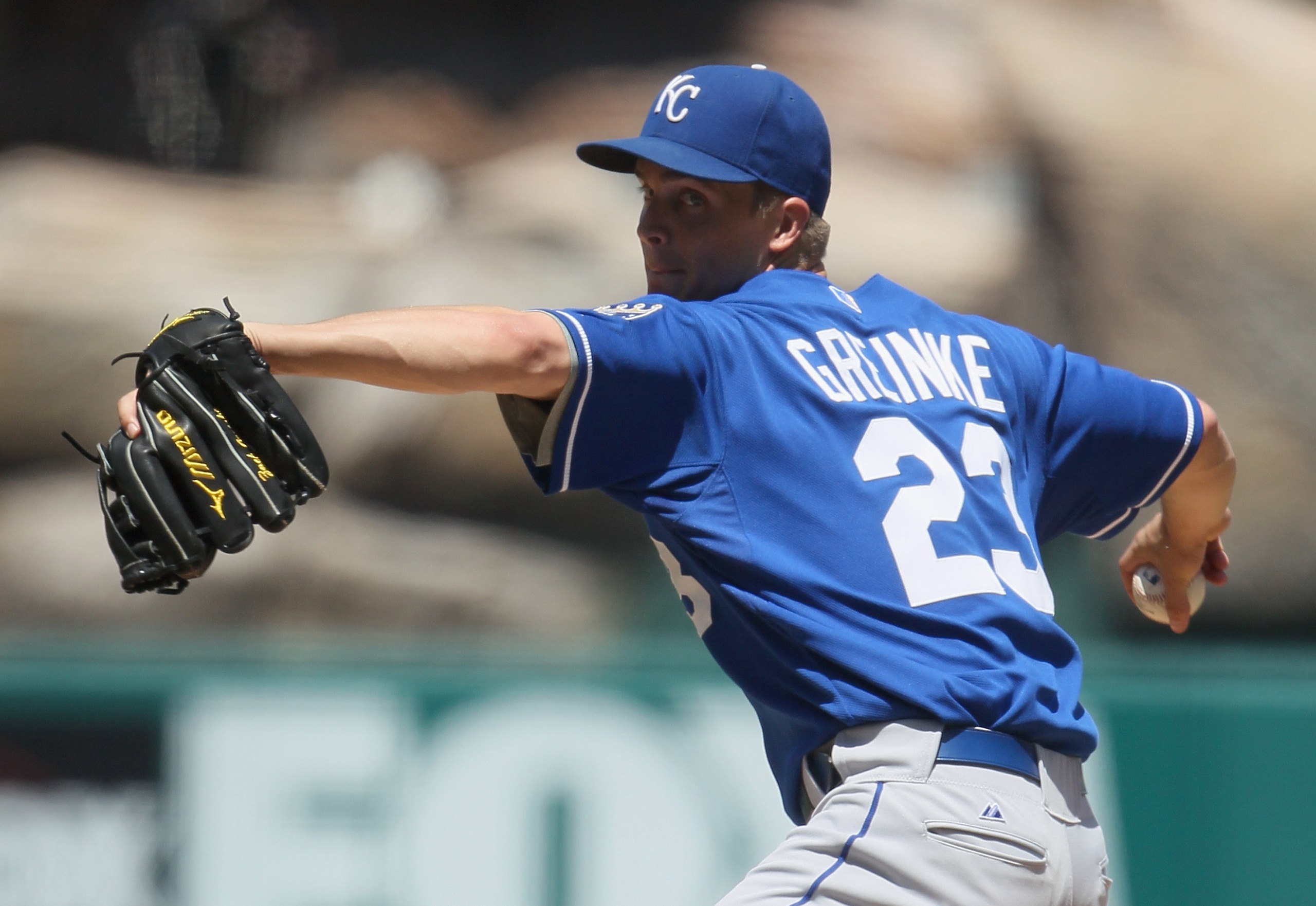
Zack Greinke, the 2009 AL Cy Young, is 27 years old and has two years and $27MM left on his contract. He has made at least 32 starts in each of the last three seasons and has also surpassed 200 innings during each of those years. Greinke struggled through parts of last year and saw his ERA rise to 4.17, though I'm sure the Brewers aren't too concerned about that. He has always displayed great control as shown by his great strikeout to walk ratio.
Yuniesky Betancourt, who has never been much with the glove, was able to put up decent offensive numbers in his first full season with the Royals. His OBP was pathetic at .288, but he did hit 16 home runs while driving in 78. He is a contact hitter who doesn't strike out much or walk very often.
The Royals Get:
5 of 6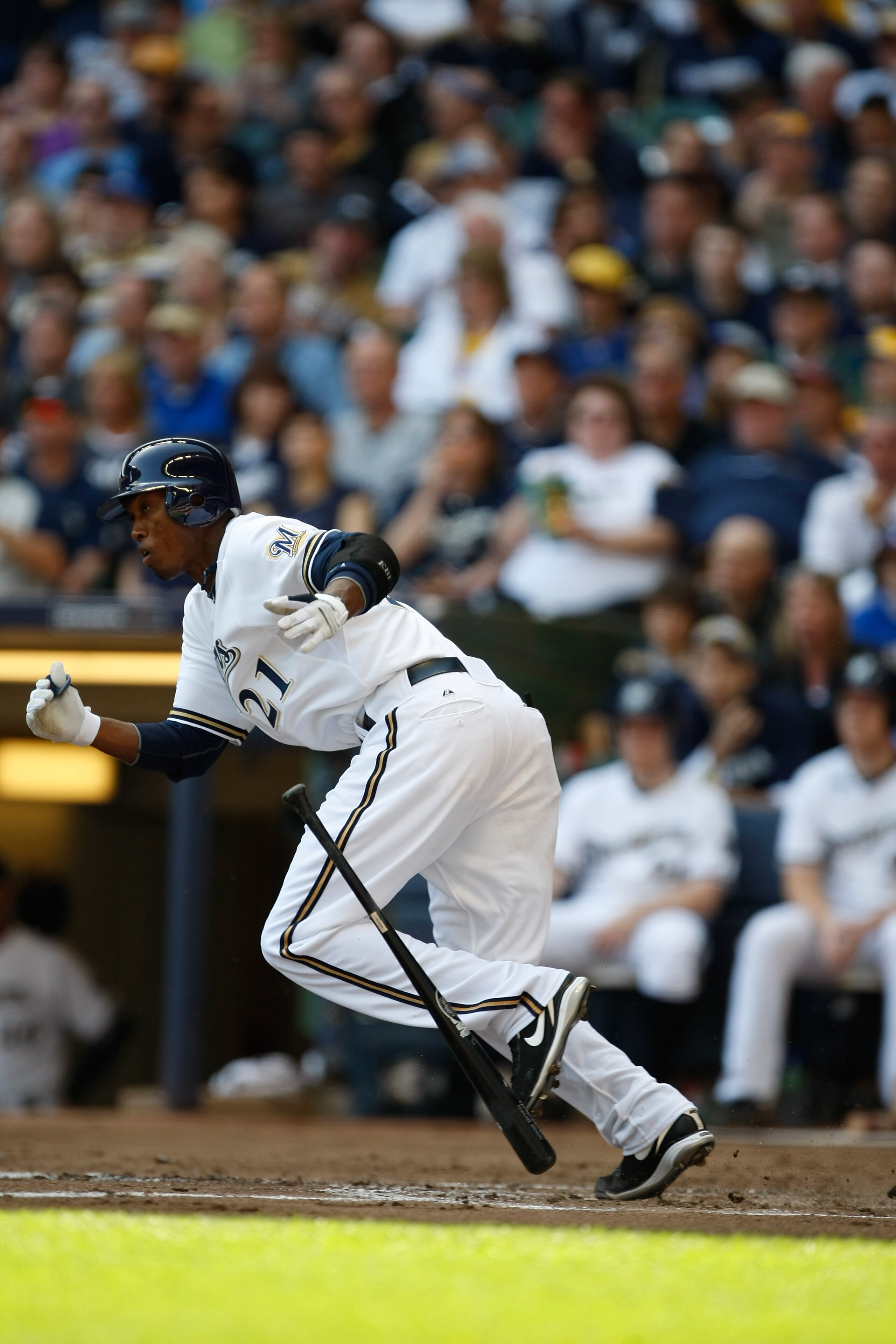
Alcides Escobar is a 23-year-old shortstop who did not live up to expectations in his first full season with Milwaukee. His line of .235/.288/.326 was not enough to make up for a .964 fielding percentage in 134 starts at shortstop. Fans were confused when manager Ken Macha started Escobar in right field, seemingly having lost patience with the rookie at shortstop.
Jeremey Jeffress, a talented 23-year-old pitcher, has dealt with many drug problems during his time in the minor leagues. In 2009, he was suspended 100 games for another positive test for drugs. Still, he was able to make his major league debut as just a 22-year-old in 2010 when he had a 2.70 ERA in 10 appearances. Prior to 2010, he was used primarily as a starter and could end up in the Royals' rotation sometime during 2011.
Lorenzo Cain put together a great year in 2010, which he split between Double-A, Triple-A and Milwaukee. In 84 minor league games, Cain hit .317/.402/.432 while playing center field at both stops. After his promotion to the major league team, he played in 43 games and hit .306 while still getting on-base at a consistent clip. When on-base, Cain was successful in seven of eight stolen base attempts.
Jake Odorizzi, the youngest member of the trade, will turn 21 during spring training in 2011. He has only reached the Single-A level but has had success during the early stages of his career. He was the 32nd overall pick of the 2008 draft and has a 3.68 ERA through 188.1 minor league innings.
The Verdict
6 of 6
Greinke faced a bit of a down year in 2010, but that doesn't concern me too much as a change of scenery should help turn that around. Greinke was unhappy in Kansas City but his relocation to a city that has recently made the playoffs will renew his competitive spirits. The trade also brought in Yuniesky Betancourt who will step in at shortstop after a solid year at the plate.
In return, the Brewers gave up their starting shortstop and center fielder to go along with a pitching prospect ready for the majors and another pitching prospect who is still a couple years away. This group does come with concerns, however.
Escobar took a step backwards in his first full season at the plate and hasn't been able to hit so far throughout his young career. Jeffress could be the wild card of the trade as he has dealt with drug problems throughout his career and the Royals will have to hope for the best.
General manager Doug Melvin has decided to win now with the additions of Greinke and Marcum and, given their powerful lineup and the rather small cost in terms of players traded, that seems to be the best route. With Prince Fielder likely on his way out after one more year, the Brewers have a small window for winning, after which they will likely have to rebuild entirely.
The Brewers made a trade at the right time and for the right cost.
.jpg?w=2560 "Vikings HC Talks Kyler Injury")
.jpg?w=2560 "Landon Dickerson Placed on IR")
.jpg?w=2560 "Nabers' Recent IG Post 👀")