
2011 NFL Mock Draft: All the 1st Round Selections, With Analysis
For the fortunate fans of 12 NFL teams, it’s time to start thinking about the playoffs. For fans of the remaining 20, it’s time to start thinking about next year.
That means the draft: 40-times, upside, Wonderlics, character concerns – it’s time to start bandying these terms about and picturing these college standouts in your favorite team’s uniform.
Here’s an early look at how the first round will go. The order of the first 20 picks – the non-playoff teams – is already determined. The last 12 will hinge on playoff results.
1. Carolina Panthers (2-14)
1 of 32
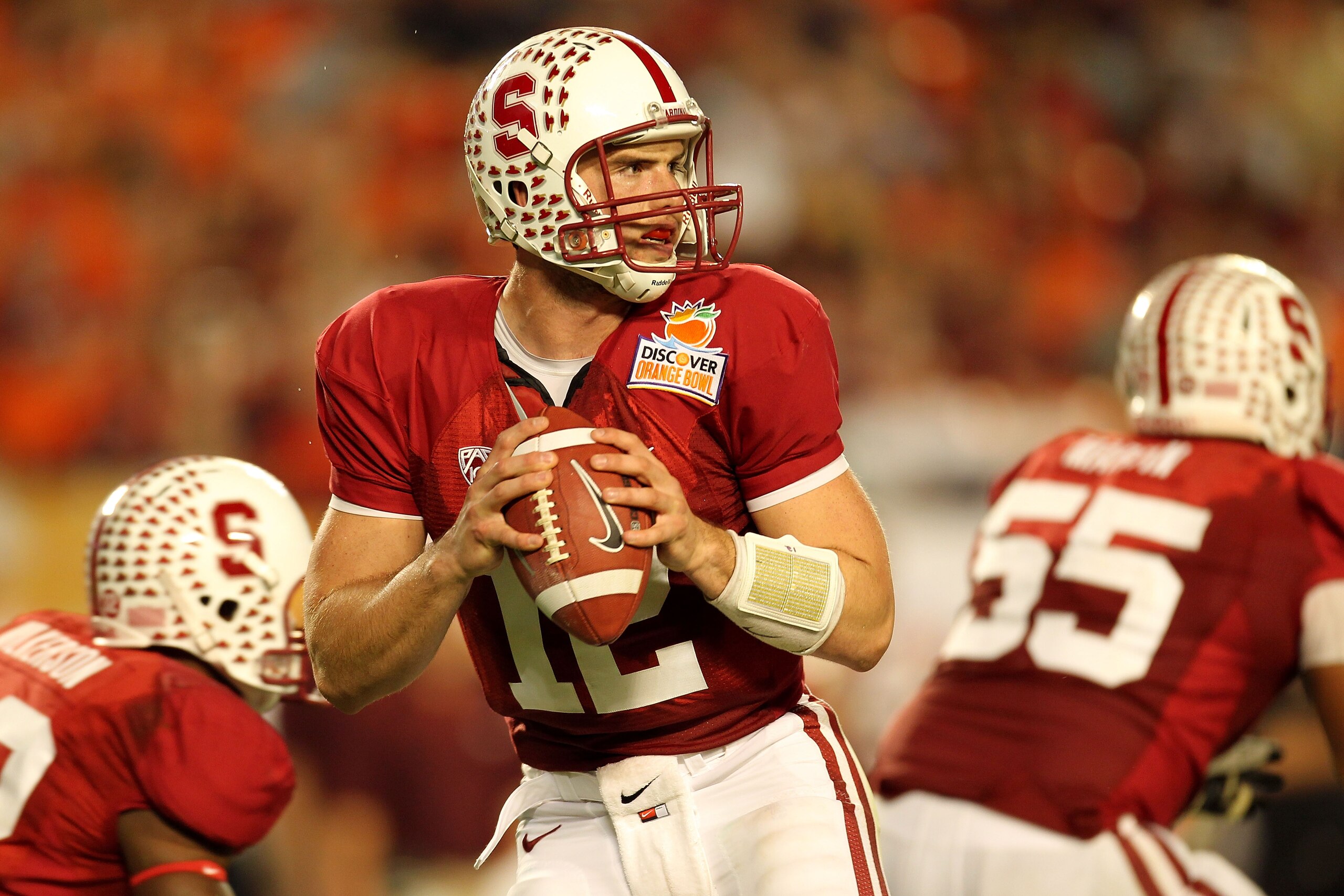
Andrew Luck, QB, Stanford
6-4, 235 lb
About Andrew Luck:
On the short list of best quarterback prospects of the 2000s, which is saying a lot. There aren’t many holes here. The Heisman runner-up has the production, size (6-4, 235), accuracy, touch, and arm strength. His toughness – vividly on display on this play – will endure him to broadcasters for at least the next decade. Most importantly, Luck grades off-the-charts in pocket presence, an attribute that often determines who passes muster against NFL defenses.
Why the Panthers will take Luck:
Being the MVP in Monday’s Orange Bowl blowout of Virginia Tech clinched it. The next day, Panthers officials say they’d take the redshirt sophomore with the first overall pick.
When a team ranks dead last in net yards per attempt (4.3, nearly half a year worse than the next worse team), it’s hard to justify not taking a franchise quarterback . The Panthers entire offense was pathetic, so it’s probably too early to label 2010 second rounder Jimmy Clausen a bust. But let’s put it this way: His 58.4 quarterback rating – comfortably the worst among qualifiers – really couldn’t have been much worse.
2. Denver Broncos (4-12)
2 of 32
Patrick Peterson, CB, LSU
6-1, 222 lb
About Patrick Peterson:
The best cover corner in college football, and he proved it against top-flight SEC competition (he held AJ Green and Julio Jones to 4 and 3 catches, respectively). Peterson has 4.4 speed in the 40, and also has the size (6-1, 211) to be a force in run support. Scouts rave about his Football IQ.
The only knock on Peterson is that he’s relatively untested, having started just 16 college games. Even if he doesn’t crack the starting lineup initially, he’ll make a contribution in the return game. Peterson was voted the 2010 SEC special teams player of the year, ranking second in the conference in both punt and kick return average.
Why the Broncos Will Take Peterson:
Potential shutdown corners are too valuable to pass up, especially for a team that ranked 30th in net yards per pass attempt allowed last year. Champ Bailey is still a shutdown corner, but he’s a free agent who will be 33 next year, and there’s no guarantee the rebuilding Broncos will bring him back.
3. Buffalo Bills (4-12)
3 of 32
Nick Fairley, DT, Auburn
6-5, 298 lb
About Nick Fairley:
Fairley isn’t a space-eater, but his quickness off the ball and good technique make him an excellent gap-shooting tackle with the potential to disrupt a running game and fold the passing pocket from the inside. His quickness and leverage – he is tall with long arms – make him a good pass rusher as well. He projects as a three-technique tackle in a 4-3 scheme or an anchor end in a 3-4.
The knock on Fairley, a former JuCo transfer, is that he’s worn down during some games. Because he’s so tall, his center of gravity can sometimes be high. A lot more will be learned about Fairley during Monday’s BCS title game.
Why the Bills will take Fairley:
Many are projecting the Bills to take Cam Newton, Fairley’s celebrated Auburn teammate. But the Bills seem high on Ryan Fitzpatrick, who compiled an under-the-radar solid season last year with an 81.8 quarterback rating. During his end-of-season press conference, Chan Gailey said he was “very committed” to Fitzpatrick for the 2011 season.
The Bills have a lot of holes, none bigger than their run defense, which ranked dead last in the league against the run, both in raw yardage and yards per attempt. Inspired by the dominating example of Ndamukong Suh, the Bills use this pick to solve this problem.
.jpg?w=2560 "Colts Football")
.jpg?w=2560)
.jpg?w=2560 "Commanders 49ers Football")
4. Cincinnati Bengals (4-12)
4 of 32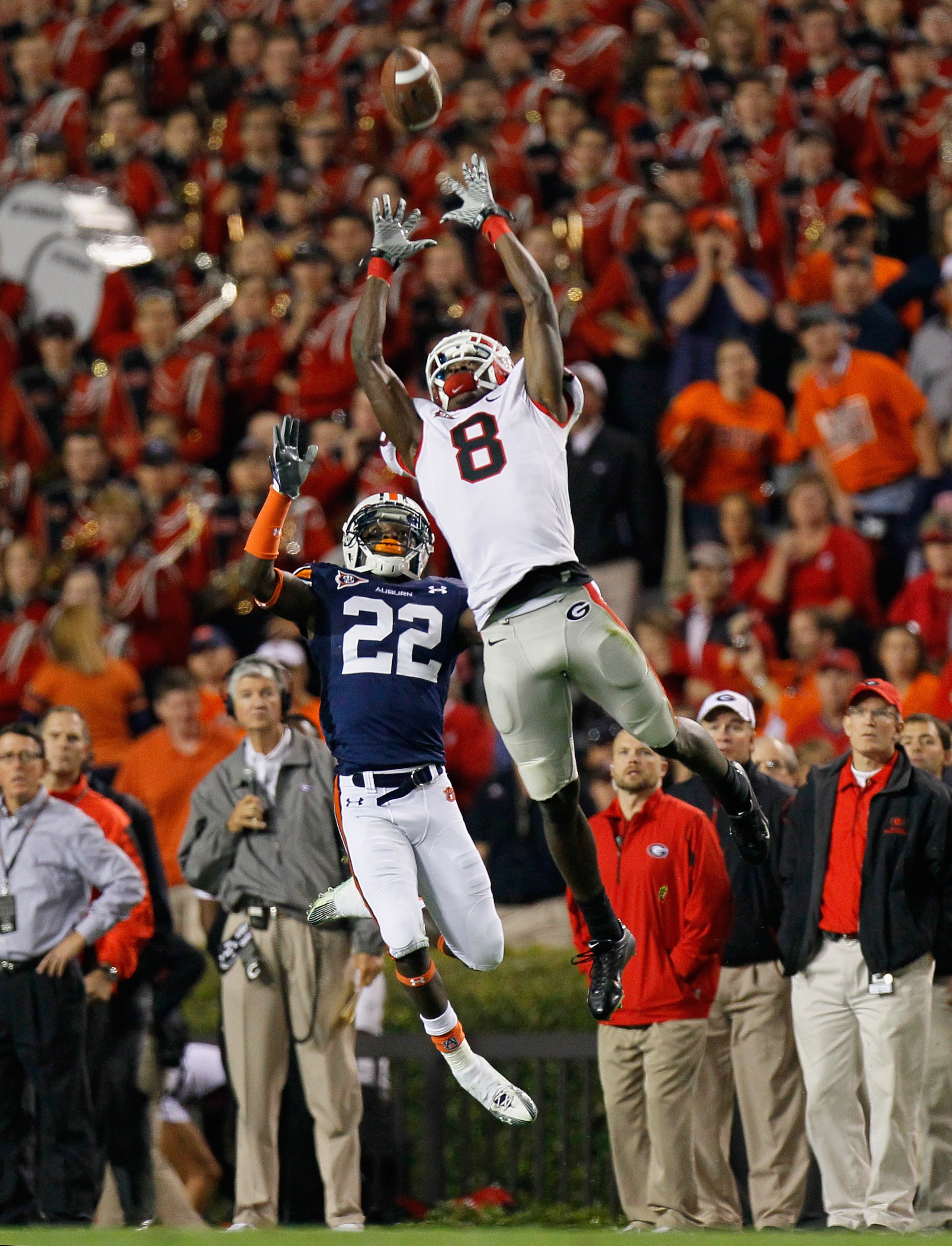
A.J. Green, WR, Georgia
6-4, 212 lb
About A.J. Green:
Green is a prototype for the modern wideout. He is tall, has outstanding body control, and comes out of his breaks exceptionally quickly. He has sure hands and the competitiveness to win jump balls. He has a loping stride that gives him good top-end speed, and is dangerous after the catch because of his nose for the open field. He was extremely productive in a pro-style offense at Georgia.
Green only weighs 205 pounds, which leads to concerns that he’ll struggle getting off the line. But he has the frame to add more bulk.
Why the Bengals will take Green:
Marvin Lewis has said he is committed to getting younger on offense. This means that Terrell Owens, at 37, is a goner. Chad Ochocinco will be 33 next year, and has a $6 million option next year (albeit with a $3.5 million buyout). Green should step in to give Carson Palmer much of the production of his predecessors -- without the reality show.
5. Arizona Cardinals (5-11)
5 of 32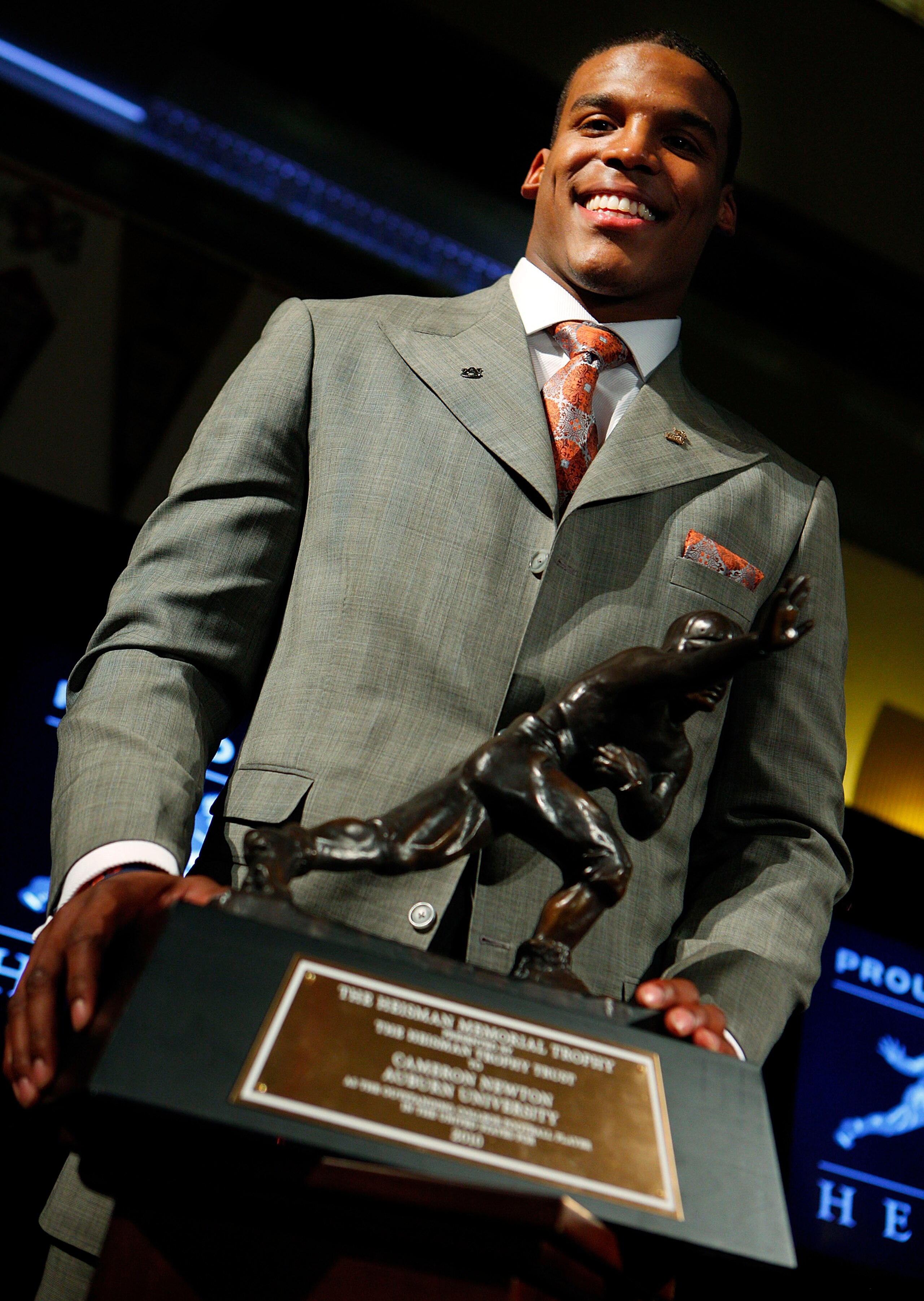
Cam Newton, QB, Auburn
6-6, 250 lb
About Cam Newton:
You might have heard of this guy. If not, you might just recognize him for the historically unique figure he cuts on the field: He’s the 6-6, 250 pounder playing quarterback, who traverses vast swaths of open with a couple of easy strides. His production is beyond question (2,589 passing yards, 1,409 rushing, 49 TDs). So is his arm strength, and he displays good touch on his deep ball as well.
Questions will surround Newtown’s makeup, but these are overblown. After all, he seemed stable enough to handle the media maelstrom surrounding his past and his family this year. The bigger question with Newtown will be his ability to transition from Auburn’s spread offense to the NFL. He needs to improve accuracy on short and intermediate routes, a function of his inconsistent mechanics.
Why the Cardinals will take Newton:
John Skelton and Max Hall are not long-term solutions at quarterback. There are whispers that Ken Whisenhunt doesn’t have the patience to develop a young quarterback, especially one as raw as Newton. But if he wants to see through the rebuilding of the dreadful Cardinals, he'd better develop some. Newton injects life into a franchise that was surprisingly exciting for two years before backsliding into facelessness. Larry Fitzgerald should ease his transition into the NFL.
6. Cleveland Browns 5-11
6 of 32
Prince Amukamara, CB, Nebraska
6-1, 205 lb
About Prince Amukamara:
He supplanted Ndamukong Suh as the most valuable player on a stellar Nebraska defense. The converted running back is quicker than he is fast, and has the physicality to be an excellent run defender and bump-and-run corner. He has good instincts and ball skills, and is a safe pick to be an above-average performer.
The concern about Amukamara is his top-end speed, which has some scouts projecting him as a safety. But elite speed is the most overrated aspect in a corner, and Amukamara should more than compensate with his quick feet.
Why the Browns will take Amukamara:
The Browns ranked 27th in the league last year in net yards per attempt, much of this due to a disastrous year by impending free agent Eric Wright. Joe Haden, last year’s first round pick, improved steadily as the season went on. The Browns will invest in another high first round corner to solidify the position for years to come.
7. San Francisco 49ers 6-10
7 of 32
Ryan Mallett, QB, Arkansas
6-6, 240 lb
About Ryan Mallett:
Serious boom or bust potential here. At 6-6, 240, Mallett has the ideal size, and one of his frozen rope throws will tell you that he has the ideal arm strength. He has a very quick release and is comfortable throwing in the pocket. If he smoothes some rough edges, it's easy to see him putting up monster numbers for years to come.
But there are substantial concerns. His accuracy is shaky, his footwork is ponderous, his mechanics are inconsistent, and he forces way too many throws (as evidenced by the final drive of last night’s Sugar Bowl).
Why the 49ers will take Mallett:
It’s time to make a clean break from the Alex Smith era, and Mallett’s tools are too tantalizing to pass up. But this could backfire. The 49ers gave up the third most sacks in the league last year, and Mallett’s mobility and decision-making under pressure are suspect.
8. Tennessee Titans (6-10)
8 of 32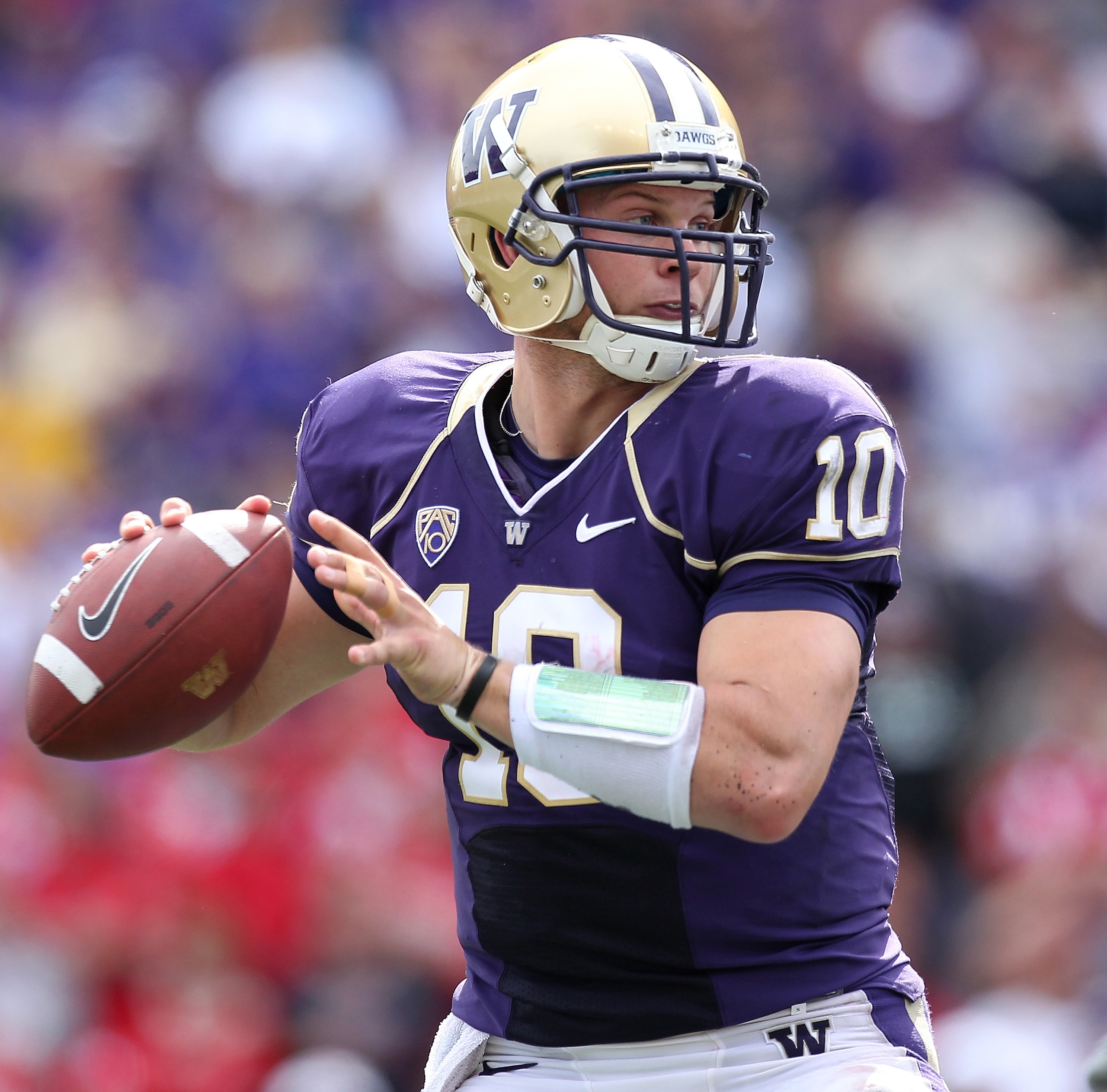
Jake Locker, QB, Washington
6-3, 230 lb
About Jake Locker:
Locker brings up the age-old debate of tools versus production. He's an incredible athlete with good size and speed and elusiveness that compare favorably to most NFL quarterbacks not named Vick. He has top-notch arm-strength and seemingly all the rest of the tools, but the production just hasn’t been there.
His iffy accuracy is one reason why, although that can look worse than it actually is. After all, Locker has been throwing to overmatched wide receivers at Washington while being "protected" by an inferior offensive line. Locker’s ability to progress through his reads has also been questioned, but much of this could also be attributable to the talent surrounding him.
Why the Titans will take Locker:
This pick hinges on the Titans' decision later this week to oust either Jeff Fisher or Vince Young, whose differences are irreconcilable. If Young goes and Fisher stays, Locker will step in as the quarterback of the future. Kerry Collins will likely come back in the starter/stable pony role he played for the past several years.
Many thought Locker should have entered the draft after the 2009 season, when he was the consensus first overall pick. But perhaps waiting, and going to a more stable organization with more talent in place, will be a blessing in disguise.
9. Dallas Cowboys 6-10
9 of 32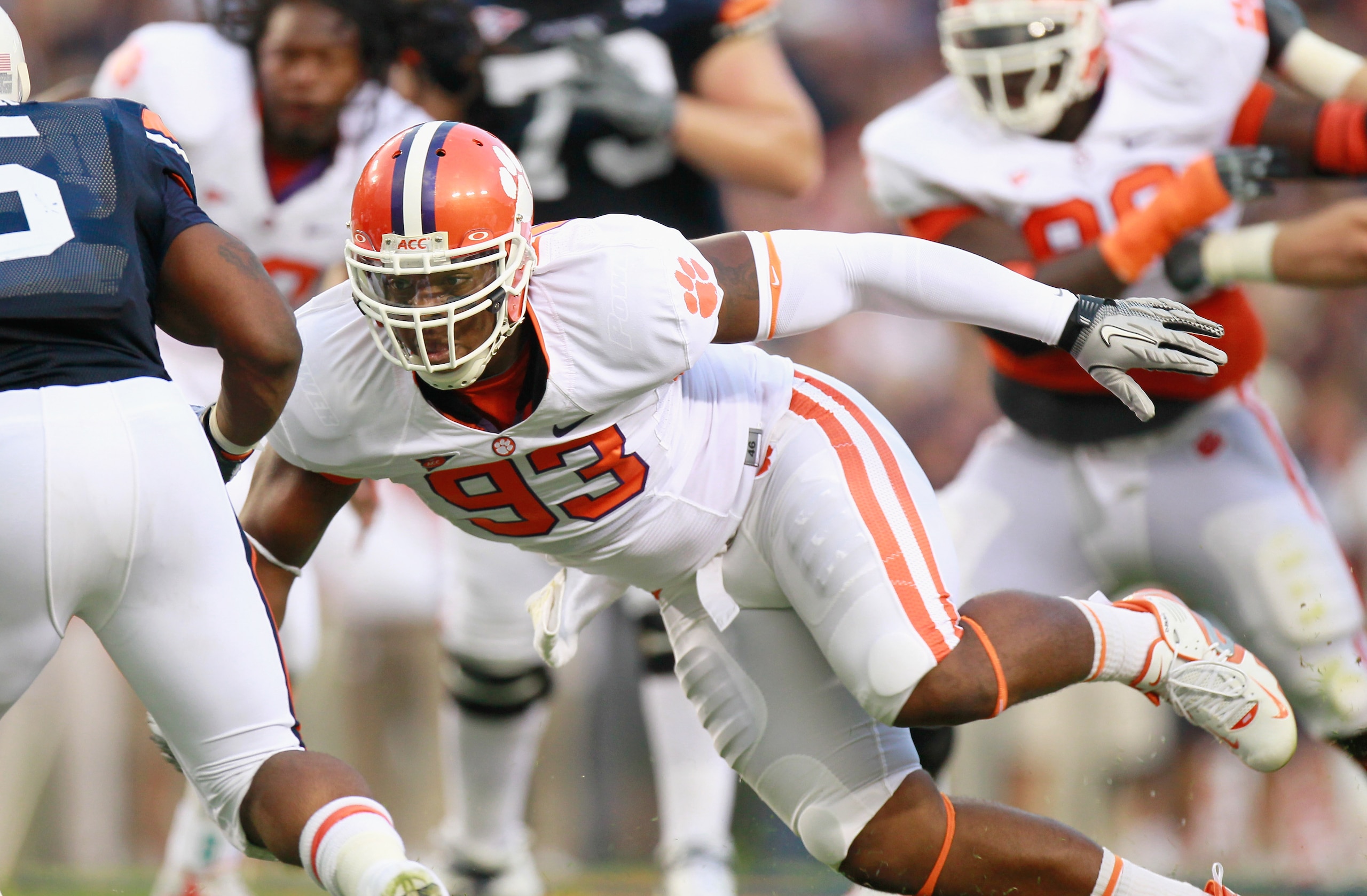
Da’Quan Bowers, DE, Clemson
6-4, 280 lb
About Da'Quan Bowers:
Bowers was the Bronco Nagurski Trophy Winner as the NCAA’s best defensive player. His production was staggering: He led the nation in sacks (16) and tackles for loss. He's is strong and plays with good leverage, defending the run as well as he does the pass. Powers has a power-game, employing a great initial punch and a "rip and dip" move. He can play multiple positions along the line.
Why the Cowboys will take Bowers:
The Cowboys get another pass rusher to team with DeMarcus Ware and Anthony Spencer. Where Bowers will play in the Cowboys' 3-4 scheme is an open question, but whether he'll play is not.
10. Washington Redskins (6-10)
10 of 32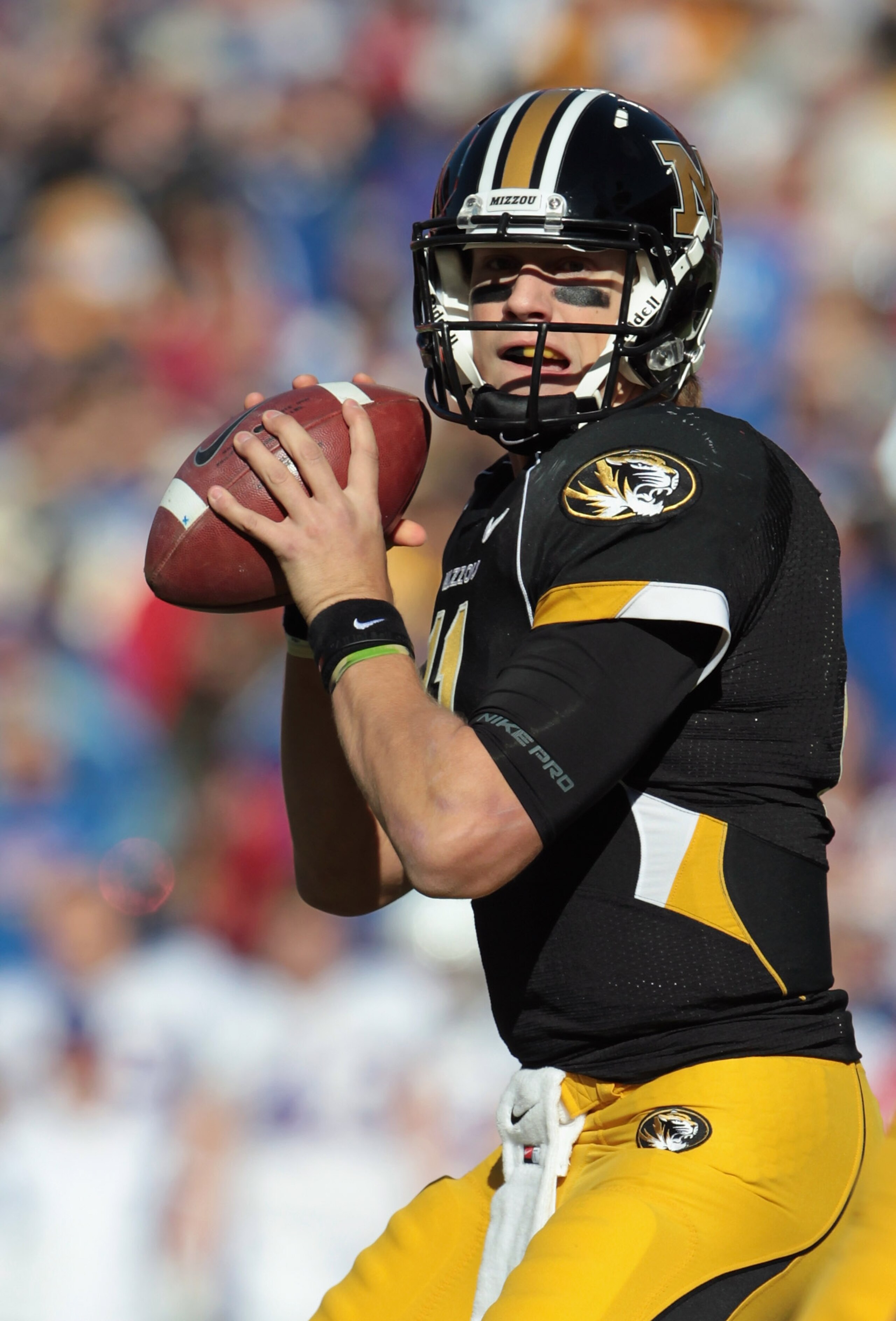
Blaine Gabbert, QB, Missouri
6-5, 235 lb
About Blaine Gabbert:
At 6-5, 235, the size is there, as is the NFL quality arm and accuracy, especially on touch passes. Despite his size, he has good mobility. His production slipped a little in 2010, but he still led Missouri to a 10-2 regular season while completing a solid 62.2 percent of his passes (in the regular season). An source of concern will be his adjustment from a spread system at Missouri to Mike Shannahan’s offense.
Why the Redskins will take Gabbert:
Because Donovan McNabb didn’t work out, and because Rex Grossman is currently the best quarterback on the roster. Gabbert gives Shanahan a chance to develop a quarterback. John Elway and Jay Cutler turned out okay.
11. Houston Texans 6-10
11 of 32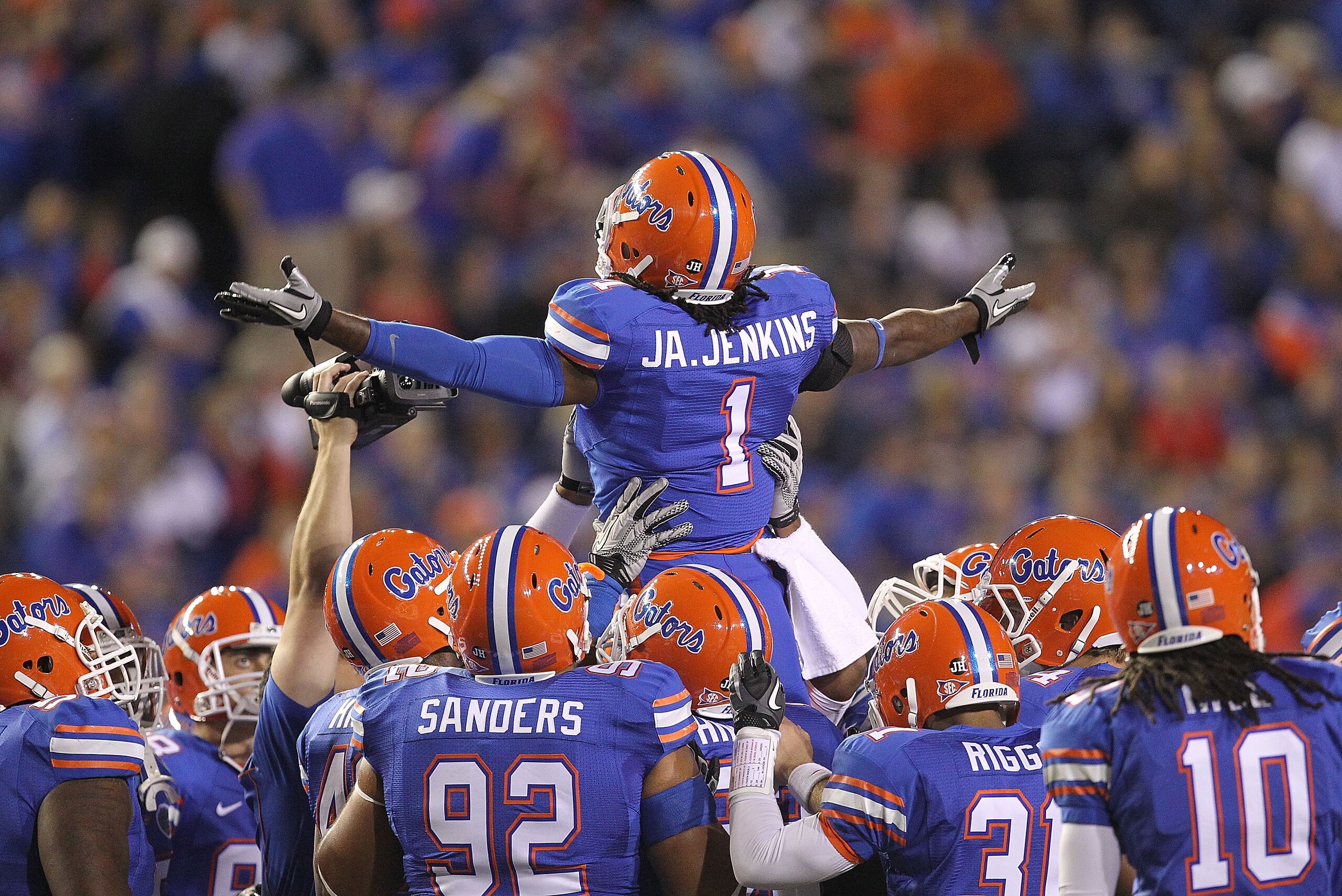
Janoris Jenkins, CB, Florida
5-11, 184 lb
About Janoris Jenkins:
Jenkins’ calling cards are his quick feet and smooth hips. His speed is good (low 4.40 40-time), but he plays even faster than that. Despite his relatively small stature, he plays an aggressive style. This is a good quality overall, but over-aggressiveness has caused him to give up some big plays.
Why the Texans will take Jenkins:
Houston’s pass defense ranked dead last in yards allowed and 31st in yards per attempt. If they draft Jenkins, help will be on the way.
12. Minnesota Vikings 6-10
12 of 32
Marcell Dareus, DT, Alabama
6-4, 306 lb
About Marcell Dareus:
The defensive MVP of last year's BCS National Championship game, Dareus produced this year despite consistent double teams. He played mostly end in Alabama’s 3-4 scheme, but he can play tackle in a 4-3. Dareus has explosive strength and quickness and good snap-count anticipation. A polished technician, he figures to make an impact immediately.
Why the Vikings will take Dareus:
The Vikings need starting caliber players along the defensive line because. Ray Edwards, who has played end opposite Jared Allen, will test the market as a free agent. Pat Williams, 38, has slowed down over the past several years and isn't getting any younger.
13. Detroit Lions 6-10
13 of 32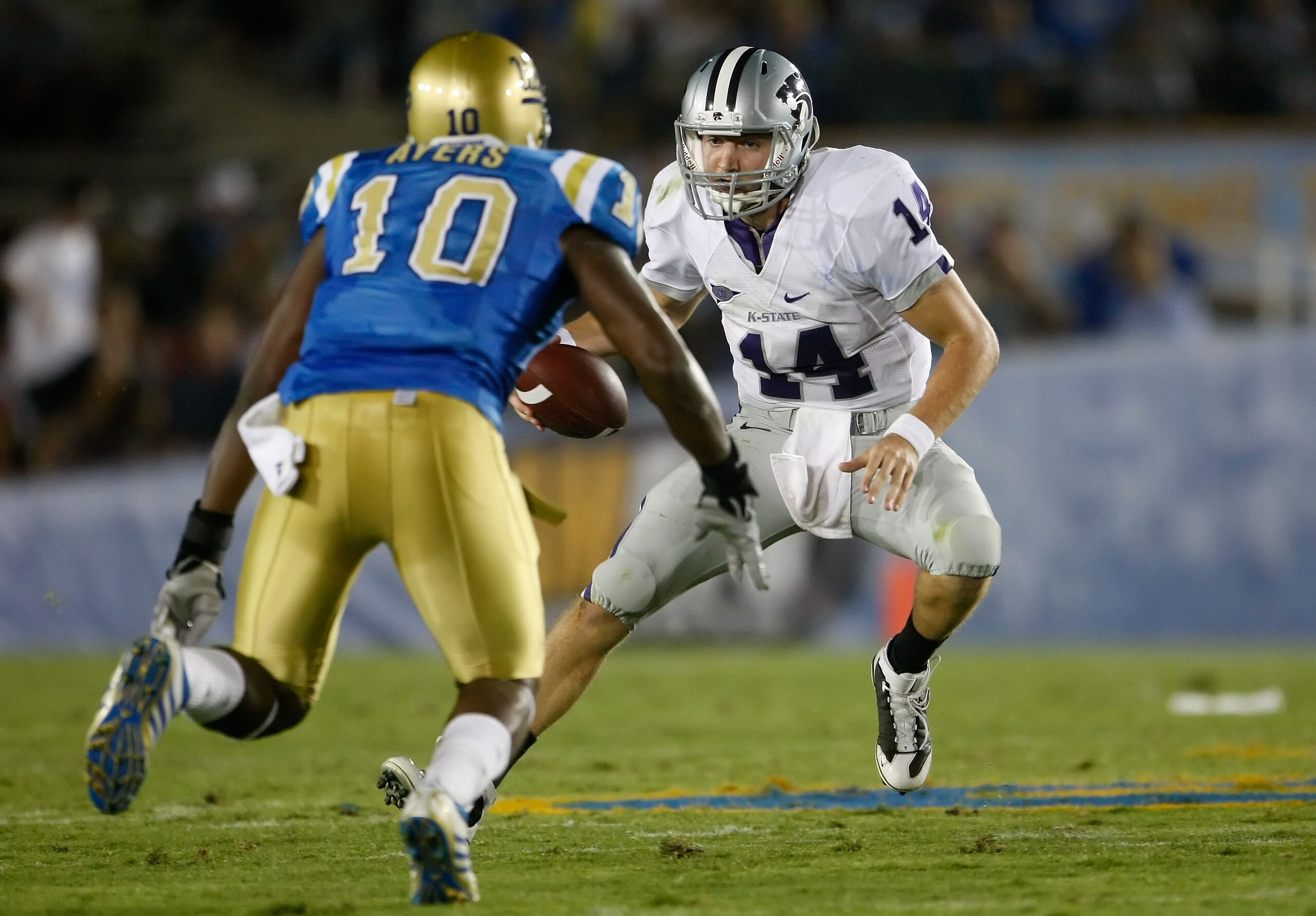
Akeem Ayers, OLB, UCLA
6-4, 255 lb
About Akeem Ayers:
At 6-4, 255, Ayers looks the part. As an All Pac-10 first-teamer, he produces as well. Ayers is quick, aggressive, and instinctive at chasing plays down. He can rush the passer and set the edge against the run. If he improves his technique – both in terms of tackling and shedding blocks – the sky is the limit.
Why the Lions will take Ayers:
Detroit’s run defense needs help. The Lions ranked 21st in yards allowed per carry last year despite Ndamukong Suh's heroics.
14. St. Louis Rams (7-9)
14 of 32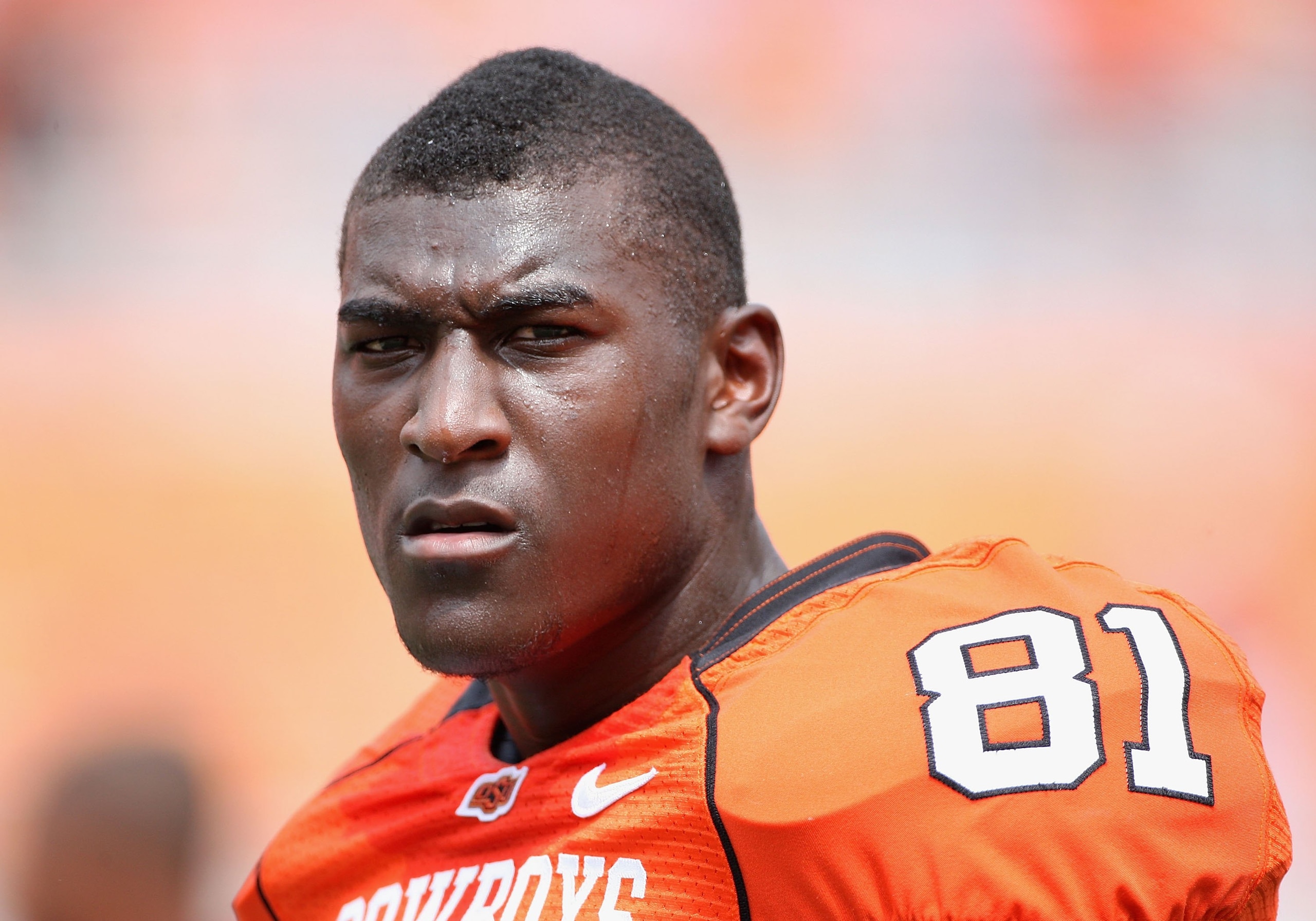
Justin Blackmon, WR, Oklahoma State
6-1, 207 lb
About Justin Blackmon:
The 2010 Biletnikoff Award Winner was incredibly productive at Oklahoma State last year, notching 100-yards receiving in every game he played this season. His best attribute is his ability to track the ball in the air, which he complements with outstanding leaping ability. He’s not big and he's not incredibly fast, but he more than makes up for it by being quick out of his breaks and having a knack for creating space. Some questions surround his character after a DUI arrest.
Why the Rams will take Blackmon:
Anybody who saw the Rams season-ending loss to the Seahawks knows that the Rams need someone to stretch the field. Blackmon could make an explosive tandem with Sam Bradford, beginning in 2011.
15. Miami Dolphins 7-9
15 of 32
Mark Ingram, RB, Alabama
5-10, 215 lb
About Mark Ingram:
The 2009 Heisman Trophy winner isn’t a spectacular player; he's just one of those guys that does everything well, across the board. He has a chain-moving running style, he's a good receiver, and he's a heady player who blocks well. He doesn't have breakaway speed, and a knee injury that limited him this year is a slight concern going forward.
Why the Dolphins will take Ingram:
Need, meet Pick. Ricky Williams punched his ticket out of town with critical comments about coach Tony Sparano and others in the organization, and Ronnie Brown is an unrestricted free agent who the Dolphins seem uninterested in pursuing. The Dolphins will slot Ingram at running back and not worry about the position for the next several years.
16. Jacksonville Jaguars 8-8
16 of 32
Robert Quinn, DE, North Carolina
6-5, 270 lb
About Robert Quinn:
Quinn is a dangerous edge-rusher who plays with great leverage and pass-rushing technique. He’s a potential game-changer against the pass, but he needs to get stronger to better anchor against the run. He sat out the 2010 season for accepting improper benefits from an agent, something that could hurt his stock.
Why the Jaguars will take Quinn:
Jacksonville’s 40 sacks over the past two years are by far the fewest in the league. This team is starved for an impact pass rusher. Quinn fits the bill in Jack Del Rio’s 4-3 scheme.
17. New England Patriots From Oakland Raiders 8-8
17 of 32
Julio Jones, WR, Alabama
6-4, 220 lb
About Julio Jones:
Jones has the size, body control, and open field running ability to be a game-breaking threat. He accelerates well to create space, and he’s a physical runner after the catch. Still, he’s a bit sloppy and hasn’t reached his potential. That can either be taken as an indictment of him or an endorsement of his incredibly high ceiling.
Why the Patriots will take Jones:
Bill Belichick never stands still. Tom Brady and his passing game are better than ever right now, but that won’t stop Belichik from nabbing this potential monster for years to come.
18. San Diego Chargers (9-7)
18 of 32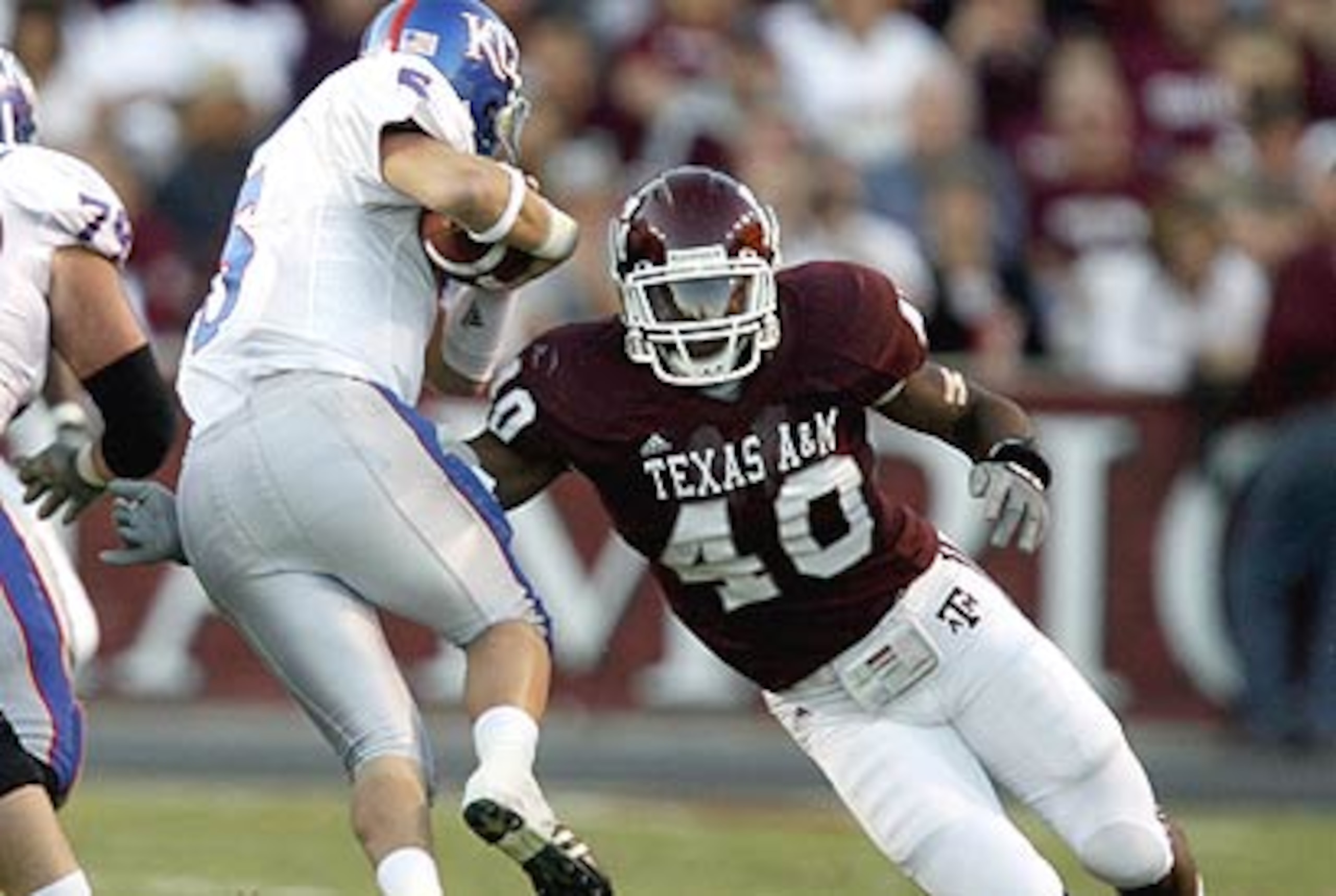
Von Miller, DE/OLB, Texas A&M
6-3, 243 lb
About Von Miller:
The secret to Miller’s success is his explosive first step. That, combined with his array of moves, can make him a potentially dominant rush linebacker in a 3-4 scheme. His speed and ability to play in space allow him to cover RBs and TEs. He plays aggressively and he pursues well, but he needs to anchor better against the run.
Why the Chargers will take Miller:
The Chargers rushed the passer well in 2010 – they tied for second in the league with 47 sacks – but they’ve been looking for a premier pass rusher since Shawne Merriman lost his mojo.
19. New York Giants (10-6)
19 of 32
Stephen Paea, DT, Oregon State
6-1, 311 lb
About Stephen Paea:
Paea is an explosive, up-the-field tackle who has the “sand in his pants” to anchor the point of attack. The calling card of the Pac-10 Defensive Player of the Year is his motor. He's small for an NFL defensive tackle, but he's stronger than his size suggests. His bull-rush is excellent because of his low center of gravity, but he needs to develop more pass rush moves.
Why the Giants will take Paea:
The Giants have been looking to upgrade at linebacker for several years now, but the organization is adamant about always taking the best player available. Paea fits the description here, and brings the added bonus of maintaining the defensive line as a unit of strength.
20. Tampa Bay Buccaneers (10-6)
20 of 32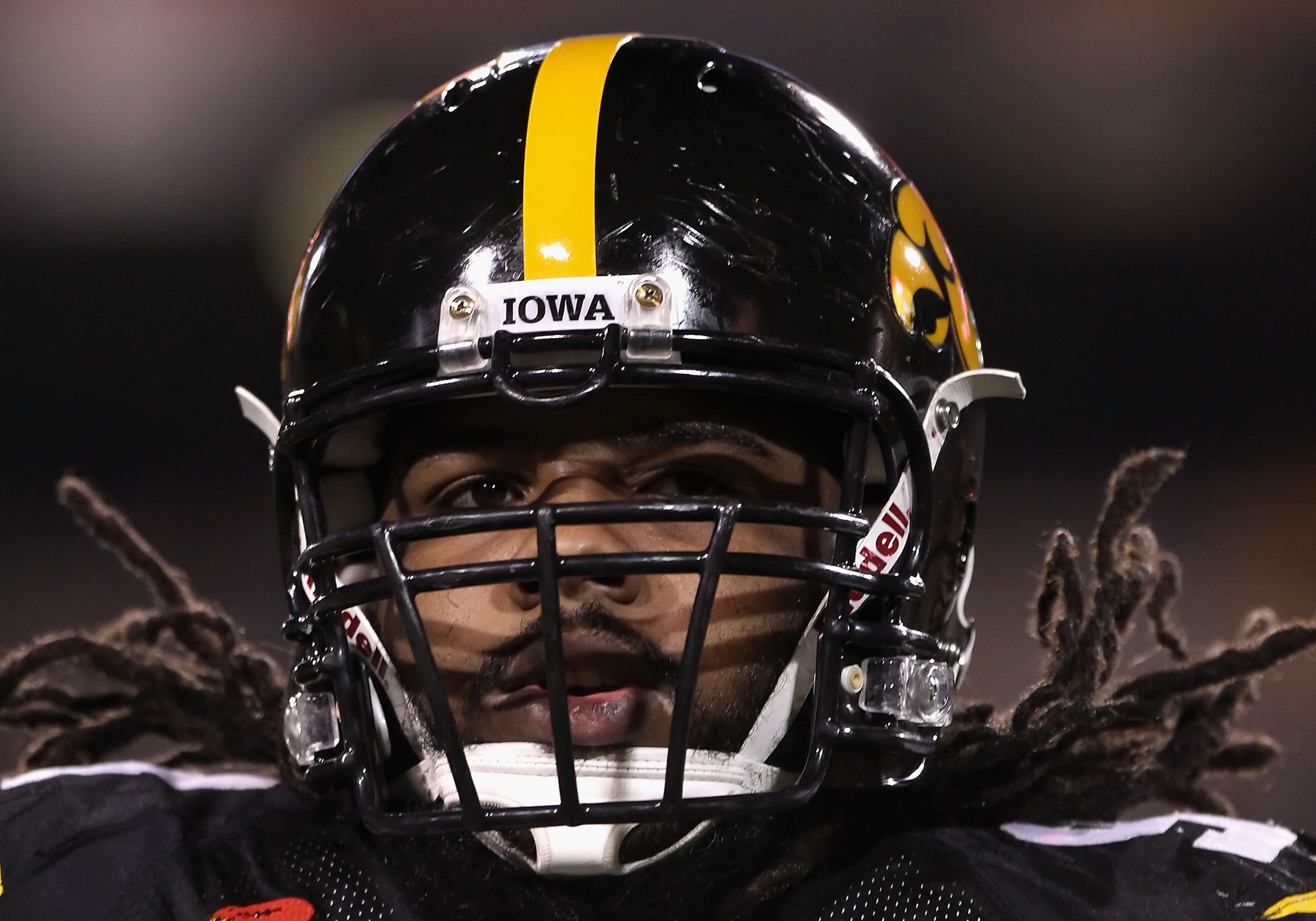
Adrian Clayborn, DE, Iowa
6-4, 285 lb
About Adrian Clayborn:
Clayborn is a power rusher who can cave in the pocket, and he also anchors well against the run. He needs to refine his technique, but he has rare physicality and brute explosive strength. The countless double-teams Clayborn saw slowed his production; he recorded just 3.5 sacks last year.
Why the Bucs will take Clayborn:
A need-pick dovetailing with a good value pick. The Bucs’ 26 sacks last year was second-fewest in the league. They didn’t have a single player who recorded even five sacks.
21. Seattle Seahawks (7-9)
21 of 32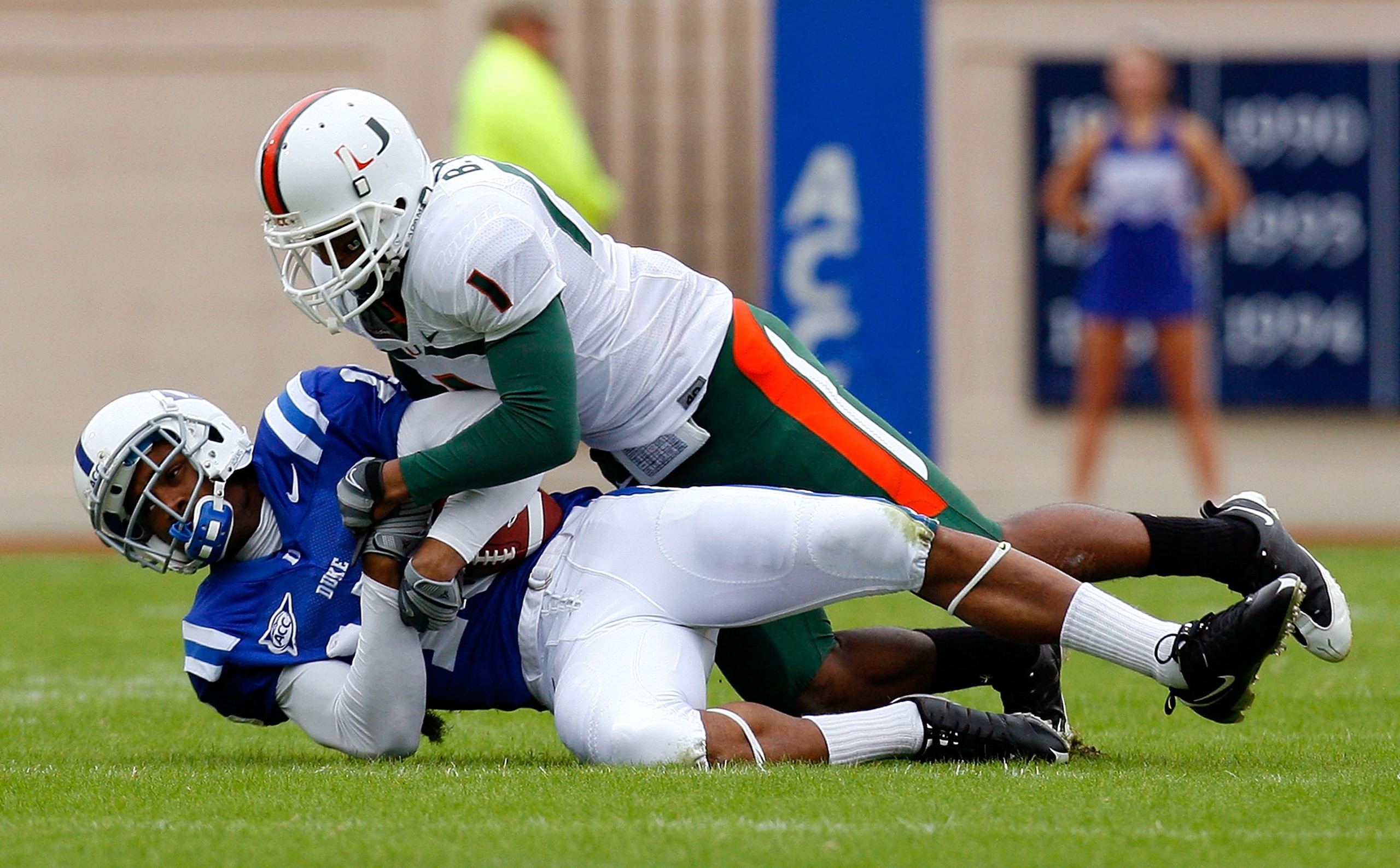
Brandon Harris, CB, Miami
5-11, 193 lb
About Brandon Harris:
Excellent speed and quickness make Harris a good man-to-man prospect. Despite his relatively small size, he plays with physicality. But he needs to improve his reactions in zone coverage, in which can sometimes get caught out of position. Perhaps coincidentally but probably not, he's the latest defensive back prospect from “The U” to wear No. 1.
Why the Seahawks will take Harris:
The Seahawks ranked 25th in net yards per pass attempt. This "playoff team" needs all the help it can get in the secondary.
22. Kansas City Chiefs
22 of 32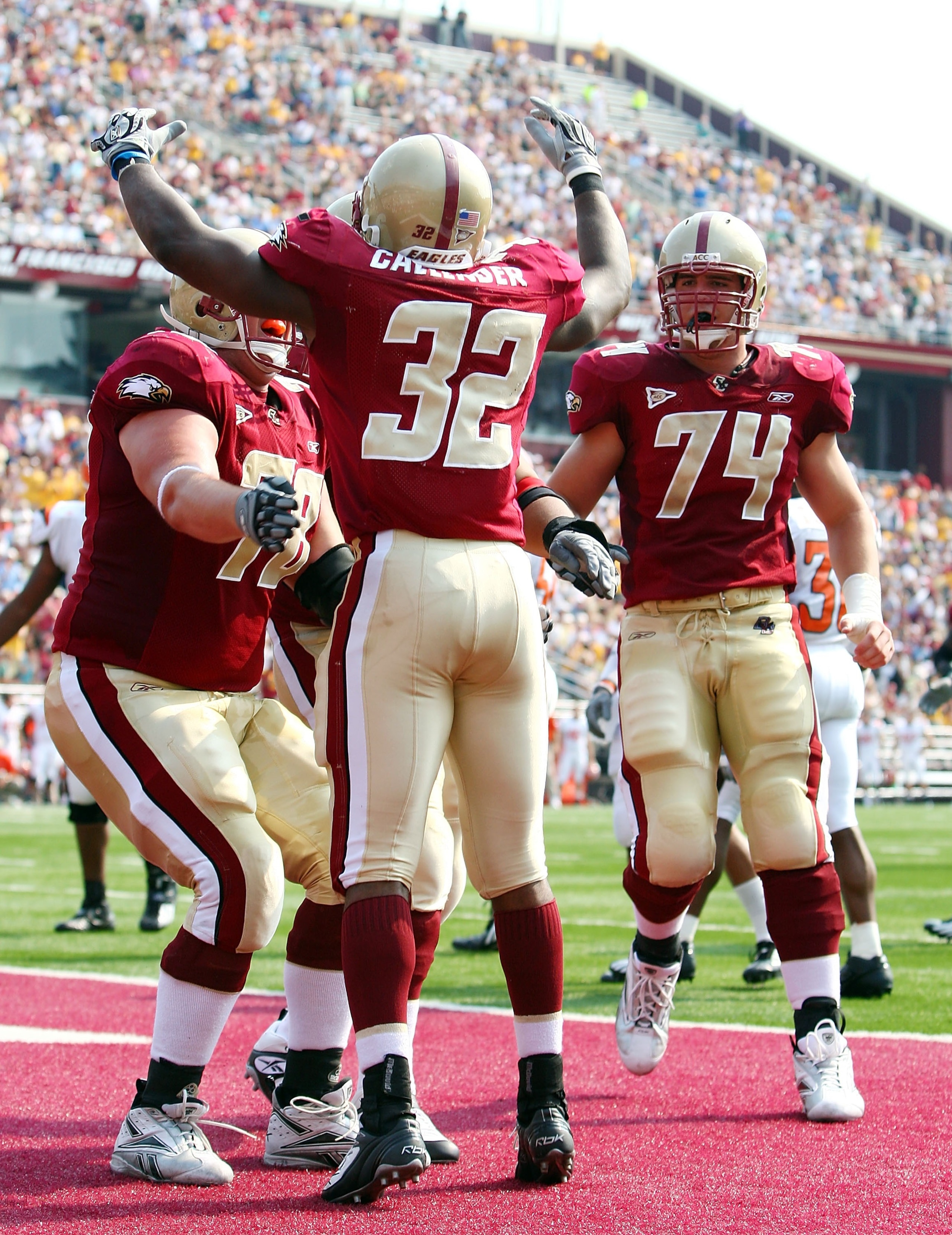
Anthony Castonzo, OT, Boston College
6-7, 295 lb
About Anthony Castonzo:
Castonzo is a solid prospect who plays with good technique and good leverage. He bends his knees well in pass protection, and is adept at blocking in space in the running game. But he would benefit from gaining around 15 pounds and improve his lower-body strength, and he's more of a wall-off blocker than a pile-driver.
Why the Chiefs will take Castonzo:
The safest bet available of the offensive line prospects. Good value here, especially for a team looking to build an offense around Jamaal Charles.
23: Indianapolis Colts 10-6
23 of 32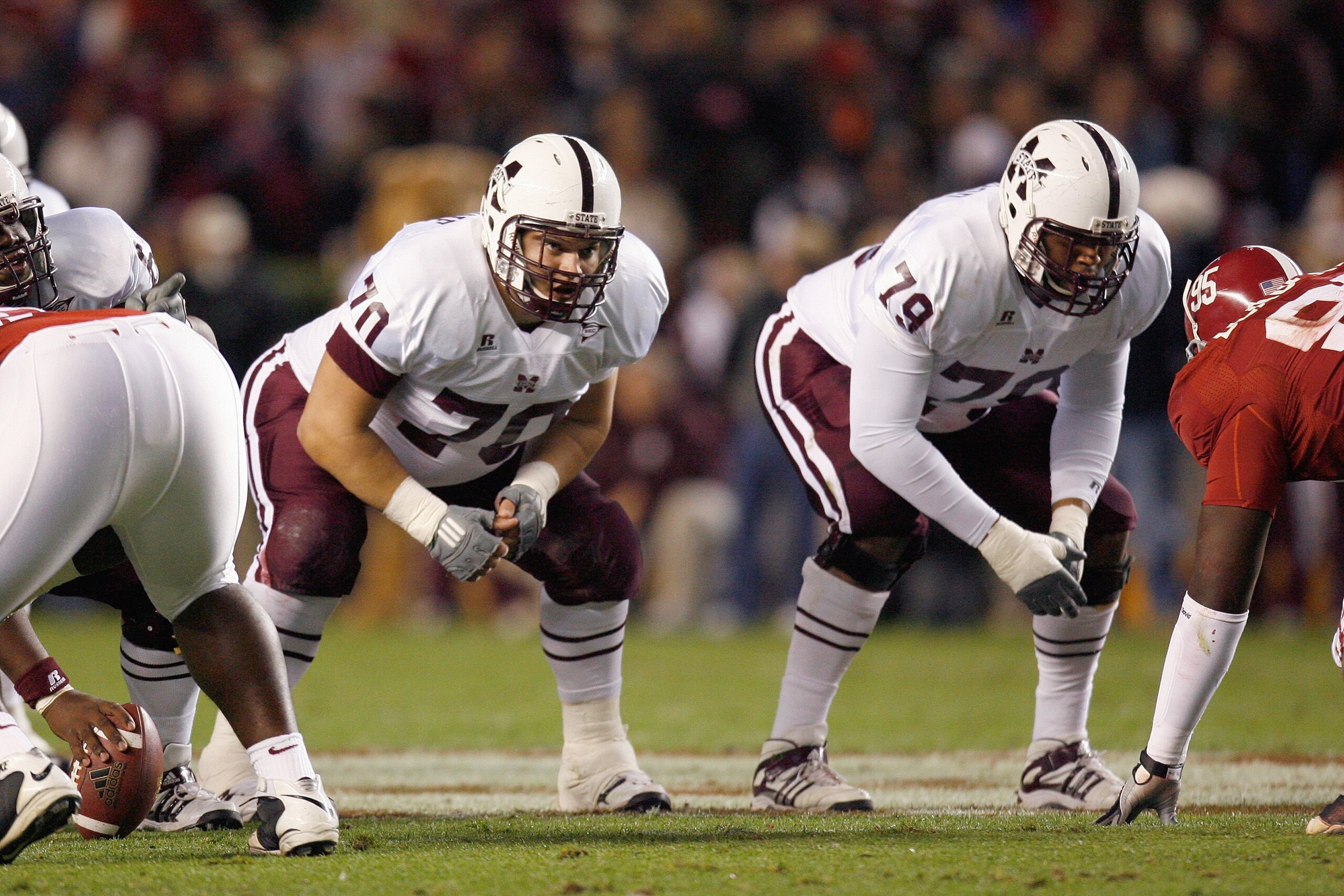
Derek Sherrod, OT, Mississippi State
6-6, 305 lb
About Derek Sherrod:
Sherrod is a complete, athletic tackle who moves very well in space and can mirror pass rushers. He is good in pass protection and excels especially on stretch running plays. However, he doesn’t have elite lower body strength and doesn’t drive defenders off the ball.
Why the Colts will take Sherod:
This year proved it: Peyton Manning needs some reinforcements along the offensive line. Sherrod is also a good component to the Colts stretch running game.
24. Green Bay Packers 10-6
24 of 32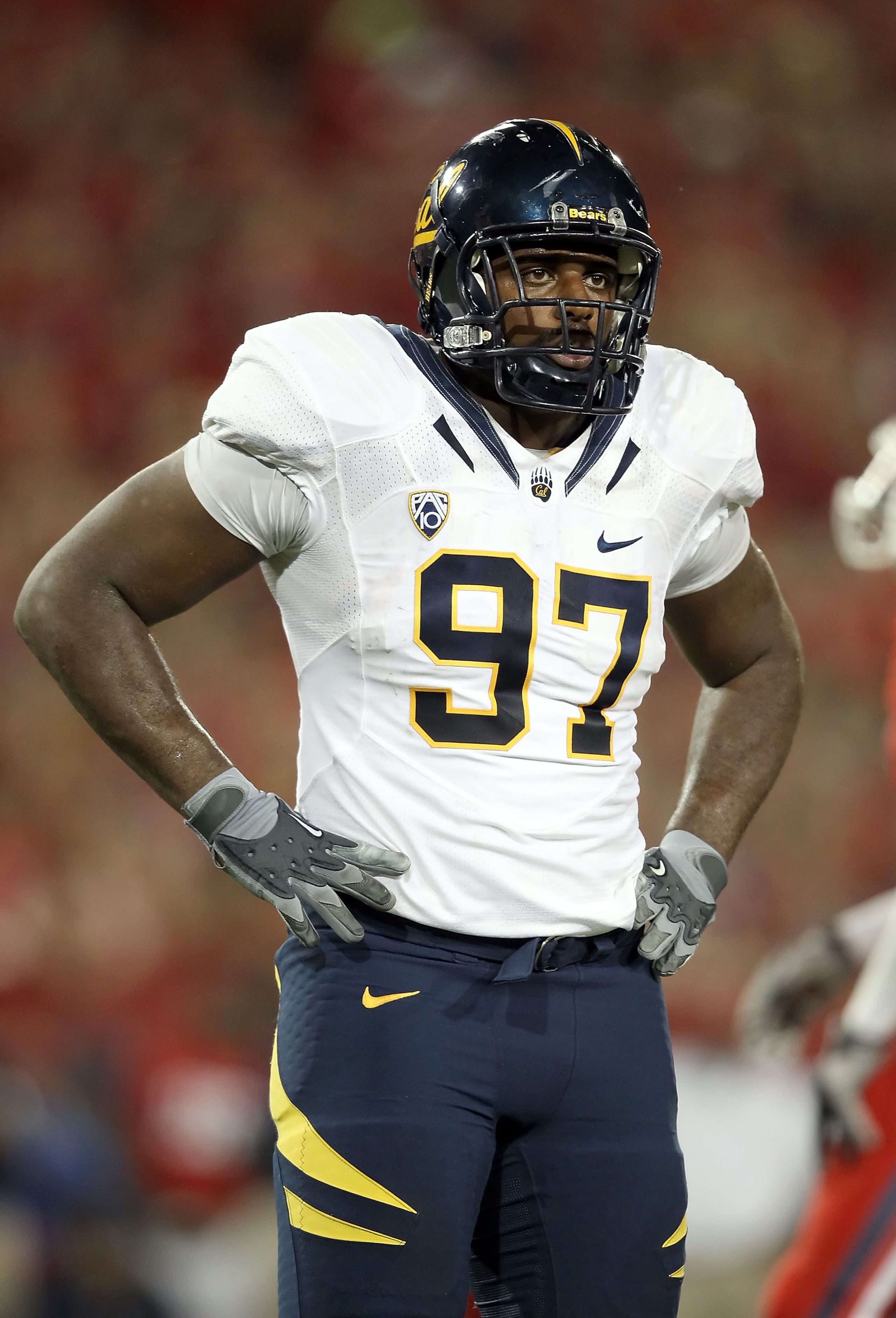
Cameron Jordan, DE, California
6-4, 283 lb
About Cameron Jordan:
A powerful 3-4 defensive end despite not being that big, Jordan is stout against the run and employs a variety of power-pass rush moves. Jordan has played in a 3-4 scheme for three years and is a natural fit for a team like the Packers. There is room for improvement in his hand technique.
Why the Packers will take Jordan:
The Packers need help stopping the run after ranking 28th in rushing yards per attempt allowed.
25. Philadelphia Eagles 10-6
25 of 32
Mike Pouncey, G/C, Florida
6-4, 310 lb
About Mike Pouncey:
Pouncey took the center job at Florida from his brother, Maurkice, the first round pick of the Steelers last year. Before that, he played right guard, and this versatility and football IQ will help his draft stock. While Pouncey is big, experienced, and versatile, he lacks elite athleticism. His pass blocking technique also must improve.
Why the Eagles will take Pouncey:
The Eagles have long needed help in the interior offensive line, especially at right guard. At the very least, Pouncey will provide needed depth in his first year if he doesn't move into a starting role.
26. New York Jets
26 of 32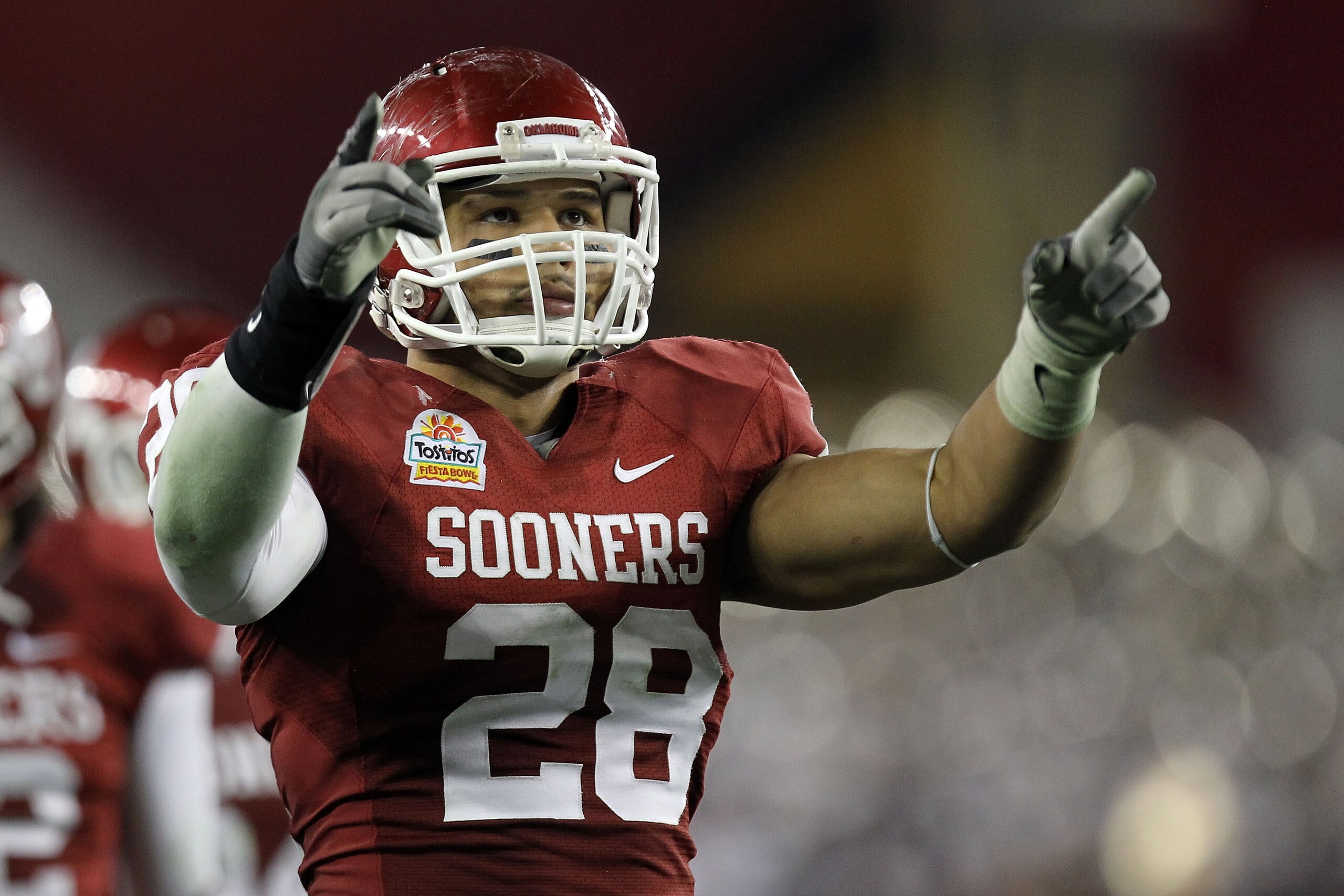
Travis Lewis, OLB, Oklahoma
6-2, 232 lb
About Travis Lewis:
Lewis is a playmaking, sideline-to-sideline linebacker with elite speed for the position. He does an outstanding job diagnosing the play, and he's an effective blitzer as well. But he’s built more like a safety than a linebacker, so his ability to hold the point of attack is a concern.
Why the Jets will take Lewis:
Another toy for Rex Ryan's blitzes; another versatile defender for Dr. Rex's organized chaos.
27. New Orleans Saints 11-5
27 of 32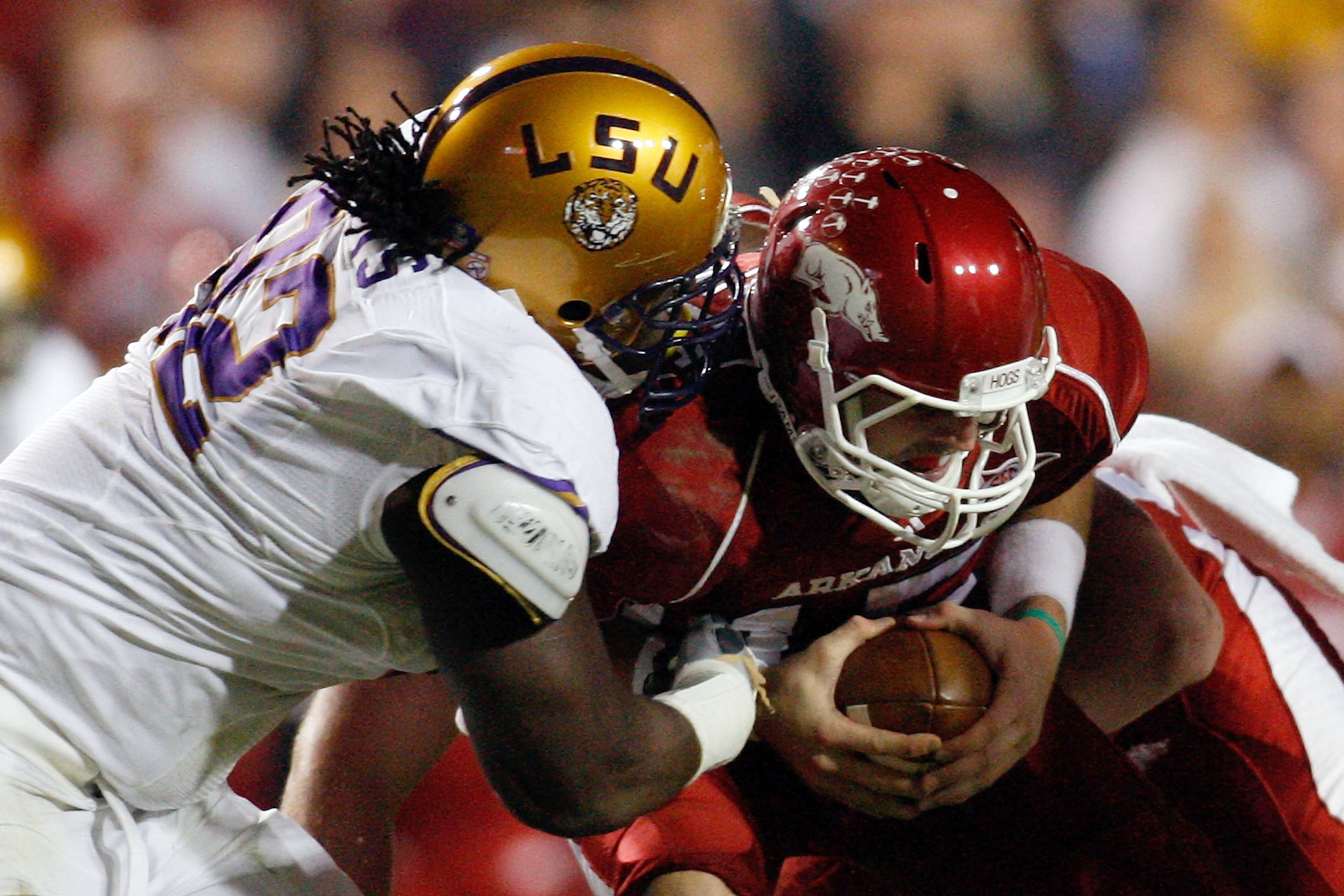
Drake Nevis, DT, LSU
6-2, 285 lb
About Drake Nevis:
An quick, up-the-field tackle, Nevis plays with a mean streak and excellent technique. He emerged in 2010 as a senior, but he still needs to be more consistent down-to-down. He’s not the biggest tackle, so he needs to focus on keeping his pad level down.
Why the Saints will take Nevis:
Gregg Williams’s attacking-style defense demands playmakers, and Nevis fits that description. Plus, Nevis is a local boy, from nearby Marrero, La.
28: Chicago Bears (11-5)
28 of 32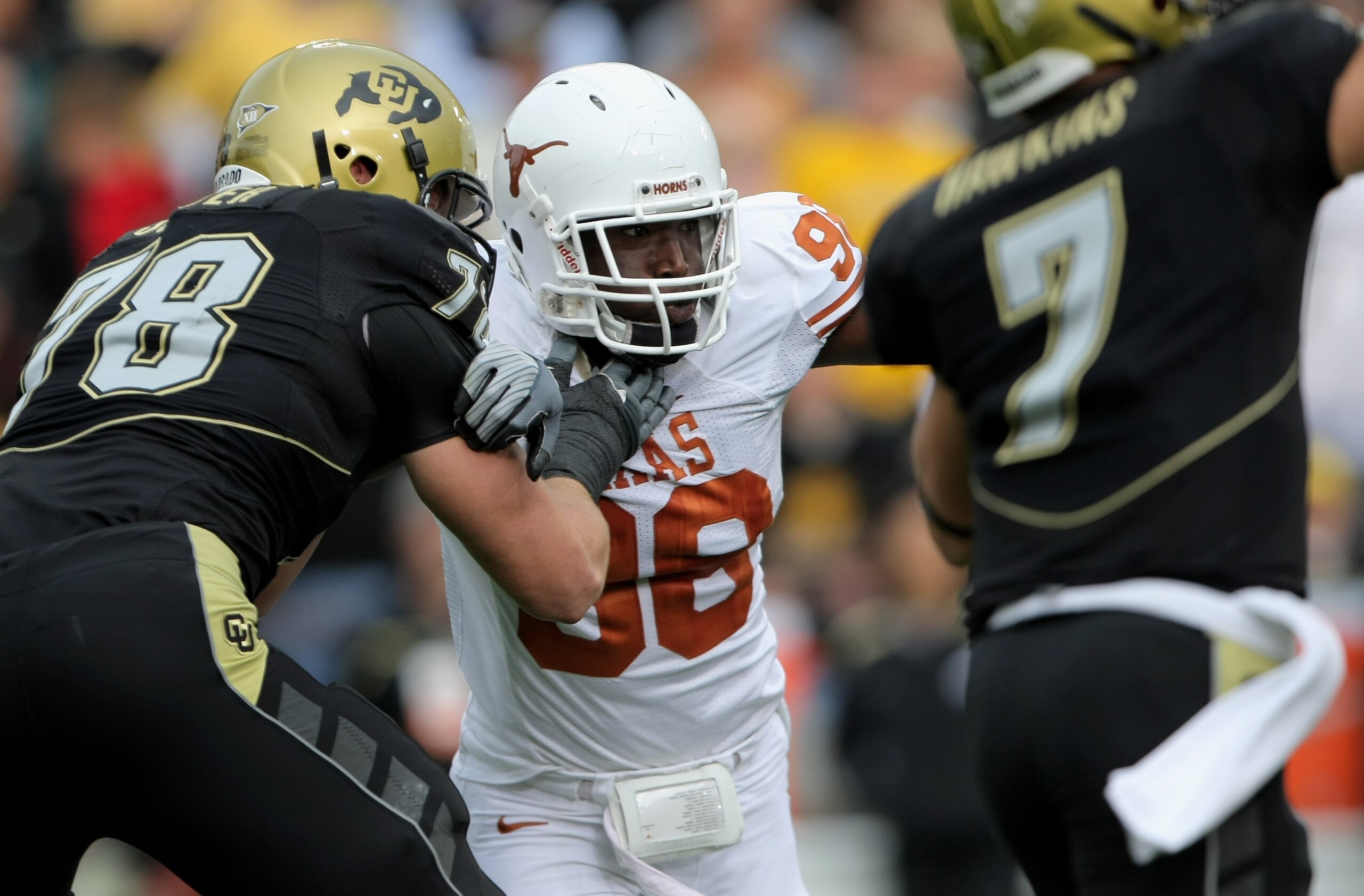
Nate Solder, OT, Colorado
6-9, 315 lb
About Nate Solder:
A former tight end, Solder is massive, has incredibly long arms, and has a frame that can accommodate another 25 pounds at least. Solder is farm-strong, and he also runs a remarkable 4.8 40-yard dash. But he is raw, and will need time to fulfill his potential.
Why the Bears will take Solder:
Jay Cutler has taken a well-publicized beating this year. He needs better protection to truly flourish in Mike Martz’s offense.
29: Baltimore Ravens 12-4)
29 of 32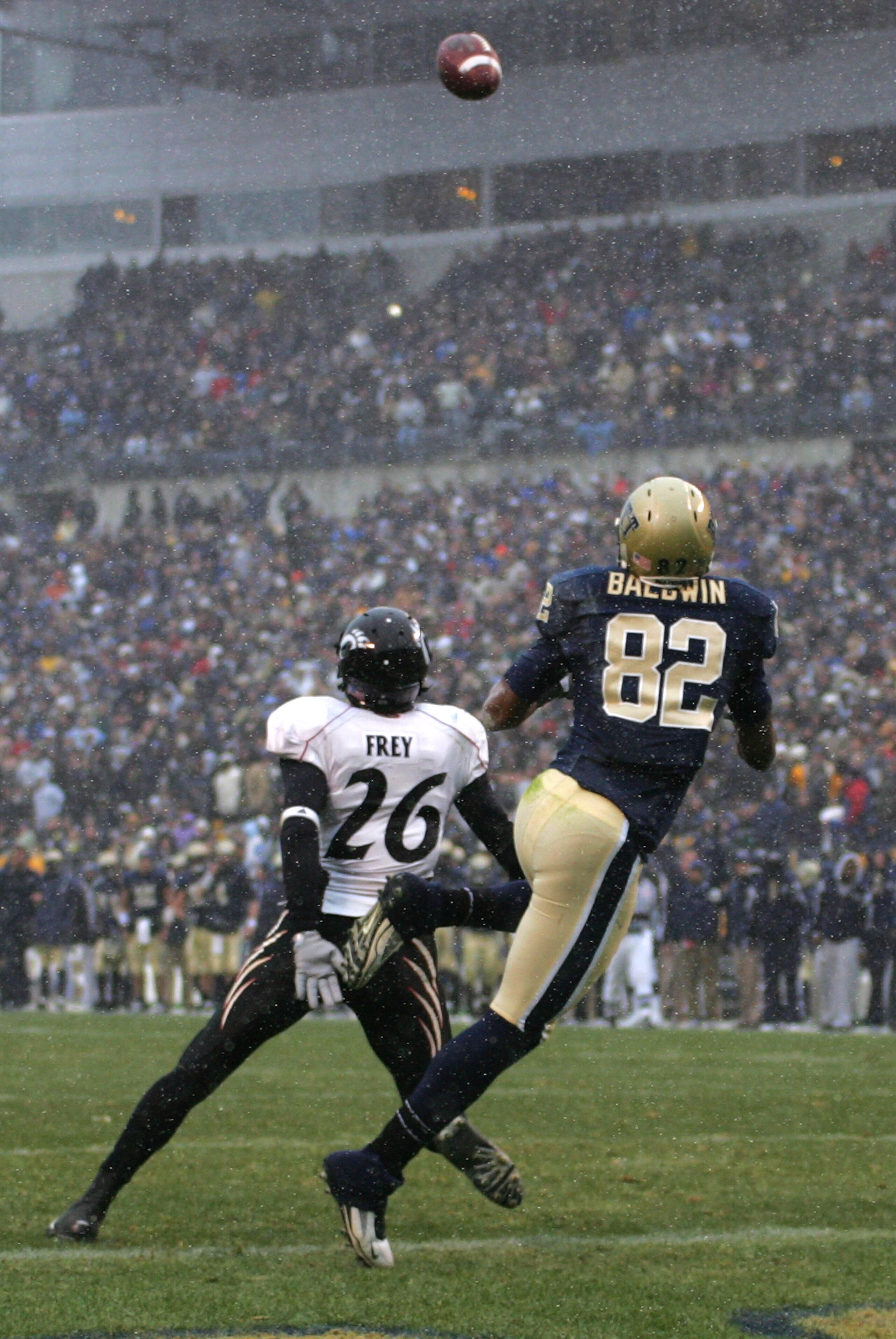
Jonathan Baldwin, WR, Pittsburgh
6-5, 224 lb
About Jonathan Baldwin:
Baldwin is a legitimate "freak" -- he stands 6-5 and runs a 4.4 40-yard dash. He has the leaping ability and the body control to be a dominant jump-ball threat. Despite his straight-line speed, he’s not fast out of his breaks, which makes it difficult for him to get separation on intermediate routes.
Why the Ravens will take Baldwin:
For Joe Flacco to truly become the “elite” quarterback that he purports himself to be, he’ll need more offensive weapons.
30: Pittsburgh Steelers 12-4)
30 of 32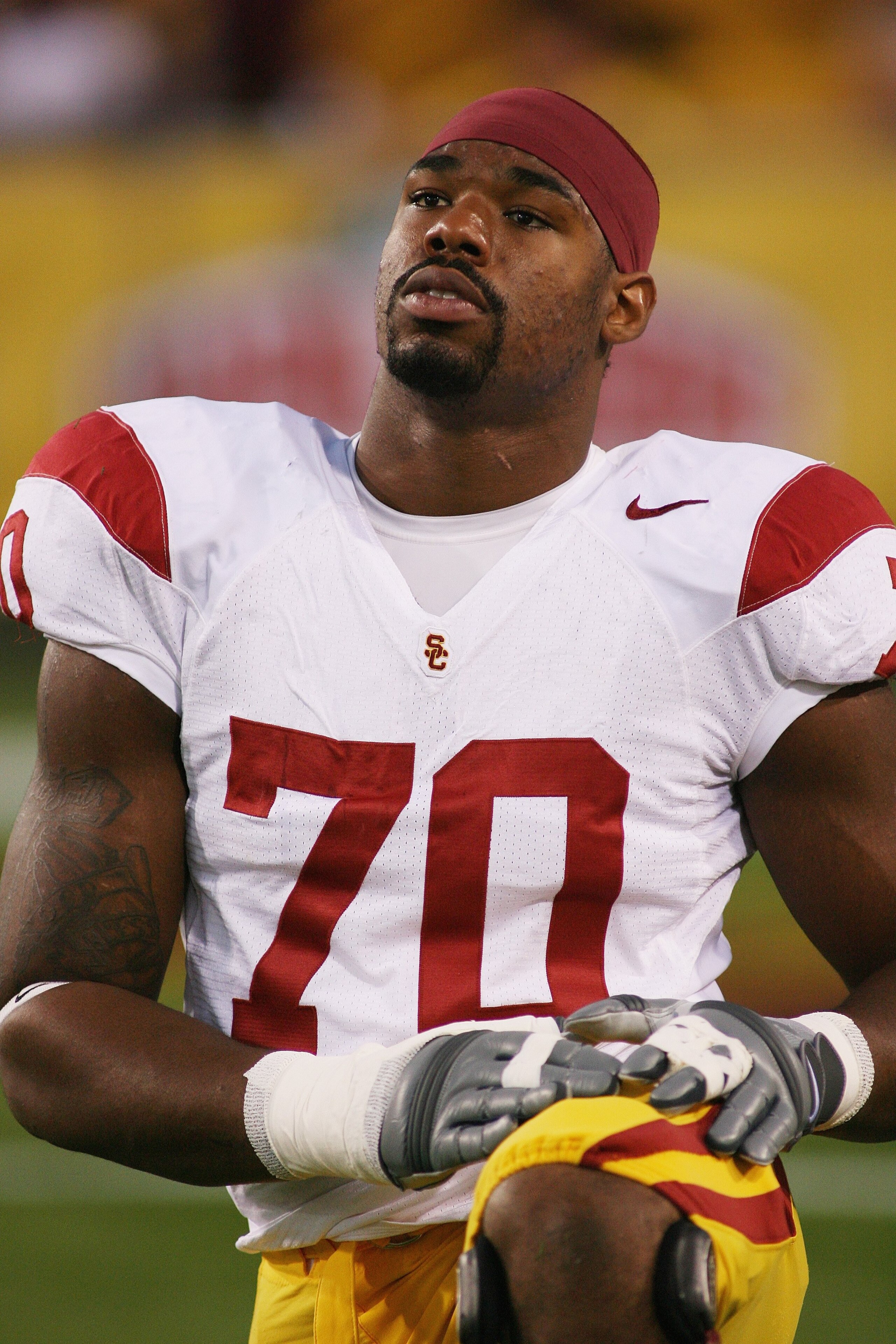
Tyron Smith, OT, USC
6-5, 280 lb
About Tyron Smith:
Smith is an agile tackle with loose hips who gets a better push than his slender, 280-pound frame would suggest. His quickness of the snap puts him in good positions to run block. His footwork is excellent, but his hand-technique needs work.
Why the Steelers will take Smith:
Protecting Ben Roethlisberger has been an ongoing source of consternation in Steelerland. Smith has the potential to be a franchise left tackle if he fills out a little more.
31. Atlanta Falcons
31 of 32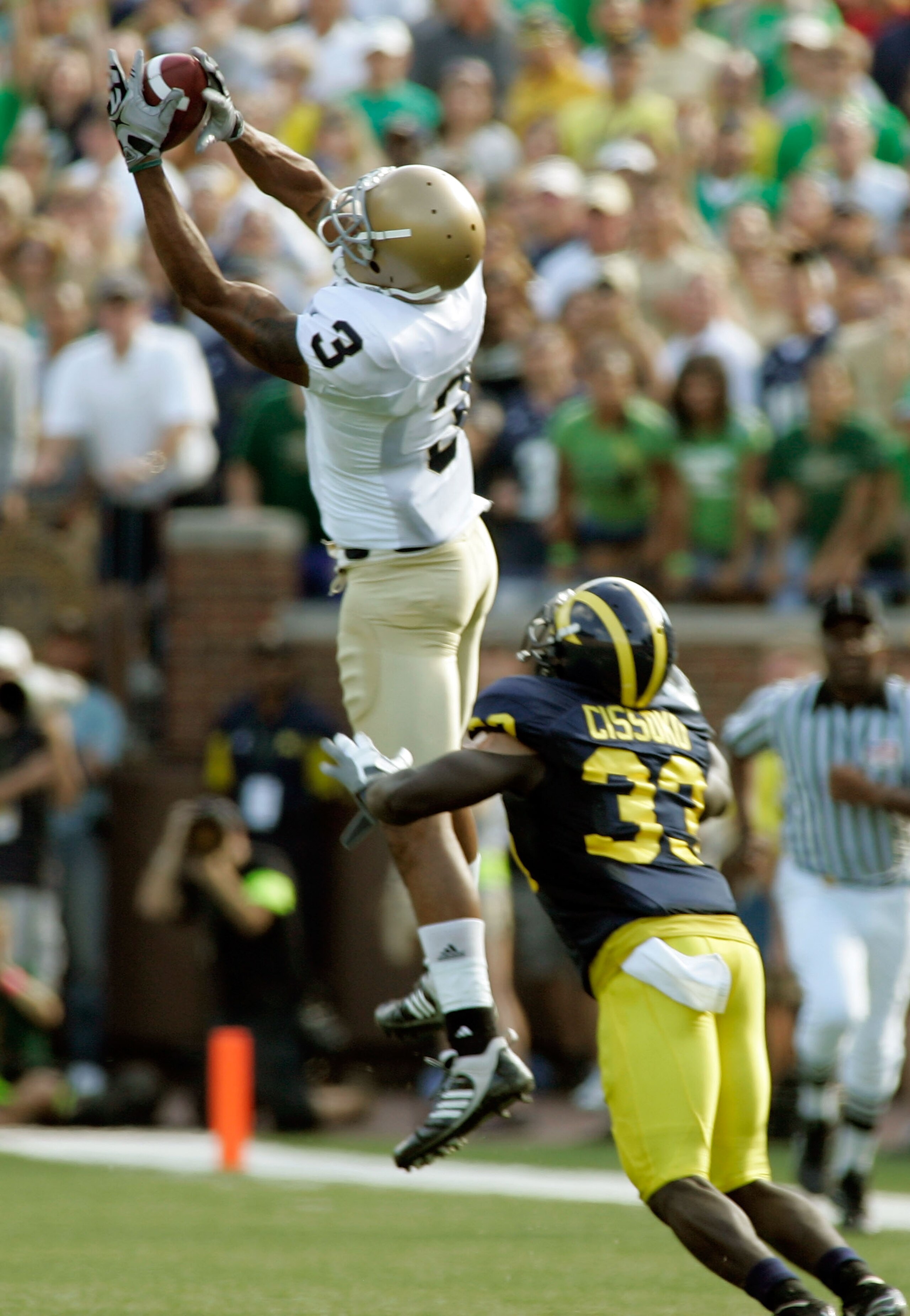
Michael Floyd, WR, Notre Dame
6-3, 227 lb
About Michael Floyd:
Floyd is a polished wide receiver with an ideal frame and excellent hands. He’s elusive in the open field, and he benefited from playing in Notre Dame’s pro-style offense. But he’s not the most explosive athlete, and therefore projects more as a possession receiver.
Why the Falcons will take Floyd:
Michael Jenkins is not up to snuff as a complement to Roddy White. White led the league in targets in 2010 but he needs some help on the other side.
32. New England Patriots 14-2)
32 of 32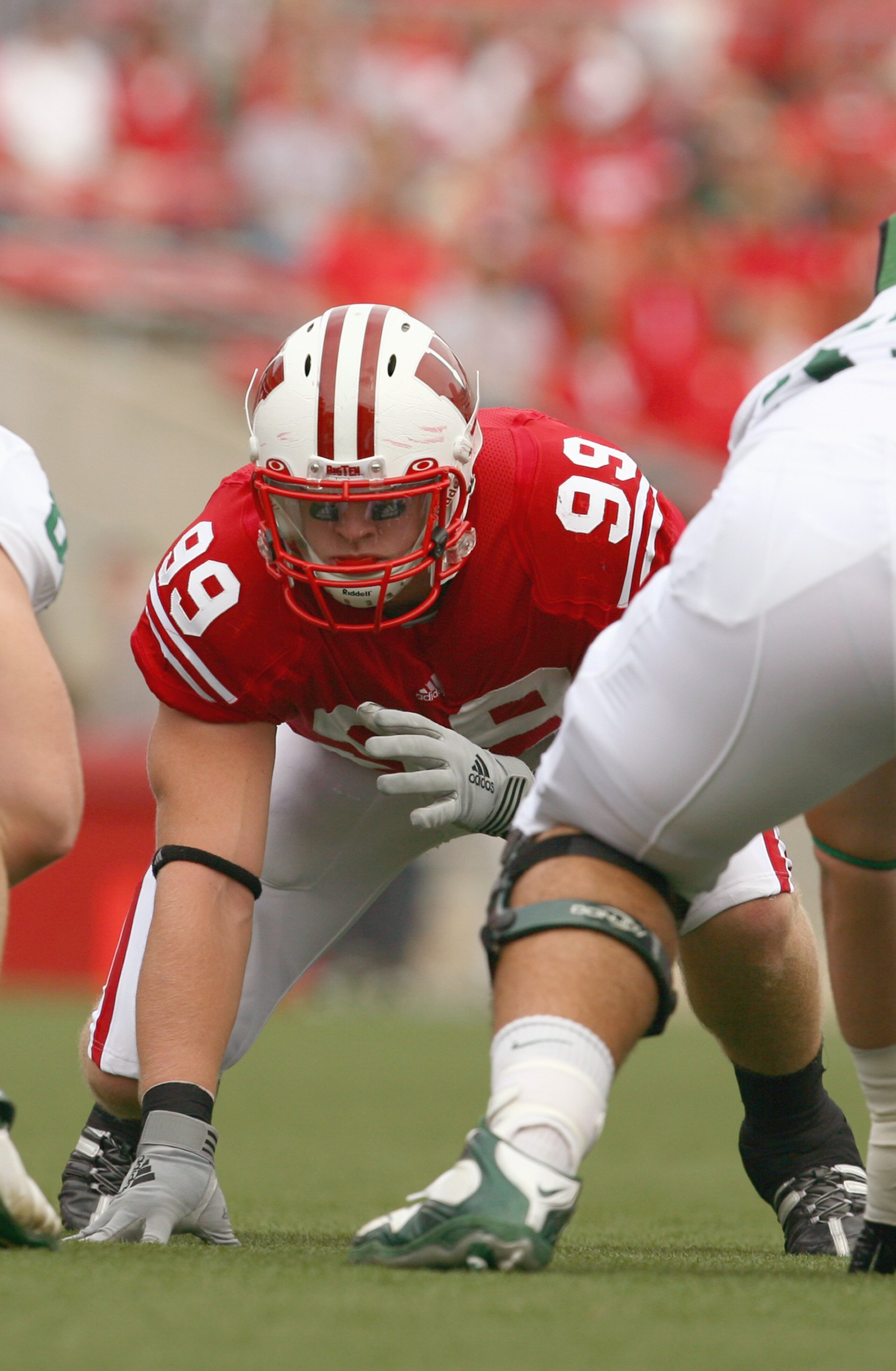
J.J. Watt, DE, Wisconsin
6-6, 280 lb
About J.J. Watt:
A hard-nosed product of a 3-4 defense at Wisconsin, Watt is a grinder after Bill Belichick’s own heart. He’s not the most explosive player, but he’s strong, polished, plays with excellent leverage, and can anchor against the run as well as rush the passer. He's solid.
Why the Patriots will take Watt:
Watt’s ready to make an immediate contribution to a Super Bowl caliber team. The Patriots need depth along the defensive front.
.jpg?w=2560 "DOLPHINS-AIKMAN")
_0.png?w=2560 "Unranked Teams Cause Chaos in Rankings 📊")

.png?w=2560 "Week 8 Winners & Losers 📊")





