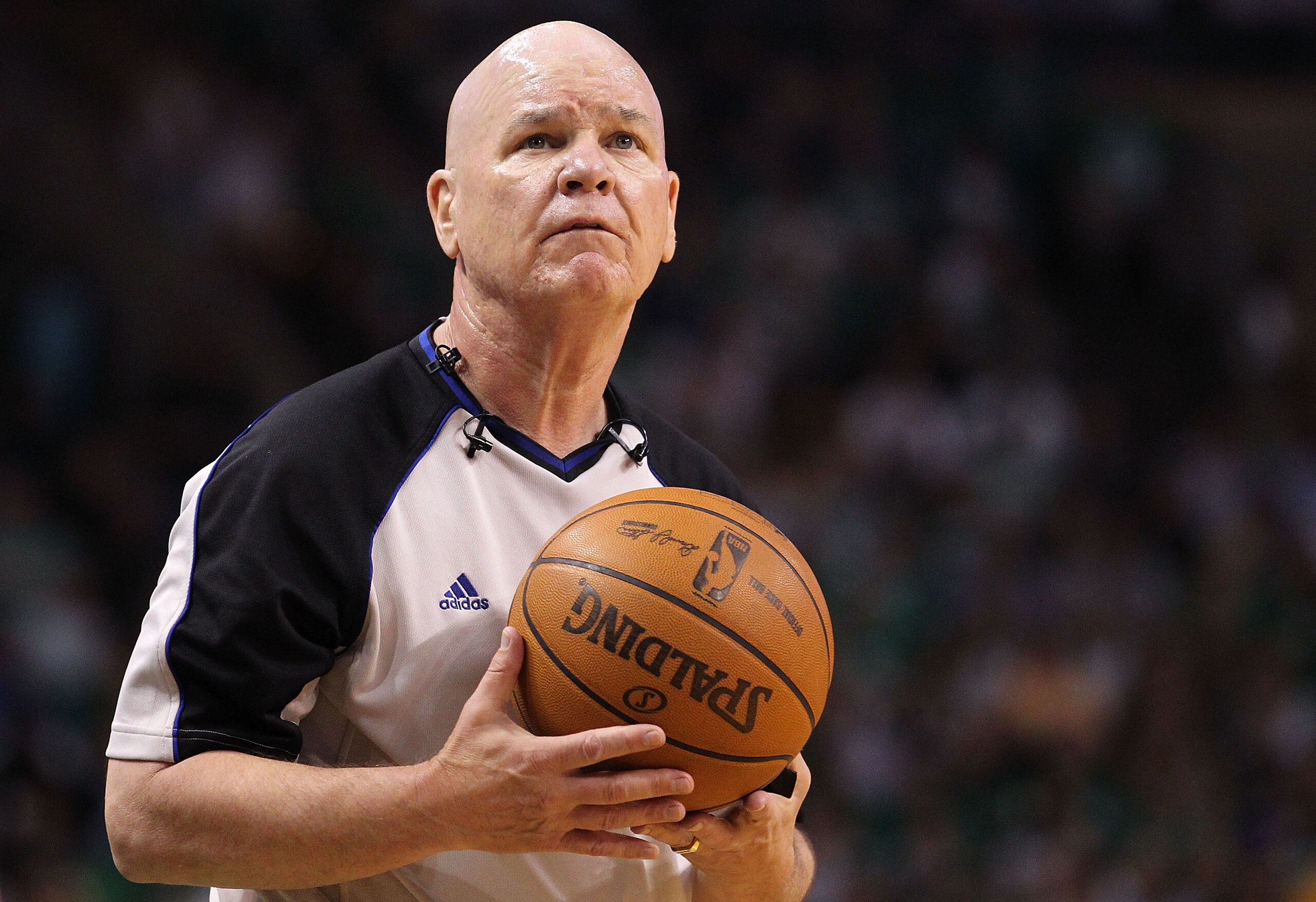

NBA Standards: A List of What's Wrong With Officiating
Basketball. It's one of the most popular sports in the world. It requires a high amount of skill, speed, and endurance to survive. It is also one of two sports that depends on rules and officiating the most (the other being soccer).
One of NBA Commissioner David Stern's long time goals has been to set a high standard for his league to follow. He wants the NBA to be represented well and have good examples set by its players, coaches, fans, and officials alike.
However, with a combination of questionable written and unwritten laws to the game, NBA referees seem to have set their own standards and personal set of rules that affect the fairness of the way games are called.
Here is a list of the most questionable and unfair "rules", written and unwritten (basically made up by the officials), that do more harm than good to the integrity of the game and the league.
The Three-Second Rule: You Noticed?
1 of 9
Written Rule: A player cannot spend more than three seconds inside the lane at a time whether he's on offense or defense. (note: these are not the official definitions out of the NBA rule book)
I'll start off by saying this is not a bad rule. It is meant to keep defensive players from crowding the lane and prevent offensive players from just standing under the basket to wait for a shot. Where the doubt comes in is how often it is and is not called.
The three-second rule is probably called one or two times a game, but if officials were to truly call it every time it happened, they would be calling it on about 60 percent of all possessions.
Quite frankly, the only time it really is called is when the refs bother to watch for it, usually meaning they have taken their attention off the play. Sounds a little careless to me.
The Restricted Area: Charge Or Not?
2 of 9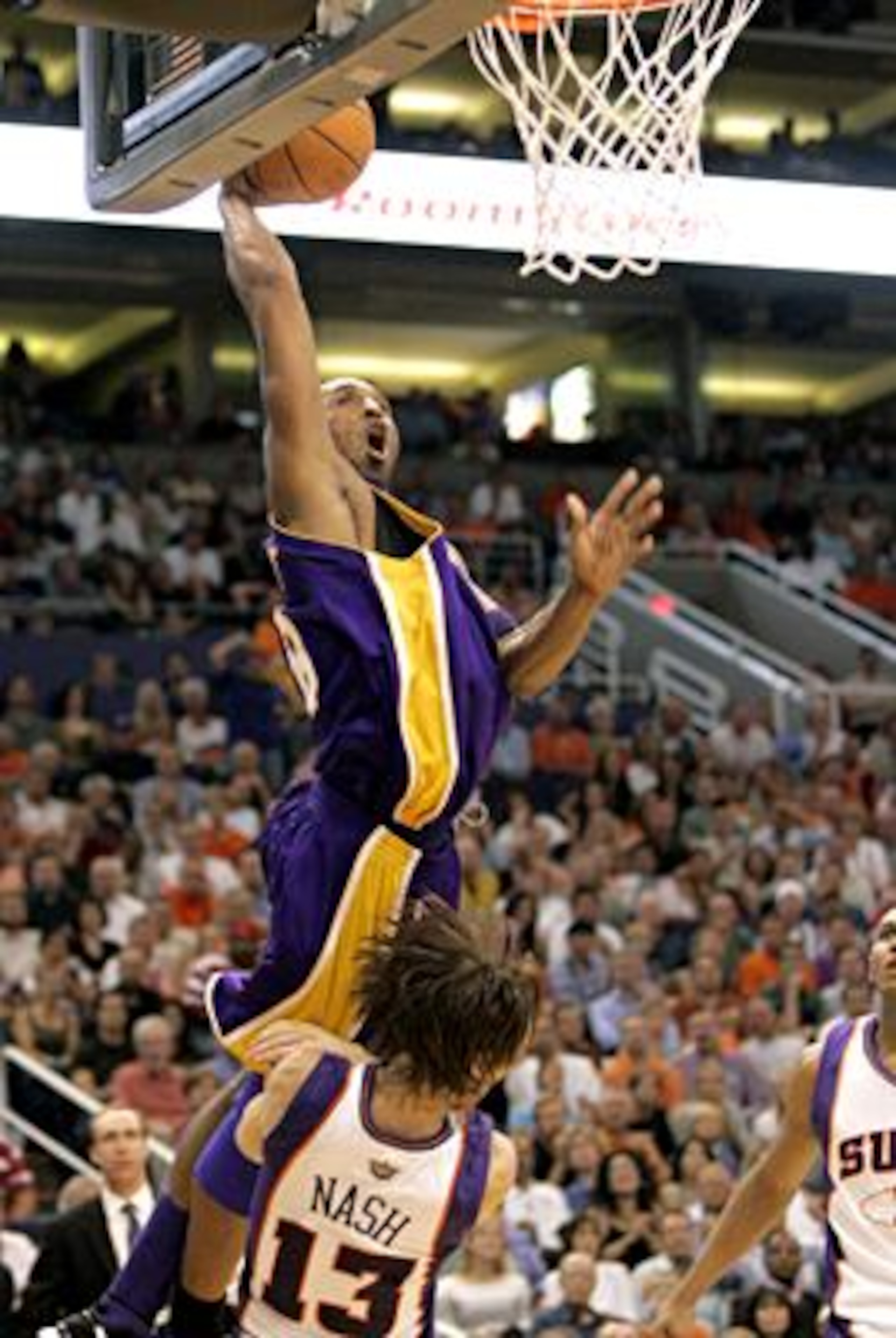
Written Rule: Whether the feet are set or not, it is automatically a defensive (or shooting) foul if a defender takes a charge inside the restricted circle under the basket.
Again, it's not a bad rule, and it's meant to keep defenders from hanging out under the basket. However, it is not a rule that is widely enforced outside the NBA.
Also, it can often be a very difficult judgment call for officials. A shoe lace can be the difference. It can often happen so quickly that they take a guess, and usually they'll know from the crowd within seconds if they made the right call or not.
The fact that a player can be punished for being fouled just because of where he is on the court is a little skeptical.
Technical Fouls: Who, Me?
3 of 9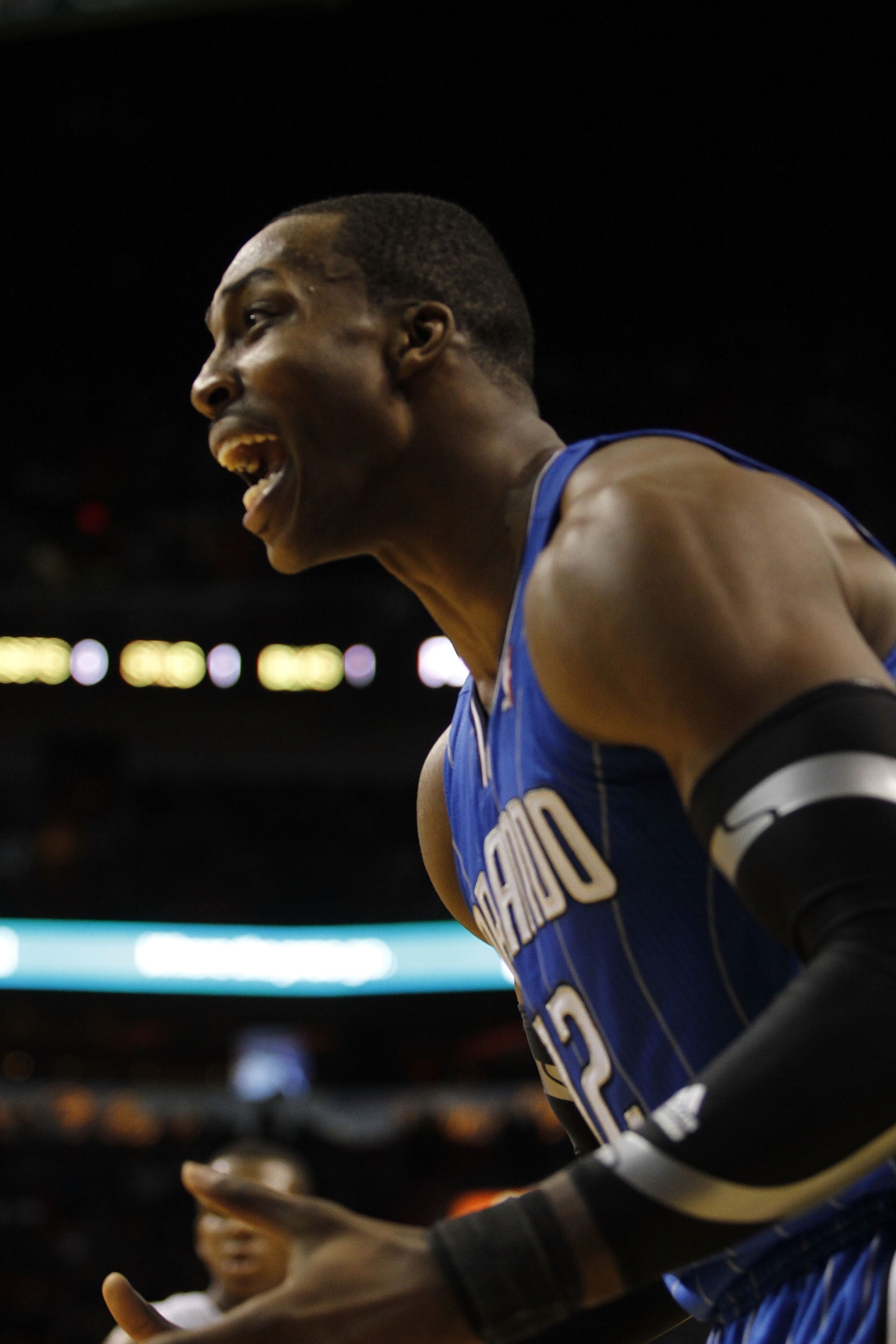
Written Rule: Why even bother? It changes every season.
Now the questions start getting a little hazy, such as, what is the true definition of a technical foul? Well, while there are rules to answer that question, it ultimately depends on the official and even the player.
Nearly every preseason, the NBA tries to set new standards for on court behavior by clamping down on what is and is not appropriate; and every preseason the refs take such huge advantage of it that Stern ends up scaling it back.
Every referee has a different standard of what he will put up with, and every player reacts in a different way. Those who tend to show more emotion, like Kevin Garnett, are often given a higher line to cross before a technical is called.
On the other hand officials tend to automatically call a technical when very dry and emotionless players, like Tim Duncan, show even the slightest disagreement because they know it means they're pretty mad.
I know I've seen plenty of players punch the air and sprint across the court to yell at officials, but I haven't seen many technical fouls called so far...



Creating Contact: But He Hit Me!
4 of 9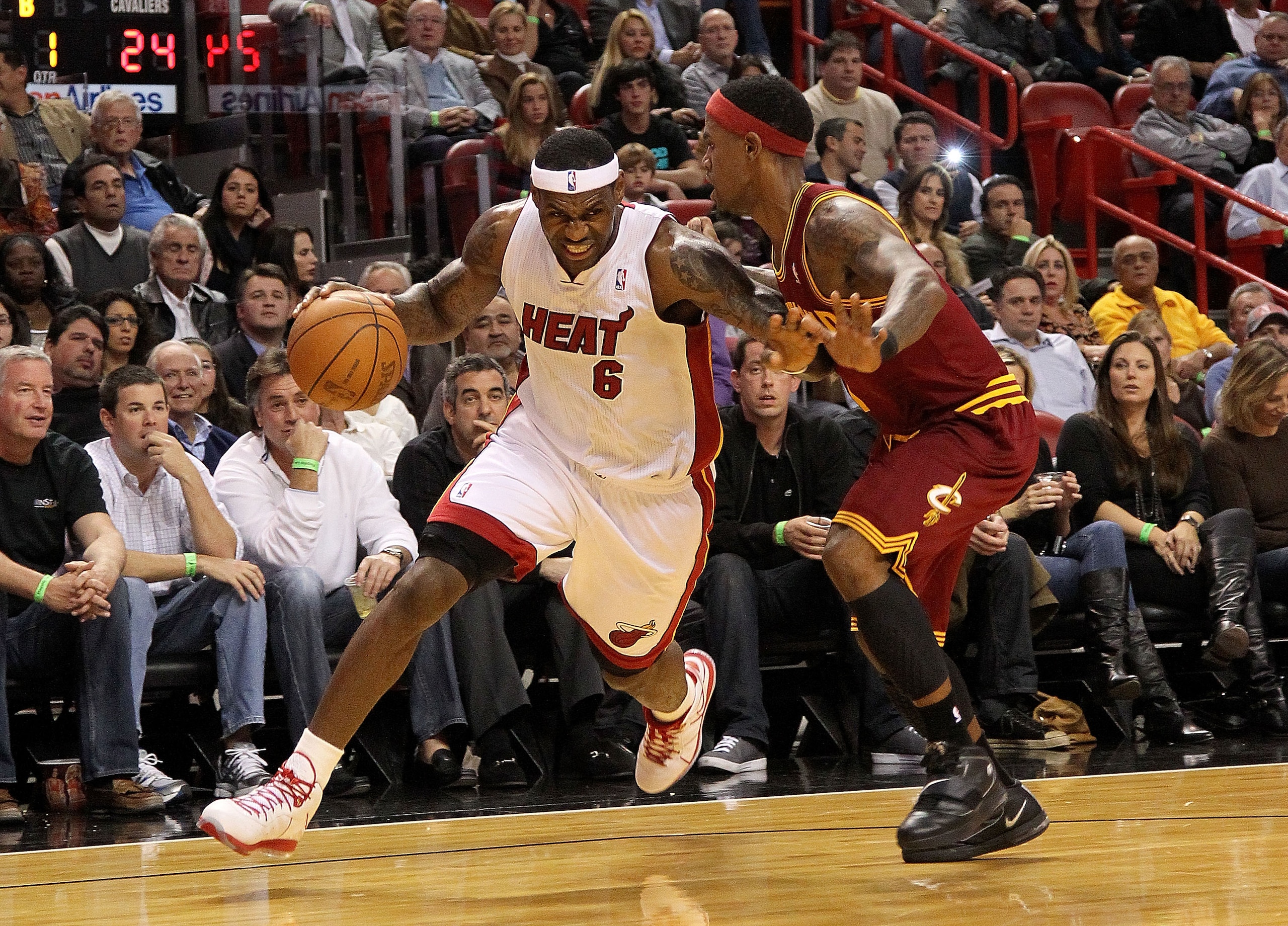
Unwritten Rule: A player can draw a foul by making contact with the defender even if it was created.
This is a 50-50 rule that goes either way and favors everybody on offense, so it may not be noticed that much. However, the fact that a player can jump into a defender who is standing stationary and not moving and make sure he touches him to create a foul is a cheap way of winning.
Another way to get this call is to reach out and shove the defender to look like he ran into you. Personally, I find the most hilarious call to be when a player leans towards a defender who is leaning backwards and backing up at the same time; contact is never made, and yet a foul is still called.
Far to often officials let their eyes deceive them. I think if the player with the ball touches the defender (compared to when the defender runs into or hits him), it should not be a foul.
Rookie and Veteran Calls: Thats a Rule?
5 of 9
Unwritten Rule: When in doubt, blame the kid.
Now we're getting into how games are called by the referee's standard, not the league's. It's like that old saying: it's not what you expect but what you get.
This is one of the most commonly known standards that even TV announcers follow. Far too often they say, "if he wasn't a rookie he would have gotten that call," or "that's a veteran's call right there".
Well, there shouldn't be a difference. The call that should be made is the right call. It doesn't matter whether it was by an unknown rookie or Kobe Bryant.
I know the supposed reason for this standard is to teach rookies the law of the game, but either way it is only right to call the game fair, and this is not it.
Star Favoritism: Who Is That?
6 of 9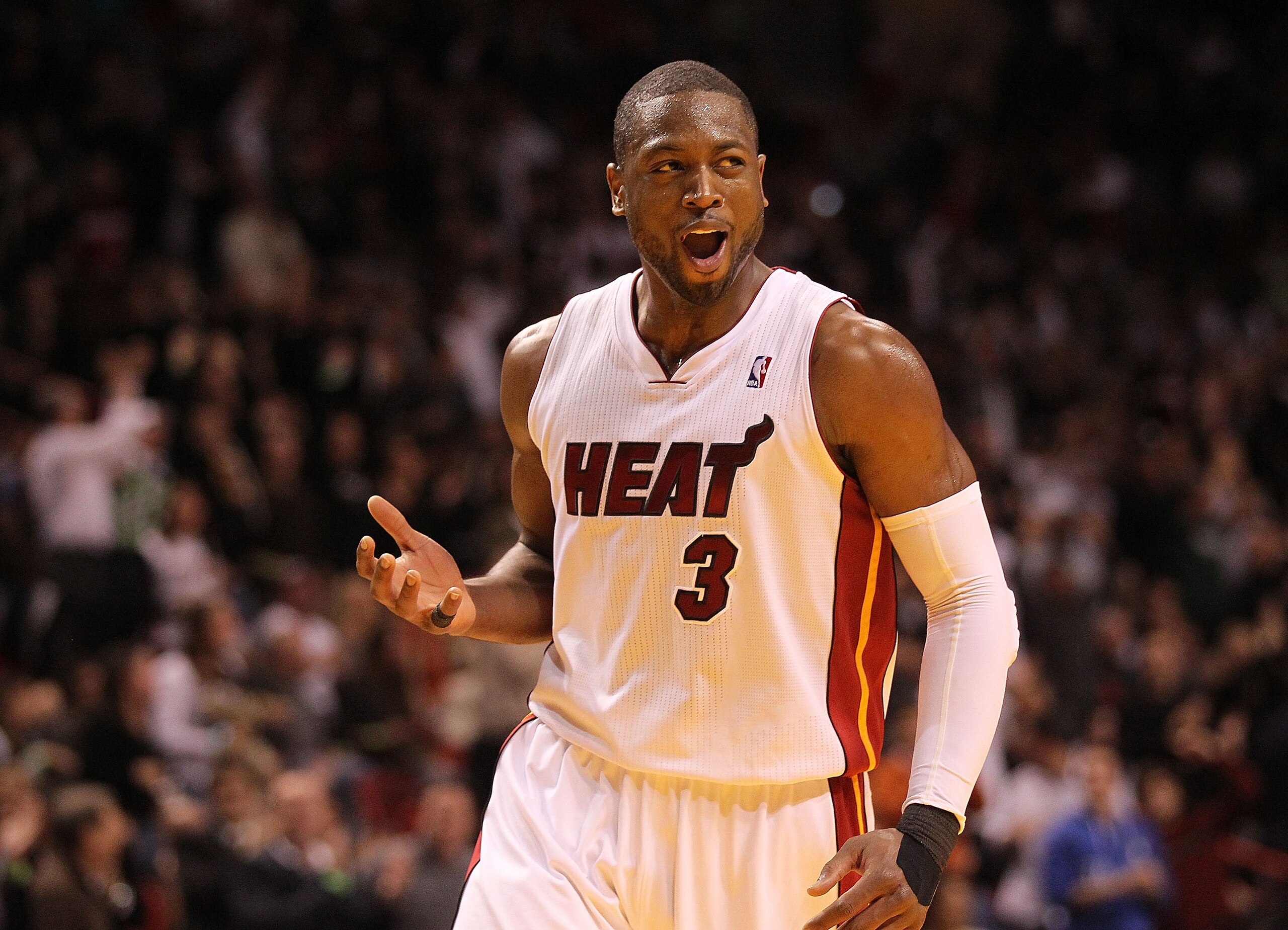
Unwritten Rule: To please the audience, give the star players what they want.
It's no surprise to look at the list of free throw attempt leaders and see the top stacked with All-Stars. Yes, I know it is directly related to those who play more minutes and drive harder to the basket.
Either way you will rarely see an unknown-to-the-outside-world player get the benefit of the doubt over someone like Dwayne Wade or LeBron James. Once again, it's all about the officials (and possibly the league?) and who they want to stay in the game.
I find it laughable that Dwight Howard is the league leader in technical fouls for crying to the officials, and yet he also leads the league in free throw attempts. I wonder why that is. Maybe because he's a fan favorite?
Its The Last Play? Swallow Those Whistles!
7 of 9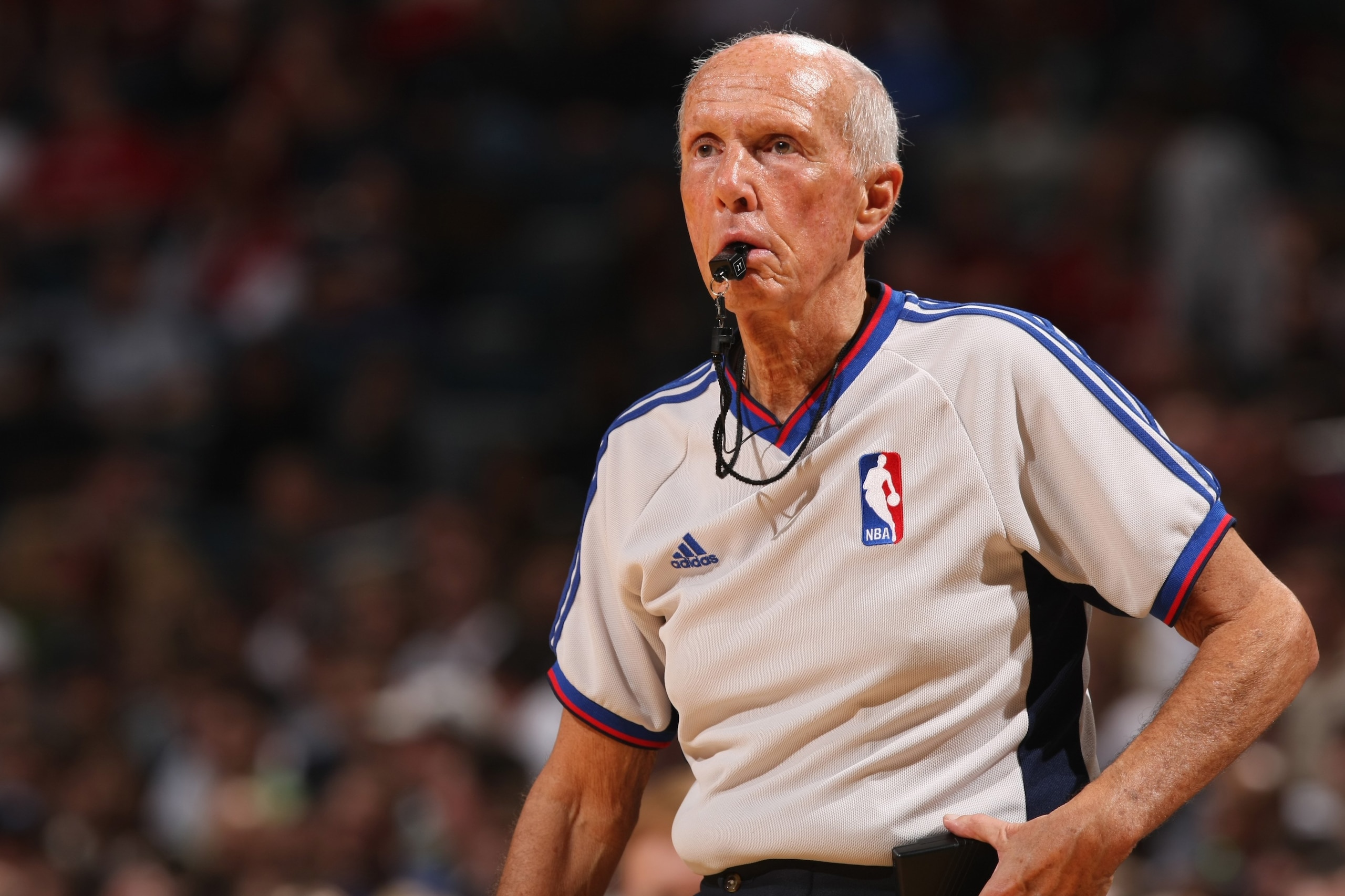
Unwritten Rule: Never call anything on the last play and let the players decide the outcome.
Oh really? I thought the last play was still part of the game and therefore still abides by the same rules. Am I wrong? Far too often the player gets hacked while shooting the last shot in the same way that countless other calls have been made throughout the game; so why not call it now?
It's simple. Officials don't want to feel responsible for the outcome of the game and therefore rarely call anything on the game-deciding play. Personally if I were an official, I would rather hear that I made the correct call and the game ended fairly instead of I missed an obvious call to end a controversial game and have cast a dark cloud over my head. Wouldn't you?
Late Calls: Oh, Did That Just Happen?
8 of 9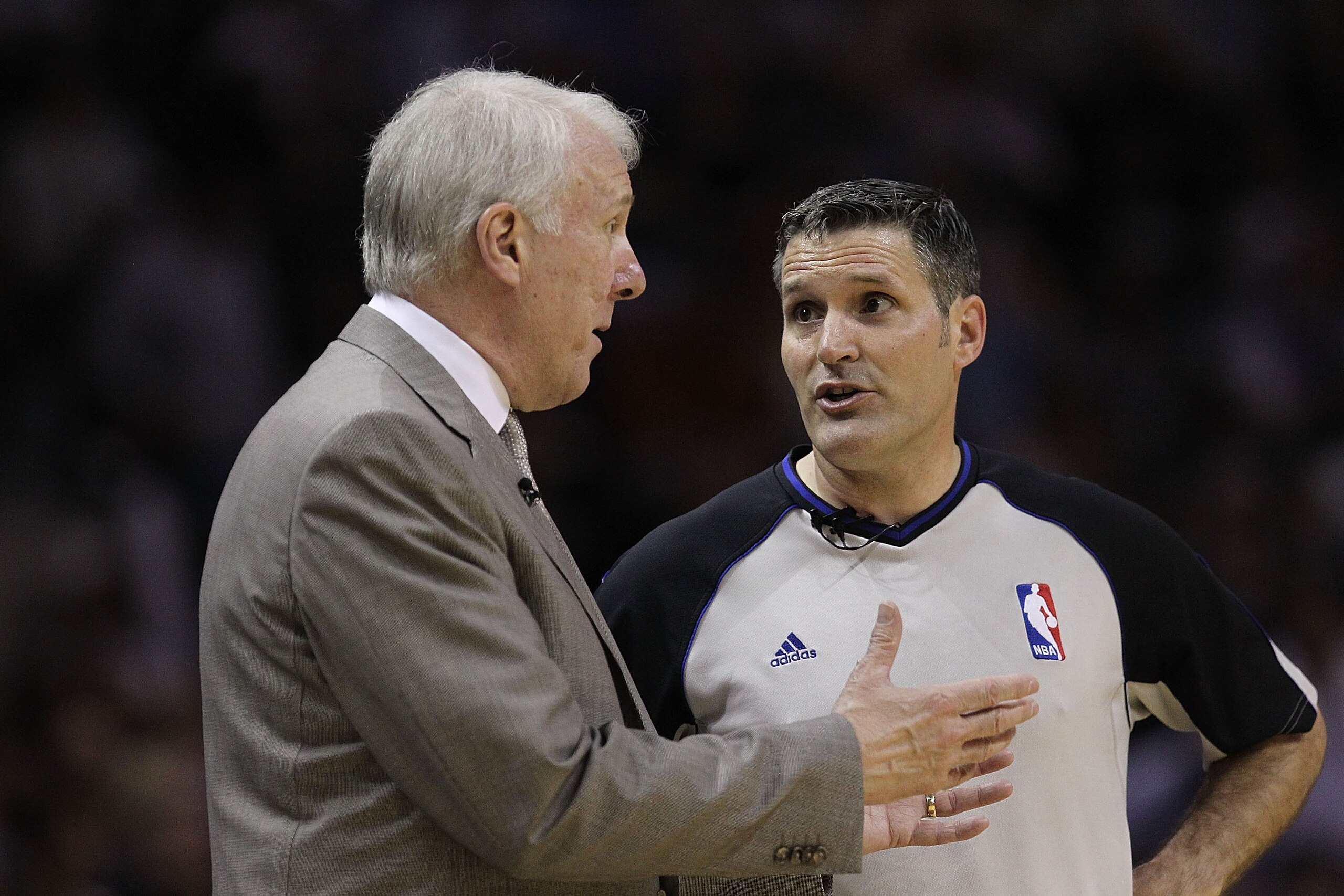
Unwritten Rule: When in doubt, only call the foul if the ball doesn't go in or if the player reacts.
Everyone knows that when there is a questionable foul, refs will tend to wait and see if the player scores or see if free throws are warranted. If they don't score, then they deserve a chance to redeem themselves. As far as I'm concerned a foul is a foul no matter where it goes next.
It's also laughable when they decide to call it several seconds after the apparent foul happened. By that point the play has changed and it doesn't matter anymore. Either call it or don't, but you can't have it both ways.
Inconsistnency: What Else Can I Do?
9 of 9
Unwritten Rule: There really isn't one. It's more of a trend.
One thing that makes it more difficult for players to adjust to in games than anything else is when referees continuously change how they're calling the game. One minute they may be cracking down on every little hairline foul, while the next they're letting players run wild and scramble all over each other. All players can do is ask, "what do you want from me?"
It's also pretty unfair when refs call a foul at one end, then the identical thing happens at the other end, and they don't call it. They may also be hard on one team for a while, and then change their minds and decide to crack down on the other.
Also, the way games are called differently from game to game makes it more difficult. I know every ref has his own style, but the fact that players and fans can say, "oh no, not this guy," suggests some refs favor certain teams and therefore hurt the outcome.
If there is one thing players, coaches, and fans alike want more than anything, it's for the game to be called fairly, equally, and consistently. When both teams' players and coaches are fuming, you know something's wrong.
David Stern will rarely place blame towards his officials, even if it's deserved. There's reasons why a lot of people have trouble watching NBA games, and referees are one of them. To make the game more enjoyable, it needs to be called fair. Isn't that how everyone would want it?




.jpg?w=2560 "Love's Body Already 'Tired'")

.jpg?w=2560 "Tyreek Deal May Come Soon")

.jpg?w=2560 "Ward Nearly Walks Out of Presser ▶️")