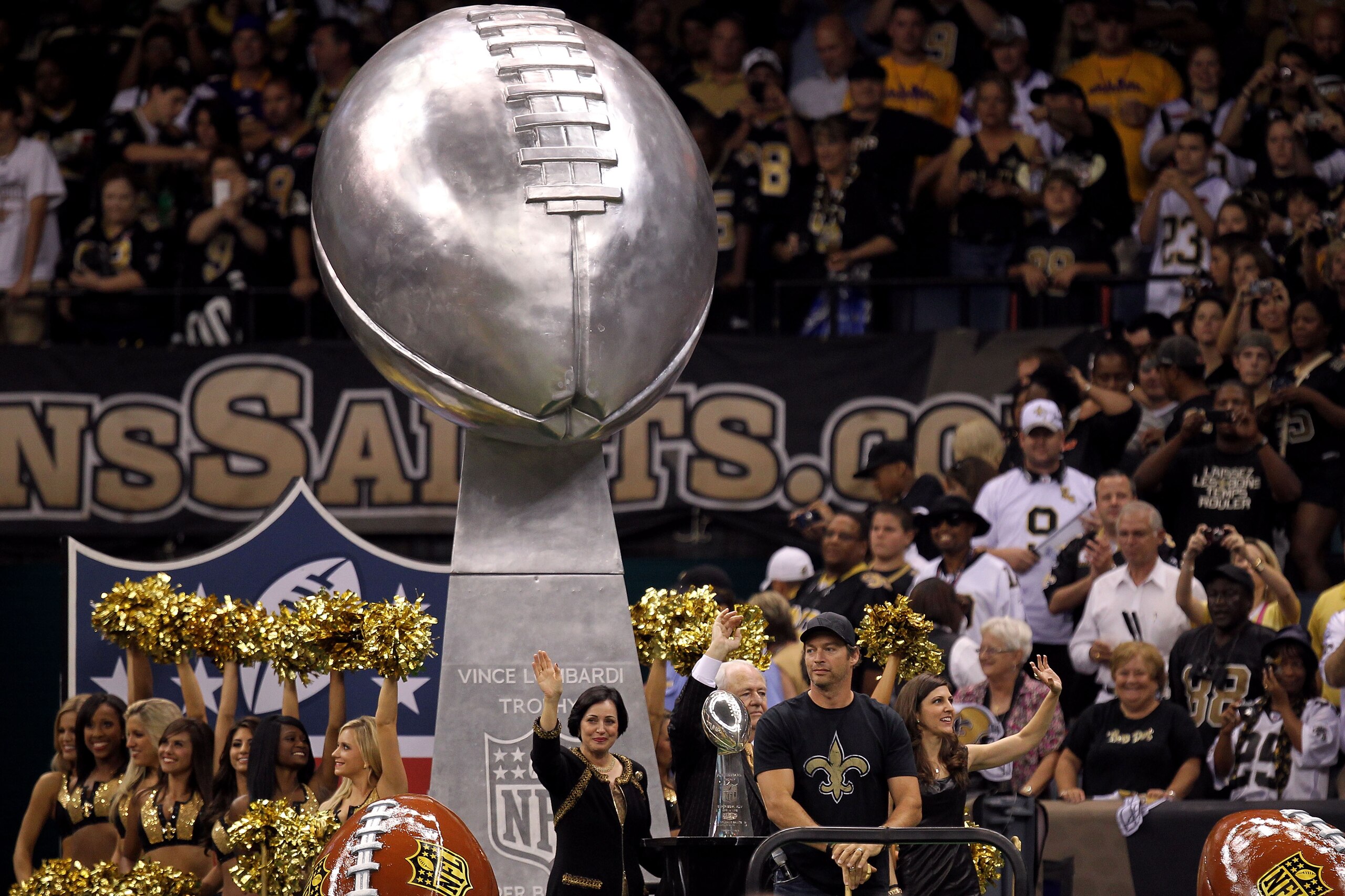

Anything Can Happen: The NFL's Most Unlikely Playoff Runs Of The Past 20 Years
Anything can happen. That's the mantra of every middle-of-the-pack team in professional sports, as well as the marketing department for the leagues in which they play. If they can just get to the playoffs, then they've got the same chance as anyone.
It's almost a laughable idea in theory; if all teams have the same chance, what was the point of the regular season? But in the NFL, it's true. Only rarely these days do the best regular-season teams face off for the championship.
Last year's New Orleans-Indianapolis clash was the first time since 1994 that both No. 1 seeds (Dallas-Buffalo) reached the the Super Bowl, and the first time since 2004 that two teams with first-round byes (Philadelphia-New England) squared off.
Of course, for the big dogs to get knocked out, someone has to do the knocking. These are the teams in the past 20 years that have gone farther than anyone thought possible.
12) Baltimore Ravens, 2008
1 of 12
No. 6 Baltimore (11-5) reaches AFC title game
There have been years when an 11-5 record was good enough for the top seed, but in a top-heavy year for the AFC, Baltimore was the proverbial last team in (they were the lucky ones; New England missed the playoffs at 11-5). The Ravens had been better then their record, leading the league in scoring differential, and showed that going on the road was no obstacle.
They beat up on No. 3 Miami (11-5) 27-9 in the wild-card round, then went to Tennessee (13-3) hoping to avenge a 13-10 regular-season loss to the Titans. This time the Ravens turned the tables on Tennessee, beating the No. 1 Titans by an identical 13-10 score.
But Baltimore was unable to overcome division rival Pittsburgh (12-4) the following week, failing to get payback for their two regular-season losses to the Steelers. Rookie quarterback Joe Flacco finally played like a rookie, throwing three interceptions in a 23-14 loss to the eventual Super Bowl champs.
11) Philadelphia Eagles, 2008
2 of 12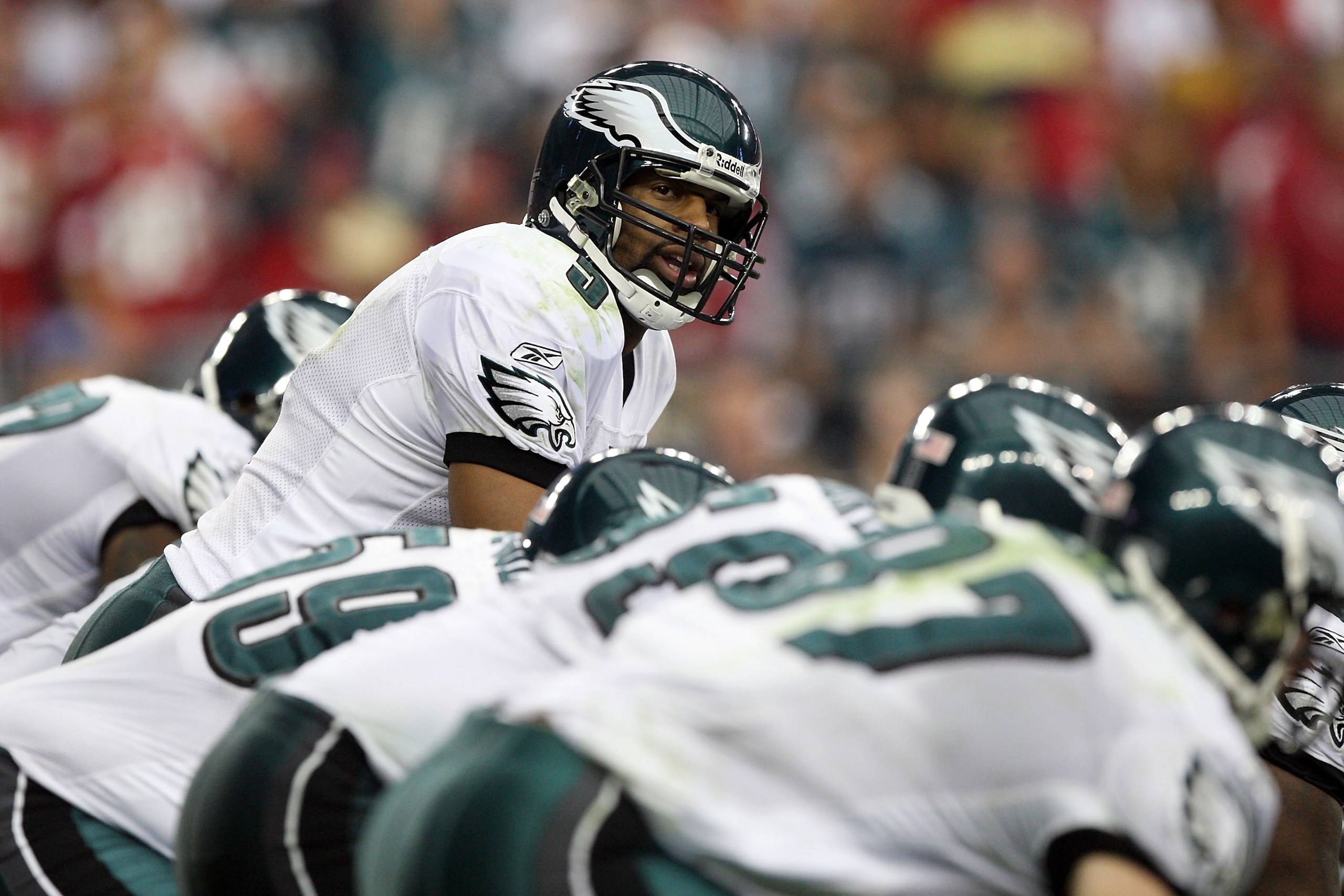
No. 6 Philadelphia (9-6-1) reaches NFL title game
One year, two six-seeds in conference title games. This was the fifth time in the Andy Reid era that the Eagles made the NFL title game - and the least likely time of all. Philadelphia stood at 5-5-1 after 11 games, and entered the final week needing a win to make the playoffs. They got it in a big way, demolishing the Cowboys 44-6. Their run continued with a 26-14 win over a shaky Minnesota team (No. 3 at 10-6) in the wild-card round, setting them up for the division rival and top-seeded New York Giants (12-4).
The Giant's fold-em-up act in the final month of the regular season included a loss to Philly that helped them get in the playoffs - but the Eagles refused to return the favor, beating them up 23-11. That sent them to the NFC title game, where Cinderella finally fell - to another Cinderella, the Arizona Cardinals (more on them later). It was truly the last hurrah for Donovan "I Didn't Know We Could Have Ties" McNabb in Philadelphia.
10) Carolina Panthers, 2003
3 of 12
No. 3 Carolina (11-5) reaches Super Bowl
Carolina reached the NFC title game in its second season of existence (1996); they then went six straight seasons without a winning record. In 2001, they had gone 1-15 and were at the absolute bottom of the barrel.But the Panthers feasted on a weak NFC South in 2003, rolling to the division title behind Jake Delhomme, in his first full year as a starter at age 28.
Then the real fun began.
After spanking No. 6 Dallas 29-10 in the wild-card round, Carolina went to No. 2 St. Louis (12-4) and played a 29-23 thriller, winning on a touchdown pass on the second play of overtime (their sixth OT game of the year).
They then handled No. 1 Philadelphia (12-4) 14-3 after the Eagles had beat them 25-16 in the regular season. The were expected to roll over in the Super Bowl against the 14-2 Patriots, but took the lead partway through the fourth quarter on an 85-yard touchdown pass to Muhsin Muhammad, the longest play from scrimmage in Super Bowl history.
When New England answered, the Panthers tied the game on a touchdown with 68 seconds left. Unfortunately, John Kasay shanked the subsequent kick-off out of bounds, paving the way for more Tom Brady heroics.

.jpg?w=2560 "Cardinals Giants Football")
.jpg?w=2560 "Jets Dolphins Football")
9) New York Jets, 2009
4 of 12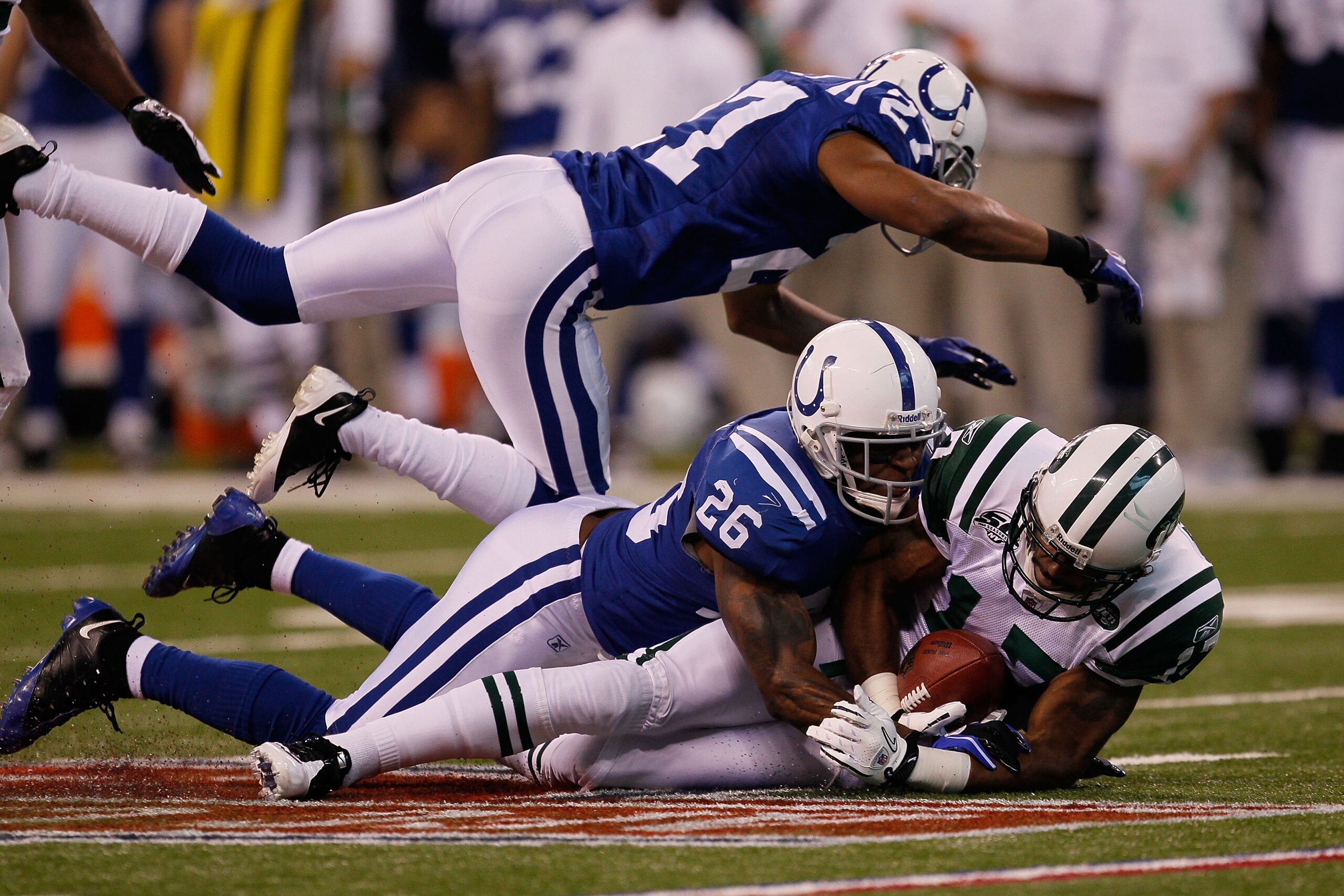
No. 5 NY Jets (9-7) reach AFC title game
Out of all the teams on this list, the Jets have the most convincing case for not deserving to even make the playoffs. After coach Rex Ryan declared them out of it at 7-7, Indianapolis and Cincinnati laid down in consecutive weeks, allowing the Jets to sneak in.
It seemed unlikely that a team who needed so much help could make a run. But New York had the league's best scoring defense, and they put it to good use.
They drew a rematch with No. 4 Cincinnati (10-6) in the wild-card round, and showed that the final regular-season game may not have been a fluke, rolling to a 24-14 win. Then they traveled to No. 2 San Diego, where two interceptions and three missed field goals helped them to a 17-14 upset.
What did they get for that? A rematch of the Dive Game with Indianapolis. New York actually led 17-3 at halftime, but the Colts reeled off 17 unanswered second-half points to finally put the Jets to bed.
8) Buffalo Bills, 1992
5 of 12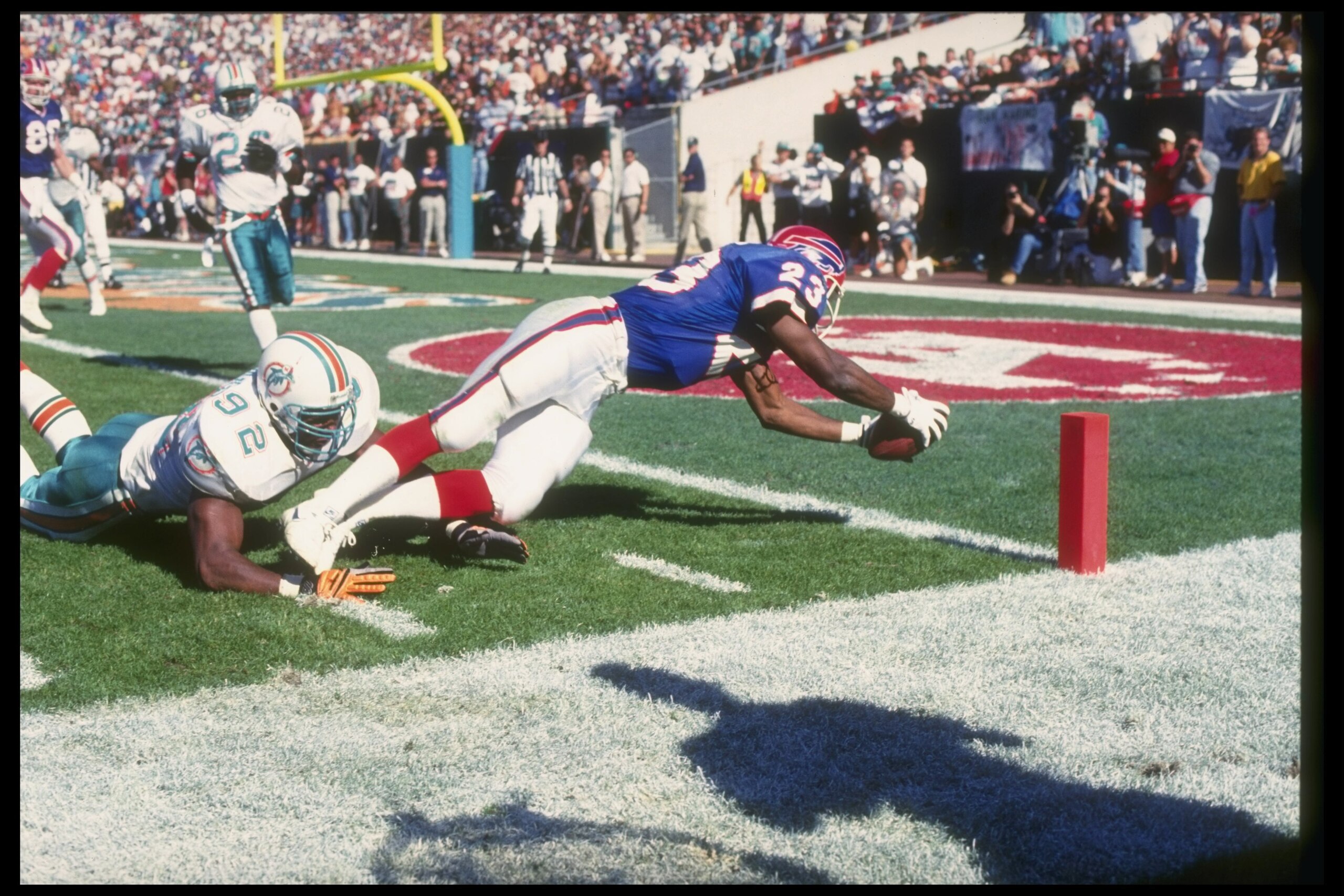
No. 4 Buffalo (11-5) reaches Super Bowl
Of the four straight Super Bowl appearances Buffalo made in the early 1990s, this was by far the toughest. The Bills actually tied for the AFC's best record, but lost the division tiebreaker to the Dolphins, sending them to the wild-card round of the playoffs and a date with the No. 5 Houston Oilers.
But the bigger issue was who the Bills were missing.
Hall of Fame quarterback Jim Kelly and All-Pro linebacker Cornelius Bennett were out to start the playoffs, and Hall of Fame running back Thurman Thomas was injured in the first half of the wild-card game.
Yet somehow, none of this was a problem.
Led by career back-up quarterback Frank Reich, Buffalo pulled off The Comeback, rallying from 35-3 third-quarter deficit against Houston (who had beaten them 27-3 to end the regular season) and winning 41-38 in overtime. The Bills then went to Pittsburgh and throttled the No. 1 seeded Steelers 24-3, getting Kelly and Thomas back in time for a 29-10 triumph over the No. 2 Dolphins in the AFC title game.
Their dream finally came to an end with a third straight Super Bowl loss, a 52-17 beat-down by the Dallas Cowboys.
7) Indianapolis Colts, 1995
6 of 12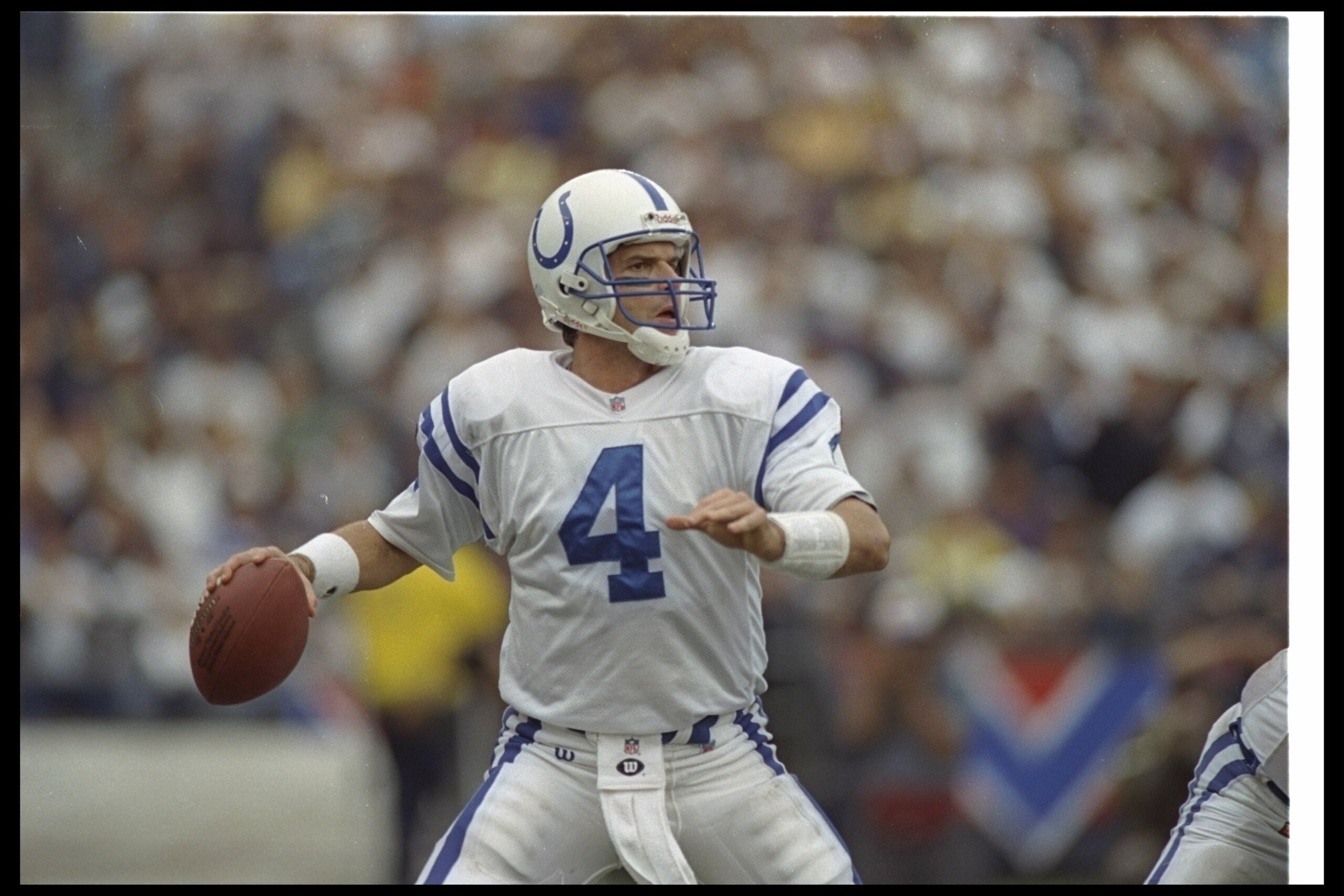
No. 5 Indianapolis (9-7) reaches AFC title game
Before there was Peyton Manning, there was Jim Harbaugh.
The Colts muddled through the regular season, but the Comeback Kid nearly led them to the promised land—in part because their opponents kept beating themselves. After out-gunning fellow 9-7 team San Diego 35-20 in the wild-card round—aided by QB Stan Humphries four interceptions—the Colts traveled to Kansas City to take on the No. 1 Chiefs (13-3). Chiefs quarterback Steve Bono threw three interceptions of his own (Harbaugh was picked just once in each game), and the Colts gutted out a 10-7 win.
From there, it was a clash with No. 2 Pittsburgh (11-5) for the AFC title. Indianapolis took the lead 16-13 with less than five minutes left on a 47-yard TD pass to Floyd Turner. Even after Pittsburgh pulled back ahead, Harbaugh got the Colts to the Steelers' 29-yard line with five seconds left. His Hail Mary into the endzone was initially ruled a catch, but instant replay—instituted for the playoffs on trial basis—showed that Aaron Bailey could not control the ball before it hit the ground.
6) New England Patriots, 2001
7 of 12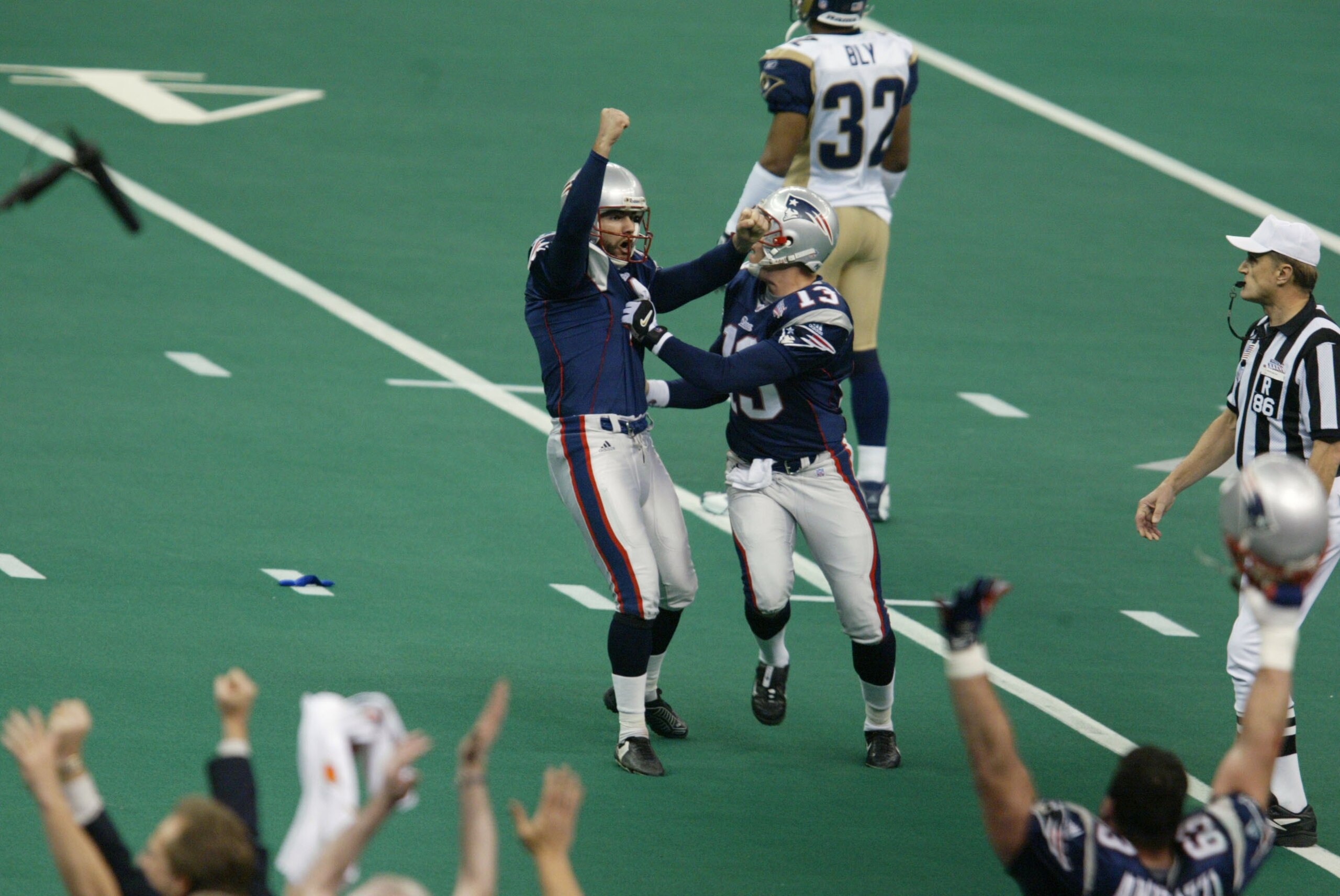
No. 2 New England (11-5) wins Super Bowl
It didn't start out so well for New England. They had gone 5-11 in 2000, and quarterback Drew Bledsoe was injured in the second game of the season, leaving the offense in the hands of an untested Tom Brady.
The Pats started 1-3, and were 5-5 after a 24-17 loss to St Louis. But they won six straight to end the regular season, earning the second seed. In retrospect, the Patriots were a pretty good team—11 wins, sixth in scoring offense and scoring defense, four Pro Bowl players and a first-round bye.
Yet if you believed the pundits at the time, New England had no chance.
They had no chance against No. 3 Oakland (10-6) in the divisional round; they overcame a 10 point fourth-quarter deficit to win 16-13 in overtime, with help from the still-controversial Tuck Rule.
They had no chance against the No. 1 Steelers (13-3) in Pittsburgh; they won 24-17, leading by as many as 18 points.
They had no chance against the 14-2 St. Louis Rams, going off as 14.5 point underdogs; they led 17-3 after three quarters. They had no chance after St. Louis rallied to tie the game at 17, with John Madden shouting from the broadcast booth that New England should play for overtime.
Instead, Tom Brady took them 53 yards in 74 seconds with no timeouts. Not until Adam Vinateri's 48-yard field goal split the uprights as time expired did people finally believe in the Patriots.
5) Jacksonville Jaguars, 1996
8 of 12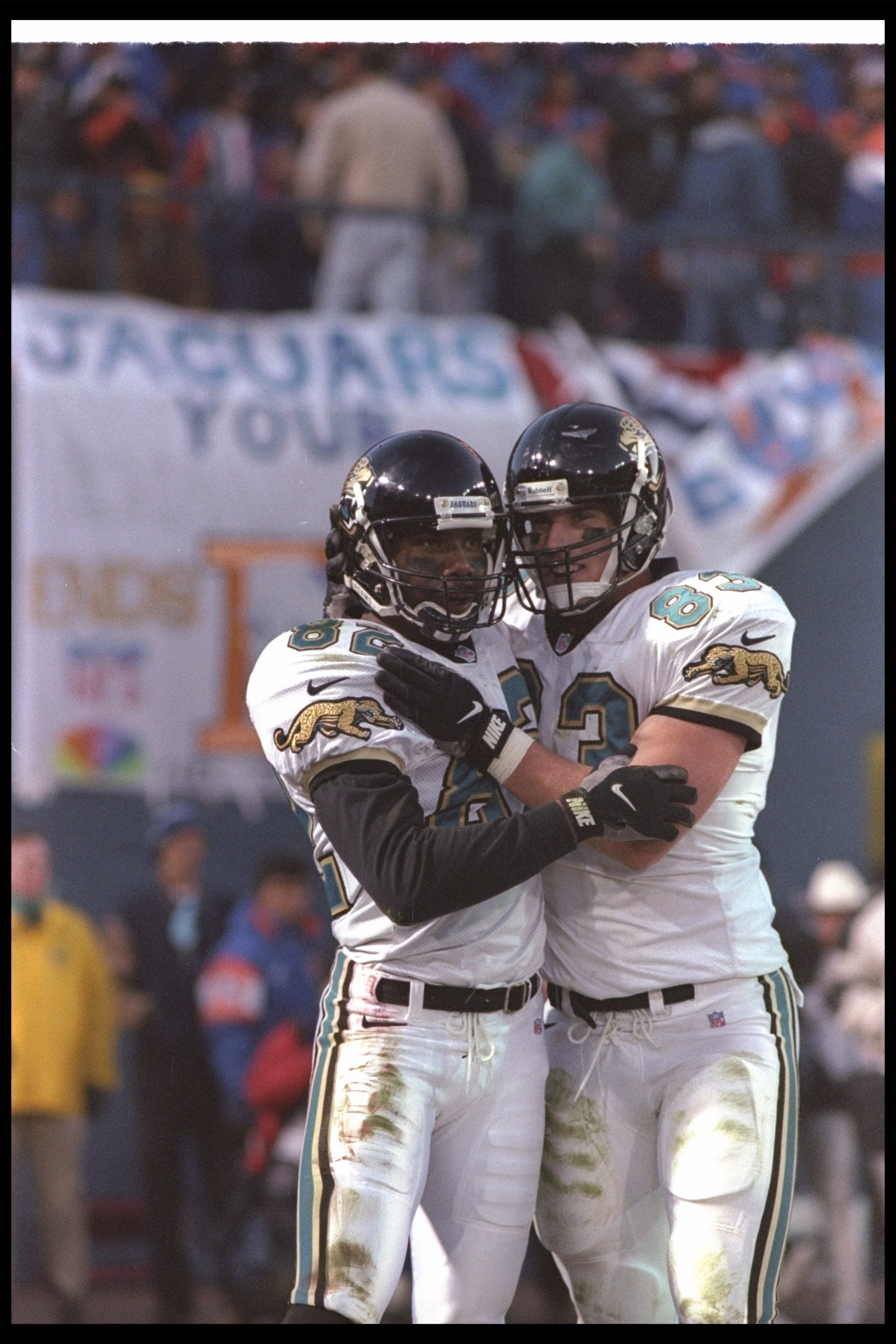
No. 5 Jacksonville (9-7) reaches AFC title game
It's true that Jacksonville's expansion brother Carolina made the NFC title game this same year. The difference, however, was that Carolina had gone 12-4 and won their division in the regular season while Jacksonville needed to win a tiebreaker just to get into the playoffs.
But the Jaguars had a secret weapon, so secret even they didn't know about him: running back Natrone Means.
Means made the Pro Bowl with San Diego in 1994, but was a part-time player in the 1996 season, gaining just 507 yards on 152 carries (3.3 YPA) and two touchdowns. But he exploded in the Jaguars' first two playoff games, getting 52 carries for 315 yards (6.1 YPA) and two TDs. The result was a pair of 30-27 upsets over No. 4 Buffalo (10-6) and No. 1 Denver (13-3).
No. 2 New England (11-5) was finally able to control Means in the AFC title game, limiting him to 43 yards on 19 carries resulting in a 20-6 loss for Jacksonville.
It would prove to be a symbolic end for the Jags who have made the playoffs just five times since then, having yet to reach a Super Bowl.
4) Denver Broncos, 1997
9 of 12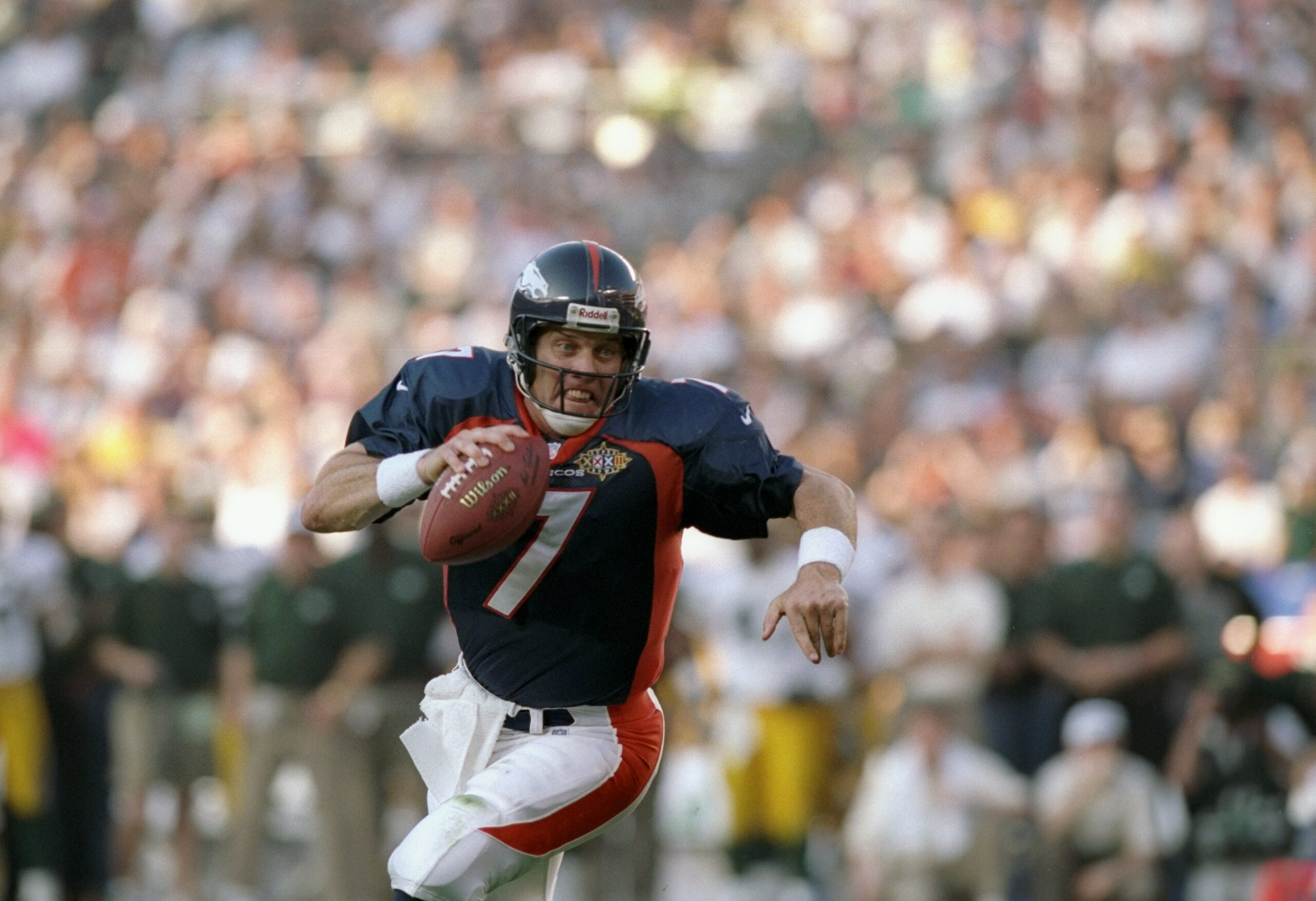
No. 4 Denver (12-4) wins Super Bowl
It may seem odd for a 12-win team to to be so high on this list, but the Broncos came into the playoffs carrying a lifetime of baggage.
Denver had gone 0-4 in its previous Super Bowl appearances—losing by an average of 28 points—and went one-and-done the previous year as the top seed. Quarterback John Elway was now 37, and had been carrying the team for 15 years without winning the big one.
But after years of flaming out as the top dog, the Broncos relished the underdog role.
They began with a 42-17 revenge drubbing of No. 5 Jacksonville (11-5) in the wild-card round, then went to Kansas City and knocked out the top seeded (and division rival) Chiefs 14-10. They outlasted No. 2 Pittsburgh (11-5) in the AFC title game, earning a trip to the Super Bowl—as 14-point underdogs to defending champion Green Bay.
After a back-and-forth game—highlighted by Elway's famous Helicopter run in the third quarter—Denver took the lead for the final time on Terrell Davis' one-yard touchdown run (his third of the game) with 1:45 left. One fourth-down stop later, and the Broncos were champions.
3) Pittsburgh Steelers, 2005
10 of 12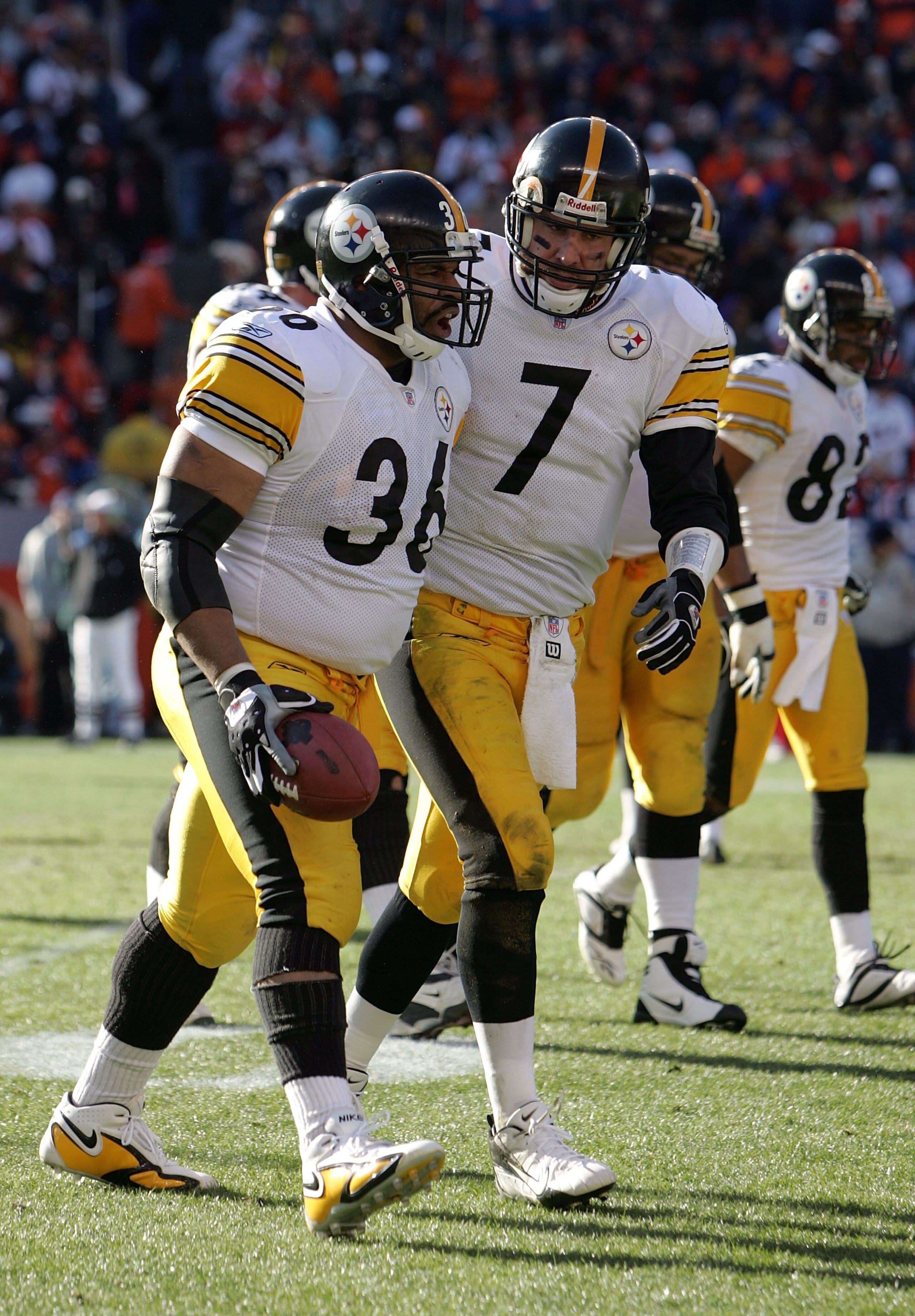
No. 6 Pittsburgh (11-5) wins Super Bowl
The Steelers may have been the strongest six-seed in the history of the NFL.
They had one of the NFL's top defenses—and a top-10 offense to boot. But they had lost in the AFC title game the year before after a 15-1 regular season; this year, they had to beat the top three AFC teams on the road to get to the Super Bowl.
Which is exactly what they did.
Pittsburgh caught a break against No. 3 Cincinnati (11-5) when quarterback Carson Palmer blew out his knee on his first pass of the game. After trailing at halftime, the Steelers pulled away to win 31-17.
They then pulled a shocker against No. 1 Indianapolis (14-2), leading by as many as 18 points before holding on for a 21-18 win (discussed more thoroughly in last week's column).
The AFC title game was the easiest of the bunch, with No. 2 Denver (13-3) committing four turnovers in a 34-17 Steelers win.
After all that, the 13-3 Seattle Seahawks were nothing, with a 21-10 victory making Pittsburgh the only six-seed ever to win a Super Bowl.
2) Arizona Cardinals, 2008
11 of 12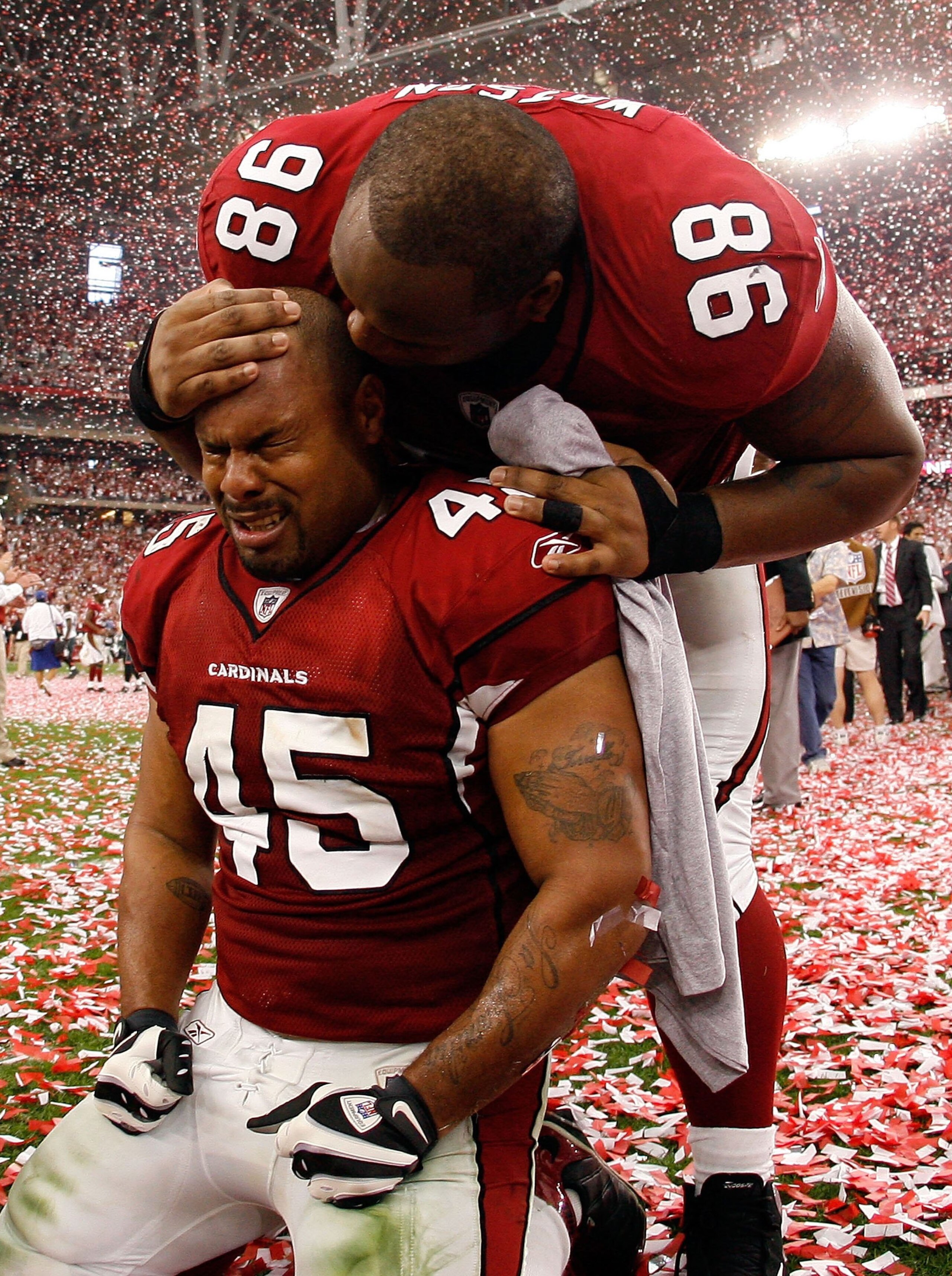
No. 4 Arizona (9-7) reaches Super Bowl
Yes, Arizona is ahead of three teams on this list that actually won the Super Bowl. But these are the Cardinals. They who had one playoff win in their first 88 years of existence. They who had just one winning season in the previous 23. They who won their division despite outscoring their opponents by a single point all year.
But when it came time to play for their season, the Cardinals got it done.
Their run started at home, holding off a pesky 11-5 Atlanta team 30-24. Arizona then traveled to No. 2 Carolina (12-4), who had outgunned them 27-23 in the regular season. Jake Delhomme's infamous six-turnover meltdown, however, paved the way for a 33-13 Cardinals win.
Improbably, Arizona then got to host the NFC title game, after No. 6 Philadelphia took out Minnesota and the New York Giants (discussed earlier). Philadelphia had pasted Arizona 48-20 in Week 13, but Arizona came out on top 32-23 when it mattered most.
Once in the Super Bowl, Arizona battled back from 20-7 fourth quarter deficit to Pittsburgh to take a 23-20 lead with less than three minutes left. Even after the Steelers' famous touchdown drive, Kurt Warner still got the Cardinals in position for a Hail Mary before the carriage finally turned back into a pumpkin.
1) New York Giants, 2007
12 of 12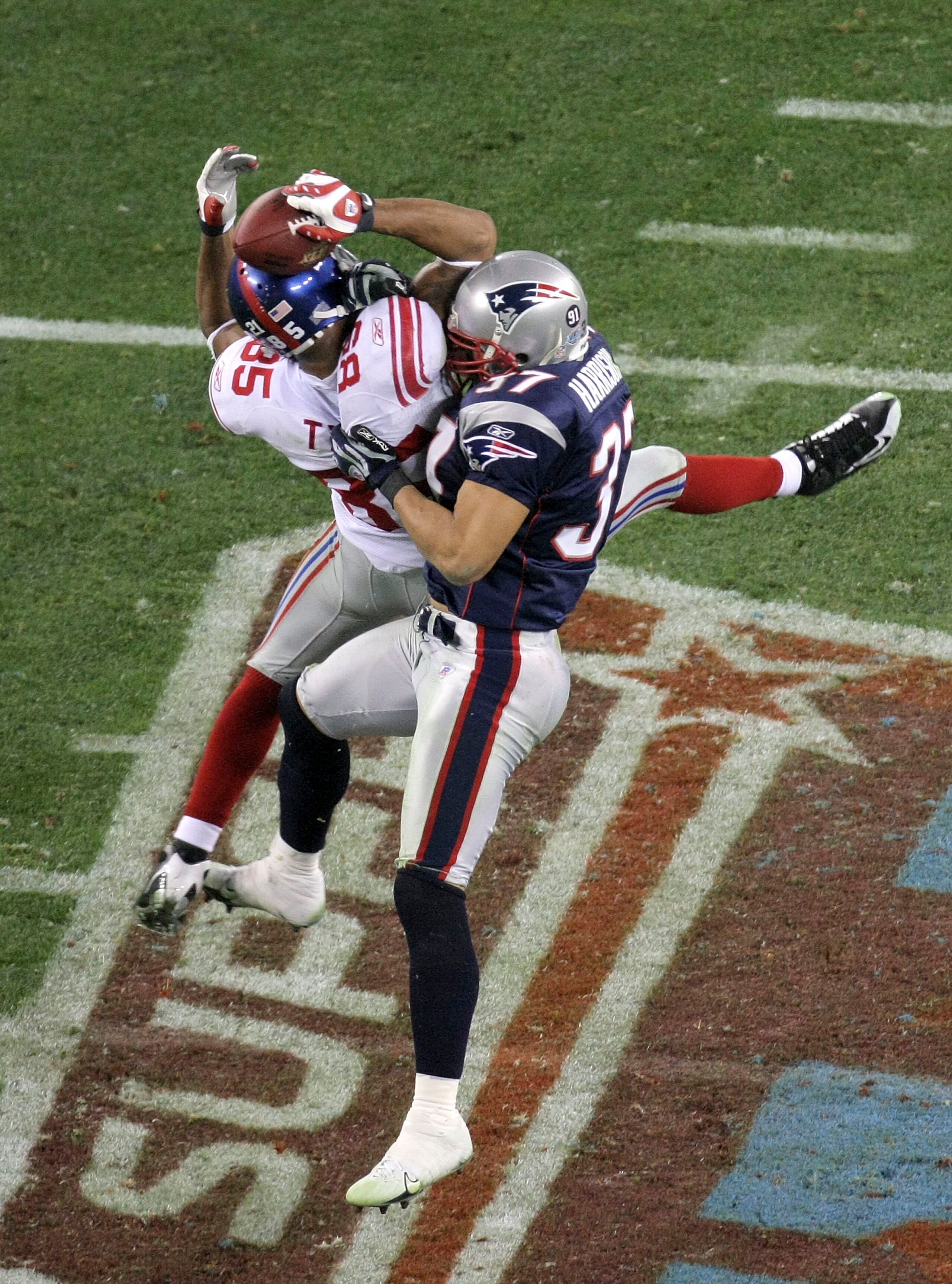
No. 5 NY Giants (10-6) win Super Bowl
Even if the Cardinals had managed to win it all, they would have had a hard time getting ahead of these Giants.
Just making it the Super Bowl was unlikely enough. The Giants were the definition of mediocre in the regular season, ranking 14th in scoring offense and 17th in scoring defense. But in the playoffs, that defense became almost otherworldly.
Beating a 9-7 Tampa Bay team in the wild-card round was nothing special, but then Giants went to No. 1 Dallas (13-3)—who burned them for 76 points in two regular-season wins—and handed them a 21-17 defeat.
Then they went to No. 2 Green Bay (13-3), who had hammered New York 35-13 in the regular season. The Giants won 23-20, aided by Brett Favre throwing an interception on the second play of overtime.
But all that was peanuts compared to knocking off New England in the Super Bowl.
The Patriots were going for the first 19-0 season in NFL history, and had knocked off the Giants 38-35 to end the regular season.
But New York held the highest scoring offense in NFL history to just 14 points, while registering two long fourth-quarter touchdown drives of their own. They took the lead with 35 seconds left, and held the Patriots without a first down on their last-ditch effort to seal the shocker.
50 years from now, Patriots fans will still unleash a string of obscenities if someone mentions David Tyree.
.jpg?w=2560 "Titans Ravens Football")



.jpg?w=2560 "NFL investigating 2 referees for separate viral exchanges")