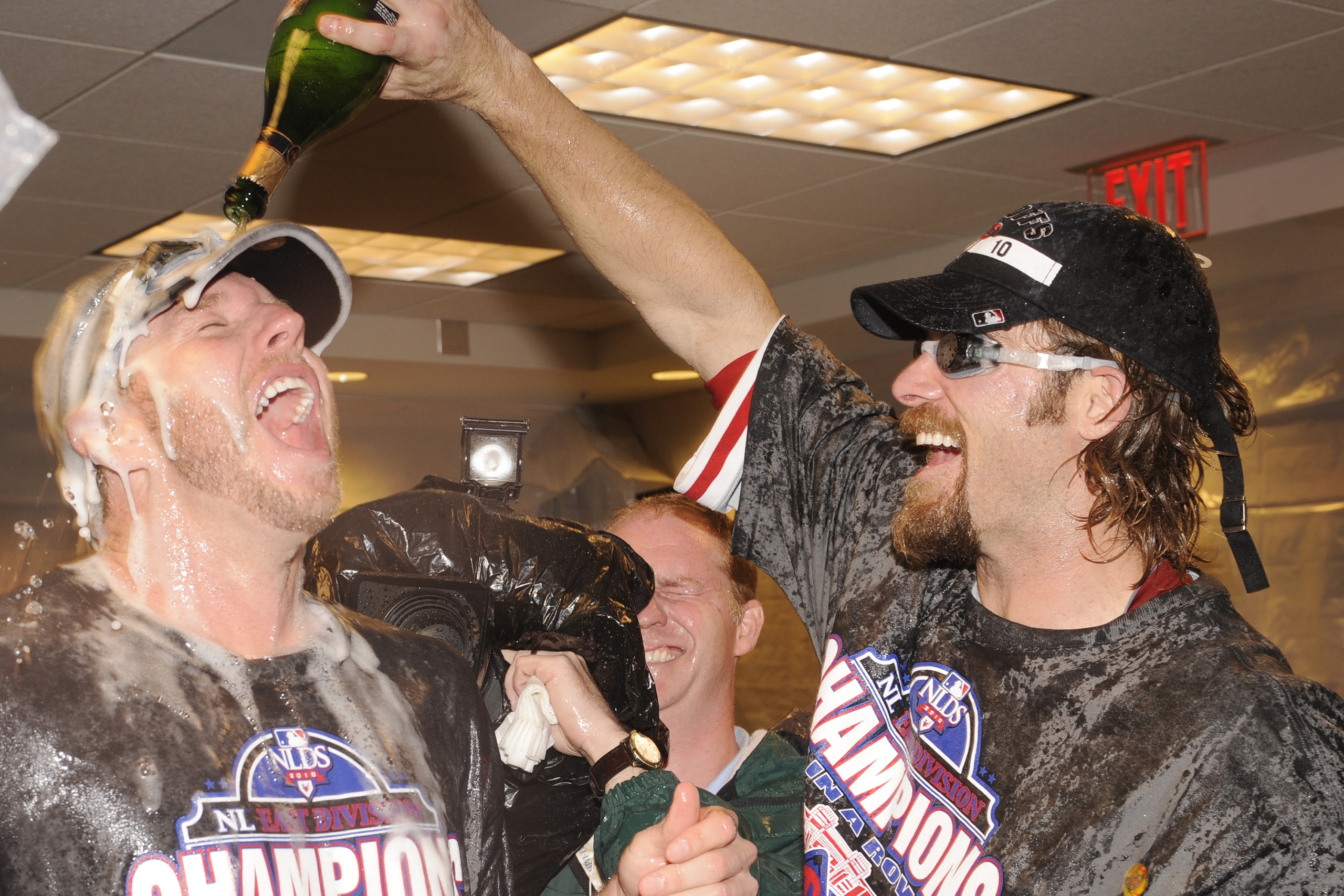

Roy Halladay Grabs NL Cy Young Award: Power Ranking Top 15 Winners in NL History

Roy Halladay effectively killed whatever drama might have been attached to the announcement of the 2010 National League Cy Young Award winner.
It's no secret that the Philadelphia Phillies' ace ran away with the thing once Josh Johnson got shelved while Ubaldo Jimenez and Adam Wainwright blinked in the second half of the season.
The Florida Marlin didn't miss too many games and neither the Colorado Rockie, nor the better of the two St. Louis Cardinal untouchables struggled badly or for very long, but Halladay simply gave the other horses no margin for error:
33 GS, 250.2 IP, 21-10, 2.44 ERA, 1.04 WHIP, 7.9 K/9, 7.30 K/BB, .245/.271/.373
Further sweetening the pot were Doc's league-leading nine complete games, league-leading four shutouts, the perfect game and the no-hitter in his playoff debut (though that one didn't happen in time for the voting).
How's that for your first year with a new club?
The second "Year of the Pitcher" gave us brilliance from those mentioned along with Tim Hudson, Roy Oswalt and Mat Latos, but none was as blinding as Roy Halladay.
However, as good as the burly right-hander's campaign was, it still wasn't quite dandy enough to crack this petrified nut. Without further ado, here are the top 15 NL Cy Youngs in the history of the award.
Enjoy.
No. 15—Eric Gagne, Los Angeles Dodgers, 2003
1 of 15
Stat Line—77 G, 82.1 IP, 55 SV, 0 BS, 1.20 ERA, 0.69 WHIP, 15.0 K/9, 6.85 K/BB, .133/.199/.176
I'm not a fan of closers even being considered for the Cy Young—I mean, 82.1 innings? I get that there are a lot of significant innings in those 82, but even in the modern game where starters are pampered, the best of the bunch go over 200.
Explain to me how the two bodies of work can EVER compare.
Actually, don't.
Because Eric Gagne did it for you in 2003. And I really hate praising Los Angeles Dodgers, so that stings.
But it's true—the brute was amazing, steroids or not.
The 55 saves came in a streak of 84 consecutive games without a blown opportunity that covered almost two years and the entirety of the 2003 season. Even more absurd, his strikeout per nine innings ratio translated into an average of 1.67 whiffs per inning.
As in more than half of the outs in a frame.
No. 14—Tim Lincecum, San Francisco Giants, 2009
2 of 15
Stat Line—32 GS, 225.1 IP, 15-7, 2.48 ERA, 1.05 WHIP, 10.4 K/9, 3.84 K/BB, .206/.271/.290
Yes, this is probably a homer pick, but we're about to see get a full diet of Los Angeles Bums, so cut me some slack.
In all seriousness, Tim Lincecum's second consecutive Cy Young award in his second full year deserves all the hyperbole it gets and then some.
With everyone gunning for the defending Cy Young, all the Freak did was leave the competition shaking its head on the way back to the dugout—leading the league in strikeouts per nine innings as well as complete games (four) and shutouts (two).
There was a reason Big Time Timmy Jim won the trophy with the fewest wins by a starter over a full season—the Freak was Filthy with a capital 'F.'
So dirty, in fact, that the diminutive flamethrower became the only pitcher in the history of the game to win two Cy Youngs in his first two full seasons.
Take that, LA.
No. 13—Orel Hershiser, Los Angeles Dodgers, 1988
3 of 15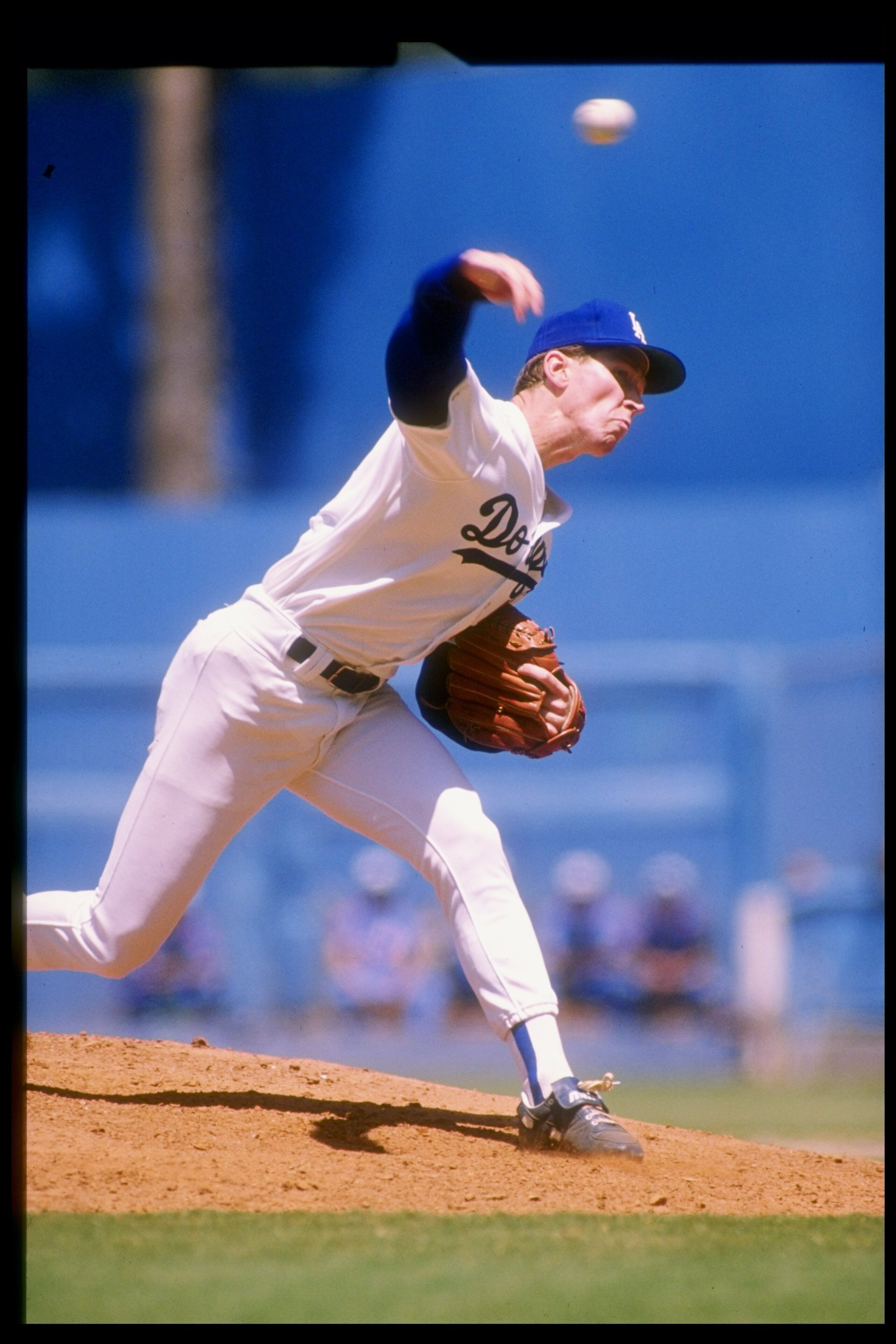
Stat Line—34 GS, 267 IP, 23-8, 2.26 ERA, 1.05 WHIP, 6.0 K/9, 2.44 K/BB, .213/.269/.310
Like I said, we're about to see a disproportionate amount of Los Angeles Dodgers. The true stink of it is that each stud couldn't possibly have been denied his spot.
Believe me, I tried.
Orel Hershiser joins Eric Gagne as Bums whose mound exploits require inclusion.
Bulldog had a season for the ages in 1988 when he led the league with 15 complete games and eight shutouts. Of course, there was his record scoreless streak of 59.1 innings and—though it didn't count for Cy Young purposes—finished with a flourish.
The right-hander continued his pious rampage through the playoffs and into the World Series, where he helped los Doyers to the title by chucking a shutout and complete game for two of the four Fall Classic wins.
For his troubles, Hershiser was named MVP of both the NLCS and World Series.



No. 12—Tom Seaver, New York Mets, 1973
4 of 15
Stat Line—36 GS, 290 IP, 19-10, 2.08 ERA, 0.98 WHIP, 7.8 K/9, 3.92 K/BB, .206/.252/.313
Tom Seaver is the first example of what will become a common thread throughout the list—a winner of multiple National League Cy Youngs with each worthy of inclusion, but room for only an incomplete subset (which may be only one).
In Tom Terrific's case, there's only room for his best Cy Young campaign, which came in 1973. Though Seaver himself says 1971 was the best year of his career, he didn't win the hardware that year so '73 will have to suffice.
The right-hander led the league with 18 complete games in addition to the jaw-dropping stat line above and used the cumulative excellence to earn the second of his three trophies.
No. 11—Randy Johnson, Arizona Diamondbacks, 1999
5 of 15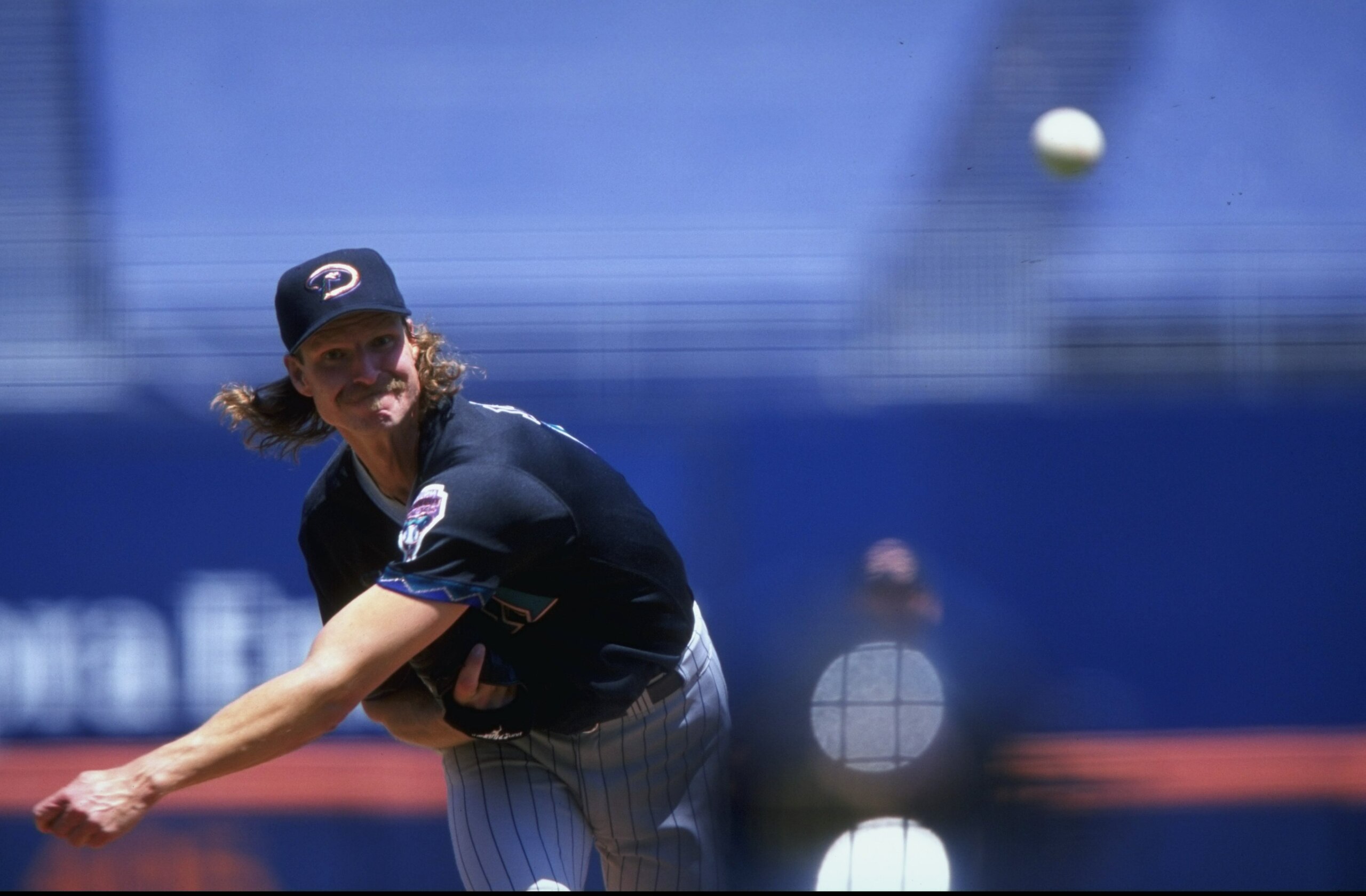
Stat Line—35 GS, 271.2 IP, 17-9, 2.48 ERA, 1.02 WHIP, 12.1 K/9, 5.20 K/BB, .208/.266/.335
Randy Johnson won five Cy Young awards in his illustrious career and, of the four he won in the National League, it's tough to pick the best. His numbers are similar in all four seasons, but the nod goes to the first of four consecutive Senior Circuit Cy Young awards.
Though he won more games and had a lower earned run average in 2002, and he had a better WHIP and strikeout ratios in 2001, his 1999 numbers compare well. Most significantly, his innings pitched total was the highest of his career as he led the league with 12 complete games.
So, while the Big Unit's peripheral numbers might've been incrementally better in other years, they were still eye-popping this go-around and no season saw more of him at the height of his powers than '99.
No. 10—Sandy Koufax, Los Angeles Dodgers, 1966
6 of 15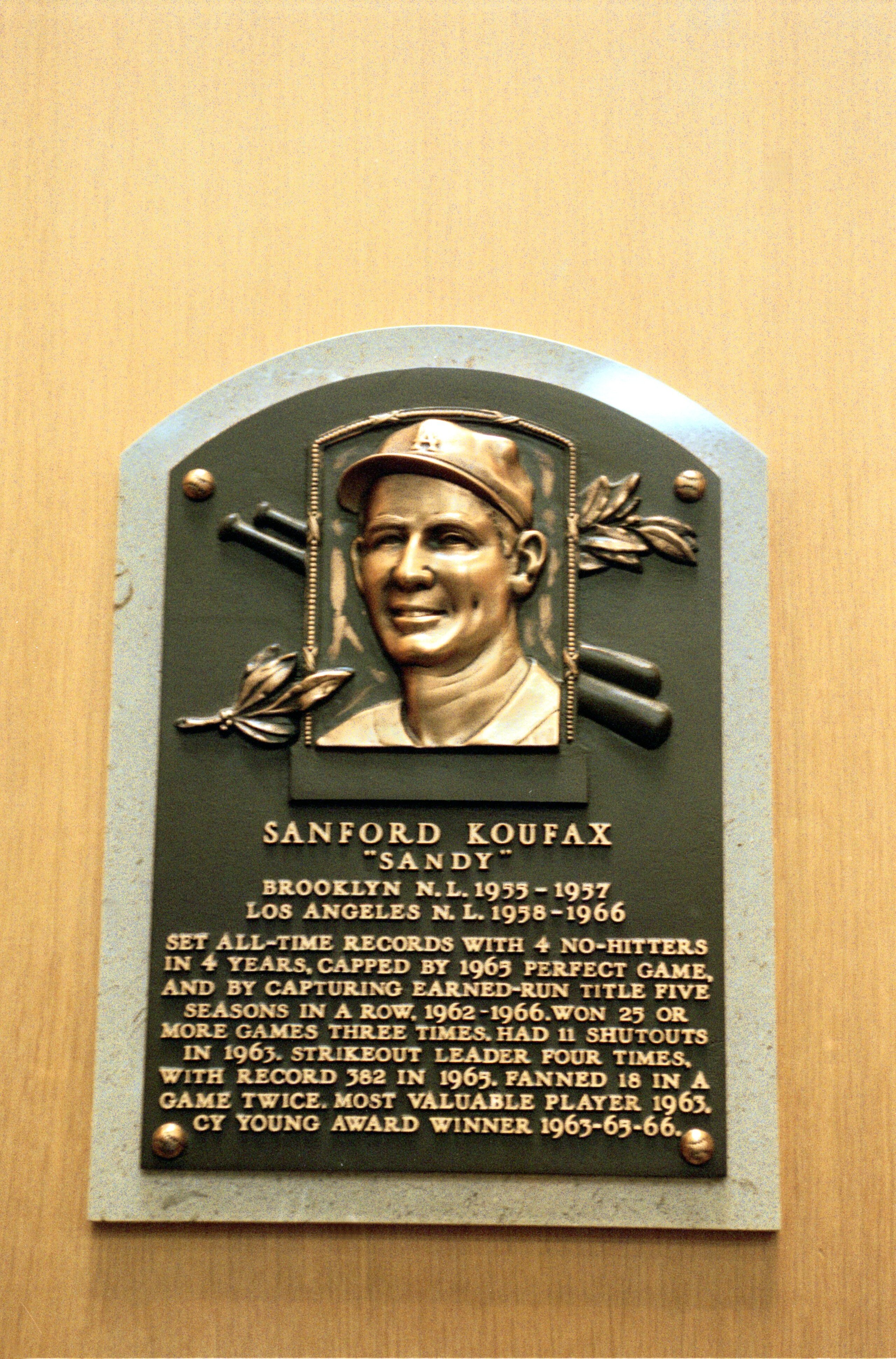
Stat Line—41 GS, 323 IP, 27-9, 1.73 ERA, 0.98 WHIP, 8.8 K/9, 4.12 K/BB, .205/.252/.294
Sandy Koufax didn't quite save his best for last, but the third of his three Cy Youngs wasn't a bad approximation. The lefty posted all that glittering data along with 27 complete games and five shutouts, both good for the league lead.
Most impressively, Koufax managed to win the award by a unanimous vote.
That's a remarkable feat in any era, but all the more flabbergasting in this case, since there was only one Cy Young award for both the American and National Leagues back then.
Two leagues, one trophy and Sandy Koufax received all the votes.
And then retired following the season.
No. 9—Greg Maddux, Chicago Cubs, 1992
7 of 15
Stat Line—35 GS, 268 IP, 20-11, 2.18 ERA, 1.01 WHIP, 6.7 K/9, 2.84 K/BB, .210/.272/.279
This is the first of Greg Maddux' four consecutive National League Cy Youngs and the only one he'd win with the Chicago Cubs. Any bit of sunshine for the Cubbies is reason to celebrate, but Mad Dog makes the top 10 with his 1992 campaign on pure merit.
And not only was Maddux excellent, but he was also a study in irony for 162 games.
The man who is synonymous with control from the bump led the league with 14 hit batsmen.
So, either he was uncharacteristically wild or he made a youthful habit of giving in to that mean streak we heard so much about over his career.
No. 8—Sandy Koufax, Los Angeles Dodgers, 1963
8 of 15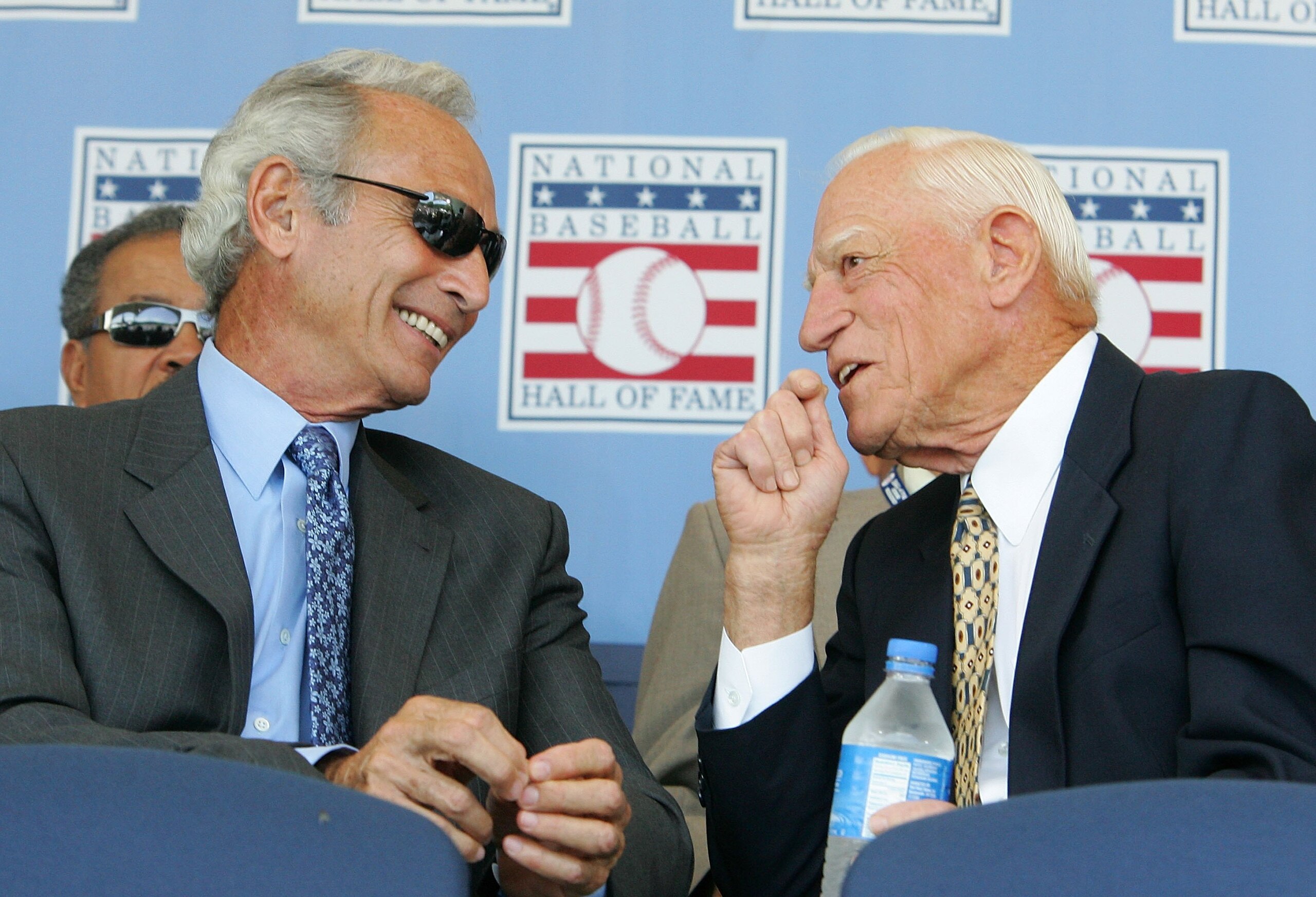
Stat Line—40 GS, 311 IP, 25-5, 1.88 ERA, 0.88 WHIP, 8.9 K/9, 5.28 K/BB, .189/.230/.271
Sandy Koufax makes his second appearance on the list and, believe me, this San Francisco Giant die-hard is getting pretty freakin' sick of seeing Los Angeles and the odiously beautiful Dodger blue elbow their way into the countdown.
But Koufax demands it.
On his way to yet another unanimous Cy Young despite only one being handed out for all of baseball, the southpaw twirled all that brilliance in bold along with a league-leading 11 shutouts.
Not only was his performance on the mound good for the pitching hardware, but it was also earned him the NL MVP trophy.
Those couldn't have been fun times by the Bay.
No. 7—Steve Carlton, Philadelphia Phillies, 1972
9 of 15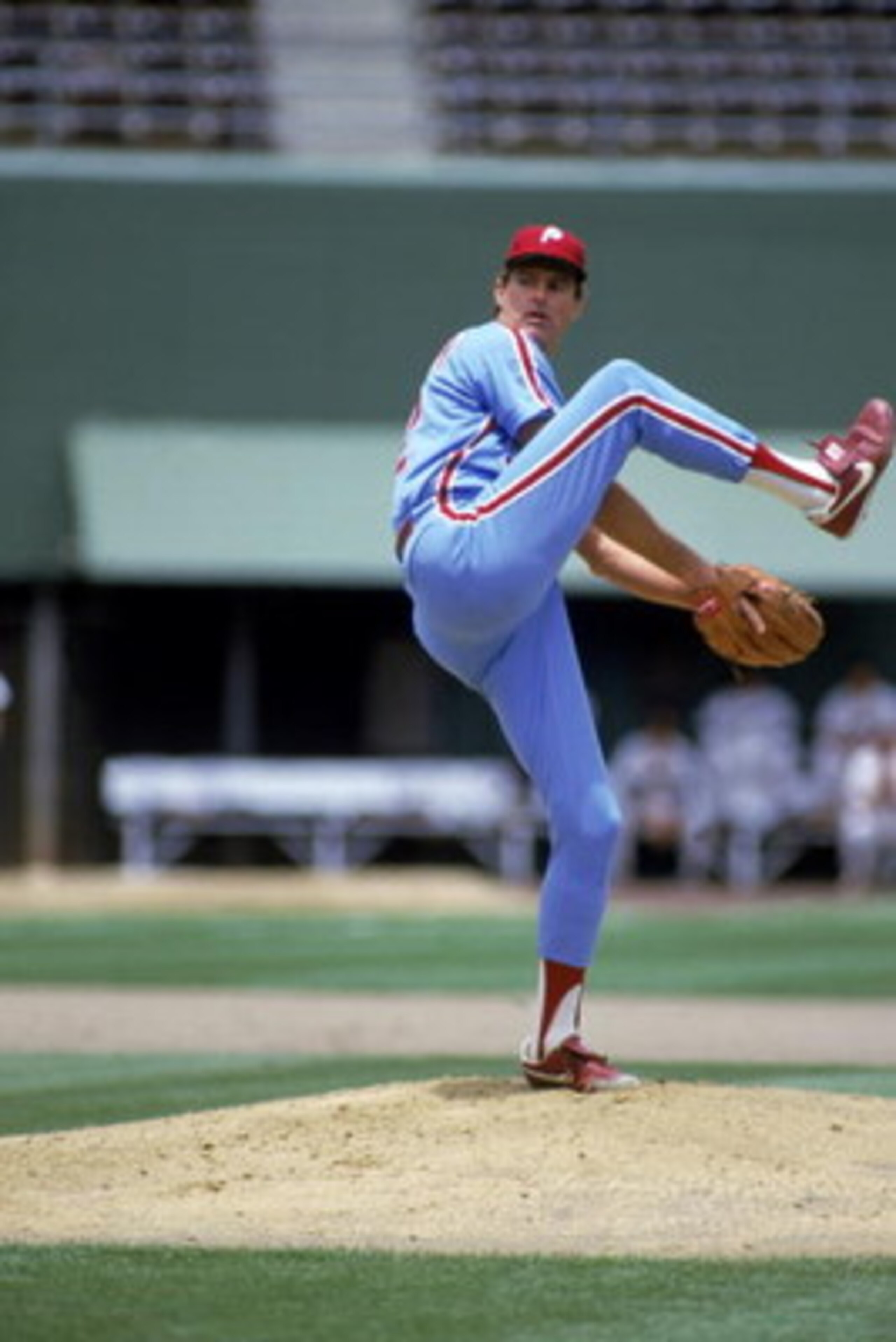
Stat Line—41 GS, 346.1 IP, 27-10, 1.97 ERA, 0.99 WHIP, 8.1 K/9, 3.56 K/BB, .207/.257/.291
Consider those numbers as well as Steve Carlton's league-leading 30 complete games and a top five finish in the National League MVP balloting. Now consider that the Philadelphia Phillies finished the 1972 season with a record of 59-97.
Good lord.
Lefty won the NL's pitching triple crown and the first of four Cy Youngs in his first year with Philly after he was traded by the St. Louis Cardinals straight-up for the immortal Rick Wise.
In a harbinger of things to come, one of the most lopsided deals in baseball history was described at the time as an even swap by Tim McCarver, who'd caught both "aces."
By all accounts, Carlton's infamous slider was at its peak in '72.
No. 6—Sandy Koufax, Los Angeles Dodgers, 1965
10 of 15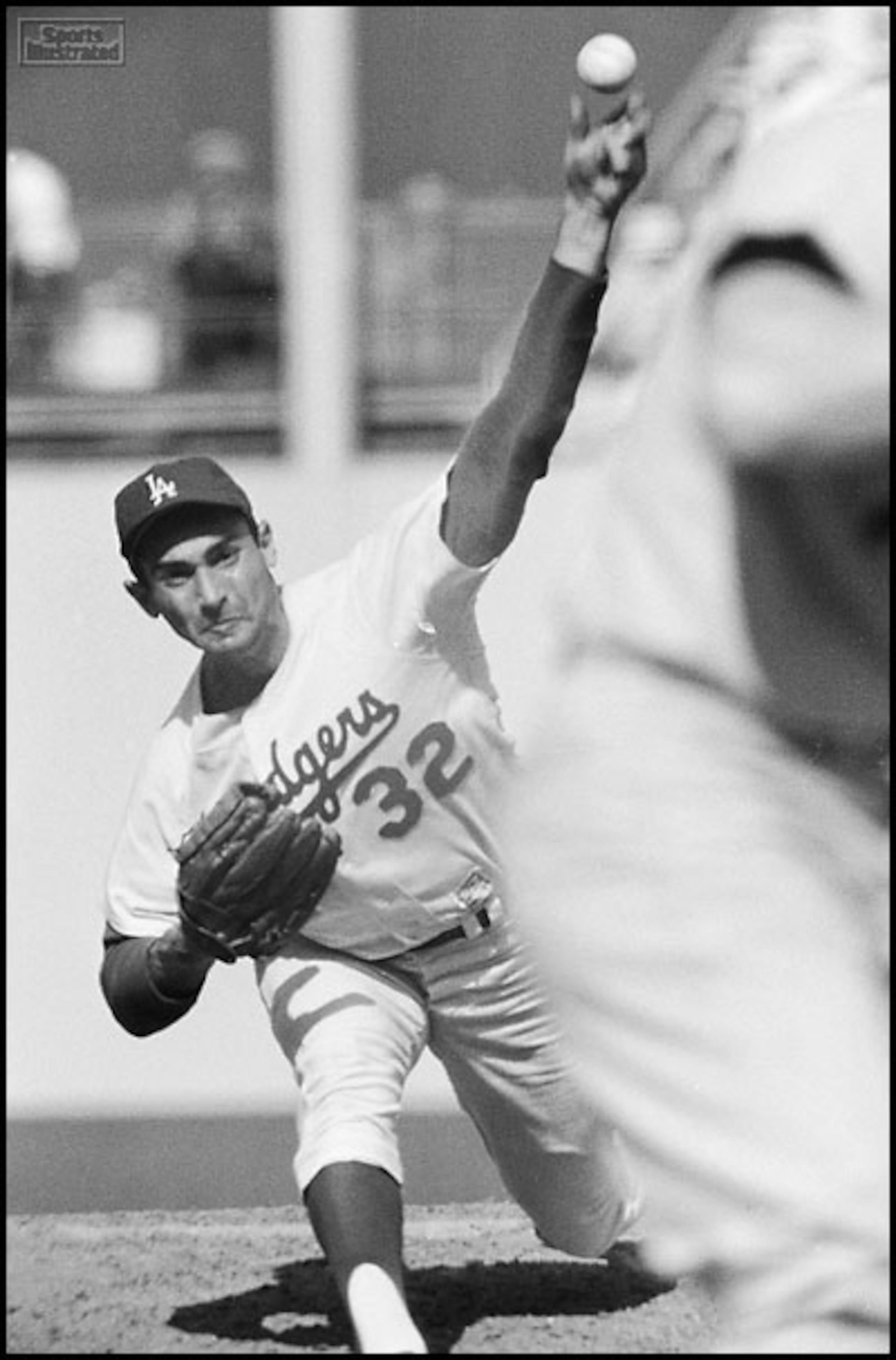
Stat Line—41 GS, 335.2 IP, 26-8, 2.04 ERA, 0.86 WHIP, 10.2 K/9, 5.38 K/BB, .179/.227/.280
Yes, all three of Sandy Koufax' Cy Young awards are in the top 10—when there is but one trophy for all of baseball and the Left Arm of God keeps winning the damn thing unanimously, my hands are tied.
As if you needed any more convincing that this is the best of the southpaw's single-season efforts, toss in a league-leading 27 complete games and the first perfect game by a left-hander since 1880 for good measure.
There's also the minor detail that Koufax was pitching through agonizing pain in his throwing arm for the entire 162-game slate, surviving on tubs of ice chased by a cocktail of pain killers.
No wonder the baseball world freaked when Koufax declined to pitch Game 1 of the World Series in observance of Yom Kippur that year.
No. 5—Greg Maddux, Atlanta Braves, 1994
11 of 15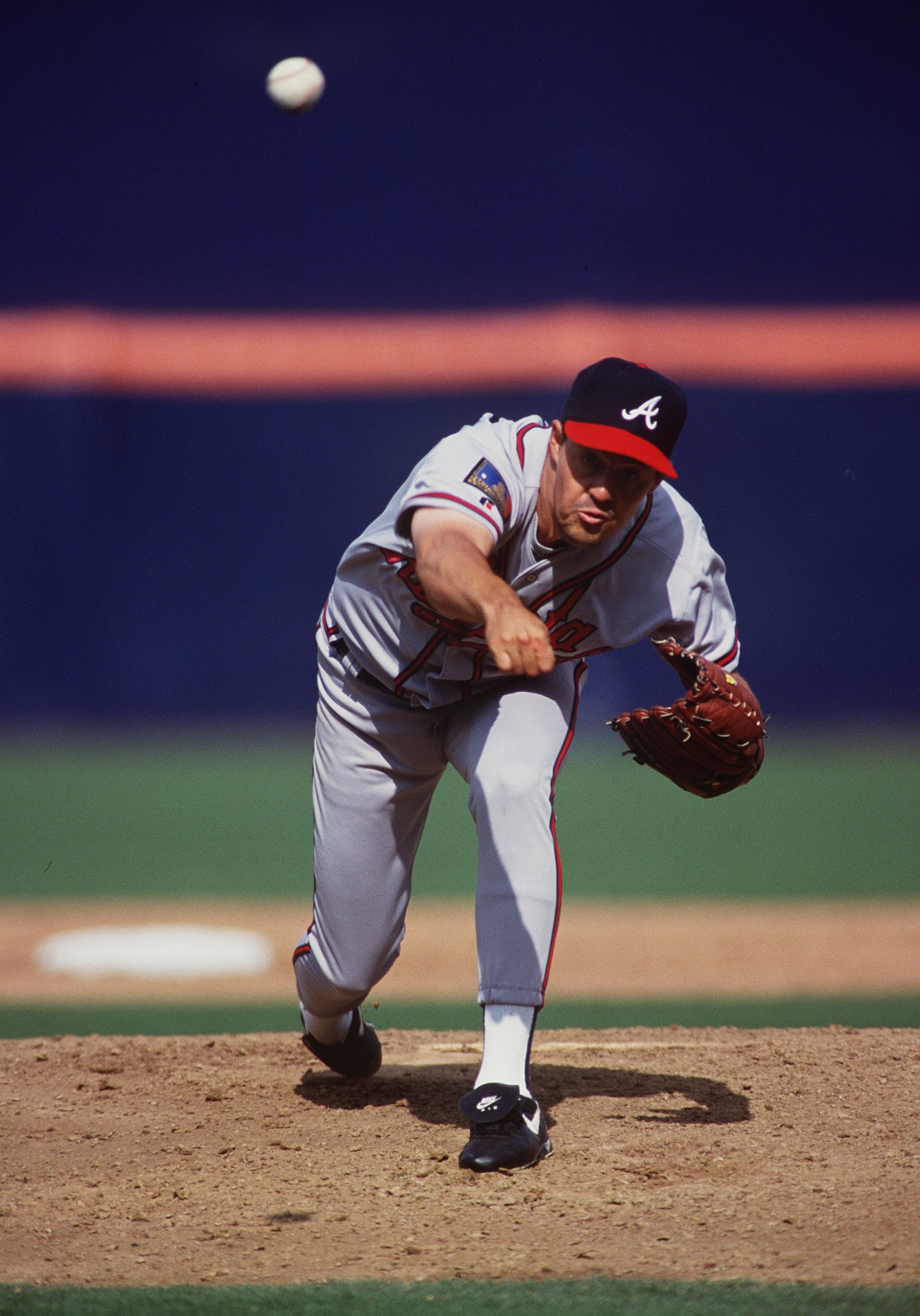
Stat Line—25 GS, 202 IP, 16-6, 1.56 ERA, 0.90 WHIP, 7.0 K/9, 5.03 K/BB, .207/.243/.259
Greg Maddux makes his second appearance on the list with the third of his four consecutive National League Cy Youngs. The Professor managed to post some extraordinary numbers in the strike-shortened season of 1994.
In addition to the ones listed, Maddux' 10 complete games and three shutouts both led the NL as did his rate of 0.2 HR per nine innings.
And in a neat personal achievement for a guy who always handled the splinter pretty well, Maddux finished the year with a higher batting average than earned run average.
Yes, in the parallel baseball universe, .222 is larger than 1.56.
No. 4—Greg Maddux, Atlanta Braves, 1995
12 of 15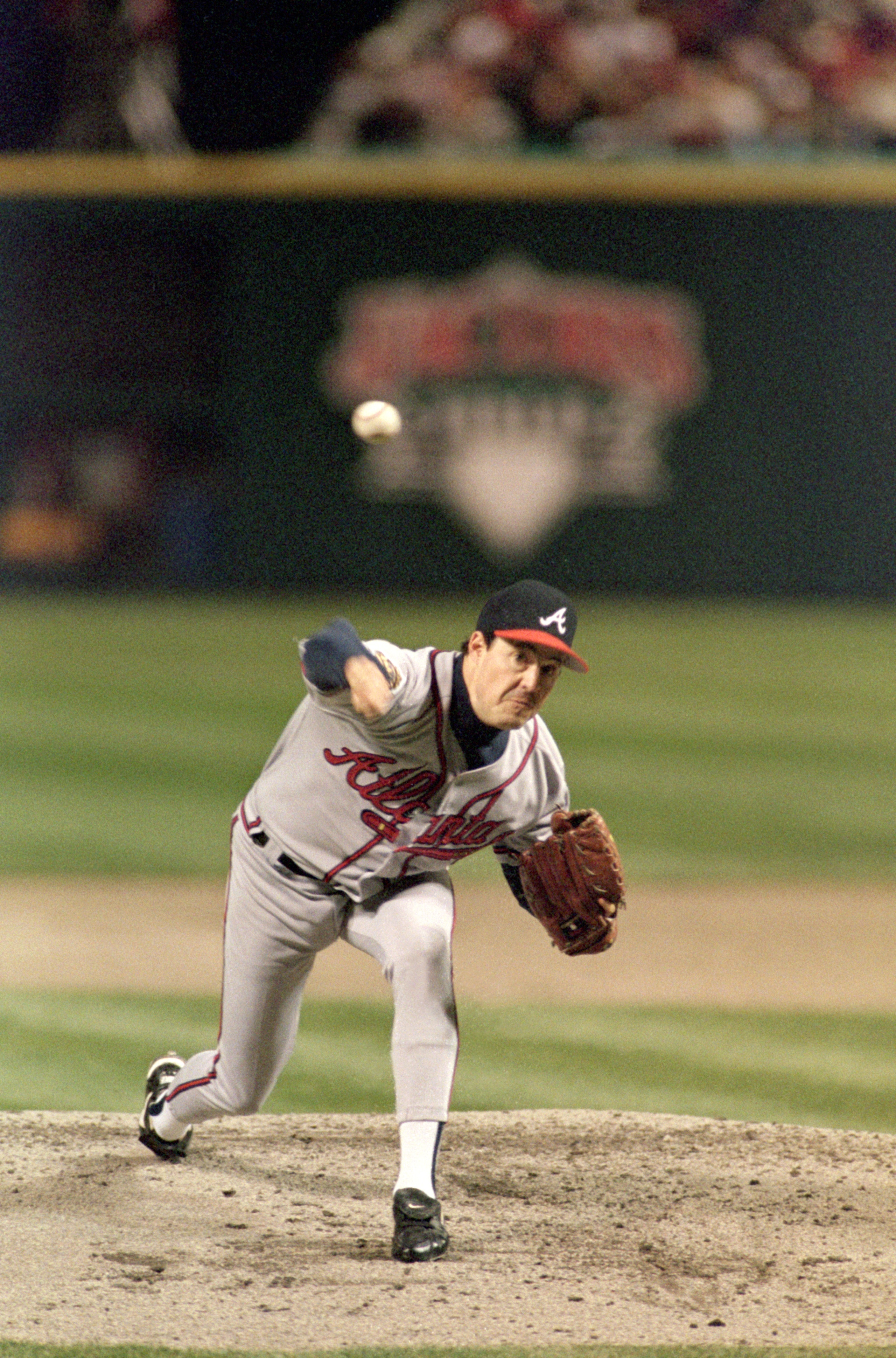
Stat Line—28 GS, 209.2 IP, 19-2, 1.63 ERA, 0.81 WHIP, 7.8 K/9, 7.87 K/BB, .197/.224/.258
By now, you've gotta be sick of seeing Greg Maddux on this list, but what can you do?
When you're talking great National League pitching, you're swimming in waters Mad Dog calls home. One of the greatest control pitchers of this or any other era, Maddux was at his best in 1995 on the way to a fourth consecutive Cy Young and the Atlanta Braves' only World Series title despite years of domination.
The unassuming right-hander led the NL in just about everything you'd care to consider. Besides the suffocation described above, Maddux led the league with 10 complete games and three shutouts and his 1.63 earned run average was almost three full points better than the league average (4.23).
At one point in the middle of the summer, Greg Maddux went 52 straight innings without issuing a free pass. Which is part of the reason his strikeouts per nine innings and per walk were almost identical.
No. 3—Pedro Martinez, Montreal Expos, 1997
13 of 15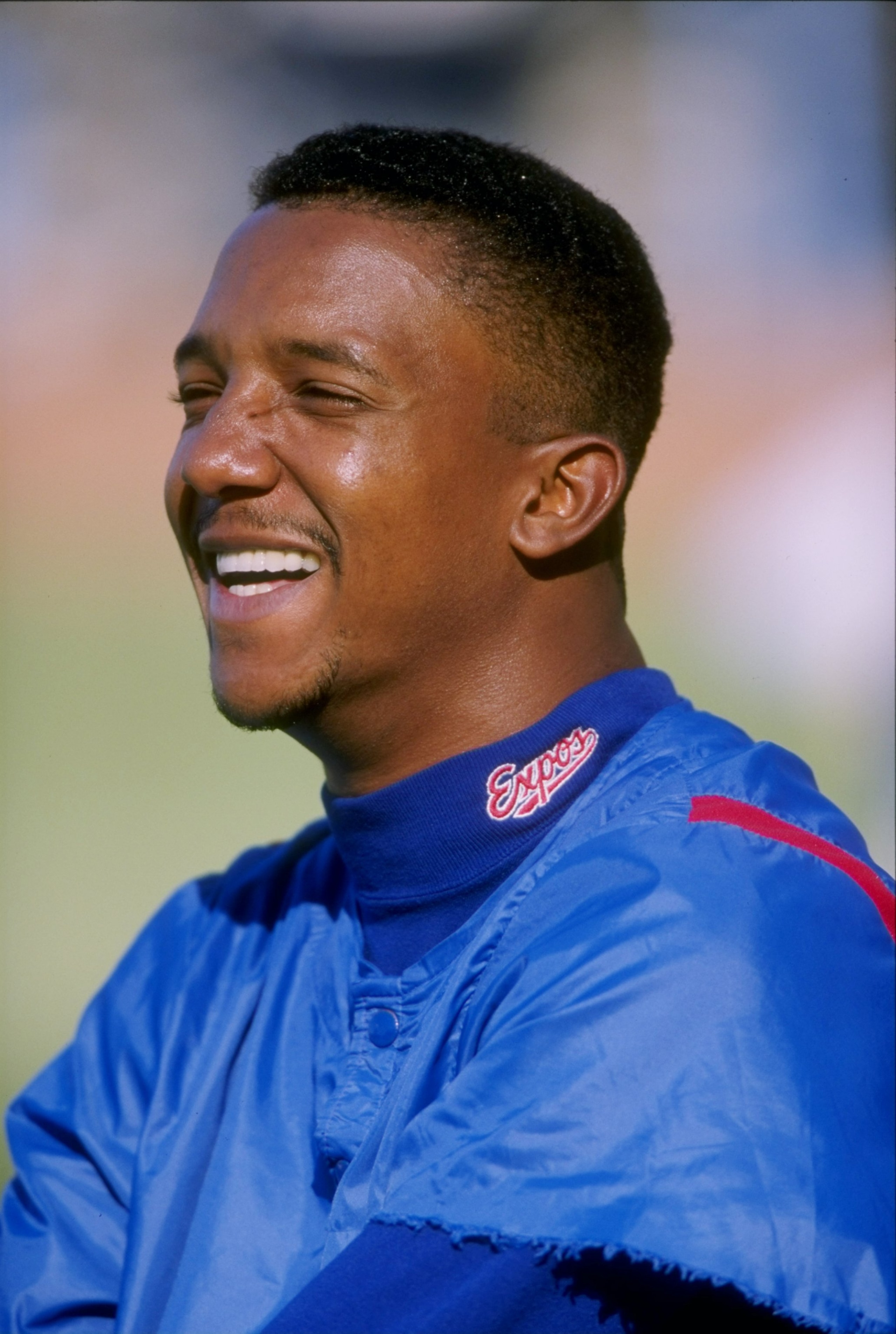
Stat Line—31 GS, 241.1 IP, 17-8, 1.90 ERA, 0.93 WHIP, 11.4 K/9, 4.55 K/BB, .184/.250/.277
What's insane about Pedro Martinez' 1997 season is that it's not even his best one, it's just his best in the National League (check out his 2000 numbers with the Boston Red Sox).
In addition to the devastation above, Pedro led the NL with 13 complete games on the way to his first of three Cy Youngs. You could make a very strong argument that this is the best performance by a Senior Circuit Cy Young because of the year.
You'll notice this was the year before the Great Home Run Race of 1998 between Mark McGwire and Sammy Sosa i.e. Petey was cutting through steroid-enhanced sluggers like the proverbial hot knife through butter.
Nobody else on this list can say they did so with such ease.
Better yet, whenever you give pundits a chance to reference Walter Johnson, you've done something special and that's precisely what the only Montreal Expo to ever win a Cy Young did. In '97, he became the first right-handed hurler since the Big Train to record over 300 whiffs with an earned run average under 2.00.
And yet, Pedro's incredible campaign is only No. 3.
No. 2—Dwight Gooden, New York Mets, 1985
14 of 15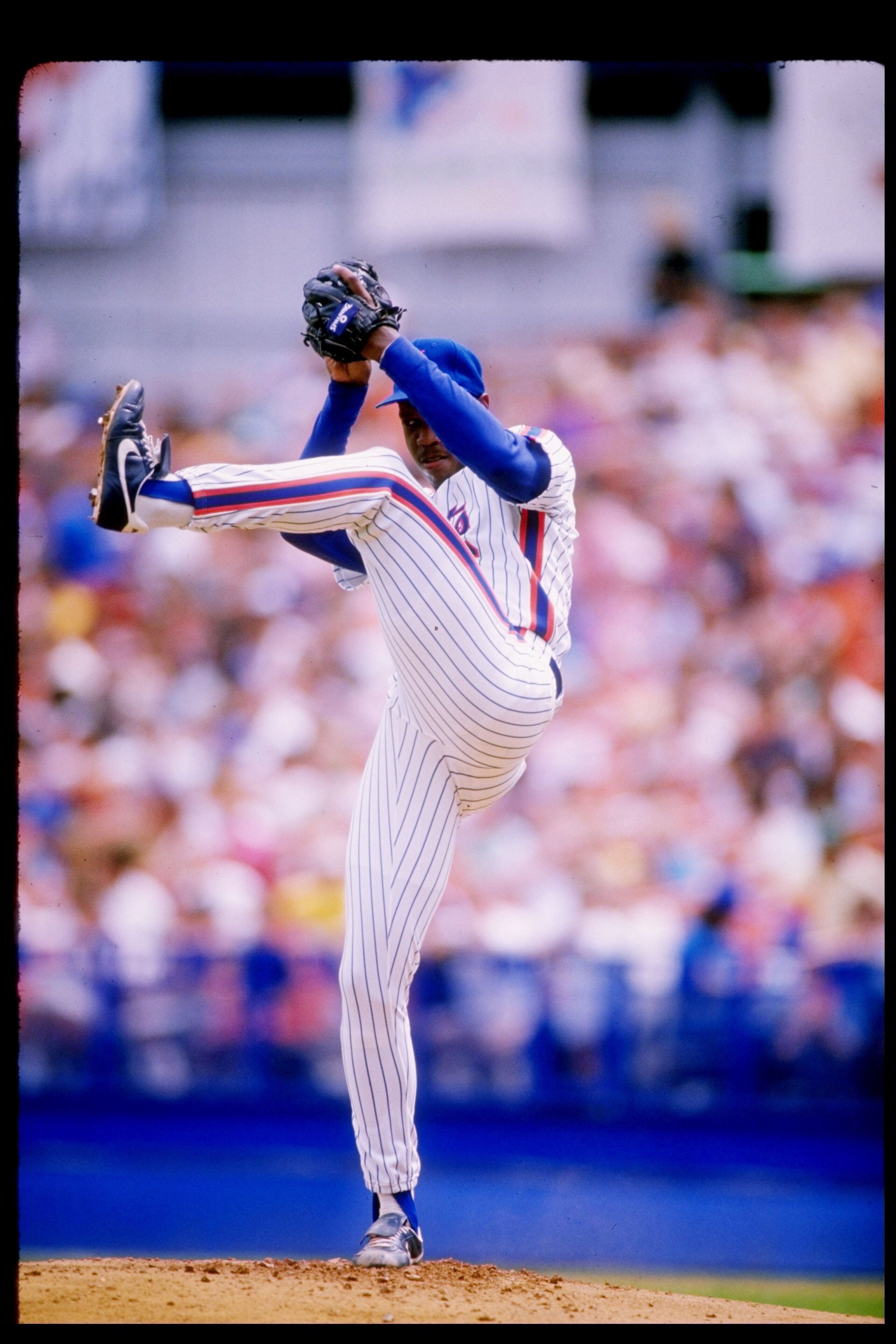
Stat Line—35 GS, 276.2 IP, 24-4, 1.53 ERA, 0.97 WHIP, 8.7 K/9, 3.88 K/BB,.201/.254/.270
Dwight Gooden's 1985 season was one of the most incredible years my generation has ever seen from a pitcher. When people talk of limitless potential, they are talking about Doc Gooden in the mid-to-late 1980s and '85 was his best run of 162 games.
In only his second year in the Show, Gooden took home Major League Baseball's pitching triple crown (wins, earned run average, and strikeouts) while also leading the National League with 16 complete games. His 1.53 ERA is second only to the man we're about to meet in the Live Ball Era.
All of this made him a shoo-in to win the Cy Young Award—a significant achievement because Gooden is still the youngest "man" to ever win the hardware.
And that brings us to perhaps the most mind-bending number of them all: Dwight Gooden inflicted all that carnage on opposing hitters at the tender age of 20.
No. 1—Bob Gibson, St. Louis Cardinals, 1968
15 of 15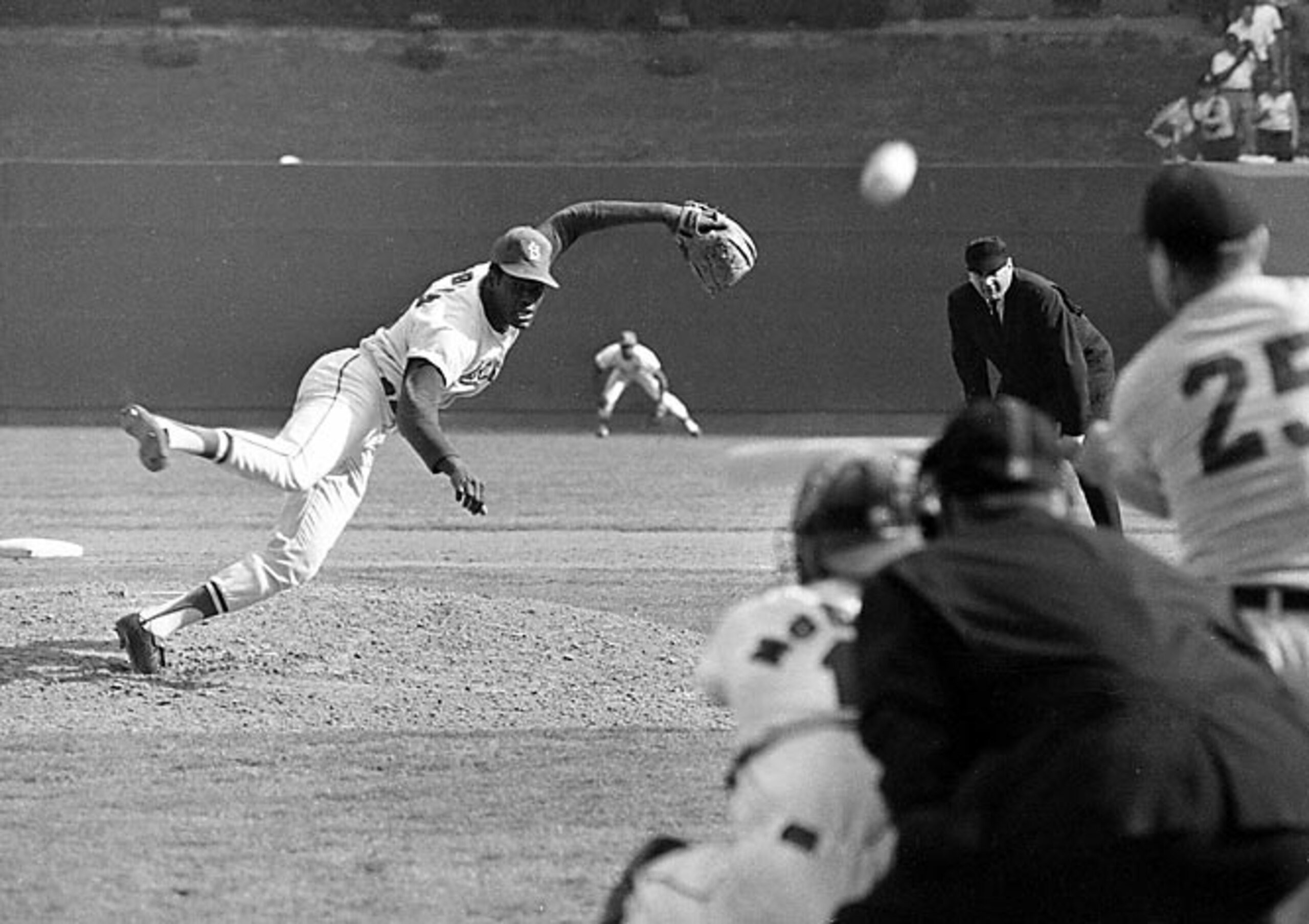
Stat Line—34 GS, 304.2 IP, 22-9, 1.12 ERA, 0.85 WHIP, 7.9 K/9, 4.32 K/BB, .184/.233/.236
This was the infamous year that inspired a return to smaller strike zone and a lower pitcher's mound. It was the original "Year of the Pitcher" and Bob Gibson was arguably the best one toeing the slab.
Along with those sparkling numbers above, Hoot led the National League with 13 shutouts which was only three behind the all-time record of 16 set by Grover Alexander in 1916.
The big right-hander threw a stretch of 47 consecutive scoreless innings and surrendered only two earnies through a span of 92 frames.
You might wonder how he lost nine games in all of that madness—the Cardinals' offense suffered from a severe lack of iron, causing Gibson to lose five starts by the score of 1-0.
Ouch.
To top it all off, Bob Gibson's 1968 season was good enough to earn him NL MVP honors, the last Senior Circuit pitcher to be so honored.




.jpg?w=2560 "Jonathan Taylor Landing Spots 📍")
.jpg?w=2560 "Mahomes Asked OT to Leave Meeting")



