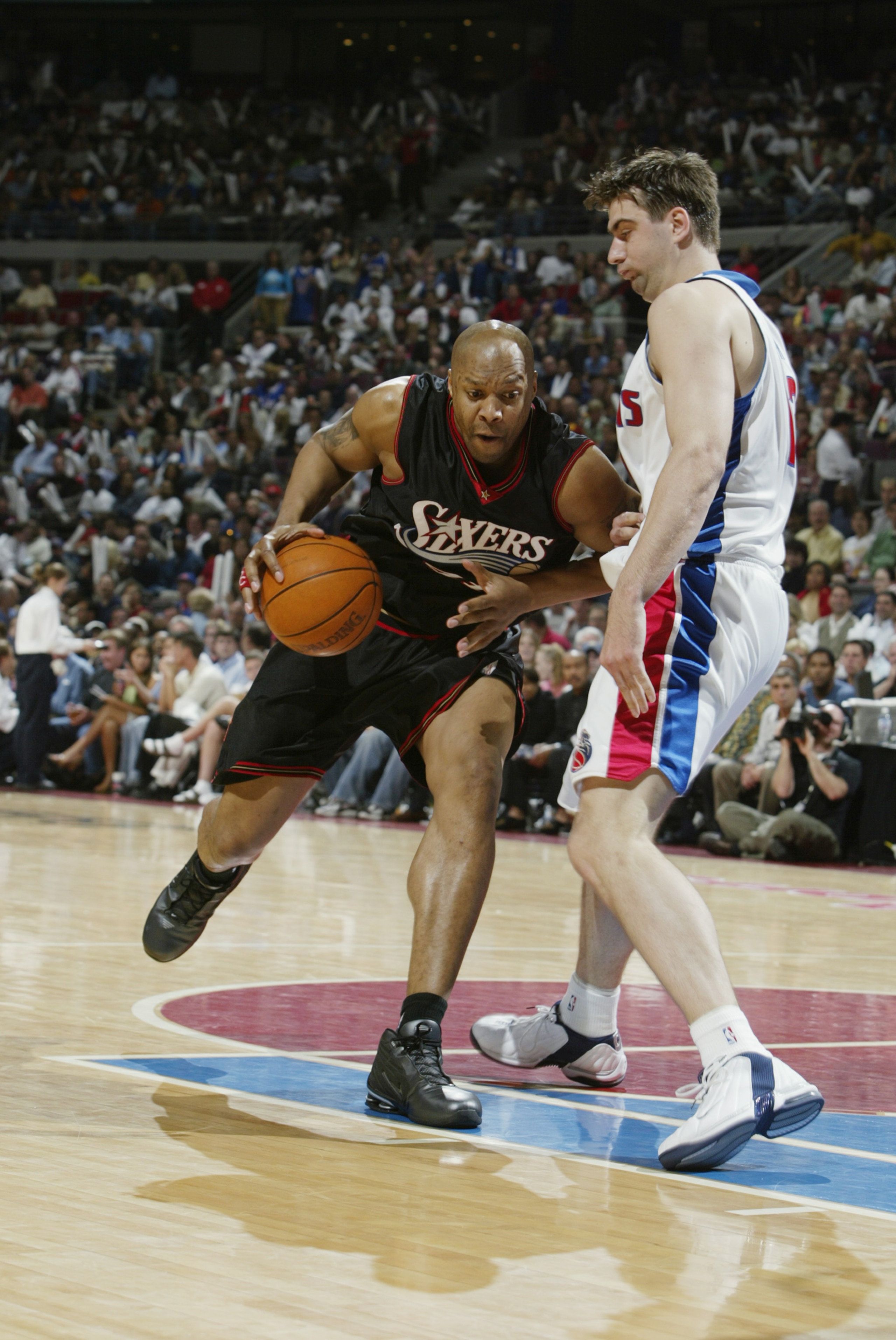

What Could Have Been: NBA Players That Never Realized Their Potential
There are plenty of players that were supposed to take the league by storm before their rookie year. You may call them "busts."
This article isn't about that; it is not about players that failed to make an impact in the league. This is about players that showed they are capable of playing and playing well. They just never fully achieved their potential.
Heck many players get drafted just due to potential. There are many current young players that haven't shown their full skill set yet. Michael Beasley, Anthony Randolph and Greg Oden to name a few. But they're too young to write off yet. Here are some examples of these types of players.
Injury Riddled Players
1 of 7
I'm NOT gonna count players with injuries (Jay Williams, Dajaun Wagner, Grant Hill, Penny Hardaway, Shaun Livingston, Len Bias etc...). Those were tragic, freak incidents with them and shouldn't be taken into account when you're talking about people who never reached their potential.
This is just naming players where injuries ruined their careers.
Josh Howard
2 of 7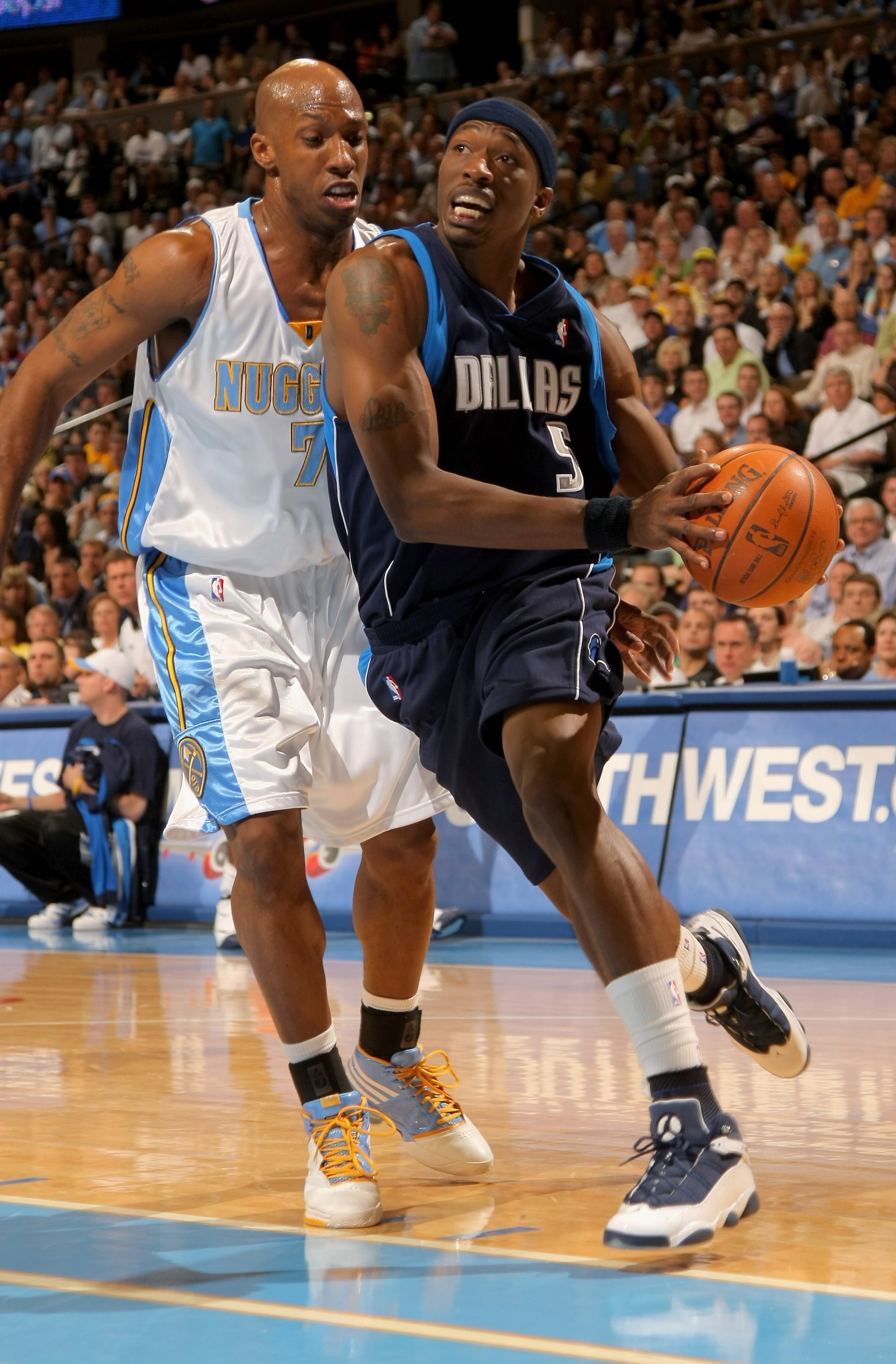
At the peak of his current seven-year career, he once averaged 19.9 ppg and 7.0 rpg and was named an NBA All-star. Josh Howard once had a promising career ahead of him, as one of the key pieces for the Dallas Mavericks.
Three seasons later after his career year, Howard was barely able to obtain out a one-year deal with the Washington Wizards. A player of Howard's caliber should have been able to command much more.
However, some off-court issues and an injury-plagued season put a damper on Howard's career, and he was never able to regain his all-star form.
J.R. Rider
3 of 7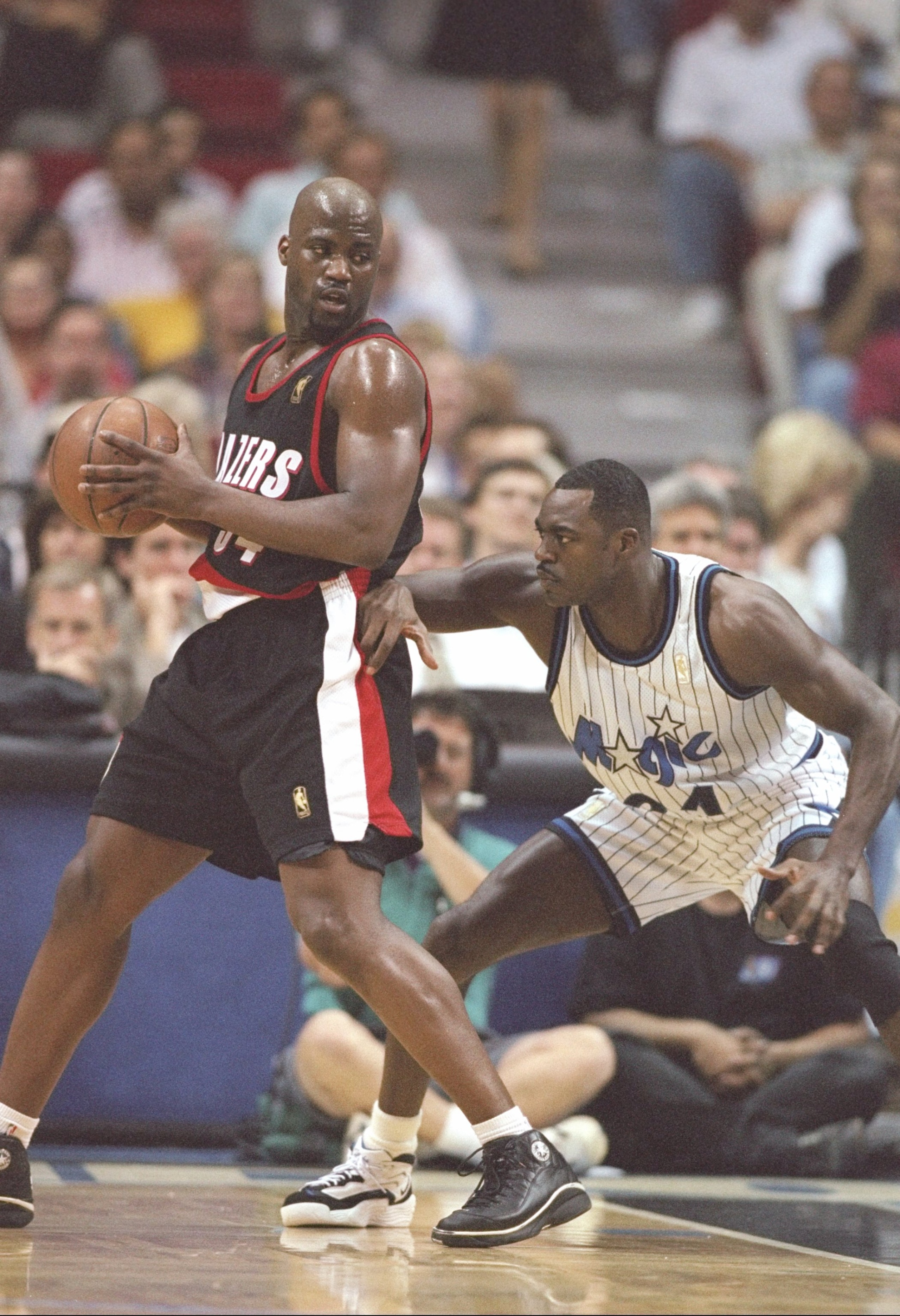
J.R. is best known for "The Play Of The Decade" in which he threw the ball toward the basket while falling out of bounds.
In his second season, Rider continued to display the scoring flair that earned him praise the year prior, but also resumed the type of off-court behavior that would ultimately derail his entire career.
Though he was among the NBA's leaders in scoring at 20.4 ppg in 94-95, Rider feuded with Minnesota coach Bill Blair throughout the year, leading to a December suspension.
On October 30, 1996 he was cited for and subsequently convicted of possession of less than an ounce of marijuana. He also was suspended for a total of 12 games in three years, including a three-game suspension for spitting at a heckler.
He would spend the rest of his career as a journey man. He had all-world athleticism and a nice skill set; he was supposed to be a borderline all star every year. But it just didn't work out that way.


Derrick Coleman
4 of 7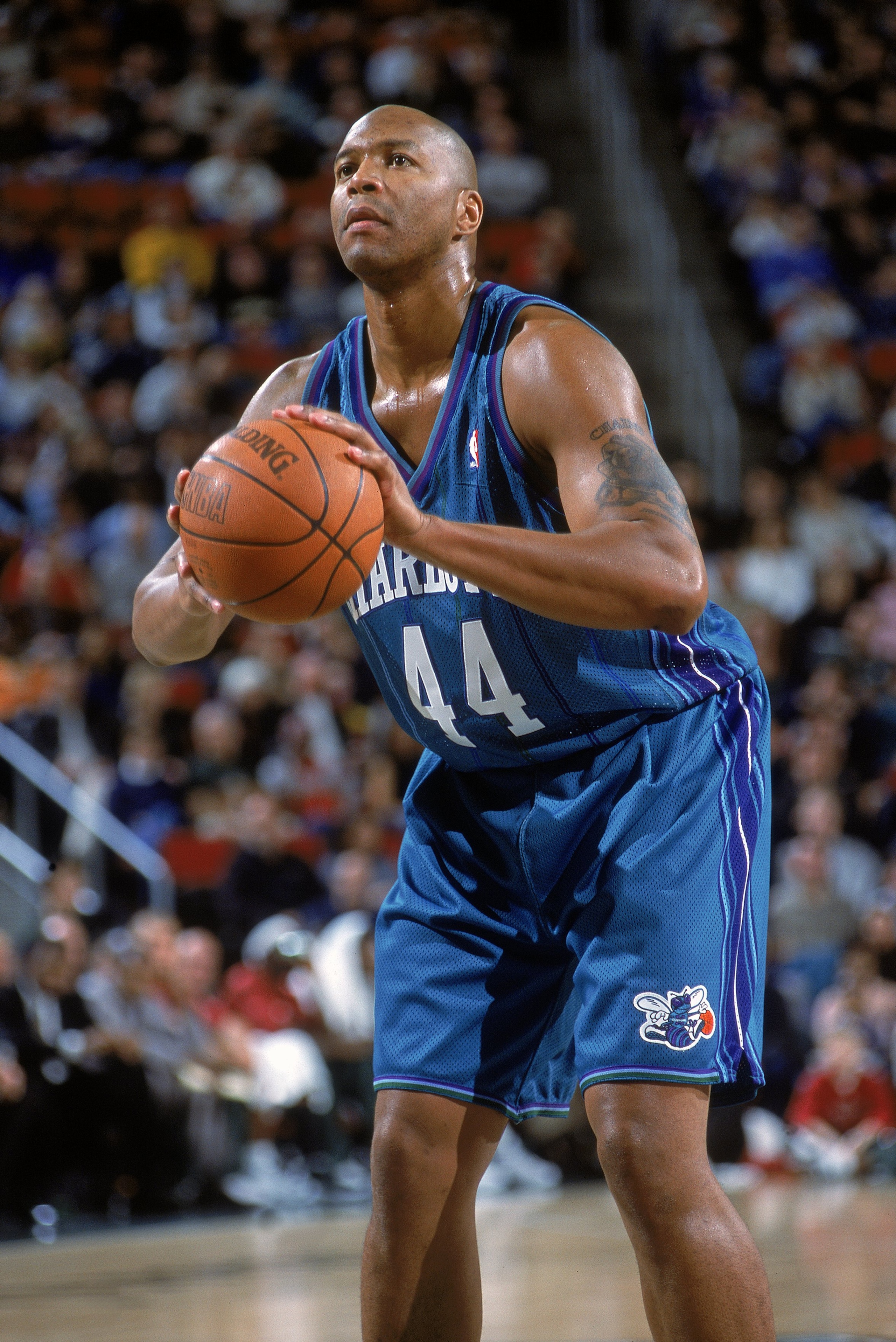
When Coleman entered the NBA as the No. 1 draft pick, he was compared to elite power forwards such as Karl Malone and Charles Barkley and expected to put up similar numbers, only with the added ability to shoot from three.
Instead, his career was overshadowed by his questionable attitude (lack of work ethic resulting in excessive weight gain, plus alcohol abuse and general disruptive behavior), and his penchant for injury which saw him play 70 or more games in only four of his 15 NBA seasons.
Sports Illustrated once remarked that "Coleman could have been the best power forward ever; instead, he played just well enough to ensure his next paycheck."
He actually made an All-Star team, was a very solid player and pretty well known. But his work ethic prevented him from being a Hall of Famer like some thought he would be.
Tim Thomas
5 of 7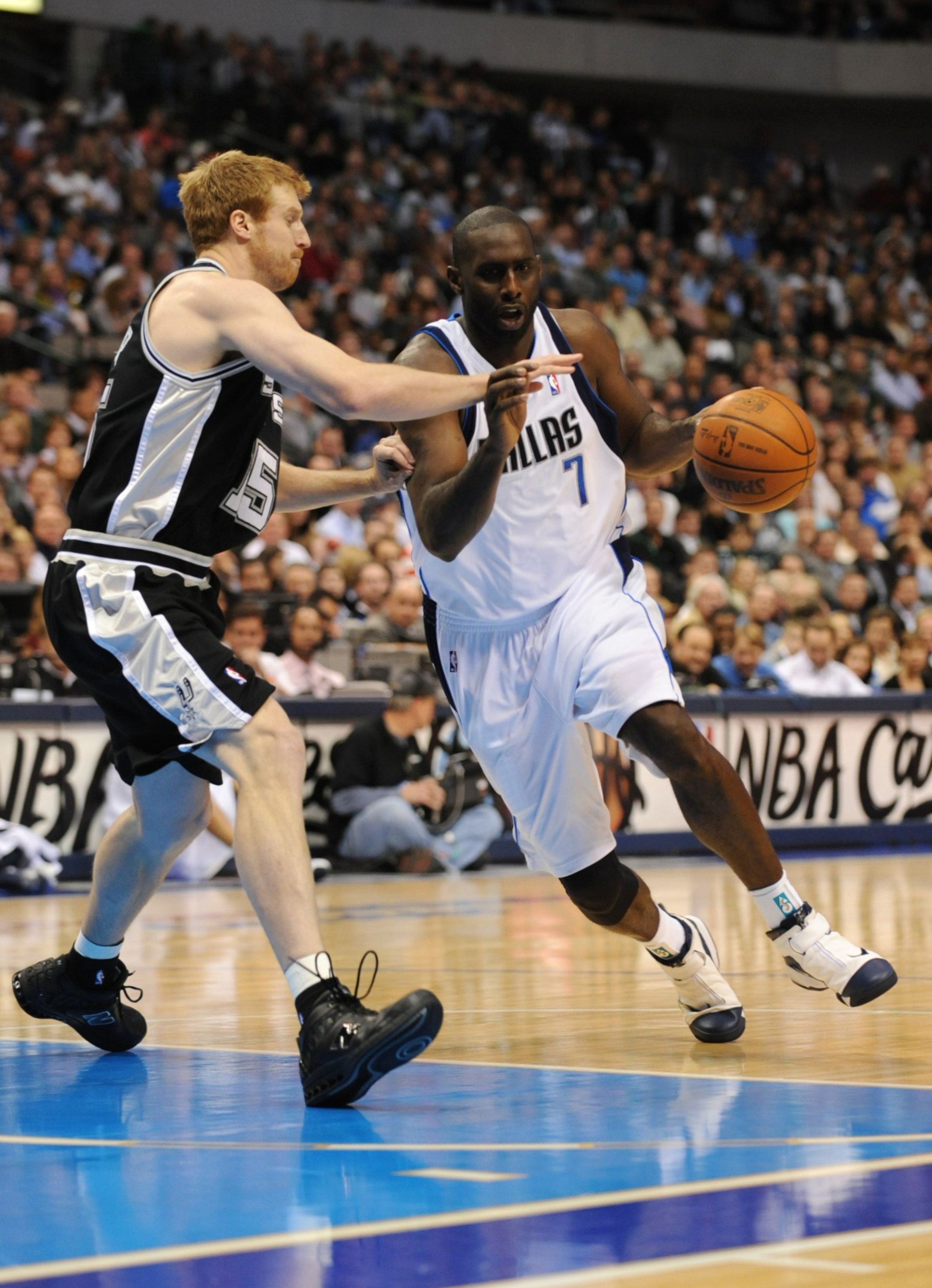
A versatile 6'10" forward with a soft-shooting touch.
Thomas was tabbed as a future NBA star when he was still in high school and was selected to the McDonald's All-American team after averaging 25.3 points and 14.5 rebounds per game as a senior at Paterson Catholic High.
Following his freshman year at Villanova, he was drafted seventh overall by the New Jersey Nets in the 1997 Draft and was immediately traded to the Philadelphia 76ers in exchange for the Sixers' draft pick (Keith Van Horn).
Some dubbed him as the greatest high school player they had ever seen. He had all the skills and athletic ability to be great. He was just too lazy and played without any urgency to be a great player.
Glenn Robinson
6 of 7
The Big Dog.
Robinson attended Gary Roosevelt High School, in Gary, where he started playing organized basketball during the eighth grade. During his senior season, he led his school to an Indiana state basketball championship. Glenn also won the 1991 Indiana Mr.Basketball award. He was selected as a McDonald's All-American.
While not eligible in his freshmen year, during his sophmore year he led Purdue to an 18–10 record on the season, which included a victory against the Michigan "Fab Five" in the regular season and an NCAA appearance. He received First Team All-Big Ten and Second Team All-American honors.
In his junior season, Glenn built upon his previous season's averages with 30.3 points and 11.2 rebounds a game, while becoming the first player since 1978 to lead the Big Ten in both categories. He led the Boilermakers to a Big Ten Title and an Elite Eight appearance, finishing the season with a 29–5 record and a third overall ranking.
Leading the nation in scoring and becoming the conference's all-time single season points leader with 1,030 points, Robinson was unanimously selected as the Big Ten Conference Player of the Year. He also unanimously received the John R. Wooden award and the Naismith Award, the first national player of the year-honor for a Boilermaker since John Wooden himself did it in 1932 (who also wore the jersey No. 13). Robinson also was the recipient for the USBWA college player of the year award.
Glenn would lead his college success into a successful first couple of years into the NBA. However, weight problems and work ethic issues had him finally retire in 2005 while only making the All-Star team one time.
(Dis)Honarable Mention
7 of 7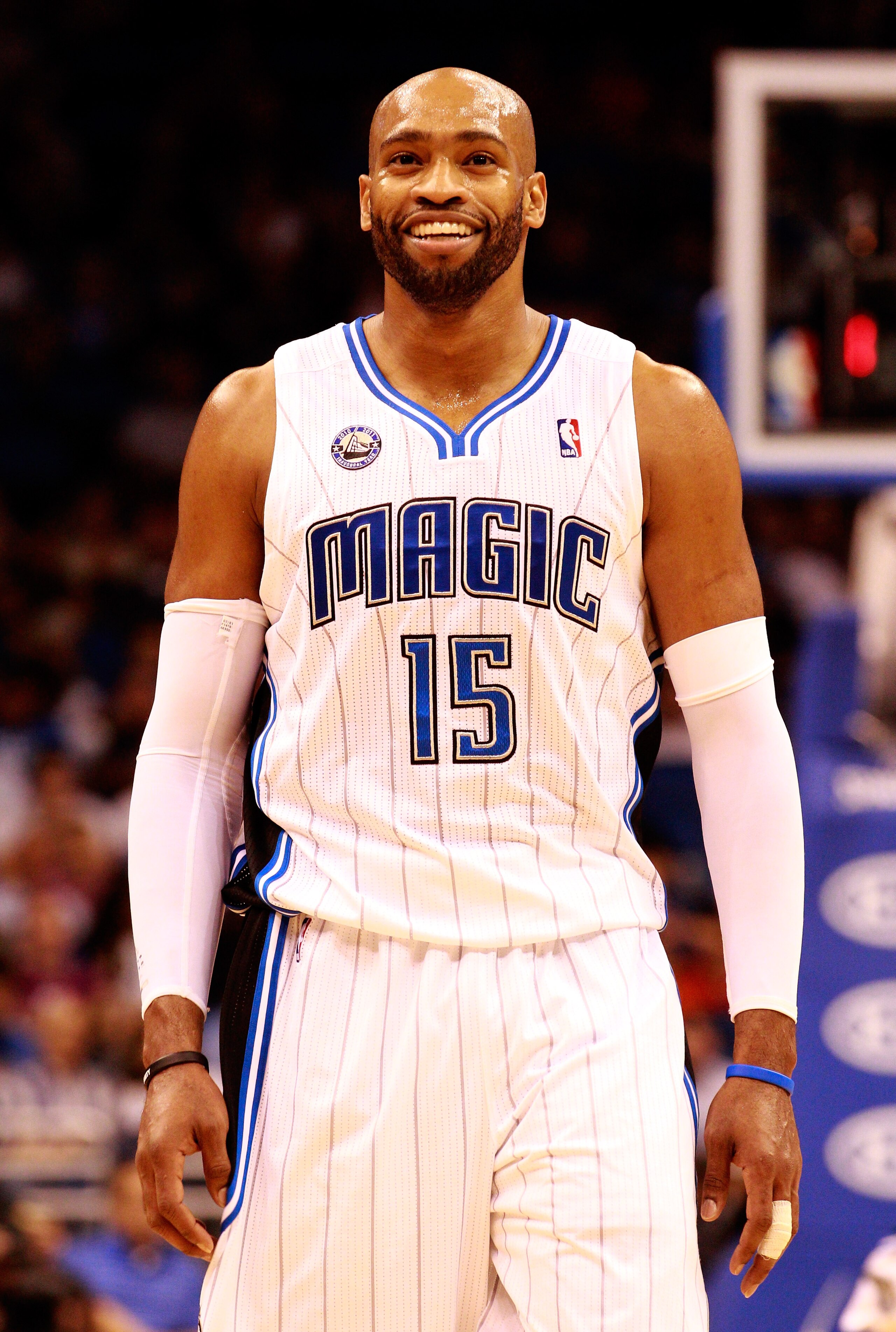
Vince Carter
Lamar Odom
Rasheed Wallace
Jamal Tinsley
Darius Miles
Jonathon Bender
Vin Baker



.jpg?w=2560 "Mahomes Asked OT to Leave Meeting")

.jpg?w=2560 "5 Teams Eyeing Jonathan Taylor")
.jpg?w=2560 "Jonathan Taylor Landing Spots 📍")

