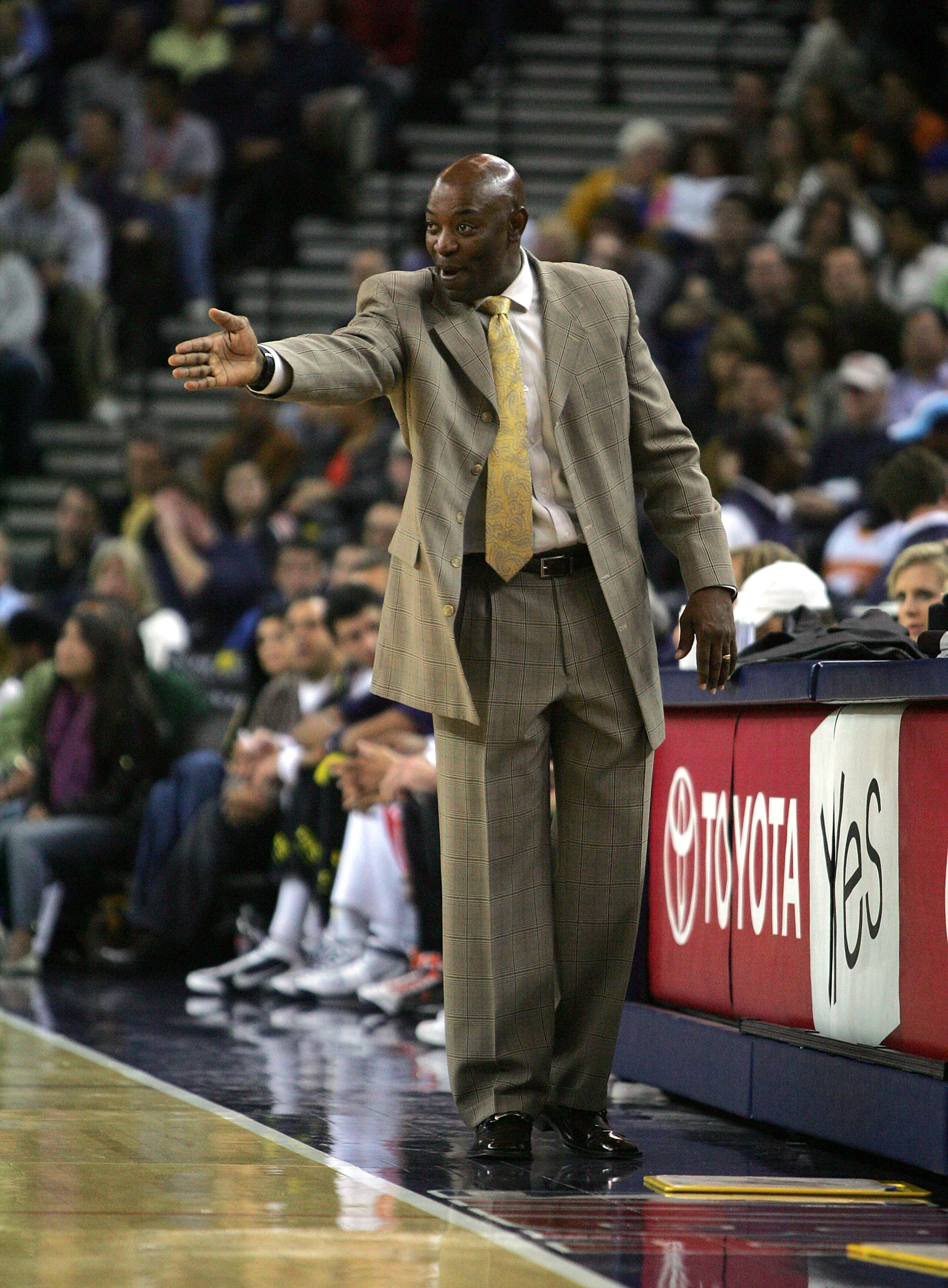

2010 NBA Season: Golden State Warriors' Keith Smart Bringing Team Early Returns

The Golden State Warriors and first-year coach Keith Smart each find themselves in new positions in this early portion of the 2010-11 NBA season.
For the Warriors, they find themselves sitting in second place in the Pacific Division—and tied for fourth in the Western Conference—with a record of 4-2 following Sunday's 102-97 road loss in Detroit.
For Keith Smart, the former Indiana Hoosier finally grabbed hold of the reigns in Oakland, after serving as assistant coach for a franchise-long seven seasons.
The results—granted as premature as South Beach's championship parades last July—have been overwhelmingly positive for both parties.
A quick glance at the box scores in a Warriors victory and one might assume that the Warriors run-and-gun offense has keyed their hot start. But a closer look at how the team has won reveals that Smart has made three major changes to justify the Bay Area's hopes for sustained success over the 2010-11 season.
1. A Solidified Rotation
1 of 3
To casual NBA fans, former coach Don Nelson was known for two things—small ball and the career record for coaching victories.
But to hardcore Warriors fans, Nelson was known for two entirely different things—the inability to develop young players and his infamous doghouse.
Under Nelson—and the Warriors' regimes that split his two tenures with the club—the Warriors were perennial lottery contenders save for one remarkable run in the 2007 season that culminated with a first-round victory over the top-seeded Dallas Mavericks.
But save for that one season, the Warriors were essentially the D League before the D League was established in 2001. The Warriors churned through young player after young player, watching those players go on to become All-Stars with other clubs (i.e., Chris Webber, Gilbert Arenas and Antawn Jamison).
One of the hardest issues for young Warriors was the fact that their roles and minutes changed at various points—often with little or no reasoning provided—throughout the season.
But under Keith Smart, the players have flourished with set roles and rotations. The team's starters have thrived with more controlled minutes. Monta Ellis, 2009/10's league leader with 41.4 minutes, had played a more manageable 38.6 coming into Sunday's contest.
And the team's bench has been seeing more consistent time this season, with 11 players averaging over 10 minutes per game entering Sunday's play. Only four players—Ellis, Dorell Wright, David Lee and Stephen Curry—had logged over 30 minutes a game. Only two of those players—Ellis and Wright— have averaged over 35 minutes.
2. An Intensified Rebounding Effort
2 of 3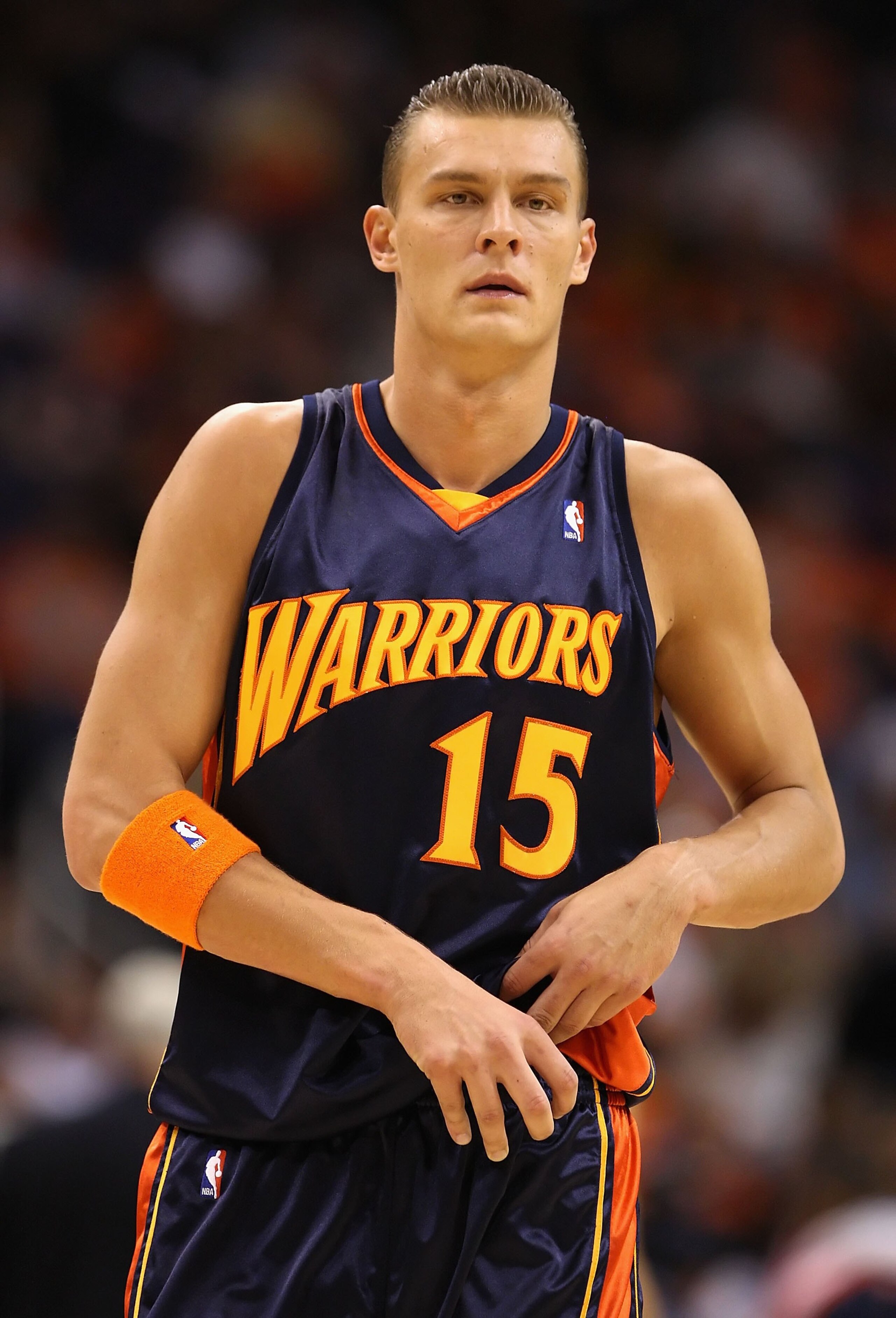
Warriors' teams of the past, thanks in large part to Nelson's small ball style, have been atrocious on the glass. And that's putting it lightly.
Last season's club may have led the group in rebounding deficiency. The team's -9.7 rebounding differential was good enough for dead last in the NBA. The Warriors suffered in second chance points allowed and the inability to create extra possessions en route to their 26-56 record.
But this club has thrived where so many others faltered. Entering Sunday's game, the team's 46.6 rebounds per game were 2.5 more than their opposition.
Newcomer David Lee and his 12.2 rebounds per contest have certainly helped this club become a force on the glass. And a healthy Andris Biedrins has netted the club another 9.6 rebounds per game—including 20 in an impressive victory over a talented Jazz team on Friday night.
But the rebounding has come from more than just these two players. It has come from Smart's commitment to ensure that his players understand the importance of rebounds and extra possessions.
Newcomers Dorell Wright (5.4 rebounds) and Rodney Carney (3.4 rebounds) epitomize the team's effort to grab rebounds from smaller positions.
Of the 12 NBA teams that finished with a negative rebounding differential, only three teams reached the postseason. And the 12 teams combined record? 417 wins and 567 losses, a mere 150 games below .500.
3. A Defensive Effort
3 of 3
That's right, simply showing effort on the defensive end is an upgrade over last year's squad. A significant upgrade at that.
The Warriors allowed a league-worst 112.4 points per game last season. Even Nelson's run-and-gun offense dropping 108.8 points earned the club just a .317 winning percentage.
But prior to Sunday's tilt, the Warriors were allowing just 102.6 points per game on 44.2 percent from the field, moving the club from 30th in points allowed last season to a respectable 18th this season. And their 2.2 points per game advantage over their opposition ranks 12th in the NBA.
These numbers and positions certainly aren't mind-blowing, but after inheriting a club built to simply outscore the opposition, Smith has gotten more than could have been imagined on the defensive end.
The Warriors' backcourt of Ellis and Curry still give up size to any opposing backcourts. But Ellis' new commitment to the club—thanks in large part to a relationship with Smart that's blossomed over each of Ellis' six season—has helped the team establish a new identity as a balanced group.
The team can still score with anyone. Its 104.8 points per game are eighth-highest in the league. Now the Warriors don't have to rely on running their opponents out of the gym for a victory. And if they play into May this season, their legs will appreciate a slower pace.
And the aforementioned 85-78 victory over the Jazz on Friday showed that this club is capable of winning a slowed-down, grind-it-out type of game. In fact, the 85 points were the fewest scored in a Warriors' victory since 2005. And with the new brass making the Smart choice for their coach, don't be surprised to see that total drop in a Warriors victory this season.


.jpg?w=2560 "Mahomes Told Teammate to Leave Meeting")
.jpg?w=2560 "5 Teams Eyeing Jonathan Taylor")

.jpg?w=2560 "NFL investigating Eagles")


.jpg?w=2560 "Jonathan Taylor Landing Spots 📍")