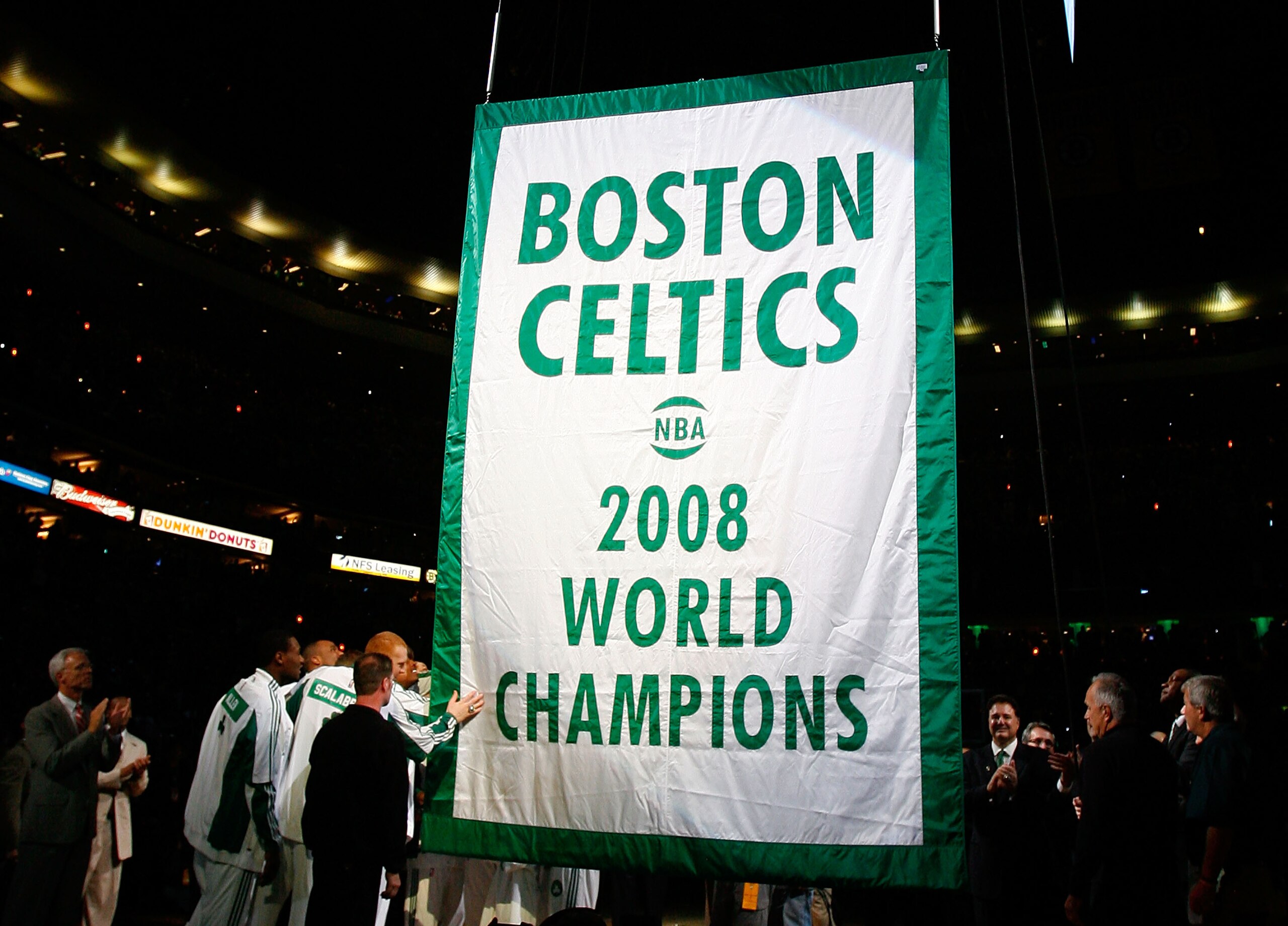

Praying For Rain: 10 NBA Franchises Hoping to End a Title Drought
What is a title drought, you ask?
When Brian Wilson struck out Nelson Cruz to clinch the World Series on Monday night, the win ended a 56-year championship drought for the Giants franchise. This was the latest of three recently-ended title droughts in MLB (86 years for the 2004 Boston Red Sox, 88 years for the 2005 Chicago White Sox), and in the NBA the 2008 Boston Celtics put an end to a league-record 22 year title drought.
A franchise without one title cannot be in a title drought. Comparing a title drought to a real-life drought, how can a drought exist if rain never fell there in the first place?
The Lakers, Heat, and Celtics are the three front-runners for the 2011 NBA Championship, of course - but which franchises are suffering the longest-running title droughts in the league right now?
1995 Houston Rockets
1 of 10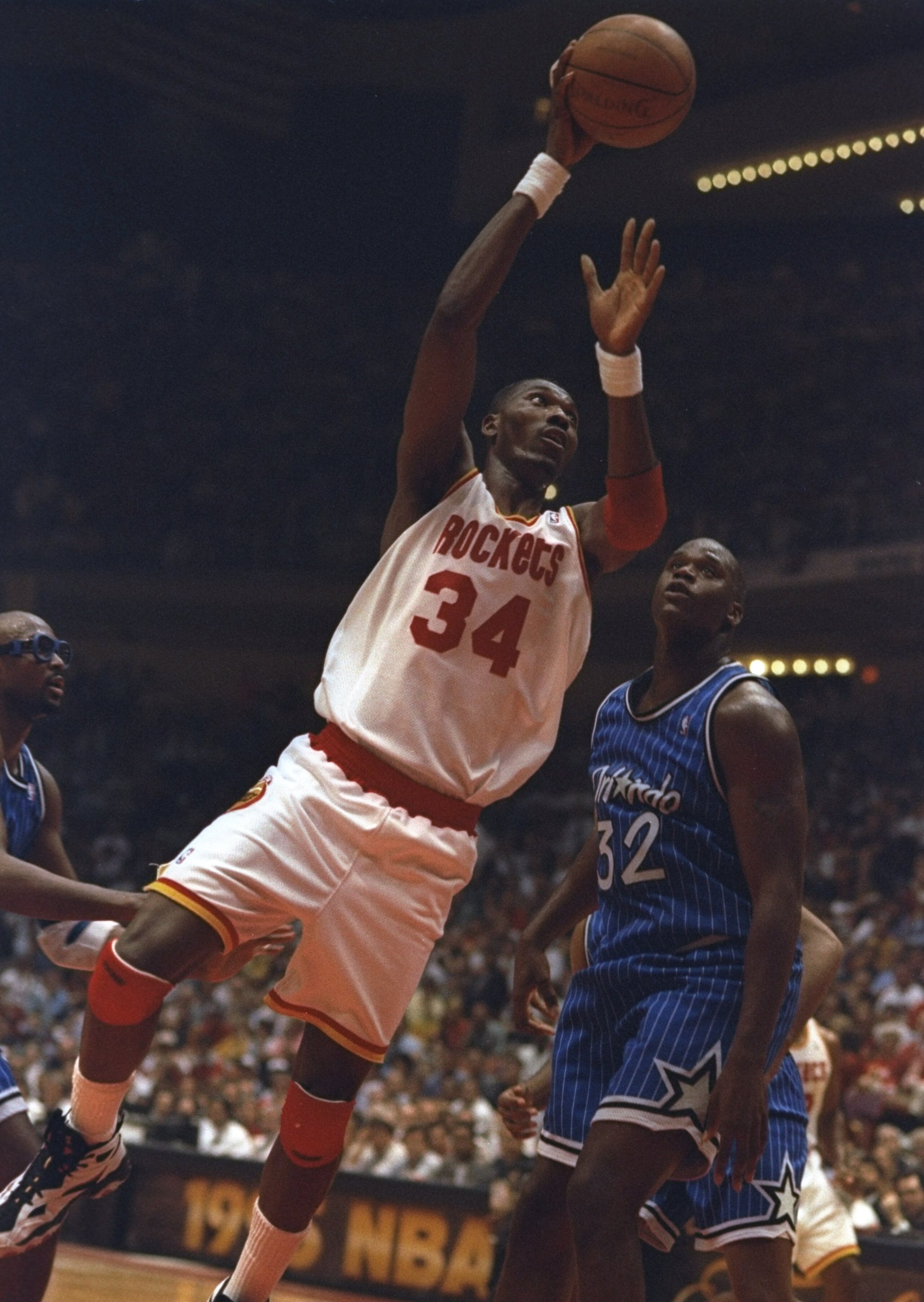
THEN
The three-point line was 22 feet from the hoop at every point along the arc. Zone defense was illegal. Oasis was an important band. Yes, the year was 1995 and the NBA champions played in the city of Houston, Texas. The Rockets defended their 1994 title in one of the great displays of winning the hard way, defeating the Utah Jazz (60-22, 3rd in West), Phoenix Suns (59-23, 2nd in West), San Antonio Spurs (62-20, 1st in West) and Orlando Magic (57-25, 1st in East). The resumption of the Bulls dynasty, together with the declining years of Hakeem Olajuwon and Clyde Drexler, led to the end of Houston's era of title contention.
NOW
Yao Ming, drafted number one by the Rockets in 2002, was hailed as the next big thing. While Yao more or less lived up to the billing on an individual basis, the Rockets never could put the right pieces around him. Injuries have reduced Yao to a part-time player in 2010, and it appears that Houston's title drought will continue into the foreseeable future.
1983 Philadelphia 76ers
2 of 10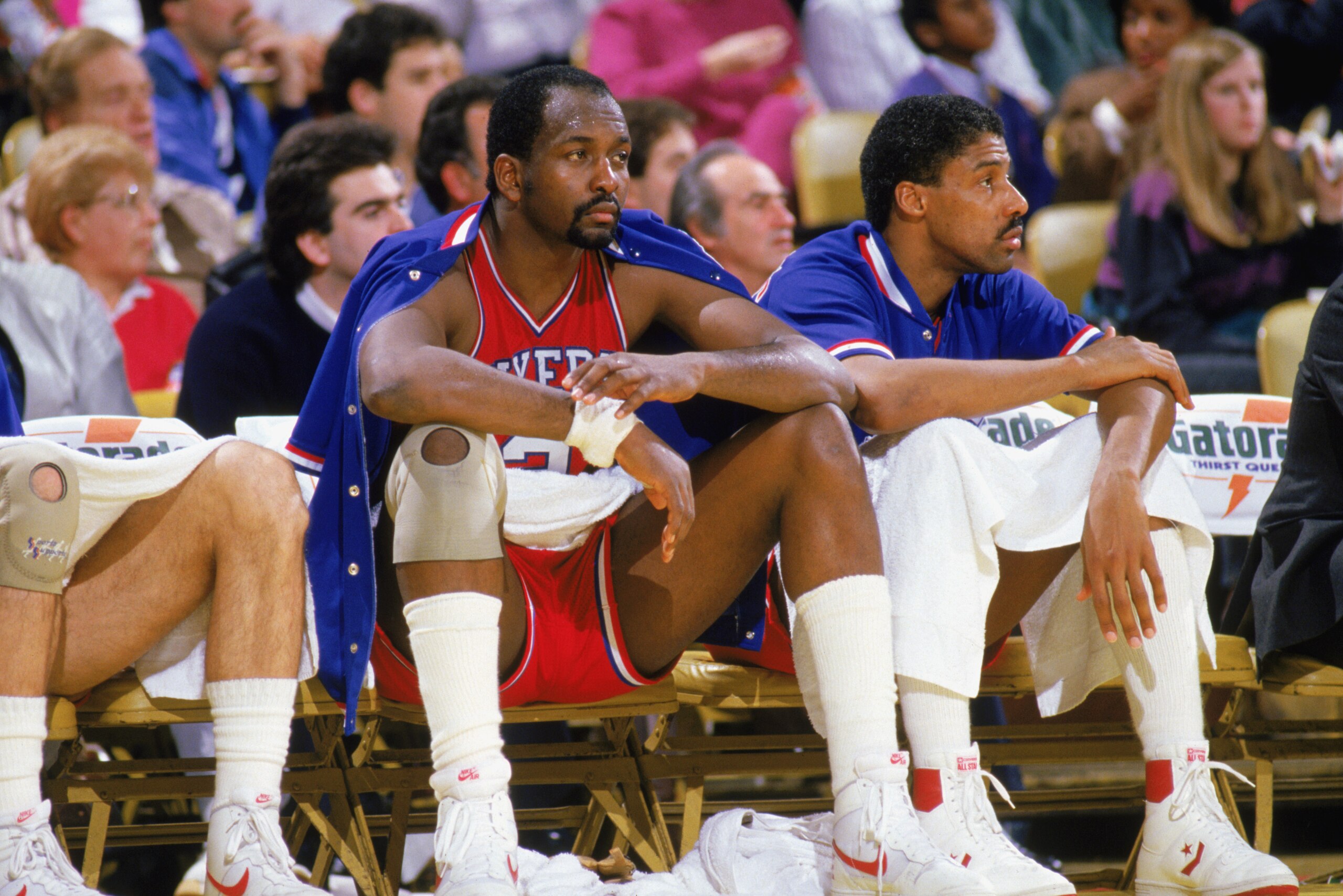
THEN
"Fo', fo', fo'". This was the prediction made by NBA Hall-of-Famer Moses Malone when asked how the 1983 playoffs would go. And why not? The Sixers, after pairing the then two-time NBA MVP with the legendary Julius Erving, reeled off one of the greatest seasons in NBA history to that time: 65 wins, 17 losses. The Sixers very nearly fulfilled Malone's prediction, going 12-1 in the playoffs - then an NBA record - to finish off a dream season with a sweep of their 1980 and 1982 NBA Finals nemesis, the Los Angeles Lakers.
SINCE THEN
The 1983 Sixers were older than their rivals in Boston and Los Angeles, and within the next few seasons age and injury took their toll. Talented guard Andrew Toney saw his career derailed by foot problems. While Moses Malone's play remained at a high level throughout the 1980's, Julius Erving saw his production slip a bit compared with his previous standards - and with the rise of a young Charles Barkley, the good Doctor retired with something left in the tank at the age of 36. Malone himself was traded away, along with a first-round draft choice, for a clutch of young veterans: Roy Hinson, Jeff Ruland, and Cliff Robinson (not the 6'10" forward from UConn). The ill-fated moves failed to provide Barkley with an adequate supporting cast to contend for a title, and he left Philadelphia after the 1992 season. (As if to punctuate the mismanagement of Barkley's Philadelphia career, his new team, the Phoenix Suns, earned the best record in basketball in 1993 and Barkley himself was named NBA MVP) Post-Barkley, Philadelphia slogged through several terrible seasons until the acquisition of an undersized, slight-of-frame scoring machine from Georgetown University, Allen Iverson.
NOW
Though Iverson's individual brilliance was beyond reproach, and though Hall-of-Fame coach Larry Brown carefully engineered a system to accentuate Iverson's strengths, the Sixers never did add to the trophy case with Iverson. What's more, their 12-1 playoff record was bested in the very season Philadelphia returned to the Finals, losing to the Los Angeles Lakers in 2001. The Sixers did manage to win the only playoff game those Lakers lost that season, but 2001 was no different from every other season with The Answer on board: there was always a more talented team, a deeper team, in their way. Things could be changing in a few years for the Sixers with highly-touted rookie Evan Turner joining the squad.
1979 Seattle Supersonics
3 of 10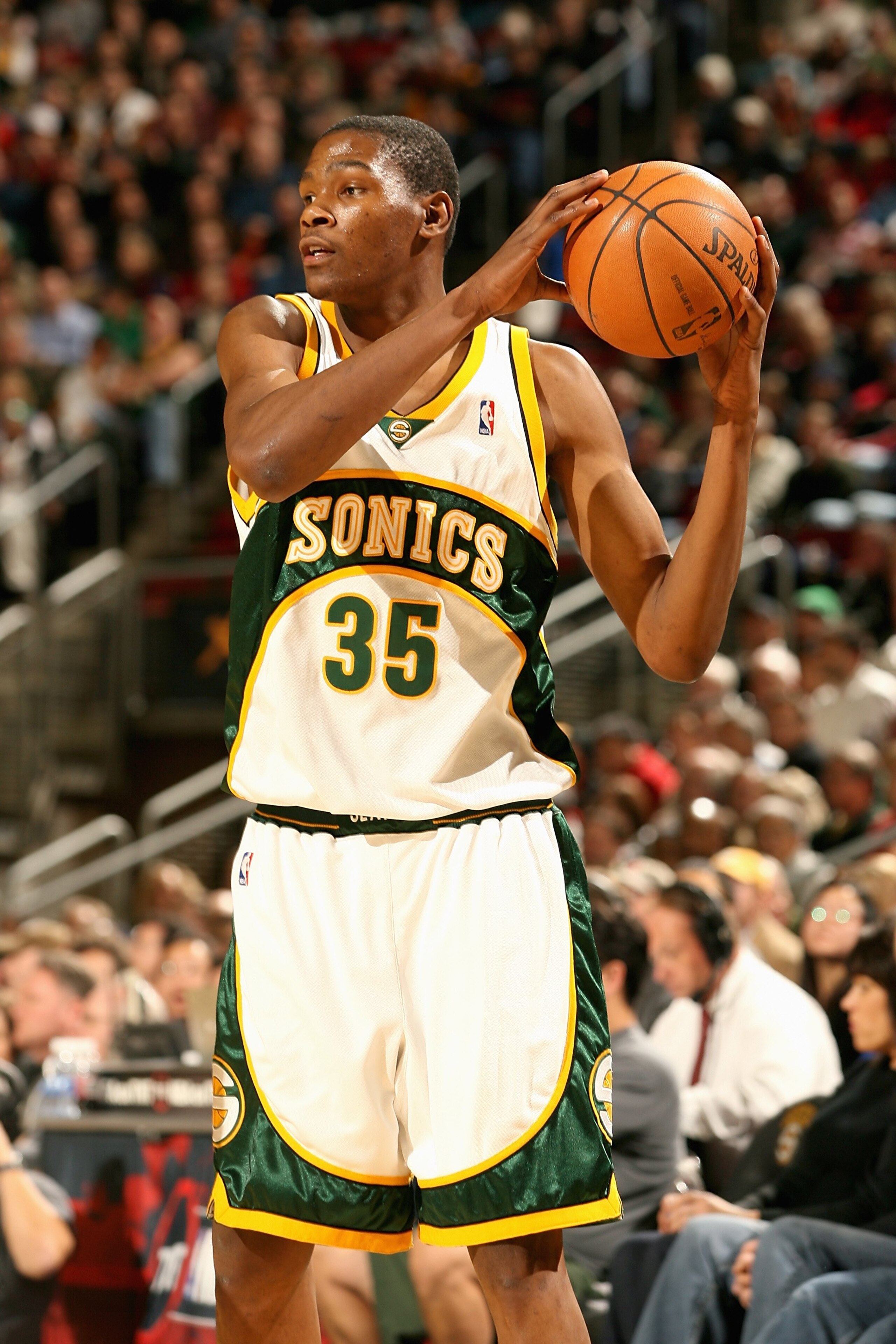
THEN
It isn't a very common occurrence for teams to meet in the NBA Finals in back-to-back seasons, but in 1979 the Seattle Supersonics (later shortened to Sonics) met the Washington Bullets in a Finals rematch - the first rematch since 1973. And just like 1973, the defending champions came up short in a repeat bid. With no MVP-caliber players on the roster, the Supersonics featured great guard play (Dennis Johnson, Gus Williams, "Downtown" Freddie Brown) complimented by solid, if unspectacular frontcourt play (Jack Sikma, John Johnson, Lonnie Shelton, Paul Silas) - a roster resembling those of Chuck Daly's Piston teams of the late 80's. (Granted, the Sonics didn't play the style of defense Detroit did)
Seattle lost in a heartbreaking seven games in 1978, but their revenge was short and sweet - they won the 1979 Finals in just five games.
SINCE THEN
When Magic Johnson joined Kareem Abdul-Jabbar in the following season, the Lakers immediately supplanted the Sonics at the top of the Western Conference. Many big talents came and went through the Emerald City - Dale Ellis, Tom Chambers, Shawn Kemp, Gary Payton - and it was the pairing of Kemp and Payton which looked to have Seattle back on the championship track. Strangely, despite winning 63 and 57 games in 1994 and 1995 respectively, the Sonics lost in the first round of the playoffs in both seasons. They put it together in 1996, but their timing was bad: this was the season in which the Bulls won 72 games. For what it's worth, Seattle played that Bulls team tougher than anyone, winning three of the eight regular season plus NBA Finals games they played. But when Shaquille O'Neal and Kobe Bryant joined forces in the following season, the Kemp-Payton partnership would soon fade from prominence in the Western Conference. By 1999, Kemp was no longer wearing Sonics green.
NOW
Sadly, this title drought may exist in perpetuity. After the 2007-08 season, the Seattle Sonics no longer exist. They relocated after...well, going into the issue now would make this into a completely different topic, but the franchise is now known as the Oklahoma City Thunder. Thunder GM Sam Presti shrewdly assembled top-notch, value-priced young talent around the player widely regarded as the future of the NBA, Kevin Durant. Perhaps when the NBA is again ready to expand, Seattle will be the on the short list of cities under consideration.
1978 Washington Bullets
4 of 10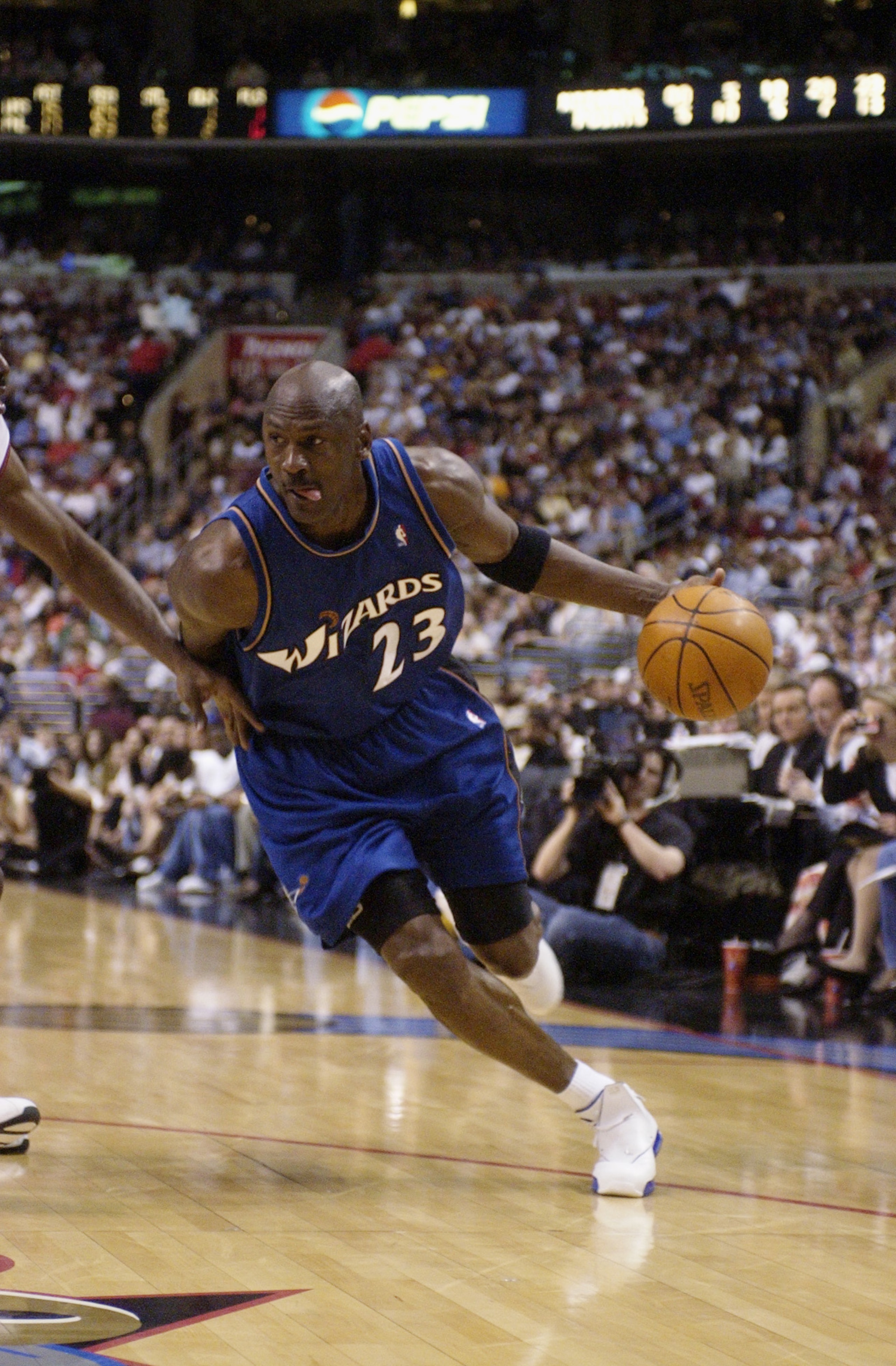
THEN
Since we've already explored the 1978 and 1979 Finals to a degree, its better to reflect on what led to Washington finally breaking through in 1978. Because it's not every day a 44-38 team wins a championship.
Yes, you read that correctly. 44-38.
NBA basketball had been a strange experience for DC-area fans up to that time. The Bullets had a couple of defunct ancestors: the Washington Capitols were the first franchise NBA Red Auerbach coached (bet you didn't know that). In the NBA's inaugural season, the Capitols dominated the league to the tune of 49-11 - that's 67-15 in an 82-game schedule. No team exceeded that record until 1967, when the Philadelphia 76ers went 68-13. Despite such an excellent regular season, the Capitols failed to even reach the NBA Finals, let alone win it. They did reach the Finals in 1949, but they ran into a buzzsaw that would win five titles in six seasons - the George Mikan-led Minneapolis Lakers. Auerbach's Capitols were the first victims of that Laker dynasty. Midway through the following season, with Auerbach now coaching in Boston, the Capitols disbanded. They were only 10-25 at the time.
In nearby Baltimore, during those same years, there existed a team known as the Bullets. The Bullets fared better in the Finals than did Washington, having won the 1948 championship. Unfortunately, this inaugural season proved to be the only winning one the original Bullets ever had. Their regular season record got progressively worse, from season to season, until 1955 when the franchise disbanded after 14 games. (While on the subject, Baltimore happens to be in a 62-year title drought themselves).
So the current franchise, the Washington Wizards, is a 1962 expansion franchise - born in Chicago. That's right, Chicago. Born the Chicago Packers (that couldn't have sat well with Bears fans) they were renamed, after the first season, the Chicago Zephyrs (that couldn't have sat well with humanity). Eastward relocations were rare for sports franchises then, but Chicago Zephyred their way to Baltimore - and the Baltimore Bullets were back! Mediocre for several seasons, but back!
Wes Unseld, a pillar of the Bullets' greatest decade ever, pulled one of the rare double feats in all of sport: in 1969, Unseld was named the NBA Rookie of the Year and MVP. But the Bullets, despite their young stars Wes Unseld and Earl Monroe, and their league-best 57-25 record, lost their series versus the wily old Boston Celtics in Bill Russel's final season. But they would build on this foundation, making their first Finals appearance...against Kareem Abdul-Jabbar and Oscar Robertson. The 1971 Bucks were one of the greatest teams of all time, finishing with a 66-16 record, and they swept aside the Bullets, 4-0.
Earl the Pearl was traded after that season for Mike Riordan, Dave Stallworth, and cash. Seriously. Granted, Monroe had been outplayed by Oscar Robertson in the Finals: Robertson averaged 23.5 points, 9.5 assists, and 5 rebounds compared with Monroe's 16.3/4/4. Nevertheless, when one considers Monroe's reputation and abilities, it's hard to believe. The Bullets would eventually upgrade, trading Jack Marin for the original Mailman, Elvin Hayes. With another potent frontcourt teammate to play alongside Wes Unseld, the Bullets hit a new groove, averaging 53 wins from 1973-75. But after winning 60 and outlasting the other 60-win team in 1975 during the Eastern Conference Finals (the Boston Celtics), the Bullets advanced to the Finals...and got swept again, this time by the 48-34 Golden State Warriors.
Two more decent 48-34 seasons followed, with the Bullets finishing 4th and 6th in the league in 1976 and 1977 respectively. When the Bullets finished with a 44-38 record in 1978, what reasonable observer would have predicted a Bullets championship?
If DC basketball is anything at all, it's unpredictable.
SINCE THEN
One good way to not win championships is to draft poorly, and...well, just read from this list of first-round draft picks from 1980-99 and draw your own conclusions:
1980, Wes Matthews; 1981, Frank Johnson; 1982, no pick; 1983, Jeff Malone, Randy Wittman; 1984 Mel Turpin; 1985 Kenny Green; 1986, John "Hot Plate" Williams, Anthony Jones; 1987, Muggsy Bogues; 1988, Harvey Grant; 1989, Tom Hammonds; 1990, no pick; 1991, LaBradford Smith; 1992, Tom Gugliotta; 1993, Calbert Chaney; 1994, Juwan Howard; 1995, Rasheed Wallace; 1996-98, no pick; 1999 Richard Hamilton.
Some pretty decent players on that list, though overall not a great record. But who could they have had instead of those guys?
1981, Kelly Tripucka, Larry Nance; 1983, Clyde Drexler; 1984, Alvin Robertson, Otis Thorpe, Kevin Willis, John Stockton; 1985, Karl Malone, Joe Dumars, AC Green, Terry Porter; 1986, Dell Curry; 1987, Mark Jackson; 1988, Rod Strickland; 1989, Mookie Blaylock, Tim Hardaway, Shawn Kemp; 1991, Rick Fox;
I can't really quibble with their 92-99 first-round picks - reviewing those drafts, they seem plausible; but the 81-91 picks could have gone a lot better.
In a related story, the Bullets made the playoffs only eight times from 1980 to 2004.
NOW
With spectacular rookie John Wall in the fold, what's next for the Washington Wizards franchise? Who knows, but Wall may prove to be the cornerstone of the team that ends the 32-year drought.
1977 Portland Trail Blazers
5 of 10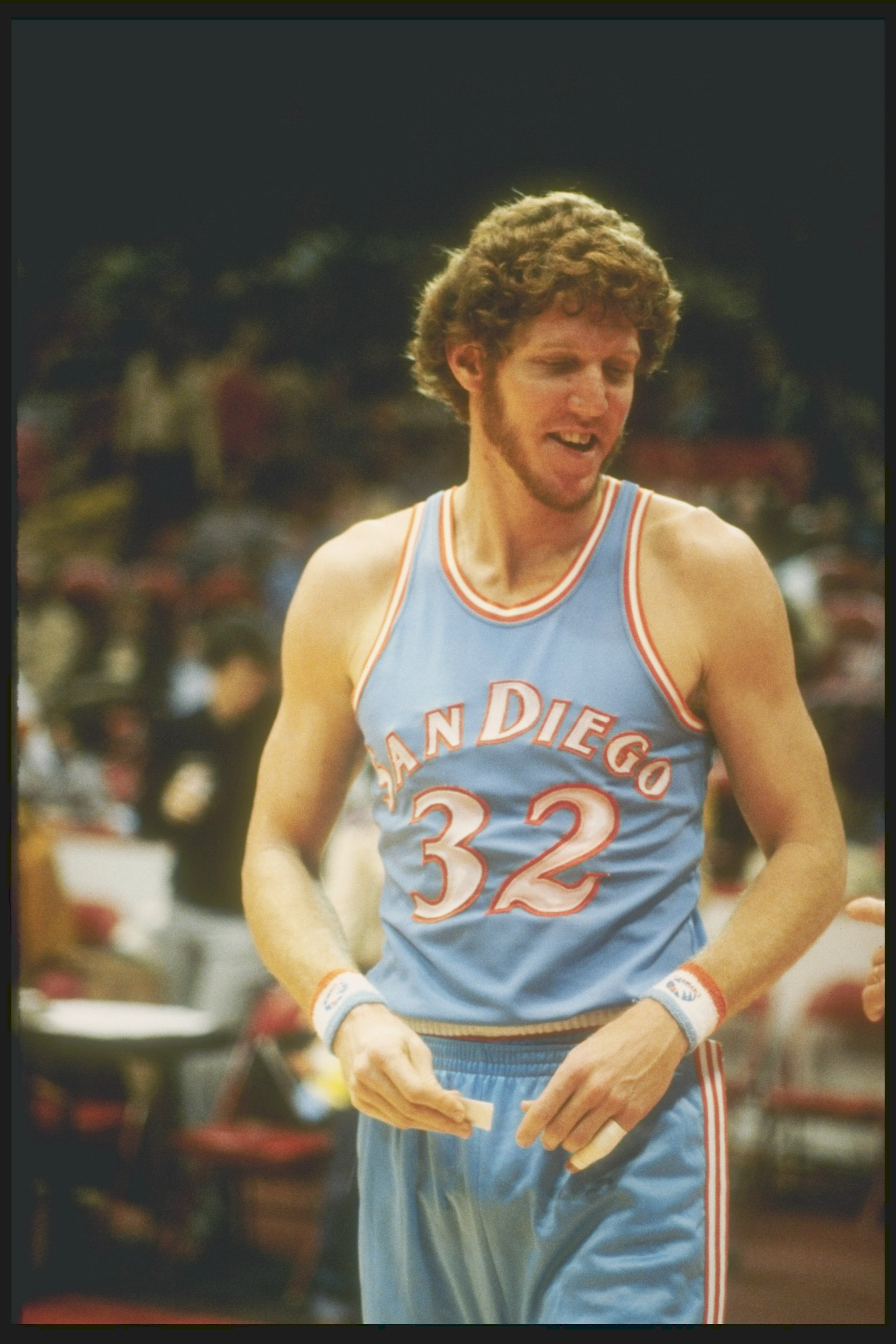
THEN
Remember game six of the 2003 NBA Finals, when Tim Duncan closed out the New Jersey Nets with a legendary line of 21 points, 20 rebounds, 10 assists, and 8 blocks? Well, twenty-six years previously, Bill Walton had done basically the same thing in an NBA Finals game six closeout: 18 points, 23 rebounds, 8 assists, 8 blocks. Yes, Bill Walton could do it all - when his feet allowed it.
The 1977 NBA Finals was cast as a morality play: in one corner, the share-the-ball squad from Portland; in the other corner, the highlight reel bunch from Philadelphia. Despite losing the first two games of the series, Portland pulled off the backdoor sweep and struck a blow for team basketball, so the story went. Walton's game six masterpiece capped a dream season for the former UCLA star, who had only appeared in 86 games out of a possible 164 in his first two years. But 1977 was a healthy season, at least by Walton's standards: he logged 2200+ minutes in 65 games. Flanked by an enforcer (the late Maurice Lucas), a defensive stopper (Bob Gross), and lightning quick guards (Lionel Hollins and Johnny Davis), Bill Walton shone brightly on the biggest stage - and touched off something called Blazermania.
Walton was not only the best player on the Trail Blazers, he was supposed to be the centerpiece of a dynasty. Sadly, the dynasty lasted one season plus sixty games - Walton's foot broke after Portland began the 1978 season 50-10. After a public falling out with Portland management and medical staff, Bill Walton left Rip City behind - and Blazermania soon became a fond memory.
SINCE THEN
What hasn't happened to the Portland Trail Blazers? If there is some sort of mishap, horrible coincidence, or worst-case scenario in the air, the Blazers organization almost always manages to catch it head on.
Wouldn't it be terrible to draft a gifted center who turned out to be injury-prone? Well, this has happened to the Blazers four times: the aforementioned Bill Walton, Sam Bowie (and I won't even mention that Portland could have had Michael Jordan or Charles Barkley or John Stockton), Arvydas Sabonis (this guy was MVP caliber before he came to the US), and now Greg Oden.
And wouldn't it be terrible if you drafted that injury-prone big man ahead of a guy who would go on to lead the NBA in scoring in his third season? Okay, I guess I do have to mention Michael Jordan here. And Kevin Durant.
As far as I know, only one team ever came back to tie a Conference Finals series after trailing three games to one and led game seven by fifteen points in the fourth quarter on the road and still lost. I mean, seriously.
Want to see just how bad it got? Google the term "Jail Blazers" and read the links. Be prepared to laugh, cringe, or even weep.
There was *one* bright spot in the post-Walton years: the Clyde Drexler era. During the Glide's time in Portland, Portland made the playoffs every season, earned the Western Conference's best record twice, and twice made the NBA Finals. On each occasion, Portland was beaten by a team going for a repeat championship. (Detroit in 1990, Chicago in 1992)
NOW
The future is promising for the Portland Trail Blazers. In the wake of the Jail Blazers era, Portland ownership and management made an effort to bring in players who were not only talented and productive, but who were strong in character. And it seems to be working. Portland's leading players, guard Brandon Roy and Forward LaMarcus Aldredge, have proven to fit the new Portland template to a tee. Though things haven't been totally smooth recently (Greg Oden's physical problems, the unexpected firing of Kevin Pritchard, the Rudy Fernandez situation), Portland seems to be in pretty good shape these days.
1975 Golden State Warriors
6 of 10
THEN
Who would you bet on in a Finals matchup of 48 wins versus 60 wins? That was the scenario when the 1975 NBA Finals saw the Golden State Warriors square off against the Washington Bullets. You already know how that ended. The question is, how did that happen? How is that even possible?
Maybe you're not aware of the record of Rick Barry these days. Maybe you only know him for being the father of longtime NBA journeymen Jon and Brent Barry. Maybe you only know Rick Barry for his unorthodox free-throw style: years ago, Barry offered to help Shaquille O'Neal with his free-throw shooting. O'Neal refused help from "that underhand guy".
(There's a brilliant idea: one of the worst free-throw shooters ever refusing help from one of the best ever for stylistic reasons)
Yes, Rick Barry did shoot the two-hand granny shot at the free-throw line. With extreme accuracy: In his fourteen seasons, Rick Barry was the number one shooter in his league (he spent four seasons in the ABA) seven times. Five times, Barry was second-best. In his other two seasons, Barry finished a miserable third place. His worst percentages for a season? 86.2%, 86.4%, and 87.8%
But there was much more the 6-7 forward had to offer. In his ten NBA seasons, Barry averaged 25 or more points four times en route to a 23.2 scoring average. Does 23 points per game sound unimpressive to you? Let's put that in perspective: Of the top ten active scoring leaders, five have a greater career scoring average than Barry: LeBron James, Dwyane Wade, Kobe Bryant, Carmelo Anthony, and Shaquille O'Neal. As you are well aware, James, Wade, and Anthony have logged only eight seasons - individual statistics always decline as a career extends.
Did you need rebounding? Barry grabbed 6.5 per game. How about assists? 5 per game. Could you use 2 steals per game? Barry did that in the years they were tracked in the NBA, starting in the 1974 season. The likelihood that he was grabbing as many as 2.5 per game in his younger years is pretty high.
Here's a list of players to win the Rookie of the Year, All-Star Game MVP, and NBA Finals MVP: Wilt Chamberlain, Larry Bird, Michael Jordan, Shaquille O'Neal, and Tim Duncan. Along with Rick Barry.
The 1975 Warriors were pretty underwhelming outside of Barry and Jamaal Wilkes, who himself won the NBA Rookie of the Year award that season. There was Clifford Ray, who grabbed 10 rebounds per game in 1975. There was George Johnson, who was one of the best shot-blockers of his era. Correct me if I'm wrong, but I think I've mentioned all of the notable players on that roster. But with a player like Rick Barry on your side, any squad has a chance at a championship.
SINCE THEN
Repeating as champion is a very tough thing to do without the right core of players. Obviously, a 48-34 team with an unimpressive roster and a 31-year old centerpiece isn't a great bet to repeat, and the Warriors did not. That would be okay if the team was competitve, but the Warriors have been nothing of the sort, making the playoffs only eight times since winning that championship thirty-five years ago.
Golden State wasn't as consistently bad in the NBA draft as the Washington Bullets/Wizards were, but their misses were bigger. With the sixth pick in the 1983 draft, Golden State drafted somebody named Russell Cross from Purdue University. His career lasted 45 games. They could have instead drafted, well, anybody: only four of the top forty picks had shorter careers than Cross. Let me give you the short list: Dale Ellis, Jeff Malone, Derek Harper, and Clyde Drexler.
Chris Washburn was a famous NBA bust. Who else was available with that third pick? Chuck Person, Ron Harper, Johnny Dawkins, Dell Curry. Like Cross in 1983, almost anyone would have been a better pick.
1987 was kind of a thin draft, so Tellis Frank at #14 wasn't as horrible as the 1983 and 1986 debacles. But Mark Jackson and Reggie Lewis were available.
How about 1995? Joe Smith was drafted #1. Not a bad player, but "not bad" is hardly what you want from the #1 pick. And nearly everyone in the top ten turned out better than Joe Smith: Antonio McDyess, Jerry Stackhouse, Rasheed Wallace, Kevin Garnett, and Damon Stoudamire. We'll call Kurt Thomas a push, and they could have done worse (Bryant Reeves, Shawn Respert, Ed O'Bannon).
Answer; Todd Fuller. Question: Who did the Warriors draft in 1996 with the eleventh pick when Kobe Bryant, Peja Stojakovic, Steve Nash, Jermaine O'Neal, Zydrunas Ilgauskas, and Derek Fisher were available?
Adonal Foyle was drafted ahead of Tracy McGrady in 1997...I think you get the idea by now.
NOW
Monta Ellis was a rare draft victory for the Warriors, and his league-leading 30 points per game have helped the Warriors to a perhaps surprising 3-1 start in this extremely early stage of the 2010-11 season. With Ellis, Stephen Curry, and David Lee, the Warriors have a nice core that could put the Warriors in the thick of things over the next few seasons.
1973 New York Knicks
7 of 10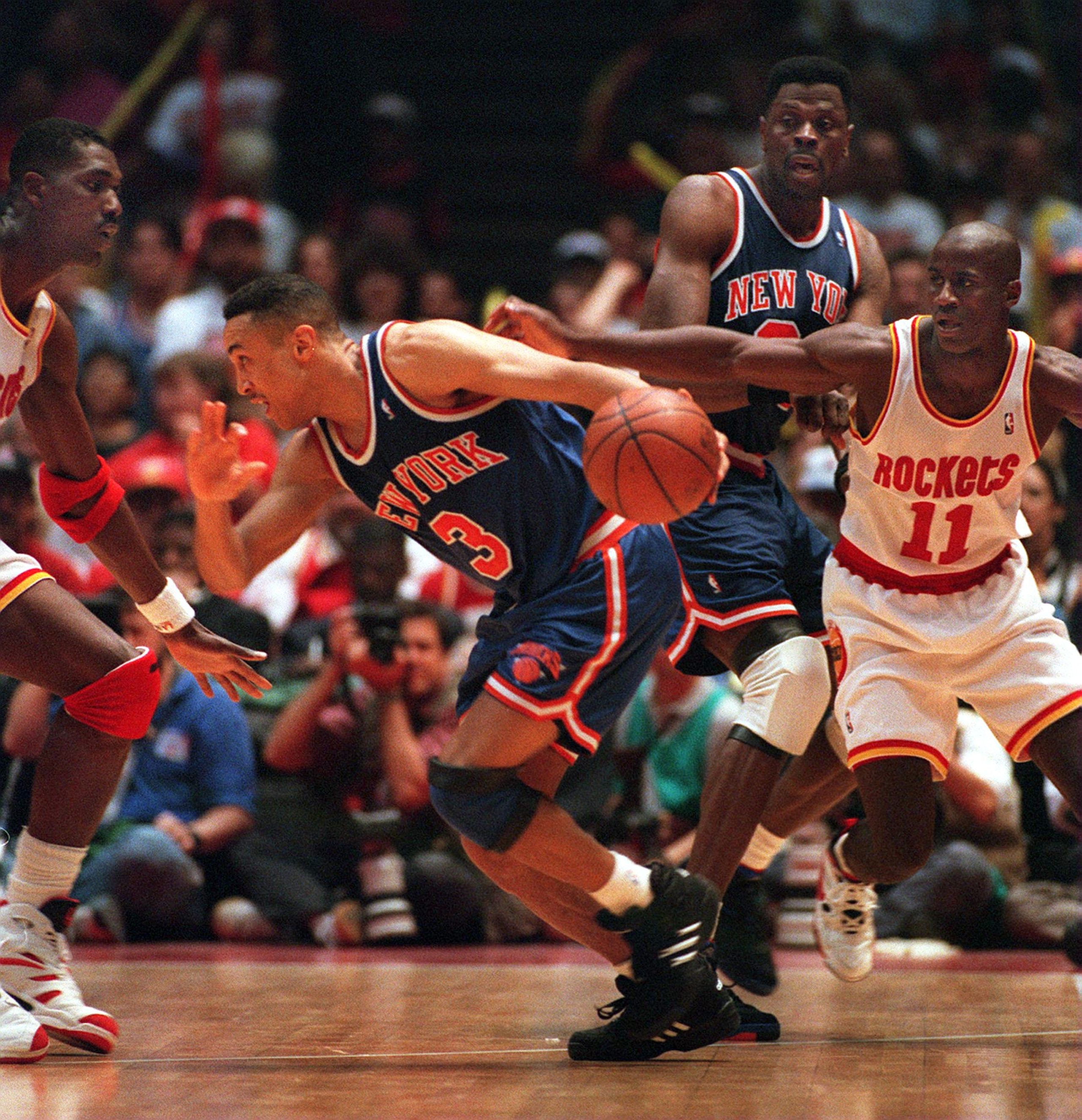
THEN
Ah, the Red Holzman years. Did basketball exist in New York City before 1970? Has it since? Two championships in four seasons is nothing to sneeze at, but the New York Knicks of the early seventies seem to be revered out of all proportion. As sportswriter Buck Harvey once put it, to hear some people tell it, Holzman's Knicks were the last team to hit the open man. To be sure, defeating the Chamberlain-West Lakers twice during that time was quite an achievement.
SINCE THEN
Basketball at Madison Square Garden became interesting twice in the years since. There was the Bernard King era, when one of the most exciting scorers in NBA history led the Knicks to a seven-game showdown with the eventual 1984 NBA Champions, the Boston Celtics. But a more important, if less entertaining, player to call the Garden home wore #33: Patrick Ewing. The Georgetown grad was the grand prize in the NBA's first-ever draft lottery, and the #1 pick of the 1985 draft did not disappoint. The Knicks steadily improved throughout Ewing's time there, and in 1994 advanced to their first Finals since 1973 against the Houston Rockets. When guard John Starks caught fire in game six of the Finals, the Knicks rode his hot hand into a back and forth final quarter. It appeared that he was in the clear for a go-ahead jumper in the closing seconds, but regular season and Finals MVP Hakeem Olajuwon recovered just quickly enough to barely block the shot, and Houston forced a game seven. Sadly for Knicks fans, Starks was as cold in game seven as he was hot in game six, and the championship was claimed by the Rockets. The Knicks would make another championship appearance, a surprising Finals run in 1999 from the #8 seed, but were finally stopped by another Texas team - this one from San Antonio - in just five games.
NOW
The Knicks have failed to make a playoff appearance since 2003-04, and in the years since the organization was embarrassed by poor play, mismanagement, and scandal. The Knicks are 2-2 in the young 2011 season, and time will tell if this team can compete for a playoff spot. They seem to have a stable organization at the moment, and conventional wisdom has the Knicks in contention to sign Carmelo Anthony next offseason. Though championships may not be in their immediate future, New York seems to be heading in a positive direction for the first time in a while.
1971 Milwaukee Bucks
8 of 10
THEN
Come on, how many of you knew the Milwaukee Bucks had won an NBA championship? Who knew that they made another Finals appearance in 1974? Of course, with Kareem Abdul-Jabbar on the roster, championship contention is always a possibility. The 1968-69 season was Milwaukee's first, and they performed like a typical expansion team, going 27-55. They drafted Jabbar after that season, and his impact was immediate: the Bucks improved by 29 games with him, going 56-26.
What happens when you add one future first-ballot Hall-of-Famer to a roster that already has one? One of the best teams of all time, in this case: Milwaukee improved by another 10 games with the addition of Oscar Robertson, who had accomplished everything a player could up to that time - except play for a champion. The 66-16 Bucks in 1971 simply dominated the league, finishing 14 games ahead of the second best team that season. How did other all-time greats compare with their contemporaries?
(You may not agree with my definition of "all-time great"; I define it as championship teams which won at least 80% of all their games - regular season and playoffs. Only eight teams in history have accomplished this)
The first number is the season, followed by the team name, then their record. The third number is point differential, and the fourth number is the number of games they finished ahead of that season's second best W/L record:
1967 Philadelphia 76ers 68-13, 9.4, +8
1971 Milwaukee Bucks 66-16, 12.2, +14
1972 Los Angeles Lakers 69-13, 12.3 +6
1983 Philadelphia 76ers, 65-17, 7.7 +7
1986 Boston Celtics, 67-15, 9.4 +5
1987 Los Angeles Lakers, 67-15, 9.3 +6
1996 Chicago Bulls, 72-10, 12.2 +8
1997 Chicago Bulls, 69-13, 10.8 +5
Clearly, the 1971 Bucks compare very favorably with the greatest teams of all time. Why they were left off the 1997 NBA list of 10 Best Teams in NBA History is a complete mystery to me.
Obviously, the retirement of Oscar Robertson and departure of Kareem Abdul-Jabbar had a predictable effect, and Milwaukee settled into mediocrity for the rest of the 1970s.
SINCE THEN
Something else you will not believe about the Milwaukee Bucks: they had one of the most successful decades of all time - in the 1980s.
Only twelve franchises have accrued 500 wins in a decade. Milwaukee is one of the five to do so without winning a championship in the process.
Boston Celtics, 1980s - 592-228, 72.2 (59-23)
Los Angeles Lakers, 1980s - 591-229, 72.2 (59-23)
Boston Celtics, 1960s - 571-228, 71.5 (59-23)
Chicago Bulls, 1990s - 558-230, 70.8 (58-24)
San Antonio Spurs, 2000s - 576-236, 70.2 (58-24)
Utah Jazz, 1990s - 542-246, 68.8 (56-26)
Dallas Mavericks, 2000s - 548-272, 66.8 (55-27)
Philadelphia 76ers, 1980s - 535-285, 65.2 (54-28)
Seattle Sonics, 1990s - 511-277, 64.9 (53-29)
Los Angeles Lakers, 2000s - 530-290, 64.6 (53-29)
Phoenix Suns, 1990s - 503-285, 63.8 (52-30)
Milwaukee Bucks, 1980s - 522-298, 63.6 (52-30)
It was Milwaukee's sustained success in the 1980s that made Don Nelson's reputation as a great coach. Nelson, as has nearly always been the case with his teams, had second-tier talent on his squads. Terry Cummings, Sidney Moncrief, Ricky Pierce, and Marques Johnson were All-Stars, but none of them were MVP caliber, the kind of players upon which champions build. To mitigate this, Don Nelson turned to defense. No, I'm not making this up. Nelson's Milwaukee teams in the 1980s were annually among the NBA leaders in field goal percentage defense and points allowed.
Post-Nelson, the Bucks were average at best and downright terrible at worst, with 2001 being a notable exception: behind the high-scoring trio of Glenn Robinson, Ray Allen, and Sam Cassell and coached by George Karl, the 52-30 Bucks came one game short of making the NBA Finals.
(they would have lost in four or five games, but never mind that)
NOW
Milwaukee is pretty good. Andrew Bogut is a useful player, Brandon Jennings is a big talent, Drew Gooden and Corey Maggette have been reliable scorers throughout their careers. I like John Salmons' energy. But its hard to see a group like this contending for anything, and it appears that Milwaukee's drought will go on for some time.
1958 St. Louis Hawks
9 of 10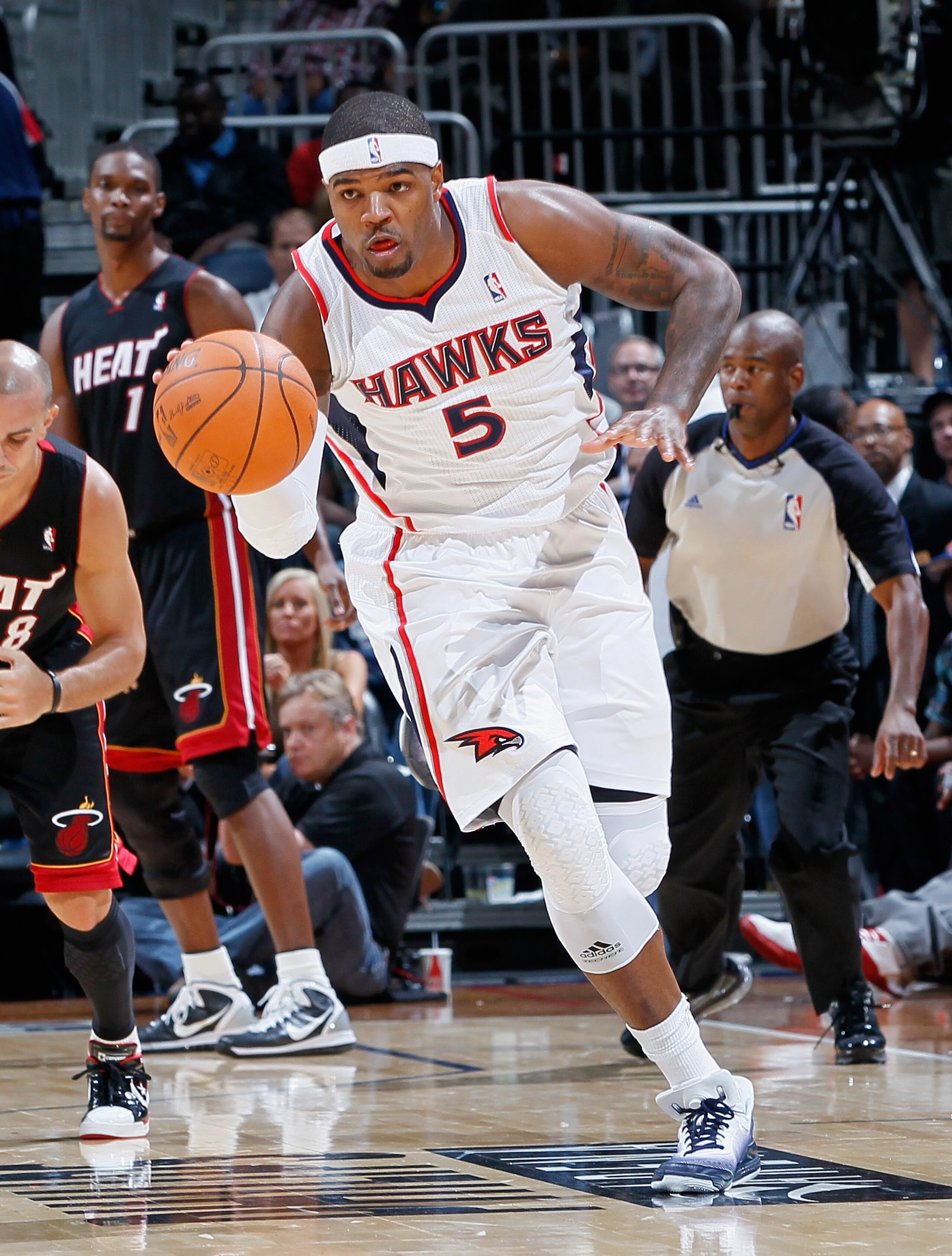
THEN
Dwight Eisenhower was President. Our current President, Barack Obama, wasn't born yet. Seriously, 1958 was a long time ago.
The Boston Celtics won the NBA Championship every year from 1957 to 1969, with two single-season interruptions. The second of the two came in 1967, when the Philadelphia 76ers became the first team to win at least 80% of all their games, regular season and playoffs.
The first interruption took place in 1958, when a 41-31 team took advantage of an injured Bill Russell to win their first NBA championship, four games to two, in a rematch of the 1957 Finals.
The Hawks and Celtics played for a championship four times. 1958 was the only win for the Hawks franchise.
SINCE THEN
The Hawks franchise came to Atlanta following the 1968 season, and while they haven't been as consistently bad as Washington or Golden State, they never have had a player as good as the centerpiece of those St. Louis teams, Bob Pettit. They did have, in Dominique Wilkins, one of the most exciting players in history, but his teams were never the equal of Larry Bird's Celtics, Isiah Thomas' Pistons, or Michael Jordan's Bulls. After Dominique's departure in 1994 (traded while the Hawks were in contention for the East #1 seed, bizarrely), Atlanta's successes were fewer and further between. When Mike Woodson was hired on as the Atlanta head coach in 2004, an all-time low was reached in his first season: the Hawks 13-69 record was a franchise worst. Nevertheless, Woodson kept a steady hand as the team added pieces - Josh Smith in 2004, Marvin Williams and Joe Johnson in 2005, Al Horford in 2007, Mike Bibby in 2008, and Jamal Crawford in 2009 - and with each new piece in place, Woodson increased the win total every year. Atlanta's 53 wins was their first 50-win season since 1998. But after getting swept by the Orlando Magic in last season's playoffs, Woodson was fired.
NOW
Larry Drew, in his first NBA head coaching job, has taken over for Woodson and the Hawks have hit the ground running with a 5-0 start. They may be looking up Boston, Miami, and Orlando in the East now, but if a few things break just right, maybe they could finally put an end to their 52-year drought. Seems unlikely.
1951 Rochester Royals
10 of 10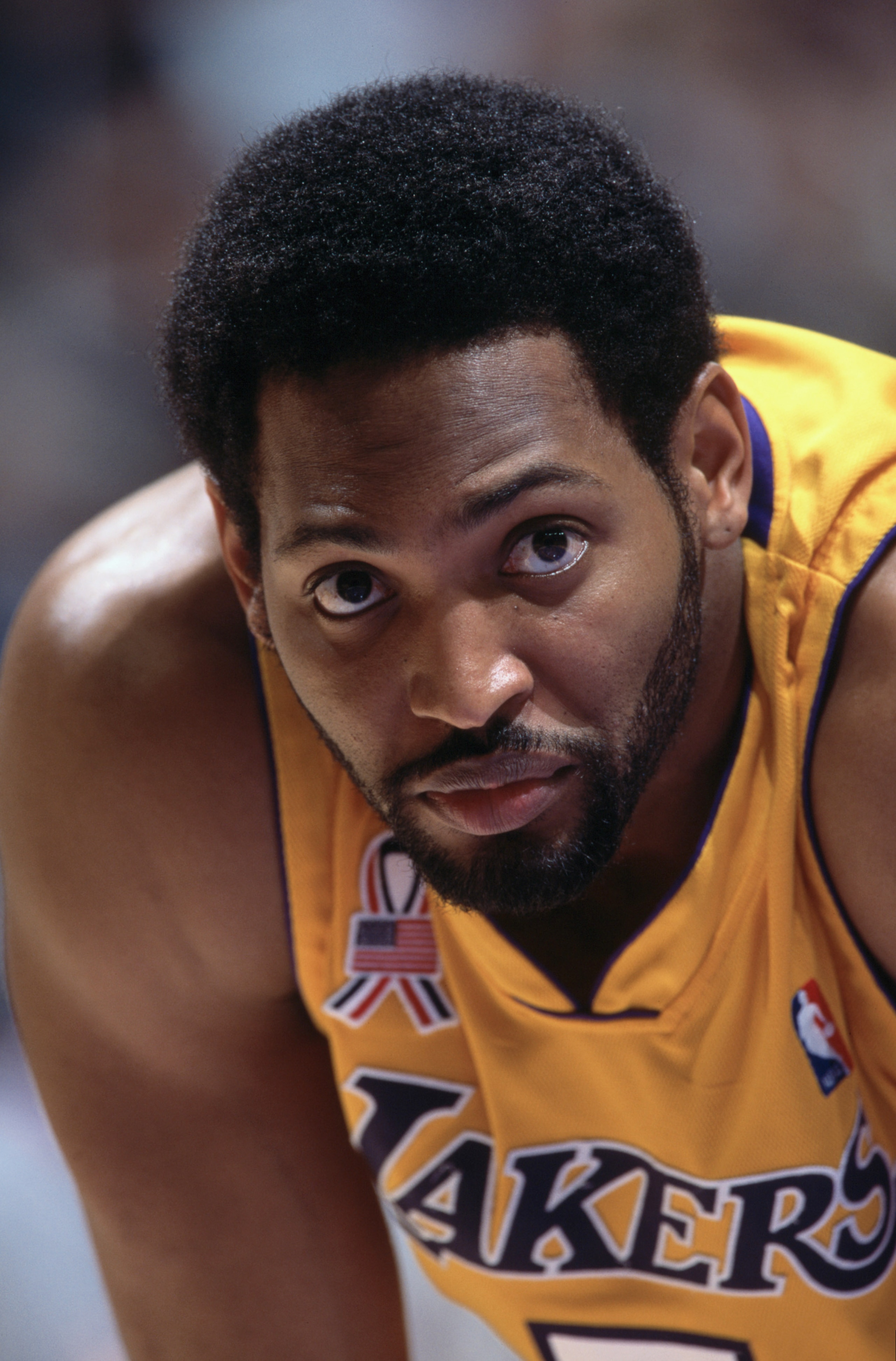
THEN
The Sacramento Kings franchise actually has a championship to its credit. Of course, it means nothing to NoCal basketball fans - the 1951 NBA Championship happened three franchise shifts ago. (Rochester, NY to Cincinnati, Cincinnati to Kansas City, Kansas City to Sacramento) But this 1951 squad was the only thing standing in the way of a Minneapolis Laker six-peat, so they definitely deserve credit for taking down a great team at their best.
SINCE THEN
Allow me to quickly gloss over the Oscar Robertson era, because his excellence - along with the excellence of Nate Archibald, Chris Webber, Mitch Richmond, Otis Birdsong, etc - was wasted on this franchise. Sadly, the great majority of this franchise's existence has been mired in losing. In one twenty-seven season stretch, the Kings made the playoffs just seven times. By contrast, their Pacific Division neighbors, the Los Angeles Lakers, have only missed the playoffs six times in sixty-three seasons.
The luck of this franchise can be best appreciated by examining games four, six and seven of the 2002 Western Conference Finals. In game four, with Sacramento leading two games to one, the Lakers' Samaki Walker hit a mid-court three-point shot at the half. It shouldn't have counted, as replay showed, but no replay rule existed in the NBA back then. And of course, the famous walkoff three by Robert Horry at the end of the game came after Vlade Divac tried to throw the defensive rebound away to run the clock out. In true King fashion, that ball found Horry all alone at the three point line. In games six and seven, all Sacramento had to do was hit their free throws at their regular season percentage, and the alleged bad officiating in favor of the Lakers would not have mattered.
NOW
Maybe things will change down the road with Tyreke Evans wearing the purple and black. But if franchise history holds, he'll go win a championship for some other franchise.
.jpg?w=2560 "Vikings HC Talks Kyler Injury")
.jpg?w=2560 "Vikings OT Furious After Kyler Hit")