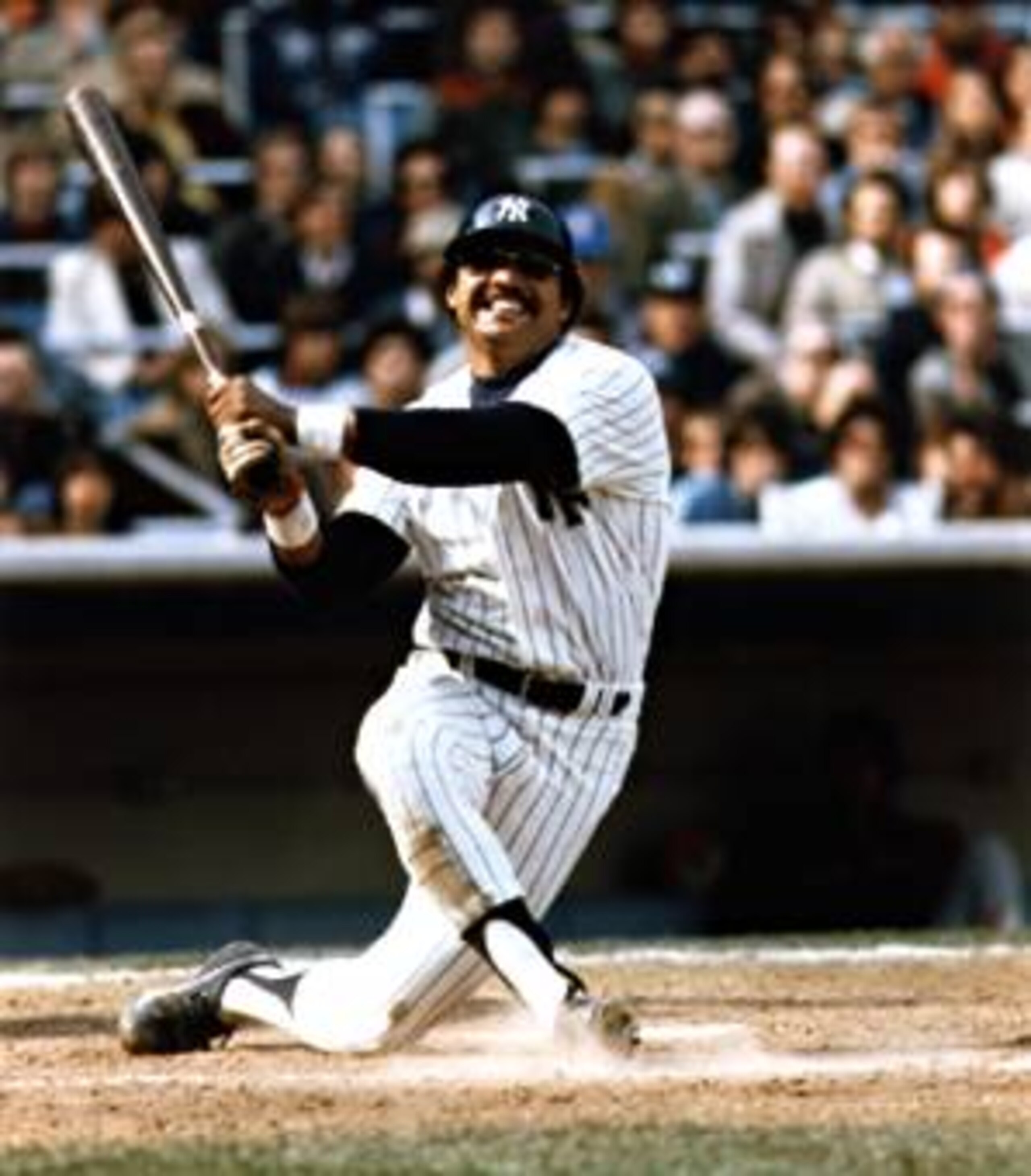


With the World Series wrapped up and the Giants taking home baseball's ultimate prize, now is a good time to look back at some of the best performers in the history of the Fall Classic.
Some of the best players in baseball history were either ineffective when it mattered most or never got the chance to play in the World Series. While at the same time, one of the most memorable moments in baseball history was given to us by a light-hitting second baseman named Bill Mazeroski.
So without further ado, here are the 40 greatest hitters in the history of the World Series.
No. 40: Mickey Mantle
1 of 40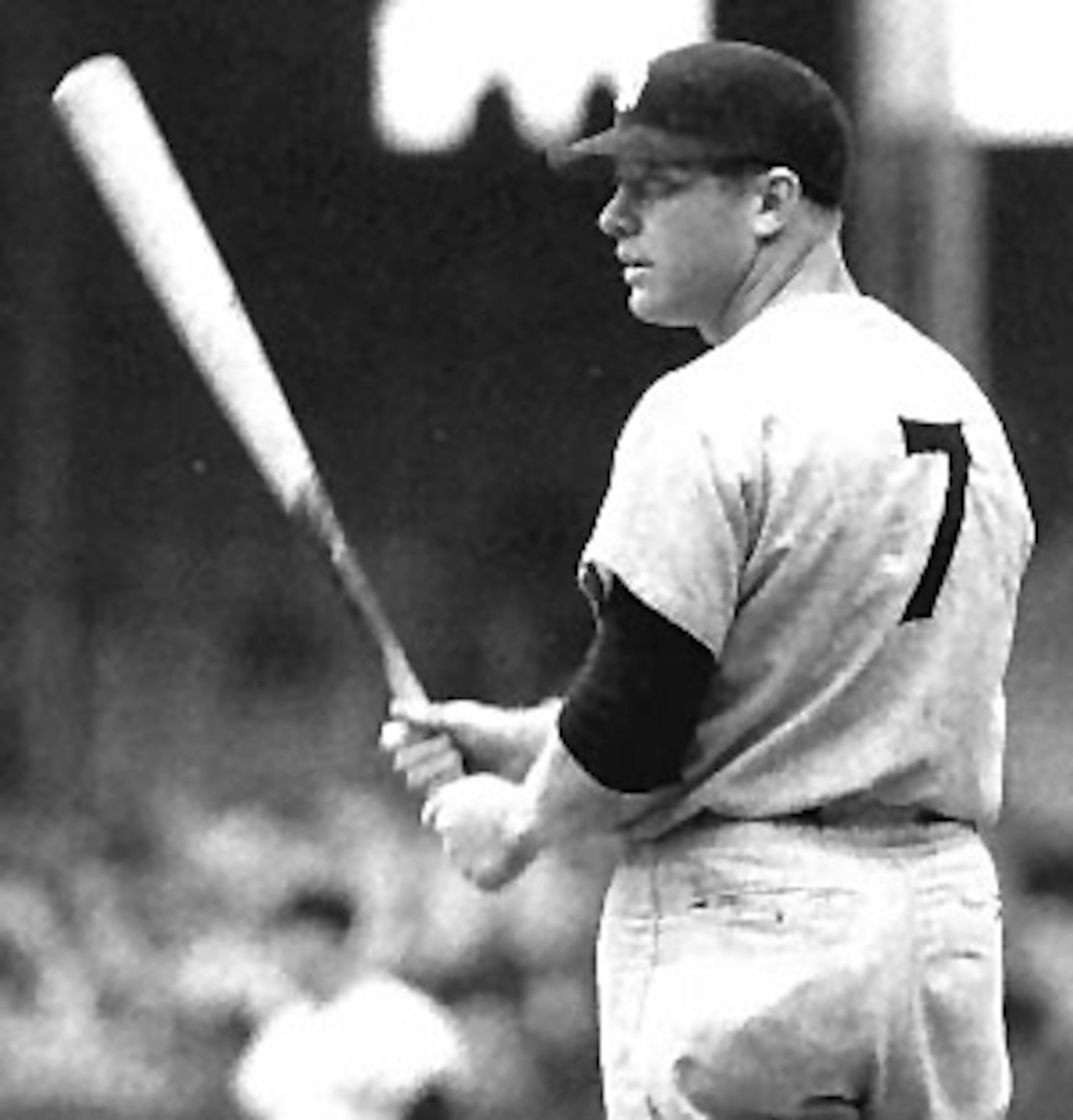
World Series Appearances: 12 (seven wins)
World Series Statistics: .257 BA, 18 HR, 40 RBI, 42 Runs in 65 Games
Mantle is one of the best players to ever play the game, and there is no doubt that he was a huge part of the reason why the Yankees were in the playoffs year after year in the 1950s and 1960s.
That said, he was rarely at his best in the World Series, as he only hit over .300 three times in his 12 World Series trips. However, he is the all-time leader in HR, RBI and Runs so on his overall production alone he has a place on this list.
No. 39: George Rohe
2 of 40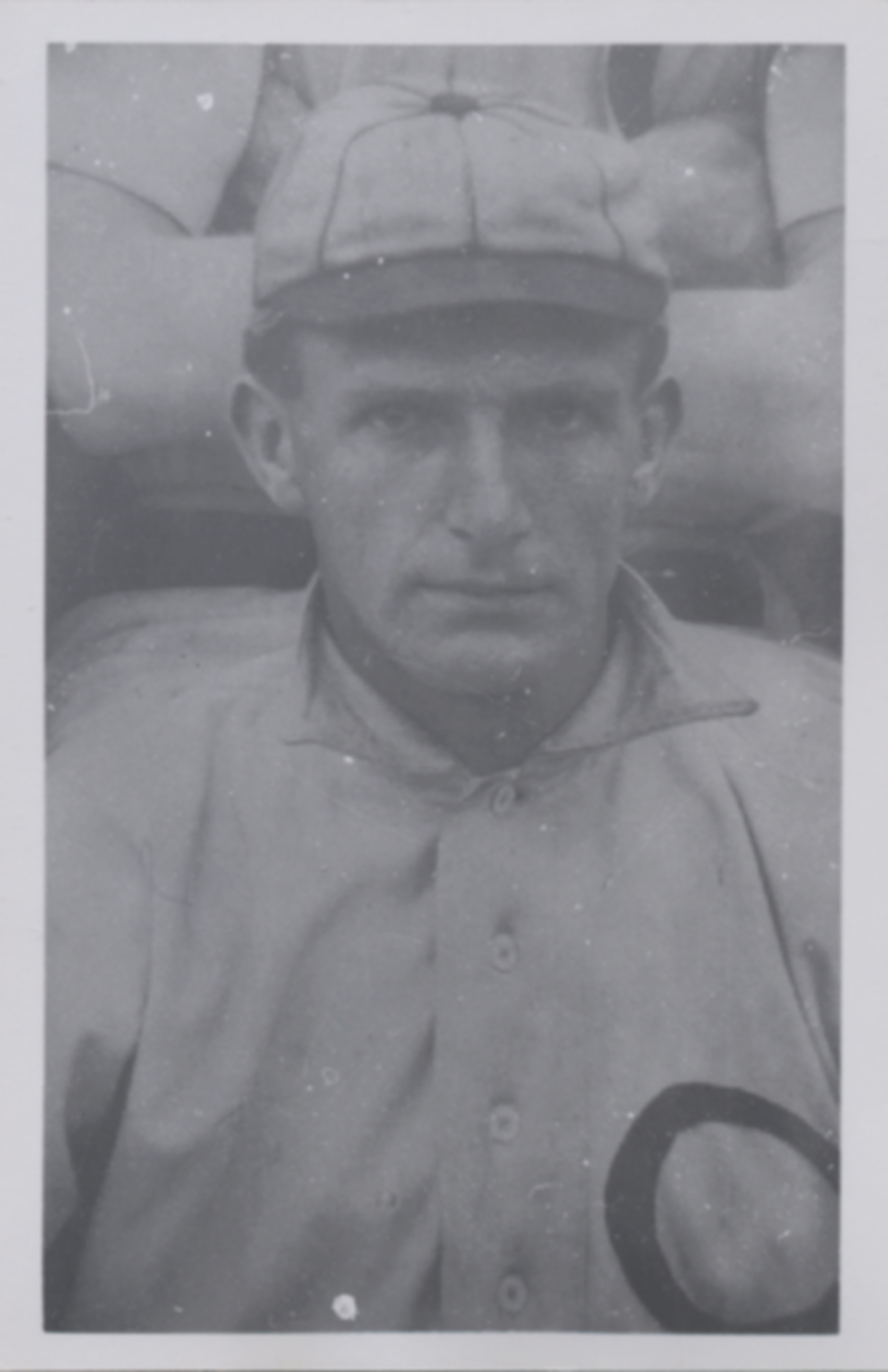
World Series Appearances: 1 (one win)
World Series Statistics: .333 BA, 0 HR, 4 RBI, 2 Runs in 6 Games
The 1906 White Sox are a team that would later be known as the "Hitless Wonders" after they hit just .230 during the regular season—the lowest average ever for a pennant winning team.
They held true to form in the World Series, hitting just .198 and were led by an unlikely hero in Rohe, who played just four big league seasons with a career .227 BA. He stepped up big in the series, hitting .333 with four RBI.
No. 38: Dwight Evans
3 of 40
World Series Appearances: 2 (zero wins)
World Series Statistics: .300 BA, 3 HR, 14 RBI, 7 Runs in 14 Games
While Jim Rice stole many of the offensive headlines in Boston throughout the 1970s and 1980s, Evans was not without his moments as evidenced by his 385 career HR and 1,384 career RBI.
He also thrived in the postseason, and although the Red Sox lost the 1986 series on the infamous Buckner blunder, Evans had a fantastic series, hitting .308 BA, 2 HR, 9 RBI.

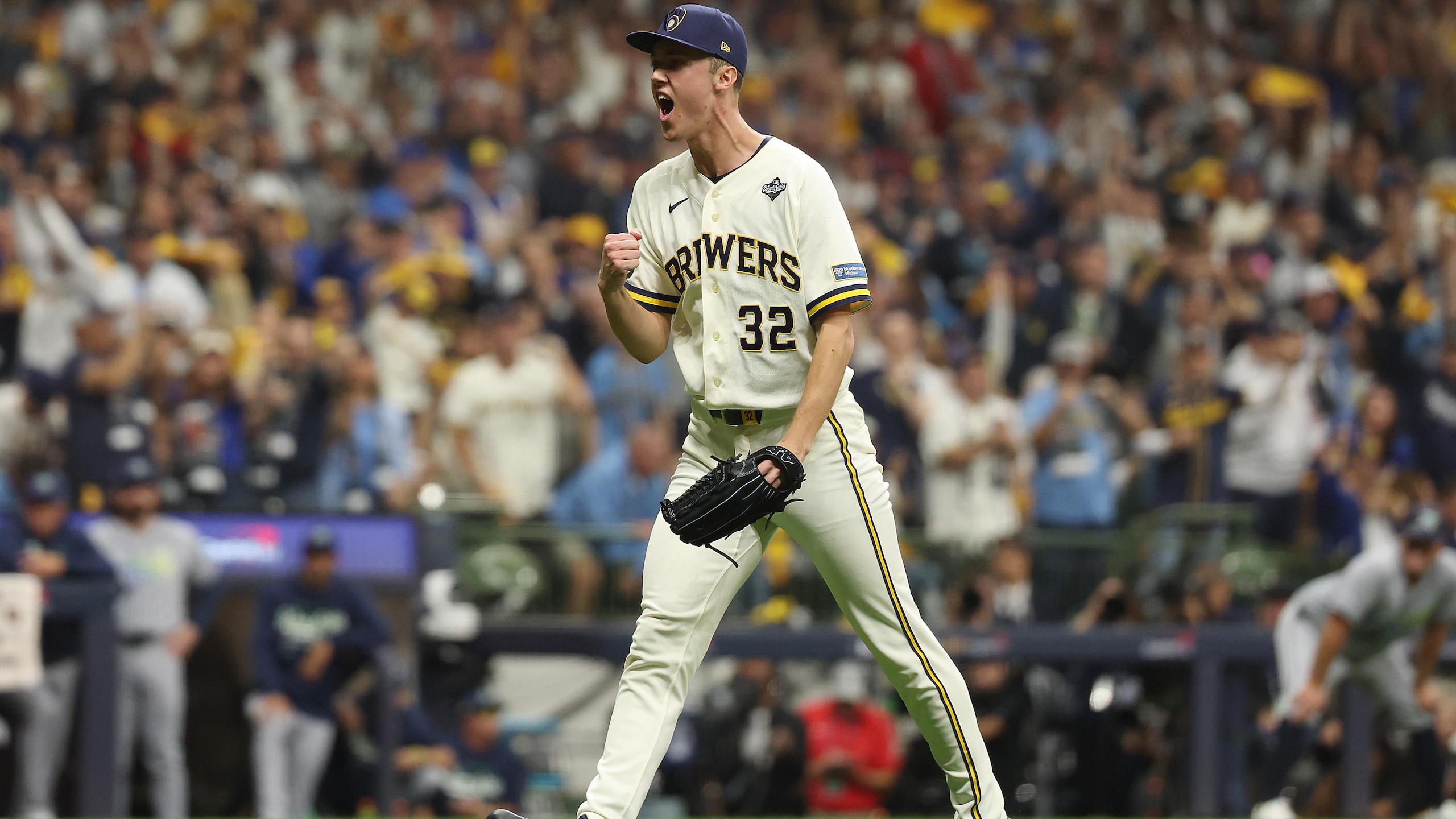

No. 37: Phil Garner
4 of 40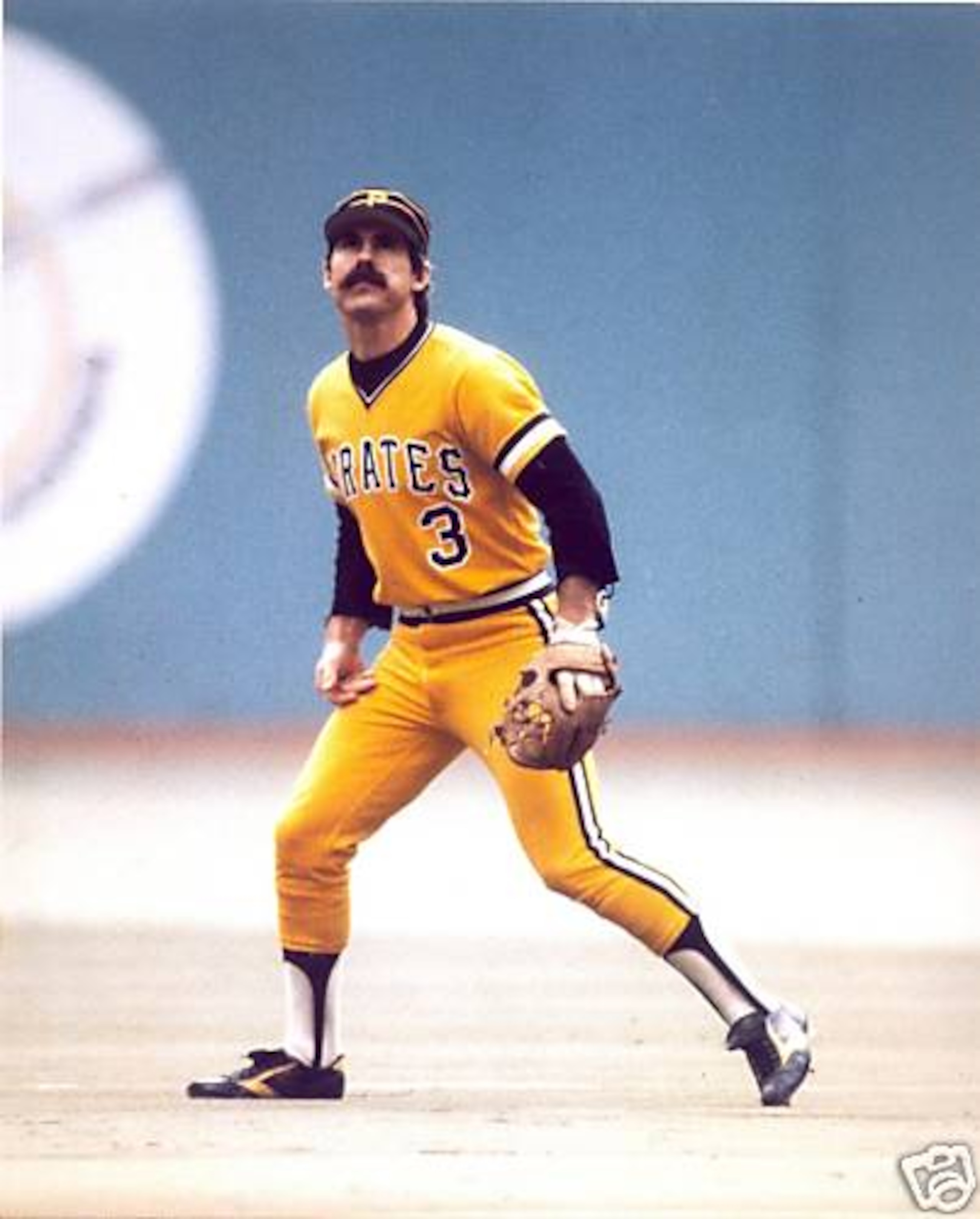
World Series Appearances: 1 (one win)
World Series Statistics: .500 BA, 0 HR, 5 RBI, 4 Runs in 7 Games
Garner had a relatively average career for the most part, playing 16 seasons and posting a line of .260 BA, 109 HR, 738 RBI while making three All-Star appearances.
He took his game to another level in the World Series, however, going 12-for-24 as a member of the Pirates in the 1979 World Series.
No. 36: Hank Aaron
5 of 40
World Series Appearances: 2 (one win)
World Series Statistics: .364 BA, 3 HR, 9 RBI, 8 Runs in 14 Games
The all-time home run king did not get many chances to play in the big games, as the Braves were routinely low on pitching and could not over come that with their stellar offense.
He had a fantastic World Series in 1957—his first trip to the postseason, when he hit .393 BA, 3 HR, 7 RBI in a seven-game series win over the Yankees. The teams met again the following season, this time with the Braves falling in seven games and Aaron going without a home run.
No. 35: Amos Otis
6 of 40
World Series Appearances: 1 (zero wins)
World Series Statistics: .478 BA, 3 HR, 7 RBI, 4 Runs in 6 Games
Otis was very quietly one of the best players in Royals history, as he roamed center field in Kansas City for 14 seasons.
He only made one World Series appearance, but he was great in his one chance as he has the second highest career World Series average of anyone with at least 36 career plate appearances with 11 hits and three walks in the six-game series.
No. 34: Willie Aikens
7 of 40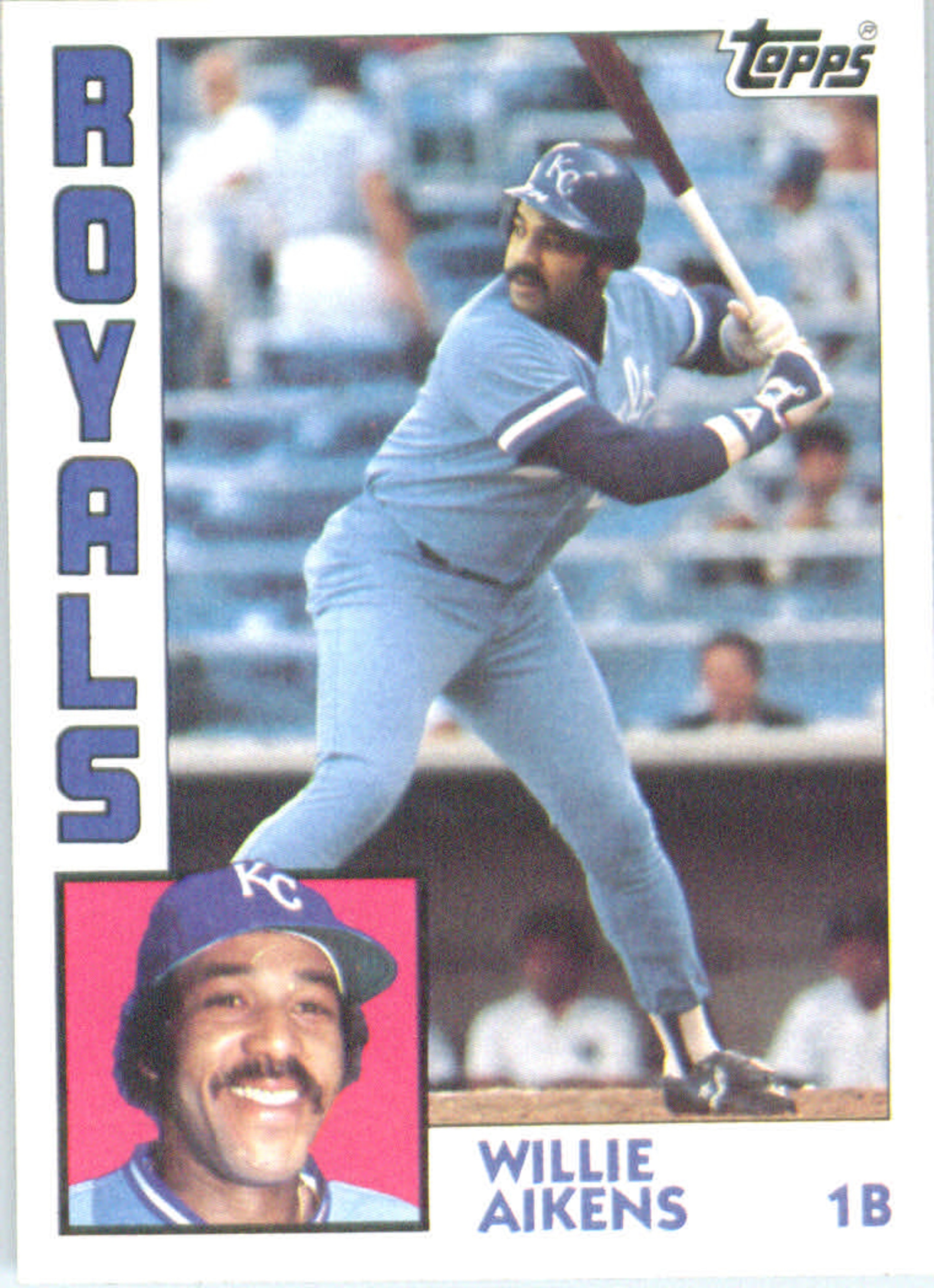
World Series Appearances: 1 (zero wins)
World Series Statistics: .400 BA, 4 HR, 8 RBI, 5 Runs in 6 Games
In the very same World Series that Otis put together his stellar numbers, his teammate Aikens had an equally impressive series, making it all the more surprising that the Royals did not emerge victorious.
Aikens, who had a short but effective four-year run as the Royals first baseman, went 8-for-20 in the series, slugging four home runs and driving in eight runs, but the Royals fell in six games to the Phillies.
No. 33: Al Simmons
8 of 40
World Series Appearances: 4 (two wins)
World Series Statistics: .329 BA, 6 HR, 17 RBI, 15 Runs in 19 Games
Simmons entered the league at the age of 22, and he was immediately one of the best hitters in all of baseball. His run production numbers show that he was one of the best RBI men of all time, as his 1,827 career RBI rank 19th all-time.
He never had a huge series in his four trips to the Fall Classic, but he was consistent , hitting over .300 three times and hitting two home runs three different times as well.
No. 32: Tony Fernandez
9 of 40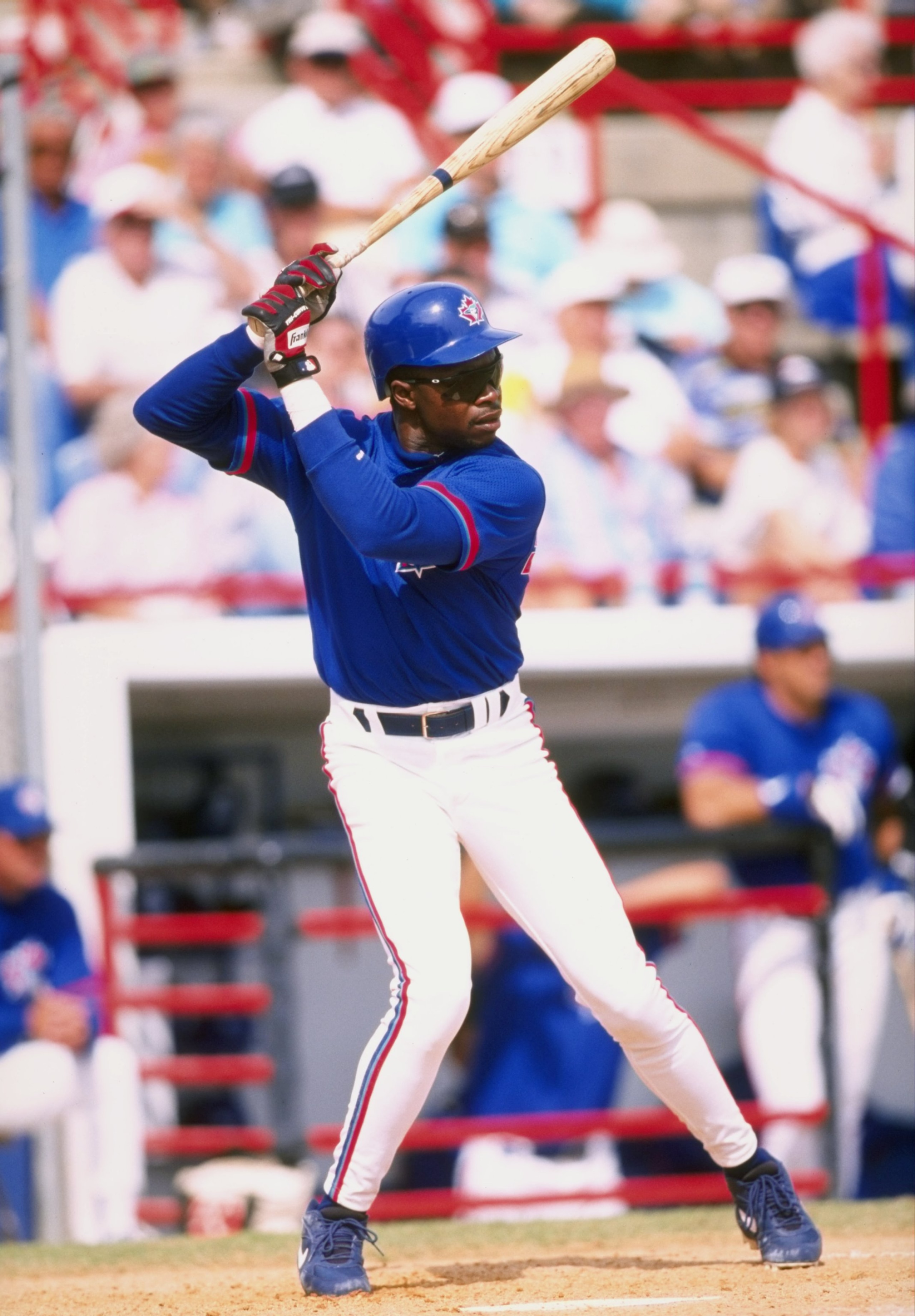
World Series Appearances: 2 (one win)
World Series Statistics: .395 BA, 0 HR, 13 RBI, 3 Runs in 11 Games
Fernandez never seemed to get the recognition that he deserved throughout his time in the big leagues. He was a stellar fielder and a career .288 hitter who routinely hit over .300.
He was equally productive in the World Series, driving in eight runs for the Blue Jays in their 1993 series win, as well as hitting an impressive .471 for the Indians in 1997 when they fell to the Indians.
No. 31: Sandy Alomar
10 of 40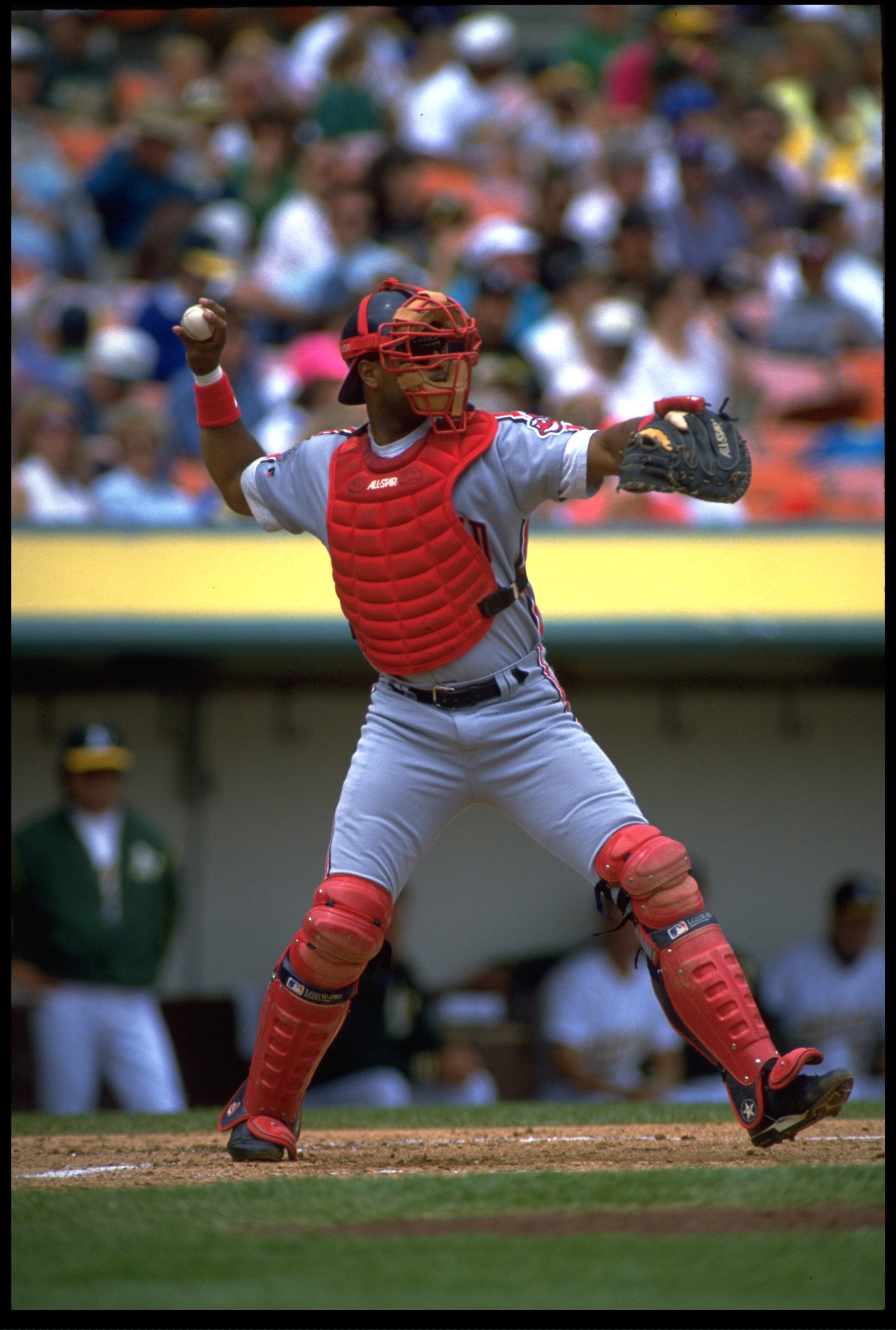
World Series Appearances: 2 (zero wins)
World Series Statistics: .311 BA, 2 HR, 11 RBI, 5 Runs in 12 Games
Alomar was among the top catcher in the American League throughout the 1990s, but his best season by far came in 1997, when he hit .324 BA, 21 HR, 83 RBI, all of which were career high. He also took home the All-Star game MVP.
It didn't stop there though, as Alomar turned in a fantastic World Series, hitting .367 BA, 2 HR, 10 RBI although the Indians eventually fell to the Marlins in seven games.
No. 30: Lenny Dykstra
11 of 40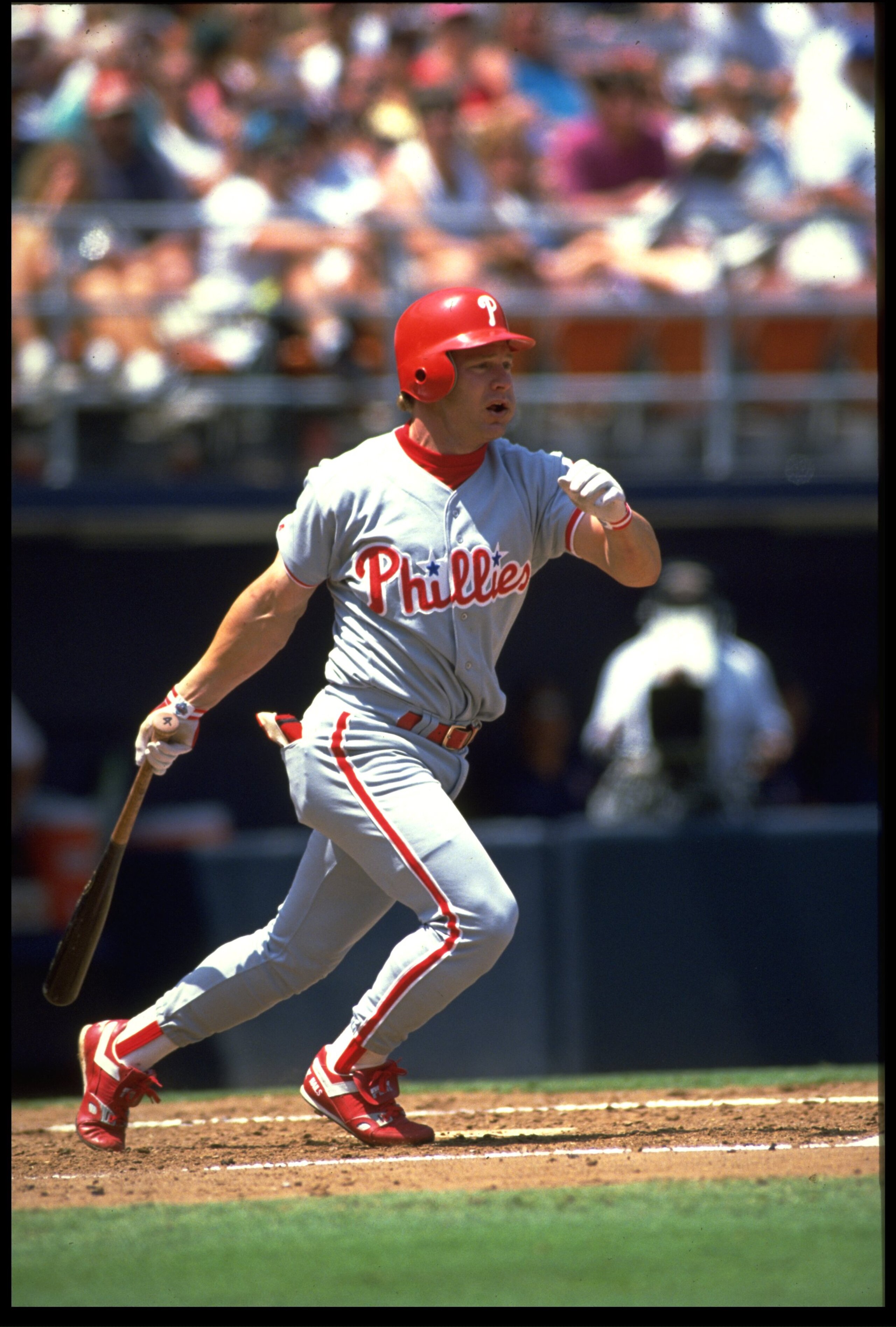
World Series Appearances: 2 (one win)
World Series Statistics: .320 BA, 6 HR, 11 RBI, 13 Runs in 13 Games
Always known as one of the scrappier players of recent memory, Dykstra made his first World Series in his first full season in the big leagues in 1986 as a member of the New York Mets and hit well with eight hits including a pair of home runs as the Mets won it all in seven games.
His other appearance came in 1993, as a member of the Phillies, and had they not lost the series on Joe Carter's infamous home run, Dykstra may well have been the series MVP, as he posted a line of .348 BA, 4 HR, 8 RBI, 4 SB.
No. 29: Pepper Martin
12 of 40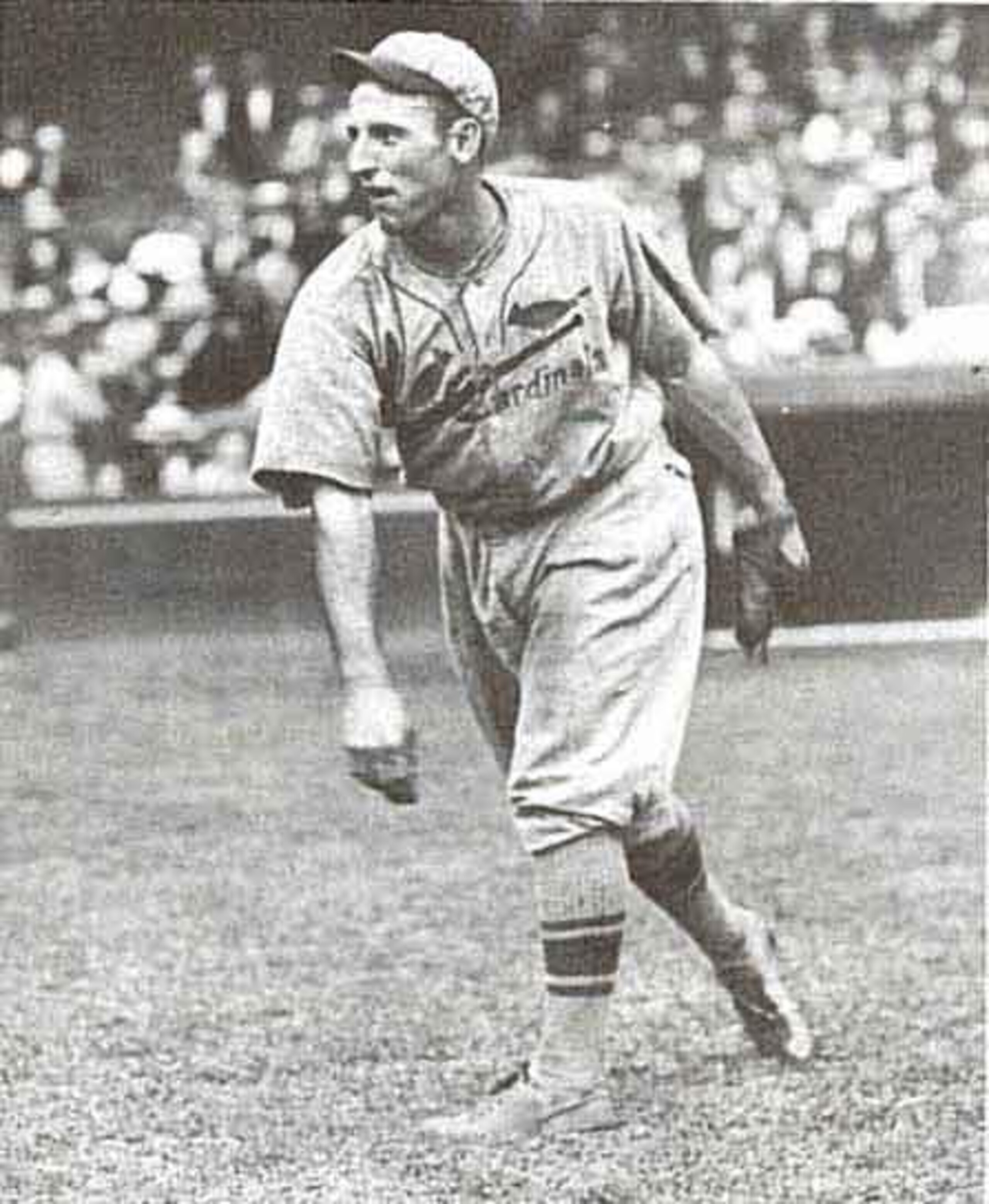
World Series Appearances: 3 (two wins)
World Series Statistics: .418 BA, 1 HR, 9 RBI, 14 Runs, 7 SB in 15 Games
A four-time All-Star who split his time between third base and outfield, Martin was not much of a power hitter, although he did have great speed, leading the league in steals three different times.
While he is not your typical postseason hero, Martin was great in both of his trips to the World Series as a full-time player, hitting .500 in his first trip and .355 three years later and racking up a total of 23 hits in 14 games.
No. 28: Brooks Robinson
13 of 40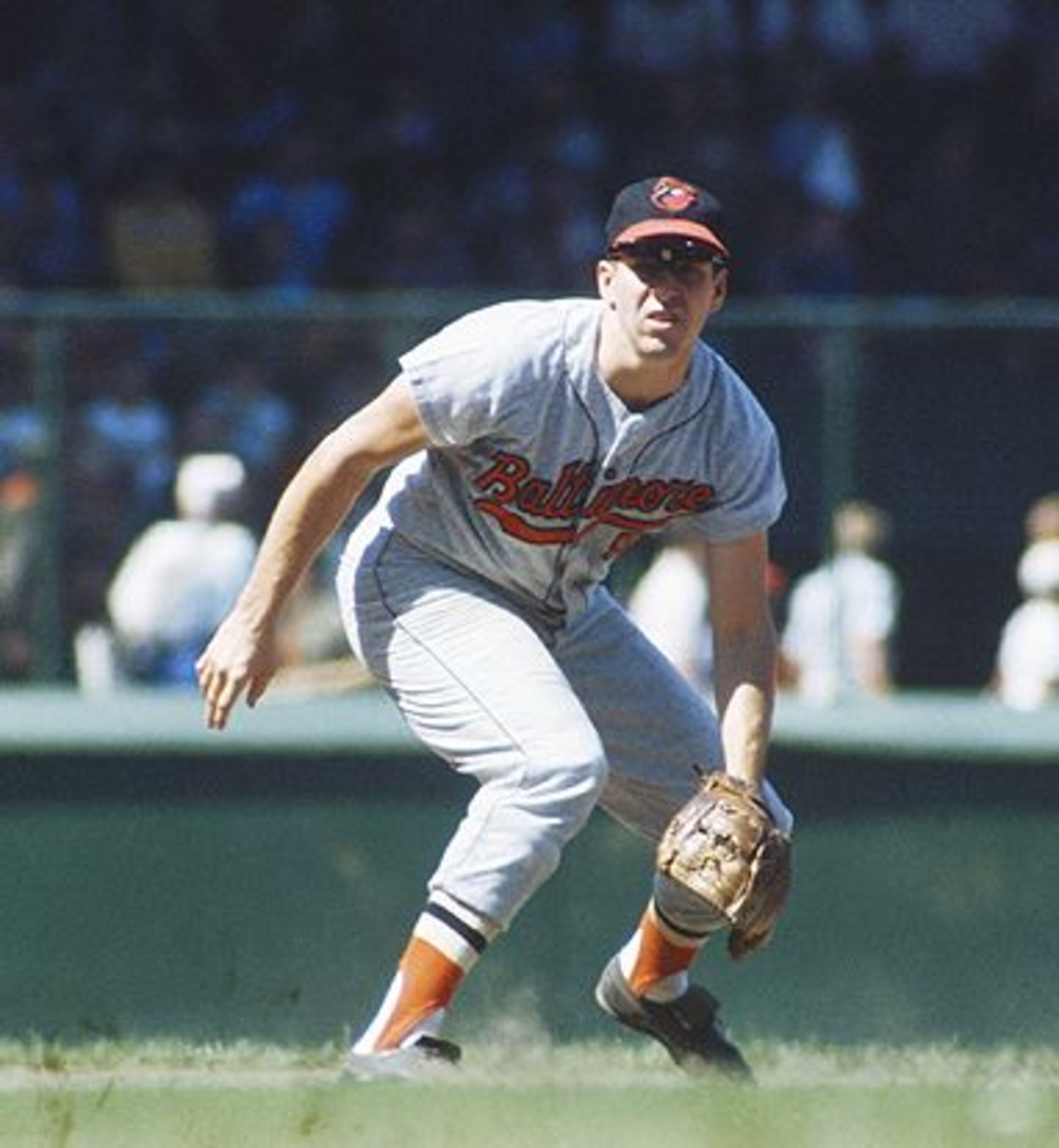
World Series Appearances: 4 (two wins)
World Series Statistics: .263 BA, 3 HR, 14 RBI, 9 Runs in 21 Games
1970 World Series MVP
While he was largely known for his glove, Robinson did it all during the 1970 World Series as he led the Orioles to a World Series title in five games over the vaunted Big Red Machine.
During the series, Robinson made a myriad of defensive gems but also hit .429 BA, 2 HR, 6 RBI as he brought it with the bat as well as the glove—not bad for a career .267 hitter.
No. 27: Roberto Clemente
14 of 40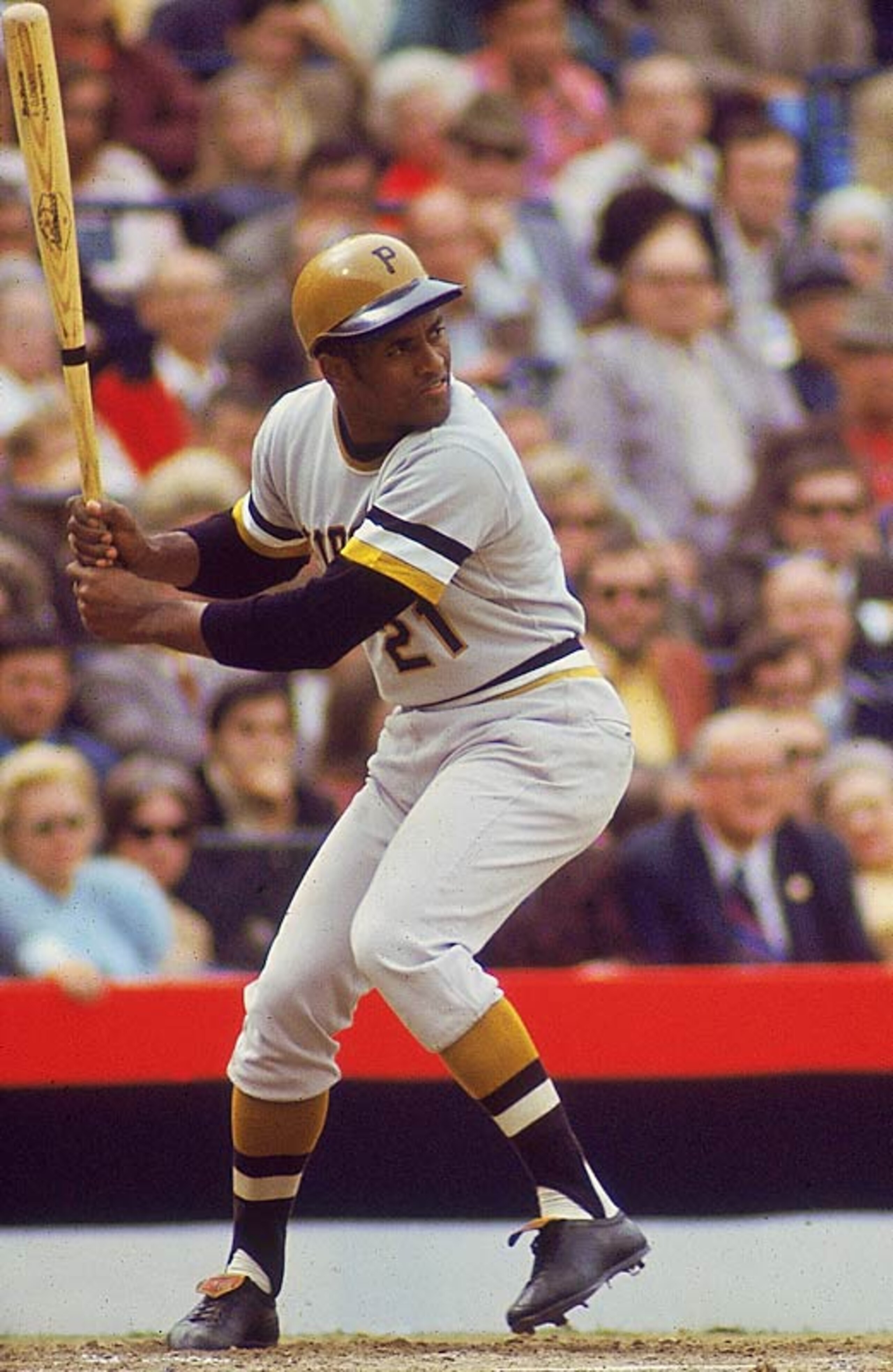
World Series Appearances: 2 (two wins)
World Series Statistics: .362 BA, 2 HR, 7 RBI, 4 Runs in 14 Games
1971 World Series MVP
Clemente made a whopping 12 All-Star appearances in his illustrious career, as he went on to become a Hall of Famer despite the fact that his career was tragically cut short by a plane crash.
He was named World Series MVP in 1971, after he helped lead the Pirates to a win in what was a seven-game series against the Orioles. For the series, Clemente hit .414 BA, 2 HR, 4 RBI while recording 12 hits.
No. 26: Troy Glaus
15 of 40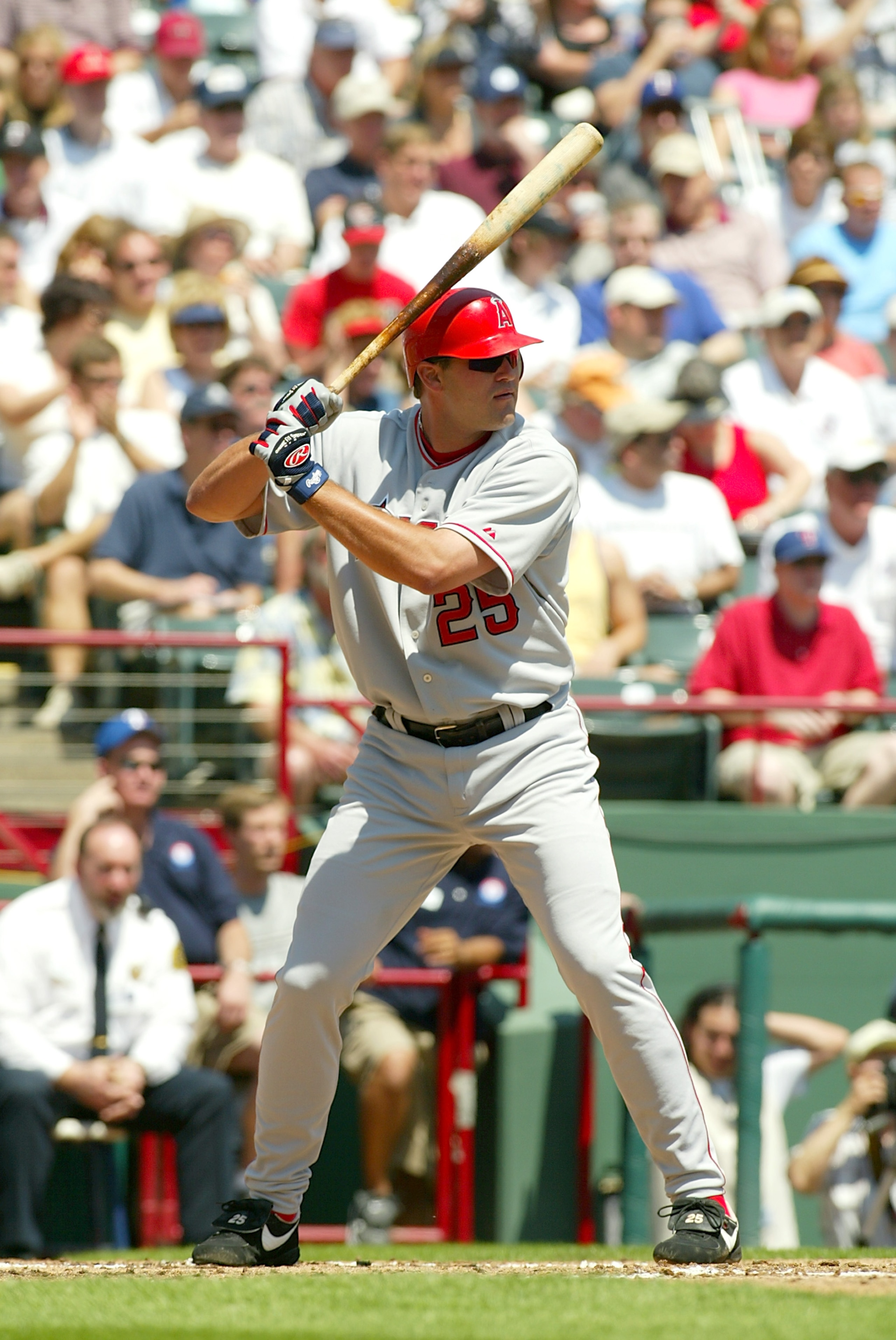
World Series Appearances: 1 (one win)
World Series Statistics: .385 BA, 3 HR, 8 RBI, 7 Runs in 7 Games
2002 World Series MVP
While injuries eventually took their toll, there was a time not too long ago when Troy Glaus was among the most feared home run hitters in all of baseball, hitting 147 from 1999-2002.
His lone trip to the World Series came in 2002, when he helped lead the Angels over the Giants in an exciting seven-game series, hitting three home runs in the World Series and a total of seven throughout the playoffs.
No. 25: Alan Trammell
16 of 40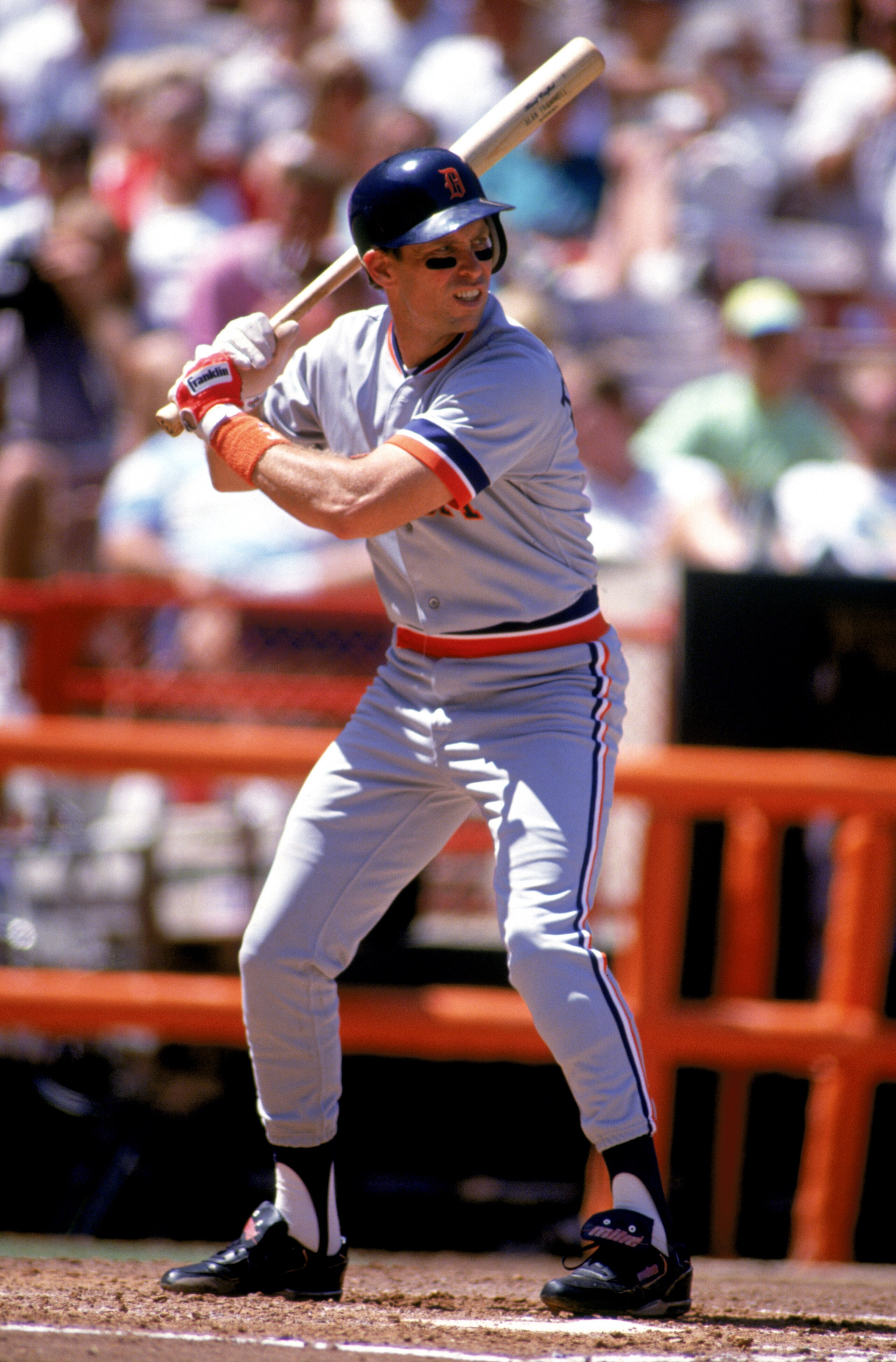
World Series Appearances: 1 (one win)
World Series Statistics: .450 BA, 2 HR, 6 RBI, 5 Runs in 5 Games
1984 World Series MVP
Trammell only got a chance to play in one World Series in his 20 seasons in the majors, but he made the most of his chance in 1984, as the Tigers went on to win their first title since 1968 and their last win to date.
On a team not short on talent, with players like Kirk Gibson, Lance Parrish and Lou Whitaker among other, it was Trammell who stepped up when it mattered most, hitting .450 with a pair of home runs in the five-game series.
No. 24: Ted Kluszewski
17 of 40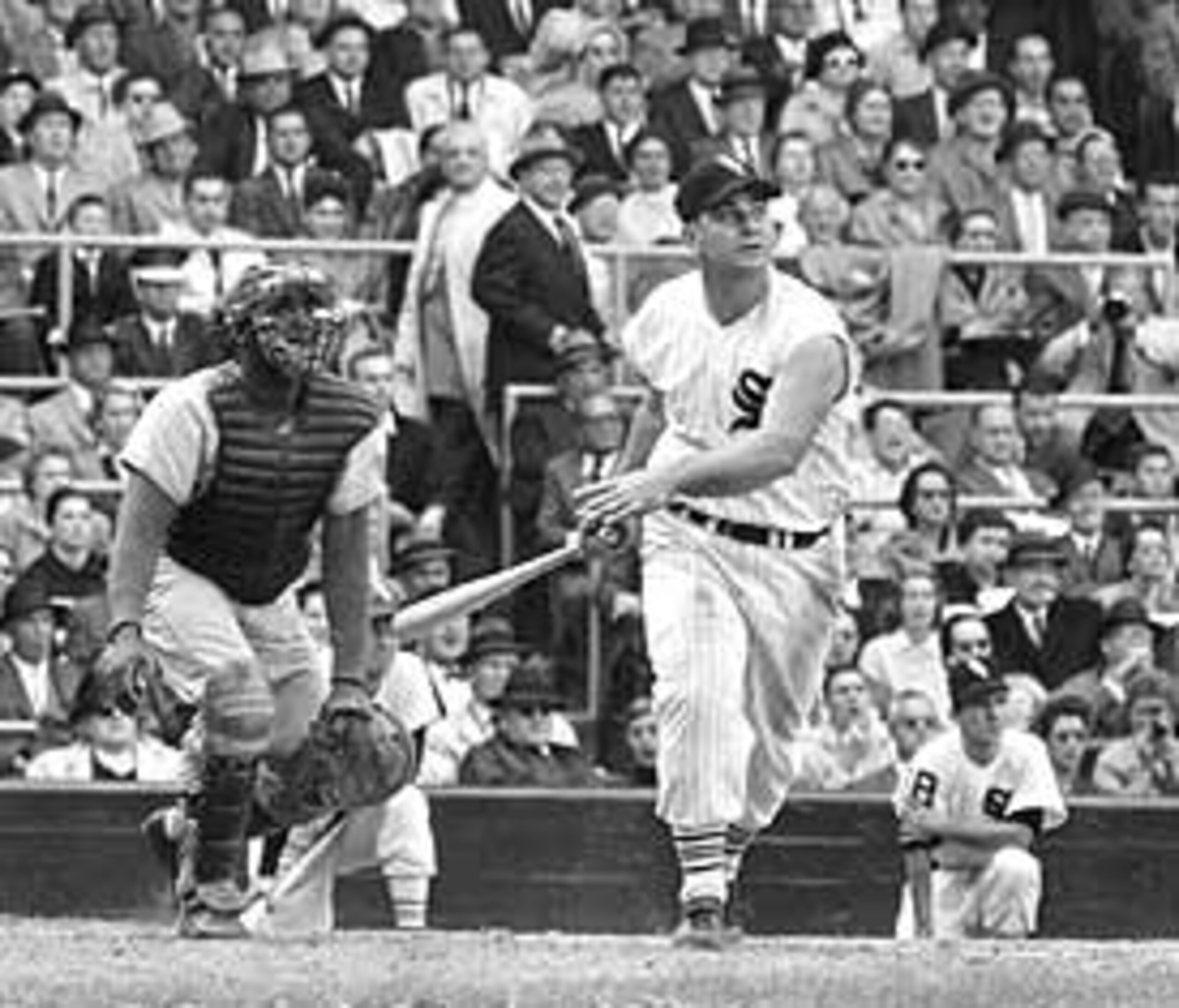
World Series Appearances: 1
World Series Statistics: .391 BA, 3 HR, 10 RBI, 5 Runs in 6 Games
Klu was one of the most prolific power hitters of the 1950s as a member of the Reds, topping the 35 home run mark four times and hitting a total of 279 long balls for his career.
As his career wound down, the Reds dealt him to the White Sox, where he once again became a starter and posted a line of .297 BA, 2 HR, 10 RBI in 31 games down the stretch.
The World Series was a different story, however, as he hit three home runs and drove in 10 runs in what was the only postseason appearance of his career.
No. 23: Johnny Bench
18 of 40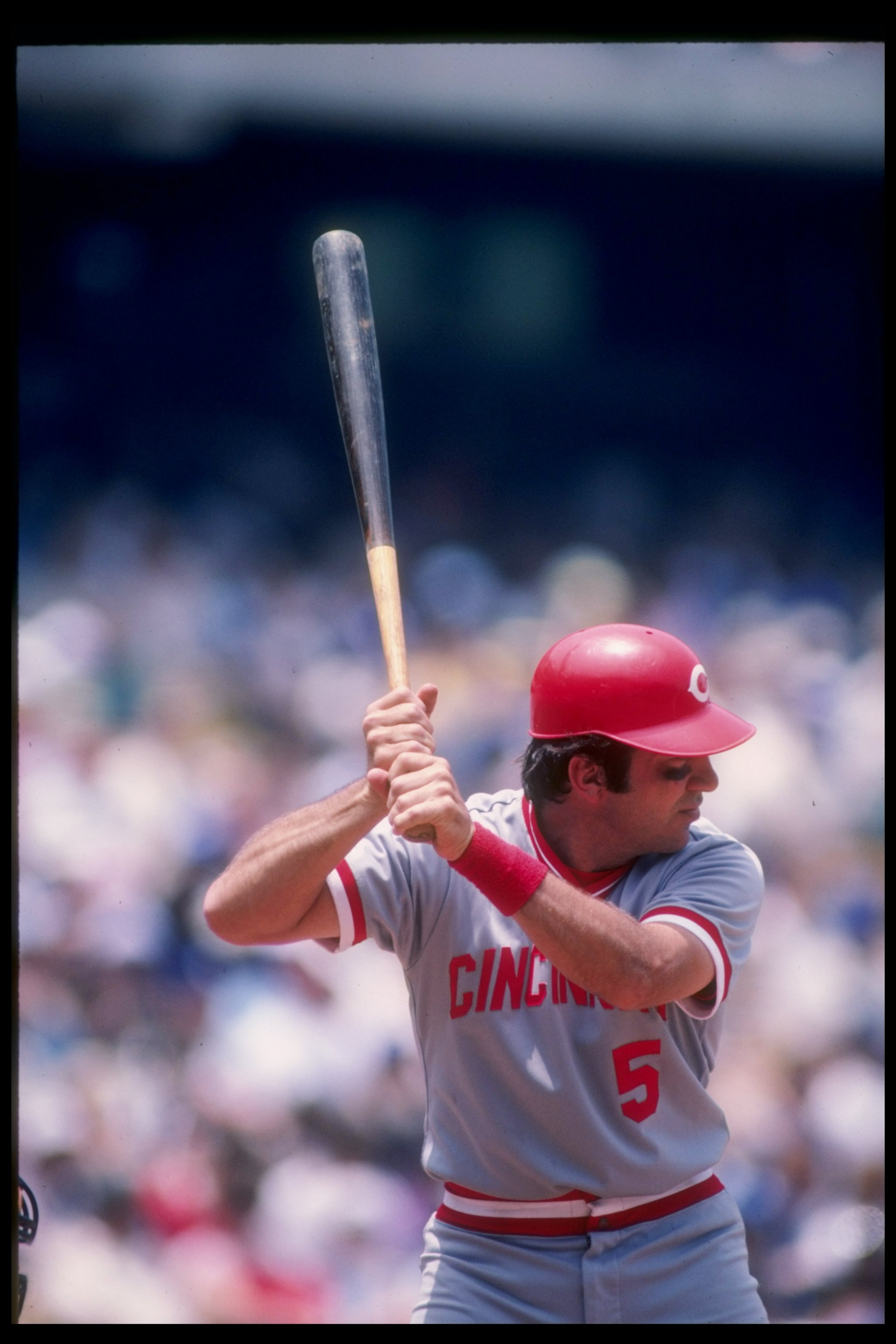
World Series Appearances: 4 (two wins)
World Series Statistics: .279 BA, 5 HR, 14 RBI, 16 Runs in 23 Games
1976 World Series MVP
With all due respect to Mike Piazza's offensive game and Ivan Rodriguez's defense, Bench is the best catcher of all-time, and he was at the center of the Big Red Machine during the 1970s.
He was average at best in most of his World Series appearances, until his final one in 1976, when he hit .533 BA, 2 HR, 6 RBI and took home MVP honors as the Reds swept the Yankees in four games.
No. 22: Bobby Richardson
19 of 40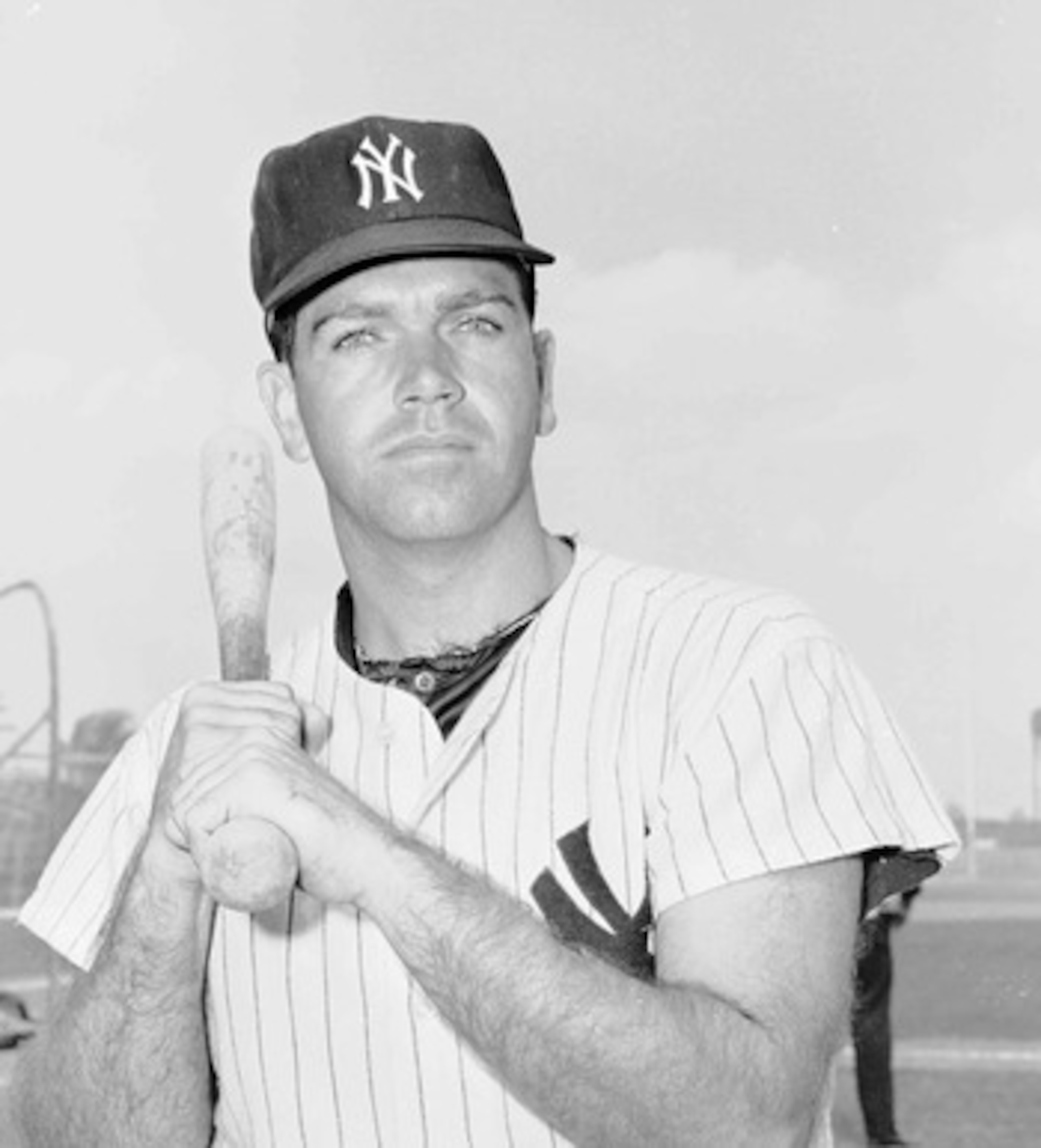
World Series Appearances: 7 (three wins)
World Series Statistics: .305 BA, 1 HR, 15 RBI, 16 Runs in 36 Games
1960 World Series MVP
Richardson was a solid player, a seven-time All-Star in fact, but was far from someone you would expect to carry a team with the likes of Mickey Mantle, Roger Maris and Elston Howard, but he did just that during the 1960 World Series.
That year, Richardson drove in a record 12 runs over the span of the seven-game series, which netted him the World Series MVP, despite the fact that the Yankees went on to lose the series.
He was rather pedestrian in his other World Series appearances, but his performance in 1960 earns him a spot.
No. 21: Paul Molitor
20 of 40
World Series Appearances: 2 (one win)
World Series Statistics: .418 BA, 2 HR, 11 RBI, 15 Runs in 13 games.
1993 World Series MVP
Molitor played 21 seasons in the majors and but only made it to the postseason three times in his entire career, advancing to the World Series twice.
His first trip to the Fall Classic came in 1982 as a member of the Brewers, and he posted a .355 BA while racking up 11 hits in the seven-game series.
It wouldn't be until 11 years later, when he was 36-years-old, that he made his next World Series appearance, and he made the most of it, hitting .500 BA, 2 HR, 8 RBI and earning MVP honors in helping lead the Blue Jays to their second consecutive title.
No. 20: Bill Mazeroski
21 of 40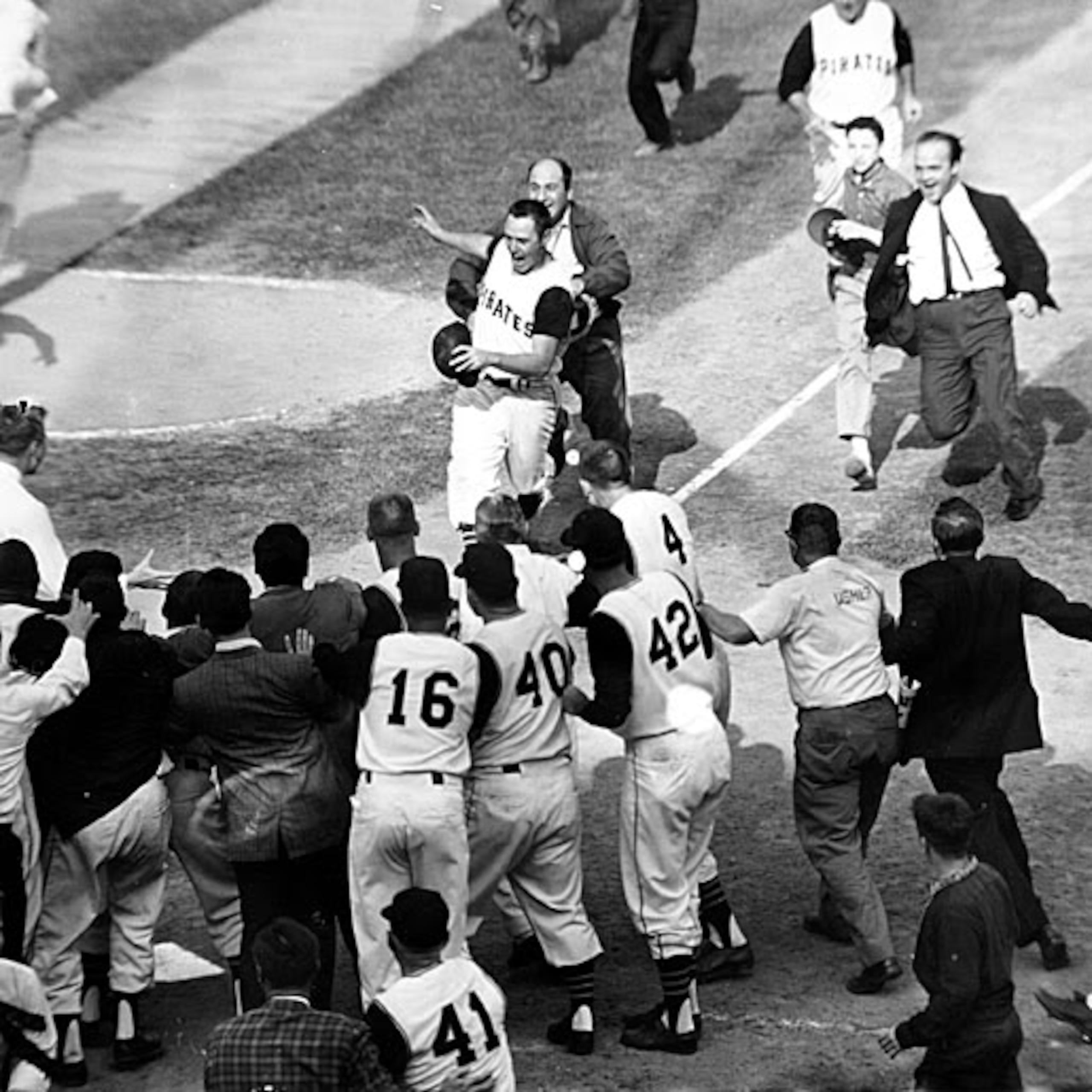
World Series Appearances: 2 (two)
World Series Statistics: .308 BA, 2 HR, 5 RBI, 4 Runs in 8 Games
For a player who is widely regarded as the best fielding second baseman in baseball history, few players have hit bigger home runs than the one Mazeroski hit to end the 1960 World Series.
It had been a back-and-forth game, with the Yankees taking the lead in the eighth inning with five runs, only to have the Pirates tie things back up in the bottom of the inning. Mazeroski ended it with one swing of the bat, however, for the first and only Game Seven walk-off home run in World Series history.
No. 19: Barry Bonds
22 of 40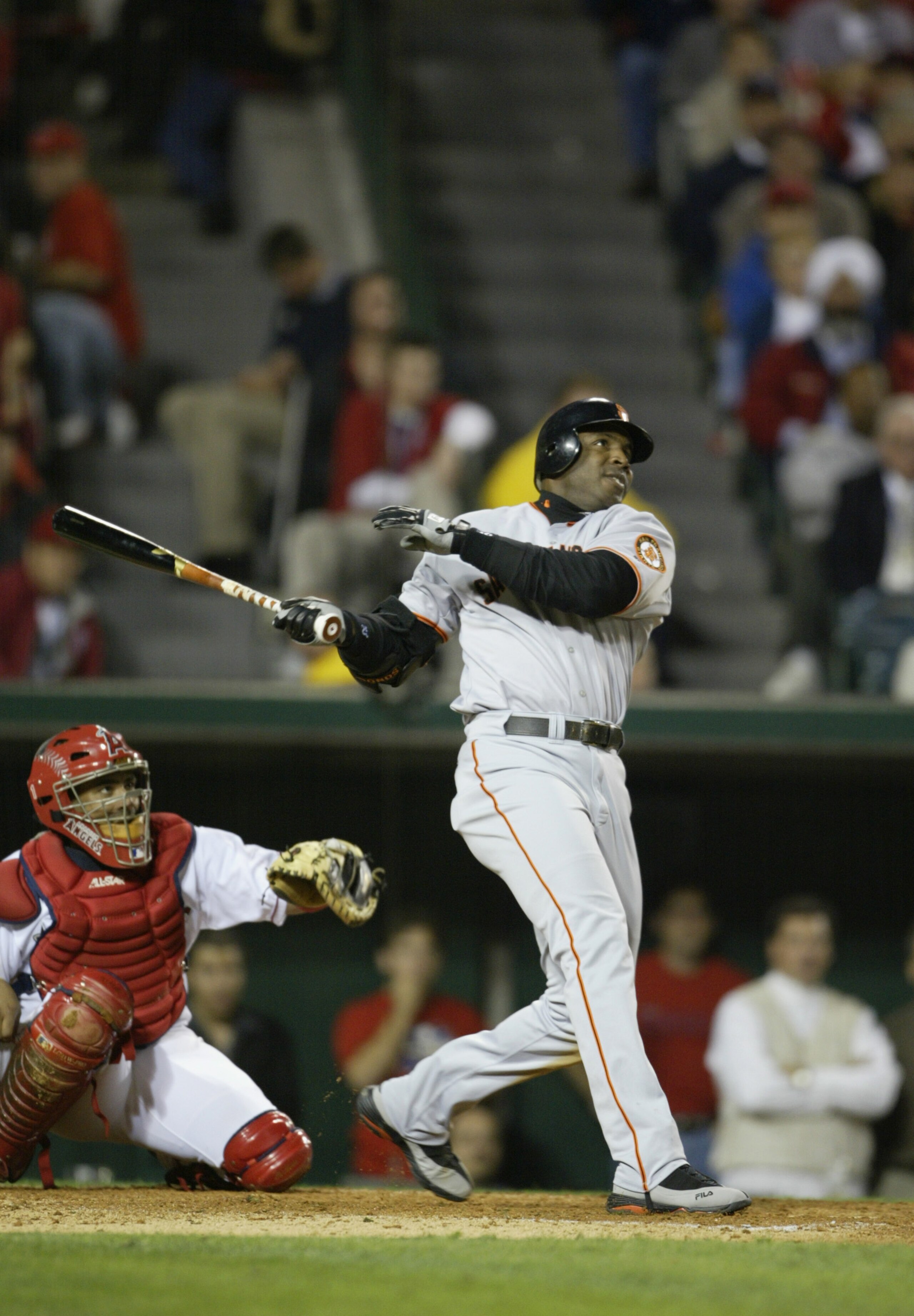
World Series Appearances: 1 (zero wins)
World Series Statistics: .471 BA, 4 HR, 6 RBI, 8 Runs in 7 Games
As storied a career as Bonds had and despite playing for 22 seasons and appearing in the playoffs seven different times, he only appeared in one World Series.
He made the most of his one trip though, as he launched four home runs, giving him a total of eight long balls during the 2002 postseason. In the end it was not enough, however, as the Giants fell to the Angels in seven games.
No. 18: Home Run Baker
23 of 40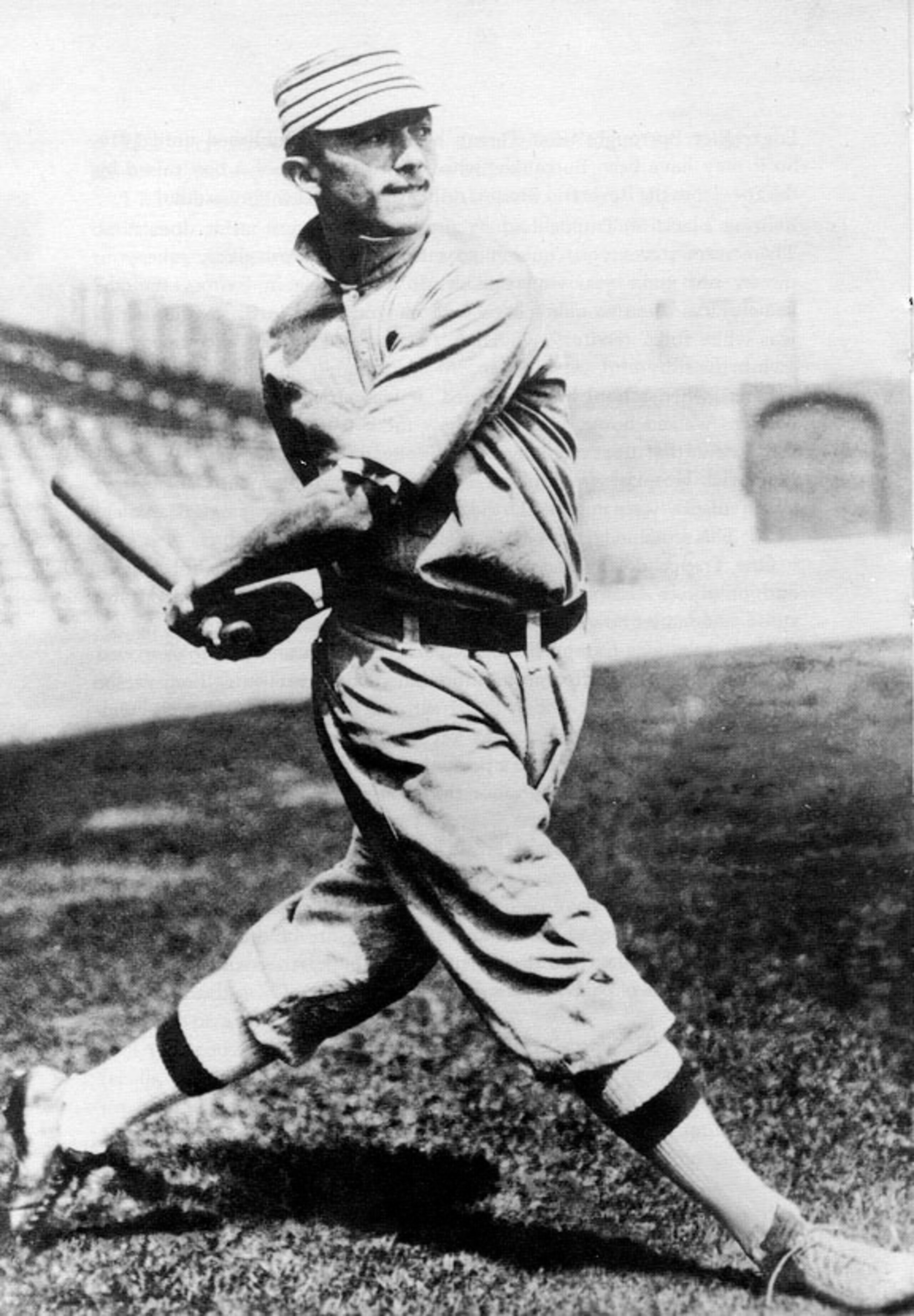
World Series Appearances: 6 (three wins)
World Series Statistics: .363 BA, 3 HR, 18 RBI, 15 Runs in 25 Games
Baker was hitting home runs back before hitting home runs was cool, as he led the league in long balls four straight seasons from 1911-1914 as a member of the Athletics.
He was equally productive in the playoffs, as he hit .375 or higher three times, while hitting three home runs and driving in 18 runs in 25 World Series games.
No. 17: Hideki Matsui
24 of 40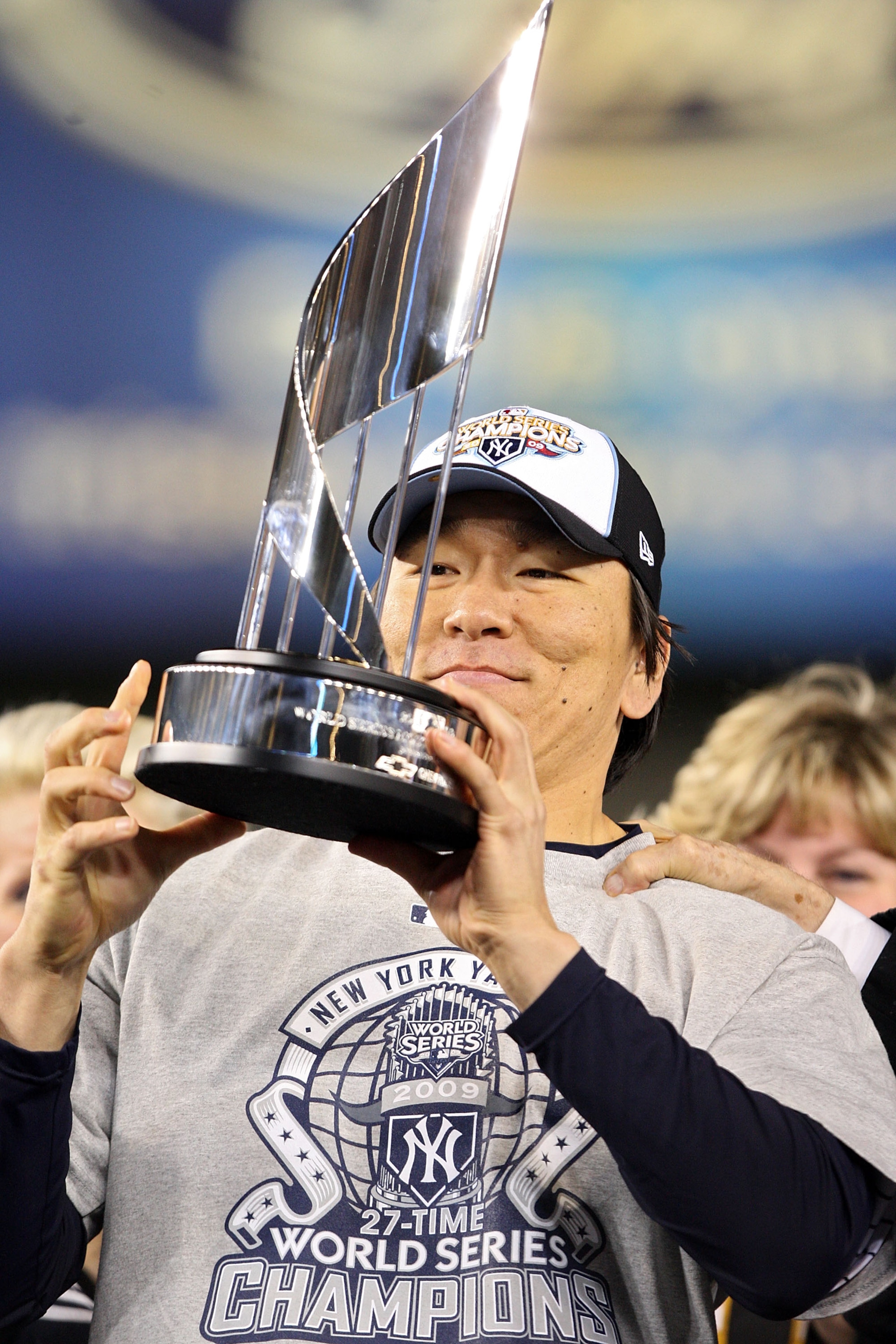
World Series Appearances: 2 (one win)
World Series Statistics: .389 BA, 4 HR, 12 RBI, 4 Runs in 12 Games
2009 World Series MVP
Matsui was nothing special in his first trip to the World Series, hitting just .261 BA, 1 HR, 4 RBI as the Yankees lost to the Marlins in 2003.
His next trip was an entirely different story, however, as he hit an amazing .615 BA, 3 HR, 8 RBI in leading the Yankees to a title over the Phillies and taking home MVP honors.
No. 16: Goose Goslin
25 of 40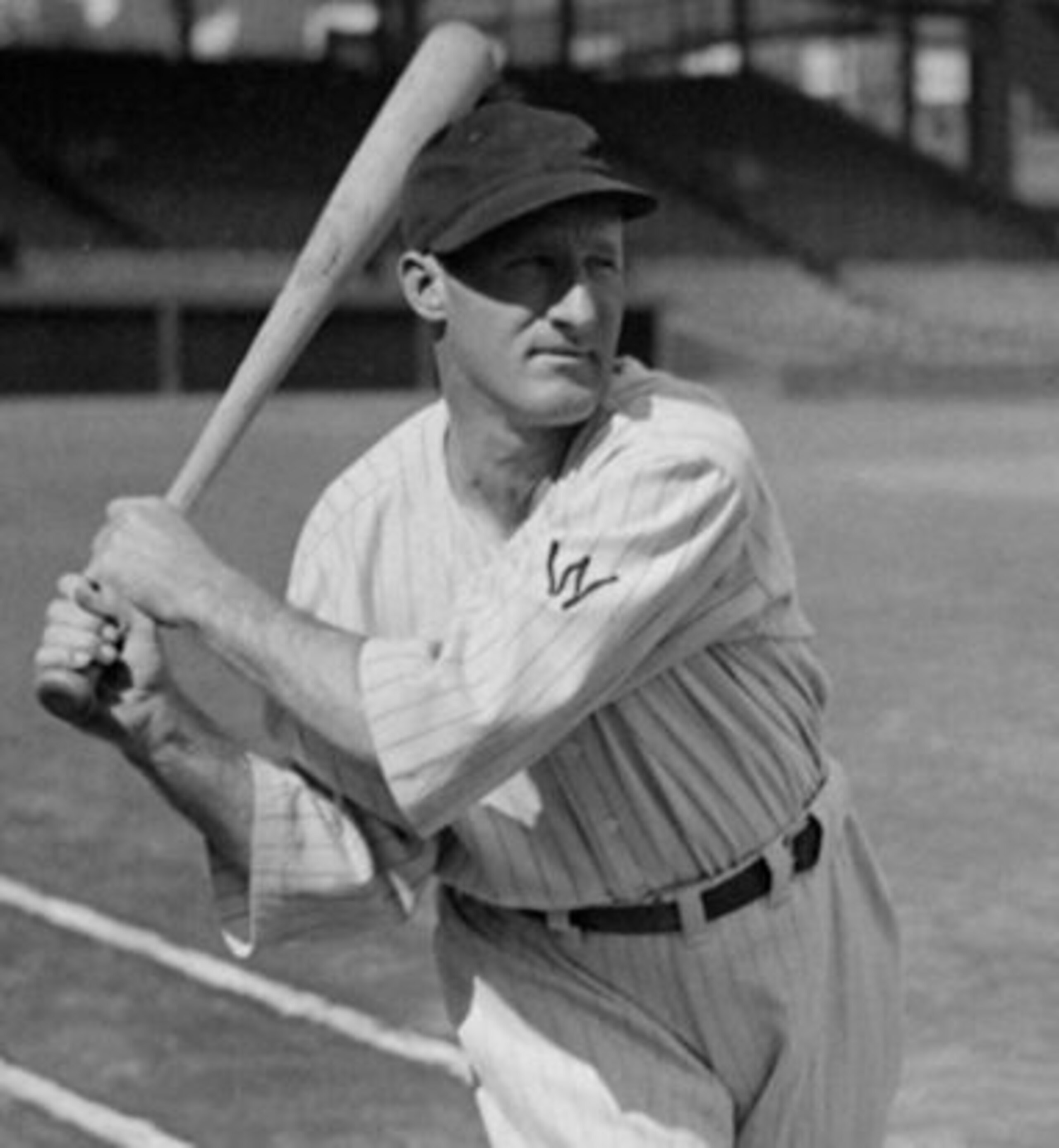
World Series Appearances: 5 (two wins)
World Series Statistics: .287 BA, 7 HR, 19 RBI, 16 Runs in 32 Games
Goslin had a Hall of Fame career, hitting .316 BA, 248 HR, 1609 RBI, and he took part in six different World Series through the course of his 18-year career.
However, no hit he had was bigger than his walk-off single in Game 6 of the 1935 World Series, as he gave the Tigers a 4-2 series win over the Cubs and captured his second ring in what would be his last World Series.
No. 15: Eddie Collina
26 of 40
World Series Appearances: 6 (four wins)
World Series Statistics: .328 BA, 0 HR, 11 RBI, 20 Runs, 14 SB in 34 Games
Collins is one of the best hitters to ever play the game, as his 3,315 career hits rank 10th most all-time. He was more than just a high average though, as he also piled up 741 stolen bases while driving in 1,300 runs over his 25-year career.
He was equally impressive in the World Series as a member of the both the Athletics and the White Sox, hitting over .400 in three different series, while three or more bases in three different series as well.
No. 14: Willie Stargell
27 of 40
World Series Appearances: 2 (two wins)
World Series Statistics: .315 BA, 3 HR, 8 RBI, 10 Runs in 14 Games
1979 World Series MVP
Stargell had a Hall of Fame career that spanned 21 seasons, but it was his final full season in 1979 that proved to be the best of his career.
After falling flat in his first World Series appearance in 1971, when he hit just .208 and drove in only one run, Stargell got another chance in 1979 at the age of 39.
He was not your ordinary 39-year-old, however, as he won the NL MVP during the regular season, taking home the NLCS MVP, before capping it all off with a .400 BA, 3 HR, 7 RBI line in the World Series that landed him yet another MVP award.
No. 13: Lou Brock
28 of 40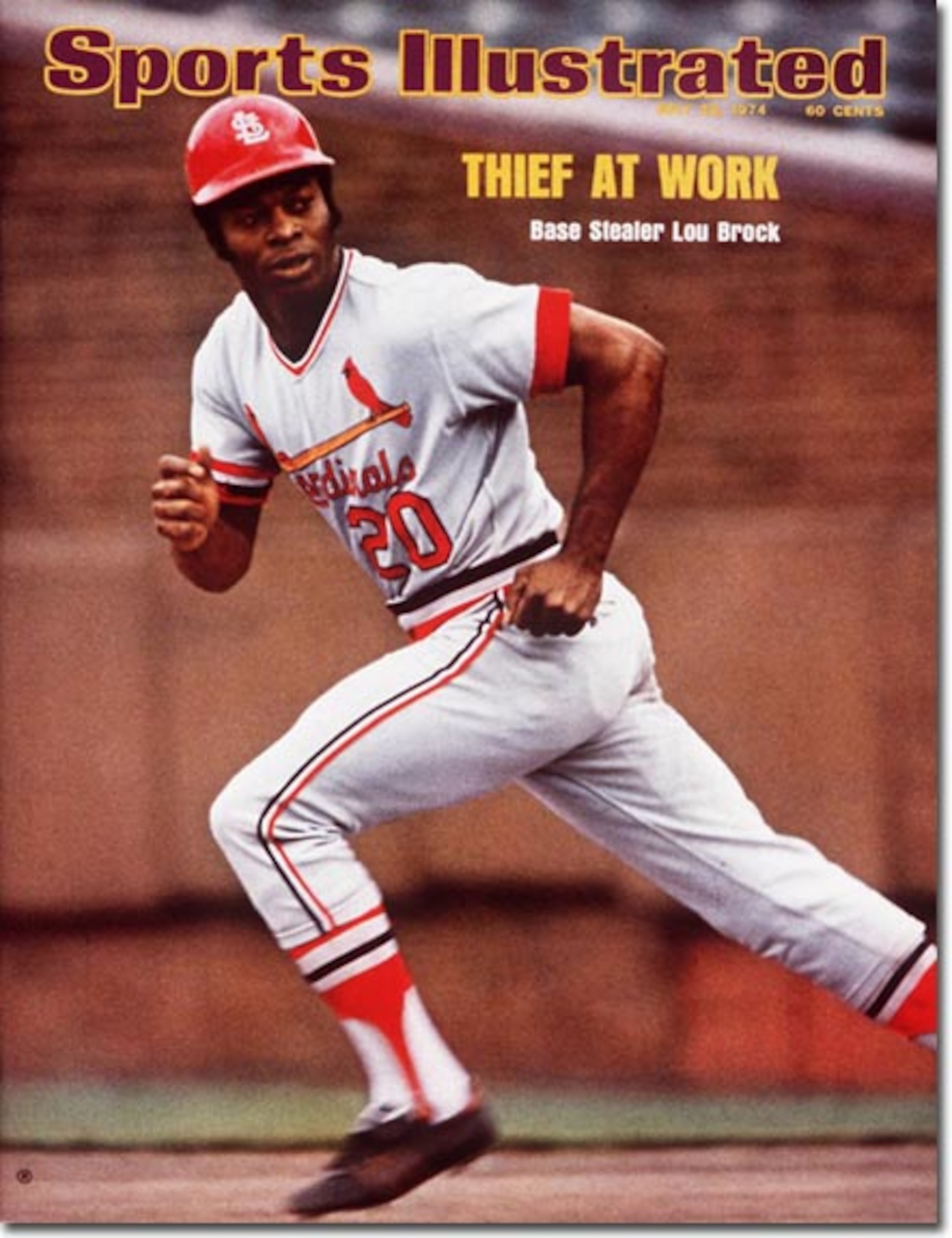
World Series Appearances: 3 (two wins)
World Series Statistics: .391 BA, 4 HR, 13 RBI, 16 Runs, 14 SB in 21 Games
One of the best leadoff hitters and base stealers in baseball history, Brock was fantastic in all three of his trips to the Fall Classic.
After hitting .300 in his first trip, he followed that up with averages of .414 and .464 in what were both seven-game series. Outside of getting on base, he also stole seven bases each in those two series, as he set the tone for his entire team.
No. 12: Edgar Renteria
29 of 40
World Series Appearances: 3 (two wins)
World Series Statistics: .333 BA, 2 HR, 10 RBI, 11 Runs in 16 Games
2010 World Series MVP
Renteria has had a fantastic career and will go down as one of the better offensive shortstops of all time. However, it may be his postseason heroics that he is most remembered for, and he recently won the World Series MVP after his three-run home run proved to be the game-winning hit for the Giants to top the Rangers.
Before that, however, he helped the Marlins best the Indians in the 1997 World Series, with a game winning walk-off single at the age of 20. The man is clutch to say the least.
No. 11: Kirby Puckett
30 of 40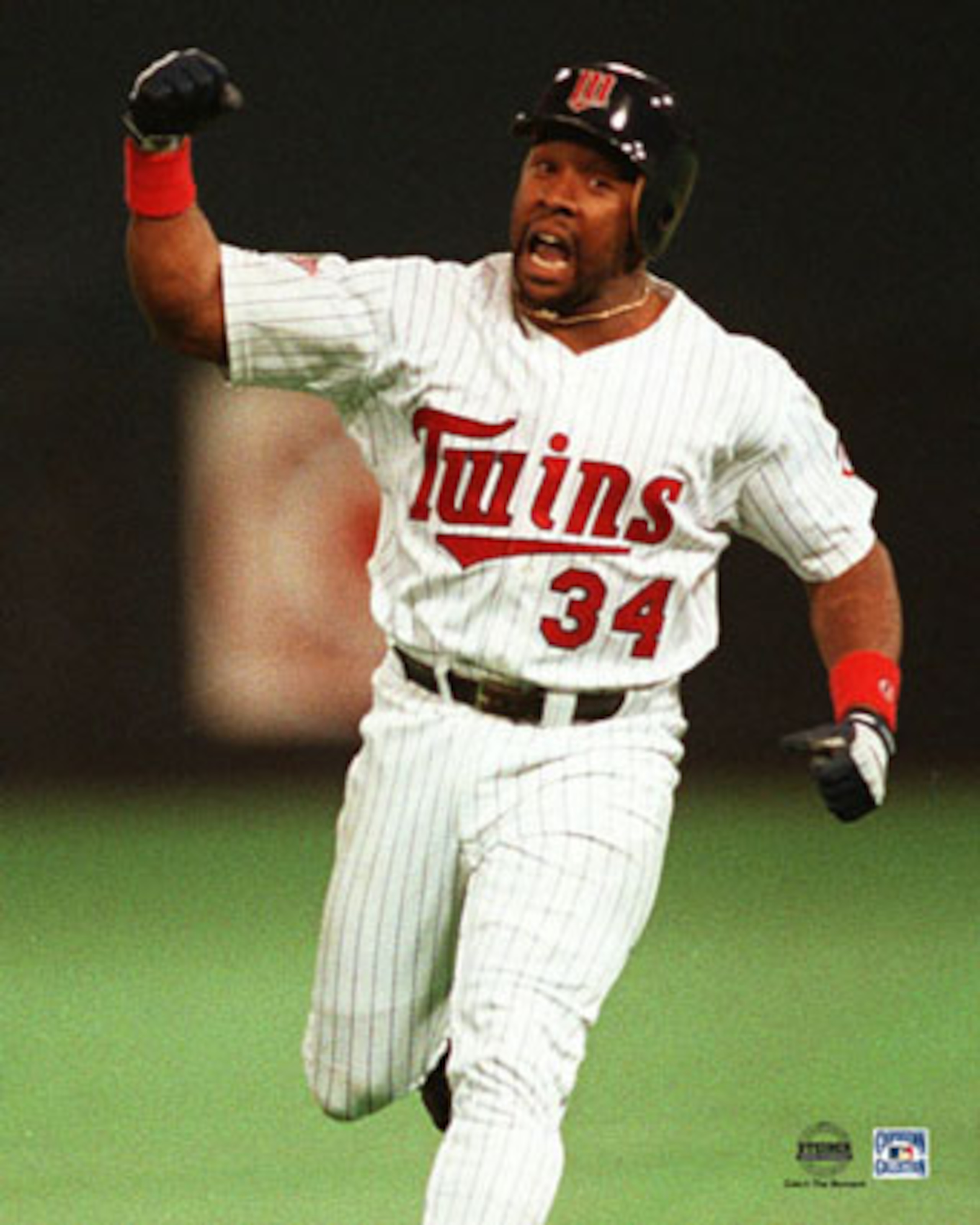
World Series Appearances: 2 (two wins)
World Series Statistics: .308 BA, 2 HR, 7 RBI, 9 Runs in 14 Games
While the 1991 World Series came down to one of the greatest pitching duels in MLB history, with Jack Morris matching John Smoltz for nine shutout innings, before Morris came away with the 10-inning shutout victory to clinch in Game 7.
However, the series would have never made it to a seventh game, had it not been for the heroics of Kirby Puckett in Game 6, when he hit a walk-off home run in the bottom of the 11th inning to force a seventh game.
His overall World Series numbers are average, but his clutch home run earns him a spot on the list for sure.
No. 10: Derek Jeter
31 of 40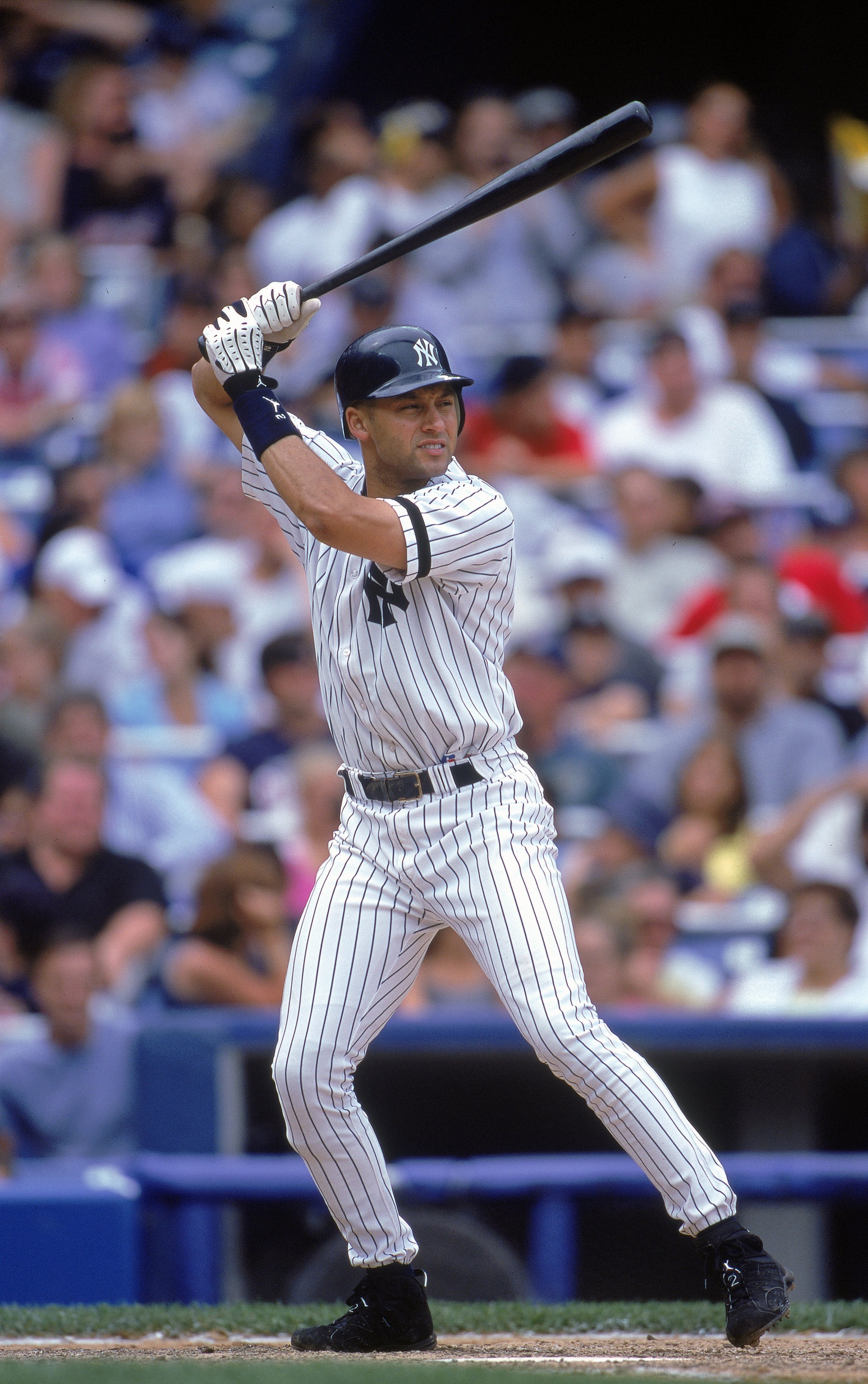
World Series Appearances: 7 (five wins)
World Series Statistics: .321 BA, 3 HR, 9 RBI, 32 Runs in 38 Games
2000 World Series MVP
Jeter is one of the most prolific postseason hitters of all time, and he has helped etch his place in Yankees history by coming up with clutch hits time and again when it matters most.
He has hit over .300 in five of his seven World Series appearances, and he took home the World Series MVP in 2000 during the Subway Series against the crosstown Mets, when he hit .409 and launched a pair of big home runs.
No. 9: Kirk Gibson
32 of 40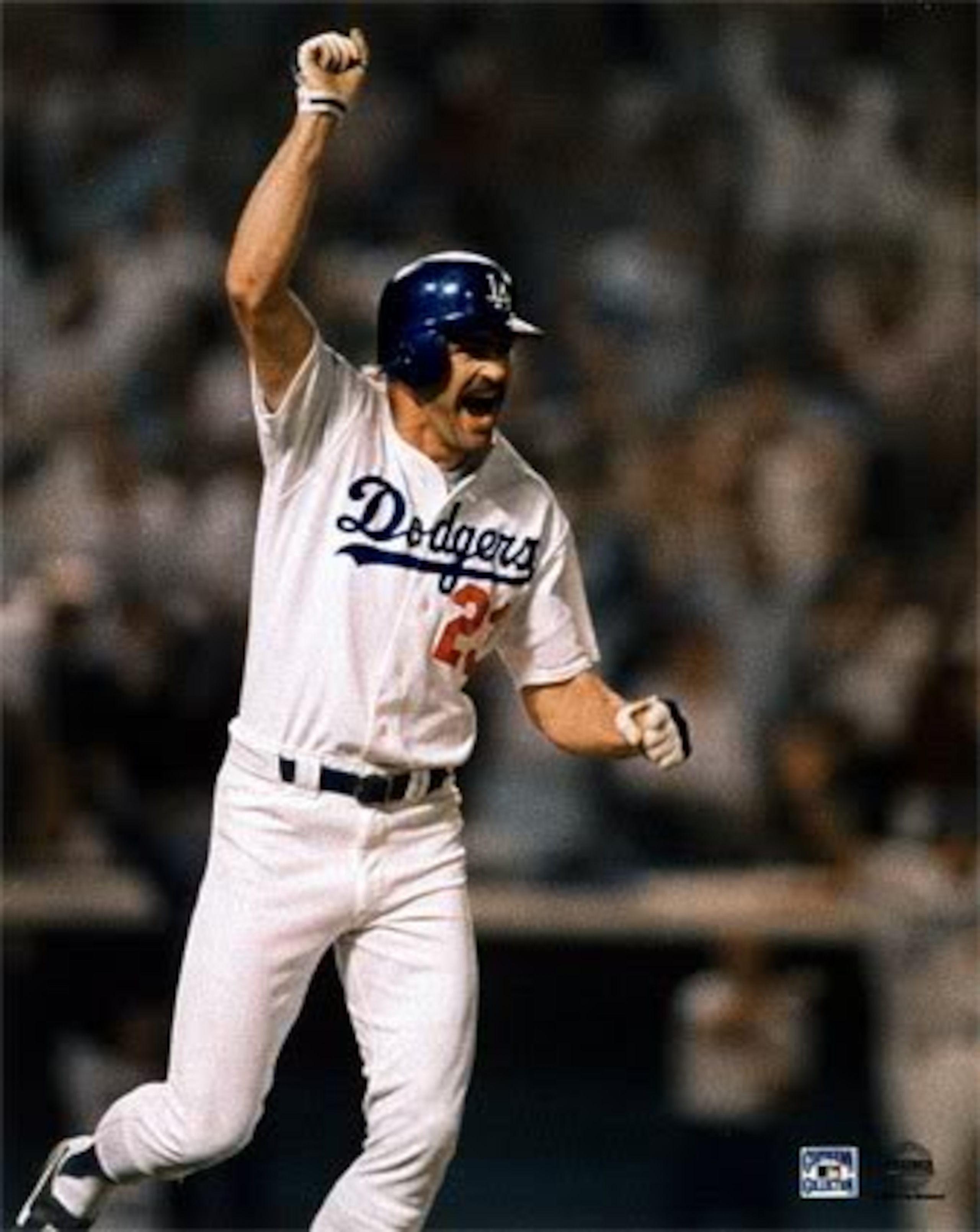
World Series Appearances: 2 (two wins)
World Series Statistics: .368 BA, 3 HR, 9 RBI, 5 Runs in 6 Games
Gibson will forever be remembered for his dramatic walk-off home run in Game 1 of the 1988 World Series, as he took all-world closer Dennis Eckersley deep on two bum knees to give the Dodgers an unexpected win and set the tone for the rest of the series.
He was equally effective in his only other World Series trip with the Tigers in 1984, hitting .333 BA, 2 HR, 7 RBI, 4 SB as the Tigers bested the Padres in five games.
No. 8: Billy Martin
33 of 40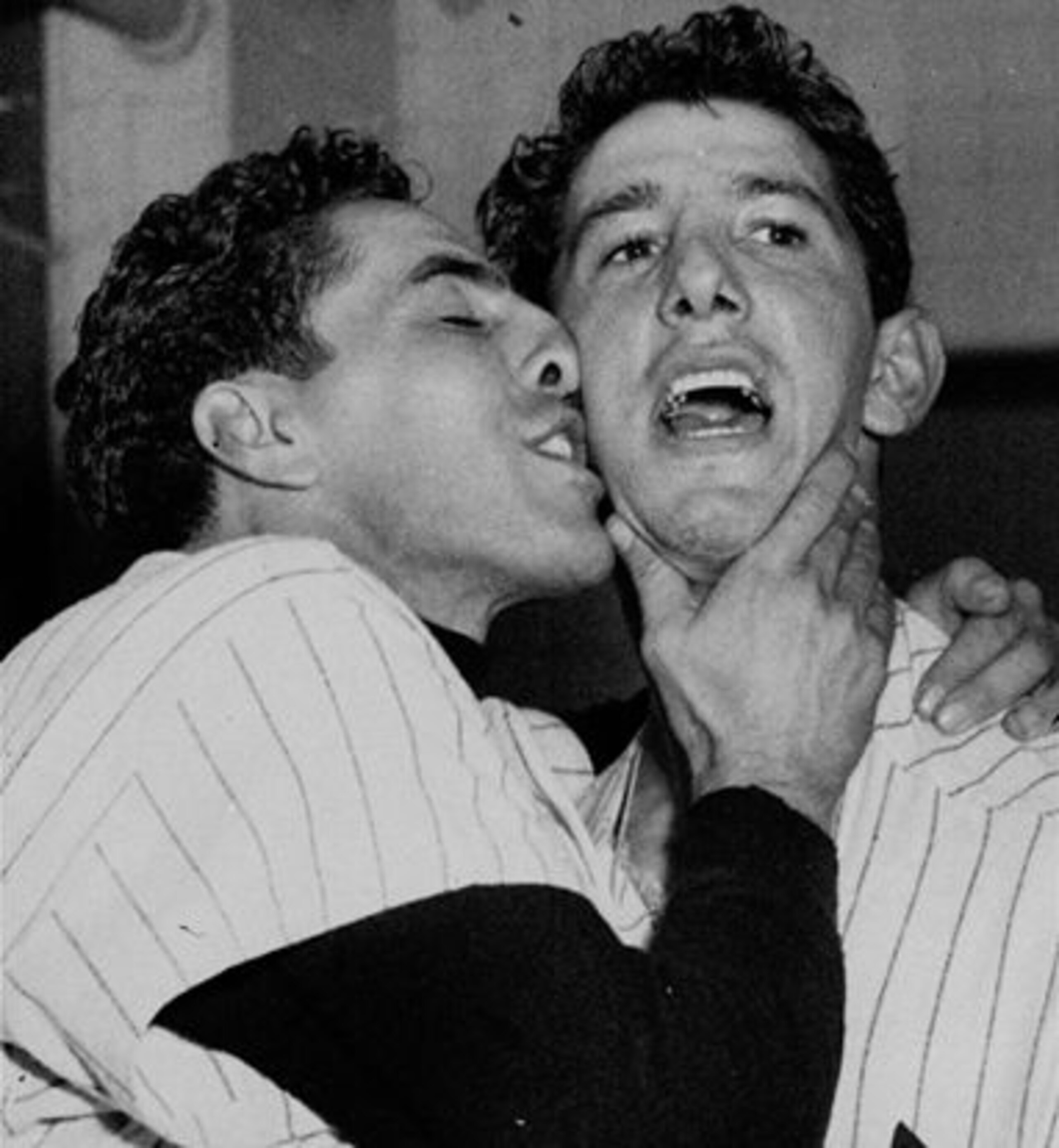
World Series Appearances: 5 (four wins)
World Series Statistics: .333 BA, 5 HR, 19 RBI, 15 Runs in 28 Games
For as storied a career as he had as a manager, Martin was a subpar player who compiled a line of .257 BA, 64 HR, 333 RBI in 11 seasons in the big leagues.
In the postseason, however, he was a different player with 33 hits in 28 World Series games. He had no bigger hit, however, than his game-winning single in Game 6 of the 1953 World Series that gave the Yankees a 4-2 series win over the Dodgers. Martin hit .500 BA, 2 HR, 8 RBI for the series.
No. 7: Hank Greenberg
34 of 40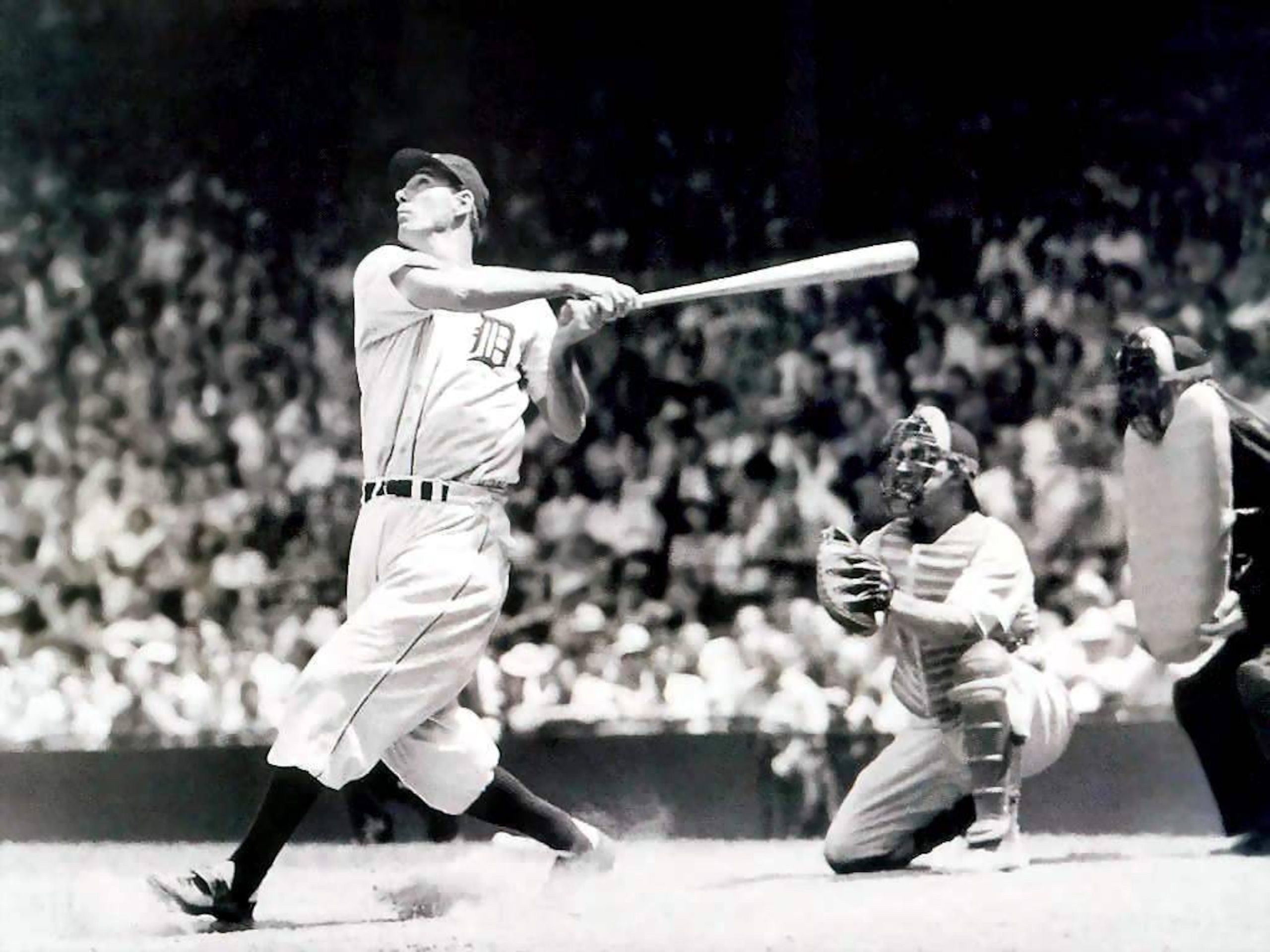
World Series Appearances: 4 (two wins)
World Series Statistics: .318 BA, 5 HR, 22 RBI, 17 Runs in 23 Games
Greenberg was a two-time MVP, and had it not been for nearly four seasons lost while serving his country, he would have hit well over 500 home runs and still managed 331 in what amounted to about 10 seasons worth of baseball.
Had it not been for a broken wrist that limited him to just two games in the 1935 World Series, Greenberg's numbers may have been even better. As it was, he drove in seven, seven and six runs in his three other trips to the World Series while hitting over .300 each time, as his legendary hitting carried over into the Fall Classic.
No. 6: Yogi Berra
35 of 40
World Series Appearances: 14 (ten wins)
World Series Statistics: .274 BA, 12 HR, 39 RBI, 41 Runs in 75 Games
With a whopping 75 World Series games appeared in, the most of all time, it is no surprise that Berra is near the leaders in most offensive categories.
While he had some rough series' along the way, he also had some terrific ones, including hitting over .400 in 1953 and 1955, as well as driving in 10 runs during the 1956 series and eight in 1960.
Overall, Berra won 10 World Series rings, and he played a large role in the overwhelming success of the Yankees throughout the 1950s.
No. 5: Joe Carter
36 of 40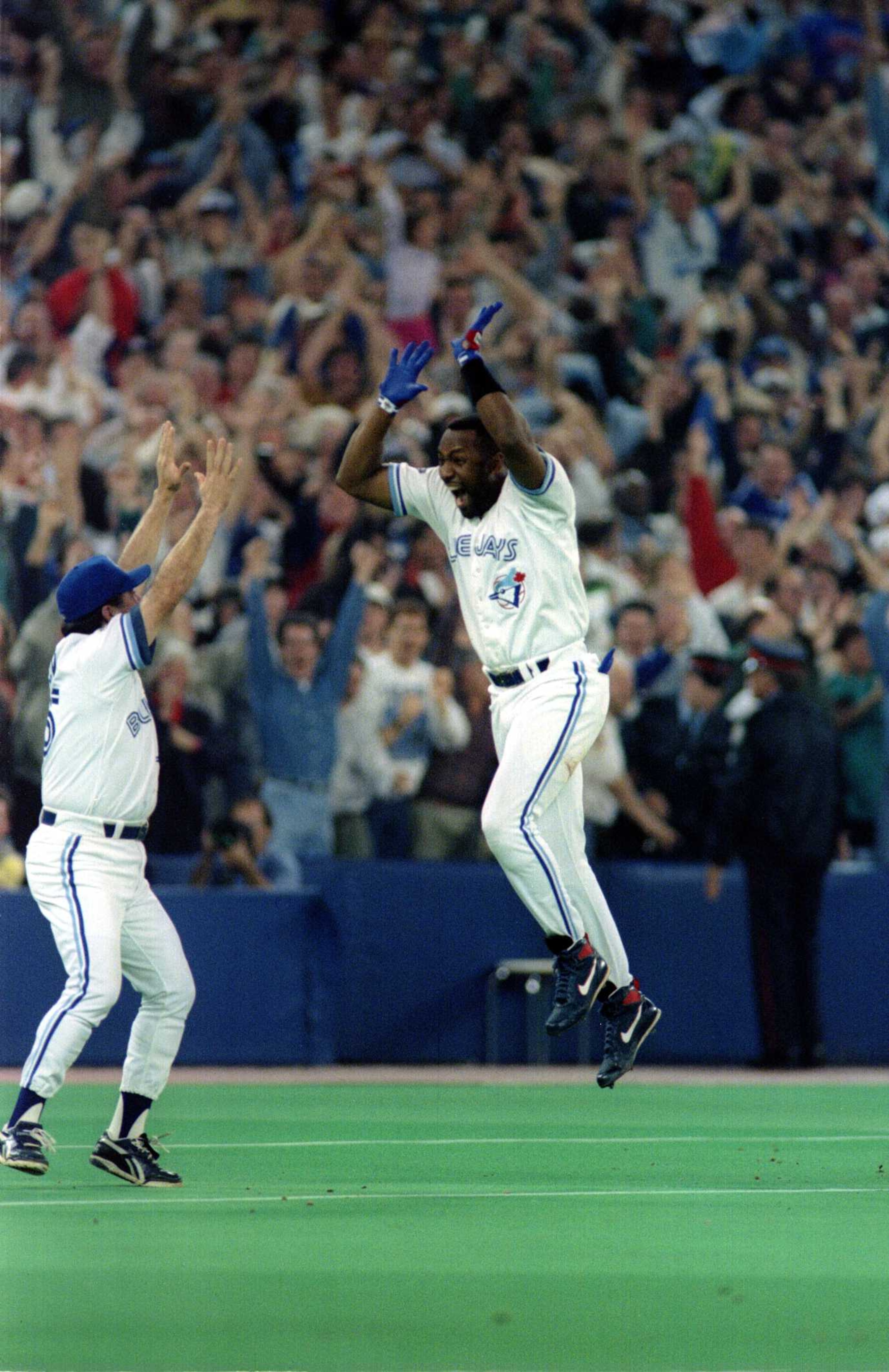
World Series Appearances: 2 (two wins)
World Series Statistics: .277 BA, 4 HR, 11 RBI, 8 Runs in 12 Games
Cater was a pivotal part of the Blue Jays teams that won back-to-back World Series in 1992 and 1993, and he was a consistent source of 30 HR and 100 RBI throughout his time in Toronto.
That said, he had no bigger moment while with the team than his walk-off three-run homer off Mitch Williams to give the Blue Jays an 8-6 win and the 1993 World Series title.
Announcer Tom Cheek put it best when he proclaimed, "Touch 'em all Joe! You'll never hit a bigger home run in your life!"
No. 4: Duke Snider
37 of 40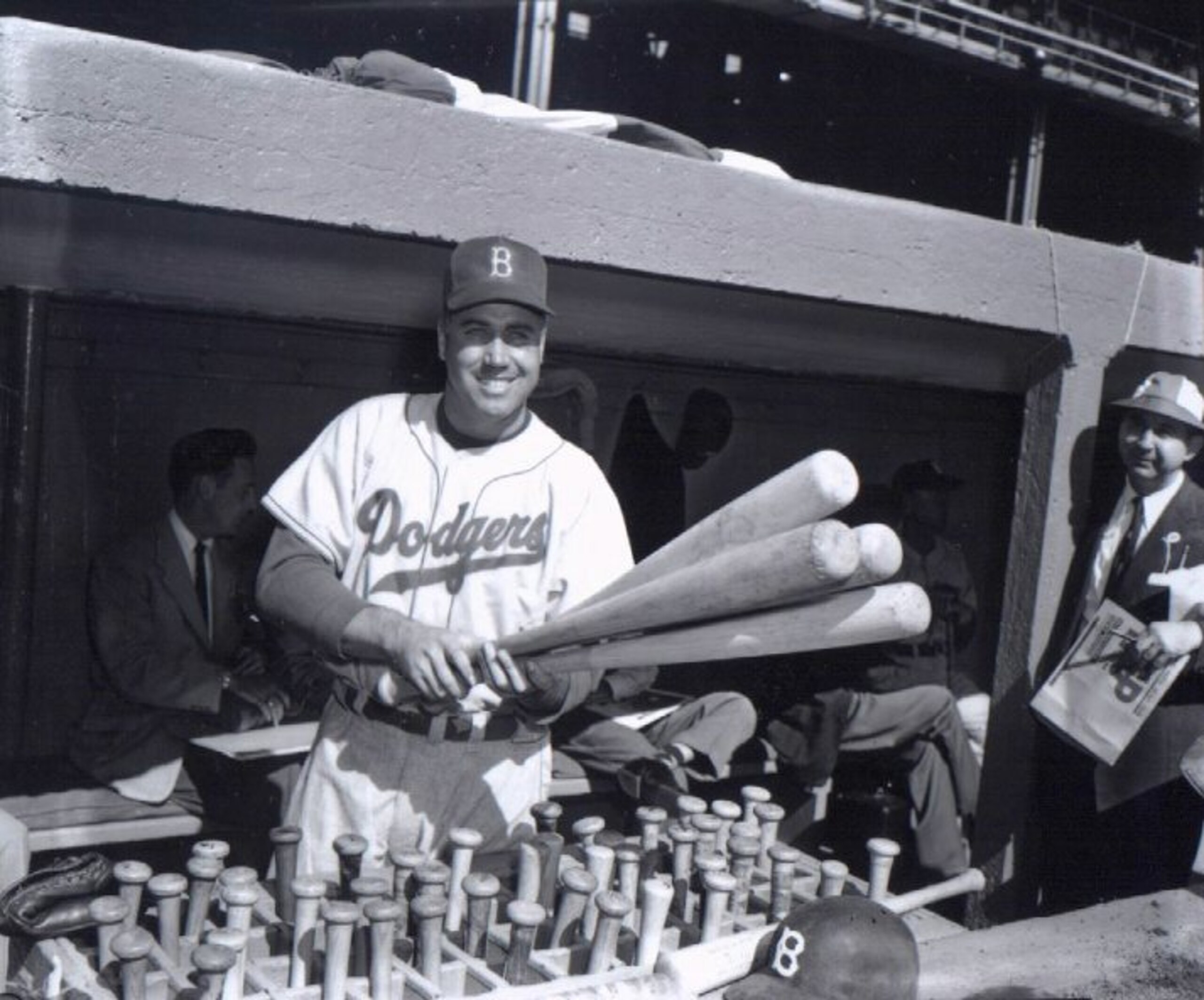
World Series Appearances: 6 (two wins)
World Series Statistics: .286 BA, 11 HR, 26 RBI, 21 Runs in 36 Games
Snider was at the center of the Dodgers teams that made five trips to the World Series over the span of seven years, and he goes down as one of the most feared power hitters in baseball history.
While he did suffer through a couple of poor showings in World Series play, he also had a pair of fantastic seven-game series in which he hit well over .300 with four home runs.
In all, his 11 World Series home runs rank as the fourth highest total of all time, while his 26 RBI are good for seventh best.
No. 3: Lou Gehrig
38 of 40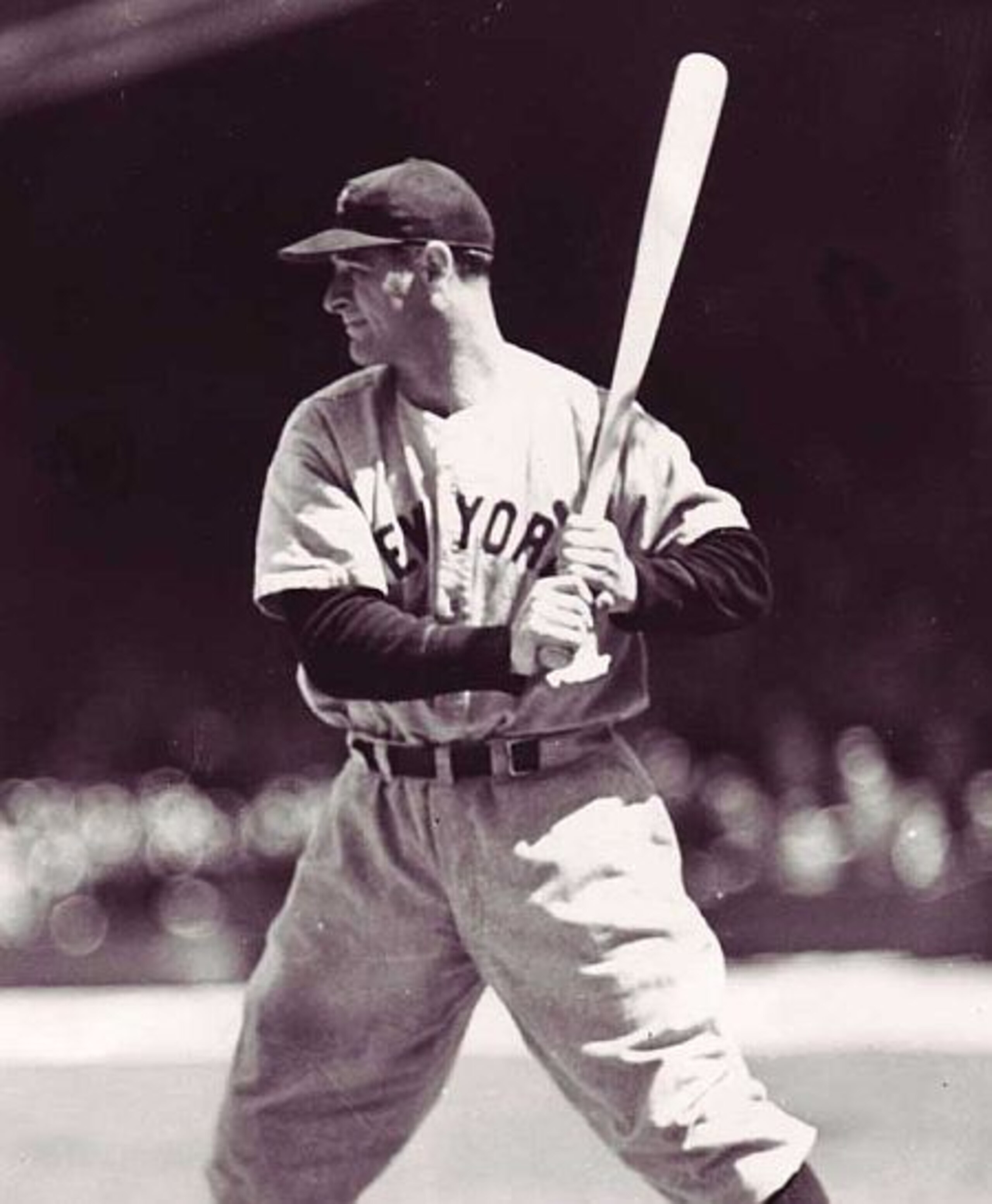
World Series Appearances: 7 (six wins)
World Series Statistics: .361 BA, 10 HR, 35 RBI, 30 Runs in 34 Games
The "Iron Horse" was one of the most clutch hitters in the history of the game, and as impressive as his regular season stats were, he was just as good in the World Series.
Gehrig put together two of the best World Series performances of all-time, hitting .545 BA, 4 HR, 9 RBI in 1928 and .529 BA, 3 HR, 8 RBI in 1932, and in all, he never hit lower than .286 in seven World Series trips.
So while it was Ruth who got the headlines, it was Gehrig who was the better World Series performer, although they both rank high on this list.
No. 2: Babe Ruth
39 of 40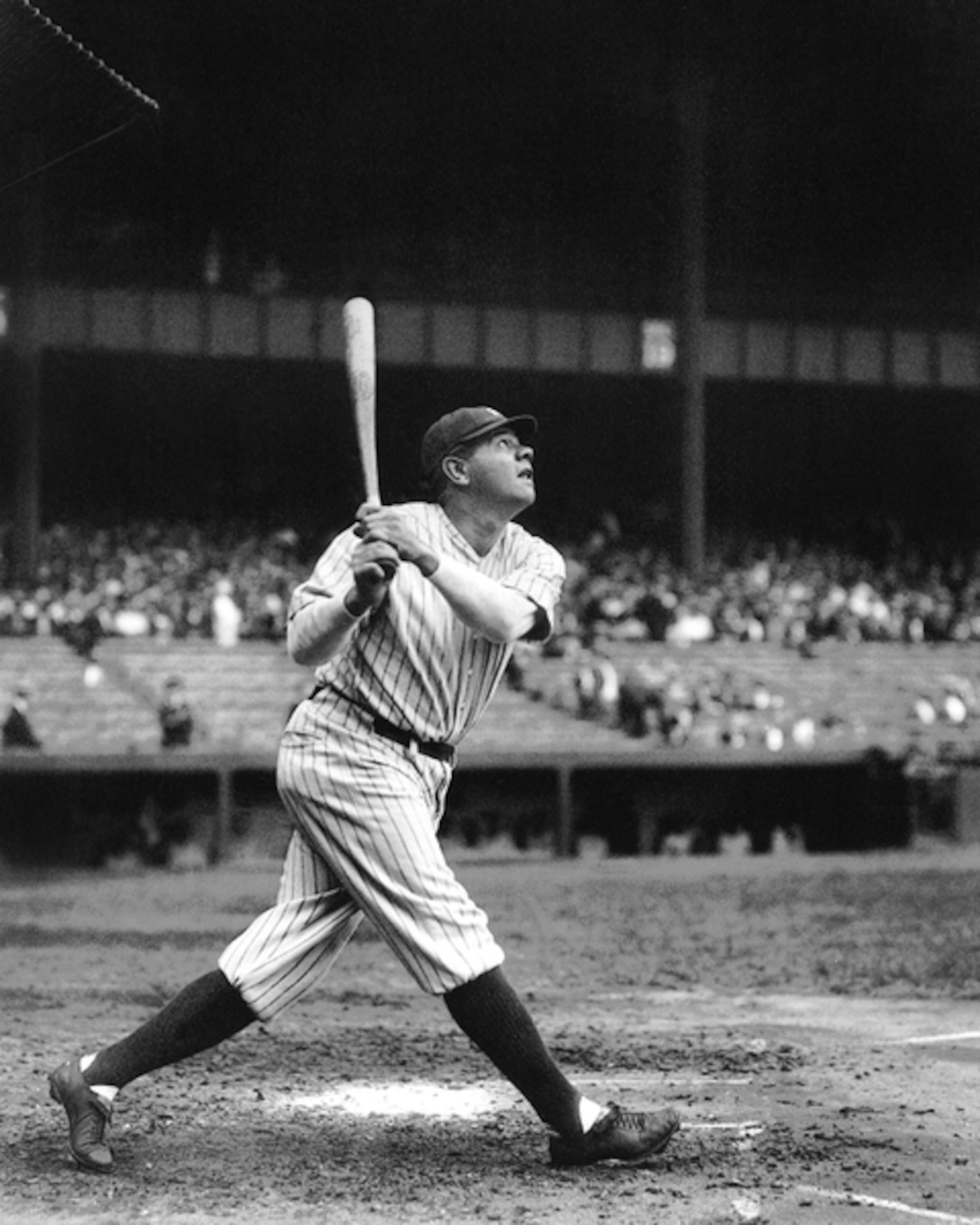
World Series Appearances: 10 (seven wins)
World Series Statistics: .326 BA, 15 HR, 33 RBI, 37 Runs in 41 Games
It's not surprising that the man many consider to be the best baseball player of all-time posted great numbers when it mattered most, and he certainly had his fair share of chances to play in the World Series.
His hit over .300 in six of his seven World Series' with the Yankees, and his .625 average in the 1928 World Series is the second highest single series total ever by a player with more than 18 plate appearances.
However, his most memorable World Series moment came in 1932, when he hit his famed "called shot" against the Chicago Cubs, gesturing to the bleacher before hitting his second home run of the game.
No. 1: Reggie Jackson
40 of 40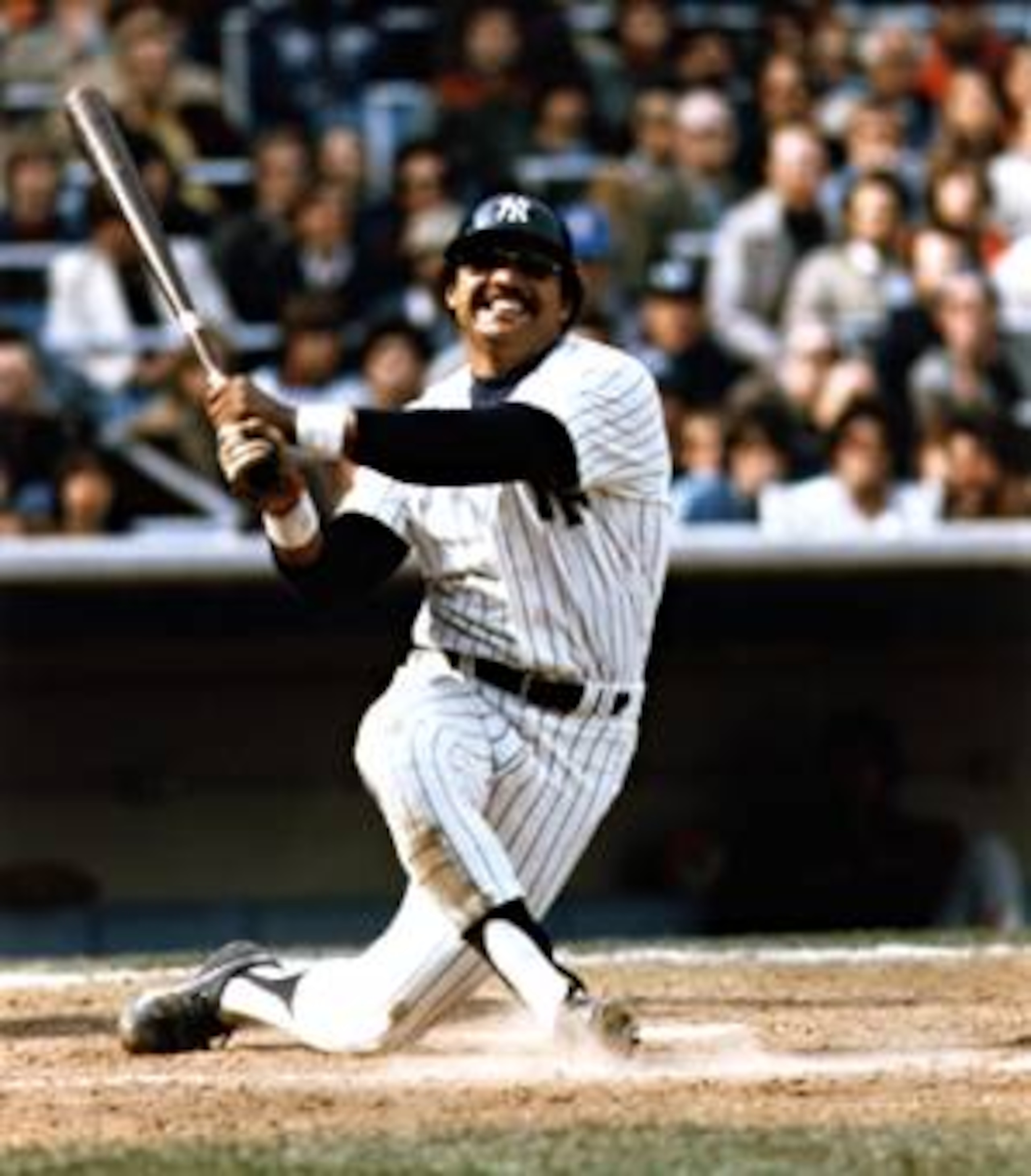
World Series Appearances: 5 (four wins)
World Series Statistics: .357 BA, 10 HR, 24 RBI, 21 Runs in 27 Games
1973 World Series MVP
1977 World Series MVP
They don't call him Mr. October for nothing, as Jackson always seemed to take his game to another level when it mattered the most.
While playing with the Oakland A's in 1973, Jackson won the regular season MVP after leading the league with 32 HR and 117 RBI, then went on to hit .310 BA, 1 HR, 6 RBI during the series.
It was the 1977 series, while he was a member of the Yankees, that he truly made his mark. After hitting a home run in Game 4 and Game 5, Jackson made history in Game 6 when he launched three home runs on three straight pitches, finishing the series with a .450 BA, 5 HR, 8 RBI line and cementing his place as the best hitter in World Series history.



.jpg?w=2560 "Malik Beasley Negotiating Plea Deal (AP)")

.jpg?w=2560 "Aikman Blasts Cowboys WR 🫣")

.jpg?w=2560 "Jonathan Taylor Landing Spots")