San Francisco Giants Score 20 Runs in 2 World Series Games: Record?
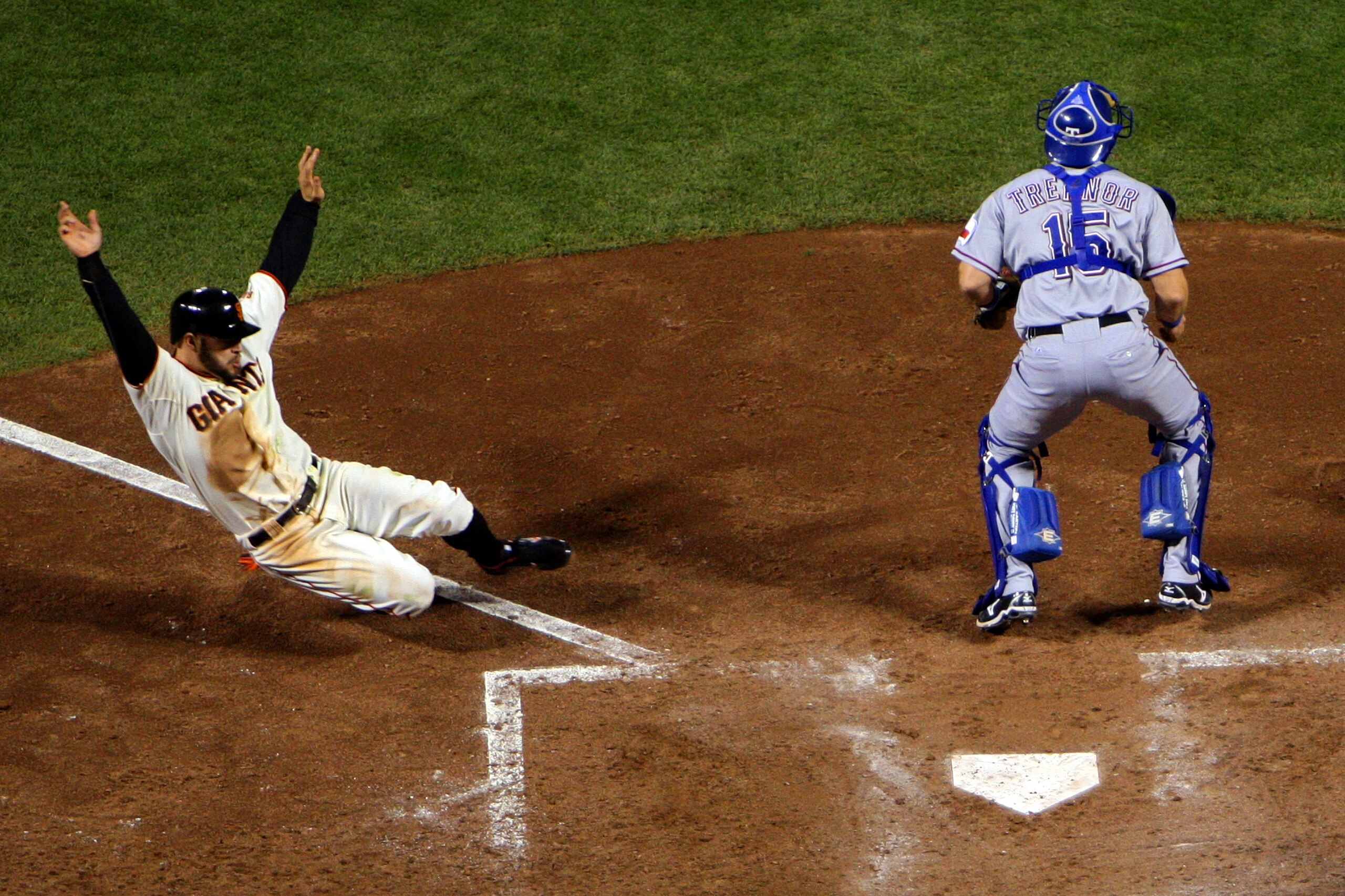
With an 11-7 win in Game 1, followed by a 9-0 win in Game 2, the 2010 Giants entered World Series lore, joining the 1960 Yankees as the only teams to score as many as 20 combined runs in the first two games of a Fall Classic.
While no other teams have started a series with such an outpouring of runs, several teams have scored 20 or more combined runs in consecutive World Series games—and 20 runs isn't the overall record.
Here are, in reverse chronological order, every World Series team to have accomplished the feat.
2002 San Francisco Giants
1 of 10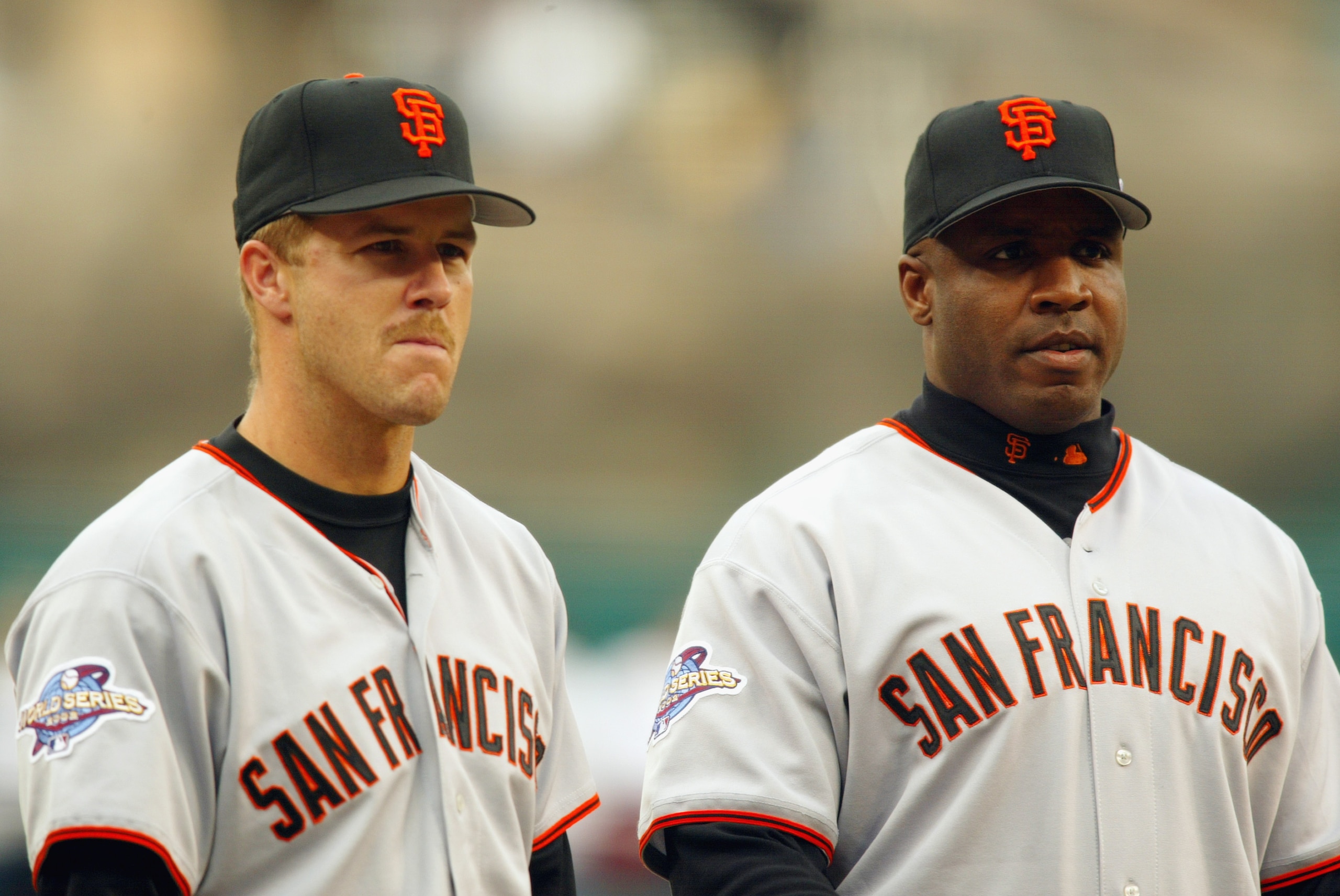
GAMES: 4 and 5, 5 and 6
TOTAL: 20 runs, 21 runs
OPPOSING SPs: John Lackey, Jarrod Washburn, Kevin Appier
Playing in his first and only World Series, Barry Bonds led a powerful Giants attack against the Anaheim Angels.
Game 5 was the centerpiece. Ignited by two home runs from second baseman Jeff Kent, the Giants put 16 on the board against the Anaheim Angels, just two runs short of the 18 runs scored by the Yankees in Game 2 of the 1936 series.
The Giants couldn't quite score enough, and San Francisco's World Series drought would continue.
2002 Anaheim Angels
2 of 10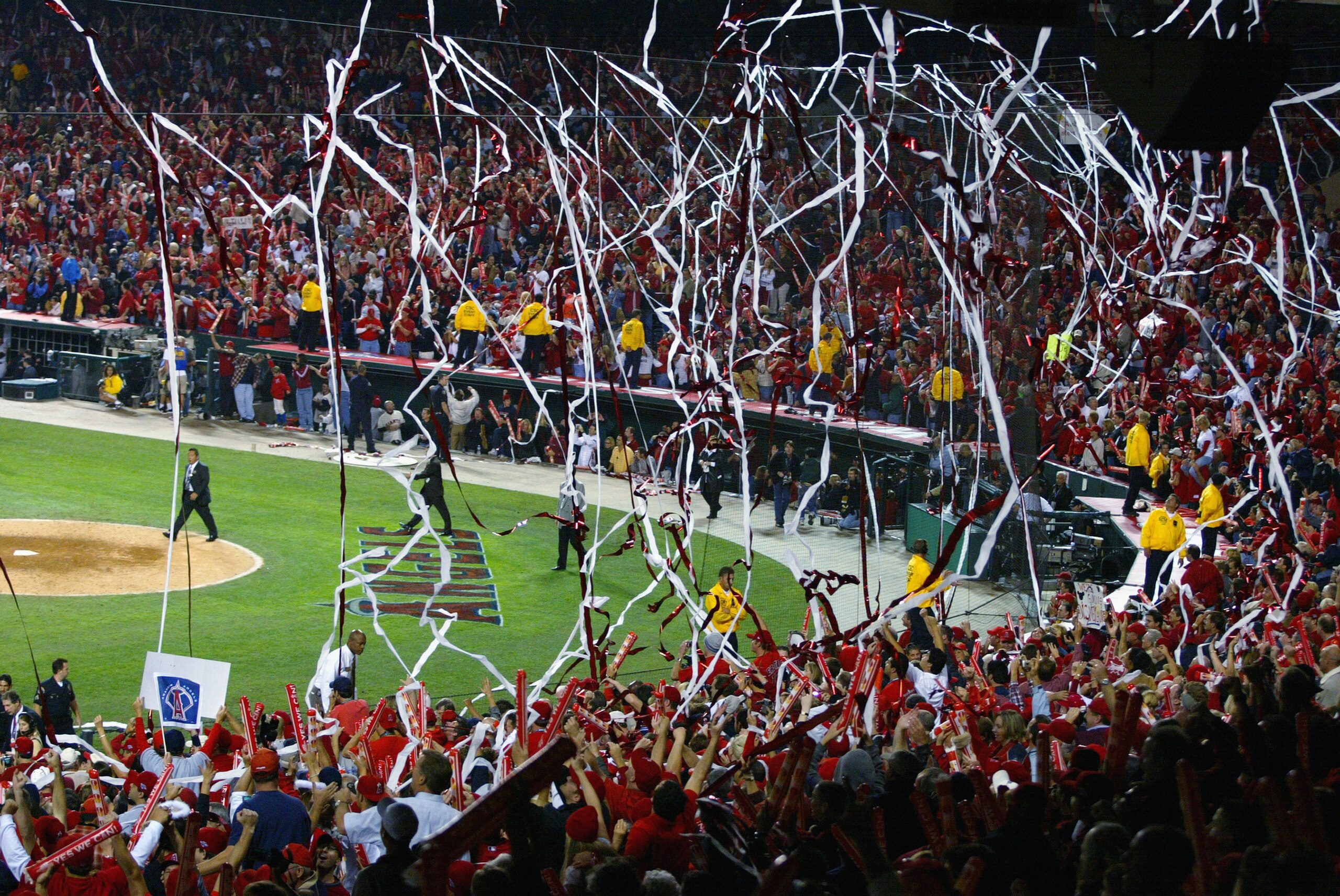
GAMES: 2 and 3
TOTAL: 21 runs
OPPOSING SPs: Russ Ortiz, Livan Hernandez
Not to be outdone by the Giants' historic outburst, the Angels produced some offensive fireworks of their own.
Game 2 was a classic, full of big plays and dramatic momentum shifts, including back-to-back home runs from the Giants and the Angels' Brad Fullmer pulling off the first steal of home in a World Series since 1964.
The Angels won 11-10, surviving a monstrous Barry Bonds solo shot in the ninth inning.
If Game 3 lacked as much drama, the Angels didn't mind. Anaheim cruised to an easy 10-4 win for a two-game total of 21 runs.
The first World Series to match two wildcard teams, the fourth to match two California teams and the most recent to reach seven games, the 2002 Fall Classic ended in confetti and the first world championship in team history for the Angels.
1997 Cleveland Indians
3 of 10
GAMES: 3 and 4
TOTAL: 21 runs
OPPOSING SPs: Al Leiter, Tony Saunders
The Cleveland Indians of the mid- to late-1990s boasted one of the great lineups of the era.
By 1995 they had led the American League in runs, home runs and RBIs for two years running and had won their first pennant.
By 1997 Albert Belle, Eddie Murray and Kenny Lofton had all moved on, but still lurking in the clubhouse were Jim Thome, David Justice, Matt Williams, Marquis Grissom, Sandy Alomar and a young Manny Ramirez.
With as fierce a lineup as that, it's no surprise that they found themselves back in the World Series, and no surprise either that they should appear on this list.
Like 2002's Game 2 between the Giants and the Angels, 1997's Game 3 had the twists and turns of a Russian novel.
After six ties or lead changes, the game entered the ninth inning tied up at seven runs apiece—until the Marlins exploded for seven in the top of the inning. Cleveland rallied gamely for four more in the bottom of the ninth, leaving the final score a 14-11 Marlins win.
The Indians exacted their revenge the following day with a 10-3 blowout, led by home runs from Williams and Ramirez.
Despite their scoring burst, the Indians, without a championship since 1948, wouldn't be able to break their curse in 1997. Florida beat them with what was at the time just the third bottom-of-the-ninth Game 7 walk-off hit in World Series history.


.jpg?w=2560 "Chiefs Giants Football")
1993 Toronto Blue Jays
4 of 10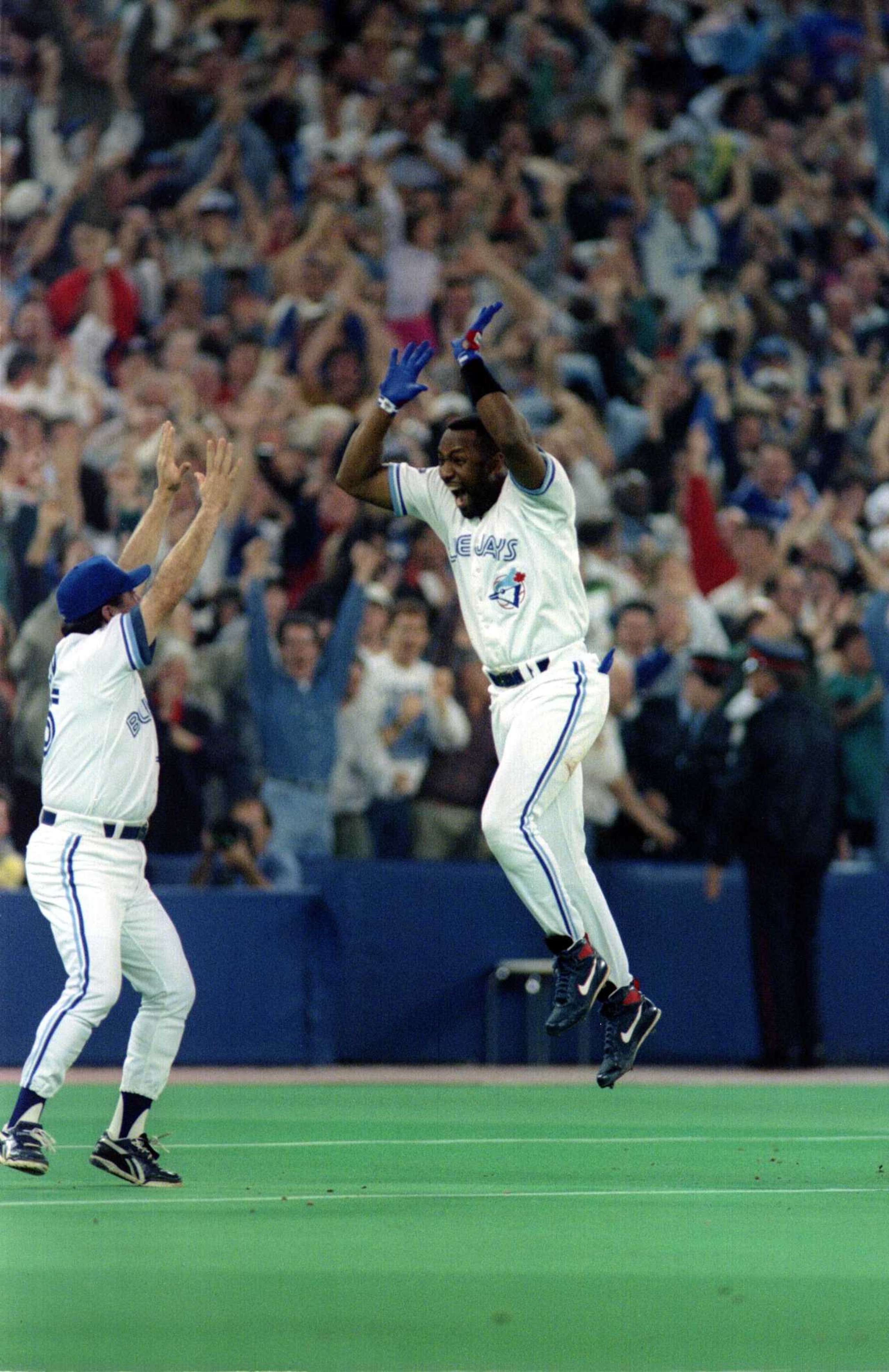
GAMES: 3 and 4
TOTAL: 25 runs
OPPOSING SPs: Danny Jackson, Tommy Greene
The 1993 Blue Jays will always be remembered for Joe Carter's Game 6 walk-off home run to end the series, but they made history in more ways than that.
Their 25 combined runs against the Philadelphia Phillies in Games 3 and 4 are the second-most runs ever scored in back-to-back World Series games.
A feat all the more impressive for Toronto considering they played both games on the road.
Six strong innings from starter (and future AL Cy Young winner) Pat Hentgen was more than enough for the Blue Jays in Game 3, as they cruised to a 10-3 victory.
As with many of these record setting games, Game 4 was an epic of back-and-forth scoring, and an epic flop of starting pitching. Shortstop Tony Fernandez's five RBIs and a six-run eighth inning were enough for Toronto to overcome two home runs from the Phillie's Lenny Dykstra and win by a score of 15-14, the highest-scoring game in World Series history.
1989 Oakland Athletics
5 of 10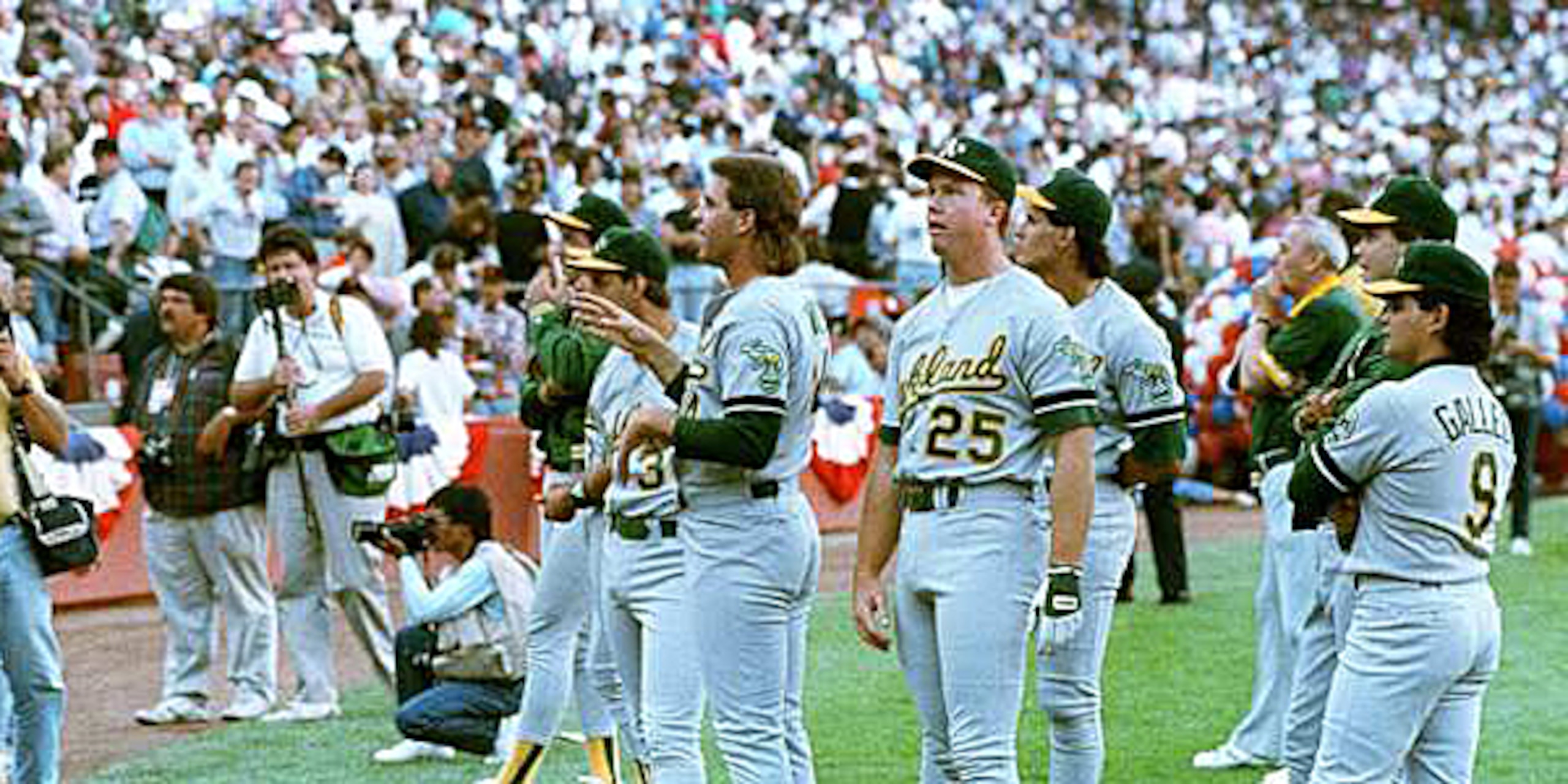
GAMES: 3 and 4
TOTAL: 22 runs
OPPOSING SPs: Scott Garrelts, Don Robinson
In a series remembered mostly for an earthquake, the A's created some tremors of their own.
Ten days passed between Game 2 and Game 3 as commissioner Fay Vincent and the baseball community decided how to navigate the unprecedented circumstance of a World Series played amidst a disaster.
When the games did resume, Oakland was ready.
With 13 runs in Game 3, led by Dave Henderson's two home runs, and nine runs in Game 4, beginning right out of the gate with a Rickey Henderson shot to lead off the game, the A's poured it on and finished out the sweep with a flurry.
Setting the bar for "finishing strong," Oakland's 22 runs are the most ever in the last two games of a World Series.
1961 New York Yankees
6 of 10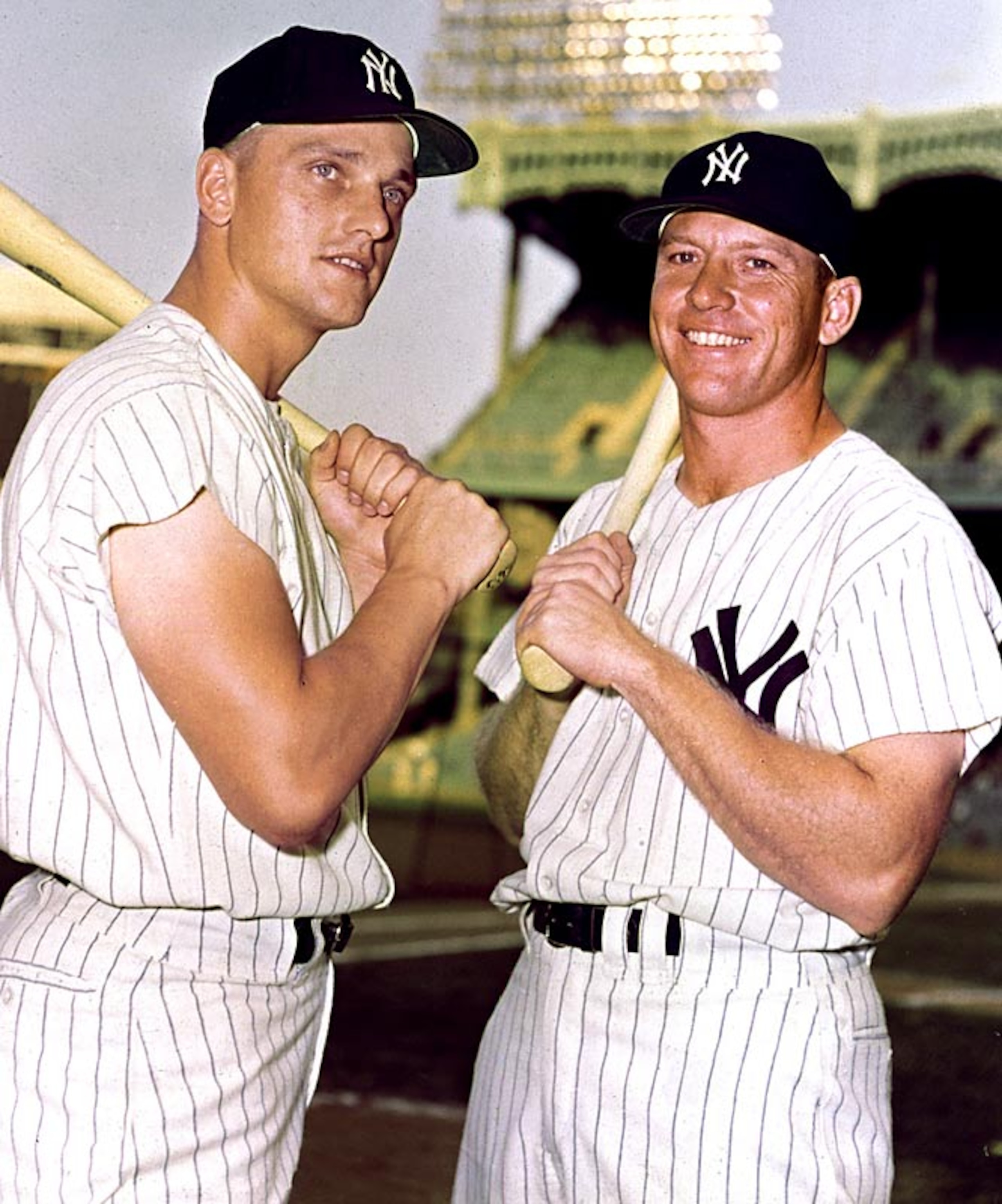
GAMES: 4 and 5
TOTAL: 20 runs
OPPOSING SPs: Jim O'Toole, Joey Jay
The breathless media recollection of Roger Maris' quest for 61 home runs has created a place in baseball mythology for the 1961 Yankees as one of the most celebrated (and overrated? Bill James thinks so) teams of the post-war era.
Flawed in some ways, one thing this team could do and do well was hit the ball hard, leading the American League that year with a .442 slugging average and 240 home runs, more than 50 more than the second-best team.
An easy five-game domination, the Yankees lost Game 2 at home to the National League champion Cincinnati Reds, then swept three on the road to close the series out in five games.
A 7-0 win in Game 4, followed by a decisive 13-5 win in Game 5, helped to burnish the Yankees' reputation as a powerful offensive juggernaut.
1960 New York Yankees
7 of 10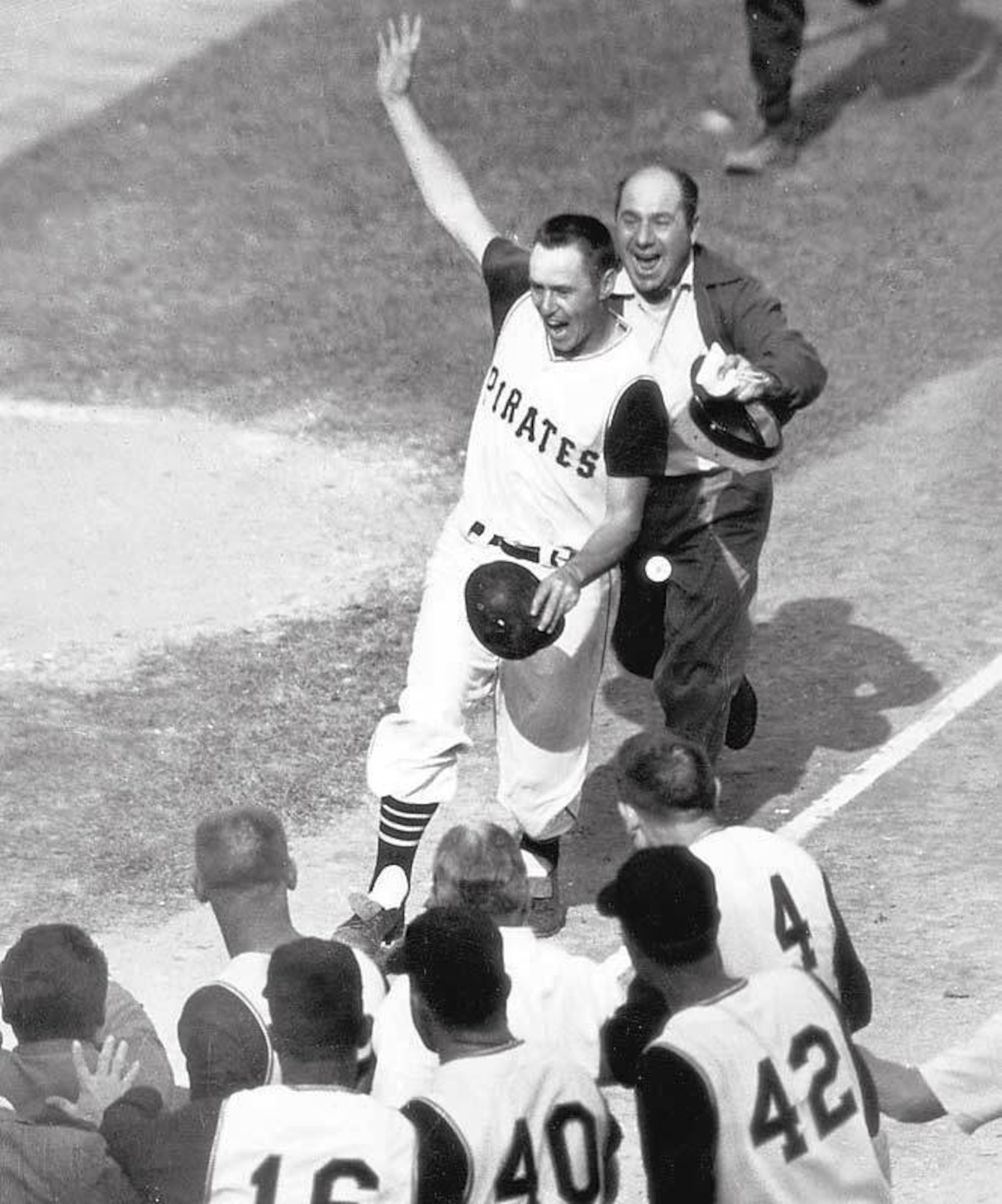
GAMES: 1 and 2, 2 and 3, 6 and 7
TOTAL: 20 runs, 26 runs, 21 runs
OPPOSING SPs: Vern Law, Bob Friend, Vinegar Bend
The 1960 Yankees pounded out 55 runs, the most ever scored in any World Series.
They lost.
They scored 26 combined runs in Games 2 and 3, the most runs ever scored in back-to-back World Series games.
They lost.
They outscored their opponents, the Pittsburgh Pirates, by a ridiculous 28 runs, 55 to 27.
And somehow, they still lost.
They lost because of Bill Mazeroski and his bottom-of-the-ninth Game 7 walk-off home run, still the only one in World Series history.
Play this series 10 times, the Yankees win nine. Heck, the Yankees win 10 times out of 10! The Yankees win this series every time!
Every time except this time. Somehow, despite the greatest offensive display in World Series history, the 1960 Yankees still lost.
1936 New York Yankees
8 of 10
GAMES: 2 and 3
TOTAL: 20 runs
OPPOSING SPs: Hal Schumacher, Freddie Fitzsimmons
The Giants' Fitzsimmons is unlucky to be mentioned on this list. One of the more consistent pitchers in the National League for the previous decade, he pitched a great Game 3 in 1936, going the distance in a tough 2-1 loss despite allowing only four Yankee hits.
The real culprit here is Game 2. The Yankees drove 18 runs across the plate, the most ever scored by one team in a World Series game, including a Tony Lazzeri grand slam, just the second in Series history at the time, and three hits from 21-year-old rookie Joe DiMaggio.
The Yankees would beat the Giants in six games, outscoring the Giants by 20 runs and outhitting them by 50 points, with a team batting average of .302 for the series.
The Yankees and the Giants would play each other again the next year, marking the fifth time the teams met in the Fall Classic. With a sixth meeting in 1951, they would remain the marquee World Series matchup until the Yankees met the Dodgers for a seventh time in the 1956 series.
1932 New York Yankees
9 of 10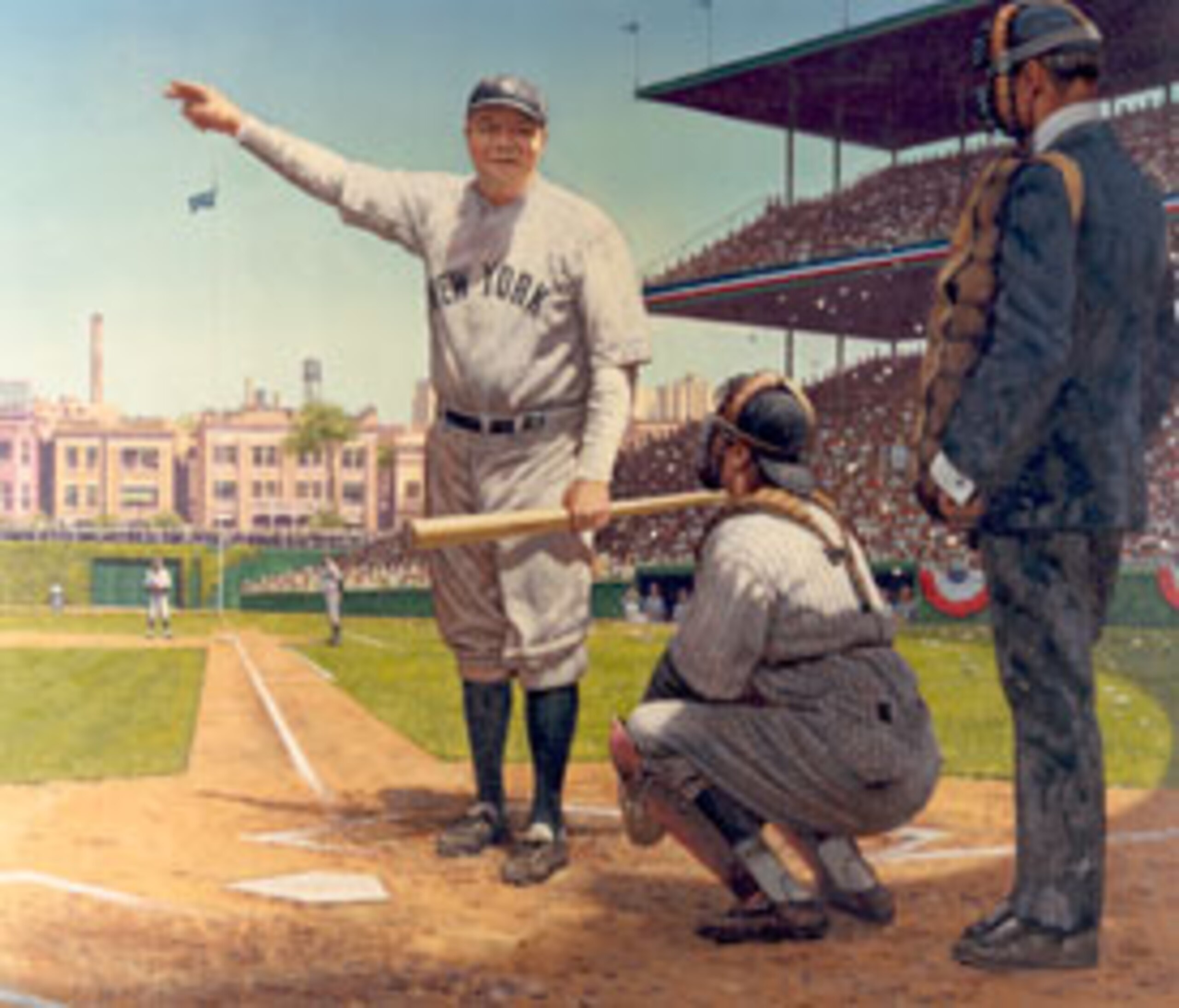
GAMES: 3 and 4
TOTAL: 20 runs
OPPOSING SPs: Charlie Root, Guy Bush
The 1932 Yankees had little difficulty with the National League champion Chicago Cubs, sweeping them away in four games.
New York finished out the series with flare, scoring a combined 20 runs over the last two games.
This series, however, will always be remembered for Babe Ruth's "called shot" home run in Game 3. Was he pointing toward the Chicago bench players who had been taunting him? Was he just pointing at pitcher Charlie Root?
Whatever the truth of the moment, the Babe, making his final postseason appearance, left baseball with one of its last cornerstone legends just as the hazy mists of its pre-modern era were giving way to the very beginnings of the coming media age.
1910 Philadelphia Athletics
10 of 10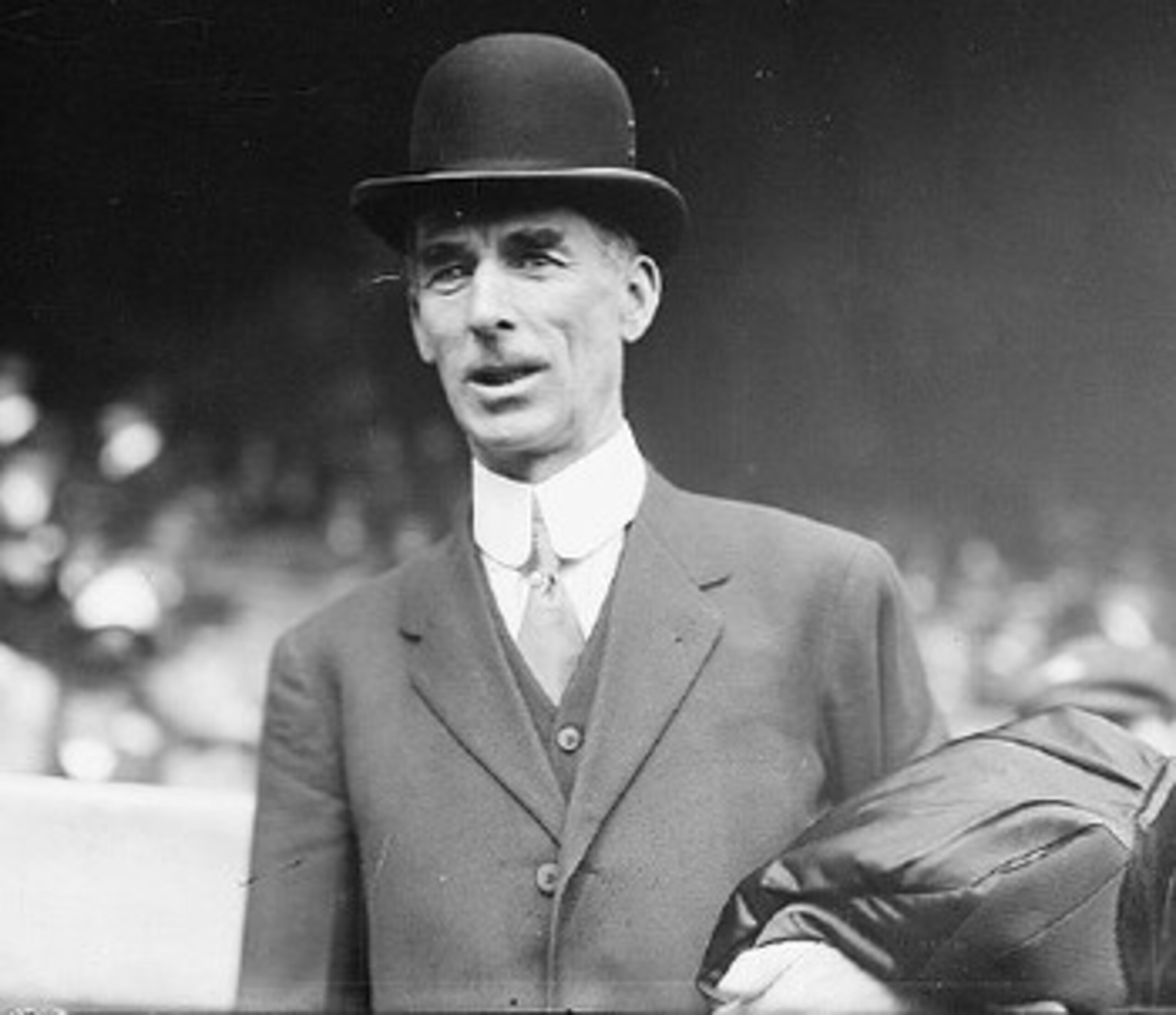
GAMES: 2 and 3
TOTAL: 21 runs
OPPOSING SPs: Mordecai "Three Fingers" Brown, Ed Reulbach
Connie Mack was a baseball legend.
He managed the Athletics for an astounding 50 seasons, through two of the greatest dynasties in baseball history, through two of the most horrific fire-sale dismantling of championship teams in baseball history, through thick and thin.
His 1910 Athletics had just won the first of four American League pennants in five seasons, including three World Series triumphs.
The 21 runs the A's scored between Games 2 and 3 represented the first time the feat was accomplished, and it may well remain the most impressive.
What sets the 1910 Athletics apart from the other teams on this list is the quality of their opposition.
Three Fingers Brown was a Hall of Famer, the only such pitcher anywhere on this list. And at the time of the 1910 World Series, Ed Reulbach had a career winning percentage of .699 and was one of the better pitchers in the National League.
These two were far and away the best starting pitchers to land on the "20 runs" list, yet they still couldn't handle an A's attack led by Hall of Famers Eddie Collins and Frank "Home Run" Baker.

.jpg?w=2560 "Titans Colts Football")

.jpg?w=2560 "Jonathan Taylor Landing Spots 📍")