
World Series 2010: Giants-Rangers and the 15 Most Shocking WS Matchups
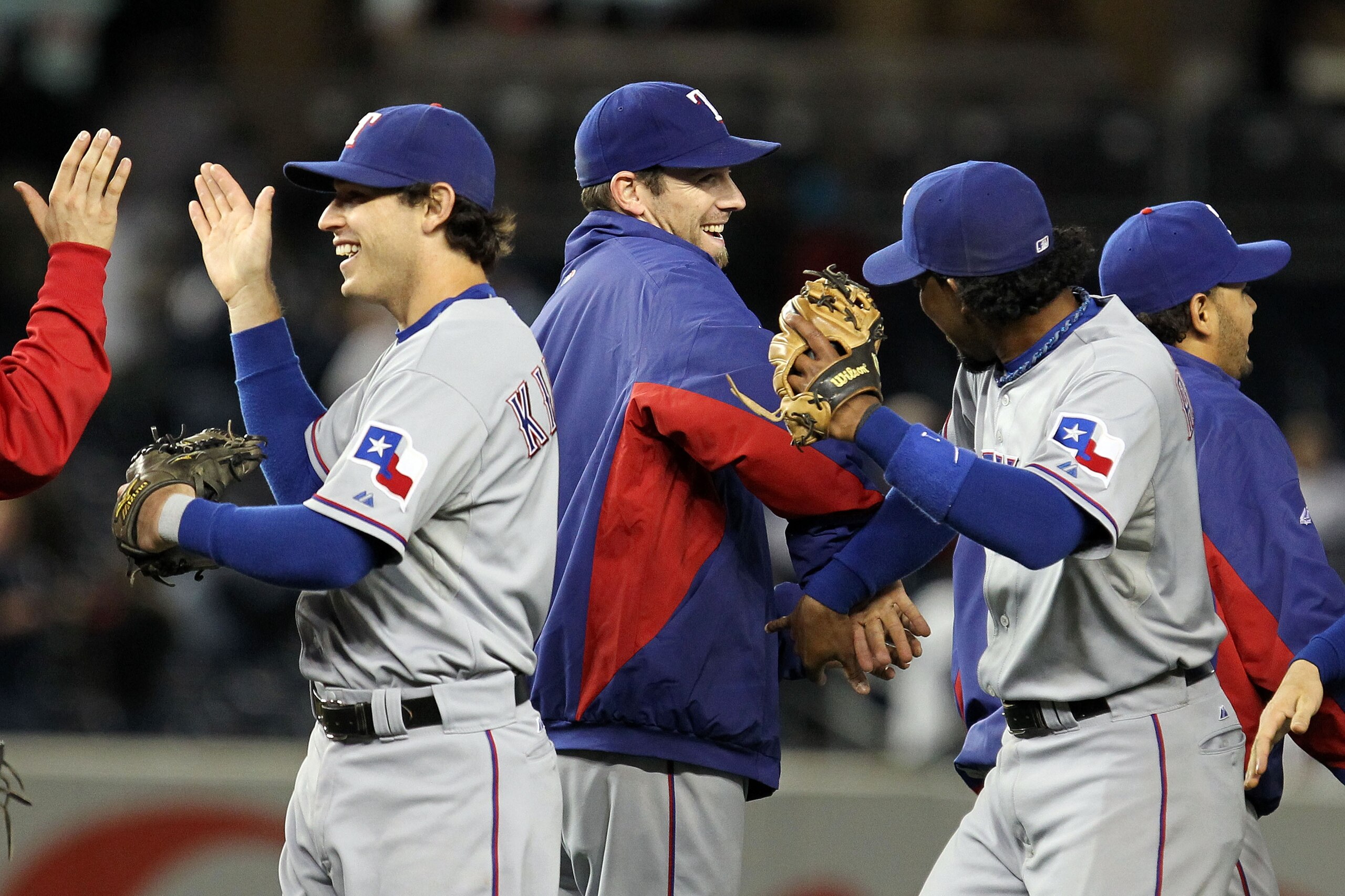
The Texas Rangers and San Francisco Giants will square off starting Wednesday in the World Series. In a Fall Classic matchup for the ages, Cliff Lee and Tim Lincecum will face one another as mound opponents for Game 1.
It will likely be a great series, with two strong teams capable of beating one another in myriad ways. At the beginning of the season, though, it seemed a long shot for either to seriously threaten the powers that were in their respective leagues. In fact, neither team was even the favorite in the League Championship Series. The fact that both have made it this far is stunning.
It isn't the first time the World Series has matched two unlikely combatants. Since the advent of the Wild Card and two-layer league playoffs, of course, there have been a fair number of upsets in early rounds of postseason play. Even before that era, thrilling pennant races featuring unlikely collapses and surprising upstarts produced many improbable twosomes.
Which 15 World Series have featured the least likely foes? How do the Rangers and Giants stack up? Where do legendary teams like the 1964 Cardinals and the 1969 "Miracle" New York Mets rank? Read on.
15. Chicago White Sox Vs. Houston Astros, 2005
1 of 15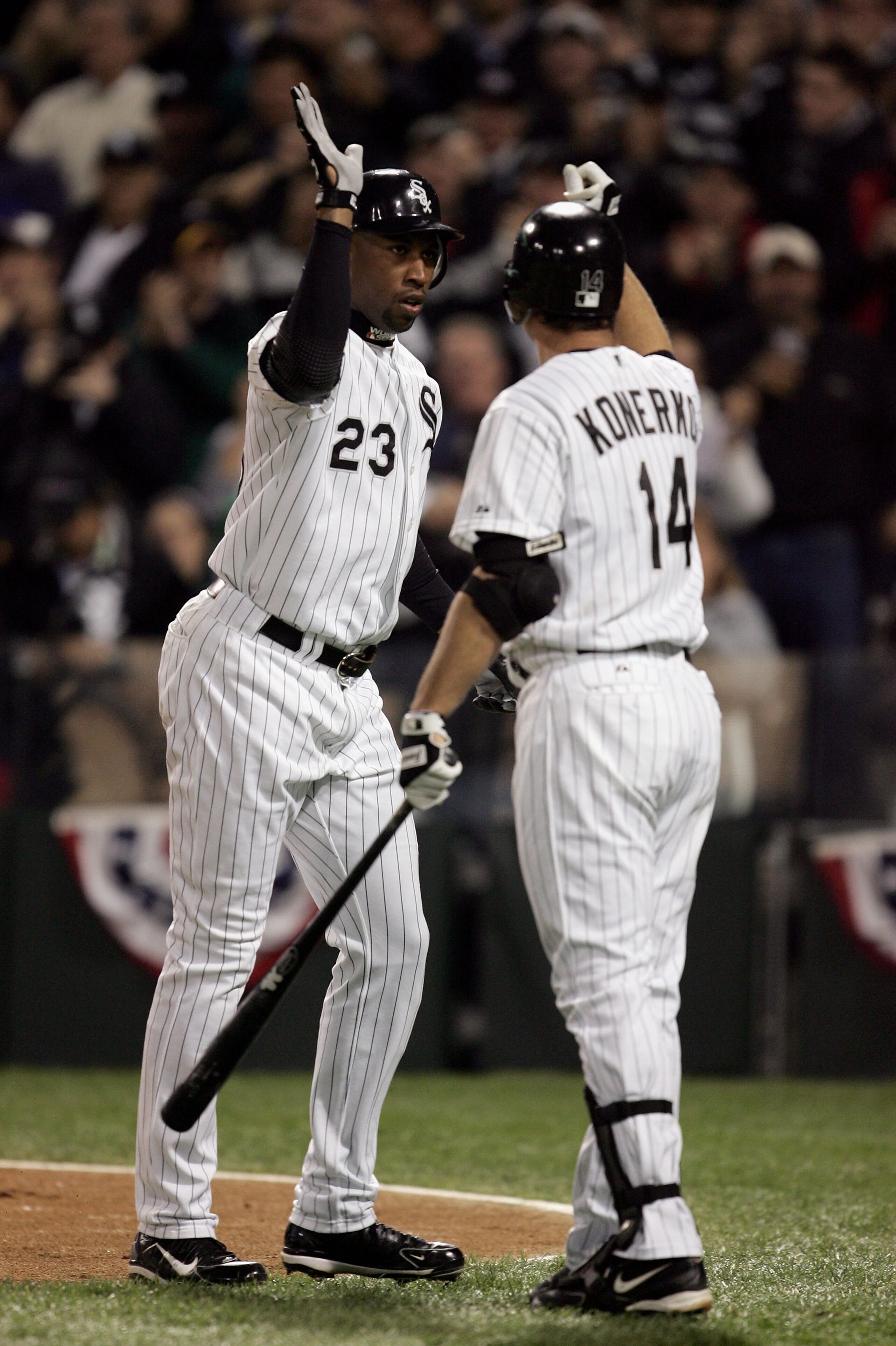
The Astros sported perhaps the best starting rotation trio in baseball history, with Roy Oswalt, Roger Clemens and Andy Pettitte combining for roughly 670 innings and a sub-3.00 ERA. The White Sox also succeeded on the strength of their pitching, but did so with more balance: Their top four starters all had solid seasons, as did their five best relievers.
Given the solid sluggers with whom each team complemented their pitching aces—Lance Berkman and Morgan Ensberg on the Astros side, Paul Konerko and Jermaine Dye for Chicago—it was no surprise that either talented crew reached the Fall Classic. Rather, this matchup merits a spot on the list because of the historical odds against the Sox and 'Stros meeting up in such a spot.
Chicago had not been to a World Series since 1959, nor won one since 1917. The Astros, for their part, won the first pennant in their franchise's 43-year history in 2005. Less talented teams have reached the Fall Classic, and teams have gotten there in more dramatic fashion. For a pair of clubs so haunted by postseason futility in the past, though, it is hard to find a better match than the Sox and Astros.
14. Washington Senators Vs. New York Giants, 1933
2 of 15
The Giants were a strong and perennial contender in the 1930s, with ace Carl Hubbell leading the charge. Still, they had not reached the World Series in nine seasons and beat the Pittsburgh Pirates by five games as Pittsburgh faded during September.
The Senators (not the ones who would later become the Rangers) reached their first World Series since matching the Giants in the 1924 Classic, despite the lack of any apparently excellent players. Walter Johnson was long gone, and the team's remaining aces—General Crowder and Earl Whitehill—were each 34 years old. The team's manager was 26-year-old shortstop Joe Cronin, perhaps the surest sign of how unlikely Washington's run to the league's best record truly was.
13. New York Giants Vs. Cleveland Indians, 1954
3 of 15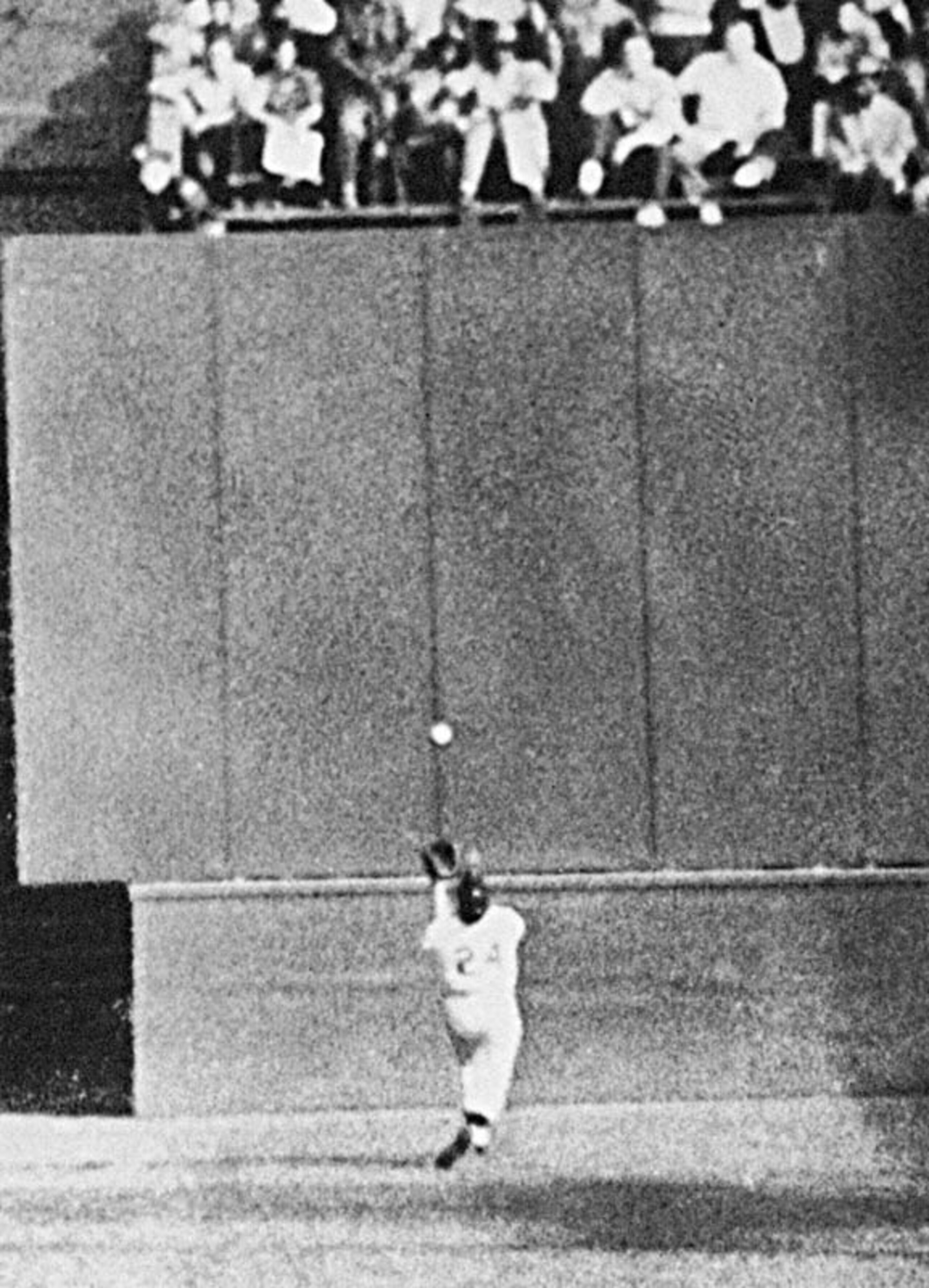
The 1954 Series will always be remembered most for this dazzling and iconic play by Giants great Willie Mays, but there is a bit more to the story.
From 1949 to 1958, ten American League pennants were awarded. The Cleveland Indians of 1954 were the only team other than the New York Yankees who won one during that span. The Indians came out of nowhere (they won 92 games but finished a distant eight and a half games back in 1953) to dominate all junior-circuit opponents. Their 111 wins edged out the 1927 Yankees for the most in AL history to that point.
The Giants, meanwhile, had a slightly tougher road to the Series, but won their second pennant in four years by zipping past the Brooklyn Dodgers—who had won the previous two seasons and seemed poised to do so again—late in the year.


12. Oakland Athletics Vs. New York Mets, 1973
4 of 15
The Oakland Athletics had won the World Series in 1972, but that did not mean they were expected to return. In fact, after the Orioles—who had won three straight pennants before Oakland's upset win in 1972—shut out the A's behind Jim Palmer in Game 1 of the ALCS, few thought it would even be a series.
Oakland's mistreated ragtag crew battled back, though, and won a thrilling Game 5 on a Catfish Hunter shutout to solidify themselves as the AL's new team to beat.
Meanwhile, the Mets delayed the arrival in full of what would become the most famous non-Yankee dynasty in the sport's history. The Cincinnati Reds had won two of the last three pennants and were favorites to win a third. Behind Rusty Staub and Tom Seaver, though, the Queensmen made unlikely losers of the men from the Queen City.
11. New York Mets Vs. Baltimore Orioles, 1969
5 of 15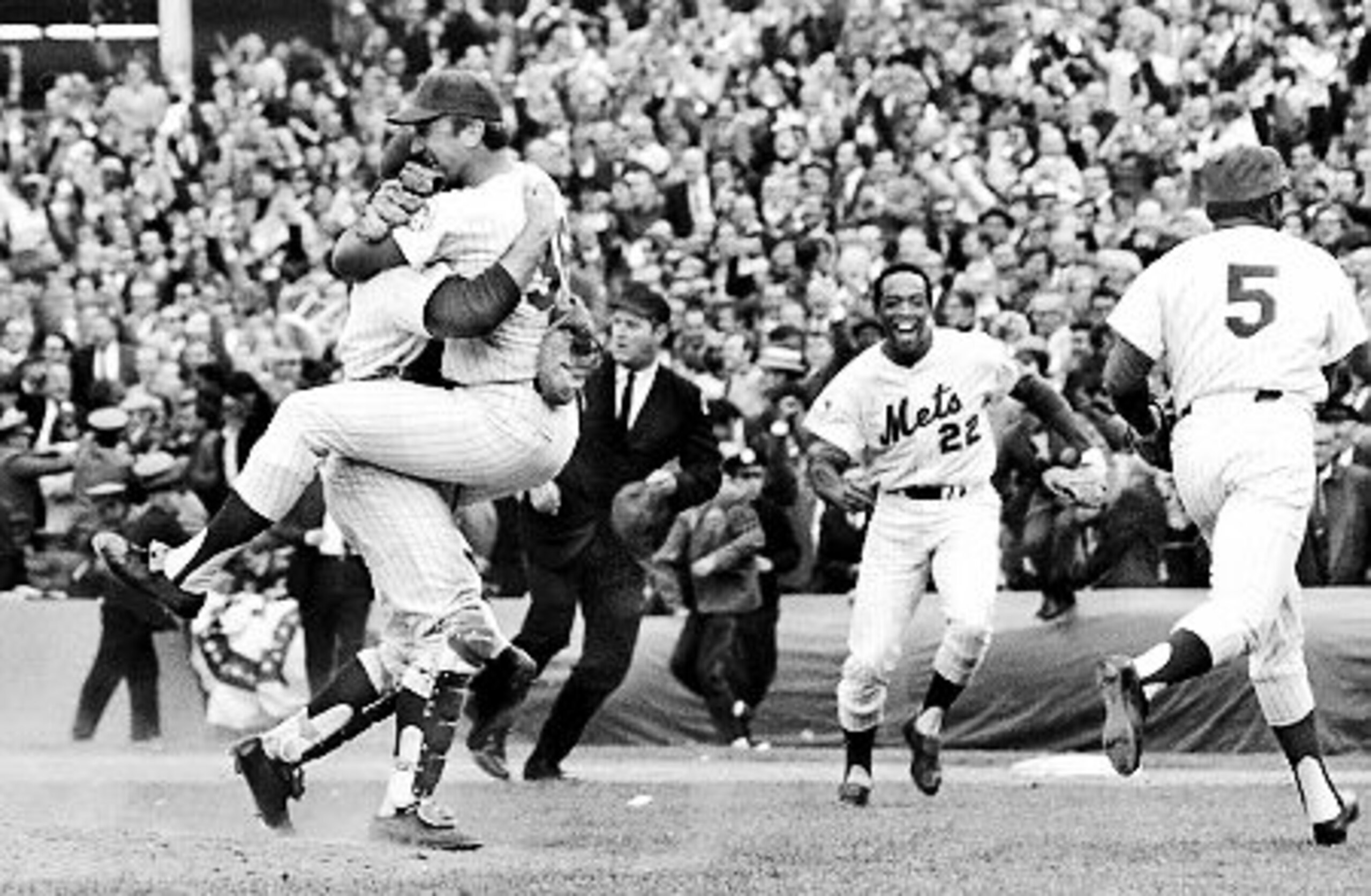
The two teams that clashed in this series came as no special surprise, at least insofar as it seemed inevitable during the season's final two weeks. The Orioles won 109 games; the Mets won 100.
The Mets were not just any Mets, though. They were the "Miracle" Mets. In their previous seven seasons of existence, the Mets had never finished better than ninth or with more than 73 victories. In 1969, with a roster only modestly improved, they won 100. Tom Seaver and Jerry Koosman became superstars overnight.
It was not so much that the Mets won, but rather how. They had only two hitters who were substantially above average in Cleon Jones and Tommie Agee. They outscored their opponents by only 91 runs, which ought to have netted them a record more in line with the second-place Cubs' 92-70 mark. Of course, it didn't hurt that the Cubs fell apart down the stretch, but the Mets won the pennant on their own merit—although no one is sure how.
10. Detroit Tigers Vs. Chicago Cubs, 1945
6 of 15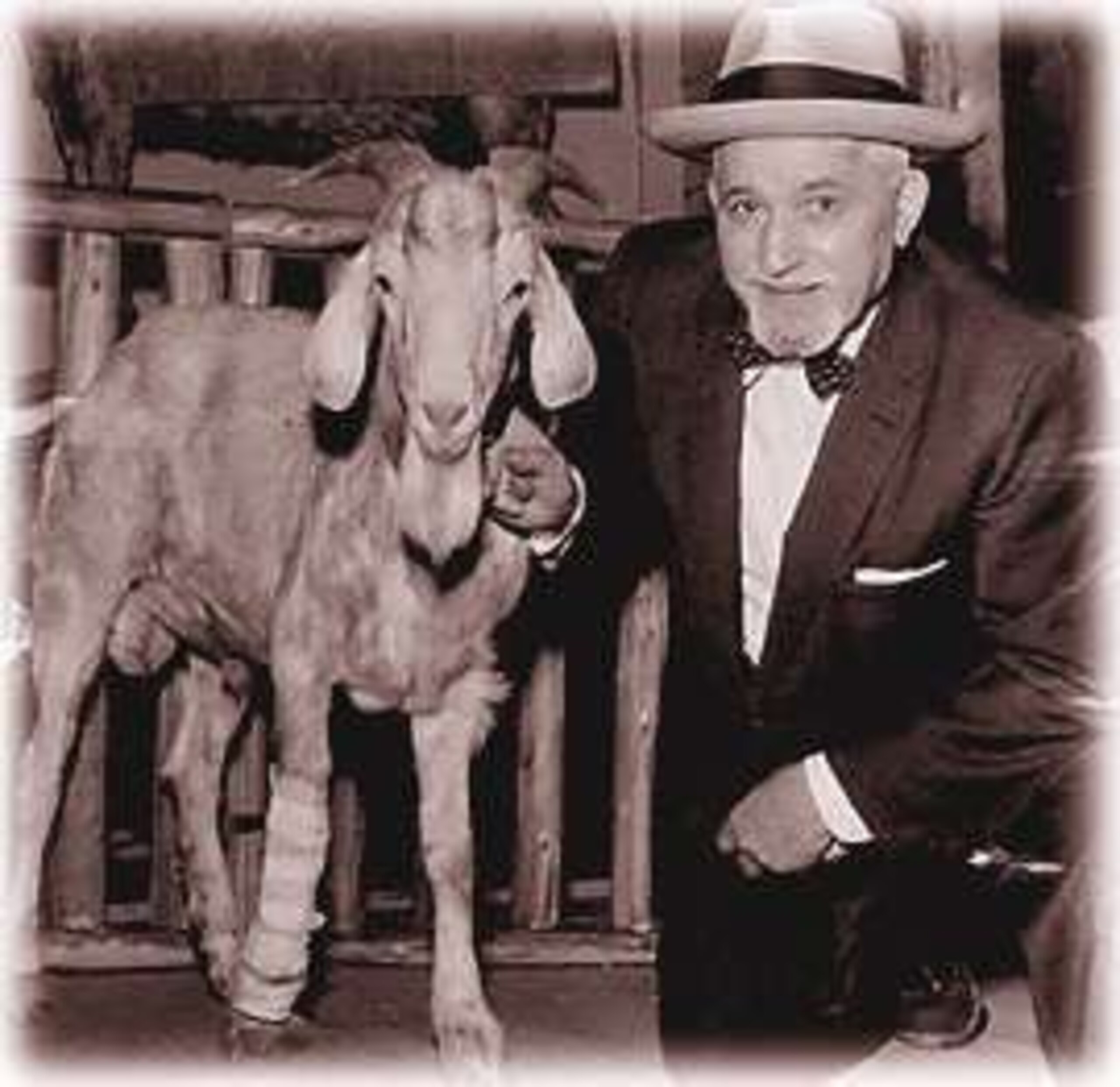
Bill Sianis and his goat remain the most famous (or infamous) figures to come forth from the 1945 Series, but it is not their fault: The teams on the field itself left a bit to be desired.
By 1945, World War II had depleted the league to the greatest extent that it could. If a player was young and fully able, he was drafted and sent away to war. That left only those who had begun to succumb to age or injury to play the big-league game.
Luckily for the Chicago Cubs, their roster was full of players who (for myriad reasons) did not qualify for military service. So it was that a team that finished fifth and fourth—with losing records each year—in the two prior seasons won 98 games and the "War pennant" in 1945.
The Tigers were even more dubious league champions, as they won only 88 games to eke by Washington. Hal Newhouser had a season for the ages on the mound, but only Hank Greenberg's fortuitous mid-season return from the service allowed the Tigers to win the pennant and then the World Series.
9. Cleveland Indians Vs. Boston Braves, 1948
7 of 15
Cleveland had not reached the Fall Classic since 1920, while the Boston Braves had not been there since winning in 1914. Neither club had even placed second during the three previous seasons.
Cleveland reached the Series mostly on the strength of its intimidating power offense, a group that had long been good but became great in 1948. The big difference maker was Larry Doby, who had played in 29 games as a substitute in 1947 but arrived in full only as 1948 began. Doby was the American League's first black player, and he rapidly set about showing the league what it had missed: He would finish the season at .301/.384/.490 with nine triples and nine stolen bases.
On the Boston side, the story remained the same: Spahn and Sain and pray for rain. Because the team was able to score more runs that year, though, the starting pitching duo had enough help to lead the team to a surprise pennant.
8. Minnesota Twins Vs. St. Louis Cardinals, 1987
8 of 15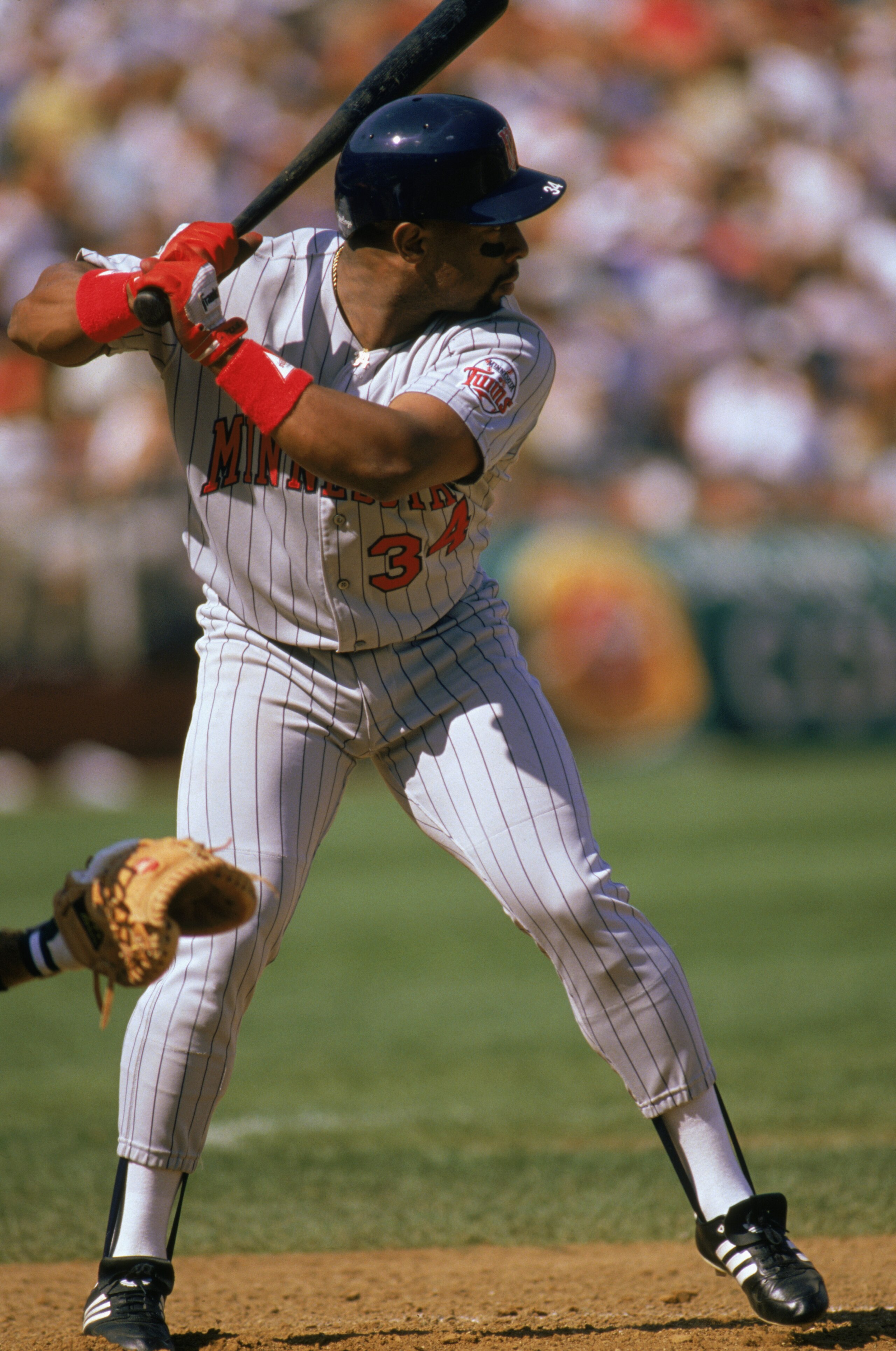
The Twins entered the 1987 ALCS as overwhelming underdogs against the 98-win Detroit Tigers. Detroit had won the World Series in 1984 and had a handful of handsome holdovers (Kirk Gibson, Alan Trammell, Lou Whitaker and Chet Lemon for starters) from that club on the 1987 team. Minnesota was just beginning its rise to prominence out west and stunned most people by toppling the Tigers easily in five games.
St. Louis was expected to beat the San Francisco Giants en route to their spot in the Series, but it hardly looked as though that would be the case after five games. Giants outfielder Jeffrey Leonard—who would win the NLCS MVP despite playing for the losing side, the last man to do it—homered in each of the first four contests in the series, and the Cardinals headed home down 3-2. It took a pair of back-to-the-wall wins for them to reach their unlikely date with Minnesota.
7. Anaheim Angels Vs. San Francisco Giants, 2002
9 of 15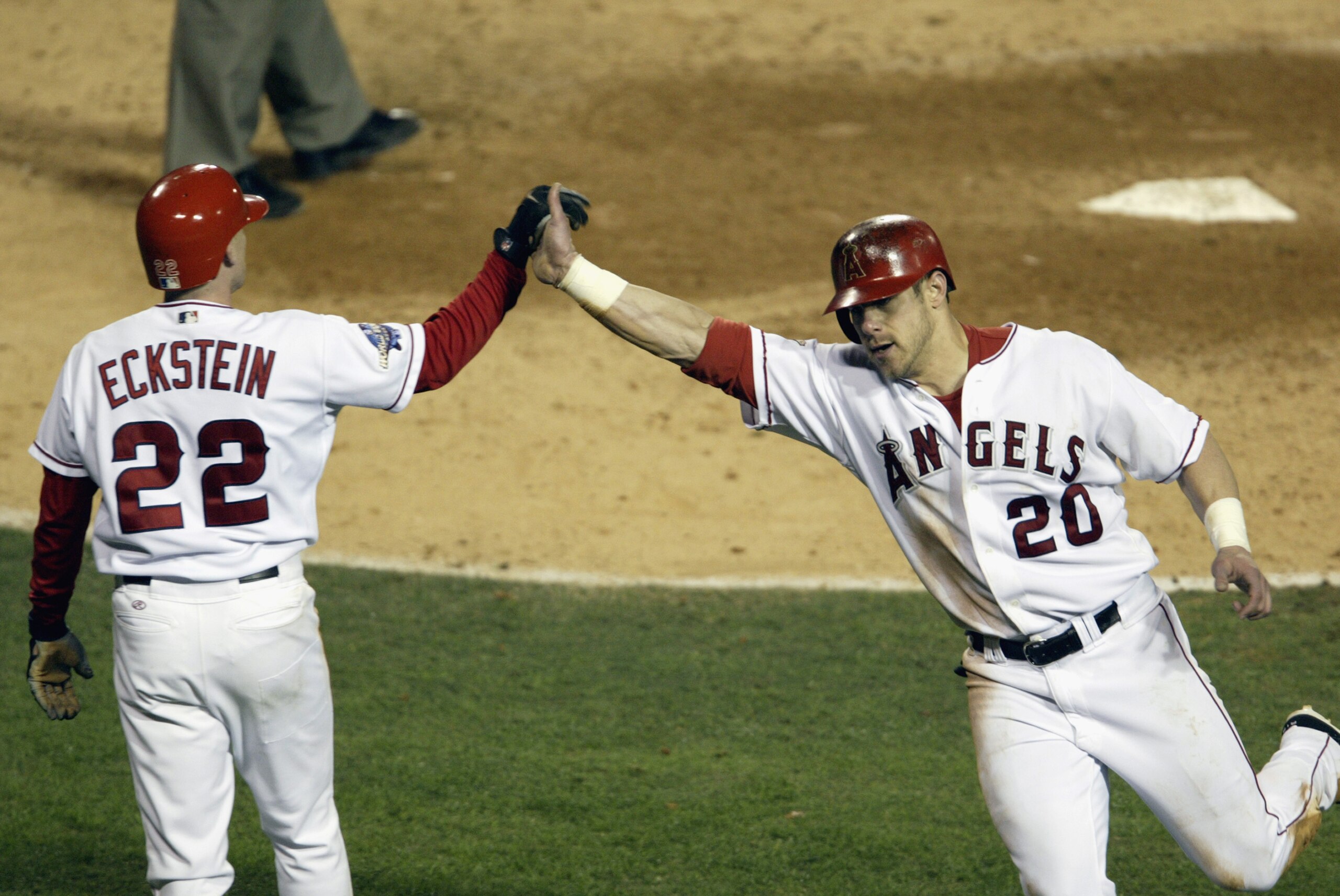
The 2002 Series remains the only one ever to match two Wild Card entrants, as both California combatants won a pair of series without the benefit of home-field advantage in order to reach the Classic.
Led by Adam Kennedy and David Eckstein, the Angels offense seemed born of a different era: The team had only one 30-home run hitter, third baseman Troy Glaus. Small ball and a strong pitching staff allowed them to win games in unlikely ways all year long, and sustain their success into October.
The Giants operated on the opposite principle: They merely clogged the bases and waited for Barry Bonds and Jeff Kent to do the rest. Bonds and Kent combined for 83 homers, and five other Giants reached double figures. Still, the team did almost nothing else well, and the fact that they managed to slug their way past Atlanta and St. Louis into the World Series shocked many observers.
6. Boston Red Sox Vs. Colorado Rockies, 2007
10 of 15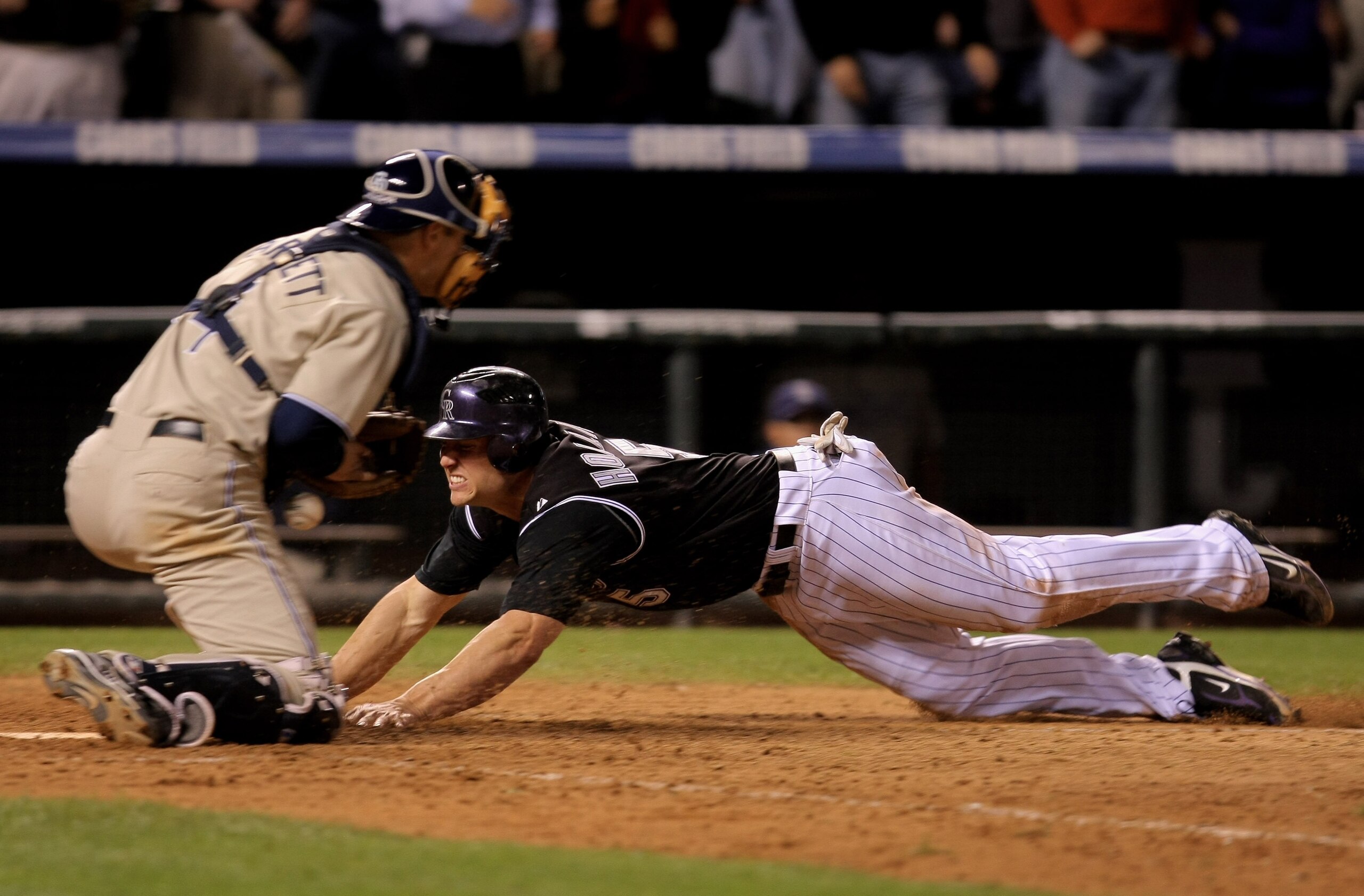
The Colorado Rockies seemed to be out of it when, on September 15, 2007, they lost their third game in a row and feel six and a half games out of playoff contention. From that moment on, though, they set out on the least likely run by any single team to reach the MLB postseason in history.
Nobody collapsed and let Colorado back into the race. The Rockies simply made it their undeniable mission. They won 11 in a row and, including a one-game tiebreaker with San Diego for the Wild Card spot, 14 of their last 15 regular-season games. They then stormed through the NL side of the playoff bracket, sweeping each series to reach a remarkable 21 wins in 22 games.
In the World Series, the Boston Red Sox met them. The Red Sox, who had won the World Series as recently as 2004 but missed the playoffs altogether in 2006, were down three games to one in their ALCS matchup with the Cleveland Indians. Manny Ramirez posed an intriguing question to the media: "Who cares?"
Apparently, the nonchalant approach worked for the Beansmen, who proceeded to come back and win three straight games.
6. Philadelphia Phillies Vs. Kansas City Royals, 1980
11 of 15
The Phillies had not been to a World Series since 1950 and had never won one. No Kansas City team of any persuasion had ever reached the Series before.
Each team had lost three straight League Championship Series from 1976-78, then missed the playoffs altogether in 1979. Each faced a team with a better record in their respective 1980 LCS matchups. Each won.
That future Hall of Fame third basemen George Brett and Mike Schmidt would get to face off at the culmination of their best seasons seemed fitting, but no one realistically thought it would happen. It did.
4. San Francisco Giants Vs. Texas Rangers, 2010
12 of 15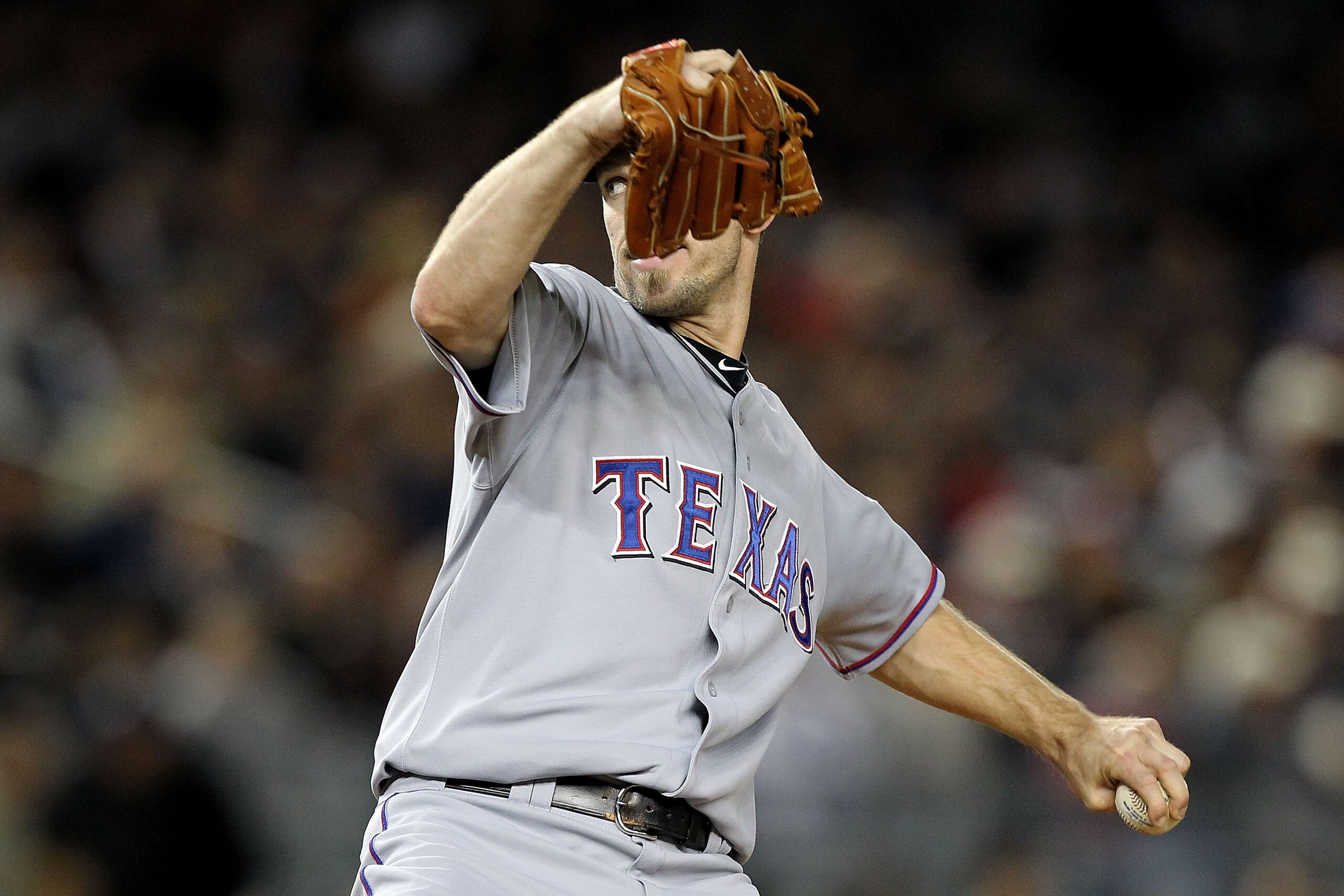
The Rangers have never reached this stage of the game before. For the Giants, the pennant has come easily enough, but there has been no World Series title since the move to San Francisco.
Neither team was supposed to be here. The Rangers were not even favored to beat Tampa Bay in the ALDS, much less to unseat the defending champion Yankees and move the entire balance of American League power out of the East for a moment. The pitching did not seem to be deep enough, and there were questions about Josh Hamilton's health. No more.
San Francisco did what they ought to have done in disposing of Atlanta, but the Phillies posed a much fiercer threat. Philadelphia had twice won the pennant and seemed to be getting fully healthy at precisely the right moment to win a third in a row, a feat not done in the National League since the 1942-44 St. Louis Cardinals did it. The Giants, though, had other ideas.
Behind their stellar pitching and more offense than anyone expected, San Francisco made their first return to the Series since the aforementioned 2002 affair.
3. St. Louis Cardinals Vs. New York Yankees, 1964
13 of 15
The Yanks and Cards are the historical powerhouses of their respective leagues, the two teams always most likely to meet in the Series. In fact, they have done so five times, although 1964 marked the last.
The reason this one particular meeting was so unlikely was because of all the things that nearly prevented it. The Cardinals, who did not get it together until mid-season, battled three teams down the stretch in September.
The Philadelphia Phillies seemed to have the league sewn up at the beginning of the final month, but famously collapsed. The Cincinnati Reds were better-positioned than St. Louis to win, but failed to capitalize on an easy schedule over the final week. The Cardinals finally climbed to the top of the heap on the season's final day, with three teams three games or fewer behind them.
The Yankees, riddled with injury and beginning to feel the ravages of age, watched as the league all but caught them up in 1964. New York had won the previous four AL pennants, all by at least five games and by 31.5 games in total. In 1964, they won again, but this time, the margin was one. Chicago nearly edged them out, and Baltimore—the team that would take New York's mantle as cream of the AL crop for the next seven years—finished only two games out. After their narrow victory that season, the Yankees would not earn another pennant for 12 years.
2. Cleveland Indians Vs. Florida Marlins, 1997
14 of 15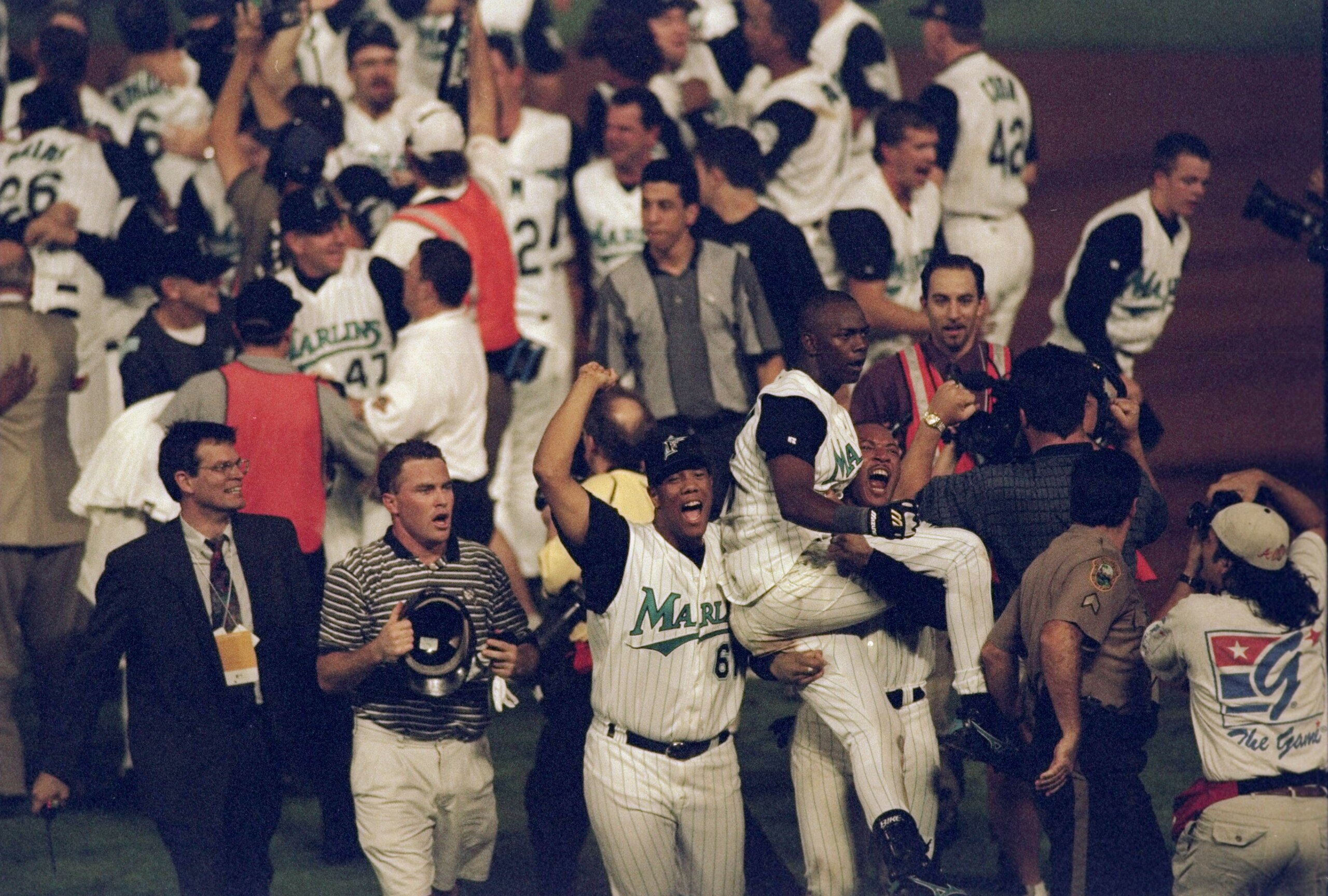
As usual, the AL East had two participants in the 1997 postseason. The Indians beat them both. For Cleveland, the victories brought them to their second World Series in three years, but it required them to knock off the Yankees and Orioles—they would be the last team to beat New York for four years.
Florida had an even more unlikely path. The Atlanta Braves had, by now, become what history knows them to be, having won their sixth straight division title and featuring (again, perhaps) the best pitching trio in baseball history. They could do it all, and played with remarkably automatic fundamentals. They seemed a nearly unbeatable robot.
Florida disproved that theory, and in so doing became the youngest franchise ever to win a pennant, doing it in just their fifth year of big-league play.
1. Los Angeles Dodgers Vs. Chicago White Sox, 1959
15 of 15
This Series brings the list full circle, as we again see the White Sox making a rare and special appearance. Despite nine key contributors on offense being over 31 and their ace (Hall of Fame hurler Early Wynn) being nearly 40, the Sox became the only interruption in a string of nine Yankees pennants in 10 years. Chicago was a perennial bridesmaid and long deserved their chance to win it all, but it still came as a shock even to Chicagoans when the team pulled away in September.
On the other side of the docket, Los Angeles bested Milwaukee by two games in a year when the stars who had carried the Braves to pennants in 1957-58 simply seemed to run out of gas. Still, the Dodgers hardly seemed the easy favorites, with a more seasoned Giants club on its tail and the absences of retired Jackie Robinson and Pee Wee Reese still rather conspicuous.
Unexpectedly, though, the team finally began to glimpse the potential of two previously uneven young pitchers: Don Drysdale and Sandy Koufax. The end result was a World Championship that spurred Los Angeles back into the thick of the NL for another decade.



.jpg?w=2560 "Jonathan Taylor Landing Spots")
.jpg?w=2560 "Malik Beasley Negotiating Plea Deal (AP)")


.jpg?w=2560 "NFL House in Paris Closes for Protests (AP)")