

Buster Posey and the Top 10 Clutch MLB Postseason Rookies Ever
Buster Posey: clutch MLB postseason rookie.
Not many people would have predicted that in spring training...of course not many people predicted the Giants to be a game away from the World Series or Cody Ross to be the odds-on NLCS favorite, either.
Posey was expected to be a great player: he was a first-round pick out of Florida State. But this type of success (.305, 18 HR, 67 RBI) this early was surprising. Eleven base hits in eight postseason games is even more so.
But Posey isn't the first rookie to do great things in the playoffs and World Series.
Check out 10 other rookies who burst on the scene upon the game's biggest stage.
No. 10: Chuck Knoblauch, 1991, Minnesota Twins
1 of 10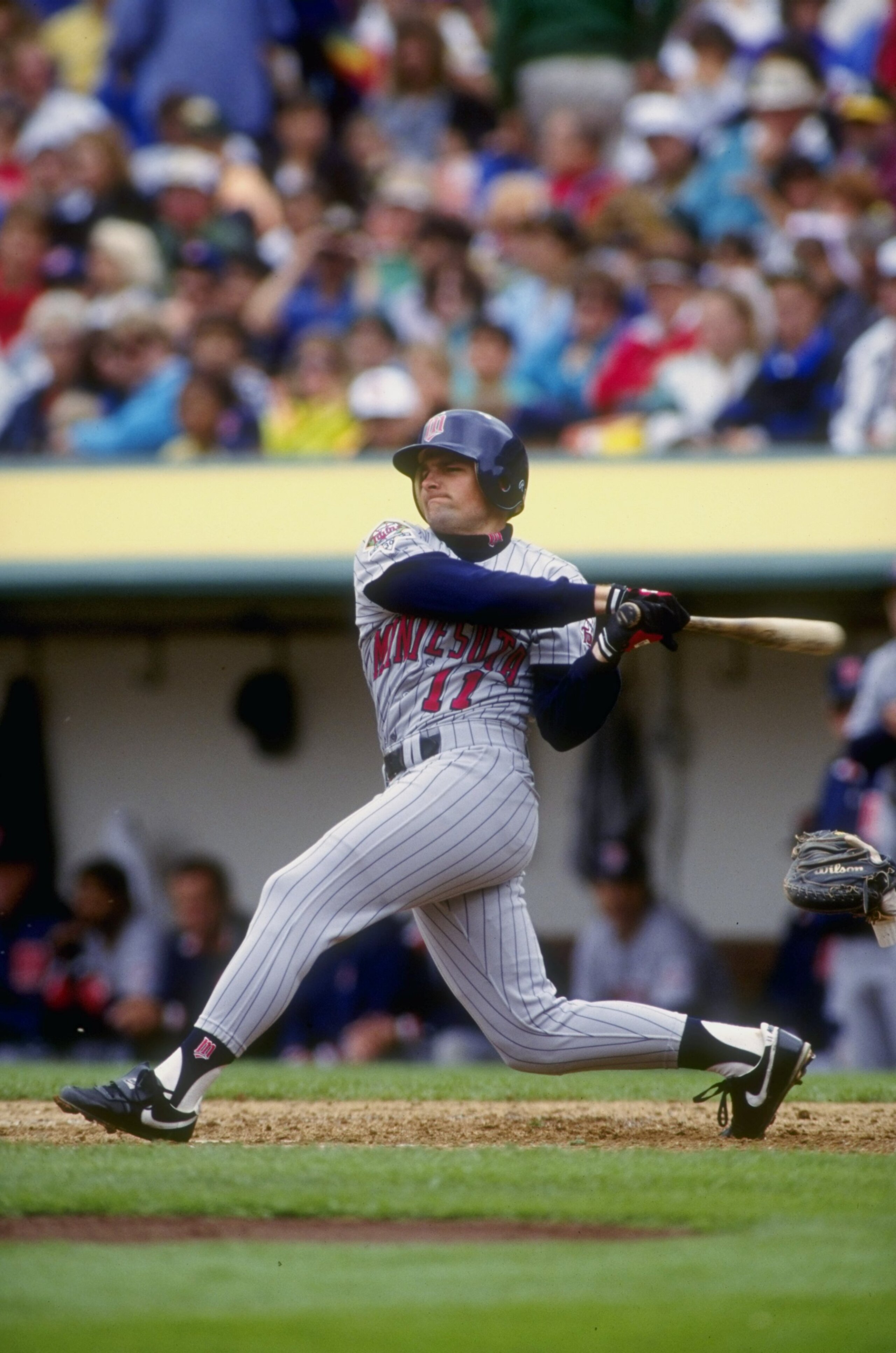
Postseason Statistics: .326 Average, 12 Hits, 8 Runs, 5 RBI, 6 SB (12 Games)
The Rookie of the Year's skills carried over magnificently into the postseason.
The Twins second baseman hit .350 in a five-game 1991 ALCS victory.
He was even more disruptive in that year's World Series.
Knoblauch collected eight hits, but he also stole four bases.
Knobauch scored the first run of the Twins must-win Game 6 thriller (Kirby Puckett's famous walk-off).
And in the bottom of the 10th inning of Game 7, Knoblauch's sacrifice bunt moved Dan Gladden from second to third, setting up the series-winning sacrifice fly from Gene Larkin.
No. 9: Derek Jeter, 1996, New York Yankees
2 of 10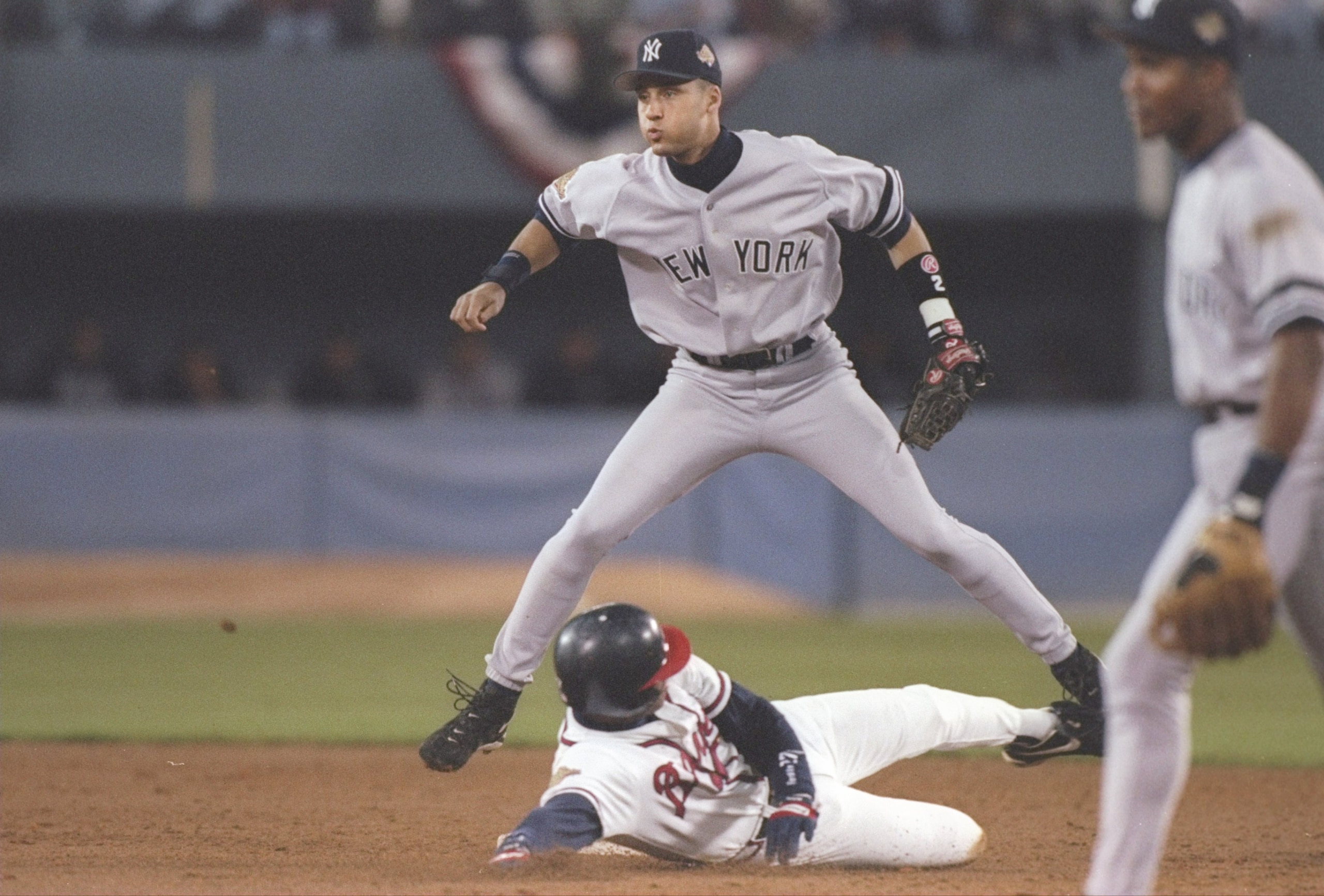
Postseason Statistics: .360 Average, 22 Hits, 12 Runs, 1, HR, 3 RBI, (15 Games)
Jeter won the Rookie of the Year during the first championship of the latest Yankee dynasty.
But it was during that year's postseason that he started endearing himself to the New York fans.
His eighth-inning home run (sort-of: see Jeffrey Maier) against the Orioles sparked the Yankees' comeback win in Game 1 of the ALCS. He finished that five-game series with 10 hits.
In the World Series comeback over the Braves, he added five more hits, and drove in the first run of the Yanks' Series-clinching 3-2 win in Game 6.
No. 8: Dustin Pedroia, 2007, Boston Red Sox
3 of 10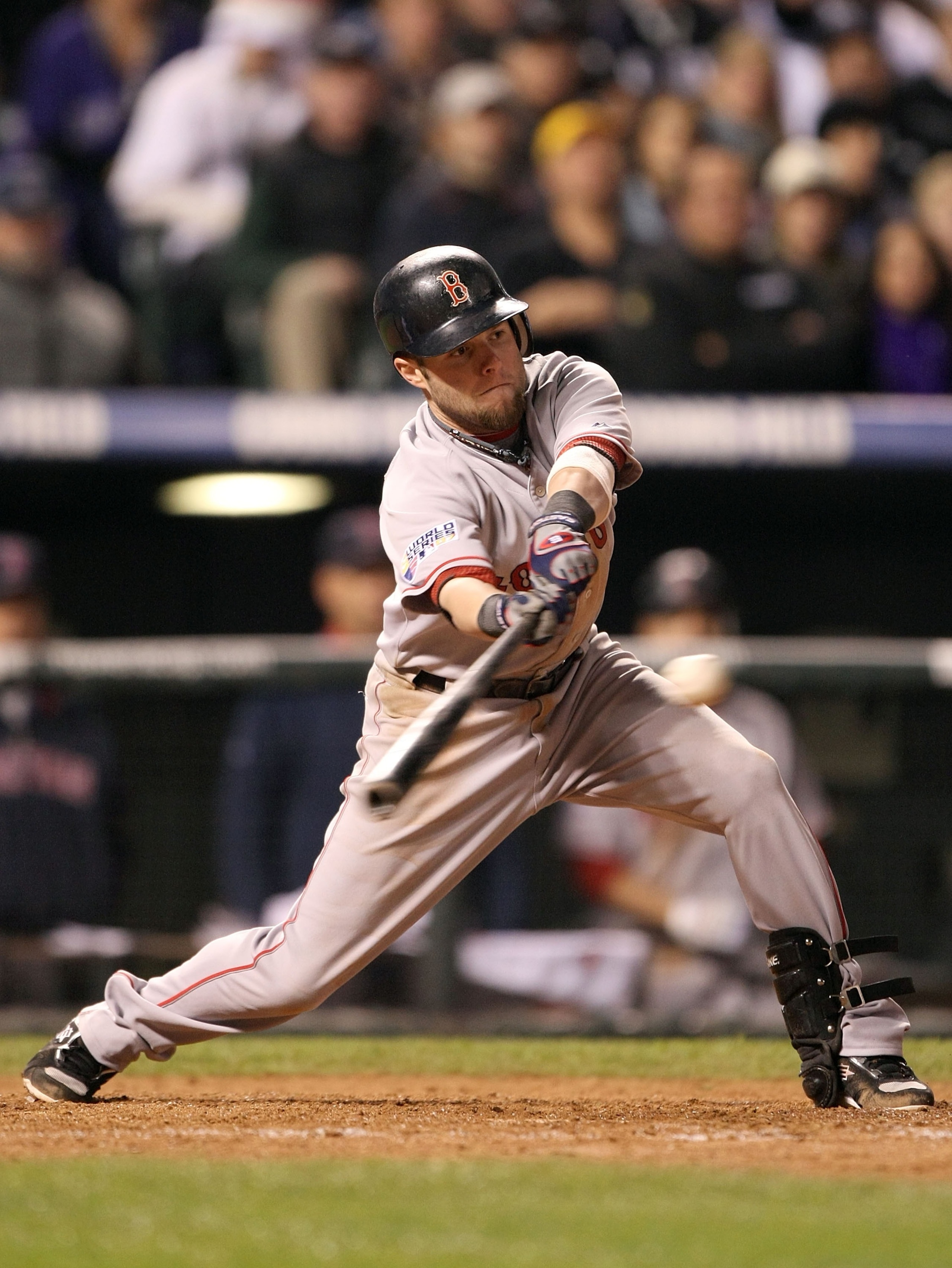
Postseason Statistics: .283 Average, 17 hits, 12 Runs, 6 Doubles, 2 HR (14 Games)
Pedroia was a huge factor in the Red Sox World Series run in 2007.
He collected 10 hits in the Sox' ALCS victory over Cleveland, homering in Game 7 and stayed red hot into the World Series.
The second basement led off Game 1 against the Rockies with a home run to left center field and Boston routed Colorado 13-1. Four more hits and three more RBI helped the Sox win a second World Championship in four years.

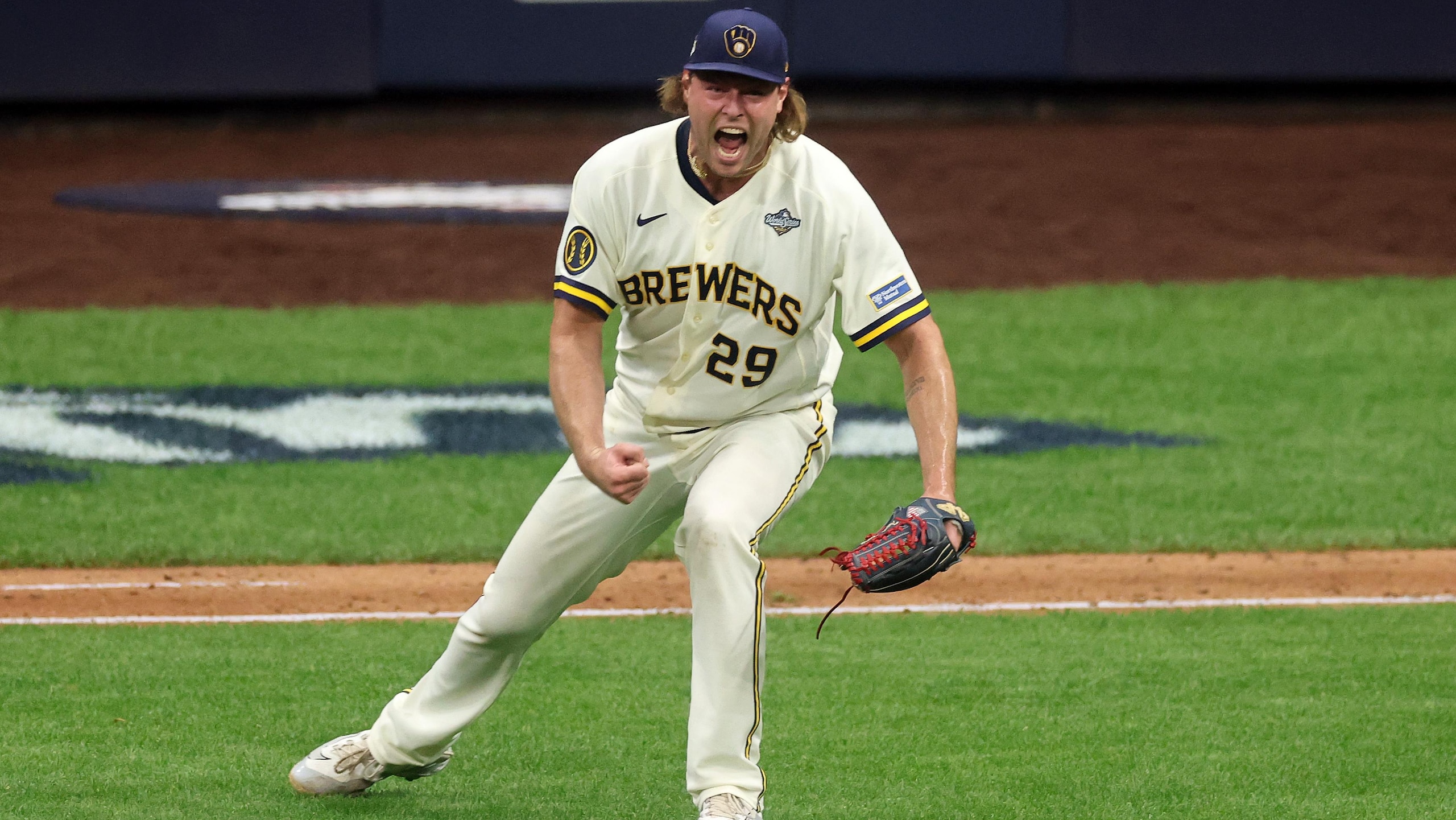
No. 7: Joe DiMaggio, 1936, New York Yankees
4 of 10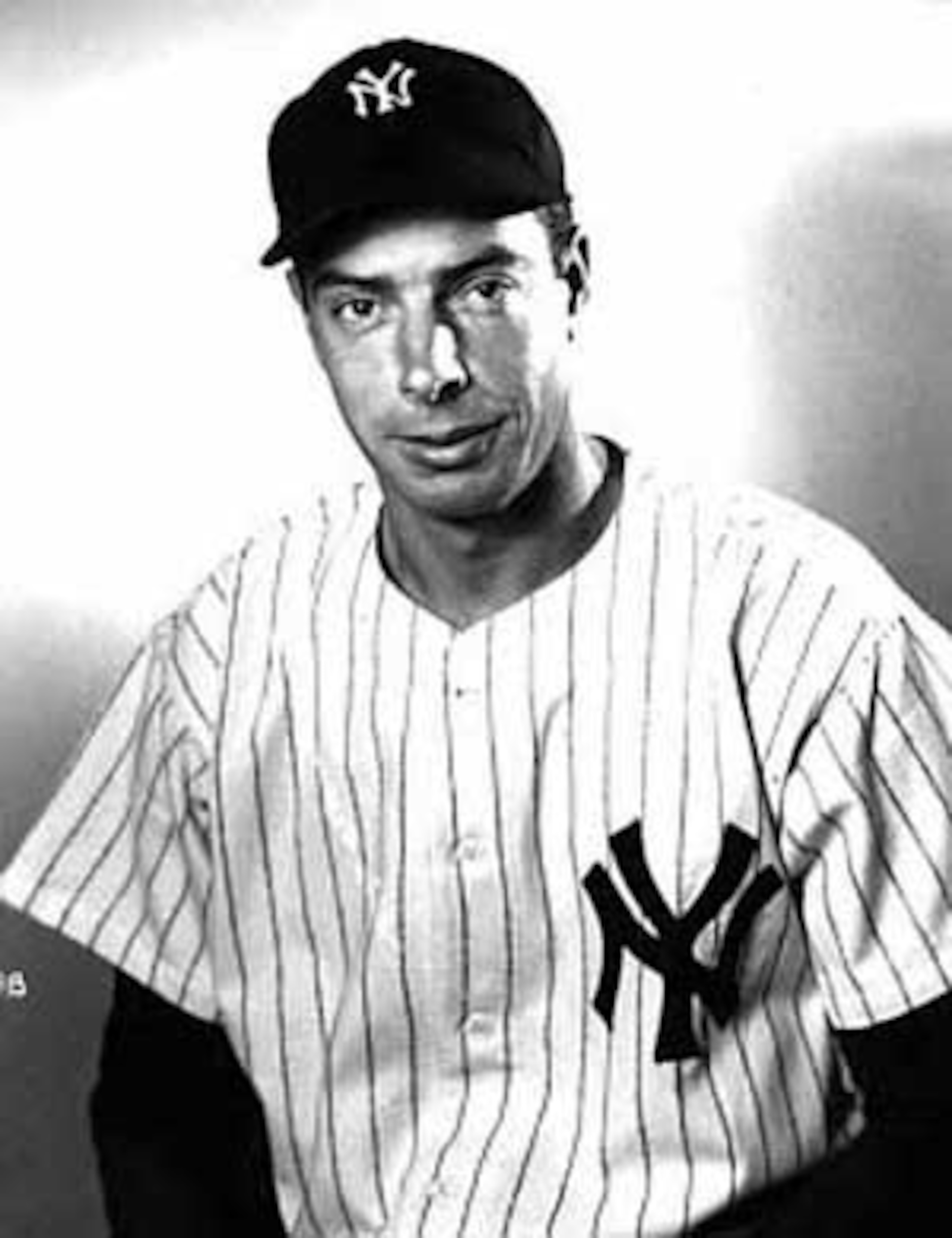
Postseason Statistics: .346, 9 hits, 3 Runs, 3 Doubles, 3 RBI (6 Games)
In DiMaggio's day, the only opportunity to play in the postseason was the World Series. And in DiMaggio's day, an American League rookie really only had a chance to play in the World Series if they played for the Yankees.
DiMaggio was fortunate enough to join the team in 1936 and had a great first season: 29 homers, 125 RBI, .323 average.
In the Yankee's first-ever post-Babe Ruth World Series appearance, DiMaggio was a great replacement in the lineups three-spot. Hitting in front of Lou Gehrig certainly helped.
No.6: Fred Lynn, 1975, Boston Red Sox
5 of 10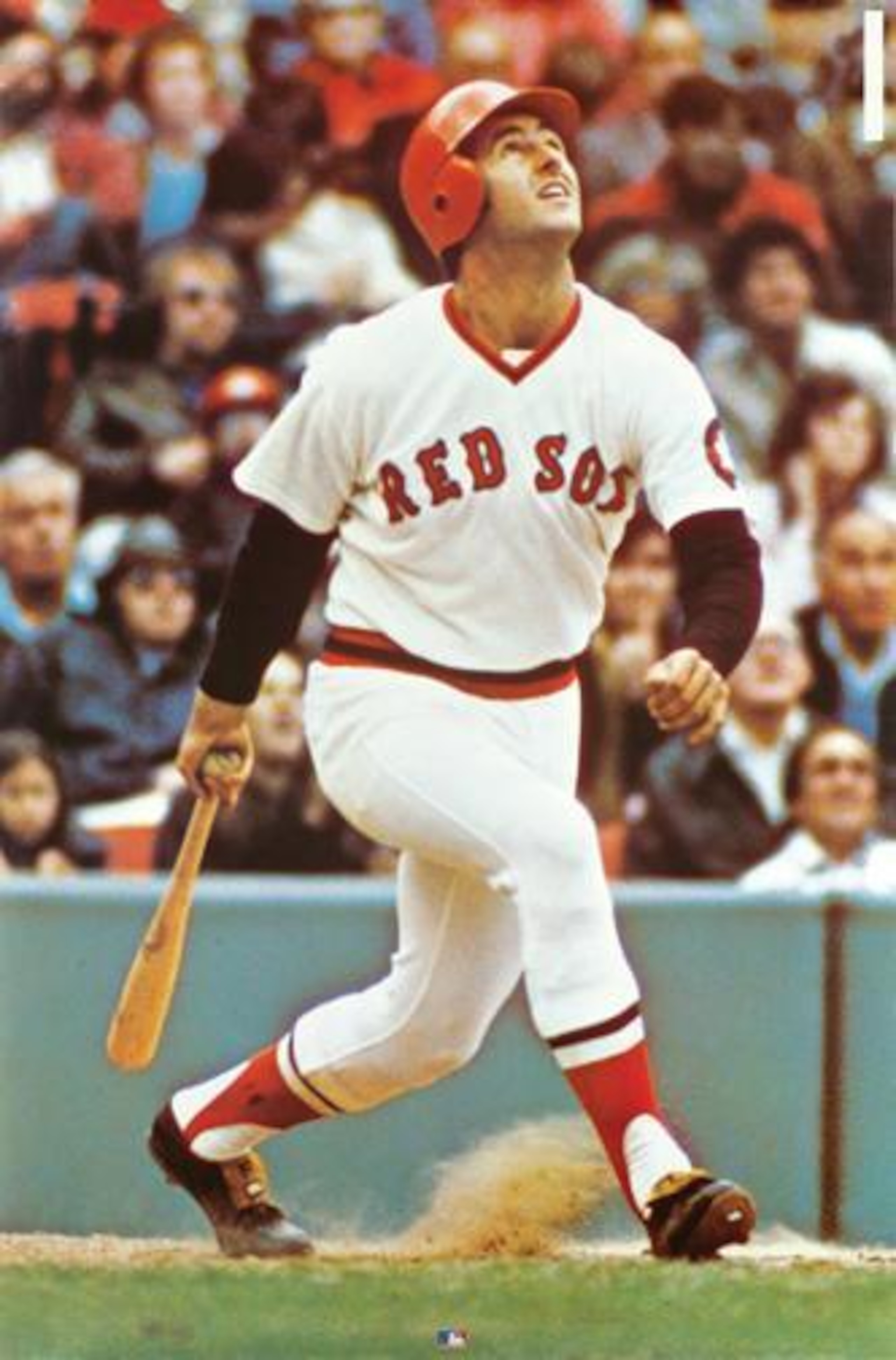
Postseason Stats: .306 Average, 11 hits, 1 HR, 5 RBI (10 Games)
The Boston Red Sox centerfielder, hit .331, led the league in doubles and runs scored and won the Rookie of the Year award in 1975. He was counted on to produce in that year's ALCS. And he did.
In a three-game sweep of the Oakland A's, Lynn hit .364 and drove in two runs.
He was even more clutch during the World Series. In the team's heartbreaking seven-game loss to the Reds, Lynn grabbed seven hits, drove in five, and hit a three-run home run in the first inning of the epic Game 6 (the one that ended with Carlton Fisk's home run).
No. 5: Chipper Jones, 1995, Atlanta Braves
6 of 10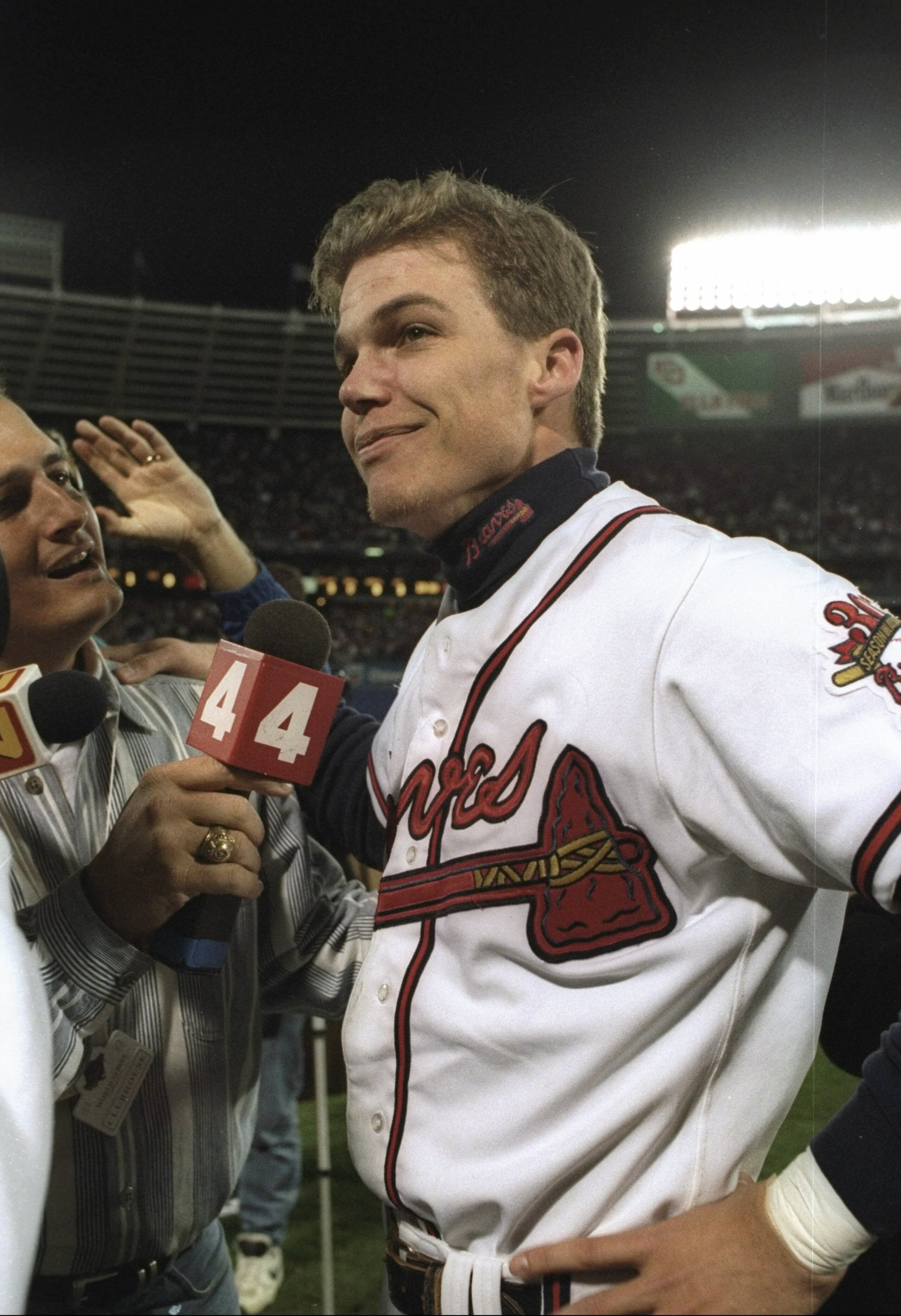
Postseason Statistics: .307 Average, 20 Hits, 10 Runs, 3 HR, 8 RBI (14 Games)
A year later, Chipper would be outdone by Andruw, but in the Atlanta Braves' only World Series win, Jones was outstanding.
In Game 1 of the NLDS, Jones the 23-year-old hit two home runs against the Rockies, the second of which came during a 4-4 tie in the top of the ninth inning. The Braves won 5-4.
He finished the series with seven hits in four games and homered in Game 3 of the NLCS, a series in which he hit .438.
In the World Series win over Cleveland, Jones dropped off a bit, but still collected seven hits and drove in a key run during the Braves' comeback win in Game 2.
No. 4: Ichiro Suzuki, 2001, Seattle Mariners
7 of 10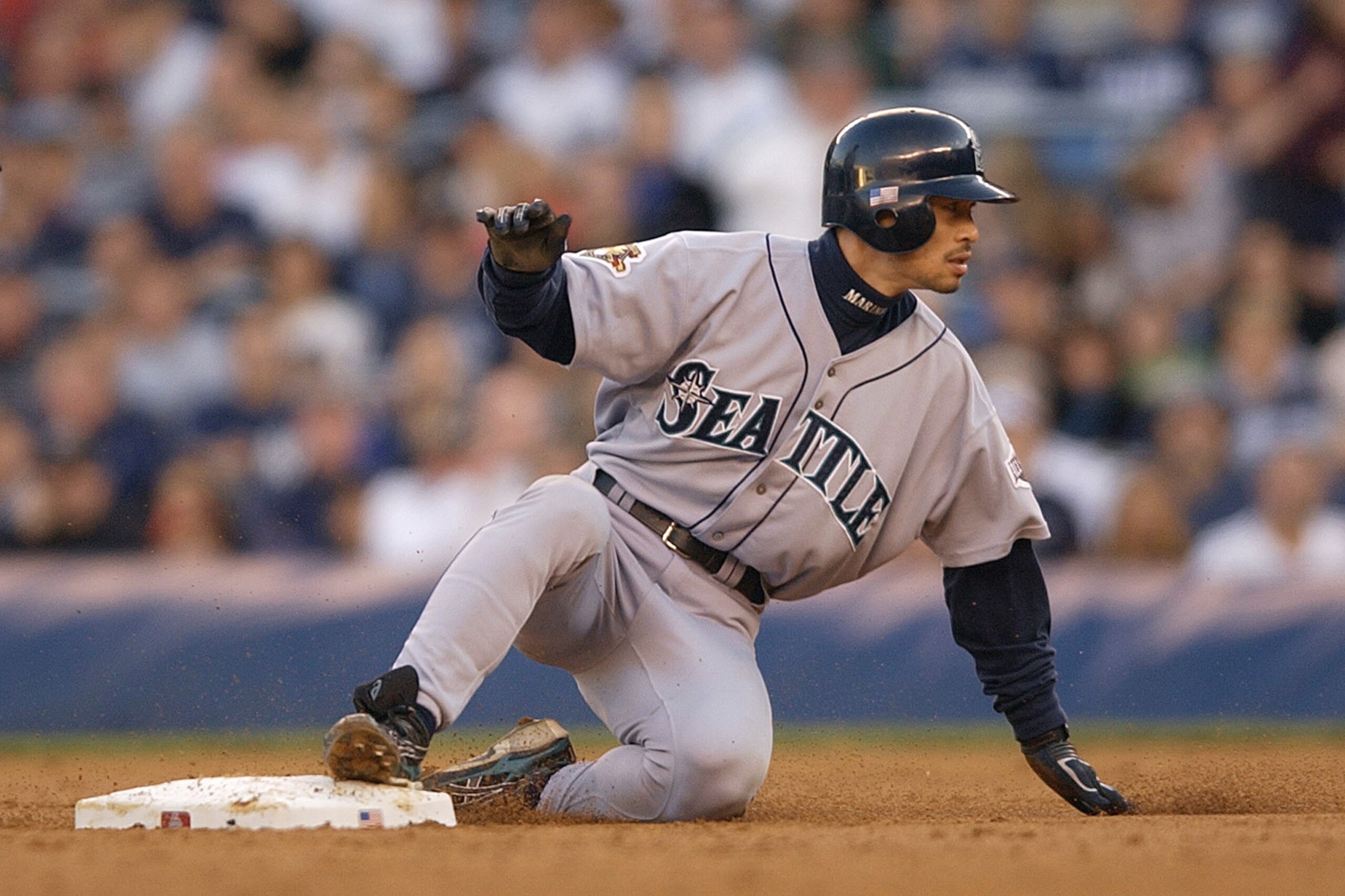
Postseason Statistics: .421 Average, 16 hits, 3 RBI, 3 SB (10 Games)
Of course saying that Ichiro was a rookie in 2001 is a bit of a stretch. Sure it was his first season in the major leagues. But he was also 27-years-old and had spent nine seasons in the Japanese leagues.
Still, he was named AL Rookie of the Year in 2001.
And what he did in the playoffs that October was incredible.
The overall stats are great, but consider how he tormented the Cleveland Indians in the ALDS.
In five games, he had 12 hits in 20 at-bats. The Mariners won the series in five games.
No. 3: Fernando Valenzuela, 1981, Los Angeles Dodgers
8 of 10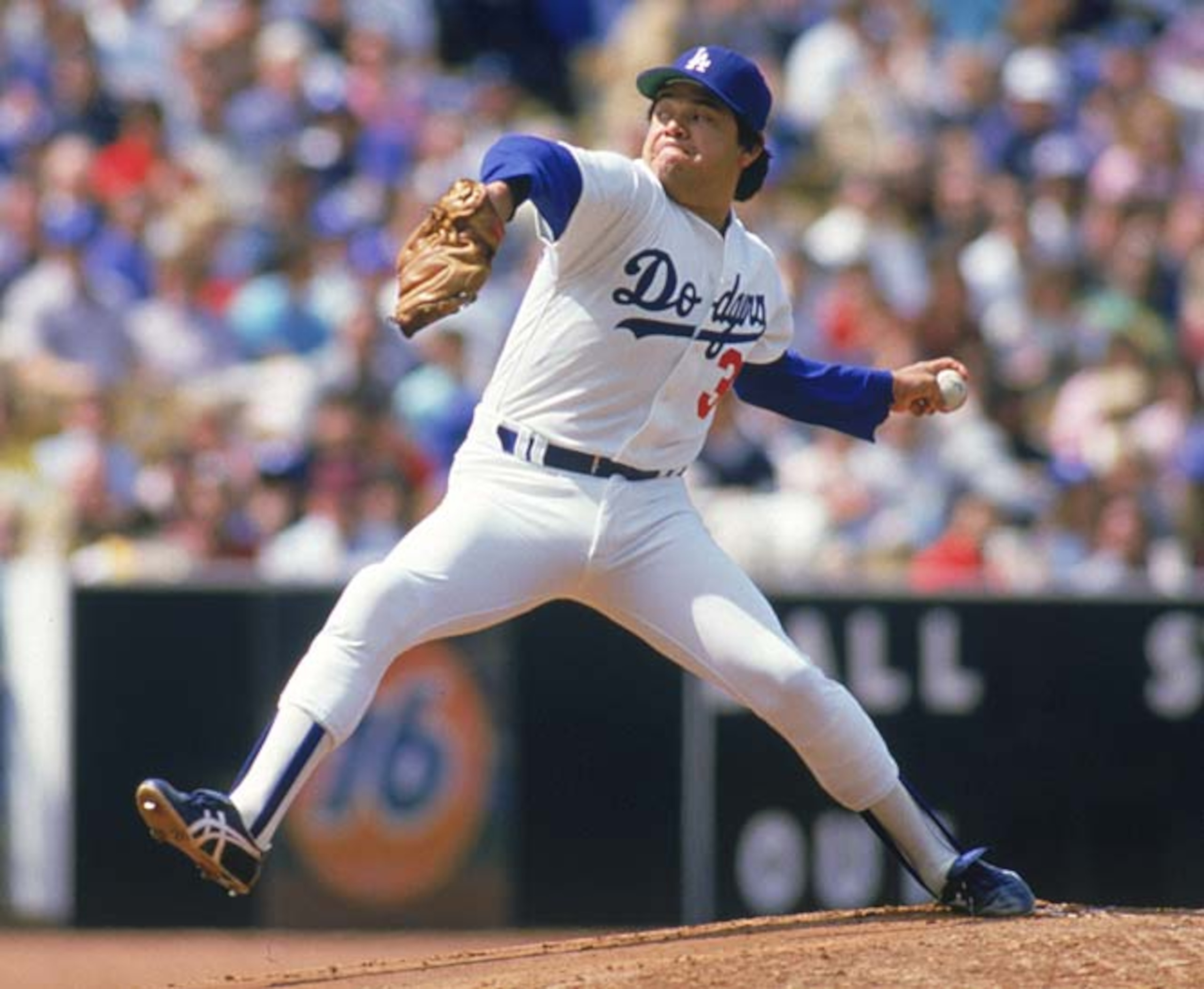
Postseason Statistics: 5 Starts, 3-1, 2.21 ERA, 40.2 Innings Pitched, 26 K
Fernando-mania hit Los Angeles in 1981, and Valenzuela validated it, winning both the Rookie of the Year and Cy Young that season.
The Dodgers qualified for the playoffs in the strike-shortened season, then defeated the Astros in the NLDS. Valenzuela gave up two runs in two starts and 17 innings.
He was nearly as good in the NLCS, posting a 2.45 ERA in two starts against the Expos.
When the Dodgers defeated the Yankees in the World Series, Valenzuela won his only start in Game 3.
No. 2: Andruw Jones, 1996, Atlanta Braves
9 of 10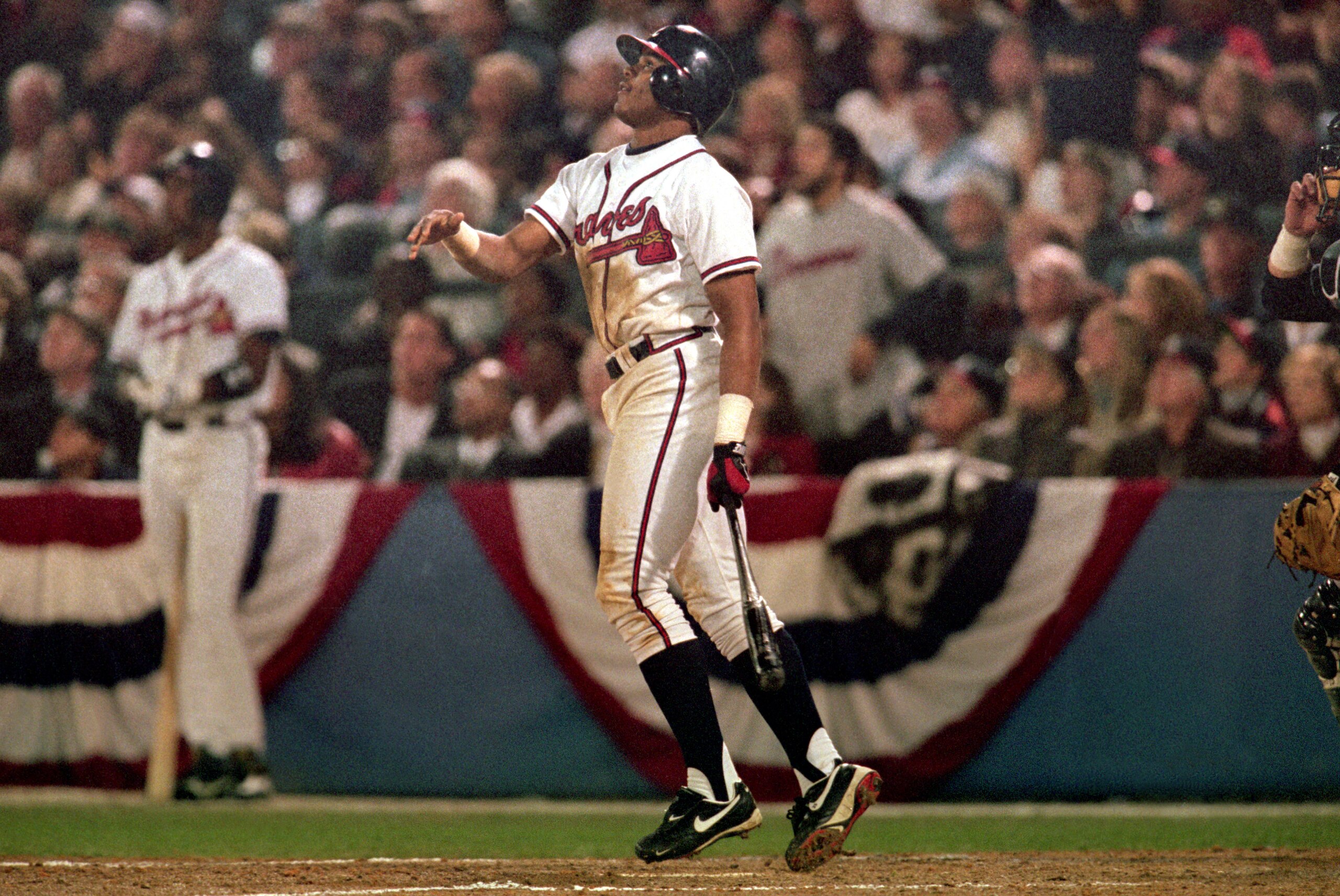
Postseason Statistics: .344 Average, 10 Hits, 7 Runs, 3 HR, 9 RBI (14 Games)
In 1996, the Braves 19-year old outfielder didn't join the big club until August. He didn't exactly light up the NL either, during the regular season, the NLDS against the Dodges, or the first six games of the NLCS.
But in the Braves' Game 7 win, Jones had two hits, including a two-run homer in the 6th inning to help the team complete the improbable series win.
But he saved his best for the World Series. In his first two at-bats, during Game 1, Jones homered off of Andy Pettitte. Doing that at Yankee Stadium conjured up images of Mickey Mantle, whose record for youngest player to home run he had just broken.
He finished the Series opener 3-for-4 with five RBI as the Braves crushed New York, 12-1. In the next five games, he added five more base hits.
No. 1: Livan Hernandez, 1997, Florida Marlins
10 of 10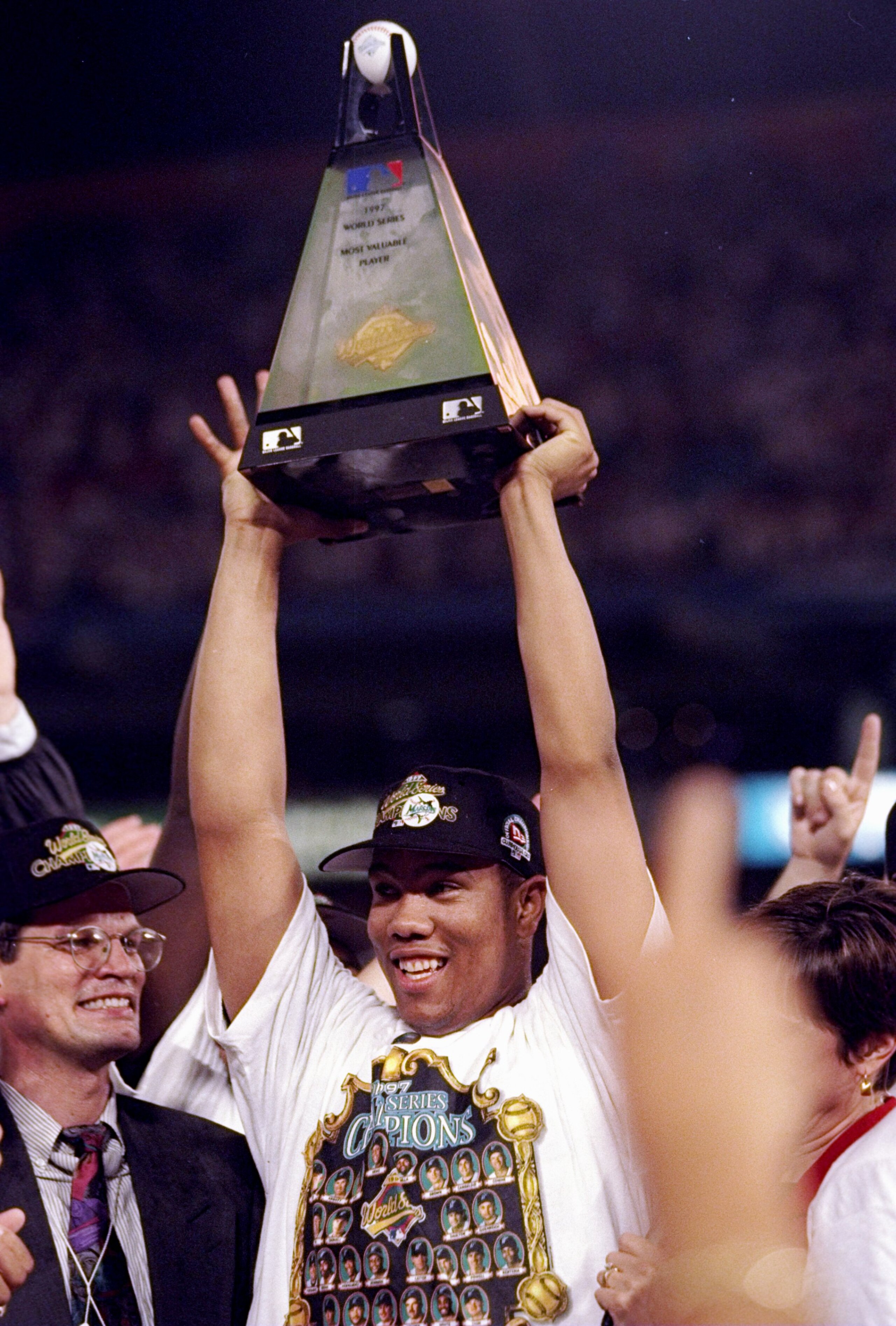
Postseason Statistics: 3 Starts, 4-0, 3.17 ERA, 26 K
Hernandez made 17 starts during his rookie season in 1997 and posted a promising 9-3 record with a 3.18 ERA. That earned him a spot on the playoff roster, but he only pitched one relief effort during the team's NLDS win over the Giants.
And in the first four games of NLCS against the Braves, he only made one two-inning relief appearance, though he got the win for not allowing a run in 1 and 2/3 innnings.
But manager Jim Leyland gave him the ball for Game 5 and Hernandez did not disappoint. He struck out 15 batters in a complete-game win, allowing just three hits and one run. He won the NLCS MVP.
The Marlins advanced to the World Series, where he made two more starts against the Cleveland Indians. Solid in Game 1, Hernandez allowed three runs in 5 and 2/3 innings to get the win.
In Game 5, he struggled a bit, surrendering five earned runs but recorded the win.
And because he made it through a full eight innings, the Marlins bullpen was able to rest. That alone may have helped the Marlins pull off the Series win.
He became just the second pitcher to win both LCS and World Series MVP and he was only 22-years-old.



.jpg?w=2560 "Malik Beasley Negotiating Plea Deal (AP)")

.jpg?w=2560 "Jonathan Taylor Landing Spots")
.jpg?w=2560 "NFL House in Paris Closes for Protests (AP)")