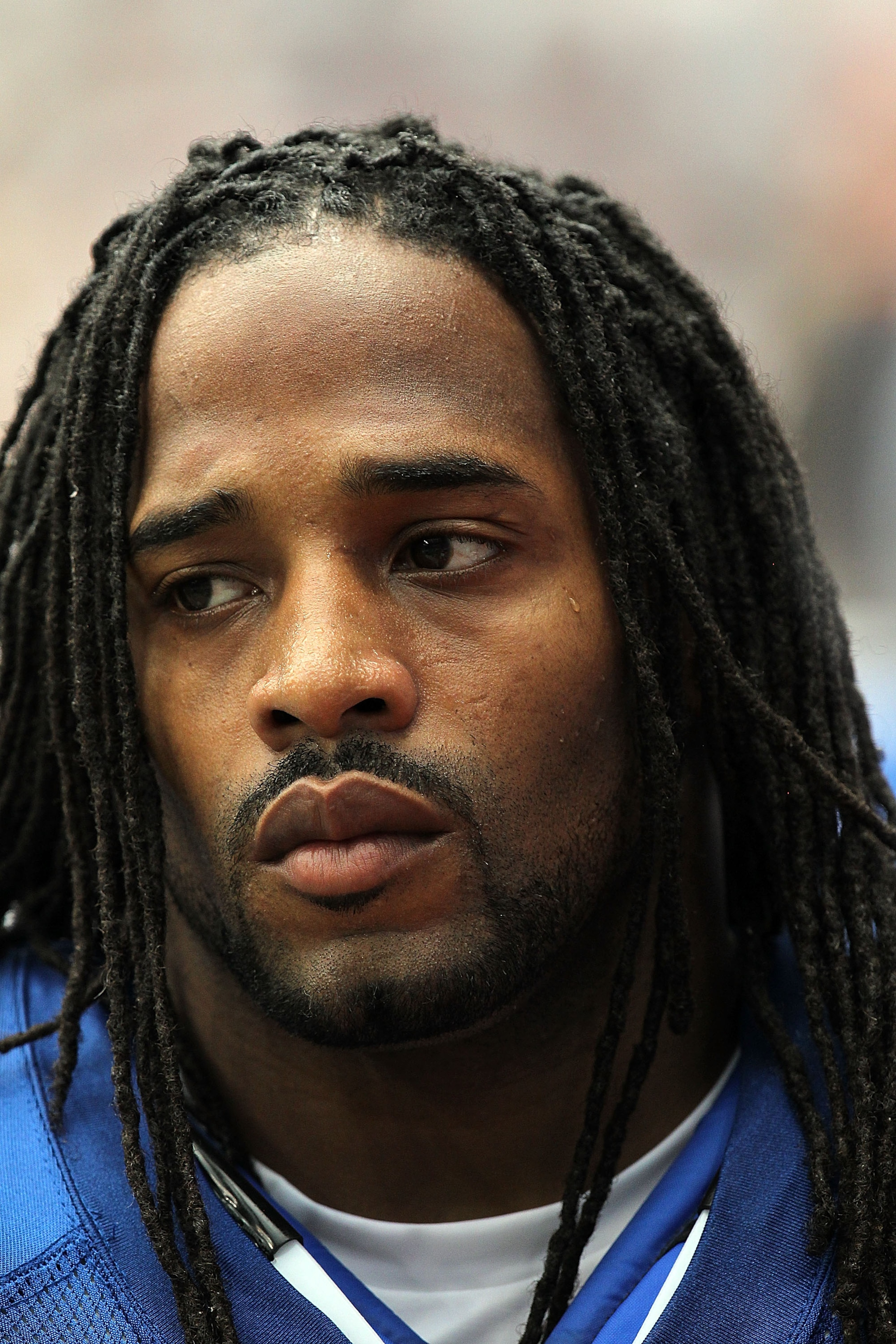
What If? Bob Sanders and 13 Unlucky Athletes
Anyone who doubts Bob Sanders's talent and his value to the Indianapolis Colts need look no further than their 2006 Super Bowl-winning season.
Sanders missed much of the year and the Colts' defense was, to put it lightly, awful. Opposing running backs routinely gashed Indy's defense, including a 375-yard slaughter by the Jacksonville Jaguars.
Prior to the Colts' first-round game against Kansas City, many believed Larry Johnson would run wild in a Chiefs' win that would send the Colts home early once again.
Bob Sanders had other thoughts.
He came back just in time for that game, and the defense immediately improved, not at all resembling the porous D the Colts had been running out there during the regular season. Indianapolis went on to win it all, thanks in large part to the play of Sanders.
Unfortunately for Sanders, the Colts, and sports fans everywhere, he has been unable to stay healthy since then.
There are surely countless stories of potentially great athletes whose careers were cut short. Most fans can think of several from their teams who looked to be on the way to stardom before injuries left them wondering what could have been.
Share your thoughts on the guys (or gals) who made you ask yourself, "What If?"
1. Ken Griffey, Jr.
1 of 13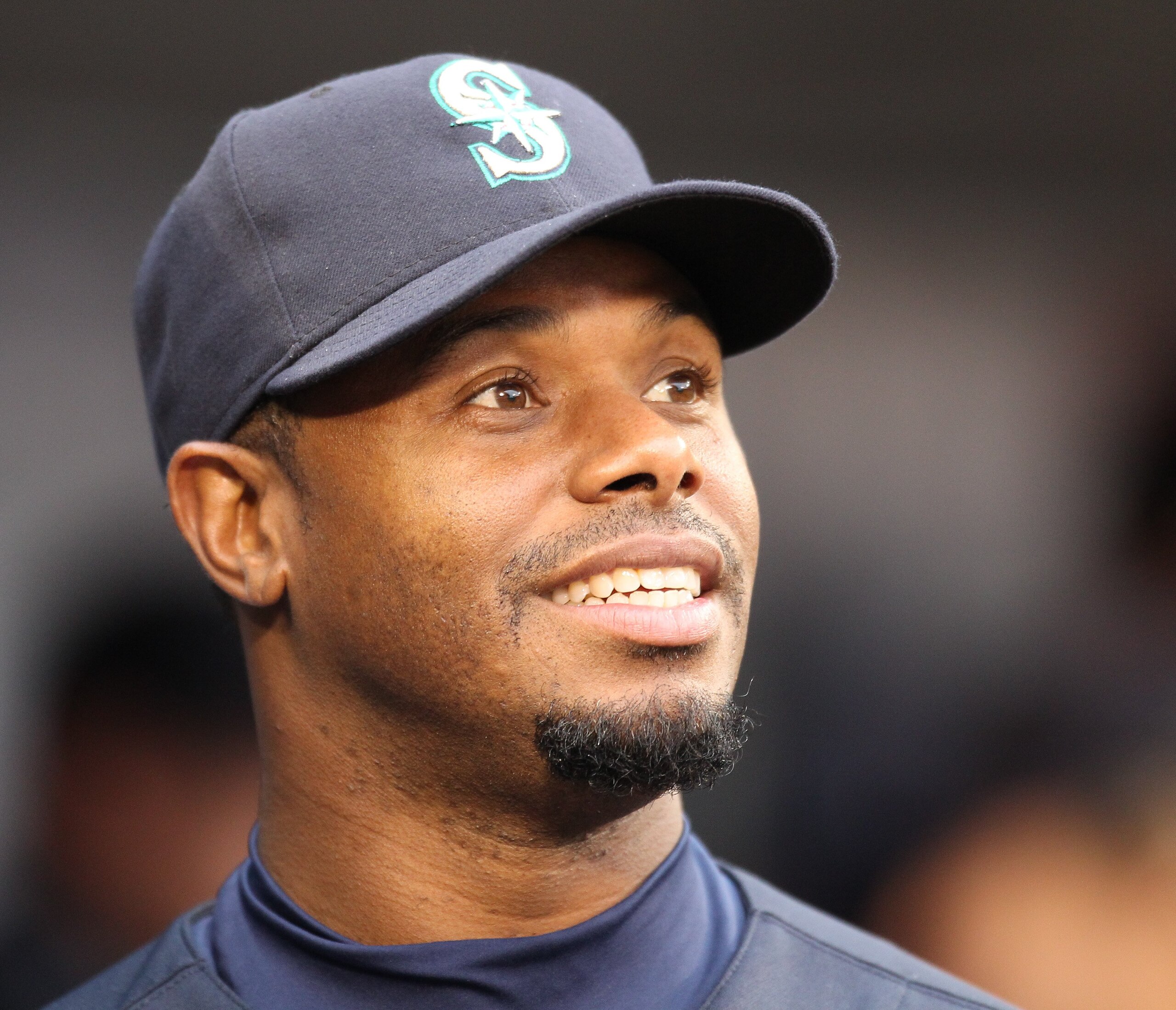
Some say that, based on pure talent alone, Junior was the best to ever play the sport of baseball. While his 630 career home runs will undoubtedly make him a first ballot Hall of Famer, many wonder what he could have done had he been healthy his entire career.
Griffey's injury problems took on a much higher profile after he forced a trade from Seattle to Cincinnati, but his woes began while he was still with the Mariners.
It has been said that, despite his astounding ability and statistics, Griffey was never committed to an offseason conditioning program. Many wonder if this played a role in his inability to stay on the field.
In seasons in which he managed to play 140 or more games, Griff averaged 37 home runs and 112 RBI to go along with a .292 batting average.
Griffey played during a time in which steroids have cast a dark cloud over baseball. To our knowledge, he was completely clean his whole career, yet his talent has unfortunately been overshadowed by many who went down the wrong path in their quest for greatness.
He retired during the 2010 season.
2. Gale Sayers
2 of 13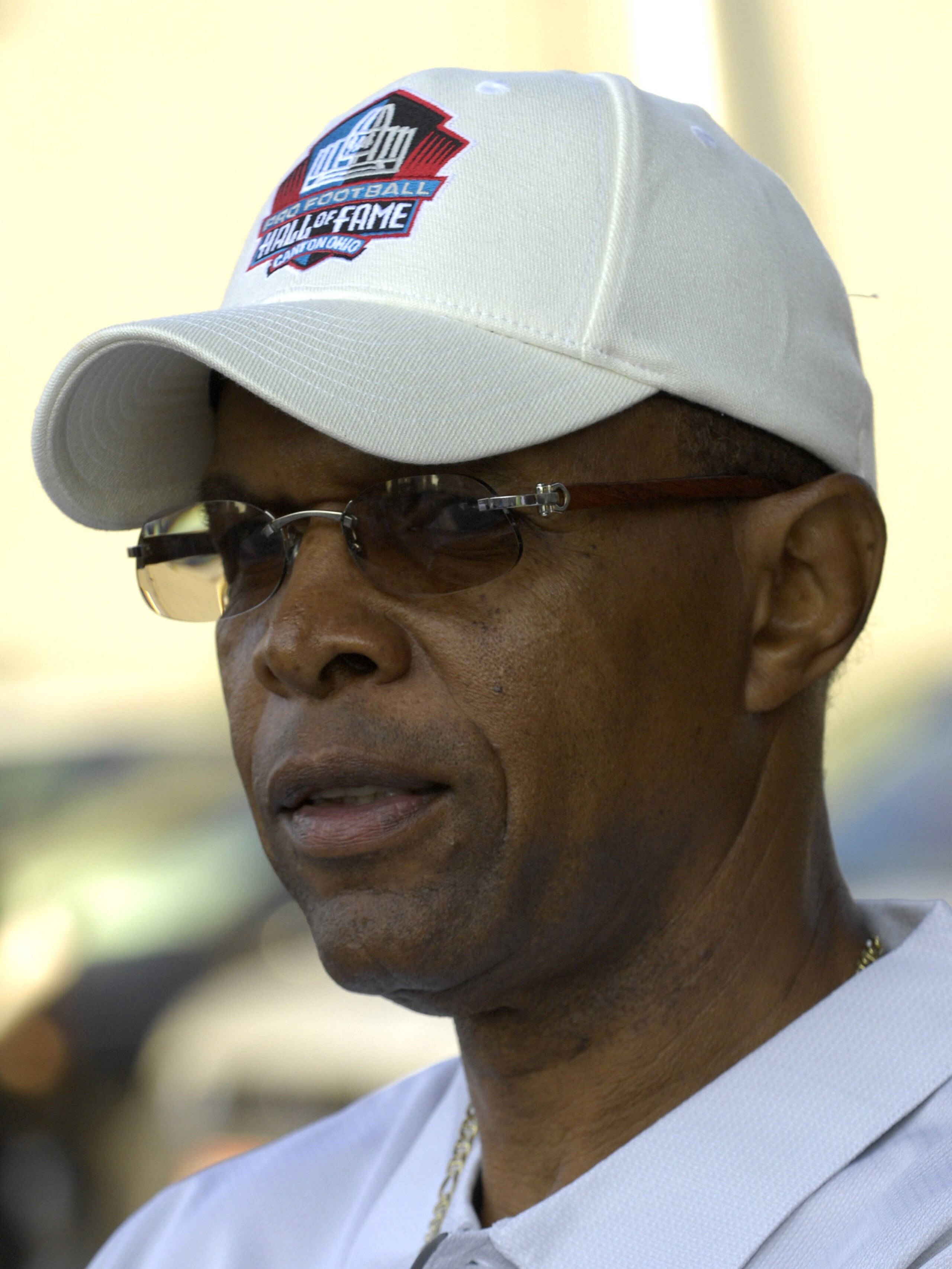
For all we know, Sayers was the best running back to ever play. His knees did not want us to find out.
It speaks to his unbelievable talent that backs coming into the league now who possess great open field ability are routinely compared to a man who played just four complete seasons.
Sayers wasted no time in making his mark, as he set a then-record 22 touchdowns in his 1965 rookie season. Remember, they only played 14 games back then.
"The Kansas Comet" also set a record for all-purpose yards in his rookie season with 2,272. He promptly broke his own record the next year with 2,440 all-purpose yards.
Remember again, they only played 14 games back then. This record was not broken until the schedule was expanded to 16 games.
In addition to his great running ability, Sayers was also a fantastic punt and kickoff return man.
Sayers hurt his right knee in the 1968 season and was never the same. He was able to come back in 1969 and lead the NFL in rushing with 1,032 yards, but the decline in his speed and explosiveness was evident.
His left knee was injured during the 1970 season and he did not play another regular season game.
3. Grant Hill
3 of 13
The third overall pick in the 1994 NBA Draft, many pegged Hill as the heir-apparent to Jordan's throne.
In his first six seasons, Hill averaged 21.6 points per game, 7.8 rebounds, and 6.2 assists. He injured his left ankle late in his sixth season, an injury that was nothing short of devastating for his career.
He went to the Orlando Magic before the 2000 season, but averaged just 33 games a year, mainly due to complications from his injured ankle.
Hill has since reinvented himself as a defensive specialist for the Phoenix Suns and has enjoyed some success while being able to keep himself on the court.



4. Chipper Jones
4 of 13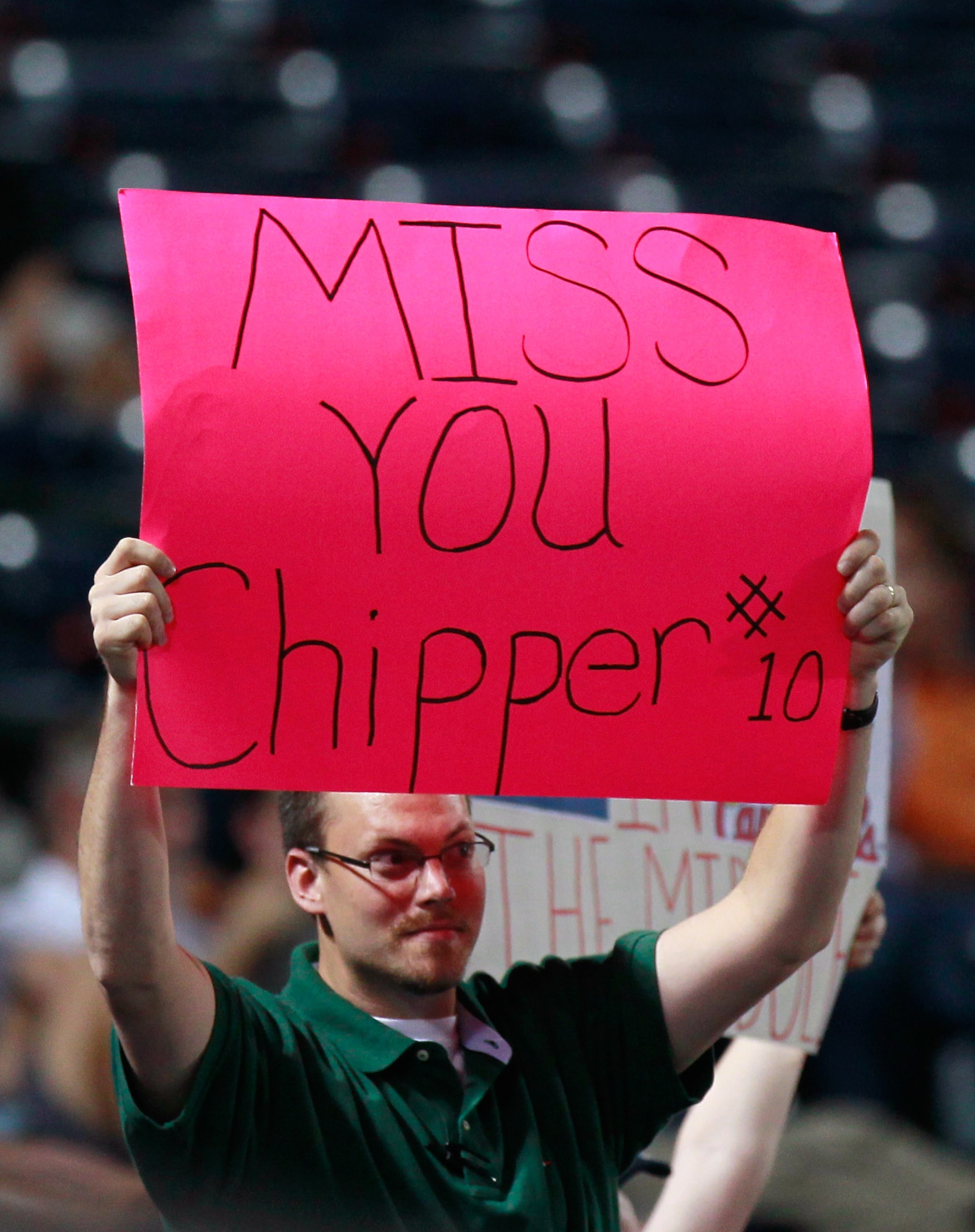
A likely Hall of Fame player, Chipper missed what would have been his first full season with a torn ACL. He followed that up with nine relatively injury-free years, averaging 31 home runs, 105 RBI, and a .308 batting average.
In his next seven seasons, Jones was able to play an average of just 122 games. He averaged 22 home runs and 78 RBI those years, leaving us pondering what he could have done had he been able to stay healthy.
He is the only switch-hitter in Major League history to have a .300 career batting average and 400 career home runs and has stated that the 2011 season will be his last.
5. Yao Ming
5 of 13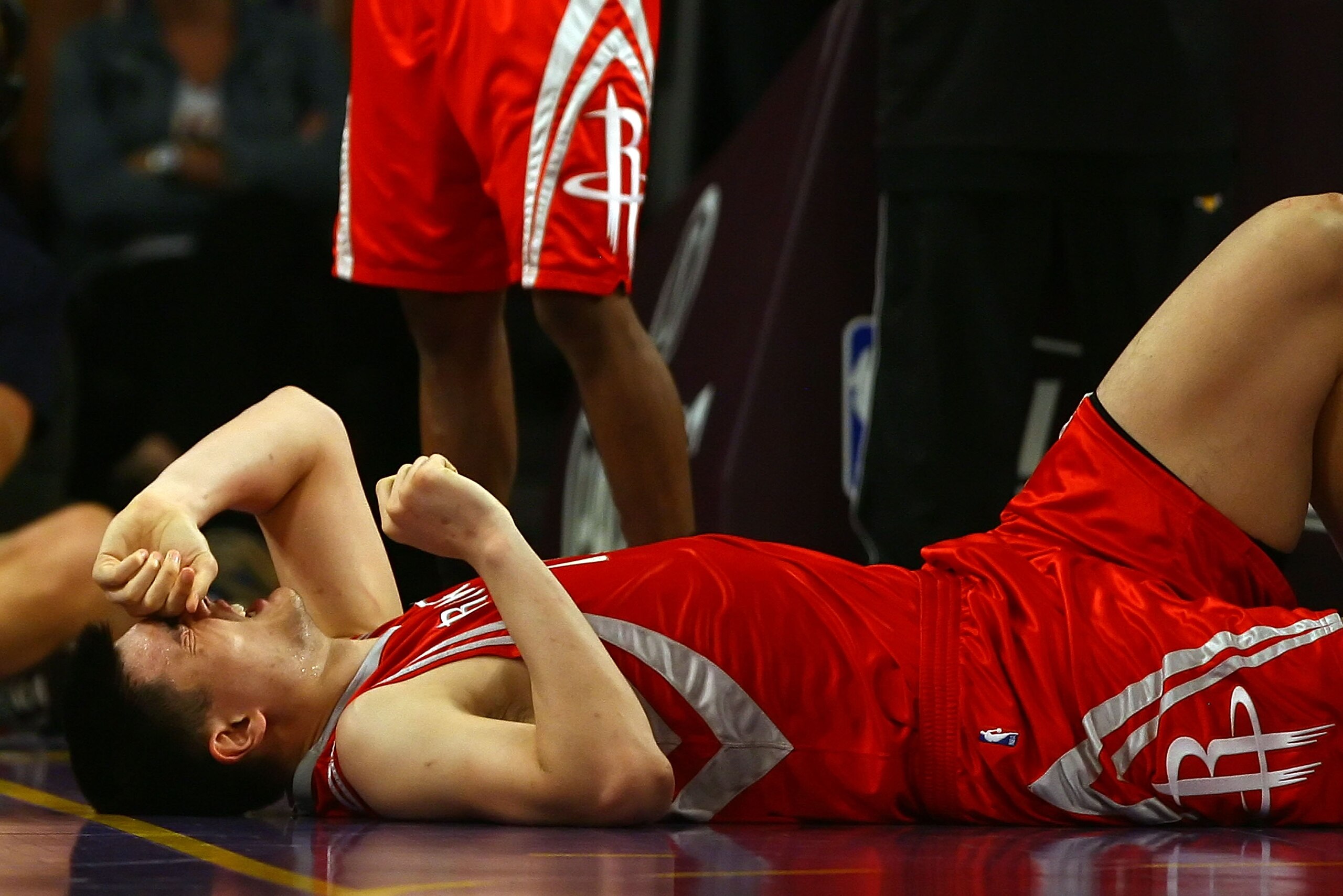
Coming in at 7'6" and 310 pounds, Yao was taken first overall by the Houston Rockets in the 2002 NBA Draft. He played at least 80 games in his first three seasons, averaging 16.6 points and 8.5 rebounds a game while steadily improving.
Since then, a variety of ailments have derailed his career as his legs have appeared to be unable to support his size, a common problem with big men in the NBA.
Yao is an excellent defensive player, capable of blocking many shots and altering several others throughout a game.
It has recently been announced that, going into the 2010 season, he will be on a strict minutes limit and is unlikely to play on consecutive days, casting much doubt on whether we will ever see him have the opportunity to live up to his enormous potential.
6. Mark Prior
6 of 13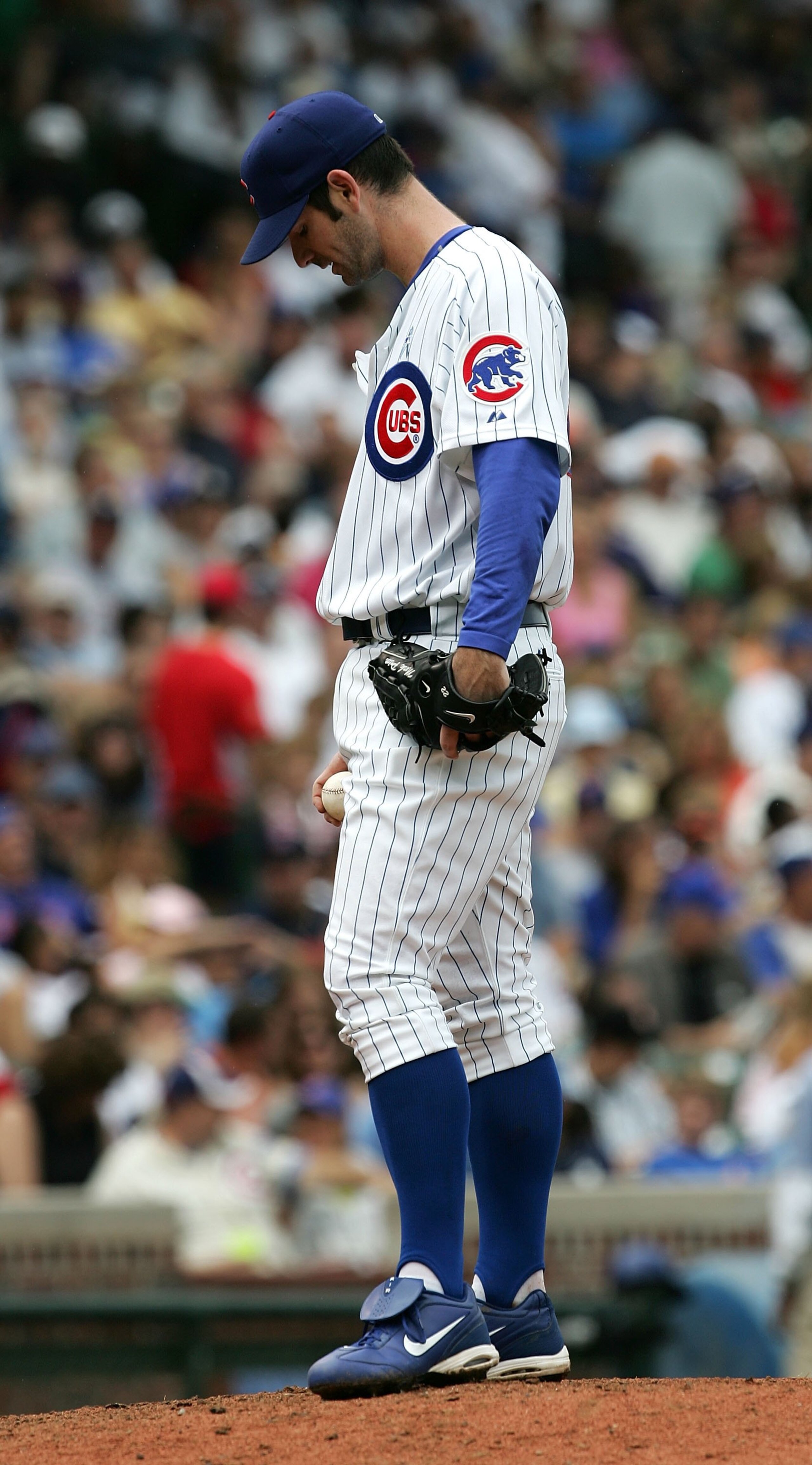
Prior looked to have all the makings of a superstar. His body had other plans.
Only once, in 2003, was he able to total more than 200 innings pitched. That year he had a 2.43 ERA and 1.10 WHIP to go along with 245 strikeouts compared to just 50 walks.
He was never again able to pitch more than 166.2 innings as a seemingly ceaseless string of injuries put a halt to his career.
He is currently in the Texas Rangers' Minor League system and hopes to eventually return to the Majors.
7. Terrell Davis
7 of 13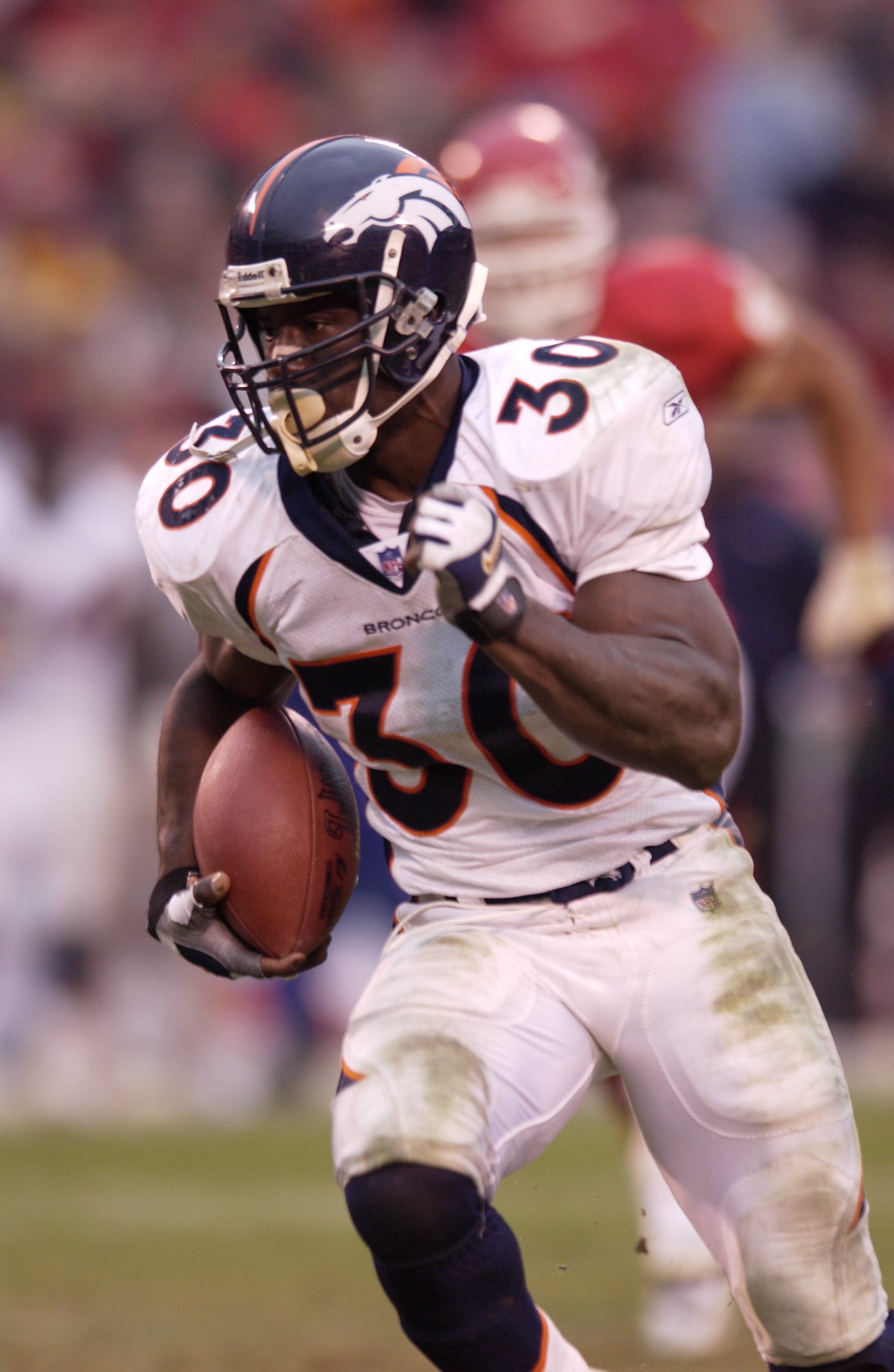
Davis was a dual threat coming out of the backfield who averaged over 1,600 yards a year as well as 15 total touchdowns in his first four seasons.
The founder of the "Mile High Salute" was the MVP of Super Bowl XXXII after he ran for 157 yards and was the first player to score three rushing touchdowns in a Super Bowl.
He followed that up with 2,008 rushing yards and 23 touchdowns in 1998 as he won the MVP and helped the Denver Broncos to back-to-back Super Bowl victories.
He was never again able to play a full season as his legs failed him, forcing him into early retirement prior to the 2002 season.
8. Jamal Anderson
8 of 13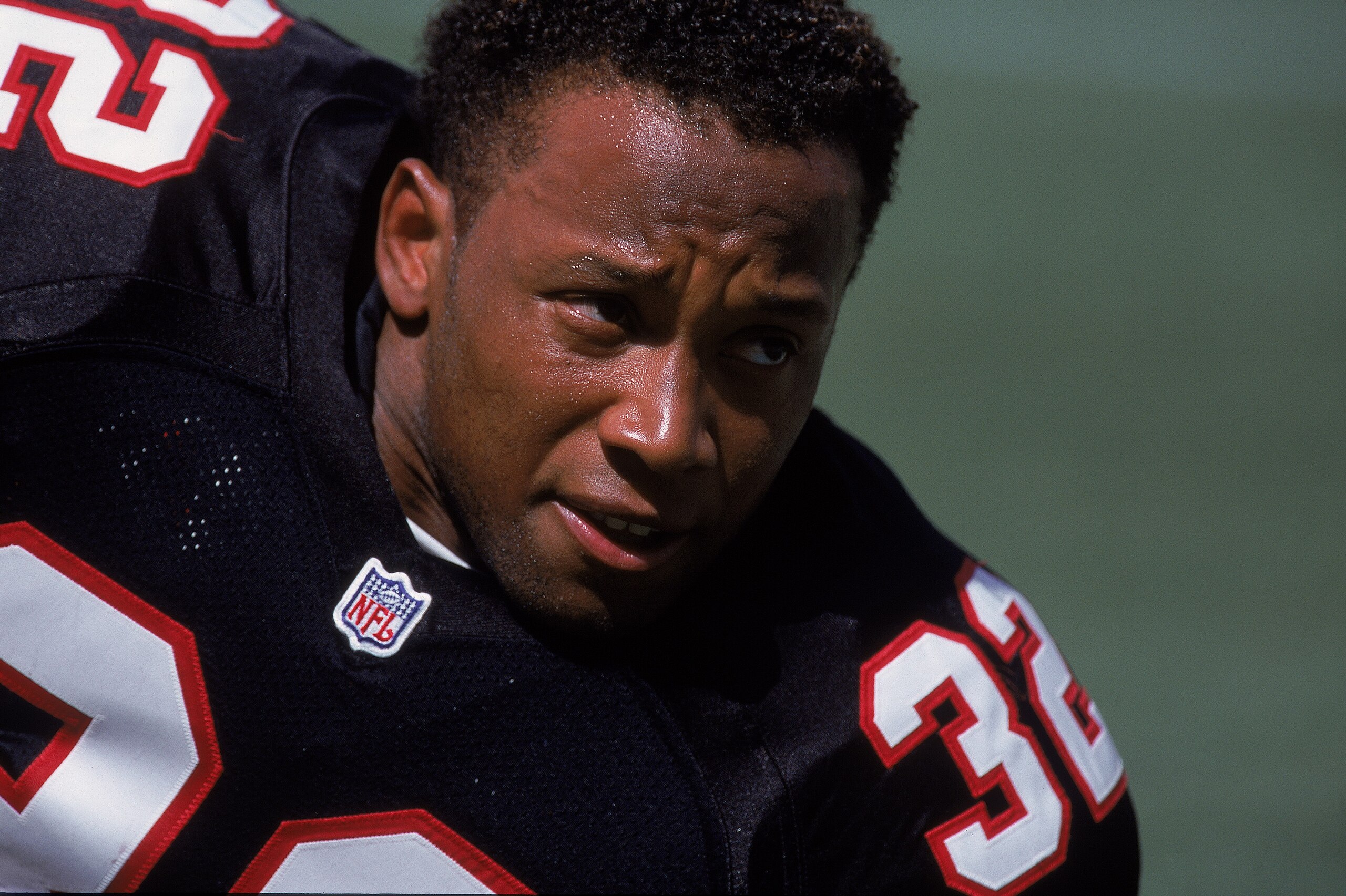
Anderson and Davis will forever be linked. In the 1998-99 season, they were the first pair of backs to square off in a Super Bowl after gaining 1,800-plus yards on the ground.
Jam's 1,846 yards and 16 total touchdowns in the 1998 season placed him second behind Davis in yards, and the two appeared on their way to many battles for the rushing title.
Anderson tore his ACL in the second game of the 1999 season and was never the same. He returned in 2000 and was able to gain 1,024 yards, but just 3.6 yards-per-carry.
A second knee injury in 2001 ended his career.
9. Greg Oden
9 of 13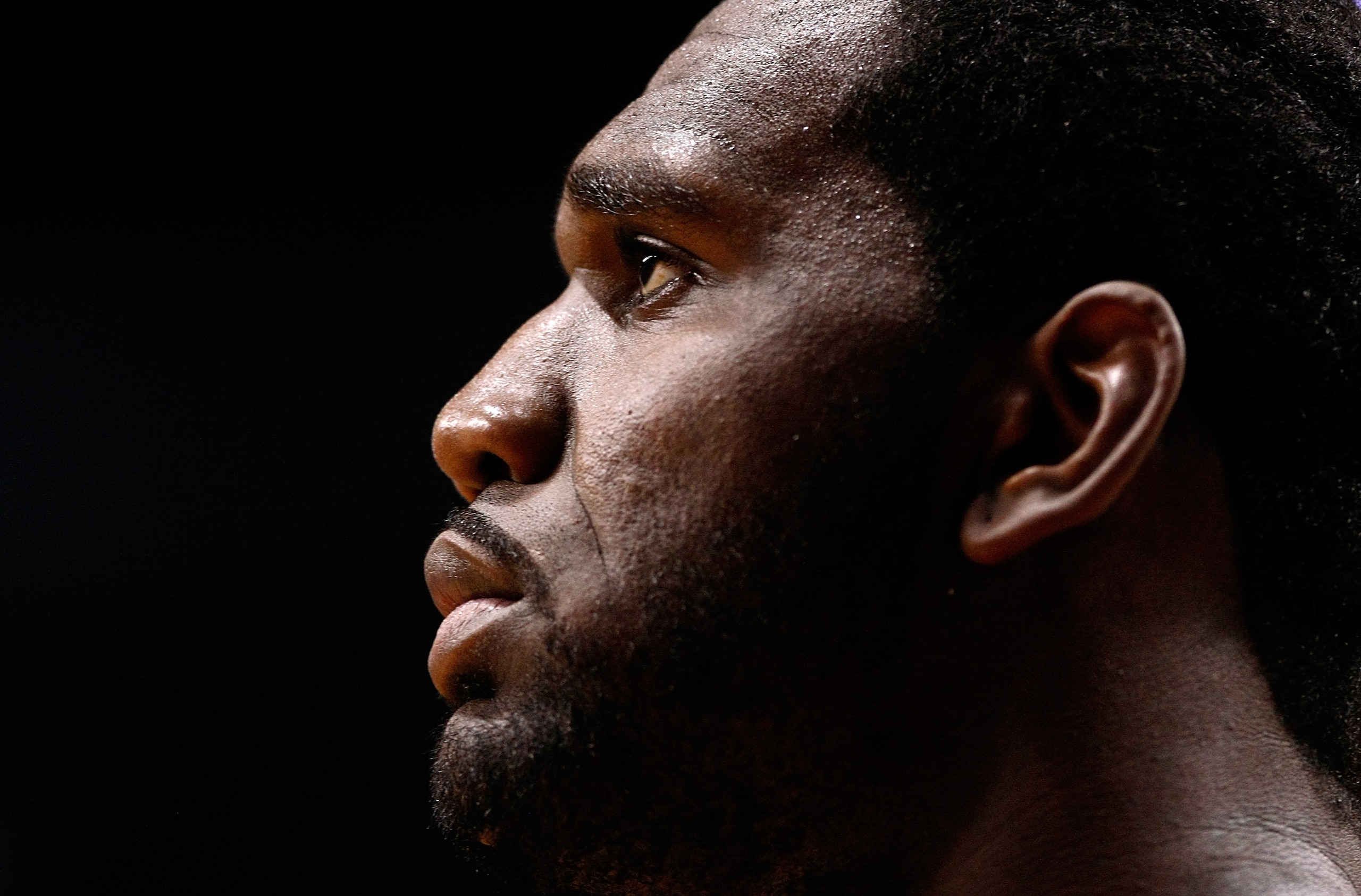
In 1984, the Portland Trail Blazers held the second overall pick in the NBA Draft. They selected Sam Bowie, a center out of Kentucky. The Chicago Bulls were up next and took a kid from North Carolina named Michael Jordan.
Bowie went on to play in ten injury-plagued seasons for three teams. We all know what became of Jordan.
In 2007, Portland had the first overall pick and took a big man from Ohio State by the name of Greg Oden, passing on Texas star Kevin Durant, who was taken second overall by the Seattle SuperSonics (now the Oklahoma City Thunder).
Unfortunately for Blazer fans, history appears to be repeating itself.
Oden missed the entirety of what would have been his 2007 rookie season. He missed significant chunks of time in 2008 and managed just 21 games in 2009 before succumbing to injury.
Meanwhile, Durant is the leader of a young Thunder team. In the 2009-10 season, he won the scoring title, finished second in MVP voting, nearly took the eventual champion LA Lakers to the brink in the first round of the playoffs and is currently battling Kobe Bryant and LeBron James for Best-Player-In-The-World honors.
Oden is young and could reverse his fortune if he finds a way to stay healthy. It is not looking good for him right now, however.
10. Mike Sweeney
10 of 13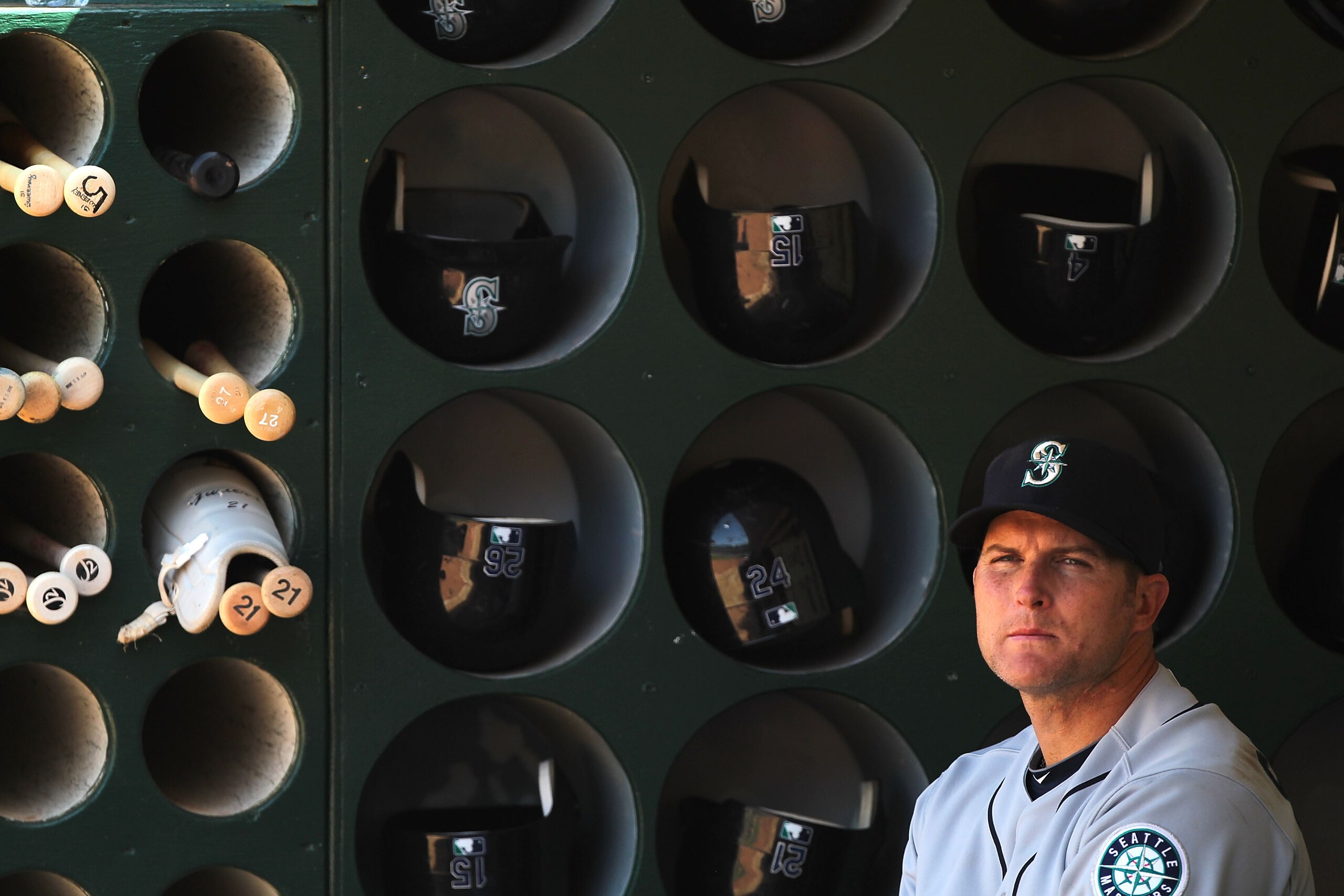
Sweeney had the bad luck of not only an unfortunate string of injuries—He was also stranded on some very bad Kansas City Royals teams for much of his career.
Sweeney topped 140 games just three times in his 15 year career, but when he did, he averaged 26 home runs and 115 RBI as well as hitting .320.
He was a class-act who never let the struggles of the team affect his interactions with fans. Before his final game with KC in 2007, he took out a full-page ad in a local newspaper thanking the organization and the fans, describing his time there as "the greatest of my life both on the field and off." He received three separate standing ovations in his last game.
Currently with the Philadelphia Phillies, he is hoping to win the World Series ring that has eluded him.
11. Kris Jenkins
11 of 13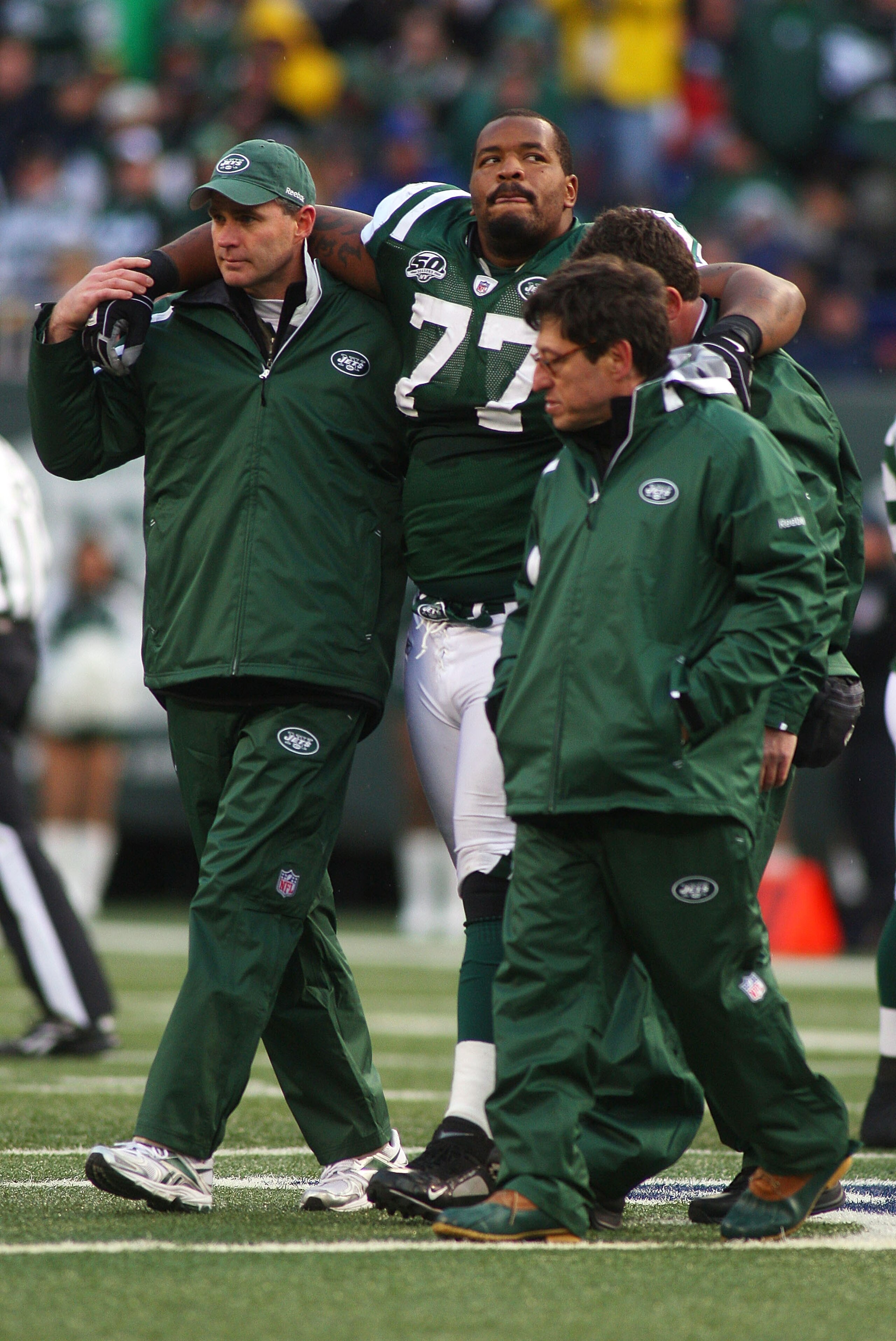
Jenkins is a ten-year veteran, who had missed nearly three full seasons before 2010 and will be missing this year as well after the third ACL tear of his career. Even worse, it came in the first quarter of the first game.
Jenkins started his career with the Carolina Panthers and was disruptive in both the running and passing games before injuring his shoulder in 2004 and tearing his ACL for the first time in 2005.
He went to the New York Jets in 2008 and played the entire season, but played just six games in 2009 when he tore his ACL the second time.
One could not help but feel for Jenkins as he limped off the field in the first Monday night game of the season after working incredibly hard to make it back. You could see it on his face.
He knew his season was over once again.
12. Cliff Floyd
12 of 13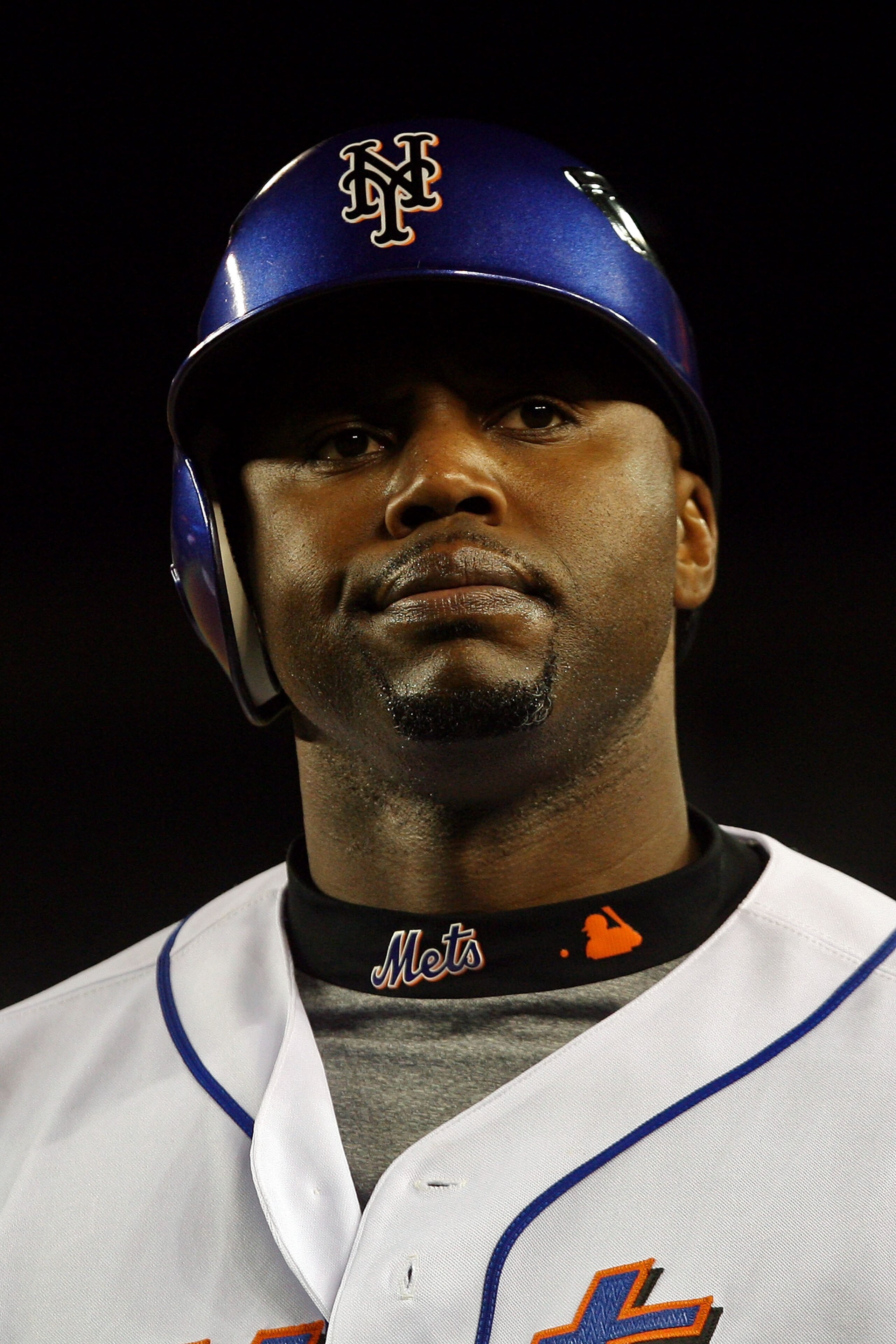
Many believed Floyd's career was over before it got started when he was involved in a bad collision at first base while with the Montreal Expos. Floyd showed his resilience in coming back and continuing to play, but injuries riddled his body for the rest of his 17-year career.
Clifford had power, could hit for average, and was a stolen base threat before his balky knees took away his explosiveness.
In the four seasons he played in 140 or more games, he averaged 28 home runs, 92 RBI, a .290 batting average, and 18 stolen bases.
In a 2000 season in which injuries limited him to just 121 games, he had 22 home runs, 91 RBI, hit .300, and added in 24 stolen bases, highlighting his enormous potential.
He retired and went into broadcasting after the 2009 season.
13. Chad Pennington
13 of 13
The NFL's all-time leader in completion percentage at 66.1, Pennington burst onto the scene in 2002 when he led the New York Jets to the playoffs while throwing for 22 touchdowns and just six interceptions with a 68.9 completion percentage, giving him a 104.2 quarterback rating.
His problems began the following preseason when he hurt his non-throwing hand, forcing him to miss the first six games of the season.
Chad missed time in the 2004 season after tearing the rotator cuff in his throwing shoulder. He did his best to play through the injury, leading New York to the Divisional Round of the playoffs.
He again tore his rotator cuff in 2005, but came back in 2006 to lead the Jets to the playoffs again and win the Comeback Player of the Year Award.
Injury issues, as well as a year-long quarterback controversy with Kellen Clemens, hampered Chad in 2007, and New York released him prior to the 2008 season. He signed with the Miami Dolphins and led a team with a 1-15 record the previous season to 11-5 and the first round of the playoffs, earning him the Comeback Player of the Year Award for the second time.
He again injured his shoulder in 2009 and played in just three games. He is now the second-string quarterback for Miami.
Like several of the other athletes on this list, Chad was not only a tremendous talent, but also appeared to be a solid human being.
It's a shame.

.jpg?w=2560 "Chiefs Giants Football")
.jpg?w=2560 "Jonathan Taylor Landing Spots 📍")

.jpg?w=2560 "5 Teams Eyeing Jonathan Taylor")

