
Laurence Maroney and the Top 10 In-Season NFL Acquisitions Ever
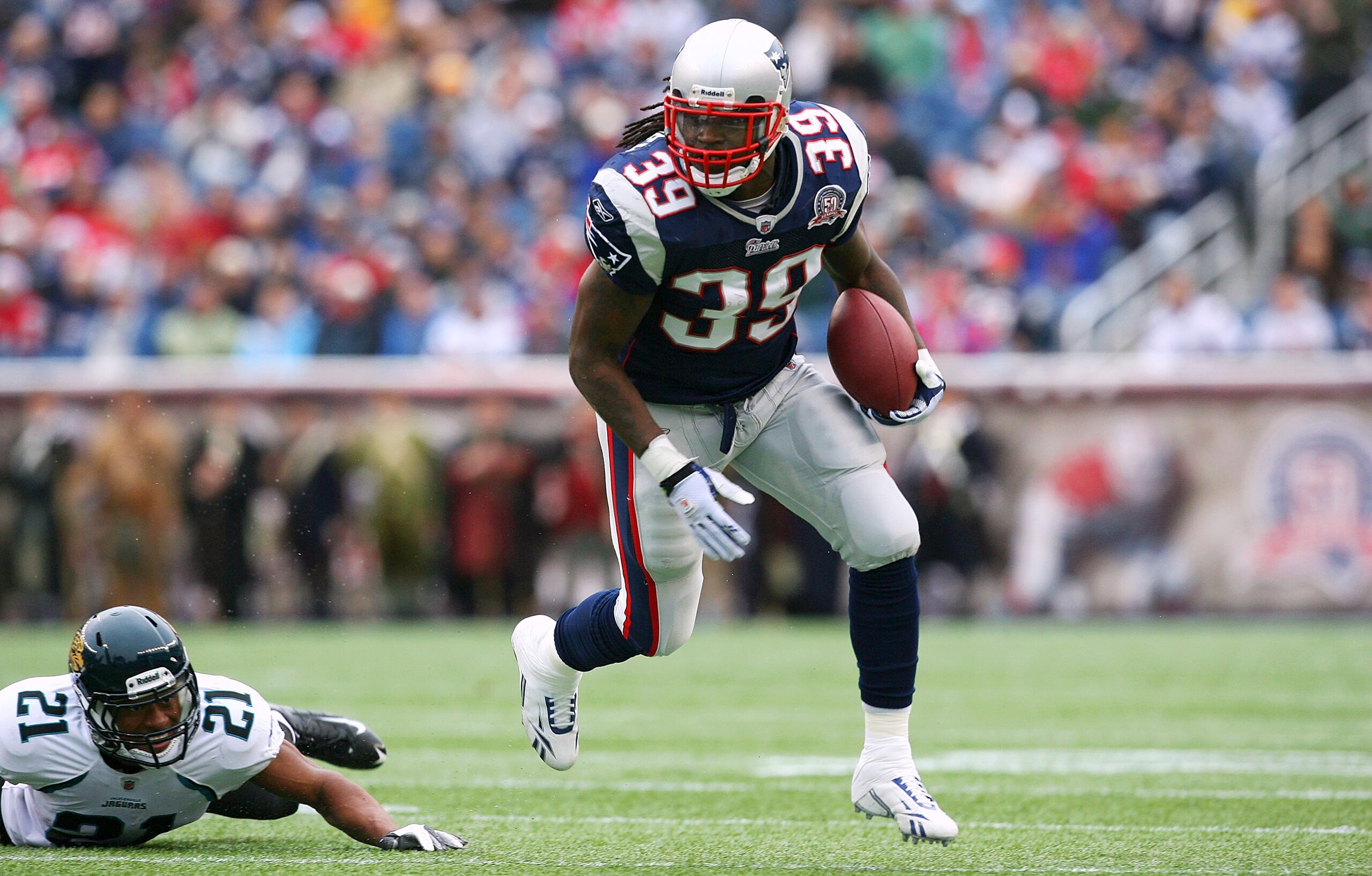
Laurence Maroney largely didn't live up to expectations during his tenure in New England. Maybe his trade this week to Denver will be the change of scenery he needs. The Broncos sure hope so.
There is precedent for career rebirths occurring mid-season. Although we always hear about how the chemistry and "knowing the system" is so vital in the NFL, there have been several times where someone joined a team in media res and excelled.
Here are the top 10 examples of such mid-season tweaks.
No. 10: Cedric Benson, 2008
1 of 10
As the fourth overall pick in the 2005 draft, Benson was expected to become the 21st century’s version of Walter Payton. It didn’t work out that way.
After three seasons in the Windy City, Benson was released in the Summer of 2008. No one picked him up, in part because of some legal trouble. The Bengals took a chance on the former Texas star.
Cincinnati signed Benson prior to Week Five and, despite not playing the first four games, he posted career highs in yards and carries.
A pair of tremendous efforts in the last two weeks of the regular season (63 carries for 282 yards) foreshadowed a promising resurrection. And in 2009, Benson rushed for 1,251 yards on 302 carries in just 13 games.
The Bengals feature back will have to follow up that one season with a few more to be considered a real mid-season steal.
No. 9: Steve Deberg, 1993
2 of 10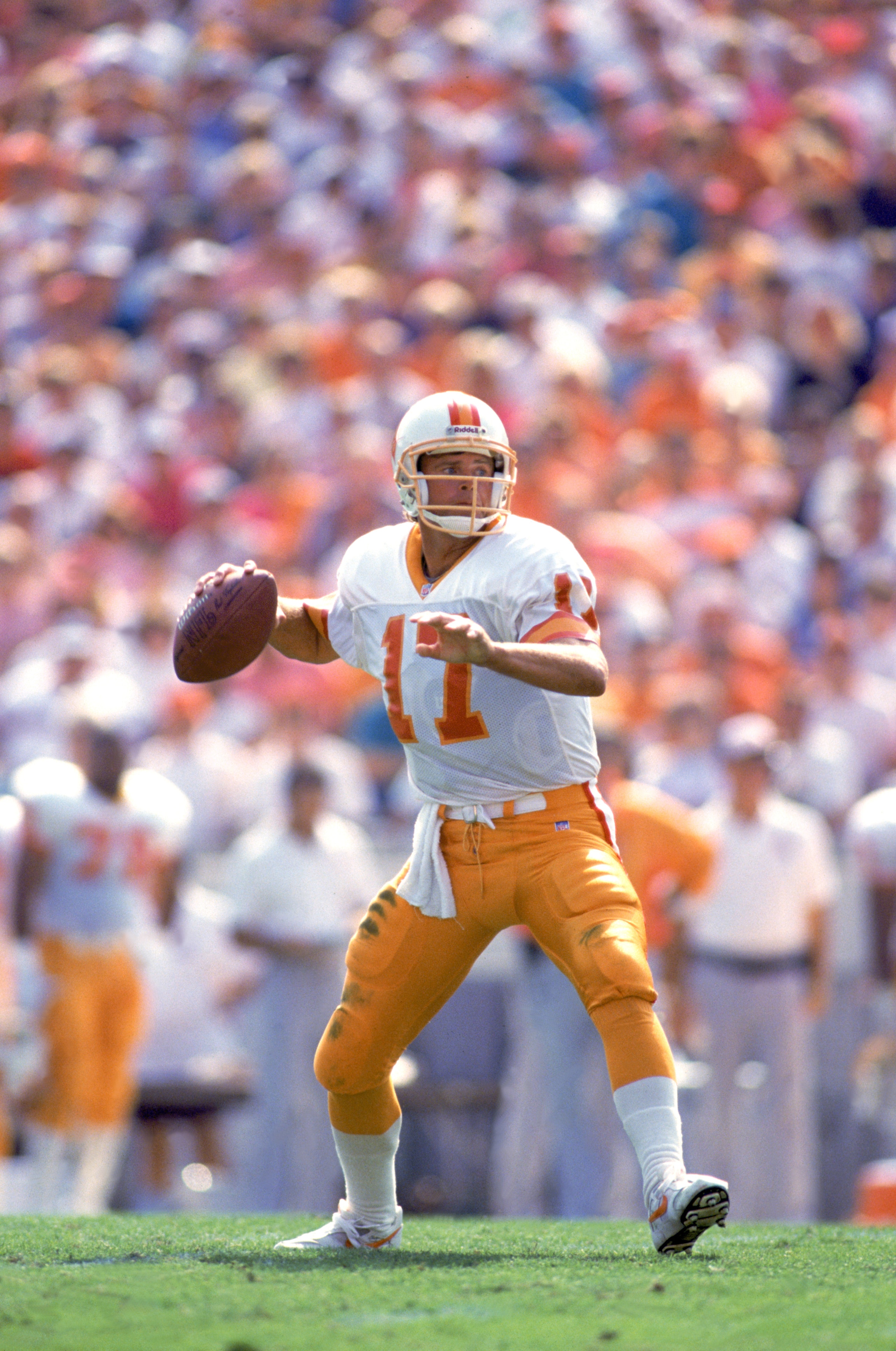
When Dan Marino tore his Achilles tendon early in the 1993 season, the 4-1 Dolphins had good reason to worry. Marino had been the Dolphins centerpiece for more than a decade.
Backup Scott Mitchell won his first start in Marino’s place then was near perfect (22 of 33 for 344 yards and 3 TDs) in his second. By Mid-November Miami remained one of the AFC’s elite teams, at 7-2.
But Mitchell dislocated his throwing shoulder in Week 11, and the Dolphins desperately needed a veteran quarterback to step in. To do so, they signed the league’s oldest player, Steve DeBerg.
The man who had been let go by San Francisco in favor of a young Joe Montana in 1981 and let go by Denver in favor of a young John Elway in 1984, was released earlier that month by Tampa Bay.
In his first start, Deberg rallied the Fins from a second-half deficit to defeat New England. And five days later in the famous Thanksgiving/Leon Lett-blunder game at Dallas, Deberg completed 24 of 41 passes in a shocking win at a snowy Cowboy Stadium.
At 39-year-old, Deberg had no more miracles left and the Dolphins lost his next two starts, then lost the remaining three games when Mitchell returned.
Miami missed the playoffs, but Deberg’s November was as memorable as any ever turned in by a third-string, emergency quarterback.
No. 8: Bernie Kosar, 1994
3 of 10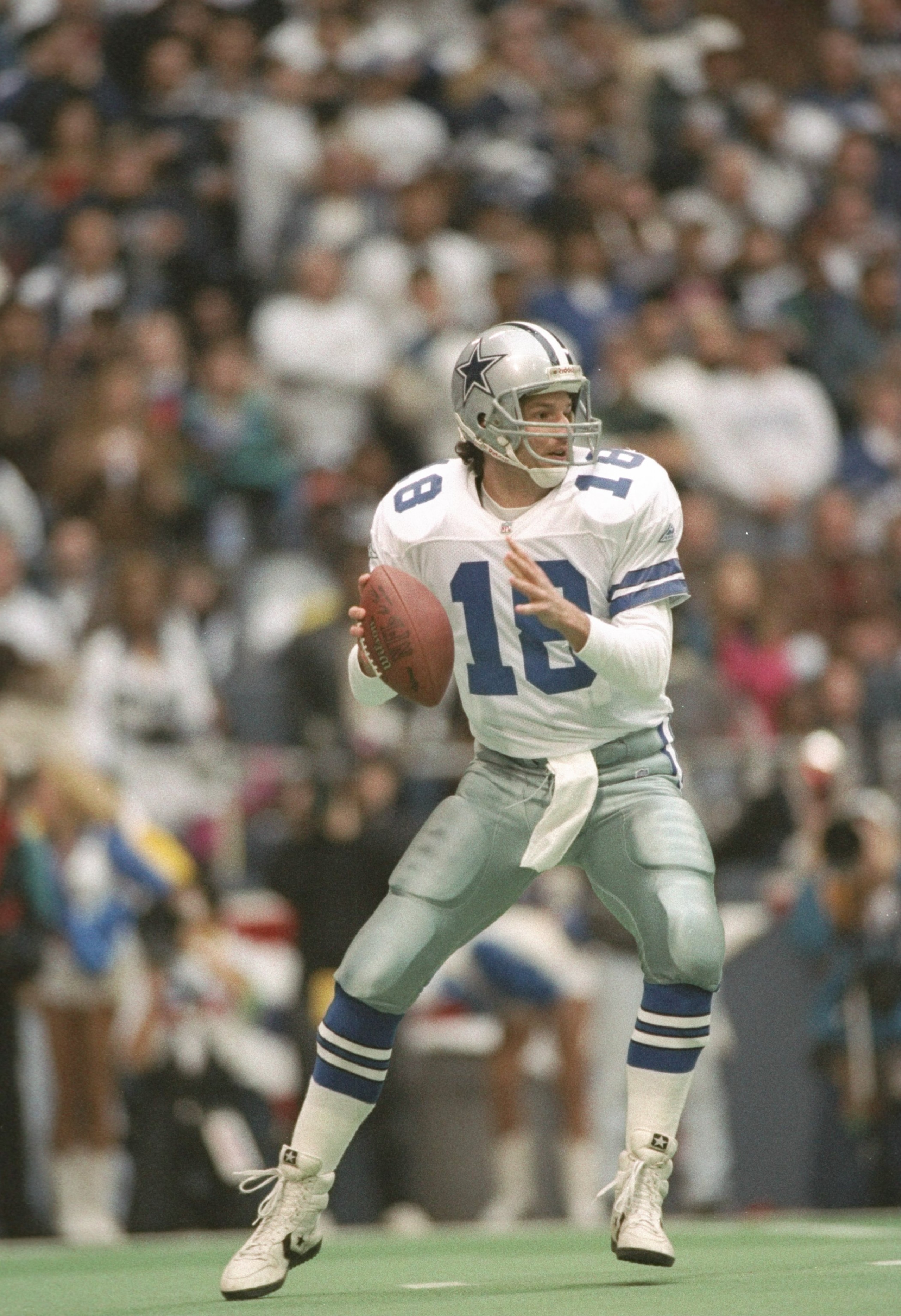
Although it’s not quite “The Drive”, “The Fumble” or Lebron “taking his talents to South Beach,” the release of this beloved hometown star ranks up there. In the middle of the 1993 season, young Cleveland Head Coach Bill Belichick released quarterback Bernie Kosar, citing his “diminishing skills.”
Altough Kosar was one of the most popular figures in Cleveland sports history, Belichick wanted his free agent signee, Vinny Testaverde—Kosar’s former college teammate—to run the offense.
The Browns cut Kosar following a loss in Week Ten. The Cowboys signed immediately signed Kosar. And when Troy Aikman was injured against the Giants a week later, they were glad they had.
Although in his only start for Dallas, Kosar lost to Atlanta, he steadied the ship a week earlier, coming off the bench to relieve Jason Garrett. Thanks to his 13 of 21 performance for 199 yards and a touchdown, the Cowboys defeated the Cardinals, preserving a one-game lead in the NFC East.
Dallas went on to win a second straight Super Bowl; Kosar took the game’s final snap.
.jpg?w=2560 "Titans Colts Football")
.jpg?w=2560 "Chiefs Giants Football")
.jpg?w=2560 "Eagles Jaguars Football")
No. 7: Andre Rison, 1996
4 of 10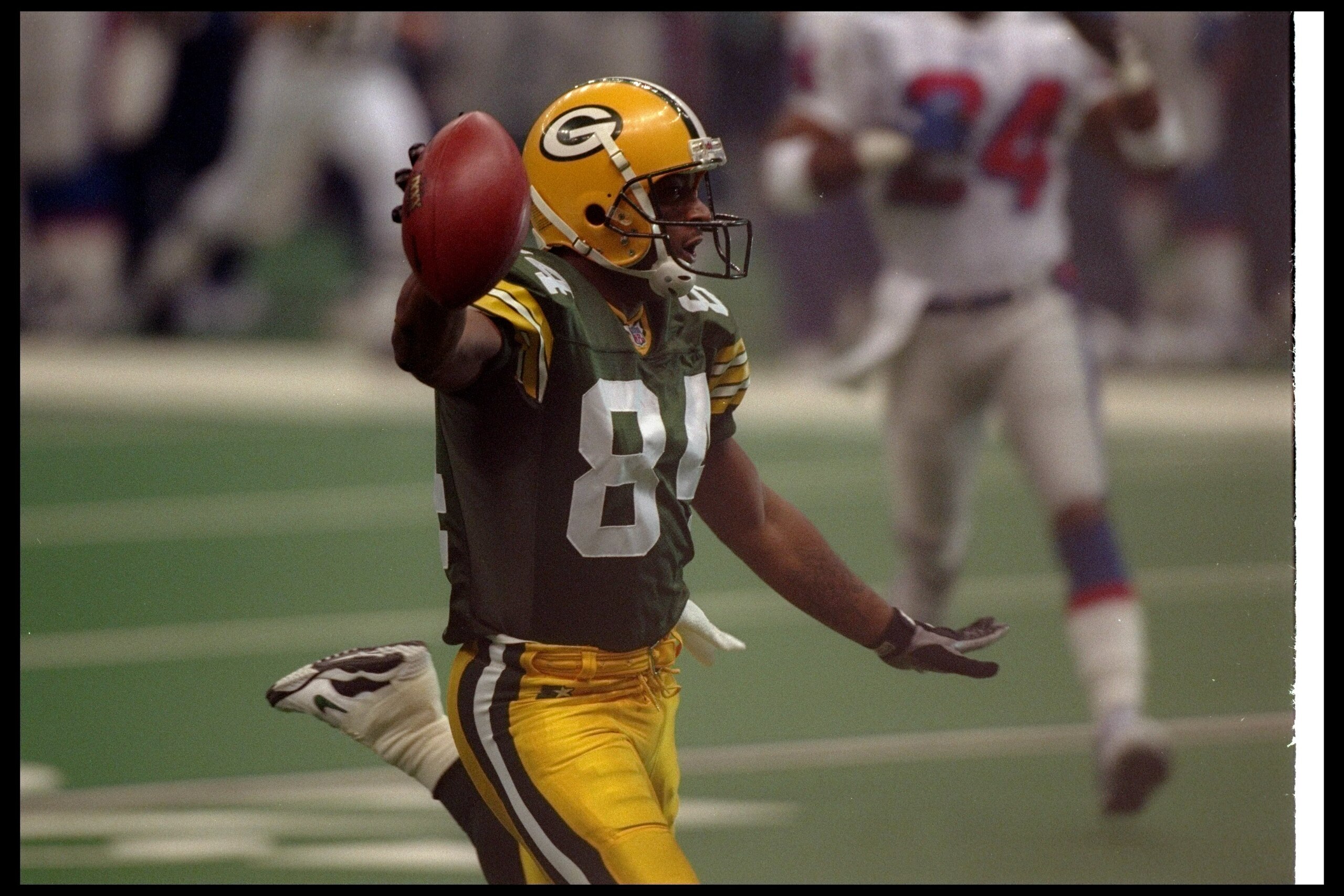
Apart from a very productive five-year stay in Atlanta where he flourished in the Run-and-Shoot, this first round pick from Michigan State never stayed long anywhere.
He spent just one year with the Colts, the team that drafted him. And a single year with the Browns, who signed him as a high priced free agent.
The Jaguars gambled on Rison prior to the 1996 season and, not surprisingly, he didn’t last long there either. Jacksonville cut him after just 10 games.
But the playoff-bound Green Bay Packers wanted depth at the receiver position and signed Rison just a few days later. He contributed a handful of catches late in the season. But it was his performance in the playoffs that lands him on this list.
Rison caught a first quarter touchdown pass in the Packers wild card stunner at San Francisco. He nabbed three more catches for 53 yards in the Packs NFC Championship Game win.
And in the first quarter of Super Bowl XXXI, Rison hauled in a 54-yard touchdown pass from Brett Favre to give Green Bay a 7-0 lead.
Desmond Howard, the game’s MVP, was the waiver-wire signee that everyone remembers from the Packers Super Bowl win. But Rison’s touchdown is the reason Brett Favre pulled off his helmet and famously danced around the Super Dome field.
No. 6: Matt Bahr, 1990
5 of 10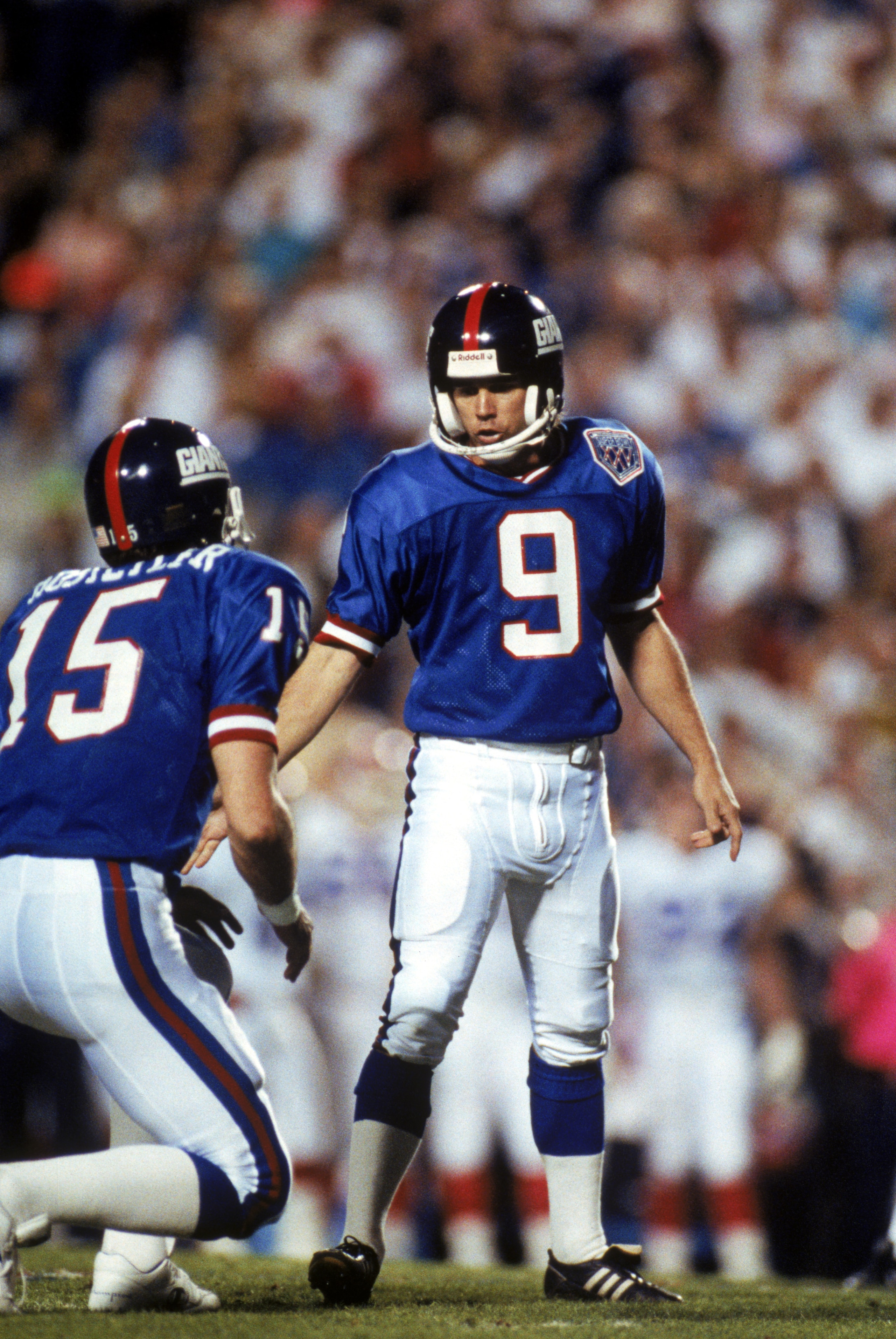
It’s hard to put a kicker on this list, considering they only play a few snaps each game, but the Giants might not have won Super Bowl XXV without Bahr.
The Browns cut Bahr in the 1990 preseason and the 11-year veteran considered retirement. But Raul Allegre’s injured quadricep prompted Bill Parcells to sign the former Nittany Lion prior to Week 4.
Bahr was steady during the regular season, making 17 of 23 field goal attempts. But he became a part of New York sports history for his performace in the playoffs. In the Giants colossal 15-13 upset of the 49ers in the NFC Championship Game, Bahr accounted for each of New York’s critical points.
A week later, he kicked two more in Super Bowl XXV, including the go-ahead field midway through the fourth quarter. In two of the closest games in playoff history, Bahr’s scoring gave the Giants the edge each time.
No. 5: Cornelius Bennett/Eric Dickerson, 1987
6 of 10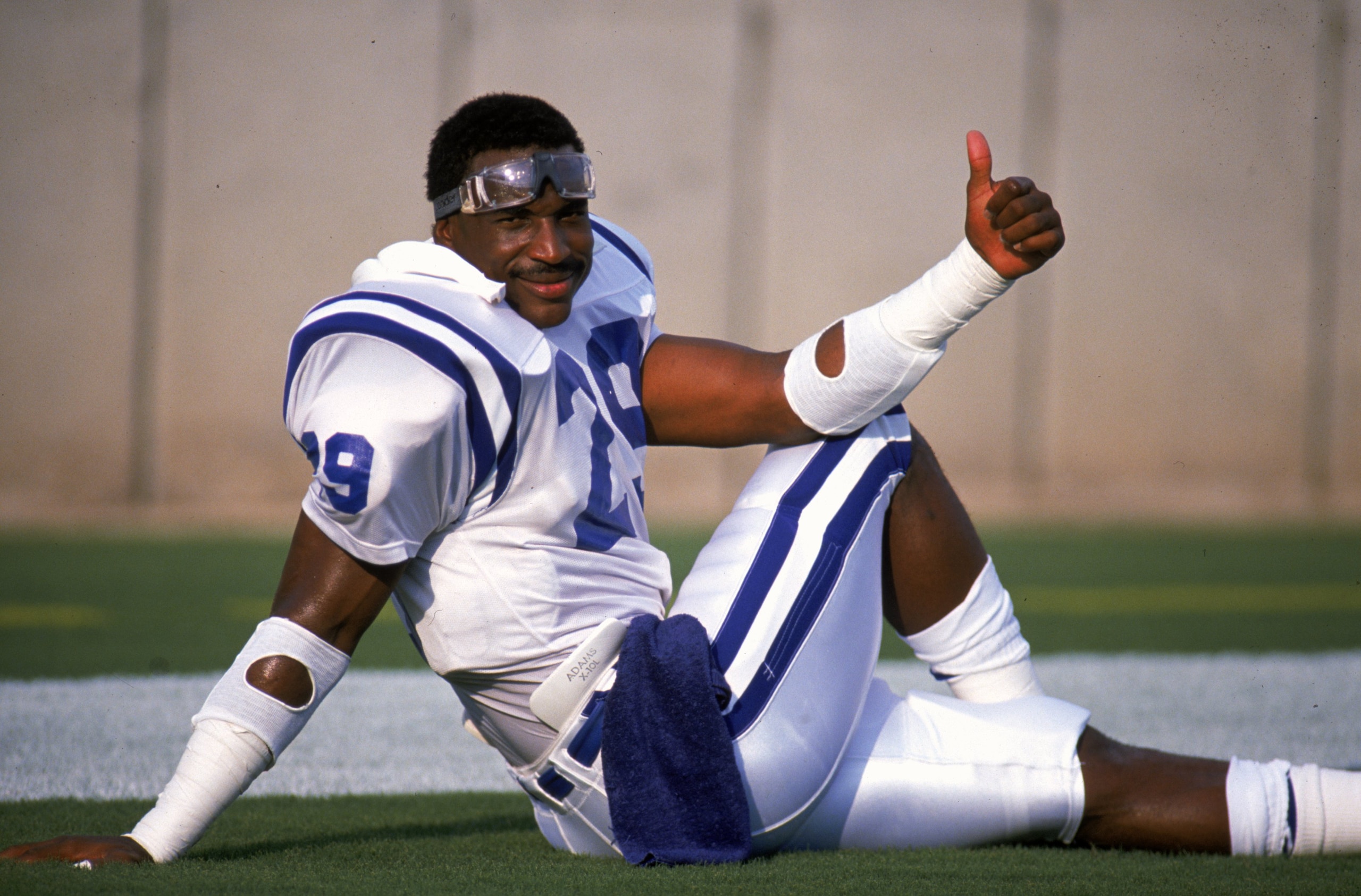
This mid-season trade worked out pretty well for two teams. In October 1987, the Los Angeles Rams traded their unhappy yet single-season record holding running back, Eric Dickerson to the Indianapolis Colts as part of a three-way trade.
Dickerson rushed for over 1,000 yards in his nine games with Indy and led the NFL in rushing the next season. After another 1,300-plus season the following year, his career slowed down but he still made the Hall of Fame.
What did the Rams get in return for shipping away one of the league’s premier players: 3 first round picks and former pro bowler Greg Bell. But the third team in the deal, the Buffalo Bills, got the better end of the deal.
For receiving Dickerson, the Colts traded away their first round pick that year, linebacker Cornelius Bennett. The Colts and Bennett couldn’t agree on a contract and he never suited up for Indy.
But when he was sent to Buffalo, Bennett promptly signed with the Bills. “Biscuit,” as he was nicknamed, earned five pro bowls appearances, three All-Pro nominees and was named to the All-decade team. He also helped guide the Bills to four consecutive Super Bowls.
No. 4: Ottis Anderson, 1986
7 of 10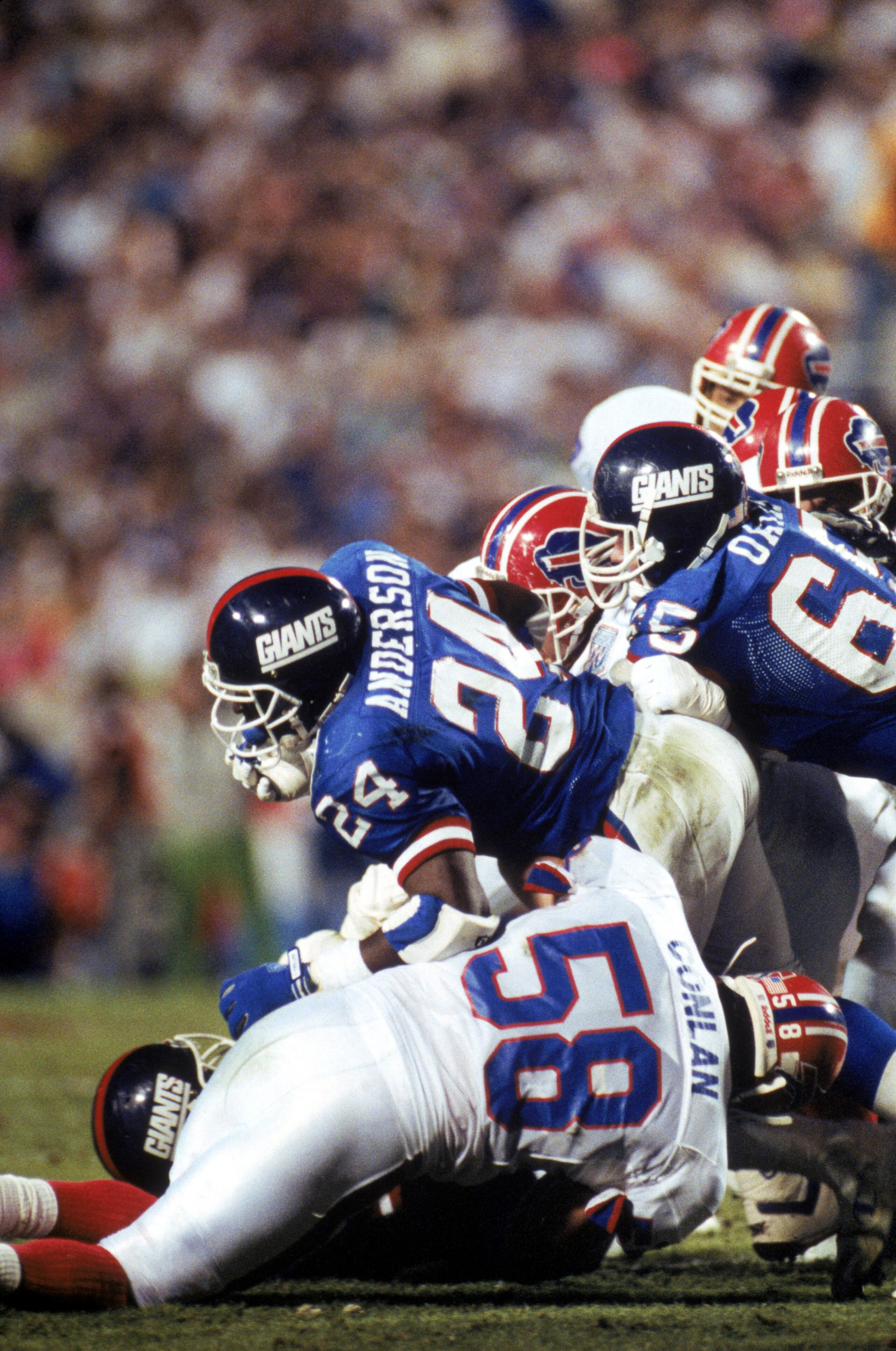
Midway through his eight season in the NFL, Ottis Anderson held the St. Louis Cardinals career rushing record. But the former first round pick from the University of Miami was unhappy with a reduced role early in 1986 and traded to the Giants for two draft choices.
Anderson did very little for Bill Parcells Super Bowl winning team in 1986, and even less the next two seasons. But an injury to starter Joe Morris thrust O.J. into the lineup in 1989. That year he returned to 1,000 yard form and scored a career high 14 touchdowns.
The next year—helped by a season ending injury to rookie Rodney Hampton—Anderson remained the feature back. And at age 34 carried the ball 20-plus times in each of the Giants post-season games.
In Super Bowl XXV, Anderson rushed for 102 yards on 21 carries and scored the Giants only second-half touchdown. He was named the MVP of New York’s 20-19 win over Buffalo.
No. 3: Jack Kemp, 1962
8 of 10
Most people remember the late Jack Kemp as a dedicated congressman and one-time Vice Presidential candidate. But before he entered politics, Kemp was a championship winning quarterback.
After the Steelers cut him in 1957, he eventually found a home in the American Football League. For Sid Gillman’s San Diego Chargers, Kemp was an all-star quarterback in 1961.
But Gillman cut Kemp midway through the 1962 season, stating that the Chargers couldn’t “win consistently with Jack” at quarterback.
Another AFL team tested that theory. The Buffalo Bills signed Kemp for the absurd waiver fee of $100. The investment paid off. Kemp was named to six more all star team and won the league MVP in 1965.
More importantly the Bills won back to back AFL titles in 1964 and 1965, both times by defeating Gillman’s Chargers. The Bills certainly won “consistently with Jack” at the helm.
No. 2: Marv Levy, 1986
9 of 10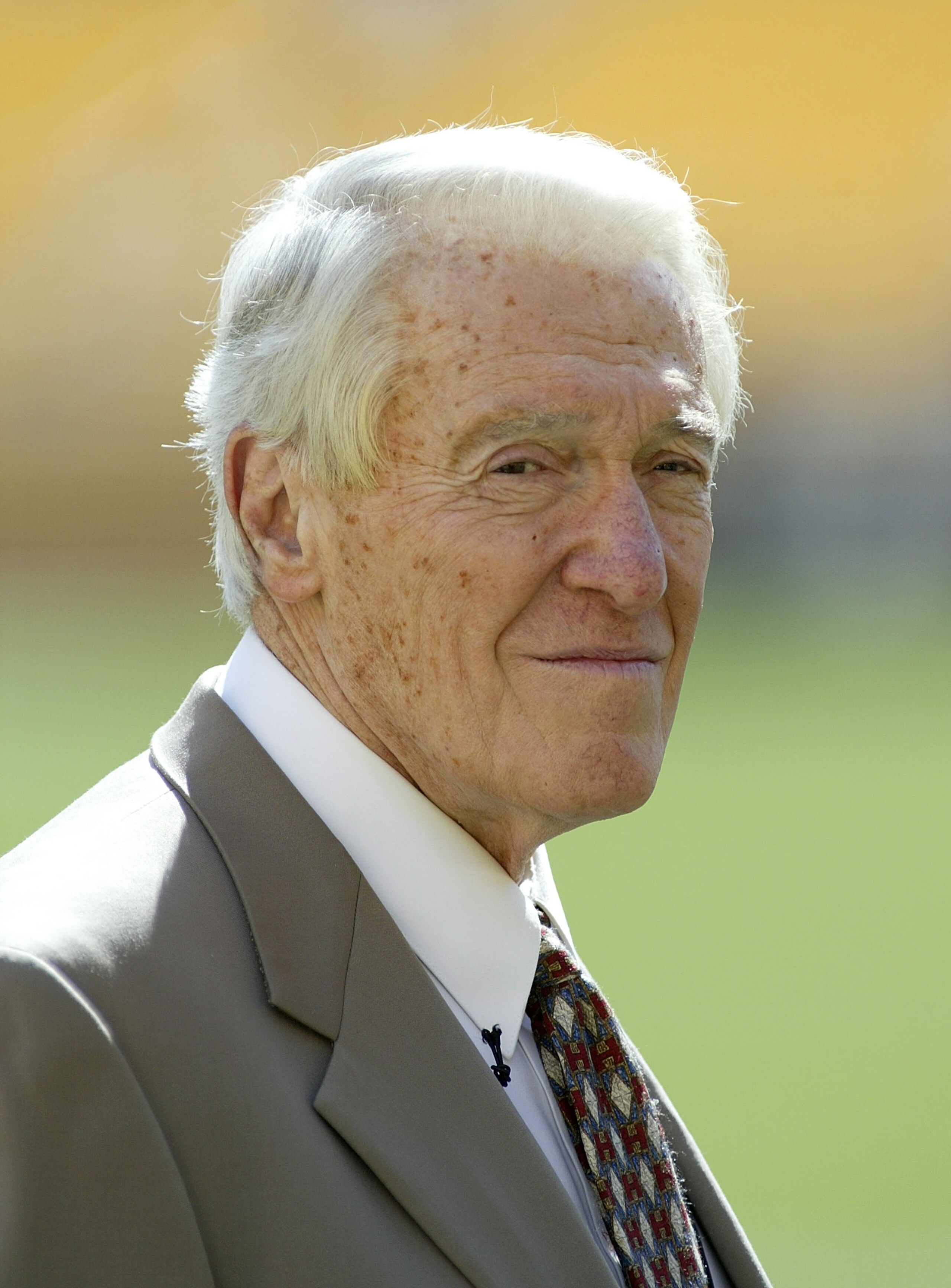
Two criteria are needed for a coach to qualify for such a list.
1) He has to be hired midseason—not promoted from within.
2) He has to be wildly successful for a long, long time.
Marv Levy’s tenure in Buffalo fits those requirements. After a much traveled career that included stops in college, the CFL, the NFL and the USFL, Levy was not coaching anywhere in 1986. Midway through that year, however, the Buffalo Bills fired Hank Bullough and brought Levy in to revamp everything.
Within two years, the Bills were playing in the AFC Championship Game. And beginning in 1990, the appeared in four consecutive Super Bowls. No other Coach can make that claim.
No. 1: Herschel Walker….sort Of, 1989
10 of 10
Herschel Walker earned back-to-back pro bowl bids for the Cowboys in 1987 and 1988. But when Jimmy Johnson took over the following year, he shipped Walker to Minnesota for a slew of future draft picks and players.
In Minnesota, Walker did well, but was not nearly as dominant as he had been in 1988 with the Cowboys: 361 carries, 1514 yards.
Although it didn’t seem so at the time, Dallas completely snookered the Vikings. Among the many players the Cowboys received were Emmitt Smith, Darren Woodson, Dixon Edwards and Alvin Harper. Each man was vital to the Cowboys back-to-back Super Bowl wins in 1992 and 1993.
.jpg?w=2560 "Colts Football")
.jpg?w=2560)





