

The Frankenstein on the Mound: Constructing the Ultimate MLB Pitcher
If you were to build a Major League pitcher, where would you start?
No, I'm not talking about Elmer's glue and popsicle sticks. I mean the best pitchers' control, velocity, and mental makeup. Look around the league—what would you take from who?
In this slideshow are the 10 body parts and attributes I would take from around the game, from arm and command to glove and pickoff move.
In the interest of diversity, I limited myself to taking only one part per pitcher. Otherwise, the final product would have probably just looked like a combination of Cliff Lee and Roy Halladay.
Here's hoping my monstrosity sticks to terrorizing opposing hitters, instead of 19th-century villagers.
In this slideshow are the 10 body parts and attributes I would take from around the game, from arm and command to glove and pickoff move.
Justin Verlander's Arm
1 of 10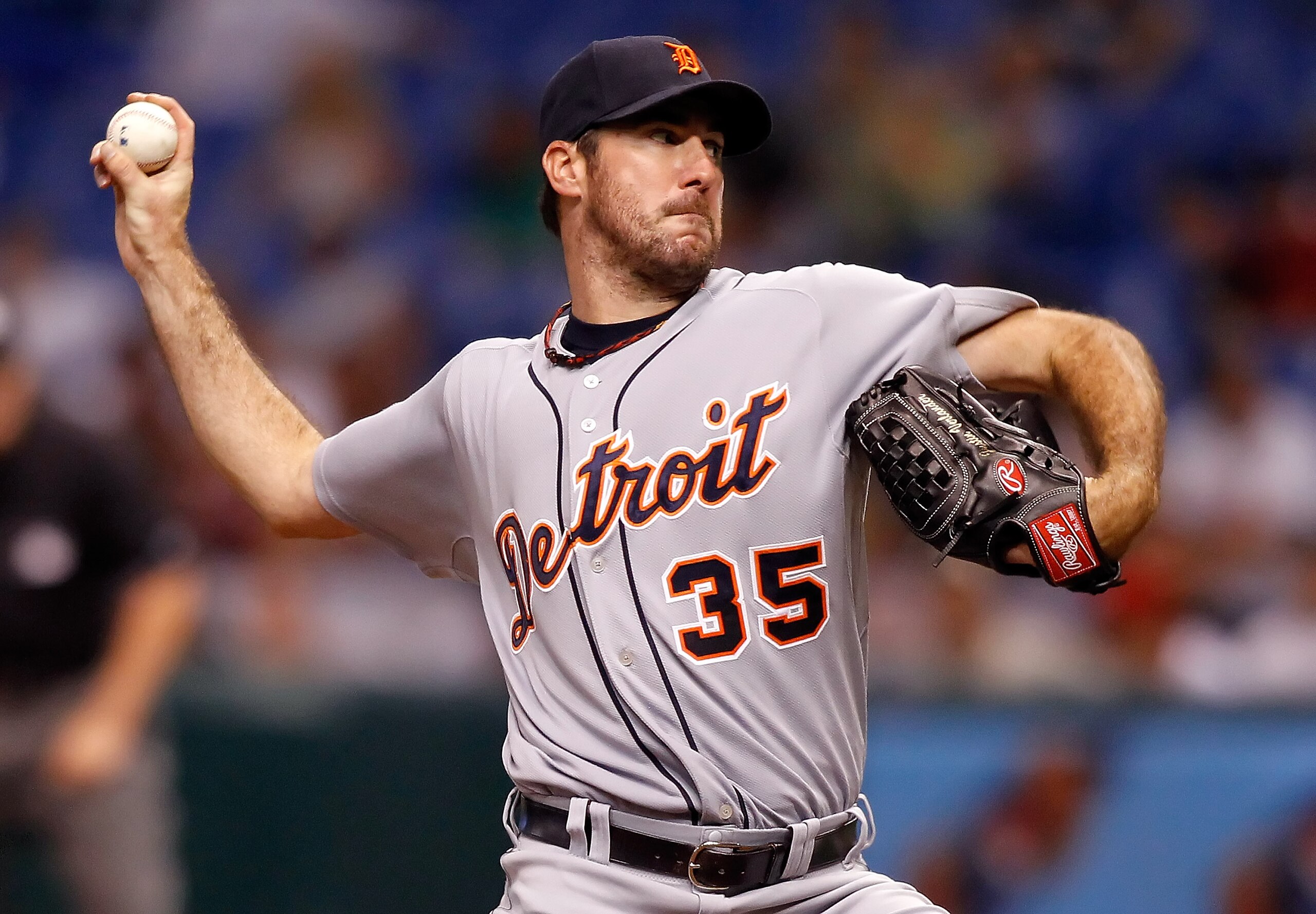
Want to know why Justin Verlander has emerged as one of the best pitchers in baseball over the last two years? It's all on the strength of his right arm—literally.
His fastball consistently ranks among the fastest in the game. For his career, his go-to pitch has averaged 95 mph, though he's been clocked as high as 102 mph.
Earlier in the season, Stephen Strasburg, who is younger and throws harder, would have been the easy choice here. But given Strasburg's recent injury scare, Verlander (who has never suffered a serious injury) is a safer pick.
Cliff Lee's Command
2 of 10
Cliff Lee hasn't ascended to greatness because he's a strikeout artist, and he doesn't intimidate opposing hitters because he throws gas. Rather, he has earned his place as one of the best pitchers in baseball because of his impeccable command.
In 174.2 innings pitched this season, Lee has issued just nine unintentional walks. That's exactly half as many as I saw in a single Indians-Yankees game last month.
If the season ended tomorrow, Lee's insane 0.56 BB/9 rate would be remembered as the second-best mark since 1882. His insane 13.7 K:BB ratio would completely obliterate Bret Saberhagen's record of 11.0 K:BB.
Roy Halladay's Brain
3 of 10
Roy Halladay isn't the best pitcher in the game in terms of raw "stuff." But he has established himself as one of MLB's elite hurlers because of his smarts; he knows how to make the best of what he has.
He can rack up strikeouts with the best of them (8.1 K/9) and is stingy with the walks (1.1 BB/9), but what puts him over the top is his efficiency. Because of his stellar groundball rate (51 percent—and that's in a down year), Doc can let batters make contact without worrying about what happens when they do.
The result? He averages just 14 pitches per inning. His efficiency allows him to dominate batters deep into games, as reflected by his eight complete games and 200 innings—both tops in baseball.
Mariano Rivera's Clutch Factor
4 of 10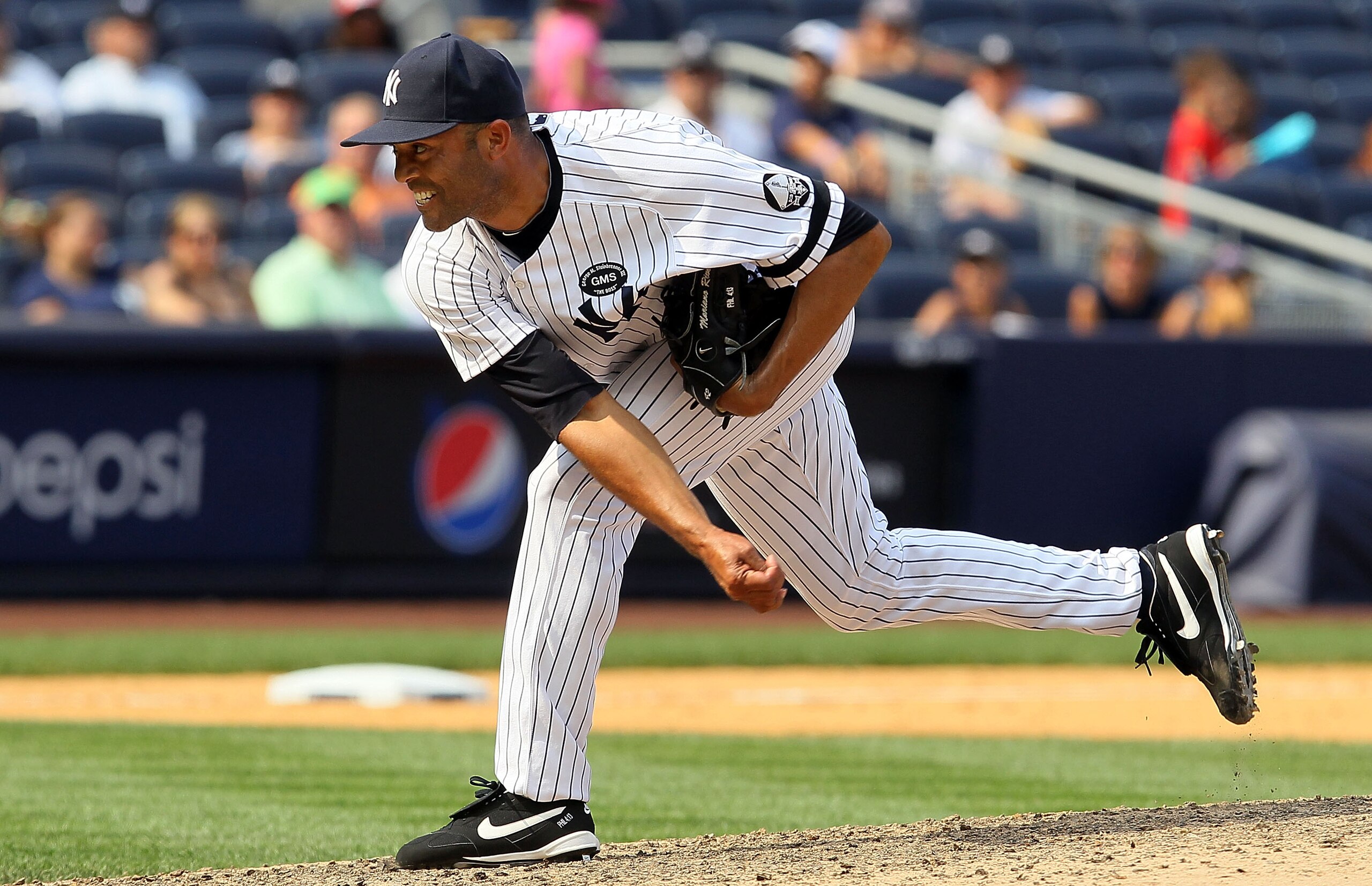
Modern statisticians love to debunk the idea that certain players are "clutch," but I've never heard anyone argue that the shoe fits for Mariano Rivera. With the possible exception of Don Larsen, no pitcher in the history of baseball has a more impressive postseason resume than Mo.
Rivera is the all-time playoff leader in ERA (0.74), games pitched (88), and saves (39—more than any other two closers combined). He also appears on the Top 10 lists for winning percentage (.889), WHIP (0.77), innings pitched (133.1), and strikeouts (107).
He's not invincible (as the 2004 Red Sox made clear), but come October, he's about as close to untouchable as anyone could ever get.
Billy Wagner's Strikeout Mastery
5 of 10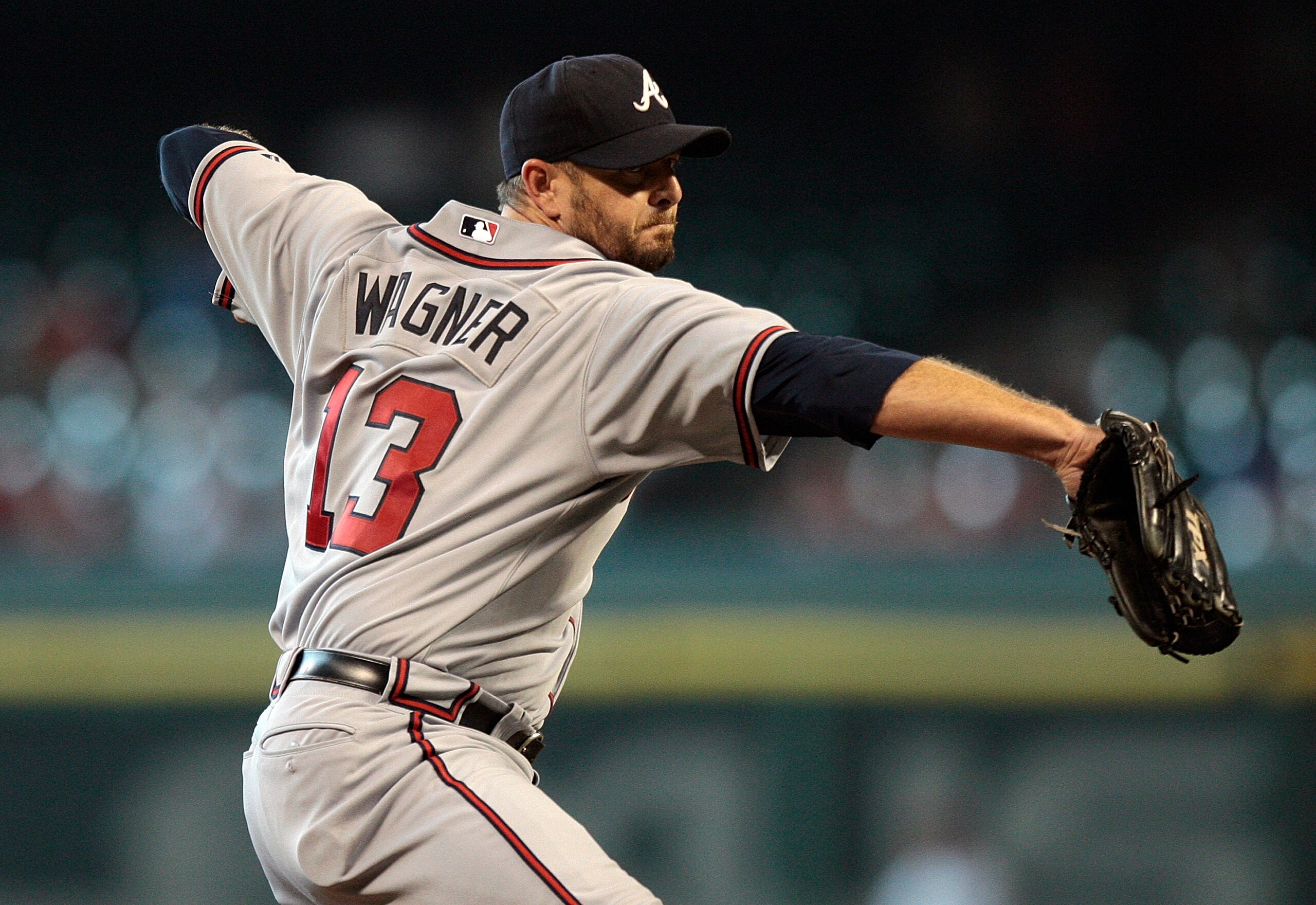
Billy Wagner won't be remembered as one of the best closers of his generation, and it's a damn shame. He has 415 saves to go with a 2.34 ERA; only once in 16 seasons has his ERA climbed above 2.85.
His secret? Wagner punches out opposing hitters like a man possessed. His career 11.9 K/9 rate is the best in baseball history among pitchers with at least 600 innings. Take a minute to absorb that fact. Randy Johnson, Nolan Ryan, Sandy Koufax—they all line up behind Wagner.
Excluding the six MLB pitches he threw in 1995, B-Wags has struck out over a batter an inning every single season. He's earned whiff rates higher than 10 K/9 13 times and posted over 14 K/9 in four different seasons.
Tim Hudson's Worm-Burning
6 of 10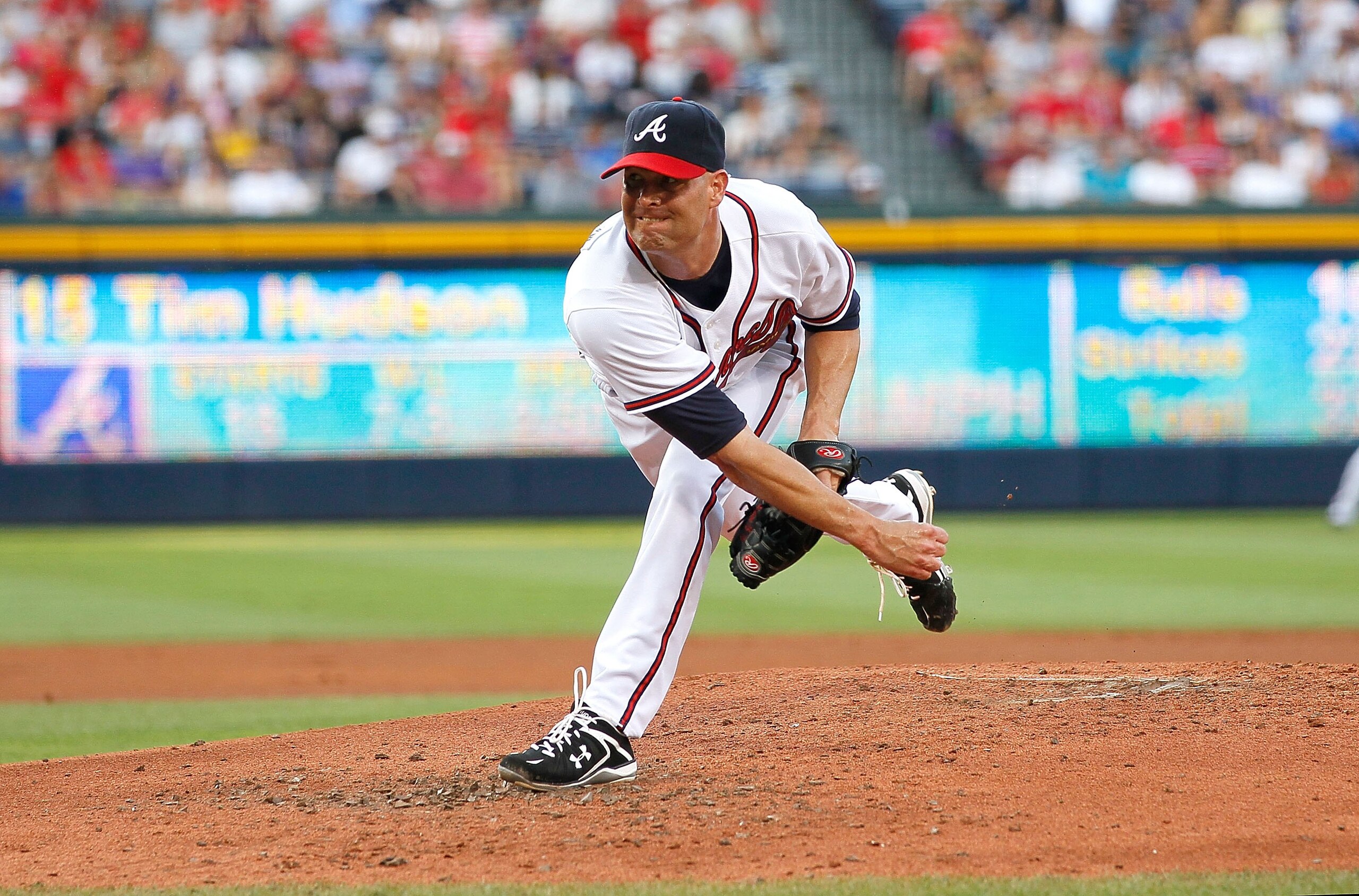
Of course, not everyone can be a strikeout king. If you can't stop opposing batters from hitting the ball, the next best thing is to make them hit it on the ground.
This year, Tim Hudson leads all MLB pitchers with a 65 percent GB rate. That's right—if you make contact against Hudson, there's almost a two-thirds chance it will stay on the ground. And if it stays on the ground, good luck hitting it out of the park.
It's no fluke—if he had enough innings to qualify in 2008 and 2009 (injuries limited him to just 30 starts in that span), this would be Hudson's fourth year in a row with one of the three best GB rates in baseball.
Matt Cain's Ability To Keep the Ball in The Park
7 of 10
Maybe you can't get the strike out or induce a ground ball. All that's left to do now is make sure that, when the ball gets hit in the air, it doesn't go very far—it's not a skill that's easy to eloquently describe, but it's important nonetheless.
Most pitchers' home run:fly ball ratios vary from season to season; unless he plays in an extreme pitchers' park, a hurler with a low HR/FB rate is likely to see the number regress to the norm (about 11 percent).
Not so for Matt Cain. His career HR/FB rate is just 6.7 percent, and he's never risen to more than 8.4 percent over a full season. That's not just because of playing half his games in pitcher-friendly AT&T Park; no stadium can distort the numbers that much, and he has a fantastic 7.1 percent HR/FB rate on the road.
Could he be getting lucky? It's certainly possible. But after throwing more than 1,000 innings, the "small sample size" excuse doesn't seem very plausible.
Andy Pettitte's Pickoff Move
8 of 10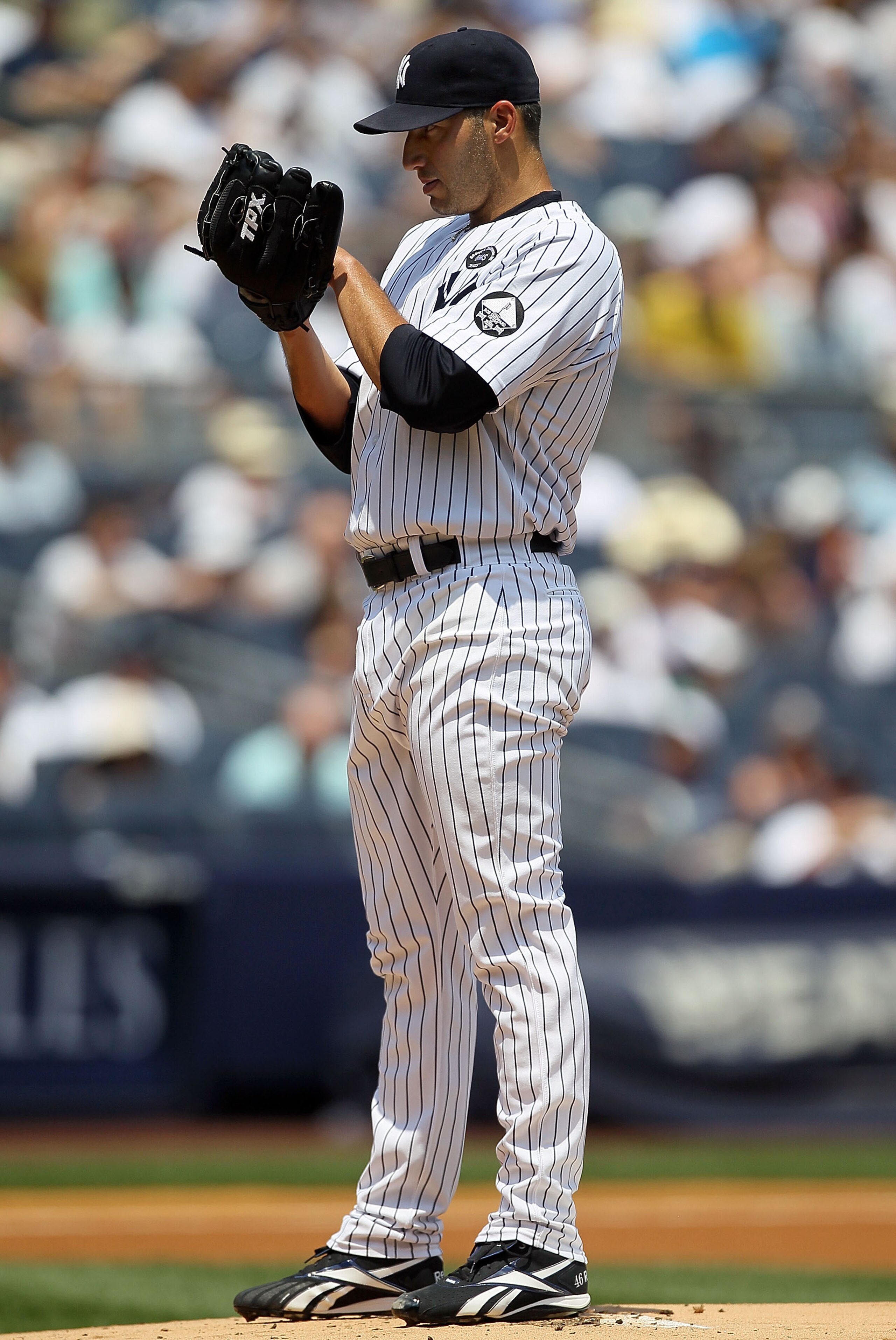
No one really cares about pick-offs. They require a great deal of skill and timing to execute and can be devastating rally-killers, but good luck finding a career leaderboard for them.
Pettitte has the best pickoff move in the game, and has more of them in his career than any other active player.
To put his skill in perspective, consider this: In 1997, he picked off at least one runner eight games in a row. Now that's impressive.
Mark Buehrle's Glove
9 of 10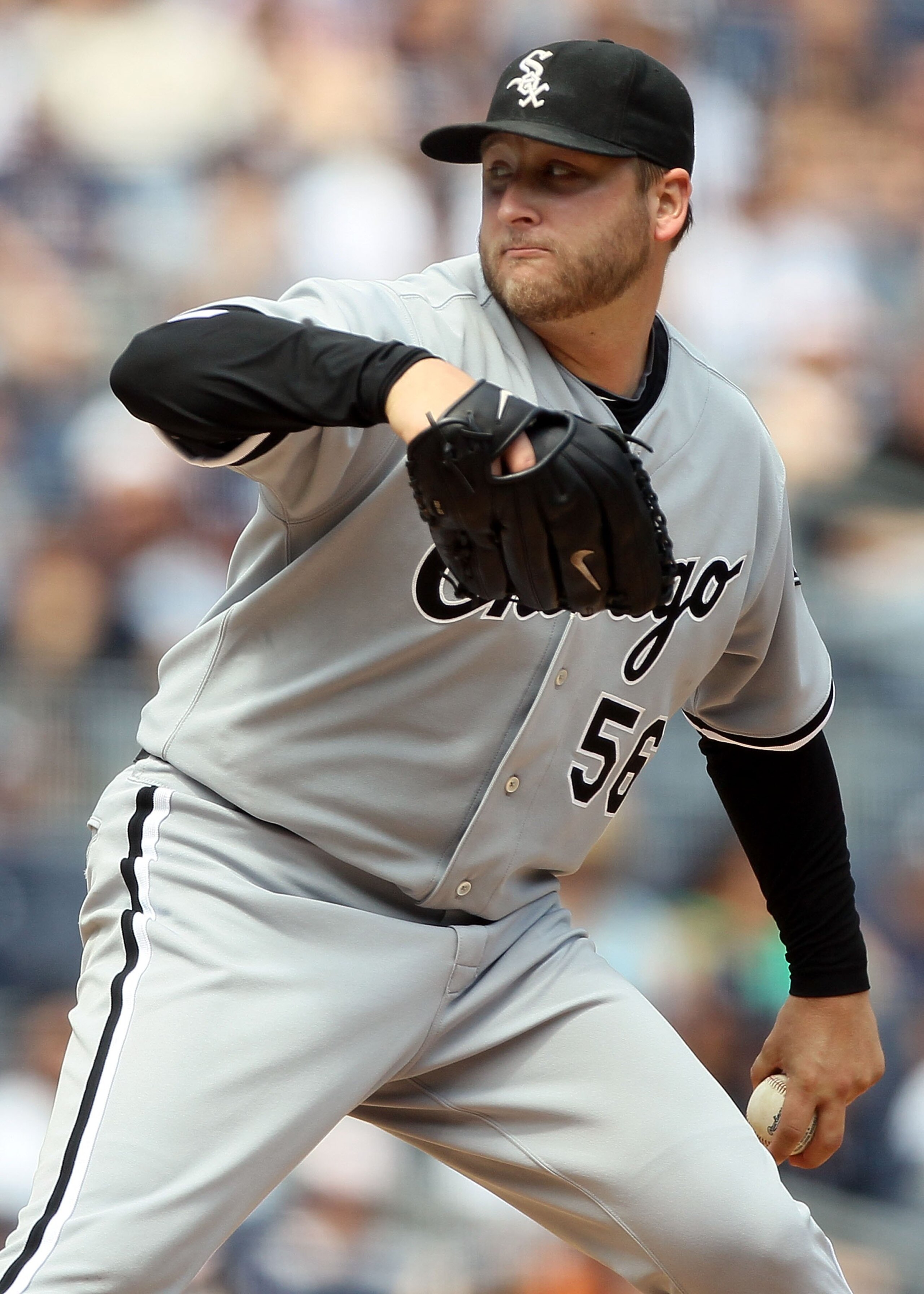
No one really pays much attention to pitchers' fielding, and they don't get enough chances to be useful for UZR or TZR. Still, Buehrle has a reputation for being one of the most slick-gloved hurlers in the game, because of things like this:
Ubaldo Jimenez' Unpredictability
10 of 10
A couple months ago, many writers—myself included—cited Ubaldo Jimenez' lackluster control as one of the reasons why his ridiculous start to the season was unsustainable.
While we skeptics ended up being right (he has a 4.90 ERA in his last 11 starts and has given up almost triple the earned runs he allowed in his first 14 outings), one idea I heard from the other side of the table has stuck with me ever since: in the words of Chipper Jones, Ubaldo is "effectively wild."
"He’s not a comfortable at-bat," Jones said after Jimenez no-hit the Braves in April, "because the next pitch could be in your ear or on the black.” I'm skeptical about whether that psychological advantage really outweighs the fact he allows too many walks, but no one in the game has been better at keeping opposing hitters guessing.
.jpg?w=2560 "OBJ Calls Out Giants After Release")




.jpg?w=2560 "Saquon Out for Game")
