
Yao Ming and 10 Other NBA Players with Careers Shortened by Injury
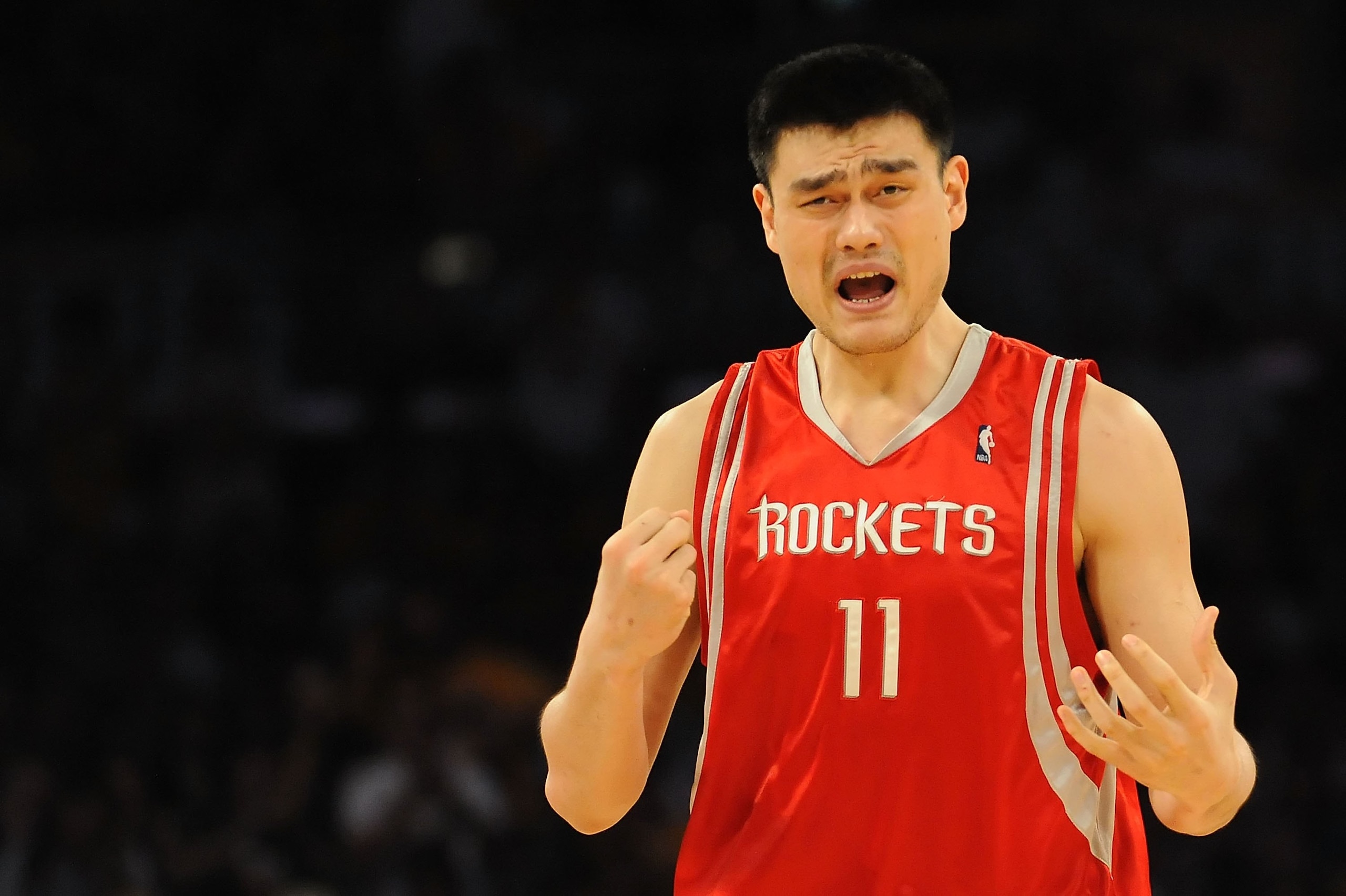
Houston fans can sum up Yao Ming's career in one word: Yaoch.
From the moment he first set foot on American soil in 2002, the 7'6" center has been at the mercy of a heavy frame and glass feet. They seem to break easier than a fortune cookie in a swimming pool.
Yao missed the 2009-2010 season with a stress fracture in his left foot. He decided to try the same operation that saved Zydrunas Ilgauskas from a premature retirement. Doctors placed screws in Yao's foot to help strengthen the cracked bone.
He sparked a media frenzy when he told Chinese state media that he would retire if the injury failed to heal. He was trying, as usual, to get China's hoops leaders to script a life without him. He plans to retire from international competition and wants the people in his nation to know he's serious.
The Rockets expect him to be ready for 2010 training camp. That hope, however, cannot soothe the malady that has marred Yao's battered career.
If Yao is a slam dunk choice for an all-time injured NBA players list, here are nine others who brought the pain to their many franchises, fans and themselves.
Writer's notes: this list (not a ranking) is not all inclusive. If you think I missed someone, tell me who below.
Given their relative youth and more chances to prove they can stay healthy, I excluded Greg Oden, Blake Griffin, and Andrew Bynum from the conversation. Also, since Drazen Petrovic and Len Bias' careers were cut short by death, I thought it would be too insensitive to mention them in the same piece as Tracy McGrady.
Robertas Javtokas
1 of 10
Teams: N/A
Years: N/A
Javtokas's chance at an NBA career ended on May 1, 2002, when he suffered gruesome injuries after a motorcycle accident in Vilinius, Lithuania. A van he was trying to pass did not see him change lanes and slammed into his bike, sending the 6'11" center dozens of meters into nearby bushes.
He recovered from the accident and continues to play in Europe and for the Lithuanian national team. He cracks this list because of what he could have done in San Antonio. The Spurs picked him 26th in 2001, the same year they snatched Tony Parker.
As one of the top overseas ballers, he has won every championship–from the Baltic League to the Greek title–and accolade imaginable. I think he could have snagged the biggest prize of all, the U.S. one, in the Alamo city alongside Tim Duncan.
His freakish athleticism for his size and his bulk tantalized the Spurs and a few other teams. They drafted him as a future prospect, hoping he might one day join Duncan. That motorcycle crash likely ended Javtokas's NBA dream.
What a shame.
I cannot watch this guy play without thinking he would have been as good as or better than any of the frontcourt help the Spurs fetched for Duncan after David Robinson retired.
San Antonio still owns Javtokas' draft rights, but it is difficult to imagine the front office ever bringing the now 30-year-old pivot stateside. Tiago Splitter will have to do.
Craig "Speedy" Claxton
2 of 10
Teams: Philadelphia 76ers, San Antonio Spurs, Golden State Warriors, New Orleans Hornets, Atlanta Hawks
Years Played: 2000-2010
As a youngster, Claxton redefined speed, hence his nickname. He was faster than a McDonald's operated by a team of race car drivers. He excelled in transition and often dazzled with his freelance drives to the cup. Size served as a defensive hindrance, but his quickness allowed him to pressure ball handlers and forced them to change direction.
He couldn't connect from the perimeter with any consistency, thanks to some shoddy shot mechanics. Most of all, he could not stay healthy.
Claxton missed his entire rookie year with a bum knee. He injured it during a preseason tilt. In his three years with the Atlanta Hawks, from 2006 to 2009, he played in just 44 games.
He was not, regrettably, a fast healer.
In his best year, he helped the Spurs win a championship. Gregg Popovich even started him over Tony Parker in several Finals games when the Frenchman's crumbly-as-a-pastry decision-making pushed the head coach over the edge.
T.J. Ford
3 of 10
Teams: Milwaukee Bucks, Toronto Raptors, Indiana Pacers
Years Played: 2003-present
Chalk it up to our days in Longhorn country. Those who did not watch Ford at the University of Texas (I graduated from there in 2008) might not know the extent of his former explosiveness.
He delivered dimes in the open court that would have made Magic Johnson blush. He completed spectacular three-point plays. He swiped balls like a practiced thief. He delivered jaw-dropping highlights when he jumped over two, sometimes three players and posterized them all.
His reckless style portended his downfall. He missed the final 26 games of his rookie campaign with a back injury. That ailment would become a recurring theme in his thus far epic disappointment of a pro career. A spinal cord injury forced him to miss the entire 2004-2005 season.
He returned the next year with the same disregard for safety and abandon that marked his decorated collegiate tenure. A flagrant foul in 2007 may have zapped his potential pro greatness for good. Crews carried Ford, and the remnants of his flammable game, off the Philips Arena court in a stretcher.
Grant Hill
4 of 10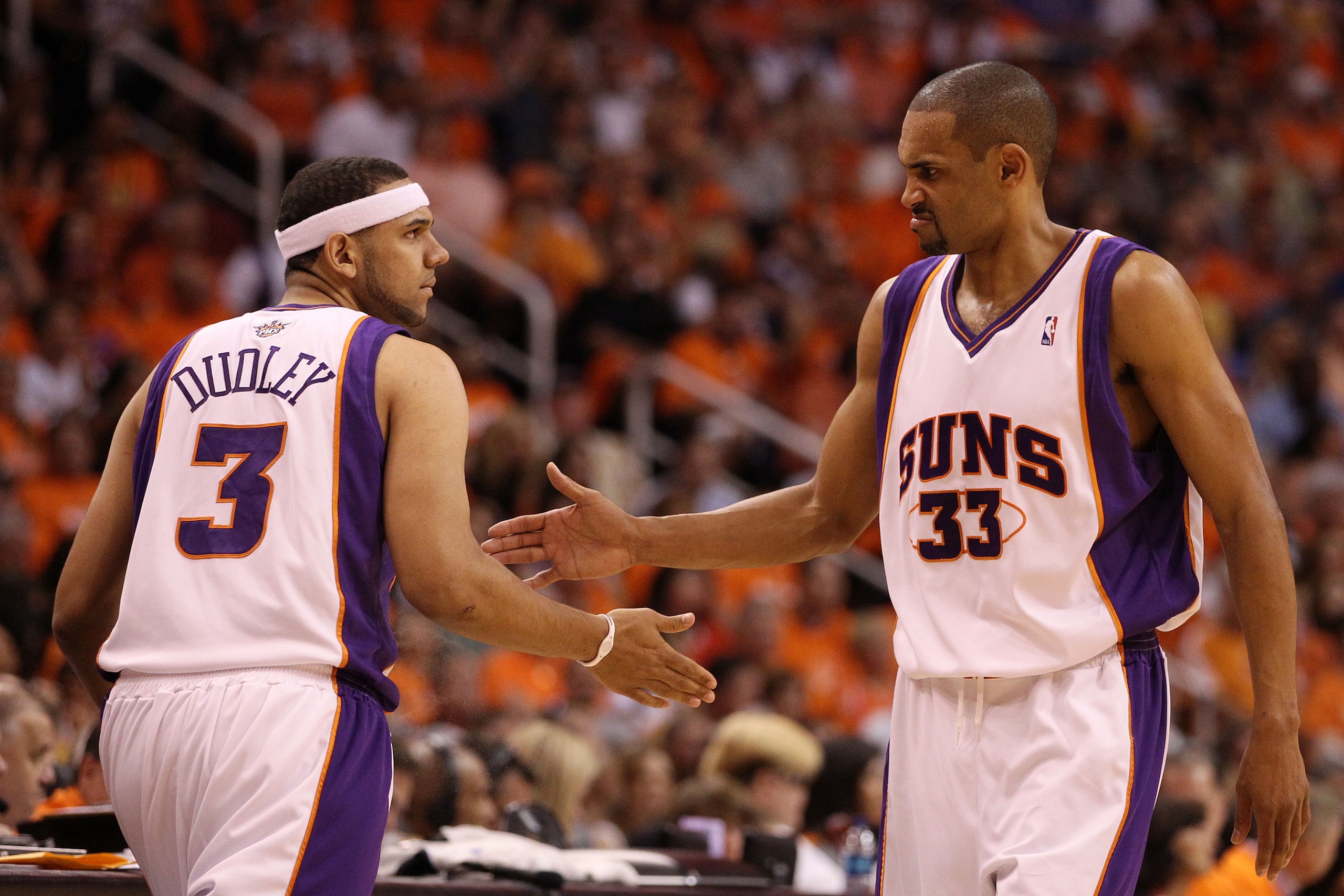
Teams: Detroit Pistons, Orlando Magic, Phoenix Suns
Years Played: 1994-present
Career-threatening injuries ruined Hill's prime, in which he was supposed to become Jordan's heir-apparent both as an all-around athlete and a winner. Those pangs have also allowed Hill to play in 70, 80, and 82 games as a late to mid-30s role player in Phoenix.
He has missed, by some estimates, the equivalent of five full campaigns with an assortment of terrible twinges–ranging from a damaged ankle to an almost fatal fever bout and convulsions. In his years in Orlando, he suited up for just 200 contests, which amounts to two and a half seasons.
Thanks to his steady leadership as a support man in Phoenix, fans will remember Hill as a grade-A gentleman and a valuable contributor. Nothing he does now though can make up for those excruciating periods on the sidelines in which he could have been the league's finest player–its best finisher, defender, playmaker, perimeter assassin and maybe a multi-time champ.
Instead, injuries just assassinated him.
Ralph Sampson
5 of 10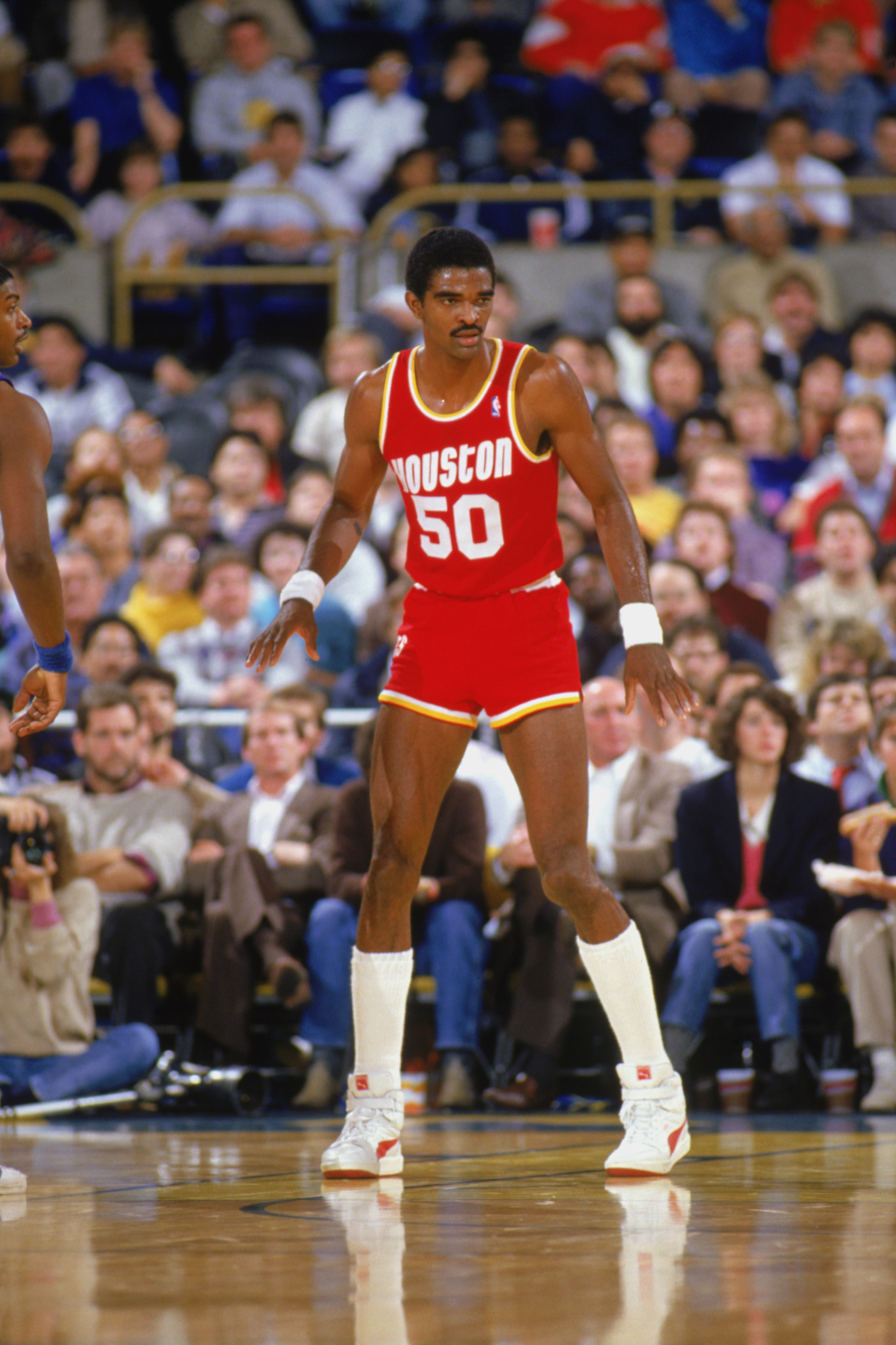
Teams: Houston Rockets, Golden State Warriors, Sacramento Kings, Washington Bullets
Years Played: 1983-1992
When Hakeem Olajuwon arrived via the 1984 draft, observers dubbed Houston's fearsome front line tandem "the Twin Towers." Three years after Sampson entered the league, though, he became a tower of pain. He underwent three knee surgeries and battled a bad back before calling its quits, not by his choice, in 1992.
Once predicted by many as the forward who would revolutionize the game, he instead became a poster child for unrealized potential. Sampson averaged 20.7 points and 10.9 rebounds in his NBA infancy, causing those who projected the Rockets' front court as the greatest ever to heap more praise on the former Virgina standout.
Expectations spiraled back to earth when the Rockets dealt an injured Sampson, who had become bothersome to coach Bill Fitch, to the Warriors. He did not win more championships than Bill Russell or score like Wilt Chamberlain, as absurd as those expectations were.
Injuries shelved him for the next four seasons before his humiliating Sacramento stint. There, he played 51 games in two seasons and averaged a paltry 3.5 points. The Bullets waived him after 10 games in Washington.
Danny Manning
6 of 10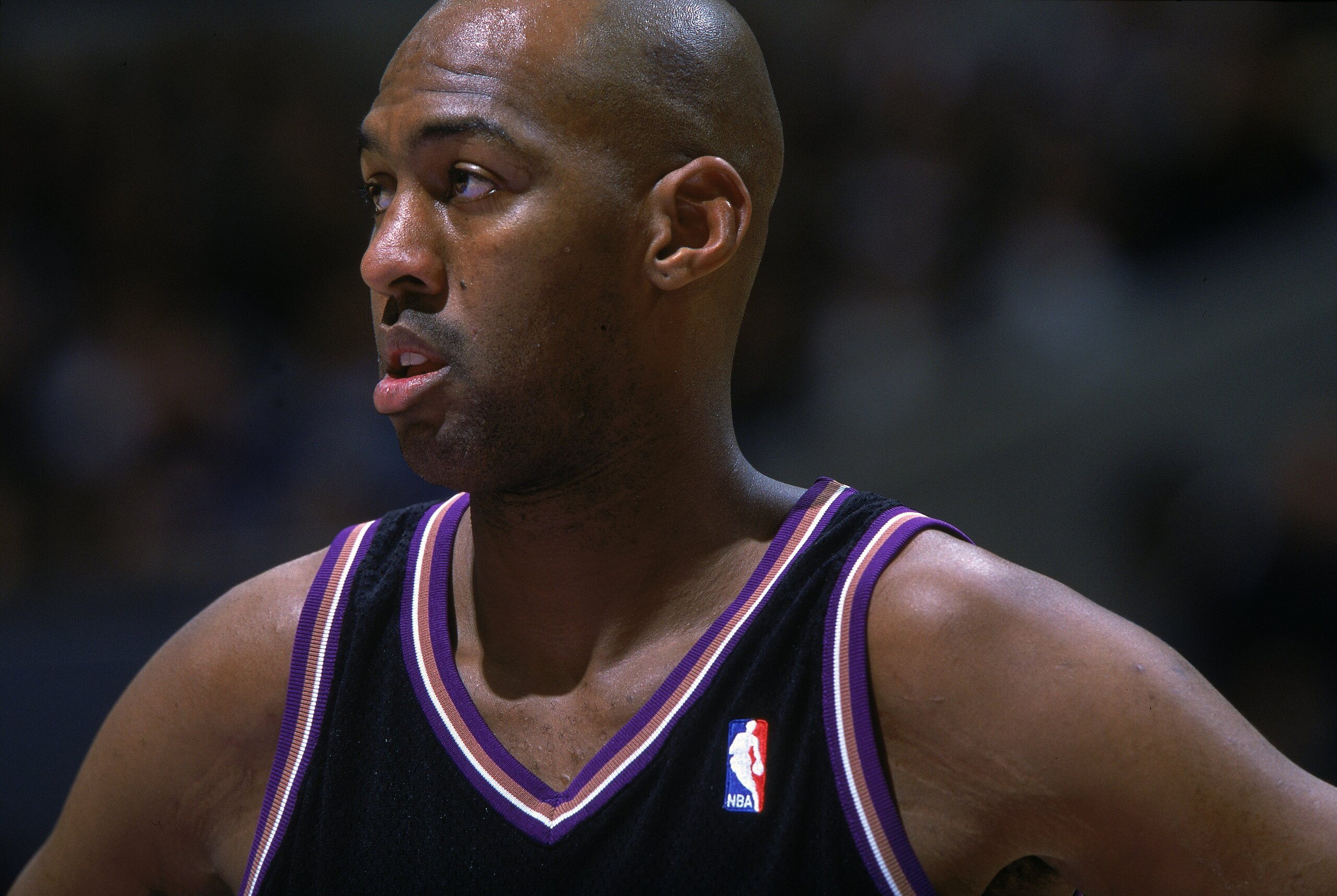
Teams: L.A. Clippers, Atlanta Hawks, Phoenix Suns, Milwaukee Bucks, Utah Jazz, Dallas Mavericks, Detroit Pistons
Years Played: 1988-2003
His knees buckled before he could get down on one of them to pray for health and NBA longevity. He ranks as one of three players–Amar'e Stoudemire and Kenyon Martin are the others–who played again after reconstructive surgeries on both knees.
A torn ACL sabotaged his rookie season and forced him to miss 56 games. Manning managed to stick with Clippers through the 1993-1994 campaign (when he was traded to Atlanta) but played in 82 games just once in that span.
The former No. 1 pick went from competing in 70-plus games in four of his five L.A. seasons to 46, 33, 77, 70 and 50 in Phoenix. His topsy-turvy desert tenure would make a seesaw at the local playground look like a recliner chair.
He changed teams in his final four years more than Diddy does his stage name.
"And when I saw the enemy, I let it ride
Tell me, is this the end or chapter three
They comin' after me."
Well, injuries kept coming after Manning and the end came in 2003.
Bill Walton
7 of 10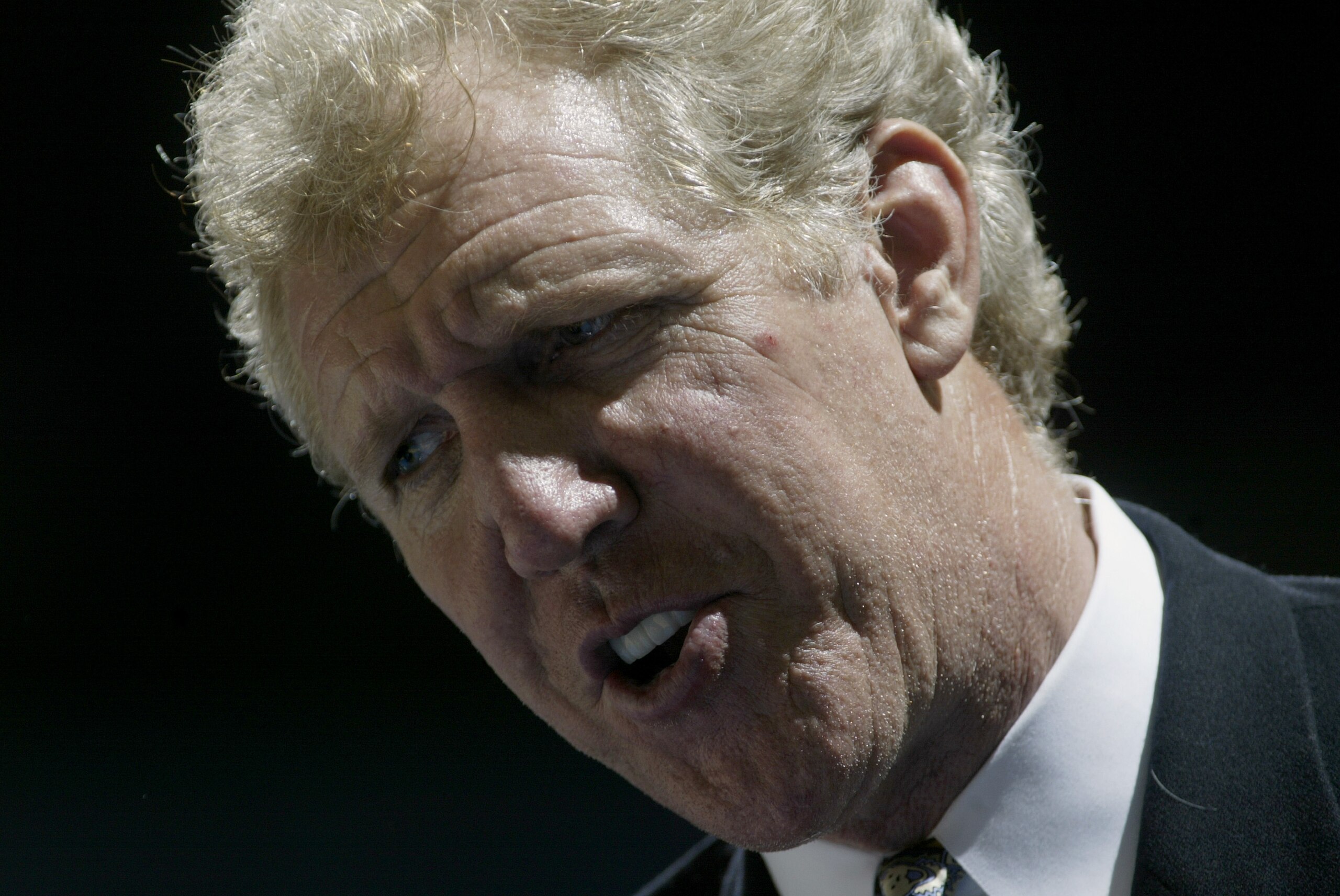
Teams: Portland Trail Blazers, L.A./San Diego Clippers, Boston Celtics
Years Played: 1974-1987
I am confident Walton is the lone guy on this list who will sniff Springfield. He was inducted into the Naismith Memorial Hall of Fame in 1993 and snagged an MVP, Finals MVP and two championships during his 13-year career.
He might have accomplished much more with a sturdier frame.
His injury list reads longer than the history of western civilization. In his first two years as a pro, he managed to break his nose, foot, leg and wrist. His back complains to this day it was excluded from that catalog of afflictions.
Walton still owns the dubious record for most games missed by an NBA player. That does not include the season he skipped in protest, decrying what he called Portland's "unethical" treatment of its injured employees. He would become sports' ultimate ailment expert.
His left and right ankle woes grew so troublesome that doctors had to surgically fuse both. A soap opera of botched rehabilitation attempts and an addiction to painkillers followed.
He did play in 80 games and helped the Boston Celtics secure another banner as a key reserve in 1986. As for the rest of his injury-riddled professional career, dial a violation.
Afernee "Penny" Hardaway
8 of 10
Teams: Orlando Magic, Phoenix Suns, New York Knicks, Miami Heat
Years Played: 1993-2007
Remember how Hardaway was supposed to team with Shaquille O'Neal and rule the NBA landscape for a decade? Two years after the Magic's first ever Finals appearance, O'Neal defected to Hollywood to join the Lakers, and Hardaway was left alone in the Magic Kingdom.
The league's dynasty in the making never came to fruition, in large part because Hardaway endured one devastating knee setback after another. A surgery forced him to miss most of the 1997-1998 season. He returned to action that year and played in the All-Star game but quickly re-aggravated his costly affliction.
Hardaway went under the knife five times, and each subsequent operation further destroyed his trademark explosiveness. His melancholic end came when the Heat waived him Dec. 12, 2007 to free up room to sign Luke Jackson.
It also fits that he was traded on draft night for and lost the 1993-1994 Rookie of the Year race to Chris Webber, another injured list mainstay. It gets better, or worse, depending on your perspective. In the summer of 1999, the Phoenix Suns traded Pat Garrity, two future first-rounders, and--you guessed it--Danny Manning, to land Hardaway.
Tracy McGrady
9 of 10
Teams: Toronto Raptors, Orlando Magic, Houston Rockets, New York Knicks, ?
Years Played: 1997-present
Air Jordan, at 31, was in the midst of a legendary championship run that cemented him, in the eyes of many, as the greatest player in NBA history. McGrady, at 31, cannot even convince a team to sign him for the veteran's minimum.
How did one of the five greatest talents to ever grace the hardwood fall so hard so fast?
The famed second-round virgin owes much of his misery and misfortune to a series of foot injuries that hampered his effectiveness. He should blame the rest on his own questionable work ethic, which has rarely included a proper off season workout regimen.
Please note that talent and potential do not equate to production. Does his output merit mention alongside Bill Russell, Jordan, Magic Johnson, Wilt Chamberlain, and others? Of course not. Did the 6'8" guard-forward's prodigiousness throughout his high school and early pro years suggest he should have ended his career in that conversation? I say so.
He probably entered the NBA with as much raw talent as Magic or Michael, if not more. However, he lacked the drive, fortitude and adaptability that defined those all-time greats.
McGrady, now known in the markets he deserted or was traded from as "She-Mac" or "Knee Mac," also could not get his legs or his back to cooperate with his imagination. He spent large chucks of his prime seasons in Orlando and Houston on the bench in street clothes.
He underwent microfracture surgery on his left knee in spring 2009 and has not regained his previous form. He showed flashes in New York of his grand unpredictability but could not sustain those efforts enough to earn consistent minutes.
History will also remember McGrady's athletic mouth, which jumped, often to dizzying heights, to conclusions and his own defense more than his game.
McGrady's career has been a certifiable, sordid mess.
Sam Bowie
10 of 10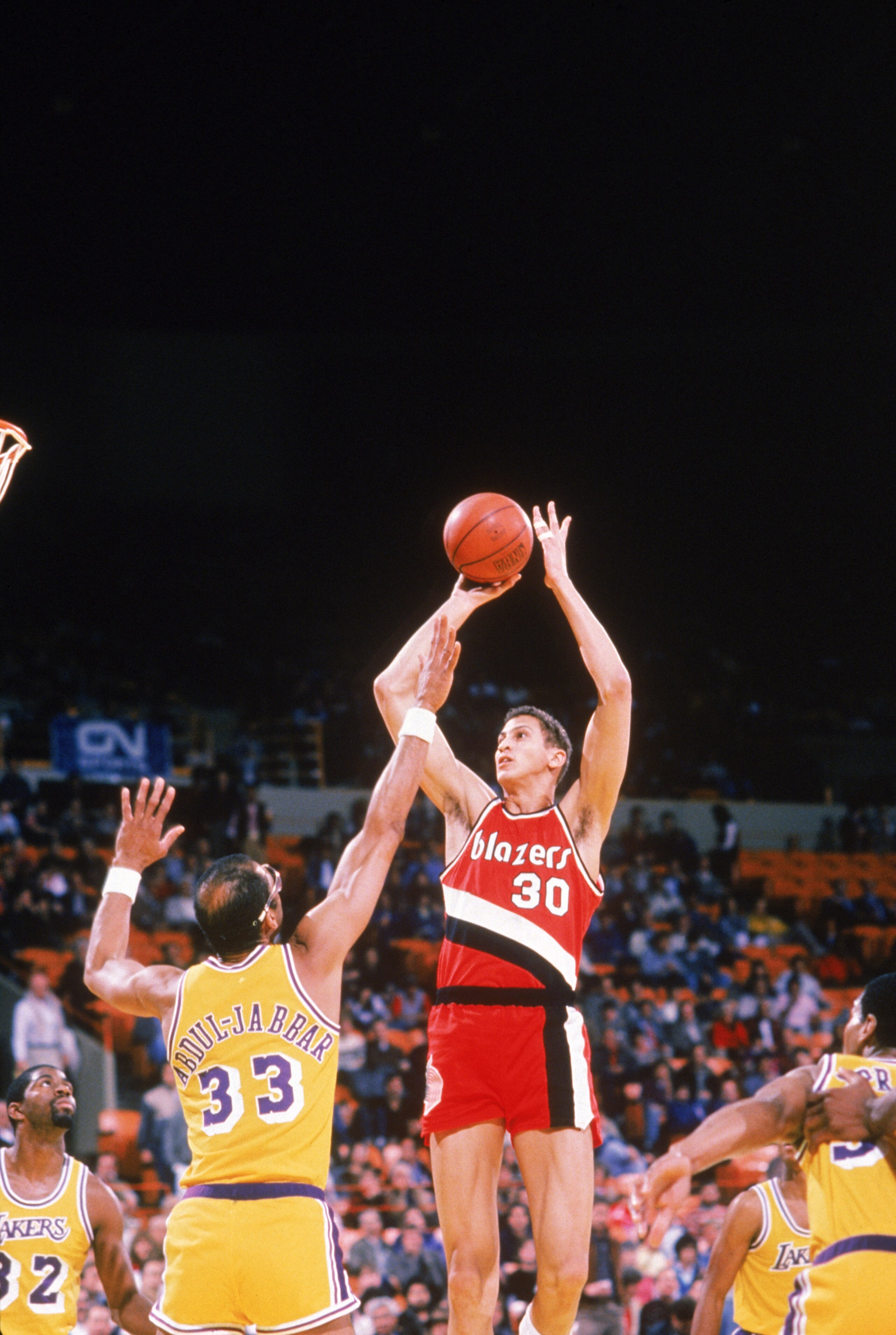
Teams: Portland Trail Blazers, New Jersey Nets, Los Angeles Lakers
Years Played: 1984-1995
A shinbone stress fracture should have provided the first clue and a sufficient red flag. Bowie missed two college basketball seasons with the injury before his second team All-American senior season at Kentucky in which he averaged 10.5 points and nine rebounds.
His pro career was just as Kentucky fried. He played 76 games in his All-Rookie campaign, one of his “durable” years, and averaged a respectable 10 points and 8.6 rebounds per game. His NBA tenure after that debut season was a painful bummer. Various dings and debilitating injuries limited him to 63 games over the next three seasons. In five seasons as a Blazer, he suited up in 163 of a possible 410 regular season games.
While most see Portland’s selection of a Bowie as a comical, colossal misjudgment, given the player picked after him, hindsight cannot change history.
Should I tell Doc Brown to fire up the DeLorean, so we can revisit 1984 and convince the Blazers to pick Michael Jordan instead?
Bowie ended most of his interviews as a player with an apology. Those who watched him should feel sorriest. When healthy, he displayed a deft, silky touch for a man his size, rebounded at an above average rate for his position and threw timely and accurate passes.
Maybe the horses he now owns and races will enjoy better luck.


.jpg?w=2560 "Report: Darnold Could Miss 3-6 Weeks")
.jpg?w=2560 "Grading WWE NXT 🔠")
.jpg?w=2560 "Week 2 Start 'Em, Sit 'Em Decisions")
