SoP Final Fantasy Origin Review: Gameplay Impressions, Videos and Speedrun Tips
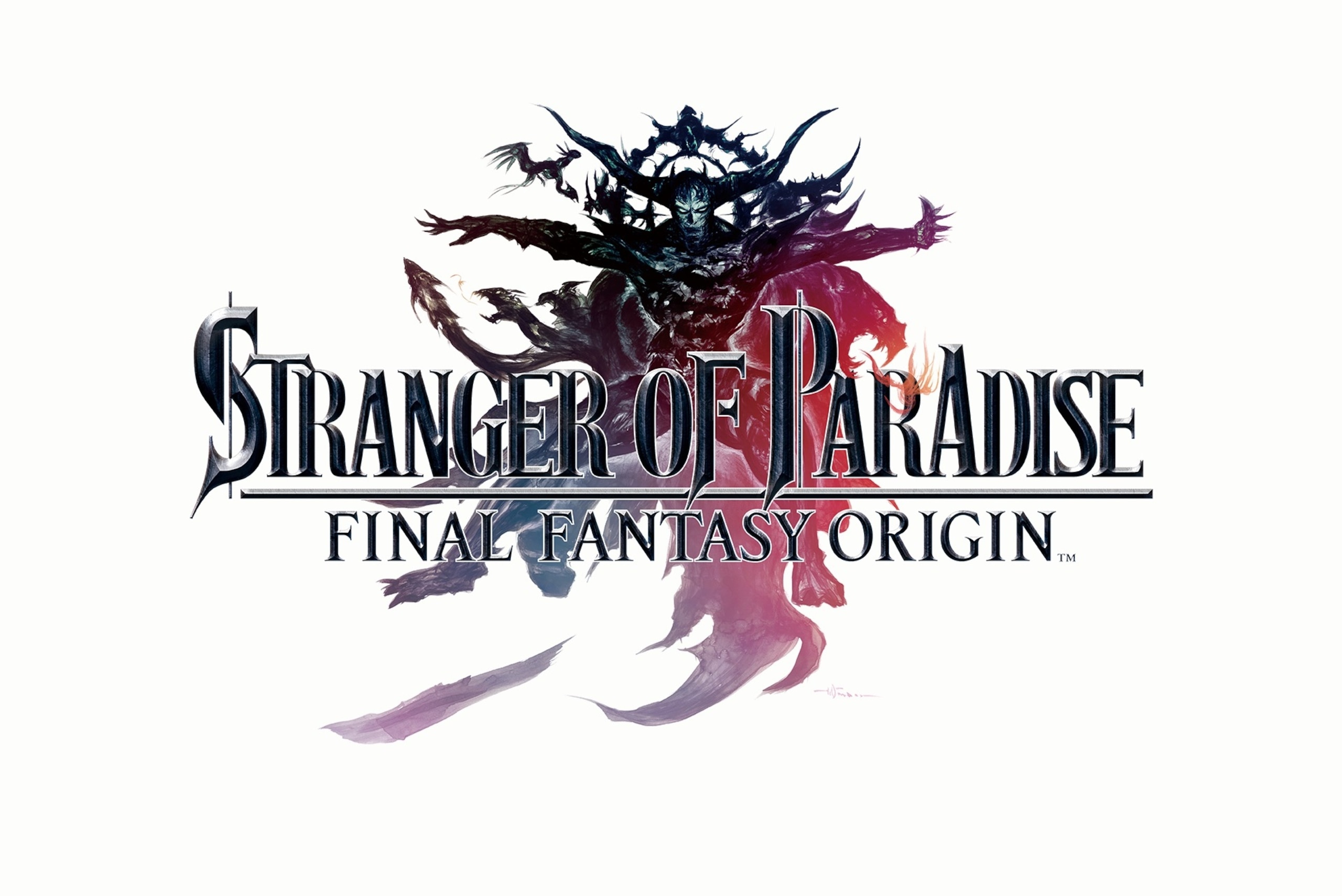
Stranger of Paradise: Final Fantasy Origin from developer Team Ninja is one of the more interesting releases on the 2022 video games calendar.
This Final Fantasy spinoff tosses aside the standard turn-based combat of the legendary series and instead embraces a Souls-like approach to gameplay. It also retells the 1987 original with some...changes, forgoing the usual exploration and mystery for in-your-face aggression and action.
The result is a game that will be drastically received differently by each player on an individual level. Combat is a blast, but the story will be polarizing and divisive, depending on one's tolerance for cheesiness and things like endless fist bumps and words like chaos.


A release window so near Elden Ring and toying with a tried-and-true series, SoP is nothing if not bold and hoping to stand out in a good way.
Graphics and Gameplay
Like its story, SoP tonally and visually is all over the place. Players will visit charming, bright wheat fields, then gloomy caves, fantastical castles and lush forests while battling everything from zombie dragons to pirates and sci-fi-feeling robots. And even in the lighter-feeling locales, it's a gory, bloody, pull-no-punches aggressor.
It's a fine-looking game, in the sense character models, textures and details are passable, but not wow-worthy enough to cross the fingers about a photo mode getting added at a later date.
To its credit, SoP does have very good voice acting and sound design, plus a musical score that is pretty strong in the usual Final Fantasy sense. Fittingly, though, there are some random real-life songs that make it in and add to the campy style at certain moments.
The game does little things well too, like actually equipping the characters with their current gearsets during cutscenes. Load times are generally quick, and while it isn't always a stunner visually, the game mixes up environments incredibly well.
Level design as a whole can be really linear, though that's not totally unexpected and doesn't have to be a fault if done well. Interestingly, there's no penalty for just running through enemies to a boss and, oddly, no map.
From a combat perspective, saying SoP is a Souls-like undersells it a bit. There's no stamina bar here, so players are free to wail away with attacks and use unlimited dodges to get around battles. They also get to lean hard on five HP potions that aren't too difficult to refill.
It is, in short, a fun, borderline addicting gameplay loop. Jack, the main character, can be a cliche "jack of all trades" via his ability to get in close with melee attacks or strike from range with magic.
Jack and other characters have certain abilities based on their currently equipped job, plus the standard blocking and dodging systems.
Two systems serve as interesting counter opportunities and/or MP-boosters. The Soul Shield is akin to a perfect counter in fighting games that, timed properly, restores the player's MP. The Soul Burst grabs enemies for a finisher and gives MP back.
There are a staggering amount of jobs in the game. An early favorite is the Warrior, which uses a special shout ability to start regenerating HP. The diversity of the jobs system means team composition is incredibly important, and with the right tweaking for all the characters in a party, players can assemble a juggernaut of a force to tear through enemies and levels.
While combat with a strong variety of enemies is fun and A.I. teammates actually offer big help in most scenarios, it's the boss fights that are downright amazing. Some are multi-phase battles but most guarantee towering big bads to overcome that can provide a challenge.
Speaking of challenge, the game varies a bit in this area in ways that can be hard to predict. But some of that hinges on whether a player's using a well-equipped job or trying to level a new one. A smart, generous checkpoint system makes it easy to get right back in the fray after a setback, and unlike Souls games, players don't lose anything upon death.
Getting back into the game fast is a big plus—it's that much fun to get in a fight and experiment with different jobs and team comps.
Story and More
SoP confuses, sometimes in a good way, right from the opener. A big bad slaughters soldiers before a main character takes a stroll through a field and a random, seconds-long meetup a little later produces a fist bump before friends go off and attempt to destroy Chaos, which may or may not exist.
Got all that? The main protagonist is Jack Garland, who is about as one-note as it gets in an in-your-face, macho-man style. This spinoff is a retelling of sorts with major liberties taken, and the narrative works hard to drum up a mystery and also showcase a morally gray hero figure in interesting ways.
Jack and Co. set out to purge crystals of darkness, and everything spirals from there. Even amid the confusion and moments that yank a player in every which direction, there are fun, important character moments that at least start to help the narrative gain some momentum.
While the story eventually squeaks out some interesting revelations and "ah hah OK" moments, none of the characters will sit for long in the memory alongside the greats of the franchise like Cloud. Which is fine, because the major emphasis on sheer chaos and action combat suggests the story wasn't going for that, anyway.
And that doesn't mean players won't enjoy working toward the conclusions or leveling up along the way.
Progression actually feels really meaningful, though it does do the somewhat-exhausting white, green, blue, etc., loot-tier system. An auto-equip, at least, removes some of the hassle. Pairing certain armors with jobs provides stat bumps that are actually meaningful, too.
There are multiple ways to fuel that feeling of progression, though. Leveling the aforementioned jobs is one, though forgoing leveling the currently equipped one in order to level toward another job unlock is a constant debate worth having.
Besides the main path, sidequests offer a chance to tackle quests from a remixed perspective. If there's a major critique about the overall experience, it's that much of it unfolds in the menus. Now, those menus are well crafted and easy to understand and use. But constantly popping them open to do gear equips, leveling, jobs and even queuing up the next story cutscene is a little overdone.
Menu slogs aside, there is some notable replayability thanks to the huge number of jobs. That it offers three-player co-op is another strong mark in this area.
On the first playthrough, SoP offers three levels of difficulty (story, action and hard), and it's easy to flick through those on the fly when necessary. The story-oriented one is a relaxing time, though even the middle difficulty might start feeling too simple in some spots as players get more accustomed to the game's systems.
Speedrunning Tips
SoP shouldn't have any problems cobbling together a strong speedrunning community.
A recent release like the Final Fantasy 7 Remake had a strong community out of the gates and runners quickly took a game that can take 20-plus hours and put together runs in the six-hour range.
What makes SoP just as interesting as other games in the series in this area, if not moreso, are the more impressive, gritty visuals and the big variance in styles of runs thanks to the huge number of playstyles.
Actual speedrunning tips at launch won't veer much from the expected for now. Skipping all cutscenes and dialogue will keep runs trim. But it's going to take a long, long time for runners to figure out optimal routing through each of the game's levels. The good news? Up and dashing or dodging through most non-boss enemies is possible. The bad? There's no map, so that routing process will take a big time sink.
Besides optimal routing and memorization, it's worth pointing out that all side quests can be skipped. And though it might classify as boring, for now, it's safe to pick a barebones offensive job while outfitting at least one of the A.I. friendlies as more of a support character.
Approach and tips will grow in complexity as the community chews up the game, but it's a runner-friendly offering with a lot of variables that should stick around for a long time.
Conclusion
Not everyone will love the tone and style of SoP, and indeed, the wacky dialogue and tropes can end up grating after a long play session.
But the combat itself and the eye-boggling wealth of different customizable builds and how it meshes within a full team of characters is just a straight-up great action RPG experience. It's just good fun to go dungeon crawling with a new build and feel a constant sense of progression, even if the protagonist won't be quiet about topics like chaos and using spit to heal his wounds.
So long as players don't go in expecting a traditional Final Fantasy experience, this sort of unique take on the series, provided it's a one-off, is a fun change of pace. But it's all about the combat and little else, so it's a good thing there's so much of it, the depth is alluring and the game gets better with multiple players.
.jpg?w=2560 "Cardinals Giants Football")


.jpg?w=2560 "Tyreek Deal May Come Soon")
.jpg?w=2560 "Mahomes' Wife Trolls Kubiak 💀")